Injection-Blow Molding Machine: Applications, Technology & Industry Guide for UK Manufacturers
A comprehensive technical reference for engineers, procurement managers, and production planners across the United Kingdom’s packaging and manufacturing sectors.
 The injection-blow molding machine has quietly become one of the most strategically important pieces of equipment in modern plastic container manufacturing. Unlike conventional blow molding processes, injection-blow molding combines two operations into a single, continuous cycle — injection of a precise preform and subsequent blow molding into a finished container — with no secondary trimming waste and a dramatically tighter dimensional tolerance than extrusion-based alternatives. For UK manufacturers navigating tightening sustainability regulations, demanding retail specifications, and relentless unit-cost pressure, the injection-blow molding machine offers a technically compelling path forward.
At a time when packaging converters in Birmingham, Sheffield, Swindon, and the wider Midlands manufacturing corridor are re-evaluating their equipment estates, understanding the full operational envelope of this technology has never carried greater commercial weight. The process is particularly suited to producing small-to-medium precision containers in the 5 ml to 1,000 ml range — a product class that spans personal care, pharmaceuticals, aromatherapy, household chemicals, and food-grade applications. The ability to run medical-grade PP, PETG, HDPE, and PET on the same platform with tooling changes rather than machine replacements makes the injection-blow molding machine an unusually flexible capital asset.
This article provides a structured, technically grounded overview of the injection-blow molding machine — covering working principles, material compatibility, performance parameters, industrial application scenarios, and Ever Power’s customisation capabilities. Whether you are specifying a new line, benchmarking a SUMA 85iB or Jomar replacement, or researching a greenfield investment, the information below is written by practitioners for practitioners.
How an Injection-Blow Molding Machine Actually Works
Molten polymer is injected around a precision steel core rod inside a closed injection mould. The resulting preform retains the core rod and is dimensionally exact — wall thickness, neck thread, and base geometry are all set at this stage. This is the critical differentiator from extrusion blow moulding: the neck finish and thread form require no post-trimming because they are formed by injection rather than pinched by dies.
The preform, still seated on its core rod and at a controlled temperature, is indexed to the blow station via a rotary indexing table. Thermal conditioning at this intermediate stage is one reason IBM delivers superior clarity in PETG and PET containers compared with reheat-stretch-blow alternatives for small container volumes: there is no re-heating cycle, meaning the resin retains a more homogeneous thermal profile entering the blow mould.
Pressurised air — typically 6 to 10 bar depending on material and wall thickness — is introduced through the core rod, expanding the preform against the chilled blow mould cavity. The result is a finished container with controlled sidewall thickness, near-zero parting lines, and optical clarity that meets pharmaceutical-grade requirements in many configurations. Cycle time from injection to finished, ejected container runs from 8 to 22 seconds depending on part complexity and polymer type.
Finished containers are stripped from the core rod at the ejection station and conveyed to downstream inspection, filling, or packing. Because the IBM process produces no flash or trim waste — a characteristic of particular relevance under the UK Plastic Packaging Tax framework — the output stream is clean and immediately usable. Integrated vision systems on modern injection-blow molding machines can perform dimensional checks at the machine station before ejection.
Core Materials Processed by Injection-Blow Molding Machines
The injection-blow molding machine is distinguished by its breadth of resin compatibility. Where conventional blow moulding often struggles with crystalline polymers or high-viscosity medical grades, the IBM process handles a wide polymer family with consistent quality outcomes across high-volume production runs.
Where Injection-Blow Molding Machines Deliver Competitive Advantage
The injection-blow molding machine serves a wide and growing range of sectors. Below are the key industrial application scenarios where the technology’s combination of dimensional accuracy, material flexibility, and zero-waste output creates measurable value on the production floor.
Essential Oils & Aromatherapy
Essential Oils & Aromatherapy — Dropper Bottles, Roll-On Containers & Diffuser Vessels
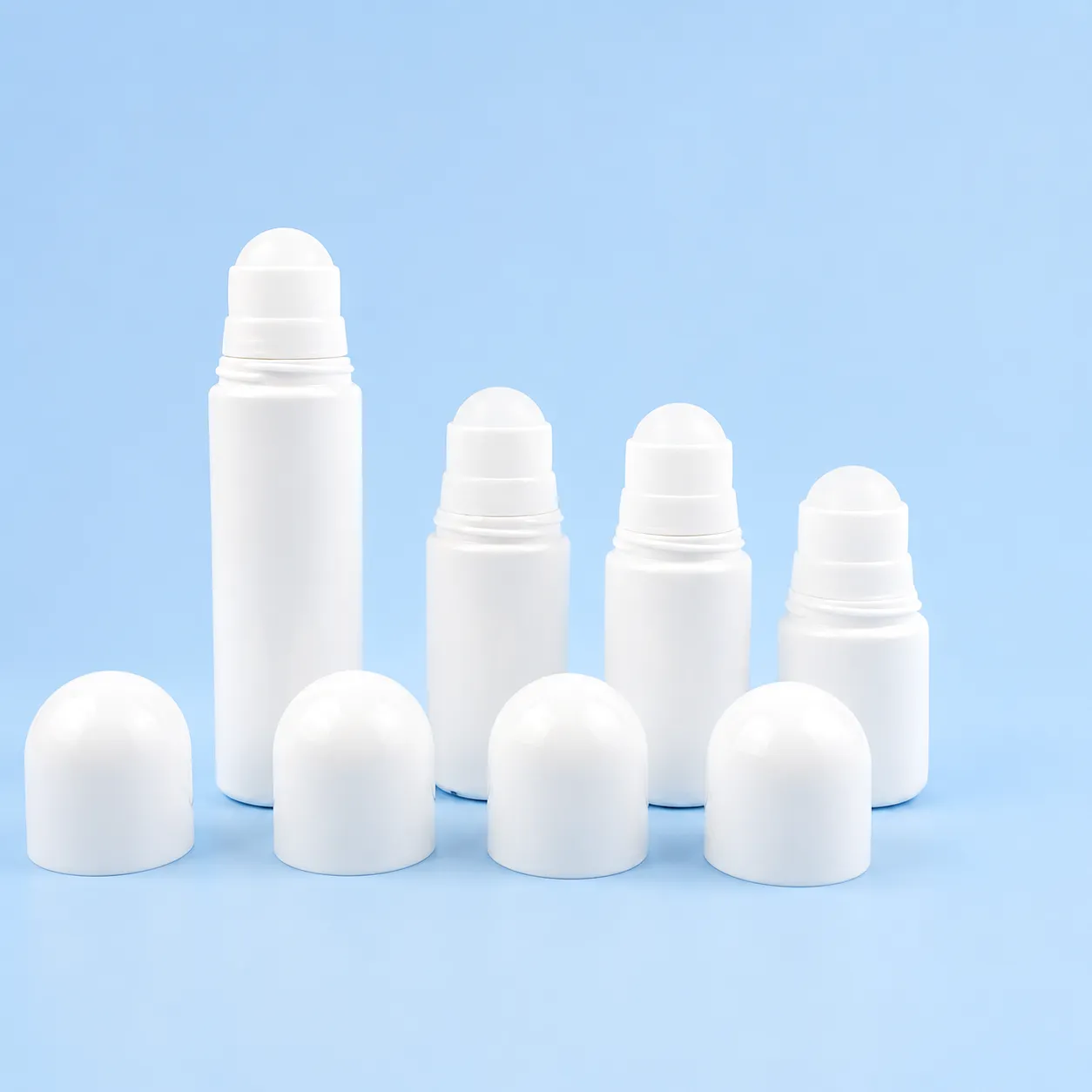
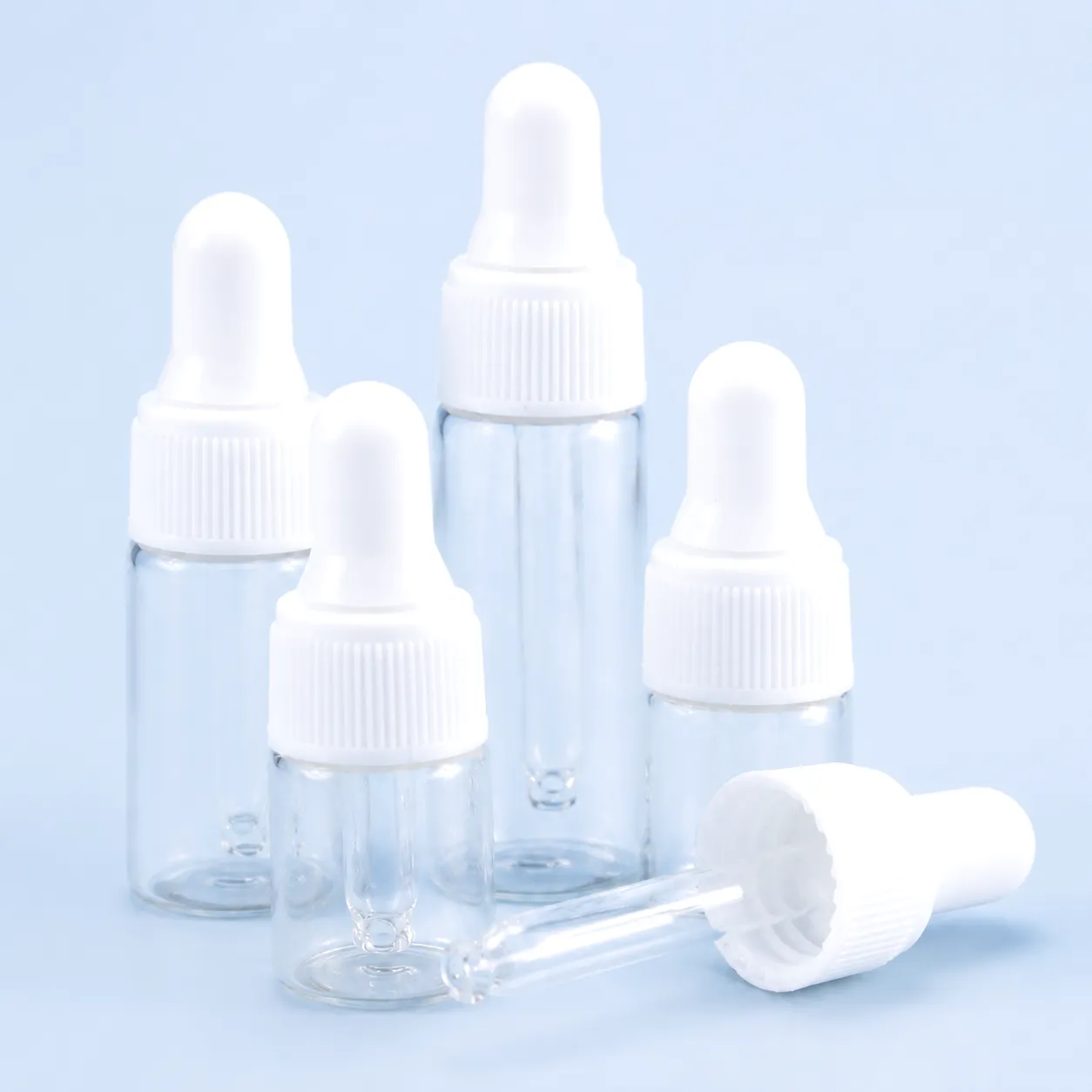
 The aromatherapy and essential oil sector represents one of the fastest-growing markets for precision injection-blow molded containers in the United Kingdom. Driven by expanding wellness retail — Bristol, Bath, and East London serve as notable hubs — and by the explosive growth of direct-to-consumer subscription boxes and e-commerce fragrance brands, demand for small-format, high-clarity polymer containers in the 5 ml to 100 ml range has grown sharply since 2022. Traditional borosilicate glass dropper bottles, long the industry standard, carry well-documented liability in postal and courier environments: a broken bottle not only destroys product worth many multiples of the container itself, it can contaminate entire shipments.
PETG containers manufactured on injection-blow molding machines address this problem directly. PETG offers refractive-index visual depth nearly indistinguishable from glass under retail lighting, while providing drop resistance sufficient to survive 1.5-metre impacts onto concrete — tested to BS EN ISO 15223 packaging standards. For amber-tinted essential oil containers, pharmaceutical-grade amber PETG or PP with UV-stabilised masterbatch provides the light-exclusion performance required for terpene-rich blends. Roll-on bottle (roll-on applicator) necks with consistent 18/410 or 20/410 thread forms — achievable only with IBM’s injection-formed neck geometry — ensure leak-free applicator fitment at commercial filling speeds exceeding 120 units per minute.
Diffuser liquid vessels present a specific technical challenge: the container must withstand prolonged contact with undiluted dipropylene glycol, fractionated coconut oil, and synthetic aromatic compounds. PP homopolymer and HDPE grades processed through injection-blow molding machines provide adequate chemical resistance for these contents, and the IBM process’s ability to hold consistent wall thickness eliminates the diffuser industry’s most common filling defect — pooling at the base caused by thin-wall variance in cheaper extrusion-blown alternatives. For aromatherapy brands operating out of manufacturing hubs in the West Yorkshire, Somerset, and Scottish Highlands markets, Ever Power’s injection-blow molding machines have delivered tooling solutions that move production from glass to polymer without requiring a reformulation of the fragrance blend.
Pharmaceutical & Medical-Grade Packaging
Pharmaceutical & Medical-Grade Container Production — NHS Supply Chain & MHRA-Compliant Packaging
 In the United Kingdom, pharmaceutical container manufacturing is governed by guidance from the Medicines and Healthcare Products Regulatory Agency (MHRA) and by UK pharmacopoeial requirements for plastic packaging materials (Ph. Eur. standards as adopted post-Brexit). The injection-blow molding machine is one of very few polymer processing platforms capable of meeting these requirements consistently at commercial scale for small-format oral liquid, eye drop, nasal spray, and topical application containers. NHS supply chain tender specifications routinely include dimensional tolerances of plus or minus 0.1 mm on neck outside diameter — a demand that eliminates extrusion-blown and stretch-blow alternatives from contention for many contract.
Pharmaceutical-grade PP random copolymer processed in IBM machines running under validated conditions produces containers that meet extractables and leachables testing requirements under ICH Q3B. The injection moulding stage of the IBM process ensures that the inner surface of each preform is formed against a highly polished, mirror-finish core rod — meaning the container’s internal surface has a lower roughness value than comparable extrusion-blown parts, which reduces the surface area available for adsorption of low-concentration active ingredients. For contract packaging organisations operating GMP-certified clean rooms in Nottinghamshire, Cheshire, and the Greater Manchester pharmaceutical cluster, this characteristic is a direct production quality advantage.
Child-resistant closure fitment is another area where IBM’s precision neck geometry provides measurable value. Push-and-turn child-resistant caps operating on 28/400 or 38/400 thread forms require the thread major and minor diameters to be within tighter tolerances than MHRA minimum specifications to achieve consistent closure engagement torque during automated capping at speeds above 200 units per minute. IBM-produced necks routinely achieve thread-form Cpk values above 1.67 in production runs — a quality-assurance metric that many NHS framework pharmaceutical packaging tenders now require contractors to demonstrate.
Personal Care & Cosmetics
Personal Care & Cosmetics — Serum Bottles, Foundation Phials & Luxury Skincare Containers
The UK beauty and personal care industry — supported by a substantial retailer ecosystem anchored by brands headquartered in London, Manchester, and Edinburgh — demands packaging that performs both functionally and aesthetically. For serum bottles in the 15 ml to 50 ml range, the injection-blow molding machine enables container geometry that would be physically impossible with any other polymer process: undercut profiles, asymmetric tapers, and shoulder radii with zero draft angle on the outer surface. These design freedoms, possible because the container is inflated against a male core rod rather than drawn over a parison by dies, allow brand designers to specify truly distinctive bottle silhouettes as standard production parts rather than as glass-only exclusives.
APPLICATION 04
Food & Beverage — Condiment Bottles, Syrup Phials & Functional Drink Containers
 Food-contact approval under UK Food Standards Agency regulations and retained EU Regulation (EC) 10/2011 requires that plastic packaging materials demonstrate overall migration limits below 10 mg/dm2 and specific migration limits for individual chemical substances. PP and HDPE processed through injection-blow molding machines — using raw material certified to FDA 21 CFR 177.1520 and EU Regulation 10/2011 Annex I — meet these requirements in standard commercial formulations without additive adjustment, making the IBM platform a straightforward compliance pathway for food-contact container production in the UK.
The condiment sector — premium hot sauces, artisan ketchups, salad dressings, and speciality vinegars produced in food enterprise zones across Yorkshire, East Anglia, and the West Country — has historically relied on glass bottles for perceived premium positioning. Injection-blow molded PET containers offer an alternative that preserves optical clarity and enables a glass-like heft in the hand through controlled base and sidewall geometry. For craft condiment brands facing rising glass import costs (a significant logistics consideration for UK producers since 2021), the switch to IBM-produced PET containers has delivered per-unit container cost reductions in the 22% to 35% range in multiple documented supply chain transitions.
Nutraceutical liquid syrup containers represent a rapidly growing sub-category. The UK nutraceutical market, valued at over £4.1 billion in 2024 and growing at approximately 7% annually, requires containers in the 100 ml to 500 ml range that combine food-contact approval with tamper-evident fitment capability and child-resistance where the product is borderline medicinal. PP IBM containers with injection-moulded neck threads meet all three requirements without secondary assembly operations, providing manufacturers in the Coventry and Leicester nutraceutical cluster with a single-step container solution.
Household Chemicals & Cleaning Products — Spray Bottles, Trigger Containers & Refill Capsules
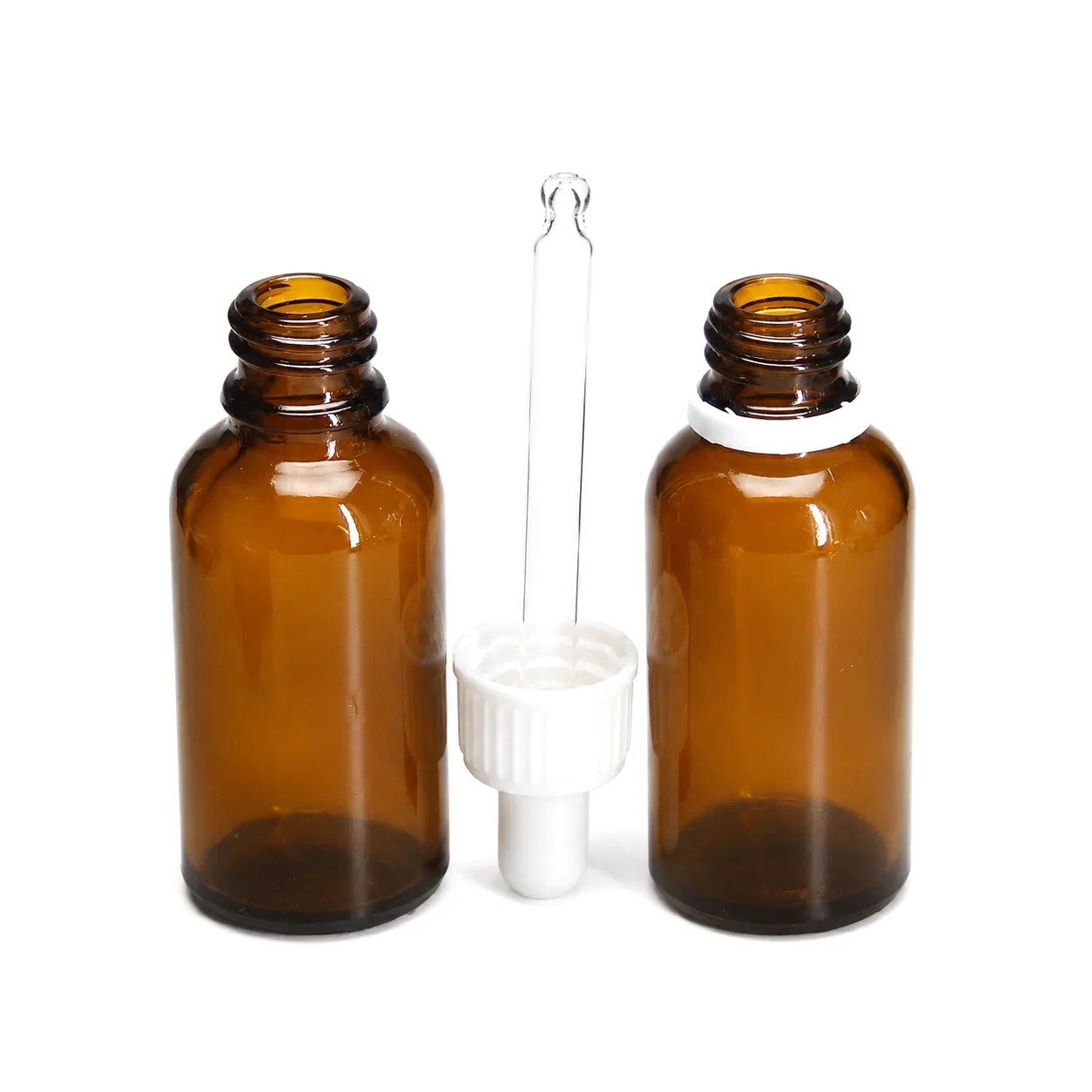 HDPE’s resistance to strong alkalis, acids, and oxidising agents makes it the material of choice for household cleaning product containers — and the injection-blow molding machine is the production platform that unlocks the dimensional consistency required for trigger-spray fitment at commercial filling line speeds. Trigger-spray assemblies operating at 185 to 250 shots per minute require the bottle neck OD to hold a tolerance of plus or minus 0.15 mm across an entire production run to prevent mis-thread stoppages at the capper. IBM-produced HDPE bottles routinely achieve Cpk values above 1.8 on neck diameter, eliminating the periodic capper jams that characterise lower-specification extrusion-blown containers.
The concentrated cleaning product and refill capsule market — strongly promoted by UK retailers including Asda, Sainsbury’s, and the Co-op as part of packaging reduction commitments — creates demand for small-format HDPE containers in the 30 ml to 150 ml range. These are exactly the formats where injection-blow molding machines deliver the most competitive economics: low material waste, high output rates from multi-cavity tooling (4-, 6-, and 8-cavity configurations are standard in Ever Power’s tooling range), and zero deflashing labour that would otherwise add cost to small batches.
Warehouse and distribution considerations also favour HDPE IBM containers for the household chemical sector. The high stacking strength of injection-blow molded containers — a result of the controlled wall thickness distribution that IBM achieves versus extrusion-blown equivalents — means that pallet patterns for Midlands distribution centres servicing major UK retail DCs can be optimised without under-stacking, reducing per-pallet freight cost by an estimated 8% to 12% on outbound UK distribution lanes.
Technical Performance Parameters — Injection-Blow Molding Machine Specification Table
The following table consolidates key specification data relevant to machine selection, tooling specification, and production planning for injection-blow molding machine procurement in the UK market.
| Parameter | ZQ60 Series (Small Format) | ZQ80 Series (Medium Format) | Notes |
|---|---|---|---|
| Container Volume Range | 5 ml – 300 ml | 30 ml – 1,000 ml | Tooling-dependent |
| Clamping Force | 600 kN | 800 kN | Servo-hydraulic drive |
| Injection Pressure (max) | 180 MPa | 200 MPa | Adjustable per resin grade |
| Screw Diameter | 45 mm | 55 mm | L/D ratio 22:1 |
| Blow Air Pressure | 6 – 8 bar | 6 – 10 bar | Clean dry air required |
| Cycle Time (typical) | 8 – 14 s | 12 – 22 s | Part and resin dependent |
| Neck Thread Tolerance (OD) | ± 0.08 mm | ± 0.10 mm | ASTM E2862 verified |
| Compatible Resins | PP, HDPE, PETG, PET | PP, HDPE, PETG, PET, PC | Screw/barrel grade options available |
| Cavity Configuration | 2, 4, or 6 cavities | 2, 4, 6, or 8 cavities | Custom tooling available |
| Energy Consumption | 11 – 18.5 kW | 18.5 – 30 kW | Servo-driven, energy-class optimised |
| Machine Footprint (L x W x H) | 3.2 m x 1.4 m x 1.9 m | 4.0 m x 1.6 m x 2.0 m | Compact footprint for cell integration |
Core Technical Advantages of the Injection-Blow Molding Machine
Understanding why the IBM process outperforms competing technologies in specific situations is essential for sound capital equipment decisions. The advantages below are consistently reported by UK production engineers across multiple sectors.
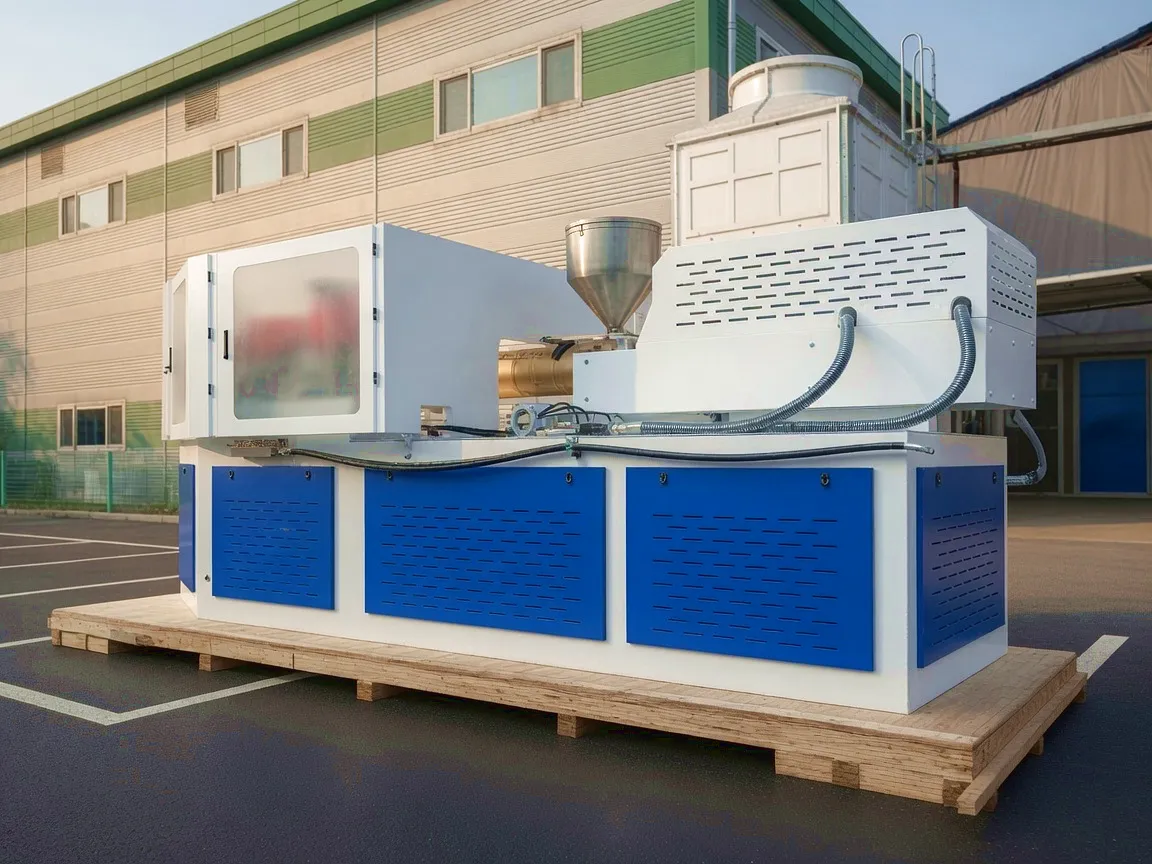
IBM produces containers with no pinch-off flash and no neck trim waste. For UK manufacturers paying Plastic Packaging Tax at GBP 217.85 per tonne on plastic packaging that does not contain at least 30% recycled content, eliminating waste at source reduces the taxable tonnage of raw material consumed per unit of output.
Neck threads and finish dimensions are set by injection moulding — the same technology used in precision engineering components. The resulting dimensional Cpk values routinely exceed 1.67, satisfying pharmaceutical packaging quality system requirements and enabling consistent automated capping performance on high-speed filling lines.
PP, HDPE, PETG, and PET can be run on the same injection-blow molding machine with screw and tooling changes. This flexibility avoids the capital cost of maintaining a separate machine estate for each polymer family — a significant advantage for contract packaging companies managing multiple customer product families with differing regulatory material requirements.
PETG and crystal PP containers produced via IBM achieve haze values below 3% (ASTM D1003) in standard production conditions. This level of clarity positions IBM-produced containers as a direct functional and aesthetic substitute for glass in cosmetic, nutraceutical, and premium food packaging — enabling brand-led decisions about material without compromising shelf presentation quality.
Injection-blow molding machines occupy a significantly smaller floor area than equivalent-output blow moulding lines with separate preform injection equipment. For UK manufacturers operating in older converted mill buildings — common in Sheffield, Bradford, and Blackburn industrial estates — this compact three-station rotary footprint enables production cells that would be physically impractical with alternative technologies.
Modern injection-blow molding machines employ servo-hydraulic or all-electric drive systems that consume energy proportional to actual load demand — unlike fixed-displacement hydraulic systems that dissipate energy continuously as heat. On UK industrial electricity tariffs, servo-driven IBM machines typically achieve 25% to 40% lower energy consumption per 1,000 parts produced compared with legacy hydraulic equivalents of comparable output.
Featured Injection-Blow Molding Machine Products
Ever Power’s ZQ series injection-blow molding machines are engineered as direct replacements for leading European OEM platforms, offering equivalent or superior performance at optimised acquisition cost for UK and European buyers.
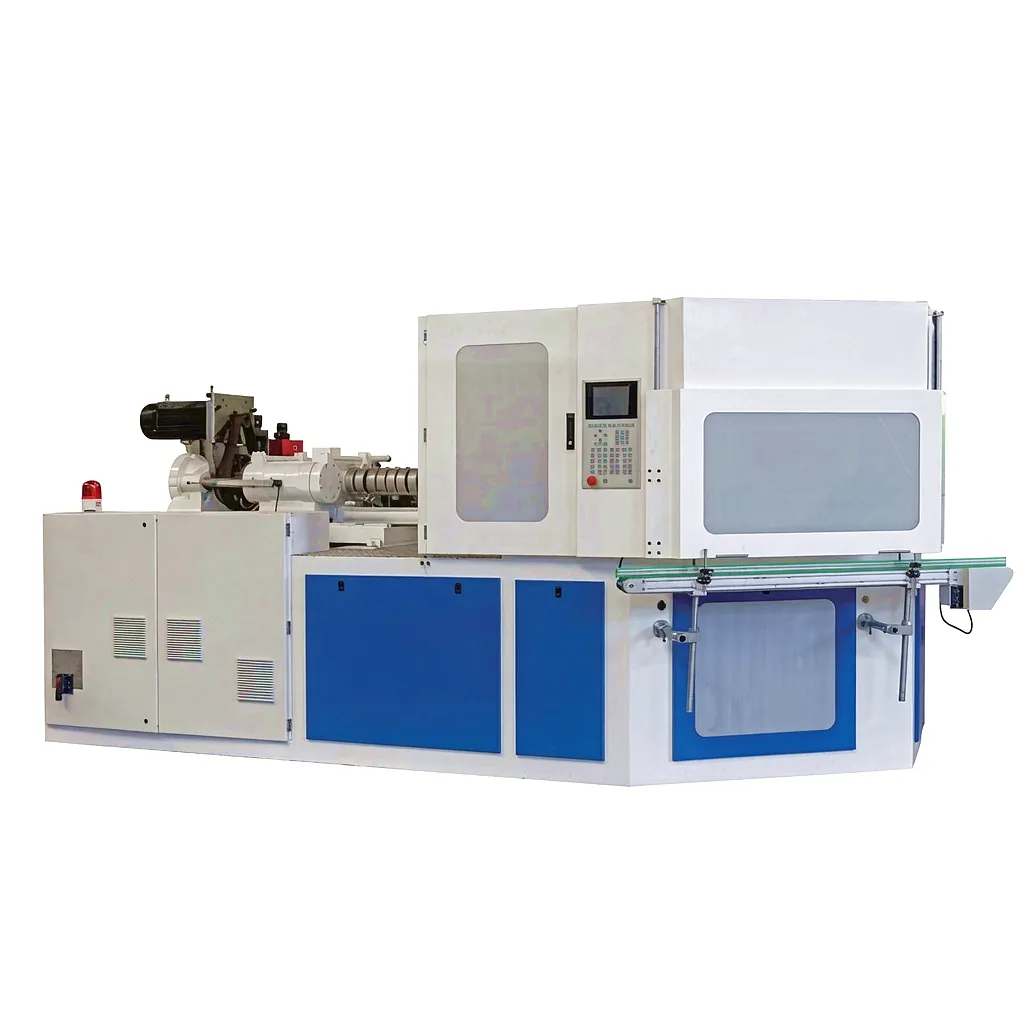
The ZQ80 is engineered as a direct functional equivalent to the SUMA 85iB, with an 800 kN clamping force, 8-cavity tooling compatibility, and servo-hydraulic drive delivering up to 35% energy savings over legacy hydraulic platforms. Handles PP, HDPE, PETG, PET, and PC grade resins. Compact three-station rotary design suitable for UK industrial estate cell layouts. Full technical documentation and UK voltage configuration available upon request.
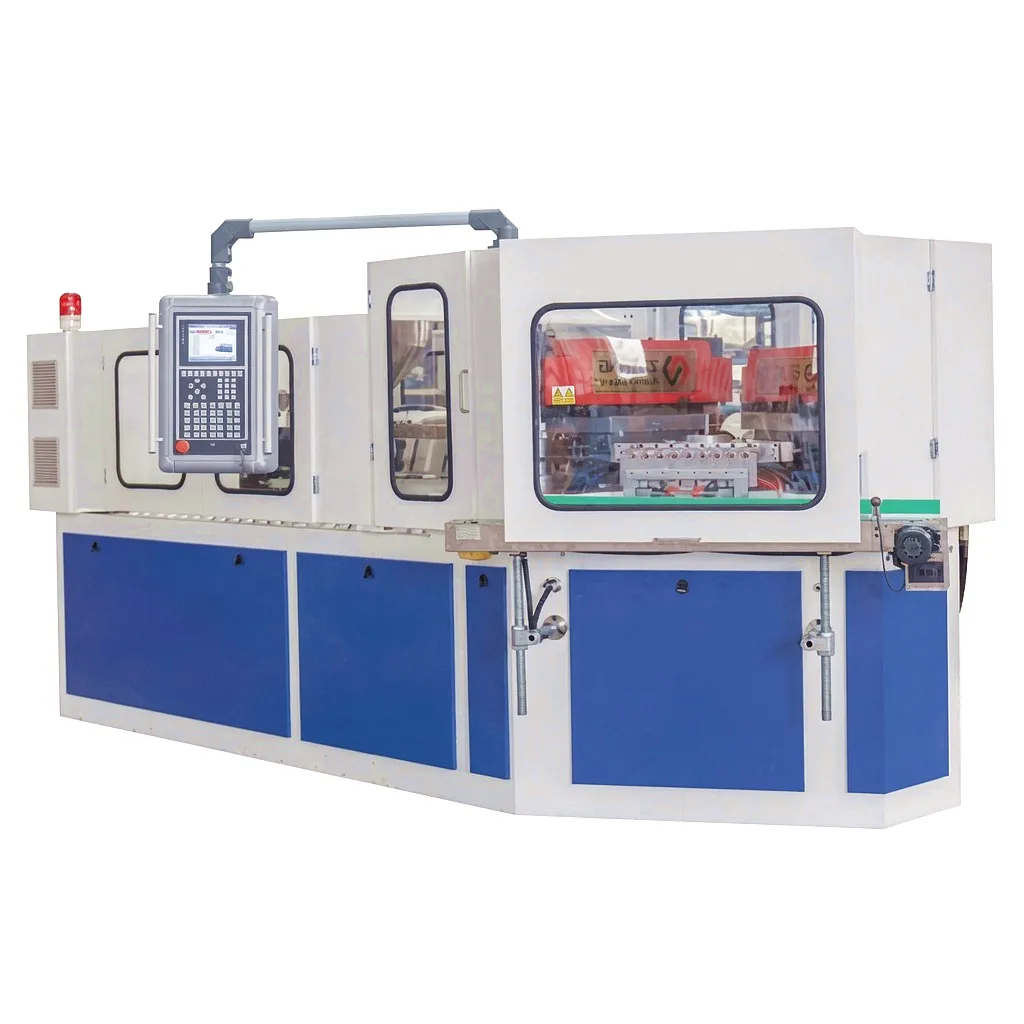
The ZQ60 targets small-to-medium container production in the 5 ml to 300 ml range, designed as a SUMA 65iB equivalent. With a 600 kN clamping force, 6-cavity tooling capacity, and a cycle time floor of 8 seconds, it is the preferred platform for aromatherapy, pharmaceutical, and cosmetic container producers operating high-SKU, short-run schedules. Quick-change tooling system reduces changeover time to under 45 minutes — critical for contract packaging operations in the East Midlands and London logistics corridors.
Ever Power — Manufacturing Capability & Customisation Services
Ever Power operates a purpose-built injection-blow molding machine manufacturing facility with end-to-end in-house precision machining, assembly, and quality assurance infrastructure. The factory’s capability extends well beyond standard catalogue products: custom machine configurations, application-specific tooling, and bespoke automation integration are core parts of the service offering rather than exceptional requests.
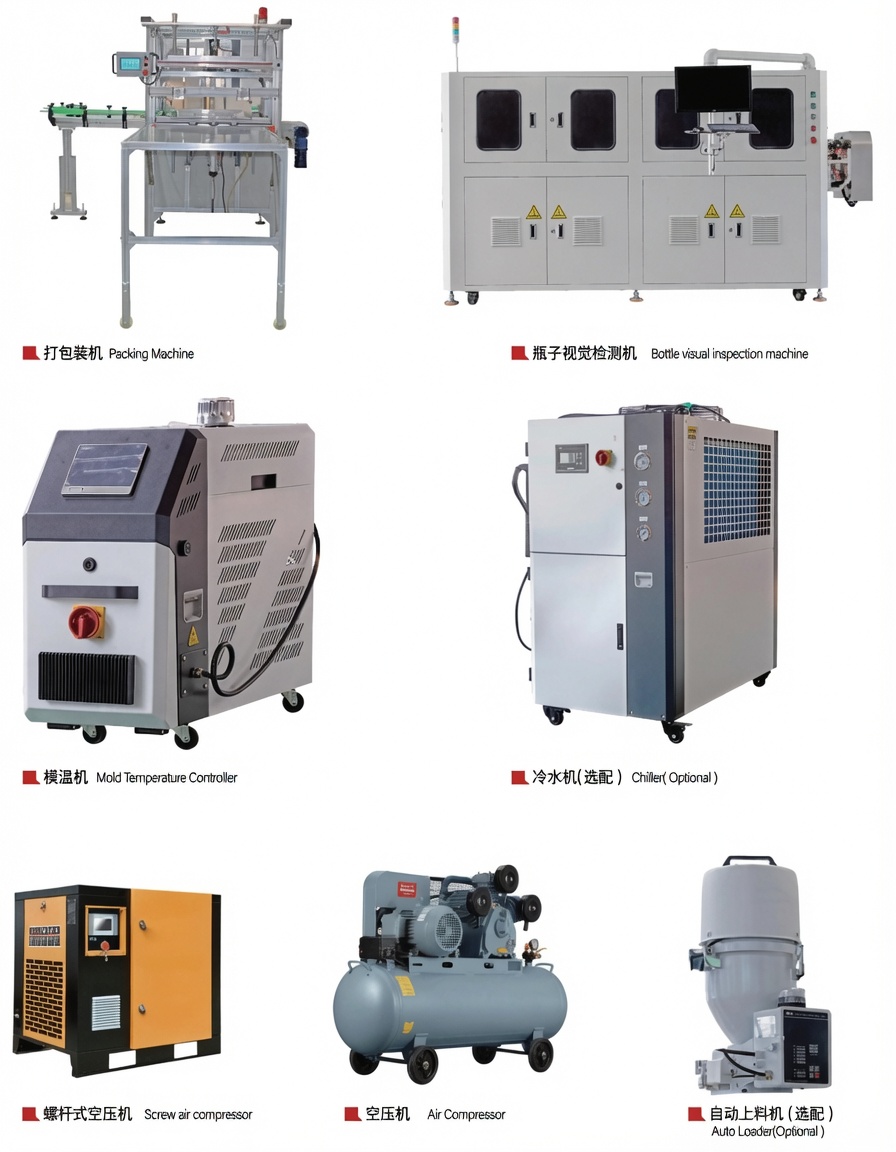
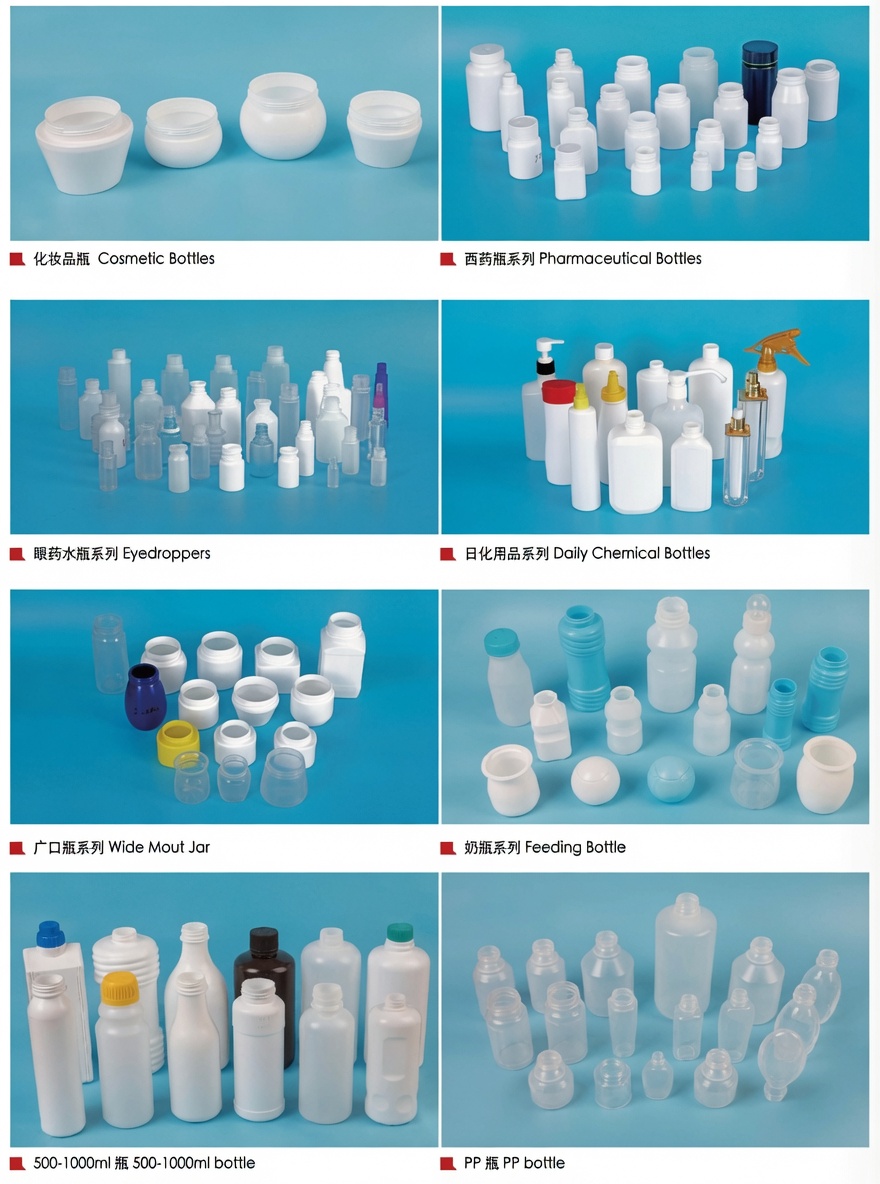
Ever Power engineers work from customer container drawings to specify the optimal clamping force, cavitation, and barrel configuration for each application. Non-standard neck finishes, unusual container profiles, and multi-material layer requirements are handled by a dedicated applications engineering team with over 15 years of IBM tooling experience.
Ever Power maintains a bonded spare parts inventory covering all critical wear components for the ZQ series — core rods, injection barrels, heating bands, servo valve assemblies, and blow mould inserts. UK customers benefit from DDP delivery via established freight partners operating from Felixstowe and Southampton with 5-to-8-day standard transit for standard parts.
For pharmaceutical and medical-device-adjacent customers, Ever Power provides IQ/OQ documentation packages in English, prepared to pharmaceutical industry convention and compatible with MHRA GMP audit requirements. Factory Acceptance Testing (FAT) at Ever Power’s facility prior to shipment is offered as standard for orders above a defined value threshold — contact the sales team for current terms.
All injection moulds, blow moulds, and core rod assemblies are manufactured in Ever Power’s own precision toolroom using 3D-modelled cavity forms. Tooling is validated through short-run trials before shipment, and dimensional reports are provided with each new tool. Multi-cavity hot runner injection mould systems are designed to sub-0.05 mm cavity-to-cavity balance across 4-to-8 cavity configurations.
Ever Power’s technical sales team is available to review your container specifications, recommend the appropriate ZQ series machine and cavitation, and provide a detailed quotation with UK-landed cost indication.
Customer Success Story: Aromatherapy Container Manufacturer, Bristol, UK
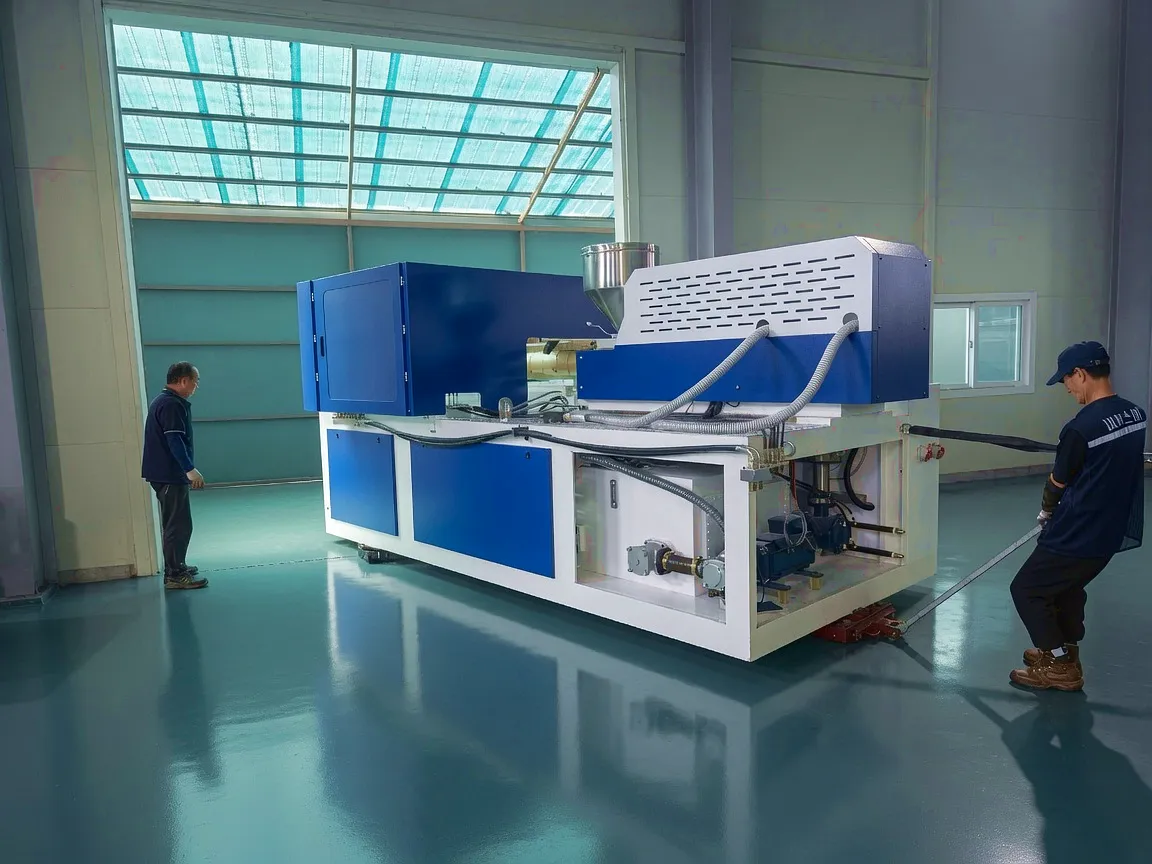
A Bristol-based contract packaging specialist producing dropper bottles, roll-on containers, and diffuser vessels for the UK aromatherapy market had been operating three ageing SUMA 65iB injection-blow molding machines inherited from its previous ownership. By 2023, two of the three units required replacement — escalating maintenance costs were averaging GBP 34,000 per machine per year, spare parts lead times from European suppliers had extended to 14 to 18 weeks post-Brexit, and the legacy machines could not accept the newer PETG compound grades that several key accounts had specified for their premium product lines.
After a formal equipment assessment process that included technical audits of three competing suppliers, the Bristol operation contacted Ever Power through its UK distributor channel and initiated an application review for ZQ60 series machines. Ever Power’s application engineering team conducted a remote design analysis of the customer’s existing 6-cavity 20 ml dropper bottle tooling, confirmed tooling compatibility with the ZQ60 platform with minor core rod pin diameter adjustment, and provided a full IQ/OQ documentation framework in English within three weeks of enquiry. Two ZQ60 machines were ordered in April 2024.
Installation was carried out by an Ever Power-trained engineer working alongside the Bristol plant’s own maintenance team over four working days per machine. The ZQ60 units achieved validated production approval on the customer’s primary dropper bottle line within 11 days of first power-on — significantly faster than the 25-day commissioning schedule the customer had budgeted for, and enabling a production restart in time for the customer’s peak Q3 seasonal order volume. The transition to PETG on the new machines added a 22% premium to the container’s retail positioning in the customer’s brand accounts without any change in filling line configuration, as the ZQ60-produced PETG containers matched the legacy glass weight specification within 4 grammes per 100-unit batch.
Twelve months after commissioning, the two ZQ60 machines had processed over 4.2 million units across 34 SKUs without a single unscheduled stoppage. Annual maintenance expenditure dropped to GBP 6,800 per machine — an 80% reduction on the legacy SUMA cost baseline — and the customer’s purchasing director confirmed that the transition had been among the most commercially significant capital investments made in the previous five years.
“The ZQ60 achieved our PETG dropper bottle specification on the first validated run. Neck thread tolerance was genuinely better than anything we had seen from the SUMA units at their best. The IQ/OQ pack was well structured and stood up to our quality team’s review without a single raised comment. Ever Power’s commissioning engineer knew the machine inside out.”
“We moved from glass to PETG across four of our hero SKUs using the ZQ60-produced containers. Retail feedback from our buyers at two major UK health and beauty chains was that the new containers were indistinguishable from glass on shelf. We have had zero complaints about breakage from any of our courier-fulfilled online orders since the switch — which was an ongoing source of customer service cost with the previous glass programme.”
“Maintenance cost in the first year was GBP 6,800 against our GBP 34,000 baseline on the old SUMA machines. The spare parts delivery from Ever Power was five working days DDP — compared with 14 to 18 weeks from our previous European supplier. For a production manager dealing with a 24/5 shift pattern, reliable parts availability is not a secondary consideration. It is the difference between hitting and missing customer delivery commitments.”
Frequently Asked Questions
Answers to the questions UK buyers and production engineers most commonly raise when evaluating injection-blow molding machine purchases.