Injection-Blow Molding Equipment
Injection-Blow Molding Machine Applications in Perfume & High-End Fragrance Packaging Across the UK
Precision containers for prestige fragrance houses that demand optical clarity, uniform wall thickness and impact resistance beyond traditional glass.
Updated July 2026 · 14 min read · UK Industrial Focus
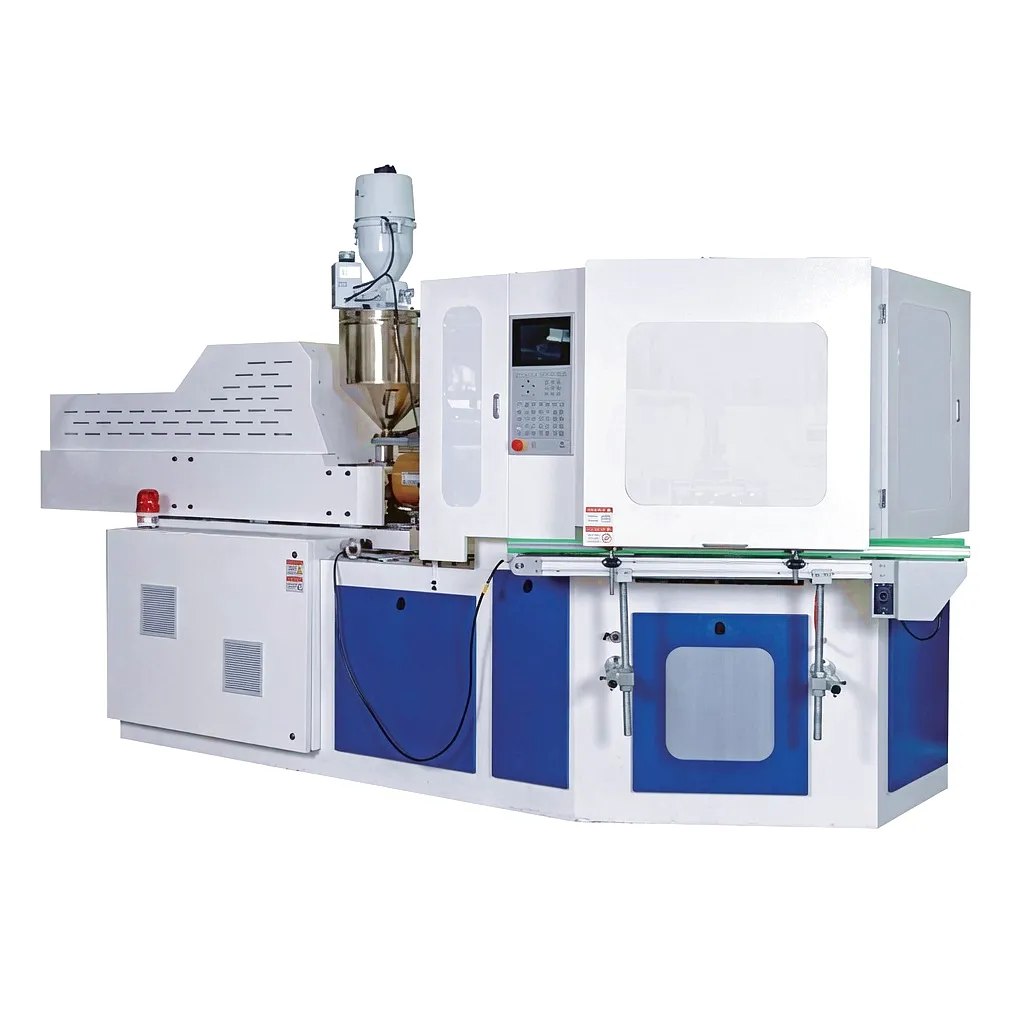 Across the United Kingdom the fragrance sector continues to expand as both heritage houses and independent perfumers seek packaging that conveys luxury while surviving the rigours of modern logistics. Injection-blow molding machine technology has moved from commodity beverage bottles into the high-value domain of perfume bottles, cologne vessels and body-spray containers. In cities such as Birmingham and Sheffield, where precision engineering remains a cornerstone of the manufacturing base, production managers are evaluating how an injection-blow molding machine can deliver PETG and polycarbonate containers that rival glass in transparency yet outperform it in drop resistance and design flexibility. The process begins with the injection of a precise preform, followed by stretch-blow forming inside a cooled mould cavity, producing neck finishes accurate to fractions of a millimetre and wall-thickness variation held within tight tolerance bands. This combination of dimensional stability and optical quality is precisely what UK fragrance fillers require when they specify packaging for 30 ml to 200 ml PETG perfume bottles, travel-size 5 ml to 15 ml vials, roll-on applicators and 100 ml to 250 ml body-spray bottles.
The shift away from sole reliance on glass is driven by practical considerations familiar to British logistics networks that move goods from Midlands distribution hubs to retail counters nationwide. Glass remains prized for its cold-touch premium feel, yet breakage rates during parcel transit and the higher energy cost of secondary packaging have prompted many brand owners to trial injection-blow molded PETG alternatives. An injection-blow molding machine capable of producing optically clear, heavy-walled containers with consistent base push-up and precise shoulder geometry allows these brands to retain the visual language of luxury while gaining the impact performance needed for e-commerce fulfilment. In the following sections the mechanical principles, material choices, performance data and real-world UK applications of modern injection-blow molding machines are examined in depth, illustrating why the technology is now considered a strategic asset rather than a mere production option.
How an Injection-Blow Molding Machine Forms Precision Fragrance Containers
The operating sequence of an injection-blow molding machine begins with the plastication of polymer granules inside a reciprocating screw extruder. Barrel temperature zones are controlled independently so that PETG or polycarbonate reaches a homogeneous melt state without thermal degradation. The melt is then injected under high pressure into a multi-cavity preform mould that defines the neck finish, thread geometry and the overall preform mass. Once the preform has cooled sufficiently to maintain dimensional integrity, it is transferred—either by rotary indexing or linear shuttle—into a blow station. In the blow station a stretch rod elongates the preform axially while high-pressure air expands it radially against the cooled cavity wall. The result is a container whose wall thickness is governed by the preform design and the precise timing of the stretch and blow phases. Because the neck is formed during the injection stage and never reheated, thread accuracy remains within the tolerances demanded by fine fragrance pumps and spray actuators. Cycle times on contemporary machines typically range from 12 to 22 seconds depending on container volume and material, allowing UK manufacturers to achieve commercially viable hourly outputs even on relatively compact floor plans common in older industrial estates around Birmingham and the Black Country.
STEP 01
Plastication & Injection
Granules are melted under controlled shear and temperature, then injected into the preform cavity to create the neck finish and preform body with exact mass distribution.
STEP 02
Transfer & Conditioning
The preform is indexed into the blow mould while residual heat is balanced so that the material remains above its glass-transition temperature yet cool enough to avoid sagging.
STEP 03
Stretch-Blow & Cooling
Axial stretch combined with high-pressure air expands the preform against the cooled cavity, locking in biaxial orientation that improves clarity, strength and barrier performance.
Core Materials Processed by Injection-Blow Molding Machines for Fragrance Packaging
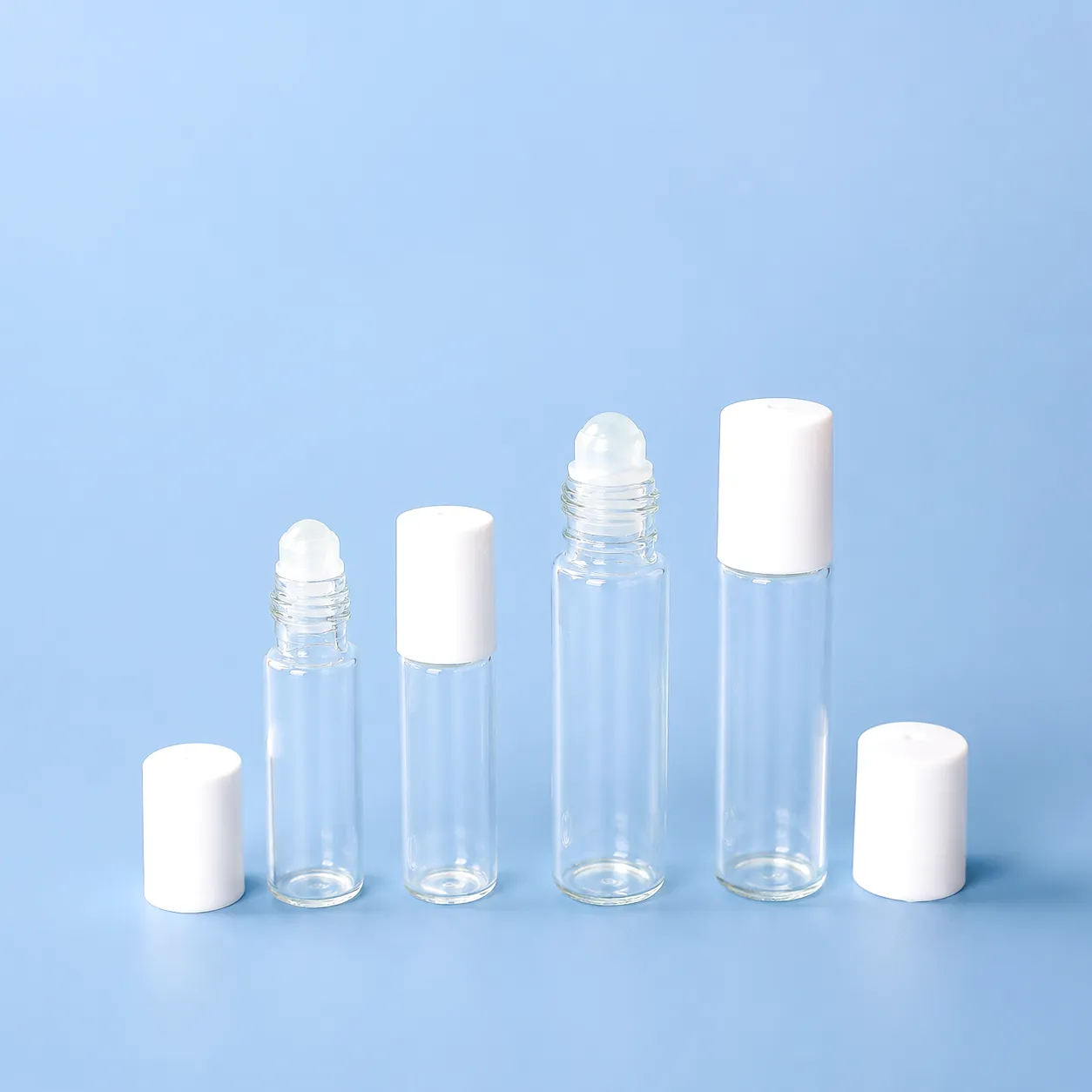 PETG has become the dominant polymer for high-end fragrance containers produced on an injection-blow molding machine because it combines glass-like clarity with outstanding toughness and chemical resistance to alcohol-based formulations. Unlike standard PET, PETG does not require crystallisation control and can be processed at lower temperatures, reducing energy demand—an important consideration for manufacturers operating under the UK’s industrial energy-cost pressures. Polycarbonate is selected when extreme impact resistance or higher heat-deflection temperatures are required, for example in body-spray bottles destined for travel retail where temperature cycling in aircraft holds can be severe. Both materials accept a wide range of masterbatch colours and can be formulated with UV stabilisers to protect light-sensitive fragrance compounds. The injection-blow molding machine must therefore offer precise melt-temperature control, low-shear screw geometry and rapid mould cooling to lock in the optical and mechanical properties that prestige brands demand. In Sheffield and surrounding engineering clusters, material-science teams frequently collaborate with machine suppliers to validate new resin grades, ensuring that the final container meets both the aesthetic brief and the mechanical drop-test protocols used by major UK retailers.
PETG
Optical clarity matching glass, excellent alcohol resistance, low processing temperature, ideal for 30–200 ml perfume bottles and roll-on vials.
Polycarbonate
Superior impact strength and heat resistance for body-spray and travel retail packs that must survive harsh transit conditions.
Specialty Blends
UV-stabilised and fragrance-compatible grades developed for long-term colour stability on UK retail shelves under fluorescent lighting.
Technical Advantages of Modern Injection-Blow Molding Machines
 Contemporary injection-blow molding machines deliver several interrelated advantages that translate directly into commercial benefit for UK fragrance packaging producers. Neck-finish accuracy eliminates secondary machining or reaming operations that were once common with extrusion-blow processes. Biaxial orientation induced during the stretch-blow phase raises tensile strength and reduces permeation rates, allowing thinner walls without compromising drop performance—an important material-saving opportunity given current polymer pricing. Cycle-time consistency is maintained by closed-loop hydraulic or electric servo systems that compensate for ambient temperature swings typical of older British factory buildings. Energy recovery systems on the latest models reclaim heat from the hydraulic oil or electric drives, contributing to lower kWh per thousand containers—an increasingly decisive factor when energy contracts are renegotiated. Tooling changeover can be completed in under 45 minutes on many platforms, supporting the short-run, high-mix production schedules favoured by independent perfume houses that launch limited editions several times each year. These capabilities collectively reduce scrap rates, shorten lead times and improve overall equipment effectiveness, enabling manufacturers based in the Midlands and northern England to compete with continental suppliers on both quality and responsiveness.
01
Neck Finish Precision
Injection-formed threads eliminate post-process machining and ensure leak-free engagement with fine fragrance pumps.
02
Biaxial Orientation
Improved mechanical strength and barrier properties allow wall-thickness reduction while meeting drop-test standards.
03
Energy Efficiency
Servo-driven systems and heat-recovery circuits lower energy consumption per container under typical UK factory conditions.
04
Rapid Changeover
Tooling swaps under 45 minutes support short-run, multi-SKU schedules common among independent UK fragrance brands.
05
Optical Consistency
Uniform wall thickness and controlled cooling deliver haze-free clarity required for prestige shelf presentation.
06
Process Stability
Closed-loop control compensates for ambient temperature swings found in older British industrial buildings.
Product Technical & Performance Parameter Table
The following table summarises representative performance data for two widely specified injection-blow molding machine platforms used in fragrance packaging. Values are typical and may be adjusted through custom tooling and process parameters to suit specific UK customer requirements.
| Parameter | ZQ40 Platform | ZQ60 Platform | Unit |
|---|---|---|---|
| Max. Container Volume | 250 | 500 | ml |
| Clamping Force | 400 | 650 | kN |
| Injection Screw Diameter | 40 | 50 | mm |
| Max. Injection Pressure | 160 | 180 | MPa |
| Typical Cycle Time (50 ml) | 14–16 | 12–15 | s |
| Number of Cavities (max) | 6 | 10 | — |
| Drive System | Hybrid servo | Full electric option | — |
| Primary Materials | PETG, PC, PET | PETG, PC, PET, PP | — |
Industrial Application Scenarios for Injection-Blow Molding Machines in the UK Fragrance Sector
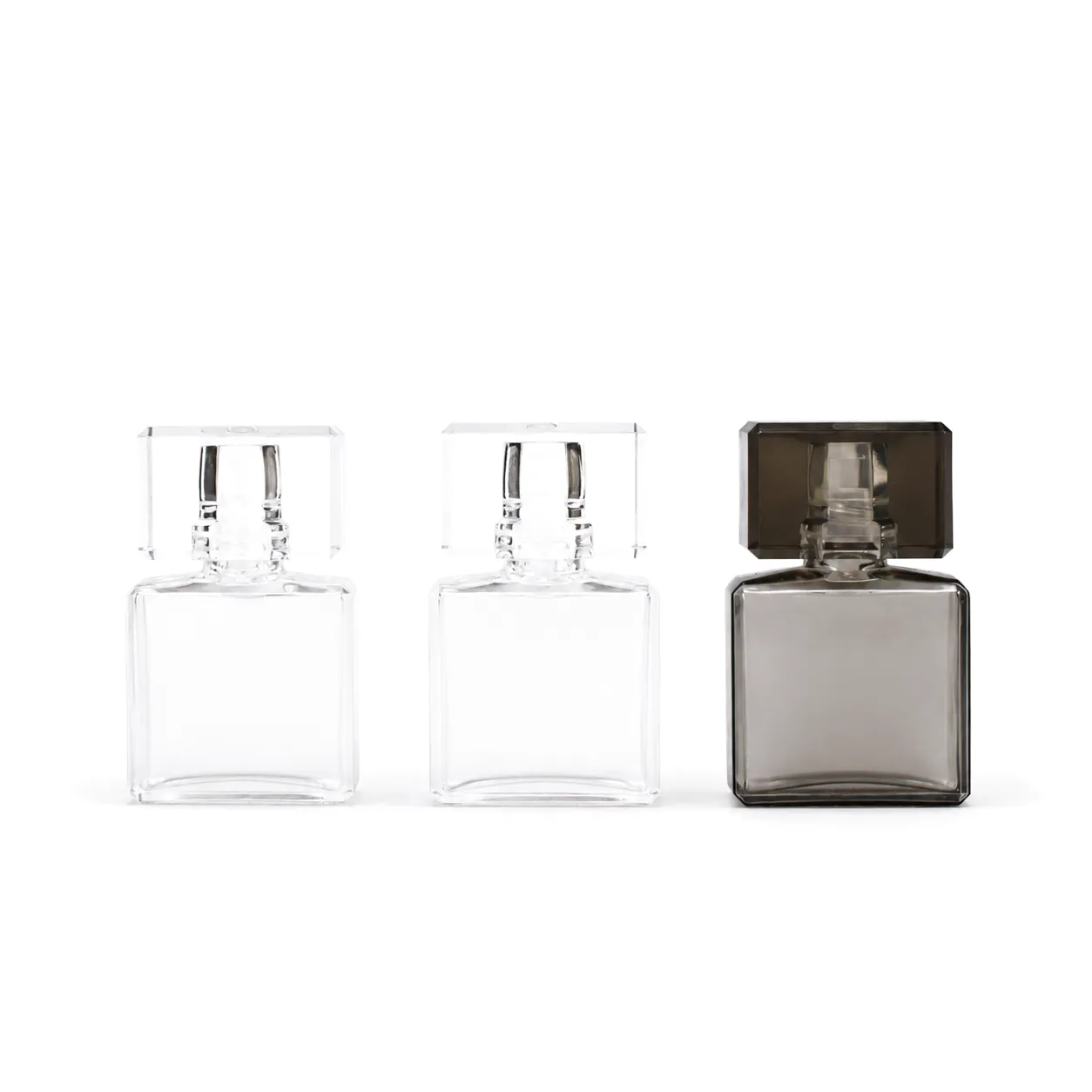
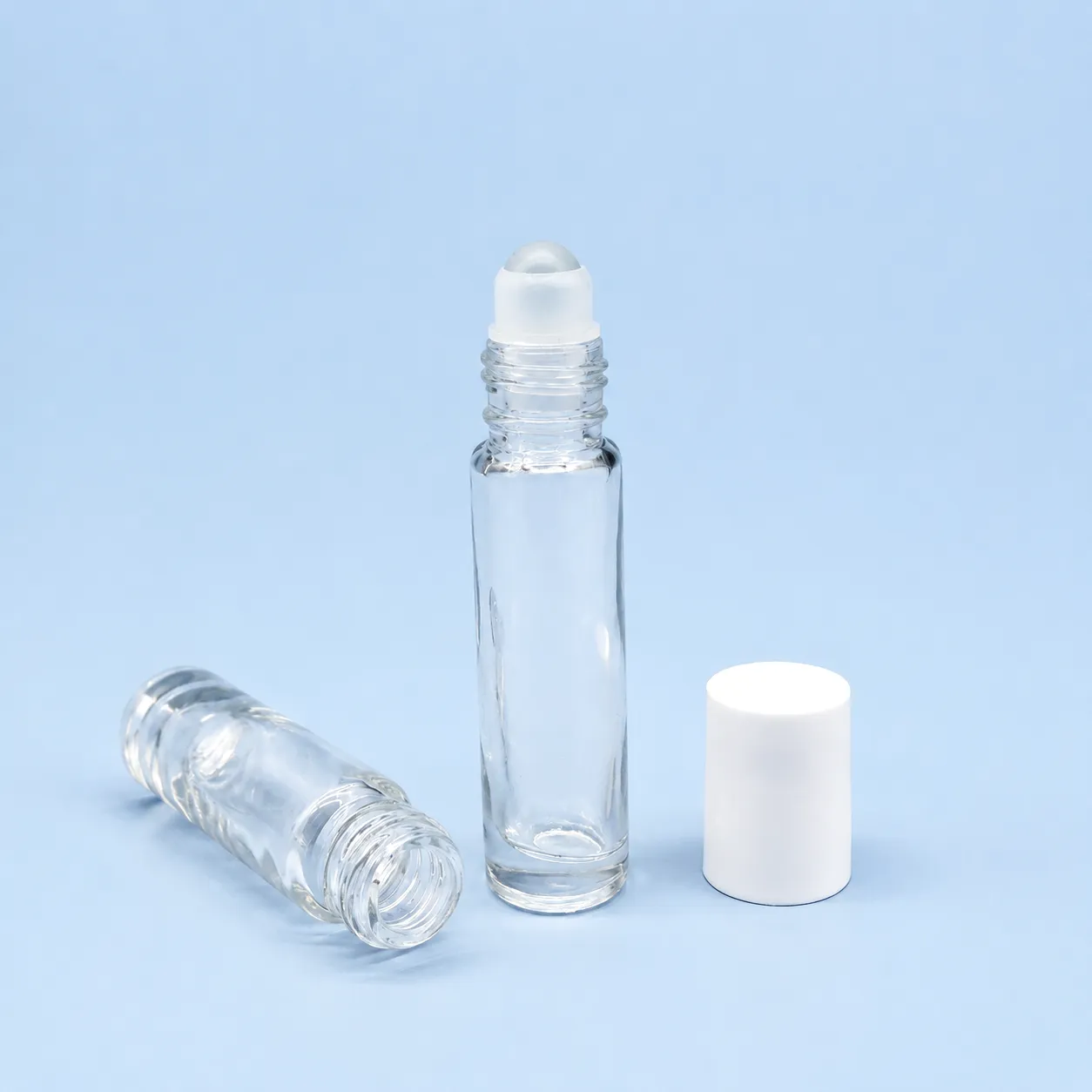 In the perfume and high-end fragrance segment an injection-blow molding machine is used to produce PETG perfume bottles ranging from 30 ml to 200 ml, cologne containers, body-spray bottles of 100 ml to 250 ml, travel-size vials of 5 ml to 15 ml, and roll-on perfume applicators. These containers must exhibit zero visual defects, high transparency and uniform wall thickness—attributes that the injection-blow process consistently delivers. Brand owners located in London, Manchester and the South-East increasingly specify PETG alternatives to glass for e-commerce and travel-retail channels because breakage rates fall dramatically while the optical appearance remains comparable. Production facilities in Birmingham and the wider West Midlands have adopted the technology to serve both domestic prestige brands and contract-filling operations that export finished goods across Europe. The ability of the injection-blow molding machine to hold neck-finish tolerances within 0.05 mm ensures reliable engagement with fine mist pumps and spray actuators, eliminating the leak complaints that once plagued earlier plastic packaging attempts.
PETG Perfume Bottles 30–200 ml
Optical clarity and heavy-wall capability allow brands to replicate the visual weight of glass while gaining impact resistance required for UK parcel networks.
Cologne & Body-Spray Containers
Larger volumes benefit from the multi-cavity capability of higher-tonnage platforms, delivering consistent base geometry and shoulder definition.
Travel & Roll-on Formats
Small-cavity tooling produces 5–15 ml vials and roll-on bodies with precise orifice control for controlled product delivery.
Ever Power Manufacturing Capability & Customisation Services
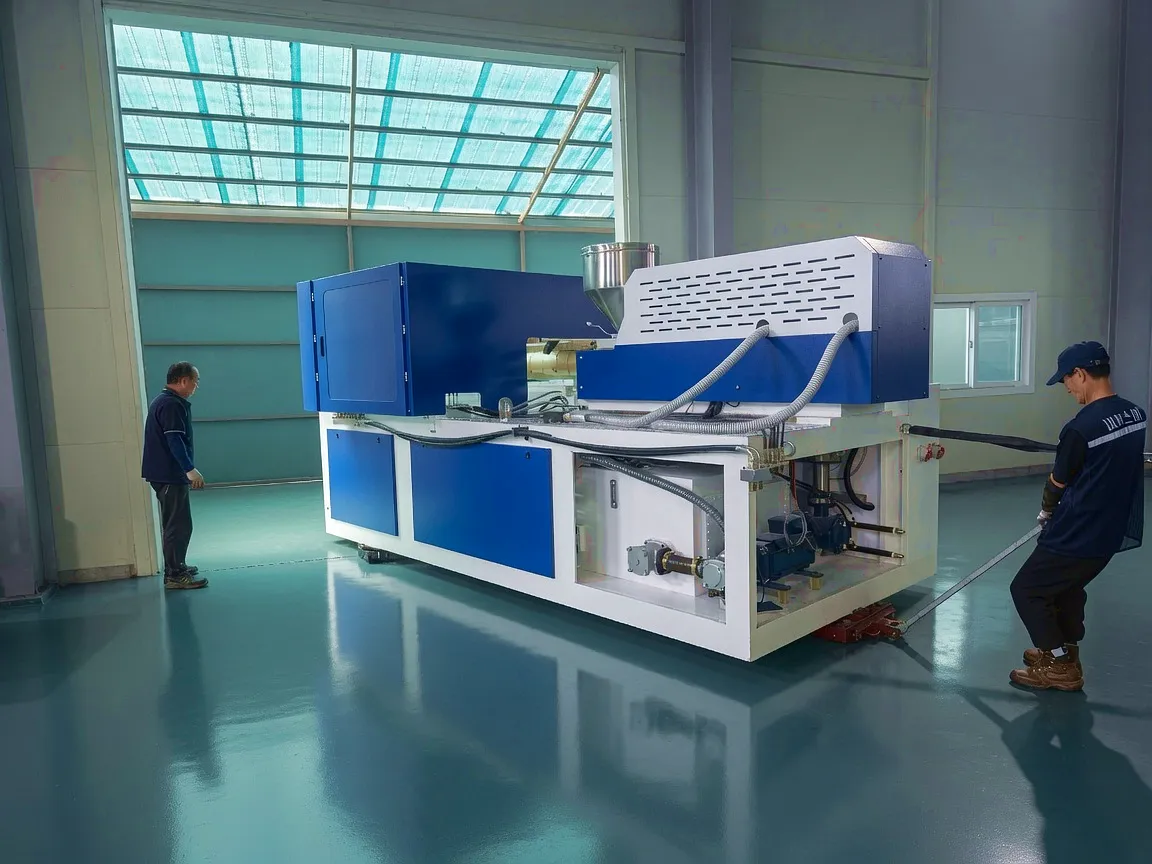 Ever Power operates a vertically integrated manufacturing facility dedicated to injection-blow molding machine design, assembly and validation. Precision machining centres produce critical components such as mould platens, stretch-rod assemblies and manifold blocks to micron-level tolerances. In-house tool-making teams collaborate directly with UK customers to develop cavity layouts optimised for specific fragrance bottle geometries, including complex shoulder profiles and base push-up designs that enhance shelf presence. Supply-chain resilience is maintained through dual-sourcing of key hydraulic and electrical components, ensuring that lead times remain predictable even during periods of global component shortage. Customisation capabilities extend to servo-electric drive packages, energy-recovery modules, and integrated vision-inspection stations that reject containers with optical defects before they leave the machine. For British manufacturers the combination of rapid engineering response and robust after-sales support translates into shorter project timelines and higher long-term equipment availability.
Customer Success Story – Midlands Fragrance Contract Filler
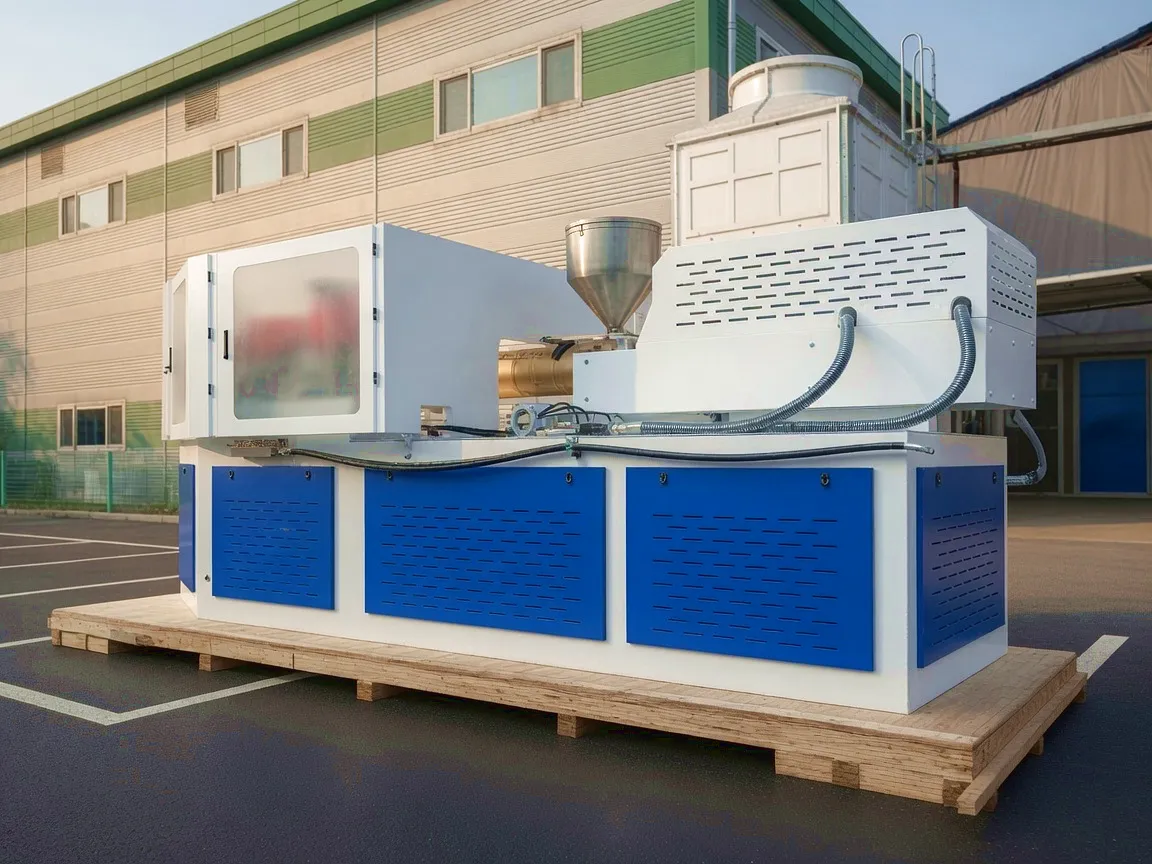 A contract packaging company based in Birmingham specialising in prestige fragrance filling faced rising breakage rates and insurance claims when shipping glass bottles to UK online retailers. The firm required a solution that preserved the premium visual language of its brand clients while surviving the multi-drop parcel networks operated by major carriers. After evaluating several platforms, the company selected an Ever Power injection-blow molding machine configured for PETG 50 ml and 100 ml perfume bottles. Custom mould tooling was developed jointly to replicate the distinctive shoulder and base geometry previously achieved only in glass. Within four months of installation the plant achieved a sustained output of 1 800 containers per hour across two cavities, with scrap rates below 0.8 percent. Drop-test performance improved by more than 60 percent compared with the previous glass packs, and the customer reported a measurable reduction in customer returns attributable to packaging damage. The project also enabled the filler to offer shorter lead times to independent perfume houses that launch limited editions, strengthening its position as a preferred UK contract partner.
★★★★★
“The neck-finish consistency on the Ever Power machine eliminated the pump-leak issues we previously experienced with other plastic processes. Cycle stability has been excellent even during the colder Midlands winter months.”
— Production Director, OEM fragrance filler, Birmingham
★★★★★
“Custom tooling support from Ever Power allowed us to match the exact silhouette our brand clients demanded. Optical clarity of the PETG bottles is indistinguishable from the glass samples in side-by-side comparison.”
— Technical Manager, contract packaging, West Midlands
★★★★★
“Energy consumption per thousand bottles is noticeably lower than our older extrusion-blow lines. The rapid changeover capability has been critical for the short-run limited editions we now produce regularly.”
— Operations Lead, UK fragrance packaging specialist
Featured Injection-Blow Molding Machine Models
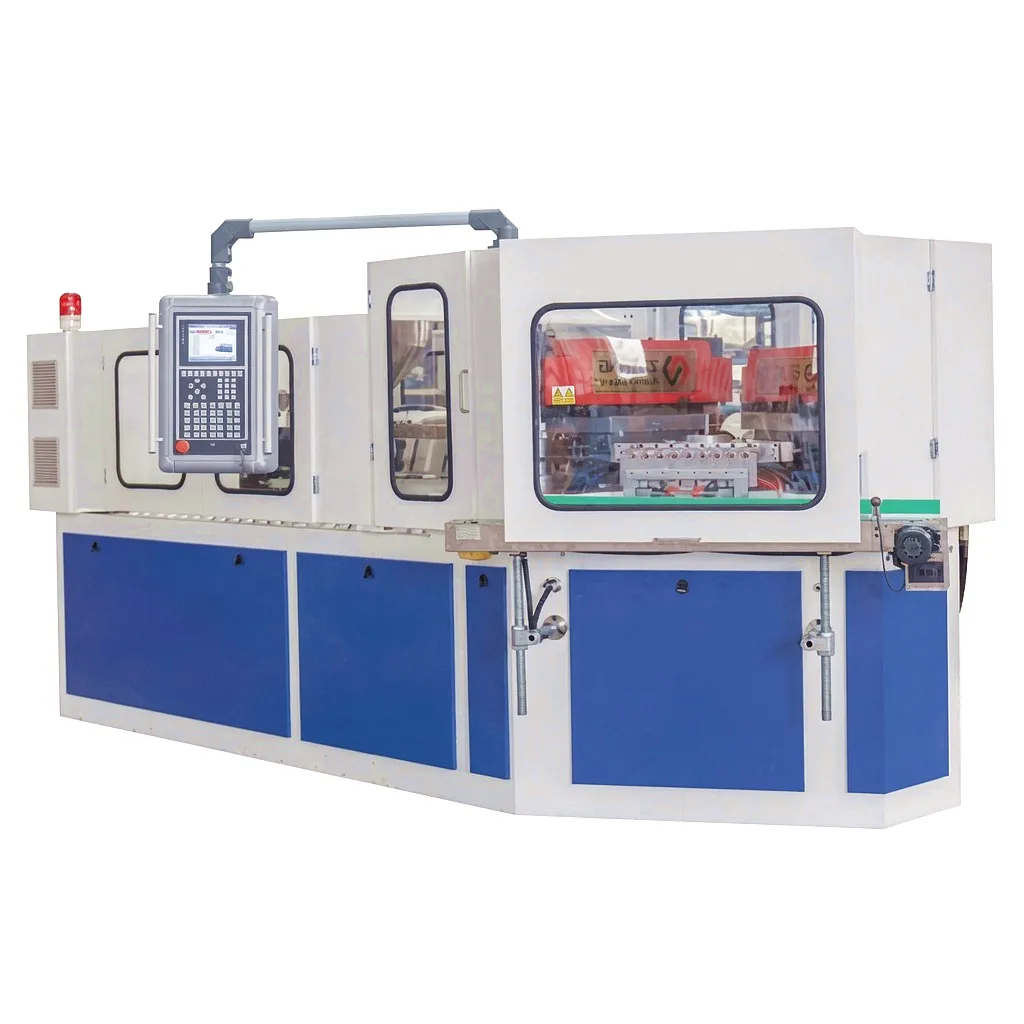
Replacement of SUMA 65iB Injection Blow Molding Machine – ZQ60
Higher-tonnage platform suited to multi-cavity production of 100–500 ml fragrance and body-spray containers with full electric drive option and rapid mould change systems.
Replacement of SUMA 40ib Injection Blow Molding Machine – ZQ40
Compact footprint ideal for UK facilities producing 30–250 ml PETG perfume bottles and travel vials, offering hybrid servo drives and excellent energy efficiency.
Frequently Asked Questions
How much does an injection-blow molding machine cost for perfume bottle production in the UK?
Pricing depends on cavity number, drive type and custom tooling. Ever Power provides detailed quotations after reviewing the specific bottle drawings and annual volume requirements of UK fragrance manufacturers.
What is the typical lead time when ordering a custom injection-blow molding machine from a UK supplier perspective?
Standard configurations ship within 12–16 weeks; fully custom mould packages for complex fragrance geometries usually require 18–22 weeks including validation trials.
Which injection-blow molding machine model suits 50 ml PETG perfume bottles for a Birmingham contract filler?
The ZQ40 platform is frequently selected for 30–100 ml ranges because of its compact footprint and efficient hybrid servo drive suited to Midlands factory spaces.
How can UK fragrance brands obtain a quote for an injection-blow molding machine with custom neck finishes?
Send bottle drawings and annual volume estimates to [email protected]; Ever Power engineering responds with a detailed technical and commercial proposal within five working days.
What maintenance schedule is recommended for an injection-blow molding machine operating in a Sheffield packaging plant?
Daily visual checks, weekly lubrication of linear guides, and quarterly hydraulic oil analysis keep the machine performing at design efficiency under continuous UK production conditions.
Where can a UK manufacturer find a reliable supplier of injection-blow molding machines for high-clarity fragrance packaging?
Ever Power specialises in platforms configured for PETG and polycarbonate perfume bottles and supports UK customers with local technical liaison and spare-parts logistics.
How does the energy consumption of a modern injection-blow molding machine compare with older extrusion-blow equipment in the UK?
Servo-driven models typically reduce energy use per thousand containers by 25–40 percent, delivering measurable savings under current British industrial electricity tariffs.
When should a fragrance packaging company consider replacing an existing SUMA machine with a new injection-blow molding machine?
Replacement becomes attractive when scrap rates rise, energy costs escalate, or new bottle designs exceed the capability of ageing hydraulic systems.
Who provides after-sales technical support for injection-blow molding machines installed at UK perfume filling sites?
Ever Power maintains a network of field engineers and remote diagnostic capability that covers the major industrial centres including Birmingham, Sheffield and Manchester.
What price range should a UK buyer expect for a multi-cavity injection-blow molding machine dedicated to body-spray bottles?
Final investment depends on tonnage, cavity count and options; Ever Power supplies transparent quotations that separate machine, tooling and commissioning costs for clear budget planning.
edit by gzl