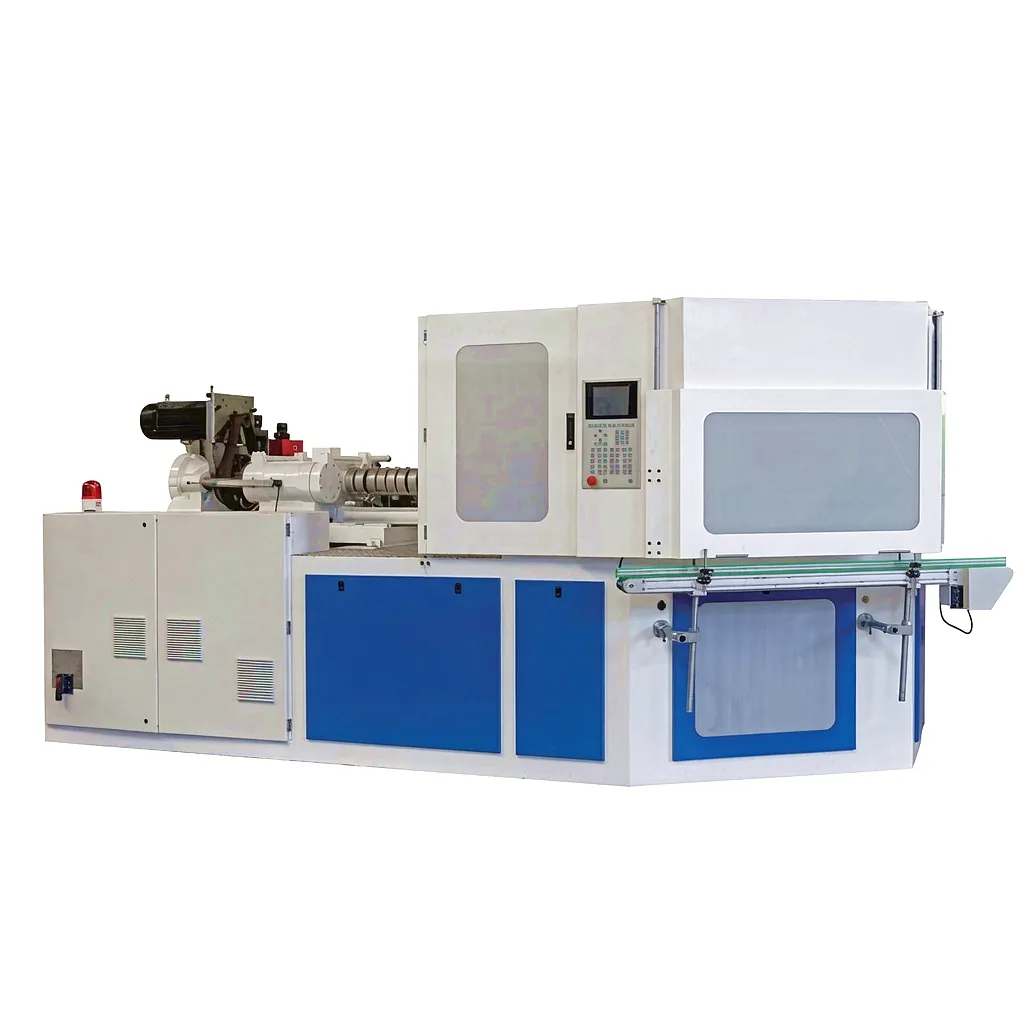
 The injection-blow molding machine sits at the intersection of precision polymer engineering and high-throughput industrial production. Unlike conventional extrusion blow molding, this process begins with a carefully injected preform — a solid, dimensionally controlled parison formed around a core rod — which is then transferred to a blow station where compressed air expands the preform against a chilled mould cavity to produce a finished hollow container. The result is a part with consistent wall thickness, near-perfect neck finish, and a surface quality that satisfies even the most stringent pharmaceutical or food-contact regulatory frameworks operating in the United Kingdom.
Across sectors as diverse as agrochemicals, personal care, medical packaging, and consumer beverages, the injection-blow molding machine has become the manufacturing platform of choice wherever dimensional accuracy cannot be sacrificed for cycle time. UK manufacturers operating from production clusters in Birmingham, Sheffield, Leicester, and the broader Midlands corridor have adopted this technology to serve both domestic supermarket supply chains and export markets that demand BSI-aligned quality documentation. The machine’s ability to produce bottles, vials, and containers in a single continuous process — with no secondary trimming or weld line — dramatically reduces scrap rates and aligns with the lean manufacturing philosophies that dominate British precision engineering culture.
How the Injection-Blow Molding Machine Works
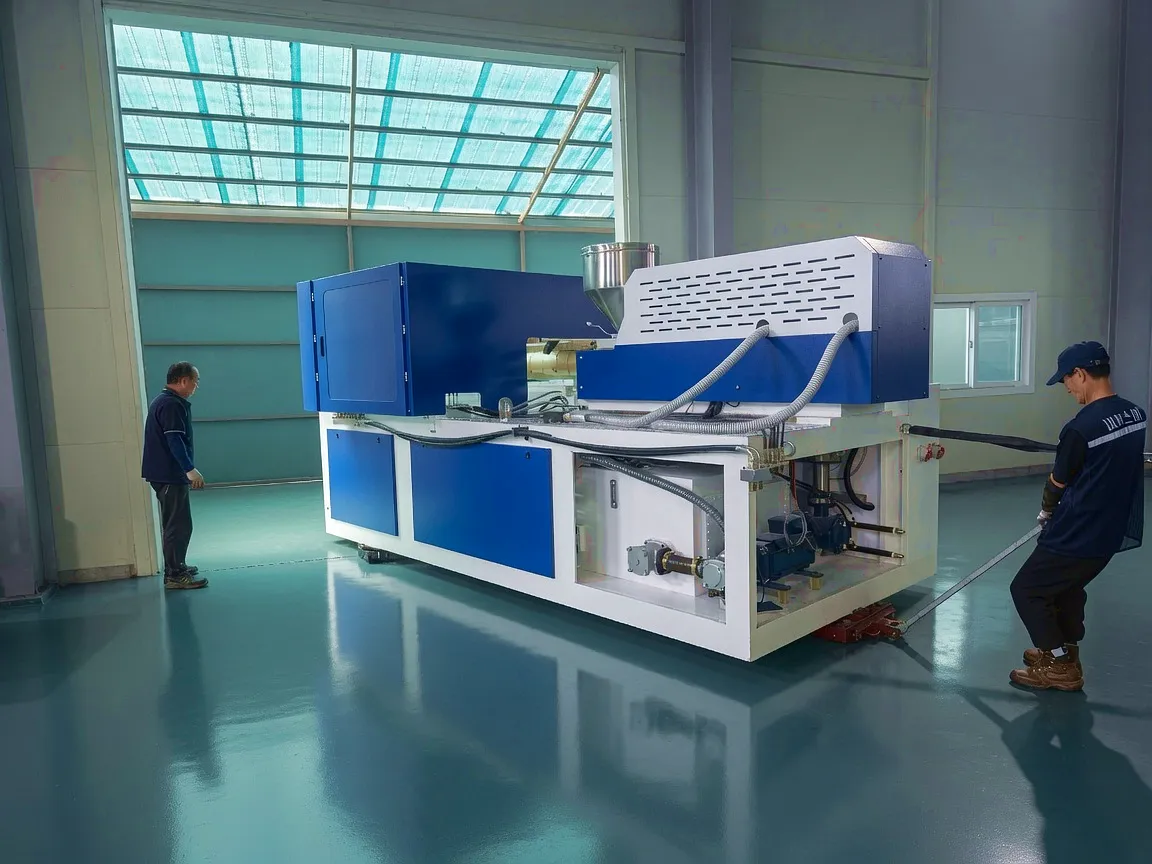
The production cycle of an injection-blow molding machine unfolds across three primary stations, each mechanically indexed on a rotating platen assembly. At Station 1, polymer pellets — typically PET, PP, HDPE, or LDPE depending on the application — are plasticised in a reciprocating screw barrel and injected under high pressure into a closed preform mould. The core rod, which defines the internal profile of the final container, remains inside the preform at all times during this phase. Injection temperatures commonly range between 200°C and 280°C, with precise closed-loop control maintaining melt consistency to within ±1°C to avoid defects such as gate blush or short shots. The preform mould is water-cooled, allowing rapid solidification of the neck and shoulder regions which must retain their dimensional accuracy throughout the subsequent blow phase.
At Station 2, the still-warm preform — still mounted on the core rod — is indexed to the blow mould. Compressed air is introduced through the core rod at pressures between 8 and 14 bar, inflating the parison outward until it conforms to the blow mould surface. Because the neck has already been fully formed in the injection stage, blow moulding applies no stress to the thread or closure geometry, ensuring that pharmaceutical-grade bottles can be filled and sealed on automated filling lines without any neck-dimension variation. Station 3 performs ejection: the finished article is stripped from the core rod and transferred to a downstream conveyor or inspection system. The entire three-station cycle typically completes in 8 to 22 seconds depending on wall thickness, material, and container volume — a throughput rate that makes the injection-blow molding machine highly competitive against alternative forming technologies for small-to-medium container sizes below 2 litres.
Core Materials Used in Injection-Blow Molding Machines
PET (Polyethylene Terephthalate)
PET remains the dominant resin for injection-blow molding machine production worldwide, prized for its outstanding clarity, high tensile strength, and excellent barrier properties against oxygen and carbon dioxide. In UK pharmaceutical packaging environments, PET’s FDA and EC 10/2011 compliance credentials mean it can be deployed for oral liquid medicines, nutraceutical syrups, and personal care products without additional regulatory hurdles. Typical processing temperatures sit between 255°C and 275°C, and PET’s inherent crystallinity requires careful preform temperature management to avoid haze or stress cracking in the final container.
PP & HDPE
Polypropylene (PP) and High-Density Polyethylene (HDPE) are chosen wherever chemical resistance, impact resilience, or low-temperature performance take priority over optical clarity. Sheffield’s agrochemical container manufacturers, for example, rely on HDPE’s resistance to concentrated herbicide and pesticide formulations, while PP’s higher melting point makes it appropriate for containers that must withstand hot-fill processes at up to 100°C. Both resins are fully recyclable within UK’s existing HDPE and PP waste streams, supporting mandatory Extended Producer Responsibility (EPR) obligations that came into effect for British packaging manufacturers from 2024 onward.
LDPE, PC & Engineering Polymers
Low-Density Polyethylene (LDPE) brings squeezability and softness to dispensing containers — a quality prized in NHS-approved eye-drop bottles and infant care dropper packaging. Polycarbonate (PC) addresses the niche but critical market for reusable laboratory specimen containers where autoclave sterilisation is routine. Specialist injection-blow molding machines configured for engineering polymers also handle materials including PEEK and medical-grade TPE, allowing UK contract packaging organisations operating under ISO 15223 and BS EN standards to serve surgical instrument tray insert and medical device primary packaging markets that are expanding rapidly post-NHS procurement reforms.
Core Technical Advantages of Injection-Blow Molding Machines
Flash-Free, Scrap-Minimal Production
Because the injection-blow molding machine forms both the neck and body in a single closed-mould sequence, there is no parting line flash on the container body and no weld line on the base. Scrap rates routinely fall below 0.5% in steady-state production, a figure that resonates strongly with UK lean manufacturing consultancies benchmarking against Kaizen KPIs. The elimination of secondary trimming operations removes an entire workstation, compressing factory footprint and reducing headcount exposure on repetitive labour tasks — a significant consideration as UK employers manage National Living Wage upward pressures.
Exceptional Neck Accuracy & Closure Compatibility
The neck finish on containers produced by an injection-blow molding machine is dimensionally identical to the injection mould geometry — there is no subsequent deformation from the blow stage. Thread pitch, ovality, and height tolerances consistently achieve ±0.05 mm, which translates directly into first-pass closure success rates above 99.8% on high-speed capping lines. For pharmaceutical manufacturers in areas such as Macclesfield or Cramlington who supply blister-alternative liquid medicines to NHS dispensing contracts, this level of neck precision is non-negotiable and represents a decisive advantage over stretch-blow or extrusion-blow alternatives.
Energy-Efficient All-Electric Drive Options
Modern injection-blow molding machines equipped with servo-electric clamping and injection axes consume 40–60% less energy per container than equivalent hydraulic-drive platforms. This is directly relevant to UK manufacturers operating under the Energy Savings Opportunity Scheme (ESOS) compliance cycles, where demonstrable energy reduction in production equipment earns both financial incentives and supports Carbon Reduction Plan reporting required by public-sector procurement frameworks. Servo drives additionally eliminate hydraulic oil management, reducing planned maintenance intervals and lowering the risk of contamination incidents in cleanroom-adjacent packaging environments.
Fast Mould Change & Product Flexibility
Injection-blow molding machines built on a three-station rotary platen design support rapid tooling changeovers — typically under 2 hours when quick-release clamping systems are fitted. Contract manufacturers serving fast-moving consumer goods (FMCG) brands across London’s retail distribution hubs benefit enormously from this flexibility, as seasonal packaging variants, promotional sizes, and retailer-exclusive SKUs can be accommodated without investing in entirely separate machine platforms. A single injection-blow molding machine can produce containers ranging from 2 ml cosmetic vials to 1,000 ml food supplement bottles by swapping tooling packs, delivering asset utilisation rates that justify capital expenditure on a multi-shift production model.
Technical Performance Parameter Table
| Parameter | Standard Range | High-Performance Spec | Unit / Note |
|---|---|---|---|
| Clamping Force | 40 – 120 kN | Up to 250 kN | Per injection station |
| Injection Volume (Shot) | 5 – 500 cm³ | Up to 800 cm³ | Per preform cavity |
| Blow Air Pressure | 8 – 14 bar | Up to 20 bar | Industrial compressed air |
| Cycle Time | 8 – 22 seconds | Down to 6 s (thin-wall) | Full cycle, all stations |
| Neck Tolerance (Thread OD) | ±0.10 mm | ±0.05 mm | ISO 8317 / USP Class VI |
| Barrel Temperature Range | 160 – 280°C | Up to 320°C (engineering polymer) | 5-zone independent PID |
| Compatible Materials | PET, PP, HDPE, LDPE | + PC, PEEK, TPE, PVC | With optional screw kits |
| Container Capacity Range | 2 ml – 1,000 ml | Up to 2,000 ml custom | Single-cavity to 6-cavity |
| Drive Type | Hydraulic / Hybrid | Full Servo-Electric | 40–60% energy saving vs hydraulic |
| Platen Stations | 3-station rotary | 4-station (with conditioning) | Inject / Blow / Eject / (Condition) |
Industrial Application Scenarios
Agriculture & Crop Protection — Pesticide, Herbicide, Fungicide & Liquid Fertiliser Containers
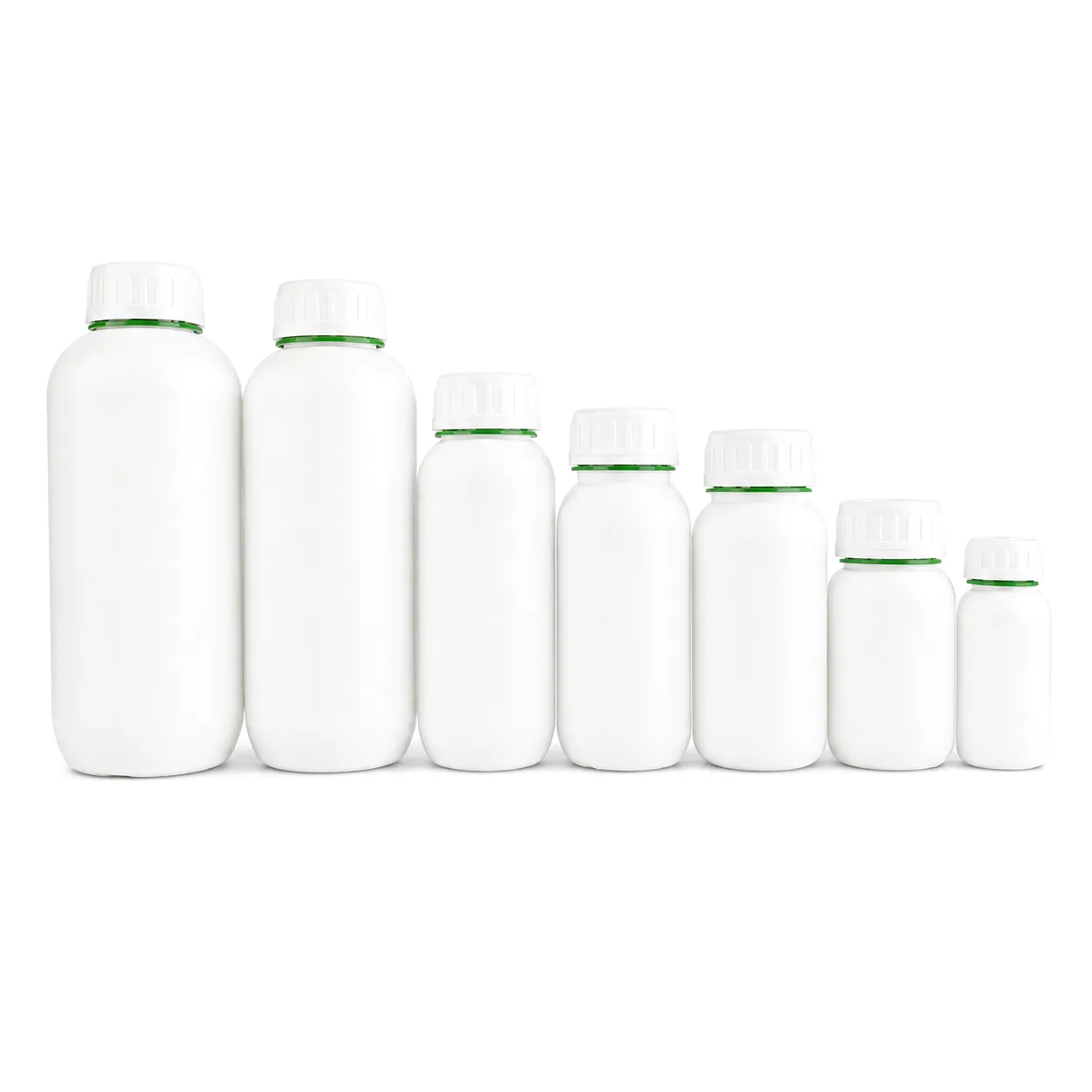 The agriculture and crop protection sector represents one of the most demanding application environments for injection-blow molding machine technology, and it is a sector where UK manufacturers and contract packaging organisations have built significant industrial strength. Containers destined for agrochemical concentrates must withstand prolonged contact with highly active chemical formulations — concentrated herbicides such as glyphosate-based products, systemic fungicides for cereal crops, and nitrogen-rich liquid fertiliser blends — without permeation, stress cracking, or closure-seal degradation across an expected shelf life of 24 to 36 months. The injection-blow molding machine’s ability to produce HDPE containers with controlled wall thickness profiles meeting ISO 4156 chemical resistance requirements, combined with in-mould thread formation that achieves leak-proof UN-approved closure torques, makes it the technology of choice for this market segment.
UK agrochemical container production is concentrated in a belt stretching from Lincolnshire’s arable heartland through to the East Midlands’ chemical packaging clusters, where companies supply both major agricultural retailers and specialist agrochemical distributors serving British farms operating under Countryside Stewardship and Sustainable Farming Incentive (SFI) frameworks. Containers produced on injection-blow molding machines at volumes between 250 ml and 5 litres represent the bulk of this market, covering everything from single-application pesticide treatments to multi-use concentrated liquid fertiliser packaging. The precision neck geometry that the injection-blow molding machine delivers is particularly critical for containers fitted with anti-drip or anti-glug dispensing inserts — accessories that are mandatory on many COSSH-regulated agrochemical containers under UK REACH (retained post-Brexit) obligations.
Pharmaceutical & Medical Packaging — Oral Liquid Medicines, Eye Drops & Sterile Vials
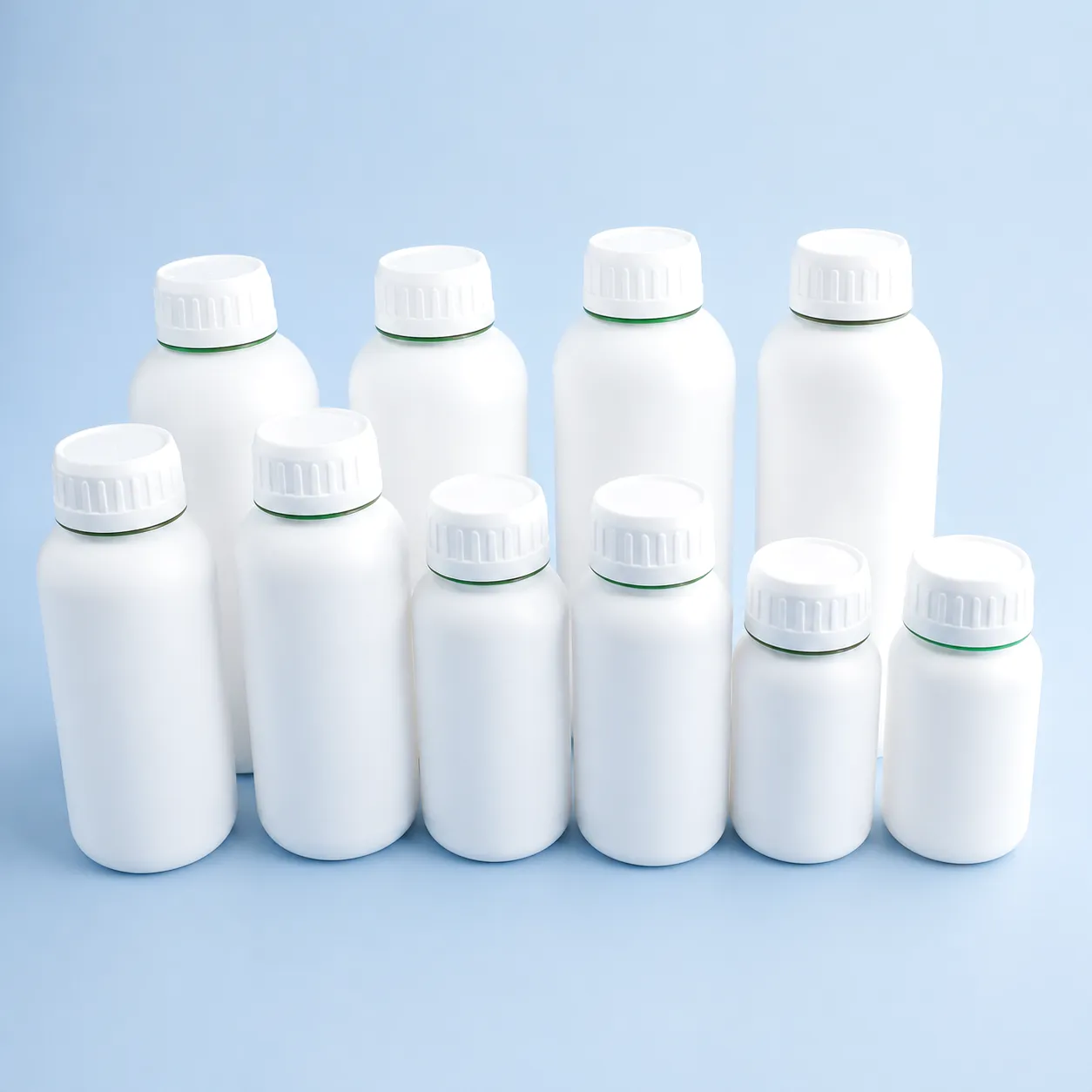 Pharmaceutical packaging manufactured on an injection-blow molding machine must satisfy some of the most rigorous regulatory requirements in British industry. The Medicines and Healthcare products Regulatory Agency (MHRA) demands that primary packaging — containers in direct contact with medicinal products — can demonstrate material inertness, extractable and leachable profiles within pre-defined thresholds, and dimensional consistency that permits automatic filling and assembly. Injection-blow molding machines processing USP Class VI or European Pharmacopoeia-compliant PET, LDPE, or HDPE resins achieve all three without requiring secondary heat treatment or decontamination steps, provided tooling is maintained and validated under a robust change control protocol. For UK pharmaceutical manufacturers operating in clusters around Macclesfield, County Durham’s Cramlington, and Cambridge’s life sciences corridor, this simplicity of regulatory validation is a meaningful commercial advantage when launching new OTC product lines under tight MHRA approval timelines.
The precision with which injection-blow molding machines form dropper assemblies — the graduated 5 ml or 10 ml LDPE ophthalmic dispensers used widely in NHS glaucoma management and over-the-counter lubricating eye drop products — is particularly valued. Dropper orifice diameter tolerances of ±0.02 mm directly control the drop weight delivered to the patient; a variance beyond this window risks under-dosing or potential surface flooding of the cornea. No other container-forming technology achieves this level of orifice consistency without post-moulding drilling, and the injection-blow molding machine’s ability to form the orifice within the injection tool means the critical drug-delivery geometry is locked into the mould itself rather than dependent on operator-controlled secondary processes.
Personal Care & Cosmetics Packaging — Shampoo, Lotions, Serums & Fragrance Components
 The UK personal care market — centred on London’s beauty retail ecosystem and major regional FMCG manufacturing in the West Midlands and Yorkshire — demands packaging that combines aesthetic appeal with functional performance. An injection-blow molding machine producing PET containers for premium shampoo and conditioner brands delivers the high optical clarity and gloss surface finish that brand owners require to differentiate on-shelf, while simultaneously achieving the dimensional consistency necessary for automated filling, pump fitment, and labelling on high-speed production lines running at 400+ containers per minute. Glass-clear PET serum and essence bottles produced on injection-blow molding machines have become a staple in UK supermarket beauty aisles, as major retailers’ own-label beauty lines have shifted decisively toward PET as a sustainable, recyclable alternative to glass — maintaining visual premium while reducing breakage and logistics costs across UK distribution networks.
Cosmetic manufacturers additionally appreciate the injection-blow molding machine’s ability to produce complex shapes — ovoid bottles, flask silhouettes, and narrow-neck fragrance flacons — without the surface artefacts that extrusion blow moulding leaves on parting lines. For fragrance collar-and-stopper assemblies and premium roll-on applicator bottles supplying brands distributed through Boots, John Lewis, and independent perfumeries, the absence of visible weld lines or surface roughness is essential. The injection-blow molding machine’s three-station process leaves only a small ejection gate mark on the base — entirely concealed by the filled product and base sticker in finished retail presentation.
Food & Beverage Containers — Sauces, Condiments, Juices & Nutritional Supplements
Food-contact containers manufactured on injection-blow molding machines must comply with UK Food Safety Act requirements and EC 10/2011 migration limits, a regulatory framework that became domesticated into UK law following the 2021 Trade and Cooperation Agreement with the EU. The injection-blow molding machine addresses this seamlessly: provided FDA-cleared or EC-compliant resins are specified and mould materials meet food-grade stainless steel requirements, the container produced carries no additional compliance burden beyond standard documentation. This is particularly valuable for UK food manufacturers in the sauces and condiments sector — a market where Yorkshire and East Anglian producers supply supermarket own-label lines and branded condiment ranges to grocery chains including Tesco, Sainsbury’s, and Co-op.
Nutritional supplement bottles — protein supplement powders excepted — represent a rapidly growing application for injection-blow molding machine technology in the UK, fuelled by the explosive growth of sports nutrition and functional wellness categories in British retail from 2020 onward. Clear PET bottles for liquid collagen supplements, amber-tinted PP bottles for omega-3 and vitamin D liquid suspensions, and HDPE containers for probiotic liquid cultures all exploit the injection-blow molding machine’s material versatility and dimensional precision. The UK nutritional supplement market’s demanding label-to-container adhesion specifications — driven by the need for labels to survive refrigerated distribution chains and damp retail environments — are also well-served by the smooth, consistent surface finish that injection-blow molding machine tooling delivers.
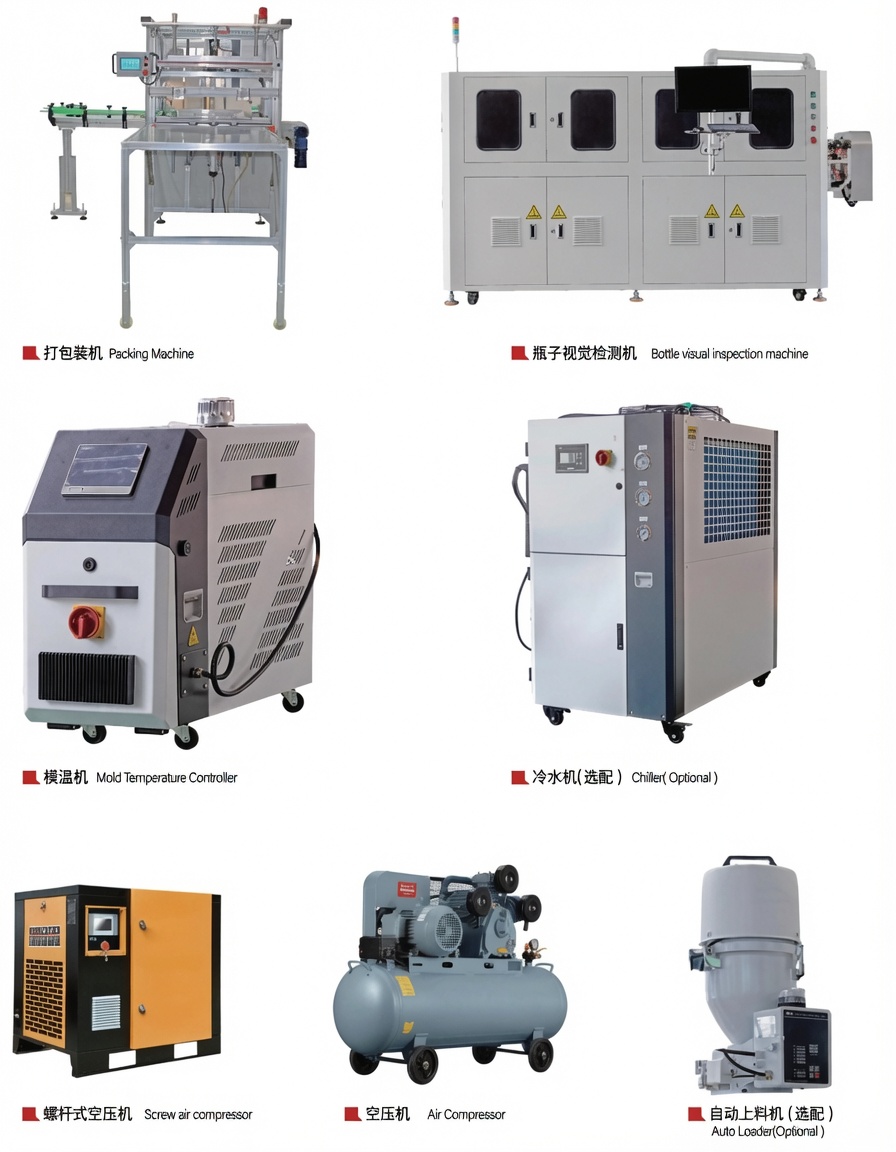
Featured Injection-Blow Molding Machine Products
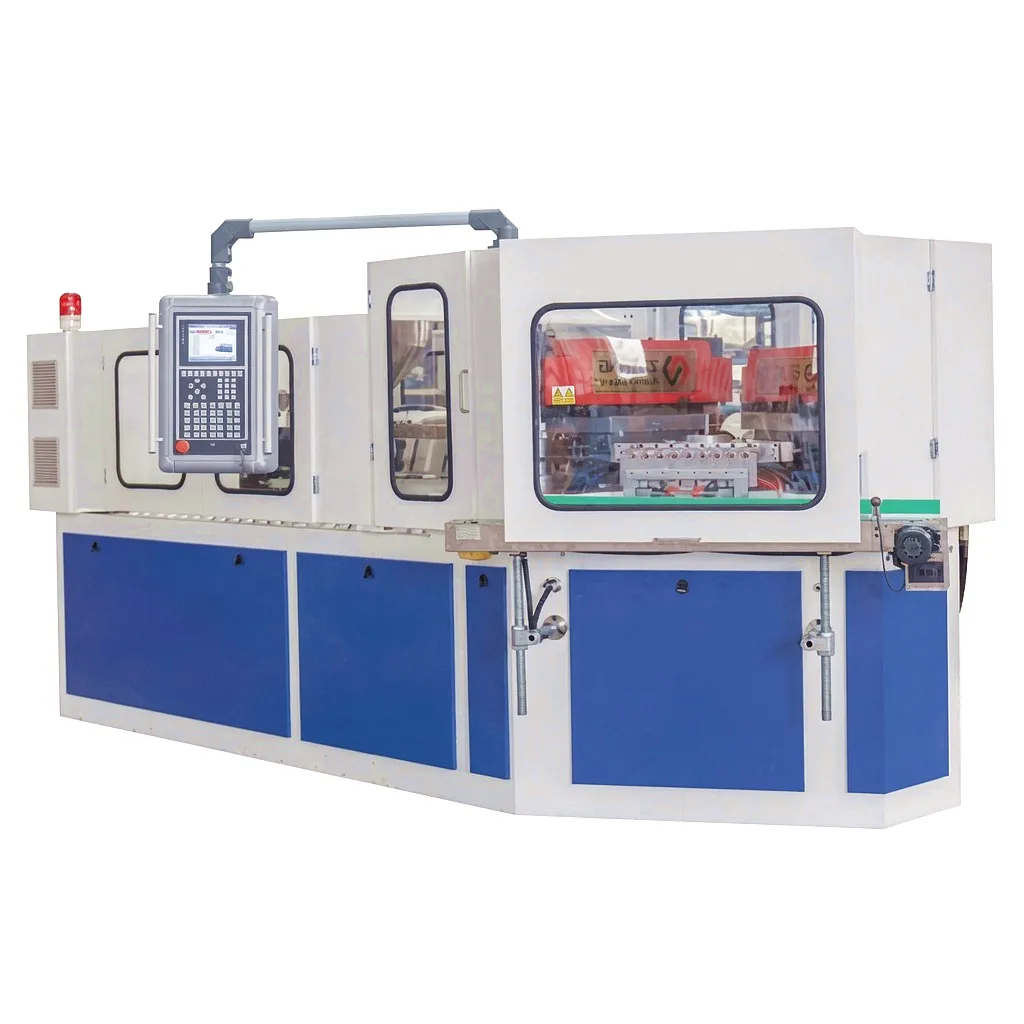
Customer Success Story
Meridian Agrochemical Packaging Ltd, a contract packaging manufacturer based on the Lower Don Valley industrial corridor in Sheffield, had been producing 500 ml and 1-litre HDPE agrochemical containers on an ageing extrusion blow moulding line for over twelve years. By 2023, the limitations of that technology — predominantly inconsistent neck dimensions causing 3–4% first-pass closure failure rates, and excessive flash on container bodies requiring a full-time trimming operative — had become untenable as their largest customer, a Yorkshire-based herbicide distributor, introduced automated filling equipment that demanded neck tolerances tighter than ±0.15 mm. The production manager contacted Ever Power following a referral from a trade contact in the Birmingham plastics processing cluster.
After an initial application audit, Ever Power recommended two ZQ80 injection-blow molding machines in a parallel configuration to match Meridian’s required 24/7 shift throughput of 14,000 containers per day. Ever Power’s tooling engineers produced custom 4-cavity preform moulds in H13 tool steel configured for the specific 28-mm finish UN-approved closure that Meridian’s herbicide customer had specified, and the blow moulds were designed with integral cooling channels and a surface texture profile selected to improve label adhesion during Meridian’s existing pressure-sensitive labelling step. Installation and commissioning were completed within 11 days, and factory acceptance testing demonstrated neck-finish tolerances of ±0.04 mm across all cavities — comfortably inside the customer’s specification.
Within six months of production launch, Meridian reported a first-pass closure success rate of 99.9%, elimination of the trimming operative position through natural attrition, a 47% reduction in energy consumption per thousand containers versus the previous extrusion platform (validated under their ESOS Phase 3 audit), and a scrap rate of 0.3% against the previous 4.1%. The reduced scrap rate alone generated annualised raw material savings of approximately £38,000, delivering a payback contribution that materially shortened the capital expenditure recovery period. Meridian has since contracted Ever Power for a third ZQ60 machine to expand into 100 ml–250 ml fungicide container production for a new customer in the East Midlands agricultural supply chain.
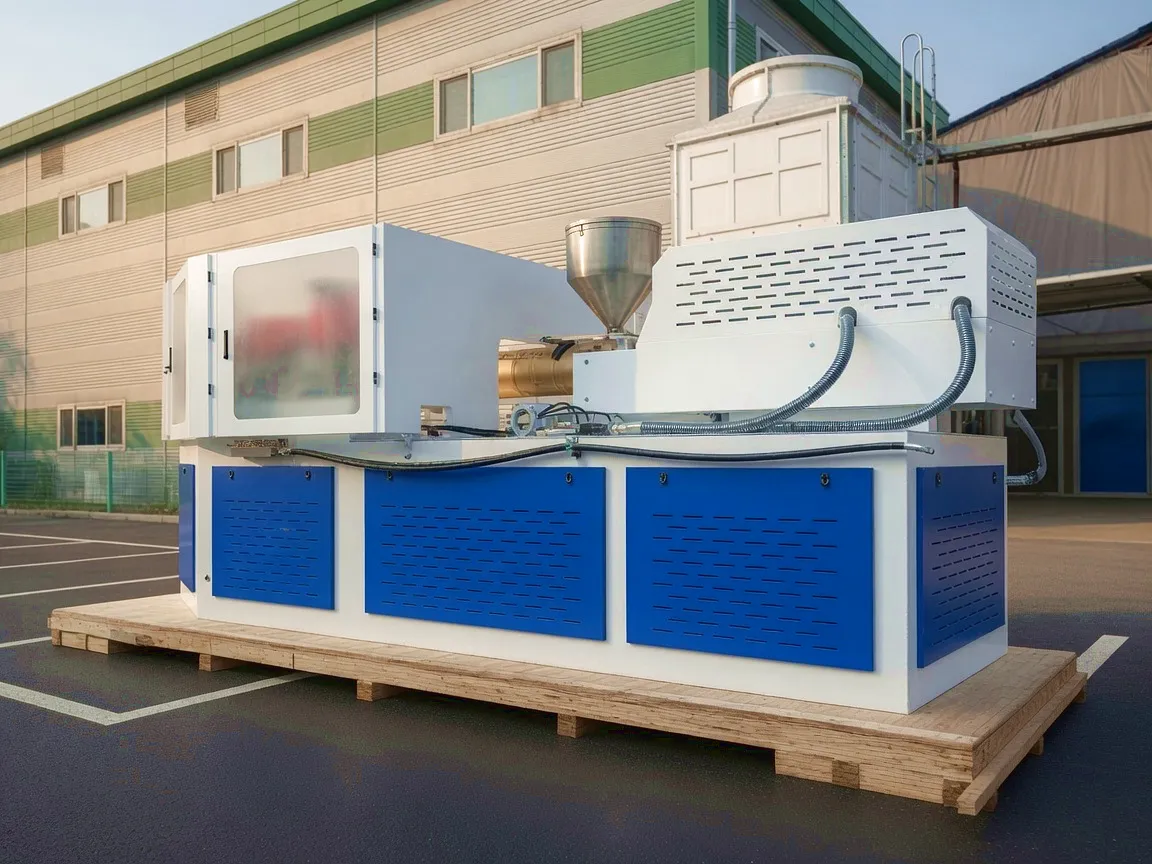
“The neck tolerance on the ZQ80 is simply in a different league from what our old EBM line produced. Our automated capping line has not had a single jamming incident related to neck-finish deviation since the Ever Power machines went live — that alone has paid for itself in line downtime savings.”
“What impressed us most about Ever Power’s injection-blow molding machine was the customisation flexibility. They reconfigured the core rod geometry to produce our specific dropper orifice dimension within the preform tool itself — something we were told by two other suppliers was not achievable on their platforms. Our MHRA submission for the new eye-drop container sailed through first review.”
“Ever Power’s after-sales support is genuinely a cut above. We had a barrel thermocouple issue at 11 PM on a Friday — their technical team was on a video call diagnosing the problem within 45 minutes and the replacement part arrived on our Birmingham site by Monday morning. That kind of supply chain responsiveness is what keeps our three-shift operation viable.”
Frequently Asked Questions
How much does an injection-blow molding machine cost for a UK pharmaceutical packaging manufacturer in 2025?
Machine pricing varies significantly based on clamping tonnage, drive type (hydraulic versus servo-electric), cavity count, and any application-specific customisation required for pharmaceutical-grade tooling. For UK pharmaceutical packaging operations, entry-level single-cavity injection-blow molding machines typically begin at £45,000–£80,000 ex-works, while multi-cavity servo platforms with pharmaceutical-grade tooling packages and FAT validation documentation can exceed £250,000. Ever Power provides detailed quotation proposals including tooling costs, installation, commissioning, and training within 5 business days of receiving a technical brief. Contact [email protected] for a price request tailored to your specific container specification and annual volume requirements.
What is the difference between injection-blow molding and stretch-blow molding, and which one should I choose for my Birmingham bottle production line?
Injection-blow molding produces the container neck during the injection phase, yielding superior neck-finish precision but limiting container volume to approximately 1–2 litres on standard platforms. Stretch-blow molding (ISBM) stretches a preform both axially and radially during blowing, enabling the production of large-volume carbonated beverage bottles and achieving higher material orientation for improved barrier properties. For Birmingham-based bottle producers targeting pharmaceutical, personal care, or agrochemical containers where neck-thread accuracy and wall-thickness consistency matter more than ultra-high volume output, injection-blow molding is typically the stronger technical choice. Stretch-blow moulding is preferred for 500 ml+ carbonated soft drink and mineral water bottles where biaxial orientation markedly improves CO2 retention.
Which materials can an injection-blow molding machine process for food-contact containers sold to UK supermarket retailers?
For food-contact applications targeting UK supermarket supply chains — including Tesco, Sainsbury’s, and Waitrose — the most commonly specified materials are PET, PP, and HDPE. All three resins, when sourced from suppliers providing a Declaration of Compliance against UK-retained EC 10/2011, satisfy food-contact obligations under the UK Food Contact Materials Regulations. PET is preferred for clear sauces, condiments, and supplement products; PP suits hot-fill applications up to 100°C; HDPE is standard for opaque dairy-adjacent or oil-based products. Ever Power can configure injection-blow molding machine barrel and screw geometry, along with mould materials, to optimise processing of any of these resins and supply the material compliance documentation required by major UK retail Technical departments.
Where can I find a reliable injection-blow molding machine supplier that offers customisation services for agrochemical containers in Sheffield or the East Midlands?
Ever Power supplies injection-blow molding machines to UK agrochemical packaging manufacturers throughout the Midlands, Yorkshire, and across Great Britain. Our technical team supports UK-based customers from initial application specification through tooling design, machine commissioning, and ongoing aftermarket support — providing UN-approved container tooling configurations, HDPE and PP processing optimisation for agrochemical formulations, and UK-compliant technical documentation packages. For manufacturers in Sheffield, Nottingham, Derby, or the wider East Midlands agricultural packaging sector, contact our export sales team at [email protected] to discuss your container specification and receive a project-specific quotation within 5 working days.
How long does it take to commission an injection-blow molding machine and achieve validated production output at a UK manufacturing site?
Lead time from order placement to site commissioning depends on whether standard tooling configurations are selected or a full custom tooling programme is required. For machines with standard tooling, Ever Power typically delivers mechanical installation-ready equipment within 10–14 weeks from purchase order. Custom tooling programmes, including application-specific preform and blow-mould engineering, add 4–8 weeks to the schedule. On-site commissioning — encompassing mechanical installation, utilities connection, process parameter optimisation, and operator training — typically requires 7–14 working days. For pharmaceutical or medical device packaging environments requiring IQ/OQ/PQ validation protocols, Ever Power’s applications team provides structured documentation support to accelerate MHRA-aligned validation timelines.
What ongoing maintenance and spare parts support can UK buyers expect when purchasing an injection-blow molding machine from an overseas manufacturer?
Ever Power maintains a dedicated export aftermarket programme for UK customers, including a structured spare-parts stocking recommendation, preventive maintenance schedule documentation aligned to UK PSSR 2000 pressure system requirements, and remote diagnostic capability through the machine’s HMI connectivity. Critical wear components — barrel liners, screw tips, check-valve assemblies, and core rod sealing rings — are held in Ever Power’s export dispatch inventory and can be airfreighted to UK addresses within 48 hours. For unplanned downtime situations, Ever Power’s technical support team operates across UTC+8 business hours, with an emergency contact protocol that ensures UK night-shift operations can reach a qualified engineer for telephone or video-assisted diagnostics during any 24-hour period.
Ready to Specify Your Injection-Blow Molding Machine?
Ever Power’s application engineering team is available to review your container specification, volume requirements, and resin selection. Send your brief and receive a project-specific technical proposal within 5 working days.
edit by gzl