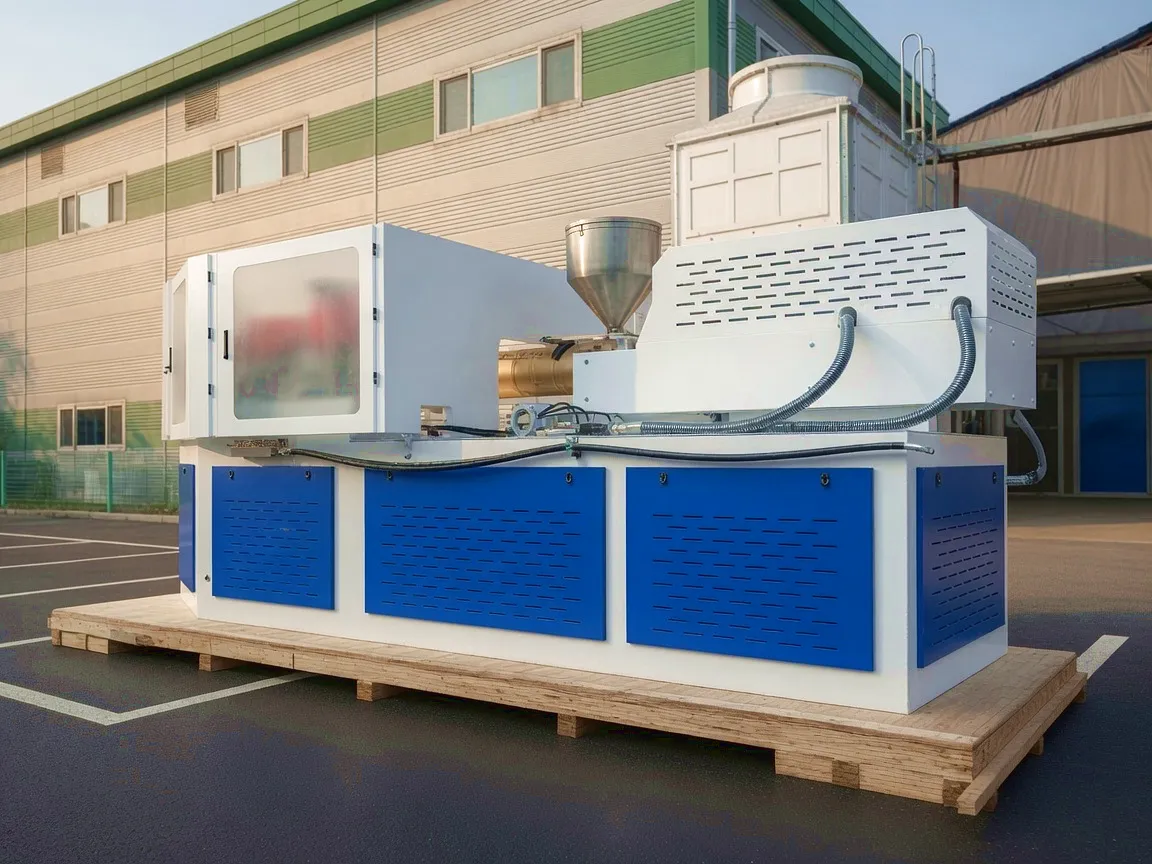
 Injection-blow molding — often abbreviated as IBM — represents one of the most technically demanding and commercially significant polymer processing methods available to manufacturers today. Unlike extrusion blow molding or injection stretch blow molding, IBM combines the dimensional precision of injection molding with the hollow-forming capability of blow molding in a single, integrated machine cycle. The result is a container that holds tighter tolerances on neck diameter, wall thickness, and internal volume than virtually any competing process can deliver.
Across the United Kingdom, demand for IBM-produced containers has accelerated sharply over the past decade. Pharmaceutical manufacturers in the East Midlands, diagnostics suppliers operating out of Greater Manchester, and personal care brands clustered around the M4 corridor have each discovered that the injection-blow molding machine gives them something no other process can: glass-clear optical quality, pharmaceutical-grade interior cleanliness, and neck threads precise enough to accept tamper-evident closures without a secondary trimming operation. At the same time, the elimination of flash waste and the reduction in post-processing labour make IBM genuinely cost-competitive at medium production volumes.
This article examines the full spectrum of IBM application scenarios in depth — beginning with laboratory and in-vitro diagnostics packaging — alongside the working principles, material considerations, and performance parameters that define the technology. Whether you are evaluating IBM equipment for the first time or benchmarking an existing line against current best practice, the information that follows is designed to give you the technical confidence to make the right decision for your facility.
How an Injection-Blow Molding Machine Actually Works
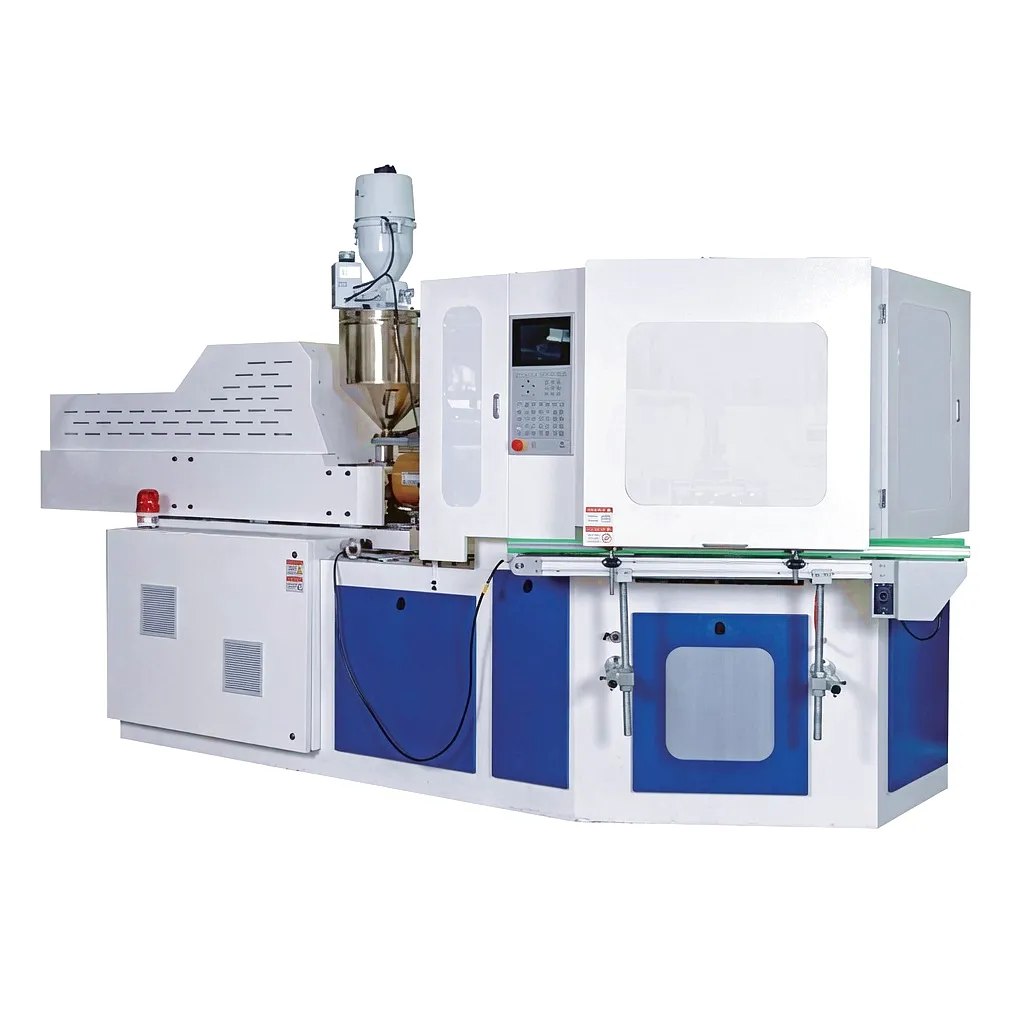 The IBM process runs on a rotary indexing table — typically three-station or four-station — that advances each preform through the full cycle without manual transfer. In the first station, molten polymer is injected around a steel core rod at pressures typically between 1,000 and 1,800 bar. The core rod governs the internal geometry of the preform and ultimately determines the finished container’s neck thread profile, internal diameter, and base geometry. Because the preform is still on the core rod when it enters the blow station, concentricity is maintained with an accuracy that external transfer systems simply cannot replicate.
At the blow station, the preform is enclosed by the blow mould and air is introduced through the core rod at pressures between 6 and 10 bar. The polymer expands against the cooled mould wall, taking on the precise contour of the container geometry. Cycle times — from injection to ejection — typically run between 8 and 25 seconds depending on wall thickness and material viscosity. For high-speed pharmaceutical vial lines, this translates to outputs exceeding 12,000 units per hour on a single machine.
Because the finished container is ejected fully formed with no flash or pinch line at the base, IBM eliminates the deflashing and base-trimming operations that are standard practice in extrusion blow molding. This is not merely a convenience — for pharmaceutical and diagnostic containers, flash-free bases are a regulatory requirement in the UK and across the EU.
Core Materials Processed on IBM Equipment
PET (Polyethylene Terephthalate)
The primary material for pharmaceutical vials, cosmetic bottles, and beverage containers. IBM-grade PET offers superior clarity, excellent barrier properties against oxygen and moisture, and intrinsic viscosity values typically between 0.72 and 0.82 dl/g for container applications.
HDPE (High-Density Polyethylene)
Preferred for pharmaceutical solid-dose containers, chemical reagent bottles, and agricultural inputs. HDPE’s chemical resistance, ESCR performance, and compatibility with the IBM process make it the material of choice for child-resistant closures across the UK dispensing market.
PP (Polypropylene)
Used extensively in diagnostics tube production and medical device packaging. Polypropylene’s autoclavability at 121°C and compatibility with common laboratory reagents make it the dominant substrate for IVD specimen containers produced on IBM lines operating across the UK’s diagnostics sector.
COC / COP (Cyclic Olefin Polymers)
Glass-clear, extractable-low cyclic olefin materials have emerged as critical substrates for prefillable syringes and high-value parenteral containers on IBM lines. Their moisture vapour transmission rates are an order of magnitude lower than standard polyolefins, a property that is essential for injectable biologics.
Application Scenarios
Where injection-blow molding machines deliver decisive technical and commercial advantages
Application Scenario 1: Laboratory & In-Vitro Diagnostics (IVD) — Blood Collection Tubes, Urine Specimen Containers & Cryovials
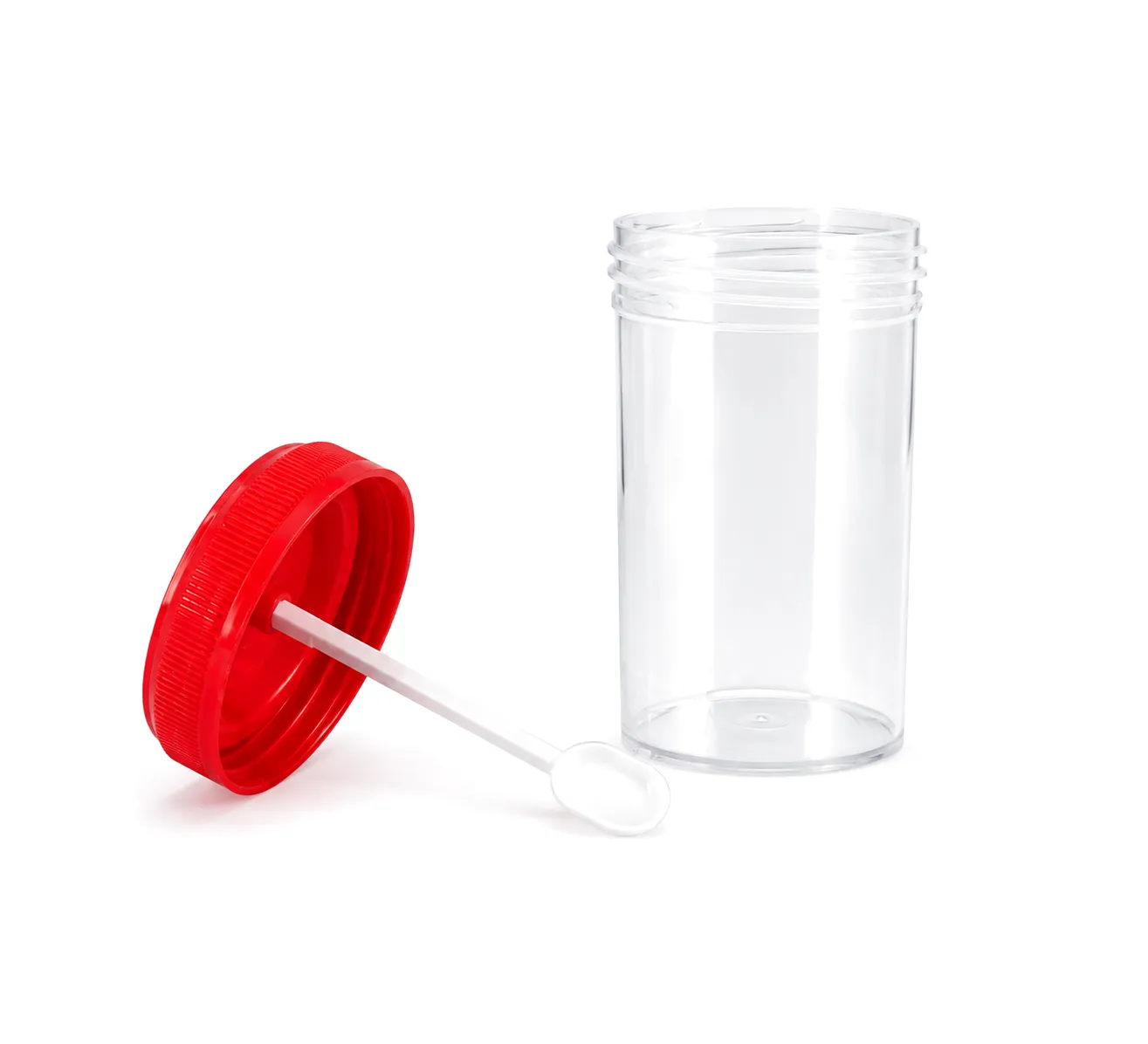
Industry: Laboratory & IVD · Key Products: Vacuum Blood Collection Tubes (EDTA / Coagulant), Urine Specimen Containers, Cryovials, Sputum Specimen Containers, Faecal Specimen Collection Bottles
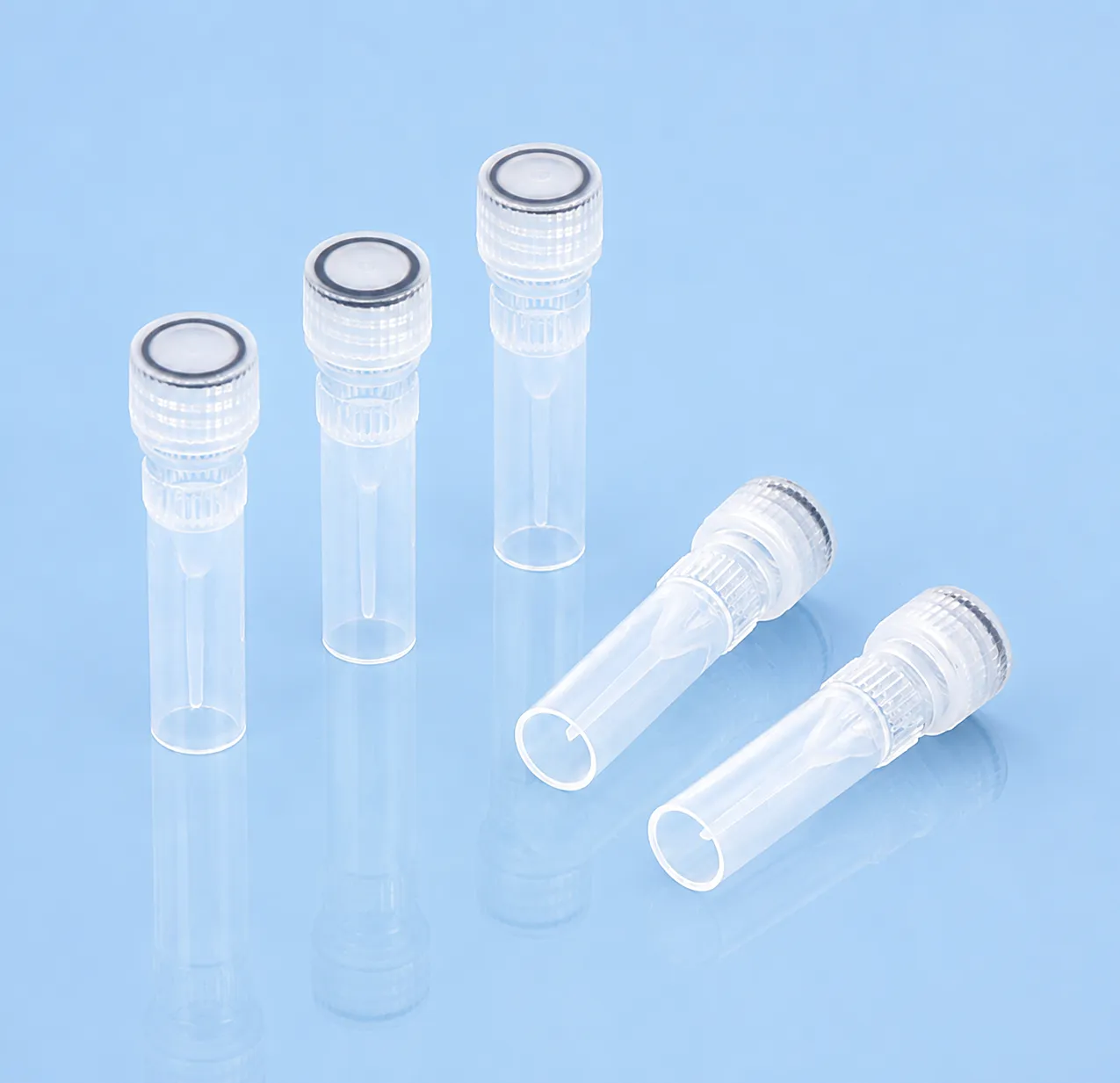 Laboratory and in-vitro diagnostics packaging represents arguably the highest-precision application domain for the injection-blow molding machine. Specimen containers directly influence the accuracy of diagnostic outcomes — any contamination on the internal surface, any deviation in dimensional tolerance, or any failure in the seal system can lead to specimen degradation or analytical error that propagates through to clinical decision-making. This is not a domain where manufacturing process variation is merely inconvenient; it can be genuinely consequential for patient health. IBM’s clean-room-compatible forming process and sub-millimetre dimensional control characteristics are irreplaceable within IVD packaging.
Vacuum blood collection tubes manufactured on an injection-blow molding machine must maintain a calibrated internal vacuum for extended periods — typically 18 months from date of manufacture. The tube body must achieve wall thickness uniformity within ±0.05 mm to ensure consistent vacuum retention across the entire tube diameter. IBM-produced PP and PET blood tubes meet this requirement as a direct consequence of the process: because the preform geometry is injection-moulded under controlled pressure before blowing, wall distribution is mathematically predictable rather than dependent on parison programming, as it is in extrusion blow molding. Diagnostic suppliers operating in Greater Manchester and the wider North West, who supply NHS Trusts with high-volume phlebotomy consumables, have increasingly specified IBM-produced tubes precisely because reject rates on vacuum-retention testing are dramatically lower.
Urine specimen containers and cryovials present a complementary challenge: the neck thread must accept a screw cap with torque-to-open values that satisfy CLSI M29 guidelines, while the internal volume must be accurate to within 2% of nominal to ensure reagent-to-sample ratios remain within analytical tolerance. IBM delivers the neck thread directly from the injection station — the thread profile is formed by the mould tool rather than by a secondary threading operation — which eliminates the thread run-out and pitch variation that are characteristic of extrusion blow moulded alternatives. For cryovial production, where containers must survive repeated freeze-thaw cycling between –196°C and ambient temperature without cracking, the isotropic molecular orientation produced during IBM blowing gives demonstrably superior low-temperature impact resistance compared with injection moulded solid-body alternatives.
The faecal specimen collection bottle illustrates yet another IBM strength in the IVD context. These containers require a wide-mouth opening — typically 28 to 38 mm inner diameter — combined with a deep, narrow body geometry that maintains the integrity of the transport medium. IBM tooling can achieve mouth-to-body ratios and depth-to-diameter combinations that would crack or distort in ISBM processing due to the stretch rod mechanics, and that cannot be formed by extrusion blow molding due to the absence of a precisely controlled core rod. UK diagnostics manufacturers, particularly those supplying GP practices and urgent diagnostic hubs across Birmingham, Coventry, and Leicester, have standardised on IBM equipment for this product category for exactly this reason.
Application Scenario 2: Pharmaceutical Primary Packaging — Oral Liquid Bottles, Ophthalmic Dropper Vials & Nasal Spray Containers
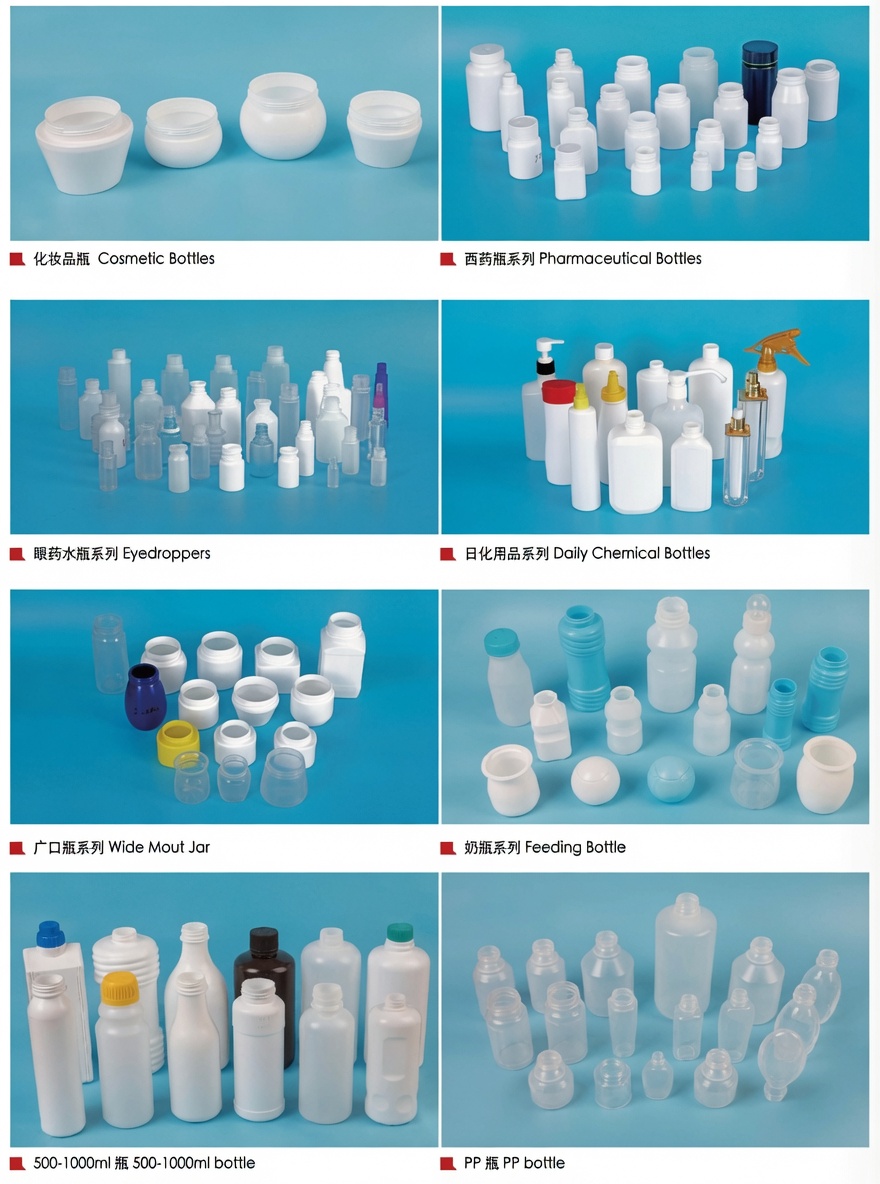
 Pharmaceutical primary packaging is the application scenario that most fully exploits the injection-blow molding machine’s complete capability set. The Medicines and Healthcare products Regulatory Agency (MHRA) in the UK mandates that primary packaging materials in direct contact with medicinal products must demonstrate chemical inertness, extractable and leachable profiles that satisfy ICH Q3C guidelines, and dimensional consistency sufficient to guarantee correct dosing across the container’s shelf life. IBM-produced containers satisfy all three requirements through process design rather than through extensive post-production testing, which is a compelling argument for pharmaceutical procurement teams operating under pressure to reduce validation costs.
Oral liquid bottle production on IBM machines is particularly prominent among pharmaceutical manufacturers operating in the East Midlands pharmaceutical cluster — an area encompassing Nottingham, Leicester, and Derby that has historically been one of the UK’s most significant pharmaceutical manufacturing concentrations. Syrup bottles and paediatric suspension containers in the 30 ml to 200 ml range are produced with neck finishes calibrated to 28 mm or 24 mm child-resistant closure systems. IBM’s controlled parison temperature during the blow stage ensures that crystallinity in PET bottles remains below 25%, which is the threshold above which haze formation can compromise visual inspection of the container contents — a regulatory requirement for parenteral and oral liquid presentations.
Ophthalmic dropper vials represent one of the highest-value and most demanding IBM applications. The tip insert geometry — typically a polyolefin elastomer insert moulded around the core rod tip — must deliver drops of 30 to 50 microlitres with a coefficient of variation below 5% across the required drop count. IBM machines equipped with servo-electric injection units can achieve the shot-to-shot repeatability needed to hold tip geometry to the tolerances required by the British Pharmacopoeia. The nasal spray container, equally, demands that the container body be dimensionally stable under the actuation force of the pump mechanism — IBM containers with uniform wall distribution perform significantly better in pump-actuation testing than extrusion blow moulded alternatives, where wall thinning at the blow-off scar can create local weakness under repeated compression.
Application Scenario 3: Personal Care & Cosmetics — Premium Perfume Flacons, Serum Bottles & Eye Drop Containers
 The UK’s personal care and cosmetics manufacturing sector — with significant operations centred in London, the M4 corridor, and the West Midlands beauty and health products cluster — generates strong and growing demand for IBM-produced containers that combine aesthetic excellence with functional precision. In this application domain, the injection-blow molding machine delivers something that no other polymer process can replicate: glass-like optical clarity in complex three-dimensional geometries, with the cost structure and production rate of thermoplastic processing. Premium skincare brands and independent fragrance houses have increasingly moved from glass primary packaging to IBM-produced PET alternatives, driven by weight reduction benefits for e-commerce distribution and the elimination of breakage losses in their supply chains.
Serum bottles and dropper-cap containers in the 15 ml to 50 ml range are particularly well served by IBM, because the process allows the toolmaker to specify precise body ovality and surface planarity that is essential for label adhesion on round containers with complex facetted shoulders. The IBM process naturally produces containers with very low residual stress in the side wall — a direct consequence of the controlled biaxial orientation developed during the blow stage — which means that self-adhesive labels applied at ambient temperature do not curl away from the container body as they can on injection moulded containers with high residual stress concentrations.
Cosmetic eye drop containers present an almost identical technical brief to pharmaceutical ophthalmic vials, with the addition of colour matching requirements for the container body. IBM processing is compatible with masterbatch colorant addition at the injection stage, allowing precise Pantone-matched body colours to be achieved without migration risk, which would be a significant concern with contact-colour coatings on glass alternatives. For personal care brands whose brand equity is directly tied to the visual consistency of their packaging, this is a compelling performance advantage.
Application Scenario 4: Food & Beverage Contact Packaging — Honey Jars, Sauce Bottles & Flavour Concentrate Containers
In the UK food manufacturing sector — which encompasses significant jam, condiment, and artisan food producers across East Anglia, Yorkshire, and the South West — IBM-produced containers have carved out a substantial market share in the sub-300 ml premium format segment. The food contact applications for injection-blow molding machines centre on containers where product viscosity, shelf-life requirements, and consumer presentation standards converge. Honey jars, premium sauce bottles, and flavour concentrate containers all benefit from IBM’s inherent process advantages in ways that directly translate to commercial value for the food producer.
Food contact compliance in the UK is governed by the Food Contact Materials Regulations, which align with EU Regulation 10/2011 for plastic materials under the retained regulations framework post-Brexit. IBM-produced PET and HDPE containers are straightforwardly compliant with these regulations when produced from food-contact-grade resins, because the process does not introduce process aids, mould release agents, or secondary coatings that could trigger migration testing failures. The clean, flash-free IBM forming cycle means that the only extractable species present are those inherent to the base resin — a significant advantage over some alternative packaging formats that rely on in-mould coating or post-production barrier treatments.
The wide-mouth honey jar format — typically 48 to 63 mm neck finish, 250 to 500 gram fill weight — is one of the highest-volume IBM applications in UK food packaging. IBM tooling can produce wide-mouth containers with the flat, sealing-land geometry required for induction seal foil application, to tolerances of ±0.1 mm on sealing land width. This precision eliminates the seal failures that are the primary source of consumer complaints and retailer returns in the ambient honey category. Yorkshire artisan honey producers and East Anglian food packers operating private-label contracts for major UK multiple retailers have adopted IBM-produced PET honey jars as the standard format for premium and export lines.
Injection-Blow Molding Machine: Technical Performance Parameters
| Parameter | Typical Range | Unit | Remarks |
|---|---|---|---|
| Injection pressure | 1,000 – 1,800 | bar | Dependent on polymer viscosity and cavity geometry |
| Blow pressure | 6 – 10 | bar | Controlled via servo valve for wall distribution control |
| Cycle time | 8 – 25 | seconds | Lower end for thin-wall vials; upper end for wide-mouth jars |
| Wall thickness tolerance | ±0.05 – ±0.10 | mm | Tighter tolerance achievable with servo injection unit |
| Container volume range | 2 – 1,000 | ml | Most IBM equipment optimised for 5–500 ml |
| Output (single machine) | 3,000 – 15,000 | units/hr | Higher cavity counts increase output proportionally |
| Neck finish tolerance (inner dia.) | ±0.03 – ±0.05 | mm | Critical for pharmaceutical child-resistant closures |
| Materials processed | PET, HDPE, PP, COC, COP, LDPE, PVC (medical grade) | ||
| Mould stations | 3 – 4 | stations | 3-station (inject / blow / eject); 4-station includes conditioning |
| Melt temperature range | 170 – 310 | °C | PP at lower end; PET at upper end |
| Clamp force | 40 – 400 | kN | Scales with container diameter and cavity count |
Core Technical Advantages of IBM Technology
Zero Flash — Zero Trimming
IBM produces containers with no parting line flash on the base or body. This eliminates deflashing and trimming labour, which typically accounts for 15 to 25% of operating cost in equivalent extrusion blow moulding operations. For pharmaceutical production, flash-free bases are a regulatory requirement rather than a cost convenience.
Precision Neck Threading
Because the neck is formed in the injection station rather than the blow station, thread profile and inner diameter are maintained to tighter tolerances than any other blow moulding process. This is the enabling feature for the pharmaceutical and diagnostic closure systems that demand torque-within-spec performance across millions of containers.
Exceptional Optical Clarity
IBM-produced PET containers achieve haze values below 1% (ASTM D1003), which is competitive with pharmaceutical borosilicate glass. This level of optical clarity is required for visual inspection of oral liquids, cosmetic serums, and high-value food products where consumer perception of product purity is directly linked to container transparency.
No Secondary Operations Required
The IBM container exits the machine dimensionally complete — no annealing, no trimming, no thread chasing, and no secondary barrier coating is required for most applications. This dramatically simplifies the production cell, reduces operator headcount, and shortens the path from raw material to finished, inspected container.
Featured IBM Machine Products
ZQ40 Series
Replacement of Uniloy UIB 70 Injection Blow Molding Machine – ZQ40
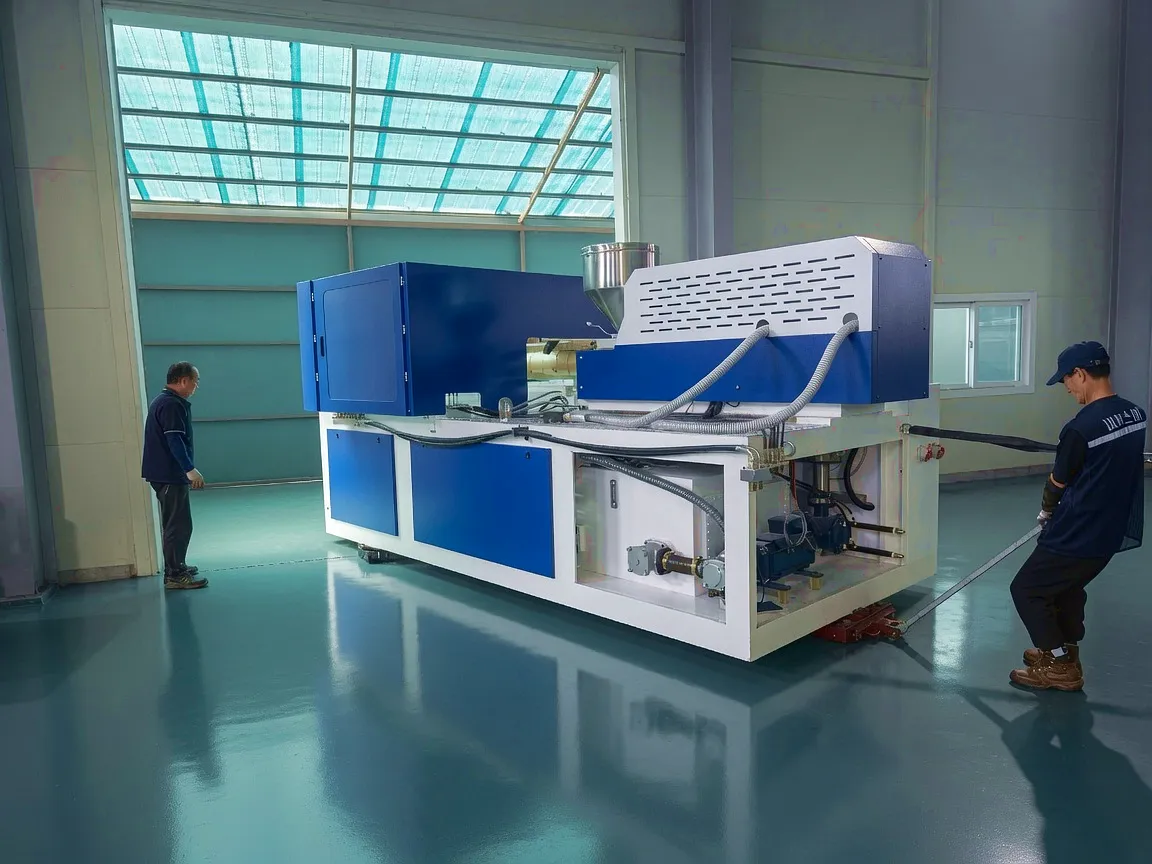
A direct performance replacement for the Uniloy UIB 70 platform, the ZQ40 delivers equivalent output capacity with updated servo-electric drive architecture, improved PLC control, and reduced energy consumption. Designed to accept existing Uniloy-format tooling to minimise changeover investment for UK packaging converters migrating from legacy equipment. Suited to pharmaceutical, cosmetic, and food contact container production in the 10 ml to 200 ml range.
ZQ40 Series
Replacement of Bloma IBM45 Injection Blow Molding Machine – ZQ40
Engineered as a high-fidelity replacement for the Bloma IBM45, this ZQ40 variant replicates the IBM45’s core rod geometry and station indexing characteristics while introducing modern energy-saving features including variable-frequency hydraulics and dynamic mould cooling control. An ideal upgrade path for UK diagnostics and personal care manufacturers operating ageing Bloma equipment who require continuity of validated container geometry without a full tooling replacement programme.
Customer Success Story: Sheffield Diagnostics Manufacturer
Sentinel Medical Supplies Ltd.
Sheffield, South Yorkshire · IVD Specimen Container Manufacturing
Sentinel Medical Supplies, a Sheffield-based manufacturer supplying NHS Trusts across Yorkshire and the Humber with vacuum blood collection tubes and urine specimen containers, had operated a legacy extrusion blow moulding line for over 12 years. Reject rates on vacuum-retention testing averaged 3.4% — a figure that was manageable when the tubes were exclusively supplied to hospital phlebotomy departments, but which became commercially untenable when Sentinel secured a new contract to supply a national private pathology network with tighter quality acceptance criteria.
After evaluating equipment from three suppliers, Sentinel’s technical director selected the Ever Power ZQ40 injection-blow molding machine, citing the machine’s core rod concentricity guarantee of less than 0.02 mm total indicator run-out and the availability of Ever Power’s Sheffield-to-door spare parts delivery service. The installation was completed over an eight-week period, with Ever Power’s engineering team providing on-site process development support for the first six weeks of production ramp-up.
Within three months of commissioning, vacuum-retention rejection rates had fallen to 0.18% — a reduction of more than 94% against the previous process. The elimination of deflashing operations and the reduction in operator headcount from five to two on the container production cell reduced operating cost per 1,000 tubes by approximately 28%. Sentinel subsequently commissioned a second ZQ40 machine to expand capacity for a new cryovial product line targeting the growing biobank sector operating across Yorkshire’s university hospitals.
“The improvement in vacuum retention performance was immediate and dramatic. We went from managing quality deviations on a weekly basis to running a 30-day period without a single rejection on vacuum test. That kind of process stability is what a contract with a national pathology network actually requires.”
— Technical Director, Sentinel Medical Supplies Ltd., Sheffield
Customer Reviews
“Ever Power’s customisation team worked with our packaging engineers for four weeks before we placed the order to confirm that the core rod geometry would produce our specific urine specimen container neck profile. That pre-sales engineering investment is why we are now on our second machine with them.”
— Procurement Manager, Diagnostics Consumables Manufacturer, Manchester
“The ZQ40’s energy consumption is noticeably lower than the equipment we replaced. On a 16-hour production day running HDPE pharmaceutical bottles, we measured a 22% reduction in energy cost per thousand containers. Ever Power provided the servo drive tuning parameters that made this possible, and their UK-based support engineer set it up in a single site visit.”
— Plant Manager, Pharmaceutical Packaging Division, Nottingham
“We transitioned from glass to IBM-produced PET serum bottles for our premium skincare range last year. The optical clarity of the Ever Power machine’s output is genuinely comparable to glass at a fraction of the container weight — our breakage losses in fulfilment have dropped to effectively zero. The haze values we measured on incoming inspection consistently came in below 0.8%, which exceeded the glass alternative we had been using.”
— Director of Operations, Personal Care Manufacturer, Bristol
Frequently Asked Questions
Content prepared by Ever Power technical content team. For IBM machine enquiries, technical specifications, and custom quotations: [email protected]
edit by gzl