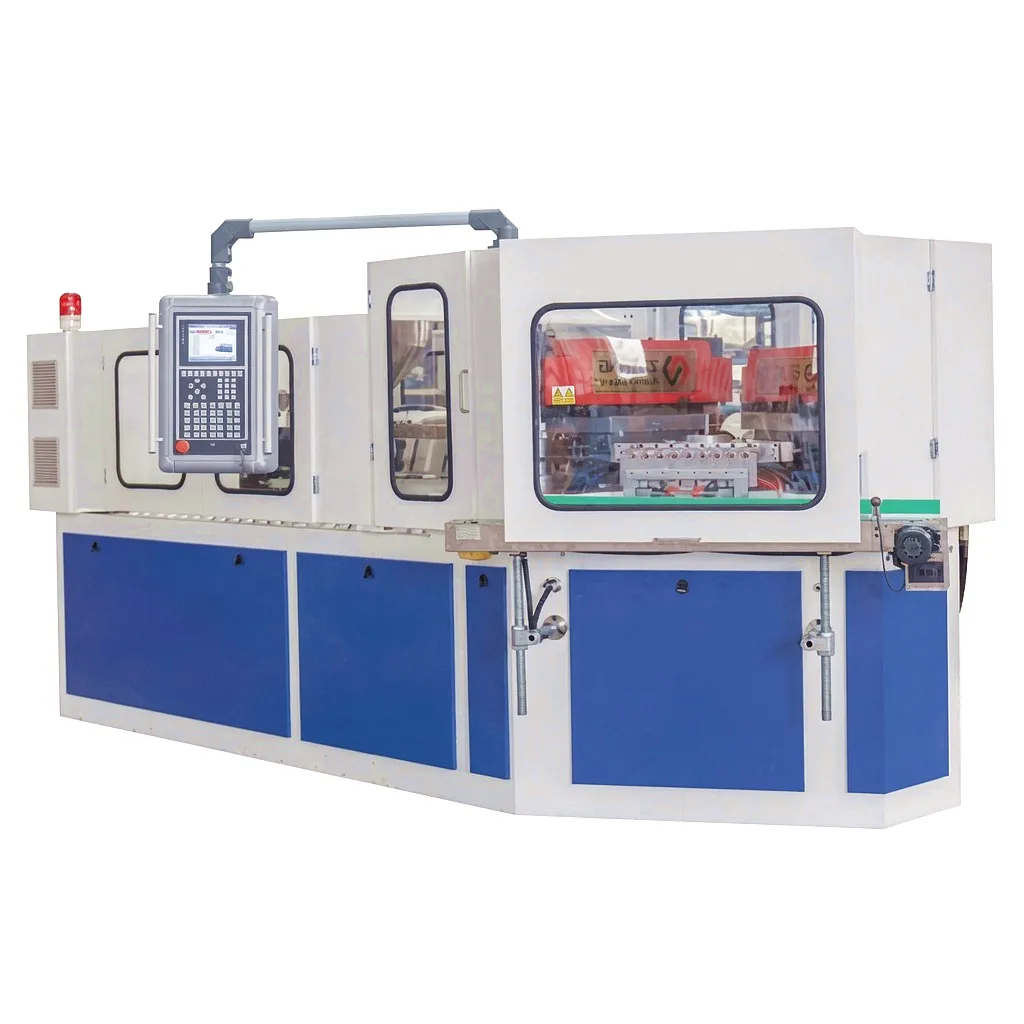
Ready to specify your IBM machine?
Ever Power engineers respond within 24 hours with a full technical proposal.
Understanding the Four Blow Molding Processes: IBM, ISBM, EBM, and Extrusion Compared
Every blow molding procurement decision begins with process selection, because committing to the wrong technology early means the machine will never produce the container quality your application demands, regardless of how well-engineered the individual unit is. The four main commercial processes each occupy a distinct niche, and understanding their engineering trade-offs is non-negotiable for anyone writing a capital equipment specification.
| Process | Container Type | Typical Volume | Key Advantage | Limitation |
|---|---|---|---|---|
| IBM | Precision small bottles, vials, ampoules | 5 ml – 1,000 ml | No flash, precise neck finish, no trimming | Higher tooling cost vs EBM |
| ISBM | PET bottles, wide-neck jars | 100 ml – 5 L | Biaxial orientation, highest clarity and strength | Limited to PET / similar crystalline resins |
| EBM | HDPE bottles, industrial containers | 50 ml – 200 L | Wide resin compatibility, handles handles/odd shapes | Flash trimming required, less neck precision |
| Extrusion Blow | Large tanks, drums, technical parts | 1 L – 1,000 L+ | Very large containers, multi-layer barrier co-extrusion | Poor wall thickness control at small scale |
Injection blow molding stands apart from the other three processes because the preform is injection-moulded with a precise core rod, conditioned thermally, and then blown directly without a separate parison-forming step. This eliminates every source of flash and neck flash that plagues extrusion blow molding, which is critical for pharmaceutical, nutraceutical, and cosmetic applications where container integrity and dimensional accuracy are validated under regulatory frameworks. For UK manufacturers operating under MHRA-aligned GMP requirements or supplying to NHS procurement channels, this process reliability is a significant commercial differentiator that justifies IBM’s higher tooling investment compared with simpler extrusion-based alternatives.
IBM Machine Working Principle: Three-Station Architecture and Thermal Conditioning Logic
Wall Thickness Uniformity and Preform Temperature Conditioning
Wall thickness control in injection blow molding is governed primarily by two variables: core rod geometry and preform temperature at the moment of blowing. Unlike extrusion blow molding where a parison must be programmed via die gap variation to compensate for uneven stretching, IBM produces a precisely injection-moulded preform whose wall distribution is already engineered into the tool design. This is a fundamental advantage for small containers, where wall thickness targets of 0.4 to 1.2 mm with a variation tolerance of ±0.05 mm are commercially standard.
Temperature conditioning between Station 1 and Station 2 is where process engineers have the greatest lever for quality control. For polypropylene — the dominant resin in UK pharmaceutical packaging — the preform must enter Station 2 within a window of approximately 155°C to 170°C at the outer surface, with the inner surface slightly cooler due to heat transfer from the core rod. Too hot, and the preform sags or develops asymmetric wall distribution; too cool, and blow-through failure or stress whitening occurs.
Modern IBM machines use independent zone temperature control for the barrel and nozzle assembly, with resolution of ±1°C achievable on servo-driven systems. The barrel temperature profile typically follows a rising gradient: feed zone at 160–180°C, compression zone at 180–200°C, and metering zone at 195–215°C for polypropylene, with specific profiles varying by grade and MFI. A machine without granular zone control will struggle to maintain these profiles consistently over a long production run, particularly when ambient temperature fluctuates — a common challenge in UK manufacturing facilities that lack climate control.
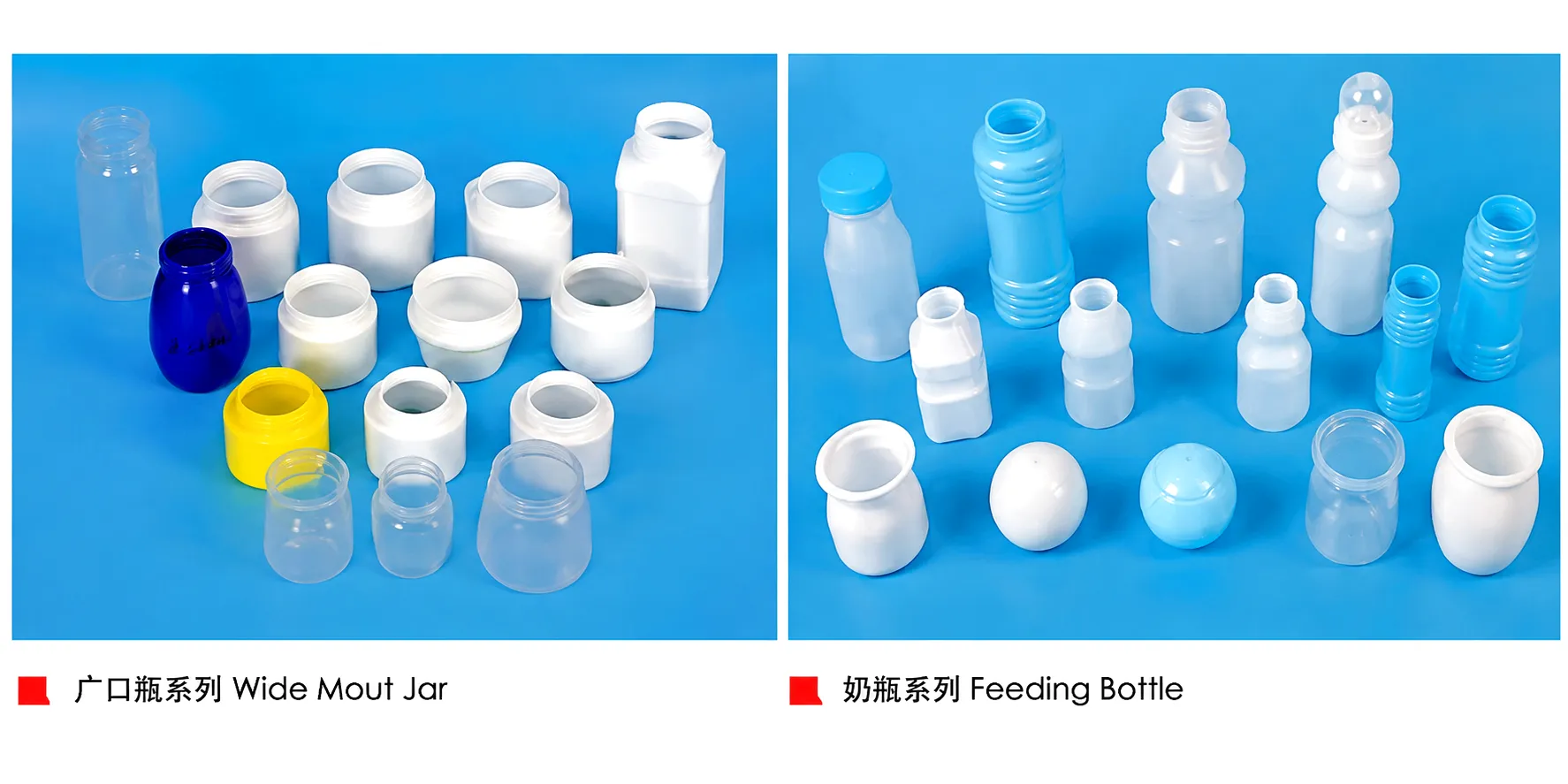
Key Technical Specifications: What the Parameters Actually Mean for Your Production Line
Machine datasheets list parameters but rarely explain what those parameters mean in practice. The table below presents the most commercially significant technical values alongside their real-world implications for production planning, container quality, and energy cost. Use this framework as a checklist when comparing proposals from different injection blow molding equipment suppliers.
| Parameter | Typical Range (IBM) | Practical Implication |
|---|---|---|
| Clamping Force | 40 – 200 kN | Determines maximum cavity pressure; undersizing causes flash at parting line |
| Screw Diameter | 28 – 75 mm | Governs shot size and plasticising rate; larger L/D ratios improve melt homogeneity |
| Injection Pressure | 80 – 160 MPa | Higher pressure needed for thin-wall preforms and high-MFI resins |
| Blow Air Pressure | 6 – 12 bar | Must be matched to container volume and preform stretch ratio to avoid blow-through |
| Cycle Time | 8 – 20 seconds | Directly sets hourly output; influenced by cooling efficiency and resin type |
| Cavity Count | 2 – 48 cavities | Multiplies output linearly; mould balancing critical for uniform quality across all cavities |
| Barrel Temperature Zones | 4 – 6 zones | More zones allow finer profile control; critical for shear-sensitive resins like PVC and PETG |
| Installed Power | 11 – 75 kW | Servo-hydraulic and all-electric designs achieve 30–50% lower running cost vs conventional hydraulic |
| Mould Opening Stroke | 150 – 400 mm | Sets maximum bottle body height; confirm against tallest container in your product range |
| Neck Diameter Range | 10 – 120 mm | Core rod diameter range; determines compatibility with closure specifications |
Mould Design and Container Geometry Optimisation for IBM Applications
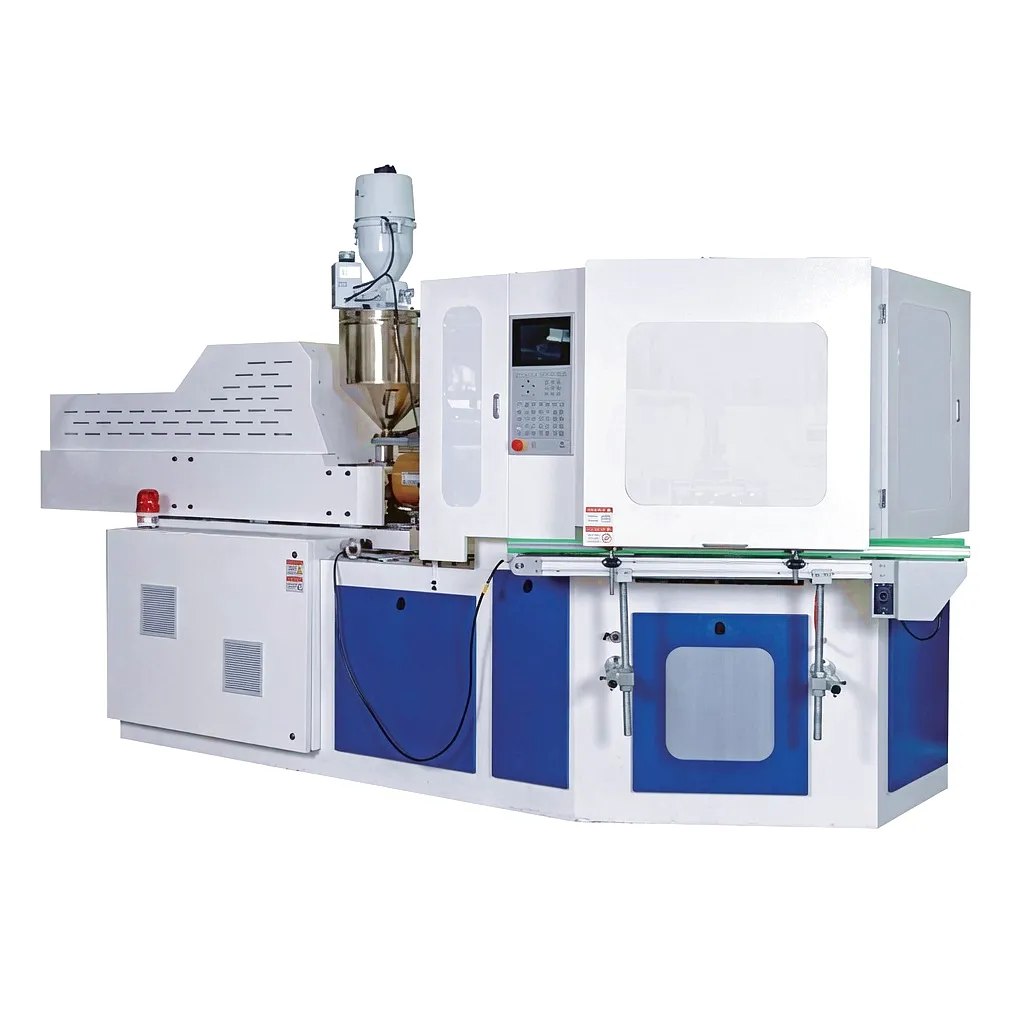
Resin Selection for Injection Blow Molding: Material Properties and Processing Windows
The choice of resin fundamentally shapes which machine specification you need, because different polymers demand different processing temperatures, screw designs, and mould cooling rates. UK pharmaceutical and cosmetic manufacturers typically work with a narrower resin palette than general packaging operations, but the processing demands within that palette are often more stringent.
The workhorse resin for pharmaceutical IBM. Processing temperature 200–240°C. Excellent chemical resistance, autoclavable grades available. Requires careful mould cooling to avoid haze in clear grades. MFI 10–35 g/10min typical for IBM.
Preferred for agrochemicals, household chemicals, and motor fluid containers. Processing temperature 180–230°C. High stiffness-to-weight ratio. Susceptible to stress cracking with certain surfactant fills; resin grade selection critical.
High clarity and barrier properties. Must be dried to <50 ppm moisture before processing. IV (intrinsic viscosity) 0.72–0.85 dL/g for IBM. Crystallisation during slow cooling causes haze; rapid mould cooling is essential.
PETG offers excellent clarity without crystallisation issues. COC (cyclic olefin copolymer) provides exceptional optical clarity and very low moisture vapour transmission, making it preferred for diagnostics and ophthalmic packaging in the UK life sciences sector.
Industrial Application Scenarios: Where IBM Machines Deliver Superior Value in UK Manufacturing
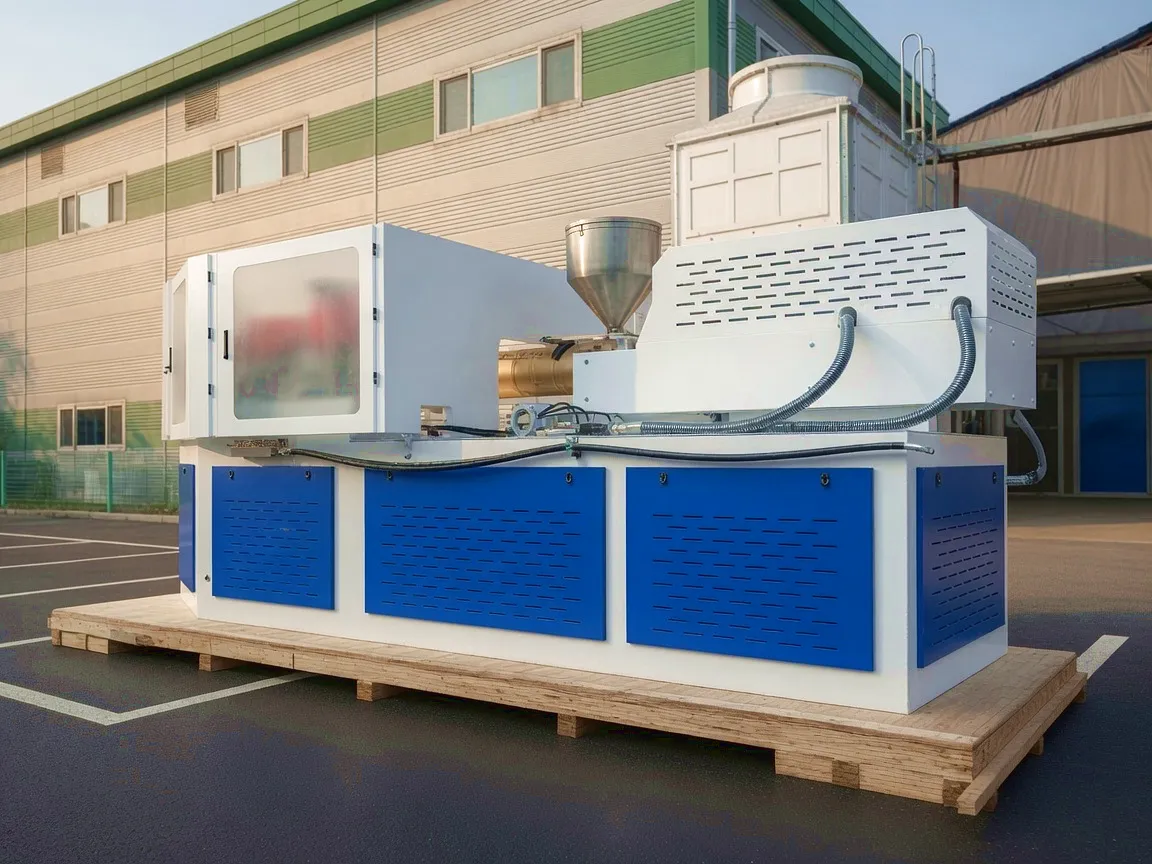
Pharmaceutical
Oral Liquids & Injectables
Eye drops, nasal sprays, oral suspension bottles. MHRA GMP-aligned process, no flash, certified clean-room compatible tooling.
Cosmetics
Premium Beauty Packaging
Serum vials, lotion bottles, perfume base bottles. Flash-free body, high-gloss surface finish, compatible with hot-stamping and sleeve labelling.
Nutraceuticals
Supplement & Vitamin Bottles
Wide-neck PP/HDPE bottles for capsule and tablet packaging. CRC-compatible neck finish, child-proof closure integration, food-contact grade resin compatibility.
Diagnostics
Laboratory & Diagnostic Containers
Reagent bottles, sample collection vials, ophthalmic drop containers. COC and PETG resins, ultra-low extractables, tight volume tolerances of ±1%.
IBM Machine Troubleshooting: Diagnosing the Seven Most Common Production Defects
Even well-maintained injection blow molding machines with high-quality tooling will periodically produce defects. Understanding the root cause behind each defect type allows process engineers to resolve issues at the parameter level rather than defaulting to tool stripping and maintenance, which costs time and production. This troubleshooting guide covers the defects most commonly reported by UK IBM operators across pharmaceutical, cosmetic, and food supplement applications.
| Defect | Likely Root Cause | Corrective Action |
|---|---|---|
| Uneven wall thickness | Preform too cold at blow station; asymmetric mould cooling | Raise blow station conditioning time; check cooling channel flow balance |
| Surface haze / cloudiness | Mould temperature too high for PP; moisture in PET/PETG | Reduce mould cooling water temperature; verify pre-drying protocol |
| Flash at neck finish | Worn core rod tip; insufficient clamping force | Inspect core rod for wear; verify clamping pressure setting |
| Blow-through / thin base | Preform too hot; blow pressure too high; preform gate too thin | Reduce barrel temperature; lower blow pressure in 0.5 bar steps; review gate geometry |
| Short shot / incomplete preform | Insufficient shot size; blocked hot runner gate; low injection pressure | Increase shot size by 3–5%; inspect and clean hot runner; raise injection speed |
| Sink marks on body | Inadequate holding pressure; premature gate freeze | Increase packing pressure; extend hold time by 0.5–1 second increments |
| Cavity-to-cavity weight variation | Unbalanced hot runner; mould cooling asymmetry between cavities | Flow-balance hot runner system; measure and equalise cooling channel temperatures |
Energy Consumption Optimisation and the Business Case for Servo-Driven IBM Technology
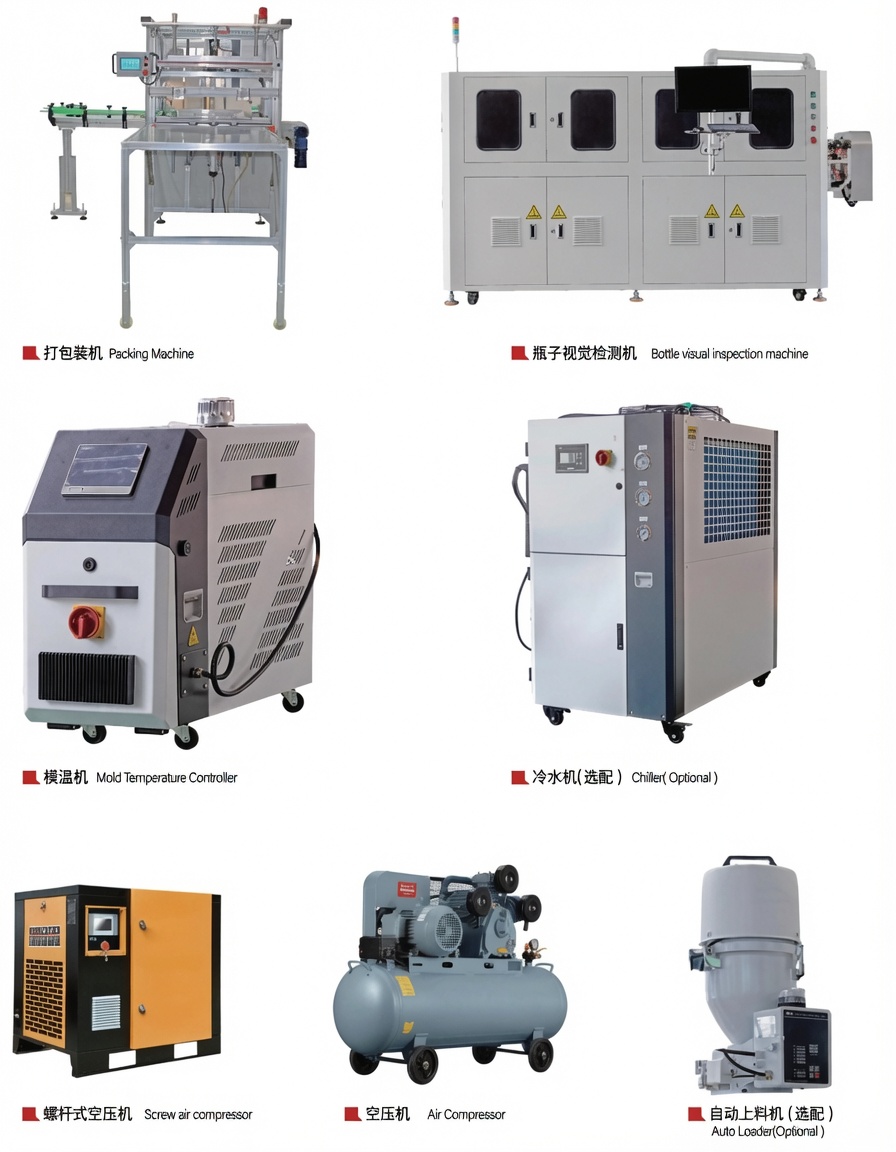
Ever Power Featured IBM Products: European-Grade Precision for UK Markets
Ever Power: Precision IBM Manufacturing and Custom Engineering Services
Ever Power operates a purpose-built injection blow molding machine manufacturing facility with over 15,000 square metres of production floor space, housing a vertically integrated manufacturing chain that covers CNC machining, precision assembly, hydraulic and servo system integration, electrical panel fabrication, and factory acceptance testing. This degree of vertical integration — unusual among injection blow molding machine manufacturers — means that critical components such as the core rod assembly, clamping mechanism, and injection unit screw-and-barrel set are produced to Ever Power’s own dimensional tolerances rather than outsourced to third-party suppliers whose quality control we cannot directly audit. For customers in regulated industries, this traceability is not a marketing point: it is a material risk-reduction factor during equipment qualification.
Ever Power’s customisation capabilities extend across the full machine and tooling scope. Standard European-series IBM machines are available with process modifications including extended conditioning zones for heat-sensitive resins, cleanroom-compatible enclosures for pharmaceutical line integration, integrated vision inspection systems for 100% container inspection at line speed, and custom colour-coded HMI configurations for multi-shift operations. For UK customers with specific voltage, phase, or CE/UKCA marking requirements, Ever Power’s export engineering team handles documentation and compliance preparation as a standard part of the order process, substantially reducing the administrative burden on the UK buyer’s procurement team.
The supply chain backing Ever Power’s IBM production line draws on long-term relationships with Tier 1 component suppliers for servo drives (Siemens, Delta, Bosch Rexroth), hydraulic components (Parker, Bosch), and control systems (Siemens S7 series). Lead times for standard European-series models are 45 to 75 days ex-factory, with expedited production programmes available for urgent deployment requirements. Spare parts are held in buffer inventory and can be shipped internationally within 48 hours for critical components, with UK-based technical support provided through our European service network.
Customer Success Story: Sheffield Pharmaceutical Packaging Operation Achieves 34% Output Gain
A contract pharmaceutical packaging organisation based in Sheffield, operating across two manufacturing sites serving both NHS supply chains and private label healthcare brands, approached Ever Power in late 2024 with a capacity problem. Their existing fleet of older hydraulic IBM machines, handling a product range of oral liquid bottles and nasal spray containers in PP and HDPE, was running at maximum utilisation with no headroom for the volume growth their NHS contract renewal required. The machines were also generating reject rates of 2.1% on a critical 100 ml oral suspension bottle that the quality team had been unable to reduce below that threshold despite repeated process studies.
After a detailed needs assessment conducted by the Ever Power applications engineering team — covering current machine parameters, reject analysis data, resin specifications, and container drawing review — a two-machine deployment of the ZQ60 European-series IBM machine was proposed, with custom tooling engineered to run both the 100 ml oral suspension bottle and a new 200 ml syrup bottle the customer was preparing to launch. The tooling was designed to run 24 cavities on the 100 ml bottle and 16 cavities on the 200 ml variant, with a common core rod platform enabling changeover between the two in under 90 minutes.
Following installation, process qualification, and IQ/OQ/PQ validation over a six-week period, the Sheffield facility recorded a 34% increase in total production output for the 100 ml bottle, and a 61% reduction in reject rate — down from 2.1% to 0.82% — attributed to the ZQ60’s superior preform temperature conditioning control and the balanced hot runner system in the new tooling. Energy consumption per thousand containers fell by 41% compared with the retired hydraulic machines. The new 200 ml syrup bottle entered validated production within the planned 12-week programme, on time and within budget, meeting the customer’s NHS contract launch date.
“The ZQ60’s hot runner balance is genuinely different from what we had before. Cavity-to-cavity weight variation is now inside 0.3 grams across 24 cavities, which is something we simply could not achieve with the previous machine regardless of how much time we spent on process optimisation. That consistency has completely transformed our validation headache.”
Production Manager, Pharmaceutical Contract Packager, Sheffield
“Ever Power’s custom engineering support through the UKCA marking process saved us a significant amount of internal resource. They had all the documentation structured correctly from the start. The machine itself has been running for seven months now with no unplanned downtime, and the energy bills confirm what the specification promised — we are running at roughly 40% of what the old hydraulic machine cost per shift.”
Technical Director, Cosmetic Packaging Manufacturer, Birmingham
“We evaluated three IBM machine suppliers before selecting Ever Power. The ZQ40 was the only machine in our budget range that offered independent zone temperature control at the granularity our COC ophthalmic containers require. The Ever Power team understood exactly what we needed without us having to educate them on the application — that technical confidence, backed by their flexible customisation on the tooling side, made the decision straightforward.”
Head of Operations, Diagnostics Packaging Manufacturer, Nottingham
Procurement Checklist: Twelve Questions to Ask Every IBM Machine Supplier Before You Sign
A structured supplier evaluation process reduces the risk of post-purchase disappointment significantly. The following questions are the ones that experienced procurement teams in UK pharmaceutical, cosmetics, and food supplement manufacturing ask during supplier qualification — and the ones whose answers most reliably predict whether a machine will perform to specification in production.
1. Process Suitability
Can you provide wall thickness distribution data from a running trial on a container geometry comparable to ours?
2. Energy Performance
What is the verified specific energy consumption (kWh/kg) for a standard 100 ml PP pharmaceutical bottle on this model?
3. Tooling Compatibility
Can existing tooling from our current IBM machine be adapted to your platform, or will new tooling be required?
4. UKCA / CE Documentation
What compliance marking does the machine carry, and what documentation is provided to support machine qualification under GMP validation protocols?
5. Spare Parts Supply
What is the guaranteed lead time for critical wear parts (screw, barrel, core rods) and how are they held in the UK supply chain?
6. Resin Flexibility
Has this machine model been validated on the specific resin grades in our current BOM, including MFI range and any colour masterbatch or additive loadings?
Frequently Asked Questions About Buying Blow Molding Machines in the UK
Specify Your IBM Machine with Ever Power
Get a detailed technical proposal tailored to your container specifications, resin chemistry, volume requirements, and UK site constraints — with full UKCA documentation.
edit by gzl