Understanding the Blow Moulding Process Family: IBM, EBM, ISBM and Extrusion
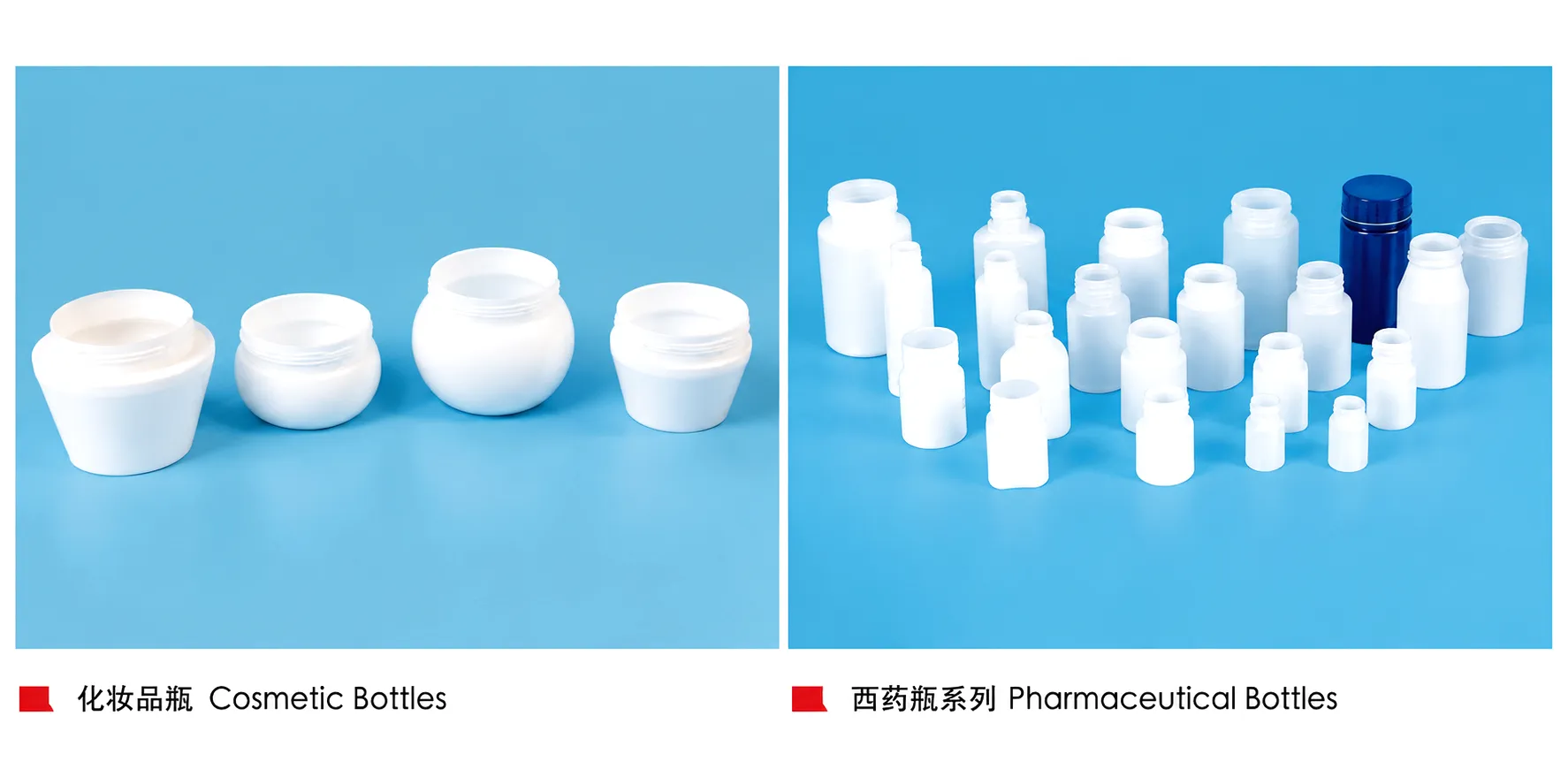
Before assessing any machine — new or secondhand — it is worth establishing exactly which process you are dealing with, because the mechanical complexity and therefore the risk profile of used equipment differ substantially across the four main technologies. Injection Blow Moulding (IBM) is a two-stage or three-stage process: plastic is first injection-moulded around a core pin to form a parison (or preform), which is then transferred on the same tool to a blow station where compressed air expands it into the final bottle shape. IBM is the dominant technology for small, high-precision containers — pharmaceutical bottles, cosmetic jars, and laboratory sample vials — because it produces virtually no flash waste and delivers exceptional wall thickness uniformity typically within ±0.05 mm.
Extrusion Blow Moulding (EBM) extrudes a molten tube (parison) which is then clamped in a mould and blown. It handles larger, irregular containers and multi-layer constructions, but the pinch-off flash waste and relatively looser dimensional control make it unsuitable for pharmaceutical-grade work. Injection Stretch Blow Moulding (ISBM) adds a stretch rod to the blow stage, biaxially orienting the polymer chains for superior clarity and barrier performance — this is the technology behind PET water bottles and carbonated drink containers. Reheat Stretch Blow Moulding separates preform production from bottle blowing entirely, allowing preforms to be produced centrally and shipped to regional filling lines.
The IBM category carries the highest used equipment risk because the injection and blow tooling must register with extreme precision on each cycle. Core pin alignment, platen parallelism, and clamp force repeatability all degrade with use, and these are not always visible during a casual inspection. This is why IBM machines warrant a more rigorous secondhand assessment protocol than EBM or extrusion units.
How an IBM Machine Actually Works: Core Mechanics and Material Science
Material selection governs virtually every aspect of machine setup and wear rate. HDPE (High Density Polyethylene) is the workhorse polymer for household chemical and personal care containers — it runs at barrel temperatures of 190–230 °C, requires relatively low injection pressures, and is forgiving of minor barrel or screw wear. PP (Polypropylene) demands tighter temperature control, is sensitive to degradation if dwell times in the barrel increase (as happens when a machine runs slowly or experiences frequent stops), and requires higher clamp forces for equivalent wall thickness. PVC, now increasingly uncommon in UK manufacturing due to environmental regulations, requires precision barrel temperature zoning and is highly aggressive to barrel and screw metallurgy. On a used blow moulding machine, screw and barrel wear from a previous PVC processing history can compromise performance on any subsequent polymer even after thorough cleaning.
Wall Thickness Uniformity and Preheating Temperature Curves
Wall thickness uniformity is the single metric that most clearly distinguishes a well-maintained IBM machine from one that has accumulated wear or thermal management problems. In pharmaceutical packaging — the dominant IBM application for both Birmingham-based CMOs and Sheffield precision parts manufacturers — a wall thickness variation of more than ±0.08 mm across any single container can trigger batch rejection under MHRA guidelines. Achieving this level of consistency requires that the barrel temperature profile, injection pressure ramp, and blow timing are all precisely controlled and fully repeatable cycle to cycle.
The barrel is divided into multiple independently controlled heating zones — typically four to six zones on a modern IBM machine. The temperature curve rises from the rear (feed) zone to the front (metering) zone, then drops slightly at the nozzle to prevent drool. For HDPE processing, a representative five-zone profile might run 185 °C / 200 °C / 215 °C / 220 °C / 210 °C from rear to nozzle. On a used blow moulding machine, thermocouple calibration drift is one of the most commonly overlooked issues: a thermocouple that reads 215 °C but is actually controlling to 228 °C will cause parison over-heating, reduced wall thickness in the lower bottle body, and accelerated polymer degradation.
On machines older than 5 years, annual thermocouple calibration against a NIST-traceable reference is standard practice. Uncalibrated sensors introduce systematic parison temperature errors of up to ±12 °C, which translate directly into wall thickness variation and rejection rate increases.
The parison must reach the blow station within a specific temperature window — typically 10–20 °C above the polymer’s softening point. On machines with worn index drives, cycle-to-cycle timing variation expands, and parison temperature at blow becomes inconsistent, producing bottles with uneven shoulders and base weight distribution.
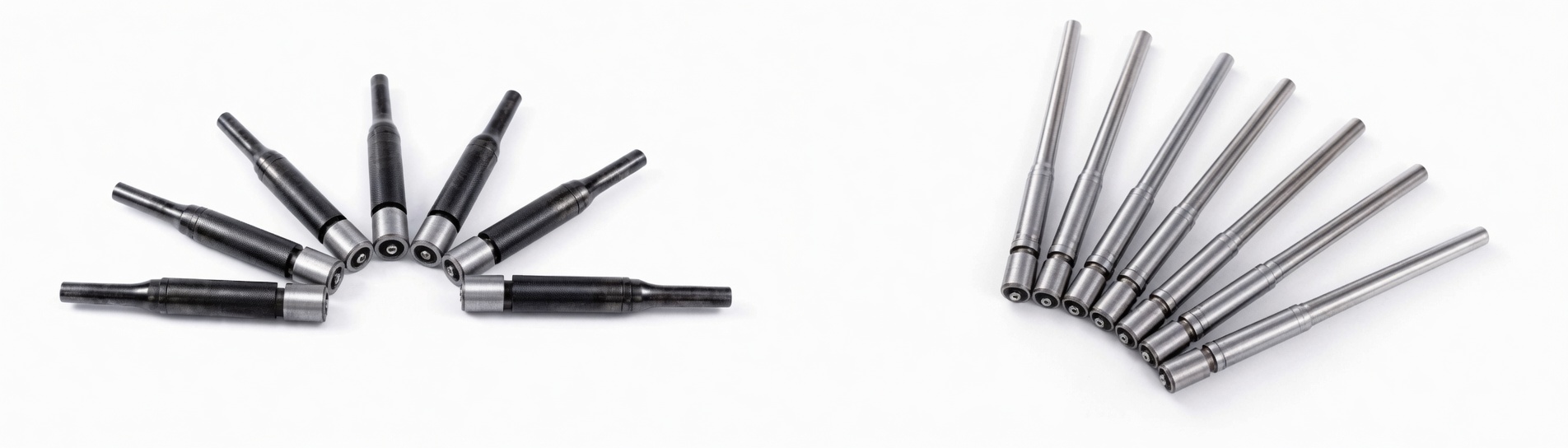
Core pin runout beyond 0.02 mm causes eccentric parison wall distribution before blowing even begins. On new machines this is controlled to ±0.01 mm as standard. Used machines exhibiting more than 0.03 mm runout require spindle regrinding or replacement — a cost that frequently surprises buyers of secondhand equipment.
Mould Design, Bottle Optimisation and the Hidden Tooling Cost in Used Machines
New vs Used Blow Moulding Machine: The Real Cost Breakdown for UK Buyers
The capital cost difference between a new IBM machine and a comparable used unit appears substantial on first inspection. A new mid-range IBM machine from a reputable European manufacturer — such as the Ever Power ZQ40 or ZQ60 range — typically prices in the £60,000–£110,000 range depending on cavitation, automation level, and tooling specification. Comparable used machines advertised through UK machinery dealers or European auction platforms often appear in the £18,000–£45,000 bracket. The saving looks compelling. The difficulty is that the total cost of ownership over a 48-month operational period frequently inverts this relationship, particularly when reconditioning, energy, and downtime costs are properly attributed.
The table illustrates clearly why used blow moulding machine risks require careful quantification before committing. A well-maintained used machine from a known single-polymer processing environment, with full service history and recent hydraulic seals replacement, can genuinely deliver lower 48-month TCO than a new entry-level machine. A machine from an unknown operating history, potentially running abrasive or corrosive polymers, requiring full electrical and hydraulic refurbishment, can easily cost more in total than a new mid-specification unit while delivering inferior uptime and product quality.
IBM Machine Technical Performance Parameters Table
The table below covers the core technical parameters that differentiate machine grades and should be verified on any used blow moulding machine prior to purchase. Parameters marked with an asterisk (*) are those most commonly found to be out of specification on aged equipment.
Used Blow Moulding Machine Inspection Checklist: 12 Points You Cannot Skip
Before any purchase decision on a secondhand IBM machine, a structured mechanical and electrical inspection is non-negotiable. The following twelve inspection points represent the areas where hidden costs are most frequently discovered. Carry out this assessment during a live machine trial run with the seller’s polymer of choice, and supplement with a boroscope inspection of the barrel and a hydraulic pressure trace. Any seller refusing to permit this level of assessment should be treated as a significant red flag.
Request screw diameter measurement at three points along the flight length. Compare against original specification. Flight depth wear beyond 10% of nominal significantly reduces plasticising capacity and melting efficiency.
Inspect all hydraulic hoses for cracking, chafing, and swelling at fittings. Check cylinder rods for scoring and seal weep. A complete hydraulic refurbishment on a medium-size IBM machine runs £3,500–£7,000 in parts and labour.
Test each barrel zone thermocouple against a calibrated reference probe at the operating set point. Errors above ±3 °C indicate thermocouple or PID controller replacement is required before production.
Use a dial gauge to measure TIR at the tip of each core pin. Values above 0.03 mm necessitate spindle regrinding. Confirm that pin-to-cavity clearance remains within the original specification after any refurbishment.
Measure platen-to-platen parallelism with a precision dial gauge at four corners under full clamping load. Deviation above 0.06 mm causes uneven mould face loading, accelerated tiebar wear, and flash on one side of the container.
Verify all safety interlocks, emergency stops, and guarding are functional and compliant with current UKCA/CE requirements. Outdated relay logic control systems may require full PLC conversion, adding £8,000–£18,000 to the reconditioning budget.
Examine cavity surfaces under 10x magnification for pitting, galling, and gate erosion. Measure neck thread dimensions against original technical drawing. Any deviation in neck thread form will cause fitment failures with customer closures.
Check blow mould vent slots for blockage by polymer residue or contamination. Blocked vents cause surface blemishes on container sidewalls — particularly visible on clear PP or transparent PET containers where cosmetic appearance is critical.
Pressure-test all mould cooling circuits at 1.5x working pressure. Scale build-up in cooling channels from hard water (common in Birmingham, Leicester, and East Midlands supplies) significantly degrades heat extraction and lengthens cycle times.
Test solenoid valve response time with a pneumatic data logger. Response drift above 15 ms cycle-to-cycle indicates valve wear or seal deterioration. Blow air pressure uniformity across all cavities must be within 0.2 bar to prevent differential blow ratio between cavities on multi-cavity tooling.
Monitor turret bearing play under loaded indexing. Bearing end-float above 0.05 mm causes positional error at each station, which compounds into alignment problems at the injection and ejection stations. Listen for rattling or irregular torque during indexing — both indicate worn cam followers or drive gears.
Run a minimum 200-shot trial with your production polymer and record wall thickness, weight, and dimensional data on every tenth container. Calculate Cpk for each critical dimension. A machine unable to achieve Cpk ≥ 1.33 on its existing tooling in ideal conditions is unlikely to meet pharmaceutical or food contact quality standards in production.
Common IBM Machine Faults and Troubleshooting Guide
Energy Optimisation and Retrofit Options for IBM Equipment
With UK industrial electricity prices averaging between 22 p/kWh and 28 p/kWh (2024–2025 contract rates), energy consumption has become a decisive factor in IBM machine ownership economics. An older IBM machine with a fixed-displacement hydraulic pump running continuously typically consumes 18–30 kW during steady-state production. A new machine equipped with a servo-driven variable-displacement pump consumes 6–12 kW for an equivalent process — a reduction of 55–70% in hydraulic drive energy. Across a two-shift operation running 4,800 hours per year, this difference represents an annual saving of between £5,200 and £12,500 at UK energy prices, depending on machine size and production schedule. Over four years, this energy differential alone can exceed the purchase price difference between new and used equipment.
The principal energy retrofit options for older IBM machines include servo-hydraulic pump conversion, barrel heater band replacement with high-efficiency ceramic heaters (which can reduce heater band energy consumption by 20–35% through improved thermal coupling and faster heat-up), and cooling circuit optimisation using variable-speed chiller drives. Servo-hydraulic pump retrofit kits are available for several common IBM machine platforms and typically pay back within 18–28 months at current UK energy pricing. The capital cost of a servo pump retrofit for a medium-size IBM machine runs approximately £6,500–£14,000 including installation, commissioning, and electrical work — a cost that should be factored into any used machine TCO calculation alongside the purchase price itself.
IBM Machine Application Scenarios Across UK Manufacturing Sectors
IBM machines operating in pharmaceutical container manufacture for contract manufacturing organisations (CMOs) based across the North West (Merseyside and Greater Manchester) and East Midlands require the highest level of wall thickness consistency and neck finish precision. Tablet counting bottles in HDPE, liquid medicine closures in PP, and ophthalmic dropper bottles in LDPE all fall within this category. For pharmaceutical CMOs, the regulatory risk of running used blow moulding equipment that fails to deliver validated wall thickness consistency is substantial — MHRA inspection findings related to container integrity can trigger batch recalls and licence reviews. New machines from certified suppliers with full IQ/OQ/PQ documentation packages are strongly preferred in this sector.
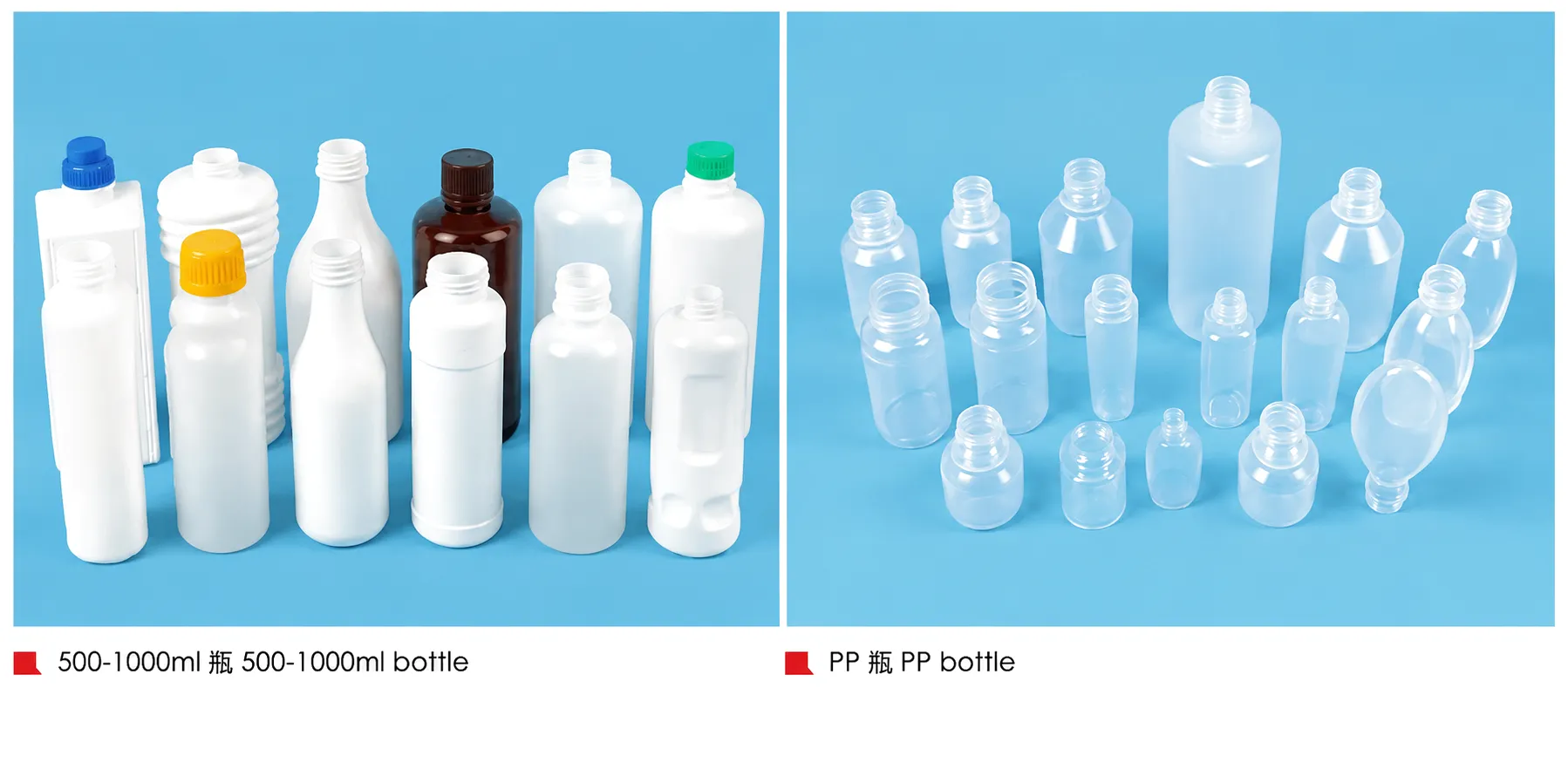
Personal care container production — shampoo, conditioner, shower gel, and serum bottles — represents one of the highest-volume IBM application sectors in the UK, with significant manufacturing concentrations in Coventry, Milton Keynes, and the M4 corridor. This sector places high demands on cosmetic appearance (surface gloss, parting line quality, label panel flatness) and relatively moderate demands on wall thickness uniformity. Used blow moulding machines in good cosmetic tooling condition can offer genuine value here, provided the tooling is modern and the machine’s hydraulics and clamping system are well maintained. Container volumes typically in the 30 ml–500 ml range suit IBM’s precision size niche.
The Yorkshire and Humber region’s substantial food manufacturing cluster — including sauce and condiment producers in Wakefield, confectionery packers in York, and nutritional supplement brands in Leeds — creates strong demand for IBM-produced food-grade containers. PP and HDPE containers for vitamin supplements, powdered nutrition products, honey, and specialty sauces all benefit from IBM’s precision neck finish and zero-flash production. Food contact compliance under UK Regulation 10/2011 (retained EU law) requires documented migration testing of the polymer grade — a consideration relevant to both new and used machine setups where polymer history must be verifiable.
Laboratory diagnostic vials, sample collection tubes, and reagent containers represent the most technically demanding IBM application category. Cambridge’s life sciences cluster and London’s biotech corridor generate consistent demand for containers in the 2 ml–50 ml range with sub-10-microgram extractables profiles, USP Class VI polymer compliance, and neck finish tolerances tight enough to guarantee hermetic sealing with screw closures. This is an application where used blow moulding machine risks are at their highest — core pin wear, cavity surface degradation, and thermocouple calibration drift all compromise the dimensional precision required. New IBM equipment with validated process documentation is essentially mandatory in this segment.
Ever Power IBM Machine Range: European-Grade New Equipment
For UK processors who have completed the TCO analysis and determined that new IBM equipment is the right investment, Ever Power’s European-specification ZQ series delivers pharmaceutical-grade precision with full UKCA documentation and a comprehensive after-sales service network.
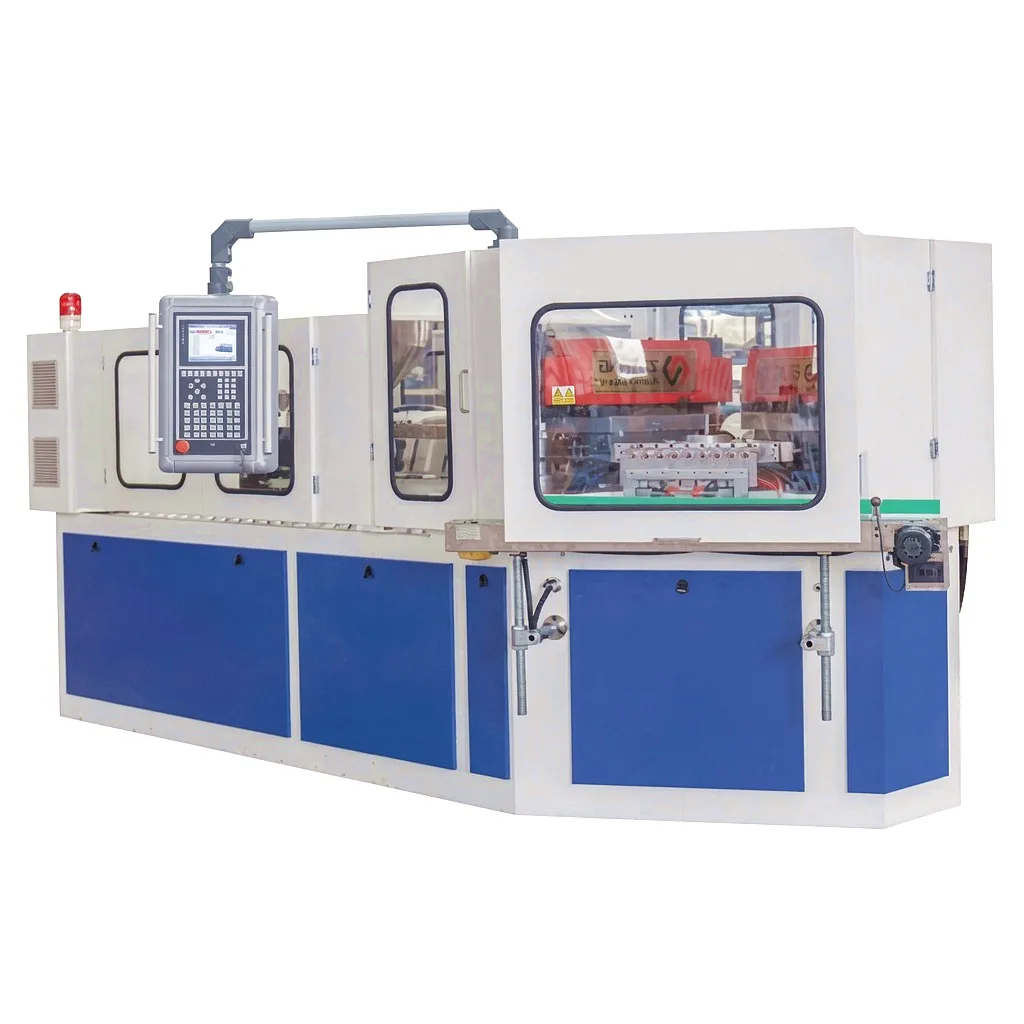
The ZQ60 is Ever Power’s flagship medium-capacity IBM machine, delivering clamping forces up to 600 kN with a three-station rotary turret and servo-hydraulic drive system. Wall thickness tolerance is guaranteed to ±0.05 mm in production conditions across a container volume range of 10 ml–1,500 ml. Equipped with a Siemens or Mitsubishi PLC control package as standard, the ZQ60 supports full IQ/OQ/PQ validation documentation — the critical requirement for UK pharmaceutical CMO customers and NHS supply chain qualification. Cycle times from 8 seconds on 2-cavity HDPE tooling make it highly competitive on per-container cost basis versus secondhand alternatives when energy and downtime costs are factored in. Full UKCA marking with CE legacy documentation available for EU export customers.
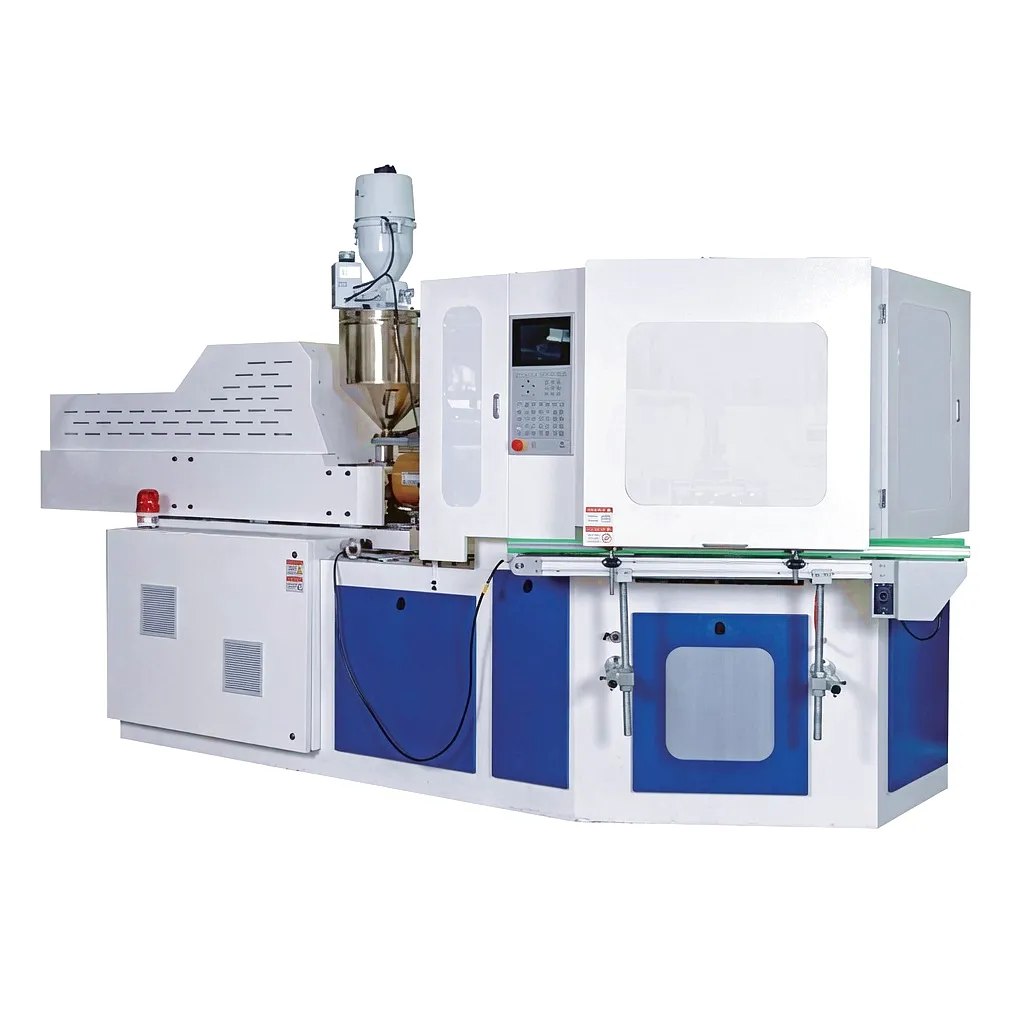
The ZQ40 is Ever Power’s compact high-efficiency IBM machine designed for producers operating in the 2 ml–500 ml container range where rapid tooling changeovers and precision on small-format containers are the defining production requirements. With a clamping force of 400 kN and a minimised footprint of 3.2 m x 1.8 m, the ZQ40 is ideally suited for cleanroom integration in pharmaceutical facilities or compact production bays in personal care manufacturing units across the UK. The ZQ40’s servo-driven plasticising unit reduces energy consumption by 62% compared to equivalent-age hydraulic-only machines, directly addressing the energy cost disadvantage that makes used blow moulding machines less attractive when running two shifts or more. Changeover between tooling sets on the ZQ40 is designed to be achievable in under two hours with trained operators.
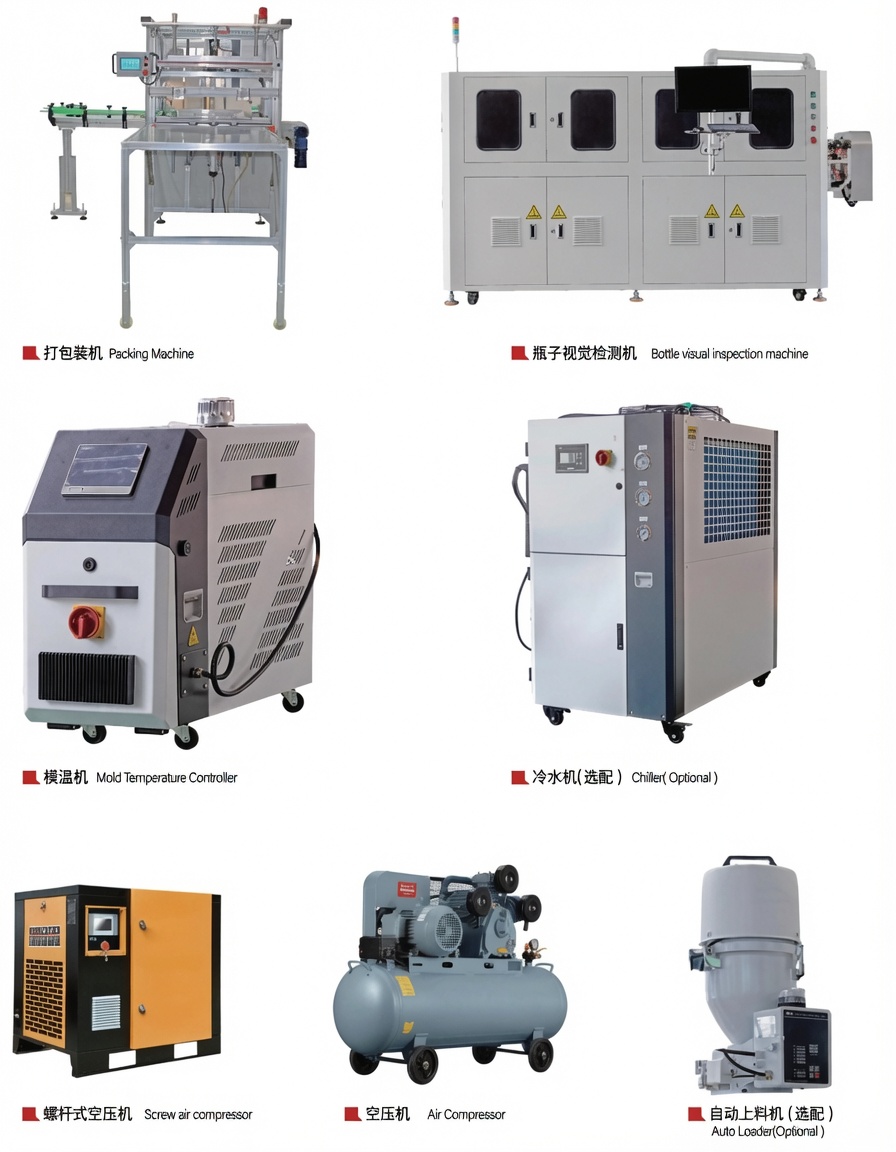
Ever Power Manufacturing Capability: Precision, Customisation, and Supply Chain Assurance
Ready to compare the total cost of ownership between a new Ever Power IBM machine and the used unit you have been evaluating? Our engineering team will prepare a detailed cost comparison using your specific production parameters, container specification, shift pattern, and local energy rate.
Customer Success: Harrogate Nutritional Packaging — From Used Machine Uncertainty to New IBM Confidence
A contract packaging company based in Harrogate, North Yorkshire — supplying HDPE containers for sports nutrition, dietary supplement, and natural health product brands to major UK retailers including Boots, Holland & Barrett, and Ocado — had been operating a twelve-year-old IBM machine purchased secondhand in 2018. By 2023, the machine was generating rejection rates of 4.2% on wall thickness grounds and 2.8% on neck finish dimensions, against a customer contract requirement of <1.5% total defect rate. Hydraulic seal replacements were occurring every seven to nine months, and the absence of a UK-based spare parts source for the obsolete platform meant each breakdown typically caused two to four days of production loss while components were sourced from Germany.
The operations director approached Ever Power after identifying the ZQ60 in a published UK industry case study. Ever Power’s UK technical team conducted a full process audit at the Harrogate facility, including a barrel and screw borescope inspection, thermocouple calibration mapping, and a hydraulic pressure trace. The audit confirmed that the used machine’s barrel exhibited 14% screw flight wear, two thermocouple channels were drifting by 8–11 °C, and the hydraulic pump showed 22% pressure oscillation at steady-state — all values that would require complete refurbishment at a cost exceeding £28,000. Against a projected repair cost of that magnitude, with no warranty on the refurbished unit, the TCO case for a new ZQ60 was clear.
The ZQ60 was installed and commissioned at the Harrogate site in six weeks from order placement. Ever Power’s engineers remained on site for five days during the initial production ramp, validating the IQ/OQ protocols and training the Harrogate technical team on the Siemens HMI. Within three production weeks, the site had achieved a defect rate of 0.6% — comfortably inside contract requirements — and cycle times had reduced by 18% compared to the old machine, increasing output capacity without additional staffing. Energy monitoring data showed the ZQ60 consuming 9.2 kW average versus the old machine’s 26.4 kW, delivering an annualised energy saving of £8,700 at the site’s contracted rate. The payback period on the new machine investment, accounting for energy savings, reduced rejection costs, and elimination of unplanned downtime, was modelled at 38 months.
What UK Customers Say About Ever Power IBM Equipment
“We had been putting off replacing our old used IBM machine for two years because of the capital commitment. Ever Power’s TCO analysis made the decision straightforward — within six months the ZQ60 had paid back the difference through energy savings and scrap reduction alone. The wall thickness consistency we are achieving is noticeably tighter than anything we saw on the old unit even when it was new.”
“The customisation capability at Ever Power was the deciding factor for us. We had a non-standard platen requirement because we were reusing existing tooling from our previous machine, and their engineers designed a custom platen interface solution rather than requiring us to invest in entirely new tooling. That flexibility saved us approximately £35,000 in tooling costs and made the overall transition viable within our capital budget.”
“After evaluating three used IBM machines through UK dealers, we requested an Ever Power quote almost as a price check. The engineering conversation that followed changed our perspective entirely. The Ever Power team identified specific used blow moulding machine risks in the units we had been considering and gave us a detailed cost model. We bought new and we have not regretted it — the machine has been running at 97.8% availability for the first eight months.”
Frequently Asked Questions
© Ever Power Industrial Equipment · [email protected] · IBM Machine Specialists for the UK Market
edit by gzl