Technical Deep Dive — Blow Moulding Technology
PETG vs PET for Blow Moulding: Properties, Costs and Applications in IBM Machinery
A comprehensive engineering reference for UK manufacturers selecting injection blow moulding materials in pharmaceutical, personal care, food-grade and specialty packaging sectors.
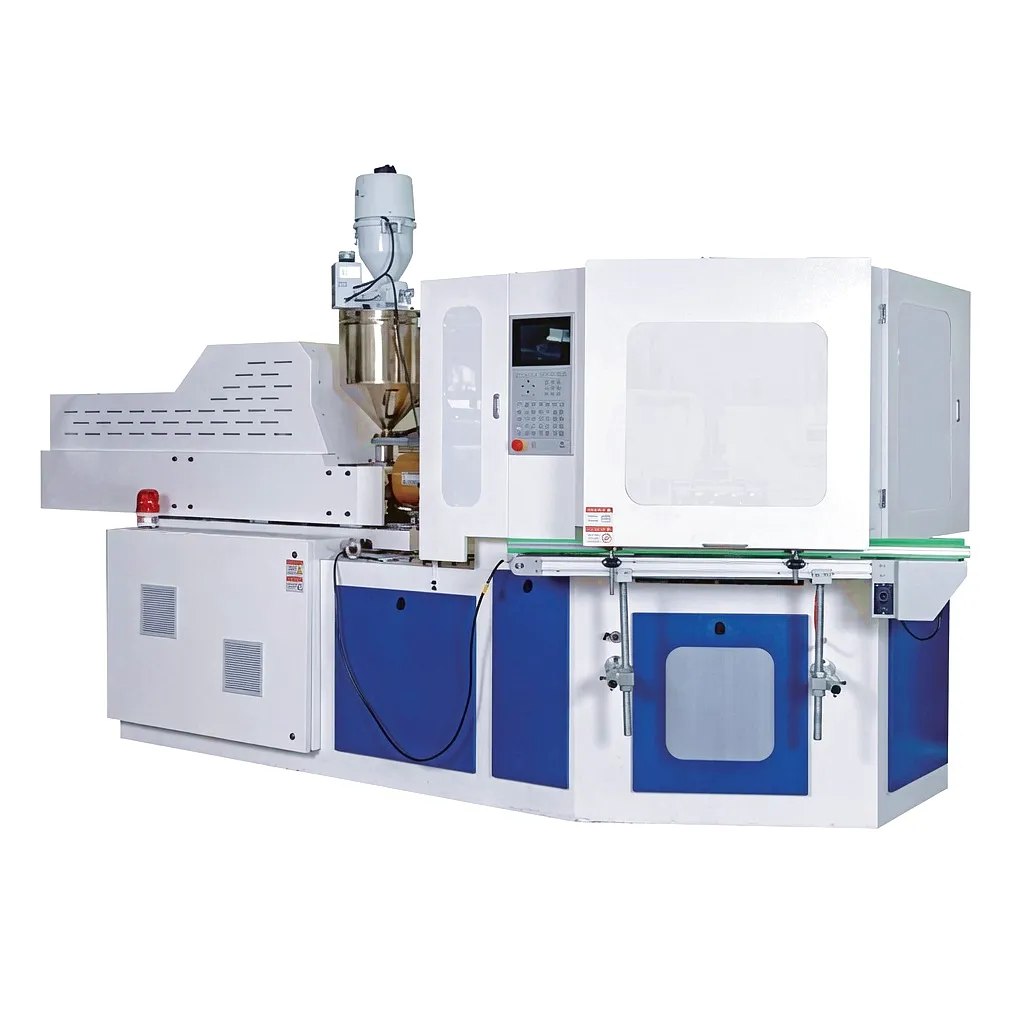 Choosing between PETG and PET is one of the most consequential material decisions any production engineer faces when commissioning an injection blow moulding (IBM) line. Both polymers share an identical polyester backbone, yet their performance envelopes diverge sharply the moment a preform enters the conditioning station of an IBM machine. PET — polyethylene terephthalate — remains the workhorse of high-volume beverage and pharmaceutical container production across Birmingham, Sheffield and the wider UK manufacturing belt, valued for its gas-barrier credentials, rigidity and established recycling infrastructure. PETG — glycol-modified PET — trades some of that barrier performance for exceptional clarity, impact resistance at ambient temperatures and a lower processing window that suits shorter runs and intricate bottle geometries. Understanding where those trade-offs land, and how your IBM equipment handles each resin, is the difference between a profitable line and one plagued with rejects.
Blow Moulding Process Landscape: IBM, ISBM, EBM and Extrusion Compared
Before comparing PETG and PET, it is worth grounding the discussion in process fundamentals, because the machine architecture dictates which resin properties matter most. Injection blow moulding (IBM) operates in a single-stage, three-station rotary sequence: injection of a preform around a core rod, conditioning, and blow-off into a final mould cavity. There is no re-heating step, which means the thermal history of the preform is preserved almost intact when it reaches the blow station. This makes IBM exceptionally sensitive to the processing window of the chosen resin — a characteristic that creates very different outcomes for PET and PETG.
IBM — Injection Blow Moulding
Single-stage, no re-heat. Ideal for pharmaceutical vials, personal care bottles and precision small containers. Excellent neck-finish accuracy. Both PET and PETG are well-suited; PETG particularly excels in small-run, complex-geometry applications due to its wider blow window and low crystallisation tendency.
ISBM — Injection Stretch Blow Moulding
Two-stage, with a stretch rod during blow. The biaxial orientation imparted by stretching is what gives PET bottles their renowned barrier properties and top-load strength. PETG is generally not used in ISBM because its amorphous nature means it cannot develop the same strain-induced crystallinity that makes PET so effective in this process.
EBM — Extrusion Blow Moulding
Continuous or intermittent parison extrusion, then blow. Common for HDPE jerry cans, automotive ducts and industrial bottles. Neither PET nor PETG is the primary resin for EBM due to moisture sensitivity and melt strength limitations, though certain modified PETG grades have been used for cosmetic bottles in EBM with appropriate drying protocols.
Extrusion (Sheet / Profile)
PETG is widely extruded into sheet for thermoforming, signage and medical device enclosures. PET film is a global commodity for flexible packaging. These extrusion routes are distinct from bottle production but share the same drying discipline — moisture levels above 50 ppm cause hydrolytic degradation of the polyester chain in any processing route.
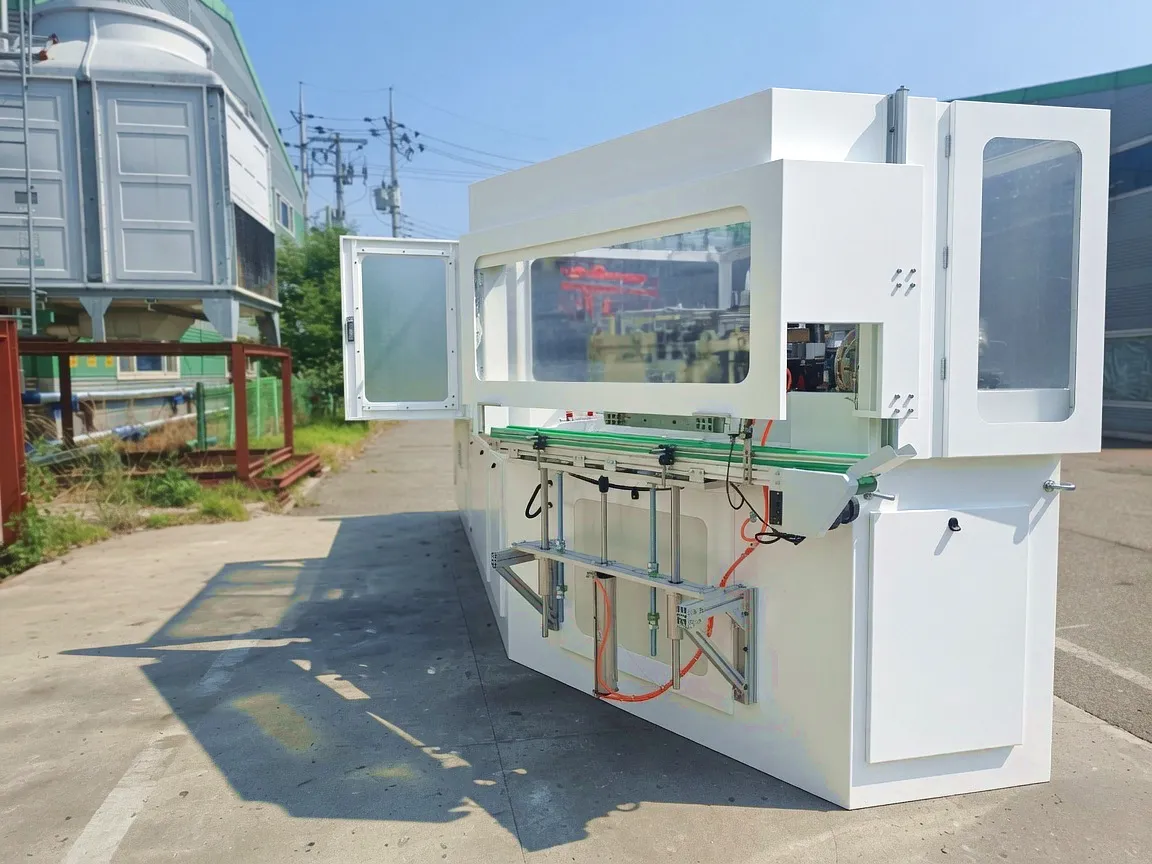 Standard PET is a semi-crystalline thermoplastic. Its molecular chains pack into ordered crystalline regions that confer stiffness, barrier performance and heat resistance, and into amorphous regions that provide transparency and toughness. The rate at which PET crystallises is strongly temperature-dependent: at around 120–150 °C the crystallisation rate peaks, and processing within or through this zone produces haze in a blown container. ISBM gets around this by rapidly cooling the preform through the crystallisation window before biaxial stretching re-introduces controlled strain-induced crystallinity. IBM, without a stretch rod, relies on rapid mould cooling and tight temperature control to manage the crystallisation tendency.
Technical Performance Parameters: PET vs PETG in IBM Applications
The table below consolidates the most process-relevant properties for engineers specifying IBM equipment. Data ranges reflect commercially available food-contact and pharmaceutical-grade resins from major European suppliers, including those distributed through UK-based converters in the Midlands and Yorkshire.
| Property | PET (Standard IBM Grade) | PETG (IBM / EBM Grade) | Significance for IBM |
|---|---|---|---|
| Glass Transition Temp. (Tg) | 75–80 °C | 78–82 °C | Sets minimum conditioning station temperature |
| Crystallisation Peak Temp. | 120–150 °C | None (amorphous) | Critical: PETG avoids haze from crystallisation |
| Melt Processing Temp. (IBM) | 270–290 °C | 220–250 °C | Lower PETG temps reduce energy draw and thermal stress |
| Required Drying (ppm H₂O) | < 30 ppm | < 50 ppm | PET demands more rigorous dehumidification |
| Drying Temp. / Time | 160–170 °C / 4–6 h | 65–75 °C / 4–6 h | PETG dried at lower temp — saves energy, prevents pellet sticking |
| Intrinsic Viscosity (IV) Target | 0.72–0.84 dL/g | 0.68–0.78 dL/g | IV governs melt strength and neck-finish definition |
| Light Transmittance | 85–90% (amorphous) | 90–94% | PETG’s optical advantage in cosmetic / premium shelf display |
| O₂ Transmission Rate (cc/m²·day) | 0.6–1.2 | 2.5–4.0 | PET wins decisively for O₂-sensitive products |
| CO₂ Barrier (relative to PET) | Benchmark (1.0×) | 3–5× more permeable | PETG unsuitable for carbonated beverage containers |
| Notched Izod Impact (kJ/m²) | 3–5 | 7–12 | PETG superior for drop-resistant medical and retail packaging |
| Heat Deflection Temp. (HDT, 0.45 MPa) | 65–80 °C | 62–75 °C | Neither suited to hot-fill without special grades |
| Recyclability (UK, kerbside) | Widely accepted (Type 1) | Limited (Type 1, contaminant) | Critical for UK Extended Producer Responsibility compliance |
| Resin Cost (EU/UK, relative index) | 1.0× (benchmark) | 1.25–1.60× | PETG premium driven by CHDM co-monomer cost |
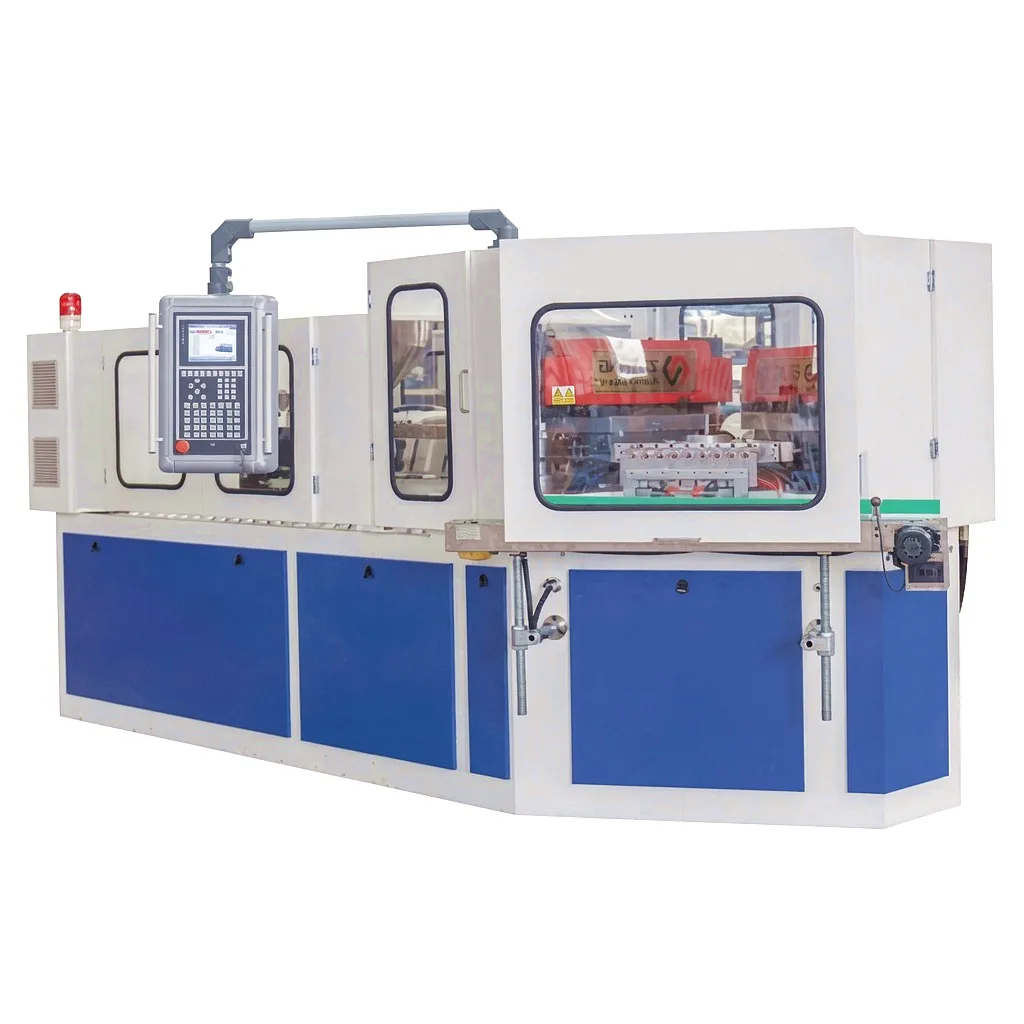 Wall thickness uniformity in IBM containers is a direct function of preform temperature distribution, core rod surface finish and mould cavity geometry. For PET, the recommended core rod surface temperature at the conditioning station lies in the range of 90–110 °C — warm enough to keep the preform above Tg, cool enough to avoid crystallisation. Even a ±5 °C deviation across the preform surface can produce circumferential thinning, visible pearlescence or localised stress whitening after blow. IBM machines designed for PET typically incorporate closed-loop core rod temperature controllers with precision heating cartridges and RTD sensors to hold this tolerance.
Mould Design and Bottle Geometry Optimisation for PET and PETG
PET Mould Cooling Requirements
PET mould temperatures must be maintained below 15 °C to avoid surface haze from surface crystallisation. Cooling circuit design is therefore critical: conformal water channels, turbulent flow (Re above 10,000) and tight temperature control of the mould coolant are non-negotiable. Inadequate cooling is the single most common cause of hazy IBM-PET bottles in UK production lines, particularly during summer ambient temperature peaks. Mould steel specification typically calls for P20 or H13 with hardness 48–52 HRC for production volumes above 500,000 cycles.
PETG Mould Flexibility
PETG is considerably more forgiving: mould temperatures of 10–25 °C all deliver acceptable clarity, and cycle times can be slightly shorter because the absence of crystallisation risk means there is no penalty for marginally warmer coolant. PETG’s higher impact toughness also reduces ejection force requirements, which translates to less core rod wear and extended tooling life on IBM machines. For intricate bottle geometries — deep undercuts, fine lettering panels, ergonomic grip features — PETG is frequently the designer’s first choice because it flows readily without premature skin crystallisation blocking fine details.
Shared Tooling Compatibility
On many IBM platforms, the same physical blow mould cavity can run both PET and PETG with only process parameter changes — no tooling swap required. This is a meaningful economic advantage for contract packagers in Sheffield and Leeds who need to switch resins to meet individual customer material specifications. The core rod, however, may need surface roughness adjustment: a mirror-polished rod (Ra below 0.2 μm) suits both resins, while a matte-finished rod intended for LDPE or PP IBM production can produce drag marks on the preform neck when used with PET.
UK Industrial Application Scenarios: Where Each Resin Wins
The following application breakdown covers the primary UK packaging sectors where PETG vs PET blow moulding decisions carry the greatest commercial and regulatory weight.
Pharmaceutical Bottles — Preferred: PET
Tablet and capsule bottles for the UK prescription and OTC market demand the low O₂ transmission and moisture barrier of PET. Manufacturers in Cheshire, Hertfordshire and the East Midlands run IBM lines with PET for amber and natural HDPE alternatives, choosing IBM specifically for the precision neck-thread finish required by child-resistant closures. PETG is used in this sector only where clarity is essential and the product is not moisture- or O₂-sensitive, such as glucose powder or certain vitamin supplements.
Premium Cosmetics and Skincare — Preferred: PETG
London and Surrey-based luxury cosmetic brands consistently specify PETG for serum, lotion and toner bottles where glass-like clarity, diamond-facet geometry and resistance to fragrance ingredient attack are required. PETG’s superior toughness means the packaging survives the fulfilment journey — drop tests from 1.2 m are routinely passed without fracture, a meaningful advantage over glass alternatives. IBM with PETG allows fine surface detail that screen-printing and hot-stamping partners value for high-end shelf presentation.
Food-Grade Sauces and Condiments — Preferred: PET
UK food producers in the Yorkshire and Humber corridor rely on IBM-PET for salad dressing, vinegar and health supplement bottles where the CO₂ and O₂ barrier matters and volumes justify dedicated tooling. PET’s established BRCGS and BRC/IOP endorsement and its FDA/EFSA food-contact status are well understood by UK retail buyers. PETG food contact grades do exist and are EFSA-compliant for non-fatty food types, but the higher resin cost is difficult to justify in commodity food SKUs.
Medical Device Enclosures and Point-of-Care Packaging — Preferred: PETG
PETG is the preferred polymer for diagnostic reagent bottles, sample containers and medical device secondary packaging in the UK medtech cluster centred on Cambridge, Oxford and the M4 corridor. Sterilisation compatibility with ethylene oxide (EtO) and gamma irradiation is better documented for PETG than for standard IBM-PET grades, and the visual clarity supports content inspection without opening the container — a regulatory advantage in certain ISO 13485 quality frameworks.
Automotive and Industrial Chemical Containers — Preferred: PET
West Midlands and Coventry-area automotive aftermarket manufacturers use IBM-PET for screen wash concentrate, brake fluid and specialty lubricant bottles where chemical resistance to aromatic compounds and barrier to volatile organic content are essential. PET’s higher crystallinity in the wall (achieved through rapid biaxial deformation even in IBM) provides better solvent resistance than the fully amorphous PETG structure. UN-approved containers in this sector are almost exclusively PET or HDPE.
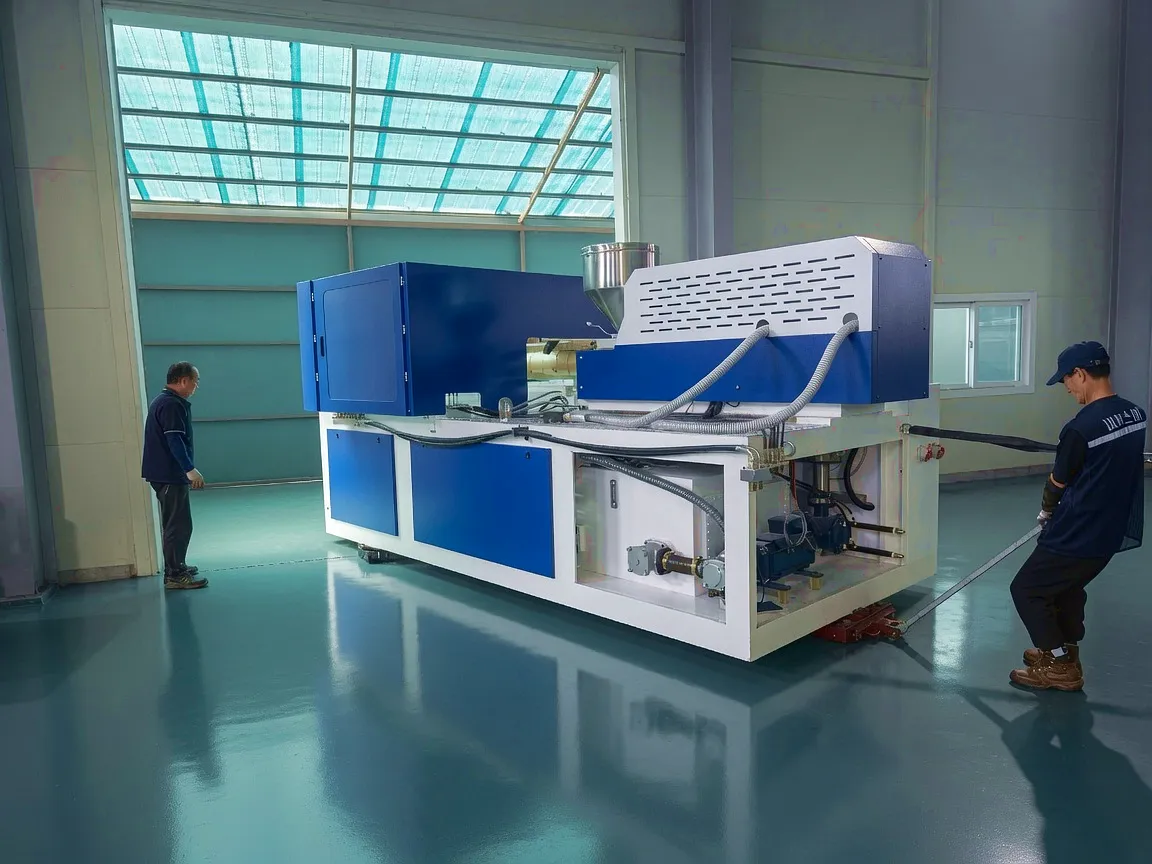
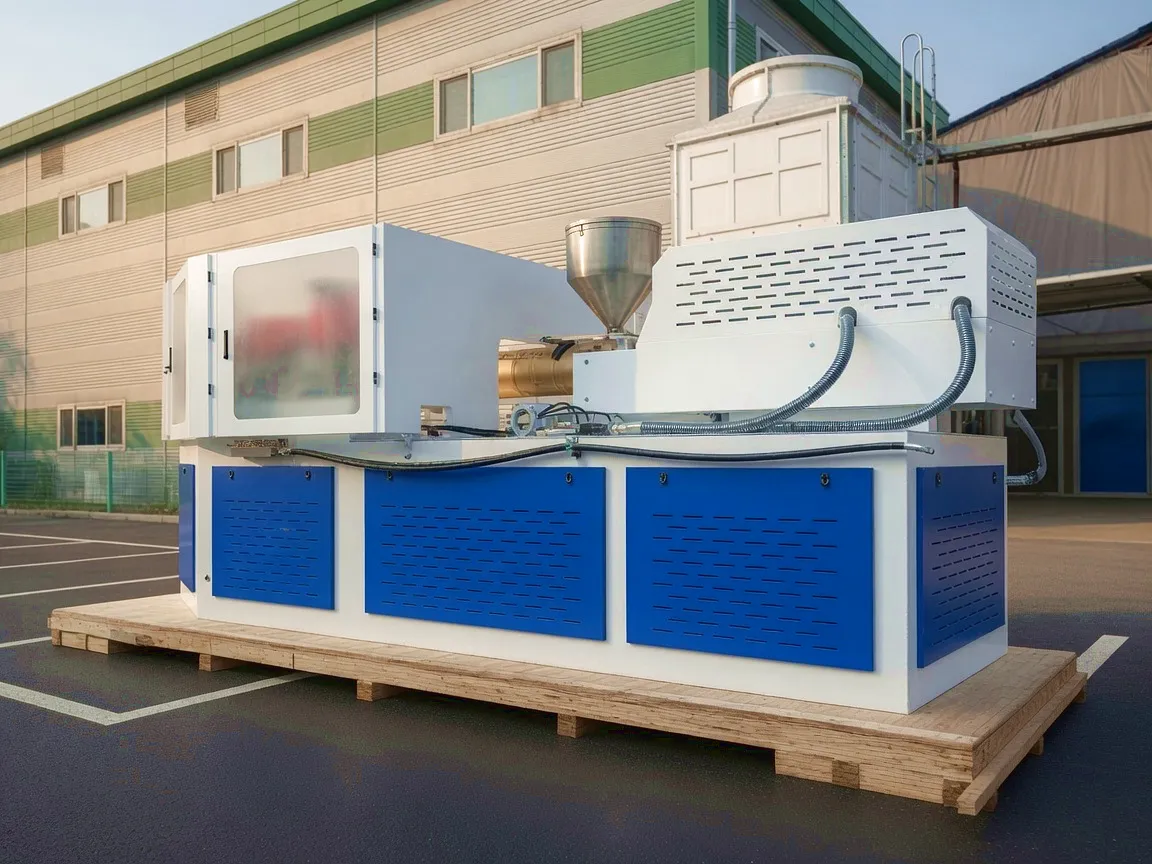
Ever Power Manufacturing Facility
Troubleshooting Common IBM Defects by Resin Type
Diagnosing IBM defects correctly depends on knowing which polymer is on the machine. The following defect map covers the most frequently reported issues on IBM lines handling PET and PETG in UK manufacturing environments.
| Defect | Primary Resin Affected | Root Cause | Corrective Action |
|---|---|---|---|
| Haze / pearlescence | PET | Crystallisation during blow from high preform or mould temp. | Reduce core rod temp; verify coolant below 15 °C; check IV |
| Short shot / incomplete base | Both | Insufficient injection fill pressure or undersized preform weight | Increase hold pressure; verify shot weight; check check-ring integrity |
| Neck-thread distortion | PET | Core rod too hot at transfer; premature release from injection mould | Extend core injection cooling time; reduce neck mould opening temp. |
| Yellowing / AA (acetaldehyde) | PET (food grade) | Excessive barrel temperature or prolonged residence time causing degradation | Reduce melt temp. to lower end of range; purge more frequently; use low-AA grade PET |
| Thin sidewall (uneven) | Both | Non-uniform core rod surface temperature or eccentric core-rod alignment | Map core rod surface temp with IR; check rod concentricity; clean cartridge heaters |
| Splay / silver streaks | Both | Moisture in resin above threshold; hydrolytic degradation generating steam | Verify drying: PET to below 30 ppm, PETG to below 50 ppm; check hopper loader seal |
| PETG softening in filling line | PETG | Filling line pasteurisation or hot-CIP above 65 °C exceeds HDT | Switch to PET or hot-fill PETG grade; confirm filling-line process temps. |
 The PETG vs PET blow moulding decision cannot be separated from its cost-of-ownership implications. Resin represents typically 55–70% of IBM container unit cost, and PETG commands a significant premium — in current UK/EU spot markets, PETG granules run 25–60% above equivalent-grade PET depending on specification, minimum order quantity and supply-chain route. UK importers have seen PETG price volatility amplified by its narrower global production base: Eastman Chemical and SK Chemicals control the majority of CHDM-based PETG capacity, whereas PET is produced by dozens of global suppliers with multiple UK distribution points including those in Grimsby and Teesport.
Featured Ever Power IBM Machines for PET and PETG Production
Two platforms from the Ever Power IBM range are particularly well suited to the PET and PETG applications covered in this guide. Both machines are configurable for either resin with process parameter adjustments and optional mould-cooling package upgrades.
ZQ80 Injection Blow Moulding Machine
The ZQ80 is a compact, high-precision IBM platform suited to pharmaceutical vials, personal care bottles and laboratory containers in both PET and PETG. Clamp force of 800 kN and a three-station rotary indexing table deliver consistent neck-finish accuracy across extended production runs. The machine’s servo injection unit and precision temperature zoning make it equally capable with the strict process window of food-grade PET and the more permissive envelope of PETG clarity grades.
ZQ110 Injection Blow Moulding Machine
For production runs requiring higher output and larger container volumes, the ZQ110 provides expanded clamp force of 1,100 kN and accommodates multi-cavity tooling for both PET and PETG container formats. UK contract packagers running mixed-resin schedules — switching between PET pharmaceutical bottles in the morning shift and PETG cosmetic containers in the afternoon — benefit from the ZQ110’s rapid process changeover capability and integrated drying-system compatibility with both resin temperature protocols.
Customer Success Story: Sheffield Nutraceuticals Contract Packager Transitions Mixed-Resin IBM Line
A contract packaging manufacturer based in the Lower Don Valley industrial district of Sheffield, operating under a GMP contract for both nutraceutical tablets and premium sports nutrition powders, faced a recurring production challenge: their legacy IBM line was configured exclusively for PET, but an increasing portion of their customer portfolio was requesting PETG bottles for premium retail presentation. The machine’s barrel temperature zoning, designed for PET’s 270–285 °C processing range, was causing PETG degradation — visible as yellowing and streaking — every time operators attempted to run the glycol-modified grade without recipe adjustments.
After an in-depth consultation with Ever Power’s UK distribution and technical partner, the decision was made to commission a ZQ110 IBM machine with the dual-resin process package: independent barrel zone controllers calibrated to both PET and PETG ranges, a core rod set with mirror-polished H13 surface, and an integrated dehumidifying dryer with two selectable temperature profiles — 165 °C for PET and 70 °C for PETG — switchable at the HMI without hardware changes. The new line was factory-tested in China on both resins using cavity moulds representative of the Sheffield facility’s actual pharmaceutical and nutraceutical container range before shipment.
Commissioning at the Sheffield site took four working days, including operator training on resin-specific process parameters and a formal GMP equipment qualification (IQ/OQ). Within the first month of production, the facility reported a 96.8% first-pass yield across both resin types — a significant improvement over the 88% yield achieved when forcing PETG through the old PET-optimised machine. The ability to switch resins within one shift opened new customer opportunities in the Manchester and Leeds cosmetic contract filling market, where PETG clarity containers are strongly preferred by luxury brand owners. Payback on the ZQ110 investment was calculated at under 22 months based on the expanded customer billing capacity and reduced scrap cost.
★★★★★
“The dual-resin capability on the ZQ110 changed our business model completely. We can now take on PETG cosmetic runs that we had to turn away before. Ever Power’s commissioning team were thorough and the IQ/OQ documentation was ready ahead of schedule — very impressive for a UK GMP site.”
— Operations Director, Sheffield Nutraceuticals Contract Packager
★★★★★
“First-pass yield on PETG went from the mid-eighties to over 96% on the first production day. The wall thickness uniformity on the pharmaceutical round is within spec every cycle. Ever Power’s process parameters for PETG are clearly the result of real machine trials, not just theory.”
— Process Engineering Manager, Lower Don Valley Facility, Sheffield
★★★★★
“Spare parts response from Ever Power was faster than we expected. When we needed a replacement hopper dryer heater element six months in, it arrived at our Sheffield site within 36 hours. That kind of supply chain reliability is what you need when you are running a contract GMP facility that cannot have extended downtime.”
— Maintenance Manager, Sheffield IBM Production Facility
Frequently Asked Questions
What is the typical cost difference between PETG and PET resin when buying from UK or EU suppliers for an IBM blow moulding line?
In current UK and EU spot markets, PETG resin typically costs 25–60% more than equivalent-grade PET on a per-kilogram basis. The premium reflects the higher cost of the CHDM co-monomer and the narrower global production base. UK buyers sourcing through established polymer distributors in the Midlands or via Rotterdam-based European hubs can mitigate price volatility through quarterly contract pricing. When requesting a quote from suppliers, always specify the intended IBM application, required IV range and food-contact or pharmaceutical-grade certification to ensure the correct grade is priced.
Which blow moulding material should I choose for pharmaceutical tablet bottles being produced on an IBM machine at a UK GMP facility — PET or PETG?
For the vast majority of solid-dose pharmaceutical packaging — tablets, capsules, hard gelatine — PET is the preferred IBM resin. Its superior O₂ and moisture barrier, established EFSA and FDA food-contact status, and proven performance under UK GMP continuous-process validation give it a strong regulatory and commercial advantage. PETG may be considered for specific applications where enhanced drop resistance is essential and barrier requirements are lower, but you should consult with your QP and UK Notified Body representative before switching resins on a validated IBM line, as a resin change typically triggers re-validation of the primary packaging component.
How do I know if my existing IBM machine in Birmingham can run PETG without hardware changes, and what process parameter adjustments will I need to make?
Most modern IBM machines with independent barrel temperature zoning can run PETG without physical hardware changes, provided the barrel can be cooled to the 220–250 °C range safely (not just heated) and the hopper dryer can be set to 65–75 °C. Key parameter adjustments include: reducing all barrel zones by approximately 40–50 °C, lowering injection hold pressure by around 10–15%, reducing core rod conditioning temperature to 85–100 °C, and switching the dryer to the PETG protocol. The greatest practical risk is over-drying PETG at PET temperatures — if your dryer was running at 165 °C for PET and you forget to lower it, the PETG pellets will soften, stick together and block the drying hopper. Contact Ever Power’s technical team at [email protected] for a machine compatibility assessment before your first PETG trial.
Where can a cosmetics packaging company in London or the South East find a UK supplier or agent who can provide an IBM machine price quote for PETG bottle production?
Ever Power works with UK-based packaging OEMs, cosmetic contract manufacturers and machinery agents to deliver IBM machine quotations for PETG bottle production. The most efficient route to a detailed price and specification proposal is to email [email protected] with your target container dimensions, annual production volume, resin type (PETG grade if known), mould cavity count requirement and any quality or regulatory certification needs. For London and South East based buyers, Ever Power can arrange virtual consultations with the technical sales team to walk through machine selection, tooling requirements and lead times before any formal purchase commitment.
What are the UK Extended Producer Responsibility implications of switching from PET to PETG blow moulded containers, and how does this affect packaging recyclability compliance?
This is a critical question for any UK brand owner or contract packager operating under the new Extended Producer Responsibility (EPR) framework. PET (Type 1, PETE) is collected in virtually all UK kerbside recycling schemes and is currently recyclable at scale through established UK and European rPET streams. PETG carries the same Type 1 resin code but is chemically incompatible with standard PET recycling: even small quantities of PETG entering PET bale streams cause cloudiness in the recycled PET, making it unacceptable for food-contact rPET production. Under the UK EPR Plastic Packaging Tax and evolving recyclability scoring frameworks, PETG containers may attract a higher modulated fee. Brands considering PETG should engage with their EPR compliance advisor and seek confirmation from their recycling partner before specifying PETG at commercial scale.
How long does it typically take for an Ever Power IBM machine ordered in the UK to be delivered, commissioned and producing bottles — and when should I begin the procurement process?
Lead time from order confirmation to ex-factory depends on the machine model, tooling complexity and any customisation requirements — typical ranges are 60–90 days for standard configurations and 90–120 days for full custom tooling packages. Shipping to UK ports (Felixstowe, Southampton, Liverpool) adds approximately 30–40 days. Site installation, electrical commissioning and process qualification typically require 5–10 working days on-site. To avoid production start delays, UK buyers should initiate the procurement conversation — including sending technical specifications and production volume data — at least 6 months ahead of the planned production launch date. Contact [email protected] to begin the qualification discussion.
edit by gzl