Industrial Packaging Technology · Ever Power
A Beginner’s Guide to Single-Stage Blow Molding Processes
Everything manufacturers across the United Kingdom need to know about ISBM technology — from core mechanics and materials to real-world production performance and supplier selection
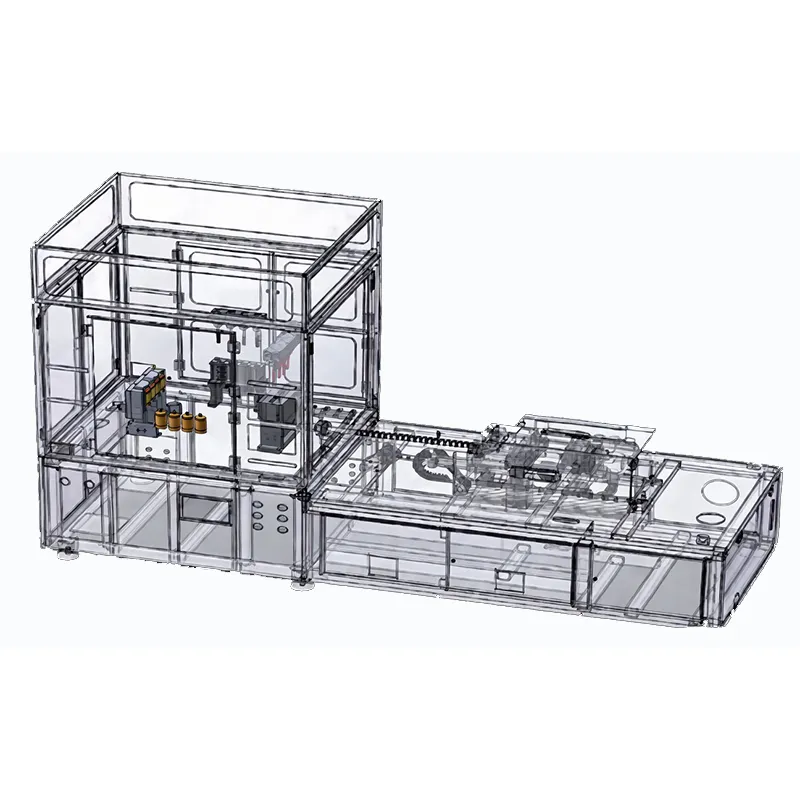 Plastic container manufacturing has gone through a genuine transformation over the last two decades, and sitting quietly at the centre of that change is one particularly capable piece of engineering: the ISBM single-stage blow molding machine. Whether you are evaluating new capital equipment for a pharmaceutical bottling line in Sheffield, planning a packaging upgrade for a food-grade operation in Birmingham, or assessing contract manufacturing capacity in Manchester, a clear understanding of how single-stage blow molding works — and where it genuinely outperforms older two-stage methods — is essential knowledge. This guide covers the complete picture: the mechanics of the process, the materials involved, the measurable performance advantages, the industrial applications that benefit most, and the practical considerations that UK procurement teams need to account for when specifying an ISBM machine for a real factory environment. The information here is grounded in manufacturing practice, not marketing brochure language, and it is written specifically for engineers, operations managers, and technical buyers who need accurate data rather than approximations.
[Insert Image] — Ever Power ISBM Single-Stage Blow Molding Machine
What Is an ISBM Machine — and Why Does the Single-Stage Process Matter?
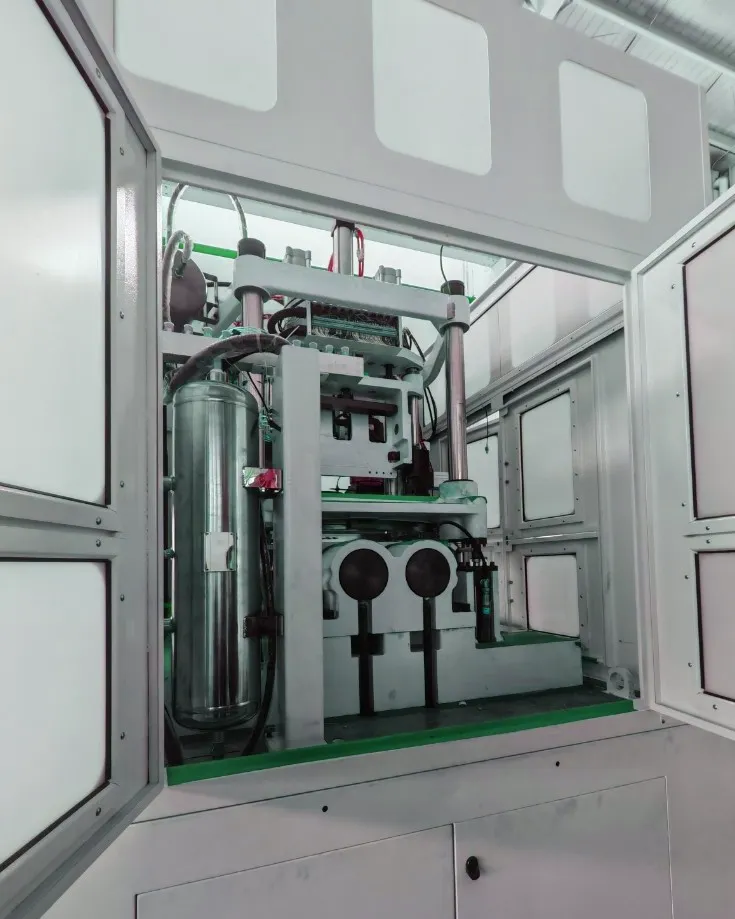 ISBM stands for Injection Stretch Blow Molding. It refers to a manufacturing method in which three traditionally separate operations — injection molding, thermal conditioning, and stretch blow molding — are performed within a single, continuous machine cycle without any intermediate preform storage or transport. In a conventional two-stage system, a preform is injection molded on one machine, allowed to cool completely, stored (sometimes for days or weeks), transported to a separate reheat blow molding machine, reheated to processing temperature, and only then blown into its final bottle shape. That approach works perfectly well at very high volumes where the throughput of a multi-lane blow line offsets the capital and operating costs, but it introduces several sources of quality variability and energy waste that become significant liabilities at mid-range production volumes or where premium container quality is a commercial requirement.
A single-stage ISBM blow molding machine eliminates those intermediate steps entirely. The plastic pellets enter the machine at one end; finished, dimensionally accurate bottles emerge at the other — all within one controlled cycle. That process continuity is not merely an efficiency convenience. Because the preform retains a portion of its injection heat through the conditioning and blow stages, the polymer chains undergo biaxial molecular orientation under more consistent thermal conditions, which directly translates into measurably superior container clarity, higher wall strength at lower material weight, and tighter dimensional tolerances from one bottle to the next. For the kinds of packaging applications that UK manufacturers increasingly compete on — pharmaceutical compliance, premium cosmetics, food safety certification — those performance characteristics are commercially decisive.
The Four-Stage Working Principle Explained
1
Injection Molding Stage
Plastic granules — typically PET, PP, or PC — are melted in a precision reciprocating screw-and-barrel assembly and injected under high pressure into a temperature-controlled preform mould. The preform takes shape with a fully formed, dimensionally accurate neck thread and an amorphous tubular body ready for the subsequent stretch stage. Melt temperature uniformity at this point — typically controlled to within ±2°C across the melt front — is the primary determinant of optical clarity in the finished container. Gate design and hot-runner balancing ensure all cavities fill simultaneously in multi-cavity configurations, which is essential for wall thickness consistency across the production batch.
2
Thermal Conditioning
Unlike two-stage reheat systems, the preform in a single-stage ISBM machine retains residual thermal energy from injection. The conditioning station uses zoned infrared heaters and hot-runner management to achieve a precisely controlled, uniform temperature profile across the preform wall — for PET, the target conditioning window is typically 90°C to 115°C, within the material’s stretch-orientation range but below its crystallisation threshold. This controlled thermal gradient is what enables true biaxial molecular orientation during the blow stage. The key technical advantage over reheat systems is that the temperature profile is achieved from a warm starting point, requiring less energy and producing a more consistent gradient across the preform cross-section.
3
Stretch-Blow Stage
A stretch rod descends axially through the conditioned preform, elongating it in the machine direction while high-pressure air — typically 25 to 40 bar — simultaneously inflates it radially against the temperature-controlled blow mould cavity walls. This simultaneous biaxial stretching aligns PET polymer chains in both longitudinal and hoop directions, developing the crystalline microstructure responsible for the finished container’s high tensile strength, low creep under filling pressure, and excellent CO2 and O2 barrier properties. Stretch ratio — the ratio of final bottle length to preform length — is a key process parameter; for PET, axial stretch ratios of 2.5:1 to 4.0:1 are typical, with hoop ratios of 3.0:1 to 4.5:1 depending on the container design.
4
Cooling and Ejection
The finished bottle is rapidly cooled within the blow mould, which circulates chilled water at a controlled temperature of typically 10°C to 20°C through integral cooling channels. Consistent mould temperature prevents residual stress concentration, thermal warping, and dimensional drift that would otherwise accumulate over extended production runs. Once sufficiently cooled, bottles are ejected via a servo-controlled robotic arm or gravity-fed chute, ready for immediate downstream transfer to labelling, filling, or inspection stations. Cycle times for a standard 500ml PET bottle on a 4-cavity ISBM machine range from 14 to 22 seconds per cycle, depending on wall thickness and polymer grade.
Core Materials: What an ISBM Machine Is Built From
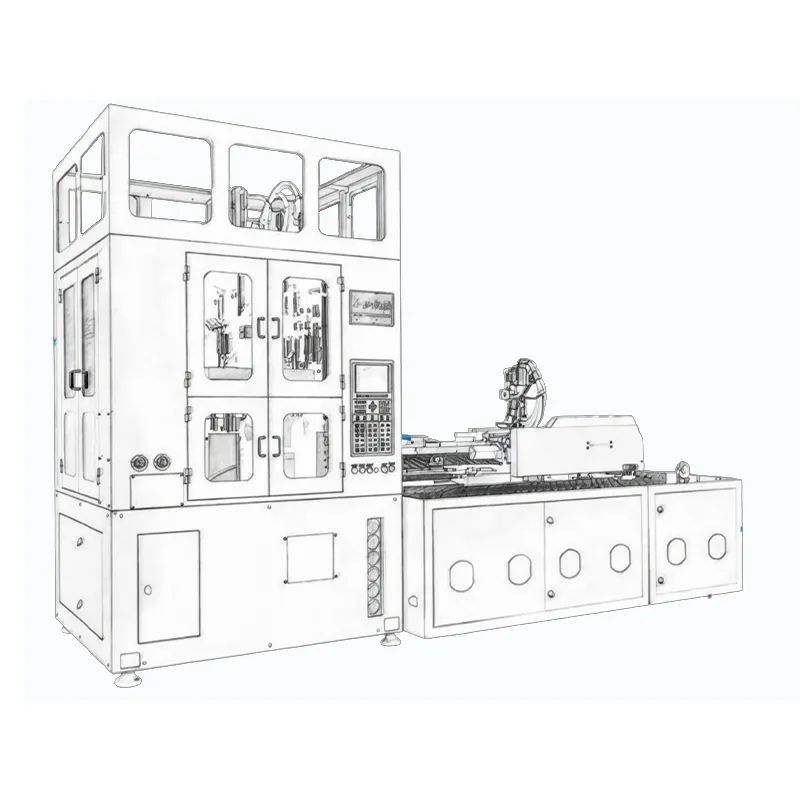
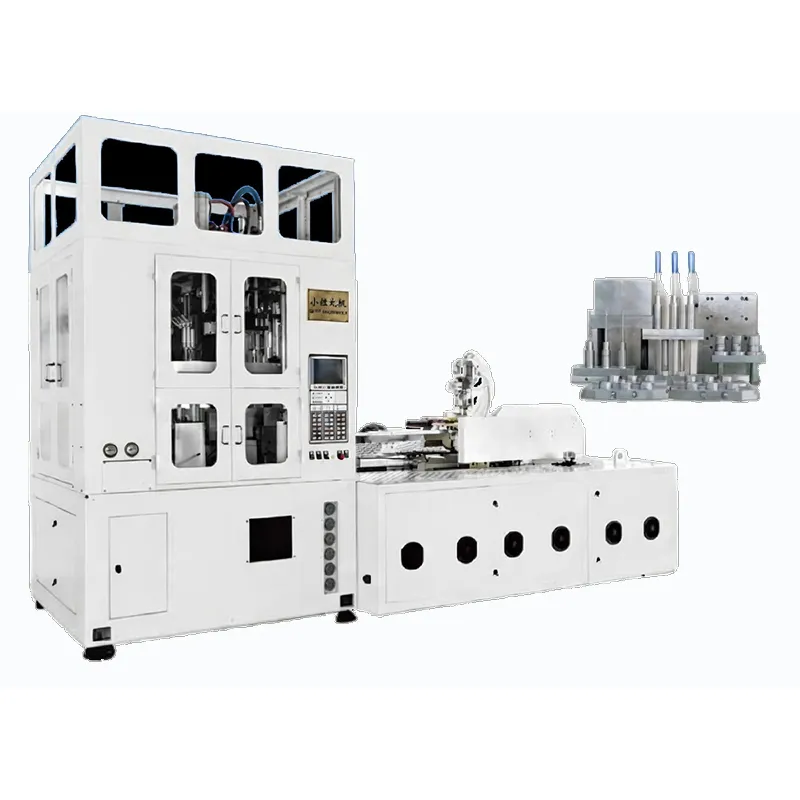 The long-term performance of any ISBM blow molding machine is inseparable from the quality of the materials used in its construction. The machine base and structural frame are typically fabricated from high-tensile structural steel — Q345B equivalent or better — precision-welded using verified procedures and then stress-relieved in a controlled furnace cycle to eliminate residual weld stresses that would otherwise cause dimensional creep under the cyclic loading of continuous production. The working platens, which must resist the substantial clamping and injection forces without flexing, are machined from spheroidal graphite cast iron to ±0.02mm flatness on mating faces. This material choice is deliberate: cast iron’s vibration-damping characteristics reduce acoustic transmission to the building structure, and its machinability allows the precision cooling channels and guide bore geometries that are impossible to achieve economically in fabricated steel.
The injection screw and barrel are arguably the most wear-critical components in the entire system. These are manufactured from bimetallic alloy steel — the barrel lined with a hard, wear-resistant alloy to Rockwell hardness HRC 60 or above on the flight contact surfaces. This level of hardness is not incidental; it is essential for processing the mildly abrasive and corrosive polymer streams that modern UK recycling supply chains increasingly deliver, including post-consumer recycled PET with trace contaminants and glass-bead filled PP grades used in industrial container applications. Blow moulds are machined from either 2083 stainless steel or 7075-T651 aerospace-grade aluminium, with the choice driven by production volume: aluminium for short to medium runs typical of craft and premium product lines, stainless for sustained high-volume production where dimensional wear over millions of cycles must be held within specification.
Machine Frame
High-tensile Q345B structural steel, certified weld procedures, stress-relief heat treatment, epoxy primer coat for corrosion resistance in humid UK factory conditions
Screw and Barrel
Bimetallic alloy steel, HRC 60+ on screw flights, nitrided barrel bore, L/D ratio optimised per polymer type, replaceable without disassembly of adjacent units
Platens and Tie Bars
Spheroidal graphite cast iron GGG-70, precision-bored tie bar housings, hardened steel inserts at high-wear contact zones, integral cooling channels for thermal stability
Hydraulic Manifold
EN-GJS-400 ductile iron manifold blocks, rated to 350 bar, electroless nickel-plated internal bores, Parker/Bosch Rexroth valve cartridges as standard on production machines
Blow Moulds
2083 stainless steel (high volume) or 7075-T651 aluminium (short/medium run), EDM-textured cavity surfaces, chilled-water channels within 15mm of cavity wall for rapid thermal response
Drive System
Servo-hydraulic or all-electric servo drives; Siemens/Mitsubishi servo motors and drives; Siemens S7 or Mitsubishi Q-Series PLC control; 10-inch colour touchscreen HMI with English-language interface
Why Single-Stage Outperforms Two-Stage: Six Measurable Advantages
Performance data from production environments, not marketing estimates
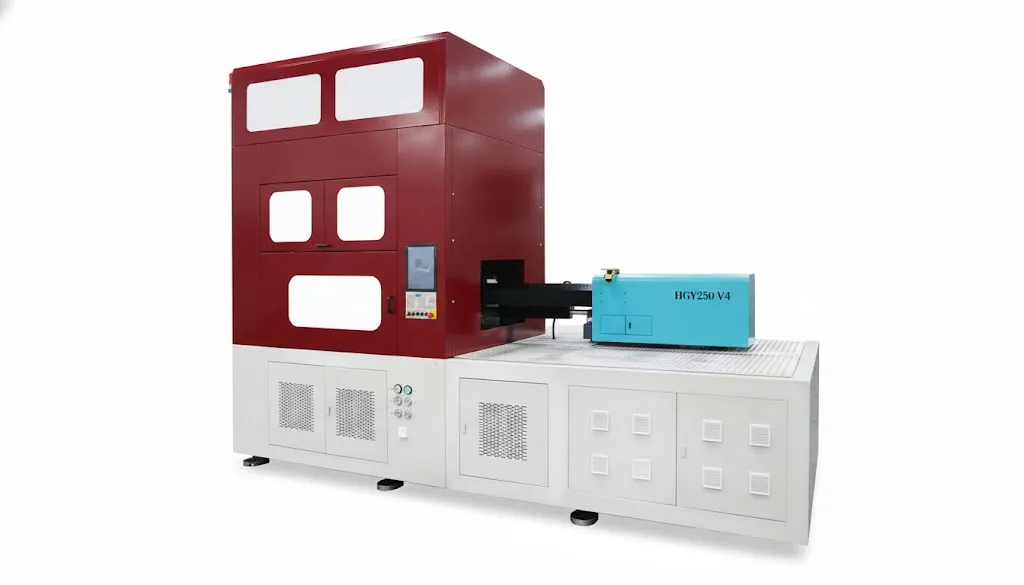
15–25% Lower Energy Per Thousand Bottles
Because the preform never fully cools between injection and blowing, the single-stage ISBM blow molding machine avoids the substantial electrical energy required to reheat cold preforms in a two-stage system. Against current UK industrial electricity tariffs — which have remained elevated since 2022 — this saving translates to £8,000–£22,000 annually depending on machine output and shift pattern. For operations running double or triple shifts, the energy advantage strengthens further, providing a quantifiable contribution to payback period calculations.
Haze Values Routinely Below 1.5%
The continuous thermal history in single-stage blow molding produces PET containers with measured haze values consistently below 1.5% — a level that two-stage lines processing mixed or recycled preform batches often struggle to achieve within the 3–5% range. For premium skincare serums, nutraceutical capsule jars, and pharmaceutical liquid containers where the consumer or healthcare professional expects near-glass clarity, this is a commercially non-negotiable specification, not a desirable extra.
Wall Thickness Tolerance of ±0.05 mm
With preform geometry and blow conditions both controlled within the same machine cycle, single-stage ISBM machines routinely achieve wall thickness variation of ±0.05mm or better — essential for pharmaceutical packaging where container integrity testing under MHRA requirements leaves no latitude for dimensional inconsistency. On two-stage lines, variation introduced during preform storage, handling, and reheating can push wall thickness tolerances to ±0.15mm or wider, which accumulates into measurable performance variability over large production batches.
40–60% Smaller Factory Footprint
A complete single-stage ISBM line requires 40–60% less floor space than an equivalent-output two-stage setup, which must accommodate a separate injection press, preform storage racking, conveyor system, reheat oven, and blow machine. In urban industrial estates around Birmingham, Coventry, and the wider West Midlands — where industrial unit rental rates have risen substantially — a floor space saving of 30–50 square metres per line is a meaningful reduction in operational overhead that contributes directly to total cost per unit produced.
Mould Changeover Under 90 Minutes
Modern ISBM machines equipped with quick-release mould clamping and centralised parameter recall can complete a full bottle format changeover in under 90 minutes for an experienced operator. This agility is commercially significant for UK contract packaging operations serving multiple brand owner clients who require production flexibility across weekly or monthly production schedules, allowing profitable management of shorter run lengths without the long changeover penalties that erode margins on two-stage lines.
Scrap Rates Consistently Below 0.3%
The closed-system nature of single-stage ISBM blow molding eliminates the contamination, moisture absorption, and surface damage that preforms accumulate during storage and transport in two-stage operations. Well-operated ISBM production lines regularly achieve scrap rates below 0.3%, compared to the 1–2% scrap rates commonly reported on two-stage lines processing externally sourced preforms. At production volumes of one million bottles per month, that difference represents tens of thousands of pounds of recovered material value annually.
25%
Energy Savings vs Two-Stage
<1.5%
Bottle Haze Value
±0.05mm
Wall Thickness Tolerance
<0.3%
Production Scrap Rate
Technical Specifications and Performance Parameters
Standard reference data for Ever Power ISBM single-stage blow molding machine series (indicative — exact parameters subject to model configuration and mould specification)
| Parameter | HGY-1S (1-Cavity) | HGY-2S (2-Cavity) | HGY-4S (4-Cavity) | HGY-6S (6-Cavity) |
|---|---|---|---|---|
| Bottle Volume Range | 1 ml – 5,000 ml | 5 ml – 2,000 ml | 5 ml – 1,500 ml | 10 ml – 500 ml |
| Output (BPH) | 500 – 900 | 1,000 – 1,800 | 2,000 – 3,600 | 3,000 – 5,400 |
| Injection Clamping Force | 80 kN | 120 kN | 200 kN | 280 kN |
| Blow Pressure | 25 – 40 bar | 25 – 40 bar | 25 – 40 bar | 25 – 40 bar |
| Compatible Polymers | PET, PP, PC, PEN, PETG | PET, PP, PC, PEN | PET, PP, PETG | PET, PP |
| Mould Temperature | 10 – 20°C (chilled water) | 10 – 20°C | 10 – 20°C | 10 – 20°C |
| Axial Stretch Ratio (PET) | 2.5:1 – 4.0:1 | 2.5:1 – 4.0:1 | 2.5:1 – 4.0:1 | 2.5:1 – 4.0:1 |
| Wall Thickness Tolerance | ±0.05 mm | ±0.05 mm | ±0.05 mm | ±0.05 mm |
| Screw Hardness (HRC) | >= 60 | >= 60 | >= 60 | >= 60 |
| PLC Control Platform | Siemens S7 / Mitsubishi Q | Siemens S7 / Mitsubishi Q | Siemens S7 / Mitsubishi Q | Siemens S7 / Mitsubishi Q |
| Power Consumption | 12 – 18 kW | 18 – 28 kW | 30 – 45 kW | 45 – 65 kW |
| Machine Dimensions (L x W x H) | 2.8 x 1.5 x 2.0 m | 3.2 x 1.8 x 2.2 m | 3.8 x 2.0 x 2.4 m | 4.5 x 2.3 x 2.6 m |
| Machine Weight | 1,800 kg | 2,600 kg | 4,200 kg | 5,800 kg |
Industrial Application Scenarios Across the United Kingdom
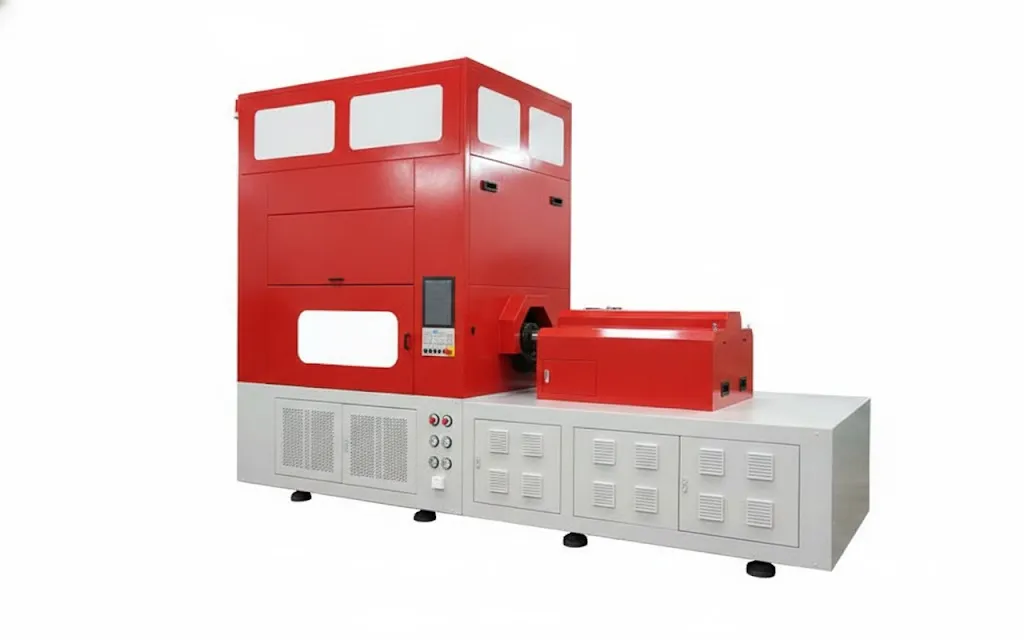
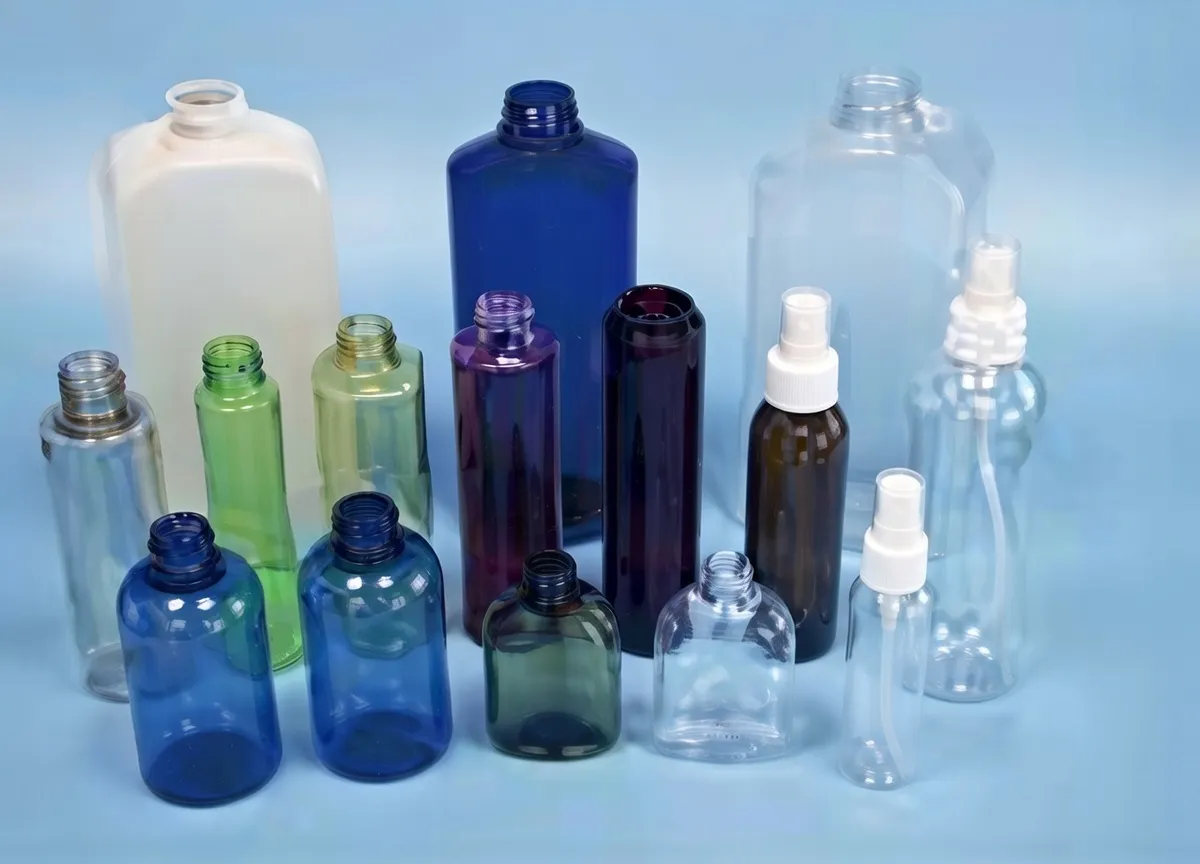
One of the most commercially compelling characteristics of the ISBM single-stage blow molding machine is the breadth of container applications it can address without fundamental process changes. A single machine, fitted with the appropriate mould tooling and programmed with the correct process parameters, can produce pharmaceutical dropper bottles in the morning and premium cosmetics flacons in the afternoon — a level of operational flexibility that suits the mixed-product portfolios of UK contract packaging firms particularly well. The Midlands manufacturing corridor, running broadly from Birmingham through Coventry and into Northamptonshire, hosts a high density of plastics converters and contract packagers for whom this multi-sector capability is directly linked to client retention and margin management. The four application sectors below represent the areas where single-stage ISBM technology delivers its most measurable commercial value to UK operations.
💊
Pharmaceutical and Healthcare Packaging
UK pharmaceutical manufacturers — concentrated in the Cambridge life sciences cluster, the greater London pharmaceutical belt, and the Scottish Central Belt — depend on ISBM machines for sterile dropper bottles, oral liquid containers, tablet counting jars, and medical device packaging. The process’s tight dimensional control satisfies MHRA packaging compliance requirements, and the superior barrier properties of single-stage PET containers help maintain active pharmaceutical ingredient stability over product shelf life. Clean-room compatible machine configurations are available with stainless steel polymer-contact components and HEPA-filtered enclosures for Grade D and Grade C clean-room integration. IQ/OQ/PQ validation documentation is a standard deliverable from Ever Power for pharmaceutical project orders, substantially reducing the qualification burden for UK pharmaceutical operations.
🍎
Food and Beverage Containers
From mineral water bottlers in Yorkshire to premium condiment manufacturers in the West Midlands, food-grade single-stage blow molding delivers the optical clarity, CO2 barrier performance, and structural integrity that modern retail packaging demands. The integrated closed-system nature of ISBM processing eliminates the contamination risk associated with handling open preforms, making it well-suited to food producers operating under BRC Global Standard or IFS certification where packaging hygiene controls are audited. The material savings achievable through optimised wall thickness distribution in ISBM containers also contribute to sustainability reporting metrics, which have become a procurement criterion for major UK food retail multiples.
💄
Personal Care and Cosmetics
The UK cosmetics manufacturing sector — with notable concentrations in London, the North West, and around Bristol — demands packaging that communicates premium positioning at point of sale while meeting the functional requirements of pump dispensers, dropper closures, and airless packaging systems. ISBM single-stage machines produce bottles with near-glass optical clarity, precise neck tolerances for pump and dropper fitments, and surface definition that allows the engraved or textured effects now expected in premium haircare and skincare ranges. Short production run economics — an important characteristic of seasonal and limited-edition product lines — are considerably more favourable on single-stage equipment than on two-stage lines with higher minimum run requirements.
🔧
Industrial Chemicals and Technical Fluids
Sheffield’s advanced materials and engineering chemicals sector, alongside the Teesside industrial processing corridor, makes productive use of ISBM blow molding technology for containers requiring elevated chemical resistance. PP-based containers produced on a single-stage ISBM machine offer excellent compatibility with a wide range of solvents, cleaning agents, cutting fluids, and industrial lubricants. The machine’s flexibility to produce wide-mouth containers, handled vessels, and specialist stackable formats suits MRO and workshop packaging applications where user ergonomics and storage efficiency are practical requirements alongside chemical compatibility.
Key Machine Components and Precision Assemblies
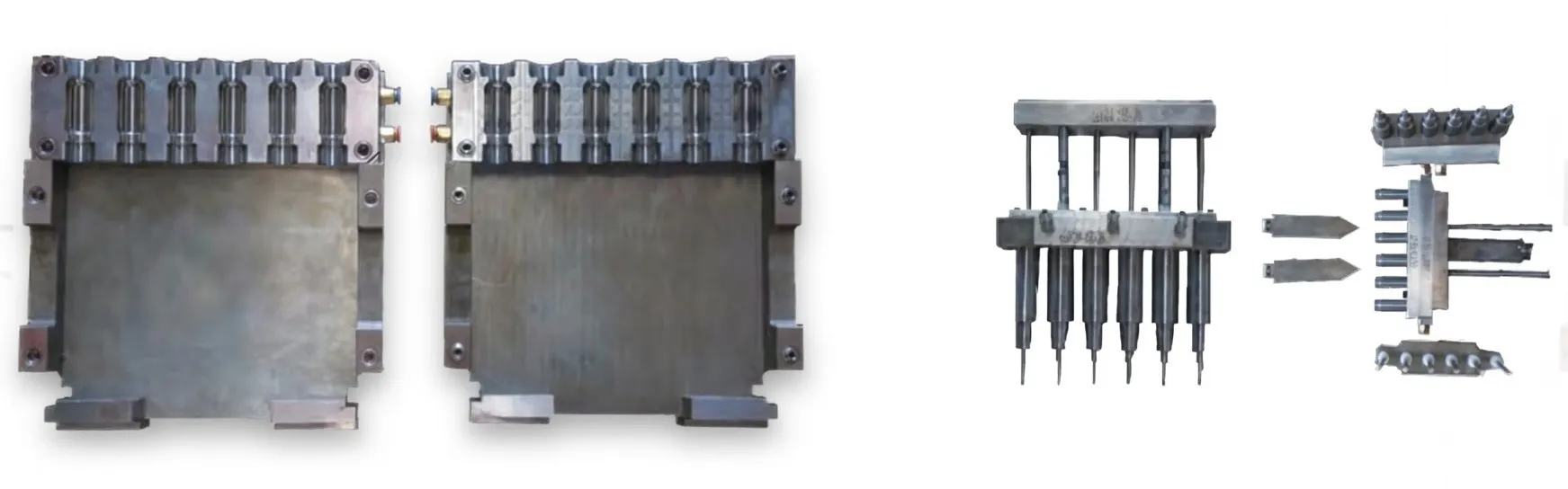
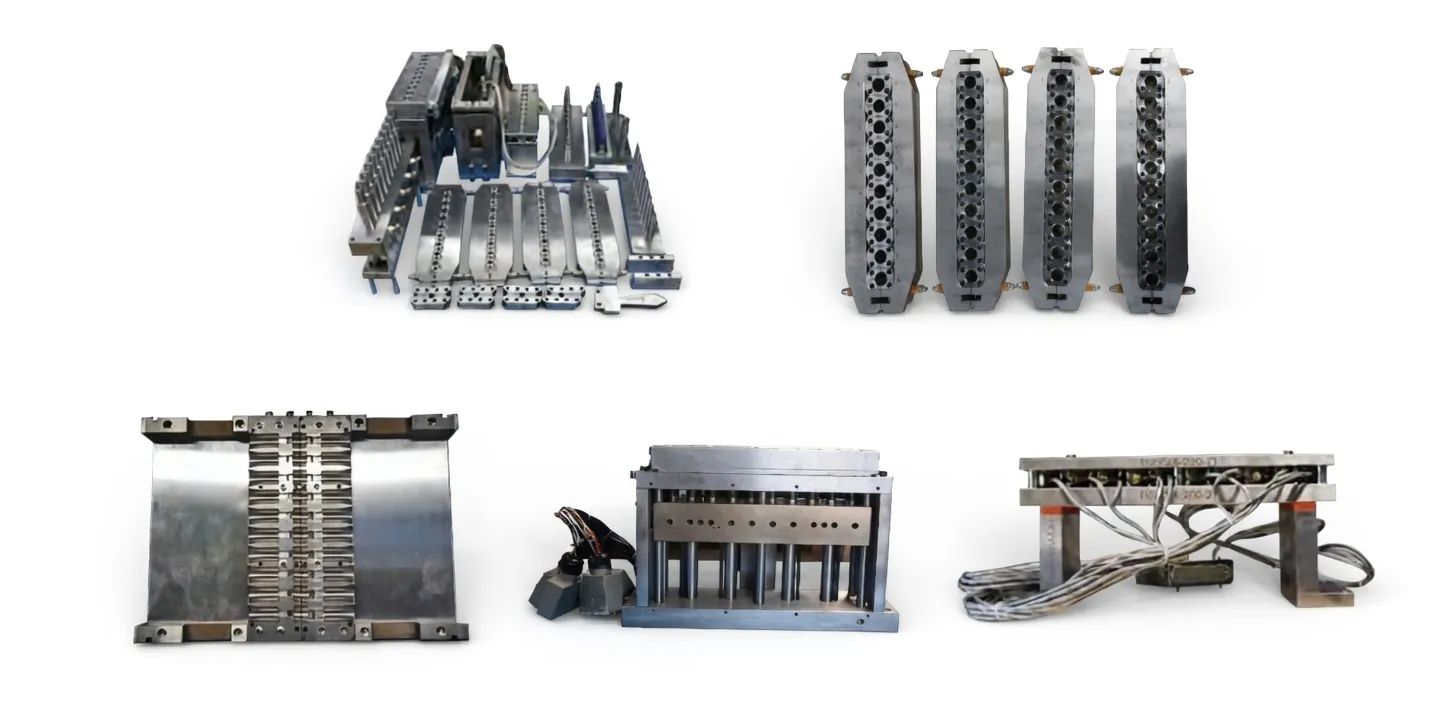
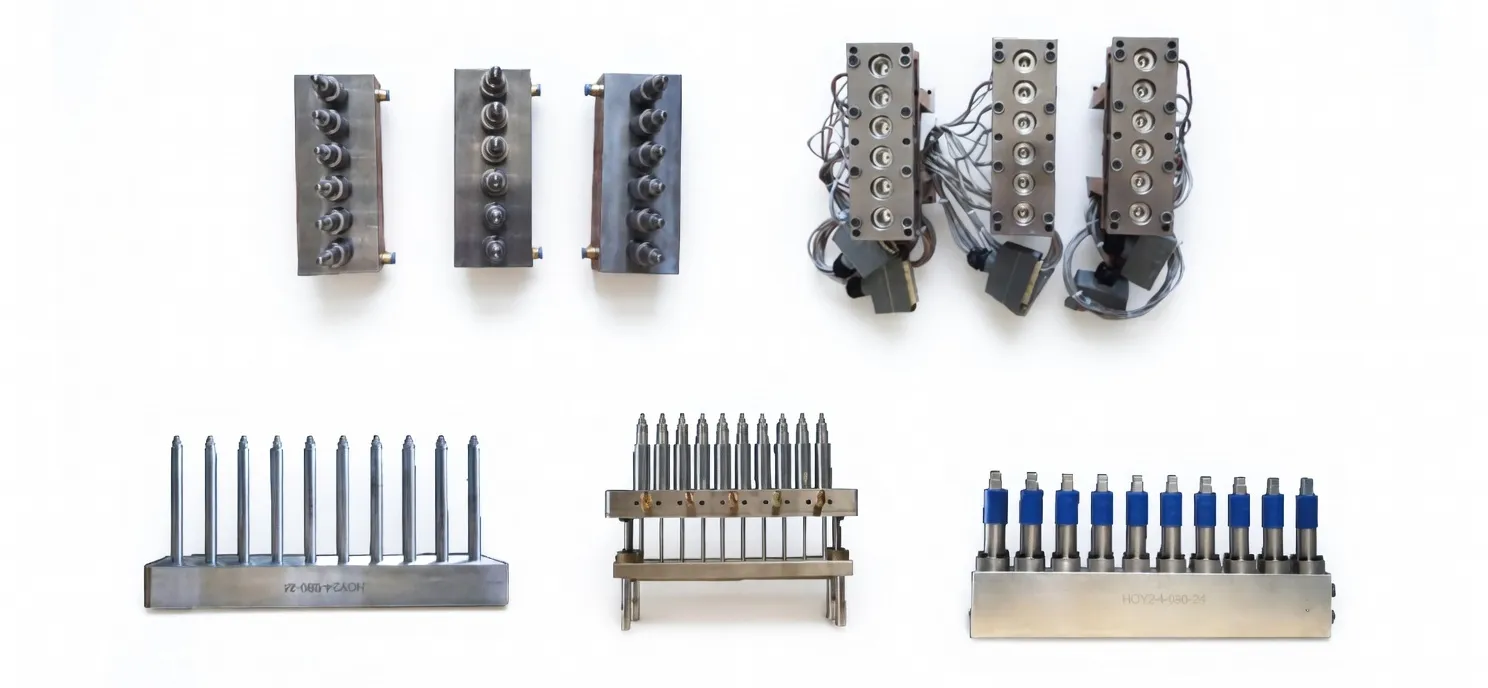
Understanding the precision sub-assemblies inside a high-performance ISBM blow molding machine matters beyond simply knowing what the machine does — it helps procurement engineers evaluate total cost of ownership accurately, assess spare parts availability, and plan preventive maintenance intervals that fit within UK factory maintenance windows. Every major mechanical assembly in an Ever Power single-stage ISBM machine is designed for component-level serviceability: the injection unit, the conditioning and blow station, and the servo or hydraulic drive system each form independent sub-assemblies that can be accessed, adjusted, or replaced without disassembling adjacent systems. Critical wear components — including the injection screw, barrel liner, stretch rod bushings, and heating elements — are modular items held in spares inventory at both the Ever Power factory and at the UK bonded parts holding arrangement, ensuring replacement parts reach any UK site within 48 hours rather than the 6-week lead time that unplanned ordering from China would otherwise require.
Ever Power: Precision ISBM Manufacturing You Can Rely On
The engineering process behind every ISBM single-stage blow molding machine that leaves the Ever Power production facility begins not with component procurement but with a detailed specification dialogue with the client. The Ever Power technical team works at the front end of each project to understand the precise combination of bottle formats, target polymers, production volumes, downstream integration requirements, and regulatory compliance obligations — then builds a machine configuration that genuinely reflects those operating conditions rather than adapting a catalogue machine to fit. This depth of engagement extends to custom preform mould geometry designed from the client’s CAD data, specialised conditioning station configurations for non-standard polymers like PEN, PETG, and bio-based blends, and bespoke PLC programming to integrate with existing factory automation and MES platforms via OPC-UA or Modbus protocols.
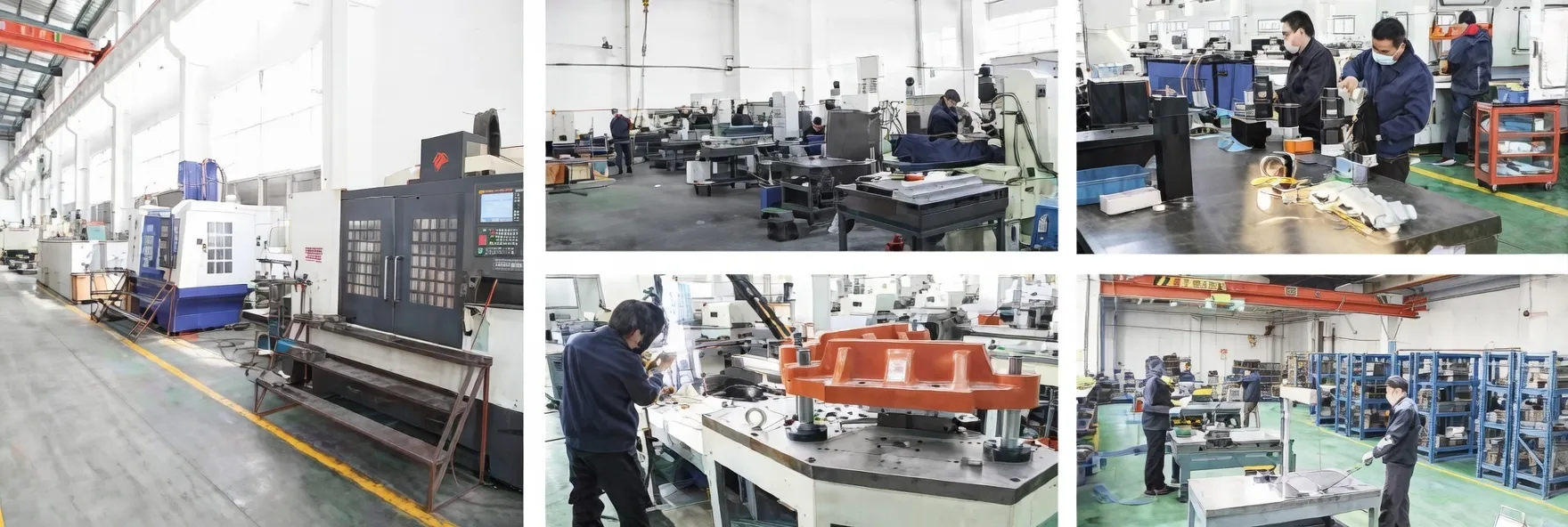
The Ever Power manufacturing facility operates a vertically integrated supply chain that maintains quality at every critical step. The most dimensionally sensitive components — injection screws, barrel assemblies, platens, and hydraulic manifold blocks — are machined entirely in-house on CNC turning and milling centres with ±0.01mm positional capability. Externally sourced components such as Siemens PLC hardware, Parker hydraulic valve cartridges, and NSK precision bearings are procured exclusively through authorised distribution channels, and full batch traceability documentation is provided as standard for clients operating under ISO 9001, ISO 13485, or FSSC 22000 quality management frameworks. For UK buyers, Ever Power supports both DAP (Delivered at Place) and DDP (Delivered Duty Paid) Incoterms to major UK logistics hubs including Felixstowe, Southampton, Tilbury, and Immingham, with all UKCA marking, customs documentation, and CE-to-UKCA transition paperwork pre-prepared to current UK Border Force requirements.
Ever Power Customisation Capabilities — What You Can Specify
Mould Engineering
Custom preform and blow mould design for any bottle geometry, neck finish, or surface texture — including import from client DXF/STEP CAD files; mould steel choice matched to production volume
Automation Integration
Robotic ejection, inline leak and vision inspection, conveyor interface, and robot palletiser integration — configured to match existing factory floor layouts and PLC communication protocols
Polymer Adaptation
Bespoke screw geometry, L/D ratio, and heater profiles for non-standard polymers including PEN, PETG, bio-based PLA blends, and glass-filled grades up to 30% GF content
Compliance Documentation
UKCA marking, CE certification, IQ/OQ/PQ validation packs, FDA 21 CFR food-contact compliance, and MHRA-aligned qualification documentation — provided as standard on pharmaceutical-configured machines
UK Logistics and Service
DDP/DAP delivery to UK ports including Felixstowe, Tilbury, Southampton, Immingham; UK bonded spare parts holding; English-language remote diagnostics and scheduled preventive maintenance support
Commissioning and Training
On-site commissioning by Ever Power engineers at any UK location; operator training programmes in English; written process parameter guides and maintenance schedules aligned with UK CMMS formats
Customer Success Story — Sheffield, United Kingdom
Meridian Packaging Solutions: Overhauling Pharmaceutical Container Production
Meridian Packaging Solutions operates a precision plastics manufacturing facility in the Tinsley industrial zone on the eastern edge of Sheffield — an area with deep industrial heritage in high-precision manufacturing and a growing presence in healthcare supply chain components. The company had been running a two-stage RSBM line to supply pharmaceutical-grade amber PET bottles to a portfolio of NHS-contracted dispensaries and independent pharmacy groups across Yorkshire and the Humber. The operation was dependable, but over an 18-month review period the production director identified three converging pressures: electricity consumption per thousand bottles was running 34% above benchmarks published for comparable single-stage ISBM production lines; measured haze values on finished bottles were drifting between 3.5% and 5.2% across different preform batches, occasionally generating feedback from clients supplying premium liquid nutritional supplements that required near-glass clarity; and the two-machine footprint of the existing line was consuming factory floor space that limited the company’s ability to bring a labelling line in-house.
After a market evaluation, Meridian contacted Ever Power regarding a 4-cavity ISBM single-stage blow molding machine configured for pharmaceutical-grade PET processing. The Ever Power technical team conducted a two-day on-site assessment at the Sheffield facility, reviewed downstream filling and labelling specifications, and proposed a custom configuration that diverged meaningfully from the base machine: an all-electric servo drive replacing the standard servo-hydraulic option (chosen to reduce heat output in the restricted factory space and to simplify maintenance for the existing engineering team), stainless steel polymer-contact component upgrade for MHRA compliance, and an OPC-UA communication module for integration with the existing Beckhoff SCADA system. Port-to-door logistics were arranged via Immingham on Humberside — a natural gateway for Sheffield-area industrial freight — with all UKCA documentation pre-submitted to the UK-side customs broker.
Following a successful IQ/OQ qualification run conducted jointly by the Ever Power commissioning team and Meridian’s validation engineers, the machine entered full production within eleven days of delivery. Over the subsequent six months, Meridian recorded a 27% reduction in energy consumption per thousand bottles, consistent bottle haze values below 1.2% across all production runs — well inside the client-specified 2.0% maximum — and a process scrap rate of 0.18%, compared to the 1.4% baseline on the previous line. The floor space recovered by removing the two-machine two-stage line was fitted with an inline pressure-sensitive labelling unit, adding a finished goods output capability that Meridian had previously been outsourcing at a cost of approximately £38,000 per year. The machine’s payback period, calculated against energy savings, scrap reduction, and internalised labelling revenue, was estimated by Meridian’s finance team at 26 months from commissioning.
What UK Clients Say About Ever Power
★★★★★
“The wall thickness consistency on Ever Power’s 4-cavity ISBM machine has genuinely exceeded what we were promised. We are holding pharmaceutical amber PET at ±0.04mm — tighter than the machine’s own published tolerance. Our MHRA packaging audit last quarter specifically cited our container consistency as a notable strength. That is a direct outcome of moving to single-stage blow molding and the quality of this machine in particular.”
— James Holroyd, Production Director, Meridian Packaging Solutions, Sheffield
★★★★★
“We evaluated three suppliers when specifying our new single-stage ISBM blow molding machine. Ever Power were the only team who came to our Birmingham site before writing the proposal — that visit changed their configuration recommendation in a way that saved us a significant capital cost and reduced our maintenance overhead. Energy savings from the servo drive option alone are running at roughly £14,000 per year against our previous reheat line. The remote technical support has been substantive, not just basic reset guidance.”
— Sarah Patel, Operations Manager, Midlands Contract Packaging Ltd, Birmingham
★★★★★
“Getting a full UKCA-compliant IQ/OQ documentation package from any machinery supplier is not straightforward — getting it from a Chinese ISBM machine manufacturer felt like a stretch. Ever Power delivered everything we needed, pre-reviewed by a UK regulatory consultant. They also arranged a UK bonded parts holding that puts critical wear components within 48 hours of our Manchester site. For a contract packer running six ISBM blow molding product families on one machine, that parts availability is operationally essential.”
— Thomas Wren, Technical Director, North West Packaging Group, Manchester
Frequently Asked Questions
The questions UK manufacturers and procurement professionals ask most often about ISBM technology and supplier selection
Ready to Specify Your ISBM Blow Molding Machine?
Share your bottle format, target output, polymer type, and UK delivery location. The Ever Power technical team responds with a machine configuration recommendation and indicative pricing within one working day.
✉ Request Your Custom Quote Now
[email protected] · Response within 24 hours · UK-friendly DAP/DDP shipping available
edit by gzl