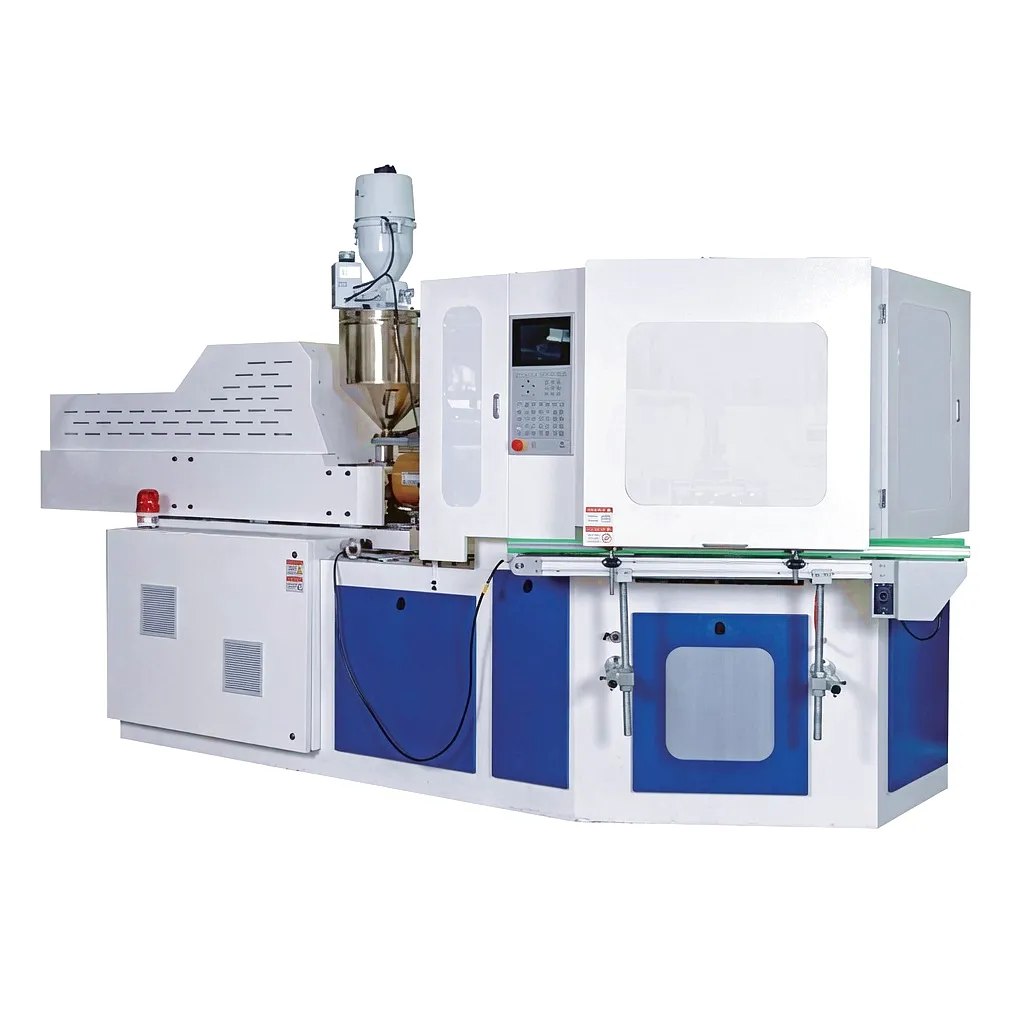
 The injection blow molding machine sits at the crossroads of precision engineering and high-volume container production. Unlike extrusion blow molding, this process begins with an injected preform — a precisely dosed, fully enclosed parison — before air pressure expands it inside a blow mold to achieve the final container geometry. The result is a bottle or vial with wall thickness uniformity that simpler processes simply cannot match. Across the United Kingdom, from pharmaceutical clusters in Cheshire to diagnostics manufacturers in the East Midlands, this technology has quietly become the backbone of precision packaging operations.
How the Injection Blow Molding Machine Works
Three-station precision cycle · No flash · Zero trimming waste
Injection Station
Molten polymer — typically PET, HDPE, PP, or PVC — is injected around a core rod inside a closed injection cavity. The core rod defines the internal bore, thread geometry, and neck finish with sub-millimetre accuracy. Shot weight is tightly controlled by the injection unit, ensuring every preform carries exactly the right volume of material. Gate design and melt temperature are optimised to prevent stress concentrations that could lead to failure under internal pressure. The preform remains on the core rod and indexes to the next station.
Blow Station
The preform-laden core rod rotates into the blow mold, which closes around it. Conditioned air at precisely calibrated pressure — typically between 6 and 10 bar depending on the resin and wall thickness target — inflates the preform outward until it contacts the cooled mold surface. The cavity geometry is machined to ±0.01 mm, so every bottle body emerges with consistent diameter, shoulder curvature, and base design. Cooling channels integral to the blow mold extract heat rapidly, freezing the molecular structure in place and ensuring dimensional stability after ejection.
Ejection Station
The core rod rotates to the stripping station, where the finished container is removed mechanically. Because the neck finish was formed entirely in the injection stage, it requires no post-ejection trimming or flash removal — a critical advantage over extrusion blow molding when supplying sterile packaging lines in Birmingham pharmaceutical plants or food-safe beverage lines in Yorkshire. The absence of trimming waste eliminates a particulate contamination risk and dramatically reduces labour overhead per thousand units produced.
Core Materials Processed by Injection Blow Molding Equipment
Resin selection drives container performance across chemical resistance, clarity, and regulatory compliance.
PET (Polyethylene Terephthalate)
Outstanding optical clarity, high tensile strength, and excellent barrier properties against oxygen and CO2. Widely used for pharmaceutical syrups, mineral supplements, and cosmetic serums where visual inspection of contents is essential. Approved for direct food contact under EU and UK food safety legislation.
HDPE (High-Density Polyethylene)
Exceptional chemical resistance against acids, alkalis, and solvents. The material of choice for agrochemical concentrates, industrial cleaners, and laboratory reagent bottles. HDPE’s low moisture vapour transmission rate makes it ideal for hygroscopic compound storage across UK agricultural supply chains centred in Lincolnshire and East Anglia.
PP (Polypropylene)
Autoclavable at 121 °C, with excellent living-hinge performance and compatibility with a broad range of pharmaceutical excipients. PP is preferred for diagnostic specimen containers — blood tubes, urine pots — where the closure-container interface must survive centrifuge cycles in NHS pathology laboratories without leakage or dimensional distortion.
PVC (Polyvinyl Chloride)
Naturally transparent, rigid, and economical. Medical-grade PVC — plasticiser-free grades — is processed on injection blow molding machines for unit-dose oral liquid containers and ophthalmic bottles. Its low oxygen transmission rate protects light-sensitive formulations. Specific grades meet the European Pharmacopoeia standards referenced by UK MHRA-registered manufacturers.
PETG / Specialty Copolymers
PETG combines PET’s clarity with improved impact resistance and lower processing temperatures — valuable for cosmetic containers with complex geometry. Bioresins and post-consumer recycled grades are gaining traction across UK FMCG brands responding to Extended Producer Responsibility regulations introduced in 2024, and modern injection blow molding machines accommodate these materials without major retooling.
Technical Performance Parameters
ZQ40 Series Injection Blow Molding Machine · Ever Power Reference Specification
| Parameter | Specification | Unit / Note |
|---|---|---|
| Container Volume Range | 2 – 500 | mL |
| Clamp Force (Injection) | 40 – 160 | Tonnes |
| Number of Cavities (per rotation) | 2 – 12 | Application-dependent |
| Blow Air Pressure | 6 – 10 | bar (adjustable) |
| Neck Finish Dimensional Tolerance | ±0.05 | mm (thread OD) |
| Wall Thickness Uniformity | < ±8% | Across full body circumference |
| Cycle Time (4-cavity, 30 mL PP) | 8 – 14 | seconds |
| Compatible Resins | PET, HDPE, PP, PVC, PETG, PCR blends | — |
| Control System | PLC + 10″ HMI Touchscreen | Multi-language; Industry 4.0 ready |
| Drive System | All-electric servo / Hydraulic servo hybrid | Energy saving >35% vs. full-hydraulic |
| Cleanroom Compatibility | ISO 7 (Class 10,000) optional | Medical/pharma enclosure upgrade |
| Machine Footprint (L x W x H) | 3.8 x 1.6 x 1.9 | m (approx., model-dependent) |
| Installed Power | 18 – 45 | kW (model-dependent) |
Why Manufacturers Choose Injection Blow Molding Technology
Competitive advantages that matter on the production floor — and the balance sheet.
Zero Flash — Zero Rework
The closed neck finish formed during injection means the container arrives complete — no parting line flash, no trimming stations, no secondary labour. For pharmaceutical manufacturers operating under GMP conditions in facilities from Macclesfield to Barnard Castle, eliminating manual trimming also eliminates a critical particle-generation step.
Superior Neck-Finish Precision
Thread dimensions are set in the injection mold — a controlled, high-pressure process that inherently produces better repeatability than blow-mold pinch-off. Pharmaceutical closure torque specifications — typically 0.3 to 1.2 Nm for child-resistant closures regulated under SI 1986/2070 in the UK — can be consistently met across multi-million-unit production runs.
High Material Efficiency
Shot weight control is more precise than in extrusion processes, reducing over-packing. Scrap rates on a well-maintained injection blow molding machine typically run below 1%, compared with 3–5% on extrusion lines with flash. Over a year’s production of 50 million 30 mL bottles in pharmaceutical-grade PP, that differential translates to tonnes of recovered resin cost and a measurably lower carbon footprint per unit.
Single-Step Sterility Capability
When paired with cleanroom enclosures and HEPA-filtered air supplies, an injection blow molding machine can produce containers at or below ISO Class 7 particulate levels. This capability aligns with Annex 1 of the EU GMP guidelines — still referenced by UK manufacturers post-Brexit under MHRA Good Manufacturing Practice — and supports aseptic filling line qualification at sites from Nottingham to Edinburgh.
Rapid Mold Changeover
Modern quick-release tooling systems enable mold changes in under two hours on leading injection blow molding machines. For contract manufacturers serving multiple clients from a single Sheffield facility — switching between 5 mL ophthalmic bottles in the morning and 120 mL syrup containers in the afternoon — this agility directly determines how many SKUs can be serviced profitably from one machine investment.
Energy-Efficient Servo Drive
Servo-hydraulic and all-electric configurations reduce energy consumption by 35–55% compared with conventional hydraulic injection blow molding machines. With UK industrial electricity costs remaining significantly above the EU average through 2025 and 2026, this is a direct operational cost reducer that typically delivers payback within 18 months on a high-volume pharmaceutical packaging line.
Industrial Application Scenarios
Where precision container production meets real-world manufacturing demand across the United Kingdom.
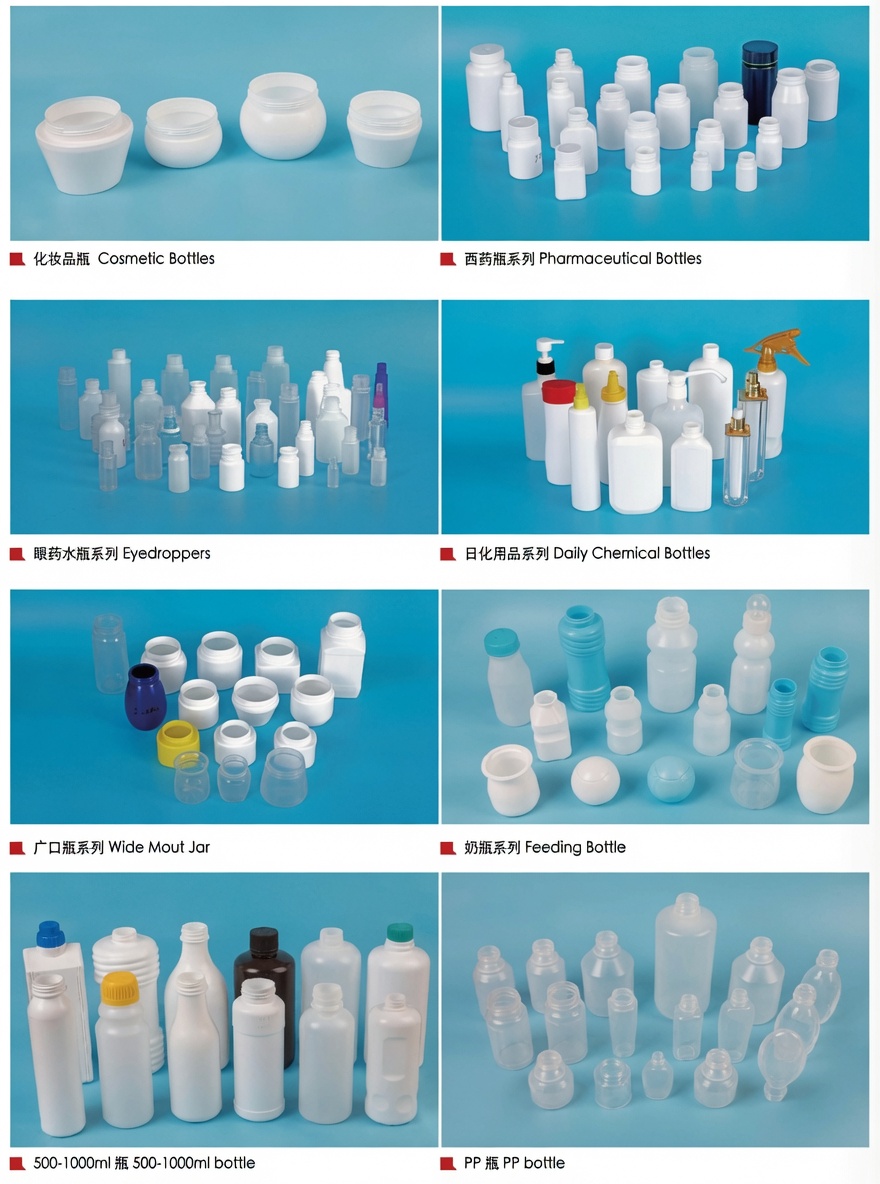
Laboratory and In Vitro Diagnostics (IVD) — Blood Collection Tubes, Urine Specimen Containers, and Cryovials
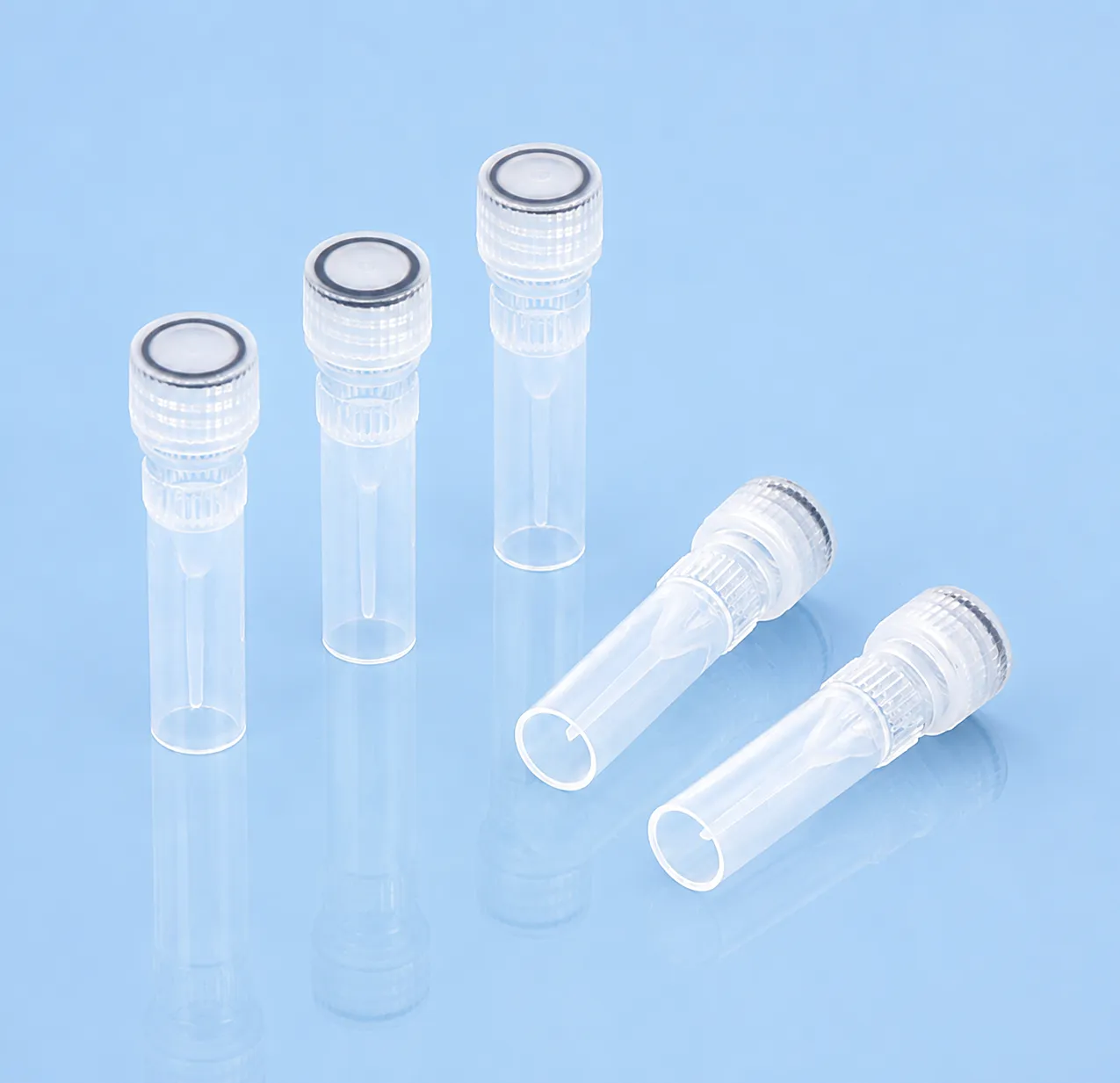 Laboratory and in vitro diagnostics packaging represents one of the most exacting applications for an injection blow molding machine anywhere in the manufacturing world. The specimen containers produced for NHS pathology laboratories, private diagnostic networks, and point-of-care testing kits must meet dimensional tolerances that directly determine diagnostic accuracy. An EDTA vacuum blood collection tube, for example, must maintain an internal vacuum for months — which demands that the polypropylene body is free of micro-voids, that the neck geometry seals reliably against the stopper, and that the wall thickness distribution remains consistent across millions of units. Any variability in the neck thread or stopper landing zone can allow air ingress that degrades the sample before it reaches the centrifuge.
The injection blow molding process addresses these requirements more completely than any competing technology at the relevant container sizes. Because the neck is injection-formed around a precision core rod rather than pinched in a blow mold, thread geometry, stopper seat diameter, and flange dimensions are inherently more repeatable. Manufacturers serving NHS Supply Chain contracts from facilities in the East Midlands and Greater Manchester rely on this repeatability to maintain the tight incoming quality control specifications that NHS procurement teams apply to sterile specimen containers.
Key Products Produced:
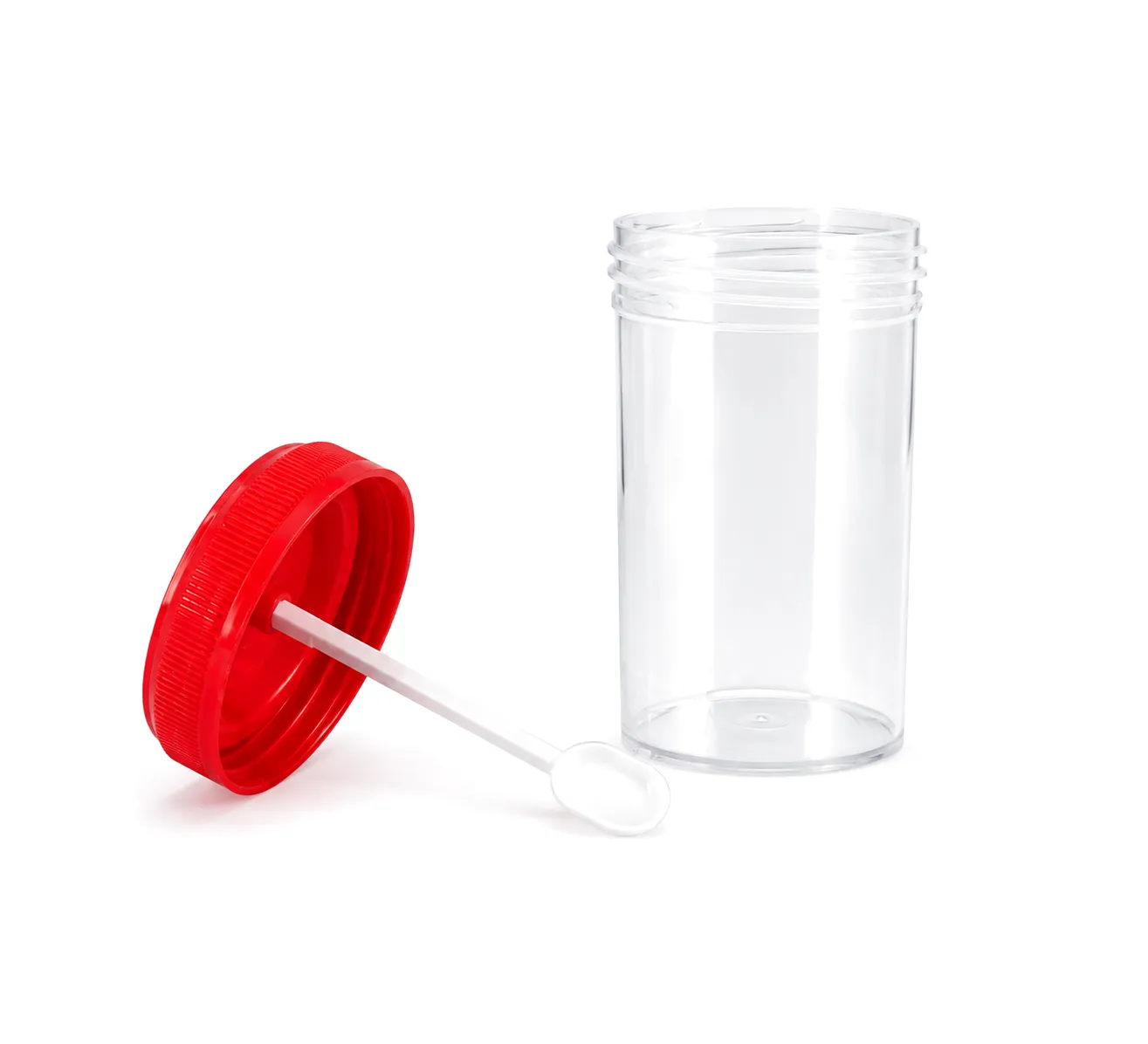
Urine Specimen Collection Containers
Cryovials (1 mL – 5 mL)
Sputum Specimen Containers
Faecal Specimen Collection Vials
Cryovials for biobank sample storage present an additional challenge: the container must maintain structural integrity at -196 °C liquid nitrogen temperatures without cracking, and the closure system must deliver a hermetic seal that survives freeze-thaw cycling. Injection blow molding in pharmaceutical-grade PP with carefully controlled melt temperature and cooling rate produces the molecular structure necessary for cryogenic performance. UK biorepositories — including university research hospitals in London, Cambridge, and Glasgow — increasingly specify supplier qualifications that include documented IBM process validation to GMP standards.
Pharmaceutical Oral Liquid and Topical Packaging — Syrup Bottles, Ophthalmic Containers, and Nasal Sprays
 Oral liquid pharmaceutical packaging imposes regulatory requirements that sit well above most other packaging applications. In the United Kingdom, containers for licensed medicines — paracetamol suspension, ibuprofen syrup, antibiotic oral solutions — must comply with British Pharmacopoeia container specifications and, where applicable, the European Pharmacopoeia monographs that MHRA continues to reference as part of its post-Brexit regulatory framework. The injection blow molding machine, particularly when configured for pharmaceutical-grade PP or PET, delivers the extractables and leachables profile required for direct contact with liquid formulations.
Nasal spray containers add the complexity of a bi-directional pumping mechanism that must mate precisely with the bottle neck. The pump bayonet or thread engagement torque must fall within a tight window — loose enough to actuate smoothly, tight enough to prevent unintentional disassembly. When the neck finish is produced on an injection blow molding machine to ±0.05 mm tolerances, pump qualification is significantly simplified. Manufacturers of nasal decongestants, corticosteroid sprays, and saline irrigation products serving both retail pharmacy and NHS formulary from facilities in the North West and South East of England depend on this repeatability to maintain GMP compliance through the product’s entire commercial lifecycle.
Personal Care and Cosmetics — Serum Bottles, Lotion Containers, and Travel-Size Packaging
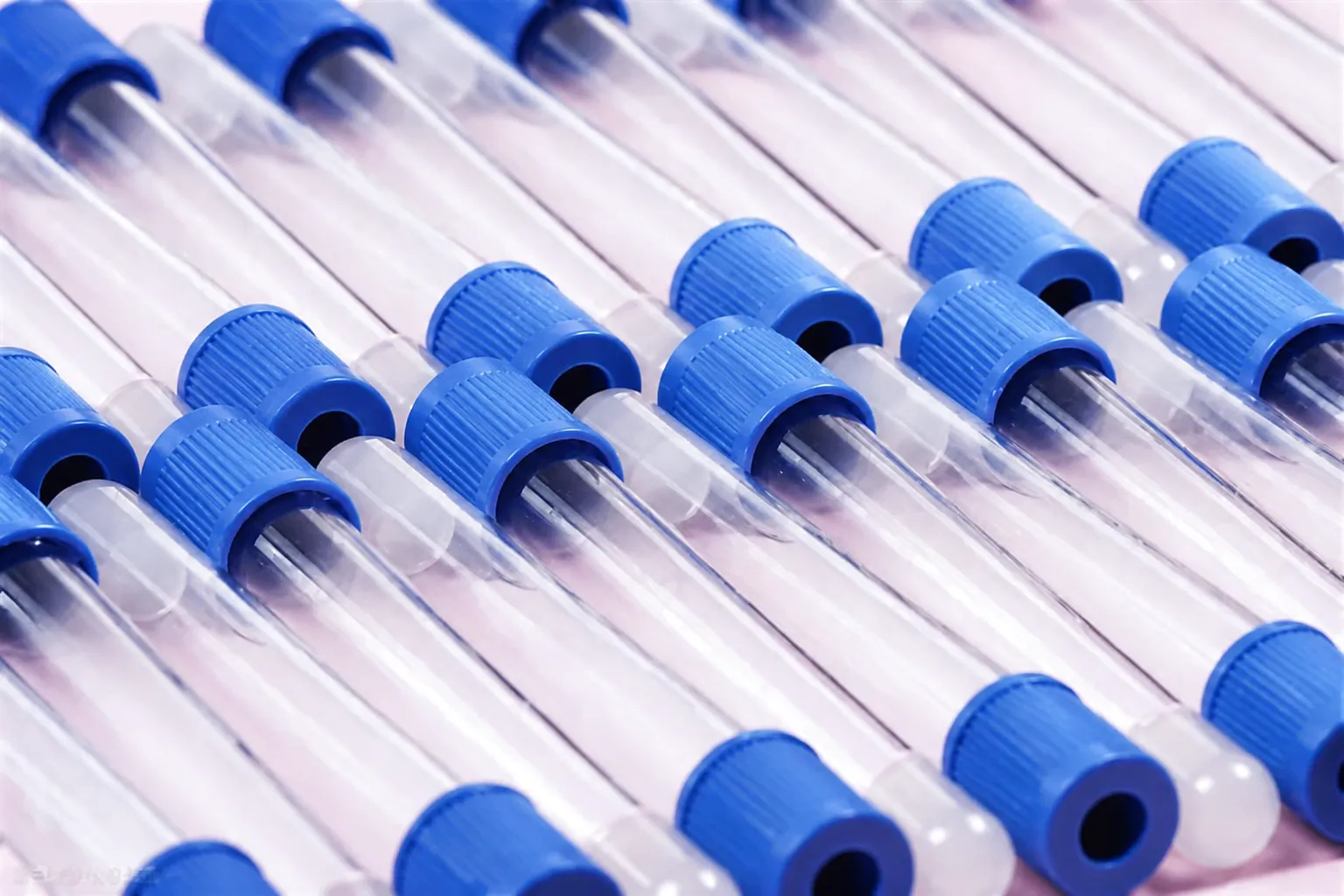 The personal care and cosmetics sector in the United Kingdom — a market worth over £10 billion annually with significant export activity from manufacturers based in London, Manchester, and the Home Counties — has found in injection blow molding technology a reliable path to premium container aesthetics without sacrificing production economics. The optical clarity achievable in PET and PETG through the IBM process allows the formulation itself to become part of the visual brand identity: a layered serum, a tinted moisturiser, or a coloured vitamin supplement solution all communicate product differentiation more effectively when the container walls are genuinely water-clear rather than the slightly hazy result that compression-moulded or thermoformed alternatives sometimes produce.
Travel-size packaging — the sub-100 mL segment governed by UK Civil Aviation Authority regulations for carry-on liquids, mirroring the TSA standards familiar to UK travellers — has become a significant growth driver for IBM capacity in the UK. Hotel toiletries, airline amenity kits, and travel-retail cosmetics all require injection blow molded containers with consistent closure performance across temperature extremes encountered in aircraft cargo holds (-20 °C to +50 °C), combined with the volume-accuracy required for EU cosmetics regulation compliance on product quantity declarations.
Agrochemical Concentrates and Crop Protection Products — HDPE Containers for UK Agricultural Markets
UK agriculture — spanning arable farming in Lincolnshire and Cambridgeshire, horticulture in Kent, and livestock support operations across Yorkshire and the South West — depends on a reliable supply of precisely packaged agrochemical concentrates. Herbicides, fungicides, insecticides, and growth regulators are formulated at high concentrations for dilution in the field, which means the container must survive repeated contact with solvents, emulsifiers, and surfactants without stress-cracking, delamination, or permeation that would compromise the measured dose.
HDPE produced on an injection blow molding machine offers the chemical resistance profile that crop protection packaging demands. The injection-formed neck finish ensures precise engagement with the tamper-evident closure systems — including child-resistant caps required under UK Statutory Instrument 2001/3969 for professional-use pesticides — without the dimensional variability that can allow closure disengagement during transport on farm vehicles. The absence of flash also eliminates a stress concentration that could initiate stress cracking under load, a failure mode with significant liability implications in a sector where container integrity is regulated by the UK Health and Safety Executive.
Precision metering closures used on concentrated agrochemicals — graduated measuring chambers that allow the farmer to dispense accurate volumes without opening the main container — interface with the bottle neck through a specifically profiled bayonet. The ±0.05 mm neck tolerance achievable on a well-set injection blow molding machine is the foundation of this interface’s reliability. Agrochemical packaging manufacturers operating from the Midlands and supplying to UK distributors who export to European, African, and Middle Eastern markets have standardised on IBM equipment for precisely this reason.
Manufacturing Excellence — Ever Power Production Facilities
Precision engineering at scale · ISO-certified production environment
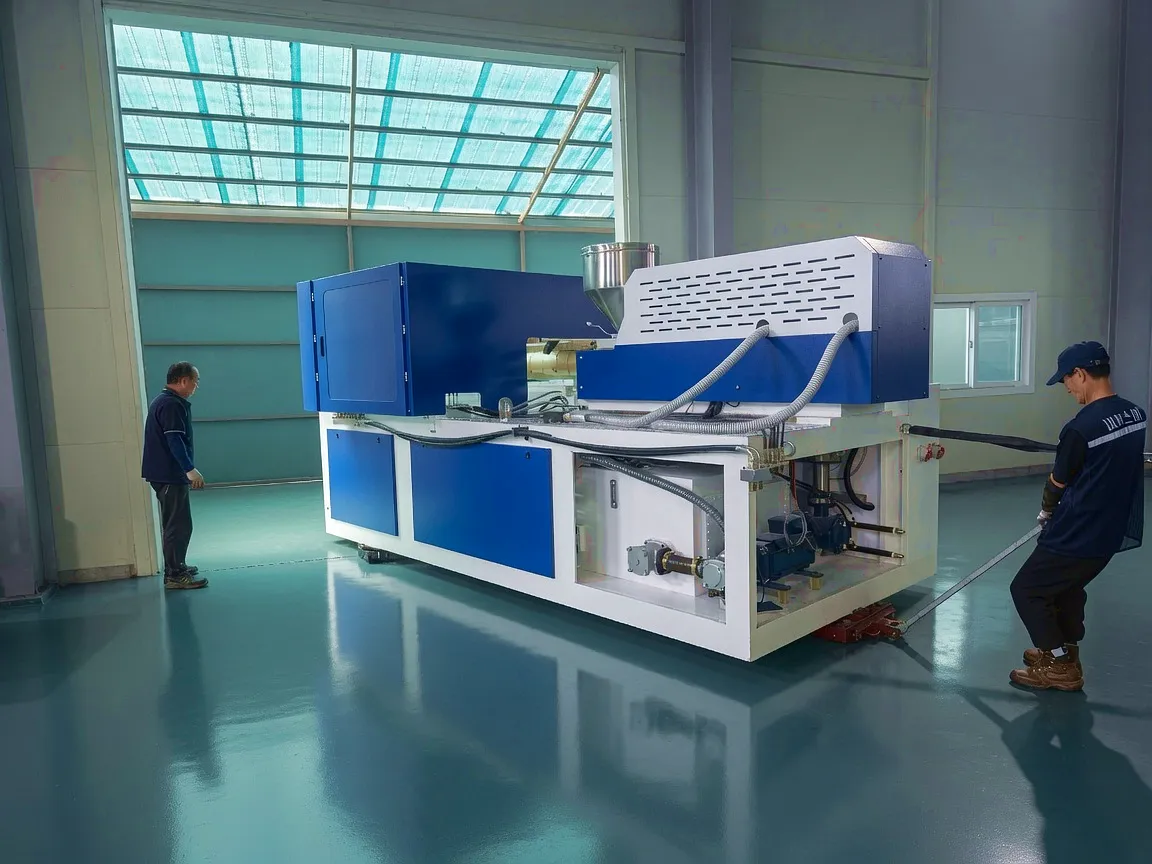
Ever Power — Precision Manufacturing and Customisation Capabilities
Your partner for engineered injection blow molding solutions — from concept to commissioned production line.
Ever Power has spent over two decades refining the engineering and manufacturing practices that underpin reliable, high-output injection blow molding machine production. The company’s manufacturing base operates a multi-stage precision machining process that begins with verified raw material certification and progresses through CNC machining of injection and blow cavities, hardened steel core rod production, servo system integration, and full machine assembly on a single controlled floor. Every machine undergoes a factory acceptance test — including full-cycle production runs on representative tooling — before release for shipment.
Customisation is where Ever Power distinguishes itself most clearly from catalogue-only equipment suppliers. The engineering team works with each client to define the precise container specification — volume, neck finish standard (GPI, PCO, ROPP, or custom), resin, cycle time target, cleanroom requirement, and integration with downstream automation — and then configures the machine and tooling accordingly. For UK pharmaceutical manufacturers navigating MHRA site licence amendments when introducing new packaging equipment, Ever Power’s documentation package — including IQ/OQ/PQ protocols drafted to UK GMP Annex 15 standards — significantly reduces the regulatory submission burden.
Supply chain reliability is built into Ever Power’s operational model. Key components — servo motors, PLC units, hydraulic valves — are sourced from global tier-one suppliers with documented interchangeability, so UK customers can procure spares locally through established UK industrial distributors without waiting for international shipments. A dedicated after-sales engineering team provides remote diagnostic support via secure VPN connection, with on-site intervention from European service partners when required.
✓ Customisation Capabilities
- ● Custom cavity layouts (1-12 cavities)
- ● Proprietary neck finish tooling (GPI, PCO, custom)
- ● ISO 7 cleanroom enclosure integration
- ● IQ/OQ/PQ documentation package
- ● All-electric servo upgrade
- ● Downstream conveyor & leak testing integration
- ● Multi-language HMI (English standard)
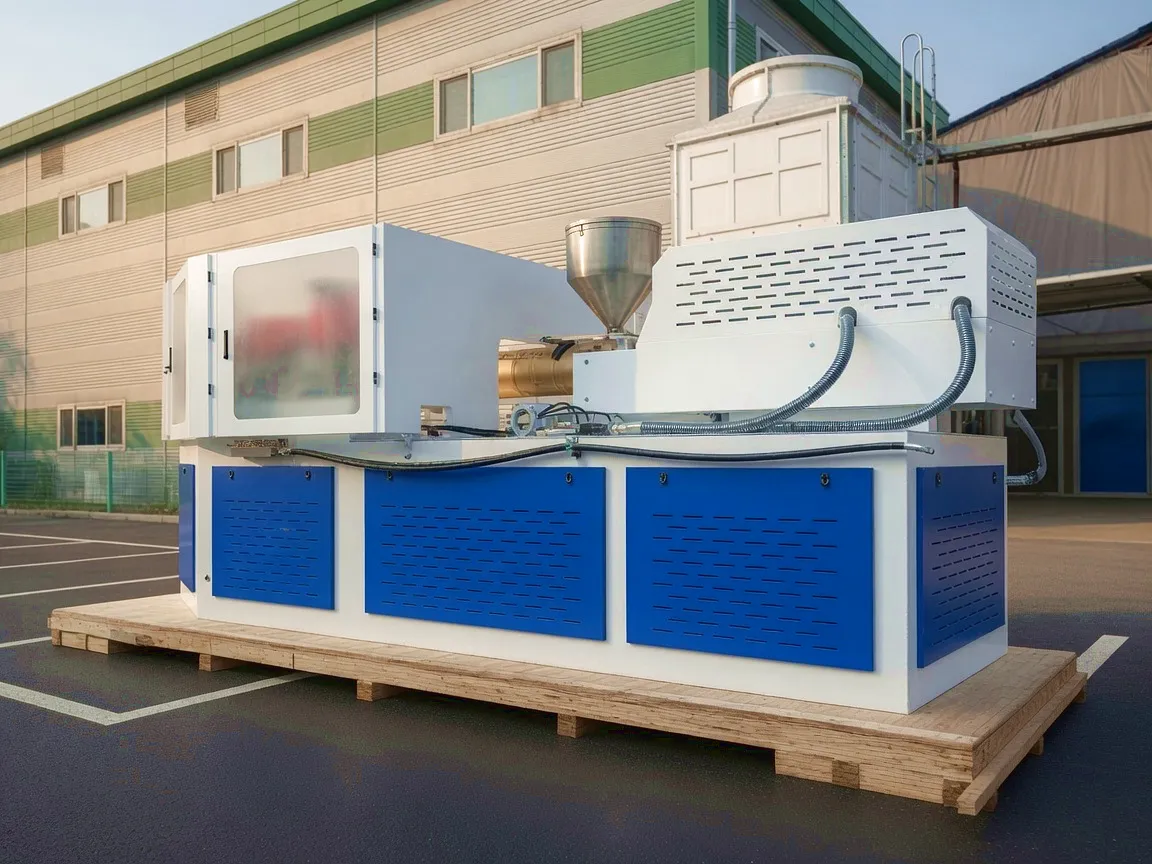
Featured ZQ40 Series — Injection Blow Molding Machines
High-performance replacements for legacy IBM equipment — ready for UK production environments
Customer Success Story
A real-world deployment from Britain’s pharmaceutical manufacturing heartland.
Case Study: Midlands Pharmaceutical Packaging Contract Manufacturer
Location: Nottingham, East Midlands, UK | Sector: Contract Pharmaceutical Packaging
A mid-sized contract pharmaceutical packaging operation based in Nottingham had been operating a pair of legacy injection blow molding machines for eleven years when their primary client — an NHS-contracted oral liquid manufacturer — notified them that an upcoming GMP audit would scrutinise process data logging capability. The existing machines had no real-time process monitoring, no electronic batch records, and limited alarm management. Facing either a significant capital expenditure on upgrades to legacy equipment or a replacement decision, the operations director commissioned a full line review.
After evaluating three equipment suppliers, the company selected Ever Power’s ZQ40 injection blow molding machine for two production lines. The decision was driven by three factors: full mold compatibility with the existing qualified tooling set (eliminating the revalidation cost associated with changing tooling suppliers), a comprehensive IQ/OQ/PQ documentation package prepared to MHRA Annex 15 standards, and a UK-based service partner arrangement that guaranteed maximum four-hour on-site response time — a critical consideration for a facility running pharmaceutical-grade shifts six days a week.
Installation and commissioning took fourteen working days across both lines, including PQ runs with statistical sampling to demonstrate process capability (Cpk > 1.67) on the neck thread dimension. The GMP audit passed without a critical observation related to packaging equipment. Additionally, the ZQ40’s servo hydraulic drive system reduced the facility’s electricity consumption for the two IBM lines by 38% compared with the legacy machines — a saving of approximately £28,000 per year at prevailing UK industrial tariff rates.
Production throughput increased by 22% due to improved cycle time consistency and fewer process interruptions caused by dimensional drift — a significant factor when the facility invoices clients on a per-thousand-units basis. The Nottingham plant subsequently purchased a third ZQ40 for a new cosmetics client contract won partly on the strength of demonstrated IBM capability and the facility’s MHRA-compliance documentation.
What Our Clients Say
“The neck thread Cpk figures we achieved during PQ on the Ever Power ZQ40 were the best we have ever documented on an IBM line — well above the 1.67 minimum specified by our pharmaceutical client. The documentation package was thorough and made our MHRA submission straightforward. We genuinely underestimated how significant the energy saving would be in the first year of operation.”
— Operations Director, Contract Pharmaceutical Packaging, Nottingham
“We had been running Bloma IBM45 equipment for eight years and were very familiar with its limitations — primarily the limited process data capture and the energy consumption. When we specified the Ever Power replacement, we were genuinely surprised that the existing Bloma tooling adapted without dimensional issues. The Ever Power engineering team handled the mold interface design proactively and delivered a commissioning schedule that kept our production downtime to a minimum.”
— Technical Manager, Diagnostics Container Manufacturer, Sheffield
“We specify injection blow molding for our premium skincare line because container clarity and neck consistency are non-negotiable for the decoration and closure systems our brand uses. Ever Power’s customisation capability was critical — we needed a specific neck finish geometry that no catalogue machine supported, and the Ever Power tooling team delivered a validated solution in eight weeks. The machine has been running continuously for over a year with no process drift on our critical dimensions.”
— Head of Packaging Engineering, Premium Cosmetics Group, London
Frequently Asked Questions
Answers to the questions UK industrial buyers ask most often about injection blow molding machines and procurement.
How much does an injection blow molding machine cost for a pharmaceutical packaging facility in the UK, and what factors most influence the final price?
Pricing for an injection blow molding machine suitable for UK pharmaceutical packaging typically ranges from £85,000 to £380,000 depending on clamping force, number of cavities, servo or full-electric drive specification, cleanroom enclosure requirements, and the extent of the GMP documentation package. Tooling costs are additional and vary substantially by container complexity. Contact Ever Power at [email protected] for a project-specific quotation that accounts for your container specification, output target, and compliance requirements.
What is the difference between injection blow molding and injection stretch blow molding, and which process is better for making small pharmaceutical bottles in Birmingham?
Injection blow molding (IBM) inflates a preform purely with air pressure in a two-axis blow stage, while injection stretch blow molding (ISBM) additionally extends the preform axially with a stretch rod before blowing, which biaxially orients the polymer and delivers superior barrier properties in thin-walled PET bottles. For small pharmaceutical bottles — typically under 150 mL where wall thickness uniformity and neck precision matter more than barrier performance — IBM is generally the better choice because it produces more consistent neck geometry, requires less complex tooling, and operates at lower tool costs for the relevant volume ranges common in Birmingham contract packaging facilities.
Which UK suppliers provide injection blow molding machines with full MHRA-compliant IQ OQ PQ documentation suitable for a GMP-regulated site in Sheffield or Nottingham?
Ever Power is one of the few injection blow molding machine suppliers that includes a complete IQ/OQ/PQ documentation package — prepared to MHRA GMP Annex 15 validation framework requirements — as a standard offering rather than a paid add-on. The package covers installation qualification checklists, operational qualification protocols with acceptance criteria, and performance qualification statistical sampling plans for critical container dimensions. For GMP-regulated sites in Sheffield, Nottingham, or elsewhere in the UK, this documentation materially reduces the time and cost of the site validation exercise required when introducing new pharmaceutical packaging equipment.
How long does it typically take to get a quote and place an order for a custom injection blow molding machine that can produce HDPE diagnostic containers for an IVD manufacturer in the East Midlands?
Initial quotation for a custom injection blow molding machine configured for HDPE IVD containers typically takes 5 to 10 working days from receipt of the container specification — including volume, neck finish geometry, wall thickness, Cpk targets, and output rate. Machine lead time after order placement is generally 16 to 24 weeks depending on the configuration and tooling complexity. Ever Power maintains a pre-production consultation process in which the engineering team reviews container drawings and provides design-for-manufacturability feedback before finalising the tooling order, which typically reduces the risk of post-commissioning changes.
Where can a UK contract packer in Manchester find a reliable injection blow molding machine supplier that also offers after-sales service and spare parts availability without long international shipping delays?
Ever Power’s service model for UK customers — including contract packers in Manchester and across the North West — is built around a UK and European service partner network that provides on-site technical support with guaranteed response times. Critical wear parts — core rods, blow mold inserts, injection barrel components, servo valves — are sourced from globally distributed tier-one suppliers that UK industrial distributors stock. Remote diagnostic access via secure VPN allows Ever Power’s engineering team to assess and often resolve process issues without requiring an on-site visit, minimising production downtime on pharmaceutical or diagnostics contracts where missed delivery windows carry contractual penalty clauses.
When does it make financial sense for a UK cosmetics manufacturer in London to invest in their own injection blow molding machine rather than continuing to source containers from a third-party packaging supplier?
The in-house IBM investment case typically becomes compelling for a UK cosmetics manufacturer when annual container volumes exceed approximately 5 million units per SKU, where the third-party supply margin represents a significant portion of finished goods cost, or where the ability to customise container geometry, run rapid design iterations, or protect proprietary container shapes provides a strategic value that outweighs the capital commitment. London-based beauty brands serving premium retail channels frequently find that IBM investment is justified by the combination of production cost reduction and the competitive protection that a proprietary container design provides — particularly as UK Extended Producer Responsibility regulations make packaging provenance and recyclability increasingly important commercial considerations.
Ready to Specify Your Injection Blow Molding Machine?
Send your container specification to Ever Power’s engineering team for a detailed technical proposal and pricing.
© Ever Power ISBM Equipment · injection blow molding machine specialists · United Kingdom market · edit by gzl