Ever Power — UK Industrial Manufacturing Solutions
Injection-Blow Molding Machine: Applications, Technology & UK Market Insights
From food-grade hot-fill juice bottles to precision pharmaceutical containers — a complete technical guide for British manufacturers and procurement specialists.
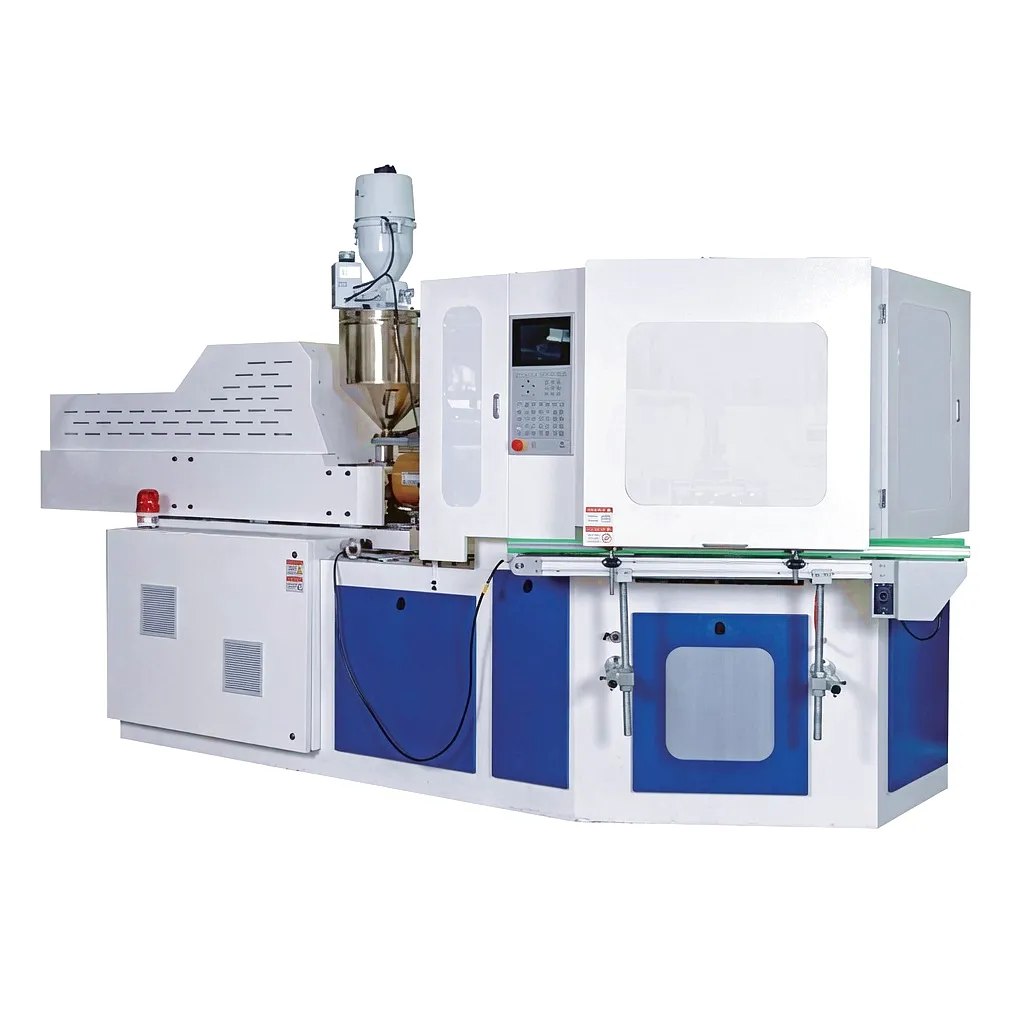 Across Britain’s manufacturing heartlands — from the polymer processors of Birmingham’s Jewellery Quarter to the packaging specialists operating out of Sheffield’s advanced manufacturing parks — the injection-blow molding machine has quietly become one of the most indispensable pieces of capital equipment in modern production. Where traditional blow molding struggled to achieve the dimensional consistency demanded by pharmaceutical regulators, food safety authorities, and premium cosmetics brands, the injection-blow process stepped in to deliver vessels of measurable geometric precision, repeatable wall thickness, and flawless neck-finish accuracy. The machine integrates two historically separate processes — injection molding of a preform and the subsequent blow-expansion into a finished hollow body — into a single automated cycle, eliminating the transfer, re-heating, and contamination risks that plagued older multi-stage approaches.
How an Injection-Blow Molding Machine Actually Works
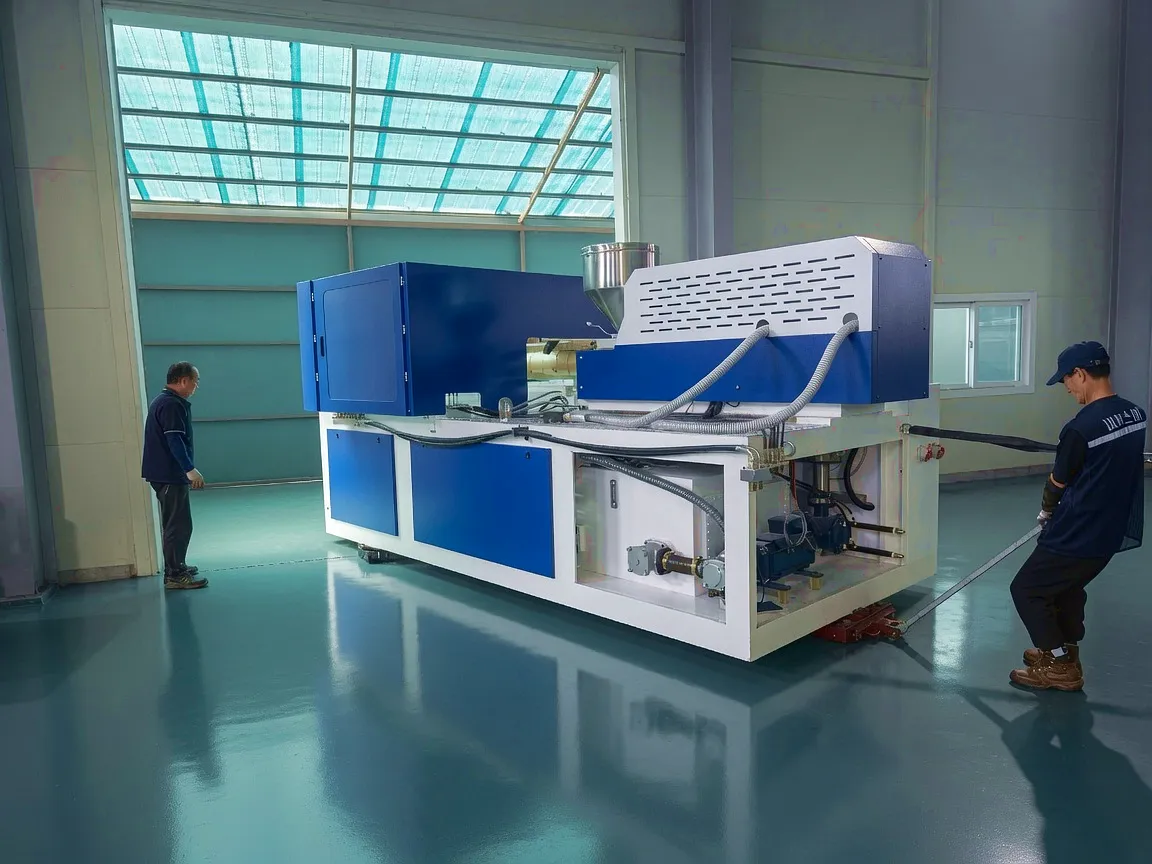
The process unfolds in three mechanically distinct but sequentially integrated stations. At the injection station, polymer granules — most commonly PET, HDPE, PP, or PVC — are plasticised in a reciprocating screw barrel before being injected at high pressure around a hardened steel core pin. This forms a precise, thick-walled preform whose inner dimensions are controlled by the core pin geometry and whose outer profile is determined by the injection cavity. The temperature, injection speed, and hold pressure profiles at this station are the primary determinants of molecular orientation in the finished article, making parameter discipline here critical to downstream properties.
At the blow station, the preform — still retained on the core pin and within a defined temperature window — is transferred into a blow mold that defines the final container geometry. Compressed air, delivered through the core pin at pressures typically ranging from 6 to 10 bar, expands the preform radially and axially until it contacts the cooled mold wall. The rapid quench locked into the amorphous or semi-crystalline structure determines the clarity, barrier performance, and mechanical strength of the finished bottle or container. Unlike injection-stretch-blow molding, the injection-blow process does not deploy an axial stretch rod, which means wall-thickness distribution relies entirely on preform geometry — a constraint that demands highly engineered tooling but removes a potential mechanical failure point in the production cycle.
The third station handles ejection and, in more sophisticated systems, integrated downstream inspection. Vision systems capable of detecting neck-finish defects, wall-thickness anomalies, and contamination incidents are increasingly standard on UK-destined machines, driven by the zero-defect expectations of pharmaceutical and nutraceutical customers. The entire cycle — injection, blow, eject — typically completes in six to fourteen seconds depending on material, cavity count, and container volume, making the injection-blow molding machine one of the highest-throughput precision hollow-body production platforms available to UK manufacturers.
Core Materials Processed by Injection-Blow Molding Equipment
● PET (Polyethylene Terephthalate)
The workhorse of beverage packaging. PET offers outstanding clarity, excellent gas-barrier performance, and broad compatibility with hot-fill processes when crystallinity is controlled. UK food manufacturers producing chilled juices, sports drinks, and flavoured waters specify PET almost universally. Intrinsic viscosity must be closely monitored to avoid degradation during injection.
● HDPE (High-Density Polyethylene)
Preferred for pharmaceutical and personal care containers where chemical resistance is paramount. HDPE’s low moisture-vapour transmission rate suits tablet bottles, lotion dispensers, and agrochemical containers. UK contract manufacturers supplying NHS procurement chains commonly specify HDPE for primary packaging components where regulatory compliance with BS EN ISO standards governs material selection.
● PP (Polypropylene)
Valued for its thermal resistance, PP suits hot-fill applications where container temperatures exceed 70°C during filling. Condiment manufacturers, baby-food producers, and medical device packagers in the UK frequently turn to PP injection-blow containers for autoclave-compatible vials and squeeze bottles. Its living-hinge capability also enables integrated closure designs that reduce component count in assembly lines.
● PVC (Polyvinyl Chloride)
Although increasingly scrutinised from a sustainability perspective, medical-grade PVC remains relevant for specific device packaging and fluid-handling containers. Injection-blow processing of PVC requires precise barrel temperature management to avoid degradation, but correctly specified machines deliver the dimensional accuracy that Class II and Class III medical device manufacturers demand for sterile barrier compliance.
Core Technical Advantages of the Injection-Blow Process
✓ Zero-Flash Neck Finish
Because the neck finish is formed in the injection phase rather than the blow phase, there is no parting line across the thread profile. This eliminates flash trimming as a secondary operation and guarantees thread-gauge consistency from cavity to cavity — a non-negotiable requirement for child-resistant closure fitment in pharmaceutical markets.
✓ Consistent Wall Thickness
Preform geometry dictates the final wall-thickness distribution with a precision that extrusion-blow simply cannot match. For containers where top-load performance is critical — stacked crates in a Midlands 3PL warehouse, for example — this consistency translates directly into lower material usage for equivalent structural performance.
✓ No Trimming, No Waste Tail
Unlike extrusion-blow molding where a parison tail must be cut and regrind managed, injection-blow produces no waste at all. Every gram of raw material injected becomes part of the finished container, a critical economic advantage as virgin PET and HDPE commodity prices remain volatile in the post-Brexit UK import environment.
✓ Compact Footprint
The rotary three-station architecture concentrates injection, blow, and eject functions within a compact machine envelope. For manufacturers operating in converted industrial units across northern England — where floor-space costs in Leeds, Manchester, and Sheffield are not negligible — the ability to produce high volumes per square metre of factory floor is a genuine competitive advantage.
✓ Multi-Layer Capability
Advanced co-injection variants of the injection-blow molding machine can introduce barrier layers — EVOH, nylon, or recycled PET interlayers — during the preform injection phase. This opens barrier-packaging markets that were previously the exclusive domain of far larger extrusion systems, and is particularly relevant to UK food manufacturers navigating post-Brexit cold-chain and shelf-life labelling requirements.
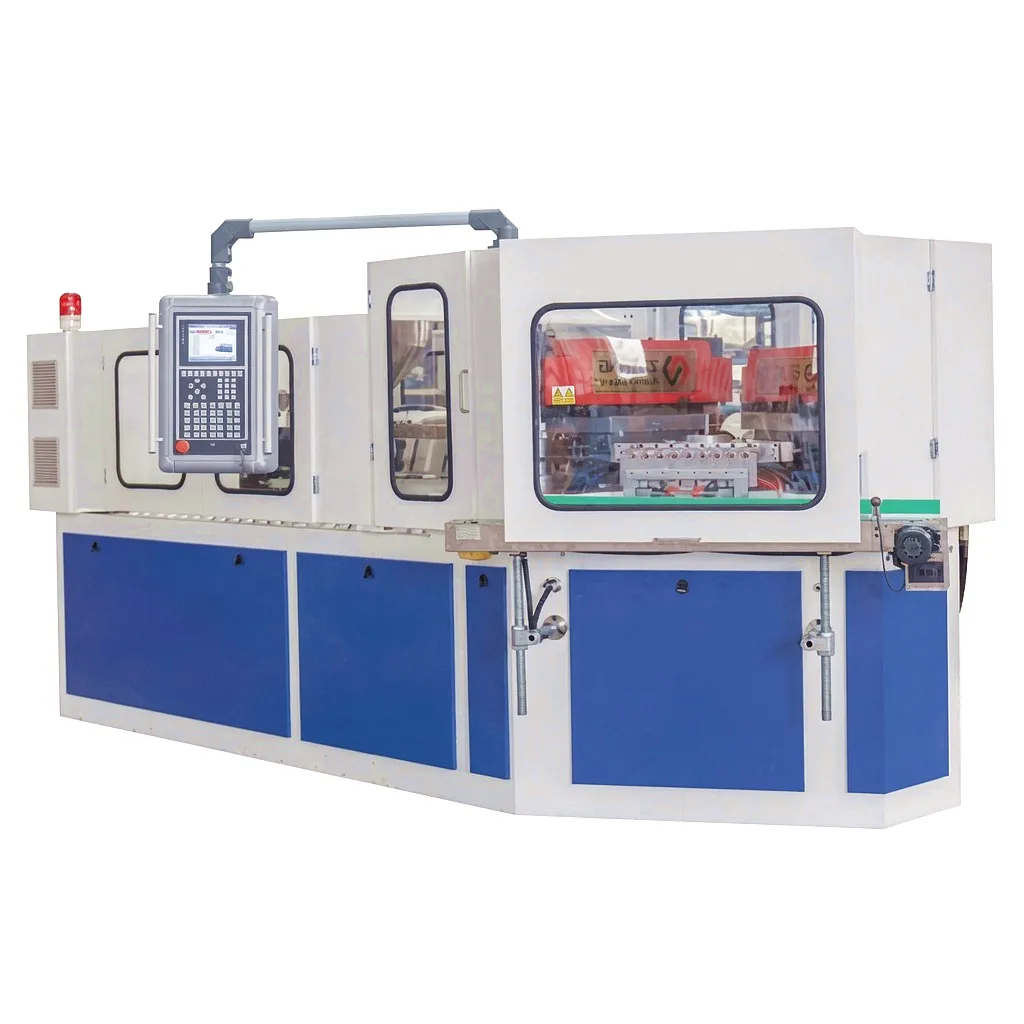 No sector tests the capabilities of the injection-blow molding machine more rigorously than food and beverage packaging. The combination of regulatory scrutiny — particularly from the UK Food Standards Agency and compliance with UK retained food contact materials legislation — and the aggressive cost targets set by major grocery retailers creates a genuinely demanding procurement environment. For manufacturers in Derbyshire, Lancashire, and Greater Manchester supplying UK supermarket chains, the injection-blow process delivers the trifecta of food-contact compliance, visual premium aesthetics, and sub-pence per unit economics at scale.
Condiment and sauce containers present yet another set of design and process requirements. A condiment bottle for a UK manufacturer supplying foodservice operators — hotels, restaurant chains, school catering — must achieve precise dispensing orifice geometry, resist the low-pH environment of vinegar-based products, and maintain label panel flatness for wrap-around or sleeve labelling equipment. Injection-blow molded PP condiment containers satisfy all three criteria. The injection-formed neck provides the dispensing orifice accuracy that extrusion alternatives cannot consistently achieve, the PP chemistry handles acetic-acid exposure without stress cracking, and the controlled wall geometry maintains label panel flatness within the ±0.3mm tolerances that modern labelling machinery requires.
Product Technical & Performance Parameters
Further Industrial Application Scenarios
Pharmaceutical & Nutraceutical Container Manufacturing
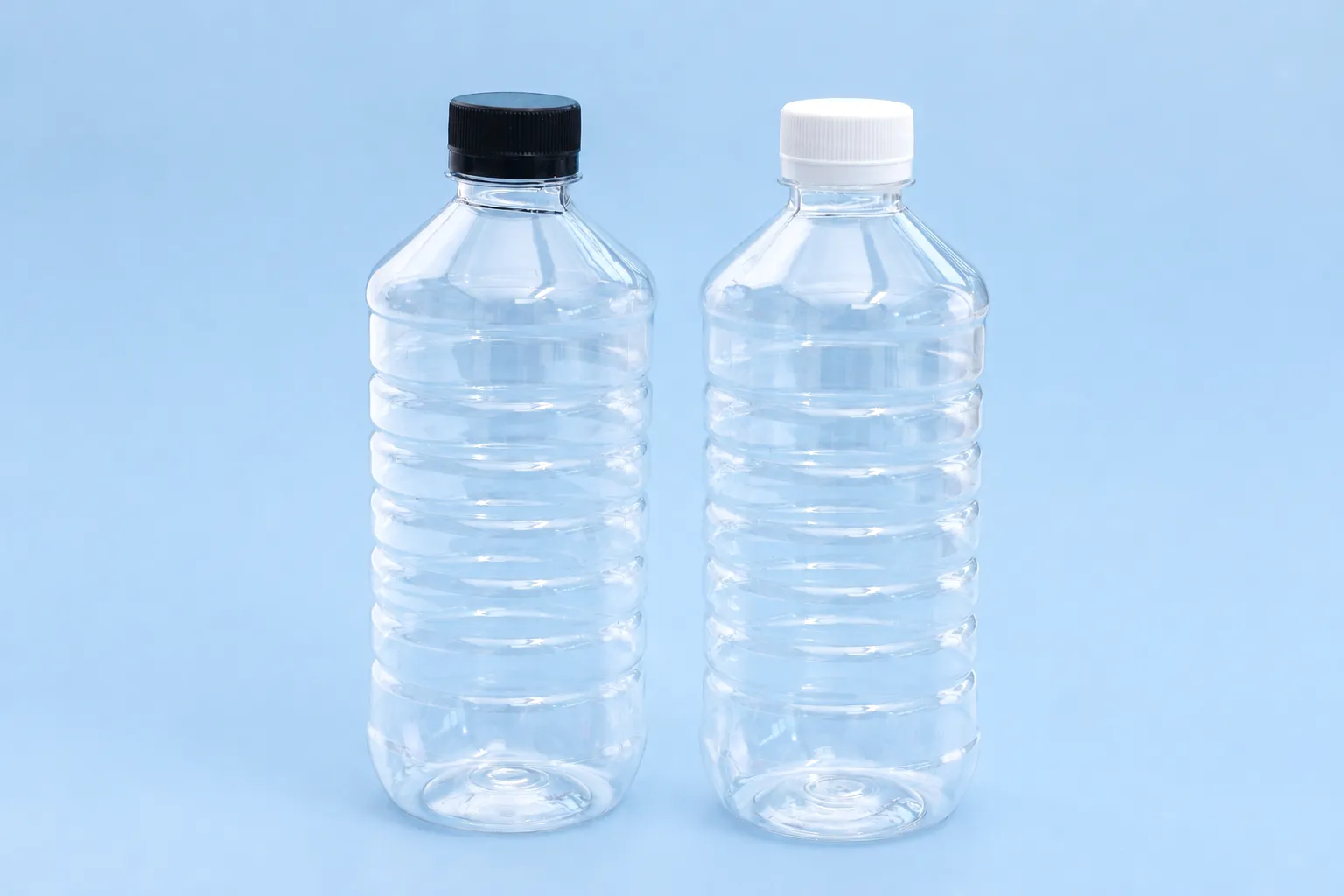 The pharmaceutical packaging sector operating under MHRA oversight in the UK represents one of the most demanding and highest-value markets for the injection-blow molding machine. Primary packaging components — tablet bottles, capsule containers, liquid oral dosage form bottles, and ophthalmic dropper containers — must comply with Ph. Eur. standards for extractables and leachables, demonstrate consistent headspace performance across a validated shelf life, and maintain tamper-evidence fitment integrity. Injection-blow technology is uniquely suited to this combination of requirements because the injection-formed neck provides the dimensional consistency that CRC (Child Resistant Closure) fitment qualification demands, while the blow-formed body can be optimised for light transmission (via tinted or UV-absorbing resin formulations) without sacrificing cycle time.
Cosmetics & Personal Care — Lotion Bottles, Serum Flacons & Shampoo Containers
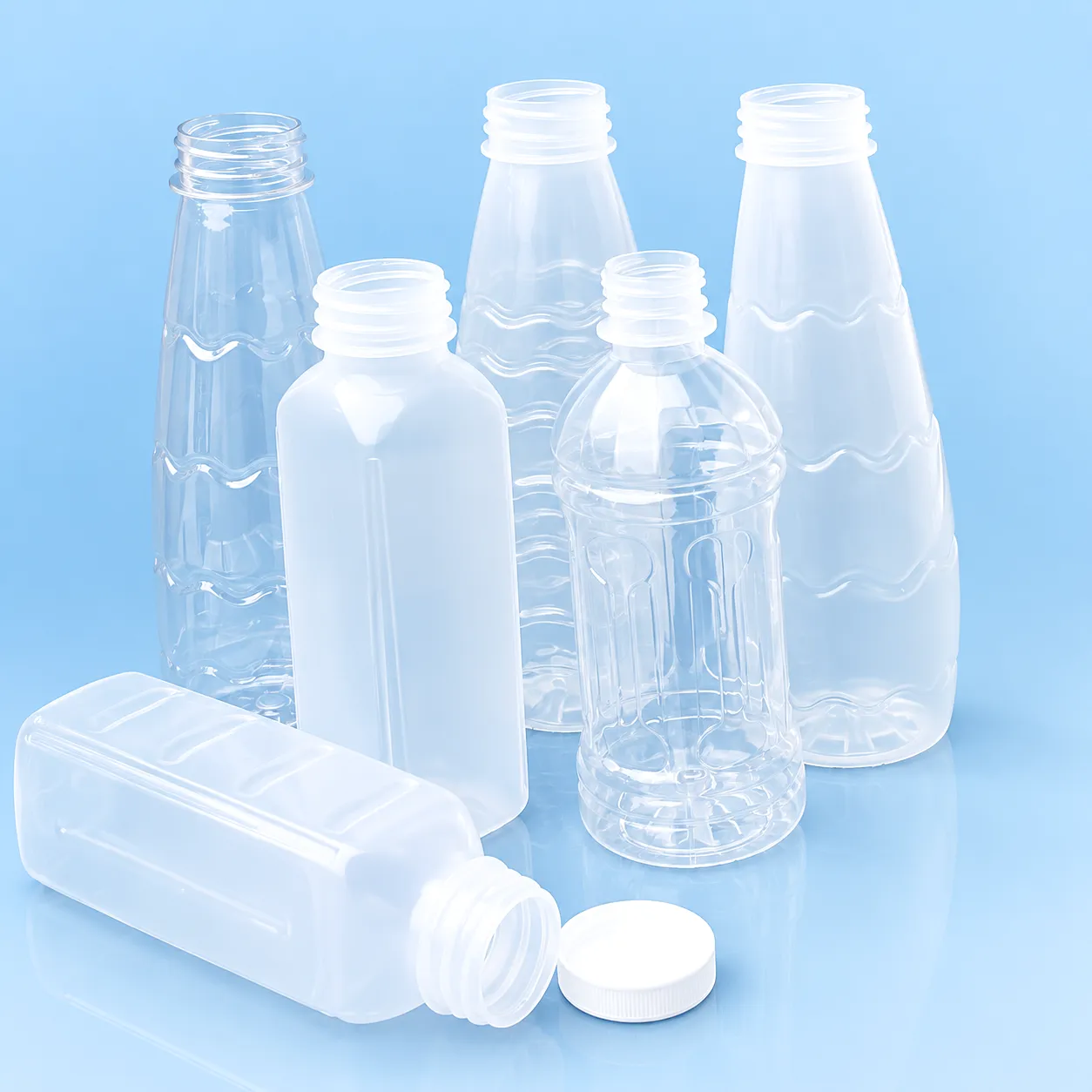 The UK beauty and personal care sector — centred on brands and contract manufacturers in London, Bristol, and the Scottish Lowlands — places exceptional emphasis on packaging aesthetics as a primary commercial differentiator. An injection-blow molding machine producing clear PET serum flacons with tight-tolerance oval or cylindrical profiles, optically clear sidewalls, and precise dropper-orifice dimensions delivers exactly the quality signature that premium beauty brands demand. For a contract cosmetics manufacturer in Bristol supplying department store accounts, the ability to transition the same injection-blow platform between serum bottles, toner flasks, and facial oil containers with tooling changeovers measured in hours rather than days provides the agility that short-run premium fragrance and skincare runs require.
High-volume shampoo and conditioner containers, particularly in the growing refillable and concentrated-format categories gaining traction in UK retail, benefit from injection-blow’s wall-thickness consistency. Refillable containers undergo significantly more mechanical stress cycles than single-use packaging, making consistent wall thickness in the base and shoulder regions — areas most susceptible to fatigue cracking under repeated fill-and-empty cycling — a genuine functional requirement rather than a quality-control nicety.
Agricultural Chemicals & Specialist Lubricants
Rural England and Scotland’s agricultural chemical distribution chains require containers that can withstand solvent-based pesticide and herbicide formulations without stress cracking, panelling, or closure-fitment degradation over extended storage. HDPE injection-blow containers are the industry standard for volumes between 100 ml and 1,000 ml, offering the chemical resistance of high-density polyethylene with the neck-finish precision needed for the tamper-evident and induction-sealed closures specified by UK HSE regulations for hazardous agrochemicals. For manufacturers in the East Midlands and East Anglia distributing to farm supply retailers and agricultural merchants, the traceability offered by cavitation coding on injection-blow tooling — where each cavity produces a traceable mark on the container base — simplifies product recall management in ways that untracked extrusion alternatives cannot support.
Specialist lubricant manufacturers in the North East of England and the Humber estuary industrial corridor supply maintenance products to the offshore, marine, and wind-energy sectors. These products — many bearing NSF H1 or H2 registration for incidental food contact — demand containers whose compatibility with the full additive chemistry of the lubricant formulation has been validated. Injection-blow HDPE and PP containers, with clean manufacturing environments and no regrind contamination risk, are the preferred choice for high-specification lubricant packaging at volumes where the economics favour injection-blow over glass or metal.
Ever Power: Precision Manufacturing & Customisation for the UK Market
Ever Power’s injection-blow molding machine manufacturing operation is built on a production philosophy that treats customisation as a standard deliverable rather than a premium exception. The engineering team works directly with UK procurement managers, tooling designers, and packaging technologists to develop machine configurations that address the specific cavity count, container geometry, material specification, and automation integration requirements of each customer’s production environment. This consultative approach — less common among volume-only equipment suppliers — means that a specialist pharmaceutical packager in Nottingham and a high-volume beverage manufacturer in Merseyside receive machines configured around their actual process parameters rather than nearest-catalogue approximations.
The manufacturing facility operates precision CNC machining centres capable of holding barrel bore tolerances within ±0.008 mm, critical to achieving the consistent plasticisation quality that food-contact and pharmaceutical applications demand. Core pins are ground and coated to DIN hardness specifications, with surface finish Ra values verified on-site before tooling sign-off. Heat-treatment protocols for all tooling steel components are documented and traceable, supporting the IQ/OQ/PQ validation documentation packages that UK pharmaceutical customers require as standard project deliverables.
Supply chain resilience is a particular focus for UK customers since 2021. Ever Power maintains strategic inventory of long-lead items — hydraulic valve assemblies, Siemens PLC modules, servo drives — enabling committed lead times that competing suppliers with leaner inventory positions cannot match. For a UK packaging manufacturer who has committed production capacity to a major grocery retailer or pharmaceutical brand on a fixed delivery schedule, machine availability certainty is as commercially important as unit price. CE marking under the EU Machinery Directive (UK retained version) is standard across all exported machines, with full technical file documentation supplied to facilitate PSSR and PUWER compliance assessments required under UK health and safety legislation.
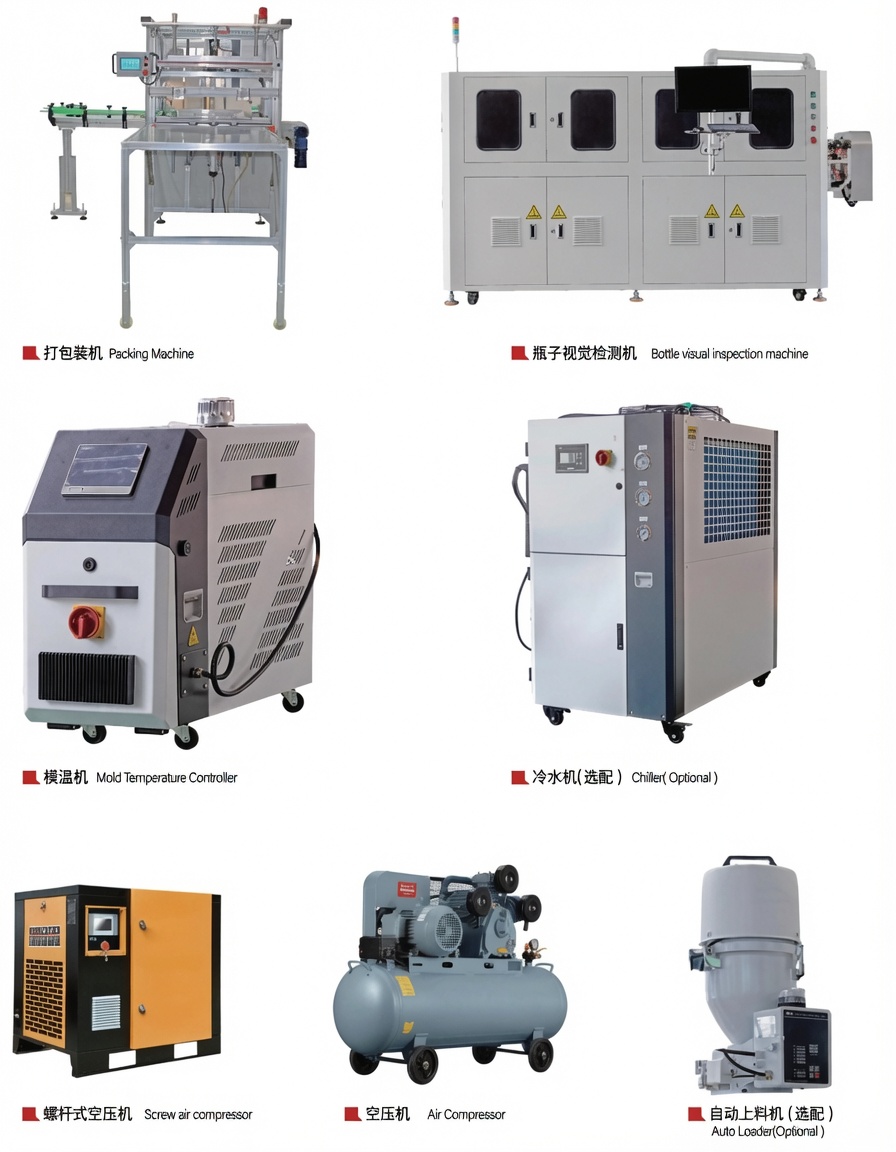
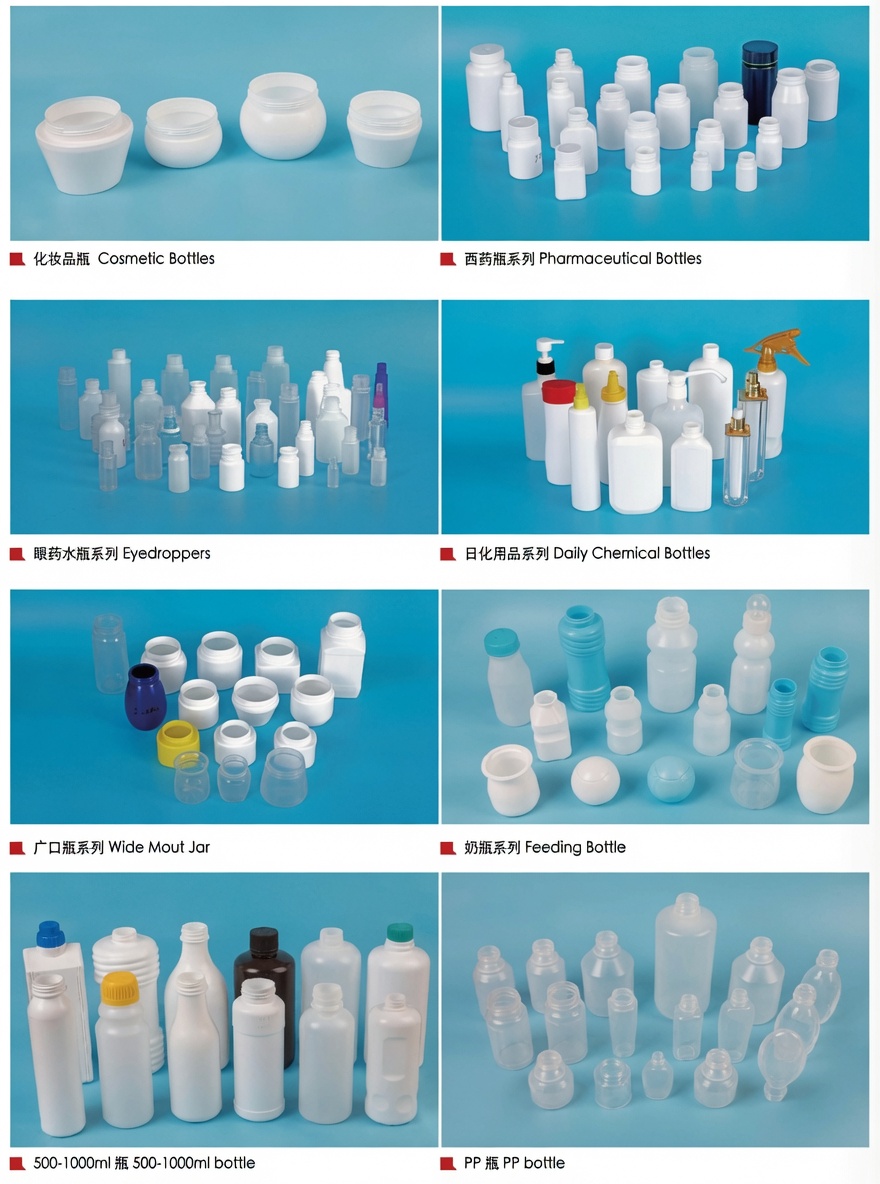
Featured Injection-Blow Molding Machines from Ever Power
ZQ40 Injection-Blow Molding Machine (European)
The ZQ40 is the entry-level European-configuration machine in the Ever Power range, delivering 40 kN clamping force in a compact footprint suited to medium-volume production runs. With container capacity up to 500 ml and full PET, HDPE, and PP compatibility, the ZQ40 is the preferred choice for pharmaceutical vial manufacturers, cosmetic container producers, and specialty food packagers operating in the UK who require CE-certified equipment with Siemens PLC control and straightforward PUWER compliance documentation.
ZQ60 Injection-Blow Molding Machine (European)
The ZQ60 steps up to 60 kN clamping force with a larger injection volume capacity — ideal for manufacturers targeting higher cavitation counts and larger container volumes up to 1,000 ml. The additional plasticising throughput and larger screw diameter make the ZQ60 the right specification for high-volume beverage, condiment, and agrochemical container production, particularly where multi-shift continuous operation demands robust mechanical construction and straightforward planned-maintenance scheduling.
Customer Success Story: Sheffield Nutraceutical Manufacturer
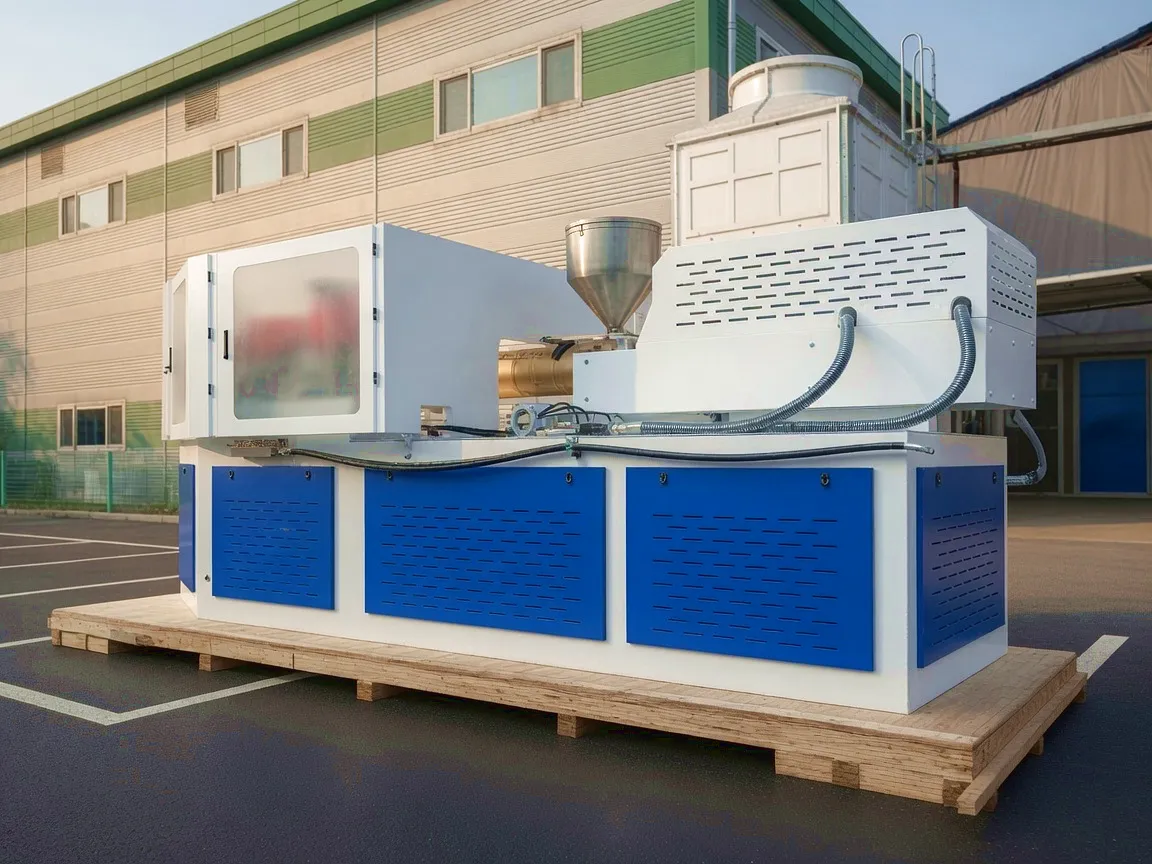
A nutraceutical contract manufacturer based in Sheffield’s Advanced Manufacturing Park had been running a pair of ageing extrusion-blow machines producing HDPE supplement bottles for a portfolio of UK wellness brands. The operation faced three converging pressures: two of their largest customers had tightened neck-finish tolerance specifications following closure-fitment complaints in the retail channel; the extrusion process was generating approximately 4% regrind waste per shift, creating both cost and contamination-risk management overhead; and a new pharmaceutical-grade private-label contract required GMP-compliant primary packaging equipment that the existing machines, lacking validated cleanroom-compatible configurations, could not satisfy.
The procurement team evaluated three equipment suppliers over a six-week period. Ever Power’s proposal was selected on the basis of four factors: the ZQ60’s documented neck-finish tolerance of ±0.05 mm exceeding the customer’s revised specification; the zero-regrind characteristic of the injection-blow process directly addressing the contamination management concern; Ever Power’s willingness to supply a full IQ/OQ validation documentation package configured to UK pharmaceutical GMP expectations as a standard deliverable; and a UK-based technical support arrangement providing engineering response within 24 hours for critical breakdown situations — a level of service continuity that competing proposals could not match from non-UK service infrastructure.
Installation and commissioning completed within the agreed twelve-week timeline. In the first twelve months of operation, the Sheffield facility reported a 6.2% reduction in raw material cost per thousand containers (attributable to elimination of regrind and improved wall-thickness consistency enabling lightweighting), zero neck-finish related closure-fitment complaints, and successful GMP audit of the primary packaging line by the first new pharmaceutical customer’s quality team. The injection-blow molding machine has since run two additional shifts per week above the original production plan to meet demand growth from the private-label pharmaceutical account.
★★★★★
“The neck-finish consistency on the ZQ60 transformed our closure-fitment rejection rate from a persistent monthly headache into a non-event. We have not logged a single fitment complaint since commissioning. Ever Power’s engineering team understood our pharmaceutical GMP documentation requirements from the first conversation and delivered exactly what was specified.”
— Head of Operations, Nutraceutical Contract Manufacturer, Sheffield
★★★★★
“Switching from extrusion-blow to injection-blow eliminated our regrind stream entirely. That is a process simplification we did not fully appreciate until we saw the numbers — four percent material saving compounded across three million bottles a year is not a small figure. The machine paid for a significant portion of its capital cost in the first year through material savings alone.”
— Production Director, Packaging Converter, Sheffield Advanced Manufacturing Park
★★★★★
“Ever Power’s 24-hour UK technical response commitment was the deciding factor in our supplier selection. When you are supplying a pharmaceutical brand on a just-in-time basis, a machine breakdown that takes five days to get an engineer to site is a contract-ending event. We have called on that response commitment twice in twelve months and both times the response was within the committed window.”
— Quality & Compliance Manager, Supplement Manufacturer, South Yorkshire
Frequently Asked Questions
Ever Power — Injection-Blow Molding Machine Specialists
Ready to Specify the Right Machine for Your UK Production?
Our engineering team works directly with UK procurement managers and process engineers to configure injection-blow molding machines against your exact container, material, and compliance requirements.
edit by gzl