 Pharmaceutical packaging is arguably one of the most demanding environments any piece of manufacturing equipment can enter. Where food packaging tolerates minor dimensional variation, medicine bottles — whether designed to carry 500 tablets of paracetamol or a course of paediatric antibiotics — must perform to exacting regulatory standards on every single cycle. The injection-blow molding machine has become the cornerstone technology for producing these containers at scale, combining the dimensional precision of injection molding with the hollow-form capability of blow molding in a seamless, integrated process that leaves virtually no flash and demands minimal finishing work.
Across the United Kingdom, pharmaceutical manufacturers based in hubs such as Swindon, Huddersfield, Liverpool, and the East Midlands science parks have been steadily transitioning from conventional extrusion blow molding lines toward injection-blow molding machines for their primary packaging operations. The driving factors are consistent: tighter neck tolerances, superior surface clarity in PETG and polypropylene, dramatically reduced scrap rates, and compatibility with child-resistant closure (CRC) designs that must satisfy both UK Statutory Instrument requirements and European EN ISO 8317 testing protocols. For any facility pursuing MHRA Good Manufacturing Practice compliance, the accuracy that an IBM machine delivers is not a luxury — it is a qualification requirement.
This article examines three major pharmaceutical packaging application scenarios in depth — oral solid drug bottles, child-resistant closure bottles, and amber medicine bottles — and explains precisely why injection-blow molding technology is becoming the production method of choice for UK pharmaceutical packaging plants operating under the most rigorous quality frameworks.
How an Injection-Blow Molding Machine Works
The injection-blow molding process operates across three distinct stations on a rotating indexing plate, and understanding this sequence is essential for procurement engineers evaluating machines for pharmaceutical-grade container production. At the first station, molten polymer — typically polypropylene (PP), high-density polyethylene (HDPE), or polyethylene terephthalate glycol (PETG) — is injected under controlled pressure around a hardened steel core pin to form a preform. This preform is not a finished bottle; it is a thick-walled tube with a fully formed and dimensionally accurate neck finish already molded at this stage. Because the neck geometry is formed by injection rather than blow pressure, tolerances of ±0.05 mm or better are routinely achieved on neck diameter and thread form — a critical advantage for pharmaceutical closures.
The preform, still on its core pin and still at a controlled temperature above the polymer’s glass transition point, rotates to the second station where pressurised air — typically delivered at 8 to 14 bar — expands the preform against the polished interior walls of the blow mold. Because the polymer is conditioned at precisely the right temperature from the injection stage, this stretching occurs in a highly uniform manner, producing consistent wall thickness around the full circumference of the bottle body. No secondary heating or reheating equipment is required, which eliminates a major source of thermal variation that plagues reheat-stretch blow molding processes when working with amber-tinted or UV-stabilised resin batches common in pharmaceutical packaging.
At the third station, the finished bottle is released from the core pin and conveyed directly to downstream inspection, capping, or filling lines. The injection-blow molding machine produces containers with no parting-line flash, no pinch-off bead at the base, and no gate vestige on the neck — all of which would represent potential contamination risks or closure-fitment issues in a licensed pharmaceutical manufacturing facility. The overall cycle time for a standard pharmaceutical bottle of 30 ml to 150 ml capacity ranges from approximately 8 to 18 seconds depending on wall thickness, resin grade, and cooling channel design within the tooling.
①
Injection Station
Molten polymer injected around core pin; neck finish formed to ±0.05 mm.
②
Blow Station
Pressurised air at 8–14 bar expands preform; uniform wall thickness achieved.
③
Ejection Station
Flash-free bottle released; no secondary trimming needed before filling line.
Core Materials Used in Pharmaceutical IBM Production
Material selection in pharmaceutical injection-blow molding is not simply a cost-optimisation exercise; it is a regulatory and functional engineering decision. The resin must be compatible with the active pharmaceutical ingredient (API) it contacts, must meet the extractables and leachables standards outlined in ICH Q3C and relevant British Pharmacopoeia monographs, and must process reliably at the melt temperatures and shear rates generated inside the injection barrel of the IBM machine. The four resins most commonly processed on injection-blow molding equipment for pharmaceutical containers are polypropylene, high-density polyethylene, PETG, and polycarbonate — each with a distinct performance profile that suits specific container types.
Polypropylene (PP)
Excellent chemical resistance, FDA/MHRA-compliant food-contact grades, suitable for solid oral dose bottles and squeezable nasal applicators. Processing temperature 200–240 °C.
HDPE
Low moisture vapour transmission, impact-resistant, ideal for vitamin and supplement bottles. Natural HDPE offers UV opacity for light-sensitive APIs. Processing temperature 180–230 °C.
PETG
Optically clear, brilliant gloss, shatter-resistant versus glass. Preferred for liquid pharmaceutical preparations where container contents must be visible to dispensing pharmacists. Processing temperature 230–270 °C.
Amber PP / HDPE
Iron oxide or organic UV-absorbing masterbatch compounds amber tinting. Blocks wavelengths below 450 nm. Standard specification for photosensitive APIs such as tetracyclines and riboflavin preparations.
Beyond resin chemistry, the tooling material used in the injection core pins and blow molds significantly affects pharmaceutical production quality. Ever Power specifies P20 pre-hardened tool steel for standard pharmaceutical molds and H13 hot-work steel for high-volume, thin-wall applications, with surface finishes polished to SPI A2 or A1 standard depending on whether clarity or optical haze is the design objective. Cooling channels drilled to within 4 mm of the cavity surface maintain mold temperature uniformity to within ±1 °C across the full tooling set — a detail that directly determines wall-thickness consistency across the bottle body.
Application Scenario 01
Oral Solid Drug Bottles: Tablets, Capsules & Powder Dispensing Containers
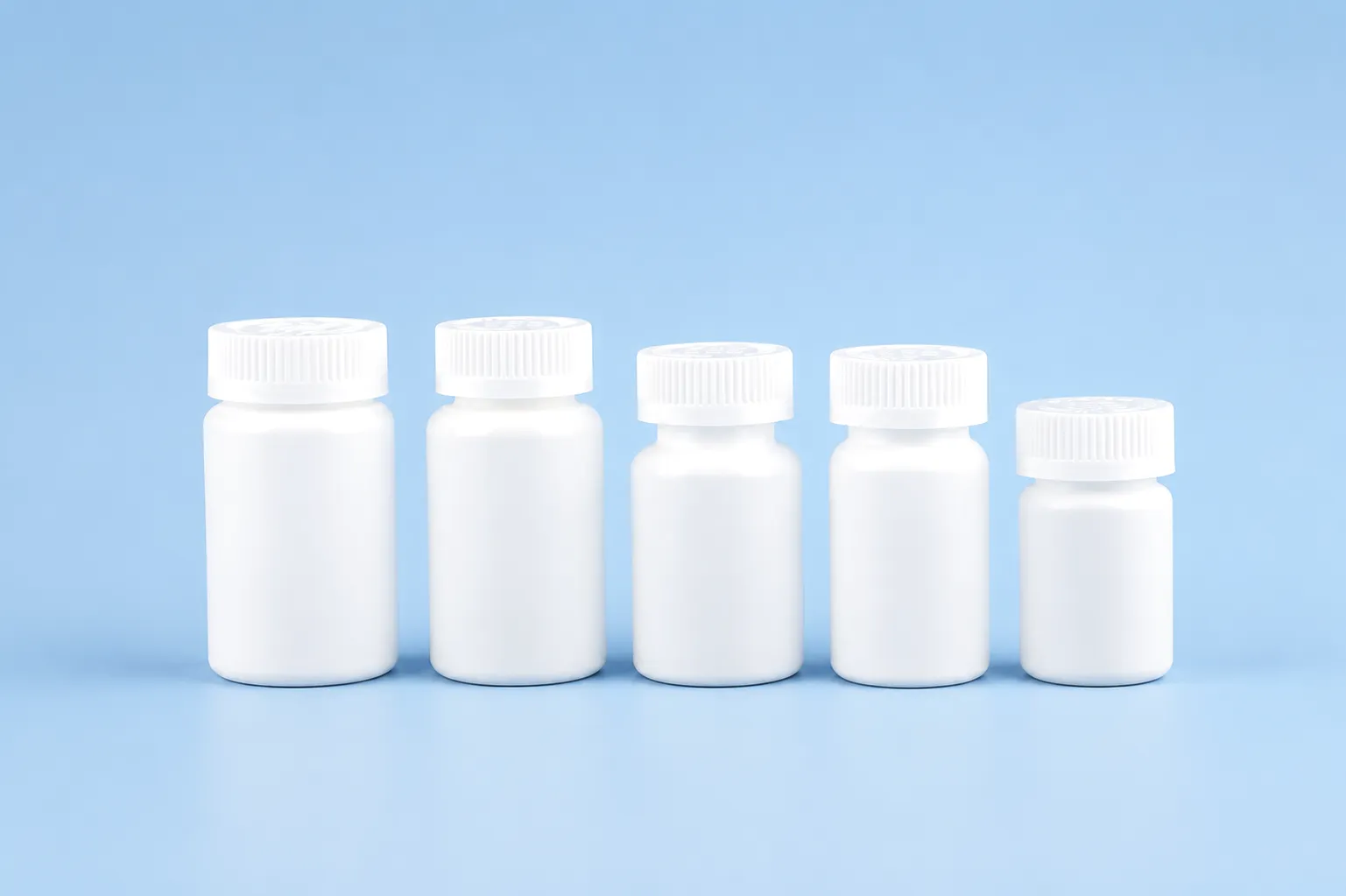
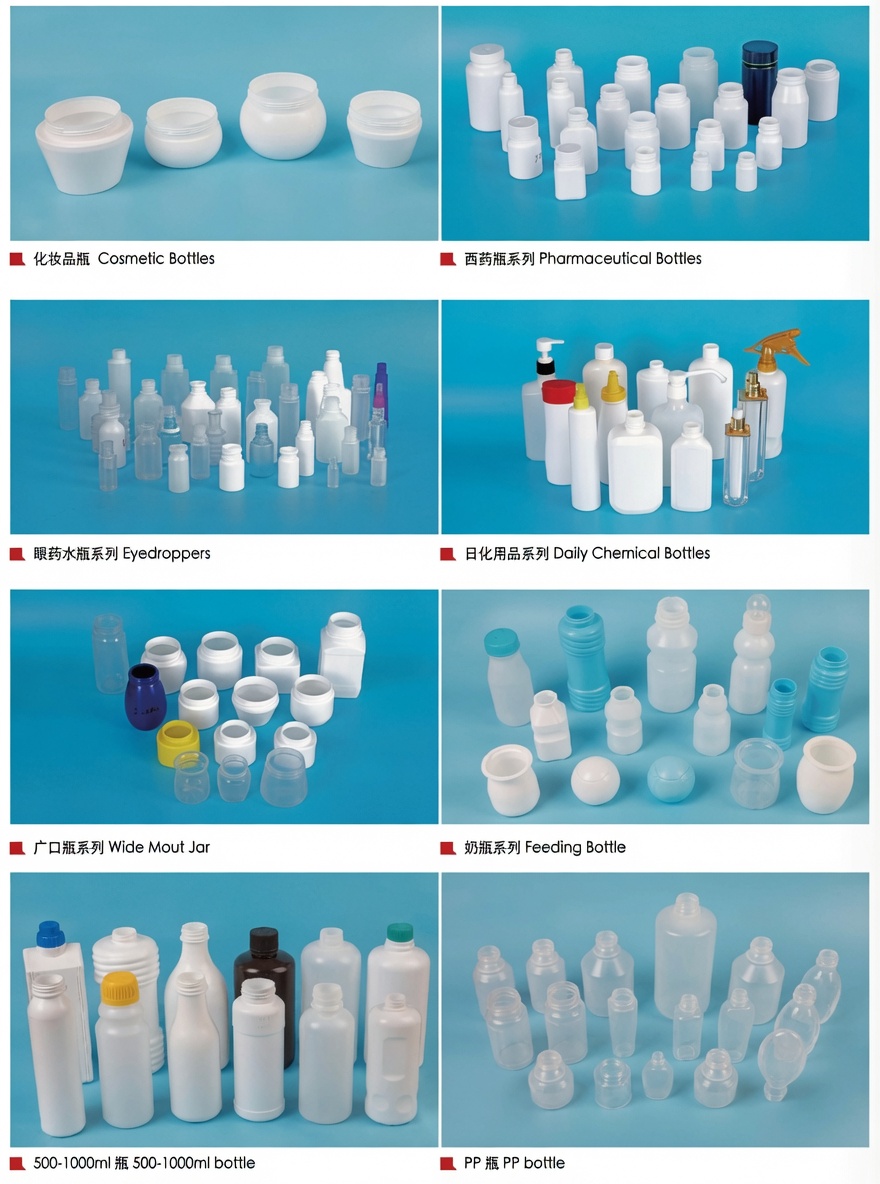
Oral solid dose (OSD) pharmaceutical bottles represent the highest-volume container segment in the UK primary packaging market, with tens of millions of units produced annually for the retail pharmacy, hospital dispensary, and mail-order prescription channels. These containers must perform a dual function: they must protect the API from moisture, oxygen, and light throughout a shelf life that may extend to three years at ambient UK storage conditions, and they must present a thread and neck finish that mates precisely with induction-sealed liners, desiccant-integrating closures, and child-resistant push-and-turn caps without any of the dimensional variability that would cause line stoppages at the filling and capping stages.
Injection-blow molding machines are uniquely suited to OSD bottle production because the neck finish — the most functionally critical dimension on the entire container — is formed in the injection station under controlled cavity pressure rather than by blow air. A standard pharmaceutical bottle neck such as a 28-400 or 33-400 finish emerges from an IBM tool with thread dimensions that routinely hold ±0.08 mm tolerances across millions of cycles without the progressive tooling wear that characterises extrusion blow molding. For high-cavity pharmaceutical tooling running 6, 8, or 12 cavities simultaneously on a single IBM platen, this consistency translates directly into zero-defect neck performance that GMP auditors and automated vision inspection systems require.
Polypropylene is the dominant resin choice for OSD bottles across UK pharmaceutical manufacturers, favoured for its moisture vapour transmission rate of approximately 0.5 g/m²/day at 38 °C / 90% relative humidity in a 1 mm wall section — typically sufficient to maintain API moisture content within specification for two to three years when combined with a foil induction liner and a 3-gram silica gel desiccant canister. Where higher moisture barrier performance is required, HDPE with an integral desiccant masterbatch — a compound system used extensively by Midlands-based contract packaging facilities — can reduce MVTR by a further 35 to 50% without requiring secondary barrier coating operations.
Production efficiency data from UK pharmaceutical packaging facilities that have transitioned from extrusion blow molding to injection-blow molding machines consistently shows scrap rate reductions of 60 to 80% on neck-critical OSD containers, with overall equipment effectiveness (OEE) improvements of 12 to 18 percentage points once the IBM line has been qualified and validated through IQ/OQ/PQ protocols. For a facility in Swindon or Huddersfield running two shifts, that OEE improvement alone can represent hundreds of thousands of additional qualified bottles per year without any capital expenditure on additional equipment.
Application Scenario 02
Child-Resistant Closure Bottles: Regulatory-Compliant Safety Packaging for the UK Pharmacy Market
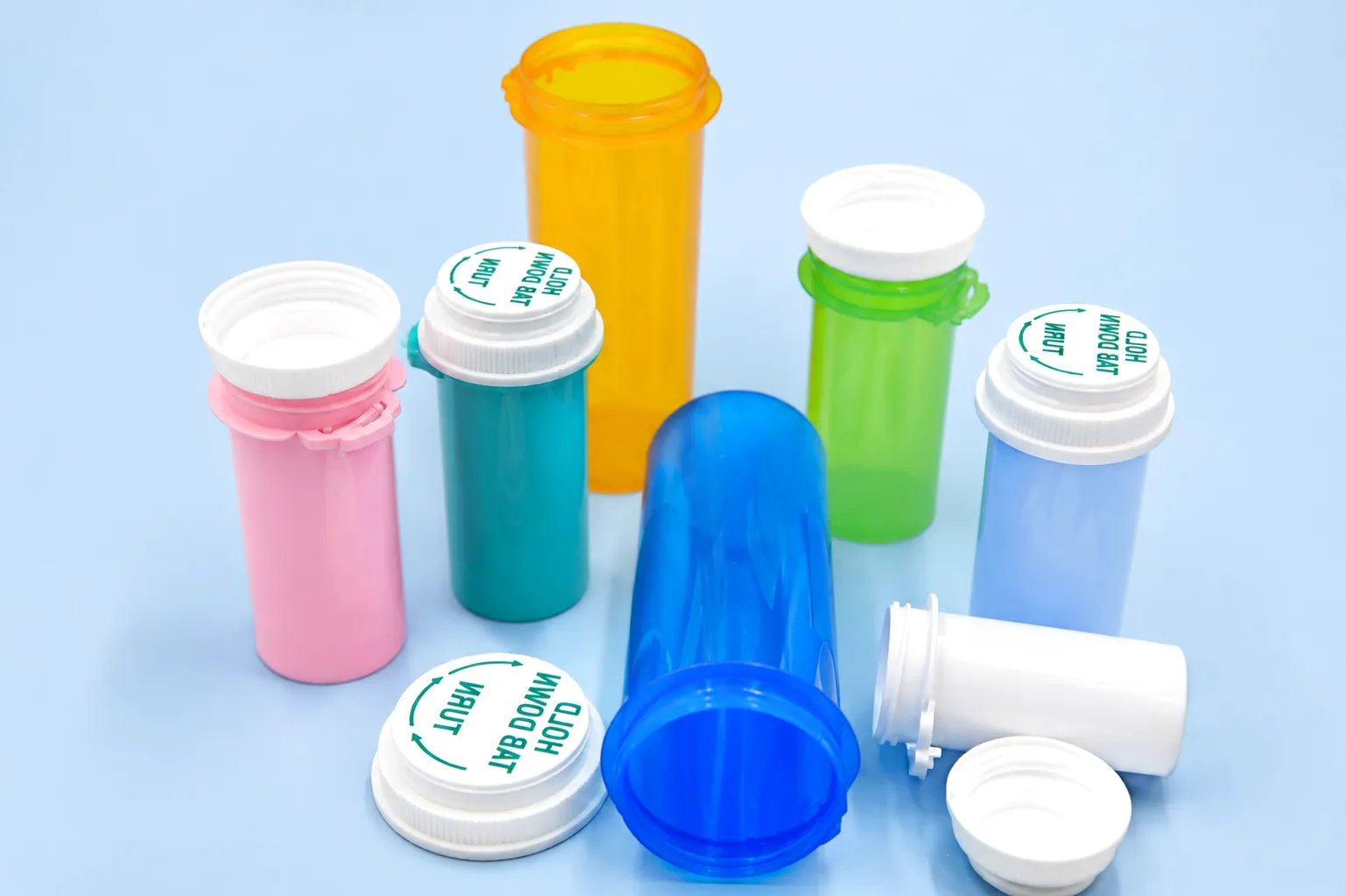
Child-resistant packaging (CRP) legislation in the United Kingdom originates from the Medicines Act 1968 and has been progressively strengthened through regulations that now align closely with the EU CEN standard EN ISO 8317 and the US Poison Prevention Packaging Act test methodology, even following the UK’s departure from the European single market. Under current UK requirements, any medicinal product supplied in a quantity that could be hazardous to a child must be packed in a container that passes both child-resistance testing (panels of children aged 42 to 51 months unable to open within 5 minutes, without and then with demonstration) and senior-adult ease-of-use testing (80% of adults over 50 years old able to open within 1 minute). Meeting both ends of this requirement simultaneously — genuinely difficult for a young child yet genuinely accessible for an elderly adult with limited hand strength — is an engineering challenge that starts at the bottle neck rather than at the closure.
The injection-blow molding machine is particularly well-suited to CRC bottle production because the most common child-resistant closure mechanisms — push-and-turn, squeeze-and-turn, and multi-directional locking systems — all depend on very tight tolerance control of the neck diameter, thread pitch, and any lug or channel features that interact with the locking elements within the closure shell. An IBM neck finish produced under injection station pressure has a diameter repeatability of typically ±0.05 to ±0.08 mm across the full tool life of 1 to 3 million cycles, whereas an equivalent neck produced by extrusion blow molding relies on trimming and reaming operations that introduce additional dimensional variation. For a CRC bottle that must pass EN ISO 8317 testing on a batch-by-batch basis, this difference is operationally significant.
Contract pharmaceutical packagers in Birmingham and the West Midlands manufacturing corridor supply a significant portion of the UK’s retail CRC medication packaging, and these facilities have increasingly specified IBM machines capable of producing CRC-compatible PP bottles in the 20 ml to 300 ml volume range with thread finishes such as 28-400 CRC, 33-400 CRC, and 38-400 locking pilfer-evident. The ability to run these neck specifications at 6 or 8 cavities per cycle, with automatic vision inspection of neck geometry at line speed, makes the injection-blow molding machine the production platform of choice for facilities running large-volume paediatric medicine contracts where regulatory non-compliance penalties are severe.
A further consideration for UK pharmaceutical CRC bottle production is the growing requirement to integrate tamper-evident (TE) features directly into the bottle neck design, eliminating the need for secondary over-wrapping with PVC sleeves that are difficult to recycle under the UK Plastics Packaging Tax framework introduced in 2022. IBM tooling can incorporate TE ratchet features or breakaway bridge designs directly into the injection core pin geometry, producing bottles where the tamper evidence is integral to the primary container rather than a secondary component — a design approach that simultaneously reduces packaging material complexity, lowers waste classification costs, and simplifies downstream packaging line validation.
Application Scenario 03
Amber Medicine Bottles: UV Protection for Light-Sensitive Pharmaceutical Preparations
Amber-coloured pharmaceutical bottles hold a distinctive position within the UK pharmacy supply chain. Their characteristic brown-orange appearance is immediately recognisable to patients, pharmacists, and dispensary technicians alike as a signal that the contents are sensitive to photodegradation — a property that is particularly relevant for a wide range of APIs spanning from penicillin-based antibiotics and tetracyclines to riboflavin-containing liquid nutritional preparations, nitroglycerin sublingual tablets, and photosensitive antipsychotics including phenothiazine derivatives.
The amber tint in pharmaceutical-grade IBM containers is achieved through the incorporation of a specific iron oxide masterbatch — typically at a loading of 0.3 to 0.8 weight percent in the base resin — that is compounded to provide broadband UV blocking across wavelengths from 290 nm to approximately 450 nm. The British Pharmacopoeia specifies light transmission requirements for amber glass containers, and while polymer amber bottles are held to equivalent standards, the IBM process offers a material advantage over amber glass: the wall thickness distribution around the bottle body can be engineered to be significantly more uniform than that achievable with amber glass blowing processes, reducing the variability in light transmission through the sidewall that occurs when glass wall thickness varies.
Processing amber PP or amber HDPE on an injection-blow molding machine requires careful attention to melt temperature management, because iron oxide pigment compounds can act as nucleating agents in crystalline polymers, subtly altering the crystallisation kinetics of PP during cooling. Ever Power’s IBM tooling designs for amber pharmaceutical bottles incorporate extended cooling channel networks within the blow mold that compensate for this effect by providing 8 to 12% additional cooling dwell time compared to natural-resin tooling equivalents, ensuring consistent dimensional stability and surface haze across all cavities throughout the full production run. This level of thermal engineering detail is precisely the type of application-specific customisation that pharmaceutical packagers based in London, Oxford, or Manchester require when qualifying a new amber bottle supplier.
Amber IBM bottles produced for the UK retail and hospital pharmacy market are almost universally specified with wide-mouth neck finishes — typically 38-400 or 45-400 — to allow efficient dispensing of counted tablet quantities by high-speed robotic dispensing systems increasingly deployed in regional NHS dispensing hubs and large community pharmacy chains. The ability to produce amber wide-mouth containers with controlled base geometry (flat base without the push-up common in extrusion blow molded designs) is a further benefit of IBM technology, as flat-base amber bottles stack and label-apply more reliably on high-speed automated dispensing lines without lateral instability.
Core Technical Advantages of Injection-Blow Molding for Pharmaceutical Packaging
🎯
Neck Precision
Tolerances of ±0.05–0.08 mm on all neck dimensions; injection-formed neck eliminates blow-variation errors critical for CRC and induction-seal fitment.
♻
Zero Flash Production
No parting line flash, no base pinch-off bead. Containers leave the machine ready for GMP visual inspection without secondary deflashing operations.
📈
Scrap Reduction
Typical scrap rate 0.2–0.8% versus 3–6% for extrusion blow molding on pharmaceutical neck specifications. Immediate impact on yield and material cost per 1,000 units.
⛪
Multi-Resin Capability
Single machine platform processes PP, HDPE, PETG, and amber compound grades with tooling changeovers typically completed in under 2 hours.
🔧
GMP Validation Compatibility
Servo-controlled injection and blow stations provide full process parameter logging for IQ/OQ/PQ documentation. Data export compatible with Siemens and Mitsubishi PLC SCADA systems.
🌿
Sustainability Advantage
IBM machines use 15–25% less resin per container versus EBM equivalents due to controlled wall thickness. Supports UK Plastics Packaging Tax compliance and ESG reporting for pharmaceutical manufacturers.
Injection-Blow Molding Machine: Technical Performance Parameters
The table below presents representative technical parameters for pharmaceutical-grade IBM machines in the Ever Power ZQ series, covering the key performance indicators that pharmaceutical packaging engineers and equipment procurement managers require when evaluating injection-blow molding equipment for GMP-registered production facilities in the UK.
| Parameter | ZQ40 Series | ZQ60 Series | Unit / Note |
|---|
| Clamping Force | 400 | 600 | kN |
| Injection Shot Weight (max) | 180 | 320 | g (PP equivalent) |
| Container Volume Range | 5 – 200 | 30 – 500 | ml |
| Number of Cavities (max) | 6 | 8 | Pharmaceutical tooling |
| Neck Diameter Tolerance | ± 0.05 | ± 0.05 | mm (Cpk > 1.67 achievable) |
| Blow Air Pressure | 8 – 14 | 8 – 14 | bar |
| Cycle Time (100 ml PP bottle) | 10 – 14 | 12 – 18 | seconds |
| Mold Temperature Control | ± 1 | ± 1 | °C uniformity across tool |
| Screw L/D Ratio | 22:1 | 24:1 | Pharmaceutical grade homogenisation |
| Compatible Resins | PP, HDPE, PETG, Amber PP/HDPE | PP, HDPE, PETG, Amber PP/HDPE, PC | Full pharmaceutical grades |
| Wall Thickness Variation | < ±8% | < ±8% | % of nominal wall at any circumferential point |
| Installed Power | 22 | 37 | kW |
Ever Power Featured IBM Products
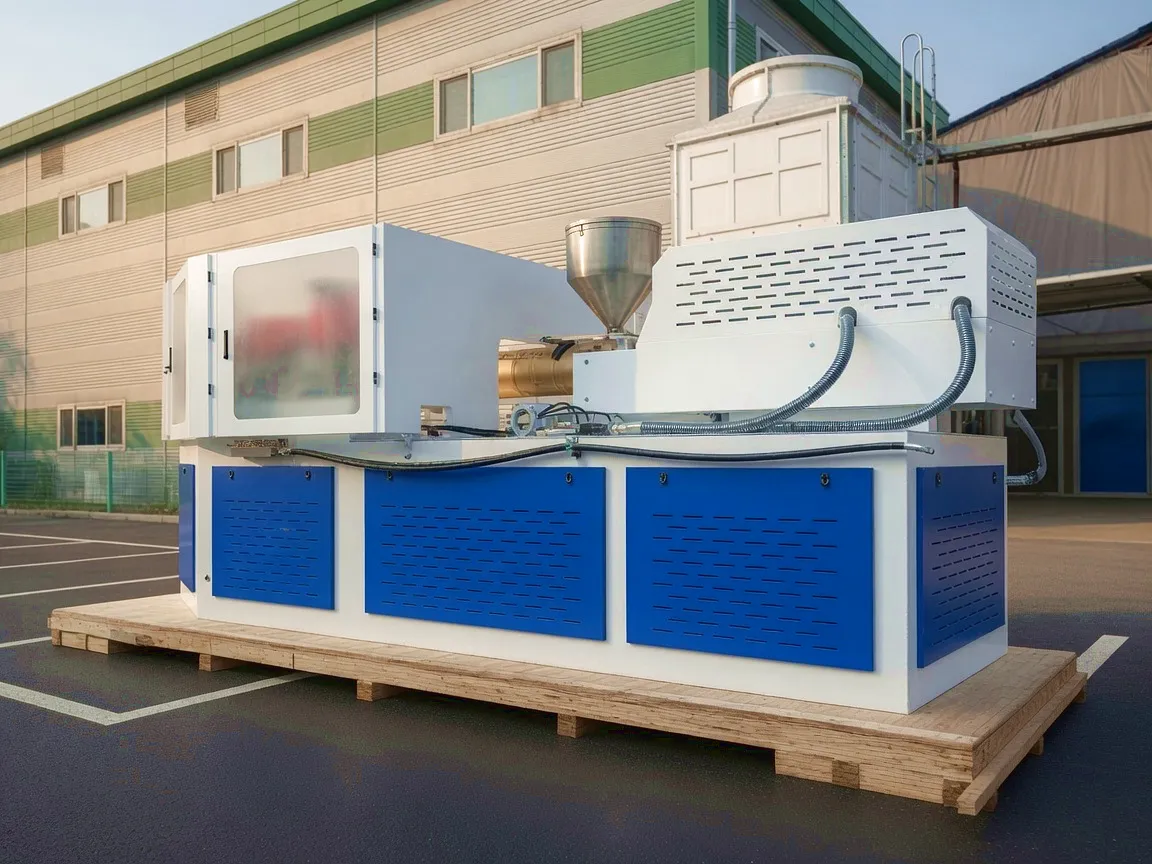
Two pharmaceutical-grade injection-blow molding machines from the Ever Power European ZQ series, designed for the UK market and CE certified for EU and British standards compliance.
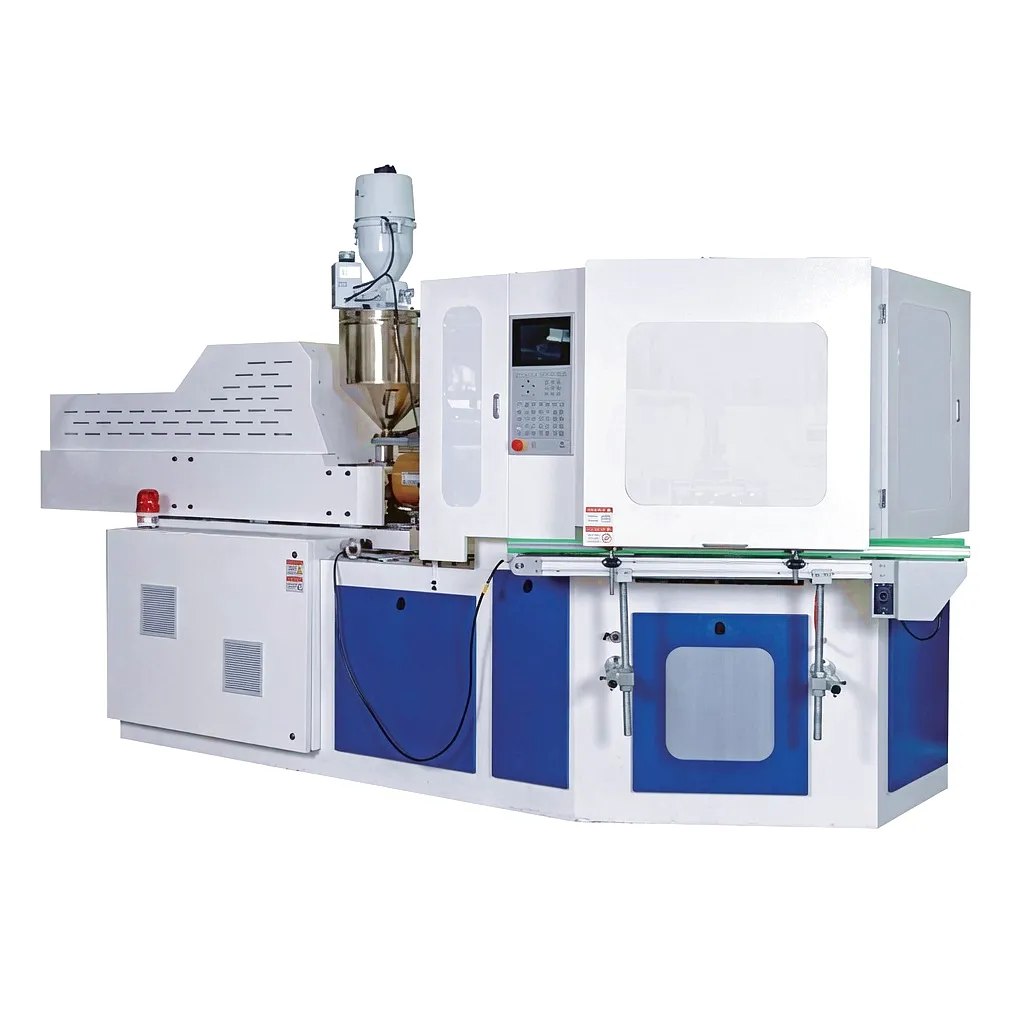
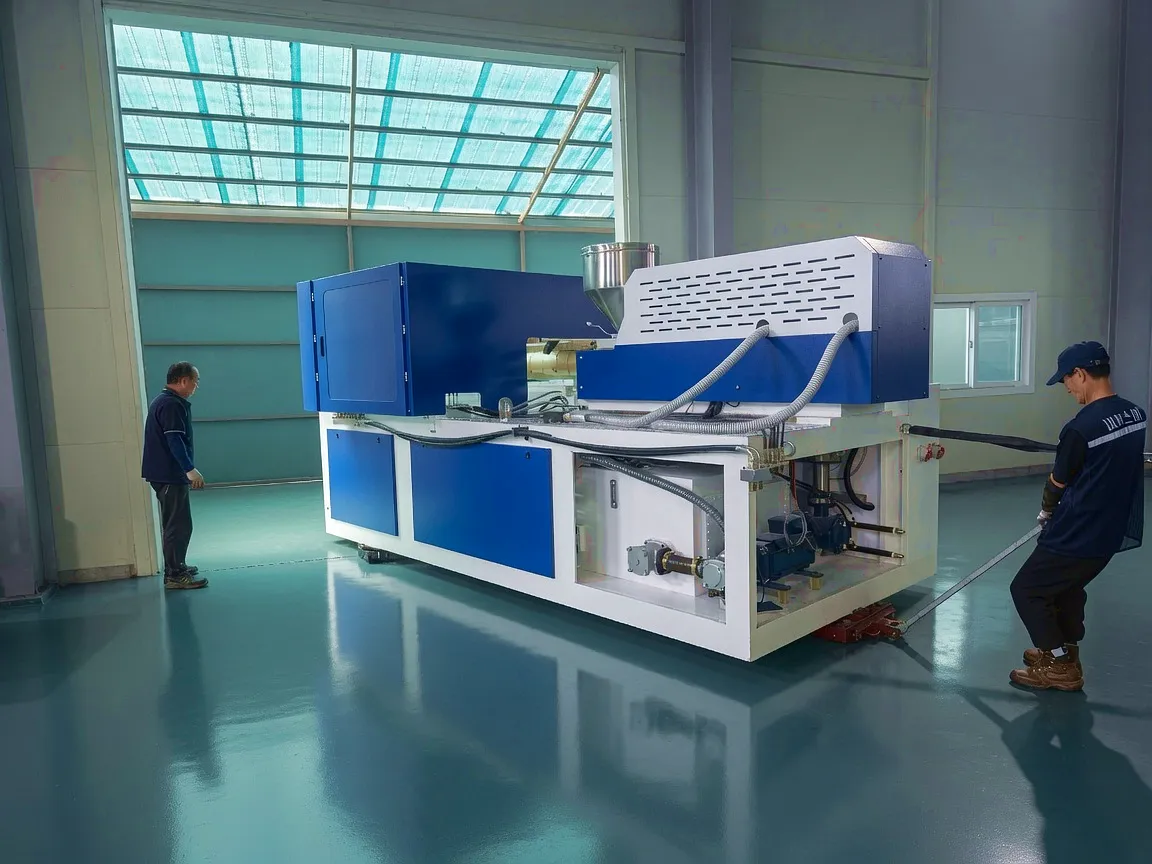
The ZQ40 is a compact, high-precision pharmaceutical IBM machine with 400 kN clamping force and up to 6-cavity pharmaceutical tooling capability. Processing PP, HDPE, and PETG at injection volumes to 180 g, the ZQ40 is ideally suited for UK pharmaceutical contract packagers producing OSD bottles, CRC containers, and amber medicine bottles in the 5 to 200 ml volume range. CE marked, servo-driven, with full PLC parameter logging for GMP documentation.
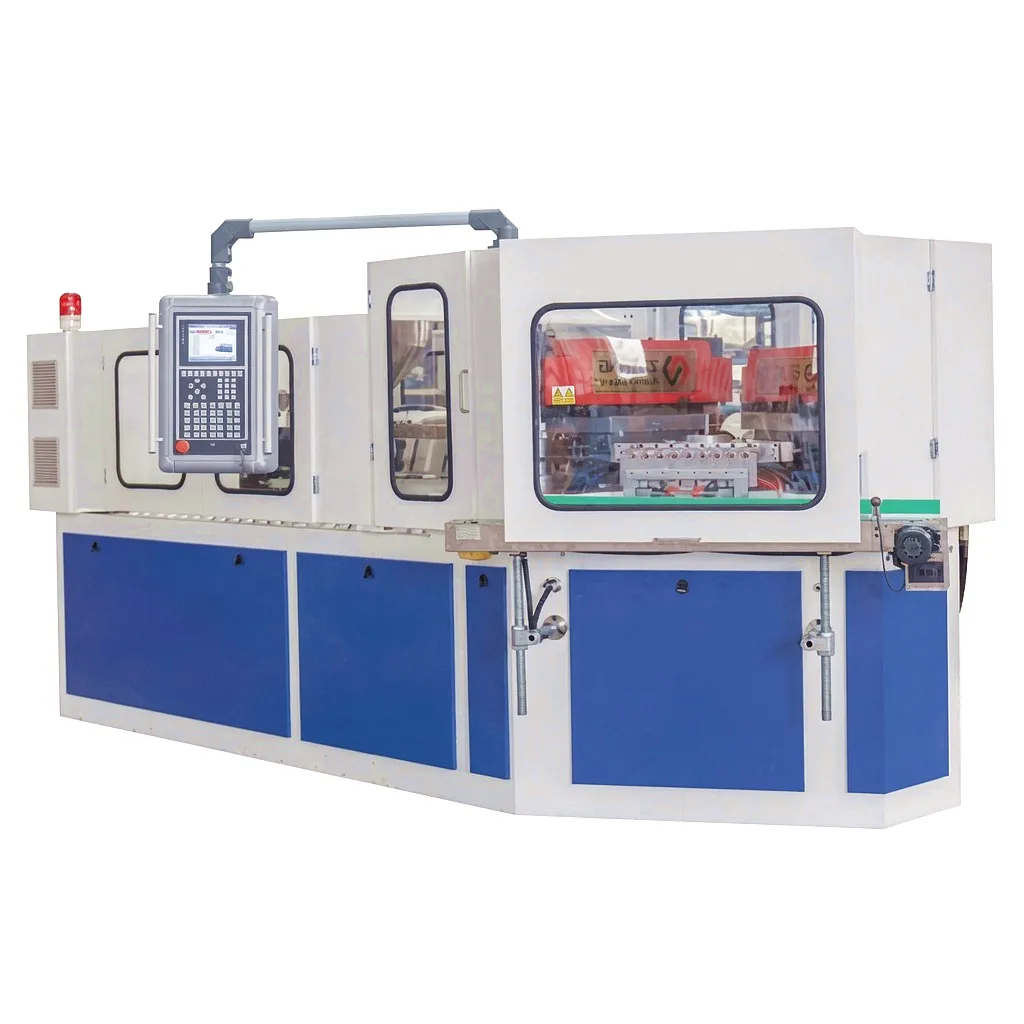
The ZQ60 scales pharmaceutical IBM production to the next level with 600 kN clamping force, 8-cavity pharmaceutical tooling, and shot weights to 320 g. The extended injection screw at 24:1 L/D ratio delivers superior pigment dispersion for amber compound processing — a key requirement for amber bottle production lines. Container volumes from 30 ml to 500 ml, compatible with PP, HDPE, PETG, amber grades, and polycarbonate. Fully CE certified with Siemens PLC control and remote diagnostics capability for UK after-sales support.
Ever Power Manufacturing Capability: Custom IBM Solutions for the Pharmaceutical Industry
Ever Power has established itself as a globally recognised manufacturer of injection-blow molding machines with a deep specialisation in pharmaceutical-grade equipment. The company operates from a purpose-built production facility equipped with CNC machining centres, precision grinding equipment, and CMM coordinate measuring stations capable of verifying component tolerances to sub-micron levels. Every IBM machine produced for pharmaceutical packaging applications undergoes a full factory acceptance test (FAT) at the Ever Power facility before shipment, running the customer’s actual resin grade and producing sample containers that are measured and reported against the agreed dimensional specification drawings.
The customisation capabilities that Ever Power brings to pharmaceutical IBM customers are extensive and go significantly beyond the standard machine configuration. For oral solid drug bottle applications, Ever Power engineers can configure custom neck finish tooling to accommodate any 400-series or other proprietary closure standard, specify cavity counts optimised for the customer’s filling line cycle rate, and integrate inline air-pressure leak testing stations directly within the machine’s indexing sequence — ensuring that every bottle produced has been pressure-integrity verified before it reaches the filling carousel. For amber bottle applications, the company’s tooling design team customises cooling circuit geometry for each specific amber resin compound to compensate for the thermal effects of iron oxide pigment loading, ensuring dimensional consistency across multi-cavity tools from day one of production.
UK pharmaceutical manufacturers benefit from Ever Power’s global logistics infrastructure, which supports containerised machine delivery to any major port in Britain including Felixstowe, Southampton, or Tilbury, with onward coordination to the customer’s facility. The company’s international field service engineers provide site installation, commissioning, and operator training in English, and a UK-based technical support network ensures that spare parts can be air-freighted and on-site within 48 hours of a service call — a critical assurance for pharmaceutical packaging lines that cannot sustain prolonged unplanned downtime without triggering customer supply commitments.
Ever Power also supports IQ/OQ/PQ validation documentation packages for pharmaceutical customers, providing the Installation Qualification, Operational Qualification, and Performance Qualification templates and pre-populated data sets that significantly reduce the time and cost of bringing a new IBM machine through MHRA-aligned process validation. This support service has been particularly valued by smaller UK pharmaceutical contract manufacturers in Swindon, Nottingham, and Oxford who lack in-house validation engineering teams with IBM-specific experience.
Pharmaceutical IBM Production Line: Auxiliary Equipment Integration
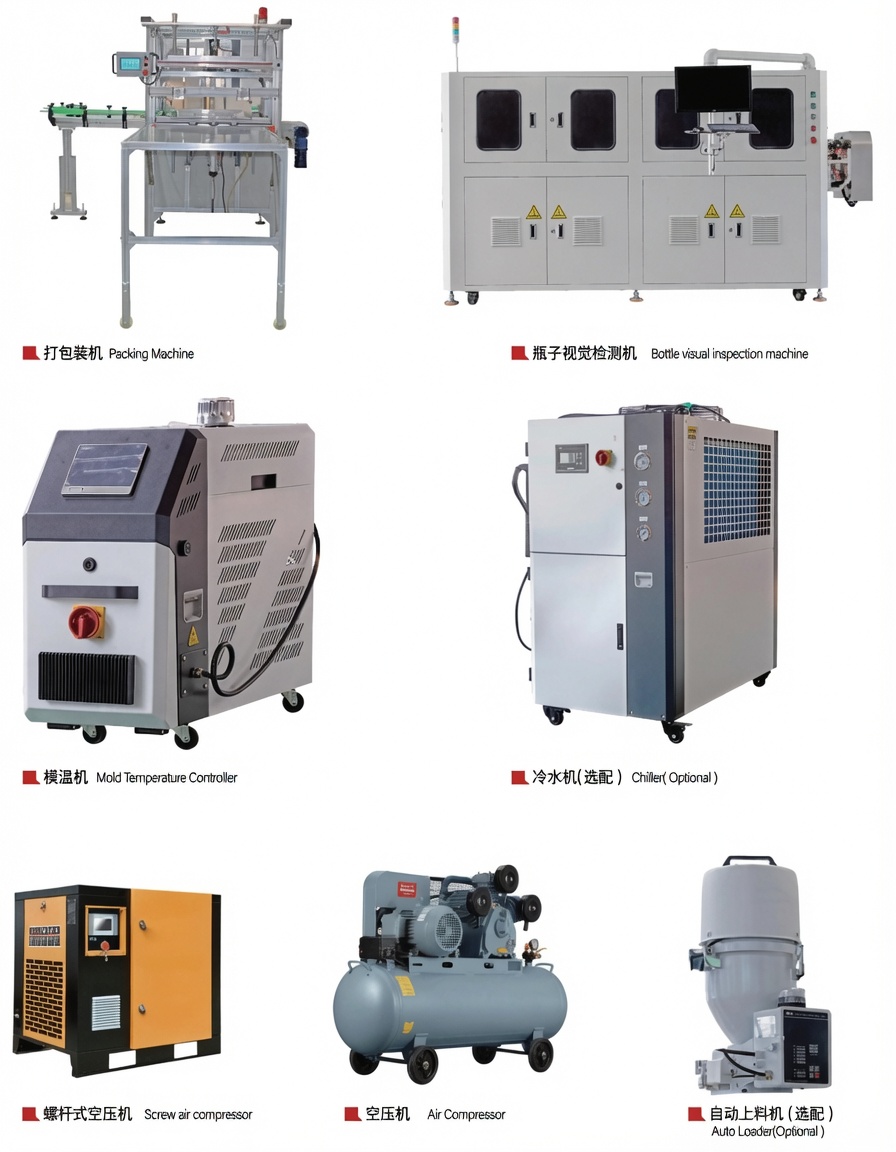
A complete pharmaceutical IBM production line encompasses considerably more than the molding machine itself. Ever Power supports customers in specifying and sourcing the full range of peripheral equipment required for a turnkey pharmaceutical container production installation: gravimetric material blending and dosing systems that control pigment loading accuracy to ±0.02% by weight (critical for consistent amber bottle colour); chilled water units maintaining mold coolant temperature to ±0.5 °C; conveyor systems with automatic orientation and vision inspection for neck-up or neck-down container positioning; leak testing stations using calibrated air-decay instruments traceable to national standards; and robotic palletising cells for hygienic container handling from the molding line directly to cleanroom-compatible bulk packaging. This systems integration capability means that UK pharmaceutical manufacturers engaging with Ever Power receive not just an IBM machine but a production-qualified line solution.
Customer Success Story
Huddersfield Contract Pharma Packager Achieves GMP Qualification in 11 Weeks with Ever Power IBM Line
 A mid-sized contract pharmaceutical packaging organisation operating from a licensed facility on the outskirts of Huddersfield, West Yorkshire, approached Ever Power following the loss of a critical glass bottle supplier whose lead times had extended to 26 weeks due to post-Brexit logistics disruption. The facility held MHRA manufacturing authorisation for solid oral dose packaging across six product families including a paediatric antibiotic suspension, a controlled drug tablet product requiring child-resistant closure bottles, and an amber-bottled dermatology preparation sensitive to UV exposure below 400 nm. All three product types had previously been packed in glass — a material choice driven by historical preference rather than regulatory necessity, since equivalent polymer containers with appropriate extractables and leachables data would be fully acceptable under MHRA GMP guidance.
Ever Power’s technical team conducted a three-day application assessment at the Huddersfield facility, reviewing existing closure inventory, filling line equipment specifications, and the dimensional drawings of the current glass containers. From this assessment, Ever Power proposed a ZQ60 injection-blow molding machine configured with two interchangeable 6-cavity tool sets: one for the 60 ml and 100 ml PP CRC bottles for the controlled drug and antibiotic packaging applications, and a second tooling set for the 150 ml amber HDPE wide-mouth container for the dermatology product. The ZQ60’s 8-cavity capability allowed both 6-cavity tools to be run with headroom for capacity expansion as volumes grew.
Machine delivery to the Huddersfield facility was completed within nine weeks of order placement via Felixstowe port with onward road freight. Ever Power’s field engineers attended site for installation and commissioning over a period of five working days, after which the facility’s own validation team — working from the IQ/OQ/PQ documentation package provided by Ever Power — completed pharmaceutical qualification in a further six working days. Total time from order placement to first GMP-released pharmaceutical production was eleven weeks, substantially shorter than the procurement team had anticipated based on their previous experience with European IBM suppliers.
In the twelve months following qualification, the facility reported a reduction in container cost per unit of approximately 34% versus the previous glass supply arrangements, a scrap rate of 0.4% on the CRC bottle production (versus a 4.1% scrap rate previously experienced when trialling an alternative extrusion blow molding approach), and zero CRC closure fitment failures at the capping stage — a result directly attributable to the ±0.05 mm neck tolerance consistency of the Ever Power IBM tooling. The facility has since placed a follow-on order for a ZQ40 machine to provide surge capacity and contingency coverage across its pharmaceutical IBM container production capability.
What Pharmaceutical Manufacturers Say About Ever Power
★★★★★
“The neck tolerance on the CRC bottles has been outstanding — we’ve been running the ZQ60 for eight months now and our capping line hasn’t generated a single closure fitment rejection. For a GMP pharmaceutical environment, that kind of consistency isn’t a nice-to-have, it’s the baseline requirement, and Ever Power has delivered it.”
— Production Manager, Contract Pharmaceutical Packaging Facility, Huddersfield
★★★★★
“What impressed us most about Ever Power’s amber bottle tooling was the colour uniformity. We had struggled with previous suppliers to get consistent amber depth across a 6-cavity amber HDPE tool — the bottles at the outside cavities were always a shade lighter. Ever Power’s cooling circuit design eliminated that entirely. Our photostability test data is now clean across all cavities.”
— Packaging Technology Lead, Pharmaceutical Manufacturer, Nottingham
★★★★★
“The IQ/OQ/PQ support package that Ever Power provided was genuinely the deciding factor in our vendor selection. We’ve been through IBM machine qualifications before with other suppliers where the documentation was essentially a blank template we had to fill in ourselves. Ever Power’s pre-populated validation package, customised to our specific ZQ40 configuration and our resin lot numbers, cut our qualification timeline from our projected eight weeks to under four.”
— Validation Manager, Pharmaceutical Packaging Organisation, Swindon
Frequently Asked Questions About Injection-Blow Molding Machines for Pharmaceutical Packaging
How does an injection-blow molding machine produce child-resistant closure bottles that pass UK EN ISO 8317 testing?
An injection-blow molding machine forms the bottle neck entirely within the injection station under controlled cavity pressure, achieving diameter tolerances of ±0.05 to ±0.08 mm. This precision is essential for child-resistant closure systems, where the push-and-turn or squeeze-and-turn locking mechanism requires the bottle neck to be within a narrow dimensional window to reliably engage the child-resistant features while remaining operable for adults. CRC bottles produced on IBM machines consistently pass EN ISO 8317 child-resistance and senior adult ease-of-use testing because the neck geometry variation that could cause closure over-tightening or under-engagement simply does not occur at the dimensional repeatability that IBM tooling delivers.
What is the price of an injection-blow molding machine suitable for pharmaceutical amber bottle production in the UK?
The cost of a pharmaceutical-grade injection-blow molding machine for amber bottle production varies depending on clamping force, cavity count, resin range, and automation options. Entry-level pharmaceutical IBM machines with 4-cavity amber tooling capacity start from approximately USD 75,000 to USD 120,000 for the base machine, with tooling sets adding USD 25,000 to USD 60,000 per cavity arrangement depending on cavity count and neck finish complexity. For an accurate price and quote specific to amber HDPE or amber PP production requirements in the UK, contact Ever Power directly at
[email protected] with your container volume, neck finish specification, and target production rate.
Which injection-blow molding machine supplier in the UK or Europe can support pharmaceutical GMP validation documentation?
Ever Power provides a comprehensive IQ/OQ/PQ documentation support package as part of its pharmaceutical IBM machine supply offering, covering Installation Qualification, Operational Qualification, and Performance Qualification phases aligned with MHRA GMP guidance and ICH Q10 pharmaceutical quality system requirements. The package includes pre-populated validation templates, factory acceptance test data, calibration certificates for all measurement instruments on the machine, and machine configuration documentation. Ever Power’s field engineers provide on-site commissioning and IQ support in the UK, with PQ protocol execution assistance available on request. For UK pharmaceutical facilities, this level of supplier-provided validation support significantly reduces qualification cost and timeline versus assembling validation documentation independently.
How long does it take to get an injection-blow molding machine delivered and installed at a UK pharmaceutical facility?
For Ever Power’s ZQ40 and ZQ60 pharmaceutical IBM machines supplied to UK customers, machine delivery from order placement to arrival at a UK port such as Felixstowe, Tilbury, or Southampton is typically 8 to 10 weeks. Onward road transport to the customer facility and site installation requires a further 1 to 2 weeks depending on facility preparation. Factory acceptance testing at Ever Power’s production facility is conducted before shipment and can be attended by the customer’s engineering or validation team. The total timeline from order to first pharmaceutical production qualification is typically 11 to 16 weeks, depending on the customer’s validation protocol complexity and available engineering resource for PQ execution.
Where can a pharmaceutical packaging manufacturer in Birmingham or Sheffield source injection-blow molding machine spare parts with fast delivery?
Ever Power supports UK pharmaceutical IBM customers with a spare parts supply programme that provides air-freight delivery of critical wearing components — including screw and barrel assemblies, core pin sets, valve components, and electrical control elements — within 48 hours of a service request, regardless of the customer facility location in England, Scotland, or Wales. Standard consumable and maintenance parts can be supplied with 3 to 5 working days transit by express courier from Ever Power’s central warehouse. UK pharmaceutical facilities in Birmingham, Sheffield, Huddersfield, Swindon, Nottingham, Oxford, and London are all within Ever Power’s UK service coverage area. Customers holding a service agreement receive priority parts allocation and 24-hour technical telephone support from English-speaking engineers.
What materials can an injection-blow molding machine process for MHRA-compliant pharmaceutical bottle production?
Ever Power pharmaceutical IBM machines process polypropylene (PP), high-density polyethylene (HDPE), polyethylene terephthalate glycol (PETG), amber-compound PP, amber-compound HDPE, and polycarbonate (PC) — all available in pharmaceutical-grade resins with full drug master file (DMF) documentation from qualified resin suppliers. These resins are all compatible with MHRA GMP requirements for primary pharmaceutical packaging materials when used with appropriate extractables and leachables characterisation data. PETG is increasingly preferred for liquid pharmaceutical preparations requiring container transparency, while amber HDPE and amber PP are the standard choices for photosensitive API containment. The ZQ60 IBM machine can process all of these resin types with quick-change injection screw configurations to optimise processing conditions for each material grade.
How much does it cost to get a custom quote for an injection-blow molding machine configured for oral solid dose pharmaceutical bottle production in the UK?
Requesting a custom quote from Ever Power for a pharmaceutical IBM machine configured for oral solid dose (OSD) bottle production is straightforward and carries no cost or obligation. The Ever Power sales and applications engineering team requires the following information to prepare an accurate quotation: target bottle volume and shape profile; neck finish designation (e.g. 28-400 CRC, 33-400, 38-400); production resin grade (PP, HDPE, or PETG); required cavity count or target output rate per hour; any existing closure inventory that the bottle must be dimensionally compatible with; and the facility location in the UK for logistics costing. Submit this information to
[email protected] and a quotation including machine specification, tooling proposal, and delivery lead time will be returned within 3 working days.
Ever Power · Pharmaceutical IBM Solutions · UK & Global Supply
Ready to Qualify Your Pharmaceutical IBM Container Production Line?
Contact Ever Power’s pharmaceutical packaging engineering team for a machine specification, tooling proposal, and GMP validation support overview tailored to your UK facility.
✉ Get a Quote: [email protected]
edit by gzl