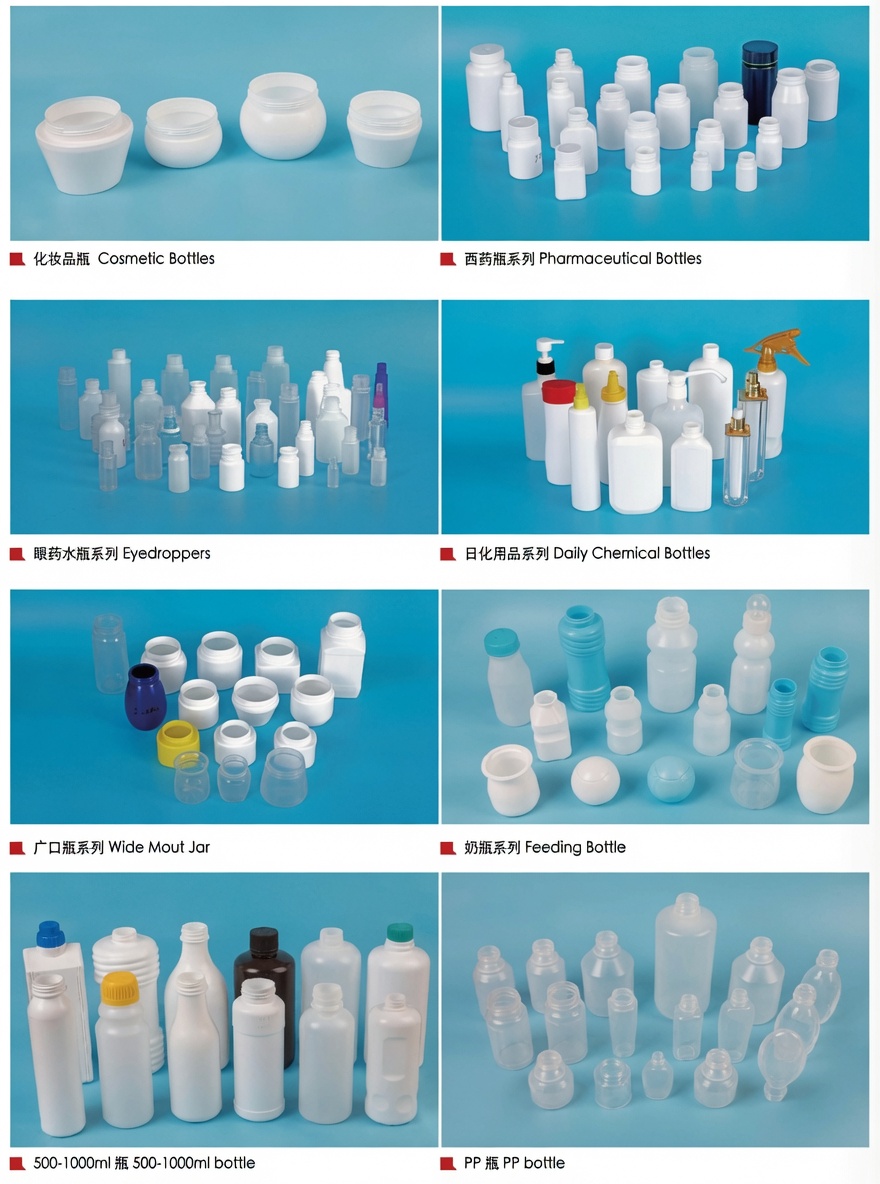
Industrial Packaging Technology

Injection-Blow Molding Machine:
Application Scenarios Across UK Industries

From pharmaceutical packaging in Birmingham to precision aromatherapy containers shipped across Manchester — how modern IBM technology is transforming British manufacturing.

🕑 12 min read
🇬🇧 UK Market Focused
⚙ B2B Industrial

Understanding the Injection-Blow Molding Machine
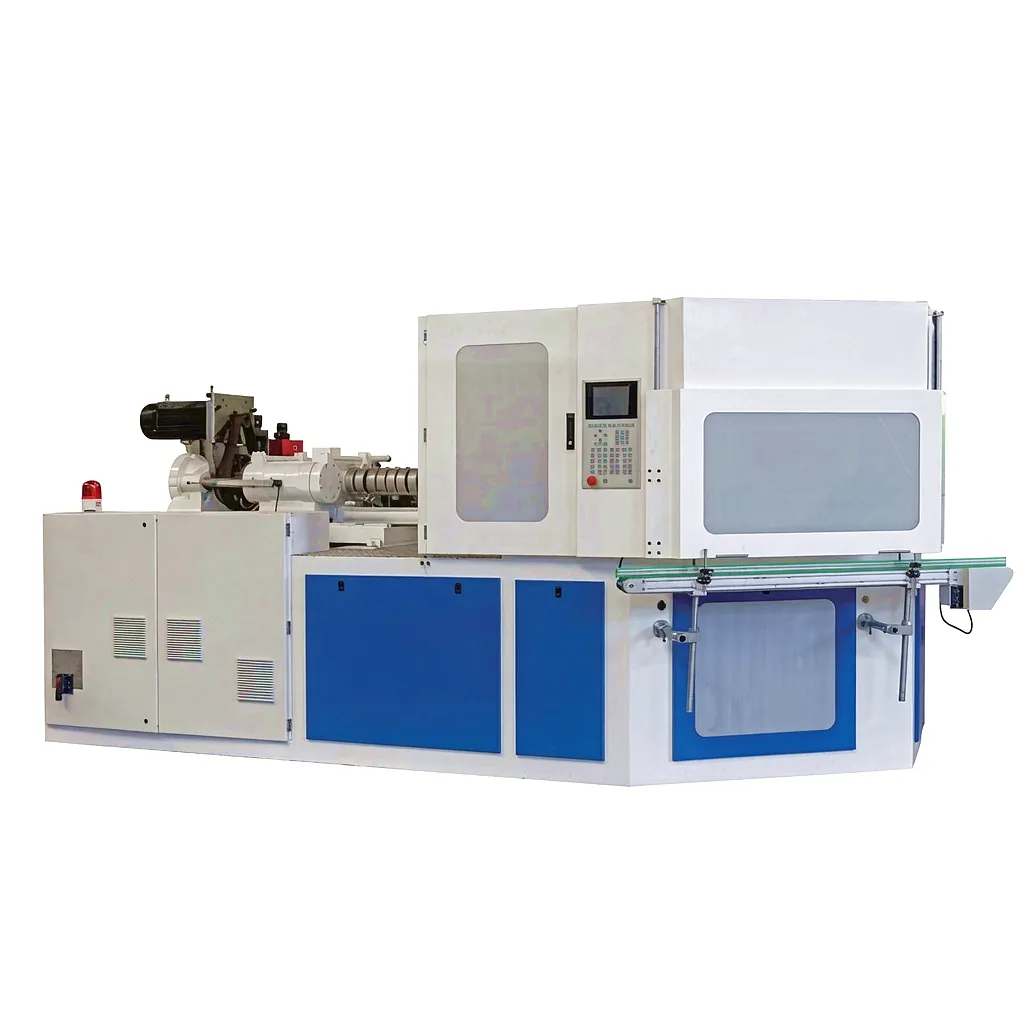
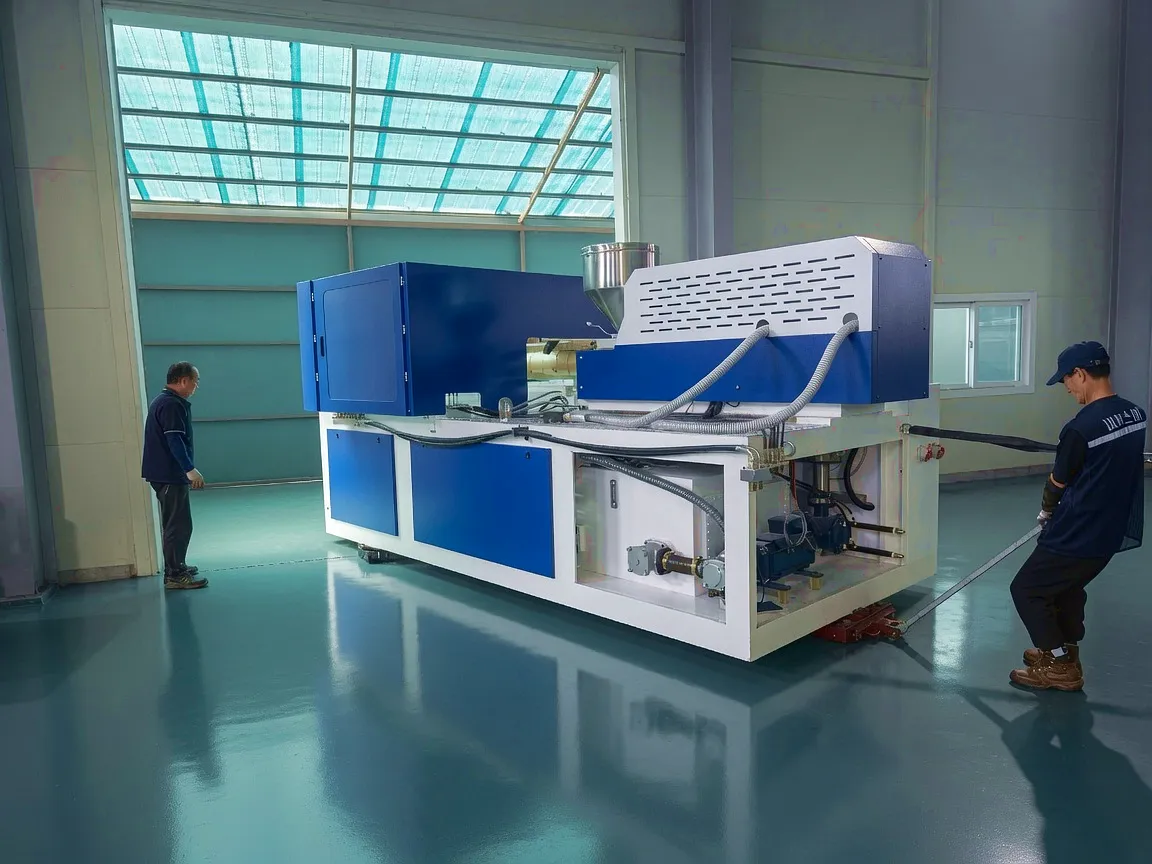
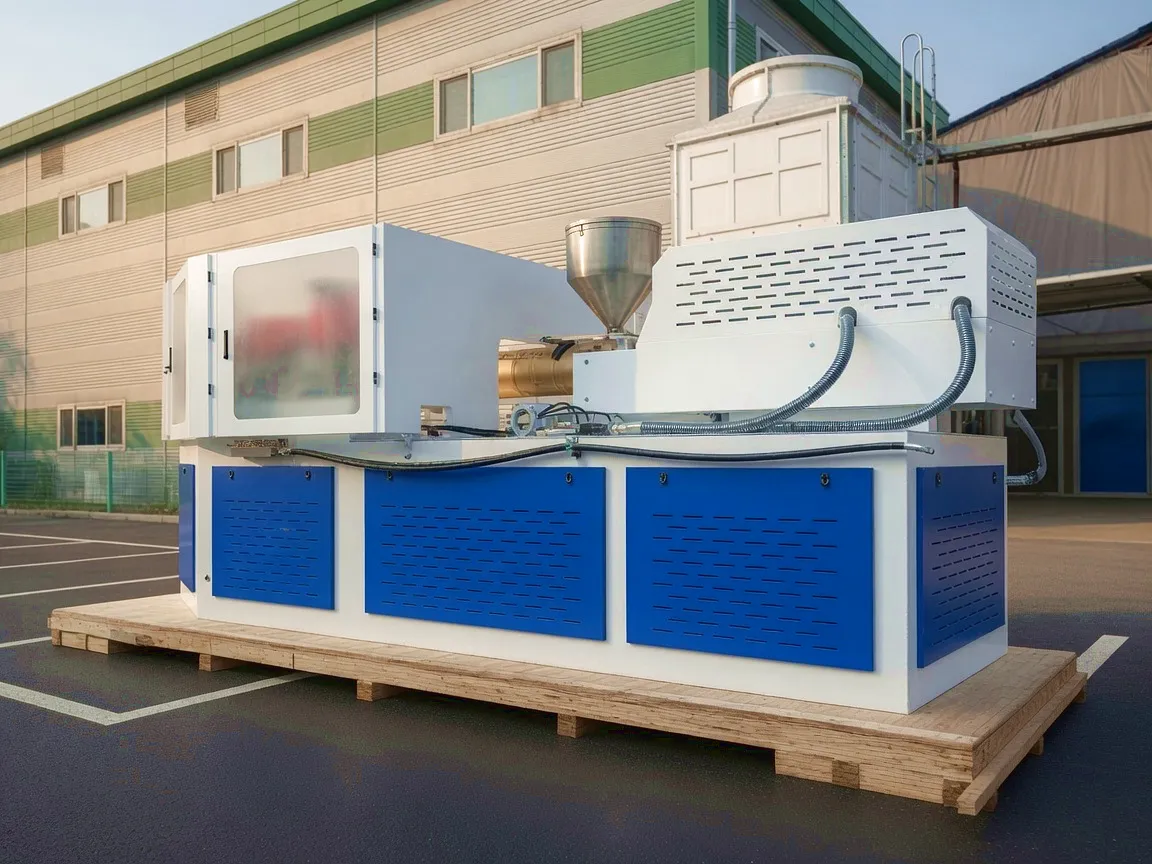
Injection-Blow Molding Machine ZQ80

The injection-blow molding machine sits at the intersection of precision engineering and high-volume production capability, and it has become one of the most strategically important pieces of equipment in modern UK manufacturing. Unlike conventional blow molding or injection molding in isolation, the IBM process unites both techniques into a single, continuous production cycle — injecting a molten polymer preform onto a steel core pin, then transferring that preform to a blow molding station where compressed air expands it into a finished, dimensionally exact hollow container. What this achieves in practice is a level of neck-finish accuracy and wall-thickness consistency that neither process could deliver independently.

British manufacturers from Sheffield’s precision components sector to Bristol’s pharmaceutical supply chain have increasingly recognised that investing in a capable injection-blow molding machine is not merely an equipment upgrade — it is a strategic repositioning. Containers produced through this method carry no weld lines, require no secondary trimming, and maintain thread geometry accurate enough to accept child-resistant closures or dropper assemblies without rework. These properties are not incidental benefits; they are the operational backbone of entire product categories in cosmetics, pharmaceuticals, personal care, and specialty chemicals distribution.

As consumer expectations for premium packaging intensify across UK retail channels — from independent pharmacies in Edinburgh to national health product distributors headquartered in Manchester — the demand for containers that combine visual clarity, chemical resistance, precise dosing geometry, and lightweight logistics profiles continues to accelerate. The injection-blow molding machine answers every one of those requirements within a single production platform.

Working Principle: The Three-Station IBM Cycle

1
Injection Station

Molten polymer — typically PET, PP, HDPE, or PETG — is injected at controlled pressure and temperature around a precision-machined steel core pin, forming the preform body with neck geometry already defined to final tolerance. The neck thread and sealing surface are set at this stage and never change thereafter, which is why IBM containers exhibit such superior closure compatibility compared with extrusion blow-molded alternatives.

2
Blow Molding Station

The preform, still on its core pin and thermally conditioned to optimal blow temperature, is rotated to the blow station. Compressed air at typically 6–12 bar is introduced through the core pin, expanding the parison radially outward against the blow mold cavity surfaces. The container takes its final form in a fraction of a second. Wall thickness distribution is governed by the original preform geometry and material selection — no random thinning, no weld lines.

3
Ejection Station

Once the blow cavity opens, the finished container is stripped from the core pin and exits the machine on a conveyor or transfer system. No trimming, no flash removal, no secondary quality pass is required for the neck finish. The cycle repeats at outputs typically ranging from 2,000 to 20,000 containers per hour depending on machine configuration, mold cavitation, and container volume — making the IBM platform remarkably scalable for British manufacturers managing both short-run specialty lines and long-run commodity production.

Core Materials Processed by Injection-Blow Molding Machines

🛣
PET (Polyethylene Terephthalate)

The dominant material for pharmaceutical bottles, health supplement containers, and high-clarity personal care packaging. PET delivers outstanding optical clarity, excellent barrier properties against moisture and gases, and inherent recyclability — critical for UK brands operating under Extended Producer Responsibility (EPR) regulations and WRAP targets for sustainable packaging.

PP (Polypropylene)

Preferred wherever chemical resistance is non-negotiable — agrochemical dosing bottles, automotive fluid reservoirs, and pharmaceutical primary packaging for oily or emulsion-based formulations. PP processed through injection-blow molding retains dimensional stability at sterilisation temperatures, making it suitable for healthcare products distributed through NHS-approved supply chains.

📈
PETG (Glycol-Modified PET)

Growing rapidly in aromatherapy, premium cosmetics, and specialty food supplement segments. PETG combines the visual clarity and shatter-resistance profile that retail buyers demand with improved formability at IBM-compatible processing temperatures. Its superior drop-resistance compared with conventional glass makes it particularly valuable for e-commerce-distributed products where parcel transit damage is a serious commercial concern.

🔨
HDPE (High-Density Polyethylene)

The workhorse of industrial chemical packaging, household product bottles, and veterinary medicine containers. HDPE’s outstanding solvent resistance and low permeability to moisture make it the material of choice wherever product integrity over extended shelf life is the governing specification. IBM-processed HDPE produces containers with controlled neck-to-body alignment, essential for automated filling lines operating in high-speed UK distribution centres.

Technical Advantages of the IBM Platform

✓ No Flash, No Weld Lines

The closed mold system means containers exit the machine complete, with no material trim required. This eliminates a significant secondary handling step, reduces material waste, and maintains the container surface integrity required for pharmaceutical labelling adhesion and cosmetic decoration.

✓ Superior Neck Finish Precision

The neck thread and sealing surface are formed in the injection cavity, not in the blow cavity. Thread dimensions are repeatable within ±0.05mm across entire production runs, enabling consistent compatibility with standard GPI/SPI closures and specialist dispensing systems used in pharmaceutical and personal care applications across the UK.

✓ Uniform Wall Thickness

Because the preform is designed to distribute material predictably during the blow phase, wall variation across any given container typically stays within ±0.08mm. This consistency translates directly to predictable container weight, dependable stacking strength on automated packing lines, and reliable barrier performance in moisture-sensitive pharmaceutical or aromatherapy product applications.

✓ High Production Efficiency

Modern multi-cavity injection-blow molding machines achieve cycle times as low as 8–12 seconds for small-volume containers, allowing sustained output rates that compete effectively with high-volume extrusion processes while delivering the quality advantages that premium product categories demand. Energy-efficient servo-driven clamping systems reduce per-unit power consumption compared with older hydraulic-dominant designs.

✓ Design Flexibility for Branding

The IBM tooling system accommodates complex body geometries including faceted panels, embossed logos, in-mould labelling recesses, and asymmetric profiles that would be impractical with extrusion blow. For UK brands in the premium personal care, wellness, and niche food supplement markets, this design capability directly supports the brand differentiation that drives shelf presence and repeat purchase.

✓ Material Savings & Sustainability

Precise preform design allows manufacturers to achieve target container weights with minimum material use — important not just for cost management but for UK Plastics Packaging Tax compliance and retailer sustainability scorecards. IBM containers typically weigh 8–15% less than equivalent extrusion blow-molded containers while meeting the same structural performance specifications.

Injection-Blow Molding Machine: Technical Performance Parameters

ParameterZQ60 SeriesZQ80 SeriesUnit / Note
Clamping Force600800kN
Injection Volume180265cm3
Container Volume Range5 – 5005 – 1000ml
Blow Air Pressure6 – 106 – 12bar
Screw Diameter5060mm
Max Mold Cavities68Cavities
Cycle Time (100ml bottle)10 – 149 – 13seconds
Compatible MaterialsPET, PP, HDPE, PETG, PS
Barrel Temperature Range160 – 320°C, zones independently controlled
Control SystemPLC + HMI touchscreen, servo-hydraulic hybrid
Wall Thickness Variation+/- 0.08mm (typical)
Installed Power3755kW

Industrial Applications

Application Scenarios: Where IBM Technology Delivers

Across six distinct UK industrial sectors, injection-blow molding machines are enabling manufacturers to produce containers that meet increasingly demanding specifications for precision, aesthetics, and regulatory compliance.

🌿
Application Scenario 01
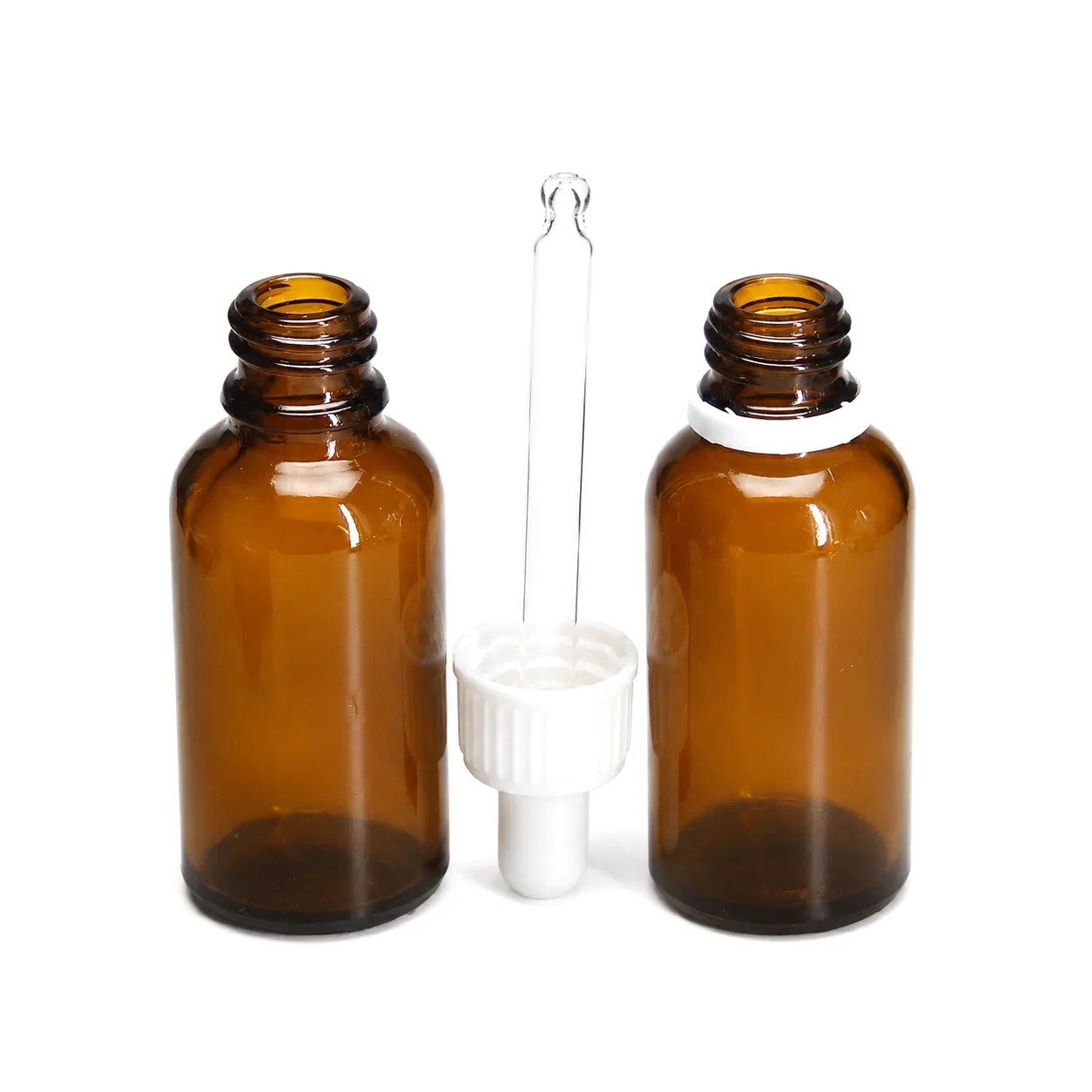
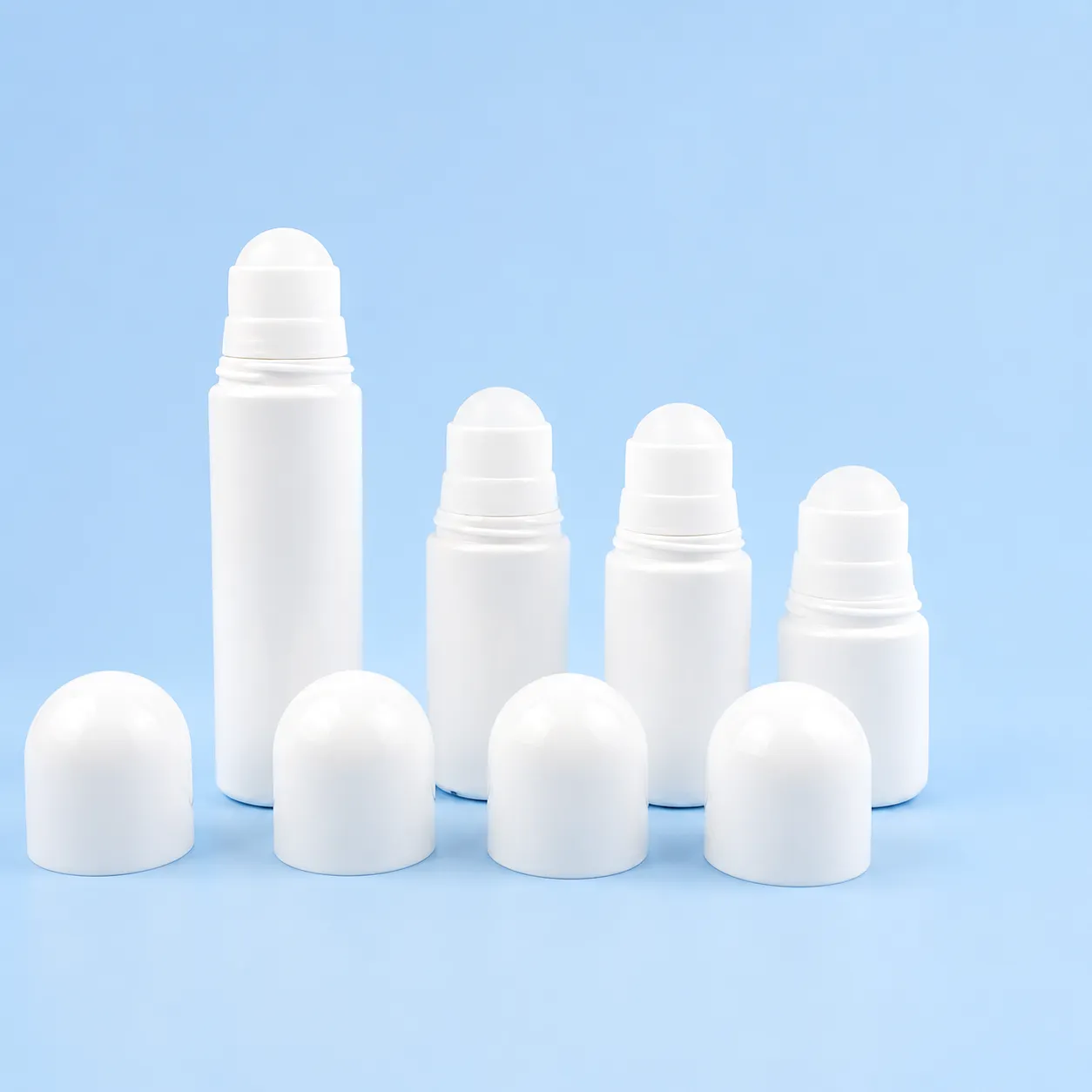
Essential Oils & Aromatherapy — Dropper Bottles, Roll-On Vials & Diffuser Containers
Industry: Wellness & Aromatics
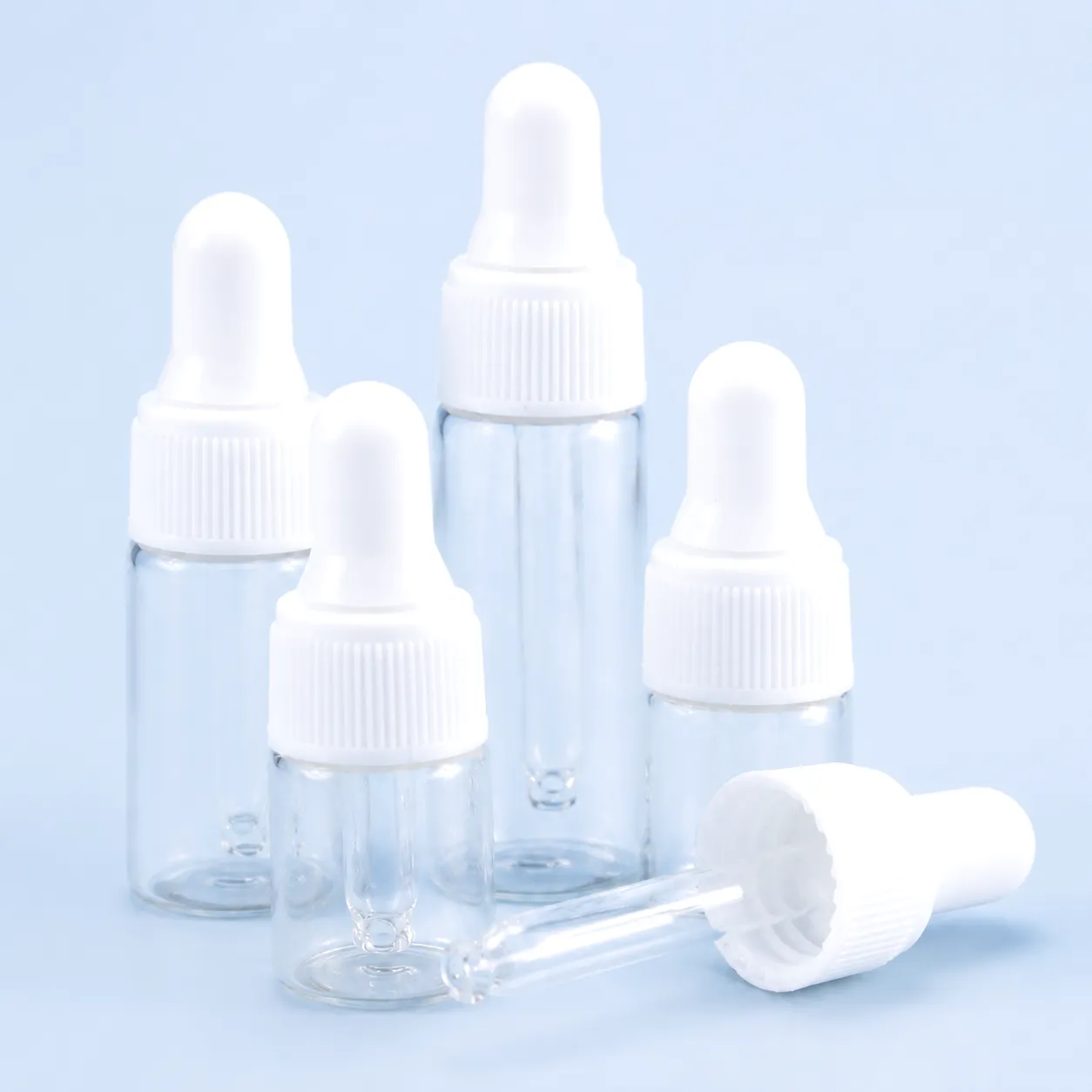
Aromatherapy Container IBM Application

Essential oil and aromatherapy packaging has historically been dominated by dark glass — amber and cobalt blue dropper bottles that protect UV-sensitive formulations while projecting the premium, natural aesthetic central to wellness brand identity. However, a meaningful shift is now underway across the UK aromatherapy sector, driven by three converging pressures: the fragility of glass during e-commerce fulfilment, aviation carry-on restrictions affecting gift sets and travel-size ranges, and the creative design constraints that glass imposes on emerging brands seeking distinctive shelf presence.

Pharmaceutical-grade PETG processed through an injection-blow molding machine provides an answer to every one of these challenges. PETG containers can incorporate UV inhibitor additives that replicate the light-blocking performance of amber glass across the 280–400nm spectrum most damaging to terpene and phenol compounds. The material’s impact resistance in parcel transit conditions is dramatically superior to glass, and its compatibility with child-resistant dropper inserts and tamper-evident bands meets the GHS labelling requirements now applied to concentrated essential oil products sold through UK retailers.

The IBM process enables production of dropper bottles from 5ml to 100ml, roll-on applicator vials with integral anti-return balls, spray bottles with precise actuator thread geometry, and diffuser liquid containers in elongated formats with narrow-neck profiles that slow evaporation in reed diffuser applications. Aromatherapy brands operating out of Bristol, Bath, and the Yorkshire Dales — regions with strong wellness retail networks and growing B2B wholesale distribution channels — are finding that IBM-produced PETG containers allow them to launch ranges with design complexity previously reserved for high-volume glass moulds, at tooling costs a fraction of glass mould investment.

5ml–100ml Dropper Vials
Roll-On Applicator Bottles
Reed Diffuser Containers
PETG / UV-Stabilised PP

💊
Application Scenario 02
Pharmaceutical & Nutraceutical Packaging — Tablet, Liquid & Supplement Bottles
Industry: Healthcare & Life Sciences
Pharmaceutical Bottle IBM Application

The UK pharmaceutical packaging sector operates under some of the most stringent regulatory requirements of any packaging category globally — a combination of MHRA guidance, British Pharmacopoeia standards, EU GMP retained in UK law, and retailer codes governing everything from child-resistant closure compatibility to container extractables and leachables profiles. Within this demanding environment, the injection-blow molding machine has established itself as the preferred primary packaging production platform for a wide range of oral solid dose, oral liquid, and nutraceutical supplement containers.

Pharmaceutical-grade HDPE and PET bottles produced through the IBM process deliver neck thread accuracy that allows validated compatibility with CRC (child-resistant closure) systems meeting BS EN ISO 8317 standards without manual thread gauging of every container. The absence of weld lines — a potential weak point in extrusion blow-molded pharmaceutical containers — eliminates a category of container failure mode that quality teams at major UK pharmaceutical packagers in the Midlands and north of England work hard to manage. Wall thickness consistency in IBM pharmaceutical bottles also supports more accurate torque calibration for automated cap tightening on high-speed filling lines.

The growing health supplement and nutraceutical market — particularly the vitamin, mineral, and sports nutrition segments experiencing strong growth through UK direct-to-consumer channels — has created a parallel demand stream for IBM-produced containers that combine pharmaceutical-grade quality with consumer-facing aesthetic appeal. These products are typically distributed through Amazon UK, Boots, and Holland & Barrett, where container quality directly affects star ratings and return rates. IBM equipment gives contract manufacturers and brand owners serving this channel the dimensional consistency and optical clarity that premium supplement positioning requires.

Tablet / Capsule Bottles
Oral Liquid Bottles
CRC-Compatible Necks
HDPE / PET Medical Grade

IBM Machine Workshop

Ever Power Manufacturing Workshop — Precision IBM Assembly Line
IBM Machine Workshop 2

Quality Control & Testing — Every Machine Validated Pre-Dispatch

Application Scenario 03
Cosmetics & Personal Care — Lotion Bottles, Serum Vials & Shampoo Containers
Industry: Beauty & Personal Care

The UK beauty and personal care market, valued at over £10 billion annually and characterised by intensifying sustainability pressures from consumers and major retailers alike, represents one of the most strategically important application domains for injection-blow molding machine technology. From artisan skincare brands incubated in London’s East End to major personal care manufacturers operating large-scale filling facilities in the North West of England, the demand for containers that combine superior optical properties, precise fill-level visibility, lightweight design, and compatibility with airless or lotion pump dispensing systems is driving significant capital investment in IBM-capable production platforms.

PET and PETG IBM containers in the 30ml to 500ml range cover the majority of the personal care packaging spectrum — from concentrated facial serums where every millilitre of high-cost active ingredient must be protected against oxygen and moisture ingress, to large-volume body lotion bottles where consumer convenience features like one-hand dispensing and easy-grip geometry influence purchase decisions. The IBM process enables moulding of precisely located pump thread inserts and disc-top closure seats at tolerances that prevent the cross-threading and closure leakage complaints that plague lower-specification extrusion-blown bottles on e-commerce platforms.

For premium brands, the IBM platform’s capacity for producing containers with complex faceted bodies, recessed label panels with accurate depth, and embossed brand marks positions it as the tooling solution for container designs that would otherwise require much more expensive glass or PCTA alternatives. As UK-based brand owners consolidate their supplier relationships to reduce lead time risk following Brexit supply chain disruptions, partnerships with IBM equipment manufacturers capable of both machine supply and mould design support are becoming a key competitive differentiator for contract packaging operators in Sheffield and Birmingham.

🍲
Application Scenario 04
Food & Beverage — Condiment Bottles, Baby Food Containers & Specialty Food Packaging
Industry: Food & Beverage
Food Packaging IBM Application

The UK food manufacturing sector, concentrated in production clusters across Yorkshire, the East Midlands, and the Welsh borders, produces a wide range of condiment, sauce, and specialty food products packaged in containers where precision and food safety compliance are equally critical. Injection-blow molding machines processing food-grade PET and PP resins produce containers that meet UK Food Safety Act requirements and EU Regulation 10/2011 standards on plastic materials in contact with food — a compliance baseline that has become more rather than less important following the UK’s departure from the EU and the establishment of independent UKCA conformity pathways.

Baby food and infant nutrition packaging represents a particularly demanding sub-segment where IBM technology’s quality consistency is most valued. Containers for baby food purees, infant formula liquids, and first-foods pouching systems must pass multiple migration testing regimes and maintain closure integrity under the temperature conditions used in hot-fill and retort processing. IBM-produced PP containers for this category offer the heat resistance, chemical inertness, and dimensional consistency that pass validation protocols at the contract testing laboratories used by major UK infant food brands.

Beyond the premium food sector, IBM technology has found significant application in the growing UK craft condiment market — artisan hot sauces, infused oils, specialty vinegars, and premium honey ranges that compete on shelf presence as much as on flavour. Small-batch producers serving London’s independent food retail network, Fortnum & Mason-tier delicatessens, and the UK farmers’ market circuit are using IBM containers produced by specialist packaging converters to achieve the design sophistication that differentiates premium positioning from commodity condiment ranges.

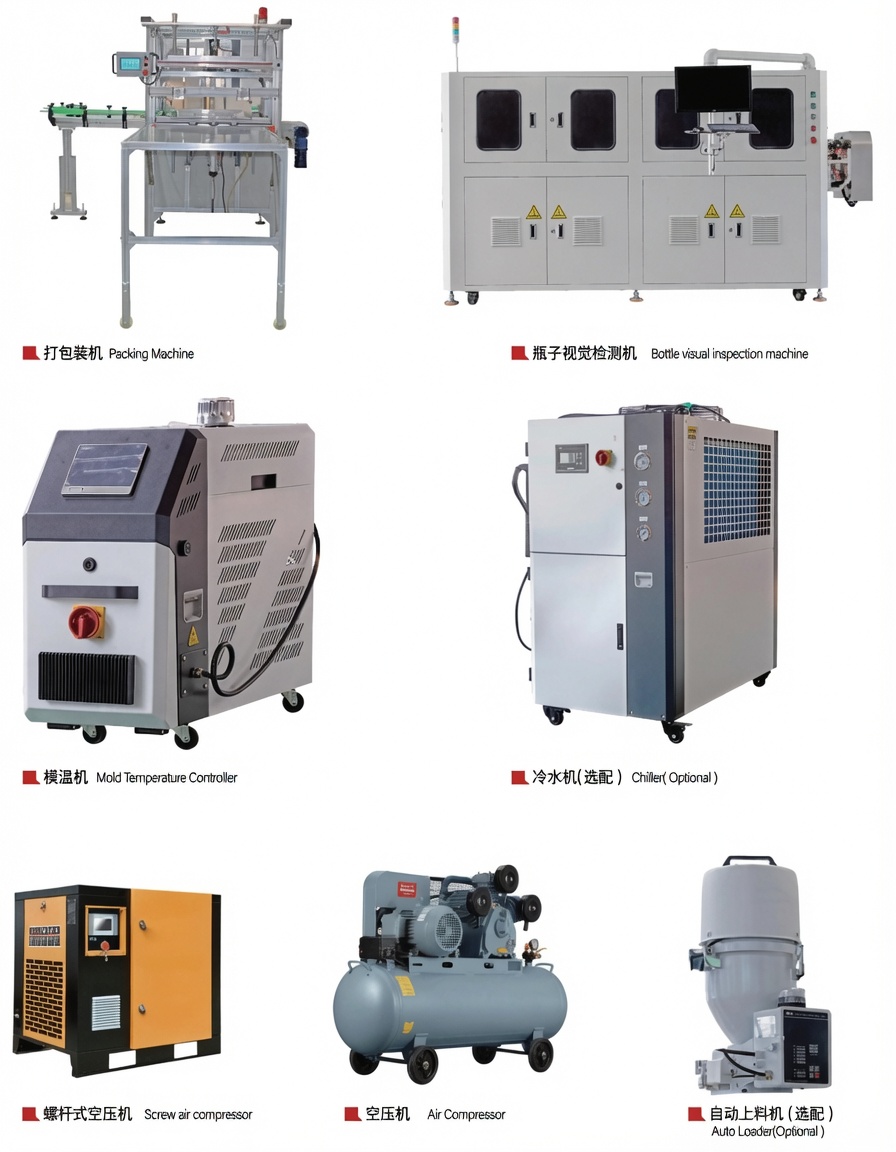
IBM Auxiliary Equipment
IBM Auxiliary Equipment Systems

🌿
Application Scenario 05
Agrochemical & Horticultural Products — Pesticide Bottles, Fertiliser Concentrates & Plant Care Packaging
Industry: Agriculture & Horticulture
Agrochemical Container IBM Application

Agrochemical packaging represents one of the most technically demanding application environments for any container system. Products ranging from concentrated herbicide and fungicide formulations to liquid fertilisers and crop protection concentrates are chemically aggressive, often classified as hazardous goods under UK Dangerous Goods regulations, and must be contained in packaging that maintains hermetic closure integrity throughout a distribution chain that may involve ambient storage, outdoor use, partial emptying, and return logistics. The injection-blow molding machine processes HDPE at grades specifically compounded for maximum chemical resistance, producing containers whose wall structure is entirely free of the microporosity sometimes found in rotationally moulded or blow-extruded thick-wall containers.

UK agrochemical manufacturers and their contract packaging partners — several operating out of the Teesside chemical complex and the industrial zones surrounding Hull — require containers that pass specific chemical resistance immersion tests, stack under warehouse pallet load without container deformation that could compromise closure function, and carry HDPE material traceable to approved resin batches for product recall traceability purposes. IBM-produced agrochemical bottles consistently achieve permeation coefficients well below the limits set in CEN packaging standards for hazardous contents.

The broader horticultural retail segment — garden centres, DIY retailers, and the rapidly expanding online gardening market — is a second tier of demand for IBM containers processing HDPE and PP into consumer-friendly formats for plant feeds, pest controls, and growth stimulants. These products benefit from IBM precision at the closure interface to prevent leakage during shelf display and transit while maintaining the cost efficiency needed to compete in a price-sensitive retail environment where standard bottles from multiple suppliers drive down container pricing.

Application Scenario 06
Industrial Chemicals & Automotive — Lubricant, Fluid & Specialty Chemical Containers
Industry: Chemical & Automotive

Automotive fluid packaging — engine oils, coolants, brake fluids, AdBlue/DEF solutions, and windscreen wash concentrates — represents a high-volume, technically specified container market that IBM-capable plastic packaging producers are competing for against traditional extrusion blow-molded bottle formats. The fundamental quality argument for IBM in this context centres on container base integrity and vertical load strength: IBM-produced HDPE containers with uniform wall thickness distribution resist internal pressure from temperature-cycling contents more reliably than extrusion blow alternatives, particularly in the 250ml to 1-litre ranges used for specialist workshop chemicals and consumer automotive care products.

Across the automotive aftermarket supply chain serving Birmingham’s automotive component manufacturing cluster — the UK’s densest concentration of automotive tier-1 and tier-2 suppliers — there is sustained demand for containers that carry precise volume markings, display tamper-evidence features compatible with sealing systems approved by major OEM lubricant programmes, and withstand the controlled storage conditions of trade counter environments where containers may sit unshielded under fluorescent lighting for extended periods. IBM containers processed from UV-stabilised HDPE grades answer these requirements without the compromise on clarity or printing surface quality that UV-stabilised colourants sometimes impose on extrusion blow-moulded alternatives.

Specialty industrial chemicals serving the precision engineering, electronics manufacturing, and metal surface treatment industries — sectors particularly concentrated in the Sheffield-Rotherham corridor and the Midlands manufacturing belt — require containers in smaller volumes from 100ml to 2 litres where cleanliness standards prevent the flash, particulate, and internal surface oxidation issues that can contaminate sensitive chemical contents during the shelf life of the filled product. IBM containers for this application offer the clean internal surfaces, controlled extractable profiles, and dimensional precision that specialty chemical buyers increasingly require as written specifications.

Our Products
Featured IBM Machine Models

Two proven platforms — direct SUMA replacements engineered for UK and European container producers.
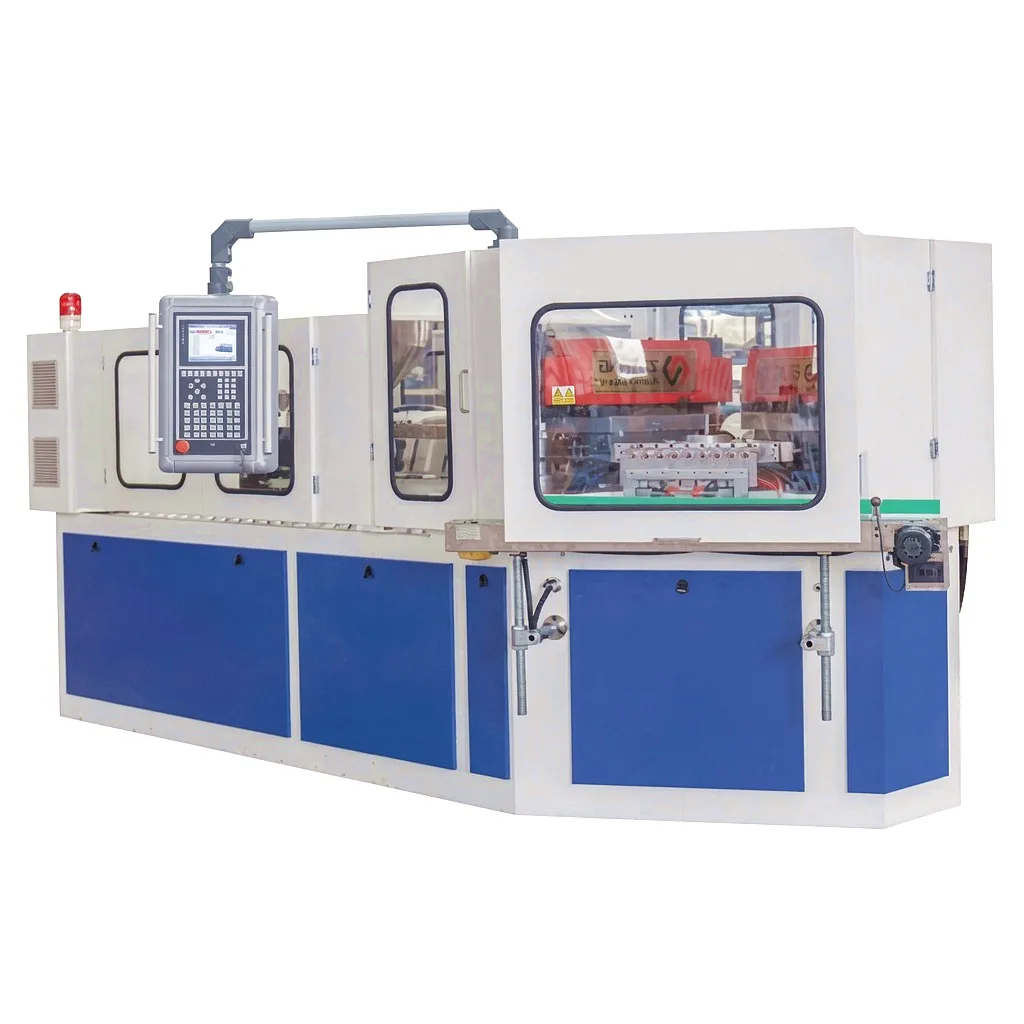
ZQ80 Injection Blow Molding Machine

High-Capacity Model

The ZQ80 is designed as a direct functional replacement for the SUMA 85iB platform, delivering 800kN clamping force, up to 8-cavity tooling, and servo-hydraulic drive efficiency. Container volumes up to 1,000ml make this model ideal for pharmaceutical, personal care, and specialty food applications across UK production sites. Full European CE-certification standard compliance and English-language HMI interface as standard.

View ZQ80 Specifications →

ZQ60 Injection Blow Molding Machine

Mid-Range Precision Model

The ZQ60 replaces SUMA 65iB installations with enhanced control architecture and updated tooling compatibility. At 600kN clamping force and up to 6-cavity configuration, the ZQ60 is the preferred choice for aromatherapy, cosmetics, and nutraceutical producers requiring high-precision small-to-medium volume container production. Compact footprint suits the building envelopes of established UK production facilities undergoing capacity upgrade projects.

View ZQ60 Specifications →

🏭
Manufacturing Excellence
Ever Power — Precision IBM Manufacturing & Customisation

Ever Power operates a purpose-built injection-blow molding machine manufacturing facility where every aspect of the production process is oriented toward the precision standards that pharmaceutical, cosmetic, and specialty chemical packaging producers require. From in-house casting and CNC machining of critical clamping and injection components through to full machine assembly, pressure testing, and automated quality validation, Ever Power’s manufacturing workflow eliminates the tolerance stack-up issues that affect machines assembled from loosely specified sub-supplier components. The result is IBM equipment that holds its process settings over long production runs with a consistency that packaging producers’ quality teams can audit and validate with confidence.

🔧 Custom Engineering Capability

Ever Power’s engineering team provides full customisation support from initial container design consultation through preform geometry modelling, blow mold design, machine parameter development, and production trial management. UK customers receive complete technical packages in English, including mold validation protocols, machine commissioning manuals, and process parameter datasheets.

📦 Supply Chain Reliability

Spare parts availability is guaranteed for a minimum of 10 years post-delivery, with critical wear parts held in bonded UK-accessible inventory. Shipment to UK ports including Felixstowe, Southampton, and Tilbury is managed through established freight logistics partners, with predictable lead times and full export documentation for HMRC customs clearance support.

🏅 Quality Validation

Every IBM machine undergoes a factory acceptance test programme before despatch, including full cycle running at rated cavitation with dimensional inspection of sample containers against drawing, closure torque compatibility testing, and electrical safety certification to European CE and UK UKCA requirements. Test reports accompany each machine shipment.

Ready to Specify Your IBM Solution?

Ever Power’s sales engineering team can review your container specifications, production volume targets, and site installation parameters to recommend the right machine configuration and mold design for your application.

✉ Get a Quote from Ever Power

🌟
Case Study
Sheffield Nutraceuticals Producer Achieves Quality Step-Change with Ever Power ZQ80

NutriCore Solutions Ltd., a contract manufacturer of premium sports nutrition and health supplement products based in the Sheffield Business Park, had been operating two ageing SUMA 85iB injection-blow molding machines for the previous eight years. The machines had served the business well in a period of lower production volume, but as NutriCore secured contracts with three major UK health supplement brands requiring ISO-validated container quality documentation, the limitations of the ageing equipment became a commercial barrier. Thread-form variation across the existing machines’ output was generating a measurable CRC (child-resistant closure) rejection rate at the customer’s automated capping line, and the maintenance team was spending an increasing proportion of its time managing hydraulic system unpredictability rather than optimising production parameters.

NutriCore’s production director engaged Ever Power following a technical recommendation from a packaging technology consultant who had reviewed the ZQ80’s dimensional accuracy performance data. Ever Power’s engineering team conducted a two-day site survey at the Sheffield facility, reviewed NutriCore’s container range — spanning 100ml to 500ml HDPE tablet bottles and 50ml to 250ml PET liquid supplement bottles — and developed a machine and tooling specification that consolidated both the existing product ranges onto a single ZQ80 platform with a two-position mold change arrangement. The proposal also included custom core pin sets engineered to NutriCore’s specific closure compatibility requirements.

Installation was completed within a four-day scheduled maintenance window to minimise production disruption. Ever Power’s commissioning engineer remained on site in Sheffield for three days post-startup, working alongside NutriCore’s operators to optimise cycle parameters and validate container dimensions against the quality documentation required by the customers’ QA teams. Within six weeks of commissioning, NutriCore’s CRC rejection rate at the customer filling site had fallen from an average of 2.3% to below 0.1% — a performance change that translated directly into a reduction in container returns claims and the ability to pass the ISO 15378 primary pharmaceutical packaging audit that one key customer had placed on hold pending equipment upgrade.

The productivity impact was equally significant. The ZQ80’s servo-hydraulic drive reduced power consumption per 1,000 containers by approximately 22% compared with the displaced machines, and the faster cycle time at the new equipment’s rated output allowed NutriCore to reduce weekend overtime shifts while actually increasing weekly container output. The site manager noted that the HMI system’s process logging functionality had allowed the quality team to generate the production traceability records that the NHS supply chain audit required without any additional manual data entry — a compliance benefit that neither the old SUMA machines nor the team had anticipated when the investment decision was made.

Customer Reviews
★★★★★

“The ZQ80 has transformed our thread-form rejection rates. We went from managing CRC failures as a routine production cost to treating them as rare events requiring investigation. The neck geometry consistency on this machine is genuinely a step above what we had before, and it directly supported our pharmaceutical audit qualification.”

James Holroyd
Production Director, NutriCore Solutions Ltd., Sheffield
★★★★★

“Ever Power’s customisation process was meticulous. Their engineers understood our closure system requirements before they committed to core pin dimensions, and the validation package they provided was exactly what our customers’ QA teams needed to approve the container switch. The support during commissioning was outstanding — their engineer genuinely knew the machine inside out.”

Rachel Brennan
Quality Assurance Manager, NutriCore Solutions Ltd., Sheffield
★★★★★

“We had concerns about choosing a supplier from outside the UK for capital equipment of this specification. Ever Power addressed every concern — CE documentation, English-language manuals, UK freight routing via Felixstowe, and a 10-year spare parts commitment in writing. The machine has run without unplanned downtime since installation eleven months ago. That’s the reliability we needed.”

Mark Thistlethwaite
Site Manager, NutriCore Solutions Ltd., Sheffield

FAQ

Frequently Asked Questions

How much does it cost to buy an injection-blow molding machine suitable for pharmaceutical bottle production in the UK?
Pricing for injection-blow molding machines suited to pharmaceutical container production in the UK depends heavily on clamping force, cavitation, mold configuration, and the level of automation integration required. Entry-level IBM platforms for pharmaceutical-grade small-volume containers typically start around £180,000–£280,000 ex-works including a single mold set. Contact Ever Power at [email protected] for a detailed quotation based on your specific bottle specifications and production volume targets.
Which UK plastic container manufacturers and contract packaging companies are currently using injection-blow molding machines for health supplement production?
IBM technology is used across a range of UK packaging producers including contract manufacturers serving the nutraceuticals sector in the Midlands and Yorkshire. While specific client relationships are commercially confidential, the customer case study above illustrates the application in Sheffield. IBM equipment is particularly prevalent among converters serving brands distributed through Boots, Holland & Barrett, Amazon UK, and direct-to-consumer supplement channels.
What are the main differences between injection-blow molding and extrusion blow molding when selecting packaging equipment for a UK cosmetics or personal care product manufacturer?
The primary distinction is neck-finish precision and container cleanliness. Injection-blow molding forms the neck thread in the injection mold, giving thread dimensions accurate enough to accept all standard and specialist closures without secondary gauging or rework. Extrusion blow molding forms the neck in the blow mold — a less dimensionally stable process. IBM also eliminates all flash and weld lines, producing containers that need no trimming and carry no internal seam that could harbour residue in a personal care application. IBM machinery investment is higher, but the per-unit production cost advantage grows with cavitation and run length.
Where can a Birmingham-based packaging company find a reliable injection-blow molding machine supplier who offers customisation services and can provide a competitive price quote?
Ever Power supplies IBM equipment to UK manufacturers including those in the Midlands, providing full customisation from preform design through mold engineering and machine configuration. All machines ship with CE/UKCA certification, English documentation, and freight routed through UK ports. To receive a competitive price quote tailored to your Birmingham facility’s production requirements, contact the Ever Power sales team directly at [email protected].
How long does it typically take to commission and validate an injection-blow molding machine for pharmaceutical packaging production at a UK manufacturing site?
The timeline from order placement to validated production varies by application complexity, but a typical pharmaceutical-grade IBM installation in the UK proceeds through factory acceptance testing (2–3 days at Ever Power’s facility), sea or air freight to UK port (2–4 weeks), installation and mechanical commissioning (3–5 days on site), operational qualification running (1 week), and performance qualification with container sampling (1–3 weeks depending on customer QA process). Total timeline from order to validated production is typically 14–20 weeks.
What size and volume range of bottles can an injection-blow molding machine produce, and how does this compare with aromatherapy and personal care packaging requirements in the UK market?
IBM machines in the ZQ60/ZQ80 class produce containers from 5ml dropper vials up to 1,000ml wide-mouth bottles, covering the entire commercial range for aromatherapy and personal care. The 5ml–100ml range is particularly relevant for aromatherapy dropper bottles, roll-on vials, and serum packaging. Personal care lotions and shampoos typically fall in the 100ml–500ml band where IBM offers the most compelling quality advantages over extrusion blow alternatives from the perspective of pump thread fit and container clarity.
Who should I contact to get a quote for a custom injection-blow molding machine suitable for HDPE agrochemical bottle production in the UK, and what information do I need to provide?
Contact Ever Power’s sales engineering team at [email protected]. To accelerate the quotation process, it is helpful to provide: the container volume range and target neck finish dimensions, required production output per hour, site supply voltage and compressed air availability, any specific regulatory or material grade requirements (food contact, pharmaceutical grade, etc.), and preferred delivery and payment terms. Ever Power will respond with a preliminary technical and commercial proposal within 5 working days.

Ready to Invest?
Speak to Ever Power’s IBM Specialists Today

Whether you’re upgrading ageing SUMA equipment, specifying a new IBM line for pharmaceutical-grade container production, or evaluating the economics of IBM versus extrusion blow for a new product range — the Ever Power engineering team can help.

✉ Get a Free Consultation — [email protected]

edit by gzl