Smart Manufacturing · Industry 4.0
The Future of Single-Stage ISBM: Automation, Smart Manufacturing, and Industry 4.0
How the single-stage ISBM machine is evolving from a reliable production workhorse into a connected, self-optimising asset for forward-thinking British manufacturers.
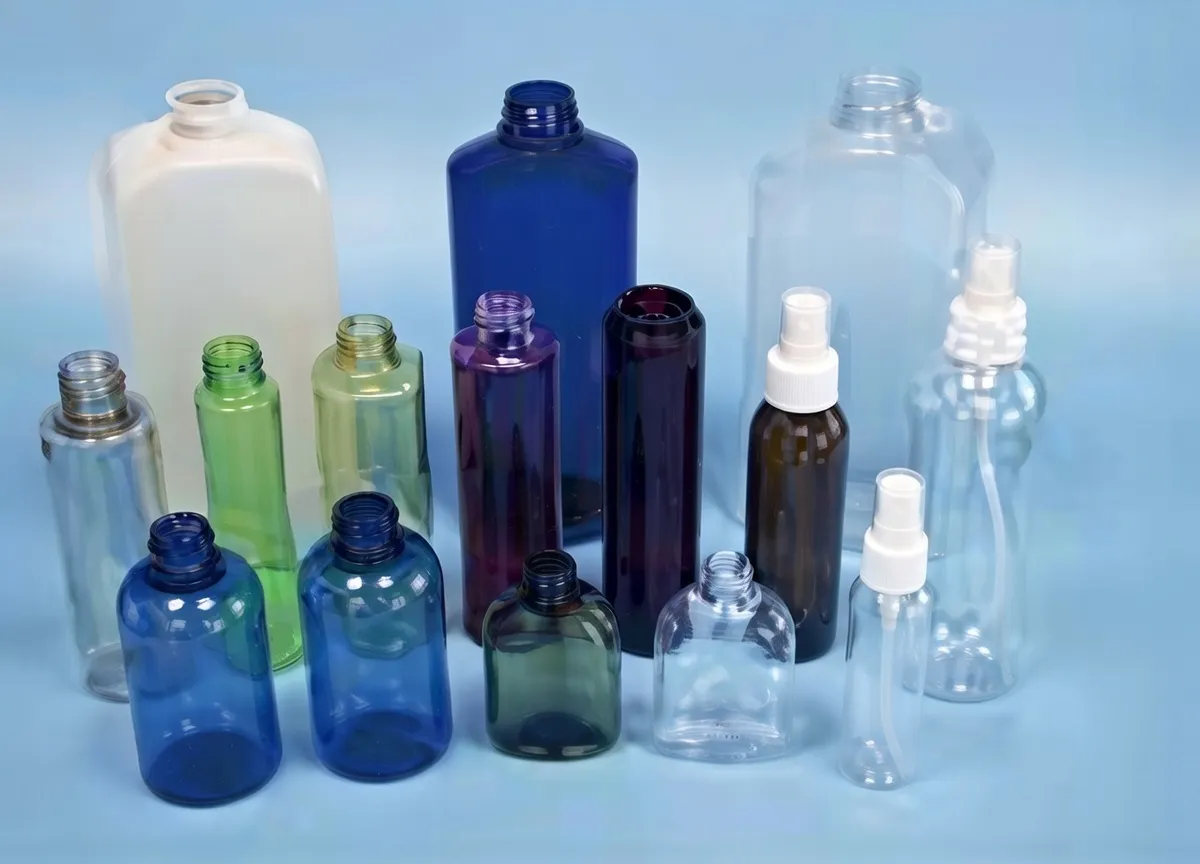 The packaging sector has spent the last decade quietly rewiring itself around precision, traceability, and energy discipline, and few pieces of equipment sit closer to that shift than the single-stage ISBM machine. Injection stretch blow moulding in one continuous pass removes the cold-storage stage entirely, carrying a freshly injected preform through conditioning and blowing while it still holds its latent heat. That single design decision keeps surface quality flawless, trims scrap, and produces bottles and jars with the optical clarity that cosmetics, pharmaceutical, and premium food brands demand. For British producers weighing capital investment against rising energy costs and tighter sustainability targets, understanding where this technology is heading matters as much as understanding how it works today. The conversation is no longer simply about throughput; it is about how intelligently a machine can run when nobody is standing beside it.
What separates the modern single-stage ISBM machine from the units installed even five years ago is the layer of sensing, servo control, and data exchange now built into the platform. Servo-electric clamping, closed-loop injection, and digitally mapped stretch-and-blow profiles have replaced the rougher hydraulic logic of earlier generations, giving operators repeatable shot-to-shot accuracy measured in fractions of a gram. Layered on top of that mechanical refinement is the Industry 4.0 promise: condition monitoring that flags a worn tie-bar before it fails, dashboards that surface overall equipment effectiveness in real time, and remote diagnostics that let an engineer in the Midlands review a fault log without a costly site visit. This article explores the engineering beneath the single-stage ISBM machine, its materials, its measurable advantages, and the connected future that British factories are already beginning to build around it.
How the Single-Stage ISBM Machine Actually Works
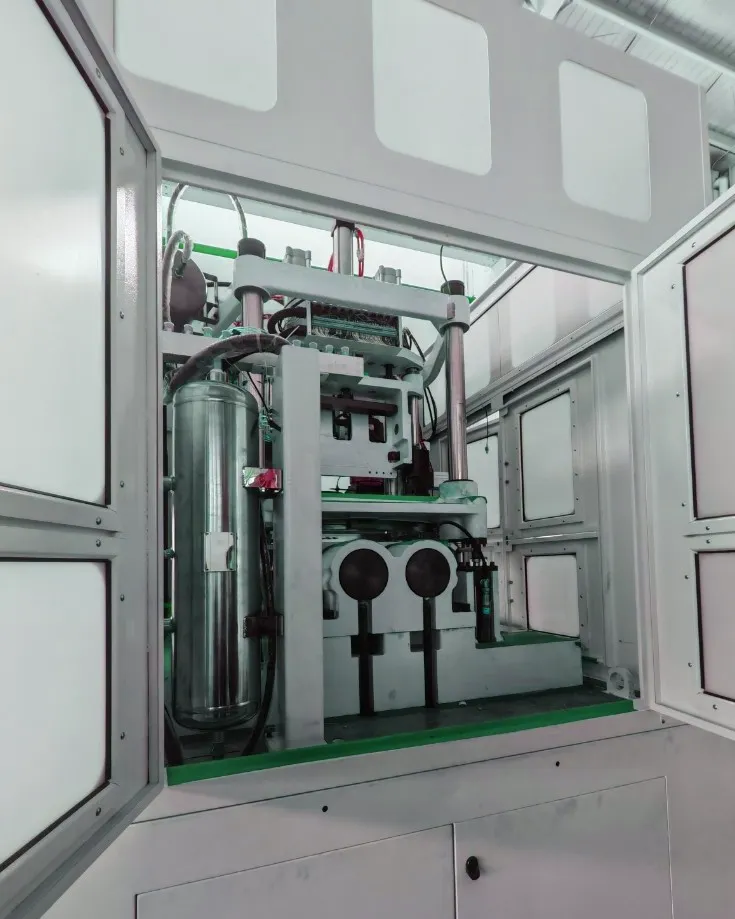 The operating logic of a single-stage ISBM machine rests on heat management rather than reheating. Molten resin is injected around a core pin to form a precise preform, which is then indexed on a rotary turret to a conditioning station where its temperature profile is gently equalised. The preform never cools to room temperature, so the energy already invested in melting the polymer is preserved and reused. At the blowing station a stretch rod descends into the warm preform while high-pressure air, typically delivered between 25 and 40 bar, expands the material biaxially against the mould cavity. This dual stretch-and-blow action aligns the polymer chains in two directions at once, which is precisely what gives the finished container its strength, gas-barrier performance, and glass-like transparency. A final station ejects the cooled product before the cycle repeats.
Most production-grade platforms use a three-station or four-station rotary index, rotating either 120 degrees or 90 degrees per cycle, with servo-driven turntables that lock into position with repeatable accuracy. The injection unit relies on a hardened reciprocating screw and a hot-runner manifold to deliver consistent shot weight, while servo motors govern clamp travel, stretch-rod descent, and turret indexing in tightly synchronised motion. Because the single-stage ISBM machine handles every step internally, the preform is never touched, dropped, or scratched between forming and blowing. That untouched journey is the quiet reason single-stage output looks cleaner than equivalent two-stage product, and it is also why this one-step ISBM approach suits high-value, lower-volume runs where surface perfection is non-negotiable rather than merely desirable.
Core Materials & Build Engineering
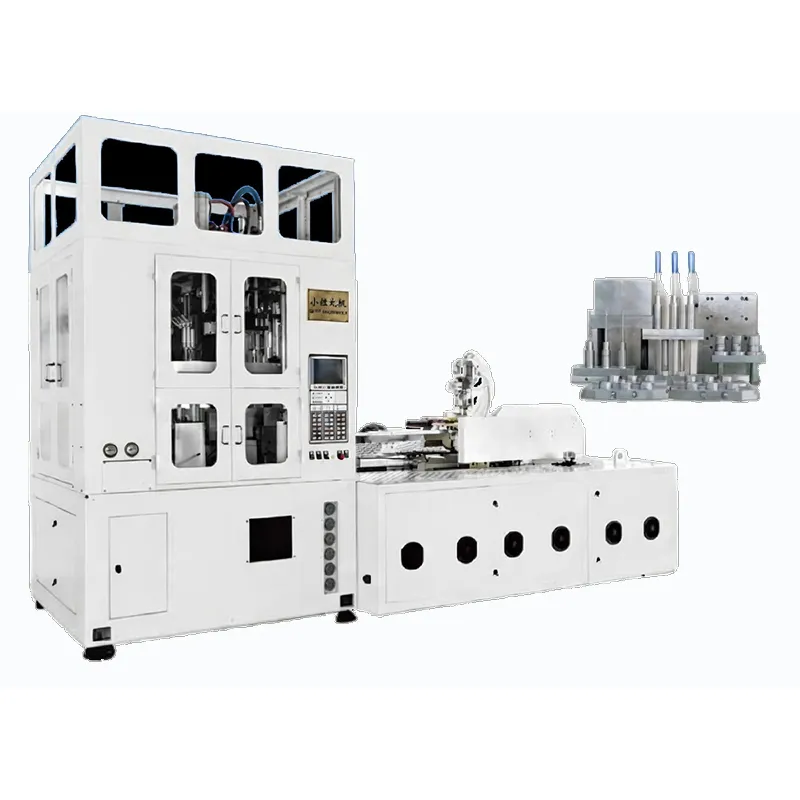 Longevity in a single-stage ISBM machine is decided long before the first bottle leaves the line, in the metallurgy of its frame, tooling, and motion components. Load-bearing tie bars and platens are machined from high-tensile alloy steel and induction-hardened to resist the repeated clamping forces that punctuate every cycle. The injection screw and barrel are typically nitrided or fitted with bimetallic liners to withstand the abrasion and corrosion that PET, PP, and engineering resins exert over millions of shots. Mould cavities, where dimensional accuracy and polish matter most, are cut from premium tool steels such as S136 stainless or hardened P20, then mirror-polished to deliver the high-gloss finish that premium packaging buyers expect. These choices are not cosmetic; they directly govern cycle stability and the interval between maintenance windows.
The resins themselves shape both the machine configuration and the achievable end product. PET remains the workhorse for clarity-critical bottles, while polypropylene serves wide-mouth jars and pharmaceutical containers requiring chemical resistance and autoclave tolerance. PLA and PETG appear increasingly often as brands chase recyclability and bio-based credentials, and a well-specified single-stage ISBM machine can switch between these polymers with adjusted thermal and pressure profiles rather than wholesale rebuilds. Hot-runner manifolds are constructed from corrosion-resistant stainless grades to maintain even melt temperature across cavities, and cooling circuits are routed through the core pins and mould halves to remove heat predictably. Matching resin behaviour to machine settings is where experienced builders separate a dependable one-step ISBM machine from a temperamental one that fights its operator every shift.
Core Technical Advantages
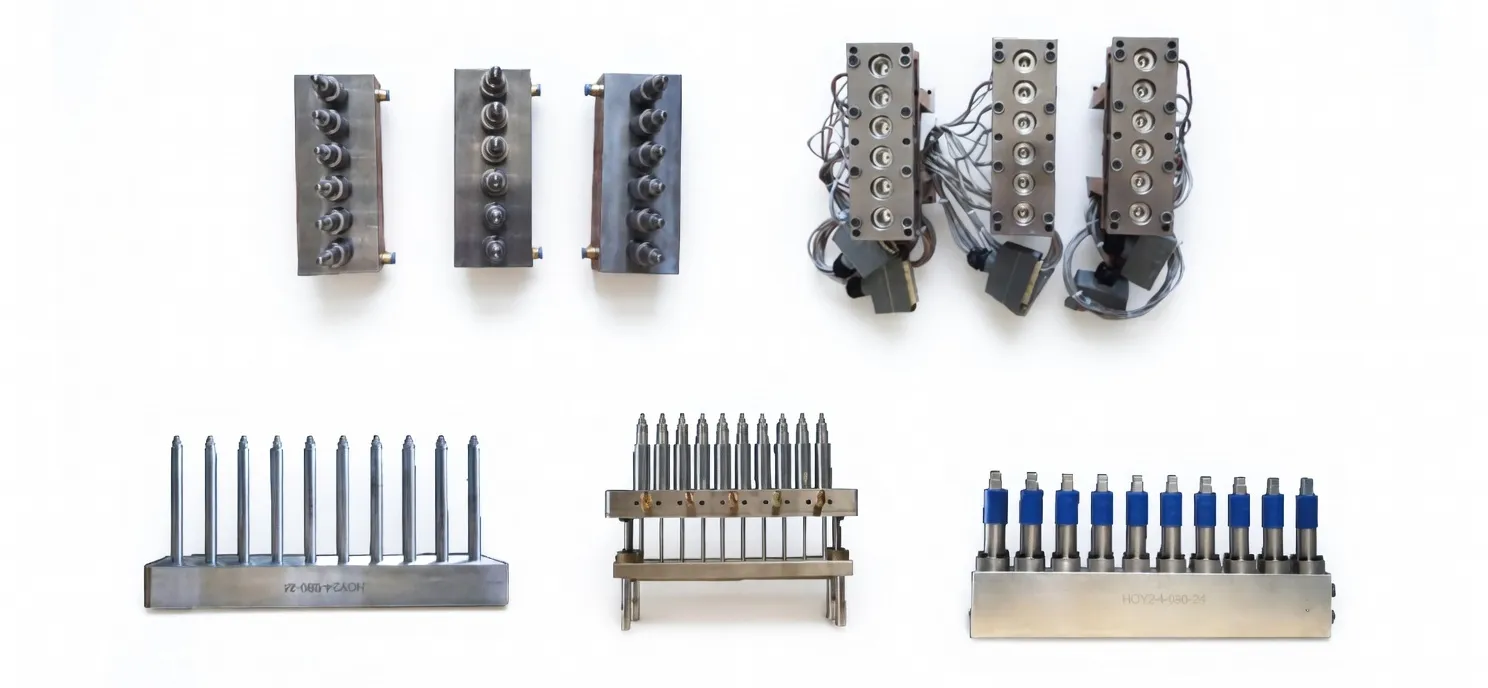
The commercial case for a single-stage ISBM machine becomes clear when its advantages are examined side by side rather than in isolation. Each strength compounds the others, turning a sound technical concept into a genuinely efficient production asset for British manufacturers who must justify every kilowatt-hour and every gram of resin. The cards below distil the benefits that buyers most often cite when explaining why they moved away from older two-stage arrangements toward an integrated one-step ISBM platform.
Superior Optical Clarity
Because the preform is never cooled and never handled by hand, the single-stage ISBM machine delivers bottles free of scratches, stress marks, and surface haze. Biaxial orientation aligns polymer chains for the brilliant transparency that cosmetics and spirits brands rely on.
Energy Reuse
Retaining latent preform heat eliminates the energy-hungry reheat oven of two-stage lines. A modern single-stage ISBM machine pairs this with servo-electric drives that draw power only on demand, cutting consumption sharply across a typical British factory shift pattern.
Compact Footprint
Combining injection and blowing in one frame frees valuable floor space and removes the need for preform storage. For space-constrained urban plants in Birmingham or Sheffield, the single-stage ISBM machine recovers square metres that translate directly into productive capacity.
Material Discipline
Closed-loop injection holds shot weight within tight tolerances, so each container uses only the resin it needs. Reduced scrap and precise wall distribution make the one-step ISBM machine a strong ally for sustainability reporting and tighter material budgets.
Technical & Performance Parameters
The figures below represent a typical configuration band for a mid-capacity single-stage ISBM machine and are intended to guide specification discussions rather than replace a tailored datasheet. Torque, indexing angle, and material grades are highlighted because they most directly influence cycle stability, container weight consistency, and the long-term durability that British buyers value when planning multi-year production.
| Parameter | Typical Range | Notes |
|---|---|---|
| Clamping Force | 35 – 160 tonnes | Scales with cavity count |
| Number of Cavities | 1 – 12 | Container size dependent |
| Indexing Angle | 90° / 120° | 4-station vs 3-station turret |
| Turret Servo Torque | 150 – 480 N·m | Governs index accuracy |
| Blow Air Pressure | 25 – 40 bar | High-pressure circuit |
| Container Volume | 5 ml – 5 L | Mould-set specific |
| Dry Cycle Time | 3.5 – 9 s | Resin & wall thickness driven |
| Tie Bar / Platen Material | Hardened alloy steel | Induction-treated |
| Mould Cavity Material | S136 / hardened P20 | Mirror-polished |
| Processable Resins | PET, PP, PLA, PETG, PC | Profile-adjustable |
Smart Manufacturing & the Industry 4.0 Roadmap
The most significant change on the horizon is not a faster cycle but a smarter one. Embedded sensors now track clamp pressure, melt temperature, blow-air consumption, and vibration signatures continuously, feeding that data to an edge controller that interprets trends rather than simply logging numbers. A single-stage ISBM machine equipped this way can predict bearing wear weeks before failure, schedule maintenance during planned downtime, and protect a production run from the unplanned stoppages that erode profitability. Overall equipment effectiveness, once calculated manually at the end of a shift, becomes a live figure on a tablet. For British operations under pressure to document efficiency and emissions, this continuous visibility transforms the machine from a black box into a transparent, accountable asset whose behaviour can be defended with hard evidence rather than estimates.
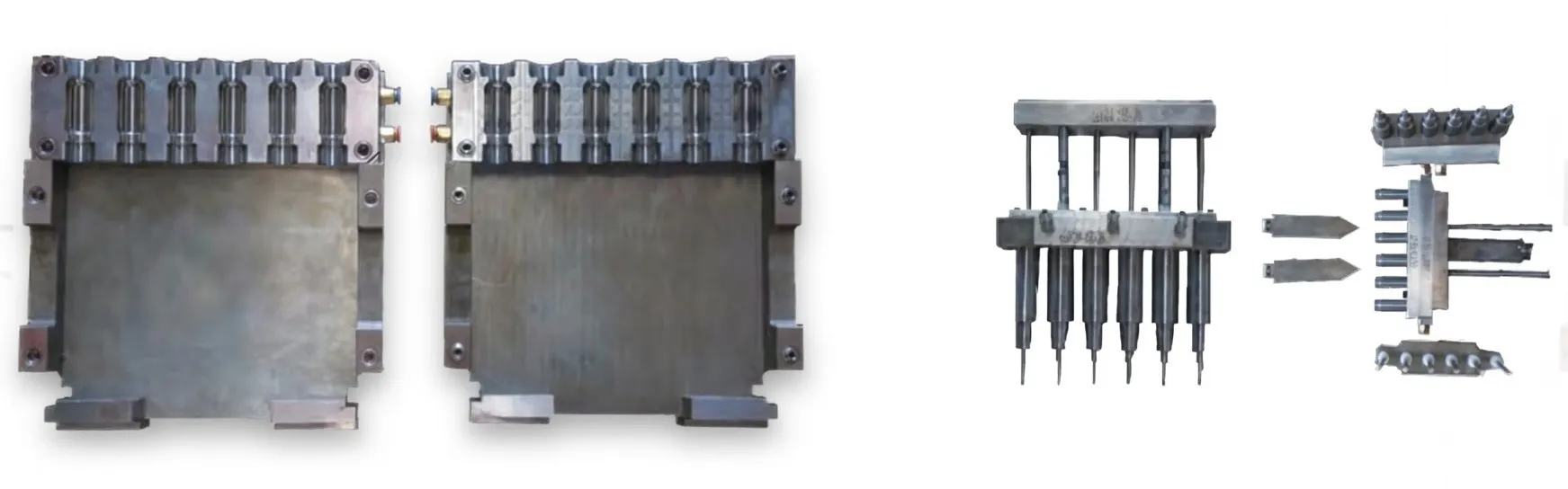
Connectivity extends that intelligence beyond the factory wall. Secure remote access lets an engineer review fault histories, adjust blow profiles, and verify settings without travelling to site, which is invaluable when skilled service staff are scarce and travel across the country is costly. Integration with manufacturing execution systems means each batch produced on a single-stage ISBM machine carries a digital record of the exact parameters that formed it, supporting traceability requirements in pharmaceutical and food applications. Energy-recovery circuits capture and reuse exhaust air from the high-pressure blow stage, while servo systems regenerate braking energy back into the line. Taken together, these features describe a machine designed not merely to run, but to learn, report, and continuously refine itself across thousands of shifts.
Industrial Application Scenarios Across the UK
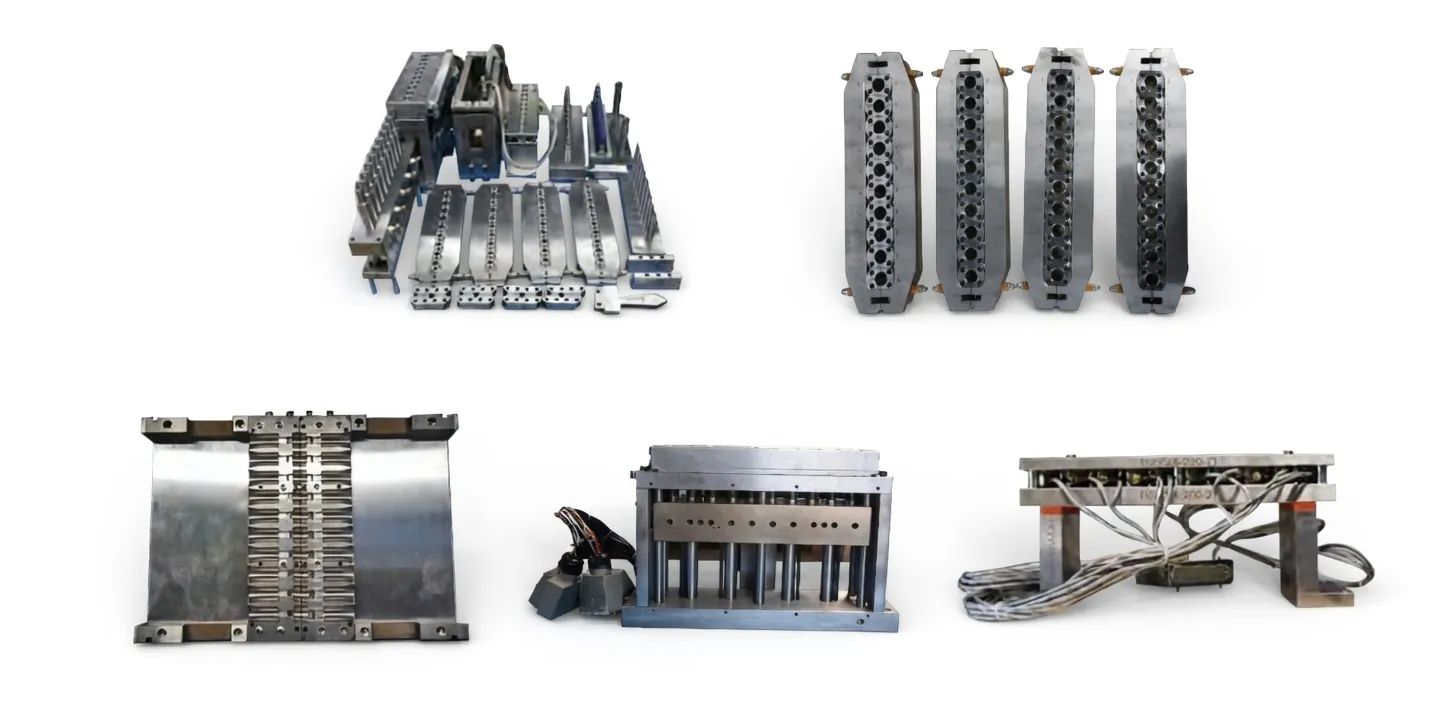
The breadth of British manufacturing gives the single-stage ISBM machine an unusually wide remit, from the established industrial corridors of the Midlands to specialist producers dotted along the M1 and M6. The technology fits naturally wherever container quality, batch traceability, and modest run sizes intersect, which describes a surprising number of regional sectors. The application cards below outline where this equipment earns its keep and how its strengths map onto the realities of producing and distributing across the United Kingdom.
Pharmaceutical & Healthcare
UK pharmaceutical packagers value the clean, single-handling output for tablet bottles and sterile containers. The single-stage ISBM machine supports the documented parameters and consistent neck finishes that regulated supply chains demand, with batch records aligned to British compliance expectations.
Cosmetics & Personal Care
Premium beauty brands clustered around London and the South East rely on flawless clarity and intricate bottle geometries. A one-step ISBM machine produces boutique runs of jars and bottles with the surface finish that shelf appeal requires, without minimum volumes that strangle agility.
Industrial Fluids & Lubricants
Sheffield and Birmingham engineering suppliers package speciality oils and additives in chemically resistant containers. The single-stage ISBM machine forms robust polypropylene bottles capable of holding aggressive fluids while keeping logistics within tight regional delivery windows.
Speciality Food & Drink
From artisan condiments to craft beverages, smaller British food producers use the one-step ISBM machine for distinctive container shapes in flexible batch sizes. Short changeover times let a single line serve several seasonal products without sacrificing the quality buyers expect.
Inside the Ever Power Factory
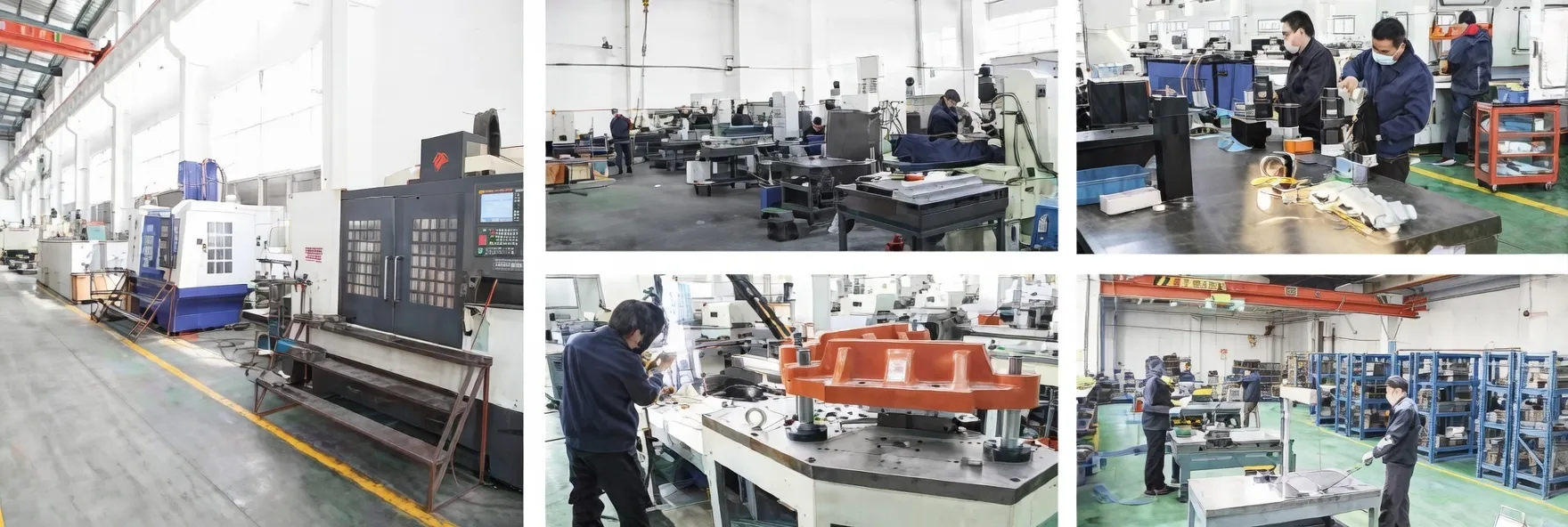
Ever Power builds every single-stage ISBM machine around a simple conviction: the engineering should match the customer, not the other way around. Our customisation capability spans cavity layouts, neck-finish tooling, container geometries, and control-system integration, allowing a British buyer to specify a platform that drops into an existing line rather than forcing a costly redesign. In-house mould design, CNC machining, and servo-system assembly sit under one roof, which means tolerances are owned end to end and accountability never disappears between suppliers. When a client needs a bespoke wide-mouth jar profile or a tailored Industry 4.0 data interface, our engineering team treats it as a design brief to solve, not an obstacle to negotiate around.
Precision manufacturing is reinforced by a supply chain built for resilience. Critical wear components are stocked and traceable, so a one-step ISBM machine operating in the United Kingdom is never left waiting indefinitely for a part. Each unit is fully assembled, run-tested, and validated against the customer’s own resin and container specification before it leaves the factory, reducing commissioning risk once it reaches site. Documentation, spare-parts kits, and remote diagnostic support travel with the machine, giving operators a clear path to keep production stable long after installation. This combination of deep customisation, controlled fabrication, and dependable logistics is what allows Ever Power to stand behind every single-stage ISBM machine we deliver.
Customer Success Story: Sheffield
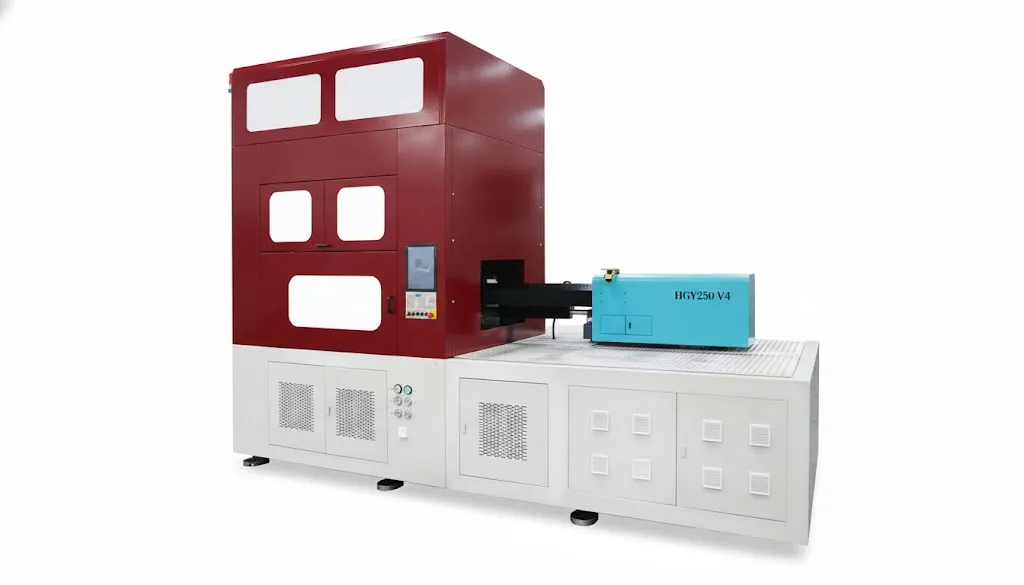
Pennine Fluid Packaging, a family-run container manufacturer on the eastern edge of Sheffield, had spent years supplying specialist bottles to the city’s lubricant blenders and metalworking-fluid producers. Their ageing two-stage arrangement was reliable but inflexible, demanding long preform runs and surrendering precious floor space to storage racks. Rising energy bills and a steady stream of smaller, higher-margin orders pushed the management team to rethink the line entirely. After evaluating several builders, they commissioned an Ever Power single-stage ISBM machine configured for chemically resistant polypropylene containers, with tooling tailored to the wide-neck profiles their automotive-fluid customers required. The brief was demanding: shorter changeovers, lower consumption, and the surface quality to support premium relabelling, all within a footprint that fit their constrained Sheffield workshop.
Within four months of commissioning, the results were measurable. Energy use per thousand containers fell noticeably once the reheat oven was retired, and changeovers that once consumed half a shift were completed before the morning tea break. The integrated monitoring on the single-stage ISBM machine let the plant manager track output from a tablet, catching a developing air-circuit issue before it became a stoppage. Freed from preform storage, Pennine repurposed the recovered space for a second packing station, lifting overall throughput without extending the building. Most importantly for a firm rooted in Sheffield’s engineering tradition, the bespoke tooling and run-tested delivery meant the machine performed to specification from its first production week, turning a significant capital decision into a confident operational one.
“The changeover speed genuinely surprised us. We now run three product lines on one machine without the storage headaches we lived with for years. Ever Power’s tooling fit our bottles perfectly from day one.”
— David Marsden, Operations Director
“The remote diagnostics saved us a costly callout in the first quarter. Their engineer reviewed the fault log from afar and walked us through the fix the same afternoon. That support is worth a great deal.”
— Sarah Whitcombe, Plant Manager
“What stood out was the willingness to customise. We needed an unusual neck finish for our fluid containers, and they engineered it rather than steering us toward something off the shelf. The container quality has lifted our brand.”
— Iqbal Hussain, Procurement Lead
Frequently Asked Questions
How much does a single-stage ISBM machine typically cost for a mid-sized packaging plant in Birmingham?
Pricing depends on cavity count, automation level, and tooling complexity, so the most reliable approach is to share your container specification and request a tailored quote. Ever Power scopes each project individually rather than quoting a generic figure.
What makes a single-stage ISBM machine a smarter choice for UK pharmaceutical container manufacturers today?
The single-handling process keeps surfaces flawless and supports documented, traceable parameters for every batch, which aligns well with the consistency and record-keeping that regulated British pharmaceutical packaging lines are expected to maintain.
Which single-stage ISBM supplier offers the fastest installation and service support across Sheffield and the wider Midlands?
Ever Power run-tests each machine against your resin and container before dispatch and pairs it with remote diagnostics plus stocked spare parts, shortening commissioning and keeping British production stable after handover.
Where can I get a detailed price quote for an Ever Power single-stage ISBM machine here in the United Kingdom?
Email your requirements to [email protected] and the engineering team will respond with a specification-matched quote, including tooling options and lead times for delivery to your UK site.
When is the right time for a Leeds-based bottling business to invest in single-stage ISBM automation and Industry 4.0 monitoring?
When run sizes are shrinking, energy costs are climbing, or surface quality is limiting your premium pricing, an integrated, connected machine usually repays the investment faster than continuing to patch an older two-stage line.
Who provides reliable after-sales support, spare parts, and operator training for ISBM machines across the UK?
Ever Power supports every machine with documentation, traceable spare-parts kits, remote diagnostic access, and operator guidance, so British manufacturers have a clear route to keep their single-stage line productive long-term.
edit by gzl