Injection-Blow Molding Machine: Application Scenarios Across Every Industry
From essential oils in Sheffield to pharmaceutical packaging in Birmingham — discover how injection-blow molding machines are redefining precision container production across UK manufacturing and beyond.
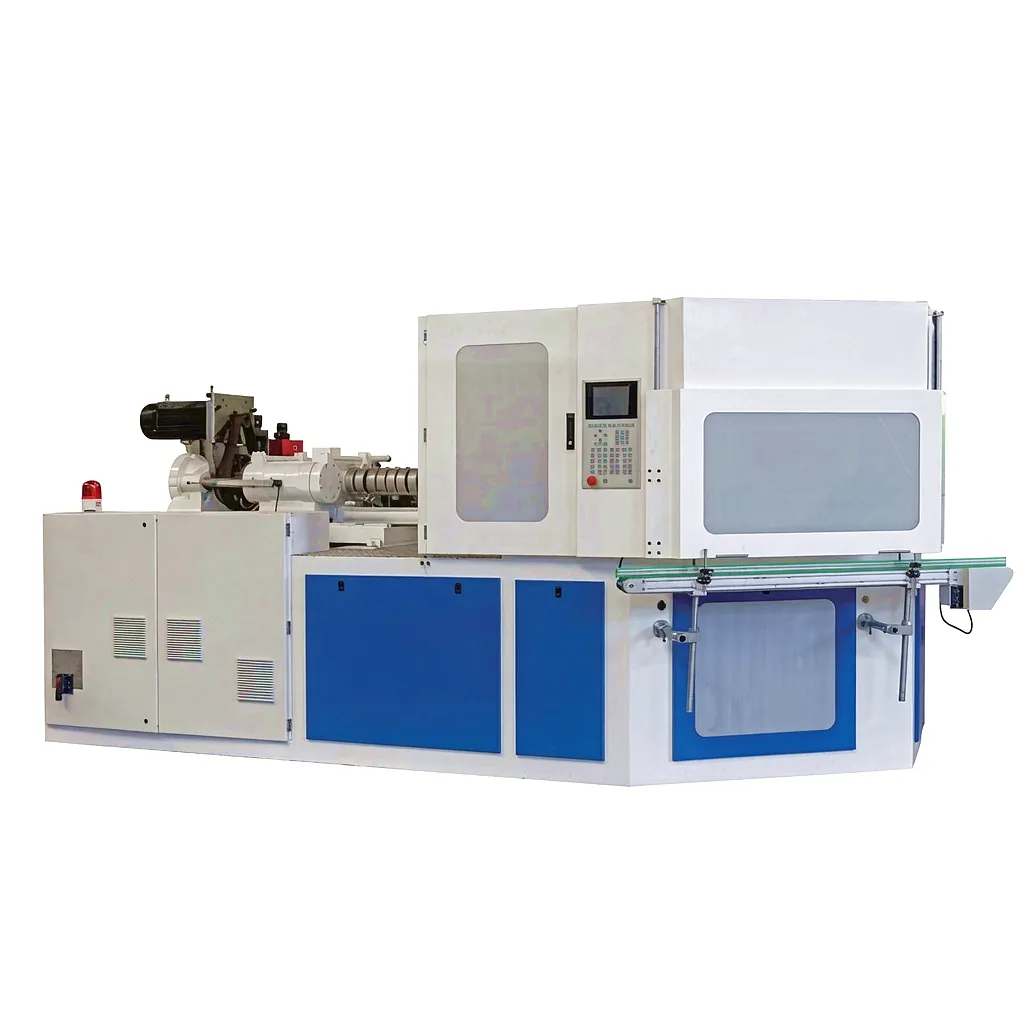 The injection-blow molding machine sits at the intersection of precision engineering and high-volume production efficiency. In practical terms, this category of equipment takes polymer granules — whether PETG, PP, HDPE, or PC — and transforms them into dimensionally exact hollow containers through a two-stage process that first injection-molds a preform, then inflates it inside a blow mold to achieve the final geometry. The result is a container with tight wall thickness control, excellent neck finish accuracy, and minimal post-processing requirements. Across UK manufacturing hubs from Manchester to Bristol, companies are increasingly recognising that the injection-blow molding machine offers a compelling combination of output consistency, material efficiency, and multi-industry versatility that conventional glass forming or extrusion blow molding struggles to match.
How the Injection-Blow Molding Process Works
Polymer granules are fed into the barrel, melted by the reciprocating screw under controlled temperature profiles (typically 180°C–290°C depending on resin), and injected at high pressure into a hardened steel core-rod mold set. The resulting preform captures the exact neck geometry — thread pitch, sealing surface, ovality — with tolerances typically held to ±0.05 mm. This stage is where wall distribution is fundamentally determined; any variation in melt temperature or injection speed here propagates directly to final container performance.
The preform — still on the core rod and at a carefully maintained temperature window — rotates to the blow station. Temperature conditioning is critical here: if the preform is too hot, the material sags and produces uneven wall thickness; too cool, and it refuses to stretch uniformly. Modern injection-blow molding machines employ zoned infrared conditioning or temperature-controlled core rods to hold the preform within a ±3°C window across its entire body, ensuring that every container blown in a production run is virtually identical to the first.
Compressed air — typically between 8 and 20 bar — is introduced through the core rod, expanding the conditioned preform against the cavity walls of a water-cooled blow mold. The container is held under pressure while the mold cools it below the polymer’s heat deflection temperature, locking in dimensional accuracy. The core rod then retracts, the blow mold opens, and the finished container ejects cleanly — no trimming required, no secondary sealing, no flash removal on the neck. The injection-blow molding machine delivers a container ready for immediate filling line integration.
Core Materials Processed by Injection-Blow Molding Machines
Application Scenarios for Injection-Blow Molding Machines
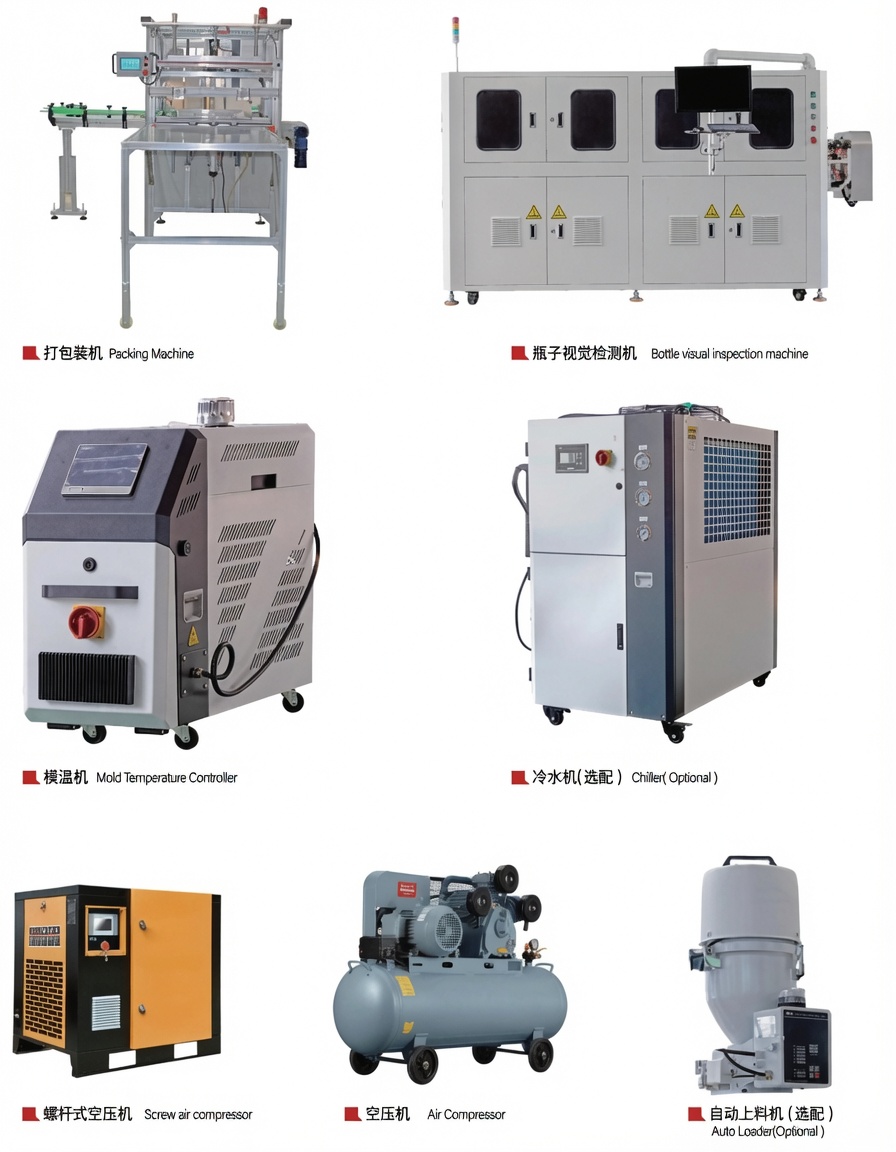
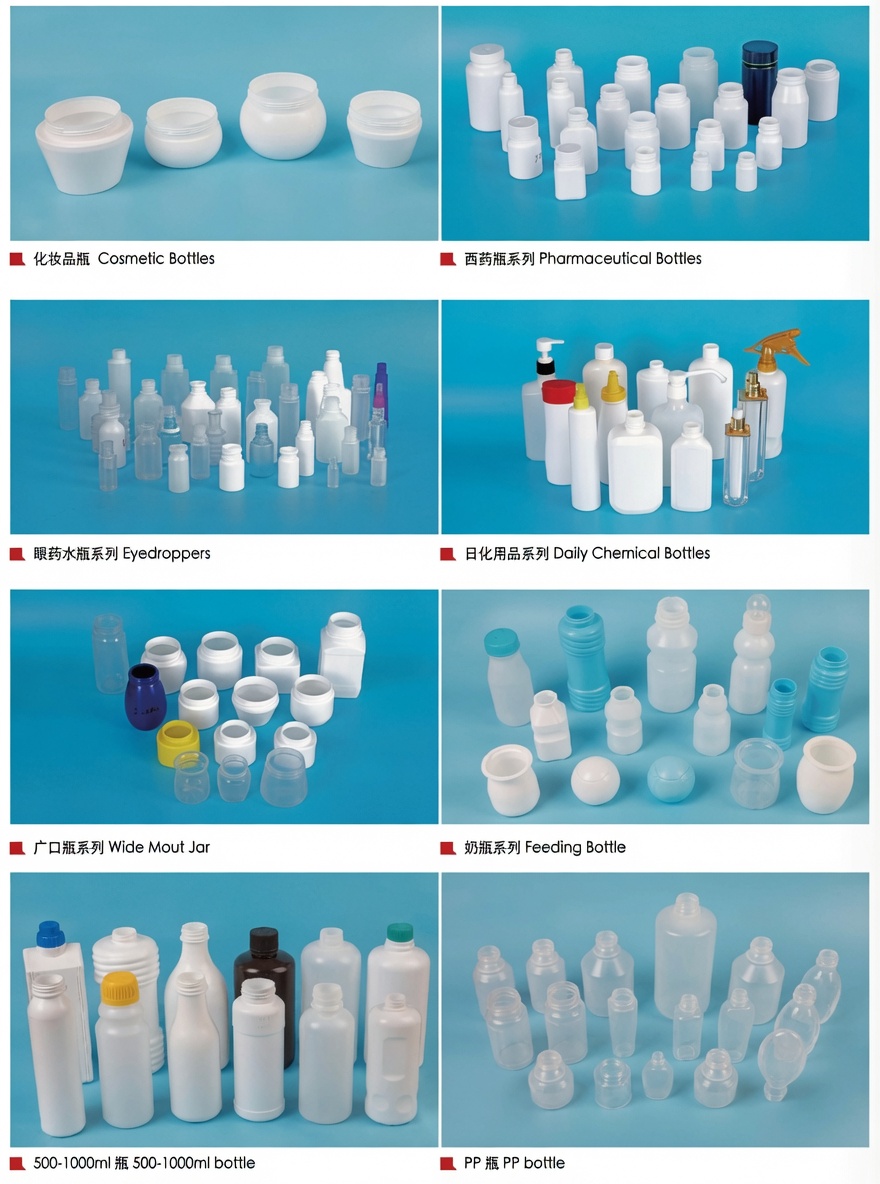
The injection-blow molding machine serves over a dozen distinct sectors. Below we explore each application in depth, with specific production requirements and UK market context.
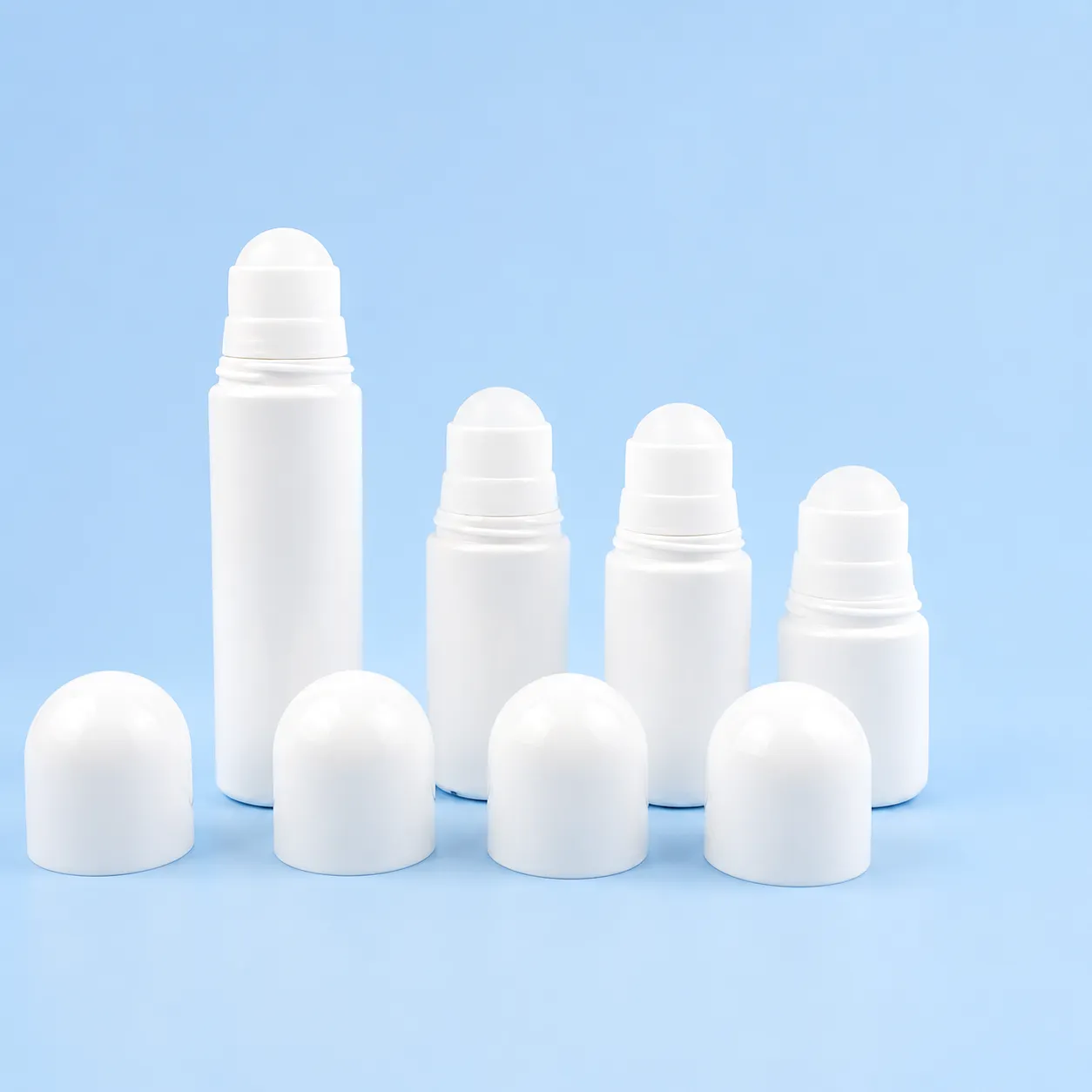
Essential Oils & Aromatherapy — Dropper Bottles, Roll-On Vials, and Diffuser Containers
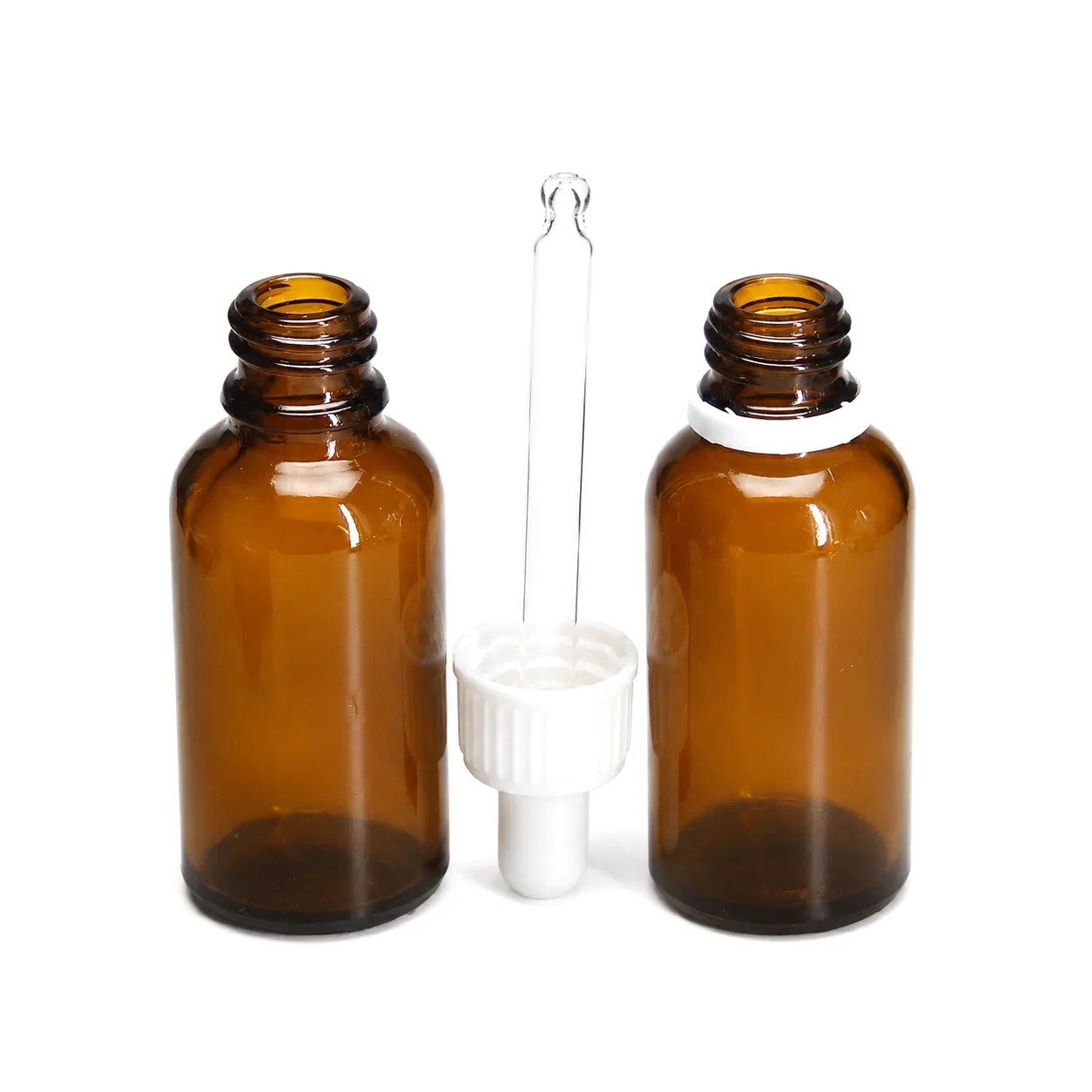
 The essential oils and aromatherapy packaging sector has undergone a quiet revolution over the past five years, driven largely by the capabilities of modern injection-blow molding machines. Traditionally, essential oil brands — from Yorkshire-based craft distilleries to large wellness exporters in London — relied exclusively on deep amber glass to protect photosensitive compounds from UV degradation. That paradigm is shifting, and for good reason. PETG-based amber containers produced on injection-blow molding machines now achieve UV blocking performance within 5% of borosilicate glass, while eliminating the fragility and weight penalties that glass imposes throughout the supply chain.
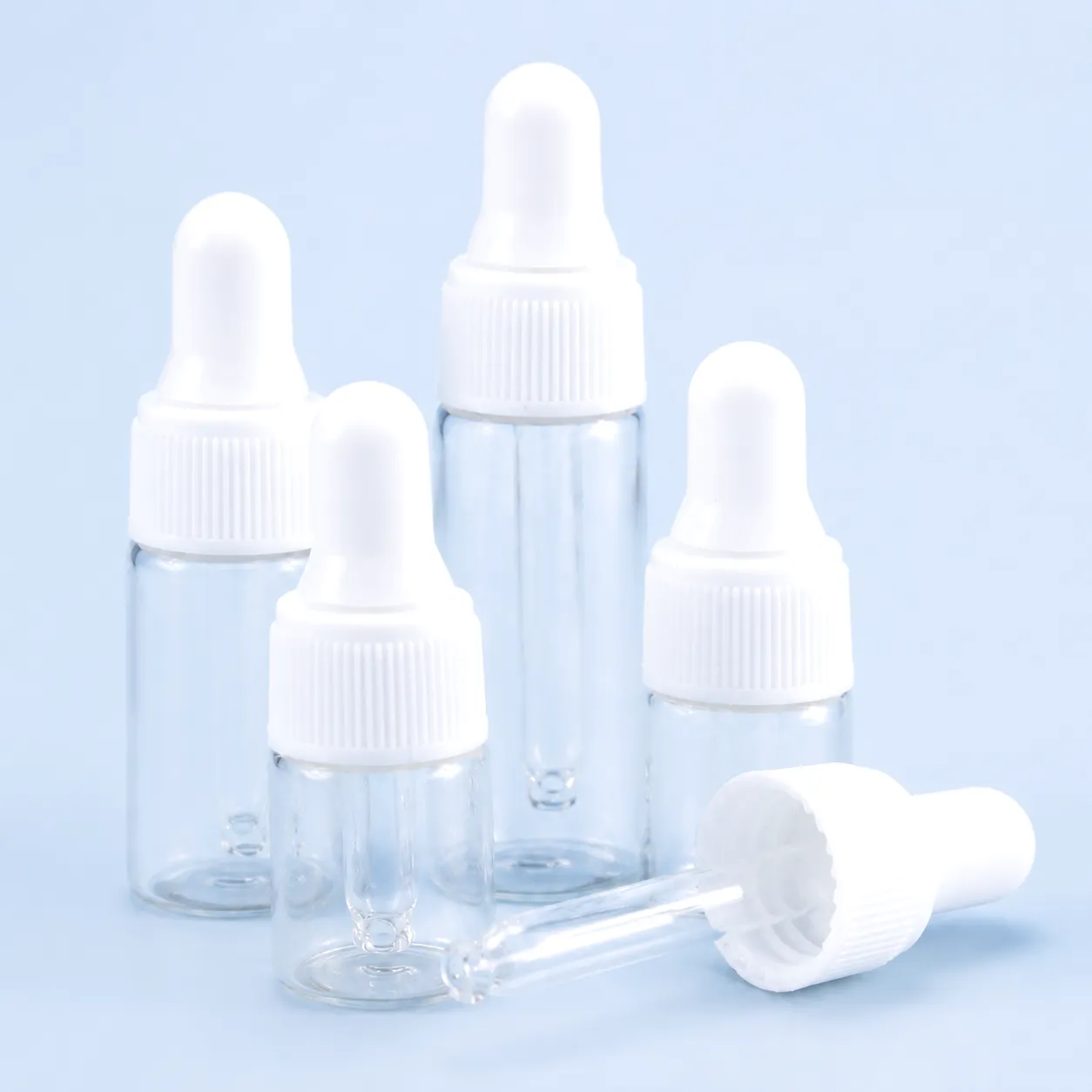
Pharmaceutical Packaging — Pill Bottles, Syrup Bottles, Eye Drop Containers, and Nasal Spray Vials
 Pharmaceutical packaging represents one of the most technically demanding applications for the injection-blow molding machine, and simultaneously one of the largest growth segments for UK manufacturers. The NHS procurement framework increasingly favours packaging suppliers who can demonstrate validated processes with full traceability, and the IBM process — with its inherent absence of flash, weld lines on the neck, and contamination risk — aligns tightly with GMP (Good Manufacturing Practice) requirements set out by the Medicines and Healthcare products Regulatory Agency (MHRA). Medical-grade PP produced on a correctly validated injection-blow molding machine is inherently suitable for Class VI biocompatibility testing, meaning pharmaceutical firms in Cambridge’s biotech cluster or Cheshire’s established pharmaceutical corridor can bring IBM-produced containers into a regulatory submission without the lengthy material characterisation work that novel packaging usually demands.
Personal Care & Cosmetics — Lotion Bottles, Serum Vials, Shampoo Containers, and Airless Pump Bottles
The personal care and cosmetics sector accounts for a substantial share of injection-blow molding machine utilisation in the UK, driven by the concentration of contract manufacturers in the East Midlands and the presence of major beauty brand logistics centres near Birmingham’s National Exhibition Centre corridor. For this market, the injection-blow molding machine’s ability to produce seamless, optically clear PETG bottles with complex shoulder profiles has been transformative. Luxury skincare brands increasingly demand containers that mimic the weight and look of glass — subtly thick bases, curved silhouettes, and precisely controlled neck openings that accept pump dispensers without visible gaps. The IBM process delivers all three characteristics simultaneously, something that extrusion blow molding cannot achieve without extensive post-trimming and occasional neck retooling.
Airless pump bottles represent a particularly sophisticated IBM application. The pump piston must travel freely down a precisely cylindrical inner bore while maintaining a gas-tight seal — if the bore diameter varies by more than 0.15 mm, the piston either sticks or allows air ingress that oxidises the formulation. Injection-blow molding machines produce this bore in a single operation, with the core rod defining the internal geometry and the blow mold defining the external. The resulting roundness tolerance across a production run is typically within 0.05 mm — specifications that Sheffield-based contract fillers working with premium French and K-beauty brands routinely require in their packaging qualification protocols.
Food & Beverage — Condiment Bottles, Honey Jars, Spice Containers, and Juice Bottles
Food contact packaging produced on injection-blow molding machines must meet stringent requirements under UK Regulation (EC) No 1935/2004 as retained in post-Brexit law, and PP or HDPE materials processed by the IBM method present a clean compliance profile. The critical advantage for UK food manufacturers — from artisan honey producers in Shropshire to large condiment brands operating out of Teesside — is the injection-blow molding machine’s ability to produce wide-mouth containers with perfectly flat sealing surfaces. Honey jars, in particular, benefit enormously from this. The crystallisation of high-viscosity honeys makes the jar need to withstand brief water-bath heating (up to 60°C) without distortion, a test that PP IBM containers pass comfortably, while their flat seam-free finish ensures the induction foil seal bonds without gaps that could permit moisture ingress or fermentation.
Condiment packaging on injection-blow molding machines offers another compelling case. The inverted squeeze bottle used for ketchup, mustard, and salad dressing requires a base that can bear significant compressive loads when stacked six or eight high in warehouse racking — a structural demand that the IBM process meets by allowing precise control over base geometry and wall thickness distribution. UK condiment brands distributing through Waitrose, Ocado, and specialist delis increasingly specify a minimum base thickness of 1.2 mm and a maximum total container weight to satisfy sustainability commitments; the injection-blow molding machine achieves both requirements simultaneously, unlike glass alternatives that can only meet the structural specification by adding weight.
Agrochemical & Veterinary — Pesticide Bottles, Fertiliser Concentrates, and Animal Health Containers
 HDPE containers produced on injection-blow molding machines are the backbone of agrochemical packaging across UK farm supply chains that service everything from the arable flatlands of East Anglia to the mixed farms of the Scottish Borders. The HDPE resins used in injection-blow molding offer outstanding resistance to the solvent loads and surfactants present in concentrated herbicides, fungicides, and insecticides — a material property that’s backed by ISO 8317 child-resistant cap testing compatibility when the neck dimensions produced by the IBM machine are correctly specified. UK agrochemical companies operating under the Control of Pesticides Regulations require containers that demonstrate no more than 0.5% permeation loss over a 60-day static storage test at 50°C; HDPE IBM containers consistently pass this test without fluorination treatments that extrusion blow molded alternatives sometimes require.
Veterinary product packaging shares many requirements with pharmaceutical containers, but the typical volumes — 250 ml to 2,000 ml for cattle treatments, sheep dips, and equine nutritional supplements — push the upper boundary of standard injection-blow molding machine tooling. Ever Power’s engineering team has specifically developed extended-cavity IBM tooling capable of producing containers up to 2,000 ml in HDPE with wall thickness uniformity within ±8% across the container body, meeting the demanding transport standards required for agricultural distribution through UK farming co-operatives and merchant networks.
Automotive & Industrial Chemicals — Fluid Containers, Lubricant Bottles, and Specialty Chemical Packaging
 The West Midlands automotive manufacturing cluster — encompassing Jaguar Land Rover’s operations in Solihull, Aston Martin in Gaydon, and hundreds of tier-one and tier-two suppliers across Coventry and Birmingham — generates an enormous and consistent demand for precision fluid containers. Screen wash, brake fluid, transmission fluid top-up bottles, and coolant additives all require packaging that combines chemical resistance with dimensional precision, since many automotive fluid bottles are integrated into vehicle assembly jigs and must have consistent outer dimensions to seat correctly in their moulded housings. The injection-blow molding machine is the production method of choice for these applications because it delivers both requirements simultaneously: HDPE or PP chemical resistance and ±0.2 mm dimensional repeatability across a production run of hundreds of thousands of units.
Injection-Blow Molding Machine — Performance & Technical Specifications
| Parameter | ZQ60 (SUMA 65iB Replacement) | ZQ80 (SUMA 85iB Replacement) | Industry Standard |
|---|---|---|---|
| Container Capacity Range | 5 ml – 600 ml | 5 ml – 1,000 ml | Varies by design |
| Number of Cavities | Up to 6 cavities | Up to 8 cavities | 2–12 typical |
| Injection Pressure | Up to 180 MPa | Up to 200 MPa | 120–220 MPa |
| Blow Air Pressure | 8–18 bar | 8–20 bar | 6–25 bar |
| Cycle Time (typ.) | 4–12 seconds | 5–14 seconds | Application-dependent |
| Clamp Force | 600 kN | 800 kN | 300–1,500 kN |
| Compatible Materials | PP, HDPE, LDPE, PETG, PC | PP, HDPE, LDPE, PETG, PC, TPE | All IBM-grade resins |
| Neck Diameter Tolerance | ± 0.05 mm | ± 0.05 mm | ISO 9001 validated |
| Screw L/D Ratio | 20:1 | 22:1 | 18:1 – 24:1 |
| Control System | PLC + HMI touchscreen | Siemens PLC + 15″ HMI | PLC-controlled |
| Motor Type | Servo-hydraulic | All-electric / servo-hydraulic | Energy-efficient class |
Core Technical Advantages of the Injection-Blow Molding Machine
Unlike extrusion blow molding, the IBM process produces a container with a fully formed neck and closed base in a single cycle. There is no parting line flash on the neck, no trimmed tail on the base, and no weld line at the seam. This eliminates an entire secondary operation, reduces scrap rates to below 0.3% in validated production, and removes the risk of particulate contamination from trim removal — a decisive advantage in pharma and food applications.
The injection-molded preform defines the neck geometry before the blow stage, meaning the thread pitch, sealing surface, and neck diameter are set by a precision injection tool rather than by a blow mold. This decoupling of neck and body forming is fundamental to achieving the tolerances that screw-on caps, pump heads, child-resistant closures, and dropper inserts demand. Production neck roundness deviations below 0.05 mm are consistently achievable, compared to 0.2–0.4 mm in extrusion blow molding.
Because the IBM process allows precise gate and wall thickness control, material usage per container is optimised to a degree that competing processes cannot match at equivalent precision levels. In practice, a well-tuned injection-blow molding machine running 30 ml PETG serum bottles can achieve container weights 12–18% below the minimum achievable on equivalent extrusion equipment while maintaining identical top-load and drop-test performance. For high-volume UK buyers paying spot PP or PETG pricing through commodity markets, this translates into material cost savings that justify IBM equipment investment typically within 18–30 months.
Modern injection-blow molding machines with quick-change tooling systems allow container size changeovers — from 10 ml to 100 ml, for example — in under 90 minutes including purge time and first-article inspection. This speed is critical for UK contract manufacturers who serve multiple brand clients from a single production cell. The ability to run a 30-minute job, change tooling, and begin the next size without prolonged downtime is a capability that injection-blow molding machines offer and that glass forming lines simply cannot match.
Ever Power: Precision Manufacturing & Global Supply Chain
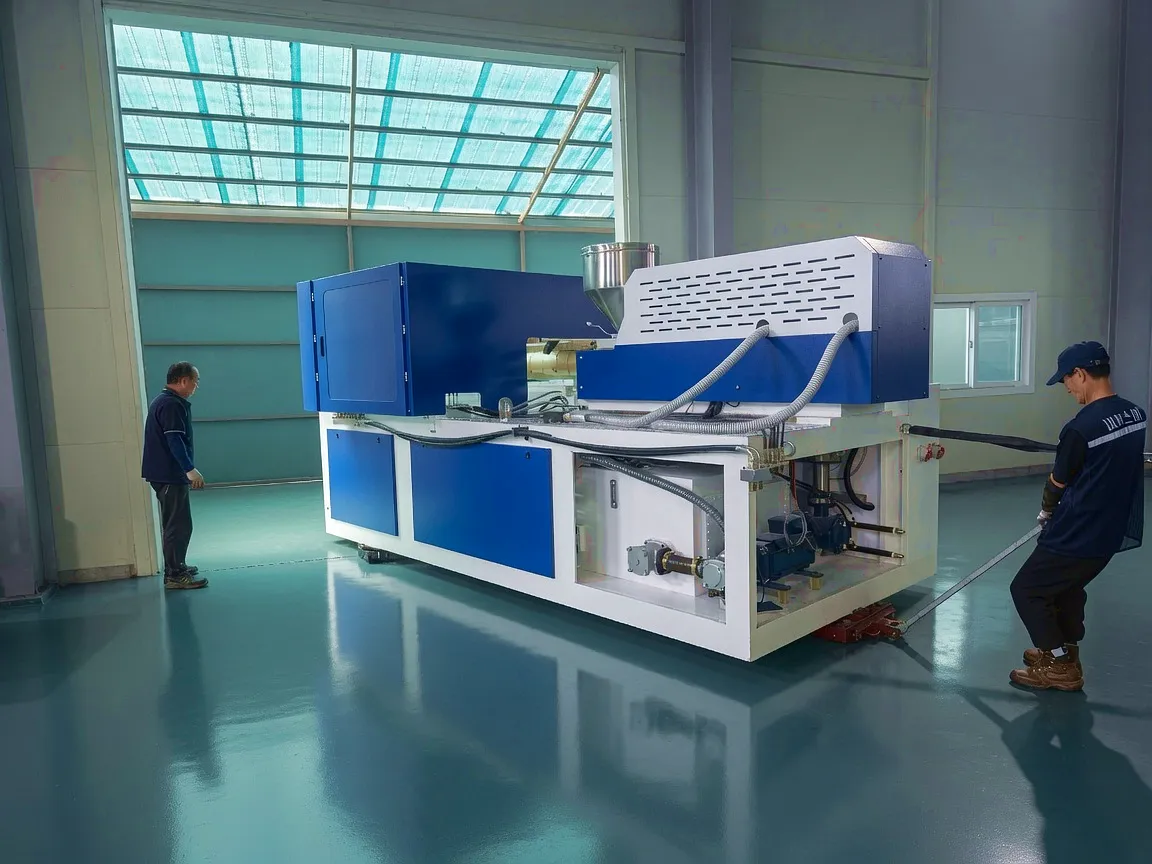
Ever Power designs and manufactures injection-blow molding machines for demanding industrial applications worldwide, with a deep commitment to customisation, engineering precision, and reliable delivery performance.
Ever Power’s engineering team works directly with UK clients to develop container-specific tooling, non-standard neck finishes, multi-colour co-injection setups, and bespoke cavity configurations. From a 3-cavity pharmaceutical vial set to an 8-cavity cosmetics production cell, every injection-blow molding machine that leaves the Ever Power facility is built to the client’s exact specification.
Core rod tooling at Ever Power is machined to ±0.01 mm on critical neck-forming surfaces using multi-axis CNC machining centres, then PVD-coated for extended wear life. Blow mold cavities undergo CNC milling, EDM finishing, and coordinate measuring machine (CMM) verification before assembly. Every injection-blow molding machine undergoes a minimum 72-hour production trial before shipping.
Ever Power maintains established freight forwarding routes to UK ports including Felixstowe and Southampton, with standard delivery timelines of 35–50 days from order confirmation for standard models. Spare parts are stocked at a European distribution hub, ensuring next-day delivery to Birmingham, Manchester, Leeds, Sheffield, and Bristol for critical wear components.
Our technical sales team responds to all UK enquiries within one business day, with full machine specifications, container feasibility assessments, and pricing provided at no charge.
Ever Power Injection-Blow Molding Machine Models
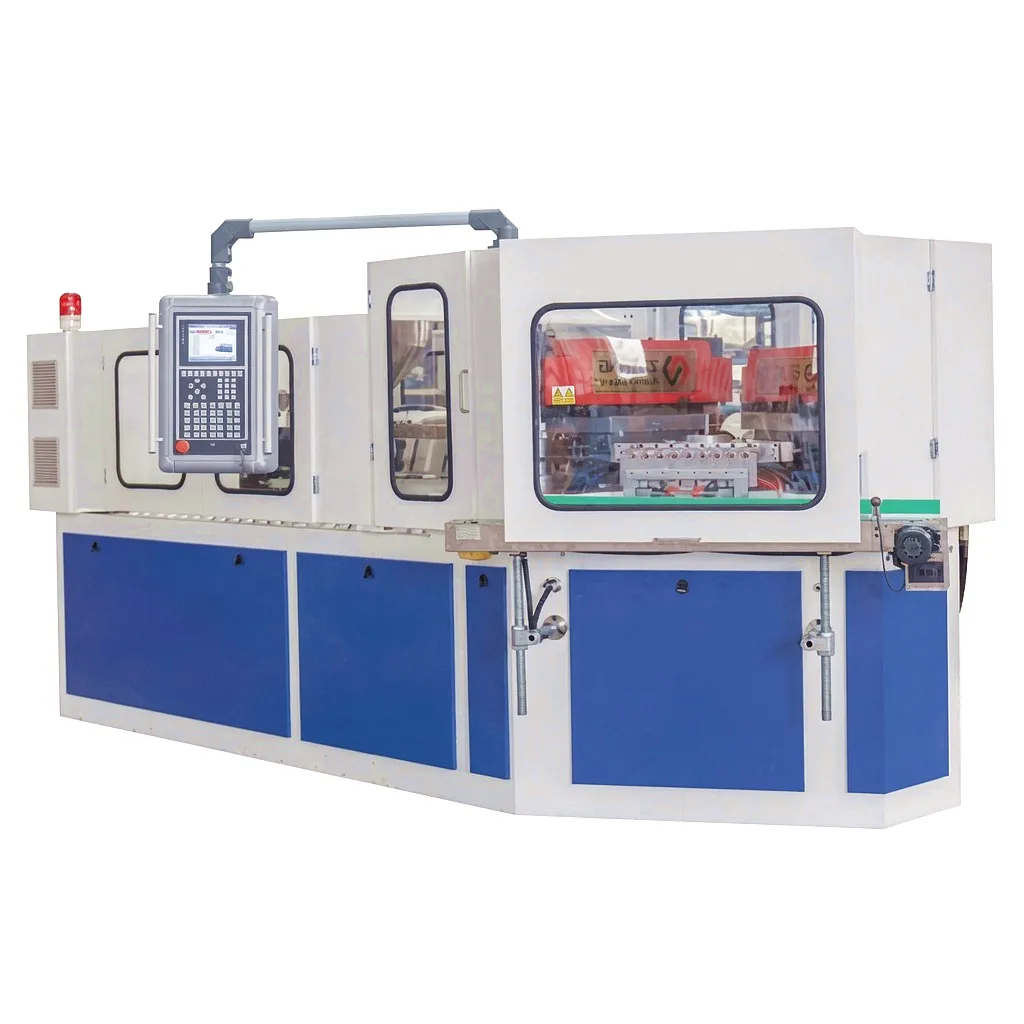
Moorfields Packaging Group, Birmingham — Scaling Personal Care Container Output
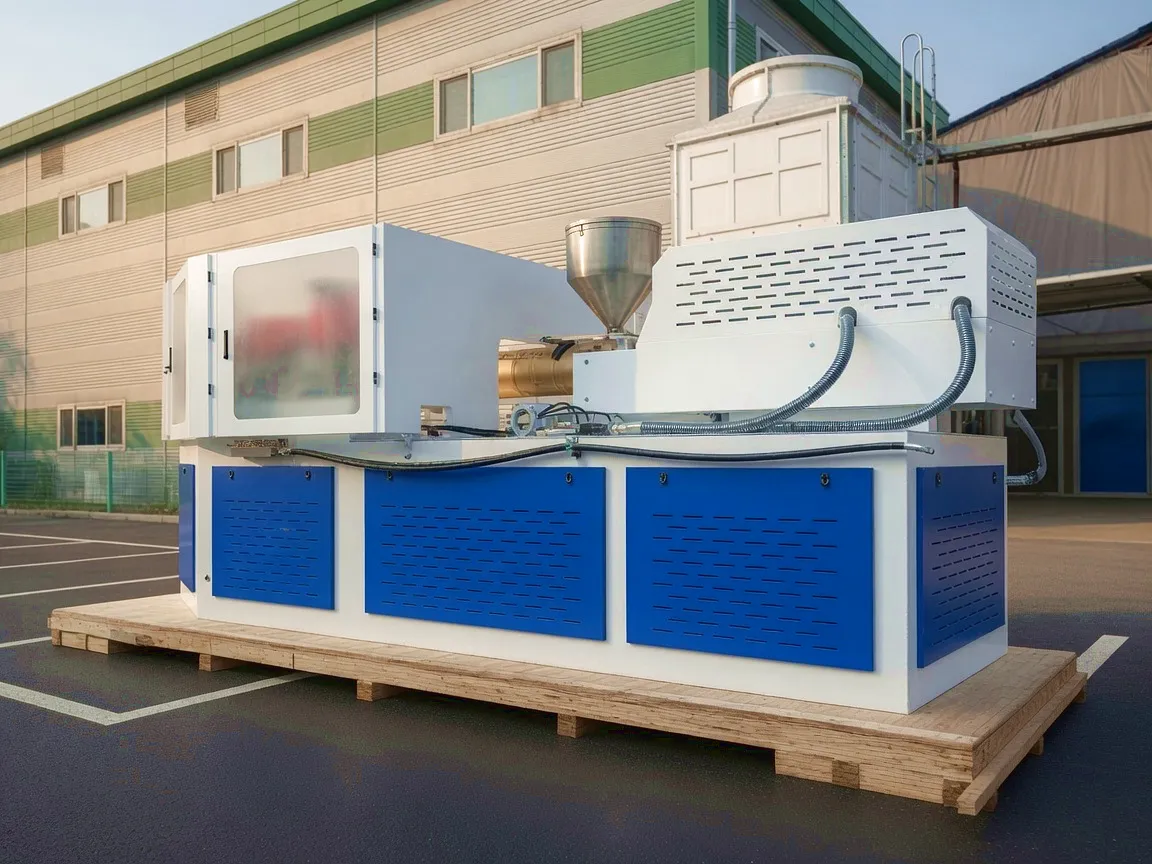 Moorfields Packaging Group, a mid-size contract packaging manufacturer based in Birmingham’s Aston district, had operated a legacy extrusion blow molding line for over a decade to serve its personal care and household cleaning clients. By 2024, the combination of rising scrap rates — running at approximately 4.2% — and escalating customer demands for tighter neck tolerances on pump dispenser bottles had pushed the operation to its limits. Two of its major brand clients, one a premium London-based hand care label and the other a Manchester-originating premium shampoo brand, had issued formal packaging qualification warnings citing inconsistent pump seating on the 28/400 neck finish.
After evaluating several European equipment suppliers, Moorfields’ technical director contacted Ever Power following a recommendation from a peer manufacturer in Sheffield. The enquiry began with a container feasibility assessment — submitted by email and returned with a full technical report within 24 hours — which confirmed that both the 30 ml serum bottle and the 200 ml pump dispenser bottle could be produced on a single ZQ60 injection-blow molding machine with a 4-cavity tool set, switching between containers with an 80-minute changeover.
Ever Power’s customisation team designed a dedicated core rod assembly for the 28/400 thread form, machined to ±0.03 mm on the thread profile, which — when validated during the 72-hour factory acceptance trial — produced neck roundness deviations of just 0.04 mm across 2,400 consecutive cycles. On installation at Moorfields’ Birmingham facility and first-article approval by both brand clients, the scrap rate dropped to 0.28%. The speed increase was equally dramatic: the ZQ60 injection-blow molding machine running a 6.5-second cycle on the 30 ml serum bottle delivered 2,215 containers per hour across 4 cavities, compared to the previous extrusion line’s 1,340 per hour with 4.2% post-production reject removal.
The return on investment, calculated against reduced material cost (18% lighter containers), eliminated secondary trimming labour, and recovered scrap revenue, was projected at 22 months — which Moorfields’ finance team considered conservative, given that a third brand client subsequently transferred 800,000 units per year of premium eye cream bottle production to the new cell within four months of commissioning.
What UK Clients Say About Ever Power Injection-Blow Molding Machines
“The ZQ60’s neck precision is genuinely a different order of magnitude compared to what we ran before. Our pump seating rejection rate at the filling line went from 3.1% to essentially zero within the first week of production. Ever Power’s technical team was responsive throughout commissioning and had a solutions-focused attitude that I haven’t experienced with European OEM suppliers.”
“We produce amber PETG dropper bottles for a range of UK and export aromatherapy clients. Ever Power customised the core rod tooling for our non-standard 18/410 DIN neck specification in six weeks from drawing approval. The bottles have passed every UV-blocking and drop-test qualification our customers have thrown at them. Pricing for the ZQ60 was significantly below our original budget estimate.”
“Ever Power replaced our ageing SUMA 85iB with the ZQ80 and the performance uplift has been substantial. The all-electric servo option has cut our energy consumption per thousand containers by 34% compared to the old hydraulic machine. Spare parts arrived from the European hub in under 48 hours when we needed them — something I genuinely did not expect from an overseas supplier.”
Common Questions About Injection-Blow Molding Machines in the UK
Injection-blow molding machine pricing for UK buyers varies considerably based on clamp force, number of cavities, and control system specification. Entry-level IBM machines with 2-cavity tooling typically fall in the GBP 55,000–85,000 range ex-works, while mid-range 6-cavity systems such as the Ever Power ZQ60 are positioned in the GBP 90,000–140,000 band depending on custom tooling. Full-specification 8-cavity machines like the ZQ80 with all-electric servo drives typically represent an investment in the GBP 130,000–200,000 range. Requesting a detailed quote from Ever Power’s sales team — at [email protected] — is the fastest way to get an accurate price for your specific container and production volume requirements.
The fundamental distinction is that injection-blow molding machines first injection-mold a precision preform (capturing the neck geometry in a closed steel cavity), then blow it to final shape. Extrusion blow molding extrudes an open parison and pinches it shut, leaving a weld line on the base and imprecise neck dimensions. For pharmaceutical clients in Birmingham, Sheffield, or Cambridge requiring MHRA-compliant GMP packaging with validated neck finishes and zero-flash containers, the injection-blow molding machine is definitively the superior choice. The absence of parting line flash on the neck, achievable tolerances of ±0.05 mm, and the clean-room-compatible single-stage process all align with pharmaceutical packaging qualification requirements that extrusion blow molding cannot match at the same quality level.
UK manufacturers seeking IBM equipment for small-format essential oil bottles — typically 5–30 ml with DIN 18, 24, or custom neck finishes — should look for suppliers with demonstrated experience in PETG and amber PP processing and a track record of custom core rod tooling manufacture. Ever Power covers both requirements: the engineering team regularly develops non-standard neck specifications, with tooling lead times of 6–10 weeks from drawing approval. UK buyers can also request physical container samples produced on the specific machine model before committing to purchase, which is standard practice at Ever Power for evaluation orders.
Current injection-blow molding machines process PP, HDPE, LDPE, PETG, PC, and certain TPE grades. Material selection drives cost primarily through raw material price per kilogram and the scrap rate achievable during production. PP is typically the most cost-effective for pharmaceutical and food contact applications, while PETG commands a premium but delivers the optical clarity and chemical resistance that cosmetics and essential oil brands require. HDPE, though cheaper per tonne than PETG, requires somewhat higher injection temperatures that increase energy consumption per cycle. A well-configured IBM process — regardless of material — will deliver a significantly lower per-container cost than glass forming once volumes exceed approximately 500,000 units per year.
The IBM upgrade trigger for UK food or agrochemical companies typically arrives through one of three routes: a customer packaging qualification rejection citing neck tolerance failures; a sustainability initiative that requires lightweighting containers below what extrusion equipment can achieve at the same structural integrity; or an introduction of a new container format — such as a wide-mouth honey jar or a child-resistant agrochemical bottle — where the IBM process is mandated by the closure specification. Companies in Manchester’s food processing cluster and Leeds’ agrochemical distribution network increasingly review IBM investment as a multi-application platform that consolidates several container types onto a single, more efficient production cell.
UK procurement managers should contact Ever Power’s dedicated export sales team, who handle UK and European customer accounts with full CE certification documentation, UK Conformity Assessed (UKCA) marking support, third-party inspection coordination at factory, and comprehensive commissioning support documentation in English. All Ever Power injection-blow molding machines supplied to the UK market include CE Declaration of Conformity, full electrical schematics, PLC programme backup, and a structured spare parts list with recommended stocking quantities. Contact the team directly at [email protected] to initiate a quote within one business day.
From container feasibility assessment to full machine specification — Ever Power’s engineering team covers every step of the purchasing journey for UK manufacturers.