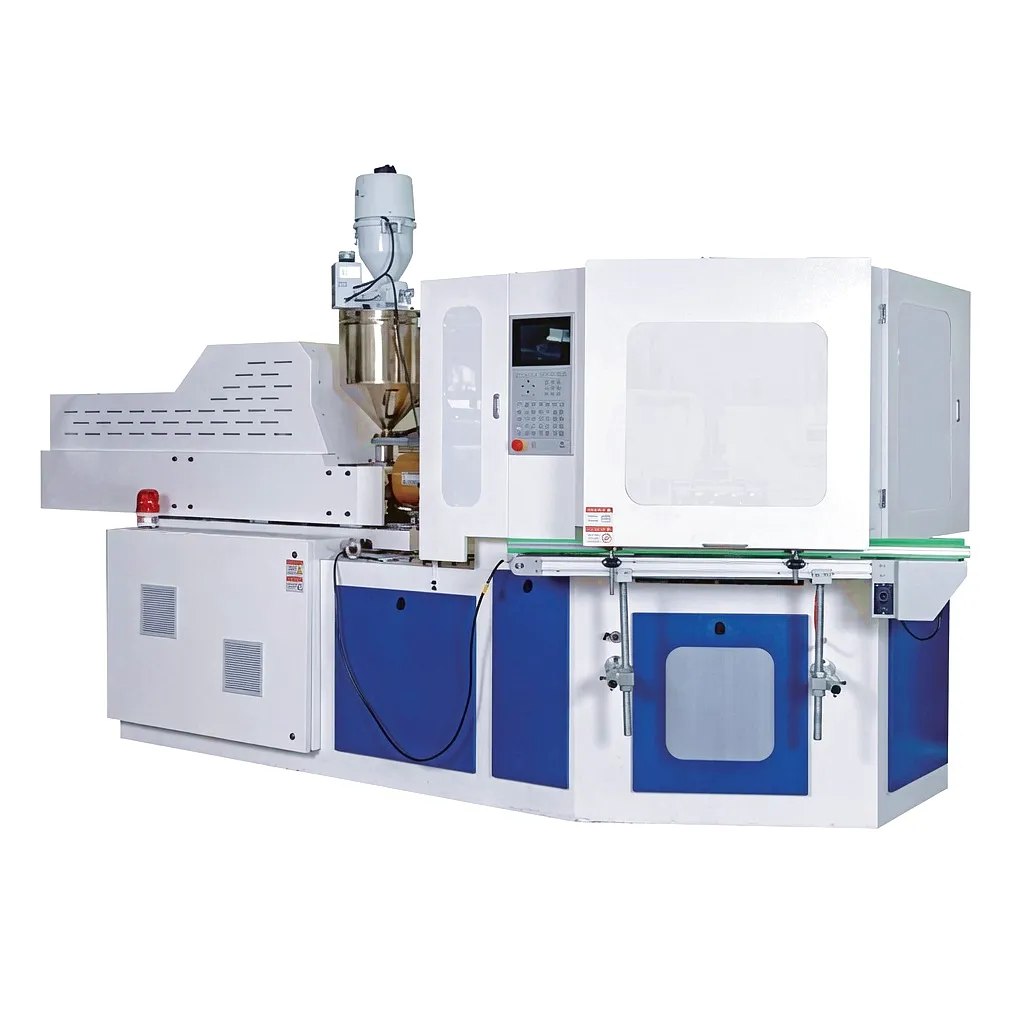
 The injection-blow molding machine sits at the intersection of precision polymer engineering and high-volume production efficiency. Unlike conventional extrusion-blow processes, the injection-blow molding machine works in two distinct phases — first injecting molten resin around a steel core pin to form a precise preform, then transferring that preform to a blow station where pressurised air expands it into the final container geometry. The result is a container with a gate-free, optically clear base, a dimensionally consistent neck finish, and wall thickness that can be controlled to tolerances that rival pharmaceutical-grade standards. Across the United Kingdom, from the Midlands manufacturing corridors of Birmingham to the chemical-processing clusters of Teesside, producers of food and beverage containers have steadily shifted toward injection-blow molding machines because of the unmatched combination of output consistency and material economy the technology delivers. Whether the product is a 250 ml hot-fill juice bottle, a 500 ml sports-drink vessel, or a 100 ml condiment jar, the injection-blow molding machine generates near-zero flash, eliminating the secondary trimming steps that add cost and waste to competing processes.
How an Injection-Blow Molding Machine Works
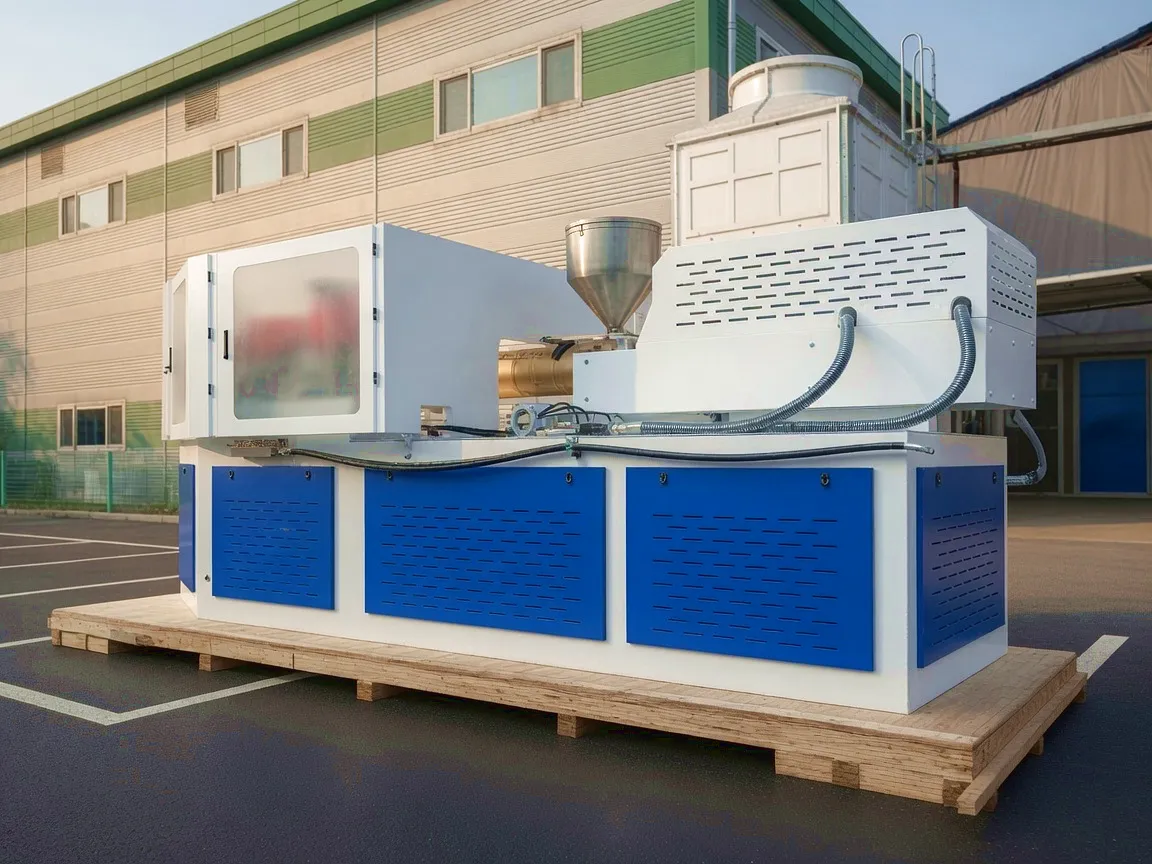 Understanding the mechanical sequence inside a modern injection-blow molding machine helps procurement engineers and production managers specify the right machine for their application. The process begins at the injection station, where a precisely metered charge of thermoplastic resin — most commonly PET, HDPE, PP, or PVC — is injected at high pressure into a cavity surrounding a hardened steel core pin. The temperature, injection speed, and back-pressure profile are controlled through the PLC to produce a preform with a dimensionally accurate neck thread, a uniform wall thickness through the body, and a completely closed, injection-moulded base. This stage is where the final container’s neck geometry is established, meaning that no further machining or trimming of the opening is required downstream.
Once the preform has solidified to the point where it can retain its shape while still carrying residual heat, the core pin — with the preform still on it — rotates on the machine’s indexing table to the blow station. Here, a two-part blow mould closes around the preform, and compressed air is introduced through the core pin at pressures typically ranging from 6 to 10 bar. The air inflates the hot preform against the chilled mould walls, where it rapidly cools and takes on the final container geometry. The core pin then indexes to a stripping station, where the finished container is mechanically ejected before the pin returns to the injection station for the next cycle. In a three-station injection-blow molding machine — injection, blow, eject — all three operations occur simultaneously, meaning a finished container is produced at every index of the turntable. This overlapping of operations is what gives the injection-blow molding machine its impressive cycle time performance, typically in the range of 8 to 22 seconds depending on container volume and wall thickness, allowing output rates of hundreds to thousands of containers per hour from a single machine.
1. Injection
Resin injected around core pin — precise preform formed with neck thread
2. Blow
Compressed air inflates preform inside chilled mould — final geometry achieved
3. Eject
Finished container stripped — flash-free, ready for filling line
Core Materials Used in the Injection-Blow Molding Process
Material selection for the injection-blow molding machine is not a secondary consideration — it fundamentally shapes what the finished container can do, how it performs in the supply chain, and whether it satisfies current and forthcoming UK recyclability obligations under the Plastic Packaging Tax and EPR schemes. PET, or polyethylene terephthalate, is the dominant material for the food and beverage sector because of its exceptional clarity, high barrier properties against oxygen and carbon dioxide, and compatibility with hot-fill processes up to around 60–65 degrees Celsius for standard grades, or above 85 degrees for heat-set PET. HDPE, high-density polyethylene, is preferred where rigidity and chemical resistance take precedence over optical clarity — it is widely used for condiment containers, sauce bottles, and dairy applications where the container needs to survive refrigerated distribution and high-speed filling without deforming. PP, polypropylene, offers a good combination of heat resistance and cost-effectiveness and is often used for single-serve sauce cups and smaller pharmaceutical containers. Each of these materials processes differently through the injection-blow molding machine, requiring carefully tuned barrel temperatures, injection pressures, and blow air timing to yield containers that meet specification consistently across a full production shift.
Polyethylene Terephthalate
Crystal clarity, high barrier, hot-fill capable. Preferred for juice, sports drinks, sauces. Fully recyclable via UK kerbside.
High-Density Polyethylene
Rigid, chemical-resistant, food-safe. Condiments, dairy, cleaning products. Excellent cold-chain performance.
Polypropylene
Heat-resistant, low-density, cost-efficient. Sauce cups, pharma caps, baby food jars. Autoclave-compatible grades available.
Polyvinyl Chloride
Excellent clarity and stiffness. Pharmaceutical bottles, cosmetics. Being phased out in food contact applications under UK regulations.
Application Spotlight
Food & Beverage Packaging: Hot-Fill Juice Bottles, Sports Drinks & Condiment Containers
Food and beverage packaging is the application arena where the injection-blow molding machine demonstrates its most compelling commercial case. The UK food and drink manufacturing sector — valued at well over 30 billion pounds annually and anchored by major production clusters in the East Midlands, Yorkshire, and Merseyside — places relentless demands on container technology. Containers must simultaneously protect product freshness, survive high-speed automated filling lines, meet the dimensional consistency required for tamper-evident closures, present well on shelf, and comply with a tightening patchwork of recyclability and traceability legislation. The injection-blow molding machine addresses all of these requirements from a single, compact platform.
Hot-Fill Juice Bottle Production
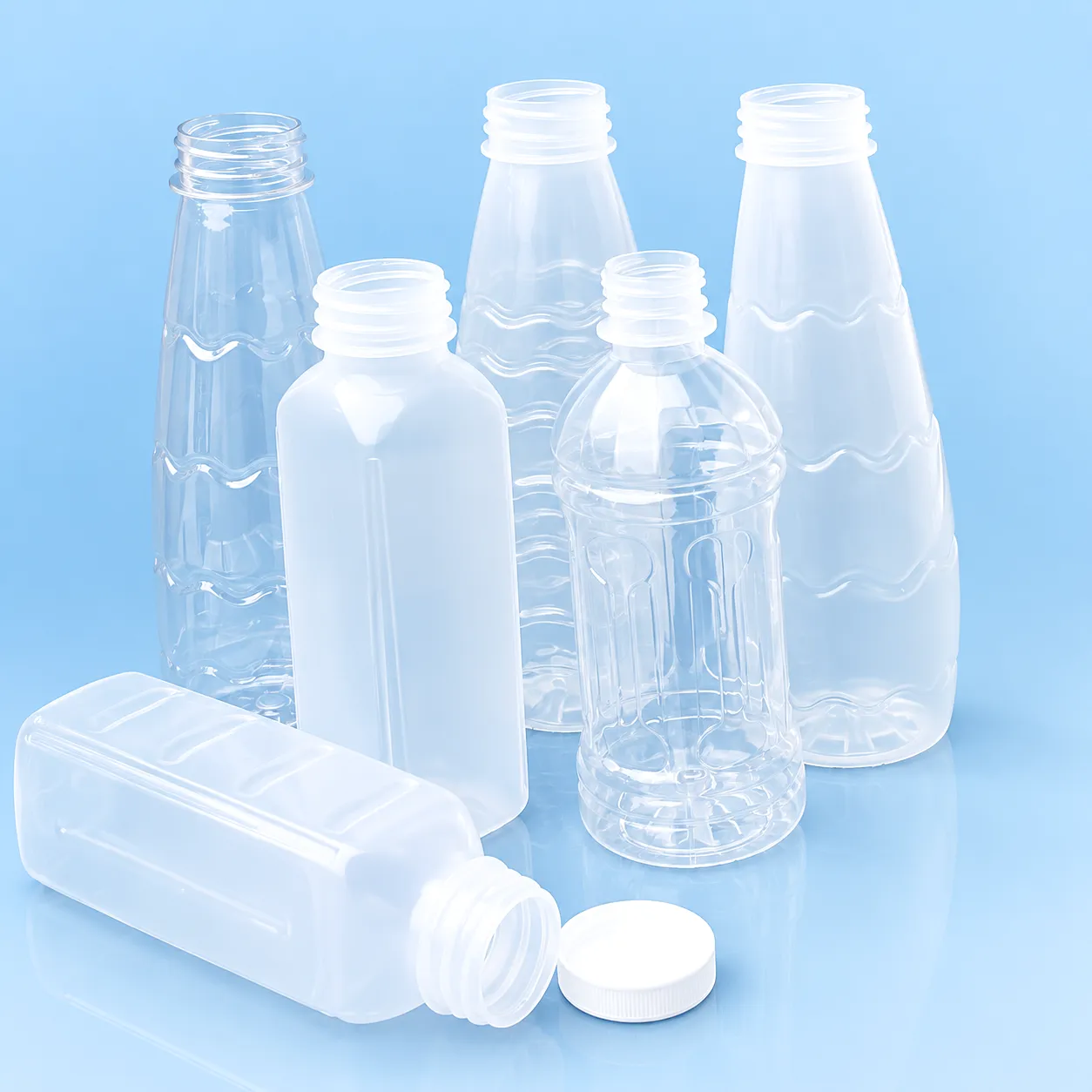 Hot-fill processing remains the predominant preservation method for fruit juices, nectars, isotonic drinks, and cold-brew teas sold through UK retail. The method involves filling the container while the liquid is at temperatures between 82 and 95 degrees Celsius, relying on the heat to sterilise both the product and the container’s interior surfaces. This places significant thermal stress on the bottle: standard PET softens near its glass transition temperature in this range, causing the bottle to deform — a phenomenon the industry calls panelling — unless the container has been specifically designed and manufactured to resist it.
The injection-blow molding machine, when tooled for heat-set PET, allows the blow station to be heated rather than chilled, inducing a degree of crystallinity into the PET sidewall that raises its heat deflection temperature to levels compatible with hot-fill operations. The resulting bottle exhibits the dimensional stability that high-speed rotary fillers require, with a neck that remains perfectly round for cap application and sidewalls that return to their original geometry as the filled product cools and the headspace vacuum equalises. In Sheffield and Wakefield, where several major ambient-beverage contract manufacturers operate, the move to injection-blow molding machines running heat-set PET has allowed producers to supply retailers including Tesco, Asda, and Morrisons with own-label juice ranges in bottles that genuinely compete with brand-owner presentation standards.
Sports Drink and Isotonic Beverage Containers
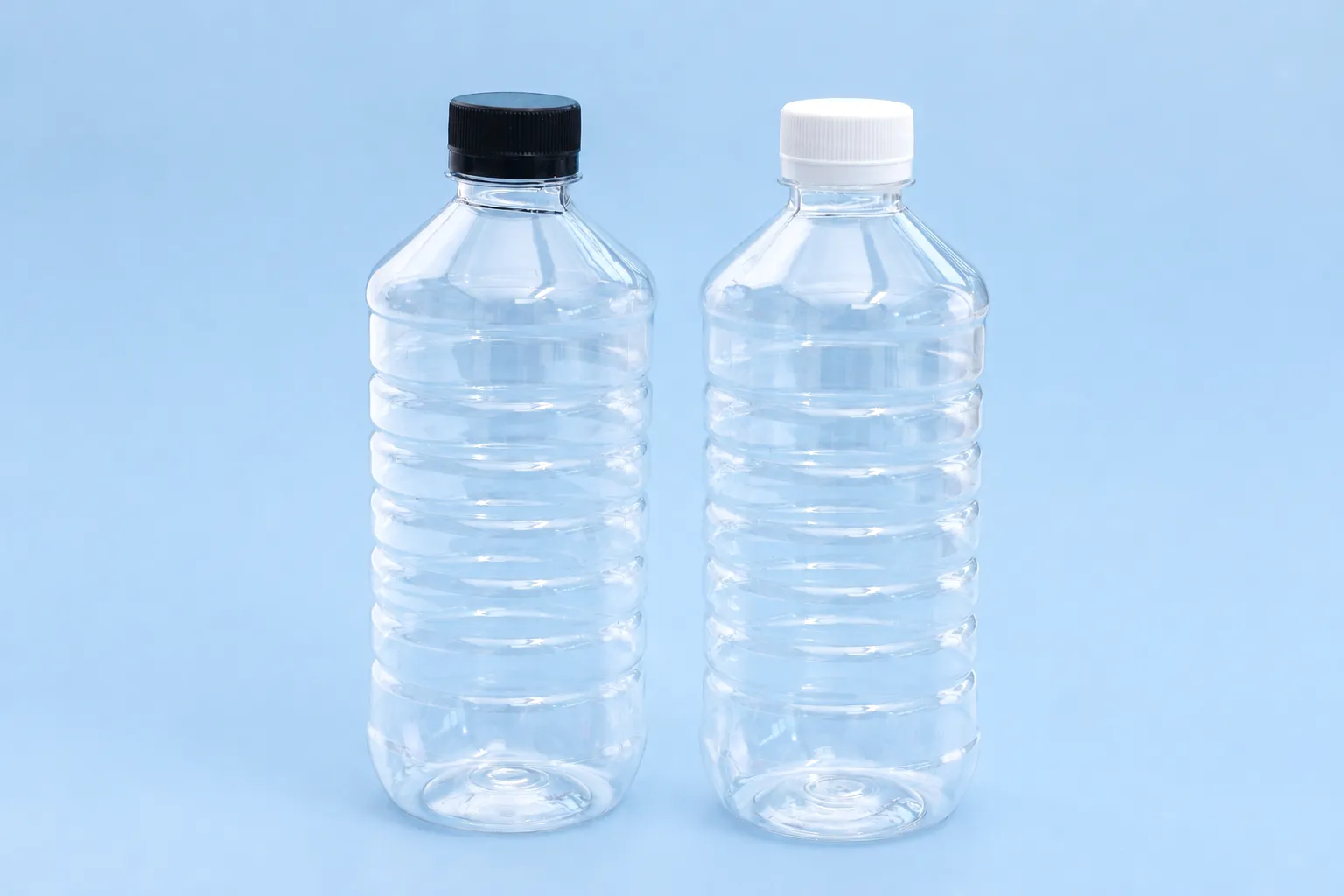 The sports and functional beverage market in the UK has grown substantially through independent gym chains, specialist nutrition brands, and mainstream supermarket own-label ranges targeted at health-conscious consumers. Containers for these products must communicate the brand’s performance credentials through shape, and the injection-blow molding machine’s ability to produce containers with complex curved profiles, defined shoulder geometries, and embossed surface features — all directly from the mould, without secondary operations — gives brand owners the design freedom they need to differentiate at shelf without inflating packaging cost per unit.
Sports drink bottles produced on injection-blow molding machines in lightweight PET commonly come in the 350 ml, 500 ml, and 750 ml formats that dominate UK convenience retail. The machines achieve consistent neck-thread tolerances that ensure secure sealing with both sports closures and standard 28 mm neck finishes, reducing closure leakage complaints — a recurring issue with lesser-controlled extrusion-blow alternatives. Manufacturers in the West Midlands and Greater Manchester supplying the sports nutrition sector have used the injection-blow molding machine to reduce their per-bottle resin weight by 8 to 15 percent compared with extrusion-blow equivalents, meaningful savings given that a facility producing 100 million units annually translates reduced resin consumption directly into a material reduction in plastic packaging tax liability.
Condiment Containers — Sauces, Dressings & Vinegars
Condiment packaging occupies a unique position within the food container market: bottles must be attractive enough to sit at a dining table, strong enough to withstand weekly handling by catering staff in busy commercial kitchens, chemically resistant enough to hold acidic vinegars and high-salt sauces without degrading, and dimensionally stable enough to allow sleeving and labelling at high speed. HDPE injection-blow molded containers tick all of these boxes, and the process’s ability to produce the wide-mouth, heavy-base profiles favoured for tomato sauces and brown sauces in one operation — with no weld line and no base seam — makes it structurally ideal for the format.
UK condiment brands based in Leicester, Northampton, and the food manufacturing hub of rural Lincolnshire have increasingly specified injection-blow molding machines to produce own-label ranges for the major grocery multiples as well as branded export product destined for EU and Middle Eastern markets. The injection-blow molding machine’s repeatable neck tolerances are especially valued in this sector, as sauce bottles typically use pump or flip-top closures where even small dimensional drift in the neck bore causes costly cap-application failures on the filling line. The completely sealed, gate-free base produced by injection-blow molding is also significant: sauces and dressings with particulate content require containers with no internal crevice where material can lodge and harbour bacteria, which a compression-trimmed base from extrusion blow can provide. The injection-blow molding machine eliminates this risk by design.
Core Technical Advantages of the Injection-Blow Molding Machine
Precision Neck Geometry
The neck finish is injection-moulded to exact thread-form dimensions, eliminating post-mould trimming and ensuring consistent closure application across every bottle on the filling line.
Zero Flash & No Weld Lines
Containers exit the machine requiring no secondary trimming, eliminating flash waste and the labour-intensive tail-removal step that adds cost to extrusion-blow operations.
Lightweighting Capability
Controlled wall distribution lets designers reduce average wall thickness while maintaining top-load strength, achieving resin savings of 8–18% versus extrusion-blow containers of identical capacity.
High Output Efficiency
Three-station simultaneous indexing yields finished containers every 8–22 seconds. Multi-cavity tooling multiplies effective output, enabling thousands of units per hour from a single machine footprint.
Compact Machine Footprint
A single injection-blow molding machine integrates injection, blow, and eject in a turntable format smaller than separate two-machine lines, reducing factory floor area requirements and simplifying material handling.
Gate-Free, Sealed Base
No gate stub on the base means the container stands flat without a base cup, and the sealed injection-moulded base eliminates the pinch seam that can harbour bacteria in food-contact applications.
Product Technical & Performance Specifications
The following table summarises the key technical parameters that engineering and procurement teams should evaluate when specifying an injection-blow molding machine for food and beverage container production. Parameters vary between the standard ZQ40 single-station platform and the higher-throughput ZQ60, both available from Ever Power in European-specification configuration.
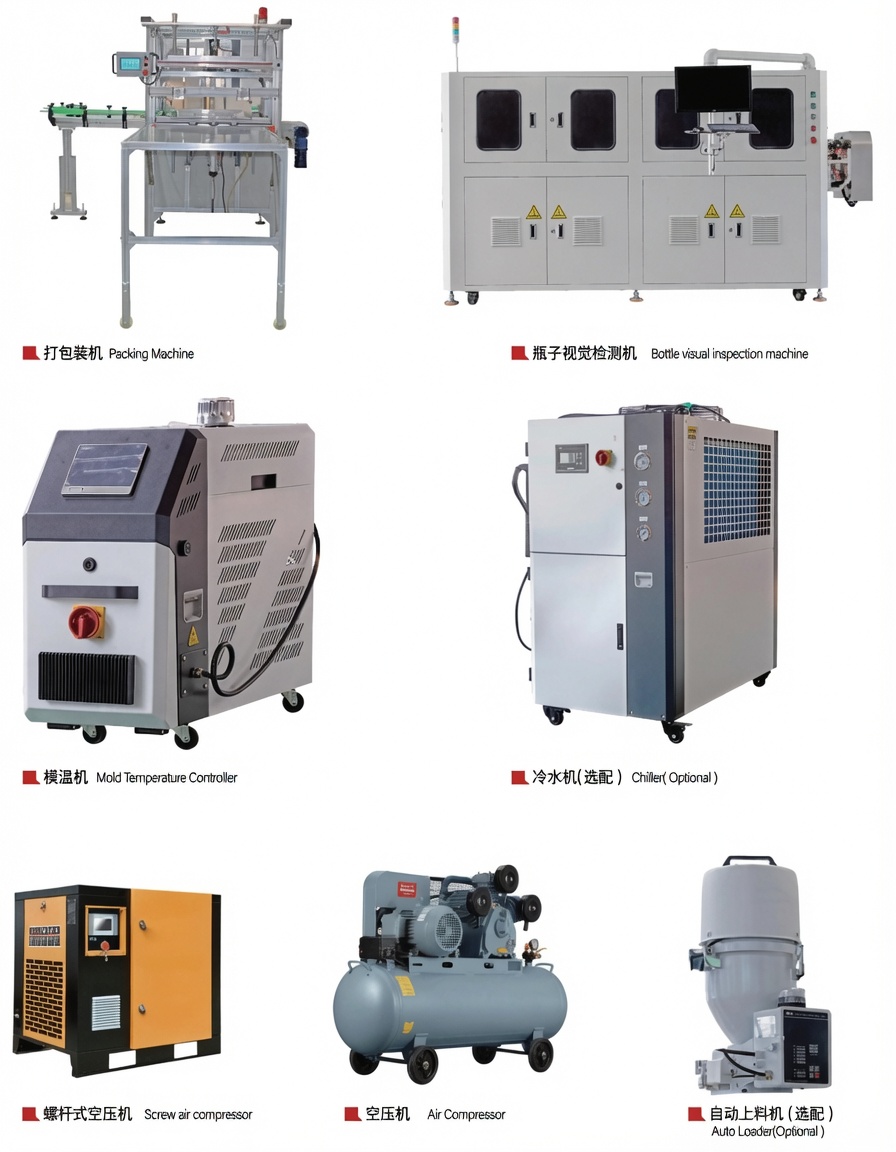
Ever Power injection-blow molding machine auxiliary equipment overview
Ever Power Featured Products
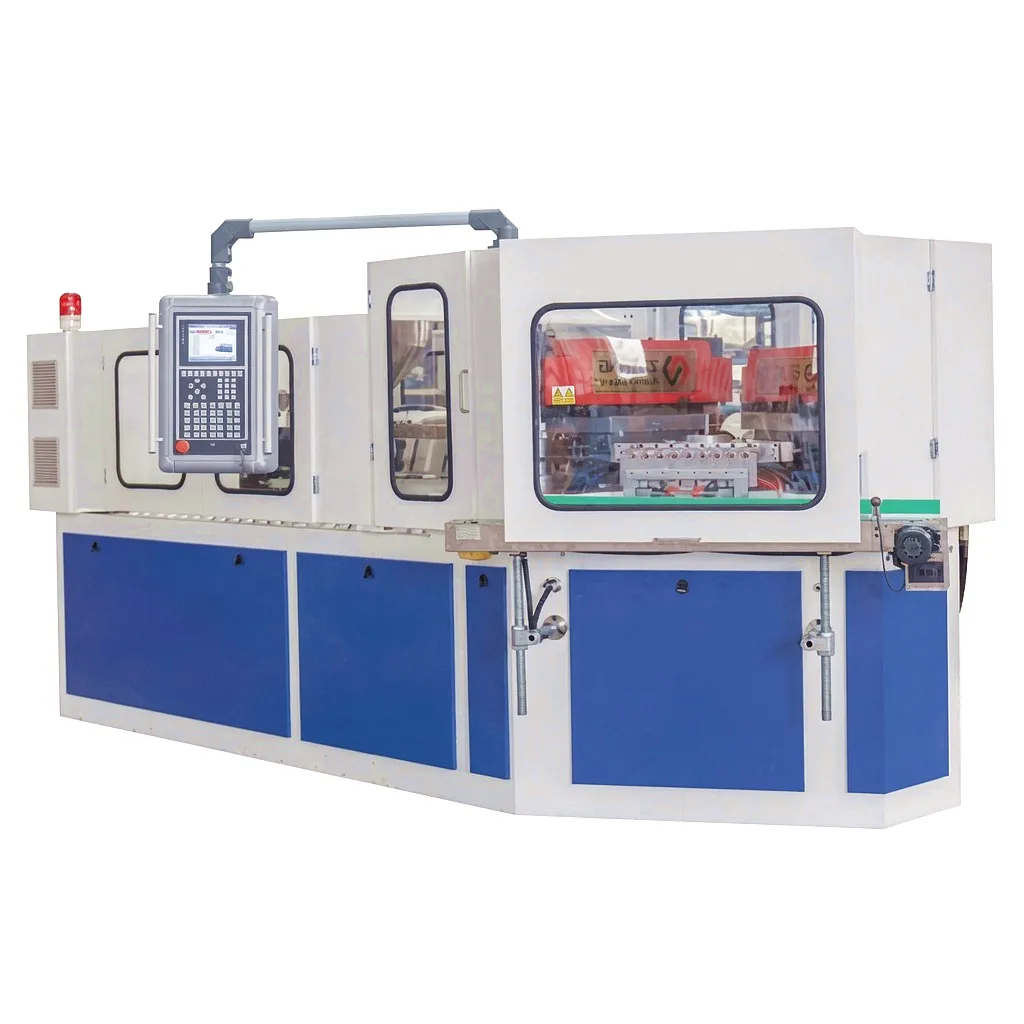
Two European-specification injection-blow molding machines built for demanding UK and EU production environments:
Ever Power: Manufacturing Excellence & Custom Injection-Blow Molding Solutions
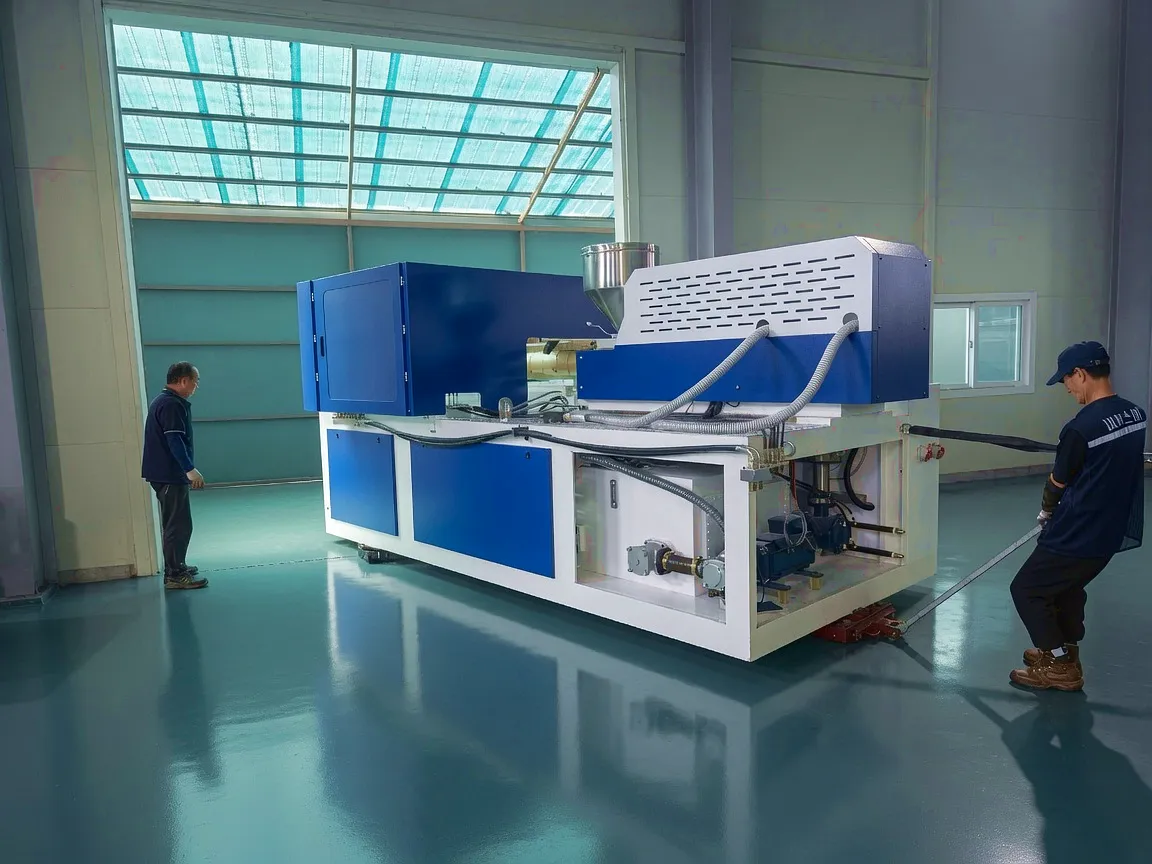
Ever Power brings to the injection-blow molding machine sector a manufacturing philosophy centred on the idea that every packaging production challenge is unique, and that standard catalogue machines rarely represent the most cost-effective solution for a specific application. From the company’s production facility, Ever Power engineers work directly with customers’ packaging development and production engineering teams to understand the container geometry, the filling line parameters, the closure specification, the retailer shelf-height constraints, and the sustainability roadmap that will shape the container over its commercial lifetime. This upstream collaboration feeds directly into machine specification — core pin material selection, blow mould steel grade, cavity count, cooling channel geometry, and PLC recipe development — so that the injection-blow molding machine that arrives on the customer’s floor has effectively already been validated against their specific requirements before formal factory acceptance testing.
Ever Power’s customisation capabilities extend beyond the machine itself to the full tooling package. Moulds are machined from pre-hardened P20 or H13 tool steel on multi-axis CNC machining centres, with internal cooling channels designed using computational fluid dynamics modelling to achieve the most uniform cooling across the mould face. For UK customers operating in the food-grade environment, Ever Power can supply core pins in 420 stainless steel with electroless nickel plating to eliminate the risk of corrosion-related container contamination that can arise with standard P20 pins in high-humidity processing environments. The company’s supply chain is structured to support UK-market lead times, with standard machine configurations available from stock and custom tooling projects managed on programmes typically ranging from 10 to 16 weeks from drawing approval to delivery, fully compatible with the procurement cycles of UK packaging converters and brand owners.
20+
Years Experience
500+
Machines Delivered
CE
Certified (EU / UK)
30+
Countries Served
Ready to specify your injection-blow molding machine?
Tell the Ever Power engineering team your container spec, material, and output requirement — and receive a tailored machine proposal within 48 hours.
Customer Success Story
Leicester Beverage Co-Packer Scales PET Hot-Fill Output with Ever Power ZQ60
A contract packaging operation based in Leicester — serving seven ambient-beverage brand owners supplying the East Midlands grocery market — had been running two older extrusion-blow machines producing HDPE juice bottles in 250 ml and 500 ml formats. Flash trimming required a dedicated operator per machine, container base quality was generating a 1.8% rejection rate at the filling line due to base seam contamination concerns raised by one of their retail-own-label customers, and resin consumption was running above budget. The facility’s operations director identified the injection-blow molding machine as the technology that could resolve all three issues in a single capital investment.
After evaluating three machine suppliers, the Leicester co-packer selected the Ever Power ZQ60 injection-blow molding machine in European specification. The decision was driven by Ever Power’s willingness to develop the tooling in parallel with the machine build — including 4-cavity PET tooling for the 500 ml hot-fill juice bottle and 6-cavity HDPE tooling for the 250 ml condiment format — reducing the time from machine order to full commercial production to 14 weeks. Ever Power’s engineering team made two site visits during commissioning to support the production team’s PLC recipe development for each container format.
The results after 6 months of operation were clear: base rejection rate on the filling line decreased from 1.8% to 0.12%, flash trimming labour was eliminated entirely saving approximately 60,000 GBP per year, and the full servo-electric drive on the ZQ60 reduced the facility’s electricity cost per 1,000 containers by 27% compared with the retired hydraulic machines. The facility has since placed a follow-on order for a second ZQ60 to handle projected volume growth from a new supermarket own-label contract covering chilled sports drinks.
-93%
Base rejection rate reduction
£60K/yr
Labour savings from zero flash
-27%
Energy cost per 1,000 containers
What Our Customers Say
“The neck-thread consistency on the ZQ60 is remarkable — we have not had a single closure rejection since commissioning. Our filling line runs at full speed without the micro-stoppages we used to get adjusting for dimensional variation. The machine has genuinely transformed our quality output.”
— Production Manager, Beverage Co-Packer, Leicester
“Ever Power’s tooling engineers understood our hot-fill application from the first technical call. The 4-cavity PET tooling they developed for our 500 ml juice bottle gave us the heat-set performance we needed without any rework — a 14-week programme delivered exactly on schedule. That kind of reliability from a supplier is rare.”
— Technical Director, Ambient Drinks Manufacturer, Nottingham
“We specified the ZQ40 for a new condiment range targeting the catering trade, and the gate-free base was the deciding factor — our retail buyer had specifically flagged the hygiene concern with pinch-seam bases. The Ever Power machine completely resolved that. Resin savings of around 11% per bottle versus our old extrusion process were a welcome bonus.”
— Packaging Development Manager, Condiment Producer, Birmingham