Healthcare Packaging · Ophthalmic · Pharmaceutical · UK Market
Injection Blow Molding Machines: Key Applications in Healthcare and Ophthalmic Packaging
How IBM technology is reshaping sterile container manufacturing for eye drops, nasal sprays, and surgical irrigation — from Birmingham pharmaceutical plants to Sheffield medical device facilities.
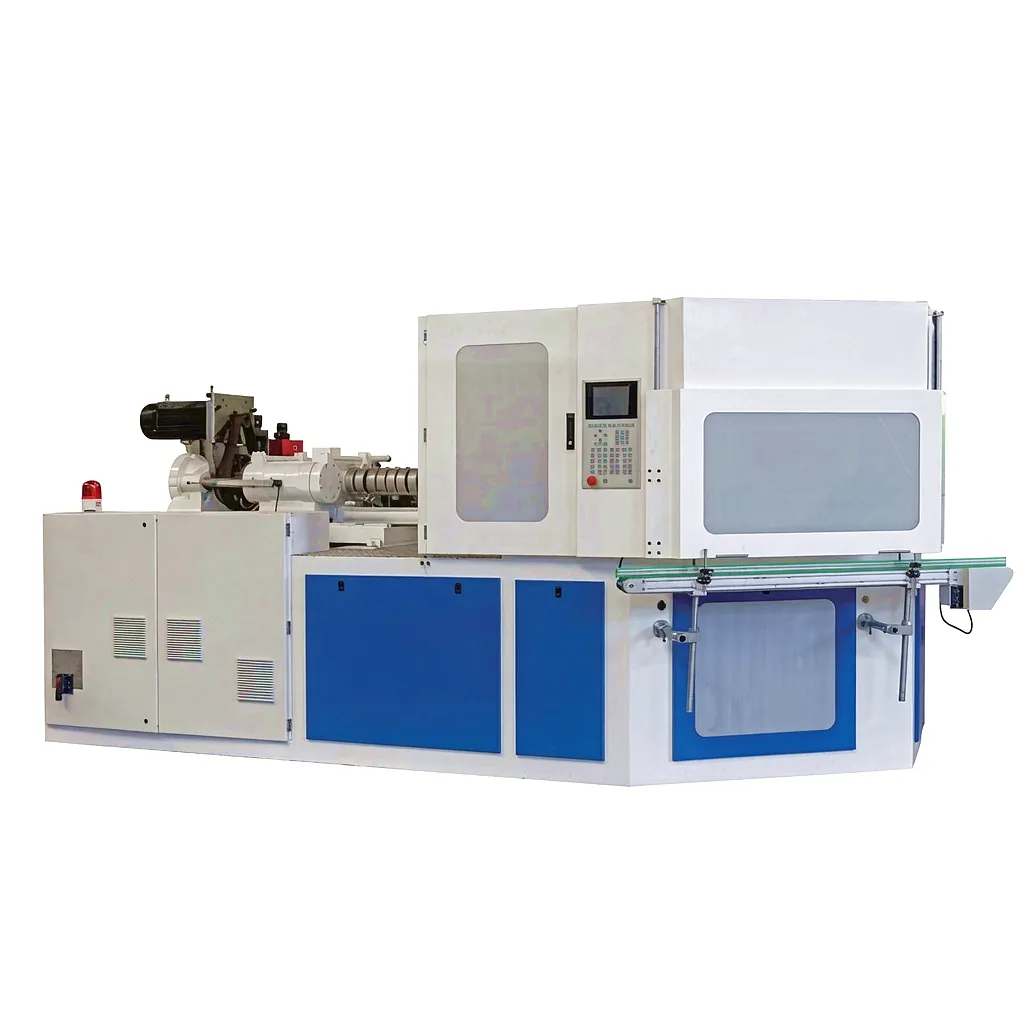 The injection blow molding machine has quietly become one of the most indispensable pieces of capital equipment in pharmaceutical and healthcare packaging manufacturing. Unlike conventional extrusion blow molding, the injection blow molding process produces containers with a precision that the healthcare sector demands above all else — tight neck tolerances, consistent wall thickness, and a surface finish that passes pharmacopoeial scrutiny without secondary operations. Across the United Kingdom, from the life sciences corridors of the Oxford–Cambridge Arc to the established pharmaceutical manufacturing clusters in the West Midlands and Yorkshire, this technology is embedded in daily production schedules for eye drops, nasal sprays, sterile saline wash solutions, and multidose ophthalmic dropper systems.
What distinguishes injection blow molding from competing processes is the closed-mould forming characteristic: the preform is injection-moulded first, then transferred without exposure to the open environment onto a blow pin, and inflated within a sealed cavity. For products that contact ocular mucosa or nasal passages — tissues with direct pathways to systemic circulation — this dramatically reduces the risk of particulate contamination during forming. Regulatory bodies including the MHRA and the European Medicines Agency have long recognised this inherent process advantage, which is why IBM remains the preferred manufacturing route for Class II and Class III medical packaging in UK facilities.
How an Injection Blow Molding Machine Works
The cycle of a standard injection blow molding machine unfolds in three stations, each contributing a specific function to the final container’s quality. At Station One, the thermoplastic resin — typically medical-grade polyethylene (LDPE, HDPE), polypropylene (PP), or polyethylene terephthalate (PET) — is fed into a heated barrel where it is plasticised, then injected at controlled pressure into a preform cavity around a core rod. This creates a precise parison or preform that already carries the neck geometry: thread profile, flange dimension, and sealing surface. Because the neck is formed during injection rather than blow moulding, it achieves tolerances of ±0.05 mm or tighter — a level of consistency impossible with conventional extrusion methods.
At Station Two, the core rod — still carrying the hot parison — rotates into the blow station. Pressurised air is introduced through the rod at carefully calibrated pressure (typically 6–10 bar for pharmaceutical containers) and the parison expands against the blow mould cavity walls. Because the material temperature is still within its elastic window, the container body develops uniform wall distribution. For eye drop bottles in the 5 ml to 15 ml range, wall thickness consistency is particularly important: any thin spot can compromise container integrity during terminal sterilisation or autoclave cycles.
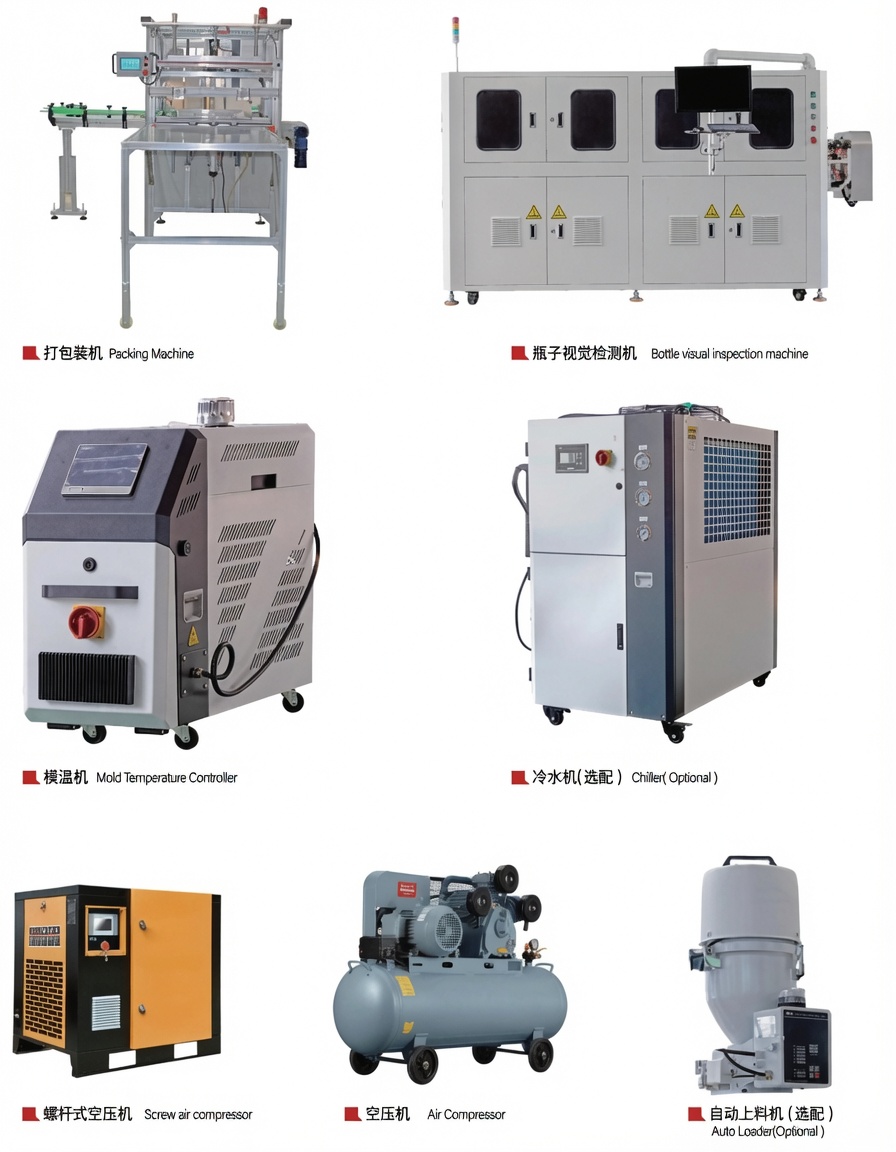
Station Three is the stripping station, where the formed container is ejected in a controlled manner, often directly onto a conveyor that interfaces with a downstream leak-tester, vision inspection camera, or clean-room packaging station. The entire cycle time for a 10 ml ophthalmic dropper bottle on a modern Ever Power injection blow molding machine typically runs between 8 and 14 seconds depending on resin grade and cavity count, producing outputs ranging from 1,200 to 4,800 units per hour depending on machine specification.
Core Materials Used in Healthcare IBM Production
LDPE / HDPE
Low & High Density Polyethylene
The workhorse resin for ophthalmic packaging. LDPE provides the squeeze-and-release functionality essential for dropper bottles, while HDPE delivers greater chemical resistance for saline wash containers. Both grades are available in pharmacopoeial-compliant specifications (USP Type IV, EP 3.1.3/3.1.4) and process cleanly at barrel temperatures between 160°C and 230°C on IBM equipment calibrated for medical applications.
PP
Polypropylene
Selected for nasal spray containers and multi-dose dropper systems requiring autoclave compatibility. Medical-grade PP (ISO 10993 tested) tolerates sterilisation temperatures up to 134°C and demonstrates excellent resistance to common ophthalmic preservatives including benzalkonium chloride. Its higher stiffness compared to LDPE supports the precise actuation mechanism geometry required in metered-dose nasal devices manufactured by companies operating across the UK’s pharmaceutical heartland.
PET
Polyethylene Terephthalate
Specified for clear, rigid ophthalmic wash bottles and sterile saline irrigation systems where visual content inspection is a patient safety requirement. PET delivers excellent barrier properties against oxygen and carbon dioxide, maintaining the sterility and chemical stability of the packed formulation over the required shelf life. Its optical clarity — with haze values below 2% achievable on IBM tooling — means pharmacists and patients can verify fill volume at a glance, supporting compliance and confidence in the product.
COC / COP
Cyclic Olefin Copolymers
An advanced engineering resin specification now appearing in premium ophthalmic packaging, particularly for preservative-free unit-dose eye drop vials. COC and COP materials offer water vapour transmission rates approaching glass, negligible extractables profiles, and extreme clarity that facilitates 100% automated vision inspection. Processing on injection blow molding machines requires precise temperature control — typically 240°C to 270°C melt temperature — a capability built into the closed-loop PLC systems on Ever Power’s industrial IBM range.
Application Scenarios
Healthcare & Ophthalmic Packaging: Six Key IBM Application Scenarios
1
Application Scenario: Eye Drop Bottle Manufacturing
Healthcare & Medical Devices
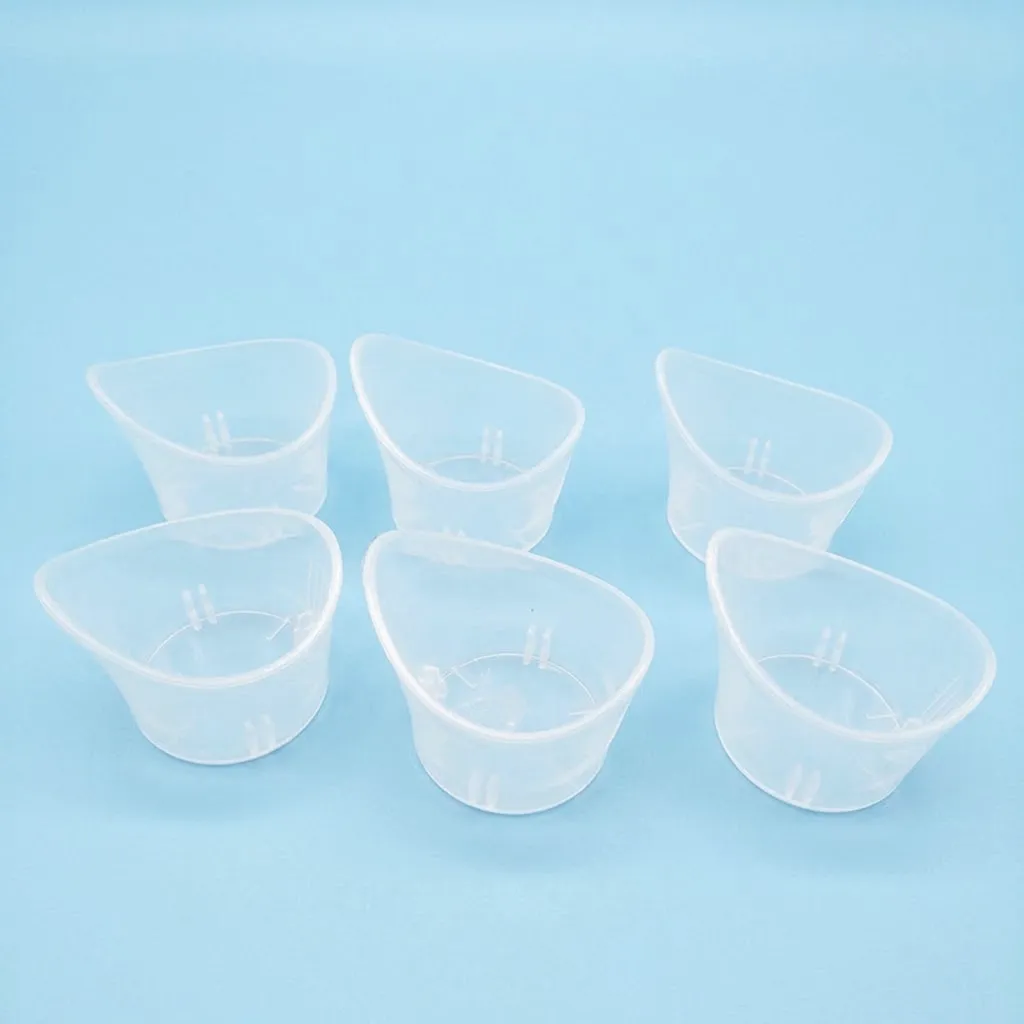
The ophthalmic eye drop bottle is arguably the single most demanding small-volume container specification in the entire pharmaceutical packaging portfolio. Every aspect of the container design — bottle neck diameter and thread profile, tip orifice diameter, shoulder geometry, and overall bottle stiffness — directly influences clinical outcomes. An orifice that is 0.1 mm wider than specification delivers a larger droplet, which in turn affects dose accuracy. An insufficiently stiff bottle body causes uncontrolled multiple dosing when squeezed by an elderly patient. The injection blow molding machine is uniquely suited to manage all of these geometric constraints simultaneously, because every dimension is governed by machined tooling rather than by operator skill or process variability.
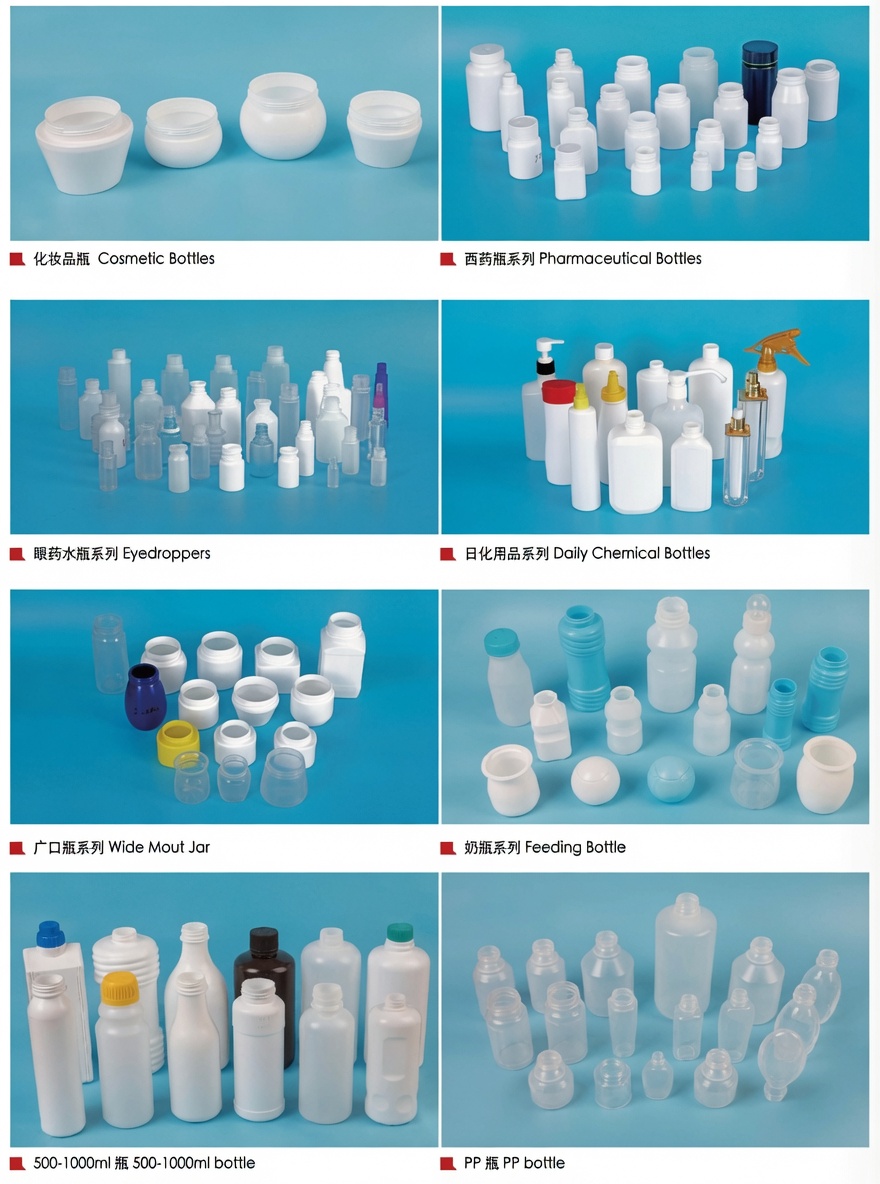
In the United Kingdom, the ophthalmic market is substantial: the NHS dispenses tens of millions of eye drop prescriptions annually for conditions including glaucoma, dry eye disease, bacterial conjunctivitis, and post-surgical prophylaxis. Birmingham and Nottingham in particular have clusters of contract pharmaceutical manufacturers supplying both branded and own-label ophthalmic ranges to NHS distribution. These manufacturers run injection blow molding machines — often in dedicated ISO Class 8 cleanroom environments — to produce LDPE dropper bottles in capacities from 2.5 ml to 15 ml. The containers are then transferred to filling lines where the active formulation is introduced and the tip and overcap assembly is applied under controlled conditions.
The productivity advantage of multi-cavity injection blow molding tooling is significant at these volumes. A 4-cavity tool running on a mid-range IBM machine produces approximately 4,000 to 5,500 eye drop bottles per hour, depending on resin grade and cooling specification. Over a two-shift operation, a single machine can supply the container requirements for a substantial ophthalmic product line, reducing the dependency on imported stock containers and giving the manufacturer full control over quality documentation and traceability — a critical consideration for MHRA-licensed sites.
2
Application Scenario: Nasal Spray Container Production
Pharmaceutical Packaging
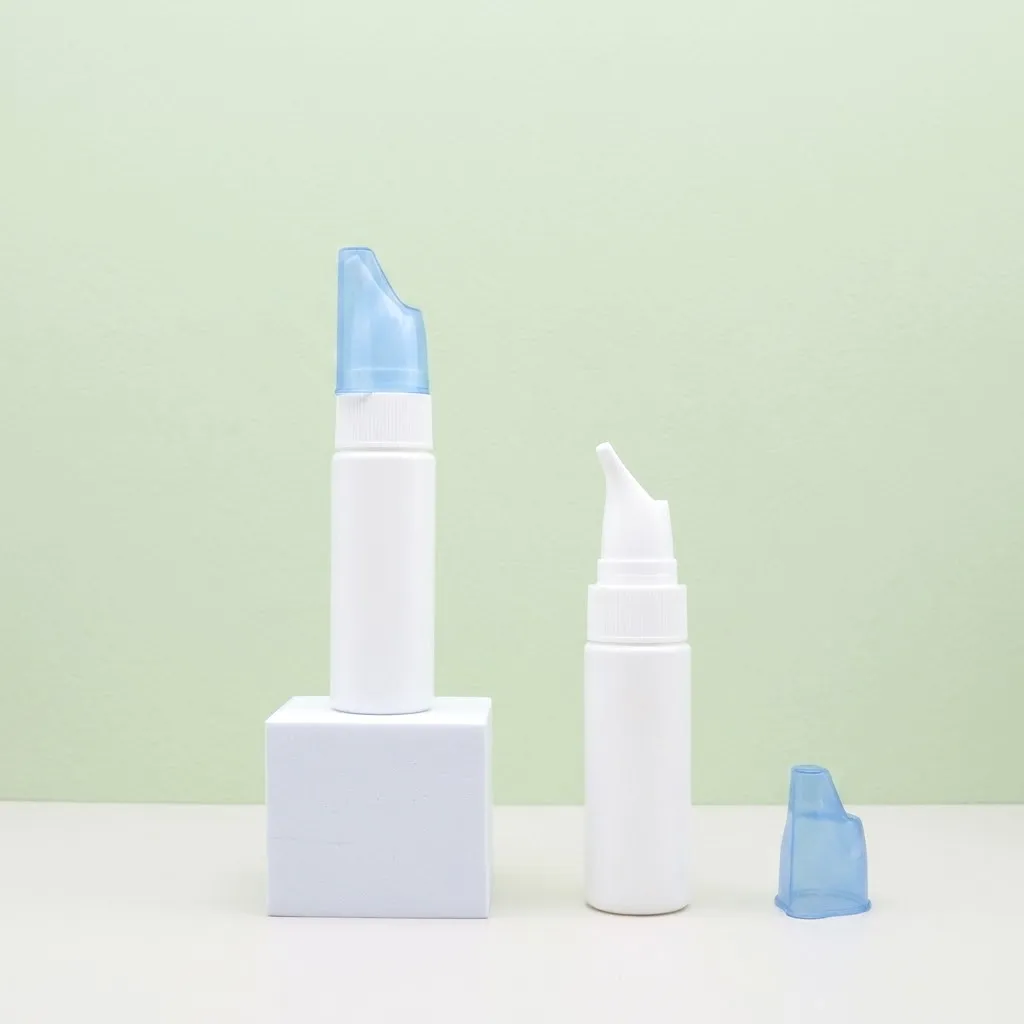
Nasal spray delivery systems represent a packaging format where container geometry is inseparable from device performance. The bottle body must withstand repeated compression-and-release cycles — typically 200 or more over the product’s usable life — without developing stress cracks, permanent deformation, or loss of the interference fit between container and pump housing. Injection blow molding machines manufacturing nasal spray bottles in PP or HDPE produce containers with measurable advantages in both wall thickness consistency and neck thread integrity compared to extrusion blow moulded equivalents.
The nasal spray market in the UK has expanded significantly over the past decade, driven by OTC decongestant products, corticosteroid sprays for allergic rhinitis, and a growing category of saline nasal irrigation products that have transitioned from hospital to consumer retail. Sheffield-based pharmaceutical formulation companies and Yorkshire contract packagers have been investing in IBM capacity to reduce their reliance on continental European container supply chains, particularly following the post-Brexit logistics environment, which added customs complexity and lead-time variability to cross-Channel sourcing.
For nasal spray container manufacturing, Ever Power injection blow molding machines are typically configured with 2-cavity or 4-cavity tooling in the 15 ml to 30 ml capacity range. The machines incorporate servo-driven core rod rotation systems that deliver repeatable station-to-station positioning within ±0.02 mm, ensuring that the neck geometry produced at Station One is perfectly centred within the blow cavity at Station Two. This geometric precision is what allows pump manufacturers to achieve the sub-millimetre fit tolerances their devices require.
3
Application Scenario: Sterile Saline Irrigation Bottles
Hospital Supply & Surgical
Sterile saline irrigation containers occupy an interesting position in the IBM application landscape: they tend to be larger than ophthalmic containers (typically 100 ml to 500 ml), yet still require the same level of neck and closure precision demanded by pharmaceutical packaging. These containers are used in NHS Trusts across England for wound irrigation, contact lens rinsing stations, and as the primary rinse agent in ophthalmic surgical suites at hospitals in London, Manchester, Leeds, and Edinburgh. They must pass terminal sterilisation validation, demonstrate no container-borne endotoxins above 0.25 EU/ml (for products contacting ocular tissue), and maintain a hermetic seal throughout their labelled shelf life.
The injection blow molding machine process is particularly well suited to this application because the container and its integral cap-piercing tip are produced as a dimensionally consistent unit. There is no secondary assembly step that could introduce misalignment between bottle neck and dispensing tip — a source of sterility failure in multi-piece assembled designs. Contract manufacturers servicing NHS procurement frameworks in Wales, Northern Ireland, and Scotland have been increasingly specifying IBM capacity to meet the stringent quality documentation requirements embedded in NHS Supply Chain framework agreements.
Material selection for these containers typically centres on HDPE for opaque saline wash bottles or PET for clear-body designs where colour changes indicating contamination must be visible. HDPE grades used in this application carry FDA drug contact approval and comply with EC Regulation 10/2011 on plastic food contact materials, as the same pharmacopoeial compliance framework is adopted by European regulatory bodies for medical-grade containers.
4
Application Scenario: Multi-Dose Ophthalmic Dropper Systems
Ophthalmic Specialties
Multi-dose ophthalmic dropper systems present a more complex design challenge than single-use unit-dose vials, because they require the bottle to maintain product sterility across multiple in-use openings over a 28-day period following first opening. The container must resist microbial ingress through the tip, accommodate a preservative system (or perform adequately with a preservative-free formulation using alternative contamination-control mechanisms), and deliver a reproducible drop volume with each administration event. The injection blow molding machine is the equipment of choice for producing the primary container body in these systems because of its ability to form the tight tolerances required at the dropper tip and the precise interference geometry needed for the tip-overcap assembly.
Leading glaucoma therapy brands sold through UK retail pharmacies and NHS community dispensing — covering both branded and generic product ranges — use IBM-produced LDPE multi-dose dropper bottles. The production environment for these containers in UK pharmaceutical packaging facilities is typically an ISO Class 7 or Class 8 controlled area, with the IBM machine enclosed within a positive-pressure housing and supplied with HEPA-filtered cooling air. Ever Power injection blow molding machines can be configured to ISO cleanroom operating standards and are supplied with documentation supporting qualification activities including IQ, OQ, and PQ protocols aligned with GAMP 5 and MHRA GMP expectations.
Drop volume control is achieved through the interaction of four variables: tip orifice diameter (typically 0.3 mm to 0.6 mm for ophthalmic applications), bottle body stiffness (a function of wall thickness and resin grade), shoulder geometry, and surface energy of the tip orifice. IBM tooling controls orifice diameter and shoulder geometry to tolerances not achievable by extrusion or stretch blow moulding, giving formulators the confidence to validate their drop volume specification against a consistent primary container.
5
Application Scenario: Eye Wash Cup and Irrigation Container
Occupational Health & Safety
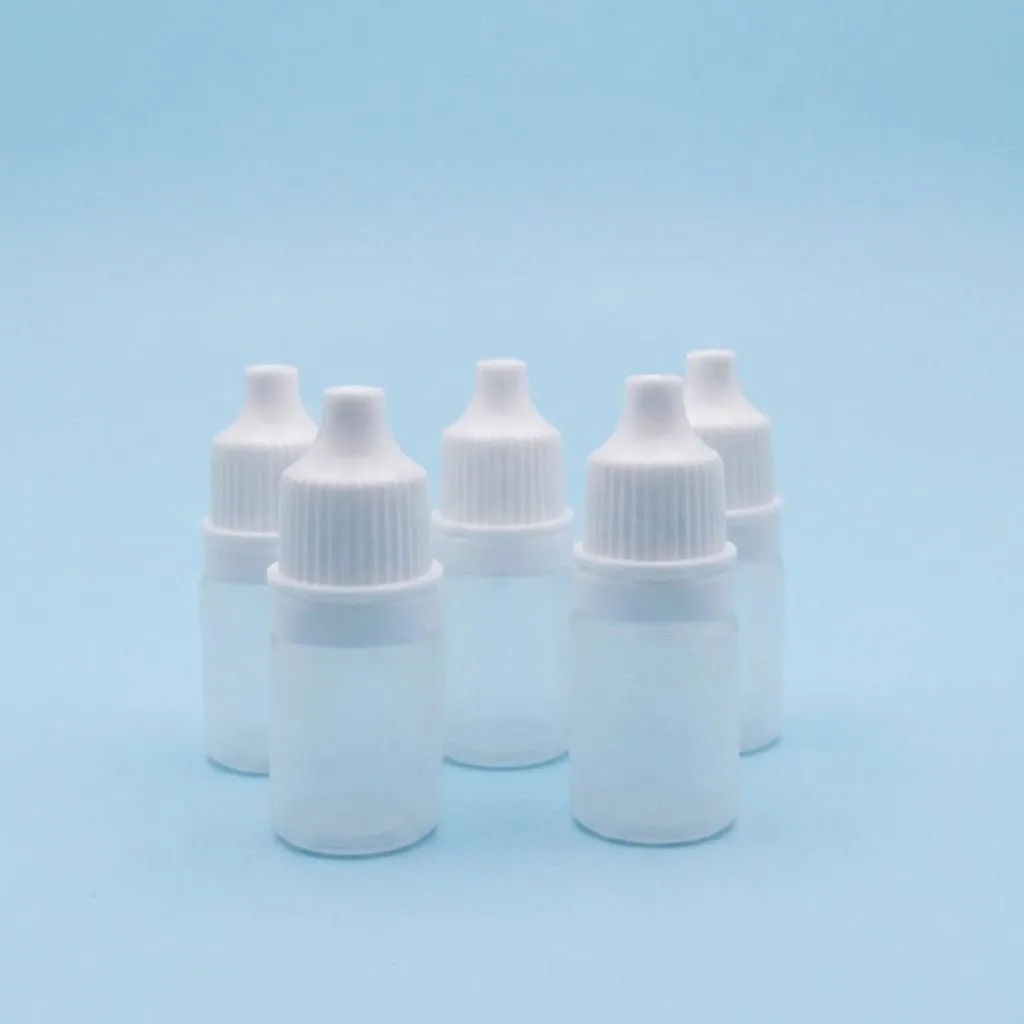
Industrial eyewash containers are a significant and often overlooked segment of the healthcare IBM market. Under the Health and Safety at Work etc. Act 1974 and the Control of Substances Hazardous to Health Regulations 2002 (COSHH), UK workplaces handling chemicals, metal particles, or other ocular hazards are required to provide emergency eye irrigation facilities. Sterile unit-dose saline eyewash containers — typically in 20 ml to 500 ml capacities — are stocked in first-aid kits across manufacturing sites in Sheffield’s advanced materials sector, chemical plants in Teesside, and automotive component manufacturers in the West Midlands Coventry corridor.
Injection blow molding machines produce the eyewash bottle body and integral one-way tip as a single hermetically sealed unit. The closed-body design prevents contamination prior to opening, while the integral tip geometry ensures a controlled, directional irrigation stream when the container is squeezed. The neck and tip assembly on IBM-produced eyewash containers achieves consistent orifice size across the entire production batch, which is essential: an undersized orifice reduces flow rate and prolongs the time needed for adequate ocular decontamination, while an oversized orifice reduces the pressure needed to dislodge foreign material. IBM tooling precision directly translates to clinical effectiveness in emergency use.
UK workplace safety regulations specify that emergency eyewash stations must be replenished regularly and that single-use sterile containers carry a CE mark or UKCA mark under the relevant Medical Device Regulation. UK manufacturers of eyewash products therefore require containers with consistent dimensions to support CE/UKCA technical documentation — a requirement that injection blow molding fulfils by virtue of its inherent dimensional repeatability, with Cpk values for critical container dimensions routinely exceeding 1.67 on qualified IBM tooling.
6
Application Scenario: Preservative-Free Unit-Dose Vials
Dry Eye & Glaucoma Therapy
The growth of preservative-free ophthalmic formulations across the UK market has been one of the most significant trends in pharmaceutical packaging demand over the past decade. As clinical evidence has mounted on the adverse effects of benzalkonium chloride (BAK) — the most commonly used ophthalmic preservative — on the ocular surface, prescribers and patient groups have demanded preservative-free options across glaucoma, dry eye, and anti-infective product categories. The NHS Drug Tariff now includes a substantial catalogue of preservative-free ophthalmic preparations, and the UK pharmaceutical industry has responded with investment in the single-dose unit packaging technologies that make preservative-free manufacture viable at commercial scale.
Unit-dose ophthalmic vials produced on injection blow molding machines are the primary delivery format for preservative-free liquid eye preparations. A typical unit-dose vial is a small bottle (0.3 ml to 0.5 ml fill volume) with an integral twist-off tip, produced in LDPE or COC resin. The IBM machine forms preform, blows the container body, and strips the finished vial — all at cycle times below 10 seconds per cavity. Multi-cavity tools (typically 8 to 16 cavities for unit-dose vials) deliver output rates that make the economics of single-dose packaging competitive against multi-dose formats, particularly when the avoided cost of preservative-related patient complaints and treatment-related adverse events is factored into the total cost equation.
Cambridge-based pharmaceutical developers and the Oxford pharmaceutical sciences cluster have been active in specifying preservative-free formats in their pipeline products, increasingly looking to IBM suppliers who can demonstrate validated tooling with documented extractables and leachables profiles — a technical requirement that Ever Power addresses through its dedicated pharmaceutical IBM tooling qualification programme, designed in alignment with ICH Q3E extractables and leachables guidance applicable to UK-registered medicinal products.
Product Technical & Performance Parameters
The following table covers key parameters for Ever Power injection blow molding machines typically specified for healthcare and ophthalmic packaging applications in the UK market.
| Parameter | ZQ80 Model | ZQ110 Model | Unit / Notes |
|---|
| Clamping Force | 80 kN | 110 kN | Servo-hydraulic clamp system |
| Screw Diameter | 36 mm | 45 mm | L/D ratio 22:1 |
| Shot Weight (max) | 85 g | 160 g | Measured in PS equivalent |
| Container Volume Range | 2 ml → 200 ml | 10 ml → 500 ml | Dependent on tooling |
| Cavities (standard) | 2 → 6 | 2 → 8 | Custom tooling available |
| Cycle Time (10 ml LDPE) | 8 → 12 s | 10 → 16 s | Full 3-station cycle |
| Blow Pressure | 0.4 → 1.0 MPa | 0.4 → 1.2 MPa | Adjustable via PLC |
| Melt Temperature Range | 160 → 280 ℃ | 160 → 300 ℃ | ±1°C PID control |
| Neck Diameter Tolerance | ±0.05 mm | ±0.05 mm | Pharmaceutical grade tooling |
| Compatible Resins | LDPE / HDPE / PP / PET / COC | LDPE / HDPE / PP / PET / COC / COP | Medical grade supported |
| Power Consumption | ≈ 14 kW | ≈ 22 kW | Servo motor efficiency class IE4 |
| Control System | Siemens PLC + HMI touch | Siemens PLC + HMI touch | GMP process logging, 21 CFR Pt 11 option |
Core Technical Advantages of Injection Blow Molding for Healthcare Packaging
🎯
Precision Neck Geometry
The neck and thread profile are formed by injection moulding rather than blow moulding, achieving tolerances of ±0.05 mm that support consistent closure torque, secure pump fitment, and reproducible dosing performance across every bottle in the batch.
🛡
Closed-Mould Contamination Control
The preform never touches the open atmosphere between injection and blow stations. The melt remains enclosed on the core rod throughout the transfer, dramatically reducing particulate and microbial contamination risk compared to open-parison extrusion systems — a critical factor for MHRA-licensed ophthalmic and nasal spray manufacturing.
📈
Uniform Wall Thickness Distribution
Because the preform is injection-moulded with a controlled mass distribution, the blow phase produces consistent wall thickness without the localised thinning common in extrusion blow moulding. For containers that undergo terminal gamma sterilisation or ethylene oxide treatment, consistent wall thickness prevents sterilisation cycle anomalies caused by heat concentration in thin-wall areas.
✏
No Flash or Trimming Required
Injection blow moulded containers emerge from the machine with no flash, pinch points, or weld lines that would require secondary trimming operations. This eliminates a potential source of particulate generation and simplifies the downstream production process — an important consideration for pharmaceutical cleanroom environments where secondary processing steps add contamination risk.
🔨
Material Efficiency and Scrap Reduction
IBM machines consume material only for the actual container — no runners, sprues, or flash except for minimal injection system regrind. For expensive pharmaceutical-grade resins including COC and medical-grade PP, this material efficiency translates directly to lower per-unit resin cost, supporting the economics of small-volume pharmaceutical packaging that might otherwise struggle to justify capital investment in dedicated container manufacturing.
📋
GMP Process Documentation
Modern injection blow molding machines from Ever Power incorporate Siemens PLC systems with full process parameter logging, audit trail functionality, and optional 21 CFR Part 11 compliant data recording. This supports the process validation activities — IQ, OQ, PQ — required by MHRA GMP guidance and expected by UK pharmaceutical manufacturers under their site licence conditions.
Featured Machines
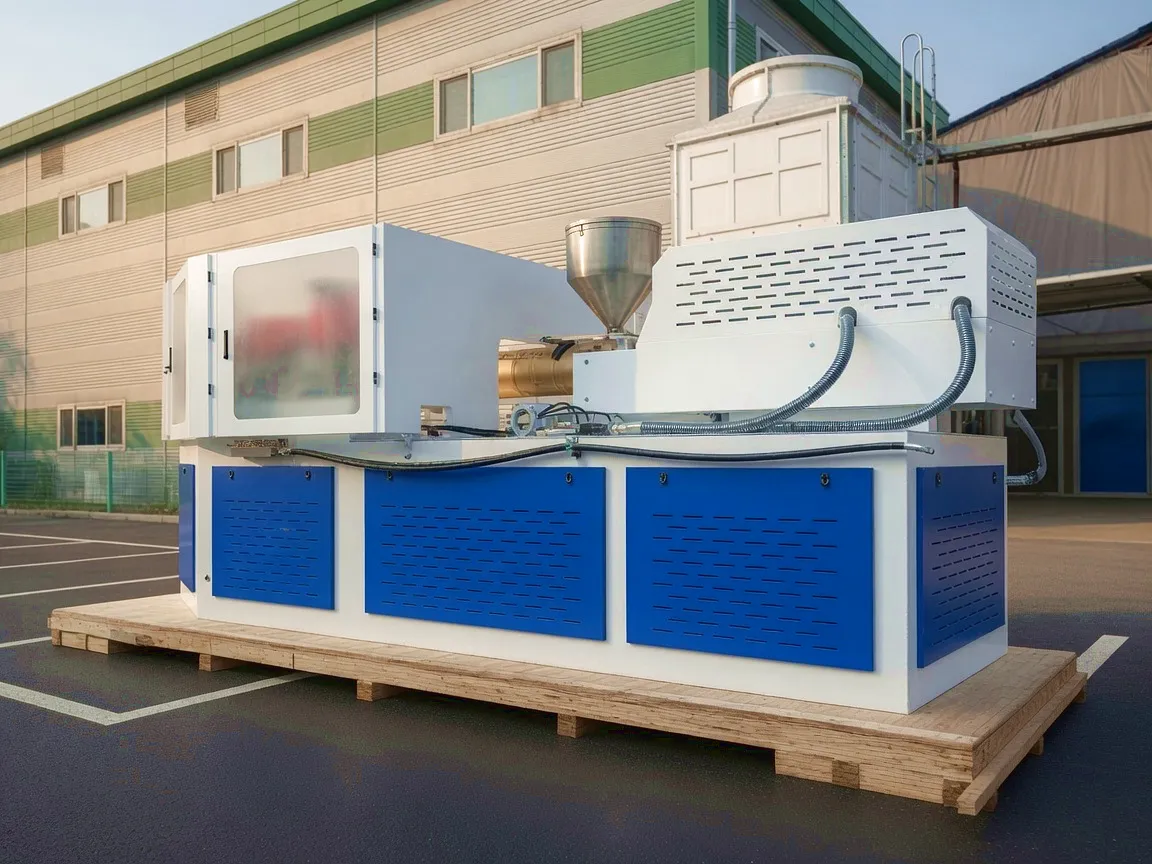
Ever Power Injection Blow Molding Machine Product Range
ZQ80 SERIES
The ZQ80 is engineered for small-to-medium pharmaceutical and personal care container production in the 2 ml to 200 ml range. Its 80 kN servo-hydraulic clamp system and Siemens PLC control deliver repeatable dimensional performance on multi-cavity ophthalmic dropper and nasal spray tooling. Compact footprint supports integration into ISO cleanroom environments.
View ZQ80 Details →
ZQ110 SERIES
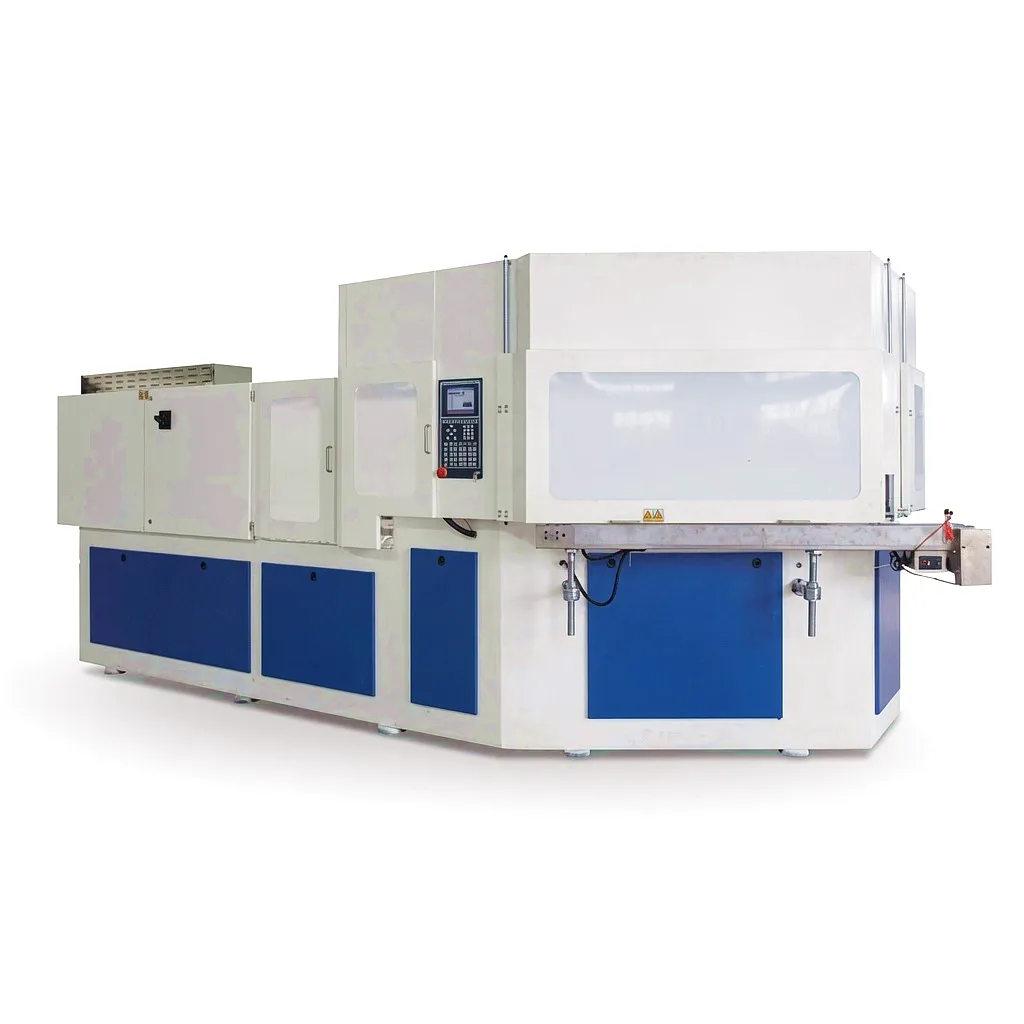
The ZQ110 handles higher-throughput pharmaceutical container production in the 10 ml to 500 ml range, with 110 kN clamping force and a 45 mm screw for processing high-viscosity medical-grade resins including COC and COP. Eight-cavity tooling options support the production volumes required by UK NHS contract manufacturers and independent pharmaceutical packaging converters.
View ZQ110 Details →
Manufacturing Partner
Ever Power: Precision Manufacturing and Full Customisation Capability
Ever Power operates a dedicated injection blow molding machine manufacturing facility equipped with precision CNC machining centres, coordinate measuring machines (CMM), and a full hydraulic and electrical testing bay. Every machine produced passes a minimum 72-hour production simulation before despatch, and all critical dimensional parameters are documented in a factory acceptance test (FAT) report accompanying each shipment. For UK customers, this means the machine arrives with a complete data pack supporting immediate qualification activities under MHRA GMP requirements.
The depth of customisation that Ever Power brings to the pharmaceutical IBM market extends well beyond standard machine specification. Cleanroom-compatible machine builds are available with sealed housings, HEPA-filtered cooling circuits, and stainless steel contact-surface panels. Custom tooling — from ophthalmic dropper tip inserts through to multi-cavity nasal spray bottle tools — is designed using 3D CAD and trialled on the factory floor before shipment. Lead times from confirmed order to tooling qualification typically run 10 to 14 weeks for standard medical-grade specifications, with expedited programmes available for urgent project timelines.
UK pharmaceutical and healthcare packaging manufacturers face particular pressure on supply chain resilience following the disruptions of recent years. Ever Power’s supply chain model — with direct manufacturer-to-customer despatch, stock held for common spare parts, and a UK-based technical support partner network — means downtime risk is managed proactively rather than reactively. Remote PLC access for diagnostics and parameter adjustment is included as standard on all ZQ-series machines, allowing Ever Power engineers to troubleshoot process deviations without requiring an on-site visit in straightforward cases.
⭐ Customer Success Story
Leeds Pharmaceutical Packaging — Scaling Ophthalmic Container Production with Ever Power
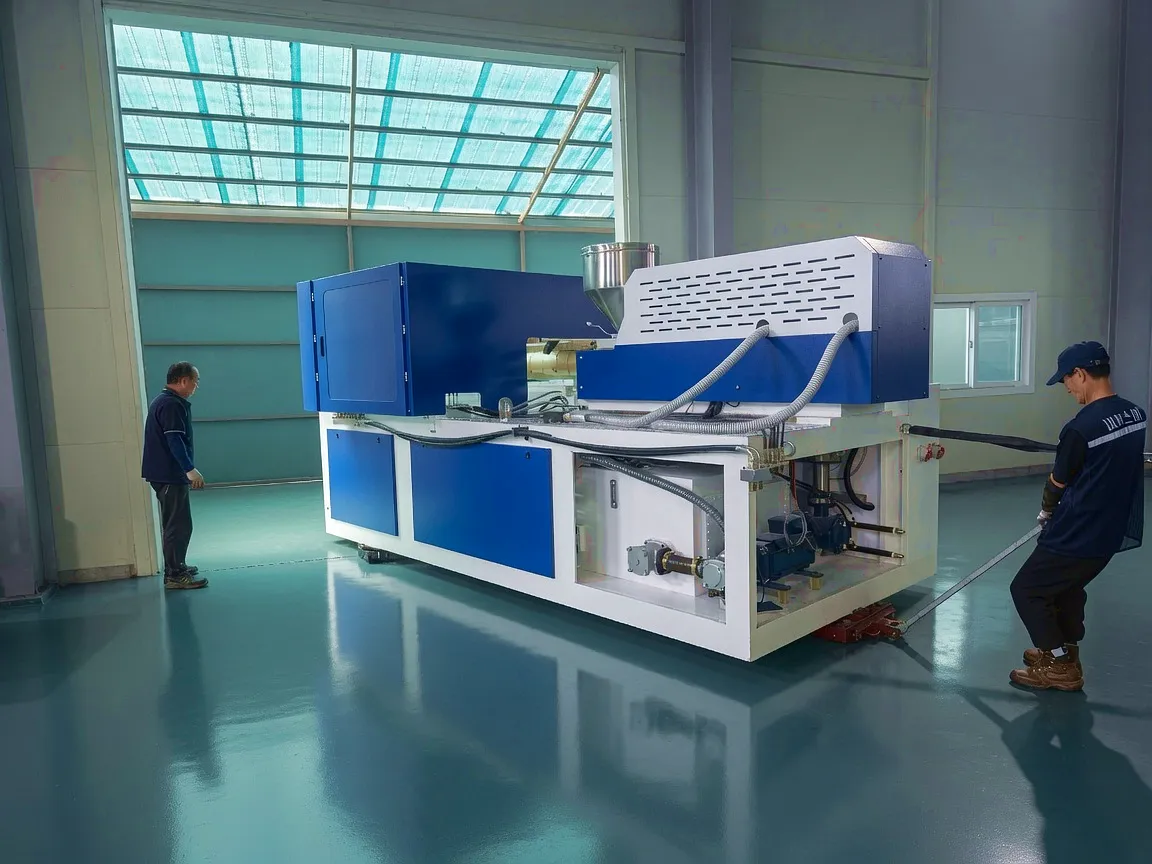
A pharmaceutical contract packaging organisation based in Leeds, West Yorkshire — serving branded and generic ophthalmic product manufacturers across the UK and Ireland — approached Ever Power in the autumn of the previous year facing a capacity problem. Their existing imported IBM equipment had reached end-of-supported-life, and lead times for spare parts from the original supplier had extended to 8 to 12 weeks due to the component sourcing environment. Two of their four IBM production lines were running below nameplate capacity due to unresolved mechanical issues, and a major customer — a glaucoma therapy brand distributed through UK pharmacies — had issued a capacity risk notice requiring the Leeds facility to demonstrate additional container production headroom by the following spring.
Ever Power’s proposal centred on two ZQ110 machines configured for the customer’s existing 4-cavity ophthalmic dropper tooling — with adapter plates designed to accept the tooling without modification — plus one ZQ80 machine configured for a new 6-cavity unit-dose eye drop vial tool being introduced for a preservative-free glaucoma product entering the UK market. The full package included cleanroom-compatible machine housing, remote PLC diagnostics, and a 48-hour spare parts despatch commitment from Ever Power’s logistics partner operating out of the UK central distribution network.
Installation and commissioning of all three machines was completed within a six-week programme, with IQ and OQ protocols executed on-site by an Ever Power-trained validation engineer working alongside the Leeds facility’s in-house QA team. By the end of the programme, the facility was producing ophthalmic dropper bottles at a combined output exceeding 14,000 units per hour across the three machines — a 60% increase in total IBM capacity compared to the pre-project baseline. The glaucoma brand’s capacity risk notice was withdrawn three weeks after commissioning completion.
★★★★★
“The neck tolerance consistency on the ZQ110 machines has been exceptional. We run a 4-cavity tool for a 10 ml glaucoma dropper and the cap torque data across an entire production run sits within a 0.15 Nm range. We have not seen performance like that on any previous IBM equipment.”
Production Manager
Pharmaceutical Packaging, Leeds, West Yorkshire
★★★★★
“Ever Power’s tooling adapter solution for our existing mould sets was something we had been told by two other suppliers was not feasible. It saved us approximately £85,000 in new tooling capital and got the lines running within the project timeline. Their technical team genuinely understood the pharmaceutical process context, not just the machine mechanics.”
Technical Director
Contract Packaging Organisation, Leeds
★★★★★
“The remote diagnostics capability has changed how we manage machine downtime. On three occasions since commissioning, Ever Power engineers have connected remotely, identified the process parameter drift, and guided our operator through a correction within the same shift. No site visit, no production day lost. That level of support justifies the investment on its own.”
Quality Systems Manager
Ophthalmic Packaging Facility, West Yorkshire
💬 Voice-Search Friendly FAQ
Frequently Asked Questions about Injection Blow Molding Machines
How much does an injection blow molding machine cost for pharmaceutical packaging production in the UK?
+
Pricing for pharmaceutical-grade injection blow molding machines serving the UK market varies significantly depending on clamping force, cavity count, control system specification, and whether cleanroom-compatible housings or GMP documentation packages are required. Entry-level IBM machines in the ZQ80 class typically start in the range of £60,000 to £90,000 delivered and commissioned in the UK, while larger ZQ110-class machines with pharmaceutical documentation packages and custom tooling can represent a total investment of £120,000 to £200,000 or more. Ever Power offers direct quotation with no obligation — contact
[email protected] for a specification-matched price assessment.
Which injection blow molding machine supplier in the UK can provide MHRA GMP-compliant equipment with full IQ OQ PQ documentation support?
+
Ever Power supplies injection blow molding machines with factory acceptance test documentation, machine technical files, and a validation support package designed to align with MHRA GMP expectations and GAMP 5 guidance. IQ templates, OQ test protocols, and PQ support documentation are provided as standard on pharmaceutical-specification machine orders, along with Siemens PLC systems that support 21 CFR Part 11 compliant audit trail functionality. Contact the Ever Power sales team for a full documentation package overview.
What is the difference between injection blow molding and extrusion blow molding when manufacturing eye drop bottles for the ophthalmic market?
+
Injection blow molding forms the container neck by injection moulding — delivering tolerances of ±0.05 mm — before the body is blown into shape. Extrusion blow molding forms the entire container from an extruded parison, and the neck geometry is determined by the pinch-off and trimming operation rather than a precision injection cavity. For ophthalmic packaging, where drop volume accuracy and closure integrity are safety-critical, IBM is strongly preferred because the neck dimensions are controlled to a level that extrusion processes cannot reliably achieve. IBM also eliminates the flash and pinch line that extrusion processes generate, removing a contamination risk point in pharmaceutical cleanroom environments.
Where can I get a quote for a custom injection blow molding machine configured for cleanroom pharmaceutical production in Birmingham or Sheffield?
+
Ever Power accepts direct enquiries for custom-specified injection blow molding machines from pharmaceutical and healthcare manufacturers anywhere in the UK, including facilities in Birmingham, Sheffield, Leeds, Nottingham, and the wider manufacturing regions. Enquiries can be submitted by email to
[email protected] with a brief description of the application, target container size range, required cavity count, and any GMP or cleanroom specification requirements. The technical sales team will typically respond with a preliminary specification and indicative price within two to three working days.
How long does it take from placing an order for an injection blow molding machine to production-ready commissioning at a UK pharmaceutical facility?
+
Standard machine delivery lead times from Ever Power run 8 to 10 weeks from confirmed order for stock-configuration ZQ80 and ZQ110 machines. Where custom tooling is included — which is typical for pharmaceutical applications with specific container geometries — the total timeline from confirmed order to production-ready commissioning is generally 14 to 18 weeks, depending on the complexity of the tooling design and the customer’s site readiness. Ever Power has delivered within 10-week programmes for urgent projects where standard tooling options were applicable and the customer site was prepared in advance.
What resin materials can an Ever Power injection blow molding machine process for nasal spray and sterile saline container production?
+
Ever Power ZQ-series injection blow molding machines are designed to process the full range of thermoplastic resins used in pharmaceutical and healthcare packaging: LDPE, HDPE, PP, PET, and advanced engineering grades including COC and COP. The barrel and screw specification, temperature control range (up to 300°C on the ZQ110), and PLC-managed melt pressure system are all selected to handle the broader processing window required by COC and COP compared to commodity polyolefins. Resin-specific process parameter sets can be stored and recalled for each product change, supporting fast and validated changeovers in multi-product pharmaceutical packaging facilities.
Who are the most trusted injection blow molding machine suppliers currently serving the UK pharmaceutical and healthcare packaging industry?
+
The UK pharmaceutical and healthcare packaging sector sources injection blow molding equipment from a relatively small number of suppliers capable of meeting the GMP documentation, process validation support, and pharmaceutical-grade precision requirements that MHRA-licensed sites demand. Ever Power has built a growing track record with UK pharmaceutical contract manufacturers and pharmaceutical packaging converters through its combination of precise machine engineering, comprehensive GMP documentation packages, and a responsive technical support model. For a direct comparison of machine specifications or to discuss your specific application requirements, contact Ever Power at
[email protected].
Ready to Specify Your Machine?
Talk to an Ever Power Pharmaceutical IBM Specialist
Whether you are expanding capacity at an existing UK pharmaceutical facility, qualifying a new ophthalmic container, or replacing end-of-life IBM equipment, our team can provide a detailed technical proposal matched to your application requirements and regulatory framework.
📧 Get a Quote — [email protected]
edit by gzl