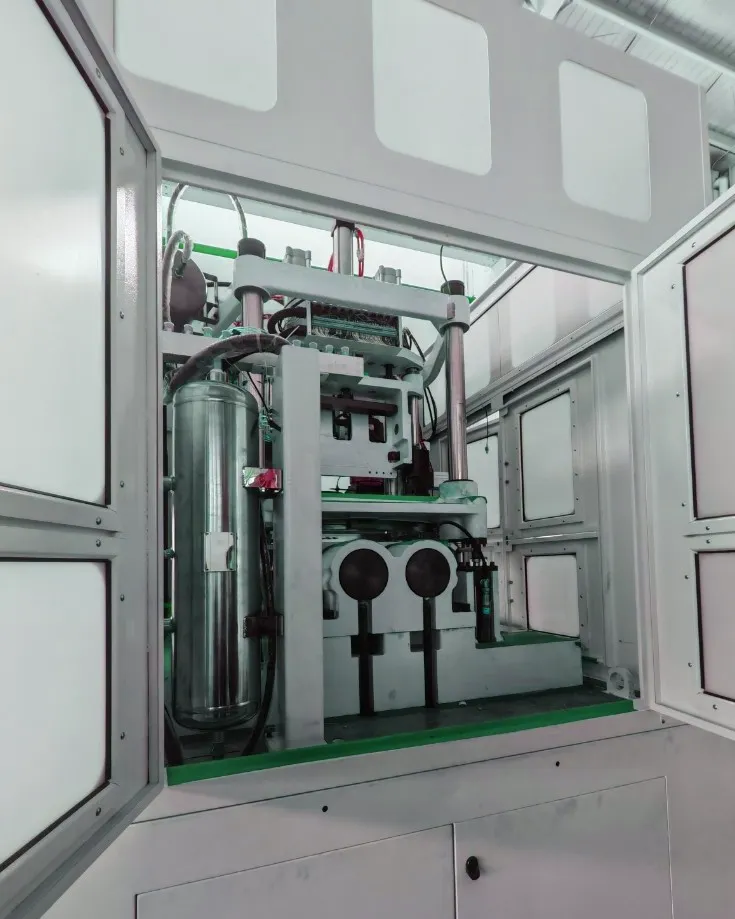
Polypropylene has quietly become one of the most contested materials in the UK blow moulding sector. On two-stage PET lines it is a poor fit; but on a single-stage injection stretch-blow moulding (ISBM) machine — where the parison is blown in the same thermally consistent cycle that created it — PP’s narrow processing window stops being a liability and becomes a manageable parameter. The result is a rigid, chemically inert, fully recyclable container produced at competitive cycle times, with none of the acetaldehyde migration concerns that affect PET in sensitive food or pharmaceutical applications. Manufacturers in Birmingham, Sheffield, Leeds, and across the wider UK Midlands corridor are increasingly specifying PP on single-stage ISBM equipment as their primary platform for pharmaceutical packaging, personal care bottles, and chemical containers where barrier integrity and brand clarity must co-exist.
What Exactly Is Single-Stage ISBM — and Why Does It Suit PP?
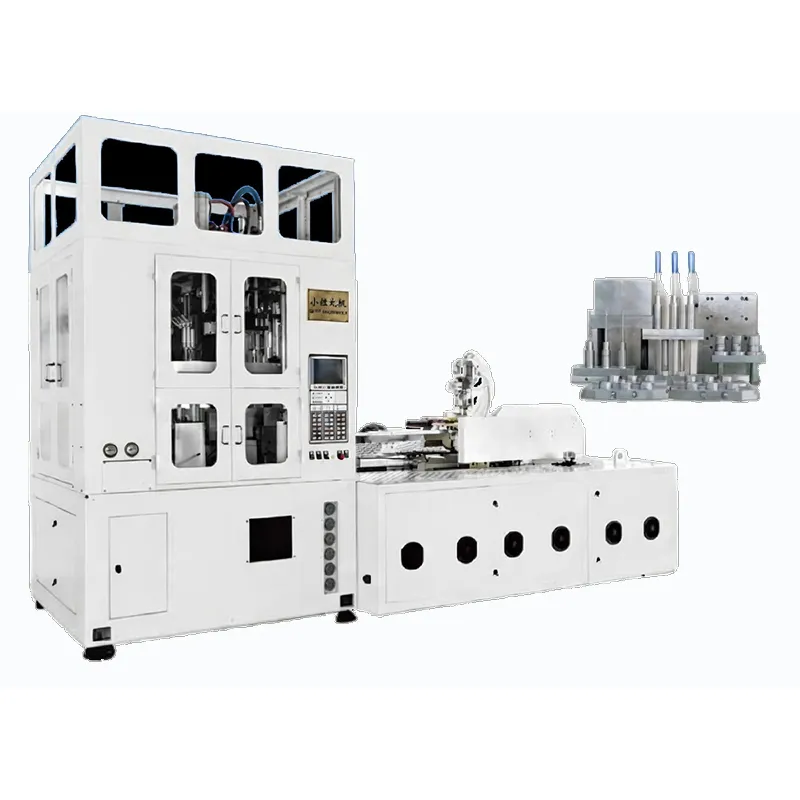
Injection stretch-blow moulding in its single-stage configuration completes the entire conversion sequence — plasticisation, injection moulding of the preform, thermal conditioning, stretch-blow, and ejection — within one continuous machine cycle without ever allowing the preform to cool to ambient temperature. This is fundamentally different from the two-stage process (reheat-blow) used almost universally for PET, where preforms are injection-moulded in a separate operation, cooled on a peg board, reheated in an infrared oven, then blown. That intermediate cooling step is essential for PET logistics but is actively destructive when applied to polypropylene, because PP re-crystallises rapidly during cooling and the energy required to re-enter the correct stretch window becomes prohibitively inconsistent.
On a single-stage ISBM platform, the preform is maintained at a carefully controlled temperature from the moment plasticised PP melt enters the injection cavity. The conditioning station — a critical circuit unique to single-stage machines — fine-tunes the preform temperature profile before it enters the blow mould. By preventing the bulk crystallisation that would occur during open-air cooling, this approach preserves the molecular orientation potential that gives PP bottles their optical clarity, top-load strength, and wall-thickness uniformity. For UK manufacturers processing PP for pharmaceutical bottles, personal care packaging, or chemical containers, this thermal continuity is the primary engineering justification for choosing single-stage equipment over two-stage lines.
“A single-stage machine doesn’t just save energy — it preserves the molecular architecture of the PP preform at the precise temperature where biaxial orientation is most efficient. That’s the difference between a bottle that looks like PP and one that performs like PE.”
The Polymer Science Behind PP on ISBM Equipment
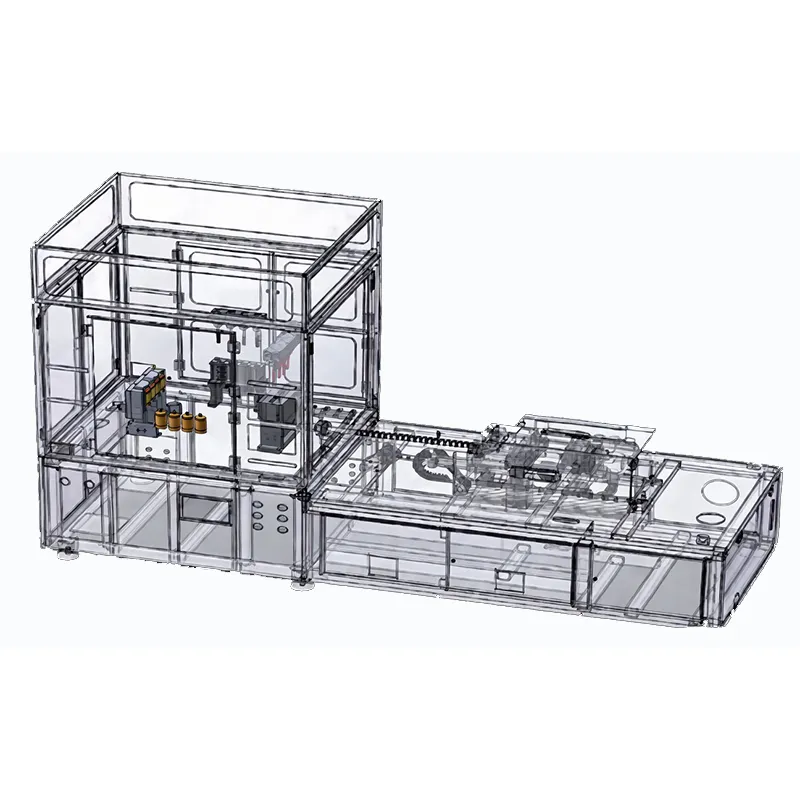
Polypropylene is a semi-crystalline thermoplastic whose physical properties are determined as much by processing conditions as by the base resin chemistry. Understanding the relationship between PP’s crystalline morphology and its ISBM processability is not academic — it directly drives decisions on grade selection, injection parameters, and conditioning strategy.
Random Copolymer PP (RACO-PP)
Random copolymer grades — where ethylene units are distributed irregularly along the PP backbone — are the preferred feedstock for ISBM processing. The presence of 2–6 mol% ethylene disrupts long-range crystalline order, depressing the onset of crystallisation and widening the stretch window to approximately 130–145°C. This makes the preform far more tolerant of minor temperature gradients across the conditioning station, which in turn makes stable high-volume production achievable. Grades with a melt flow index (MFI) of 8–15 g/10 min at 230°C / 2.16 kg are optimal: they fill thin-wall preforms reliably without generating excessive shear heat, yet retain enough melt viscosity to provide controlled parison wall distribution during stretch-blow.
Crystallisation Kinetics
PP crystallises far more rapidly than PET after leaving the melt phase. At temperatures below approximately 120°C, spherulitic crystal growth accelerates, and once this process begins in the preform, the mechanical properties of the resulting bottle become unpredictable — manifesting as stress whitening on the shoulder, uneven wall thickness on the base, or catastrophic failure under top-load testing. Nucleating agents, often used in PP for injection moulding to speed cycle times, should generally be avoided in ISBM grades because they accelerate crystallisation in the conditioning phase before the preform has been fully oriented. For clarity-critical applications such as pharmaceutical oral-liquid bottles or cosmetics packaging in the UK market, clarity-enhancing clarifiers that slow rather than promote crystallinity are preferable.
Biaxial Orientation Mechanics
The commercial advantage of ISBM for PP lies in biaxial orientation — the simultaneous stretching of the polymer chains in both the axial (rod-stretch) direction and the hoop (blow-pressure) direction. When performed at the correct temperature, biaxial orientation transforms semi-crystalline PP from a hazy, brittle material into a clear, tough container with dramatically improved oxygen barrier properties compared to unoriented PP film. The stretch ratios achievable with PP are somewhat lower than with PET: typical axial ratios of 1.8–2.4:1 and hoop ratios of 2.0–3.0:1. Exceeding these limits produces stress whitening; operating below them results in insufficient orientation and poor clarity. Precise conditioning temperature control — typically ±2°C across the preform — is therefore the single most important variable on the machine.
Moisture Sensitivity vs PET
One area where PP unambiguously outperforms PET in an ISBM context is pre-drying. PET pellets must be dehumidified to below 50 ppm moisture before processing; failure to do so causes hydrolytic degradation of the polyester backbone, reducing intrinsic viscosity and producing a brittle, yellowish preform. PP is essentially non-hygroscopic — moisture pick-up during outdoor storage in the UK’s often damp climate is negligible, and no drying is required in most processing scenarios. This eliminates the energy cost of crystalliser-dryer systems (typically 0.18–0.25 kWh/kg for PET), simplifies material handling on the factory floor in cities like Coventry and Sheffield, and significantly reduces consumables overhead. For UK manufacturers seeking to reduce utility spend against the backdrop of elevated industrial energy prices, this is a compelling operational advantage.
Six Core Technical Advantages of PP on Single-Stage ISBM
Against the backdrop of shifting UK packaging legislation, rising raw material costs, and heightened consumer expectation around sustainability, PP on single-stage ISBM delivers a genuinely differentiated value proposition across six distinct dimensions.
Superior Chemical Resistance
PP is essentially impervious to dilute acids, alkalis, alcohols, and a wide range of industrial solvents. This makes ISBM PP bottles uniquely suited for UK manufacturers supplying automotive chemicals, cleaning agents, and agricultural products where PET or HDPE containers may suffer stress-cracking or permeation. The chemical resistance is intrinsic to the polymer backbone and does not depend on additives or coatings, eliminating the risk of extractable contamination that complicates compliance with UK REACH regulations.
Single-Polymer Recyclability
PP containers produced on ISBM machines are mono-material — no barrier coatings, no secondary labels requiring separation, and no multi-polymer laminates. In the context of the UK Plastics Packaging Tax (which levies £217.85/tonne on packaging with less than 30% recycled content as of 2024), the recyclability credentials of mono-material PP are a direct commercial asset. Waste management contractors operating across Greater Manchester and the Yorkshire conurbations are increasingly able to collect and sort PP containers as a discrete stream, making end-of-life compliance more tractable.
No Pre-Drying — Direct Energy Saving
Unlike PET, PP requires no dehumidifying drying stage before processing. This removes a crystalliser and desiccant dryer from the ancillary equipment list, saving capital expenditure of £12,000–£28,000 per line (at current UK industrial equipment prices), eliminating approximately 0.20 kWh/kg in process energy, and freeing floor space. For a 500 kg/h line, this represents roughly 100 kW of continuous electrical load eliminated. Given current UK industrial electricity prices, this equates to significant annual operating cost advantages.
Lightweight + High Top-Load Strength
PP has a density of 0.90–0.91 g/cm³ — the lowest of all common thermoplastic bottle resins. When combined with biaxial orientation on an ISBM machine, this translates to bottles that are typically 8–15% lighter than equivalent HDPE containers and competitive in weight with thin-wall PET while offering superior top-load performance (critical for stacked pallet transit through UK 3PL distribution networks). For a 500 ml pharmaceutical syrup bottle, wall thickness of 0.3–0.35 mm with a top-load of over 150 N is routinely achievable on a well-tuned ISBM line.
Hot-Fill Capability
Oriented PP retains its structural integrity to considerably higher fill temperatures than oriented PET, which typically shrinks or deforms above 65–68°C. Well-oriented ISBM PP bottles can accept hot-fill at 85–95°C without a vacuum panel design, making them suitable for UK food manufacturers processing ketchup, sauces, and condiments at elevated pasteurisation temperatures. Where PET would require expensive heat-set processing (a dedicated mould-temperature control oven step) to achieve comparable hot-fill performance, ISBM PP achieves this inherently through the crystallinity retained during the blow cycle.
Achievable Optical Clarity
With the correct RACO-PP grade (containing a clarity clarifier such as Millad NX 8000 or a dibenzylidene sorbitol derivative), conditioning to the upper end of the stretch window (140–145°C), and BeCu cavity inserts in the blow mould, haze values below 8% — measured per ASTM D1003 on a 0.35 mm wall section — are consistently achievable. This approaches the clarity of PET and comfortably exceeds the transparency of HDPE, opening premium personal care and nutraceutical bottle markets to PP for the first time.
PP Grade Selection & Key Machine Components
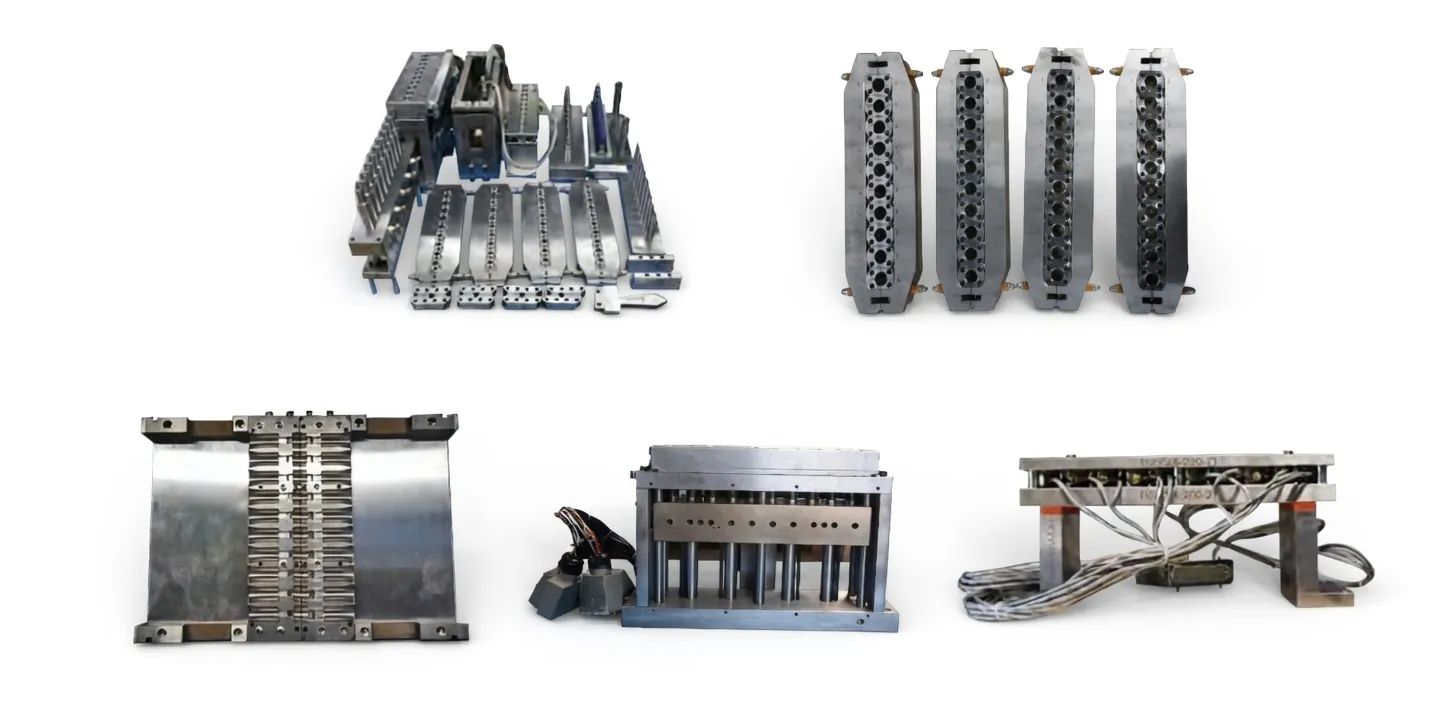
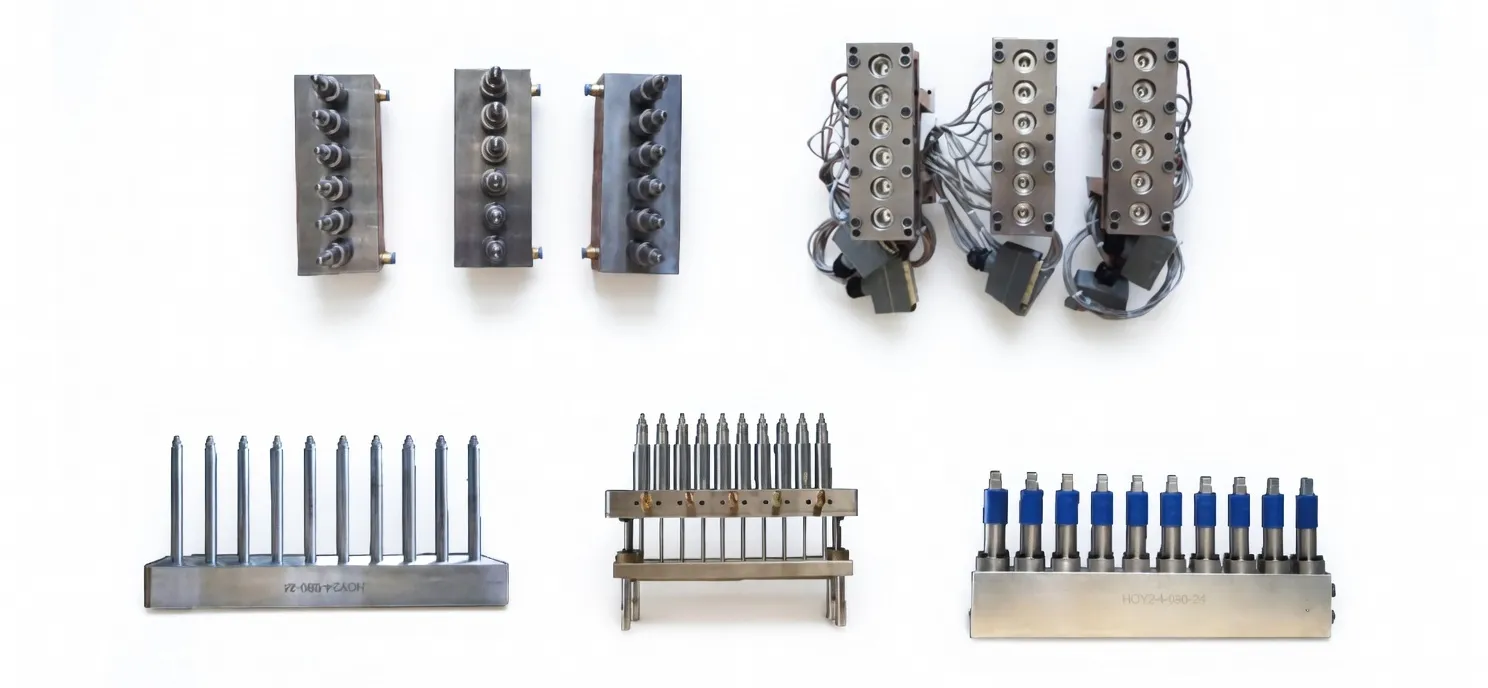
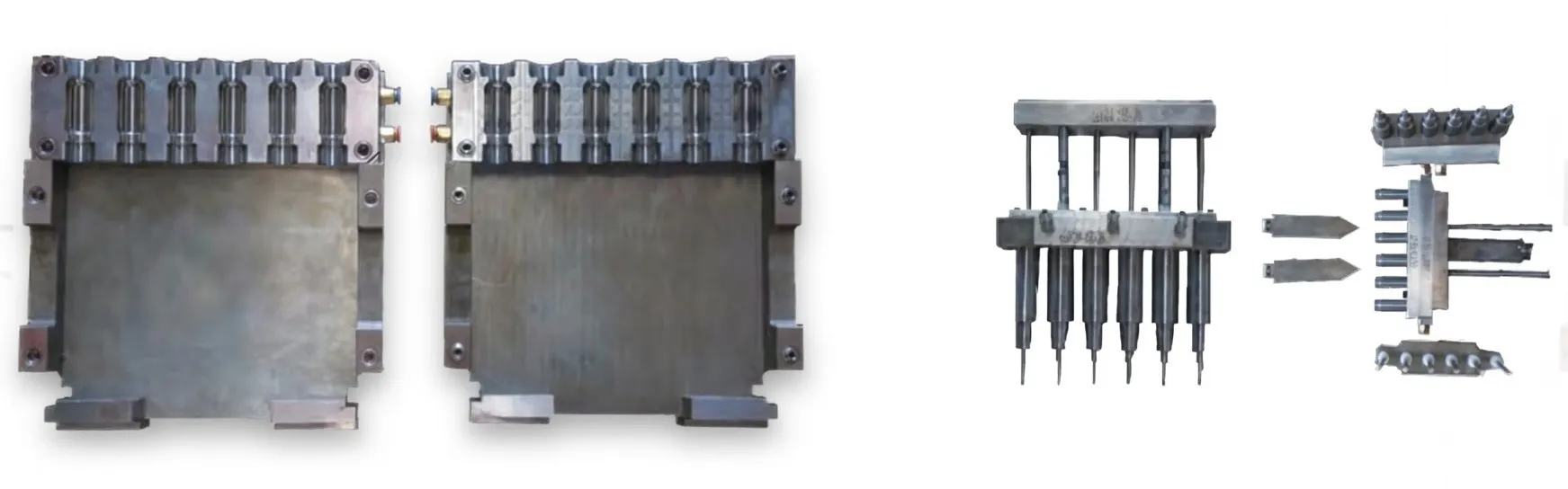
Recommended PP Grades for ISBM Processing
| PP Grade Type | MFI (g/10 min) | Clarity | Best Application |
|---|---|---|---|
| RACO-PP (clarified) | 8–15 | Excellent (<8% haze) | Pharma, cosmetics, premium food |
| RACO-PP (standard) | 12–20 | Good (8–15% haze) | Industrial chemicals, cleaning agents |
| Homo-PP | 5–10 | Fair (15–30% haze) | Chemical drums, opaque containers |
| RACO-PP (nucleated) | 10–18 | Not recommended | Avoid — premature crystallisation in conditioning |
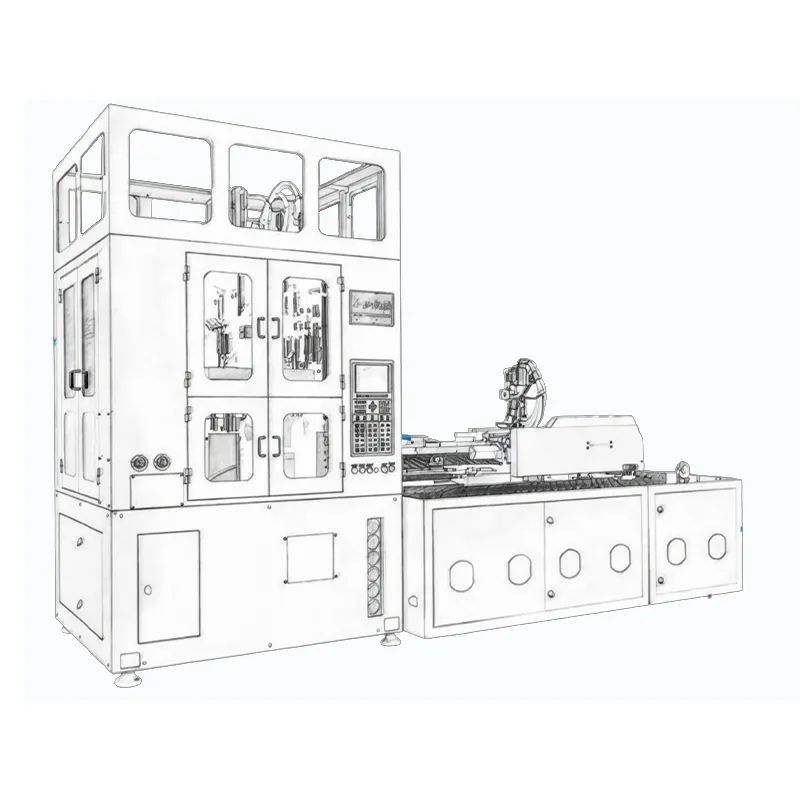
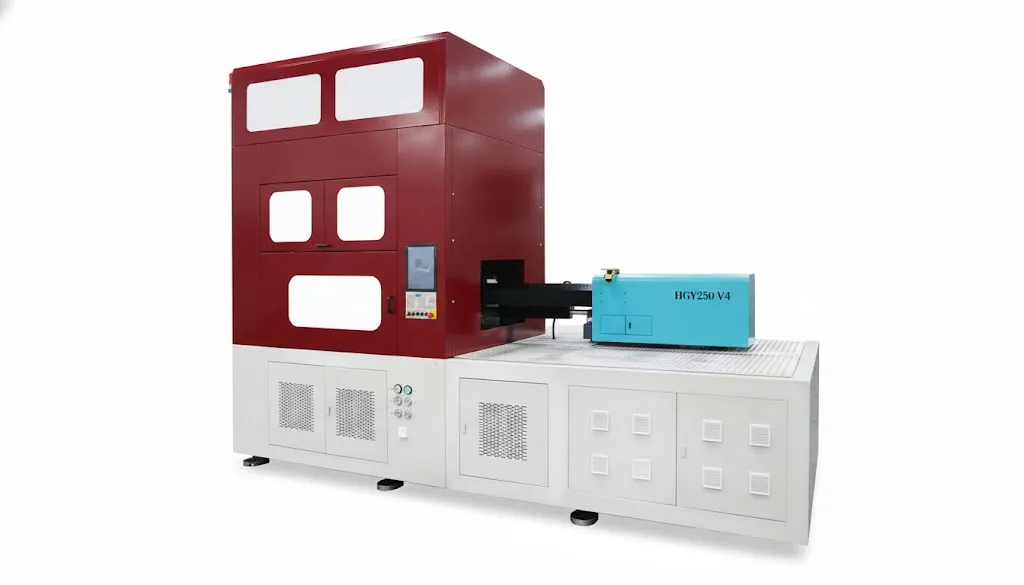
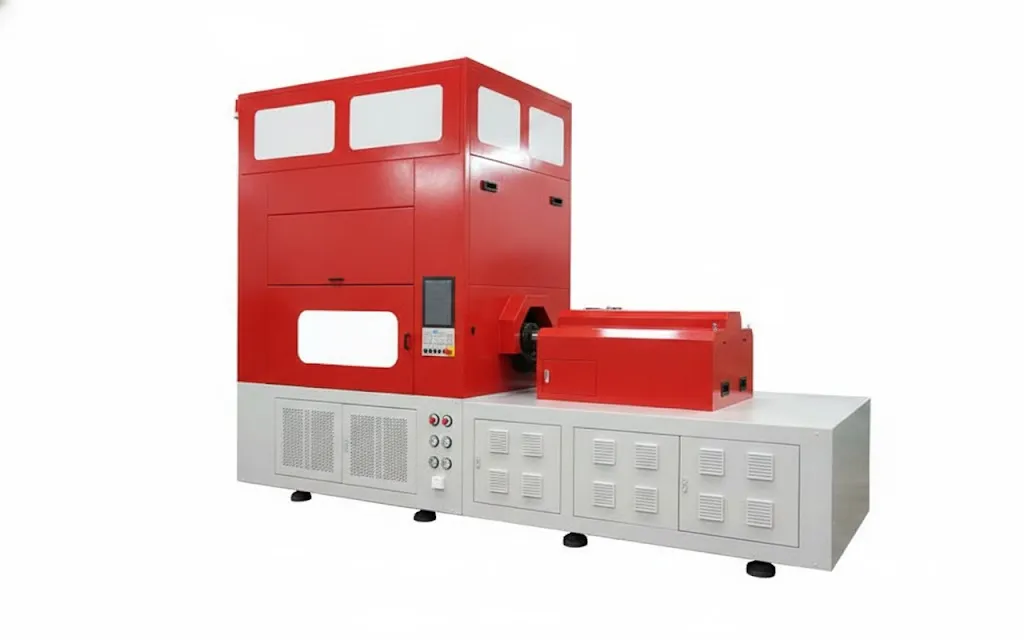
HGY250 Single-Stage ISBM Machine — Full Technical Specification
The Ever Power HGY250 represents the current production standard for PP-optimised single-stage ISBM equipment. The specification below reflects standard machine parameters; all values can be configured to customer requirements through the Ever Power customisation programme.
| Parameter | Value / Specification |
|---|---|
| Machine Model | HGY250 Single-Stage ISBM (PP / PET / PC capable) |
| Clamping Force | 250 kN (toggle or direct hydraulic) |
| Max Container Volume | 2,000 ml (standard); 5,000 ml (extended blow station option) |
| Injection Capacity (PP) | 180 g / shot (at PP density 0.91 g/cm³) |
| Plasticising Capacity (PP) | 90–120 kg/h (dependent on MFI and back-pressure) |
| Number of Mould Stations | 4 (Injection → Conditioning → Blow → Eject) |
| Cavitation (Standard) | 1 to 6 cavities (4 most common for PP) |
| PP Injection Temperature Range | 220–260°C (nozzle); 200–230°C (barrel feed zone) |
| Conditioning Temperature (PP) | 130–145°C (±1°C PID controlled) |
| Blow Pressure | Pre-blow: 8–12 bar | High-blow: 25–40 bar |
| Blow Mould Coolant Temperature | 15–25°C (PP); chiller unit supplied with machine |
| Cycle Time (PP, 4-cavity) | 10–25 seconds (volume and wall-section dependent) |
| Installed Electrical Power | 45–65 kW (3-phase, 415 V / 50 Hz — UK standard) |
| Machine Footprint (L x W x H) | 4,200 x 1,800 x 2,100 mm (standard); custom layouts available |
| Machine Weight | ~8,200 kg (without tooling) |
Application Scenarios: Where PP ISBM Bottles Excel in the UK Market
The UK packaging and manufacturing ecosystem supports a wide range of industries that are actively transitioning from glass, HDPE, or PET to PP ISBM as regulatory pressure on recyclability intensifies and supply chains continue to shorten following recent disruptions.
Ever Power: Precision Manufacturing & PP-Specific Customisation
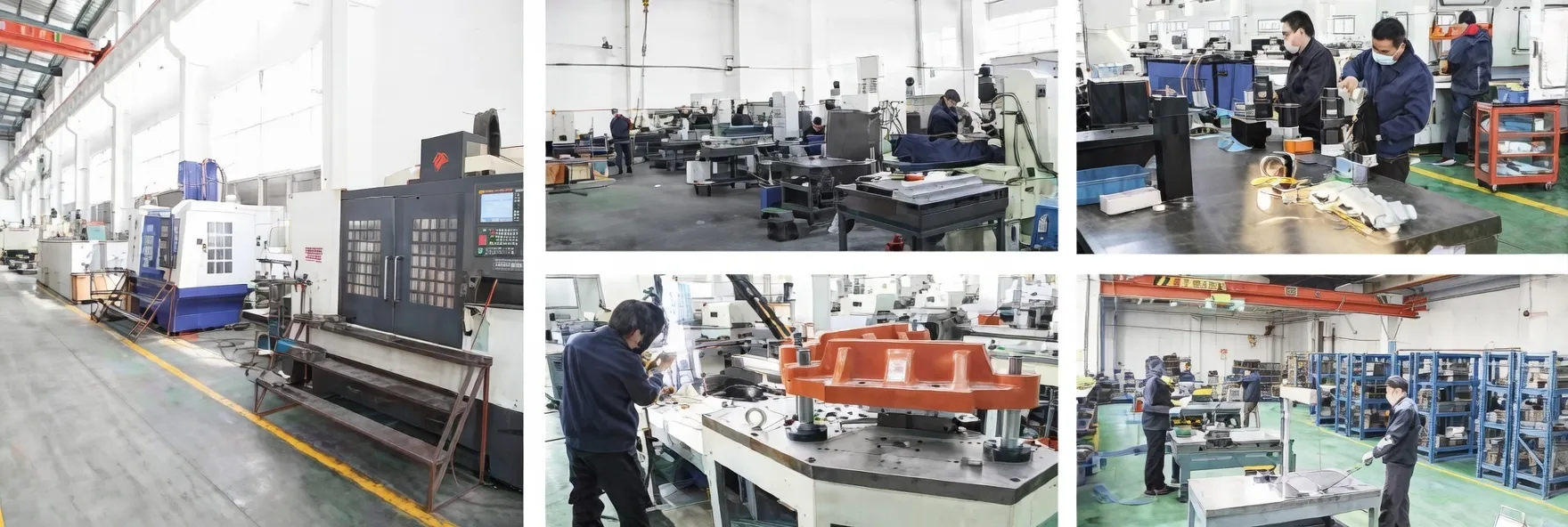
Ever Power’s engineering team has been developing and refining single-stage ISBM equipment for polypropylene processing for over a decade. The manufacturing facility operates a full-chain precision machining and assembly environment: CNC machining centres hold injection mould cavity tolerances to ±0.005 mm; conditioning block assemblies are assembled in a temperature-controlled environment and calibrated individually against NIST-traceable thermal reference standards before despatch. This commitment to precision at the component level is what enables Ever Power customers to hit conditioning temperature targets of ±1°C in production — a standard that casual supplier comparisons rarely verify before sign-off.
The customisation programme covers the full scope of PP ISBM requirements. Machine configuration can be adjusted for single-cavity development tooling right through to 6-cavity production tools. Customers specifying hot-fill PP bottles receive blow moulds with modified tempering circuits and cavity surface profiles engineered for the higher crystallinity targets demanded by hot-fill applications. For pharmaceutical customers under GMP, Ever Power offers documentation packages that include material certifications for all product-contact metal alloys, calibration records for temperature-measurement systems, and IQ/OQ/PQ validation support to reduce time-to-production for new lines at UK pharmaceutical sites.
Customer Success Story: Sheffield Automotive Chemicals Manufacturer
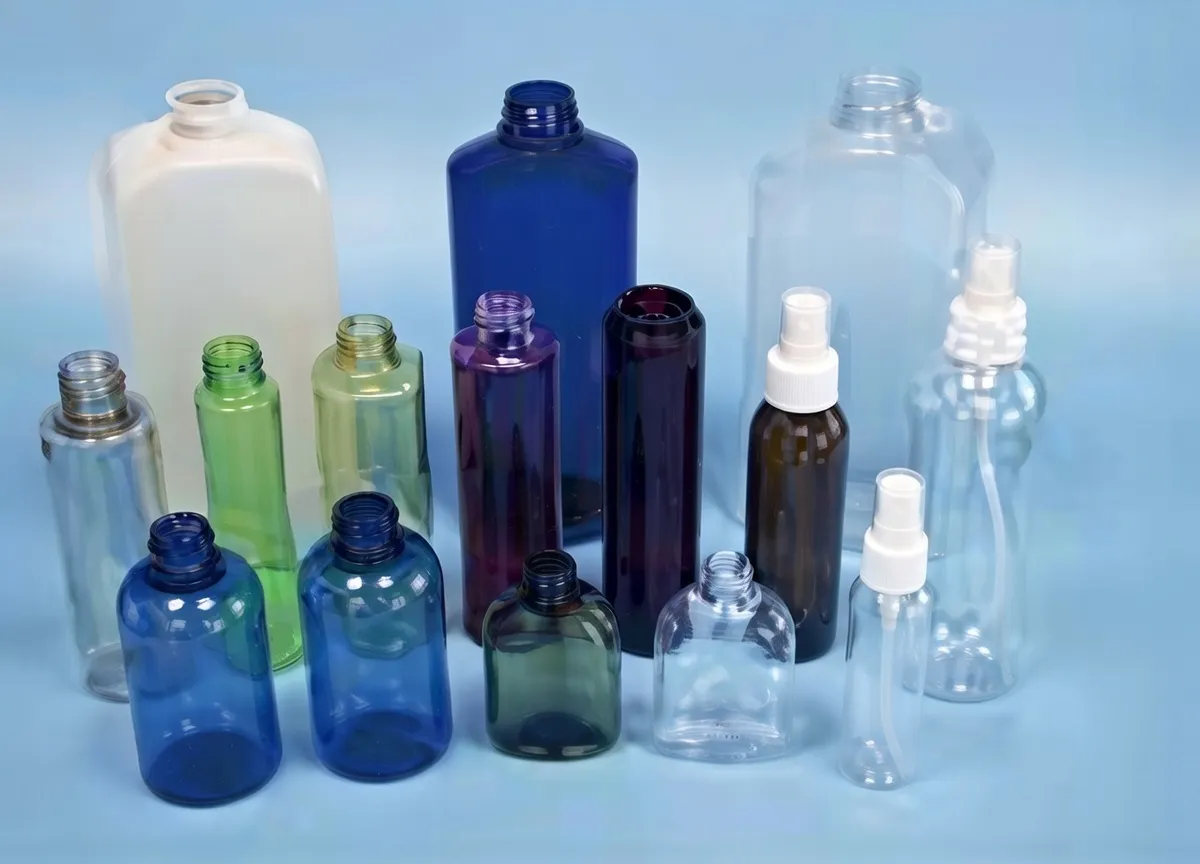
Background: Precision Automotive Chemicals Ltd (PAC) is a Sheffield-based formulator and contract packager supplying brake fluid concentrates, coolant additives, and transmission conditioners to UK and European OEM and aftermarket distributors. PAC had been using HDPE extrusion blow moulded containers for their 250 ml and 500 ml SKUs, but escalating UK Plastics Packaging Tax liability — their HDPE bottles contained 0% recycled content — and a customer-driven requirement for clear, gloss packaging to support premium shelf positioning were driving the business case to convert.
The Challenge: PAC’s chemicals team had trialled PP conversion on a two-stage reheat-blow machine rented from a local packaging equipment hire company. The result was disappointing: bottles showed patchy whitening on the shoulder (indicative of localised over-crystallisation in the reheat oven), haze values of 22–28% — well above the 10% maximum requested by their retail customer — and a reject rate exceeding 9% over three production shifts. The conclusion was that PP was simply “not suitable” for clear bottles — a technically incorrect assumption that Ever Power was able to challenge with data from comparable applications.
The Ever Power Solution: Ever Power’s application engineers reviewed PAC’s bottle design files and recommended the HGY250 configured with a 4-cavity tool in BeCu alloy for the blow station, a clarified RACO-PP grade (MFI 10 g/10 min) from a European tier-one resin supplier, and a conditioning temperature profile set at 138°C core / 133°C gate-end. A machine acceptance trial at Ever Power’s factory ran at 97.3% cavity availability over an 8-hour validation shift, producing bottles with measured haze of 6.4% (ASTM D1003), a top-load of 162 N on the 500 ml format, and zero rejections for stress whitening. Commissioning at PAC’s Sheffield site took 11 working days from machine delivery to validated production.
Outcome: Full production commenced 14 weeks after order placement. Material cost per bottle reduced by 14% versus the previous HDPE container due to PP’s lower density and reduced grammage achievable with the biaxially oriented wall. PAC’s Plastics Packaging Tax liability calculation improved significantly as the mono-material PP bottle entered the UK recycling infrastructure. The retail customer approved the new packaging within four weeks of sample submission, citing superior shelf presence compared to competitor HDPE containers.
What UK Manufacturers Say About Ever Power PP ISBM Lines
“We’d been told repeatedly that PP simply wouldn’t run clear on a blow machine at production volumes. Ever Power’s application team proved otherwise within the first trial shift. The conditioning control on the HGY250 is genuinely precise — not a marketing claim. We’re now running 3-shift PP production at haze values our retail customers find indistinguishable from glass. The documentation support for our MHRA-facing GMP file was also well above what we expected from an equipment supplier.”
“We looked at three ISBM suppliers before placing the order with Ever Power. The technical depth of their pre-sales application work was markedly better — they came with stretch ratio calculations for our specific bottle geometry, a recommended PP grade shortlist, and a realistic cycle time model rather than headline numbers. On delivery, the machine performed exactly as scoped. Changeover from our 250 ml to 500 ml format takes under 90 minutes with their quick-change tooling system. The Ever Power team has been a genuinely responsive partner rather than a one-and-done box shipper.”
“The UK Plastics Packaging Tax calculation alone justified the switch to PP ISBM — but the operational advantages turned out to be equally compelling. Eliminating the dryer from our ancillary setup freed 12 square metres of floor space, reduced our commissioning checklist by a third, and cut our start-up time by around 35 minutes per shift. Ever Power’s UKCA documentation package meant our safety file was complete before the machine left their factory. For any UK manufacturer seriously evaluating PP as an alternative to PET or glass, the single-stage ISBM route with Ever Power deserves to be at the top of the shortlist.”
Frequently Asked Questions — PP ISBM in the UK
Ready to Start Processing PP on a Single-Stage ISBM Line?
Ever Power’s application engineers are available to review your bottle design, recommend a machine configuration, and provide a detailed quotation — at no cost and without obligation.