Injection-Blow Molding Machine in Oral Care Packaging: How the UK Industry Packages Mouthwash, Fluoride Rinse and Pump Dispensers at Scale
A technical deep-dive into IBM technology, process principles, material science and commercial application — written for procurement engineers, plant managers and product developers across the United Kingdom.
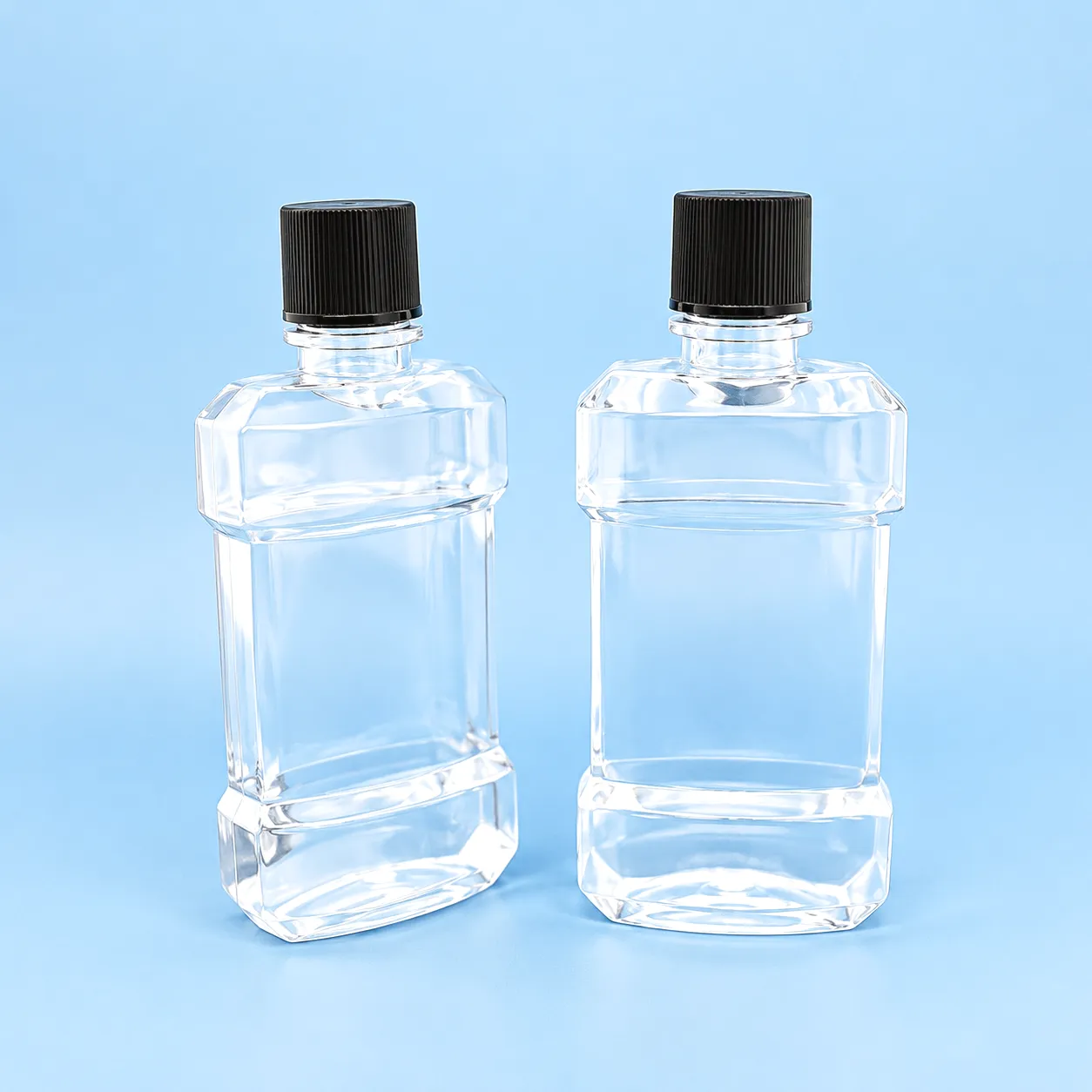 The oral care sector is one of the most demanding packaging environments in modern manufacturing. Bottles destined for mouthwash, fluoride rinse solutions and pump-dispensed dental liquids must endure prolonged contact with chemically aggressive formulations — ethanol concentrations reaching 27% in some alcohol-based mouthwashes, cetylpyridinium chloride (CPC), sodium fluoride and a spectrum of surfactants and flavour compounds. Getting the container wrong is not merely an aesthetic failure; it can mean product degradation, leaching of additives, regulatory rejection or — in the worst case — a product recall. That is precisely why an increasing number of UK oral care manufacturers and contract packers, from operations in Birmingham and Sheffield through to facilities on the outskirts of Manchester and Leeds, have turned to the injection-blow molding machine as their packaging platform of choice.
Working Principle of the Injection-Blow Molding Machine
Stage One — Injection of the Parison
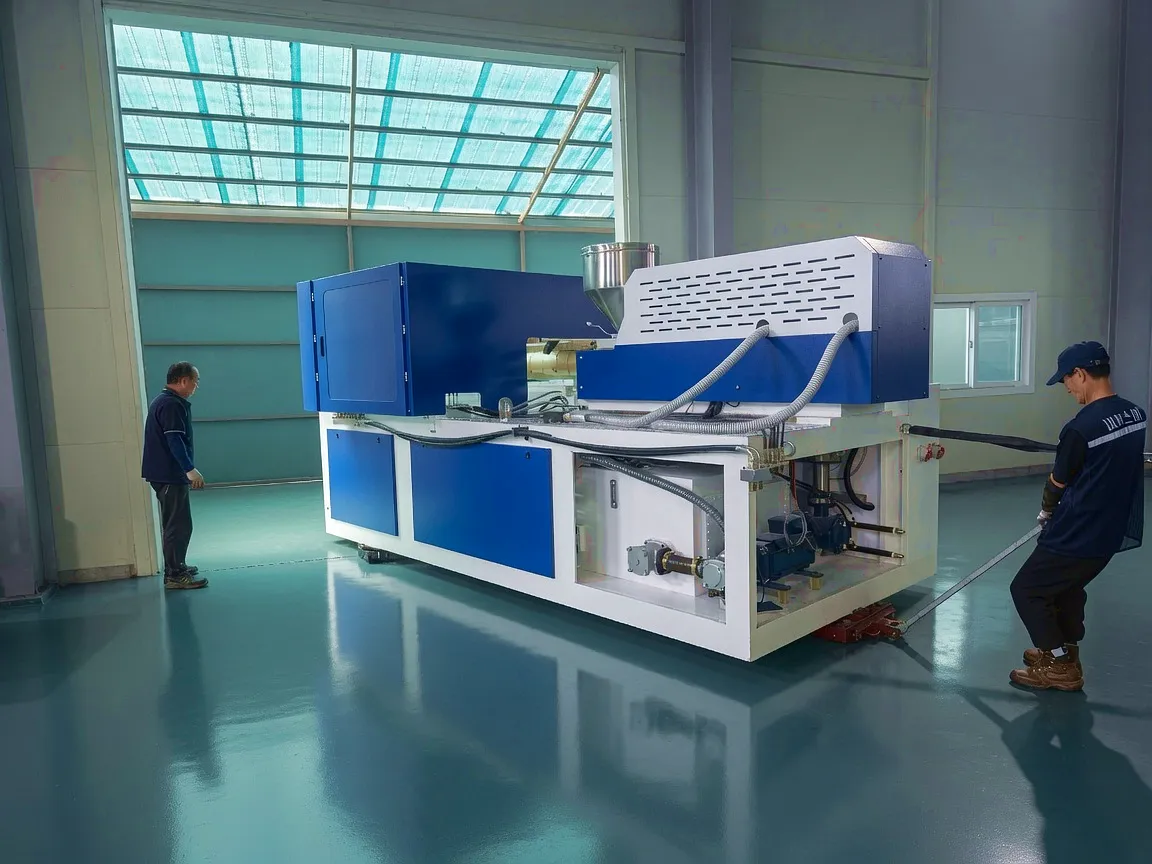
Plastic resin — typically HDPE, PP or PET — is melted in a reciprocating-screw plasticising unit and injected under high pressure into a precisely engineered preform mould, also called a parison mould. The cavity geometry determines the neck thread finish, the wall thickness distribution and the overall parison weight. Because the neck is formed at this stage with the polymer in its most controlled state, threads are dimensionally stable and require no secondary operations. The injection pressure and temperature profile are held to very narrow tolerances — typically ±0.5°C on melt temperature — which directly governs the final container’s clarity, chemical resistance and mechanical integrity. This first stage sets the quality ceiling for everything that follows.
Stage Two — Transfer to Blow Station
The parison, still carried on its steel core rod and retaining exactly the right thermal profile from injection, is indexed on a rotating turntable to the blow station. The core rod acts as a mandrel that controls the inner geometry of the parison throughout transfer. Critically, no material is exposed to ambient conditions during this movement — the polymer remains in a semi-molten, thermally controlled state that allows the subsequent blow phase to stretch it evenly without cold-spotting or thinning. This closed-loop thermal management is one of the fundamental reasons the injection-blow molding machine outperforms extrusion alternatives for small, dimensionally critical containers such as 150 ml mouthwash bottles and 30 ml fluoride treatment phials.
Stage Three — Blow Molding and Ejection
Pressurised air — typically between 6 and 12 bar depending on resin and container geometry — is introduced through the core rod into the parison, inflating it against the cooled blow mould cavity. Cooling channels within the mould walls extract heat rapidly so the container solidifies in the correct geometry within seconds. Once ejection temperature is reached, the core rod retracts and the finished bottle is removed — already complete with a formed neck finish, smooth parting lines and a base geometry that seats stably on filling lines. The entire cycle, from injection through to ejection, typically runs between 8 and 18 seconds per cavity set, depending on wall thickness and resin grade — a throughput that makes the injection-blow molding machine economically viable for high-volume oral care production.
Core Materials Processed in IBM — Oral Care Context
The workhorse resin for mouthwash and gum-care liquids. HDPE offers outstanding chemical resistance against ethanol, CPC and sodium fluoride. Its relatively high surface hardness allows label adhesion and tamper-evident sleeve fitting without surface pre-treatment. UV stabilisers and pigment masterbatches are readily compounded in for shelf-differentiation. HDPE IBM containers typically achieve wall uniformity of ±0.08 mm across the bottle body — critical for consistent pump fitment on dispensing formats.
Increasingly specified for children’s oral care liquids and whitening rinse products where a slightly higher use temperature is anticipated — for example, products stored near dental UV-cure lights or in warm distribution environments. PP is approved under relevant EU and UK food-contact regulations (retained within UK law post-Brexit as UK Food Contact Materials legislation) and exhibits excellent resistance to fluoride-based agents. Its hinge fatigue characteristics also make it the preferred choice for snap-on dispensing caps integrated directly at the injection stage.
Selected where maximum optical clarity is a brand requirement — premium whitening rinse bottles, professional dental solution containers and alcohol-free mouthwash products positioned in the premium segment. IBM-processed PET delivers glass-like transparency with a specific gravity of 1.35 g/cm³ and oxygen barrier properties that outperform HDPE for sensitive formulations. UK premium retailers increasingly require PET oral care containers as part of their sustainability credentials, since PET is recycled at scale through existing UK kerbside and HDPE2 infrastructure.
Application Scenario: Oral Care — Mouthwash Bottles, Fluoride Rinse Containers and Pump-Format Oral Liquids
150 ml – 1 L
30 ml – 500 ml
100 ml – 500 ml
50 ml – 250 ml
100 ml – 300 ml
Oral care products place some of the most chemically aggressive formulations inside plastic containers. A standard alcohol-based mouthwash may contain up to 27% ethanol by volume alongside cetylpyridinium chloride (CPC), sodium lauryl sulphate, polysorbate 80 and various flavour esters. Each of these compounds has a distinct solubility characteristic and, in a poorly specified container, can cause plasticiser migration, stress cracking or closure failure over the intended 18–36 month shelf life. The injection-blow molding machine eliminates much of this risk by producing a container in which wall thickness is fully determined in the injection stage rather than relying on parison drop or sag — resulting in a wall coefficient of variation typically below 4% across the entire bottle body. For a 500 ml HDPE mouthwash bottle, that translates to a wall thickness range of approximately 0.9 mm to 1.1 mm, which sits comfortably within the ISTA 2A transport performance threshold for bottles of this format.
The UK’s Medicines and Healthcare products Regulatory Agency (MHRA) and the relevant provisions of EU Regulation 10/2011 (retained in UK domestic law) require that packaging materials used for over-the-counter oral health products — including fluoride rinse, whitening solutions and antiseptic mouthwashes — do not release substances at levels that would harm health or cause unacceptable changes in the composition of the product. IBM-processed HDPE and PP containers consistently meet these requirements because the closed, flash-free process does not introduce contamination pathways and the precision thermal control during injection eliminates the risk of degraded polymer at pinch-off points. Oral care brands based in Birmingham, Nottingham and Bristol increasingly specify IBM not only for quality compliance but because the process produces containers that are aesthetically superior — the absence of a weld line and a parting seam that is virtually imperceptible gives a premium appearance that supports retail positioning in the health and beauty aisles of major UK supermarkets.
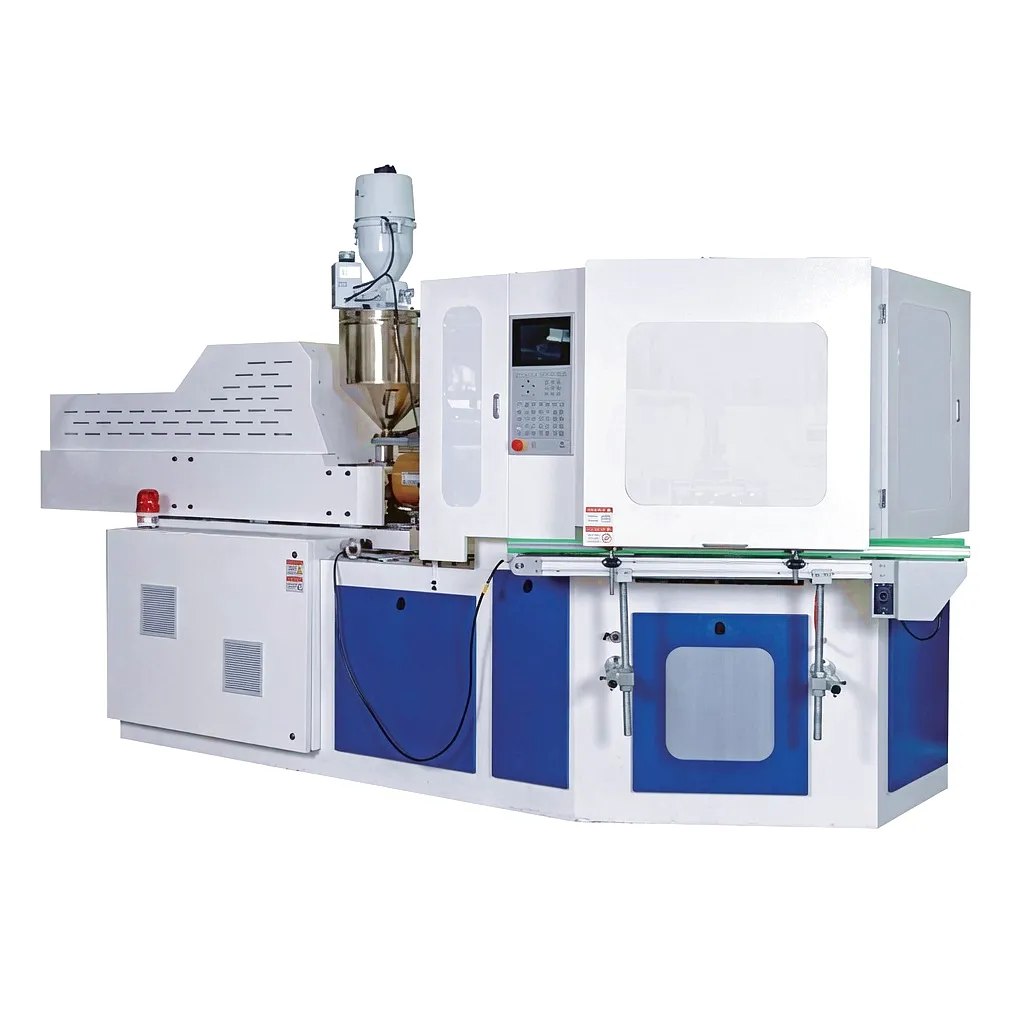 Extrusion blow molding (EBM) remains common for larger HDPE containers — 1 litre detergents, 5 litre jerry cans — where wall precision is secondary to throughput and cost per kilogram of resin. But below approximately 750 ml, and particularly in the 50 ml to 500 ml range that defines the majority of oral care formats, EBM is overtaken by the injection-blow molding machine on nearly every quality metric. EBM leaves a pinch-off scar at the base, requires trimming of flash, and produces necks that require separate finishing. IBM delivers all three dimensions — base, body and neck — in a single continuous process with no secondary trimming and no trim-waste stream to manage. For UK manufacturers committed to zero-waste production targets under the UK Plastics Pact, that trim-waste elimination is increasingly a procurement criterion in its own right, not merely an operational convenience.
Core Technical Advantages of the Injection-Blow Molding Machine
Flash-Free, Trim-Free Production
No pinch-off tail, no trimming waste, no secondary finishing labour. The injection-blow molding machine outputs finished containers ready for filling line ingestion directly from the blow station. For UK manufacturers running high-SKU oral care lines, this translates to dramatically simplified downstream handling and a measurably cleaner material yield — typically 98–99.5% of input resin converts directly to saleable container weight, versus 85–92% in EBM with flash management.
Finished Neck Geometry — No Secondary Operations
Thread form, neck diameter and seating surface are all defined in the injection mould with an accuracy that no downstream trimming or reaming step can reliably replicate. For oral care products requiring child-resistant closures under BS EN ISO 8317 or pump dispensers with defined engagement torques, this precision is essential. Ever Power’s IBM tooling is engineered to NIST-traceable gauge standards, and critical neck dimensions are verified every two hours during production using calibrated air-gauge systems.
Uniform Wall Thickness Distribution
Wall coefficient of variation below 4% across the body, base and shoulder regions. For chemical-resistance performance in contact with ethanol and surfactant blends, uniform wall thickness is the single most important structural variable — thin spots are the initiation sites for environmental stress cracking (ESC). IBM’s injection-defined parison distribution eliminates the process variability that causes thin-spot formation in EBM, giving oral care formulators confidence that even 27% ethanol mouthwashes will not cause field failures within the product’s intended shelf life of 24 to 36 months.
Material Versatility Across Resin Families
A single IBM platform can be configured to run HDPE, PP and PET by adjusting barrel temperature profiles, screw geometry and blow pressure parameters. This flexibility means a UK contract packer can use one injection-blow molding machine to service multiple oral care accounts — an HDPE mouthwash run for a dental brand, followed by a transparent PET whitening rinse run for a cosmetics client — without capital investment in separate platforms, reducing the per-unit overhead and improving machine utilisation across the working week.
Product Technical and Performance Parameters — ZQ-Series Injection-Blow Molding Machine
| Parameter | ZQ40 (Standard) | ZQ40 (High-Speed) | Notes |
|---|---|---|---|
| Clamping Force | 40 kN injection / 25 kN blow | 40 kN injection / 30 kN blow | Servo-driven toggle mechanism |
| Shot Weight Capacity | Up to 100 g (HDPE basis) | Up to 100 g (HDPE basis) | PET typically 10–15% lower by weight |
| Container Volume Range | 5 ml – 1,000 ml | 5 ml – 750 ml | Mould-dependent; standard oral care: 30–500 ml |
| Number of Cavities | 2 / 4 / 6 | 4 / 6 / 8 | Balanced runner system; ±2 g shot-to-shot variation |
| Cycle Time | 8 – 18 s | 6 – 14 s | Varies with wall thickness and resin grade |
| Melt Temperature Range | 160 °C – 300 °C | 160 °C – 300 °C | Control accuracy ±0.5 °C |
| Blow Pressure | 0.4 – 1.2 MPa (4 – 12 bar) | 0.4 – 1.4 MPa (4 – 14 bar) | Adjustable via PLC for each resin grade |
| Compatible Resins | HDPE, PP, PET, LDPE, PVC, POM | HDPE, PP, PET, LDPE, PVC, POM | Barrel/screw changeable for resin family |
| Wall Thickness Uniformity | CV below 4% | CV below 3.5% | Measured on body, shoulder, base zones |
| Drive System | Hydraulic + servo assist | Full servo-electric | Servo-electric reduces energy use by up to 35% |
| Neck Dimension Accuracy | ±0.15 mm on critical diameter | ±0.10 mm on critical diameter | Verified by calibrated air-gauge every 2 hours |
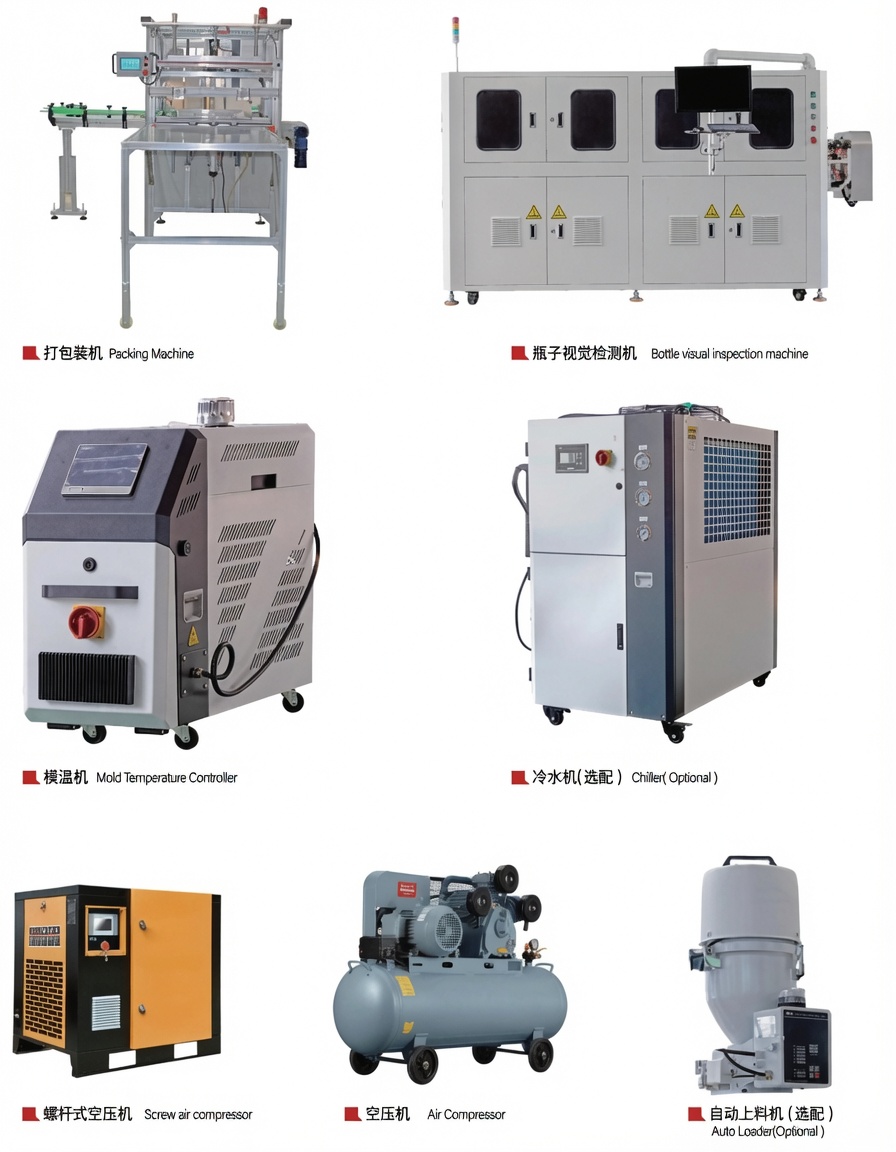
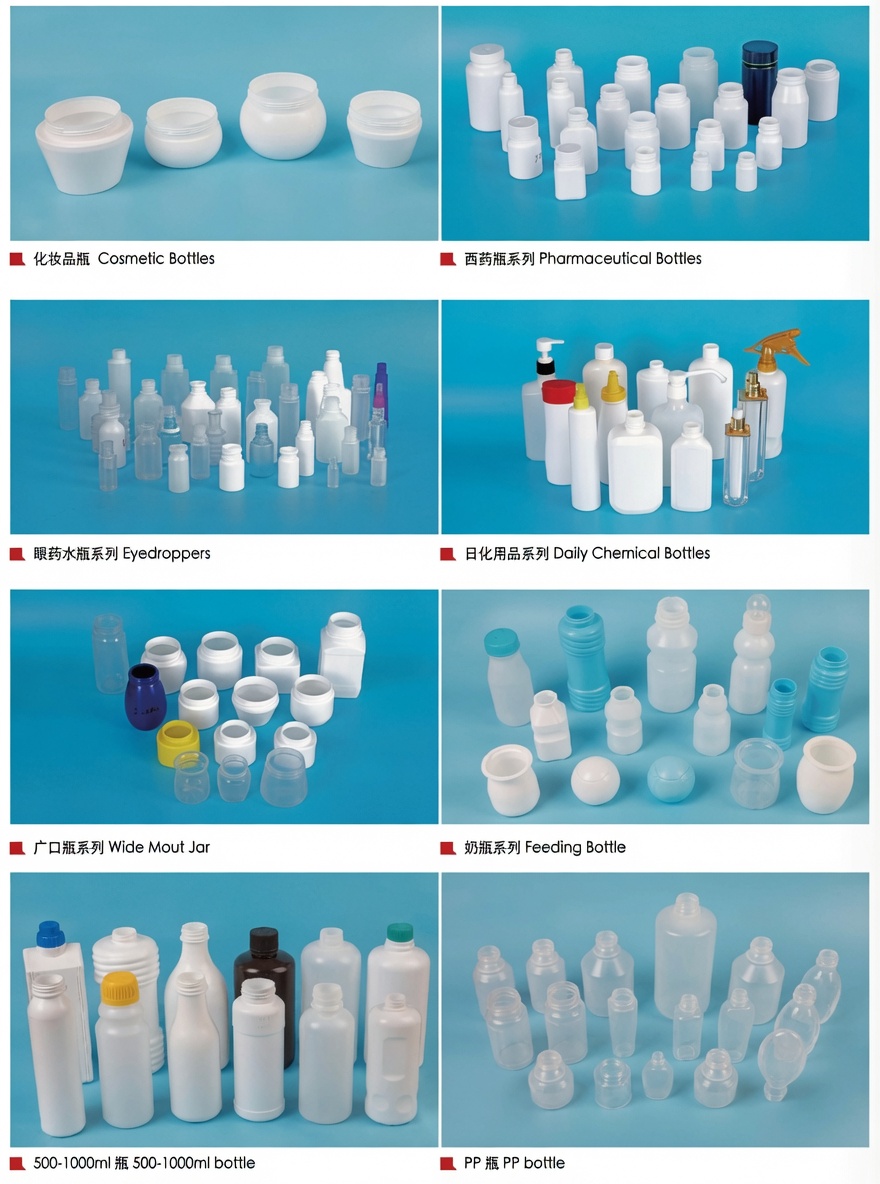
Ever Power — Precision IBM Manufacturing and Customisation Capabilities
Established manufacturer of injection-blow molding machines for global B2B markets, with specific reference installations across European pharmaceutical, personal care and oral care packaging sectors.
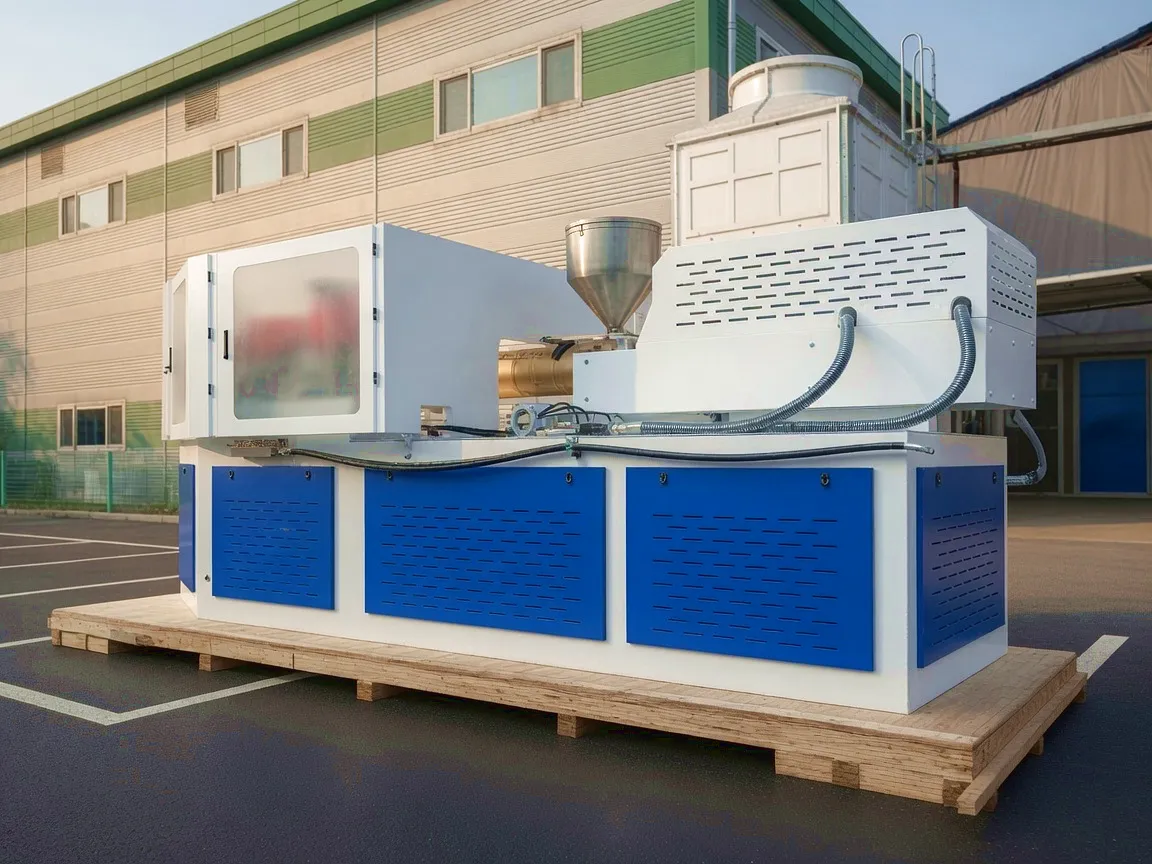
Custom Mould Engineering
Ever Power engineers each mould set to the customer’s specific container geometry, closure specification and filling line requirements. For oral care accounts in the UK, Ever Power’s tooling team works directly from brand-owner dimensional drawings, producing P20 tool-steel cavities with EDM-finished surface quality of Ra 0.4 µm or better. Mould qualification runs with customer-approved resin grades are conducted before shipment, with full dimensional reports supplied to ISO 9001 standards.
Servo-Electric Drive Upgrades
UK manufacturing facilities are under increasing pressure to reduce energy intensity as part of their decarbonisation commitments. Ever Power’s full servo-electric ZQ-series variant reduces energy consumption by 30–40% compared with conventional hydraulic IBM machines, a saving that translates to tens of thousands of pounds annually for a facility running two-shift production. The servo architecture also delivers shot-to-shot repeatability advantages, reducing the process capability index (Cpk) variation that matters on high-tolerance oral care neck forms.
UK-Ready Supply Chain and After-Sales
Ever Power maintains a structured UK and European spare-parts logistics programme, with common wear parts — screw tips, check rings, core rods, blow seals — held in consignment stock at a logistics partner in Birmingham. Lead time for critical spares is guaranteed at 48–72 hours to UK mainland destinations. Commissioning engineers with IBM-specific training are available for on-site installation across the UK, covering facilities from Bristol to Glasgow, and remote PLC diagnostics are provided as part of the standard warranty package.
Featured ZQ-Series IBM Machines — Replacement-Compatible Models
For UK oral care manufacturers currently operating legacy equipment from discontinued brands, Ever Power’s ZQ40 platform provides a direct replacement path with improved performance, lower energy consumption and full UK commissioning support. The following models are engineered for drop-in compatibility with common incumbent machines.
Replacement of Uniloy UIB 70 Injection Blow Molding Machine – ZQ40
The ZQ40 is engineered as a performance-matched replacement for the Uniloy UIB 70, maintaining tooling compatibility with existing UIB 70 mould sets while delivering servo-assisted energy savings, improved PLC process control and fully supported UK commissioning and spare-parts service. Ideal for oral care producers in the UK seeking a reliable upgrade path from legacy Uniloy infrastructure.
Replacement of Bloma IBM45 Injection Blow Molding Machine – ZQ40
Designed to replace the Bloma IBM45 with a ZQ40 platform that matches IBM45 clamping geometry, turntable indexing characteristics and cavity configuration. UK facilities operating IBM45 machines for oral care, pharmaceutical and personal care container production can transition to the ZQ40 with minimal retooling, benefiting from Ever Power’s UK-based commissioning support and guaranteed spare-parts availability to mainland UK within 72 hours.
Customer Success Story: Sheffield Oral Care Contract Packer Achieves 23% Throughput Gain with ZQ40
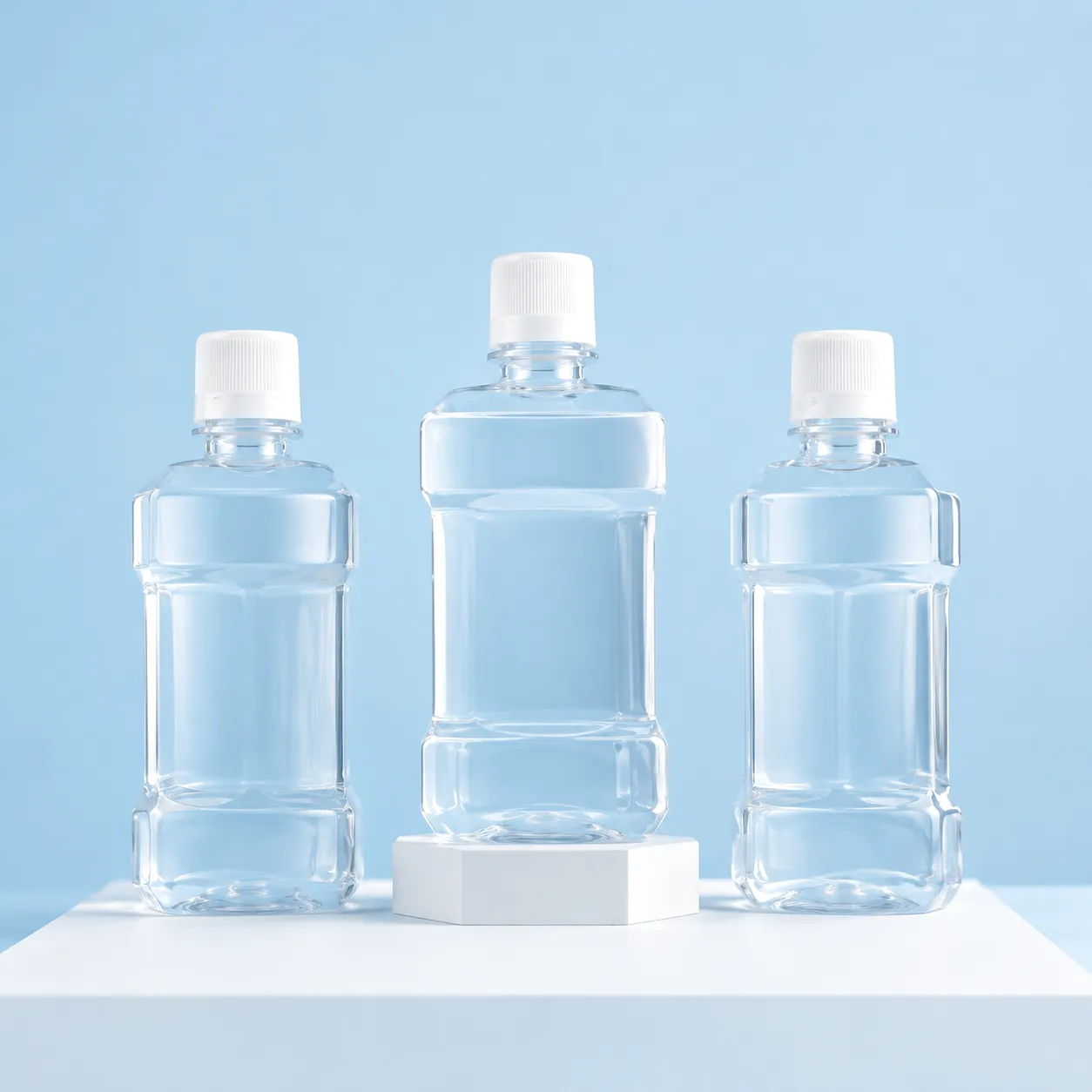 A mid-scale oral care contract packer based on the outskirts of Sheffield — operating a 4,200 m² facility supplying own-label mouthwash, fluoride rinse and pump-dispensed tongue-care liquids to several of the UK’s leading pharmacy chains — approached Ever Power in early 2024 seeking a replacement for their ageing fleet of three injection-blow molding machines. The incumbent machines, a mixed fleet of legacy European and domestic-manufactured units, were producing growing volumes of out-of-specification containers, primarily attributable to neck diameter drift caused by worn core rod assemblies and degraded thermal control on two of the three units. Reject rates on the 500 ml HDPE mouthwash line had reached 2.8% — a level that was triggering customer quality notifications and absorbing significant rework labour on the filling floor.
Ever Power’s application engineering team conducted a two-day process audit at the Sheffield site, reviewing in-line QC data from the previous 12 months, cavity-by-cavity weight variation logs and closure torque records from the filling line. The team identified that the root cause of neck diameter drift was thermal non-uniformity across the injection barrel — a degradation mode common in hydraulic-only IBM machines operating beyond their designed service life without servo-assisted barrel-zone compensation. The recommendation was a phased replacement with two ZQ40 servo-assisted units configured for 4-cavity HDPE production on the 500 ml mouthwash format, with the existing tooling adapted by Ever Power’s mould workshop for compatibility with the ZQ40 turntable geometry. A third ZQ40 unit was specified in full servo-electric configuration for the premium PET whitening-rinse SKU, which required optical clarity and tighter neck tolerances for the brand-owner’s pump dispenser specification.
Commissioning was completed within 14 days across the three units, with Ever Power’s on-site engineer team based at the Sheffield facility for the first week of production. Within four weeks of full production restart, the Sheffield facility recorded a 23% increase in net throughput on the mouthwash line — attributable primarily to the reduction in reject-driven stoppages — and a reduction in neck diameter out-of-tolerance events to below 0.3%, well within the customer’s pharmaceutical-grade quality agreement with their pharmacy chain customers. Energy monitoring over the first quarter showed a 31% reduction in electricity consumption on the blow-moulding plant area, consistent with Ever Power’s published servo-electric savings figures.
Customer Reviews
“The neck diameter consistency on the ZQ40 is in a completely different league from our old machines. We had been living with 2–3% neck rejects on our 500 ml mouthwash line for years, accepting it as a fact of life. Since commissioning the Ever Power units we’ve been running below 0.4% for six consecutive months. That single improvement has recouped the equipment cost faster than our finance team projected.”
“What impressed me most about Ever Power was how seriously they took the process audit before recommending a solution. They didn’t just quote us a machine catalogue — they reviewed our actual QC data and identified the specific failure mode causing our problems. The customisation of our existing tooling for ZQ40 compatibility saved us significant capital on new moulds, and the Birmingham parts depot means we’ve never waited more than two days for a spare. That matters a lot when you’re running a multi-shift oral care line.”
“We specified the full servo-electric ZQ40 for our PET whitening-rinse line and the energy figures have matched everything Ever Power published. Our electricity metering showed 30% down on that plant area within the first billing quarter. Beyond the energy story, the optical clarity on the PET containers is genuinely superior — our premium brand-owner customer commented on it without being prompted. Ever Power’s customisation work on the pump-closure seat geometry was meticulous and I would not hesitate to specify their machines on future oral care projects.”
Frequently Asked Questions — Injection-Blow Molding Machine for UK Oral Care Manufacturers
Common questions from oral care manufacturers, packaging engineers and procurement teams across the United Kingdom.
Ready to Discuss Your Oral Care Packaging Line?
Ever Power’s injection-blow molding machine specialists are ready to review your container specification, production volume and site requirements. Contact us today for a no-obligation technical consultation and pricing proposal.
📩 Get a Quote — [email protected]