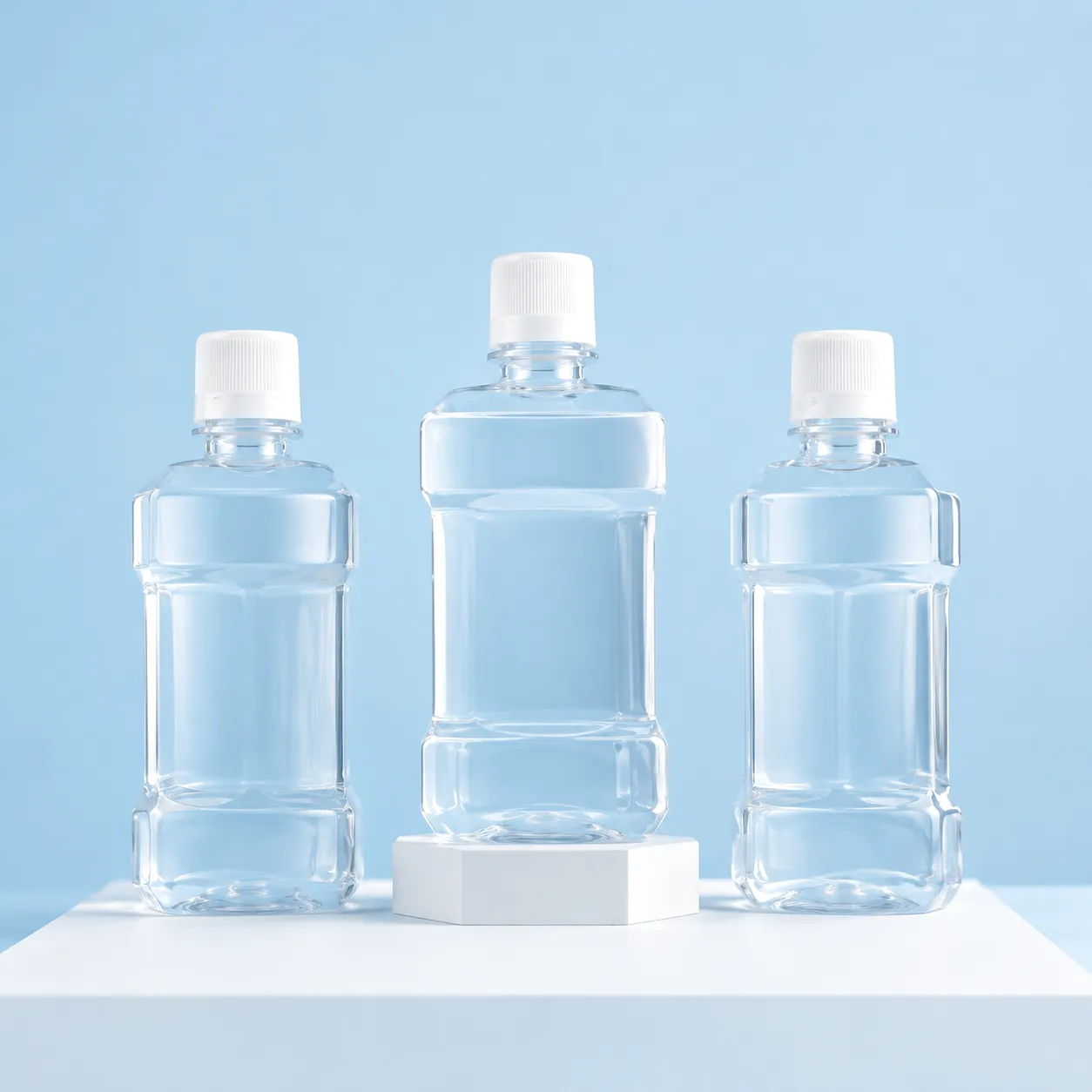
 The oral care industry sits at an interesting intersection of chemistry, regulatory compliance, and consumer aesthetics. Mouthwash formulations can carry ethanol concentrations reaching 27%, active agents such as cetylpyridinium chloride, fluoride compounds, and essential oils — all of which place stringent demands on the container. The packaging must not interact with these ingredients, must maintain an airtight seal throughout a multi-year shelf life, and must still look compelling on a pharmacy shelf from Birmingham to Bristol. Injection-blow molding machines deliver precisely this combination: dimensional consistency, chemical compatibility, and surface clarity that no other process matches at commercial scale.
Ready to upgrade your oral care production line?
Contact Ever Power’s UK sales team today for a technical consultation.
How an Injection-Blow Molding Machine Works in Oral Care Production
Core Operating Principle · Process Stages · Cycle Efficiency
Injection Stage
Molten polymer — typically HDPE, LDPE, or PP — is injected under controlled pressure into a closed injection mold around a core rod. This produces a precision parison (preform) with the bottle neck geometry already fully formed to final dimensions. The neck thread, sealing surface, and tamper-evident bead are all produced at this stage, guaranteeing that the most dimensionally critical features are set by the high-precision injection process rather than the blow phase. For oral care containers carrying pump dispensers or child-resistant closures, this neck-precision characteristic is non-negotiable.
Transfer & Conditioning
The core rod carries the parison — still retained on the rod to preserve concentricity — to the blow station. In this transfer phase, the parison temperature is conditioned to the optimal blow window for the specific polymer grade. This thermal conditioning step is what distinguishes IBM from extrusion blow molding: because the parison has never been released or reheated, wall temperature distribution is far more uniform, leading to consistent wall thickness across the entire container body. For translucent mouthwash bottles where consumers and buyers assess clarity and uniformity, this consistency is visible and commercially meaningful.
Blow & Ejection
Pressurised air inflates the conditioned parison against the blow mold cavity walls, forming the final container body geometry. Because the neck is already finished and retained on the core rod throughout, there is zero flash on the bottle neck — eliminating the need for trimming equipment and reducing scrap rates to near zero. After a precisely timed cooling phase, the finished bottle is ejected and conveyed directly to the filling line. In high-output configurations, the injection blow molding machine runs continuously in a rotary three-station format, maintaining cycle times that support output rates fully compatible with modern UK filling and labelling lines running at 150 to 400 units per minute.
Core Materials Used in IBM Oral Care Container Production
Polymer Selection · Chemical Compatibility · Material Properties
Primary Material
HDPE
High-density polyethylene is the workhorse polymer for mouthwash and fluoride rinse bottles. Its chemical resistance profile covers ethanol concentrations up to 27%, essential oil blends including thymol and eucalyptol, fluoride salts, and CPC — all common active ingredients in therapeutic mouthwashes. HDPE processed on an injection-blow molding machine produces containers with wall thicknesses typically in the 0.8–1.5 mm range, delivering adequate barrier properties against moisture vapour and excellent resistance to stress cracking under prolonged exposure to the contained formulation. UK pharmacopoeia acceptance of HDPE for oral liquid containers makes it the natural first-choice material for regulated products entering the NHS supply chain or licensed pharmacy channels.
Clarity Applications
PP & LDPE
Polypropylene is increasingly specified for premium oral care lines where elevated sterilisation temperatures are required — PP retains its dimensional stability up to around 130°C, enabling autoclave compatibility for clinical and hospital supply formats. LDPE, by contrast, offers exceptional flexibility and squeezability, making it a natural fit for paediatric oral care formats where the container must deform easily for child-directed use. On an injection-blow molding machine, both materials process reliably without the neck-finish variability that plagues extrusion-blow alternatives. Where brands require a glass-like aesthetic — common in premium whitening rinses positioned at the upmarket end of the category — clarified PP grades deliver near-glass transparency while retaining full chemical resistance to alcohol-based formulations.
Specialist Formats
PET
Although injection-stretch-blow molding (ISBM) is more commonly associated with PET, certain IBM machine configurations can accommodate standard PET grades for smaller oral care formats below approximately 200 ml. PET delivers outstanding optical clarity, excellent barrier properties against oxygen and CO2, and superior environmental credentials compared to other polymers in terms of recyclate availability. For oral care brands targeting UK consumers with sustainability commitments — a growing segment since the UK Plastics Pact set ambitious recycled content targets — rPET-compatible IBM tooling is now a commercially realistic option for mouthwash mini-formats and travel-size fluoride rinse bottles sold through major UK pharmacy chains and airport travel retail.
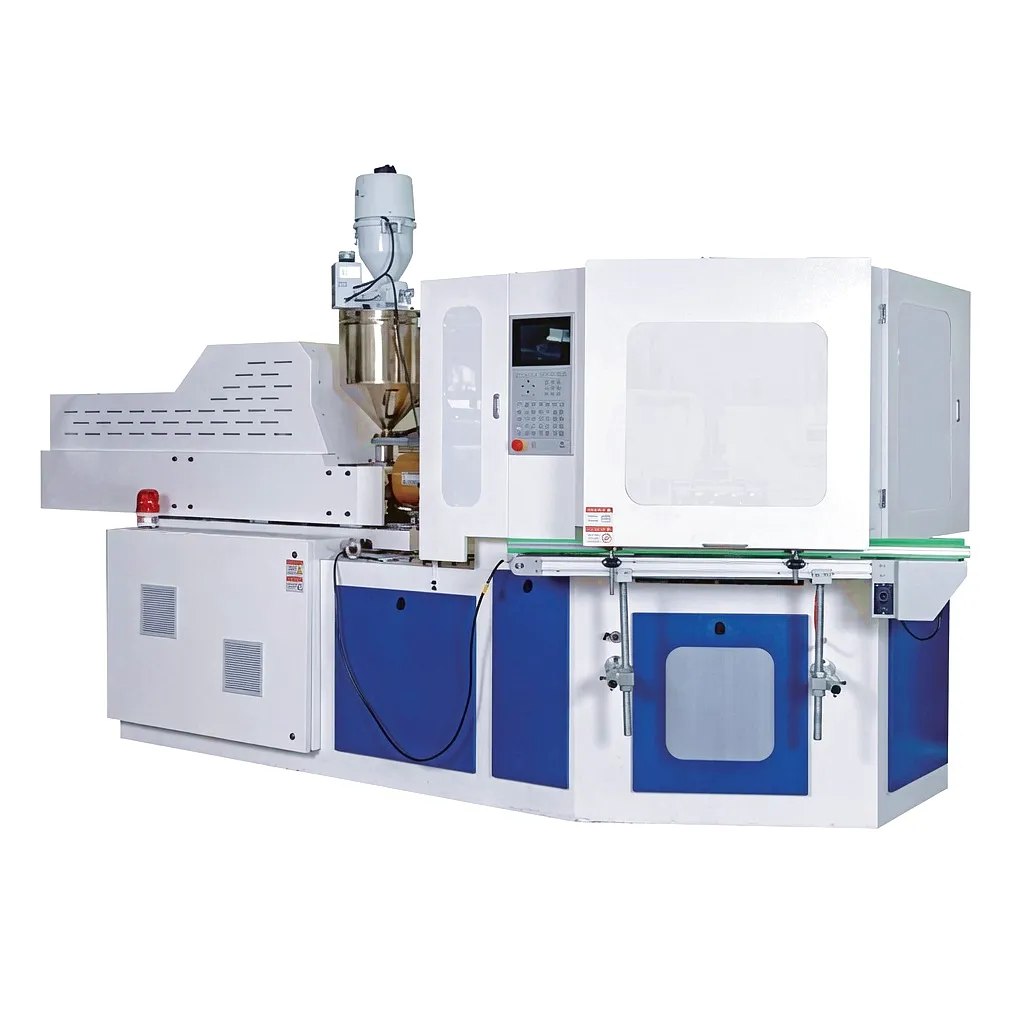 Material selection on the injection-blow molding machine is not merely a compatibility exercise — it is a brand and regulatory decision. UK oral care products entering the market through pharmacy channels must comply with the Cosmetic Products (Safety) Regulations 2004 (as retained in UK law post-Brexit), and where products carry therapeutic claims, compliance with MHRA regulations governing oral liquid medicines is required. Container materials must be documented with extraction and migration data, and the processor must maintain batch traceability. Ever Power’s machine platforms support documented process parameter recording to assist clients in meeting these traceability requirements, a feature particularly valued by Sheffield-based and Birmingham-based contract manufacturing organisations (CMOs) working under GMP frameworks.
Core Technical Advantages for Oral Care Manufacturers
Why IBM Outperforms Alternative Processes in This Application
Zero Flash, No Post-Trim
Unlike extrusion blow molding, the IBM process produces no neck flash and no pinch-off seam. Finished bottles exit the machine ready for immediate filling without any trimming, grinding, or manual finishing — eliminating an entire labour step and the associated quality risk of inconsistent trimming.
Precise Neck Geometry
The injection phase sets the neck threads, sealing surfaces, and tamper-evident features to tolerances of ±0.1 mm or better. For pump-action oral care containers — where the pump collar must thread correctly at high speed on automated filling lines — this neck precision is the deciding factor in determining capping yield rates and downstream reject rates.
Uniform Wall Thickness
Controlled parison temperature and uniform core rod support during blow expansion deliver wall thickness consistency not achievable in EBM. For transparent mouthwash bottles, uniform walls mean uniform optical clarity — no optical distortion, no thin spots that compromise leak resistance, and consistent weight tolerance for fill-level optical checks on automated inspection systems.
Low Scrap Rate
With no flash generation and highly stable process parameters, scrap rates on a well-maintained IBM platform typically run below 1% in steady-state production. This matters acutely in oral care production where pharmaceutical-grade polymer resins carry significant material cost, and where any contamination of finished bottles by trim waste must be rigorously prevented under GMP frameworks.
Chemical Cleanliness
The injection-blow molding process produces containers with smooth, virgin interior surfaces — no weld lines, no pinch marks, no surface irregularities that can trap bacteria or interact with formulation actives. This surface quality is particularly relevant for oral care products where interior container surface cleanliness forms part of the product safety case under MHRA and MHSC guidance applicable to UK regulated oral care markets.
Rapid Tooling Changeover
Modern rotary IBM machines designed for the oral care sector support tooling changes in under two hours using quick-release core rod systems and standardised mold mounting plates. For UK contract packaging operations handling 15 to 30 different SKUs across a monthly production schedule, this changeover speed is the determining factor in machine utilisation and production economics at medium batch sizes of 50,000 to 500,000 units per run.
Technical Performance Parameters — IBM Machine for Oral Care
Representative Data · ZQ40-Series Platform · Subject to Tooling Specification
| Parameter | ZQ40 Standard | ZQ40 High-Output | Unit |
|---|---|---|---|
| Bottle Volume Range | 5 – 500 | 5 – 1000 | ml |
| Number of Cavities | 2 – 6 | 4 – 12 | cavities |
| Cycle Time (500 ml HDPE) | 8 – 12 | 6 – 9 | seconds |
| Injection Pressure | up to 160 | up to 180 | MPa |
| Blow Air Pressure | 0.4 – 1.0 | 0.6 – 1.2 | MPa |
| Neck Dimension Tolerance | ±0.12 | ±0.08 | mm |
| Wall Thickness Range | 0.6 – 2.0 | 0.5 – 2.5 | mm |
| Compatible Polymers | HDPE, LDPE, PP | HDPE, LDPE, PP, PET | — |
| Machine Clamp Force | 400 | 630 | kN |
| Installed Power | 22 – 37 | 37 – 55 | kW |
| Scrap Rate (steady state) | < 1.0% | < 0.8% | % by unit count |
| Control System | PLC + HMI touch | PLC + HMI + data logging | — |
Oral Care Application Scenarios for IBM Machines
Mouthwash · Fluoride Rinse · Pump Oral Care · Gum Care · Paediatric Formats
Mouthwash Bottle Production (150 ml – 1 Litre)
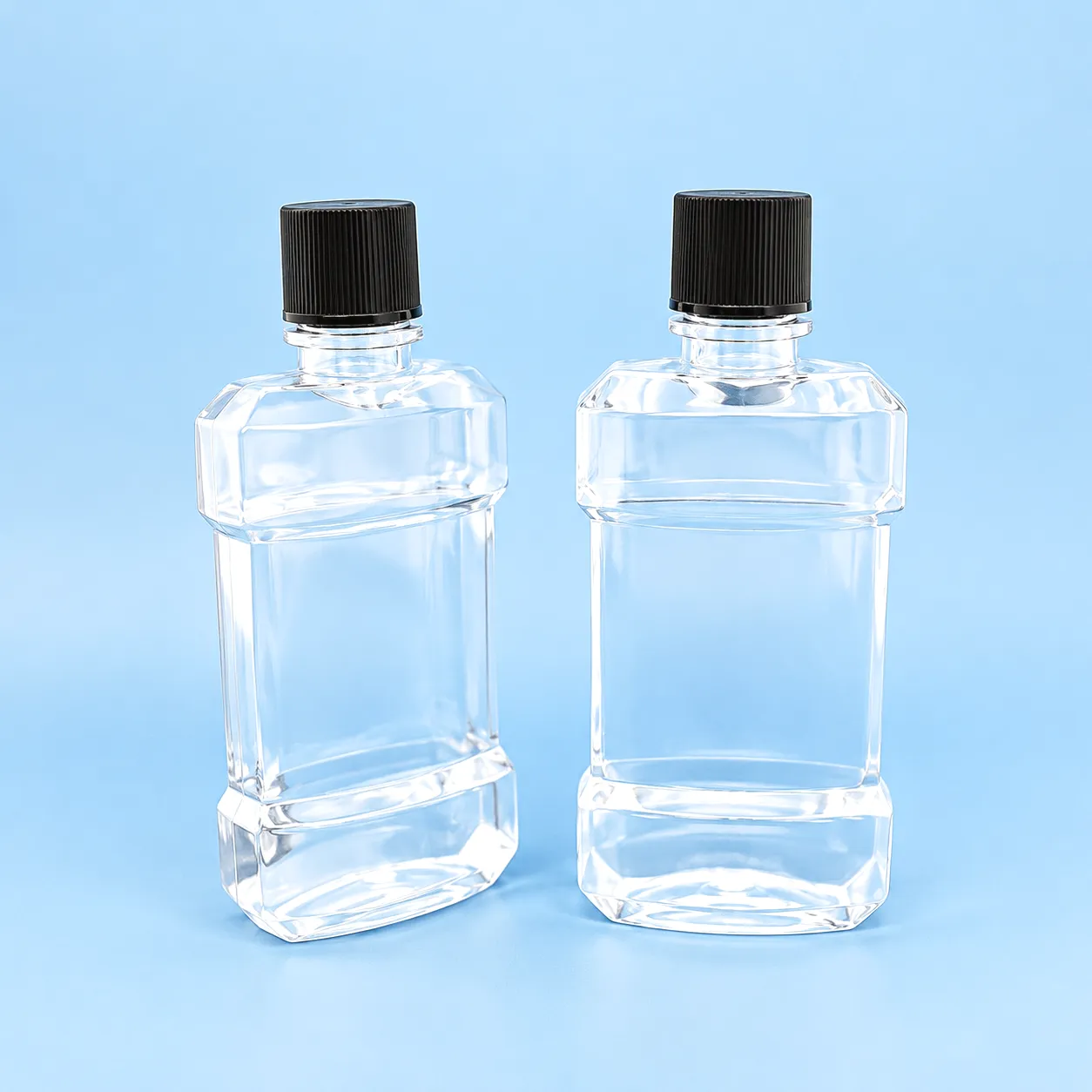 Mouthwash is the dominant oral care category by packaging volume in the UK, with brands ranging from clinical fluoride rinses to consumer whitening and antimicrobial products filling pharmacy shelves from Manchester to Edinburgh. The packaging challenge is layered: the container must resist prolonged contact with ethanol, flavouring oils, and antimicrobial actives such as chlorhexidine, while presenting a bright, clear profile on shelf. Injection-blow molding machines handle this combination better than any alternative process for containers in the 150 ml to 1 litre range.
Fluoride Anti-Caries Rinse Bottles
Fluoride rinses occupy a unique position between cosmetic and medicinal oral care. In the UK, high-fluoride products (above 0.15% w/v fluoride) are classified as medicines and subject to MHRA product licensing requirements, which impose corresponding obligations on the packaging. The container must be tested and documented under BS EN ISO 15223 norms for medical packaging compatibility, and the production process must support batch traceability from resin lot to finished container. Injection-blow molding on a PLC-controlled platform with recipe storage and production data logging addresses these requirements directly.
Fluoride ions are chemically aggressive toward some polymer systems at elevated temperatures, but HDPE and PP processed at standard IBM conditions (melt temperature 200–240°C for HDPE, 200–250°C for PP) do not show any fluoride-induced degradation at the concentrations found in dental rinse products. The injection-blow molding machine’s enclosed, temperature-controlled process also eliminates the moisture absorption risk that complicates extrusion of hygroscopic polymers, maintaining consistent melt quality batch to batch — a regulatory advantage when producers need to demonstrate process consistency in pharmaceutical submissions. Pharmaceutical packaging CMOs based in locations such as Leeds and Nottingham, servicing NHS tender contracts, have adopted IBM as their preferred container manufacturing platform for this product category precisely because of this process stability.
Child-resistant closures are mandatory for fluoride rinses above defined concentration thresholds under UK regulations. This places additional demands on the bottle neck: it must mate perfectly with CRC closure mechanisms that require both torque resistance and a specific engagement geometry. IBM-formed necks, produced with sub-0.1 mm dimensional variation, support consistent CRC fitment torque values without requiring manual adjustment or selection grading — a production benefit that directly reduces the complexity of compliance documentation for licensed medicinal products entering UK retail and pharmacy distribution.
Pump-Action Oral Care Liquid Dispensers
The pump-action oral care dispenser is a growing format in the UK market, driven by consumer preference for metered dosing and reduced mess — particularly in households with children where accidental over-dispensing is a concern. These containers combine an HDPE or PP body produced on an injection-blow molding machine with a separate pump mechanism assembled during filling. The neck of the container must accept the pump ferrule at tight tolerances to ensure the locking mechanism engages without play and the dip tube seats correctly at the bottom of the bottle — any geometric deviation in the neck or body internal volume creates a dosing error that triggers consumer complaints.
IBM-produced containers for pump-action dispensers are specified with tighter neck inner diameter tolerances than standard mouthwash bottles — typically ±0.05 mm on the inner diameter — and require a specific interior body geometry that positions the dip tube at a defined angle to maximise product evacuation. The injection blow molding machine achieves these geometries reliably because the blown body forms against a dimensionally stable steel blow mold with a defined internal cavity profile, rather than a free-blow or partially supported process. UK oral care brands that have introduced pump dispensers as premium format alternatives to screw-cap bottles have reported container rejection rates from filling line fitment failures below 0.3% when specifying IBM-produced containers, versus rejection rates of 2–5% seen with EBM alternatives for the same pump collar specifications.
For gum care liquids and premium therapeutic oral rinse products — categories experiencing strong growth in the UK as consumers increasingly seek specialised products beyond general mouthwash — pump format containers produced on IBM machines support the full product positioning by delivering a bottle surface quality that responds well to decorating techniques including sleeve labelling, direct screen printing, and hot foil application. These decorating methods require a smooth, uniform container surface free of parting-line ridges or weld seams — qualities that IBM containers inherently deliver.
Children’s Oral Care Liquid Containers
Paediatric oral care represents one of the most demanding container applications in the oral care sector from a regulatory and consumer safety standpoint. Children’s mouthwash formulations are typically alcohol-free — replacing antimicrobial efficacy through alternative ingredients such as xylitol, CPC at low concentrations, or fluoride at child-appropriate levels — but the container design must still incorporate child-resistant features mandated under UK child safety regulations. LDPE IBM containers for this application offer the ideal combination of compliant CRC neck geometry, squeezable body for easy use by children, and food-contact grade polymer processing appropriate for products that may be inadvertently swallowed in small quantities.
The visual design requirements for children’s oral care containers are also significantly different from adult formats. Brands commission IBM containers in a wide range of opaque colours — blues, greens, purples, and character-themed colourways — that require consistent colour matching across production runs. IBM’s stable process parameters mean that masterbatch loading ratios, once validated, produce consistent colour outcomes across thousands of production hours without the colour drift that affects longer melt residence times in extrusion processes. UK retail buyers for children’s oral care categories, particularly the large supermarket chains with national distribution and high volume purchase commitments, require colour consistency certificates from their packaging suppliers, and IBM-produced containers readily support this documentation standard.
Ever Power Manufacturing Facility
Precision Engineering · Advanced Production Lines · Full QC Infrastructure
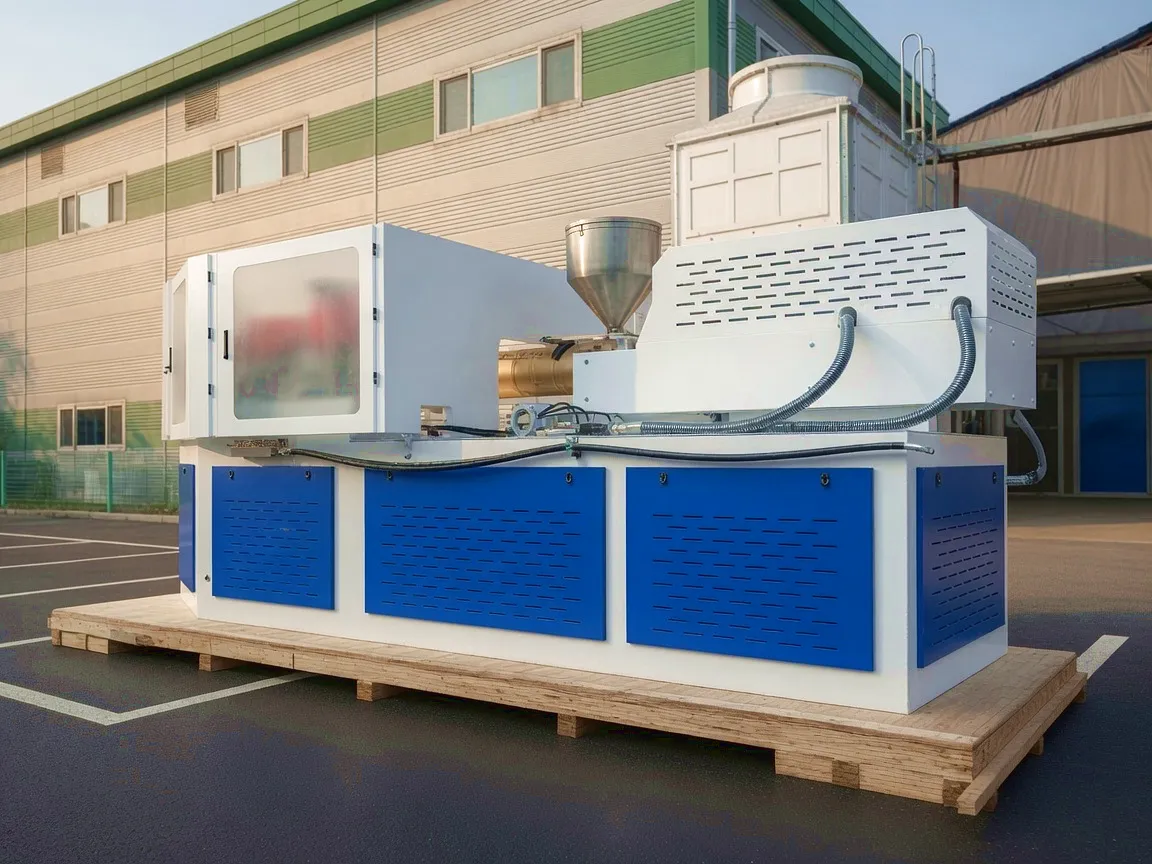
Ever Power: Engineering IBM Solutions for the UK Oral Care Market
Custom Engineering · Precision Manufacturing · Supply Chain Assurance
Ever Power has developed its injection-blow molding machine platform with a clear focus on the pharmaceutical and personal care packaging sectors, where the standards for dimensional precision, process documentation, and after-sales technical support exceed those in general industrial packaging. The company’s engineering team has accumulated specific expertise in the design of oral care container tooling — including the multi-cavity core rod systems, temperature-controlled blow molds, and material-specific process profiles needed to produce high-quality bottles across the product ranges described above. This tooling expertise is offered as part of a full-service customisation programme in which Ever Power works directly with the customer’s bottle design, filling line specifications, and closure selection to deliver a production-ready IBM system.
Bespoke Tooling Design
Ever Power’s in-house toolroom designs and manufactures injection molds, core rod assemblies, and blow mold sets to customer-supplied drawings or from proprietary bottle designs developed by the Ever Power design engineering team. Mold steels are selected for the specific polymer and production volume, with H13 tool steel as standard for high-volume oral care applications requiring extended service life above one million cycles per cavity. All tooling is validated with short-run production samples and dimensional reports before shipment.
Process Customisation
Machine configurations are adapted to the customer’s specific polymer, bottle geometry, and output rate requirements. Ever Power engineers carry out process parameter development on the customer’s material grade, producing validated process recipes stored in the machine HMI recipe management system. For UK clients operating under pharmaceutical GMP, Ever Power provides IQ/OQ documentation packages covering machine installation and operational qualification requirements, significantly reducing the customer’s own validation burden and accelerating line commissioning.
Spares & Service
Ever Power maintains a comprehensive spares inventory for all IBM machine models and supports UK customers through a combination of remote technical support (available within four business hours), an authorised engineering service network with coverage across England, Scotland, and Wales, and annual preventive maintenance contracts that can be structured to align with the customer’s planned production shutdown schedule. Critical wear components including screw and barrel assemblies, core rod sets, and hydraulic seals are held in stock for next-day dispatch from the UK logistics hub.
Request a Custom IBM Solution
Share your bottle design, target output rate, and polymer specification with Ever Power’s engineering team. We will respond with a detailed technical proposal and commercial quotation within three business days.
Complete IBM Production Line Solutions
Auxiliary Equipment · Integrated System Packages
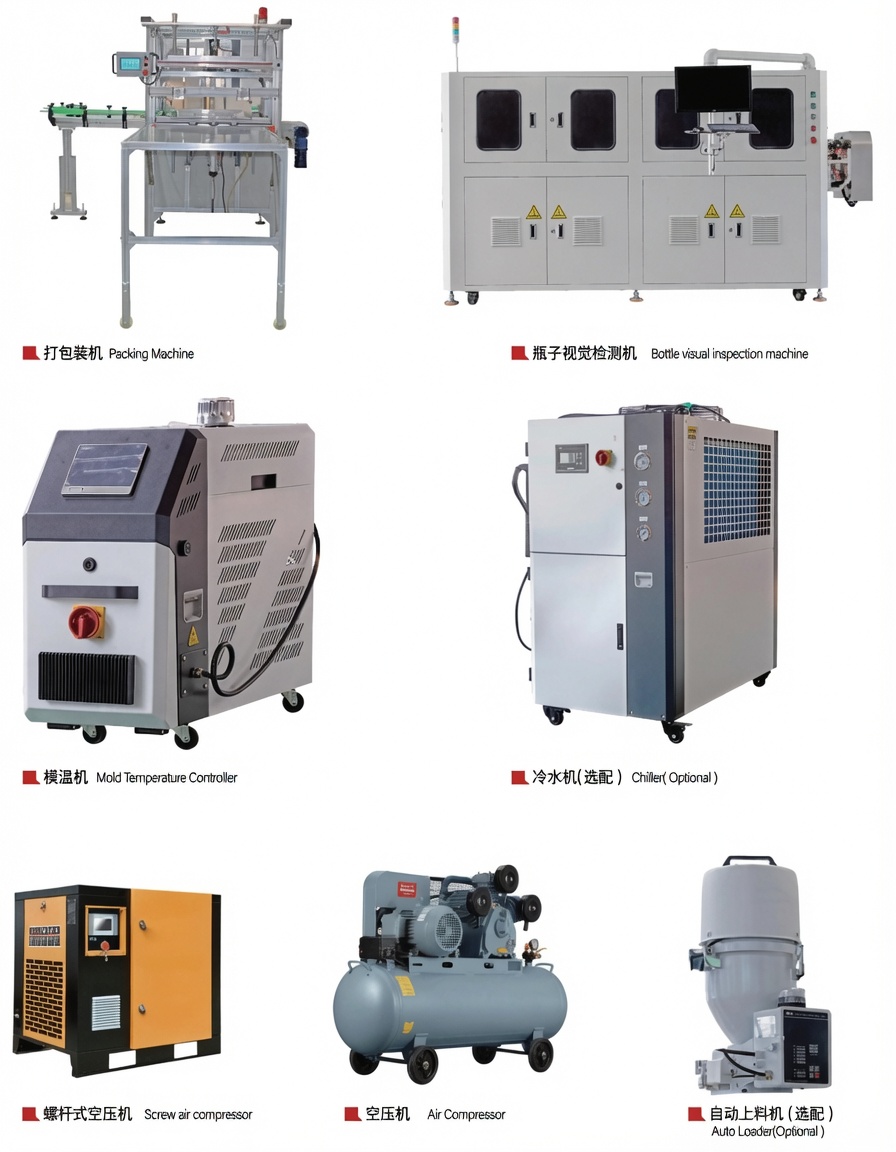
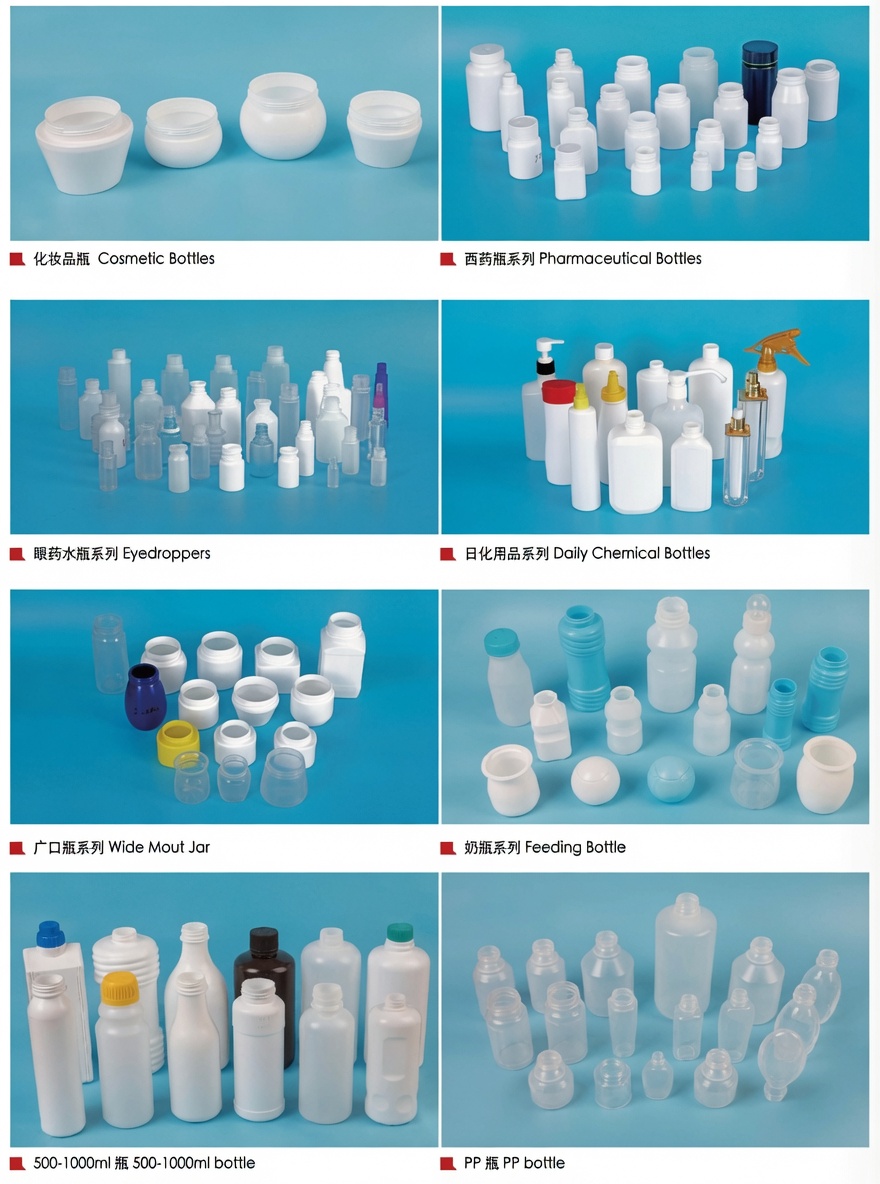
Beyond the core injection-blow molding machine, Ever Power offers integrated auxiliary equipment packages engineered to work in concert with the IBM platform — including gravimetric blenders for precise masterbatch dosing, chilled water systems sized to the machine’s cooling circuit demand, compressed air driers meeting the purity standards required for food and pharmaceutical contact applications, and conveyor and collection systems tailored to the bottle format and downstream process. Integrated system packages reduce the customer’s project management burden and ensure technical compatibility across all production line elements, with a single point of contact for both commissioning support and ongoing technical service.
Customer Success: Nottingham Oral Care CMO
Case Study · UK Contract Manufacturer · Mouthwash & Fluoride Rinse Production
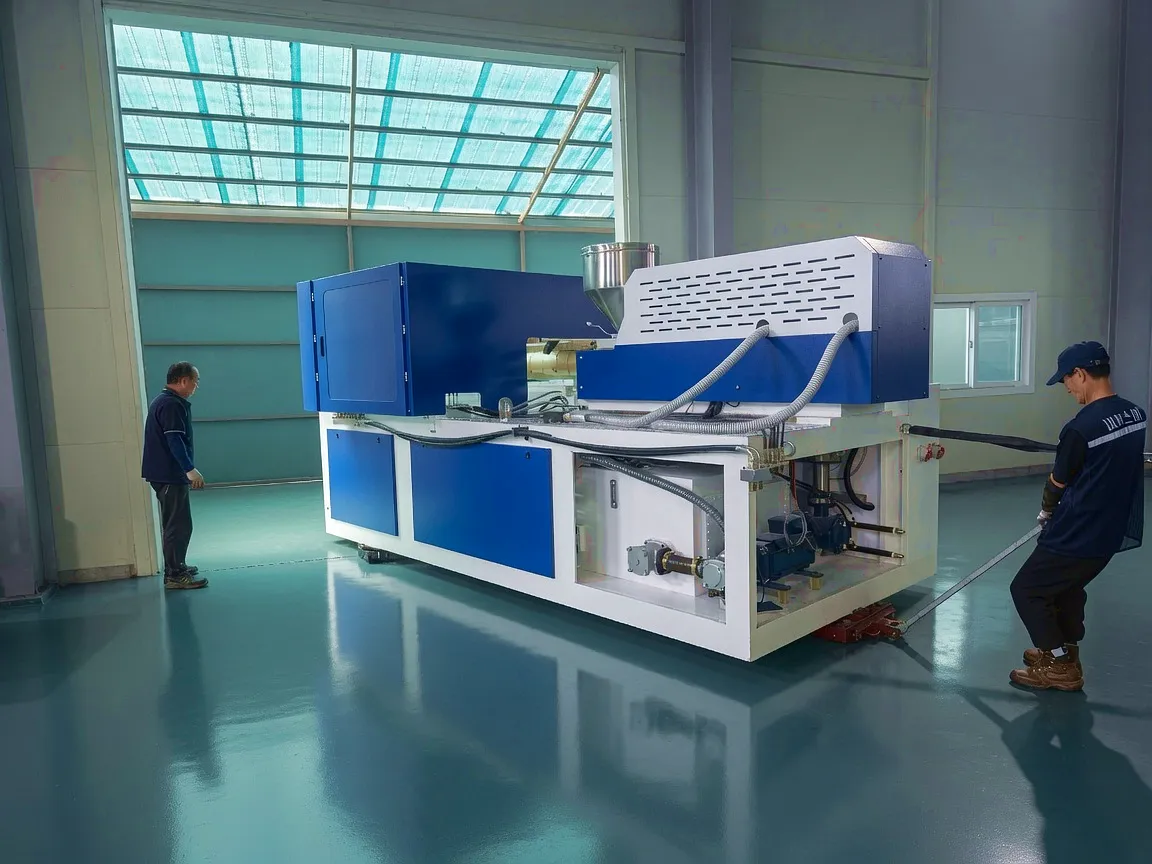
A mid-sized contract packaging organisation based in Nottingham — servicing both branded oral care accounts and private-label grocery buyers across the East Midlands and beyond — had been operating two ageing extrusion blow molding lines for mouthwash and fluoride rinse container production. The company’s operations director identified a persistent quality issue: neck flash trimming on the EBM output was generating rejection rates of 3.2% at the capping stage of their filling line, consuming significant technician time and generating an unacceptable volume of trimmed HDPE waste that required segregation and disposal. The company also needed to expand capacity to accommodate a new contract supplying own-label mouthwash to a major UK supermarket chain with volume requirements of 1.8 million 500 ml units per year.
After evaluating several injection-blow molding machine suppliers, the company selected Ever Power’s ZQ40 platform, specifying a 6-cavity HDPE configuration for the 500 ml mouthwash format and a 4-cavity PP configuration for a 250 ml fluoride rinse format on a shared machine platform with modular tooling changeover. Ever Power’s engineering team conducted a two-day site survey at the Nottingham facility, mapping the existing filling line feed points, overhead conveyor routing, and available utilities including compressed air supply and cooling water capacity. The machine proposal was tailored to fit within the available footprint without requiring structural modifications to the production building — a significant benefit given the operational complexity of fitting a new line alongside active EBM production during the transition period.
Installation and commissioning were completed within eleven days, including operator training carried out by Ever Power’s commissioning engineer on-site. Within six weeks of production start, the filling line capping rejection rate had fallen from 3.2% to under 0.4%, eliminating virtually all technician intervention at the capping station. Overall Equipment Effectiveness on the new IBM line measured 34% higher than the legacy EBM average across the first three months of operation, reflecting the combination of higher uptime, faster changeover, and lower scrap generation. The volume target for the supermarket own-label contract was met in full during the first production quarter, and the Nottingham operation has since commissioned a second Ever Power IBM platform for additional SKU expansion.
“The neck finish accuracy on the ZQ40 containers is in a different league from our old EBM output. We used to budget 0.5% of technician time per shift managing capping failures — that time has essentially gone away. For a filling line running three shifts, the saving is significant.”
Operations Director
Contract packaging CMO, Nottingham
“Ever Power’s customisation support was excellent from day one. They had process recipes developed for our specific HDPE grade before the machine even arrived on-site. The commissioning engineer knew the oral care application inside out — they understood exactly what we needed for our pump-action fluoride rinse format.”
Production Manager
Oral care manufacturer, Sheffield
“We chose Ever Power partly because of the IQ/OQ documentation package they offered for our GMP line. For a licensed oral medicinal product, that documentation saved us significant validation time. The machine itself has been running above 96% OEE since the third week of production.”
Quality & Compliance Manager
Pharmaceutical packaging CMO, Leeds
Featured IBM Machine Products
ZQ40 Platform · Proven Replacement Solutions for Major Brand Machines
Replacement of Uniloy UIB 70 Injection Blow Molding Machine – ZQ40
A direct-replacement platform for ageing Uniloy UIB 70 installations, the ZQ40 delivers superior cycle time performance, lower energy consumption, and enhanced neck dimensional accuracy versus the machine it replaces. Fully compatible with existing Uniloy tooling footprints and production layouts, the ZQ40 Uniloy replacement enables UK oral care and personal care producers to modernise their IBM capacity without redesigning tooling or modifying production floor infrastructure. Full commissioning and operator retraining support is provided by Ever Power’s UK-based service network.
Replacement of Bloma IBM45 Injection Blow Molding Machine – ZQ40
Engineered as a high-performance replacement for the Bloma IBM45 platform, the ZQ40 Bloma replacement model offers enhanced injection pressure capability, an updated servo-driven clamping system for faster cycle times, and a modern PLC control architecture with full recipe management and production data logging. For UK producers currently operating Bloma IBM45 equipment who are facing the increasing difficulty of obtaining original spare parts and technical support for legacy machines, the Ever Power ZQ40 provides a fully supported, forward-compatible upgrade path with comprehensive tooling and production parameter translation services included in the supply package.
Frequently Asked Questions
Voice Search Optimised · UK Oral Care Manufacturers · IBM Machine Sourcing
How much does an injection blow molding machine cost for a UK oral care production facility, and what should I budget for tooling?
The price of an injection-blow molding machine for oral care applications in the UK varies based on machine size, cavity count, and configuration. A standard ZQ40-series platform for mouthwash or fluoride rinse bottle production typically ranges from £85,000 to £180,000 ex-works, with custom multi-cavity tooling for a 500 ml HDPE mouthwash bottle adding £18,000 to £45,000 depending on cavity count and steel specification. Ever Power provides detailed quotations with full tooling and auxiliary equipment costings — contact [email protected] for a formal quote specific to your bottle design and output requirements.
Which injection blow molding machine supplier in the UK offers the best technical support for pharmaceutical-grade oral care container production?
For UK pharmaceutical-grade oral care container production, the key supplier criteria are: availability of IQ/OQ validation documentation, remote support response times, UK-based engineering coverage, and demonstrated experience with GMP production environments. Ever Power provides all four: IQ/OQ documentation packages are included as standard for pharmaceutical line installations, remote technical support is available within four business hours, and Ever Power’s UK service network covers England, Scotland, and Wales with planned maintenance scheduling to align with customer shutdown cycles.
What is the difference between injection blow molding and extrusion blow molding when producing mouthwash bottles for the Birmingham market?
The core difference is process sequence and neck finish quality. In injection blow molding, the neck is injection-formed to final dimensions before any blow stage — eliminating flash and producing neck tolerances of ±0.1 mm or better. Extrusion blow molding pinches the extruded parison at the neck, generating flash that requires trimming and producing wider dimensional variation. For mouthwash bottle production in Birmingham and across the UK, IBM is preferred where pump closures, child-resistant caps, or high-speed filling line capping accuracy is required.
How long does it take to get a quote and delivery lead time for a custom injection blow molding machine from Ever Power shipped to the UK?
Ever Power provides a formal technical and commercial quotation within three business days of receiving your bottle specification, output rate, and polymer data. Standard machine lead time from order confirmation is 14 to 20 weeks, inclusive of factory acceptance testing. Custom multi-cavity tooling for oral care applications adds 10 to 16 weeks to this timeline. UK shipping, import clearance, and site installation planning are coordinated by Ever Power’s logistics team, and delivery-to-commissioning timelines are agreed with the customer during the order process.
Where can I find a reliable injection blow molding machine supplier for oral care packaging production based in or servicing Sheffield?
Ever Power’s UK service network includes authorised engineering coverage for Sheffield and the wider Yorkshire and Humber region. Sheffield-based oral care and pharmaceutical packaging producers can access full IBM machine sales, application engineering, tooling design, commissioning, and ongoing technical service through Ever Power’s UK support structure. The company has existing customers in the Sheffield manufacturing corridor producing personal care and health care packaging on Ever Power IBM platforms. Reach the team directly at [email protected] to arrange a site consultation.
What polymer materials can an injection blow molding machine process for producing ethanol-resistant mouthwash bottles in a UK manufacturing setting?
For ethanol-resistant mouthwash bottles, HDPE is the primary material of choice due to its proven resistance to ethanol concentrations up to 27% alongside fluoride salts, essential oils, and antimicrobial actives common in UK mouthwash formulations. PP is an alternative where elevated sterilisation temperature resistance or premium visual clarity is required. LDPE is specified for squeezable paediatric formats. Ever Power’s ZQ40 injection-blow molding machine platform processes all three polymer families, with material-specific screw geometry and barrel temperature profiles available as part of Ever Power’s application engineering service.
How can I get a competitive price quote for an injection blow molding machine to produce children’s fluoride rinse bottles for NHS supply in the UK?
Send your bottle drawing or CAD file, target production volume, polymer specification, and any regulatory or GMP requirements to [email protected]. Ever Power will review the application and provide a detailed quotation covering machine specification, tooling costs, auxiliary equipment requirements, and commissioning terms. For NHS supply contracts requiring CRC closure compatibility and pharmaceutical-grade process documentation, Ever Power will include relevant IQ/OQ documentation scope and quality management specifications in the proposal at no additional cost.
Ever Power · Injection Blow Molding Solutions
Start Your IBM Project with Ever Power
Contact the Ever Power technical sales team for a customised IBM machine proposal, including bottle design review, tooling specification, and production economics modelling for your oral care packaging application.
edit by gzl