 In pharmaceutical manufacturing, packaging is a critical process variable — not a downstream afterthought. Every container that holds an oral solution, ophthalmic drop, injectable diluent, or nasal spray must meet exacting standards of dimensional consistency, chemical inertness, and barrier performance. A bottle that fails a leak test, shows stress whitening under cleanroom lighting, or introduces particulate contamination into a sterile liquid formulation creates consequences that extend far beyond a production reject. In regulated UK environments operating under MHRA oversight and referencing European Pharmacopoeia container standards, package integrity is simultaneously a compliance matter, a patient safety issue, and an operational priority. It is against this demanding backdrop that the one-step ISBM machine has moved from a niche production technology to a strategic infrastructure decision for progressive pharmaceutical manufacturers across the United Kingdom.
Unlike the conventional two-step approach — where preforms are injection-moulded, cooled to ambient temperature, warehoused in bulk storage, transported to a separate facility or production line, and then reheated in a reheat blow moulding machine — the ISBM one-step process retains the thermal energy deposited during injection moulding and uses it directly in the stretch-blow cycle. The preform is never exposed to ambient air, contaminated surfaces, or temperature fluctuations during an intermediate storage stage. For pharmaceutical applications specifically, this thermal continuity delivers measurable improvements in material homogeneity, barrier properties, wall thickness distribution, and dimensional repeatability — all of which have direct relevance to pharmaceutical container performance.
This technical guide examines the engineering fundamentals of one-step ISBM machines in depth — covering the working cycle, material science, performance benchmarks, pharmaceutical application mapping, UK market context, and real-world operational evidence from British manufacturers who have already made the transition. Whether you are specifying equipment for a greenfield pharmaceutical packaging project, evaluating a replacement for an ageing two-step line, or simply building a solid technical understanding of a technology that is reshaping your industry, the information here is designed to give you genuine, grounded insight.
What Is a One-Step ISBM Machine?
Engineering Fundamentals
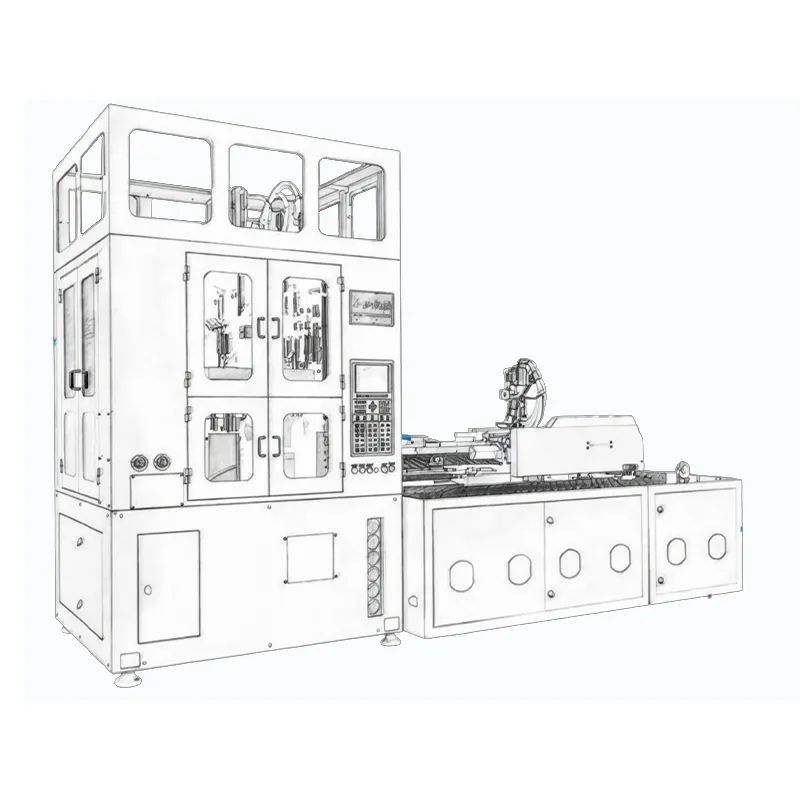
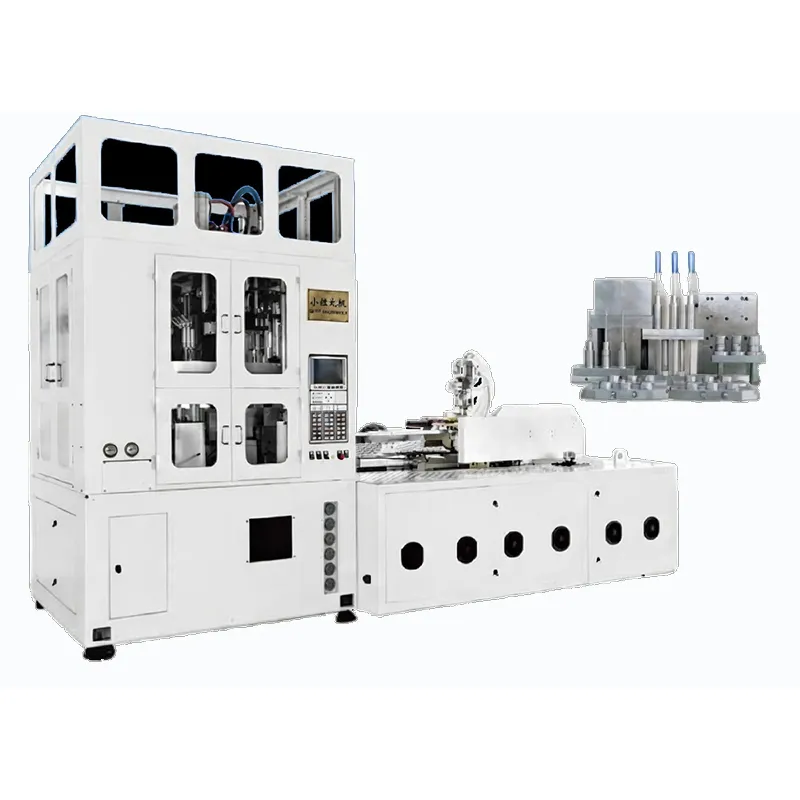 ISBM stands for Injection Stretch Blow Moulding — a thermoplastic container manufacturing process that transforms raw polymer resin pellets into finished hollow containers in a single, continuous machine cycle. The “one-step” designation refers specifically to the absence of any intermediate handling, storage, or reheating stage between the injection of the preform and the production of the final blown container. Within a single machine platform — typically arranged as a rotary or linear indexed station system — raw polymer granules are plasticised, injected into a preform mould, thermally conditioned, axially stretched by a mechanical rod, and radially expanded by high-pressure air against the blow mould cavity. The entire sequence, from granule to finished container, is completed within one indexed machine cycle of between 10 and 18 seconds depending on container volume and wall geometry. There is no interruption, no reheating, and no exposure of the preform to ambient conditions at any point in the process.
The Working Cycle: Four Stations, One Process
How One-Step ISBM Machines Work
Station 1 — Injection
Raw polymer resin — typically pharmaceutical-grade PET or PP — is fed into the injection barrel and melted at controlled temperatures between 260°C and 295°C. The molten polymer is precision-injected into the preform mould under hydraulic or servo pressure. The preform captures the neck finish geometry, thread profile, and gate configuration at this station. Wall thickness uniformity during injection is the foundational variable that determines container quality in every downstream step, making barrel temperature stability and injection pressure consistency the primary parameters monitored by process engineers in pharmaceutical applications.
Station 2 — Conditioning
The hot preform, still retained on the core rod in a controlled thermal state, is indexed to the conditioning station where supplemental infrared heaters fine-tune the temperature gradient across the preform body. This station manages the thermal profile critical to biaxial orientation quality. Pharmaceutical container applications — such as nasal spray bottles, multi-dose ophthalmic containers, and offset-neck designs — often require asymmetric conditioning profiles to achieve target wall thickness distribution. The absence of any external reheating event at this point is what preserves the uniform thermal history that defines one-step quality.
Station 3 — Stretch & Blow
A mechanical stretch rod extends axially through the preform at a servo-controlled velocity, orienting polymer chains along the container’s longitudinal axis. Simultaneously, high-pressure air between 2.5 and 4.0 MPa expands the preform radially against the blow mould cavity. This biaxial orientation process induces crystallinity in PET — typically 25–35% — significantly improving oxygen and moisture barrier performance, mechanical stiffness, and resistance to creep. These material property improvements directly support pharmaceutical container performance targets including drop-impact resistance, closure torque retention, and shelf-life barrier requirements under standard pharmaceutical stability study conditions.
Station 4 — Ejection
The finished container is stripped from the blow mould and indexed to the ejection station, where it is released onto a conveyor or collection system — depending on the downstream packaging configuration. Modern one-step ISBM machines integrate 100% inline vision inspection at this point, evaluating container height, neck diameter, body geometry, and optical clarity on every cycle, with automatic rejection of out-of-specification units. The complete machine cycle, from injection to ejection of a finished pharmaceutical container, requires no human intervention and generates a continuous, traceable data record of every production cycle parameter.
Core Materials for Pharmaceutical ISBM Containers
Material Science & Selection Guide
Polyethylene Terephthalate
PET remains the dominant material in pharmaceutical primary packaging produced by one-step ISBM, and for compelling technical reasons. Its optical clarity — measured at haze values consistently below 2% in well-oriented containers — supports visual dose inspection, which is a clinical requirement for oral liquid medicines and injectable solutions. Chemical inertness to aqueous pharmaceutical formulations, including those containing surfactants, preservatives, and organic co-solvents, is well-established across the pharmacopoeial literature. When biaxially oriented in the ISBM process, PET achieves oxygen transmission rates (OTR) compatible with moisture-sensitive and light-sensitive pharmaceutical products. EU and UK Good Manufacturing Practice guidance accepts PET as a primary container material for oral liquid medicines, ophthalmic preparations, and oral solid dose containers without additional extraction or migration qualification beyond standard Ph. Eur. 3.1.5 testing.
Polypropylene
Polypropylene is the preferred material specification wherever high-temperature sterilisation, autoclave compatibility, or gamma radiation stability is required. PP’s melting point of approximately 160°C makes it suitable for containers that will undergo steam sterilisation cycles — a requirement across a wide range of parenteral product applications in UK hospital pharmacy and hospital manufacturing units. Its resistance to most pharmaceutical solvents and its excellent stress-crack performance under compression-closure systems make it the material of choice for child-resistant ophthalmic containers, injectable solution vials, and devices requiring compatibility with gamma or electron-beam sterilisation modalities. Processing PP on a one-step ISBM machine requires careful thermal management due to its narrower blow-process window compared to PET, but servo-controlled modern platforms handle this reliably with appropriate conditioning station configuration.
Specialty Engineering Resins
PETG (Polyethylene Terephthalate Glycol) is gaining traction in pharmaceutical packaging where PET’s susceptibility to haze formation under suboptimal blow temperatures creates quality risks. PETG processes over a wider temperature window and is becoming the material of choice for containers with complex geometric features, multi-layer nasal spray designs, and child-resistant closure systems where form-critical body geometries require consistent material distribution. Polycarbonate (PC) is specified where exceptional impact resistance combined with optical clarity and high-temperature performance is required — primarily for reusable pharmaceutical containers, laboratory sample vessels, and diagnostic sample collection tubes. Both materials process cleanly on well-configured one-step ISBM platforms with material-appropriate tooling and conditioning profiles.
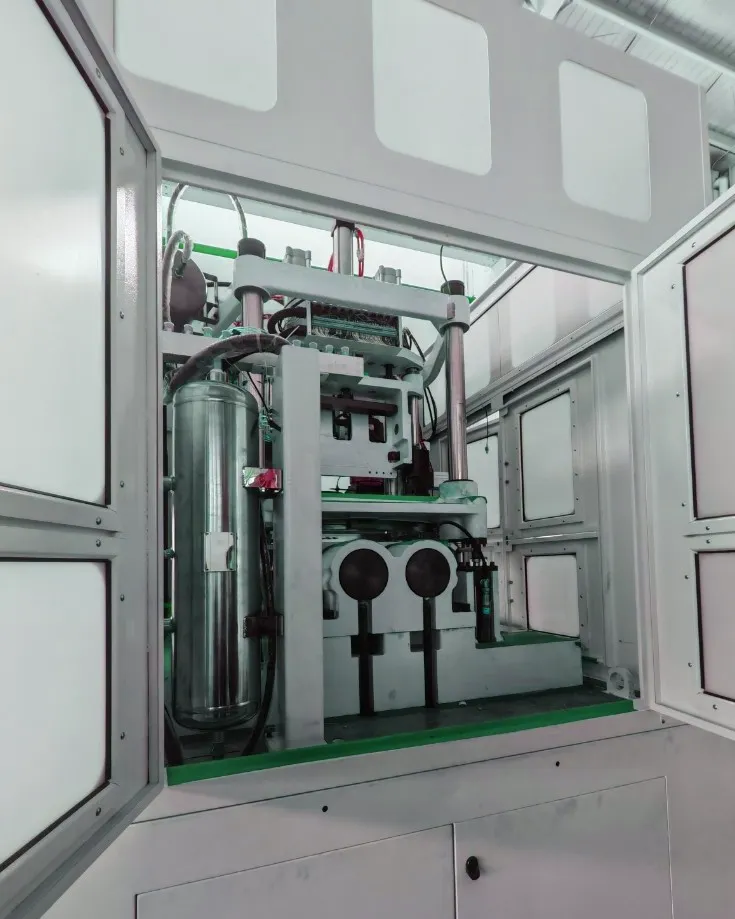
Technical Advantages of One-Step ISBM Technology
Why Progressive Pharmaceutical Manufacturers Are Making the Switch
Superior Sterility & Contamination Control
The closed-process architecture of one-step ISBM eliminates every contamination pathway inherent in two-step processing. With no intermediate storage bins, no preform transport conveyors running through general manufacturing areas, and no open reheating tunnels, the bioburden risk to pharmaceutical container surfaces is reduced to the minimum achievable by any blow moulding technology. This is a material consideration under both UK GMP Annex 1 for sterile products and the ICH Q10 pharmaceutical quality system framework. Manufacturing sites in Birmingham and Nottingham processing oral liquid pharmaceutical products have reported reductions in particulate-related container rejection rates of 40–60% following conversion from two-step to one-step ISBM production — a level of improvement that directly reduces batch rejection risk and annual waste costs.
Precision Neck Finish & Dimensional Accuracy
Because the neck finish is formed in the injection mould — not in the blow mould — the critical sealing surface of every pharmaceutical container is defined by the most dimensionally precise tooling in the machine. Thread pitch, sealing land width, bore ovality, and neck height are all controlled to tolerances achievable only through injection moulding. Ever Power’s one-step ISBM machines consistently hold neck finish dimensions to ±0.05 mm — critical for consistent closure application torque on child-resistant systems (CRS) and for maintaining compression-seal integrity on oral liquid containers throughout the product’s shelf life. This level of dimensional repeatability is genuinely difficult to achieve on reheat-blow platforms where the neck finish geometry is set under different thermal and mechanical conditions to the preform injection stage.
Energy Efficiency & Reduced Footprint
One-step ISBM machines eliminate the full energy cost of preform reheating — a stage representing 25–35% of total energy consumption on two-step lines running equivalent output. Comparative studies across equivalent annual production volumes consistently show 20–30% lower electricity cost per thousand containers on one-step machinery. For UK manufacturers under increasing pressure to achieve ESG targets and reduce carbon intensity under the UK Emissions Trading Scheme (ETS), this is a directly quantifiable commercial return on capital. Machine installation footprint is also significantly smaller since a one-step configuration eliminates the separate injection moulding machine, preform handling system, bulk storage silo, and reheat oven that two-step operations require — a particularly relevant consideration for brownfield pharmaceutical site expansions in dense urban manufacturing areas.
Rapid SKU Changeover Capability
Modern one-step ISBM platforms are engineered for fast mould changeover — a critical operational requirement in pharmaceutical contract manufacturing environments where the same equipment must service multiple product lines across different campaigns. Complete preform and blow mould exchange times have been reduced to under 60 minutes on well-designed machines, with PLC recipe recall automatically restoring all process parameters for the new product without manual re-entry. This agility is particularly valued by contract packaging organisations (CPOs) operating in Sheffield, Leeds, and Manchester that run multiple pharmaceutical product campaigns on shared equipment, where every hour of changeover downtime represents direct revenue impact in a contract priced on output volumes.
Wide-Neck Container Capability
Wide-neck pharmaceutical containers — used for tablet bottles, capsule packaging, and powder preparations — present a structural challenge for two-step blow moulding because the wide-neck preform geometry creates non-uniform reheat profiles that compromise material distribution in the blown container body. One-step ISBM handles wide-neck geometries from a process engineering standpoint because the preform is conditioned while still on the core rod, allowing a controlled thermal profile regardless of neck diameter. This has expanded the pharmaceutical container applications of one-step ISBM significantly, moving the technology into areas previously dominated by extrusion blow moulding, with the associated benefit of substantially higher dimensional accuracy and improved surface quality for print and labelling adhesion.
Integrated Inline Quality Assurance
Contemporary one-step ISBM platforms integrate 100% inline quality inspection at ejection station — a specification that is increasingly standard for pharmaceutical packaging equipment rather than an optional upgrade. Vision systems measure container height, neck finish diameter, body geometry, and optical clarity on every production cycle. Integrated SPC data logging within the machine PLC delivers complete batch production records — a significant compliance advantage for UK Annex 11 electronic batch record management and for supporting MHRA inspection readiness. The combination of closed process and fully documented data trail makes the one-step ISBM machine a strong candidate for pharmaceutical manufacturers targeting digital manufacturing and paperless batch record objectives.
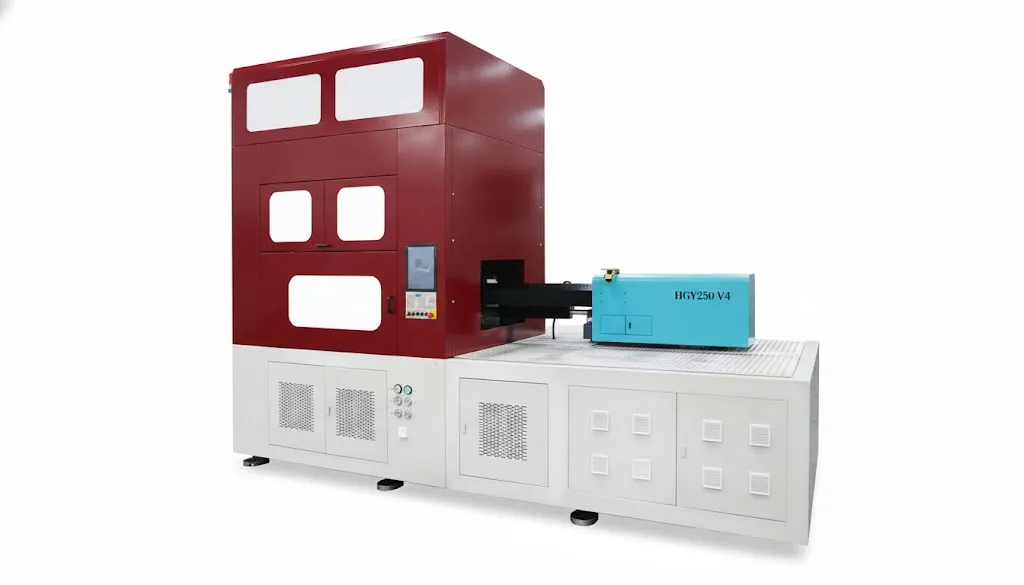
Technical Specifications: Ever Power HGY Series ISBM Machines
Performance Parameters & Machine Data
| Parameter | HGY100 | HGY150 | HGY250 |
|---|---|---|---|
| Bottle Volume Range | 5 – 100 ml | 10 – 250 ml | 50 – 2,000 ml |
| Number of Cavities | 1 – 2 | 2 – 4 | 2 – 6 |
| Output (bottles/hr) | 1,200 – 2,400 | 2,400 – 4,800 | 3,600 – 6,000 |
| Applicable Materials | PET, PP, PC | PET, PP, PETG | PET, PP, PETG, PC |
| Max Blow Pressure | 3.5 MPa | 4.0 MPa | 4.0 MPa |
| Clamping Force | 1,000 kN | 1,800 kN | 3,500 kN |
| Neck Finish Tolerance | ±0.05 mm | ±0.05 mm | ±0.05 mm |
| Wall Thickness Control | ±0.08 mm | ±0.08 mm | ±0.10 mm |
| Total Installed Power | 15 – 25 kW | 25 – 45 kW | 45 – 75 kW |
| Machine Weight (approx.) | 3,500 kg | 6,000 kg | 12,000 kg |
| Control System | PLC + HMI Touchscreen | PLC + HMI Touchscreen | PLC + HMI Touchscreen |
| Certifications | CE, ISO 9001 | CE, ISO 9001 | CE, ISO 9001 |
* Technical data represents standard configurations. Specifications are subject to application requirements. Contact Ever Power for project-specific data.
Pharmaceutical Application Scenarios
Where One-Step ISBM Delivers Maximum Value
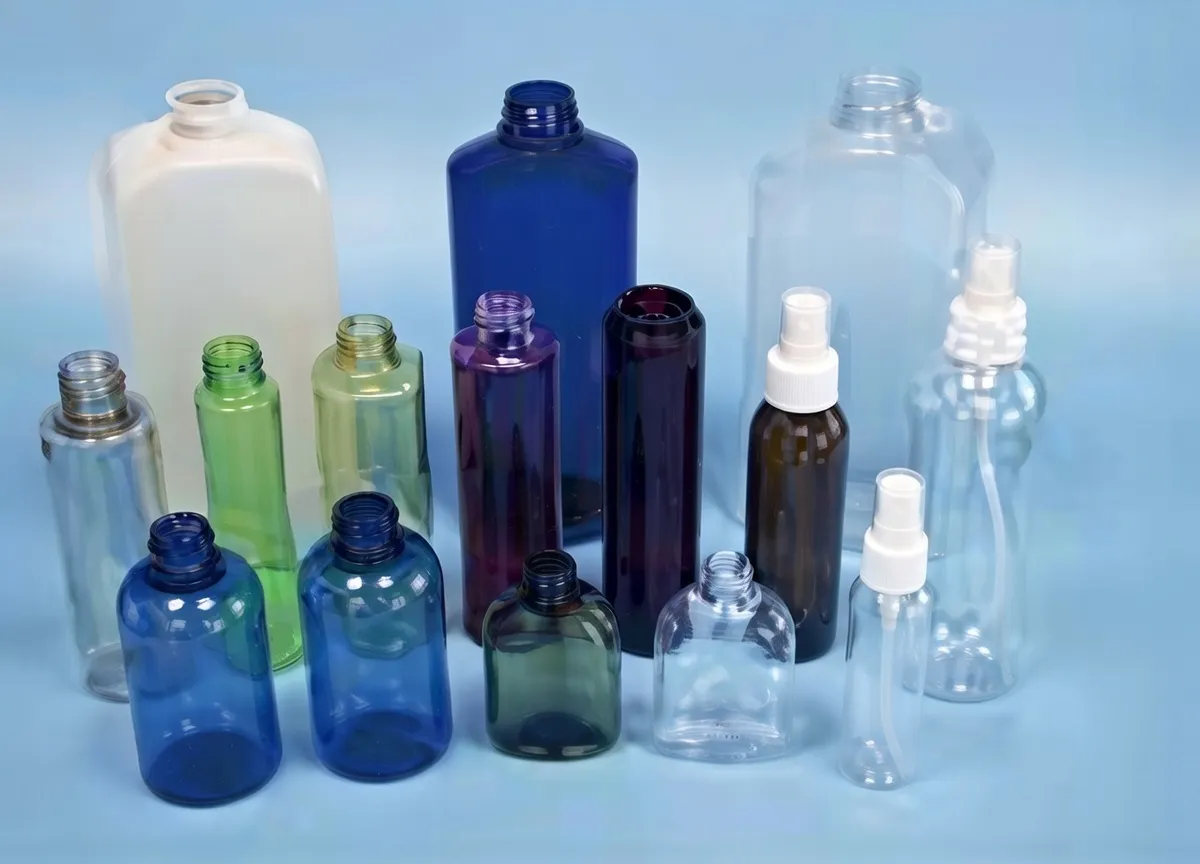
💊 Oral Liquid Medicine Bottles
Syrups, suspensions, oral rehydration solutions, and liquid antibiotics represent the largest volume pharmaceutical container segment for one-step ISBM. Volumes from 60 ml to 500 ml are typical. PET dominates due to its optical clarity for dose marking legibility and its chemical compatibility with aqueous formulations containing surfactants, glycols, and preservatives. Multiple UK pharmaceutical manufacturing sites serving the NHS supply chain — particularly operations across the Midlands corridor and the North West — rely on ISBM-produced containers for oral liquid product lines where consistent neck finish performance under child-resistant closure systems is a regulatory requirement.
👁️ Ophthalmic Containers
Eye drop bottles place some of the most demanding dimensional requirements of any pharmaceutical primary container. Tip diameter, nozzle bore, drop volume consistency (typically 20 μl ± 2 μl per drop), and self-sealing tip geometry must conform to European Pharmacopoeia standards. The injection precision of one-step ISBM — applied specifically to the nozzle and neck geometry — produces consistency that blow moulding alone cannot match. PP-based ophthalmic containers produced on ISBM machines have become the standard specification across European pharmaceutical markets, including NHS ophthalmology supply chains in England and Scotland.
💉 Parenteral & Infusion Containers
Plastic containers for parenteral solutions — including normal saline, dextrose, and sterile diluent products — have largely displaced glass across UK NHS hospital pharmacies over the past two decades. The closed-process nature of one-step ISBM minimises bioburden risk throughout container production, while biaxially oriented PET or PP material meets the hydrolytic resistance requirements of Ph. Eur. 3.1.5 for plastic containers for aqueous solutions for infusion. Dimensional consistency across large production batches is a critical quality attribute for parenteral products that interface with administration sets, spike systems, and drip chambers.
💄 Nasal Spray & Topical Dispensers
Nasal spray bottles, topical gel containers, and dermal applicators require precise body geometry that interfaces reliably with pump mechanisms, metered-dose actuators, and nozzle assemblies. The combination of injection-moulded neck finish precision and blow-moulded body geometry flexibility makes one-step ISBM uniquely well-suited for these container types. Multi-dose nasal sprays and saline irrigation containers produced on ISBM platforms are distributed through NHS supply chains and retail pharmacy networks across England, Scotland, and Wales, serving both prescription and over-the-counter product categories.
💊 Solid Dose Tablet & Capsule Bottles
Wide-neck PET containers for tablets and capsules are one of the fastest-growing segments for one-step ISBM technology. The ability to injection-mould neck finish geometry to precise torque specifications — critical for child-resistant closure (CRC) systems mandated under UK medicines packaging regulations — combined with the clean, closed production environment makes ISBM increasingly attractive for OTC and Rx solid dose packaging operations. Contract manufacturing sites in West Yorkshire and the East Midlands are among those actively specifying ISBM technology for new solid dose packaging capacity.
🔬 Diagnostics & Medical Device Containers
In vitro diagnostic (IVD) containers — sample collection tubes, reagent bottles, and specimen storage vessels — increasingly use one-step ISBM for primary packaging. The dimensional precision of the process ensures reliable instrument compatibility, while material selection flexibility across PET, PETG, and PC accommodates the full range of chemical and biological contents in diagnostic applications. UK medical device manufacturers operating within the UK MDR (Medical Devices Regulations 2002 as amended) framework are specifying ISBM equipment as the platform of choice for new IVD container projects, particularly where automated analytical instrument compatibility requires tight dimensional control.
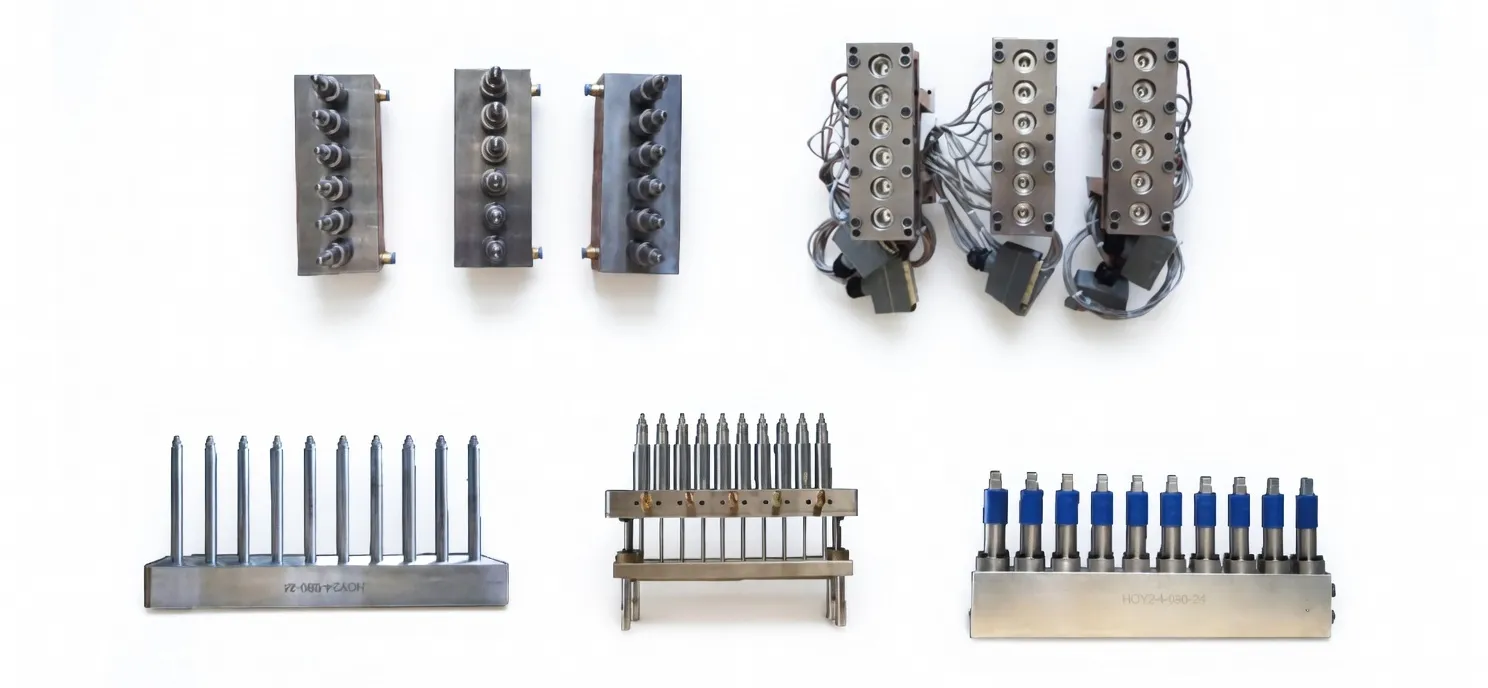
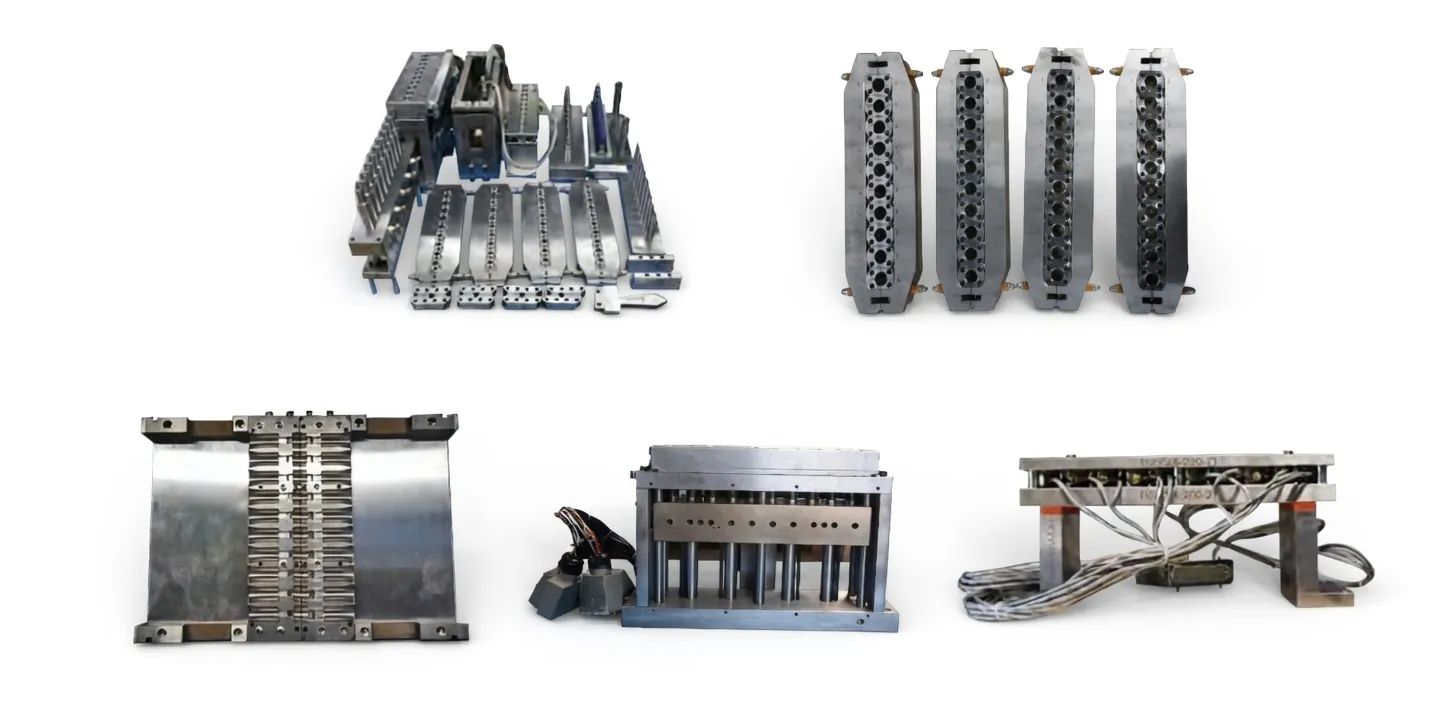
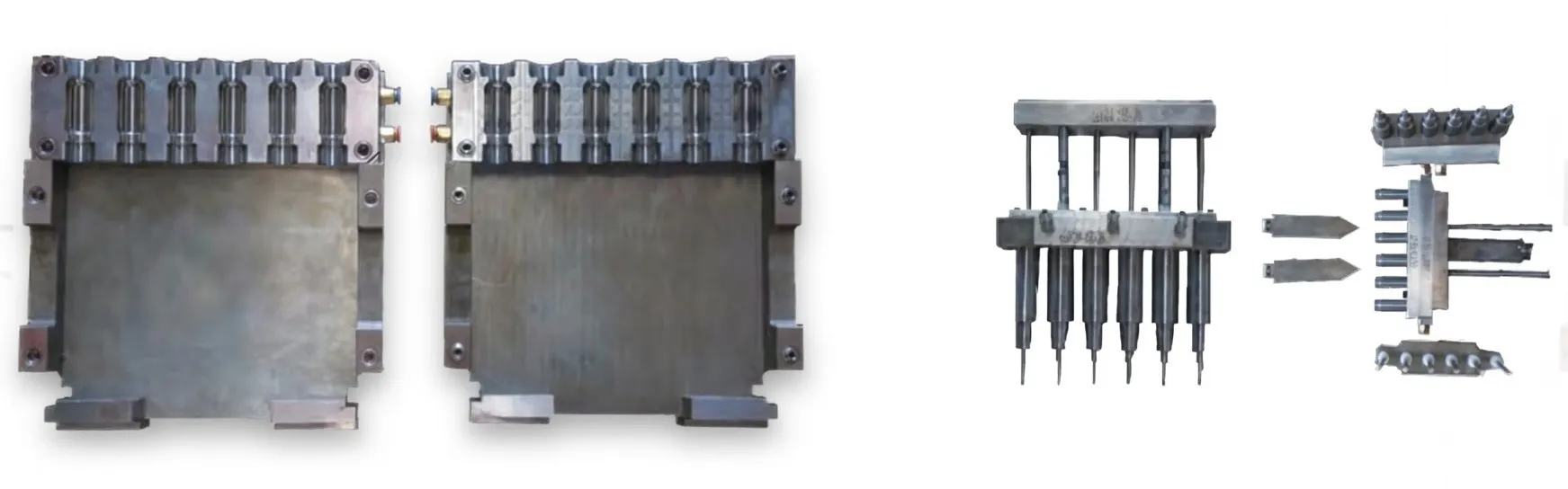
Blow Mould Tooling
Ever Power: Precision ISBM Manufacturing & Custom Solutions
Global manufacturing depth · Full IQ/OQ documentation · UK-coordinated technical support · Complete customisation capability
Ever Power has spent over two decades developing and manufacturing precision one-step ISBM machinery for pharmaceutical, healthcare, and food-grade packaging applications. The company’s production facility operates across more than 18,000 square metres of purpose-built floor space, incorporating dedicated CNC machining centres for tooling manufacture, a fully equipped metrology laboratory for component dimensional verification, and a complete machine assembly and testing line where every ISBM machine undergoes full performance trials — running full production cycles on pharmaceutical-grade material — before despatch. This is not assembled-to-order integration. Ever Power designs, machines, and assembles its machines from component level, with in-house control panel wiring, hydraulic system assembly, mould trials, and complete FAT (Factory Acceptance Test) conducted at the manufacturing facility before shipping.
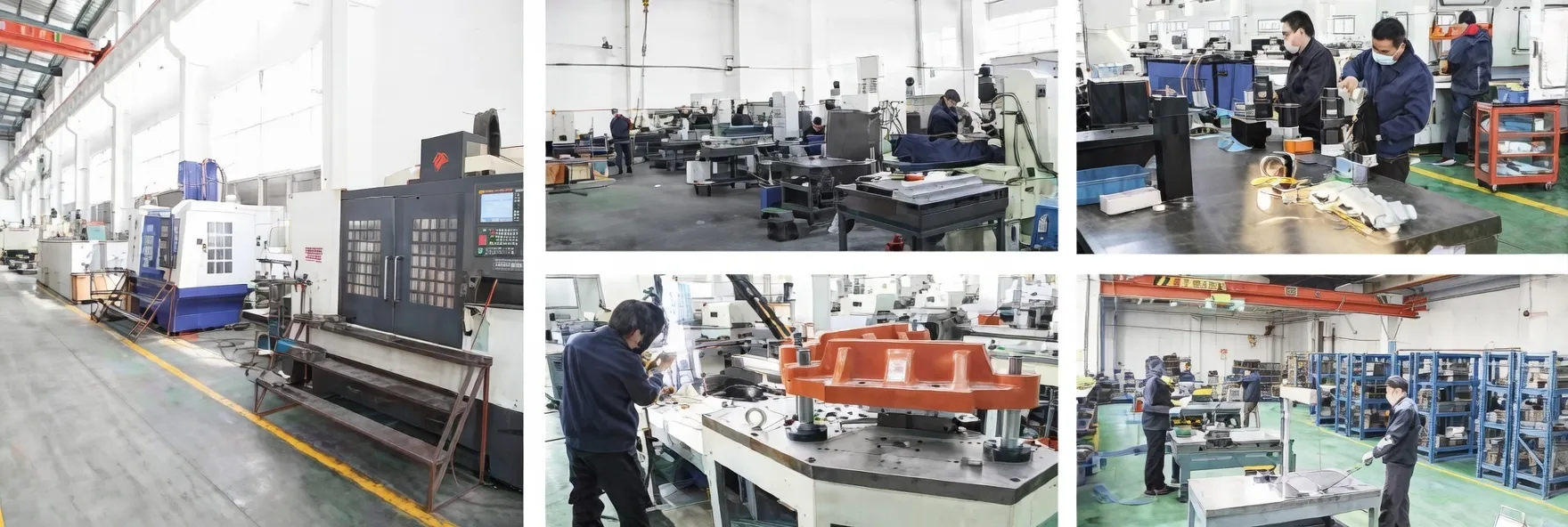
18,000 m² Factory
Full IQ/OQ Packages
48hr UK Parts Logistics
Full Custom Engineering
Remote Diagnostics
CE + ISO 9001
Customer Success Story
Sheffield, South Yorkshire — Pharmaceutical Contract Packaging
South Yorkshire Pharmaceutical CPO
Sheffield, UK · NHS-accredited Contract Packaging Organisation · Established 1997
Background: A Sheffield-based contract pharmaceutical packaging organisation with three decades of experience supplying oral liquid medicines and paediatric formulations to the NHS had been operating two-step blow moulding lines for the production of PET containers ranging from 100 ml to 300 ml. By 2023, a combination of increasing MHRA GMP inspection focus on particulate contamination sources and rising energy costs under UK industrial tariff structures had placed their two-step production approach under significant commercial and quality pressure. Particulate-related container rejection rates were running at 1.8% of output across the oral liquid bottle lines, with each rejected batch requiring individual quarantine investigation and disposition decisions that consumed quality team resource disproportionate to the defect rate.
Solution: Following a competitive evaluation process, the Sheffield operation selected two Ever Power HGY150 one-step ISBM machines configured specifically for their container portfolio. The project specification required cleanroom-compatible component finishes on all product-contact surfaces, integration with the site’s existing SAP-based MES through a standardised OPC-UA data interface, and an IQ/OQ documentation package meeting MHRA inspection standards. Ever Power’s engineering team worked on-site during the FAT at the manufacturing facility and again during installation qualification at the Sheffield plant, conducting all OQ runs and providing full validation support documentation.
Results after 12 months of production:
↓52%
Container Rejection Rate
↓29%
Energy Cost Per 1,000 Units
58 min
Average Mould Changeover (was 3.5 hrs)
100%
MHRA Inspection Pass Rate
The Sheffield operation completed its MHRA routine inspection following line conversion with no observations related to container production. The quality team cited the one-step ISBM process documentation and automated batch records as a specific inspection strength.
What UK Manufacturers Say About Ever Power ISBM Machines
“We had struggled for years with particulate rejection rates on our two-step PET bottle line. After installing the HGY150 from Ever Power, our rejection rate dropped from just under 2% to below 0.7% within three production months. The documentation package Ever Power provided was thorough enough to take us straight through our MHRA inspection with no corrective actions raised against the container production process. The ongoing remote diagnostics support has been exceptional — response times are genuinely impressive.”
David Okafor, Head of Manufacturing
Pharmaceutical Contract Packager · Sheffield, South Yorkshire
“Ever Power’s customisation capability is the key reason we chose them over other suppliers we evaluated. We needed a non-standard neck finish geometry for a new ophthalmic container range — something that wasn’t in any standard catalogue. The engineering team at Ever Power designed the tooling to our specification, ran qualification batches before despatch, and delivered a machine that produced containers within our dimensional limits from the very first production trial. The IQ/OQ package was complete, well-structured, and stood up to our internal quality team’s review without any rework requests.”
Sarah Whitfield, Technical Director
Healthcare Packaging Manufacturer · Birmingham, West Midlands
“Price, lead time, and technical support were the three criteria our procurement team weighted most heavily in the evaluation. On all three, Ever Power came out ahead. The quote we received was competitive and clearly broken down by machine configuration, tooling, documentation, and shipping — no hidden costs. Lead time was confirmed and met. The technical support since installation has been genuinely proactive — our maintenance team has direct access to the machine engineers by phone and through the remote diagnostic system. For a manufacturing site in Manchester managing multiple product campaigns, the changeover speed on the HGY150 has been a significant operational advantage.”
James Threlfall, Operations Manager
Oral Liquid Packaging Operation · Manchester, Greater Manchester
Frequently Asked Questions
UK Pharmaceutical Manufacturers — Common Questions About One-Step ISBM Machines
How much does a pharmaceutical-grade one-step ISBM machine typically cost for a UK buyer, and what does the quote from a specialist supplier include?
Indicative pricing for a pharmaceutical-configured one-step ISBM machine varies significantly based on cavity count, container volume range, material specification, and documentation requirements. Entry-level single-cavity machines configured for small-volume pharmaceutical containers can be quoted from approximately £80,000–£120,000 CIF UK port, while multi-cavity, pharmaceutical-validated platforms with full IQ/OQ packages and integrated vision inspection are typically quoted in the range of £180,000–£350,000 depending on specification. Ever Power quotes always include machine, tooling, IQ/OQ documentation framework, installation supervision, and remote support setup. Contact [email protected] for a project-specific quote.
How does a one-step ISBM machine actually compare to a two-step reheat blow moulding line for producing pharmaceutical bottles in the UK, particularly when it comes to sterility and GMP compliance?
The fundamental GMP advantage of one-step ISBM is the elimination of the preform handling and reheating stage, which in a two-step process creates multiple contamination exposure windows. In pharmaceutical manufacturing environments where Annex 1 and GMP Chapter 3 requirements mandate documented control of all contamination sources, the closed process of one-step ISBM removes an entire category of contamination risk. Validation is also generally simpler: fewer process variables, fewer intermediate steps, and a single machine data record per container produced. For pharmaceutical manufacturers who have experienced particulate rejection issues on two-step lines, converting to one-step ISBM has consistently delivered measurable improvements in container cleanliness at a rate of 40–60% reduction in particulate rejections across multiple documented UK case examples.
Which types of pharmaceutical containers and packaging formats can be manufactured using a one-step ISBM machine, and are there any formats where a different technology is a better fit?
One-step ISBM produces hollow containers from a few millilitres to 2,000 ml, covering oral liquid bottles, ophthalmic droppers, nasal spray bodies, tablet and capsule bottles, infusion containers, and many IVD vessels. The technology is best suited for containers where neck finish precision, material barrier properties, and process cleanliness are primary requirements. Applications where one-step ISBM is typically not the right technology include containers requiring integral handles (which suit extrusion blow moulding), multi-layer barrier containers requiring co-injection technology (covered by specialised co-ISBM platforms), and very high-volume single-SKU applications above 50 million units per year where dedicated two-step systems may offer lower unit cost at scale.
Where can a pharmaceutical manufacturer based in the UK, specifically in areas like Birmingham or Sheffield, find a reliable and responsive ISBM machine supplier with strong after-sales support and competitive pricing?
Ever Power provides dedicated UK supply and support coordination for pharmaceutical and healthcare manufacturers across all UK regions, including the major manufacturing centres in Birmingham, Sheffield, Manchester, Leeds, and the South East. The UK market coordination includes UK-based technical support liaison, airfreight-capable spare parts logistics to any UK delivery point within 48 hours, and a project management structure that covers the full process from specification enquiry through to installation qualification and post-installation performance review. UK pharmaceutical buyers benefit from documentation packages pre-structured to meet MHRA inspection standards and from remote diagnostic access that avoids the delays associated with international support response times.
When is the right time for a UK pharmaceutical packaging operation to consider upgrading or replacing its existing blow moulding equipment with a modern one-step ISBM machine?
Three business situations typically trigger a formal ISBM upgrade evaluation. The first is a quality event — persistent particulate rejection rates above 0.5% on pharmaceutical containers, or a specific MHRA or customer audit observation related to the blow moulding process, that cannot be resolved through process optimisation. The second is a capacity or product development need — a new container format, a new material specification, or a new product requiring performance attributes (higher OTR barrier, different neck finish geometry, cleanroom-compatible production) that the existing equipment cannot provide. The third is a strategic cost reduction initiative, where energy benchmarking has identified the blow moulding energy cost as a material improvement opportunity, particularly relevant for UK manufacturers under the UK Emissions Trading Scheme and rising industrial energy tariff pressures.
Who are the key people I should involve from my team when requesting a price and specification quote for a pharmaceutical-grade one-step ISBM machine from a supplier like Ever Power?
A well-structured ISBM machine procurement for a pharmaceutical application typically requires input from four functional areas: Engineering (container specifications, tooling requirements, utility supply details, installation environment), Quality Assurance (GMP documentation requirements, validation protocol frameworks, data interface specifications for electronic batch records), Procurement (commercial terms, Incoterms preferences, delivery timeline requirements), and Operations (changeover frequency expectations, shift pattern coverage for support response, preventive maintenance resource). Providing a brief that captures the key inputs from each of these areas when you contact Ever Power will ensure the quote you receive is technically accurate and commercially complete from the outset.
How long does the process take from submitting an enquiry to an ISBM machine supplier to having a fully installed and qualified machine running production at a UK pharmaceutical site?
For a standard machine configuration, the timeline from confirmed purchase order to FAT completion at the Ever Power manufacturing facility is typically 14–18 weeks. Shipping to UK ports and inland delivery adds approximately 4–6 weeks depending on logistics routing. Site installation and mechanical commissioning typically requires 5–7 working days for a single machine. IQ execution typically follows immediately after commissioning, with OQ running on pharmaceutical-grade production resin over 1–3 days depending on the protocol scope agreed with the customer’s validation team. In total, a project timeline from order placement to completed OQ of 6–7 months is realistic for a pharmaceutical-validated machine with a full documentation package. Complex customisations or non-standard tooling requirements may extend the manufacturing phase by 3–6 additional weeks.
Ready to Upgrade Your Pharmaceutical Container Production?
Whether you are specifying a new ISBM line for a greenfield project, replacing ageing two-step equipment, or evaluating whether one-step technology fits your pharmaceutical container portfolio — Ever Power’s team is ready to provide a detailed, project-specific response. No obligation. No generic brochures. Just accurate technical and commercial information for your decision.
© Ever Power ISBM Equipment · [email protected] · Precision One-Step ISBM Solutions for Global Pharmaceutical Manufacturing · edit by gzl