Industrial Equipment | UK Market
Injection-Blow Molding Machine: Application Scenarios, Technical Insights & UK Market Guide
From agricultural chemicals to pharmaceutical packaging — how injection blow molding machines are reshaping precision container manufacturing across British industry.
ISBM Technology
UK Industry Focus
B2B Equipment
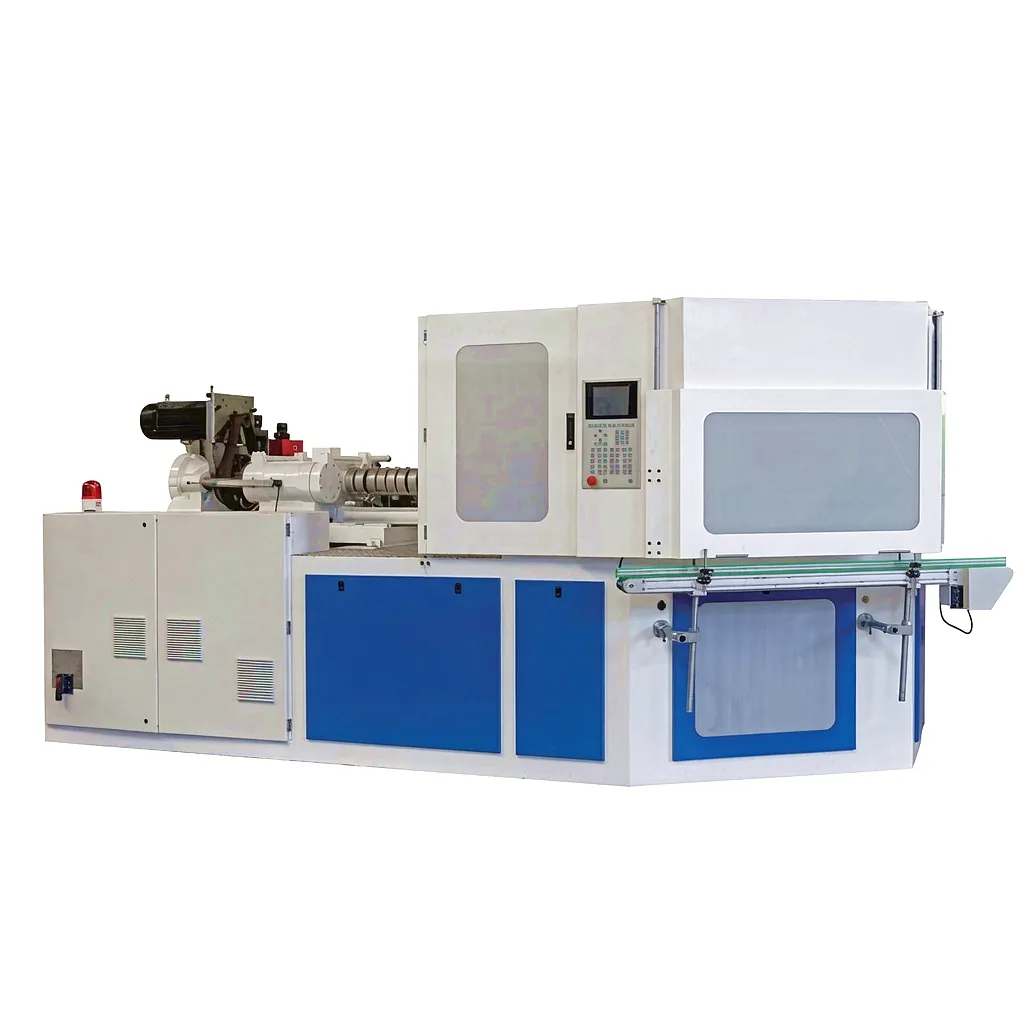 The injection-blow molding machine has quietly become one of the most strategically important pieces of equipment on the modern packaging production floor. Unlike extrusion blow molding or stretch blow molding, the injection blow molding process combines two critical stages — injection molding of the preform and blow molding of the final container — into a single, continuous, and highly precise manufacturing cycle. This integration eliminates post-processing steps, reduces material waste, and produces containers with wall thickness uniformity that is extraordinarily difficult to replicate through any other method. For sectors where container integrity is a regulatory requirement rather than a commercial preference, this matters enormously. Industries ranging from agrochemicals and crop protection to pharmaceutical primary packaging have come to rely on injection blow molding machines to deliver the dimensional accuracy, chemical resistance, and surface finish that their products demand. The technology is no longer niche. Across manufacturing clusters in the English Midlands, South Yorkshire’s industrial corridors, and logistics hubs servicing the North West, processors are investing in injection blow molding capacity to meet growing demand for small-to-medium-format bottles in HDPE, PP, and engineering-grade resins.
In the UK specifically, post-Brexit supply chain realignment has prompted a meaningful reshoring of certain container production activities, particularly in sectors where lead times from overseas suppliers introduced unacceptable risk. Injection blow molding machines, with their relatively compact footprint and high output rates for small containers, are well-suited to this reshoring dynamic. A single injection blow molding machine operating in a Sheffield tooling facility or a Birmingham plastics compounding plant can service multiple product lines simultaneously, making the capital investment highly efficient from a utilisation standpoint. Ever Power, as a leading manufacturer and supplier of injection blow molding machines, has observed a clear acceleration in UK inquiry volumes over the past several years, driven by precisely these structural market shifts.
How the Injection Blow Molding Process Works
🔙
Stage 1 — Injection Molding
Molten resin is injected into a precision cavity around a steel core rod, forming the preform. This stage determines the neck finish geometry, thread profile, and weight distribution of the final bottle. The core rod remains inside the preform throughout, ensuring consistent wall thickness from the very first stage. Neck finish accuracy at this stage is critical for closures and dispensing fitments.
🔄
Stage 2 — Transfer & Blow
The preform, still on the core rod and at optimal temperature, is transferred to the blow mold cavity by rotating the tooling station. Compressed air is introduced through the core rod, expanding the preform against the mold walls with precise pressure control. The container takes its final shape in milliseconds, with excellent detail reproduction across base geometry, shoulder profile, and label panel.
✏️
Stage 3 — Ejection
The completed container is stripped from the core rod and ejected — finished, dimensionally stable, and ready for downstream filling without any additional trimming or deflashing. Unlike extrusion blow molding, injection blow molded bottles carry no flash, which eliminates a labour-intensive secondary operation and dramatically reduces scrap rates at the end of the production line.
Core Materials Processed by Injection Blow Molding Machines
HDPE — High-Density Polyethylene
The dominant material in agrochemical, household chemical, and industrial container applications. HDPE offers outstanding chemical resistance to acids, alkalis, and solvents, making it the resin of choice for pesticide and herbicide packaging. Its stiffness-to-weight ratio supports thin-wall design without compromising drop test performance.
PP — Polypropylene
Widely used for pharmaceutical oral liquid bottles, personal care containers, and food-contact packaging. PP’s higher melting point relative to HDPE makes it suitable for hot-fill applications, while its hinge fatigue resistance supports integrated locking caps and child-resistant closure compatibility.
PET — Polyethylene Terephthalate
Valued for its optical clarity and barrier properties, PET is increasingly processed on injection blow molding machines for cosmetic, nutraceutical, and specialty chemical containers where brand presentation and visual product inspection are requirements. The clarity of injection blow molded PET is markedly superior to extrusion alternatives.
LDPE & Engineering Resins
LDPE is selected for squeezable containers such as eye drop bottles and wound-care packaging. Engineering resins including nylon copolymers are occasionally processed for specialty chemical containers requiring higher barrier performance against oxygen or moisture transmission in demanding storage environments.
Application Scenario
Agriculture & Crop Protection: Pesticide, Herbicide, Fungicide & Liquid Fertiliser Containers
Industry: Agriculture & Crop Protection — Volume Range: 250 ml to 5 L
◆ Pesticide Concentrate Containers (250 ml–5 L)
◆ Herbicide Bottles
◆ Fungicide Containers
◆ Liquid Fertiliser Bottles
◆ Ready-To-Use (RTU) Spray Containers
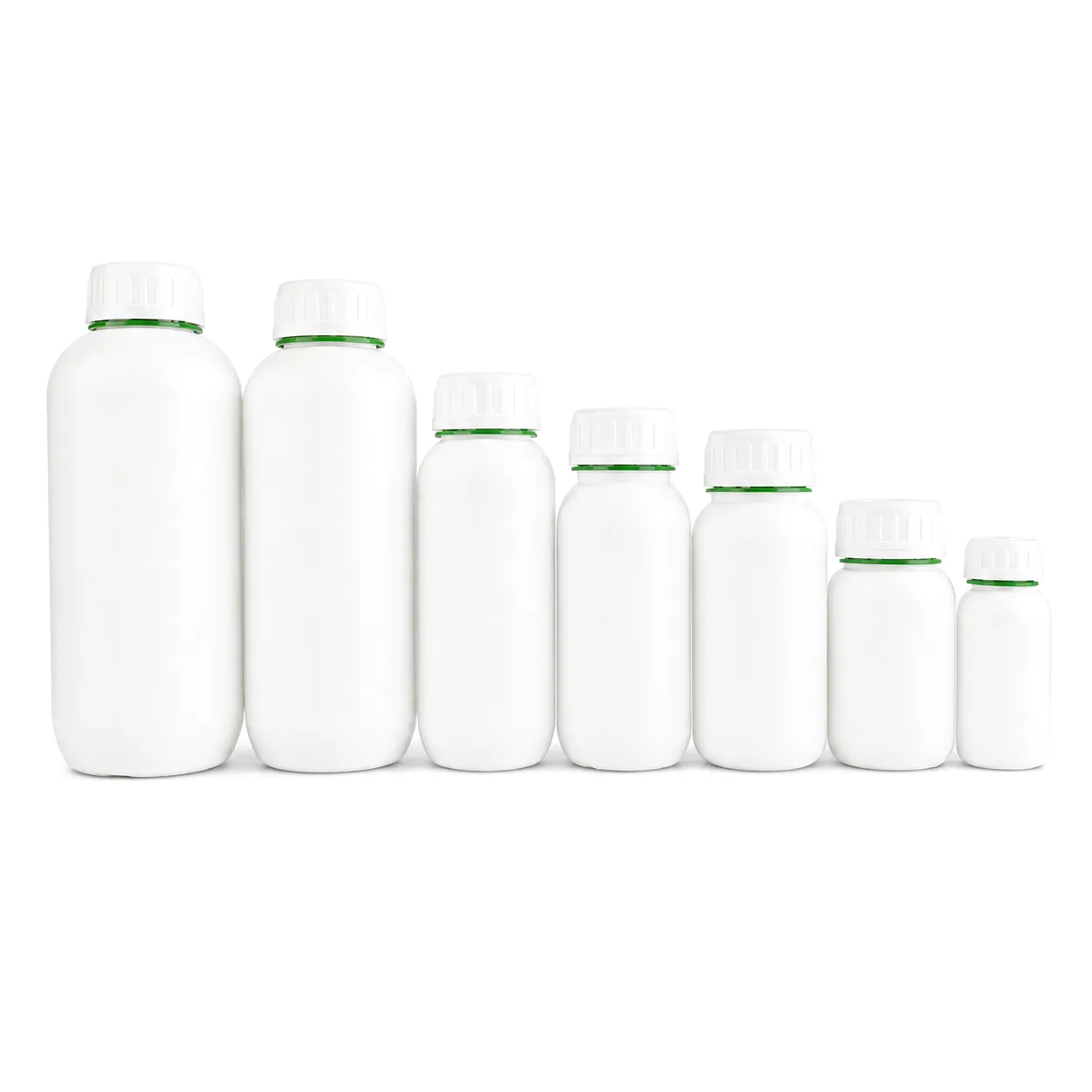 Agricultural chemical packaging is arguably the most technically demanding segment served by injection blow molding machines in the UK market. The combination of regulatory requirements under the UK Biocidal Products Regulation, HSE guidance on pesticide container integrity, and the inherently aggressive chemical nature of herbicide and pesticide concentrates means that packaging failure is not merely a commercial inconvenience — it is a regulatory and safety event. Injection blow molded containers in HDPE consistently outperform their extrusion-blown counterparts in both chemical permeation testing and UN drop test certification, which is a mandatory requirement for containers carrying concentrated crop protection products above certain volume thresholds.
The agrochemical supply chain in the UK is concentrated around a number of key distribution and manufacturing nodes. Companies operating out of the agricultural belts of Lincolnshire, East Anglia, and the Yorkshire Wolds represent major markets for crop protection packaging, while packaging converters servicing this sector are often located in the Midlands manufacturing corridor between Birmingham and Nottingham. For packaging producers in these regions, the ability to run short to medium production runs on an injection blow molding machine — switching between a 500 ml herbicide bottle and a 1 L pesticide concentrate container within a single shift — is commercially critical. Injection blow molding machines with servo-driven tooling stations offer exactly this kind of format flexibility, with changeover times that are a fraction of what would be required on dedicated extrusion equipment.
Ready-to-use (RTU) spray containers represent a growing sub-category within agricultural packaging, driven by consumer and smallholder demand for pre-diluted products that eliminate the need for on-farm mixing. These containers, typically in the 750 ml to 1.5 L range with integrated trigger-spray fitments, demand exceptional neck finish precision. The trigger-spray fitment is a friction-lock or thread-lock assembly, and any dimensional variation in the bottle neck outside of ±0.15 mm will result in fitment leakage at the point of use — an outcome with both safety and reputational consequences. Injection blow molding, with its injection-formed neck geometry, delivers the dimensional consistency that makes high-volume RTU container production commercially viable.
Container Volume Range
250 ml – 5 L
Primary Material
HDPE (Grade FDA/EC)
Neck Finish Tolerance
± 0.15 mm
Regulatory Compliance
UK BPR / HSE / UN Drop Test
 The functional performance requirements for agricultural containers extend well beyond basic structural integrity. Pesticide concentrate packaging must demonstrate resistance to a specific range of active ingredient chemistries — including organophosphates, pyrethroids, and neonicotinoid compounds — over a storage period of up to 24 months. HDPE grades used in injection blow molding for this application are typically selected from a narrow performance band that balances chemical resistance with processability at the mold temperatures required to achieve the fine neck thread detail needed for tamper-evident and child-resistant closure systems.
Liquid fertiliser containers, representing the higher-volume end of the agricultural packaging spectrum, introduce a different set of demands. Concentrated NPK and micronutrient solutions are mildly corrosive to some polymer types, and the higher viscosity of some formulations places stress on dispensing fitments if container geometry is not precisely controlled. Injection blow molding machines producing 2.5 L and 5 L fertiliser containers are typically configured with multi-cavity tooling to achieve the throughput rates required by large-scale blenders and fertiliser distributors operating in the Scottish Borders, Herefordshire, and the agricultural East Midlands. Multi-cavity injection blow molding tools producing four or six containers per cycle are a common configuration for these higher-volume SKUs.
A notable trend within the UK agricultural chemicals sector is the growing emphasis on container recyclability as a response to DEFRA’s extended producer responsibility framework and retailer sustainability commitments. Injection blow molded HDPE containers, being mono-material and flash-free, are inherently better positioned for recycling stream integration than multi-layer or co-extruded alternatives. Several agrochemical packaging producers based in the East Midlands have successfully transitioned their product lines to injection blow molded HDPE specifically to improve post-consumer recyclability ratings and meet retailer packaging scorecards.
Further Industrial Application Scenarios
Pharmaceutical
Oral Liquid & Eye Drop Containers
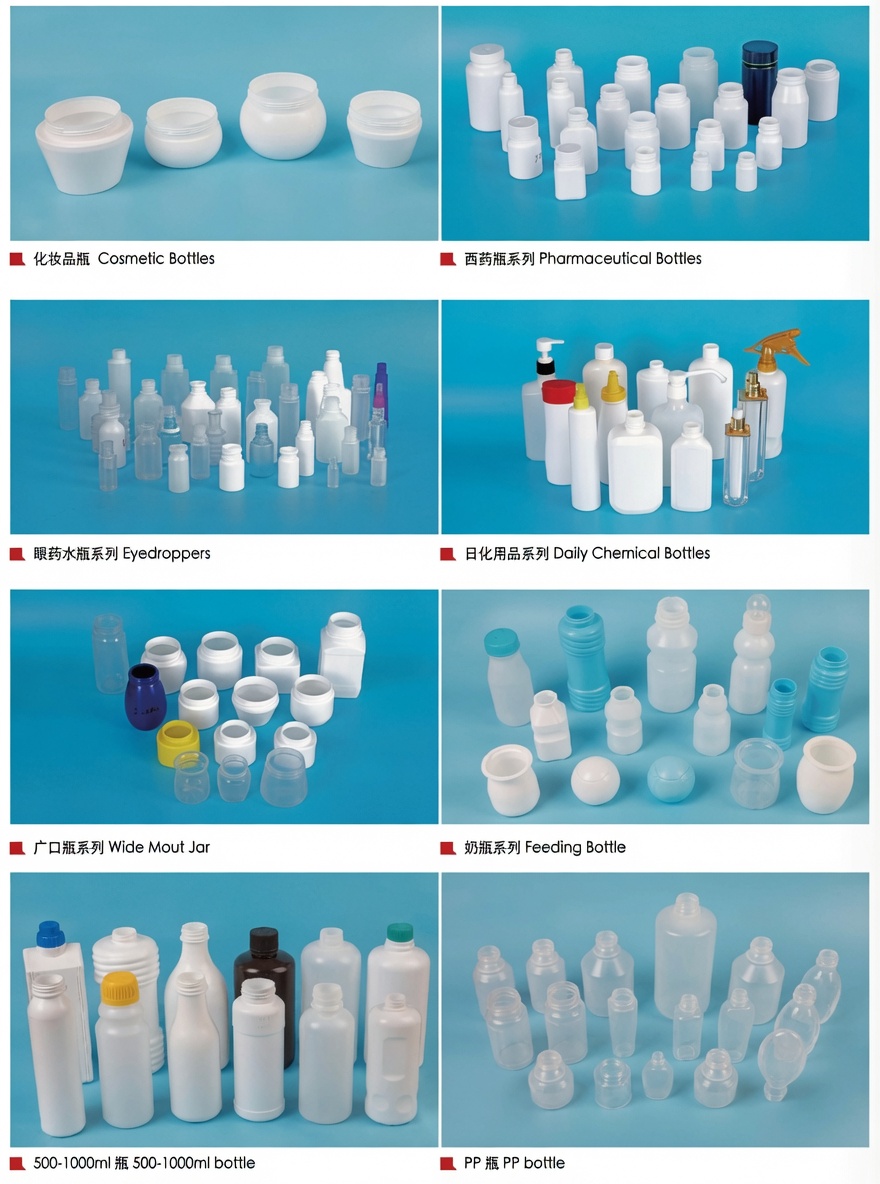
Pharmaceutical primary packaging demands the highest dimensional precision of any injection blow molding application. Oral liquid bottles in PP, ophthalmic containers in LDPE, and nasal spray bodies are all produced on injection blow molding machines because the tight dimensional tolerances required for pump fitment and closure compatibility simply cannot be achieved through extrusion alternatives. UK pharmaceutical manufacturers, including those operating GMP-certified facilities in Leicestershire, Cheshire, and the Thames Valley, rely heavily on injection blow molding for primary packaging where dosing accuracy and sterility assurance are regulatory imperatives under MHRA guidelines.
Personal Care
Cosmetic & Toiletry Bottles
The personal care and cosmetics sector is one of the largest volume markets for injection blow molding in the UK, spanning shampoo, conditioner, serum, and liquid soap packaging. PET and PP are the dominant resins, with brands in London and Manchester’s beauty manufacturing hubs demanding exceptional surface gloss, label panel flatness, and decorating compatibility. Injection blow molded containers in this segment benefit from the process’s inherent ability to produce bottles with flat panel surfaces suitable for pressure-sensitive label application and hot-foil decoration without secondary treatment.
Household Chemicals
Cleaning & Disinfectant Packaging
Household cleaning product packaging represents a high-volume, cost-sensitive market where the efficiency advantages of injection blow molding translate directly to competitive unit economics. Bleach, bathroom cleaner, drain unblocker, and disinfectant bottles produced for UK retail supply chains — servicing supermarket distribution centres in the East Midlands and South East England — require HDPE grades with enhanced chemical resistance and consistent wall thickness distribution to pass tamper-evidence and child-resistance certification requirements.
Food & Beverage
Food-Grade & Nutraceutical Containers
Food-contact packaging is a high-growth area for injection blow molding machines, particularly for honey, premium sauces, flavour concentrates, and nutraceutical supplement liquids. The ability to produce optically clear PET containers with exceptional dimensional control is particularly valued in this segment, where shelf impact drives purchasing decisions. UK food manufacturers in Yorkshire and the North West increasingly specify injection blow molded PET for premium ambient liquid products, appreciating the process’s ability to deliver glass-like clarity at plastic economics with full food-contact material compliance under UK retained food law.
Technical Advantages of Injection Blow Molding Machines
🎯
Zero Flash, No Trim
Unlike extrusion blow molding, the injection blow molding process produces no parting line flash, eliminating the deflashing operation entirely. This reduces labour costs, scrap volumes, and the risk of container contamination from flash fragments — a critical concern in food and pharmaceutical packaging environments.
📈
Precise Neck Finish Control
The neck is formed by injection molding, not blow molding, giving it a dimensional precision that is independent of the blowing operation. This is what makes injection blow molding the preferred process for containers requiring certified closure compatibility — from childproof caps to pharmaceutical dispensing fitments where dosing accuracy is a functional requirement.
⚖️
Uniform Wall Thickness
The core rod controls material distribution from inside, ensuring consistent wall thickness even in complex bottle geometries. This is particularly important for light-weighting projects where reducing material content without compromising structural performance is a priority — a key driver in the UK’s sustainability agenda for industrial packaging.
🔨
Format Flexibility & Rapid Changeover
Modern injection blow molding machines support rapid tooling changeovers, enabling converters to service multiple customers and SKUs on a single machine. This is commercially important for UK packaging converters who need to balance short-run flexibility with the efficiency of longer production runs, particularly when managing seasonal demand peaks in the agricultural chemicals calendar.
Technical & Performance Specification Table
| Parameter | Specification | Notes |
|---|
| Container Volume Range | 2 ml – 2,000 ml | Varies by tooling configuration |
| Clamping Force | 60 – 300 kN (typical range) | Depends on cavity count and resin |
| Shot Weight (Injection) | 5 – 500 g | Per cycle, all cavities combined |
| Blow Air Pressure | 0.5 – 1.0 MPa (5 – 10 bar) | Adjustable per material and mold |
| Cycle Time | 8 – 30 seconds | Volume, resin, and cooling dependent |
| Number of Cavities | 1 – 6 (standard); up to 12 (custom) | Multi-cavity for high-volume SKUs |
| Neck Finish Tolerance | ± 0.10 – 0.20 mm | Application specific; pharma grade tighter |
| Compatible Resins | HDPE, PP, PET, LDPE, PETG, ABS | Dependent on screw / barrel configuration |
| Injection Melt Temperature | 160 – 290 °C | Varies by resin; barrel zone controlled |
| Wall Thickness Uniformity | ± 5 – 10% | Superior to extrusion blow molding |
| Drive System | Hydraulic / Servo-electric / Hybrid | Servo option for energy saving up to 40% |
| Machine Footprint (typical) | 2.0 m x 1.2 m – 4.5 m x 2.0 m | Compact design suits UK factory floor constraints |
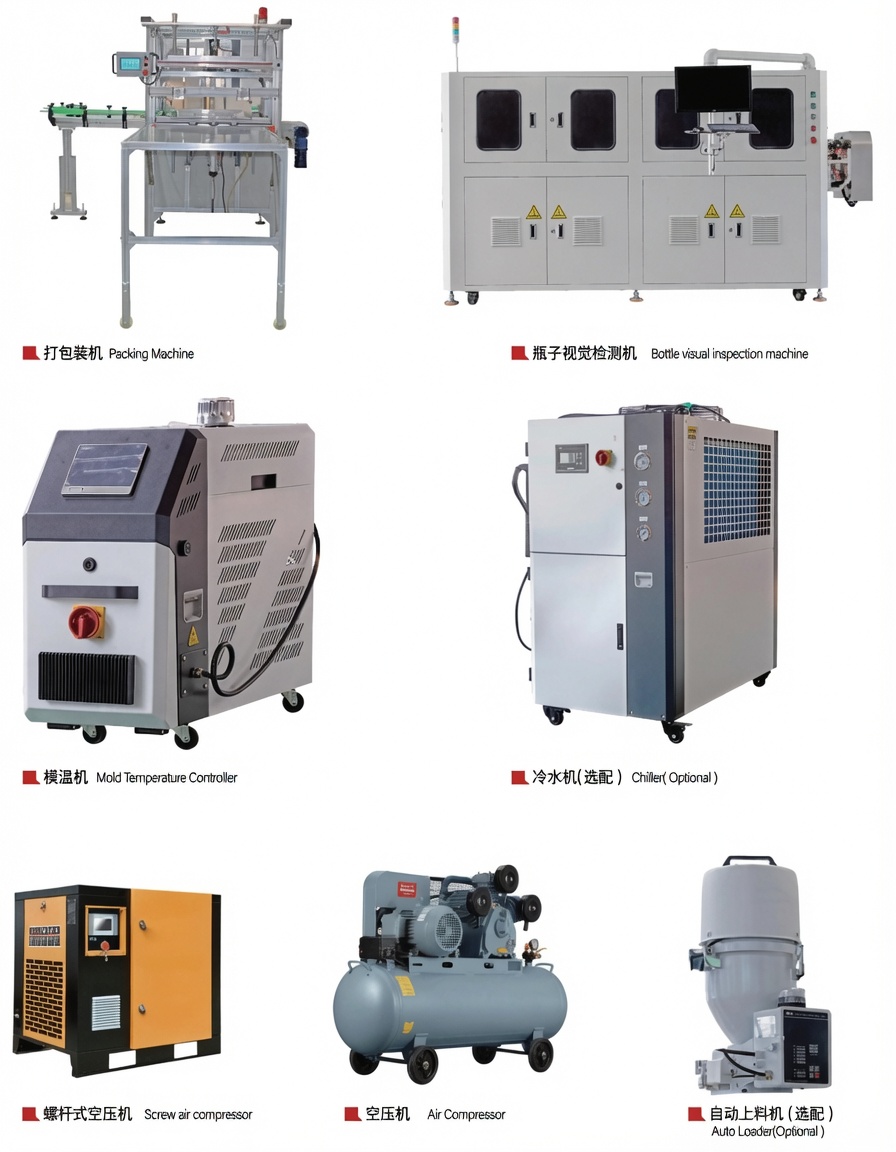
Ever Power Manufacturing Workshop
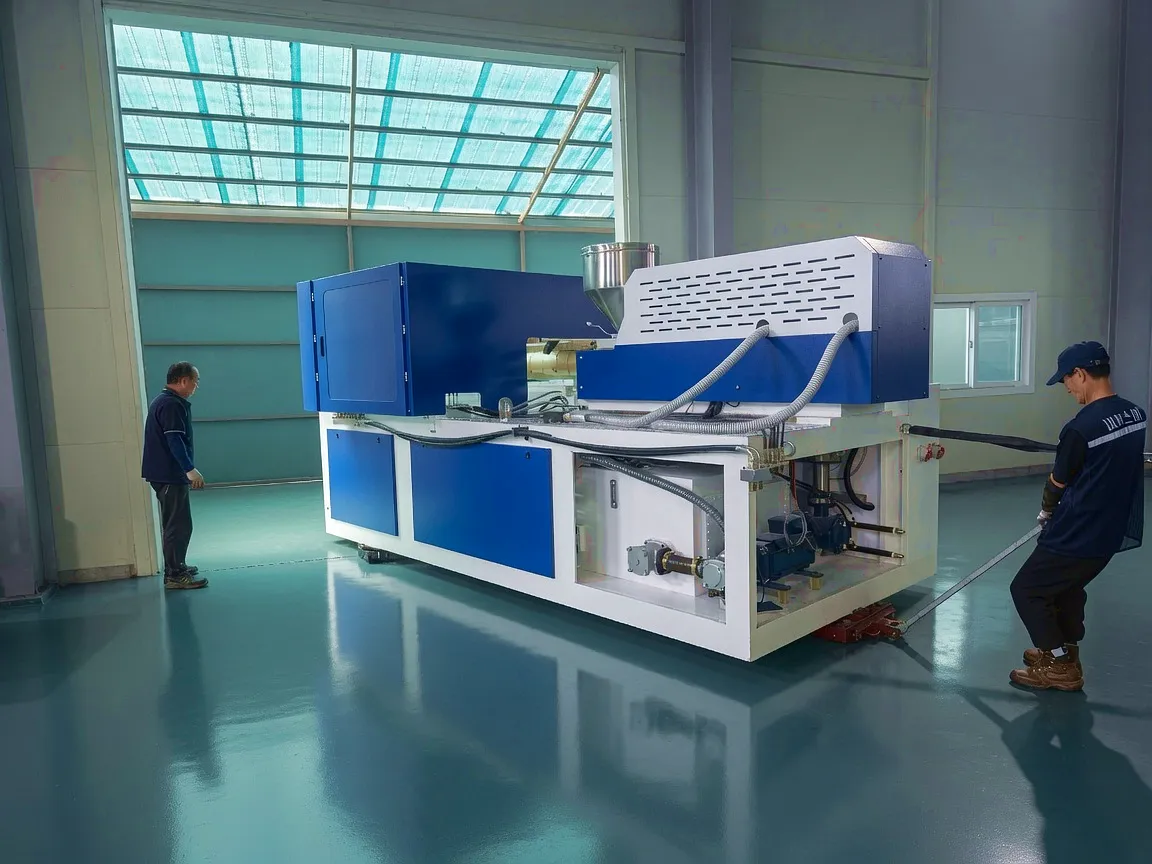
Precision Assembly Floor
Fully equipped assembly and testing bays for injection blow molding machines, with in-line QC inspection at each stage of the assembly process.
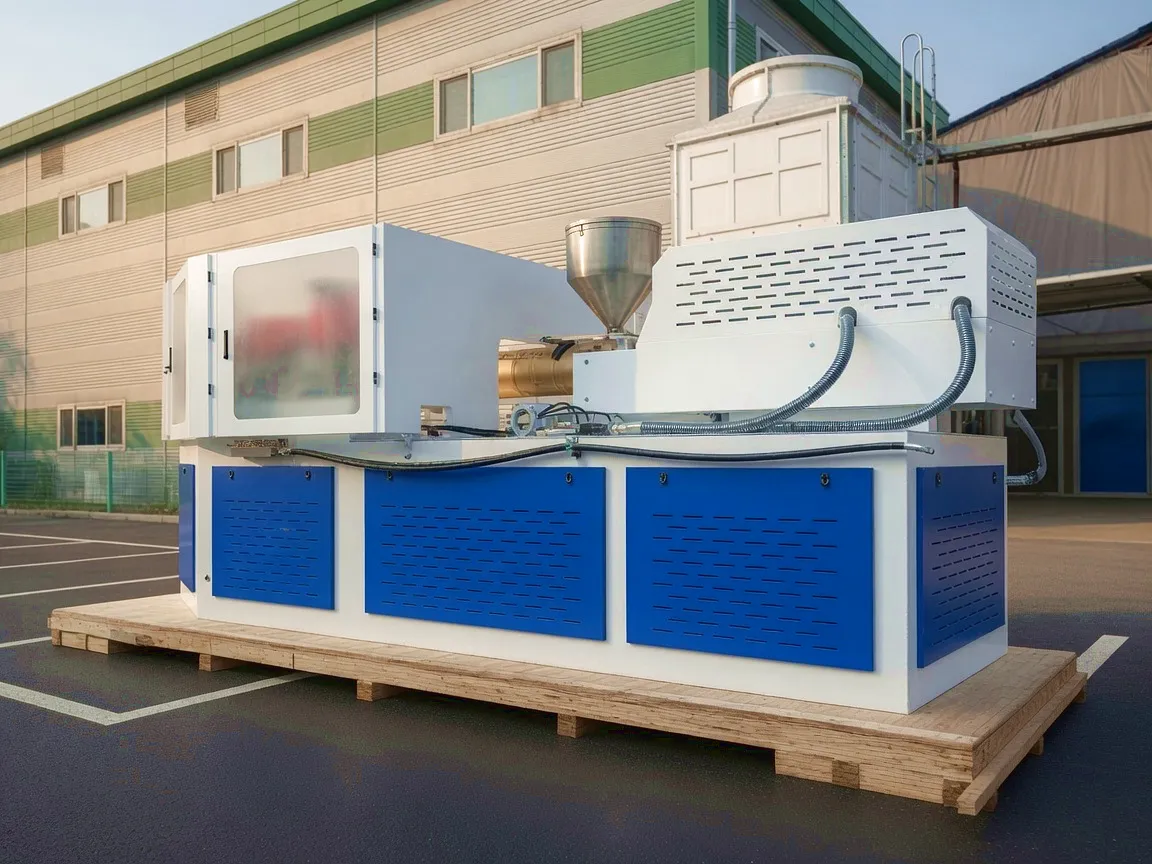
CNC Machining & Tooling Centre
High-precision CNC machining for mold tooling and core rod fabrication, ensuring the tight tolerances injection blow molding demands are met consistently across every unit.
Manufacturing Partner
Ever Power — Precision Injection Blow Molding Machine Manufacturing
Customisation, precision engineering, and supply chain reliability — built for global B2B clients including the UK market.
🔧
Deep Customisation Capabilities
Ever Power’s engineering team works directly with clients to develop machine configurations tailored to specific production requirements — from custom cavity counts and mold geometries to specialist resin handling systems for engineering polymers and coloured compounds. Whether a UK converter needs a 4-cavity HDPE system for agrochemical bottles or a dedicated PP configuration for pharmaceutical oral liquids, Ever Power’s customisation capability covers the full technical brief.
🛠️
Precision Manufacturing Process
Every injection blow molding machine produced by Ever Power passes through a multi-stage quality verification process that includes dimensional inspection of all precision-machined components, hydraulic and pneumatic circuit pressure testing, trial production runs with customer-specified resins, and output quality checks against agreed container specifications before shipment. This process is not abbreviated for export orders — UK customers receive the same standard of pre-delivery validation as any domestic client.
📦
Supply Chain & UK Delivery
Ever Power maintains structured logistics partnerships for UK delivery, with machines shipped sea freight to major UK ports including Felixstowe, Southampton, and Hull, with onward delivery by specialist machinery transport to customer sites across England, Scotland, and Wales. Commissioning support and operator training are available in-country, ensuring that customers in Birmingham, Sheffield, Leeds, or Bristol receive the same level of on-site technical support as any regional market.
Ever Power Featured Products: Uniloy-Replacement ISBM Machines
Ever Power has developed a specialist range of injection blow molding machines specifically engineered as high-performance alternatives to legacy Uniloy equipment, delivering superior servo-electric efficiency, improved control system architecture, and full tooling compatibility with existing Uniloy mold sets — a significant advantage for UK converters seeking to upgrade their ISBM capacity without requalifying their existing tool inventory.
ZQ80
Replacement of Uniloy UIB 120 Injection Blow Molding Machine – ZQ80
The ZQ80 is an 80-tonne clamping force injection blow molding machine designed as a direct performance replacement for the Uniloy UIB 120. It delivers enhanced servo-electric energy efficiency, reduced cycle times versus the legacy hydraulic UIB 120, and full compatibility with existing UIB 120 mold tooling — making it an ideal upgrade path for UK converters operating Uniloy equipment who require increased output and lower running costs without a complete tooling reinvestment.
View ZQ80 Details →
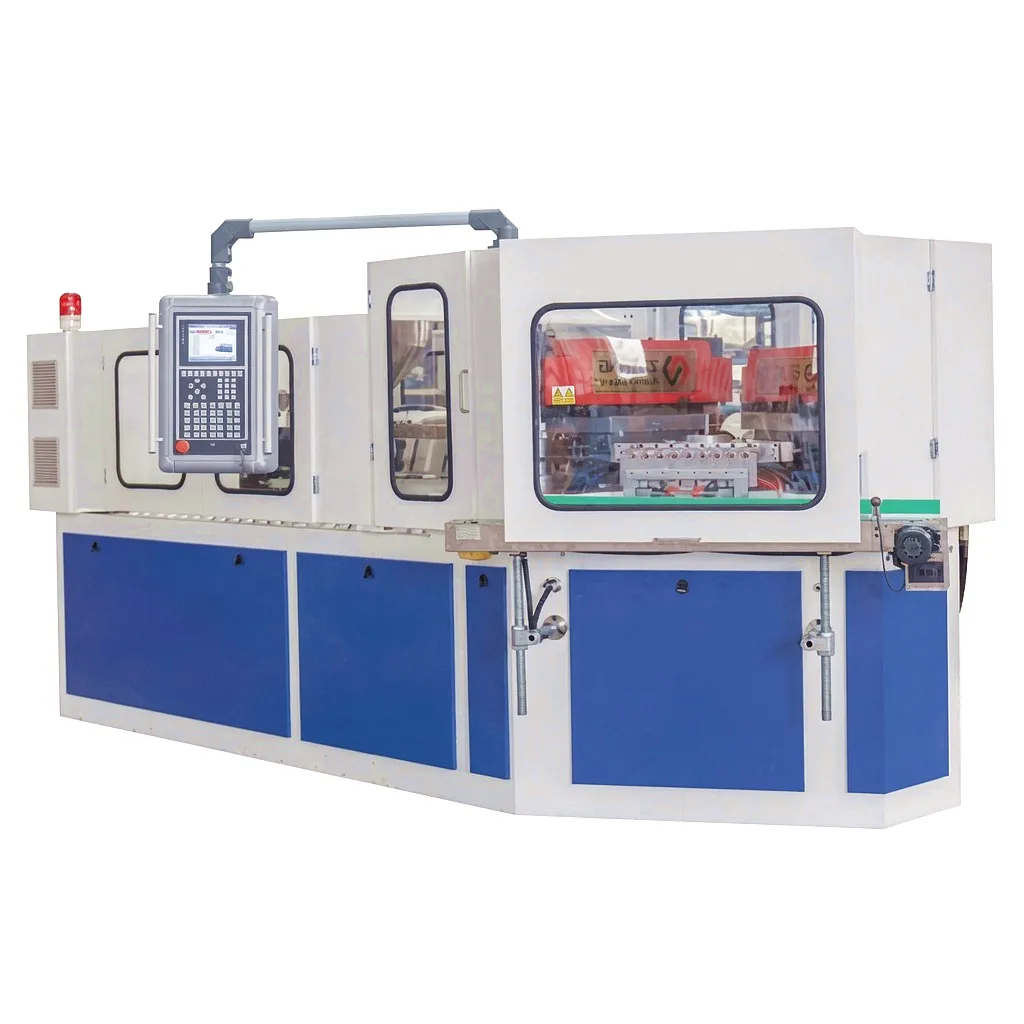
ZQ60
Replacement of Uniloy UIB 90 Injection Blow Molding Machine – ZQ60
The ZQ60 targets the smaller-to-mid-size container market, serving as an engineered replacement for the Uniloy UIB 90 platform. With a compact footprint suited to UK factory floor space constraints, the ZQ60 is particularly well-suited to pharmaceutical bottle production, personal care containers, and agricultural RTU spray bottles in the 100 ml to 750 ml range. Tooling compatibility with Uniloy UIB 90 mold sets means that converters can switch platforms without scrapping their existing tooling investment.
View ZQ60 Details →
Customer Success Story: Sheffield Agricultural Chemicals Packaging
Location
Sheffield, South Yorkshire
Industry
Agricultural Chemicals Packaging
Machine Installed
Ever Power ZQ80 (2 units)
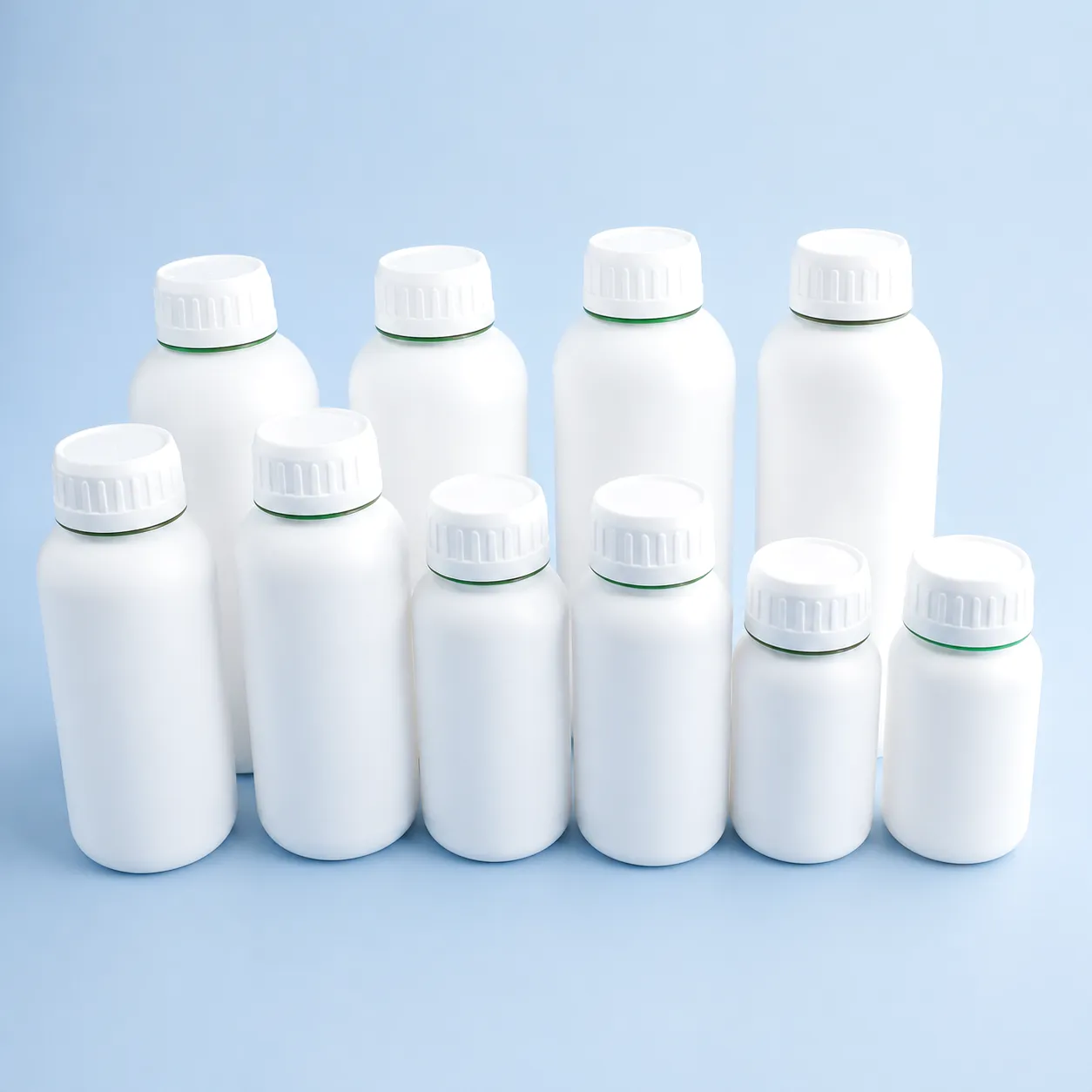 A mid-sized packaging converter based in Sheffield’s Attercliffe industrial district, supplying primary containers to three major UK agrochemical distributors, approached Ever Power with a straightforward but commercially pressing challenge. Their ageing Uniloy UIB 120 machines were generating increasing scrap rates on their 500 ml and 1 L HDPE herbicide bottle range, driven by worn core rod assemblies that no longer held dimensional tolerance on neck finishes. Tooling repair costs had escalated to the point where full machine replacement became the more economically rational option. The Sheffield converter’s procurement team had concerns about committing to a new supplier for capital equipment of this value, particularly given that their existing Uniloy mold tooling represented a significant historical investment that they were not in a position to write off.
Ever Power’s technical team conducted a full assessment of the converter’s production requirements, reviewing their container specification sheets, throughput requirements, and seasonal production scheduling — a critical consideration for agrochemical packaging producers, whose demand surges sharply in the March-to-May pre-season buying window. Two ZQ80 units were specified, both configured with four-cavity tooling for the 500 ml bottle format and two-cavity tooling for the 1 L format, with quick-change core rod assemblies to minimise format changeover time. Critically, the ZQ80’s mold station geometry was engineered to accept the Sheffield converter’s existing Uniloy UIB 120 mold sets, eliminating the need for a tooling reinvestment that would have made the business case materially more difficult.
Following commissioning — completed by an Ever Power field engineer on-site at the Sheffield facility over a two-week period — the converter reported a 34% reduction in scrap rates within the first month of production, a cycle time improvement of approximately 18% versus the legacy Uniloy equipment, and a marked improvement in neck finish consistency that eliminated fitment leakage complaints from their agrochemical filling customers. Energy consumption per 1,000 containers produced fell by an estimated 28% compared to the hydraulic-drive Uniloy machines, with the ZQ80’s servo-electric drive system delivering measurable utility cost savings that feed directly into the converter’s margin position in a cost-competitive market.
What Our Customers Say
★★★★★
“The ZQ80’s neck finish consistency on our 500 ml HDPE herbicide bottles is genuinely better than anything we achieved on the Uniloy machines in their prime. Our filling line has had zero fitment rejects in three months of production — that’s transformed our relationship with the agrochemical customers we supply into the Yorkshire market.”
Production Manager — Packaging Converter, Sheffield
★★★★★
“Ever Power’s customisation process was exactly what we needed. We came in with a non-standard container geometry for a fungicide product and a requirement to run two different neck finishes on the same shift — something we’d been told wasn’t practical on new equipment. The Ever Power engineering team made it work within the machine spec, and commissioning on our Birmingham site went without a single lost production shift.”
Technical Director — Specialty Chemicals Packaging, Birmingham
★★★★★
“The energy saving from switching to servo-electric injection blow molding has been substantial — our electricity cost per thousand bottles is down by more than a quarter. For a high-volume converter running three shifts, that is real money. I’d recommend Ever Power to any UK converter looking to replace aging ISBM equipment without the risk of a full tooling reinvestment.”
Operations Director — Industrial Packaging, Leeds
Frequently Asked Questions
How much does an injection blow molding machine cost to buy from a supplier in the UK market?
The price of an injection blow molding machine varies considerably depending on clamping force, cavity count, drive system type, and any customisation requirements. Entry-level two-cavity machines for small containers typically begin at a price point accessible to SME converters, while high-output multi-cavity servo-electric machines configured for pharmaceutical or agrochemical applications command a higher investment. Ever Power offers transparent pricing and custom quotations — contact [email protected] directly for a detailed price breakdown based on your specific production requirements.
Which injection blow molding machine supplier in the UK or overseas offers the best compatibility with existing Uniloy UIB 120 mold tooling?
Ever Power’s ZQ80 injection blow molding machine is specifically engineered to accept existing Uniloy UIB 120 mold tooling, making it the natural choice for UK converters seeking to replace ageing Uniloy equipment without a tooling reinvestment. The mold station geometry, core rod mounting, and blow station dimensions are all specified to match the UIB 120 platform. The ZQ60 serves the same function for UIB 90 tooling compatibility.
What type of plastic bottle can an injection blow molding machine produce for agricultural pesticide and herbicide packaging in England?
Injection blow molding machines running food-grade and chemical-grade HDPE are the standard choice for UK agricultural pesticide and herbicide container production. The process produces flash-free HDPE bottles in the 250 ml to 5 L range with injection-formed neck finishes that deliver the dimensional consistency required for child-resistant and tamper-evident closure systems. These containers can be manufactured to meet UN drop test and UK Biocidal Products Regulation requirements.
How long does it take to get a quote and delivery lead time for an injection blow molding machine shipped to Birmingham or Sheffield in the UK?
A detailed quotation from Ever Power is typically produced within 3 to 5 working days of receiving your production specification. Standard machine delivery lead times to UK customers, covering sea freight to Felixstowe or Southampton and inland delivery to your site in Birmingham, Sheffield, Leeds, or elsewhere, run approximately 60 to 90 days from order confirmation, depending on machine configuration and current production scheduling. Commissioning support from an Ever Power engineer is included within the standard supply scope.
What is the difference between injection blow molding and extrusion blow molding, and which process is better for pharmaceutical packaging in the UK?
Injection blow molding produces the bottle neck by injection molding, delivering a dimensionally precise neck finish that extrusion blow molding cannot match. For pharmaceutical oral liquid bottles, ophthalmic containers, and nasal spray bodies — all of which require certified closure and dispensing fitment compatibility — injection blow molding is the preferred or required process among MHRA-regulated manufacturers. Extrusion blow molding is better suited to larger containers where dimensional precision on the neck is less critical and throughput per unit capital is the primary driver.
Where can I find a reliable injection blow molding machine supplier who can offer custom tooling and commissioning support for a UK manufacturing site?
Ever Power is an established injection blow molding machine manufacturer offering full customisation services — from custom cavity count and mold tooling geometry to specialist resin handling systems. For UK buyers, Ever Power provides on-site commissioning support, operator training, and ongoing technical assistance. Contact the sales team at [email protected] to discuss your specific requirements and receive a tailored technical proposal.
How energy-efficient is a modern servo-electric injection blow molding machine compared to older hydraulic ISBM equipment running in a UK production environment?
Servo-electric injection blow molding machines typically consume 30 to 45% less electrical energy per operating hour than equivalent-tonnage hydraulic machines, because the servo drives only draw power when movement is actually required. In a UK production environment where industrial electricity rates have risen sharply, this efficiency differential translates to very meaningful reductions in per-unit operating cost — particularly for converters running two or three shifts continuously to service seasonal agrochemical or household product demand cycles.
Ready to Upgrade Your Injection Blow Molding Capacity?
Contact Ever Power today for a custom quotation, technical consultation, and full specification matched to your production requirements — UK delivery and on-site commissioning included.
📧 Contact Ever Power: [email protected]
edit by gzl