
Materials Science · Packaging Engineering
Using rPET in Blow Molding Machines: Opportunities and Challenges
A deep technical exploration of how recycled PET performs inside modern injection blow molding equipment — covering material behaviour, process parameters, machine compatibility, and practical guidance for UK manufacturers.
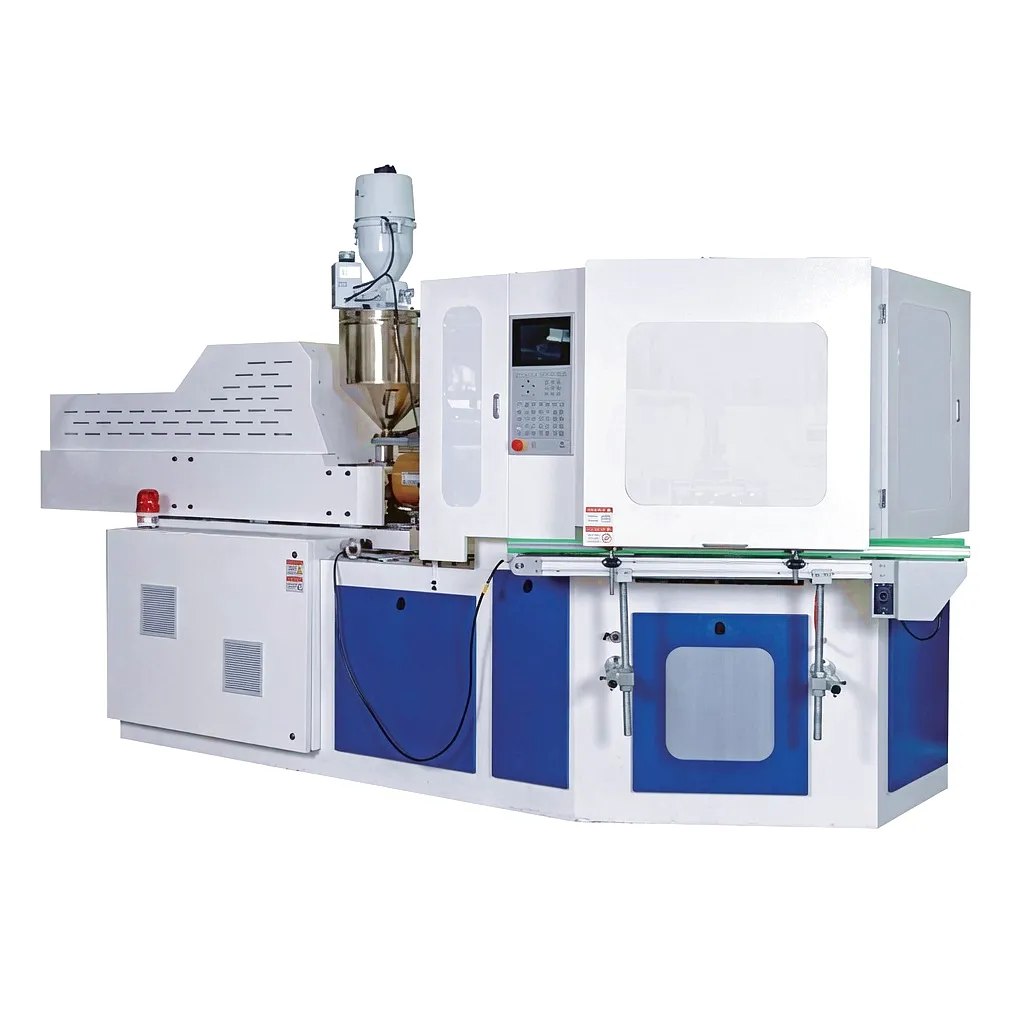 The shift toward circular packaging is reshaping procurement decisions in manufacturing facilities from Birmingham to Bristol. As the UK government accelerates its Plastic Packaging Tax and Extended Producer Responsibility regulations, brand owners and contract manufacturers face growing pressure to incorporate post-consumer recycled PET — commonly referred to as rPET — into their bottle production lines. The question is no longer whether to adopt rPET, but how to do it effectively without compromising output quality, machine longevity, or production economics. The rPET blow molding machine must therefore be selected and configured with far greater precision than a conventional virgin-resin line. Feedstock variability, thermal sensitivity, higher melt viscosity fluctuations, and elevated contamination risk all demand a thorough understanding of how recycled PET behaves inside the plasticising and moulding systems of an injection blow molding machine.
What Is rPET and Why Does It Behave Differently from Virgin PET?
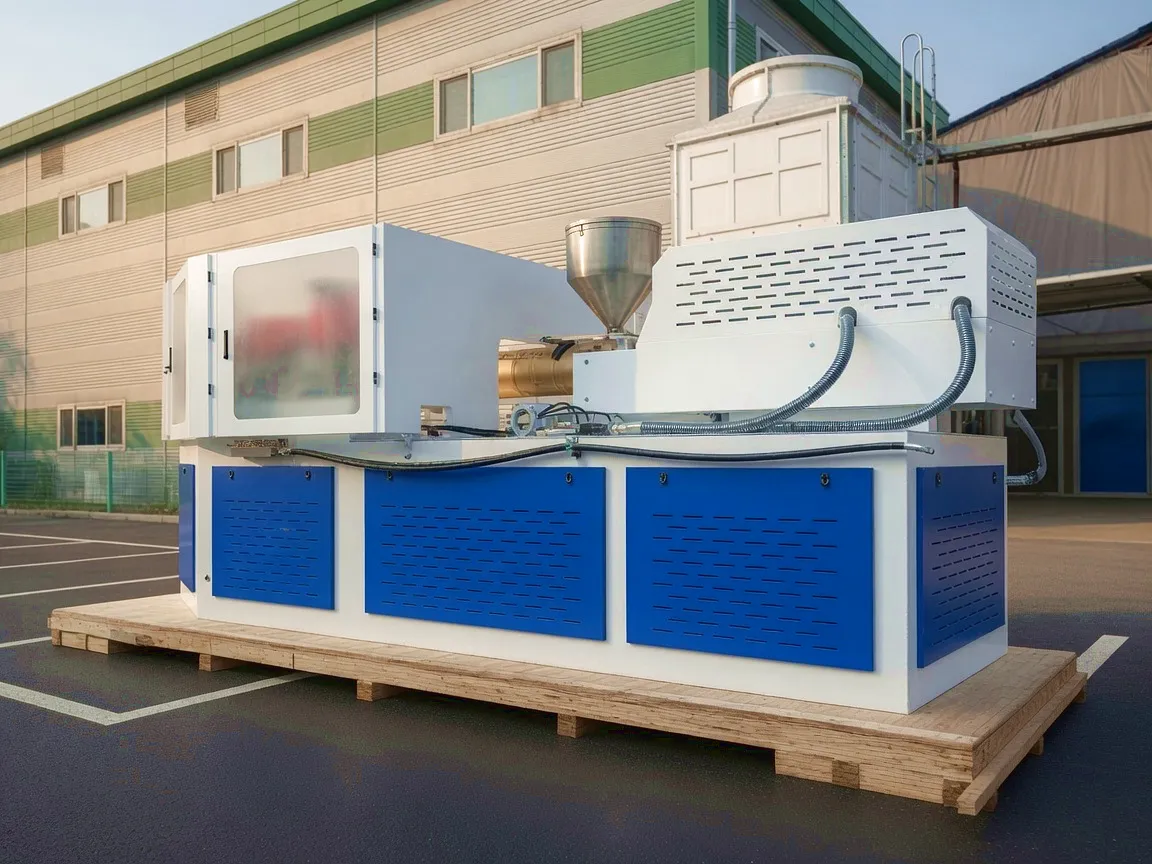 Recycled PET is derived from post-consumer plastic bottles that have been collected, sorted, washed, flaked, and re-granulated. On a molecular level, the reprocessing history of rPET introduces meaningful differences in chain length distribution, intrinsic viscosity (IV), moisture absorption rate, and colour consistency compared to virgin polyethylene terephthalate. Understanding these distinctions is the foundation of any successful rPET blow molding machine programme. Virgin PET typically arrives with an IV in the range of 0.72–0.84 dL/g, relatively uniform pellet size, and predictable thermal behaviour. Post-consumer rPET, even when well-sorted, may carry IV values from 0.68 to 0.78 dL/g with batch-to-batch variation that challenges process stability. The presence of trace polyolefin contamination — from mislabelled bottles or label adhesives — can cause localised gels, streaks, or haze in finished containers.
Acetaldehyde (AA) content is a particularly critical issue for food and beverage applications. PET degrades thermally to produce AA, and because rPET has already experienced at least one previous thermal cycle, its tendency to generate AA during reprocessing is elevated. For bottle applications destined for mineral water or carbonated soft drinks, AA scavenger masterbatches are often incorporated into the rPET blend at the compounding stage. Machine operators must account for the extended screw residence time that IBM processes inherently involve, adjusting barrel temperature profiles accordingly to minimise AA generation while maintaining melt flowability.
Colour management is another practical challenge. Post-consumer rPET streams often carry a yellowish or slightly grey tint due to accumulated thermal degradation and contamination from inks and labels. For transparent bottle production — common in personal care lines across Manchester and Leicester manufacturing clusters — this requires blending with colour-correcting masterbatches or restricting rPET content to levels where haze remains within brand-acceptable limits. The rPET blow molding machine therefore needs precise temperature control at every stage to minimise further yellowing during the moulding cycle.
Blow Moulding Process Comparison: IBM, ISBM, EBM, and Extrusion Blow Moulding
| Process | Full Name | rPET Suitability | Typical Application | Wall Thickness Control |
|---|---|---|---|---|
| IBM | Injection Blow Moulding | High — closed system, low AA risk | Pharma, cosmetics, small containers | Excellent (±0.05 mm) |
| ISBM | Injection Stretch Blow Moulding | Very High — biaxial orientation improves clarity | Beverage bottles, wide-mouth jars | Very good (±0.08 mm) |
| EBM | Extrusion Blow Moulding | Moderate — suitable for HDPE/rHDPE blends | Industrial containers, HDPE bottles | Moderate (±0.15 mm) |
| Extrusion | Extrusion (sheet/tube) | Limited for bottle-grade rPET | Trays, sheets, technical profiles | Variable |
Injection blow moulding stands out for rPET processing because it eliminates the parison hanging stage found in EBM, which reduces the window for oxidative degradation and contamination ingress. The IBM process injects a preform directly onto a core rod under controlled cavity pressure, then immediately transfers it to a blow station where the bottle is expanded to final form. This closed-loop handling of the melt is particularly valuable when using rPET grades that are more susceptible to thermal degradation at extended dwell times. Sheffield-based pharmaceutical packaging converters, for instance, have increasingly evaluated IBM configurations precisely because the short shot-to-blow cycle duration minimises AA migration risk in their finished containers.
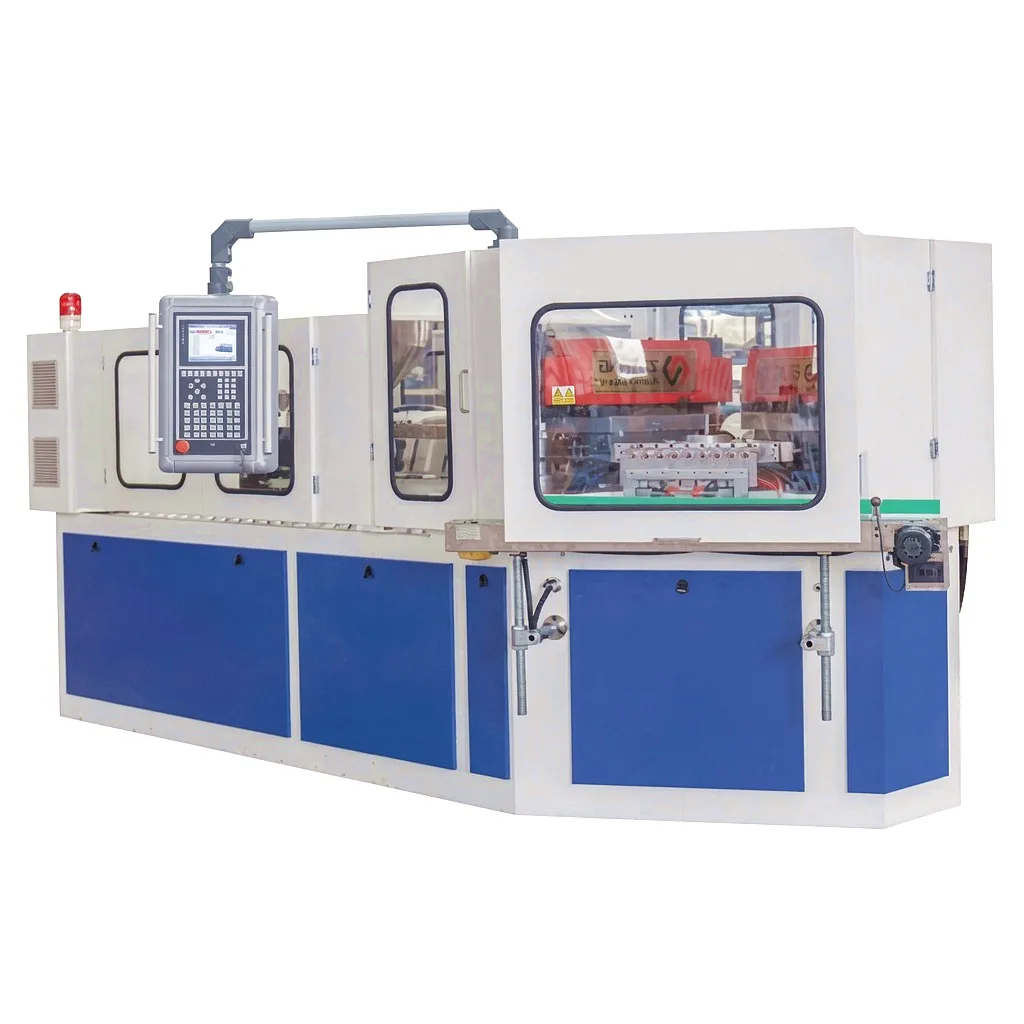 Not all blow moulding equipment is designed to handle the demands that rPET places on the plasticising system, the clamping mechanism, and the mould cooling circuit. Selecting an rPET blow molding machine that lacks the correct screw geometry, drying integration, or closed-loop temperature management can lead to chronic quality defects, excessive downtime, and premature wear of barrel components. The plasticising screw is the most critical element. For rPET with variable IV, a barrier screw design with a compression ratio of 2.2:1 to 2.8:1 is generally preferred over a conventional general-purpose screw. The extended mixing section disperses the melt more uniformly, reducing the risk of unmelted gels or cold spots that produce thin zones in the finished bottle wall.
Wall Thickness Uniformity Control and Preheating Temperature Curves for rPET
Core Rod Temperature Management
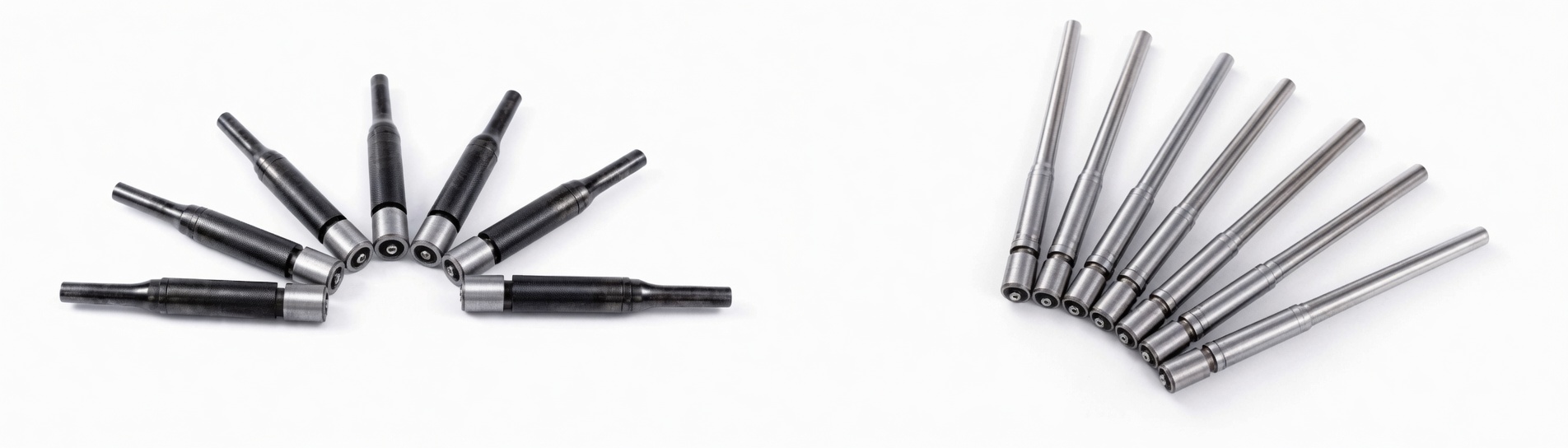
The core rod in an IBM machine directly determines the inner surface temperature of the preform during moulding. For rPET, the core rod temperature should be maintained between 8°C and 18°C using precision chilled water circuits. Any deviation above 20°C risks sticking of the preform to the rod, while temperatures below 6°C can produce stress whitening. The thermal gradient between the rod, preform cavity, and blow mould must be managed as a coupled system — not as independent variables — especially when rPET lots with differing IV values are in use on the same production run.
Barrel Zone Temperature Profiles
For rPET processed on an injection blow molding machine, barrel temperature settings across the four primary heating zones typically follow a progressive ramp: Zone 1 (feed) 255–265°C, Zone 2 260–270°C, Zone 3 265–275°C, Zone 4 (nozzle) 260–270°C. Compared to virgin PET, rPET commonly requires the nozzle zone to run 5–8°C cooler to prevent tip drool caused by the reduced melt viscosity of shorter polymer chains. The set points must be confirmed empirically for each incoming rPET batch, particularly if the supplier changes sourcing geography, as flake colour, IV, and AA precursor content can shift meaningfully between deliveries.
Wall Thickness Uniformity Strategies
Achieving wall thickness uniformity below ±0.08 mm across the bottle body and shoulder with rPET requires multi-point parison programming (on ISBM) or precise injection velocity profiling (on IBM). Servo-controlled injection units with real-time cavity pressure feedback allow the machine to compensate dynamically for viscosity shifts between rPET lots. On machines without this feature, operators often rely on manual injection speed staging — a slower first stage to fill the gate land, a faster intermediate stage for the preform body, and a packing stage at reduced pressure to consolidate the material without flash. Getting this balance right for rPET is an iterative process that typically requires 15–20 setup trials on a new rPET grade.
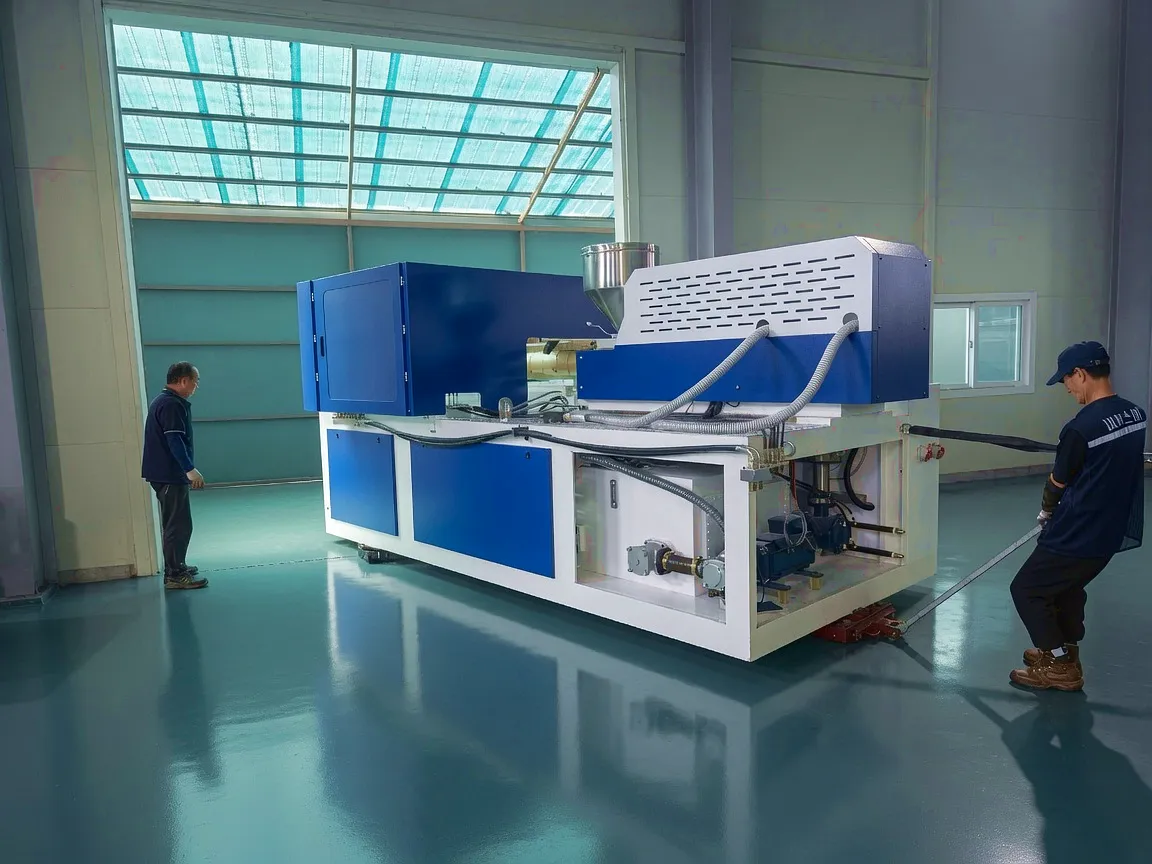 The interaction between mould design and rPET material behaviour is often underestimated during new project development. Because rPET has a slightly lower and more variable melt strength than virgin PET, moulds intended for rPET processing must incorporate more generous draft angles (minimum 1.5°, ideally 2°–3° on side walls), smoother cavity surface finishes (Ra ≤ 0.4 µm), and more robust venting arrangements to prevent air trapping that creates blush marks or incomplete filling in complex shoulder geometries.
rPET Blow Molding Machine: Technical Performance Parameters
| Parameter | Virgin PET (Reference) | 25–50% rPET Blend | 75–100% rPET |
|---|---|---|---|
| Intrinsic Viscosity (IV) | 0.78–0.84 dL/g | 0.74–0.80 dL/g | 0.68–0.76 dL/g |
| Drying Temperature | 150–160°C / 4 h | 160–165°C / 5 h | 165–170°C / 6 h |
| Barrel Zone 1–3 Temp. | 260–275°C | 258–272°C | 255–268°C |
| Nozzle Temperature | 265–270°C | 260–268°C | 255–263°C |
| Core Rod Temperature | 10–16°C | 8–15°C | 8–14°C |
| Blow Pressure | 6–8 bar | 7–9 bar | 8–10 bar |
| Wall Thickness (±mm) | ±0.05 | ±0.06–0.08 | ±0.08–0.12 |
| Haze Level (1mm wall) | <3% | 3–6% | 6–12% |
| Screw Speed (RPM) | 40–80 RPM | 35–70 RPM | 30–65 RPM |
| Cycle Time Increase vs Virgin PET | Baseline | +3–7% | +8–15% |
Industrial Application Scenarios for rPET Blow Molding Machines in the UK
Personal Care and Cosmetics Packaging in Birmingham
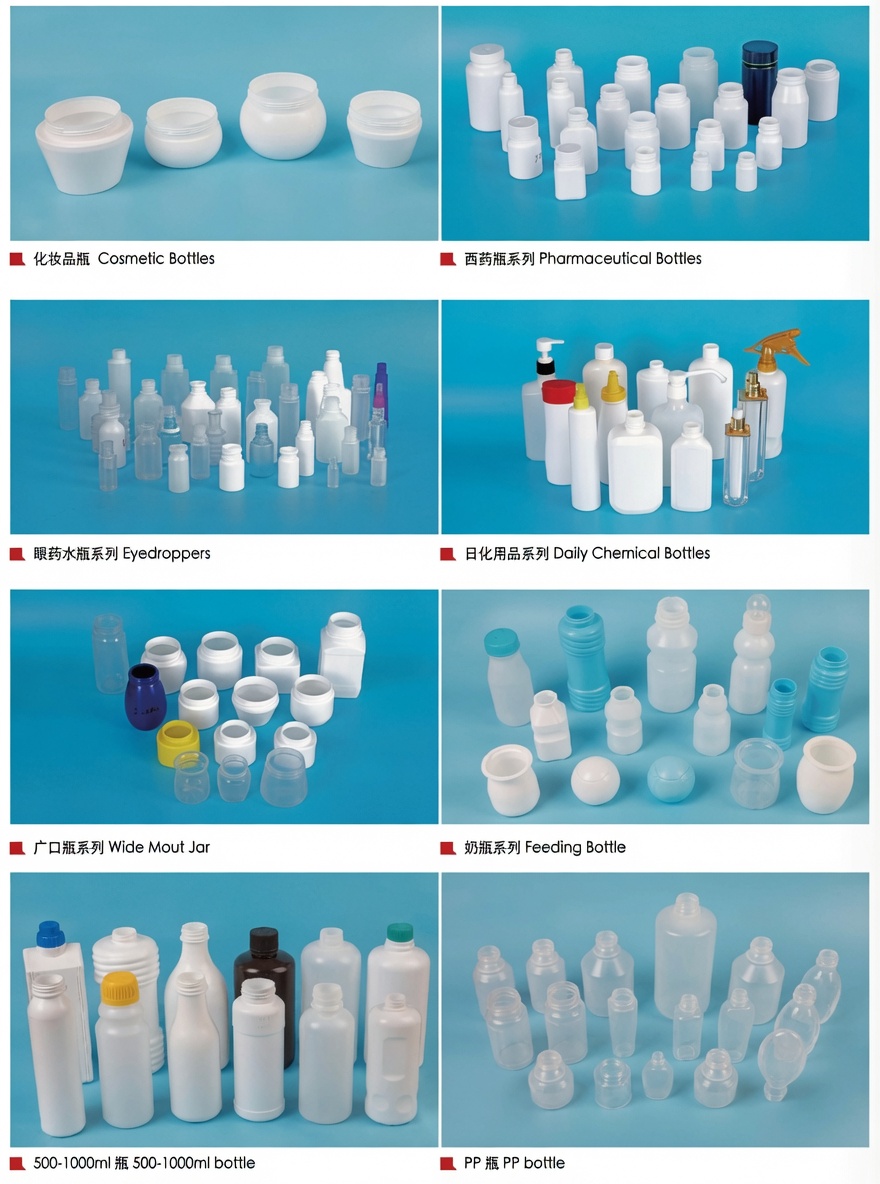
Birmingham-based cosmetics manufacturers producing shampoo, conditioner, and body lotion bottles in the 100–500 ml range have increasingly adopted IBM lines running 30–50% rPET blends. The IBM process delivers the neck-finish precision needed for pump-fitment compatibility, while rPET content allows these manufacturers to declare recycled material percentages on pack in line with Unilever and LOreal sustainability commitments. Key requirements include colour-corrected masterbatch for rPET to achieve the water-clear appearance demanded by premium brands.
Pharmaceutical Packaging in Sheffield and Manchester
Pharmaceutical packaging converters in Sheffield and Manchester who produce solid-dose pill bottles, ophthalmic dropper bottles, and mouthwash containers have begun evaluating food-grade rPET (FGR) for use in non-primary packaging. The IBM rPET blow molding machine offers the cycle precision and AA control necessary for compliance with MHRA packaging guidelines. These facilities value the compact footprint of IBM machines, as their cleanroom floor space is often limited and multi-cavity tooling efficiency is essential to justify rPET line changeovers.
Household Chemical Containers for UK Retail
Bottles for dishwashing liquid, bathroom cleaners, and multi-surface sprays represent a high-volume, cost-sensitive segment where rPET adoption offers significant margin improvement. UK retail specifications from Tesco, Asda, and Sainsburys increasingly mandate minimum 30% recycled content in plastic packaging. IBM machines running 50–75% rPET can reliably produce 250 ml to 1 litre household containers with the chemical resistance and top-load strength required for retail logistics. Barrier layer co-injection can also be incorporated for chemically aggressive formulations.
Food-Grade Beverage Bottles in the Midlands
For still water, juice, and functional beverage applications requiring food-contact certification, ISBM remains the dominant process. However, narrow-neck IBM lines running food-grade rPET are now viable for milk, juice, and condiment formats up to 500 ml. Midlands-based beverage packaging companies have adopted IBM configurations with dedicated rPET feed systems and integrated AA scavenger dosing to meet the stringent migration limits set by UK food contact regulations post-Brexit. Shelf-life testing with 50% rPET content has demonstrated compliance in still water applications.
Common Fault Diagnosis and Troubleshooting on rPET IBM Lines
Energy Optimisation and Sustainable Operations for rPET IBM Lines
Energy consumption is a growing concern for UK manufacturing operations facing high electricity prices and Net Zero obligations under the Climate Change Act. rPET blow molding machines, when optimised correctly, can actually achieve lower net energy footprints than virgin PET lines because rPET typically requires lower barrel temperatures and shorter melt residence times for equivalent flow behaviour in smaller bottle formats. Servo-driven hydraulic systems or all-electric IBM platforms offer energy savings of 25–45% versus conventional fixed-speed hydraulic circuits, a particularly important metric for facilities enrolled in the UK Climate Change Agreement schemes.
Mould cooling circuit optimisation has a direct impact on both energy usage and cycle time. For rPET, which releases heat slightly differently from virgin PET due to its modified crystallisation kinetics, conformal cooling channels machined into the blow mould using copper-beryllium inserts can reduce cooling time by 12–18% compared to straight-drilled circuits. Combined with insulated hot runner manifolds that maintain precise injection temperature while reducing heat loss to the mould platen, these upgrades deliver measurable kWh/kg reductions across the production week. Plants in Leeds and Coventry operating 24/7 IBM lines have reported annual energy cost savings of GBP 18,000–35,000 per machine following servo and cooling upgrades.
⚡ Energy Optimisation Targets
✓ Servo hydraulic / all-electric drives: 25–45% energy saving
✓ Conformal mould cooling: 12–18% shorter cooling cycle
✓ Insulated hot runner manifold: reduce heat loss up to 30%
✓ Dryer heat recovery: reclaim 15–20% of drying energy
Ever Power: Precision Manufacturing of rPET Blow Molding Machines
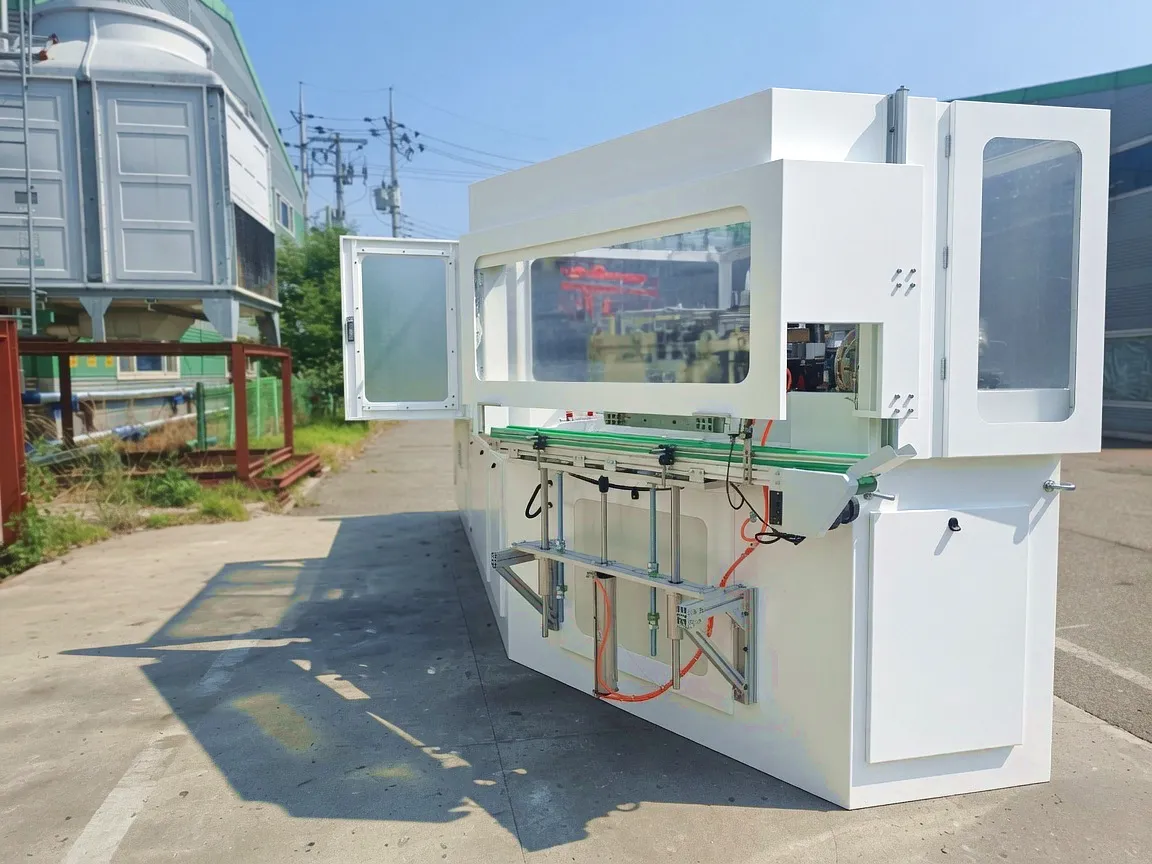
Featured IBM Products for rPET Processing
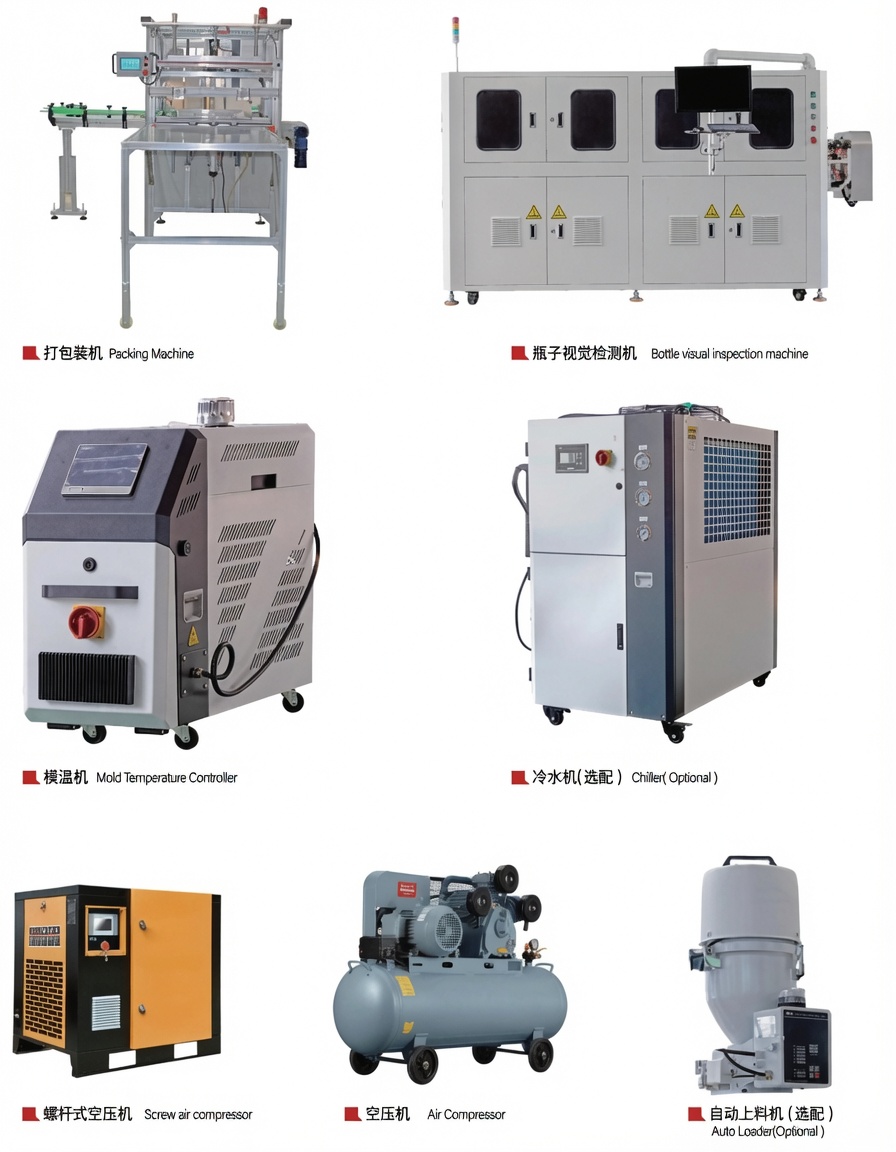
ZQ80 Injection Blow Molding Machine
The ZQ80 is engineered for mid-volume production of rPET bottles in the 50–800 ml range. Its barrier screw design and integrated desiccant drying station make it a reliable choice for UK converters transitioning from virgin PET to mixed rPET blends. Servo-driven injection delivers precise fill velocity profiling essential for consistent wall thickness with variable-IV rPET feedstocks.
ZQ110 Injection Blow Molding Machine
The ZQ110 handles larger container formats up to 2 litres and high-cavity-count tooling for household chemical and personal care production. Its robust clamping system with 110 tonnes force maintains precise mould closure under the elevated blow pressures (8–10 bar) often required for 75–100% rPET blends. Suitable for UK facilities producing high-volume retail packaging where both rPET content and throughput are non-negotiable requirements.
Customer Success Story: Northampton Packaging Converter Achieves 50% rPET Target
What Our Customers Say
“The ZQ80 handled our rPET transition far better than we expected. Ever Power team stayed on-site for the first two weeks and we never felt stranded. We hit our 50% rPET wall thickness spec within 18 days of commissioning.”
— Production Manager, Northampton Personal Care Converter
“Spare parts reach us in Coventry within 24 hours. That kind of supply chain reliability is what makes Ever Power stand out from the Asian competitors we evaluated. The ZQ110 running 75% rPET for our household chemical bottles has been rock-solid for eight months.”
— Engineering Director, Coventry Packaging Solutions
“The 32 recipe storage capability on Ever Power ZQ series is a genuine game-changer when you are running three different rPET supplier grades of material. Switching between process recipes takes under ten minutes and the machine holds the parameters precisely. Our AA values have stayed below 8 ppb since commissioning.”
— Process Technology Manager, Manchester Pharmaceutical Packaging
Ready to Upgrade to rPET Production?
Talk to Ever Power rPET Machine Specialists Today
edit by gzl