
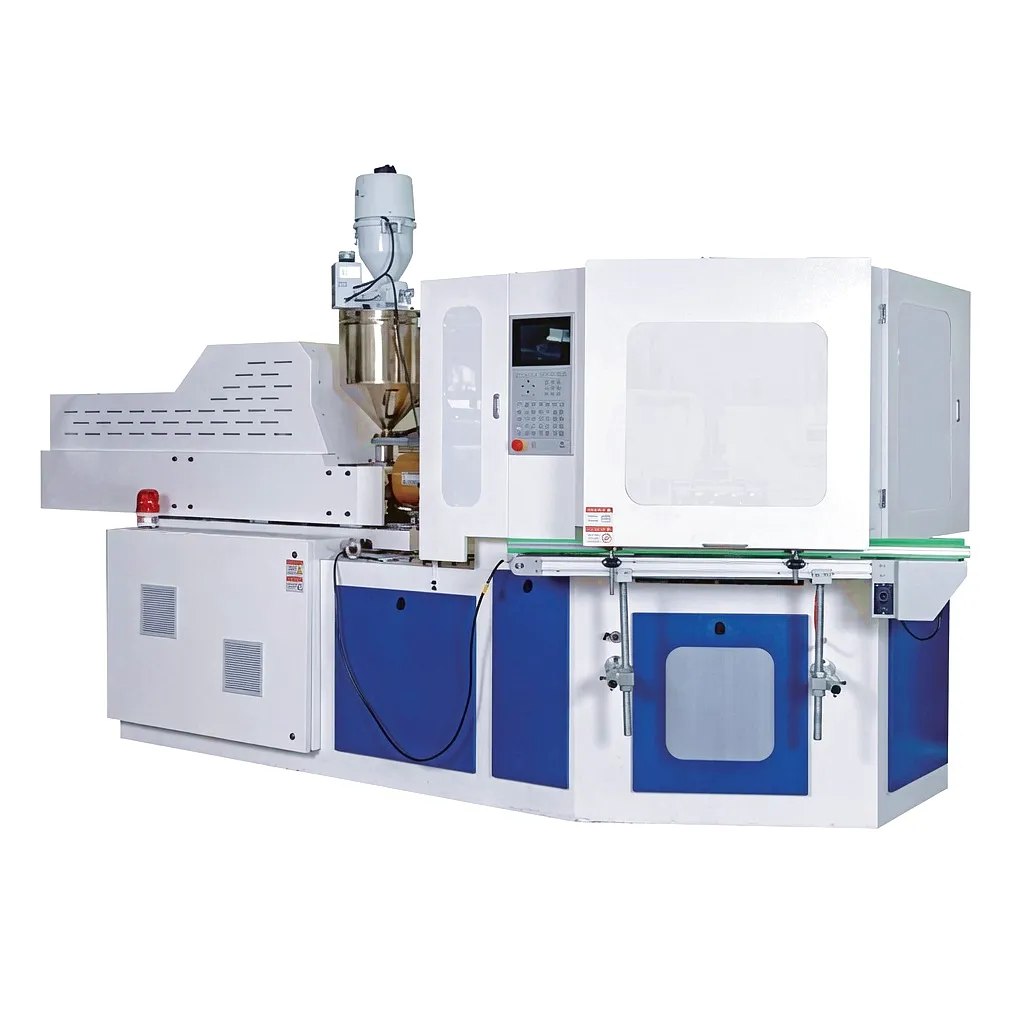
 Across manufacturing corridors in Birmingham, Coventry, and Sheffield, energy costs represent one of the most consequential variables in plastics processing. For production lines running injection blow molding machines around the clock, electricity consumption can account for anywhere between 30% and 55% of total operational expenditure. Unlike extrusion or stretch blow molding, IBM machines compress three stages — injection, blow, and ejection — into a single rotating station, which fundamentally changes how energy is loaded, distributed, and wasted across the cycle. Understanding that distribution is the starting point for any serious cost-reduction programme. This article draws on real process engineering data, UK energy benchmarks, and machine-level diagnostics to build a practical framework for reducing power costs on IBM lines without sacrificing output quality or bottle-wall integrity.
Blow Molding Process Comparison: Where IBM Stands on Energy Efficiency
Before targeting specific losses on an IBM line, it is worth understanding how injection blow molding compares to competing processes in terms of raw energy demand and controllability. Each process has a distinct energy signature determined by how heat is introduced, retained, and removed during the forming cycle. IBM machines are inherently advantageous in one critical respect: they produce no flash, require no trimming, and generate minimal regrind — all of which represent hidden energy expenditure in other processes. The table below offers a structured comparison of the four principal blow molding technologies against the metrics that matter most to UK energy-focused procurement teams.
| Parameter | IBM (Injection Blow) | ISBM (Injection Stretch Blow) | EBM (Extrusion Blow) | Extrusion (Direct) |
|---|---|---|---|---|
| Typical Energy kWh/kg | 0.28 – 0.42 | 0.32 – 0.48 | 0.45 – 0.70 | 0.38 – 0.55 |
| Flash / Scrap Rate | 0% | 0% | 5 – 15% | 8 – 20% |
| Preform Reheat Required | No — single thermal event | Yes — oven reheating stage | No | No |
| Wall Thickness Tolerance | ±0.05 mm | ±0.08 mm | ±0.15 mm | ±0.20 mm |
| Mould Change Time (min) | 25 – 45 | 30 – 60 | 45 – 90 | 60 – 120 |
| Suitability for Pharma / Cosmetic | Excellent | Good | Limited | Poor |
| Drive System Efficiency (servo) | Up to 82% saving vs hydraulic | Up to 78% | Up to 65% | Up to 60% |
IBM’s core advantage is the single thermal event — material is heated once, formed immediately, and ejected without reprocessing. This eliminates the reheat oven losses common in ISBM lines and the parison temperature variability inherent in EBM. For UK processors under pressure from rising electricity tariffs, that structural thermal efficiency translates directly into lower pence-per-unit production costs.
Where IBM Machines Actually Consume Power: A System-Level Breakdown
Engineers who have audited IBM lines across the UK repeatedly find the same distribution. Heating and hydraulics dominate, but the losses hiding in peripheral systems are often just as significant.
The injection barrel is the single largest consumer. Resistive band heaters maintaining melt temperatures between 190°C and 280°C draw continuously. Poor insulation jacket condition, oversized barrel capacity for the shot weight, and suboptimal zone profiling all inflate this figure. Switching to ceramic-fibre insulated heater bands can cut this share by 8–12% with negligible capital outlay.
Fixed-displacement hydraulic pumps running at constant pressure and flow are the most wasteful component on legacy IBM machines. During dwell and cooling phases — which can account for 40–60% of cycle time — the pump continues to work against a throttled circuit, converting electrical energy entirely to heat. Variable-frequency drive retrofits or full servo-hydraulic conversion typically recover 60–70% of this waste energy.
Chiller units maintaining water at 6–12°C consume significant power, particularly when cooling channel geometry inside the mould is suboptimal, forcing the chiller to run longer to achieve the target core temperature. Conformal cooling channels machined to follow bottle geometry can reduce cooling time by 18–25%, proportionally cutting chiller runtime and electricity draw.
Blow air at 6–10 bar and pilot air circuits are often over-pressured relative to actual forming requirements. Compressed air is one of the most expensive utilities in any UK factory at approximately 7–9p per cubic metre. Pressure audits on IBM blow circuits regularly reveal 1.5–2.5 bar of unnecessary headroom. Each 1 bar reduction at the compressor saves roughly 6–7% of its electrical input.
PLCs, HMI panels, conveyor motors, and hopper dryers account for the remaining fraction. These are individually modest but collectively significant. Hopper dryers maintaining PET crystallinity during processing are especially worth examining — desiccant-wheel dryers running on correctly sized throughput can cut drying energy by up to 35% versus oversized conventional units.
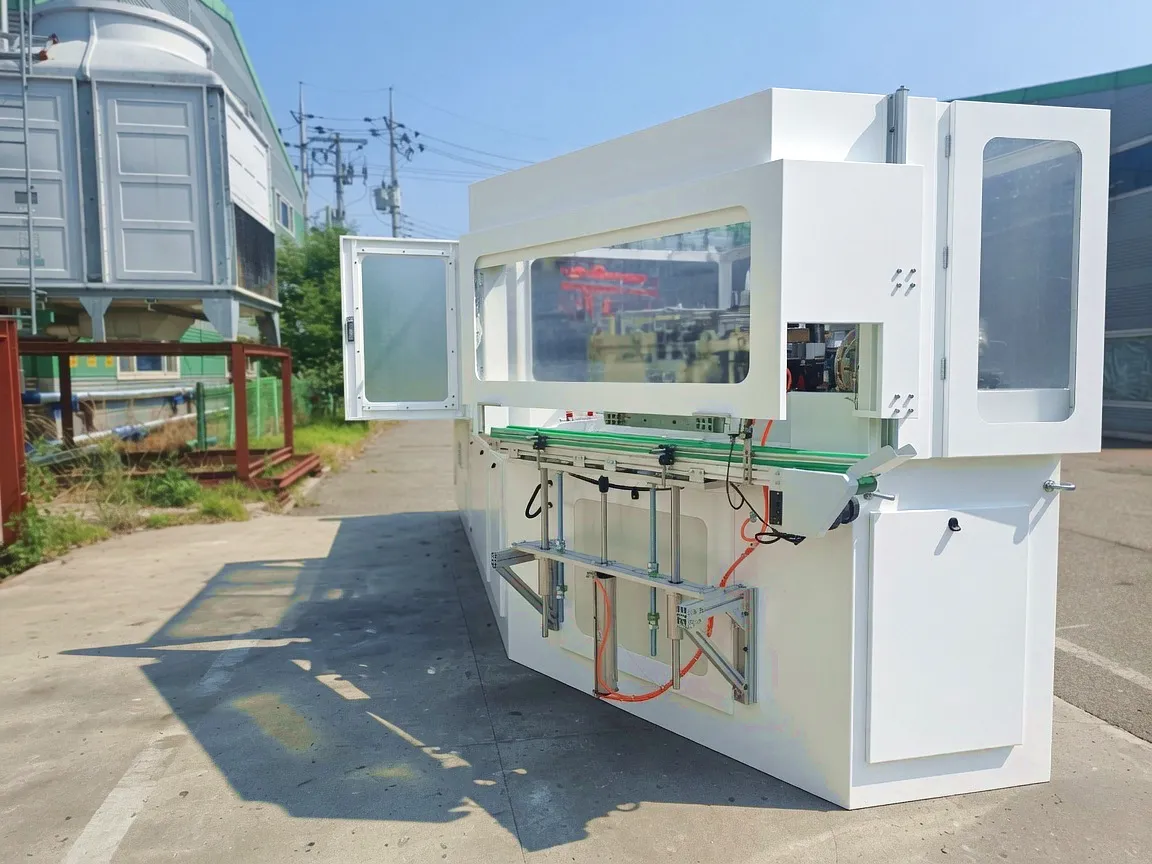 In injection blow molding, wall thickness uniformity is not merely a quality parameter — it is an energy parameter. A bottle wall that varies by more than ±0.08 mm across its body forces operators to set the average wall target above the minimum specification to ensure no section falls below the structural threshold. That excess material represents wasted polymer that had to be melted, conditioned, and cooled — all at energy cost. On a line producing 5,000 bottles per hour, even 0.05 g of excess weight per bottle translates to 250 kg of unnecessary polymer processing per hour, and the energy embedded in that material is simply discarded as regrind or added product weight.
Preheating Temperature Profiles: Getting the Curve Right to Cut Reheat Losses
One of the principal reasons IBM machines outperform ISBM configurations on energy consumption is the elimination of a discrete reheat stage. In ISBM, preforms are cooled after injection, stored, and then reheated in an oven before blowing. That double thermal event — heat, cool, reheat — imposes a thermodynamic penalty that IBM sidesteps by keeping the material above Tg (glass transition temperature) continuously from injection through to blow. However, IBM machines are not without thermal optimisation opportunities of their own, and the barrel temperature profile is where the greatest gains are typically found.
| Barrel Zone | PET (°C) | HDPE (°C) | PP (°C) | Energy Impact if Over-Set |
|---|---|---|---|---|
| Zone 1 (Feed) | 240–250 | 170–180 | 200–210 | +4–6% heater draw |
| Zone 2 (Compression) | 260–270 | 180–190 | 210–220 | +6–9% heater draw |
| Zone 3 (Metering) | 270–280 | 185–195 | 215–225 | +8–12% heater draw |
| Nozzle | 265–275 | 180–190 | 210–220 | +3–5% heater draw |
| Hot Runner (if fitted) | 265–275 | 175–185 | 205–215 | +5–8% total heat load |
A temperature profile that is 10°C above the minimum viable processing window across all zones will increase barrel heater energy consumption by approximately 18–22% without producing any measurable improvement in part quality. On a line consuming 45 kW in the heating system alone, that represents 8–10 kW of pure waste — equivalent to over £12,000 per year at current UK industrial electricity rates. Systematic profile optimisation using in-melt thermocouple validation, rather than relying on barrel surface setpoints, is among the highest-return low-cost interventions available on any IBM line.
 Mould design is frequently treated as a pure quality and aesthetics discipline, but from an energy perspective it is equally consequential. The geometry of the bottle determines the cooling time required to achieve sufficient rigidity for ejection without deformation, and cooling time is directly proportional to chiller energy consumption and cycle time. Thick base sections and sharp internal radii concentrate heat and produce hot spots that force the cooling circuit to run longer. By redesigning these zones with generous internal radii (minimum 0.8 mm) and specifying variable wall targets that concentrate material only where structural requirements demand it, mould designers can reduce cooling time by 15–30% without any modification to the machine or chiller.
IBM Machine Technical and Performance Parameter Reference Table
The table below provides reference specifications relevant to energy and performance assessment when evaluating injection blow molding machine investment for UK production environments. Values reflect the ZQ-series European platform from Ever Power, representing current state-of-the-art in servo-driven IBM technology.
| Parameter | ZQ40 (European) | ZQ60 (European) | Unit |
|---|---|---|---|
| Clamping Force | 400 | 600 | kN |
| Screw Diameter | 40 | 60 | mm |
| Injection Volume (max) | 128 | 288 | cm³ |
| Barrel Heating Power (total) | 9.6 | 14.4 | kW |
| Drive Motor (servo) | 7.5 | 11 | kW |
| Hydraulic Pump (servo) | 5.5 | 7.5 | kW |
| Total Connected Load | 28 | 42 | kW |
| Typical Running Load (full production) | 14–18 | 22–28 | kW |
| Energy per 1,000 bottles (PET 20 ml) | 0.38–0.44 | 0.41–0.48 | kWh |
| Barrel Temperature Range | 160 – 300 | °C | |
| Temperature Control Accuracy | ±1 | °C | |
| Blow Pressure (max) | 0.8 – 1.0 | MPa | |
| Wall Thickness Tolerance | ±0.05 | mm | |
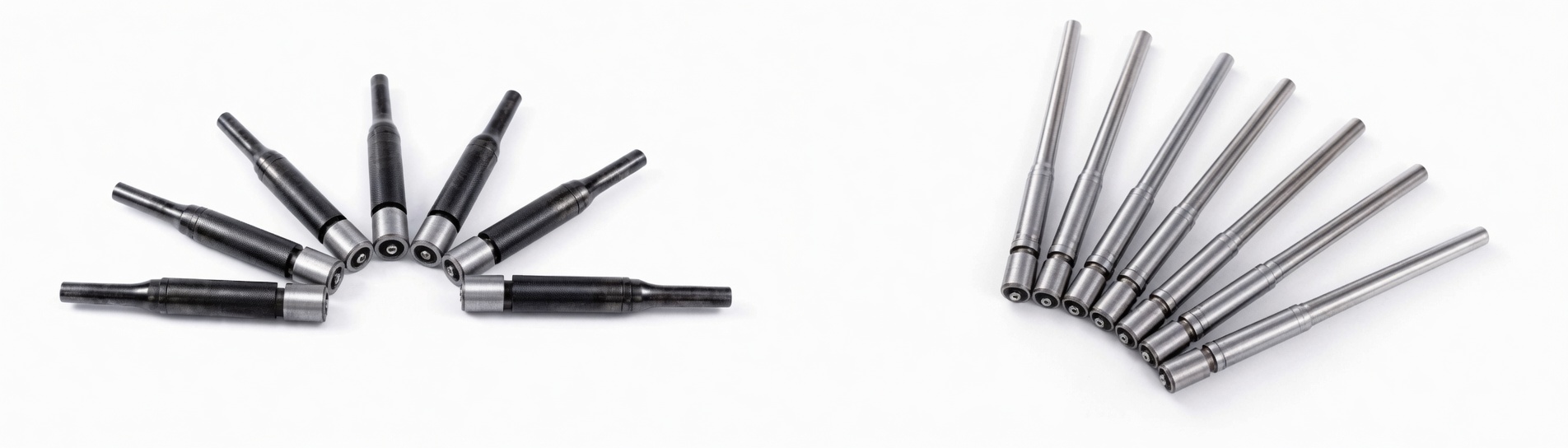
| Core Rod Material | H13 tool steel, hard chrome plated | — | |
| Cavity Material | P20 / BeCu option for high-flux zones | — | |
| Cycle Time (typical, 4-cavity) | 5 – 8 | 6 – 10 | sec |
| Control System | Siemens S7 PLC + 10″ touchscreen HMI | — | |
| CE Certification | Yes — full EU Machinery Directive | — | |
Common Faults on IBM Lines and Their Energy Cost Implications
Faults on injection blow molding machines do not only result in scrap — they also drive hidden energy costs that compound over time. Understanding the energy dimension of common IBM faults changes the financial calculus of maintenance scheduling significantly.
| Fault Symptom | Root Cause | Energy Impact | Corrective Action |
|---|---|---|---|
| Extended cooling time | Blocked or scaled cooling channels | +15–25% chiller kWh | Chemical descale; fit water treatment |
| High injection pressure | Worn check valve; cold nozzle | +8–14% hydraulic kWh | Replace check ring; verify nozzle temp |
| Short shots / incomplete fill | Incorrect barrel profile; poor venting | Elevated scrap rate → full cycle energy wasted | Revalidate temperature profile; clean vents |
| Bottle weight variability ±5% | Inconsistent back pressure; screw wear | Material over-use → process energy inflated | Measure screw flight clearance; recalibrate |
| Hydraulic oil overheating | Undersized oil cooler; contaminated fluid | Viscosity loss → pump draws more power | Replace fluid; upsize cooler; check pump |
| Heater band failure (zone) | Insulation degradation; hot spots | Adjacent zones compensate → +18% zone kWh | Replace band; fit ceramic-insulated type |
Energy-Saving Retrofit Strategies for Existing IBM Lines
Replacing fixed-displacement vane or gear pumps with variable-speed servo-driven units is the single highest-return IBM retrofit available. Servo pumps deliver only the flow and pressure demanded by the circuit at any given moment. During dwell and cooling phases — when the machine is idle hydraulically — power consumption drops to near zero. Payback periods on UK industrial electricity tariffs typically range from 14 to 24 months, with lifetime energy savings of 30–45% on the hydraulic subsystem.
Replacing bare ceramic heater bands with fully insulated heater assemblies featuring an integrated ceramic-fibre blanket reduces radiant losses from the barrel surface by 40–50%. This reduces the duty cycle of the heating elements, extends their service life, and measurably reduces the ambient temperature in the machine guard area — improving operator comfort in accordance with UK Health and Safety guidelines. Typical energy saving: 8–12% of total barrel heater consumption, with a retrofit cost recovered within 8–14 months on most UK IBM lines.
A systematic blow circuit audit on an IBM line typically reveals that operating pressure can be reduced by 1.0–2.0 bar without any adverse effect on bottle wall distribution or dimensional stability. Installing a high-accuracy blow circuit regulator with ±0.05 bar holding precision enables the compressor set pressure to be lowered without the buffer margin that manual systems require. Combined with leak detection and repair — which on UK factory compressed air systems commonly reveals leakage rates of 20–30% — this intervention can cut compressor energy by 25–40%, representing a very significant saving on a utility that is often metered separately.
UK time-of-use electricity tariffs under half-hourly settlement can generate peak demand charges of 3–5x the off-peak rate. IBM machines, with their fast warm-up characteristics and compact footprint, are well suited to shift scheduling that avoids the 16:00–20:00 peak demand window. Analysing production slots, pre-warming strategies during off-peak periods, and intelligent idle-mode management — where the barrel is held at reduced temperature rather than full shutdown — can reduce peak demand charges by 15–30% on annual energy bills without any process engineering change.
Industrial Application Scenarios: IBM Machine Energy Profiles Across UK Sectors
Pharmaceutical bottle production under GMP conditions in West Yorkshire represents one of the highest-value IBM applications in the UK. Lines producing HDPE amber prescription bottles at volumes of 8,000–15,000 units per hour run continuously across multiple shifts. Energy management is complicated by the regulatory requirement for complete audit trails on all process parameters, meaning temperature setpoints cannot be adjusted informally. IBM machines in this environment benefit most from barrel insulation upgrades and servo pump conversions, which deliver energy savings within the validated parameter envelopes without requiring revalidation. A correctly sized IBM machine — matched to the shot weight rather than oversized for headroom — will consume 22–28% less energy per unit than an oversized machine running at 60–70% capacity utilisation, which is a common situation in facilities that have grown output without reviewing machine specifications.
The West Midlands has a deep history in cosmetics and personal care manufacturing, with a cluster of medium-scale producers in and around Birmingham who supply own-label and branded products to UK retailers. IBM machines are the technology of choice for the small, complex-geometry containers — lotion bottles, ophthalmic vials, and fragrance caps — that define this sector. Energy consumption in cosmetics IBM applications is typically higher per kilogram than pharma due to the frequent mould changeovers demanded by seasonal product launches. Each changeover involves a cool-down and reheat cycle that consumes 15–25 kWh in idle energy. Reducing changeover energy losses through pre-staged mould heating (using external conditioning units during the preceding production run) can cut changeover-related energy waste by up to 60%.
Sheffield’s manufacturing base has diversified significantly since its peak steel era, and food-grade plastics processing now represents a growing sector in South Yorkshire. IBM machines producing PET bottles for condiments, sauces, and speciality food items typically operate at higher throughput than pharmaceutical applications, with cycle times as low as 5 seconds on 4-cavity tools. Energy intensity at this throughput is low on a per-unit basis — as little as 0.38–0.44 kWh per 1,000 bottles — but the continuous nature of food production means annual kWh consumption is substantial. Servo-driven IBM machines in this application achieve the strongest ROI on energy improvement because they run at the operating point where servo pump efficiency advantage over fixed-displacement units is maximised: continuous high-cycle production with minimal idle time.
Chemical bottle production in the East Midlands — serving agrochemical, adhesive, and cleaning product manufacturers with sites along the A1 and M1 logistics corridors — demands IBM machines capable of running chemically resistant HDPE, PP, and PVC materials. These materials generally process at lower melt temperatures than PET, reducing barrel heating energy demands. However, the chemical resistance formulations often include fillers and additives that increase melt viscosity, raising injection pressure requirements and therefore hydraulic energy consumption. IBM machines with high-precision hydraulic control and programmable injection velocity profiles can compensate for viscosity variation and avoid the over-pressure conditions that inflate power demand. For this sector, investing in a machine with closed-loop injection control — available as standard on Ever Power’s European ZQ-series — reduces energy consumption during the filling phase by 12–18% compared to open-loop systems.
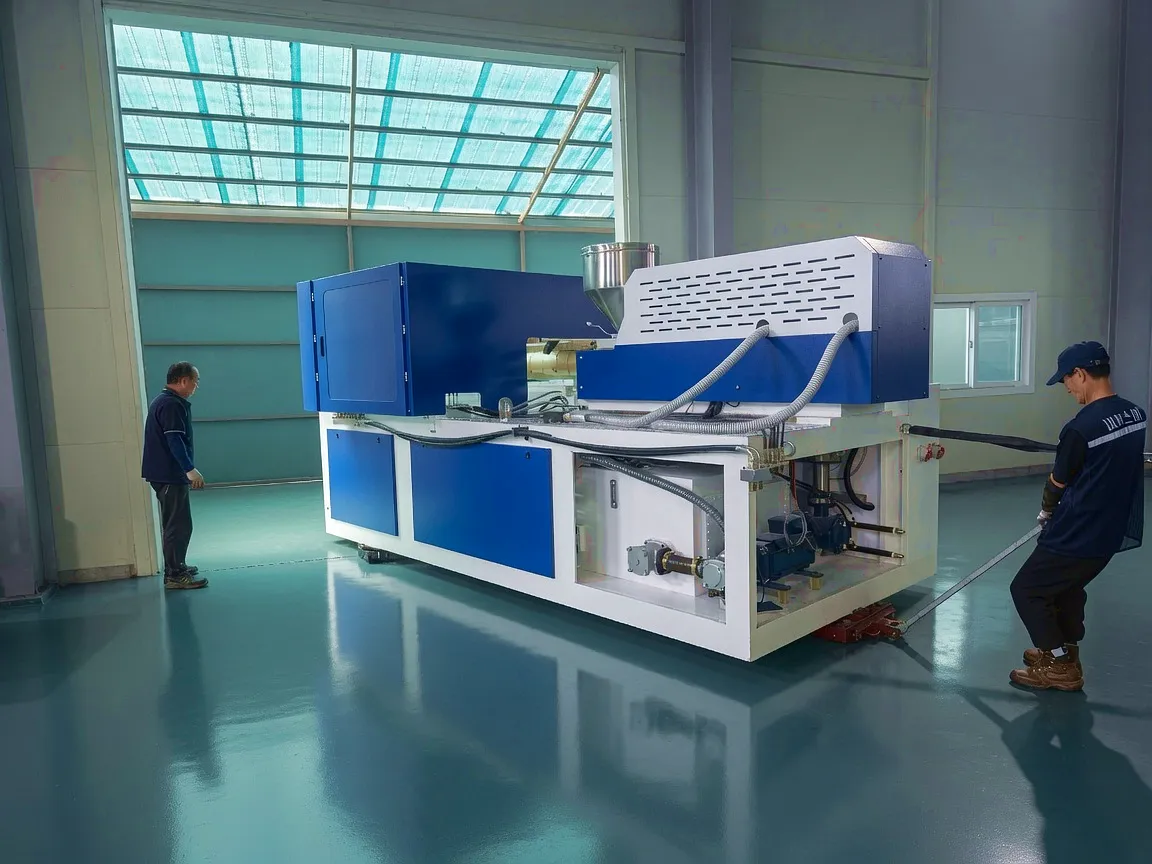
Featured IBM Products from Ever Power
Customer Success Story: Reducing IBM Line Energy Costs in Nottingham
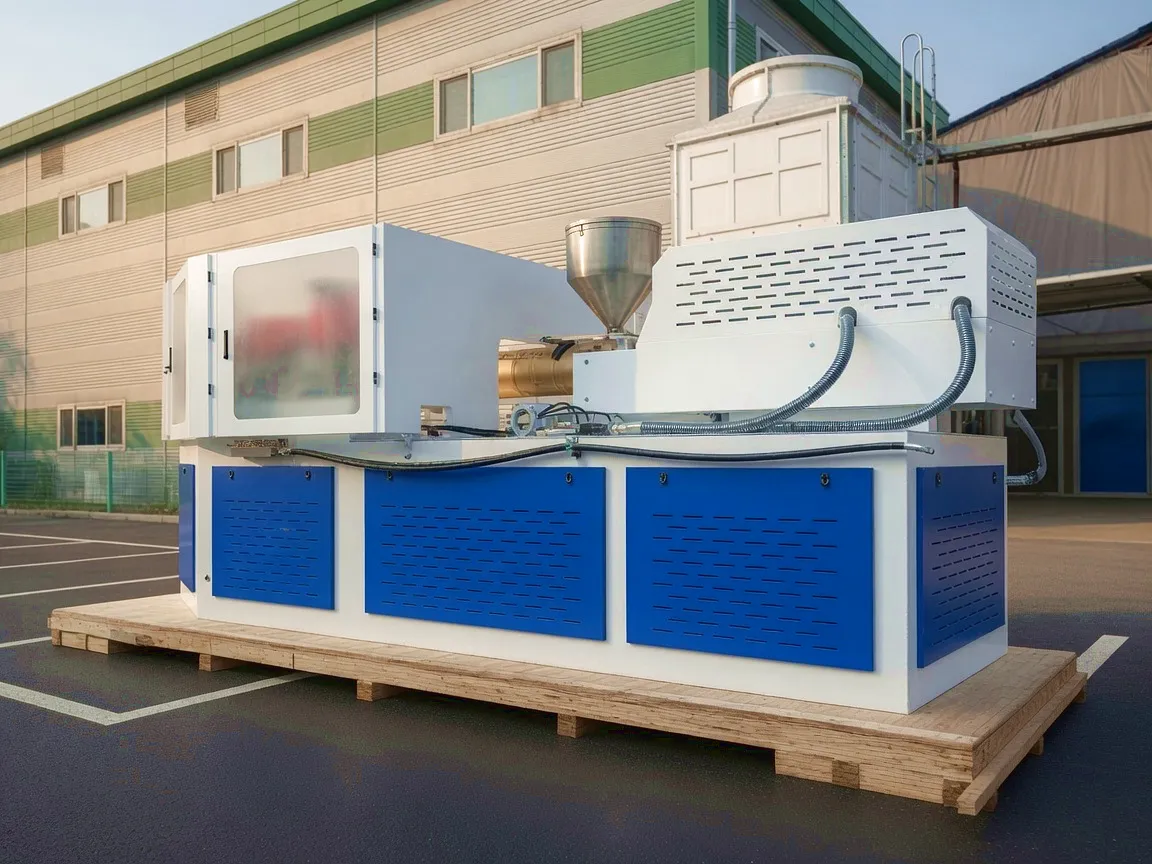
A mid-scale packaging manufacturer based in Nottingham’s Riverside industrial zone had been running two aging fixed-pump IBM machines for nearly twelve years, producing HDPE bottle ranges for an OTC pharmaceutical client and a personal care brand serving independent pharmacies across the East Midlands. The facility had been flagged under ESOS Phase 3 as a significant energy user, and an audit had identified their blow molding lines as the primary opportunity for reduction. Their combined IBM line consumption was measured at 68,000 kWh per month — running three shifts, five days per week — equating to a monthly electricity cost of approximately £22,400 at the prevailing industrial tariff.
After contacting Ever Power through the isbm-equipment.com platform, the Nottingham site was visited by an Ever Power applications engineer who conducted a full energy audit alongside the in-house maintenance team. The recommendation was to replace both machines with a single ZQ60 European-specification unit, citing the servo hydraulic drive, the improved barrel insulation standard, and the closed-loop injection control as the three primary sources of energy reduction. The customer was sceptical that a single machine could match the combined output of two legacy units, but the cycle time modelling demonstrated that the ZQ60 — running a 6-cavity tool designed to match their primary bottle geometry — could achieve equivalent throughput in a single shift plus four hours of overtime, versus the previous three-shift operation.
After installation and a three-month ramp-up period, the Nottingham facility measured monthly IBM line energy consumption at 19,200 kWh — a reduction of 72% from the baseline figure. Annual savings on electricity alone exceeded £137,000. The capital cost of the ZQ60, including installation, commissioning, and new mould tooling, was recovered within 14 months. The customer subsequently invested the energy savings into a conformal-cooled second mould to expand the product range, with Ever Power’s tooling team designing the cooling geometry around the new bottle CAD data supplied by the Nottingham engineering department.
“The ZQ60 replaced two machines we’d been nursing for over a decade. The energy consumption figures after install were frankly astonishing — we’d been told to expect 50% savings but we measured over 70% against our old baseline. The Ever Power team was on-site for commissioning and stayed until every parameter was validated to our pharmaceutical client’s specification. That level of support from a capital equipment supplier is not common.”
“We had concerns about running a 6-cavity tool at the volumes we needed, but the cycle time modelling Ever Power provided was accurate to within 4% of actual production. The servo hydraulic system genuinely does what the specs say it does — our maintenance team has been tracking power draw for six months and the numbers are consistent. The Siemens PLC integration with our existing SCADA was also smoother than we expected.”
“The conformal cooled mould Ever Power designed for our second bottle range cut our cycle time from 8.2 to 6.1 seconds — a 26% reduction that translated directly into output gains and chiller energy savings at the same time. The tooling team understood our design brief immediately and came back with a cooling channel layout that explained exactly why the previous mould was struggling with the base geometry. Genuinely knowledgeable partners, not just equipment sellers.”
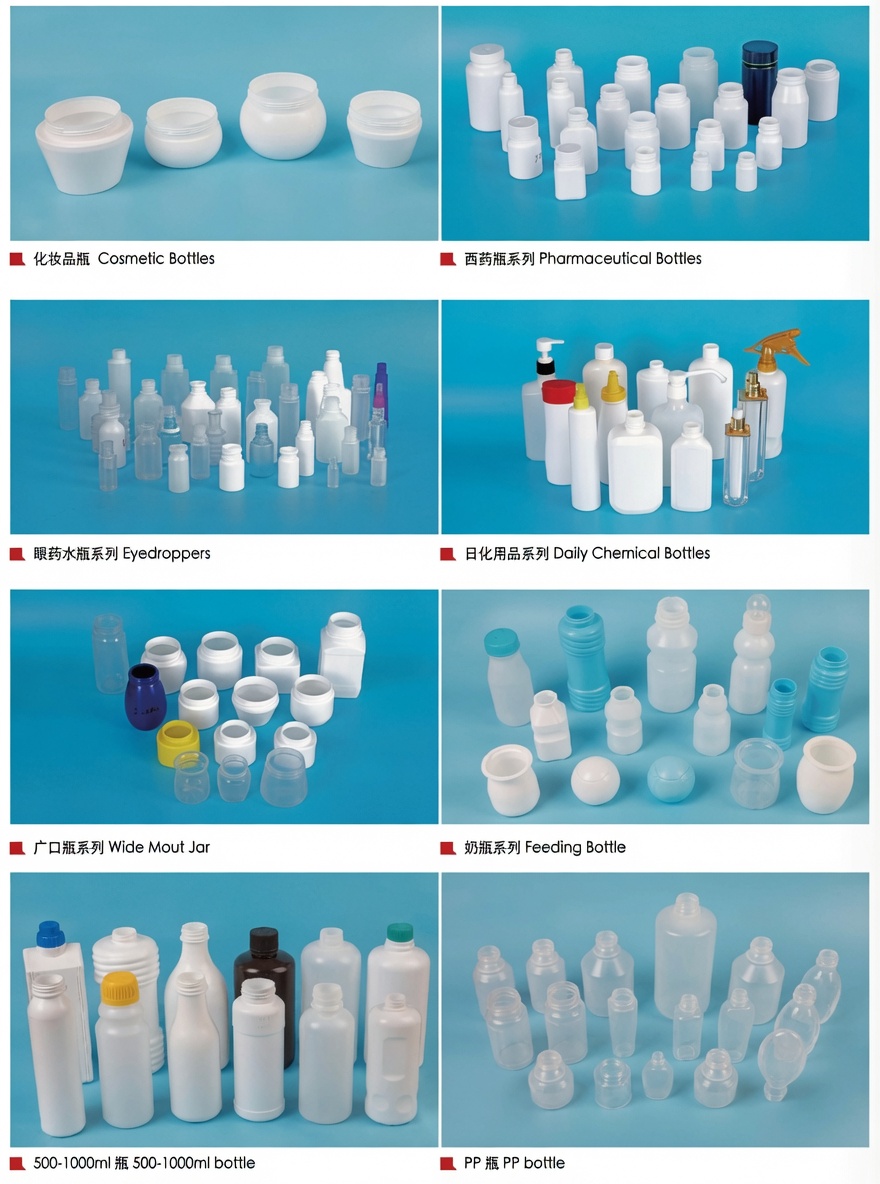
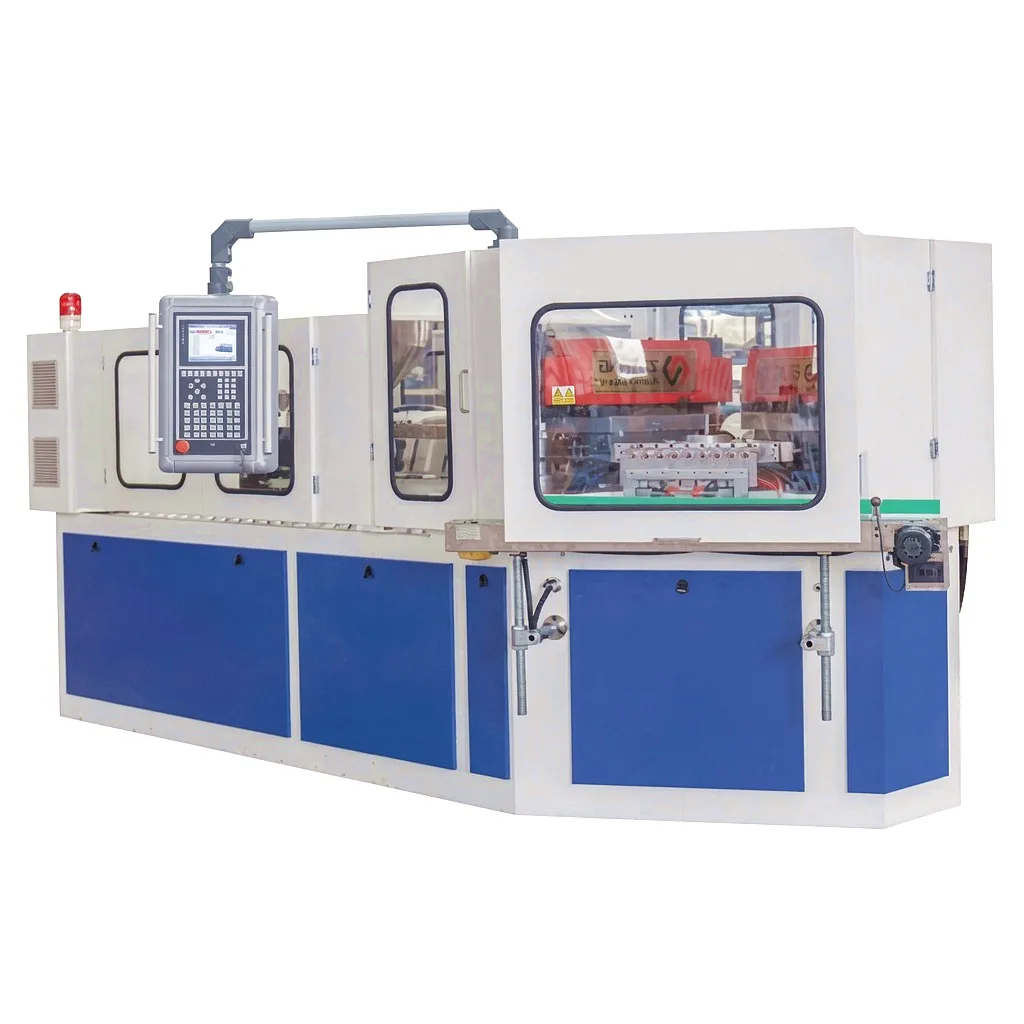
Ever Power IBM machine auxiliary equipment — chiller, desiccant dryer, conveyor, and control integration systems
Frequently Asked Questions: IBM Machine Energy Consumption for UK Manufacturers
Running costs vary significantly by machine age, specification, and operating hours. A modern servo-driven IBM machine such as the ZQ60 running a single shift on pharmaceutical HDPE bottles in the UK will typically consume 19,000–26,000 kWh per month, equating to approximately £75,000–£105,000 annually at current industrial electricity tariffs. Legacy fixed-pump machines running equivalent duty can consume 2.5–3.5 times that figure. Energy is therefore one of the strongest financial arguments for machine replacement or servo conversion, particularly for UK producers under ESOS obligations.
For the same throughput of PET bottles, IBM machines typically consume 0.28–0.42 kWh/kg versus 0.32–0.48 kWh/kg for ISBM, primarily because IBM avoids the discrete reheat stage required in ISBM. At a Birmingham facility running 1,000 kg/day throughput, that difference equates to 40–60 kWh per day, or roughly £5,000–£7,500 per year in saved electricity costs. IBM is also advantageous for smaller, precision-geometry containers where the ISBM process is less suitable mechanically.
Ever Power supplies CE-marked European-specification IBM machines — including the ZQ40 and ZQ60 — to UK cosmetics and personal care manufacturers through the isbm-equipment.com platform. Quotes are provided on a project-by-project basis, taking into account bottle geometry, material, throughput requirements, and utility specifications at your West Midlands facility. Contact [email protected] with your bottle drawing and volume targets to receive a detailed technical and commercial proposal within 3 working days.
Without full machine replacement, the three highest-return interventions for a Sheffield IBM line are: (1) servo pump or VFD conversion on the hydraulic circuit, which typically saves 30–45% of hydraulic energy; (2) ceramic-fibre barrel insulation upgrade, saving 8–12% of heating energy; and (3) compressed air pressure audit and optimisation, which can reduce compressor energy by 20–35%. Combined, these three measures typically deliver 25–38% total machine energy reduction — enough to achieve meaningful ESOS phase improvements and demonstrate compliance with energy efficiency improvement obligations.
Ever Power provides machine customisation services that include GMP-compliant configuration, full 21 CFR Part 11 data logging compatibility, and UK on-site commissioning support through its international technical team. Projects in Yorkshire — including Leeds, Huddersfield, and Bradford — are served through coordinated dispatch and commissioning scheduling that minimises site disruption. All pharmaceutical configurations are validation-ready with IQ/OQ documentation packages available as standard. Contact us at [email protected] to discuss your Yorkshire-based project requirements.
The break-even calculation depends on three variables: the retrofit cost, the annual energy savings achieved, and the remaining productive life of the old machine. As a rule of thumb, if a legacy IBM machine is over 12 years old, the servo pump retrofit cost typically represents 15–25% of the equivalent new machine price — making full replacement financially superior when the old machine requires more than two major mechanical repairs per year. New machines also offer superior wall thickness consistency, reducing material over-use by 4–9%, which adds further savings beyond energy alone. Ever Power can provide a detailed TCO (total cost of ownership) comparison for any replacement enquiry.
European CE-certified servo-driven IBM machines in the 400–600 kN clamping force range typically range from £85,000 to £165,000 GBP for the machine alone, depending on specification level and ancillary packages. Mould tooling is priced separately based on cavity count, material, and bottle geometry — a 4-cavity pharmaceutical-grade H13 tool with BeCu base inserts typically adds £28,000–£55,000. Full project packages including installation, commissioning, and IQ/OQ documentation are available from Ever Power — contact [email protected] for a project-specific quote including current lead times for UK delivery.
Contact Ever Power today for a technical consultation, energy audit support, or a full machine quote tailored to your UK production requirements.