Why Injection-Blow Molding Defines Modern Beverage Packaging
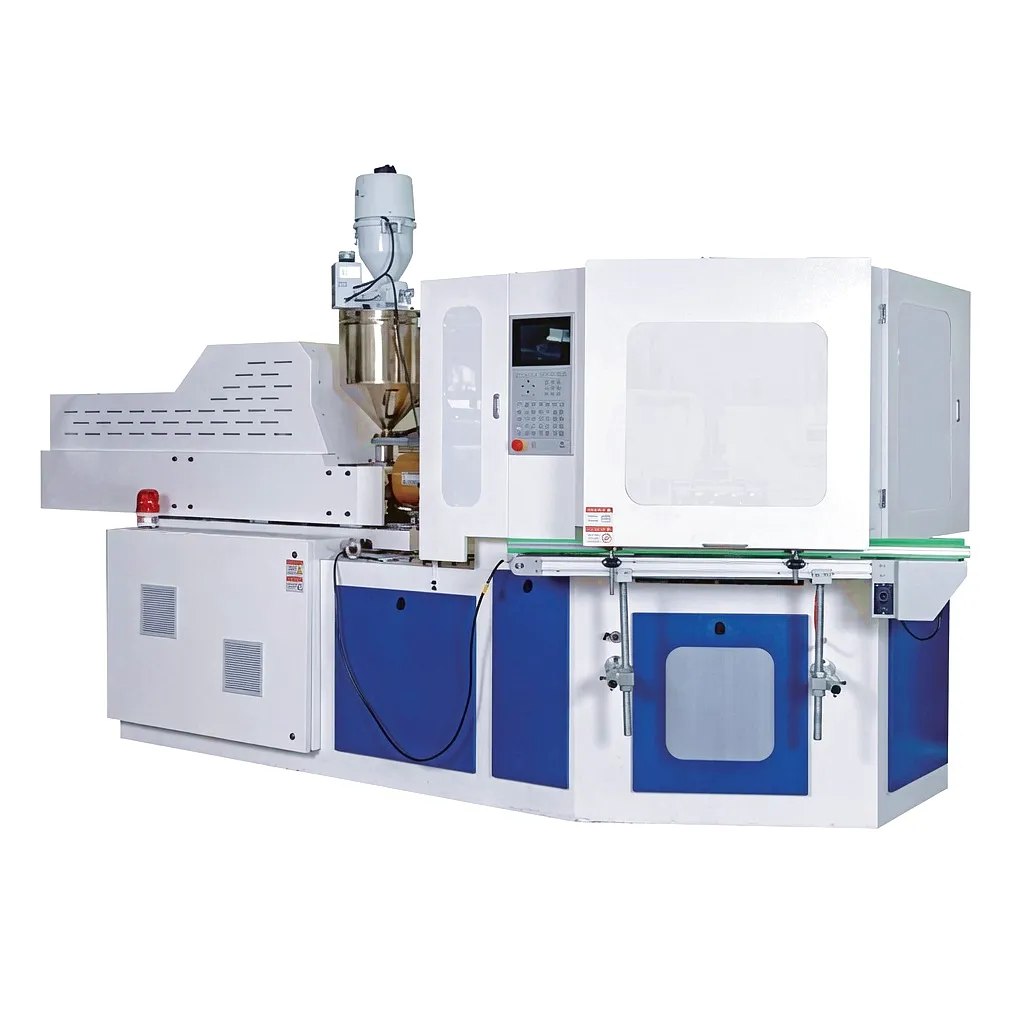 The global food and beverage industry has long demanded packaging solutions that balance structural integrity, hygiene, aesthetic appeal, and cost-efficiency — four requirements that rarely sit comfortably together. Injection-blow molding machines resolve this tension elegantly. Unlike extrusion-blow or stretch-blow processes, the injection-blow molding process produces containers whose neck finish is formed under precision injection tooling, ensuring near-perfect thread geometry right out of the machine. For categories such as hot-fill juice bottles, sports drink containers, and condiment jars, this level of dimensional accuracy translates directly into leak-free closures, reliable fill-line performance, and shelf-ready aesthetics — all without secondary trimming or flash removal. Across manufacturing hubs from Birmingham to Sheffield, producers are increasingly standardising on injection-blow molding equipment to meet both retailer specification demands and increasingly stringent UK Food Standards Agency packaging requirements.
The process begins with a measured shot of thermoplastic resin — most commonly PET, PP, or HDPE — being injection-moulded around a core rod to form a hollow preform. This preform retains controlled wall thickness and is still at a thermally ideal, pliable state when it rotates to the blow station, where pressurised air expands it against the cooled cavity wall to produce the finished container. Because the preform and final container are produced in a single integrated cycle, the injection-blow molding machine eliminates the handling, reheating, and re-clamping steps associated with two-stage processes. Cycle times for standard beverage containers typically range from five to twelve seconds, supporting output rates that align with high-speed filling lines common in mid-to-large UK bottling facilities. The mechanical and thermal precision involved means every bottle produced shares virtually identical weight, volume, and wall thickness — a consistency that quality-audited beverage manufacturers and their retail customers simply require.
How an Injection-Blow Molding Machine Works
A three-station integrated cycle — precision at every stage
Injection Station
Molten thermoplastic resin is injected at precisely metered volume around a hardened steel core rod inside a closed injection mould. The melt fills the cavity under controlled back-pressure, forming a seamless preform with an already-finished neck thread, a smooth inner bore, and a uniform wall distribution across the body. This neck accuracy is critical for torque-tested closures on carbonated and hot-fill beverages.
Blow Station
The core rod rotates, carrying the warm preform into the blow cavity without releasing it from the rod — this continuous support eliminates the risk of asymmetric wall thinning. Filtered, dry compressed air at pressures between 0.6 and 1.2 MPa is introduced through the core rod tip, expanding the preform outward against the precision-cooled mould wall. The rapid quench locks in the final geometry and material crystallinity in well under two seconds.
Ejection Station
The core rod rotates a final position where the finished container is stripped cleanly from the rod and deposited onto a conveyor or accumulation table. Because no flash is generated — the preform neck was injection-moulded rather than pinched off — the container is already finished with a clean parting line, requiring no trimming. The rod is simultaneously conditioned thermally before re-entering the injection station to begin the next cycle.
Core Materials Processed by Injection-Blow Molding Equipment
Material selection in the injection-blow molding process is not incidental — it determines whether the finished container can withstand hot-fill temperatures, oxygen barrier requirements, chemical compatibility with acidic condiments, or regulatory food-contact compliance under UK and EU retained standards. The four materials below account for the vast majority of food and beverage container production on injection-blow molding machines operating in the UK today, each with distinct performance envelopes suited to specific packaging categories.
PET (Polyethylene Terephthalate)
The dominant material for juice bottles, sports drinks, and mineral water containers. PET processed on injection-blow molding machines delivers excellent clarity, high tensile strength, good gas barrier properties, and compatibility with hot-fill processes up to approximately 65 °C in standard grade. Its light weight supports logistics cost targets for distribution across UK retail supply chains.
PP (Polypropylene)
PP is preferred for condiment containers, baby food jars, and pharmaceutical-adjacent food supplements because of its outstanding chemical resistance, high-temperature autoclave tolerance, and FDA/EU food-contact approval status. Injection-blow molding produces PP containers with extremely consistent wall thickness distribution, avoiding the haze and stress-whitening that can affect extrusion-blow PP parts under challenging fill conditions.
HDPE (High-Density Polyethylene)
HDPE containers manufactured on injection-blow molding machines are commonplace in dairy and juice applications where opacity is acceptable or preferred, and where top-load strength and drop resistance are paramount. HDPE’s low moisture vapour transmission rate (MVTR) makes it suitable for dry powder beverages and protein shake containers, a growing sector concentrated around sports nutrition brands based in Manchester and Leeds.
LDPE & Specialty Blends
Low-density polyethylene and multilayer co-injection blends are processed on more advanced injection-blow molding configurations for squeezable sauce bottles, pouches with rigid necks, and specialty condiment dispensers. Multilayer capability — with EVOH oxygen barrier interlayers — extends shelf life for premium sauces, oils, and vinegars where oxidation control directly impacts product quality and shelf positioning in UK premium grocery channels.
Application Scenarios: Food & Beverage Packaging
How injection-blow molding machines serve three major packaging categories across the UK food industry
Application Scenario 1: Hot-Fill Juice Bottles
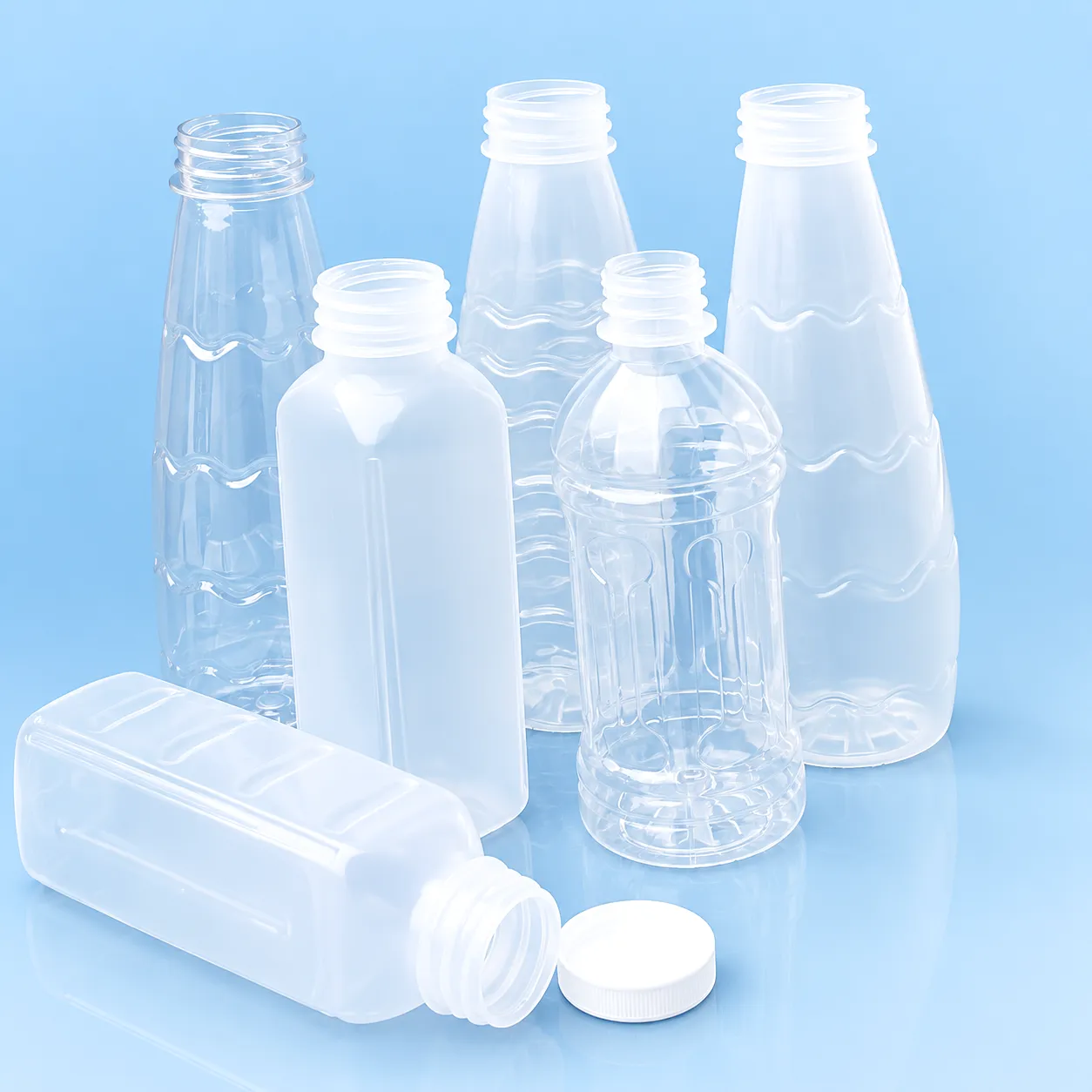 Hot-fill juice bottles represent one of the most technically demanding applications for any plastic packaging process. Products such as orange juice, apple juice, tropical blends, and pressurised smoothies are typically filled at temperatures between 82 °C and 90 °C to achieve pasteurisation inside the sealed container. Any container that cannot maintain dimensional stability under these thermal conditions will distort during cooling, producing unsightly panel collapse, label misalignment, and — in the worst case — closure failure that triggers a full production line stoppage. Injection-blow molding machines equipped with heat-set tooling produce PET and PP juice bottles that are specifically engineered to resist these stresses. The heat-setting process involves holding the blown container against a heated cavity wall for a controlled dwell time, which anneals the crystalline structure of the polymer and raises its thermal deflection resistance significantly beyond standard injection-blow grades.
Leading juice bottling operations across Bristol, Gloucestershire, and the wider South West agricultural and food processing region rely on injection-blow molding technology to produce multi-SKU ranges of juice bottles — from single-serve 250 ml portions up to family-sized 1.5-litre formats — on a single platform with tooling changeover measured in hours rather than days. The dimensional consistency of injection-blow molded neck finishes also supports the torque specifications required for induction-sealed foil closures, which are mandatory for many premium juice brands targeting UK supermarket listings.
Application Scenario 2: Sports Drink Containers
The sports and active nutrition beverage market has expanded rapidly across the UK over the past decade, driven by gym culture, cycling events, organised running circuits, and performance nutrition e-commerce — a category where Birmingham, Manchester, and London represent the three largest consumer demand centres. Sports drink containers place a specific and nuanced set of demands on packaging: they must be lightweight for carry convenience, structurally rigid enough to survive the compression grip required for drinking on the move, and able to accommodate a wide variety of closure types including sports-cap flip tops, push-pull valves, and standard screw caps. Injection-blow molding machines produce containers for this market segment with a neck geometry that is engineered at the injection station to accept these varied closure systems with consistent thread tolerance, eliminating the seal variation that can cause leakage when products are transported in sports bags or kit bags.
Beyond structural considerations, sports drink containers increasingly carry complex multi-panel labels that rely on smooth, consistent sidewall curvature to achieve clean sleeve-label application without tunnelling, lifting, or air entrapment. The precision wall distribution produced by injection-blow molding machines ensures label panels meet the flatness tolerances specified by high-speed sleeve labelling equipment used at UK contract filling sites. For protein shake and recovery drink formats processed at elevated temperatures — or requiring cold-fill aseptic processes — the injection-blow molding machine can be configured with specific cavity cooling profiles and resin grades to produce containers tailored precisely to each thermal processing route.
Application Scenario 3: Condiment Containers — Sauces, Oils & Vinegars
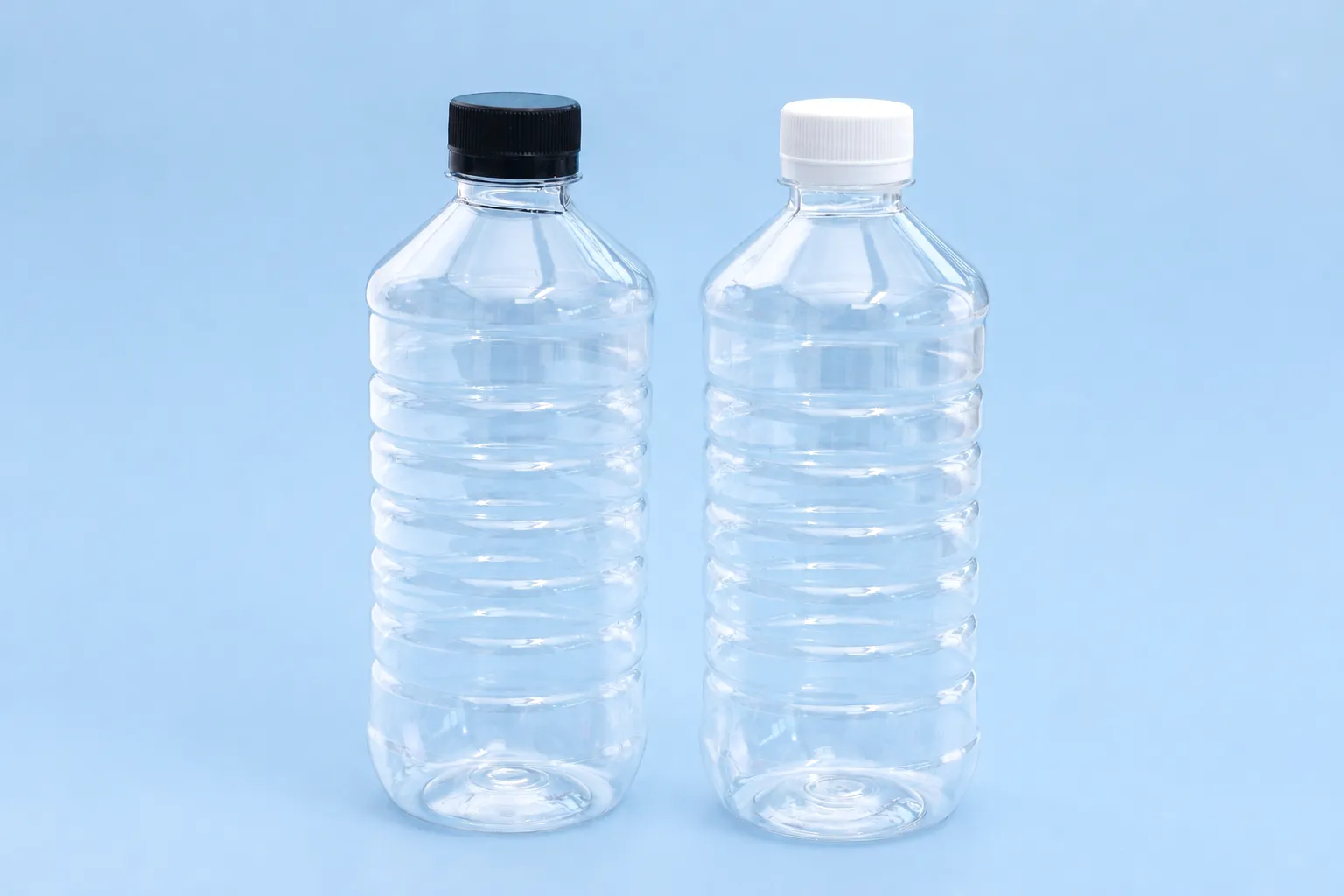 The condiment sector represents a structurally diverse and commercially significant packaging opportunity for injection-blow molding equipment. Ketchup, mayonnaise, salad dressings, hot sauces, malt vinegar, and cooking oils all require containers whose physical form is integral to their brand identity, dispensing functionality, and retail shelf impact. Unlike beverage containers that are largely cylindrical in form, condiment containers are frequently oval, asymmetric, panelled, or feature narrow dispensing orifices that require precise bore dimensions and smooth internal surfaces to ensure consistent pour rates. Injection-blow molding machines are uniquely suited to this application because the injection-moulded preform can be designed with a variable wall thickness distribution that directs material precisely to the sections of the container that require strength — such as panel corners and base — while keeping overall container weight within tight specifications.
UK condiment manufacturers based in the East Midlands and Yorkshire — a region with deep roots in food processing and ingredient manufacturing — have increasingly adopted PP injection-blow molding containers to meet the combination of chemical resistance, barrier performance, and recyclability requirements that UK retail buyers now specify as standard. High-oleic oils and acidic vinegars that would degrade lesser packaging materials are comfortably contained in PP injection-blow molded containers for extended shelf lives of eighteen months and beyond. Squeezable condiment formats use LDPE or PP with controlled wall flex characteristics that the injection-blow molding process can reproduce exactly batch-to-batch, ensuring dispensing feel is consistent across production runs from different shifts or different tooling cavities.
Core Technical Advantages of Injection-Blow Molding Machines
Eight performance differentiators that matter to food and beverage manufacturers
🎯
Flash-Free Production
No trim waste, no secondary finishing operations, and no risk of flash fragments contaminating food-contact surfaces — a key audit point for BRCGS-certified facilities.
📋
Precision Neck Geometry
Injection-moulded neck finish achieves thread tolerance within ±0.05 mm, ensuring reliable closure torque performance and consistent induction seal integrity across millions of cycles.
⏱
Short Cycle Times
Standard food and beverage containers complete full injection-blow cycles in 5 to 12 seconds, supporting output rates compatible with modern high-speed filling and labelling lines.
🆕
Multi-Cavity Efficiency
Tooling configurations from 2 to 12 cavities allow output scaling without proportional increases in capital expenditure, ideal for UK contract manufacturers serving multiple brand clients.
♿
Material Versatility
PET, PP, HDPE, LDPE, and multilayer co-injection — all processable on injection-blow molding platforms with resin-specific screw designs and controlled melt temperature profiles.
✅
Regulatory Compliance Readiness
Closed cavity moulding eliminates airborne contamination exposure. Flash-free containers simplify HACCP metal detection and inspection protocols required under UK food safety legislation.
🔢
Energy-Efficient Operation
All-electric and servo-hydraulic drive systems on modern injection-blow molding machines reduce specific energy consumption by 20 to 35 percent versus older hydraulic-only platforms, lowering per-unit utility costs.
🛠
Low Tooling Changeover Time
Modular tooling design enables SKU transitions in 2 to 6 hours on well-maintained injection-blow molding machines, supporting the range diversity demanded by UK grocery retail buyers.
Product Technical & Performance Parameters
Reference specifications for injection-blow molding machines in food and beverage packaging configurations
| Parameter | ZQ40 (European) | ZQ60 (European) | Notes |
|---|---|---|---|
| Clamping Force | 40 kN | 60 kN | Servo-driven toggle mechanism |
| Injection Volume | Up to 40 cm³ | Up to 60 cm³ | Per cavity per cycle |
| Container Volume Range | 5 ml → 500 ml | 5 ml → 1,000 ml | Tooling dependent |
| Cycle Time (typical) | 5 → 10 s | 6 → 12 s | Resin and wall thickness dependent |
| Max. Cavity Count | 6 cavities | 8 cavities | Higher counts for smaller containers |
| Compatible Resins | PET, PP, HDPE, LDPE | PET, PP, HDPE, LDPE, co-ex | Food-contact certified grades |
| Melt Temperature Range | 160 → 300 °C | 160 → 310 °C | Zone-controlled barrel heating |
| Blow Air Pressure | 0.6 → 1.0 MPa | 0.6 → 1.2 MPa | Regulated per cavity |
| Neck Thread Tolerance | ±0.05 mm | ±0.05 mm | Injection-precision neck formation |
| Drive System | Servo-electric | Servo-electric | Low energy, low noise |
| Control System | PLC + HMI touchscreen | PLC + HMI touchscreen | Recipe storage, remote diagnostics |
| Installed Power (approx.) | 12 → 18 kW | 18 → 26 kW | Depends on cavitation and tooling |
Specifications are representative and subject to tooling configuration. Contact Ever Power for application-specific datasheets.
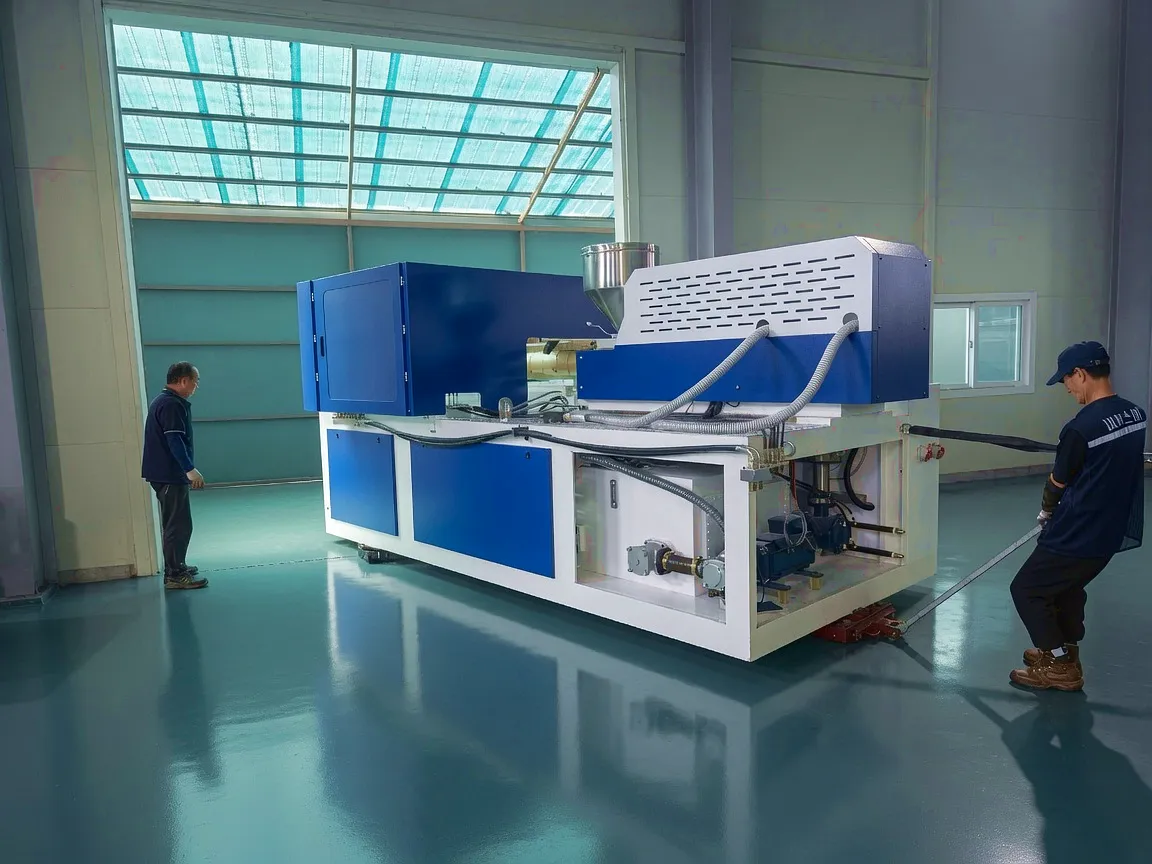
Ever Power Manufacturing Facility
Precision injection-blow molding production environment
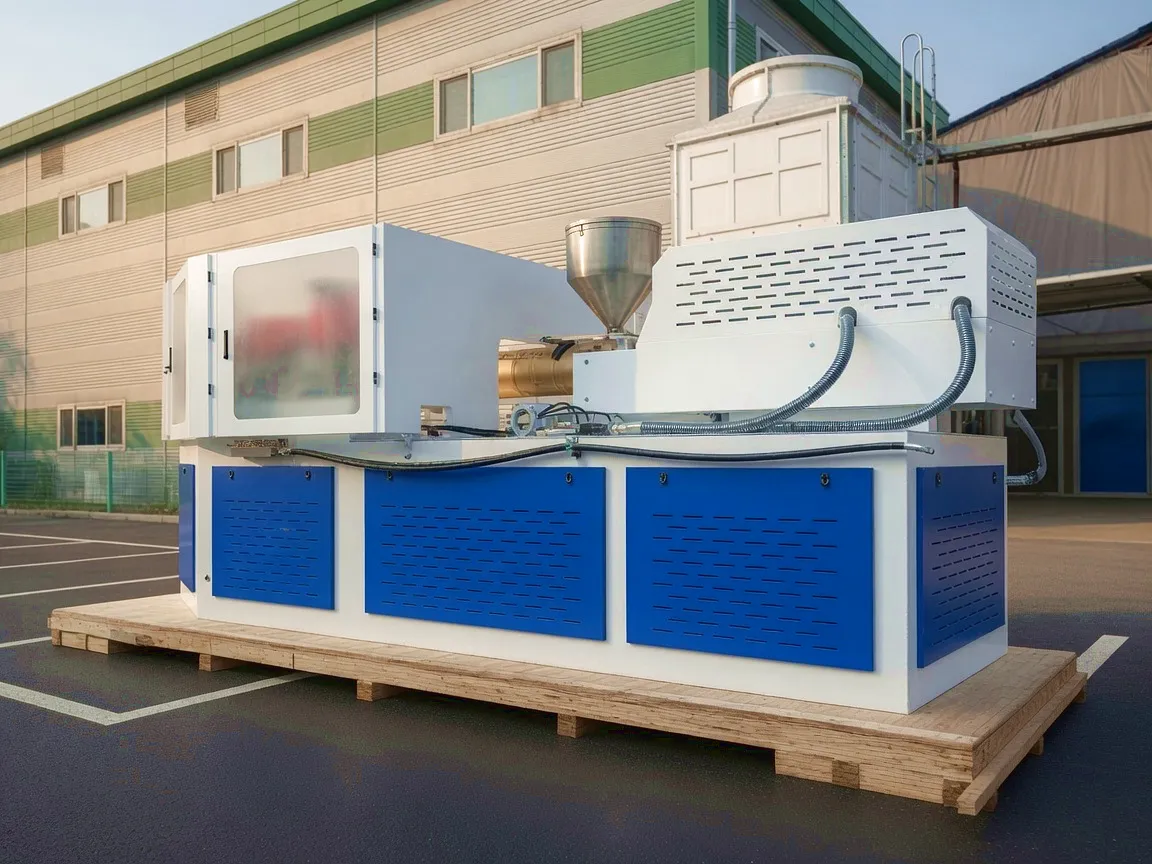
Ever Power: Precision Manufacturing & Customisation Capability
Ever Power has built its reputation in the injection-blow molding machine sector through an uncompromising commitment to precision manufacturing and an exceptionally deep pool of customisation capability. The facility operates a dedicated R&D and application engineering team who work directly with customers at the specification stage — not just at the order fulfilment stage — to ensure that every injection-blow molding machine delivered is genuinely engineered for the specific resin, container geometry, cavity count, fill process, and production environment the customer operates. For UK food and beverage companies entering the injection-blow molding market or upgrading from older extrusion-blow platforms, this consultative approach reduces commissioning time, accelerates validation timelines, and minimises the risk of costly process re-engineering after installation.
The manufacturing process at Ever Power applies advanced CNC machining centres, coordinate measuring machine (CMM) verification, and hardened tool steel mould fabrication to tolerances that support the ±0.05 mm neck geometry specifications demanded by high-speed closure application equipment. Core rods — the most critical and wear-subject component in any injection-blow molding system — are manufactured in-house from high-grade alloy steel with surface treatments that extend service life far beyond industry average, reducing planned maintenance costs for customers running three-shift, continuous production schedules. Spare parts and consumable tooling are available from Ever Power’s supply chain partners with rapid despatch to UK mainland destinations, typically within five to seven working days through established freight forwarding routes via Rotterdam and Felixstowe.
🏭 Custom Tooling Design
From single-cavity prototype tools to high-cavitation production tooling — Ever Power handles the full tooling engineering lifecycle in-house, including 3D mould flow simulation, tool steel selection, CNC machining, and CMM inspection to drawing.
🔍 Process Validation Support
Ever Power application engineers provide full IQ/OQ/PQ validation documentation packages — critical for customers operating in regulated food contact, pharmaceutical, and export-market compliance frameworks.
📦 UK-Oriented Supply Chain
Established freight routes through Felixstowe and Southampton, with pre-shipment FAT (Factory Acceptance Testing) conducted at the Ever Power facility before despatch — reducing on-site commissioning risk for UK buyers.
Ready to specify your injection-blow molding machine configuration?
Contact Ever Power — your application, our engineering.
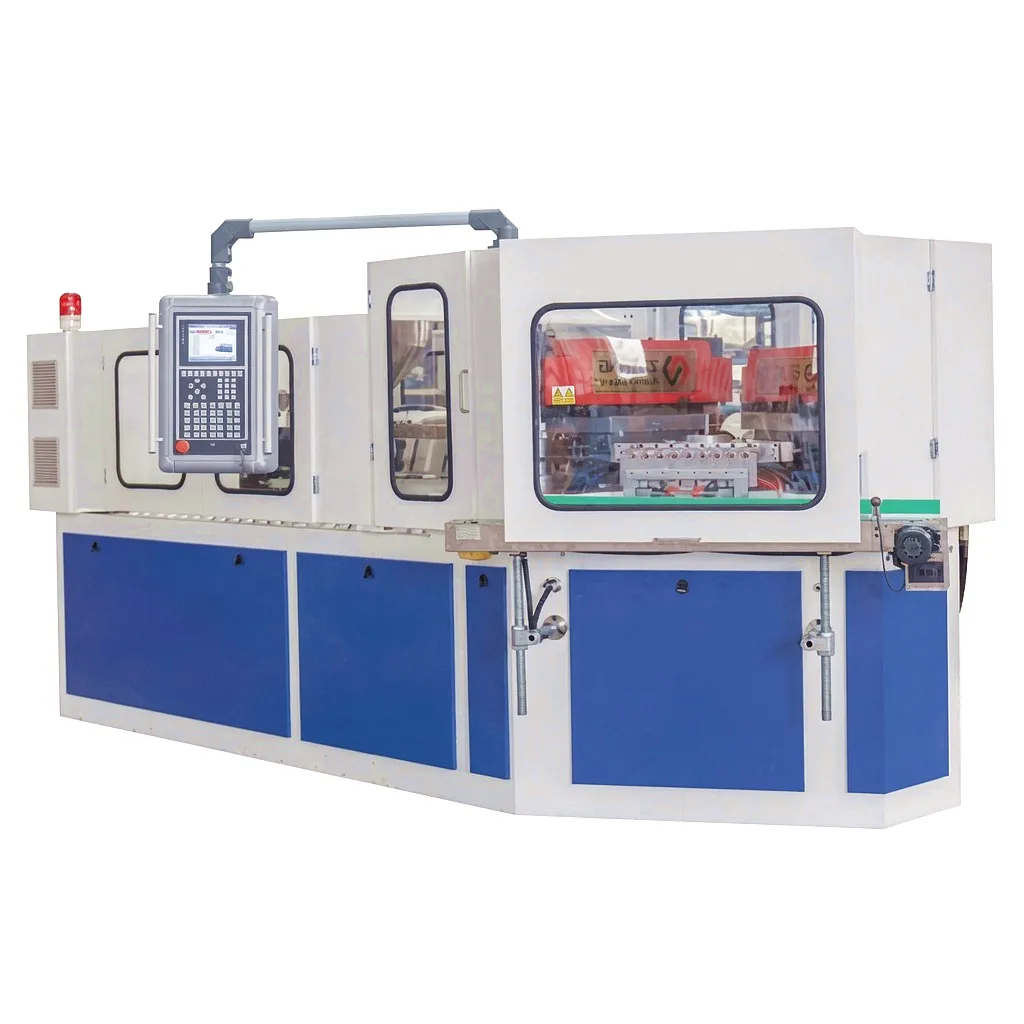
Featured Ever Power Injection-Blow Molding Machines
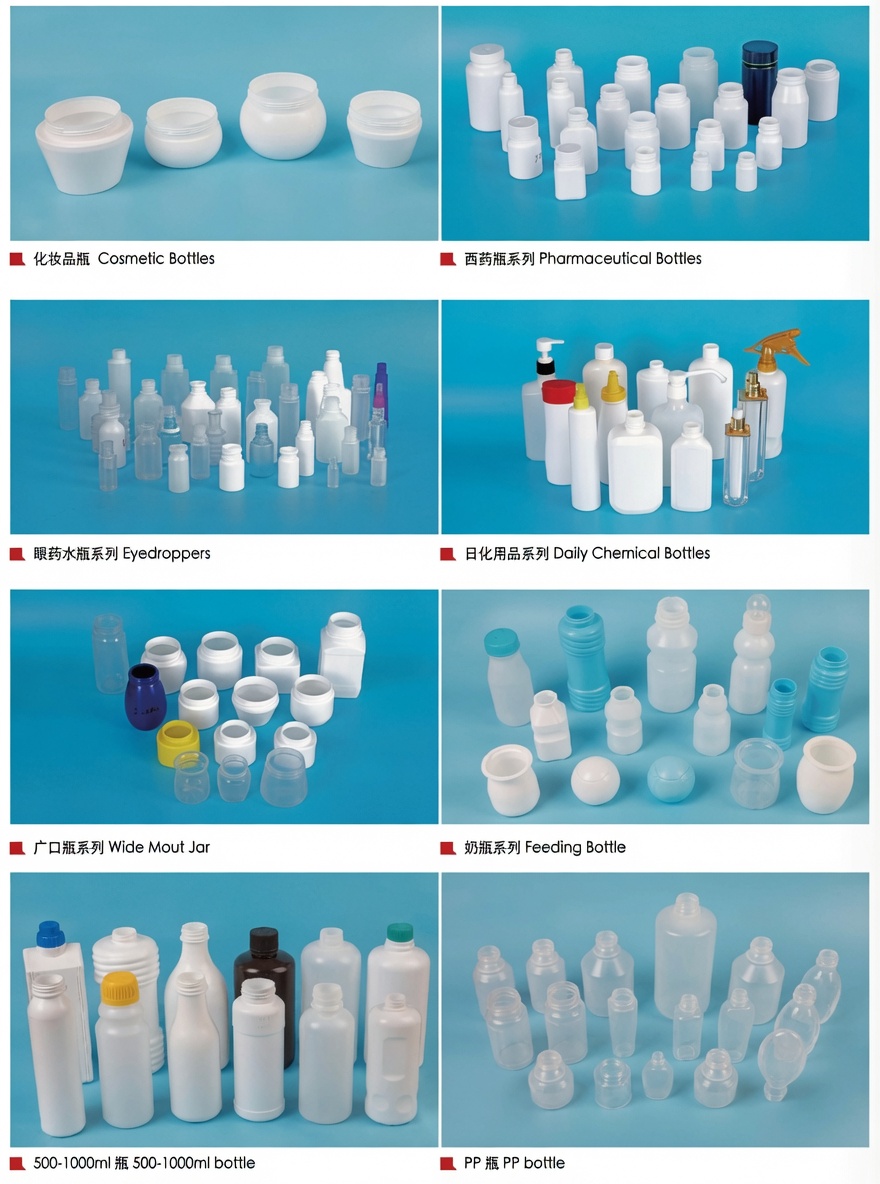
European-specification models engineered for food, beverage, and personal care container production
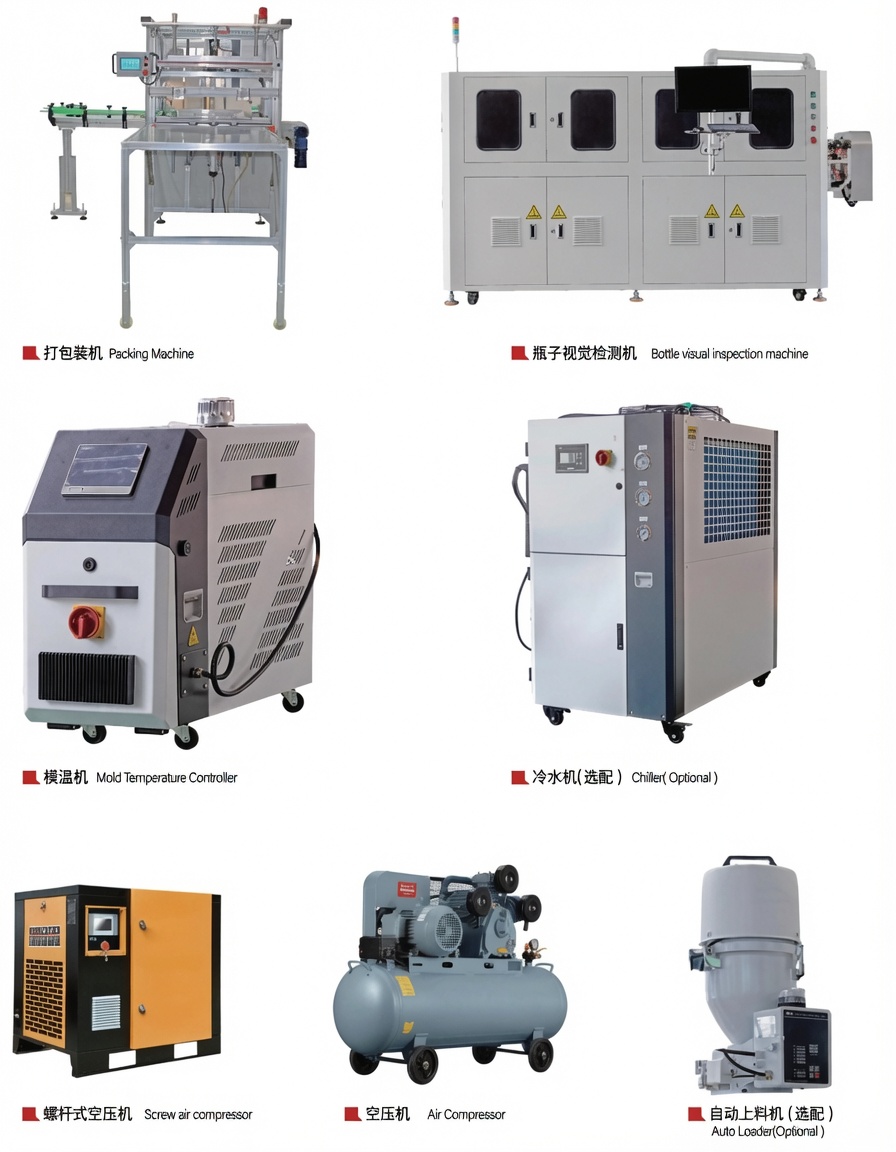
Auxiliary Equipment & Complete Production Solutions
Ever Power supplies complete turnkey injection-blow molding production lines including ancillary systems
Customer Success Story: Midlands Sports Nutrition Producer
Birmingham, West Midlands — Sports Nutrition & Active Beverage Manufacturing
 A mid-sized sports nutrition company based on the outskirts of Birmingham had been contract-manufacturing their range of protein shake base drinks, electrolyte concentrates, and pre-workout sachets for six years using a combination of externally sourced blow-moulded bottles and purchased rigid containers from three separate suppliers. The operational reality was a logistical strain: lead times on bottle deliveries ranged from four to eight weeks, minimum order quantities tied up cash flow, and dimensional inconsistencies between supplier batches generated regular stoppages on their cap torque testing station. The operations director estimated they were losing twelve to fifteen production hours per month to packaging-related line stops.
After an initial consultation with Ever Power, the company specified a pair of ZQ60 injection-blow molding machines with 6-cavity PP tooling for their 500 ml sports shake bottle — their highest-volume SKU — alongside single-cavity development tooling for three further container formats in their product range. Ever Power’s application engineering team conducted a full cavity filling simulation, confirmed resin-grade compatibility with the customer’s PP supplier, and provided a factory acceptance test at the Ever Power facility before shipment. Installation at the Birmingham site took three days, with full production validation completed in a further four days under the guidance of an Ever Power commissioning engineer who travelled to site.
Within the first three months of production, the customer reported a 94% reduction in packaging-related line stops, the elimination of all minimum-order-quantity commitments to external bottle suppliers, and a container unit cost reduction of approximately 18% across their core bottle range. The ability to run short production batches of seasonal or limited-edition SKUs — previously unviable due to MOQ constraints — opened a new direct-to-consumer channel generating material incremental revenue in the first full year of ownership. The injection-blow molding machines have since run through over twelve million container production cycles across both units without any unplanned downtime attributable to the machines themselves.
What Our UK Customers Say
★★★★★
“The neck tolerance on these injection-blow molded containers is genuinely impressive. Our induction sealing station had averaged a 2.3% seal failure rate with previous bottles. Three months after switching to the Ever Power ZQ60-produced containers, that figure is sitting at 0.1%. The consistency comes directly from the injection-moulded neck — it is simply a different level of precision.”
— Production Manager, Sports Beverage Contract Filler, Birmingham
★★★★★
“Ever Power’s technical team understood our hot-fill PET requirements from the first conversation — they did not try to sell us a standard machine and adapt it afterwards. The heat-set tooling they designed has performed perfectly through over eight million cycles on our juice line, and the wall thickness distribution is consistent enough that our label application reject rate dropped by a third compared to our previous bottle specification.”
— Technical Director, Premium Juice Manufacturer, Bristol
★★★★★
“We supply condiment containers to three national retailers and the dimensional consistency of our injection-blow molded PP bottles is something we now use as a selling point with buyers. Ever Power supplied us with CMM inspection reports for our tooling qualification and the spare parts lead time from their freight partner to our Sheffield site is consistently within six working days. Genuinely excellent supply chain support.”
— Procurement Director, Condiment Packaging Manufacturer, Sheffield
Frequently Asked Questions
Real questions from UK food and beverage manufacturers evaluating injection-blow molding equipment
Ever Power — Injection-Blow Molding Machine Specialists
Start Your Injection-Blow Molding Project Today
edit by gzl