
Why Spare Parts Strategy Defines IBM Machine Uptime
Blow Moulding Process Landscape: IBM, EBM, ISBM and Extrusion
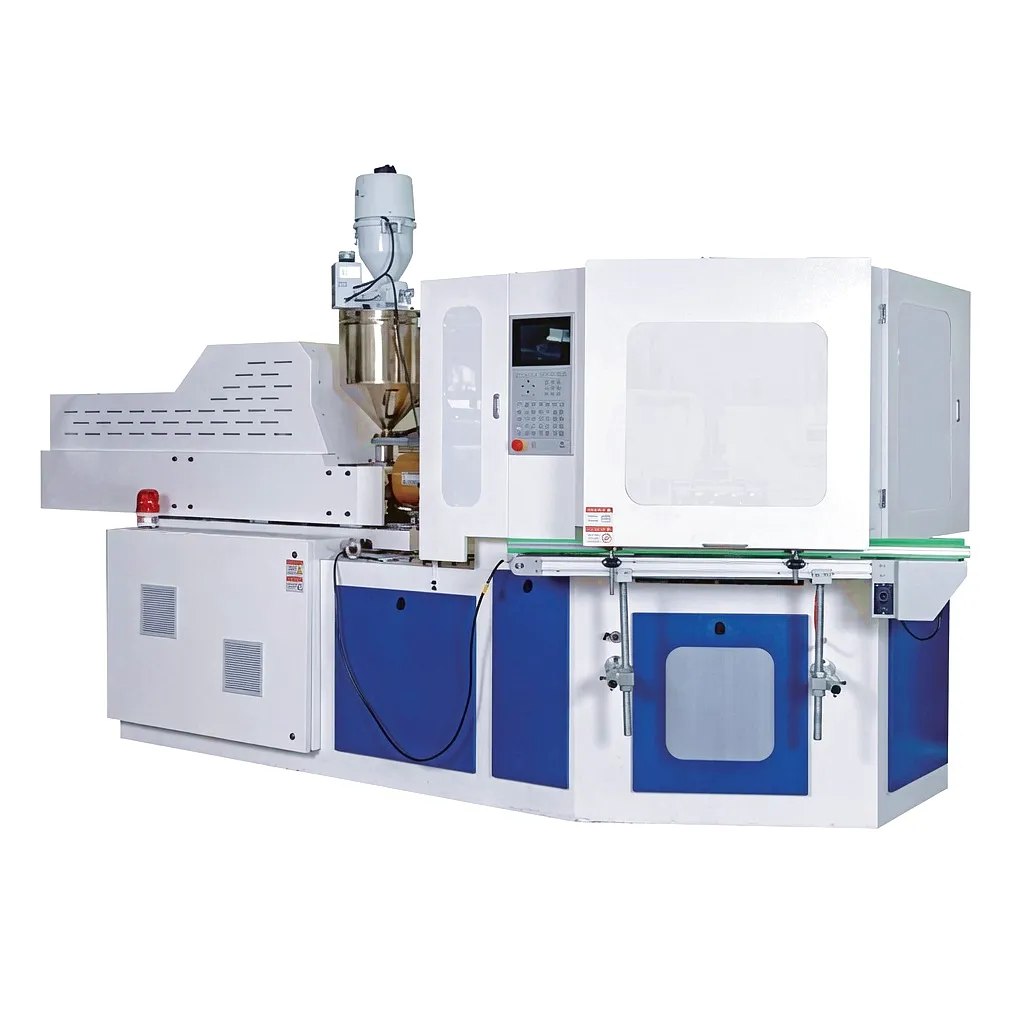
Understanding why injection blow moulding generates a uniquely demanding spare parts challenge requires placing it accurately within the broader family of blow moulding technologies. IBM, EBM, ISBM and continuous extrusion blow moulding each produce hollow containers, but they do so through fundamentally different mechanical sequences — and those differences determine which components carry load, which experience thermal cycling, and which therefore appear most frequently on the blow molding machine spare parts list of each machine type. IBM’s three-station turntable architecture subjects the injection barrel, core rods and clamping system to simultaneous thermal and mechanical duty that no other process replicates in quite the same configuration. The result is a concentrated set of high-consequence wear components whose condition directly governs container quality, cycle time and regulatory compliance — particularly for UK pharmaceutical and food-grade packaging manufacturers operating under MHRA and BRCGS frameworks.
| Process | Preform Method | Wall Uniformity | Key Resins | Primary Wear Parts |
|---|---|---|---|---|
| IBM | Injection onto core rod | Excellent ±0.05 mm | HDPE, PP, PET, PVC | Core rods, heating bands, check valves |
| EBM | Extruded parison | Moderate ±0.15 mm | HDPE, LDPE, PP | Extruder screw, die head, pinch blades |
| ISBM | Injection preform + stretch rod | Very high (biaxial) | PET, PP | Stretch rods, blow moulds, IR lamps |
| Extrusion | Continuous extrudate | Variable | HDPE, PVC, PETG | Barrel liners, feed screws, cutter blades |
IBM’s rotating turntable concentrates high-consequence wear into a compact set of interdependent components — a characteristic that makes structured spare parts management more critical than on any other blow moulding platform.
IBM Machine Technical and Performance Parameters
| Parameter | Specification / Range | Spare Parts Implication |
|---|---|---|
| Clamping Force | 30 kN – 400 kN | Higher force accelerates tie-bar and platen wear |
| Injection Pressure | 80 – 150 MPa | Check-valve and screw tip wear rate linked to peak pressure |
| Blow Air Pressure | 0.5 – 1.2 MPa | Solenoid valve seats and regulator diaphragms are consumables |
| Core Rod Material | H13 / P20 Tool Steel (HRC 48–52) | Stock 1 full set per mould; inspect tip every 500 k cycles |
| Barrel Heating Zones | 3 – 6 zones; 160 – 260 °C | Stock 2 bands + 2 thermocouples per zone |
| Wall Thickness Tolerance | ±0.03 – ±0.08 mm | Exceeded tolerance signals core rod or mould cavity wear |
| Hydraulic System Pressure | 12 – 18 MPa | Seal kits, O-rings and filter elements are monthly consumables |
| Screw L/D Ratio | 18:1 – 24:1 | Screw and barrel liner replaced together as a matched wear pair |
| Mould Material | Al alloy / P20 steel / BeCu | Cavity inserts replaceable without full mould rebuild |
| Cycle Time | 8 – 25 seconds | Creep >5% signals cooling or solenoid degradation |
| Electrical Drive | AC servo / hydraulic; 18.5 – 75 kW | Stock at least one servo drive card per machine model |
Critical Wear Components: Building the Right Spare Parts List
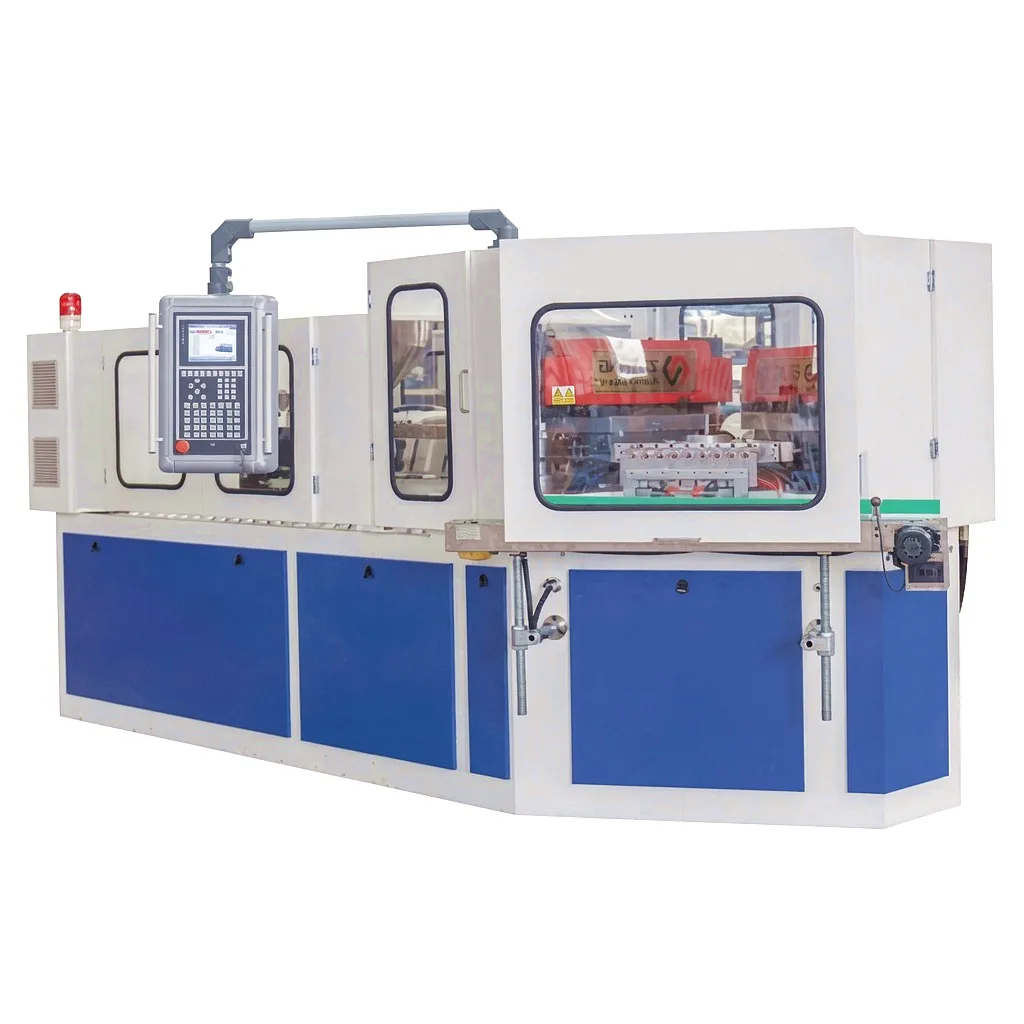
Barrel heating bands represent the second most consequential category on the blow molding machine spare parts list, measured by frequency of failure and speed of production impact. Each band is a ceramic or mica resistive element operating continuously at between 160 °C and 260 °C, thermally cycling every time the machine starts from cold. Thermal fatigue eventually fractures the internal resistance element — often without any external visual indication — producing zone temperature deviation that appears first as process drift and later as visible quality defects: streaking, surface haze, unmelted gel particles or inconsistent colouring in pigmented runs. A degraded band’s failure signature on the PID controller is typically a slow rise in the zone’s error signal over days or weeks before the alarm threshold is breached, which means the defect window — when product is running out-of-specification but no alarm has fired — can span tens of thousands of containers. Holding two spare bands per zone, alongside two thermocouples per zone as independent verification instruments, eliminates this exposure at a parts cost that is trivial relative to a single rejected batch.
Wall Thickness Uniformity, Preform Temperature Control and Component Wear
Troubleshooting Guide: Linking Fault Symptoms to Spare Part Needs
| Symptom | Likely Component | Diagnostic Step | Parts to Hold |
|---|---|---|---|
| Variable shot weight | Check valve assembly | Weigh consecutive preforms; CV >0.3% indicates valve wear | 2 x check valve kits |
| Wall thickness non-uniformity | Core rod tip / thermocouple drift | Cross-section cut containers; map thickness radially | Tip inserts + thermocouples |
| Streaks or surface haze | Degraded heating band / nozzle tip | IR thermometer survey of barrel surface | Heating band + nozzle tip set |
| Flash at parting line | Worn blow mould cavity edges | Feeler gauge check on mould closure | Cavity insert set |
| Cycle time creep >5% | Cooling channel blockage / slow solenoid | Flow meter readings vs baseline; solenoid response test | Solenoid valves + coolant flush kit |
| Hydraulic oil leak at cylinder | Piston or rod seal | Isolate and inspect at full pressure | Full cylinder seal kit |
| Machine halts mid-cycle | Proximity switch / safety relay | Read HMI fault code; check switch signal continuity | Switch assortment + safety relay |
| Erratic temperature zone | Thermocouple failure / PID drift | Substitute known-good thermocouple and compare | Spare thermocouples + PID unit |
Energy Consumption Optimisation Through Spare Parts Management
A component-level perspective on energy waste is one of the most underused arguments for proactive IBM spare parts management among UK manufacturers navigating energy budgets that remain substantially above pre-2021 benchmarks. Machine-level energy audits conducted at packaging and pharmaceutical facilities across the East and West Midlands have consistently found that 12–18% of total IBM energy consumption traces not to process settings but to mechanical degradation: worn hydraulic seals causing proportional valve bypass losses; partially blocked mould cooling channels forcing longer cooling cycles; hydraulic pumps with internal clearance wear drawing rated power while delivering reduced flow; solenoid valves with slow response times extending each cycle by fractions of a second that accumulate to meaningful energy waste across millions of cycles per year. Addressing these specific failure modes through structured preventive component replacement — timed to coincide with scheduled maintenance windows rather than reactive shutdowns — routinely delivers payback periods under six months and directly reduces the site’s footprint under the UK’s Energy Savings Opportunity Scheme (ESOS) reporting obligations.
A worn proportional valve bypass can increase pump energy draw by 8–12% while delivering no additional clamping force. Replace hydraulic seals preventively at 2,000-hour intervals.
A 25% reduction in coolant flow extends cooling time, reducing output per kWh. Annual channel descaling and coolant sensor replacement protects chiller efficiency.
A solenoid adding 0.3 seconds per cycle at 300 cycles/hour costs over 90 hours of productive time annually. Replacing valves at 2 million actuation intervals eliminates this loss.
Mould Design, Bottle Profile Optimisation and Cavity Insert Economics
Application Scenarios: IBM Spare Parts Management Across UK Industry
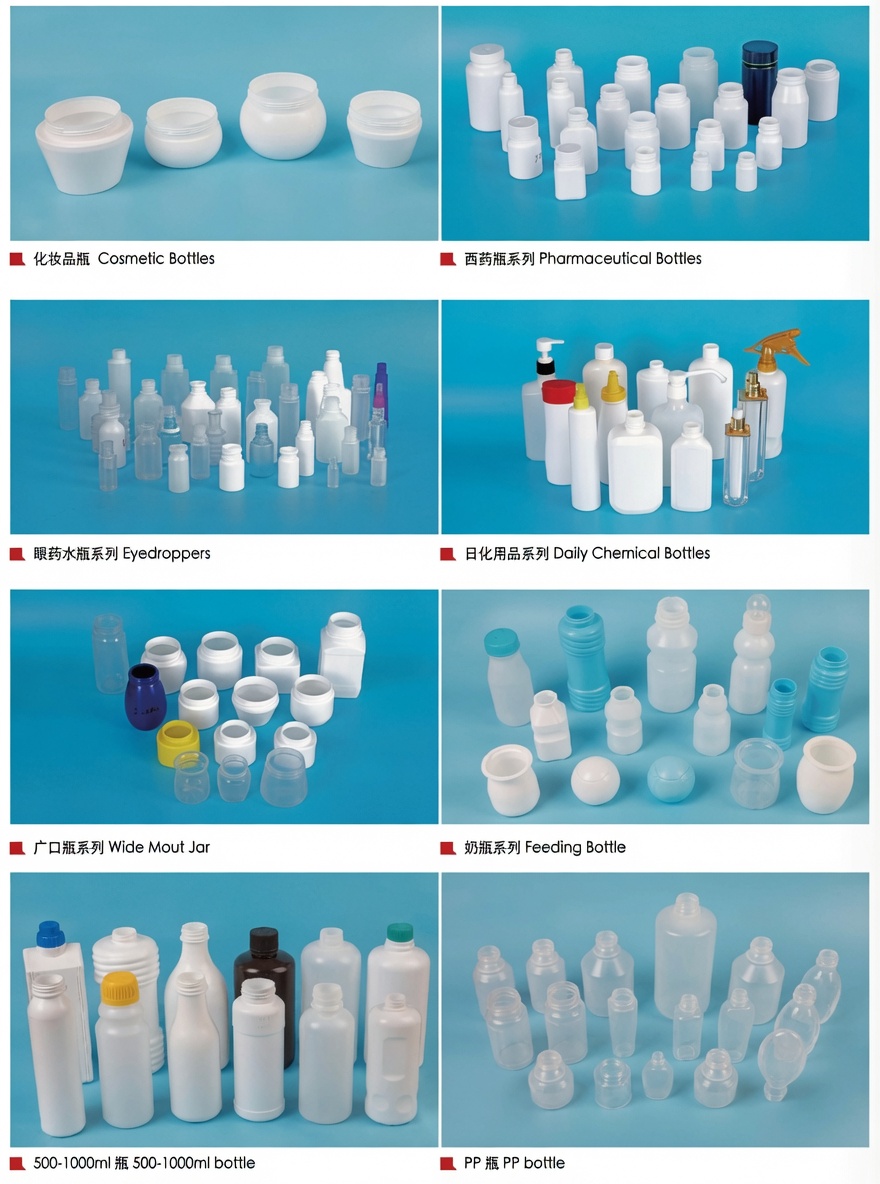
Ever Power: Manufacturing Precision, Supply Chain Reliability and Customisation
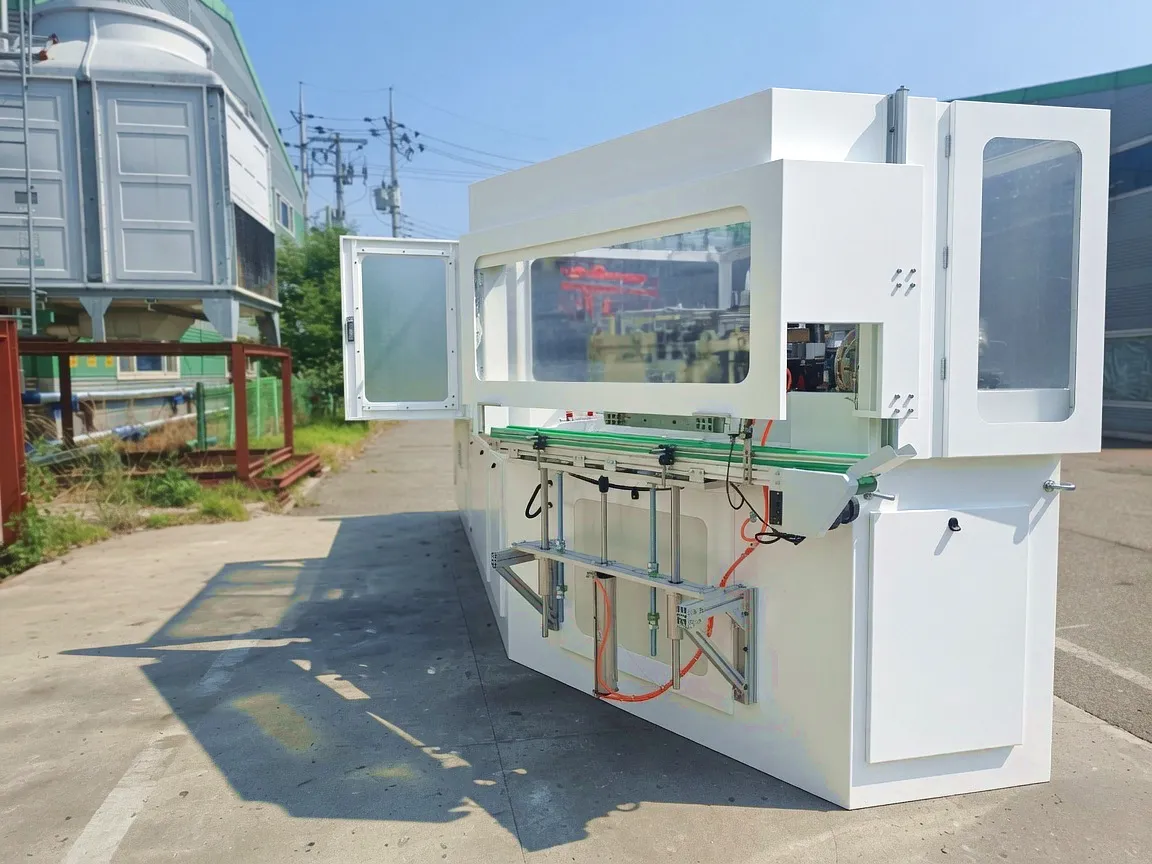
Safety stock of high-turnover components maintained continuously. Standard parts despatch within 24–48 hours to UK destinations; three to five working day delivery via air freight to any English city or Scottish industrial centre.
For operators of five or more IBM machines, Ever Power offers tiered spare parts agreements that pre-specify annual consumption quantities, lock in lead times and include biannual engineering review calls to align the programme with live maintenance data.
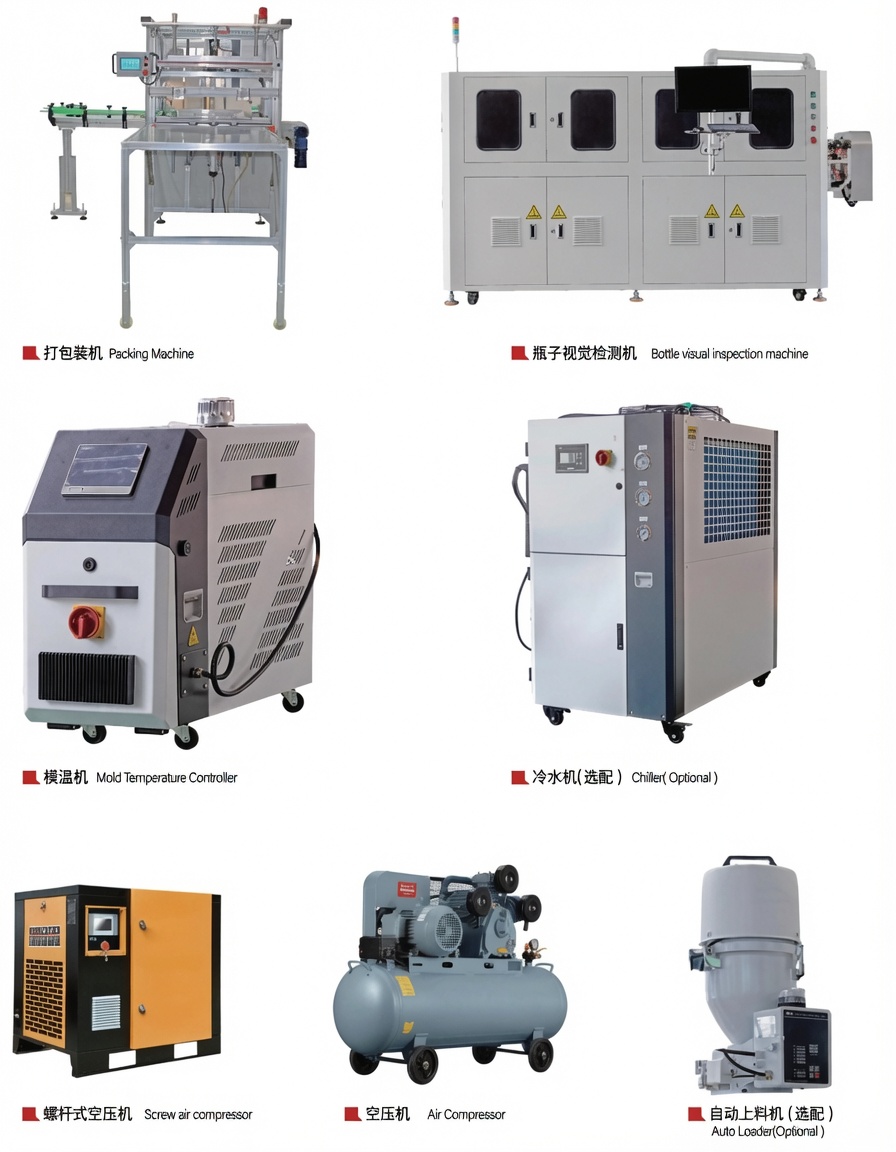
Ever Power IBM Machine Product Range
Customer Success Story: Sheffield Pharmaceutical Packaging — 68% Downtime Reduction
A pharmaceutical packaging specialist in Sheffield, operating four IBM machines producing HDPE dropper bottles, nasal pump vials and oral liquid containers for NHS supply and private label clients, had experienced steadily escalating unplanned downtime over a 36-month period. Despite operating modern equipment, the maintenance team’s spare parts inventory had grown entirely through reactive purchasing — each time a machine stopped, a component was ordered from whichever supplier could ship fastest, with no regard for quality verification or dimensional traceability. Average time from fault identification to machine restart: 4.3 days. Annual IBM downtime across the four machines: approximately 25 days. The cost, in lost contract fulfilment, batch documentation anomalies and emergency freight, was estimated at £190,000 per year.
An Ever Power engineering team conducted a two-day on-site assessment, reviewing 36 months of maintenance records, photographing wear patterns on retrieved components and mapping the full Bill of Materials for each machine model. The resulting analysis identified that 86% of unplanned downtime events were caused by five component categories: check valve assemblies, heating bands, thermocouple probes, solenoid valves and hydraulic seal kits. A three-tier spare parts programme was designed: Tier 1 consumables pre-stocked on-site in a dedicated cabinet; Tier 2 medium-frequency items held at Ever Power’s warehouse with 72-hour guaranteed despatch; Tier 3 low-frequency but high-impact items — core rod sets, barrel wear pairs — with pre-agreed 10-working-day lead times and technical drawings retained by Ever Power for rapid re-manufacture without re-measurement.
Within twelve months of programme implementation, unplanned downtime fell from 6.4 hours per machine per month to 2.0 hours — a 68.5% reduction. OEE on the IBM lines rose from 71% to 84%. The Sheffield facility passed its subsequent MHRA Manufacturer’s Authorisation renewal audit with no findings related to equipment maintenance or spare parts traceability — an outcome the operations director directly attributed to the new programme’s documentation standards.
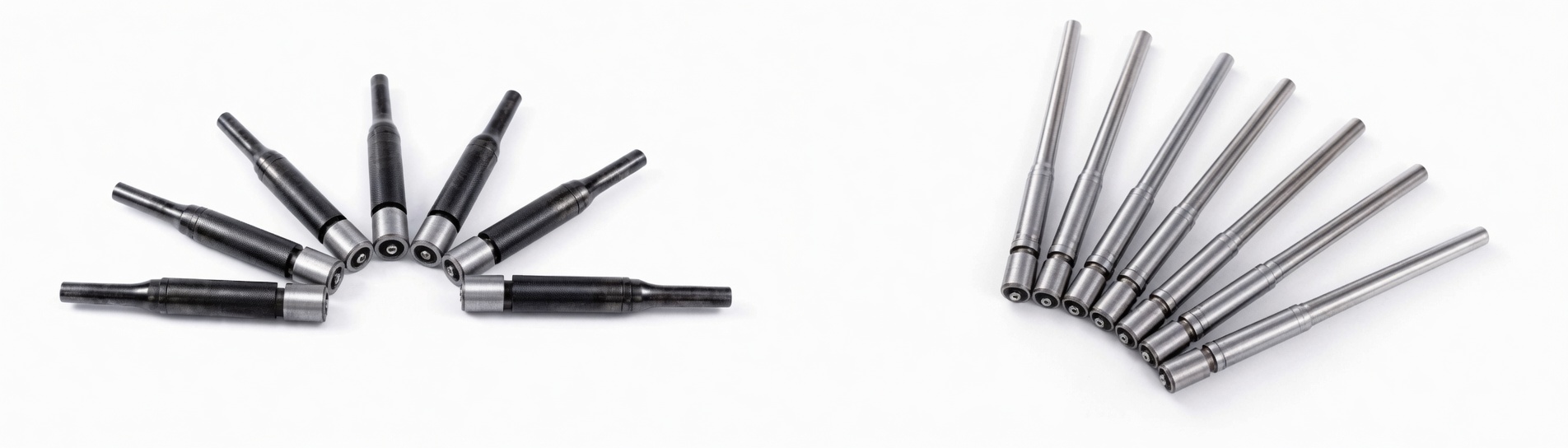
“Ever Power’s core rod replacement programme has been genuinely transformative. We were budgeting 25 days of IBM downtime per year — last year we recorded seven. The dimensional consistency of their replacement rods is identical to OEM originals; our process parameters haven’t moved since the changeover.”
“We run three IBM machines on cosmetic containers in Birmingham and the challenge is always changeover speed. Ever Power supplied pre-built cavity insert kits — labelled and pre-torqued to specification. We cut changeover time from 3.5 hours to under 70 minutes, which opened up contract work we previously couldn’t quote on.”
“For our food-grade IBM line in Leeds, hydraulic seal material certification is not optional — it’s a BRCGS audit requirement. Ever Power’s kits arrive with full NBR/FKM compliance documentation. Saves our QA team several hours per change and gives us complete confidence in audit readiness.”