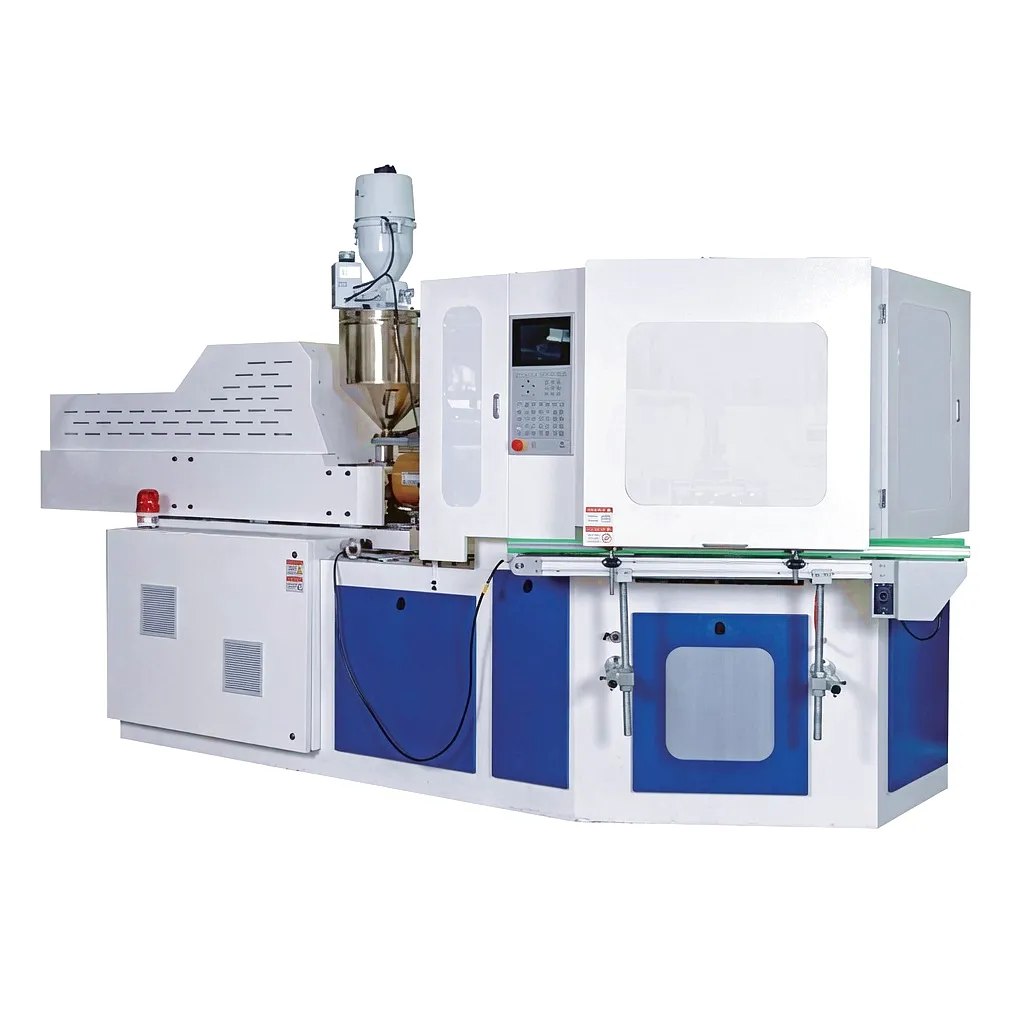
 The injection-blow molding machine occupies a position in precision plastics manufacturing that few competing processes can challenge. Unlike extrusion blow molding or stretch blow molding, IBM combines two distinct polymer processing steps — injection molding of a preform directly onto a core rod, followed by immediate blow molding of that preform into the final hollow container — within a single, continuous operational cycle. The result is a container with absolute dimensional consistency, a perfectly formed neck finish, and no weld lines that could compromise structural integrity or sterility. Across the United Kingdom, manufacturers in Birmingham, Sheffield, Nottingham, and the broader Midlands manufacturing corridor have moved steadily toward IBM platforms as the need for precision-grade containers in pharmaceutical, diagnostic, and consumer health sectors intensifies.
How an Injection-Blow Molding Machine Works
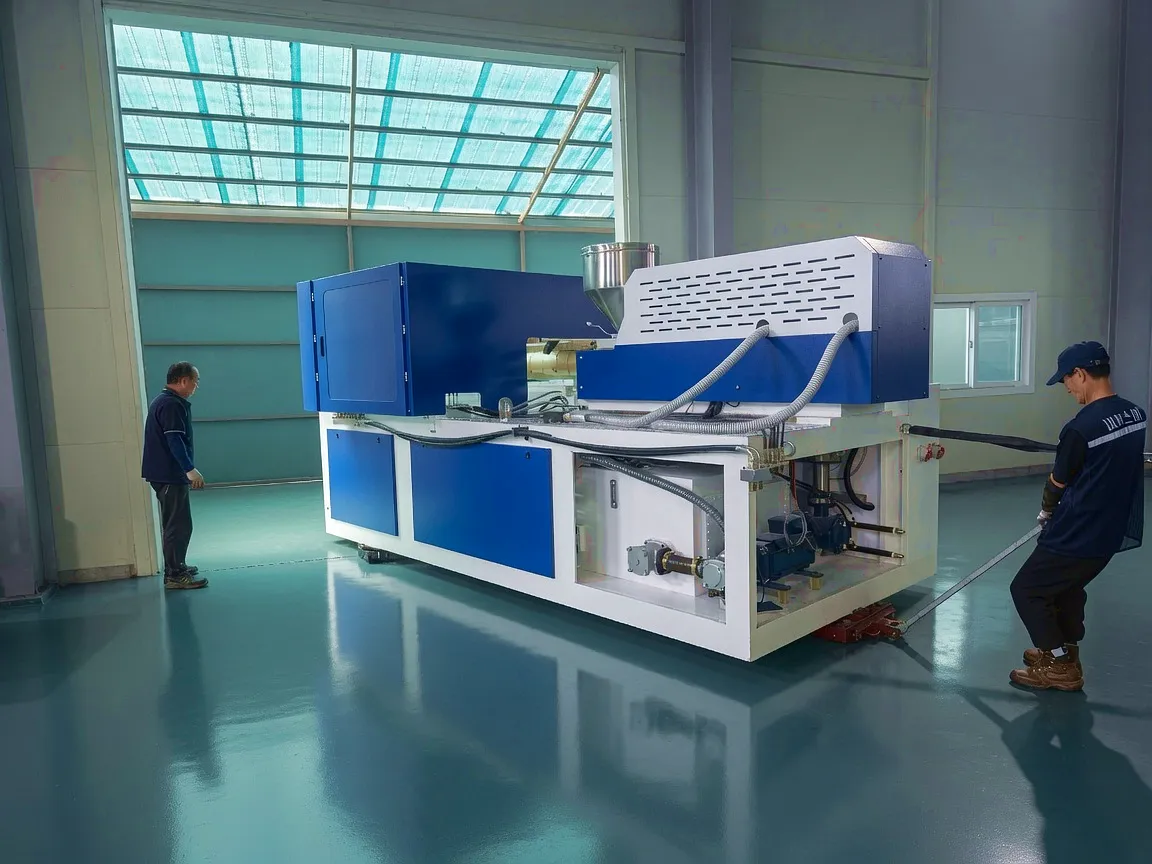
The IBM cycle begins at the injection station, where a carefully measured shot of molten polymer is injected around a hardened steel core rod, filling the annular space of a cavity that defines the final container’s neck and preform body. The core rod and preform are then indexed — typically via a rotating platen — to the blow station. At this station, the still-hot preform is placed inside a blow mold that has the exact geometry of the finished container. Compressed air, delivered through the core rod itself, inflates the preform outward against the cooled blow mold walls, freezing the container’s external geometry in milliseconds. The third station ejects the finished article. This three-station architecture allows simultaneous operation at every station during each cycle, making the process highly efficient without sacrificing the geometric precision inherent to the injection phase.
The neck finish — threads, sealing surfaces, and container mouth dimensions — is entirely injection-molded rather than blown, which means it replicates the cavity steel with extreme fidelity. This characteristic is decisive for applications requiring hermetic closures, child-resistant caps, or vacuum-sealed specimen containers. Pressure during the blow phase is typically 8–15 bar, and the split-second dwell inside the blow cavity allows fine detail replication on the outer wall, including embossed text, taper angles, and graduation marks. Cycle times for a four-cavity IBM tool producing 30 ml specimen containers typically range from 6 to 14 seconds depending on wall thickness and polymer grade.
Core Materials Processed by IBM Equipment
Polypropylene (PP)
The workhorse material for medical specimen containers, cryovials, and pharmaceutical closures. PP offers excellent chemical resistance, autoclavability, and compatibility with EDTA anticoagulant additives used in blood collection tubes. Its relatively high melt flow index suits IBM injection at moderate barrel temperatures (200–240 °C), and its hinge-fatigue resistance supports living hinge designs on sample lids.
Polyethylene Terephthalate (PET)
PET delivers the clarity and barrier properties critical for pharmaceutical syrup bottles, eye drops, and nutritional supplement containers. In IBM, PET is processed at 255–285 °C, and its biaxial orientation during blow inflation enhances oxygen and moisture barrier performance far beyond that achievable by injection molding alone. UK pharmaceutical manufacturers increasingly specify PET IBM containers to meet MHRA packaging standards.
High-Density Polyethylene (HDPE)
HDPE is the polymer of choice for personal care containers, agrochemical bottles, and general industrial packaging. Its outstanding environmental stress crack resistance and low moisture vapor transmission rate make it practical for household cleaning products and detergent bottles. IBM-grade HDPE typically has a melt flow index of 0.3–1.0 g/10 min, balanced to provide sufficient flow during injection while retaining enough melt strength for consistent preform integrity.
Polystyrene (PS) & Cyclic Olefin Copolymer (COC)
PS is used in certain diagnostic cuvettes and reagent vessels where optical clarity and rigidity are essential. COC — a specialty engineering polymer — is increasingly specified for blood collection tubes and ophthalmic containers owing to its near-glass transparency, near-zero moisture absorption, and biological inertness. IBM machines configured for COC require precise temperature control and slower injection speeds to prevent shear-induced haze in the preform wall.
Application Scenario: Laboratory & In Vitro Diagnostics (IVD) — Blood Collection Tubes, Urine Specimen Containers & Cryovials
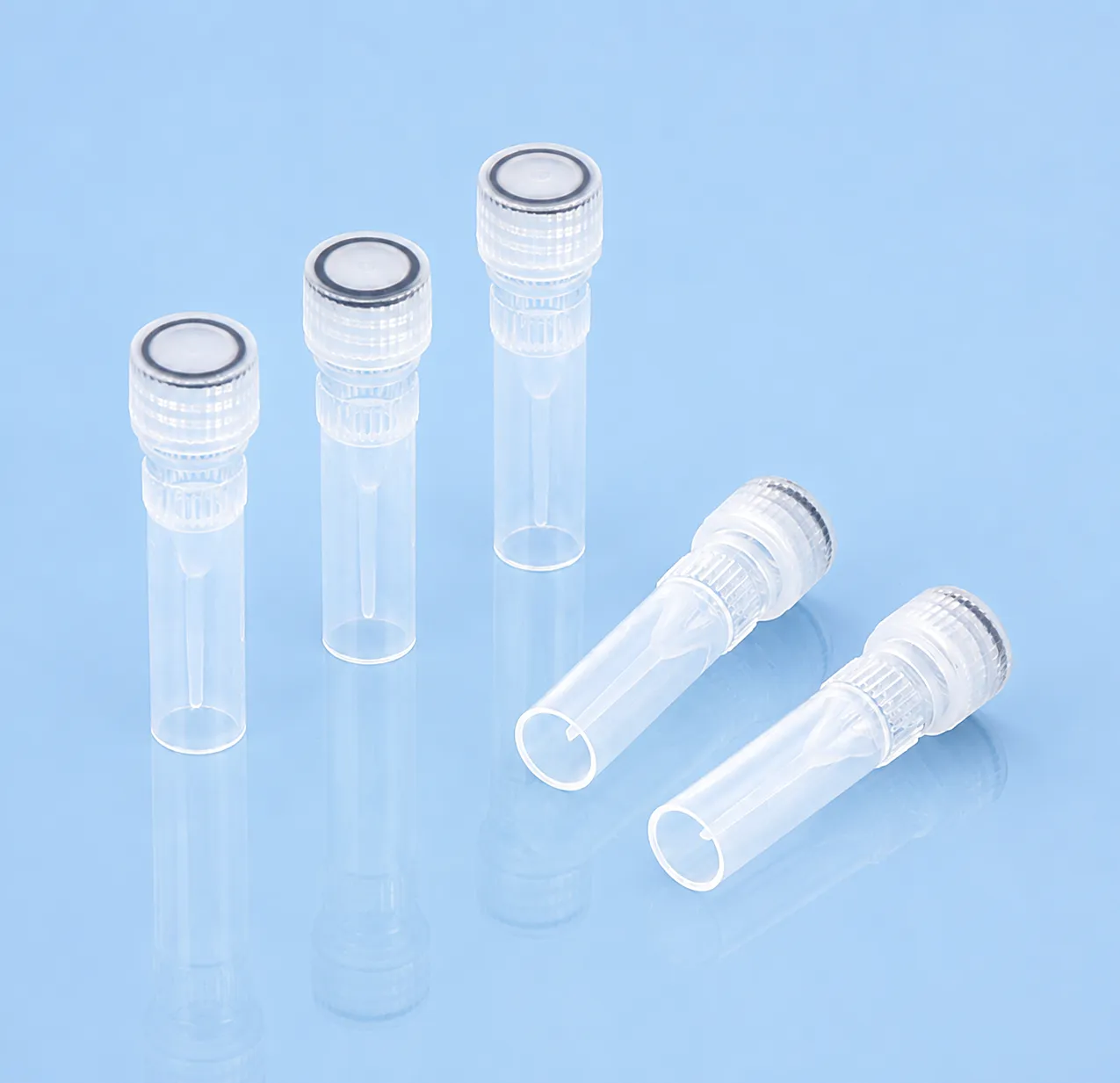 The laboratory and in vitro diagnostics packaging sector represents one of the most technically demanding applications for any injection-blow molding machine. Specimen containers — vacuum blood collection tubes, urine collection vessels, cryogenic vials, sputum specimen containers, and stool collection bottles — must meet tolerance specifications so tight that deviations of even 0.05 mm in internal diameter can compromise vacuum integrity, stopper seating, or barcode label registration. The IBM process, with its injection-defined neck geometry and blow-defined body geometry, delivers the dimensional repeatability these applications demand in a way that extrusion blow molding fundamentally cannot match.
For vacuum blood collection tubes — manufactured in EDTA-grade PP or COC — the internal diameter of the neck must maintain dimensional tolerance across millions of production cycles to guarantee consistent vacuum levels (typically 5–100 mmHg below atmospheric pressure). A single micron-scale contamination event on the inner wall surface from degraded lubricant or regrind material can cause protein adsorption or interference with anticoagulant additives, falsifying coagulation assays or CBC results. IBM’s clean-room compatible, closed-mold forming environment eliminates the open-parison exposure characteristic of extrusion blow molding. UK diagnostic manufacturers and contract packagers supplying NHS trusts and private laboratory networks in London, Bristol, and Cambridge regularly specify IBM as their preferred container production method for these reasons.
Cryogenic vials present their own engineering challenge. A cryovial must withstand thermal shock cycling from ambient temperature down to -196 °C (liquid nitrogen immersion) without developing micro-fractures. IBM-produced COC or PP cryovials achieve this because the injection phase deposits material in a highly uniform molecular orientation across the preform wall, and the subsequent blow inflation extends that orientation biaxially, producing a finished wall with substantially higher impact resistance at cryogenic temperatures than injection-molded monoliths. For biobanking facilities and NHS biorepositories across the UK, this translates directly into preservation security for irreplaceable clinical specimens.
The following table summarises the primary IVD containers produced via IBM, along with the key performance requirements and the polymer typically specified by UK diagnostic packaging buyers:
Application Scenario: Pharmaceutical Oral Liquid Packaging — Syrup Bottles & Oral Drops
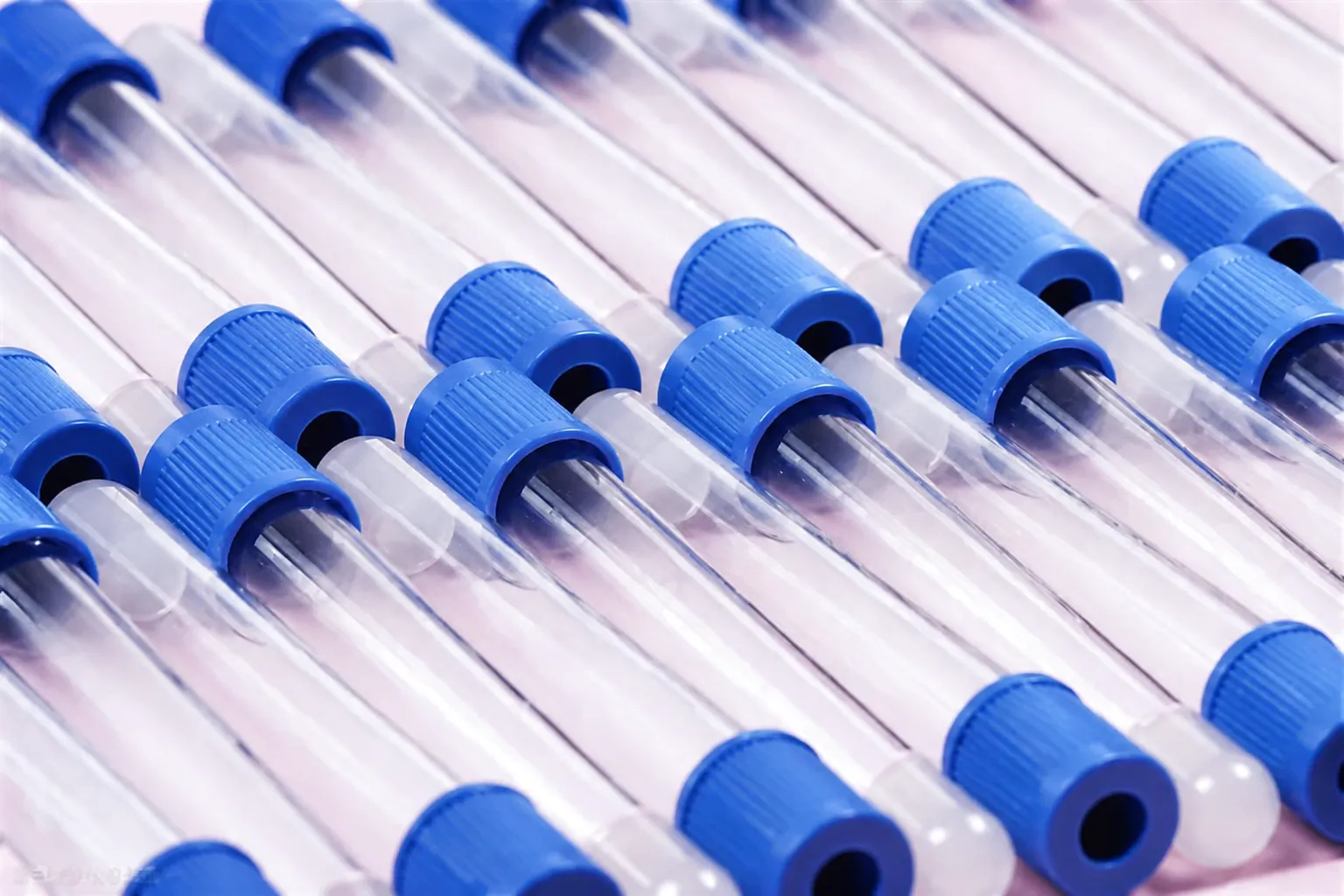 The pharmaceutical industry in the United Kingdom is subject to MHRA (Medicines and Healthcare products Regulatory Agency) packaging directives that mandate rigorous container closure integrity for all licensed medicinal products. Oral liquid medications — paediatric syrups, antibiotic suspensions, cough formulations, and oral drop solutions — require PET or PP containers that can demonstrate extractable and leachable profiles well below established safety thresholds, absolute dimensional conformance for dropper-tip assemblies, and sustained clarity for patient-visible fill level checking.
The injection-blow molding machine excels in this context because the absence of weld lines (present in all extrusion blow molded containers) eliminates the primary stress concentration site where chemical migration tends to initiate. UK pharmaceutical contract manufacturers and branded pharma companies operating around Cheshire’s pharmaceutical cluster and the Cambridge biotech corridor have long favored IBM for the bottle formats most sensitive to dimensional variation — eye drop bottles (5–15 ml), oral iron syrup bottles (150–300 ml), and paediatric liquid antibiotic bottles (50–100 ml).
The PET IBM container for pharmaceutical syrup must maintain an oxygen transmission rate below 0.05 cm³/(container·day) at 23 °C / 0% RH to protect oxidation-sensitive actives such as iron-based supplements and beta-carotene. IBM-produced PET containers routinely achieve OTR values of 0.01–0.03 cm³/(container·day) in this format range, a performance advantage that translates directly into extended shelf life and reduced need for secondary foil overwrapping — a packaging cost saving of real interest to pharmaceutical packaging managers in Yorkshire and Greater Manchester.
Injection-Blow Molding Machine — Technical & Performance Specification Table
Core Technical Advantages of Injection-Blow Molding Machines
🎯
Zero Weld Lines
IBM containers are formed without the parting-line weld zone inherent to extrusion blow molding, eliminating the primary site of structural weakness, permeability increase, and aesthetic defect. For pressure-tested containers such as vacuum blood tubes, this is a non-negotiable performance requirement.
📌
Injection-Precision Neck Finish
The neck and thread geometry are fully injection-molded, replicating steel cavity surfaces to tolerances of ±0.02–0.05 mm. This precision drives consistent closure torque values, elimination of cap cross-threading, and reliable vacuum or gas-flush sealing — requirements across pharmaceutical, diagnostic, and food supplement packaging in the UK.
⚡
No Regrind Contamination Risk
Unlike injection molding with sprue/runner systems, IBM generates essentially no scrap material during steady-state operation. The injection cavities are designed to deliver the shot weight precisely to the preform without excess material, so no regrind blending is required — a critical quality consideration for medical-grade or food-contact containers.
📊
High Output Per Footprint
Multi-cavity IBM tooling allows production of 8–16 containers per cycle on a single machine platform, with cycle times under 10 seconds achievable for small medical containers. The three-station architecture operates all stations simultaneously, maximising throughput without increasing machine footprint — a practical advantage for UK manufacturers operating within constrained factory floor space in older industrial estates.
🔒
Closed-Mold Cleanliness
The IBM process never exposes the parison to the ambient atmosphere — the preform passes from injection mold to blow mold while still on the core rod, fully enclosed. This closed-transfer characteristic is compatible with cleanroom-adjacent production environments and significantly reduces the risk of particulate contamination inside the finished container, a requirement for injectable pharmaceutical and blood collection container production.
⚙
Multi-Polymer Flexibility
A single IBM machine platform — with appropriate screw, tooling, and barrel configuration changes — can process PP, HDPE, PET, COC, and PETG, enabling a converter to serve pharmaceutical, personal care, food supplement, and diagnostic packaging verticals from one asset. This versatility is commercially significant for contract manufacturers serving diverse client portfolios from sites in the West Midlands or the Home Counties.
Application Scenario: Personal Care, Cosmetics & Consumer Health Packaging
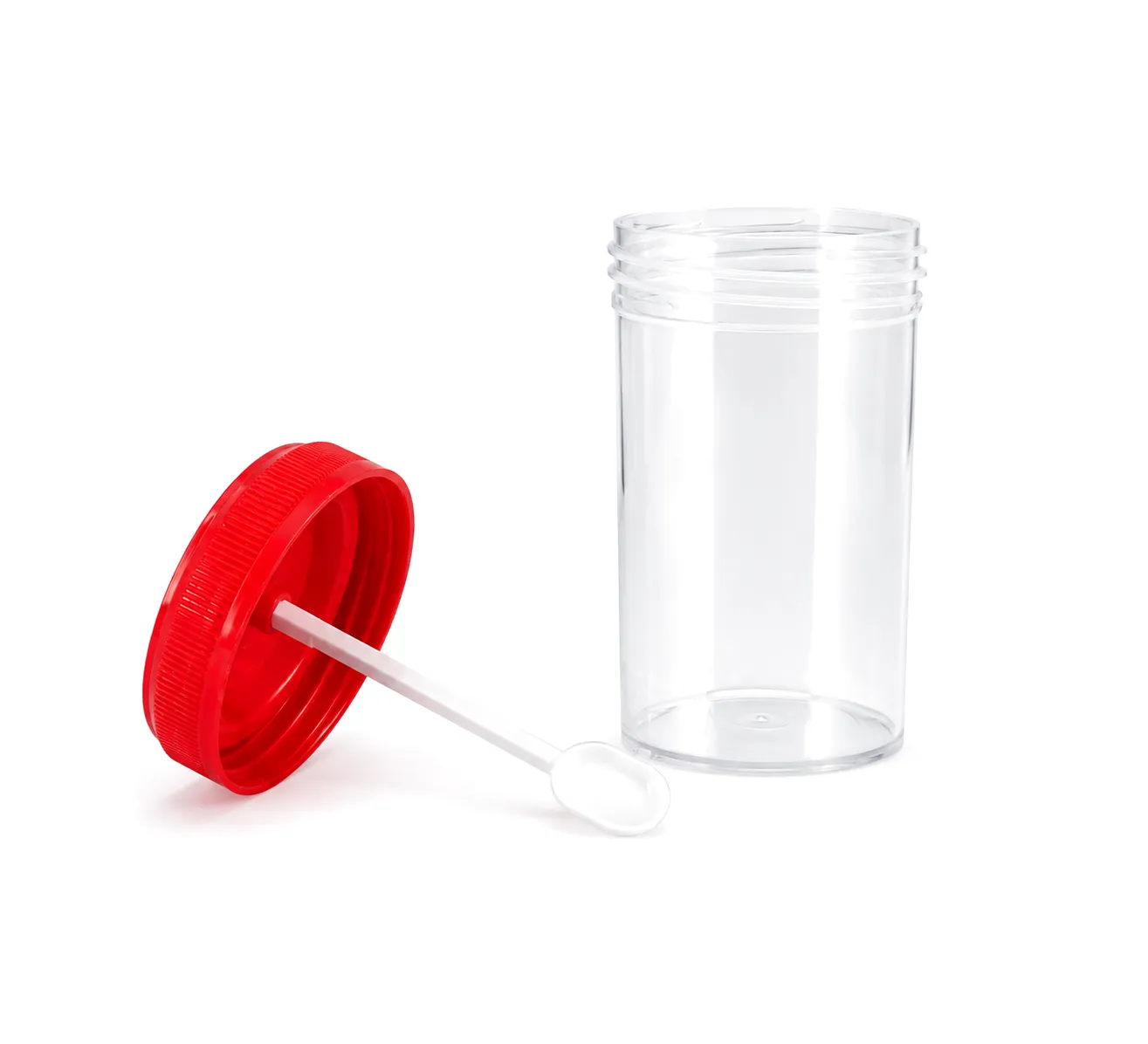 Beyond the medical and pharmaceutical sectors, the injection-blow molding machine has become the production platform of choice for high-aesthetic personal care and cosmetic containers. Luxury shampoo bottles, serum dispensers, mouthwash containers, and premium lotion bottles rely on IBM to deliver the combination of optical clarity, smooth wall surfaces, and precise thread geometry that high-end brand owners and their contract fillers demand. Brands in the UK beauty sector — operating from London, Hertfordshire, and the South East — specify IBM containers for product lines that justify the tooling investment through volume and brand premium.
Consumer health is a rapidly growing application space for IBM in the UK post-pandemic market. Vitamin and mineral supplement bottles (typically 100–300 ml capacity in clear PET), children’s multivitamin syrup bottles, and sports nutrition liquid containers require containers with absolute clarity for on-shelf product visibility, precise neck dimensions for induction-seal foil application, and chemical resistance to the acidic pH of many supplement formulations. IBM-produced PET containers in this segment exhibit light transmission values exceeding 90% at 550 nm, as measured by UV-Vis spectrophotometry, supporting the premium shelf display objectives of health retail buyers at UK chains.
The mouthwash category illustrates the manufacturing economics of IBM particularly well. A 500 ml HDPE mouthwash bottle produced on an 8-cavity IBM tool at a 12-second cycle can achieve output rates exceeding 2,400 units per hour on a single machine. At typical UK oral care contract packaging volumes (3 to 10 million units annually per brand), this throughput rate allows a converter to service a major brand client from a single IBM platform — a capital efficiency argument that procurement teams at Nottingham and Sheffield consumer goods manufacturers respond to positively.
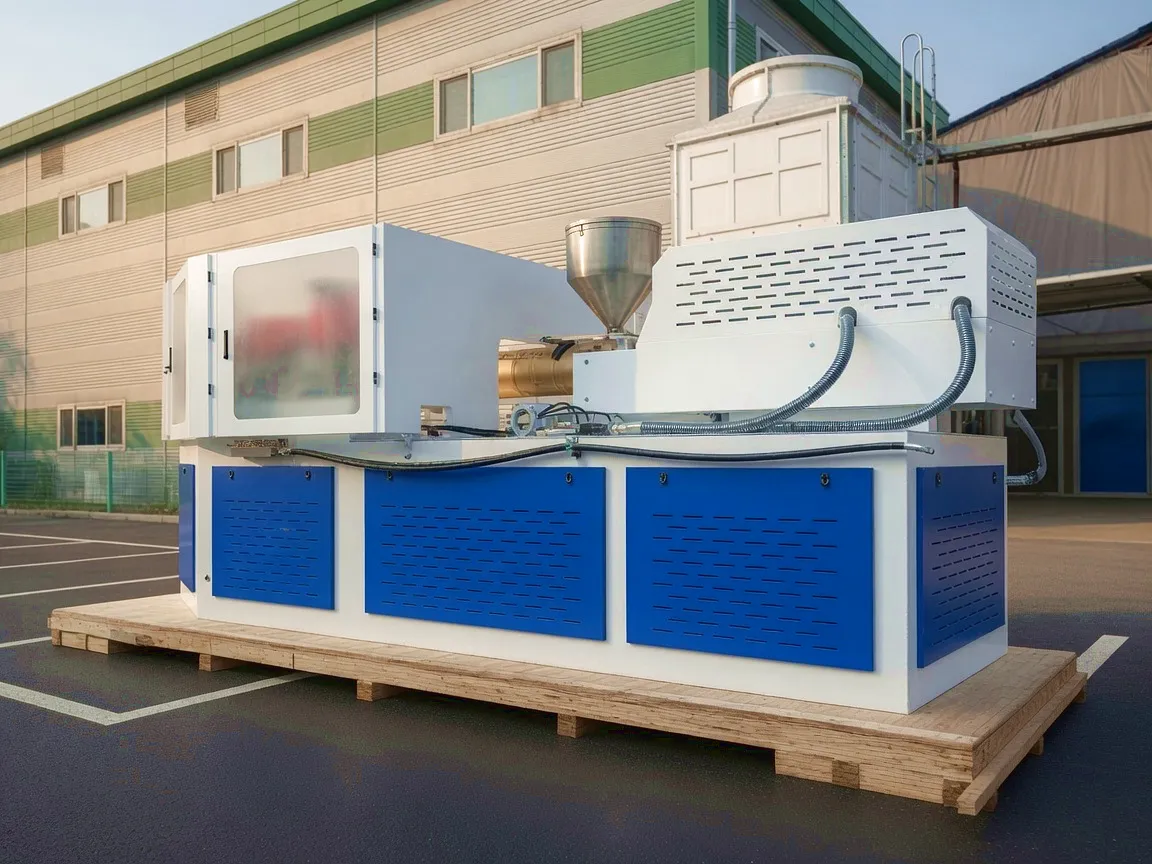
Quality Control & Assembly Floor — Ever Power IBM Division
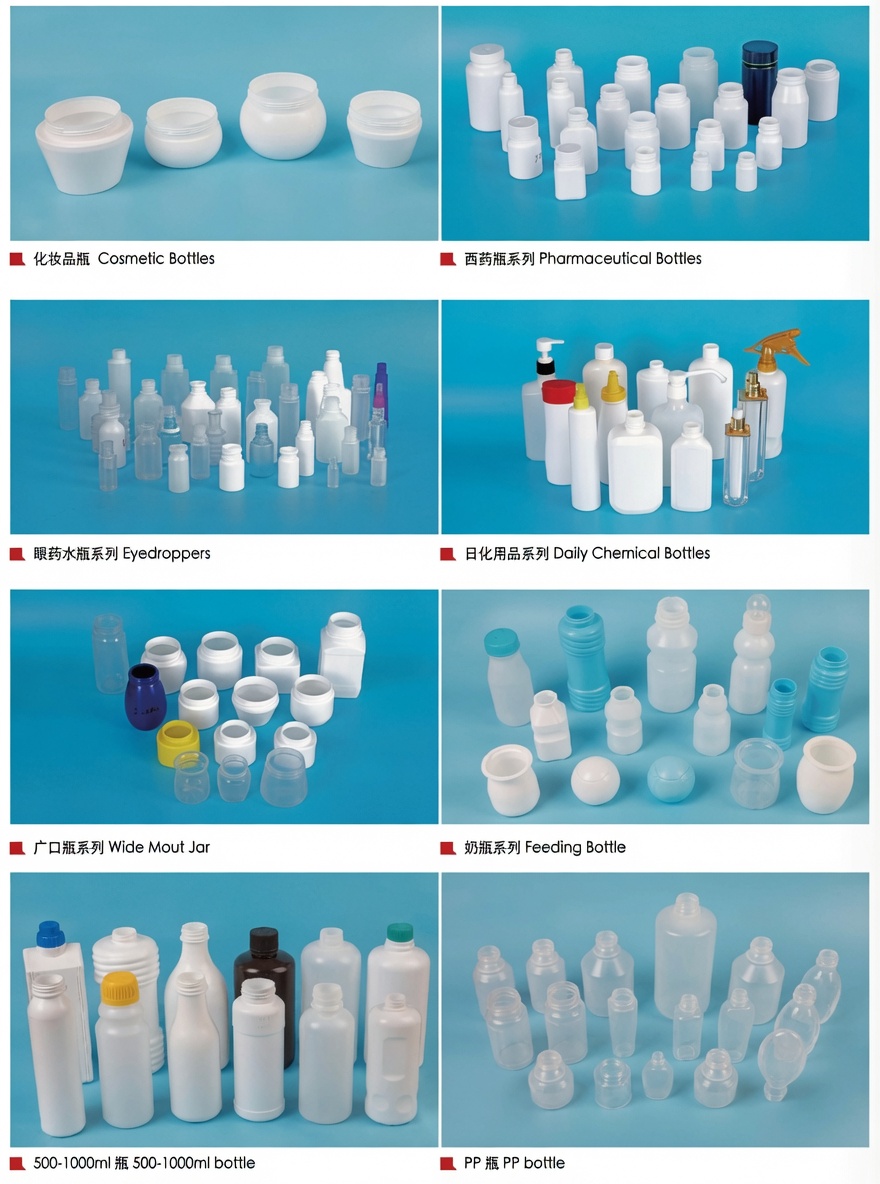
Featured Ever Power IBM Machine Models
Replacement of Uniloy UIB 70 Injection Blow Molding Machine – ZQ40
The ZQ40 is engineered as a direct replacement for the Uniloy UIB 70, offering identical footprint compatibility and core rod pitch while delivering enhanced servo-driven injection control, improved cycle repeatability, and lower energy consumption. UK converters transitioning from aging Uniloy platforms find the ZQ40 a validated route to capacity continuity with modern process capability. Tooling interchangeability with existing UIB 70 toolsets reduces the capital outlay for transition significantly.
Replacement of Bloma IBM45 Injection Blow Molding Machine – ZQ40
Designed to slot directly into the production line where a Bloma IBM45 has operated, the ZQ40 replacement unit matches rotary platen geometry and core rod centre distances while upgrading injection control architecture to modern servo-hydraulic standards. Pharmaceutical and medical device packaging converters in the UK who have built validated processes around Bloma IBM45 platforms can transition to the ZQ40 with minimal revalidation burden, leveraging Ever Power’s comprehensive IQ/OQ documentation support and UK-based technical commissioning.
Customer Success Story: Nottingham Diagnostic Packaging Specialist Achieves Production Breakthrough
MedPack Solutions (Nottingham) Ltd, a specialist contract packaging manufacturer serving the NHS supply chain and private diagnostic laboratory networks across the East Midlands and Yorkshire, had operated three aging Bloma IBM45 machines since the mid-2000s. By early 2024, the combination of increasing spare parts lead times from Europe, rising maintenance costs, and tightening MHRA container quality requirements for blood specimen tube production had made a platform transition commercially unavoidable. The site operations manager contacted Ever Power to evaluate the ZQ40 platform as a direct replacement pathway.
Ever Power’s technical sales team conducted a two-day site assessment at the Nottingham facility, including dimensional auditing of existing tooling, process capability review of the Bloma machines, and a utilities assessment for machine installation. The recommendation was a staged transition: two ZQ40 machines replacing three Bloma IBM45 units, leveraging the higher throughput and multi-cavity tooling capability of the ZQ40 to cover the production volume. Ever Power supplied full CAD drawings of the ZQ40 core rod pitch geometry, confirming 100% compatibility with two of the three existing toolsets, saving MedPack Solutions an estimated GBP 180,000 in tooling capital that would otherwise have been required for a clean-break machine transition.
Commissioning was completed across two working weeks by an Ever Power field engineer based in the UK on a project assignment. Process validation for EDTA blood collection tube production was completed within the same calendar quarter, and MedPack Solutions achieved IQ/OQ sign-off within six weeks of first production. Within twelve months of the transition, the Nottingham site had recorded a 22% reduction in per-unit manufacturing cost for 4 ml blood collection tubes, attributed to improved cycle time (down from 14.2 seconds to 9.8 seconds), elimination of Bloma platform-related scrap events, and lower energy consumption from the ZQ40’s servo-hydraulic drive system.
⭐⭐⭐⭐⭐
“The ZQ40 cycle time improvement was beyond what we had modelled during our pre-purchase evaluation. For our 4 ml blood tube production, dropping from 14 seconds to under 10 seconds per cycle has materially changed our capacity planning. Ever Power’s tooling compatibility assessment also saved us a substantial tooling capital cost we had assumed was unavoidable.”
— Site Operations Manager, MedPack Solutions (Nottingham) Ltd
⭐⭐⭐⭐⭐
“The IQ/OQ documentation package that Ever Power supplied was thorough and directly usable in our MHRA validation file. Our quality team, who had significant concerns about the revalidation workload going into this project, completed sign-off in week six. The machine process capability data we got in OQ testing was genuinely impressive — Cpk values for neck diameter and body diameter both came in above 1.67.”
— Quality Assurance Director, MedPack Solutions (Nottingham) Ltd
⭐⭐⭐⭐⭐
“We had evaluated two other IBM machine suppliers before approaching Ever Power, and neither could confirm tooling compatibility with our existing Bloma toolsets. Ever Power confirmed it in writing before we committed, and their field engineer verified it on day one of commissioning. That level of technical diligence is genuinely rare in capital equipment procurement. The spare parts support and the DDP delivery terms also make supply chain management straightforward from our UK perspective.”
— Procurement Director, MedPack Solutions (Nottingham) Ltd
Frequently Asked Questions
What is the typical price range for an injection-blow molding machine suitable for pharmaceutical container production in the UK?
Pricing for pharmaceutical-grade IBM machines in the UK market varies considerably based on clamping force, cavity count, and control system specification. Entry-level platforms for small medical container production (2–4 cavity, up to 100 ml) typically start from GBP 80,000–150,000. Mid-range machines with 8-cavity tooling and servo-hydraulic control systems suitable for blood collection tube or pharmaceutical syrup bottle production are priced in the GBP 180,000–320,000 range. To receive a precise quote tailored to your specific container geometry, production volume, and polymer requirements, contact the Ever Power technical sales team at [email protected].
Which injection-blow molding machine supplier in the UK can offer full IQ/OQ documentation support for MHRA pharmaceutical packaging validation?
Ever Power provides comprehensive IQ/OQ documentation packages for all IBM machine platforms supplied to pharmaceutical and medical device packaging manufacturers. Our documentation is structured to align with MHRA Good Manufacturing Practice guidance and ICH Q10 pharmaceutical quality system requirements. UK-based commissioning support is available, and our documentation has been accepted without major findings by pharmaceutical quality teams at multiple UK contract manufacturing sites.
How does an injection-blow molding machine differ from a stretch blow molding machine when producing diagnostic blood collection tubes at a site in Birmingham or Sheffield?
IBM and ISBM serve different container geometries and volume ranges. IBM is the appropriate process for small-volume containers (under approximately 500 ml) where neck precision and weld-line elimination are critical — making it ideal for blood collection tubes, cryovials, and eye drop bottles. Stretch blow molding processes a separately-manufactured preform with biaxial stretching, delivering superior barrier properties for larger PET containers (typically 500 ml to several litres). For blood collection tubes at Birmingham or Sheffield diagnostic packaging sites, IBM is the industry-standard process choice.
Where can I get a cost-effective injection-blow molding machine quote for producing cryovials and specimen containers for a UK NHS-supply laboratory business?
Ever Power accepts enquiries directly from UK NHS supply chain participants and diagnostic packaging businesses at all stages of the procurement process, from early-stage feasibility through to formal capital equipment quotation. Contact our technical sales team at [email protected] with your container specifications (volume, polymer, cavity count target, and annual production volume), and we will provide a detailed machine recommendation and indicative cost within five working days.
What COC-compatible injection-blow molding machine is available from UK or international suppliers for producing optically clear blood tube containers?
Cyclic olefin copolymer requires specific process adaptations in an IBM machine — reduced injection speed, narrow melt temperature windows (typically 240–270 °C), and screw geometry designed for low-shear COC processing to prevent haze formation. The Ever Power ZQ40 platform is configurable for COC processing on request, with material-specific screw sets and temperature profiling validated for COC grades from leading resin suppliers. Contact Ever Power for a COC-specific machine specification and quotation.
How long does it typically take to commission an injection-blow molding machine for medical container production at a UK pharmaceutical packaging site?
Machine delivery lead times from Ever Power are typically 12–20 weeks from purchase order, depending on machine specification and tooling complexity. On-site commissioning by an Ever Power field engineer typically takes 5–10 working days for machine installation, utility connection, and initial process trials. IQ/OQ validation protocols can be completed concurrently with commissioning in most cases. UK pharmaceutical sites with existing cleanroom infrastructure and utilities in place have completed full commissioning and IQ/OQ sign-off within six weeks of machine arrival.
What is the minimum production volume that makes investing in an injection-blow molding machine economically viable for a UK contract packaging company?
The economic breakeven point for IBM tooling investment depends on container complexity, tool cost, and machine amortisation assumptions. For a straightforward 30 ml specimen container at 8-cavity output, UK contract packaging companies typically find IBM investment viable at annual production volumes above 5 million units per SKU. For more complex containers requiring higher tooling investment (such as COC cryovials), the volume threshold is typically 10–20 million units annually. Ever Power can provide a detailed return on investment analysis as part of the machine quotation process.