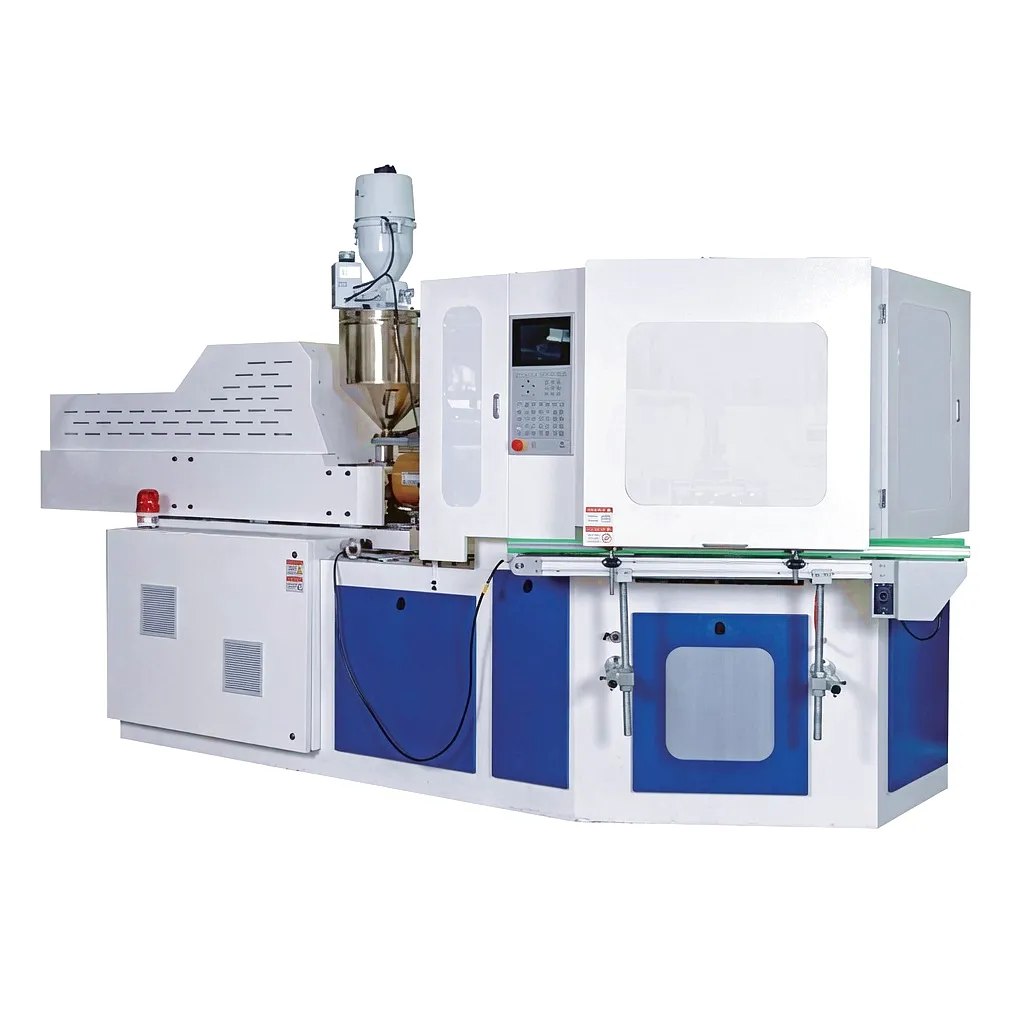
 Across the United Kingdom — from the sprawling pharmaceutical campuses of East Anglia to the precision manufacturing corridors that run between Hertfordshire and Cambridgeshire — the demand for high-integrity medicine packaging has never been more exacting. Regulatory pressure from the MHRA, heightened consumer safety expectations, and the relentless squeeze on production costs have pushed pharmaceutical manufacturers to reconsider every stage of their packaging line. Among the enabling technologies rising to that challenge, the injection-blow molding machine stands apart. It brings together the geometric accuracy of injection molding and the hollow-forming capability of blow molding in a single integrated process, producing bottles and containers whose wall thickness, dimensional tolerance, and neck-finish precision are simply not achievable through extrusion blow or stretch blow techniques alone.
The pharmaceutical sector places a uniquely severe set of demands on container production. A bottle destined for an oral solid dosage — paracetamol tablets, iron supplements, vitamin capsules — must protect its contents from moisture ingress across a product lifecycle of 24 to 36 months. A child-resistant closure bottle must meet EN ISO 8317 performance standards without compromising ease of access for adults. An amber bottle containing a light-sensitive API must transmit no more than a tightly defined fraction of radiation across the visible and UV spectrum. These requirements are not aspirational — they are legally binding, and failure carries consequences measured in product recalls, regulatory sanctions, and reputational damage that can take years to rebuild.
This article examines how injection-blow molding machines are deployed across each of these three critical pharmaceutical packaging categories, covering working principles, materials science, process parameters, UK market dynamics, and the capabilities that differentiate a production-grade IBM system from a machine that merely meets the minimum specification.
How an Injection-Blow Molding Machine Works
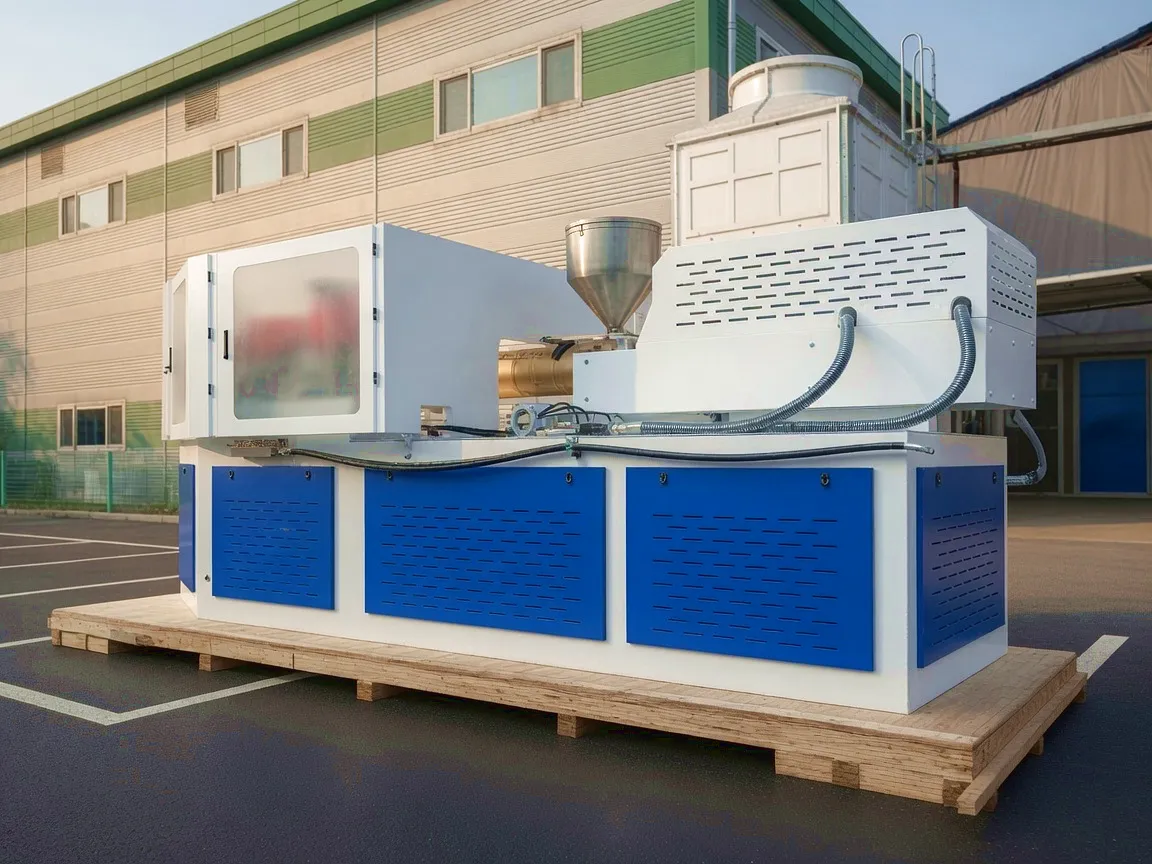 The injection-blow molding process unfolds across three precisely indexed stations on a rotating core-rod assembly. Understanding what happens at each station is essential for anyone specifying or operating this category of equipment, because the variables controlled at each stage have a direct downstream effect on container quality, regulatory compliance, and production economics.
At Station One, molten polymer — typically HDPE, LDPE, PP, or PET — is injected at controlled pressure into a closed injection mold cavity surrounding a steel core rod. The polymer flows around the rod, forming a parison (sometimes called a preform in PP/PET applications) whose wall thickness distribution is governed by the mold geometry and the rheological properties of the melt. Unlike extrusion blow molding, the IBM parison is formed with the neck finish fully molded at this stage. This means that every thread, every snap-fit feature, every sealing land on the bottle mouth is dimensionally fixed before blowing begins — a critical advantage when producing closures that must interface with a torque-controlled child-resistant cap or a tamper-evident fitment.
At Station Two, the core rod carrying the hot parison indexes to the blow mold. Compressed air is introduced through the core rod at pressures typically between 0.5 MPa and 1.0 MPa, expanding the parison against the cooled blow mold cavity walls. Cooling is rapid — residence times in the blow cavity are usually two to eight seconds depending on wall thickness and polymer grade. The container acquires its final shape: body diameter, shoulder radius, base geometry, and any embossing or panel features called out in the product specification.
Station Three is the stripping station, where the finished bottle is mechanically removed from the core rod and transferred to the downstream conveyor or collection system. Modern IBM machines running pharmaceutical-grade production integrate 100% dimensional inspection at this point, using vision systems to flag containers whose critical dimensions — neck OD, ovality, height — fall outside the acceptance window. The entire three-station cycle repeats continuously, with output rates ranging from a few hundred to several thousand containers per hour depending on machine size, cavity count, and container geometry.
Core Materials Used in Pharmaceutical IBM Production
HDPE — High-Density Polyethylene
The workhorse of solid-dosage pharmaceutical bottles in the UK. HDPE grades compliant with Ph. Eur. 3.1.4 offer a moisture vapour transmission rate (MVTR) as low as 0.1 g/m²/day, making them ideal for tablets and capsules sensitive to humidity. Its chemical resistance profile covers the full range of common excipients and APIs. Pharmaceutical-grade HDPE runs comfortably on IBM tooling between 170°C and 230°C melt temperature and produces bottles with uniform wall thickness and negligible warpage.
PP — Polypropylene
Increasingly specified for child-resistant closure bottles and multi-dose containers where hinge-flex performance is important. Pharmaceutical PP resins carry FDA 21 CFR 177.1520 and EC No 10/2011 compliance certifications and exhibit outstanding resistance to stress cracking. PP processes at slightly higher melt temperatures (200°C to 280°C) and benefits from the IBM process’s ability to produce consistent neck geometry without secondary trimming — a key advantage when the neck must accept a snap-on CR closure.
Amber HDPE & Amber PET — UV-Protective Grades
For light-sensitive APIs and liquid formulations, amber-pigmented HDPE or PET grades are compounded with iron oxide colorants that block greater than 99% of UV radiation below 450 nm. These materials must meet Ph. Eur. 3.1.4 (HDPE) or 3.1.5 (PET) with the added light-transmission test requirements under 3.2.1. IBM processing of amber materials requires careful purge discipline between production runs to avoid color contamination across a shared machine platform — a process-management factor that well-designed IBM equipment addresses through quick-changeover injection barrel configurations.
PET — Polyethylene Terephthalate
Where transparency is a commercial requirement — allowing pharmacists and patients to verify tablet count visually — PET offers crystal clarity combined with mechanical strength and an oxygen barrier adequate for many oral solid formulations. Pharmaceutical PET resins must carry appropriate IV (intrinsic viscosity) values, typically between 0.72 and 0.84 dL/g for IBM applications, and must be dried to below 50 ppm moisture before processing to avoid hydrolytic degradation and the associated loss of molecular weight that compromises container integrity.
Application Scenario 1: Oral Solid Drug Bottles

The oral solid dosage segment represents the largest single volume category for pharmaceutical packaging in the United Kingdom, encompassing products that range from paracetamol and ibuprofen OTC packs sold in Boots and Lloyd’s Pharmacy, through to prescription iron preparations, vitamin and mineral supplements, and branded specialty tablets from manufacturers in Hertfordshire’s so-called “Life Sciences Triangle.” The containers used in this segment must perform across a demanding performance envelope: dimensional consistency tight enough for automated counting and filling lines running at 200 to 600 bottles per minute, moisture barrier performance compliant with ICH Q1A stability requirements, and mechanical rigidity adequate to withstand distribution by the major UK pharmaceutical wholesalers, including chilled parcel networks serving dispensing pharmacies in rural Scotland and Wales.
An injection-blow molding machine addresses all of these requirements in a single production step. The injection station forms the parison with a neck finish whose dimensional tolerances are typically within ±0.05 mm of nominal — meaning that the thread engagement with a screw cap, the seating surface for a foil induction seal, and the geometry of a desiccant insert recess are all produced in the same controlled thermal environment. Compare this to extrusion blow molding, where the neck must be trimmed post-blow, introducing a secondary process step, potential for neck distortion, and a flash waste stream that complicates recycling certification under the UK Plastics Packaging Tax regime introduced in April 2022.
Container volumes in the oral solid segment span a wide range. Small-count pharmacist-dispensed packs — 28 or 30 tablets — are typically produced in 30 mL to 60 mL HDPE bottles. Hospital bulk packs of 500 or 1,000 tablets use containers in the 250 mL to 750 mL range, while premium vitamin and supplement brands increasingly favour wide-mouth 150 mL or 300 mL containers that offer improved retail presentation. Modern IBM machines configured with multi-cavity tooling can switch between these volume ranges by changing the blow mold set while retaining the same injection tooling — a tooling flexibility that dramatically reduces the capital investment required to serve multiple pack formats across a single production facility.
Desiccant integration is a particularly important value-add capability in the UK oral solid segment. Integrated desiccant plugs — compressed silica gel or molecular sieve inserts placed in the bottle neck during filling — require the neck bore to be held within extremely tight tolerances to ensure secure fitment and function. The IBM process, because it forms the neck over a steel core rod rather than trimming it from a blown parison, consistently delivers the bore diameter and inner-surface finish quality needed for reliable desiccant plug engagement across production runs of millions of pieces.
Application Scenario 2: Child-Resistant Closure Bottles
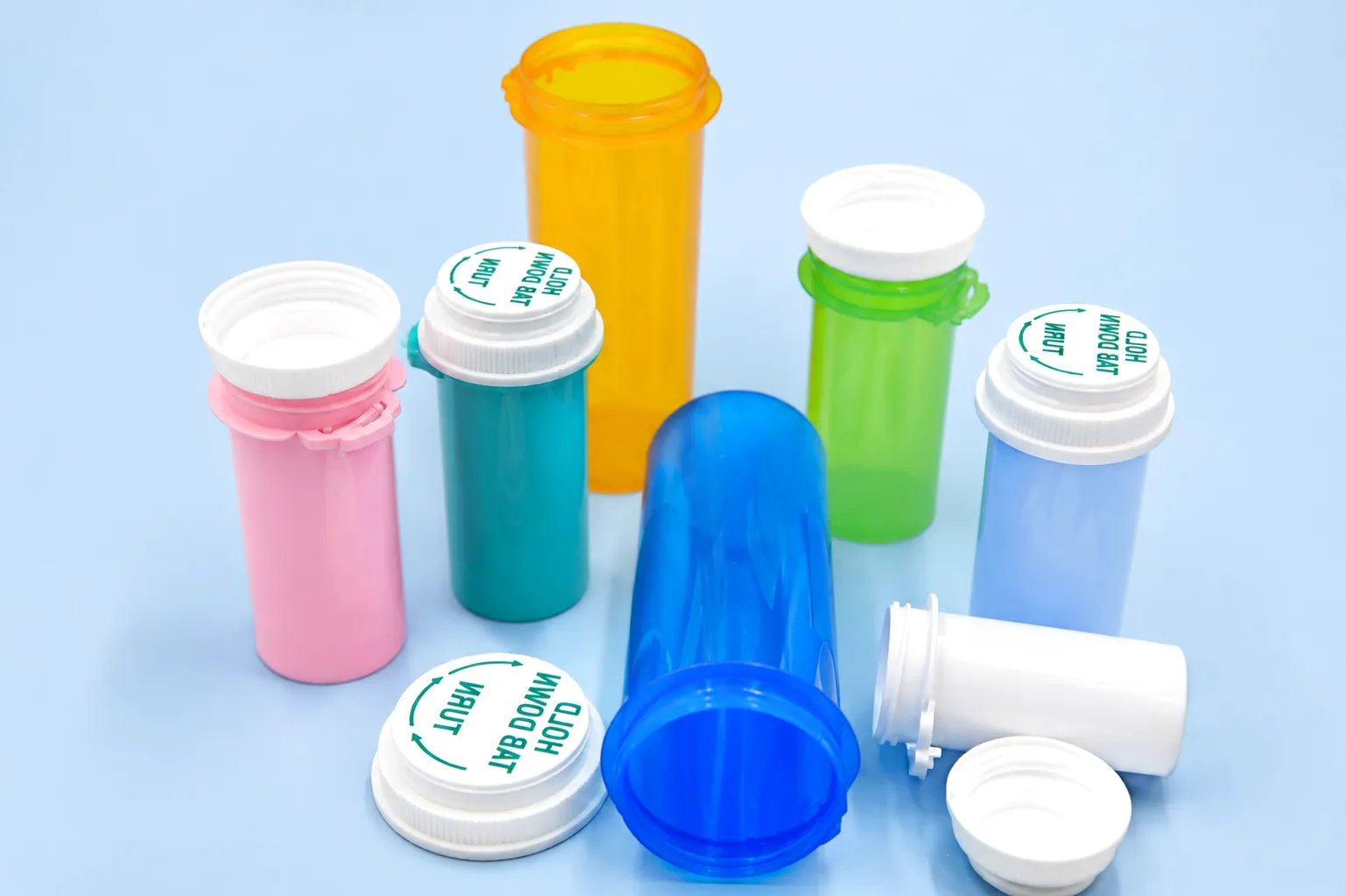
In the United Kingdom, any medicinal product classified as a prescription medicine or containing a substance that presents a risk to children must be packaged in child-resistant packaging that meets the BS EN ISO 8317 standard. The standard requires that a representative panel of children under five years old fails to open the package within a specified time, while a separate panel of adults over 50 can open it without difficulty. Meeting this dual requirement is not a materials challenge alone — it is fundamentally a precision engineering challenge, and it is here that the injection-blow molding machine’s superior neck-geometry capability becomes decisive.
The two most prevalent child-resistant closure mechanisms used on pharmaceutical bottles in the UK are the push-and-turn (P&T) mechanism and the squeeze-and-turn (S&T) mechanism. Both depend on the interaction between features on the closure and corresponding features on the bottle neck. For a P&T system, the closure engages a set of ramps or ledges on the outer neck finish; for an S&T system, it typically engages a feature on the inner neck finish or at the transition between the neck and the bottle shoulder. In both cases, the angular position, height, radius, and surface finish of the engagement features must fall within the designer’s tolerance window — usually ±0.1 mm or tighter — for the mechanism to function consistently and pass regulatory testing.
IBM tooling produces these features with the repeatability that this application demands. Because the outer neck finish is injection-molded against a precision-ground mold cavity, the ramps, ledges, and undercuts that make up the CR mechanism are formed with the same accuracy as any other injection-molded component. This contrasts sharply with extrusion blow molding, where the neck area is in contact with the mold during parison formation but is then trimmed — introducing dimensional variability that can shift the CR mechanism’s engagement point outside the acceptance window, generating non-conforming containers that must be sorted and rejected before filling.
The UK pharmaceutical distribution chain adds a further dimension to child-resistant bottle requirements. Products distributed through Lloyds Pharmacy, Well Pharmacy, and independent dispensing pharmacies across Birmingham, Manchester, and Glasgow are frequently re-packaged in original container (OC) dispensing. The bottle must tolerate multiple open-close cycles while the closure mechanism retains its function — a fatigue-resistance requirement that favours polypropylene bottle materials (for their hinge flex resistance) and the IBM process’s ability to produce consistent wall thickness in the critical neck-to-shoulder transition zone, where thin spots caused by uneven parison distribution in EBM can lead to premature closure-thread failure under repeated-cycling conditions.
Application Scenario 3: Amber Medicine Bottles for Light-Sensitive APIs
A substantial proportion of pharmaceutical APIs degrade when exposed to light — particularly UV radiation in the 280–400 nm range and high-energy visible light between 400 and 500 nm. Photodegradation can convert a therapeutically active molecule into an inactive or, in some cases, pharmacologically harmful byproduct, with consequences for both product efficacy and patient safety. The regulatory response in the UK, as across the EU and US markets, is clear: products whose stability is compromised by light exposure must be packaged in containers whose light-transmission characteristics are validated as part of the product’s ICH Q1B photostability dossier.
Amber bottles produced by injection blow molding dominate this category across the UK market. The amber colour is achieved by compounding iron oxide pigments — typically a blend of red and yellow iron oxide — into HDPE or PET resin at pigment loadings between 0.3% and 1.2% by weight, depending on the target light-transmission specification and the wall thickness of the finished container. The resulting material must block a minimum of 99.9% of radiation below 290 nm and typically more than 99% below 450 nm, as tested per Ph. Eur. 3.2.1 Type II and Type III bottle designations.
The IBM process offers a specific advantage in amber bottle production: wall-thickness consistency. Because the parison is injection-molded over a core rod whose dimensions are precisely engineered, the wall thickness of the finished bottle varies by less than ±10% across the container body — and typically ±5% in a well-maintained tool. This matters for amber bottles because the light-blocking efficacy of the container is a direct function of wall thickness: a thin spot in the container wall transmits proportionally more light than the nominal section, potentially creating a local area of inadequate photoprotection that would not be caught by the whole-container light-transmission test if the test protocol averages readings across the entire bottle surface.
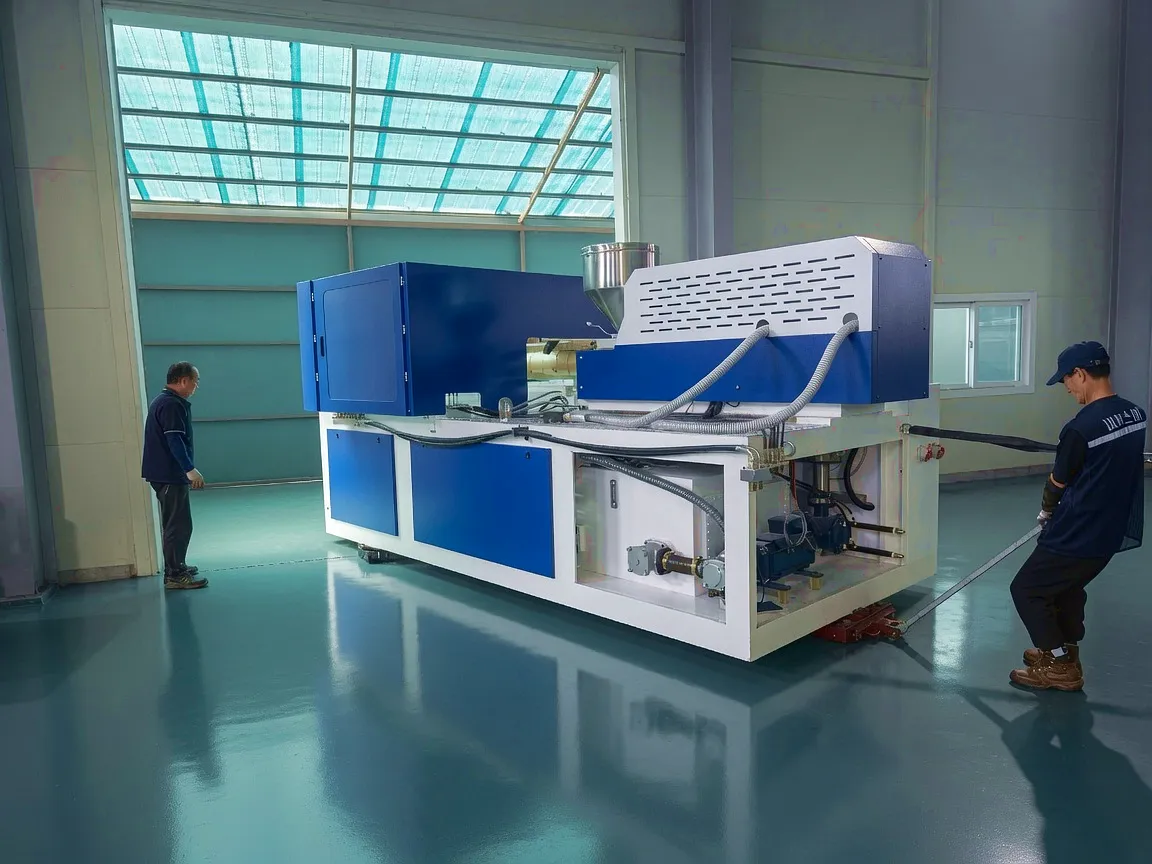
Sheffield’s speciality chemicals sector and the pharmaceutical development cluster around Harlow in Essex both produce light-sensitive APIs at commercial scale, and amber bottle supply chains serving these locations typically require not only dimensional and photometric consistency but also documented batch traceability for resin lot, pigment lot, and machine setting records — a GDP-aligned documentation requirement that modern IBM machines equipped with MES integration can fulfil automatically through digital process data logging. The stability of the IBM process — with its closed-loop temperature and pressure controls at each station — reduces run-to-run variation in pigment dispersion and wall thickness, directly supporting the consistency of batch-to-batch photostability test data across the container’s MHRA-approved dossier lifetime.
Core Technical Advantages of IBM for Pharmaceutical Packaging
Why leading UK pharmaceutical manufacturers specify injection blow molding over alternative container production technologies.
🎯
Neck-Finish Precision
Injection-molded neck finish eliminates secondary trimming. Dimensional tolerances of ±0.05 mm on neck OD are routinely achieved, enabling reliable engagement with CR closures, induction seals, and tamper-evident fitments.
⚙
Single-Step Production
From polymer granule to finished container in one continuous machine cycle. Eliminates intermediate handling, reduces contamination risk, and simplifies cleanroom qualification — particularly valuable in facilities operating under EU GMP Annex 1 constraints.
📈
Uniform Wall Thickness
Wall-thickness variation below ±10% across the container body, versus ±25% or more in extrusion blow molding. Critical for amber bottle photostability, moisture barrier prediction, and container weight optimisation under UK Plastics Packaging Tax legislation.
💪
Zero Flash / Zero Trim Waste
Unlike EBM, IBM produces no pinch-point flash that requires trimming. Material utilisation efficiency is higher, and waste polymer is virtually eliminated — a sustainability and cost advantage increasingly valued by UK manufacturers reporting under Extended Producer Responsibility (EPR) obligations.
🔒
Cleanroom Compatibility
IBM machines designed for pharmaceutical deployment feature fully enclosed processing zones, stainless steel contact surfaces, and HEPA-compatible enclosure options. Compatible with ISO Class 7 and Class 8 cleanroom environments under EN ISO 14644-1.
🔨
Multi-Cavity Scalability
IBM machines are available in 1-, 2-, 3-, 4-, and 6-cavity configurations, allowing production capacity to scale from development batch quantities of a few thousand containers per day to high-volume OTC production exceeding 50,000 pieces per hour on multi-station rotary platforms.
Technical Performance Parameter Reference Table
The following table provides representative technical parameters for industrial-grade pharmaceutical injection-blow molding machines. Figures reflect production-grade equipment operating on HDPE and PP pharmaceutical resins under standard conditions.
| Parameter | Unit | Compact (ZQ40) | Mid-Range (ZQ60) | Notes |
|---|---|---|---|---|
| Injection Clamping Force | kN | 390 | 590 | Servo-hydraulic system |
| Blow Clamping Force | kN | 195 | 295 | Independent blow station |
| Screw Diameter | mm | 35 / 40 | 40 / 50 | L/D ratio 22:1 standard |
| Max. Shot Weight (HDPE) | g | up to 120 | up to 200 | Per cavity; multi-cavity divides |
| Container Volume Range | mL | 5 to 250 | 10 to 500 | Dependent on tooling |
| Neck Finish Tolerance (OD) | mm | ±0.05 | ±0.05 | Injection-molded neck |
| Wall Thickness Variation | % | less than 8 | less than 8 | Body section; well-maintained tool |
| Blow Air Pressure | MPa | 0.5 to 1.0 | 0.5 to 1.2 | Adjustable via PLC |
| Melt Temperature Range (HDPE) | °C | 170 to 230 | 170 to 230 | ±1°C zone control |
| Cycle Time | s | 6 to 18 | 8 to 22 | Varies by container weight and material |
| Compatible Resins | — | HDPE, LDPE, PP, PET, TPE (application dependent) | Barrel changeover for PET | |
| Installed Power | kW | approximately 18 | approximately 28 | Servo-driven, energy-efficient |
| Cavity Count Options | — | 1 / 2 / 3 / 4 | 2 / 3 / 4 / 6 | Customer-specified |
Complete IBM System — Auxiliary Equipment Integration
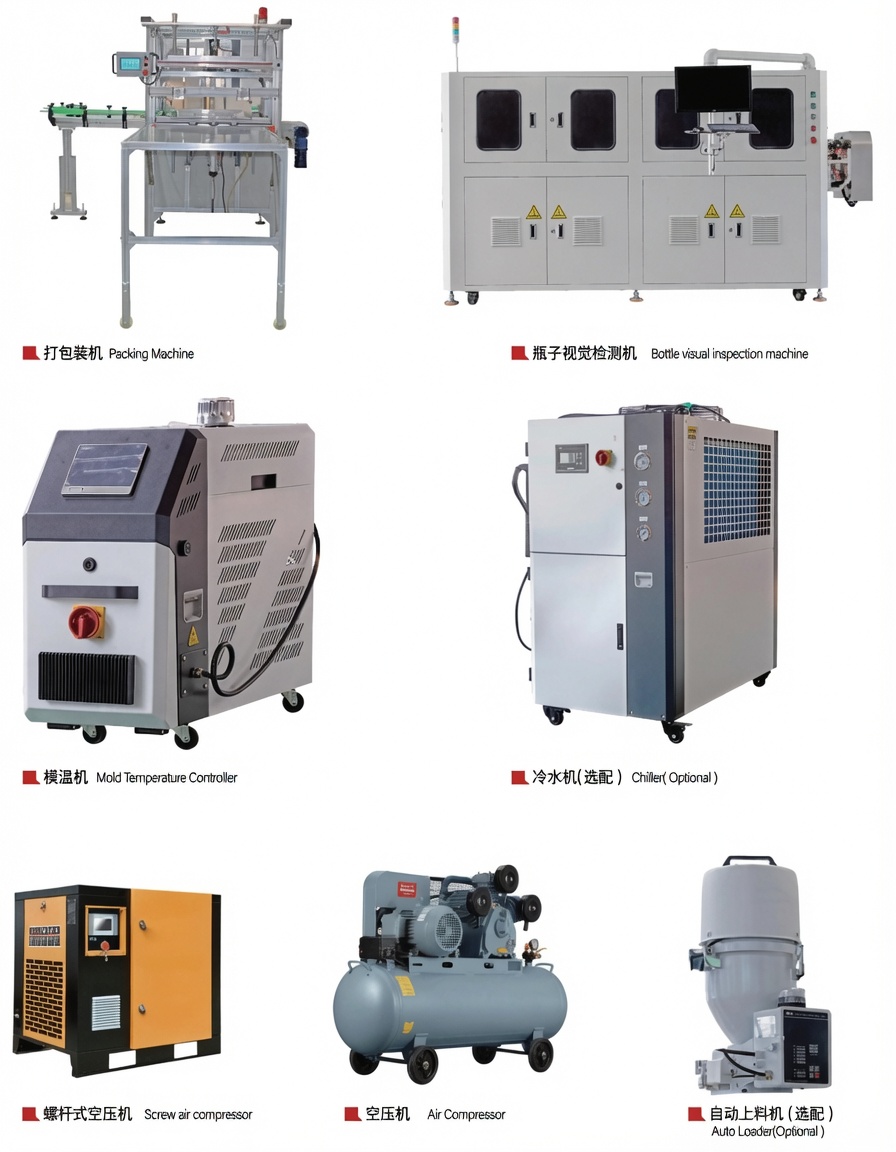
A production-ready injection-blow molding line for pharmaceutical bottle manufacture encompasses considerably more than the core IBM machine. A full system typically integrates a gravimetric blending unit for accurate pigment dosing (critical for amber bottle consistency), a hot-air or dehumidifying dryer sized for the throughput rate and resin hygroscopicity, a chiller circuit supplying coolant to the blow mold at precisely controlled temperature, a downstream conveyor with ionising air bars to remove static charge from the bottle exterior, and — for finished bottle quality assurance — a camera-based vision inspection system capable of reading and logging container dimensions and detecting flash, short shots, and surface defects at full production speed. Ever Power configures each machine order as a turnkey system matched to the customer’s production environment, rather than supplying the IBM unit alone and leaving integration as the customer’s problem.
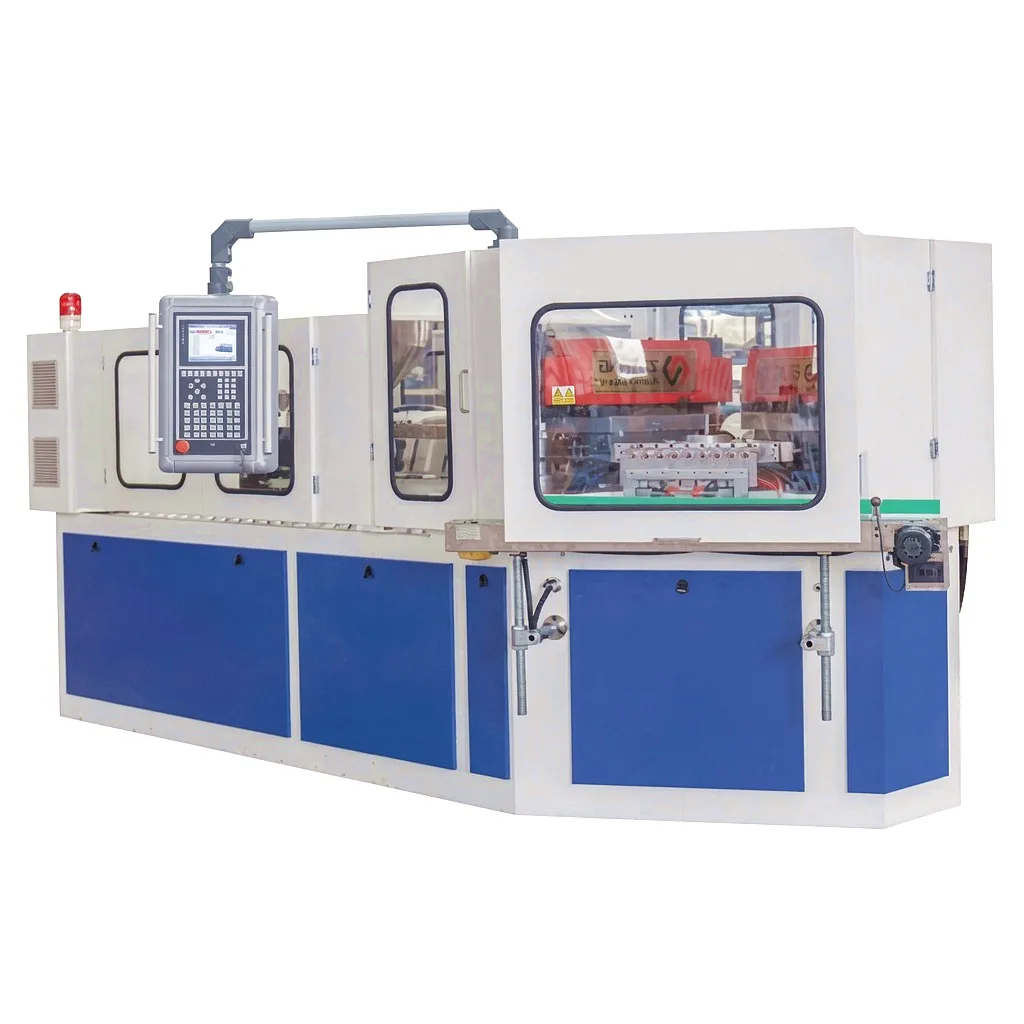
Ever Power European-Series IBM Machines for Pharmaceutical Production
Ever Power Manufacturing Capabilities & Customisation
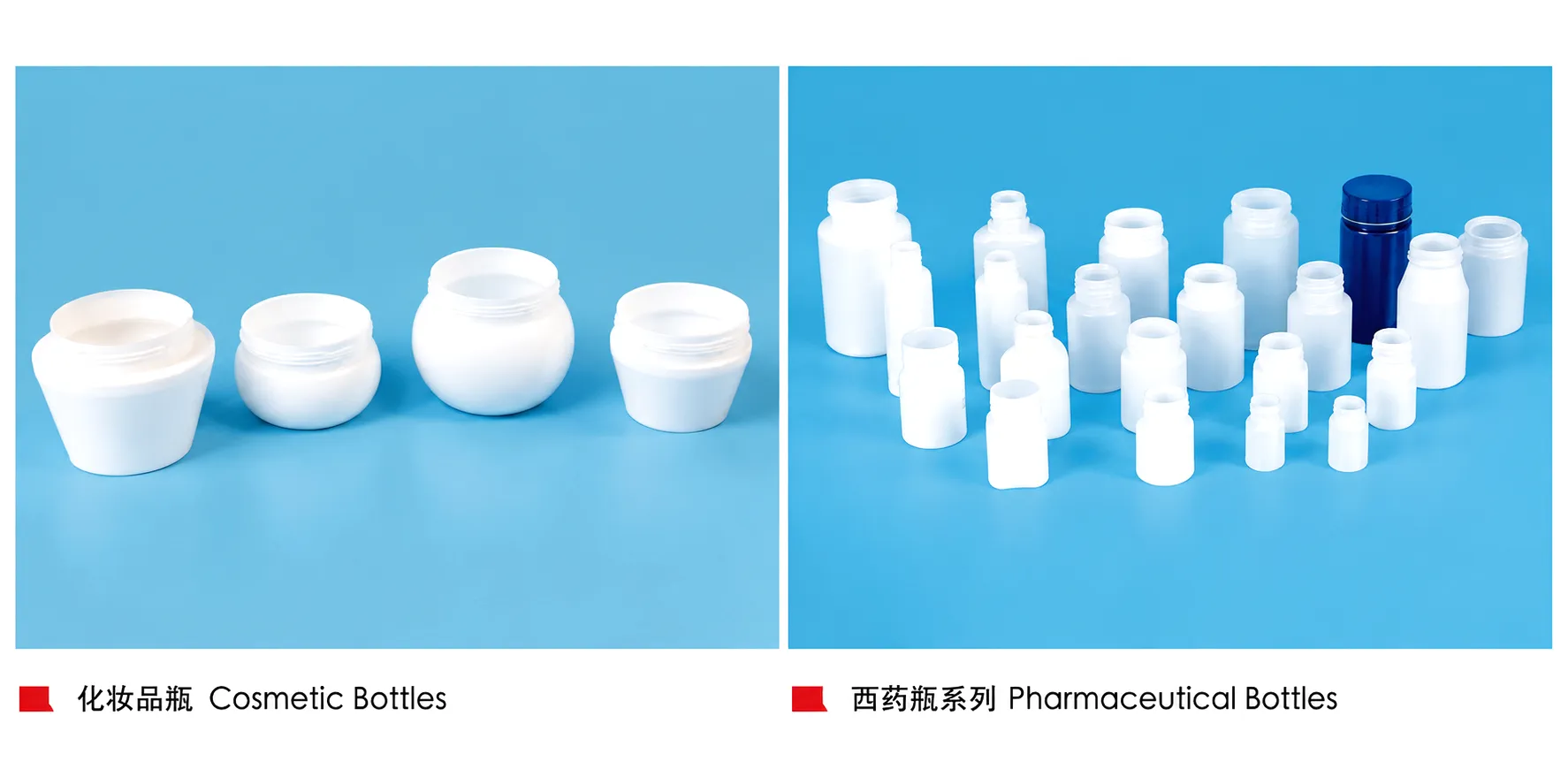
Ever Power has built its reputation in the pharmaceutical packaging machinery sector on a consistent combination of precision manufacturing, engineering depth, and an exceptional willingness to configure each machine to the exact requirements of the customer’s production environment. Unlike commodity machinery suppliers who offer a fixed catalogue of standard models and leave the customer to adapt their process to the machine, Ever Power approaches each project from the customer’s bottle specification and production requirement outward — designing or selecting tooling, configuring the processing parameters, and validating the system against the customer’s quality acceptance criteria before delivery.
The customisation capability that distinguishes Ever Power in the UK pharmaceutical market begins at the tooling level. The company operates a fully integrated precision toolroom equipped with CNC machining centres capable of holding positional tolerances to ±0.002 mm on injection mold cavity features. Core rods are machined from high-alloy steel and chrome-plated to deliver surface finishes in the Ra 0.2 to Ra 0.4 range — adequate for pharmaceutical-grade container inner surfaces without secondary treatment. Blow mold cavities are produced in aluminium or beryllium-copper depending on the required cycle time and production volume, and are hardcoated or nickel-plated for durability on extended production runs.
Beyond tooling, Ever Power offers full customisation of the machine’s control architecture. PLC programs can be configured to log and export process parameter data — injection pressure, melt temperature, blow time, cycle count — in formats compatible with SCADA systems and manufacturing execution systems (MES) used by UK pharmaceutical manufacturers. This capability is increasingly essential for facilities operating under MHRA GMP expectations around process data integrity and 21 CFR Part 11-aligned electronic records. Customers can also specify integration of downstream vision inspection, conveyor length, and collection bin or container orientation systems as part of a turnkey supply arrangement that includes on-site installation, process commissioning, and operator training delivered by Ever Power engineers at the customer’s UK facility.
Ready to Specify Your Pharmaceutical IBM System?
Share your bottle specifications, target output rate, and material requirements with our engineering team for a detailed technical and commercial proposal.
Customer Success Story: Precision Amber Bottle Production for a Harlow Pharmaceutical Manufacturer
A mid-sized contract pharmaceutical packaging operation based in Harlow, Essex — situated within easy reach of the M11 corridor that links London’s pharmaceutical supply chain to the cluster of API manufacturers and finished-dose facilities across the Cambridge and Hertfordshire arc — approached Ever Power in 2024 with a specific and demanding brief. The company had secured a long-term contract to supply amber HDPE bottles for a light-sensitive oral iron preparation manufactured by a major UK branded-medicine producer. The specification called for a 30 mL amber bottle with a 28-mm child-resistant closure, a wall thickness at the body section of 1.2 mm ±0.1 mm, and light-transmission performance meeting Ph. Eur. 3.2.1 across the wavelength range 290 to 450 nm. Target volume was 4 million bottles per year, scaling to 7 million by year three.
The customer’s existing EBM equipment was producing containers with wall-thickness variation of approximately ±22%, which generated unacceptable batch-to-batch variation in light-transmission test data — not enough to fail the Ph. Eur. test consistently, but sufficient to create regulatory uncertainty during stability studies and to drive high scrap rates on the CR closure engagement test as neck-finish dimensions drifted with production conditions. A decision was made to transition to injection blow molding, and after a structured evaluation process that included visits to reference sites in Germany and France, Ever Power was selected as the machine supplier based on the ZQ60’s documented performance data and the depth of Ever Power’s technical support capability.
Ever Power designed and manufactured a 4-cavity blow tooling set for the 30 mL amber bottle, with the injection tooling configured to produce the 28-mm CR neck finish to a tolerance of ±0.04 mm on all critical dimensions. Tooling development was completed in eleven weeks from design freeze to first production sample. Process commissioning was carried out by an Ever Power application engineer at the customer’s Harlow facility over four days. Production samples submitted for Ph. Eur. 3.2.1 light-transmission testing achieved results of less than 0.05% transmission at 290 nm across all four cavities — well within the specification requirement — with cavity-to-cavity variation of less than 3% on wall thickness measurements taken at five points per container body.
CR closure engagement testing against the customer’s specified push-and-turn cap returned a pass rate of 99.7% on the first production run, compared with 94.2% on the customer’s previous EBM process. Material waste dropped by 8.3% relative to the EBM baseline as the elimination of trim flash and reduced scrap from dimensional non-conformance combined to improve overall material utilisation. The customer’s Harlow facility began commercial production on the Ever Power ZQ60 line in Q1 2025 and has since expanded the line to include two additional container formats — a 60 mL amber HDPE bottle and a 100 mL clear HDPE version — using the same machine platform with changed tooling sets.
★★★★★
“The neck-finish consistency on the amber bottles we are producing with the Ever Power ZQ60 is a step change from what we achieved on extrusion blow molding. Our CR closure pass rate has improved from the low-to-mid 90s to above 99.5%, and our stability data is now completely clean across the Ph. Eur. light-transmission requirement. The Ever Power commissioning engineer was on site for four days and left us with a process that runs first time, every time.”
— Production Engineering Manager, Contract Pharmaceutical Packaging, Harlow
★★★★★
“We specified the ZQ60 with MES data integration and the process data logging has completely transformed our batch documentation capability. Every production run now generates an auditable electronic record of injection pressure, melt temperature, and cycle count that satisfies our MHRA GDP documentation requirements without any manual entry. The toolroom at Ever Power clearly understands pharmaceutical tolerances — the tooling they delivered for our 28 mm CR neck is better than anything we have ordered in the UK at twice the lead time.”
— Quality Assurance Director, Nutraceutical Packaging Group, Birmingham
★★★★★
“The material waste reduction we achieved by moving to the Ever Power injection blow molding platform exceeded our projections. We expected around 5% improvement over our old EBM process; the actual figure, measured over the first six months of production, is 8.3%. With resin costs at current levels, that represents a very meaningful reduction in our cost-per-unit. The Ever Power team’s responsiveness when we wanted to add a second container format to the same machine was also impressive — tooling for the 60 mL amber bottle arrived and was qualified in under twelve weeks.”
— Operations Manager, Pharmaceutical Bottle Manufacturing, Sheffield
The UK Pharmaceutical Packaging Landscape and IBM Adoption
The United Kingdom’s pharmaceutical manufacturing sector — valued at approximately £18 billion per year in finished-product output — operates within one of the world’s most tightly regulated packaging environments. MHRA oversight of packaging materials, processes, and documentation has intensified since the introduction of the Falsified Medicines Directive serialisation requirements, and the UK’s own Medicines Regulations (as retained and updated post-Brexit) impose standards of primary container quality that effectively mandate the kind of dimensional precision and process consistency that IBM delivers.
Manufacturing geography in the UK’s pharmaceutical packaging supply chain tends to cluster around several established industrial hubs. The East Midlands corridor — encompassing Nottingham, Derby, and Leicester — houses a significant concentration of contract packaging operations supplying both NHS procurement and private label retail channels. The Thames Valley region, including Slough, Reading, and Basingstoke, supports the UK operations of several major multinational pharmaceutical manufacturers. Wales, particularly the Cardiff and Newport area, has emerged as an increasingly important location for pharmaceutical and nutraceutical manufacturing investments supported by Welsh Government incentives. IBM machine procurement decisions in all of these markets are driven by a combination of regulatory compliance requirements, capital productivity expectations, and the growing importance of sustainability credentials — including material efficiency metrics that IBM’s waste-free production process supports.
Distribution logistics within the UK also shape the performance requirements placed on pharmaceutical bottles. Products distributed through NHS supply chains managed from Warwickshire and Yorkshire distribution centres must withstand automated sortation, conveyor handling, and palletised long-distance transport — typically in chilled or ambient conditions — without top-load failure or closure disengagement. IBM containers consistently outperform EBM equivalents on top-load strength tests, a consequence of their more uniform wall-thickness distribution and the absence of weak points associated with EBM pinch-point thinning at the container base and handle areas.
Frequently Asked Questions
Ever Power — Pharmaceutical IBM Solutions
Ready to Upgrade Your Pharmaceutical Bottle Production?
Connect with our engineering team to discuss your bottle specification, annual volume targets, and UK facility requirements. We will prepare a detailed technical proposal and quotation within five working days.
[email protected] | isbm-equipment.com
edit by gzl