Industrial Packaging Technology
Injection-Blow Molding Machine: Real-World Applications in Food & Beverage Packaging
How modern IBM technology is reshaping container production across the UK — from hot-fill juice bottles to condiment jars and sports drink vessels.
Food & Beverage
PET / HDPE / PP
Ever Power
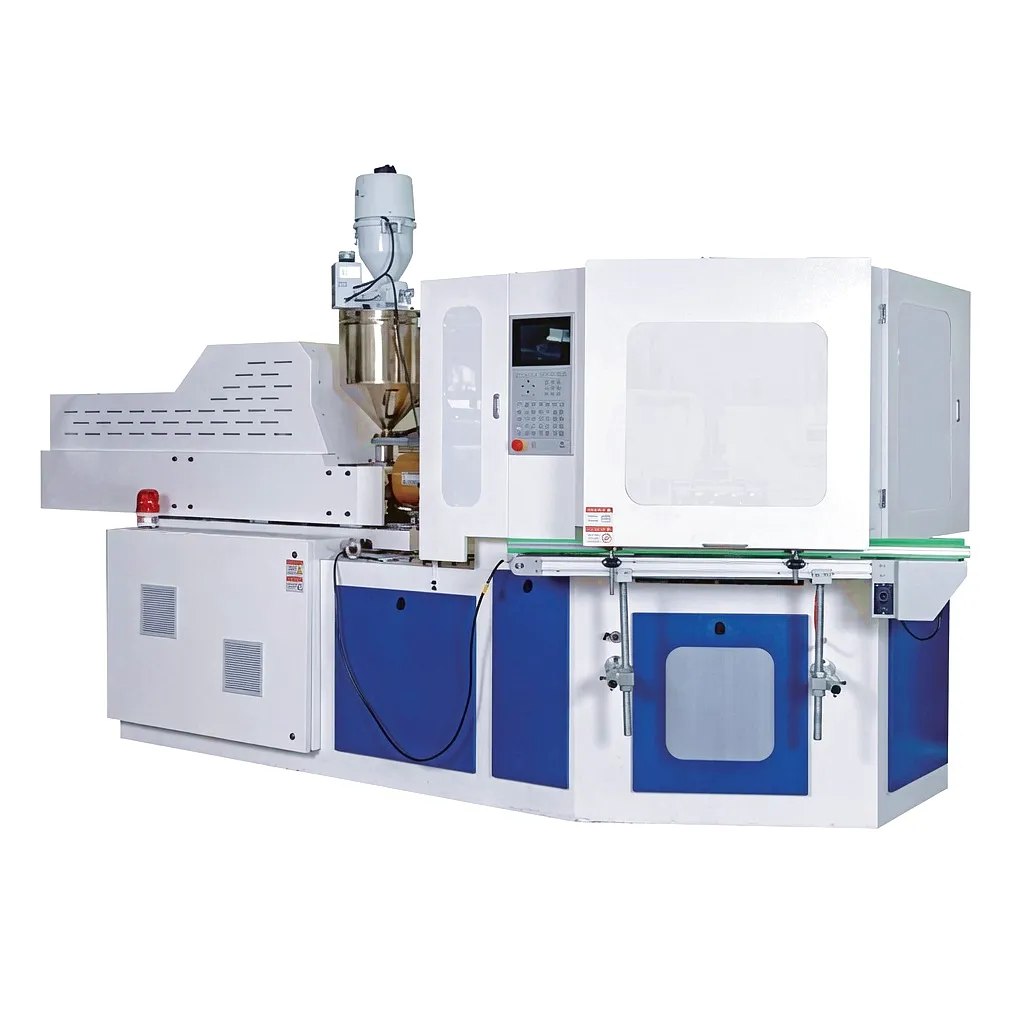 Few manufacturing technologies have transformed the UK packaging industry as quietly yet decisively as the injection-blow molding machine. Unlike conventional blow molding or injection molding alone, the injection-blow molding process merges both disciplines into a single, continuous cycle — injecting a polymer preform over a core rod and then inflating it within a final blow mold to achieve a finished container with exceptional dimensional accuracy and surface clarity. The result is a bottle or jar whose neck dimensions, wall thickness distribution, and base geometry meet tolerances that alternative methods simply cannot guarantee at comparable cycle speeds.
Working Principle of the Injection-Blow Molding Machine
Injection Stage
Molten polymer — typically PET, HDPE, or PP — is injected under controlled pressure into a parison mold surrounding a metal core rod. The preform is shaped to precise wall-thickness specifications at this stage, which determines the material distribution of the finished container. Temperature and injection speed are tightly managed by a PLC system to eliminate sink marks and short shots.
Transfer & Blow Stage
The preform, still on the core rod, rotates to the blow station where compressed air expands it against the cavity walls of the blow mold. The indexed rotation of the rotary table is one of the key mechanical features of European-standard IBM machines — it allows simultaneous injection and blowing across multiple stations, maximising throughput without sacrificing repeatability. The neck finish is formed during injection and therefore requires no post-trimming.
Ejection Stage
After sufficient cooling, the core rod retracts and the finished container is stripped cleanly from the mold. Because the injection-blow molding cycle eliminates the separate preform handling and reheating steps that characterise two-stage ISBM, the resulting bottle carries virtually no contamination risk, making the process particularly attractive for pharmaceutical-grade and food-contact packaging applications where hygiene traceability is a mandatory commercial requirement.
Core Materials Used in Injection-Blow Molding
PET (Polyethylene Terephthalate)
The dominant resin in food and beverage container production, prized for its optical clarity, flavour-barrier properties, and inherent resistance to carbonation pressure. UK beverage manufacturers rely on PET for hot-fill juice bottles and water containers, given its ability to maintain dimensional stability at filling temperatures up to 85°C when the resin is properly heat-set during the blow phase.
HDPE (High-Density Polyethylene)
Widely chosen for sauce jars, condiment squeeze bottles, and dairy containers where rigidity combined with chemical resistance to acidic contents is required. HDPE’s compatibility with food-grade pigments and its ability to be recycled within existing UK Material Recovery Facility (MRF) streams make it commercially viable in a post-Brexit regulatory environment focused on Extended Producer Responsibility (EPR) compliance.
PP (Polypropylene)
An increasingly favoured resin for hot-fill sports nutrition containers and heat-tolerant condiment jars. PP’s high melting point (around 160°C) ensures containers retain their geometry through autoclave sterilisation and dishwasher cycles — a property directly relevant to reusable packaging programmes gaining traction among UK grocery multiples like Tesco and Sainsbury’s as part of their deposit-return scheme preparations.
PVC / PETG (Specialist Applications)
While declining in mainstream food packaging due to UK food-contact material (FCM) regulations, medical-grade PVC remains in use for specific beverage dispensing and intravenous container formats. PETG is gaining ground for premium spirits sampling containers and health supplement bottles where glass-like clarity at reduced weight is commercially decisive — particularly in export-oriented distilleries across Scotland and specialty food producers in Yorkshire.
Technical Performance Parameters
| Parameter | ZQ40 Series | ZQ60 Series | Notes |
|---|---|---|---|
| Clamping Force | 40 kN | 60 kN | Consistent across full cavity count |
| Container Volume Range | 5 ml – 250 ml | 10 ml – 500 ml | Custom tooling available |
| Cycle Time | 8 – 14 s | 10 – 18 s | Material and wall thickness dependent |
| Plasticising Capacity | Up to 50 g/s | Up to 80 g/s | PET / HDPE / PP compatible |
| Mold Stations | 3 (Inject / Blow / Eject) | 3 (Inject / Blow / Eject) | Rotary table, indexed servo |
| Cavity Count (Standard) | 2 / 4 / 6 | 4 / 6 / 8 | Higher cavities on request |
| Injection Pressure | Up to 180 MPa | Up to 180 MPa | Servo-hydraulic control |
| Blow Pressure | 0.5 – 1.0 MPa | 0.5 – 1.2 MPa | Adjustable via PLC |
| Power Consumption | 11 – 15 kW | 15 – 22 kW | Servo motor energy saving up to 30% |
| Compatible Resins | PET, HDPE, PP, PVC, PETG | PET, HDPE, PP, PVC, PETG | Screw design by application |
| Machine Footprint (approx.) | 2.8 m x 1.6 m | 3.4 m x 1.9 m | Compact European layout |
Application Scenarios: Food & Beverage Packaging
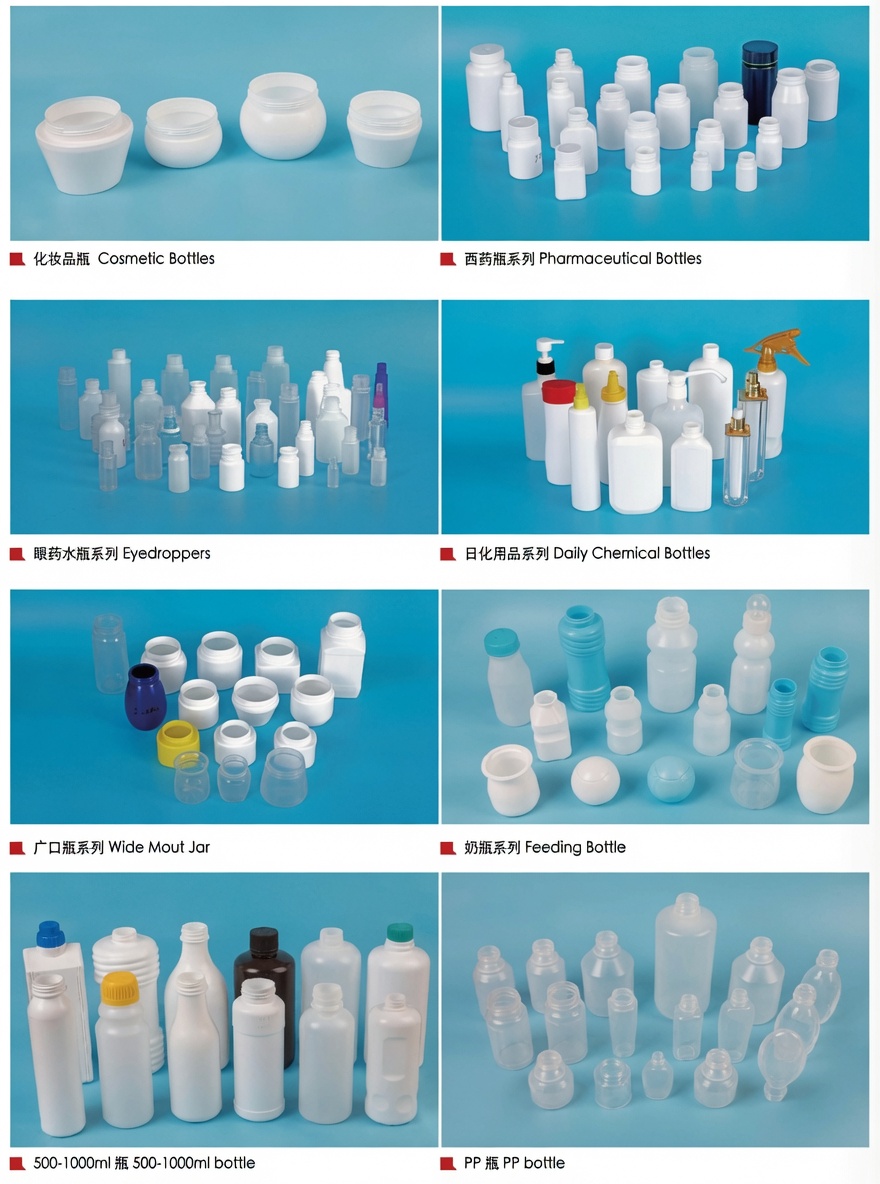
The injection-blow molding machine excels across three primary food and beverage segments in the UK market. Each application area imposes its own material, geometry, and regulatory demands — understanding them is the foundation for selecting the right machine configuration.
Application Scenario 1: Hot-Fill Juice Bottles
Application Scenario 2: Sports Drink & Hydration Vessel Production
Application Scenario 3: Condiment Containers & Sauce Jars
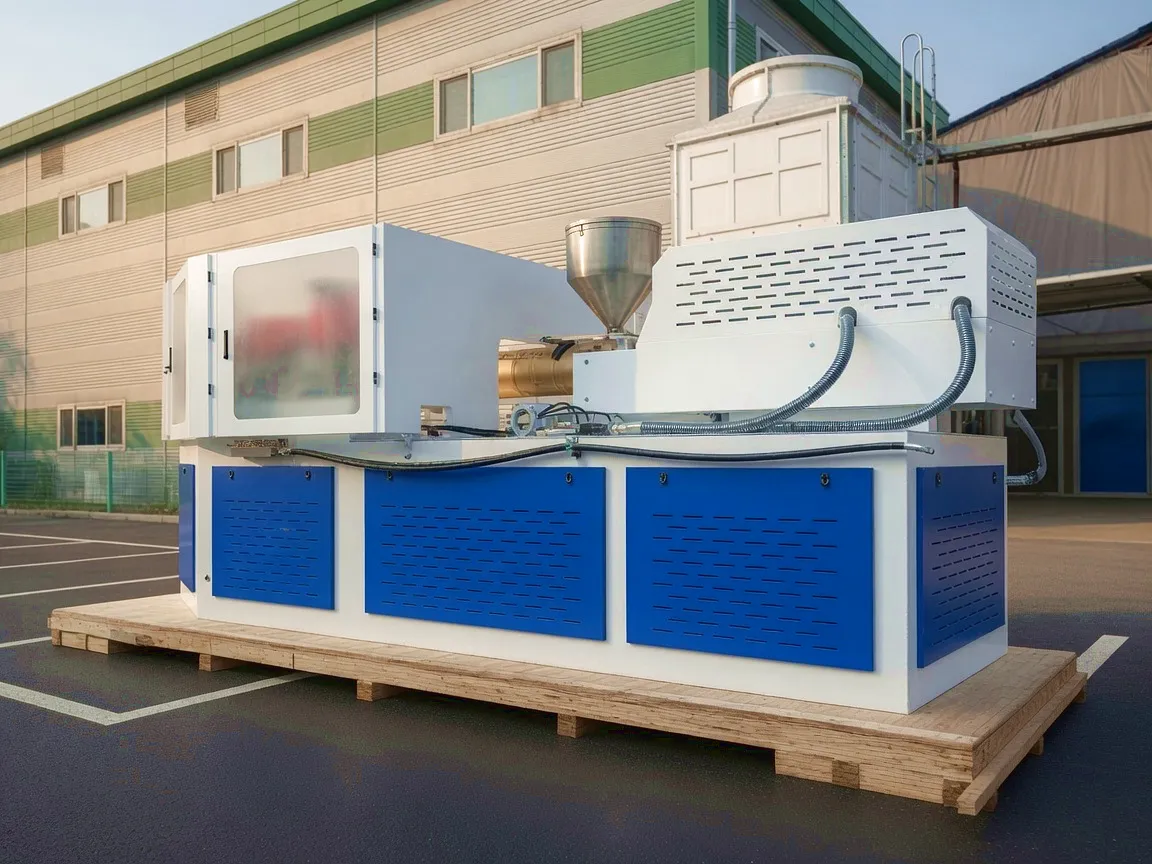 Condiment and sauce packaging spans an exceptionally broad spectrum of container geometries in the UK retail environment — from the narrow-neck ketchup bottle with its controlled-pour orifice to the wide-mouth jar used for chutneys, pickles, and cooking pastes sold in the speciality food aisles of Waitrose, Morrisons, and Aldi. The injection-blow molding machine delivers a critical commercial advantage in this segment: wide-mouth containers with apertures above 38 mm can be produced with the same neck-finish precision as narrow-neck bottles, because the neck is formed entirely during the injection phase on the core rod rather than during blowing. This means a single IBM platform can service both narrow and wide-neck tooling sets with a straightforward mold changeout, reducing the capital footprint required for a full condiment packaging line.
HDPE remains the material of choice for most condiment containers because of its resistance to acetic acid (vinegar-based products), citric acid (tomato-based sauces), and the essential oils present in chilli and spice-infused products that would permeate or degrade thinner-walled PET containers over the typical 12–24 month ambient shelf life demanded by UK retail buyers. IBM-produced HDPE condiment containers routinely achieve wall thickness uniformity within ±8% across the entire sidewall surface, which translates directly to consistent squeeze force throughout the container’s use — an ergonomic quality cue that end-consumers associate with product premium-ness, however unconsciously. Specialty food producers in Yorkshire and the South West — a region rich in artisan sauce and preserve manufacturers — have adopted IBM containers as a differentiator in premium food service channels where packaging aesthetics command price premium justification.
The tamper-evident roll-on pilfer-proof (ROPP) closure systems used on many premium condiment bottles impose particularly tight thread-dimension tolerances that injection-blow molding is uniquely positioned to meet at production scale. Extrusion blow moulding of wide-mouth HDPE containers consistently produces thread-form variation that creates audible click inconsistencies in ROPP application — an issue that triggers increased sampling rates in QA protocols and reduces line efficiency. IBM-produced containers, by contrast, consistently pass thread-form gauging at process capability indices above 1.67, reducing the inspection burden and supporting the lean manufacturing initiatives that Birmingham-area food manufacturers are implementing to offset rising energy and raw-material costs.
Core Technical Advantages of IBM Technology
Flash-Free Neck Finish
Because the neck is formed during injection, no post-mold trimming is required. This eliminates a processing step, removes a source of dimensional variability, and ensures every container passes closure-application gauging without manual intervention.
Superior Wall Uniformity
Wall thickness variation below ±10% across the full container body. This uniformity reduces resin consumption per unit and improves the stacking load performance of filled containers on palletised distribution — a key logistics benefit for UK 3PL operations using automated warehousing systems.
Seamless Base Construction
No pinch-weld seam at the base, eliminating a stress concentration point that causes failure in hot-fill and carbonated applications. This structural advantage is particularly valued by UK beverage manufacturers where base failure in transit triggers expensive product recalls.
Low Contamination Risk
The one-stage closed-environment process eliminates the handling and storage of intermediate preforms. For food-contact and pharmaceutical packaging, this closed-loop production path significantly reduces the risk of particulate contamination between preform manufacture and final blow, supporting HACCP compliance documentation.
Flexible Multi-Resin Compatibility
A single machine platform with appropriate screw and barrel configuration can process PET, HDPE, PP, and PETG, allowing contract packers to service multiple customer sectors from a single asset — important for UK SME packagers managing diverse product portfolios with limited capital expenditure budgets.
Energy Efficiency
Servo-driven IBM machines consume 25–35% less electrical energy than hydraulic-only equivalents at comparable throughput rates. In the current UK energy pricing environment, this translates to a meaningful reduction in per-unit manufacturing cost and a quantifiable contribution toward Scope 2 carbon emission reduction targets that UK packaging buyers increasingly audit.
Featured Injection-Blow Molding Machines from Ever Power
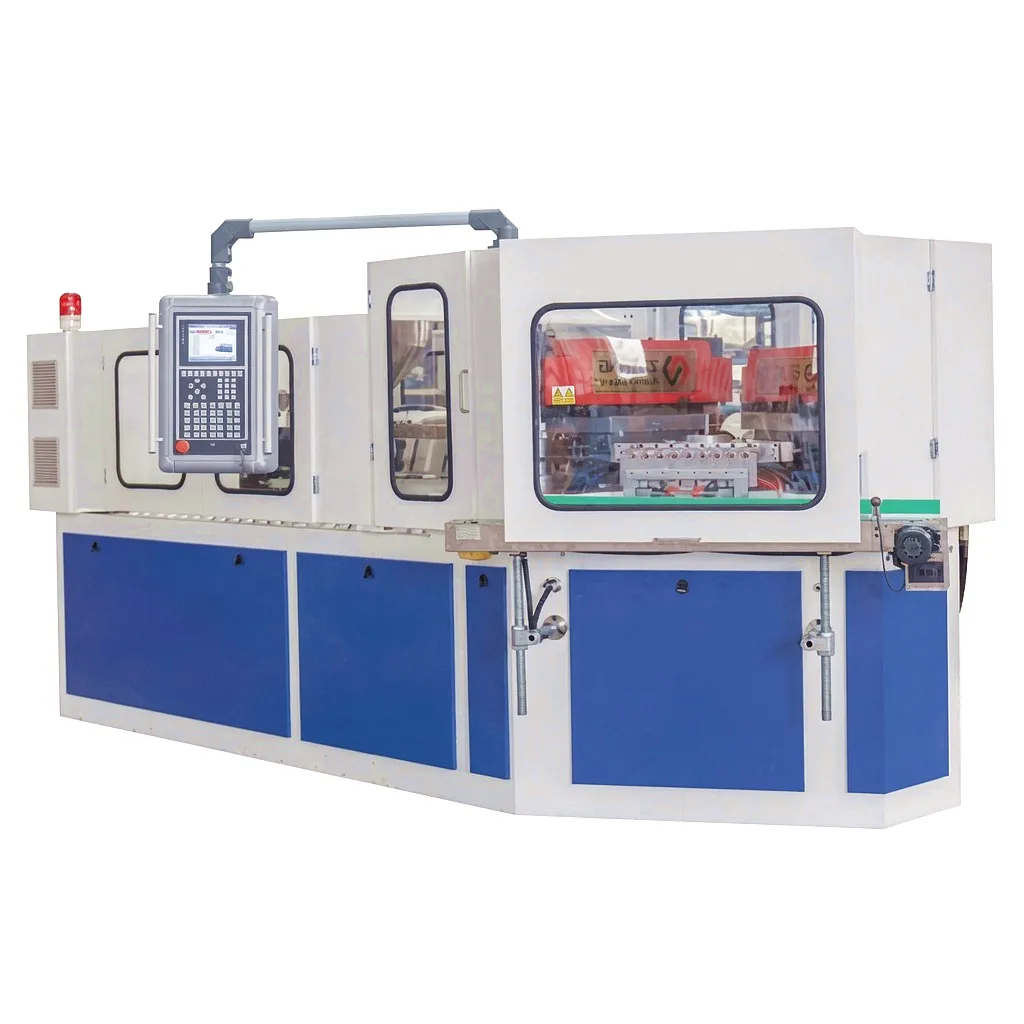
Two European-standard models anchor the Ever Power IBM range, each engineered for the demanding throughput and dimensional requirements of UK food and beverage production environments.
Auxiliary Equipment & Line Integration
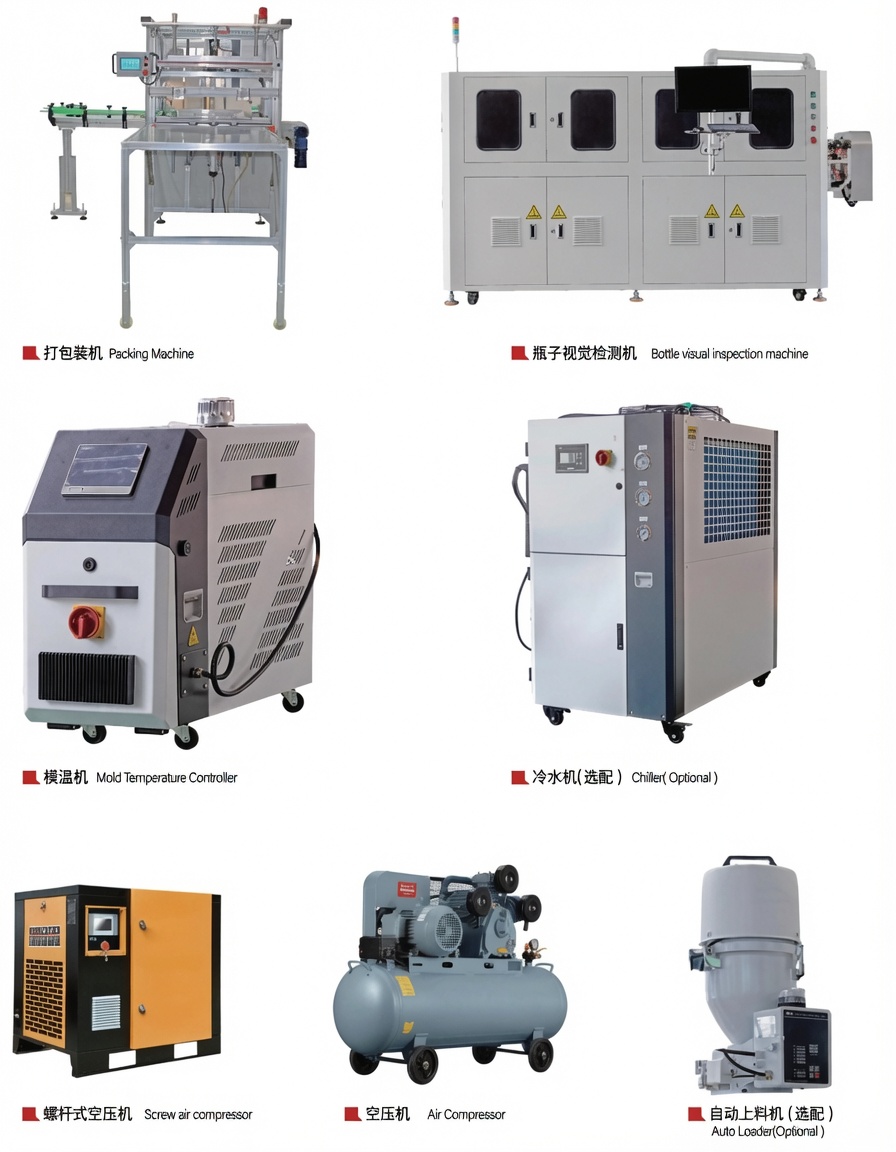
A complete injection-blow molding line is more than the core machine. Ever Power supplies and supports the auxiliary equipment that transforms a standalone IBM unit into a fully integrated, automated production cell.
Mold Temperature Controllers
Precision water-circuit temperature regulation for both the injection mold and blow mold, critical for maintaining cycle-to-cycle consistency in heat-set PET production for hot-fill applications.
Dehumidifying Dryers
PET resin must be dried to moisture content below 50 ppm before processing to prevent IV degradation during melt. Honeycomb rotor dryers sized to machine throughput are standard auxiliary items for UK food packaging lines.
Air Compressors & Chillers
High-pressure air at 0.5–1.2 MPa is required at sufficient volumetric flow to support all active blow stations simultaneously. Integrated chiller circuits maintain blow mold temperatures during high-speed cycling, particularly important in the warmer months at UK production facilities without climate-controlled halls.
Ever Power: Manufacturing Capability & Customisation Services
Ever Power operates a dedicated injection-blow molding machine manufacturing facility equipped with precision CNC machining centres, coordinate measuring machines (CMMs), and full-scale assembly and test infrastructure. Every IBM machine undergoes a minimum 48-hour production trial under live load conditions before shipment, with witnessed acceptance testing available for UK customers requiring documented machine performance verification against agreed technical specifications.
The customisation capability at Ever Power spans every dimension of the IBM machine platform: screw geometry and L/D ratio tailored to specific resin types; mold station count adjusted for target throughput and container volume; custom core rod profiles for non-standard container geometries including handled bottles, oval containers, and asymmetric shoulder designs that shelf-differentiate food and beverage products in competitive retail environments. Engineering support from Ever Power’s 20-strong application engineering team is available throughout the project lifecycle — from initial container design review through process optimisation and operator training delivered at the customer’s UK facility.
Application engineers on staff
Minimum factory acceptance testing per machine
9001 certified quality management system
Marked machines meeting EU Machinery Directive
Ready to discuss your container production requirements?
Whether you are evaluating your first injection-blow molding machine or expanding an existing production line, Ever Power’s technical team can provide a detailed application assessment, indicative ROI calculation, and a formal quotation tailored to your container specification and annual volume target.
Customer Success Story: Midlands Sauce Producer, Coventry
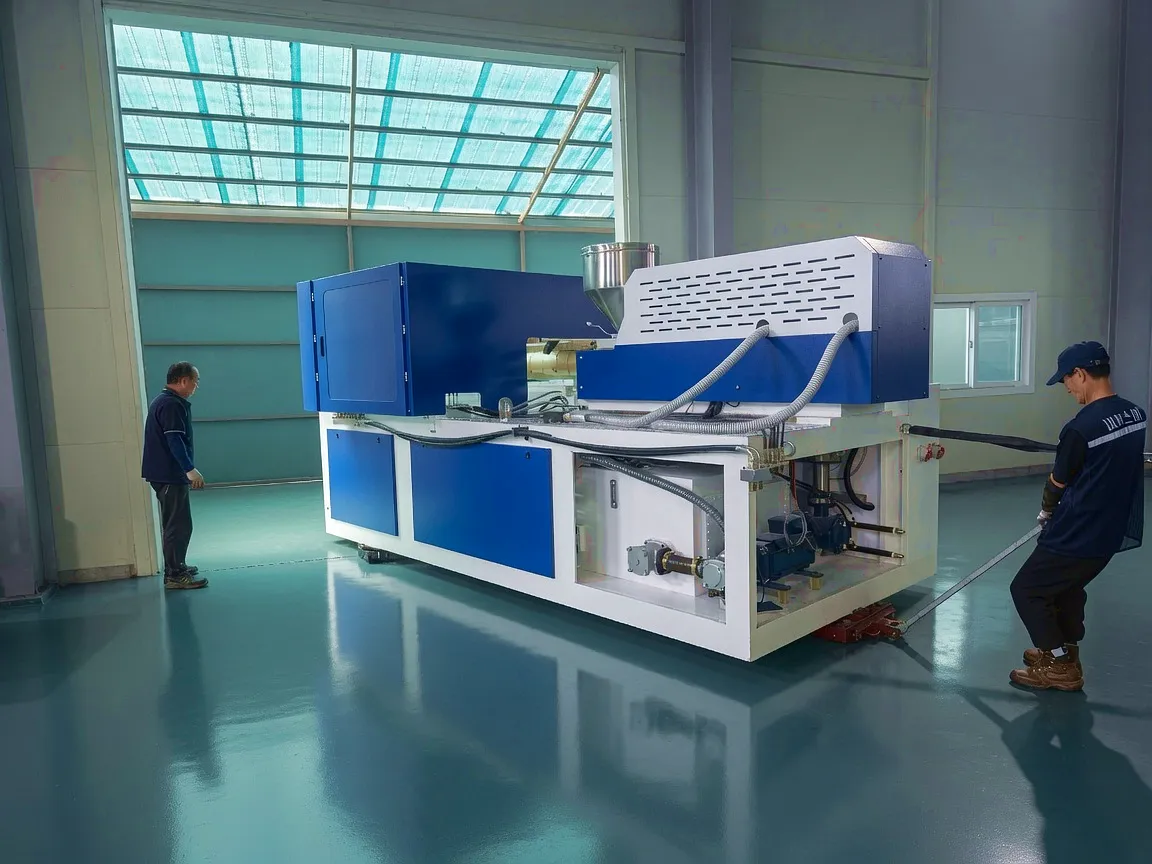 A family-owned condiment and specialty sauce manufacturer based in Coventry had been operating two ageing extrusion blow moulding machines for HDPE wide-mouth jar production for nearly a decade. As the business secured a listing with a major UK grocery multiple requiring 500,000 units per SKU across a range of twelve sauce and chutney variants, the existing equipment could no longer maintain the neck-finish tolerances required by the retailer’s automated capping supplier qualification process. Thread-form gauge failure rates were running at 3.2%, generating significant rework costs and delaying scheduled shipments.
Following a competitive evaluation process involving three IBM machine suppliers, the Coventry manufacturer selected Ever Power’s ZQ60 platform based on demonstrated process capability results during a witnessed mold trial at Ever Power’s production facility. The ZQ60 was configured with a 6-cavity HDPE mold set for the manufacturer’s primary 250 ml wide-mouth jar format, with the core rod geometry engineered to the exact thread-form specification required by the retailer’s ROPP closure supplier.
Within six weeks of installation and commissioning at the Coventry facility, the production team had achieved stable process capability at a Cpk of 1.78 on the critical neck-thread dimension, reducing the thread-form gauge failure rate from 3.2% to below 0.15%. The elimination of post-mold trimming — which had been required on the extrusion-blown containers — removed a full-time operator role from the line, directly improving the per-unit labour cost calculation. The retailer formally approved the IBM-produced containers within eight weeks of the first production sample submission, and the first commercial shipment of 72,000 units was delivered on schedule to the retailer’s Midlands distribution centre. Total annualised saving in rework, scrap, and labour was calculated at over GBP 110,000 against the capital investment in the ZQ60 machine and tooling, yielding a payback period of approximately 22 months.
What Our Customers Say
★★★★★
“The neck-finish consistency on the ZQ60 is simply in a different class from what we were producing on our previous equipment. We have not had a single thread-form gauge rejection since the machine went into production. For a business where a retail listing depends on automated closure performance, that reliability is not a nice-to-have — it is commercially essential.”
— Production Director, Specialty Sauce Manufacturer, Coventry
★★★★★
“We specified the ZQ40 for our sports nutrition range and the PP cycle time performance exceeded what Ever Power’s engineering team quoted at the enquiry stage. The wall-thickness uniformity data from our inline measurement system shows standard deviation below 0.04 mm across an eight-hour production run, which is genuinely impressive for a container in this volume and price class. The application engineering support during installation was thorough and professional.”
— Operations Manager, Sports Nutrition Contract Packer, Manchester
★★★★★
“What differentiated Ever Power in our evaluation was the depth of the pre-sale application review. Their team reviewed our container drawing, identified a wall-thickness risk in our original preform design, and proposed a modified core rod geometry before the mold was manufactured. That upstream involvement saved us at least one mold re-cut and probably six weeks of schedule delay. The ZQ60 has been running for fourteen months without a single unplanned maintenance event.”
— Technical Director, Premium Juice Producer, Birmingham
Frequently Asked Questions
Ever Power — Injection-Blow Molding Machine Specialists
Serving UK Food & Beverage Manufacturers with Precision IBM Technology
📧 Contact Ever Power: [email protected]
edit by gzl