Industrial Packaging Solutions · UK Market Insight
Injection Blow Molding Machine Applications in UK Packaging, Medical, and Consumer Goods Industries
From agrochemical packaging in the Midlands to precision pharmaceutical containers in the South East — how modern injection-blow molding technology is reshaping British manufacturing.
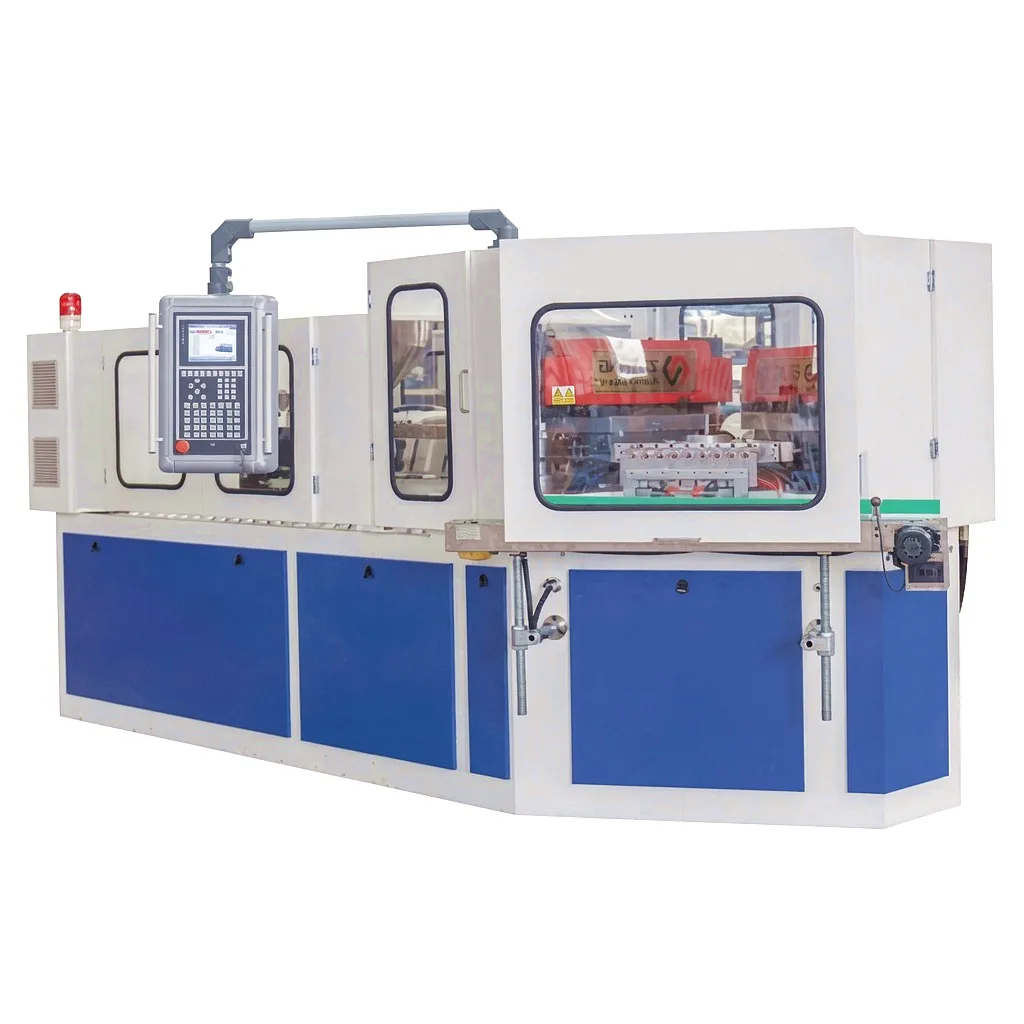
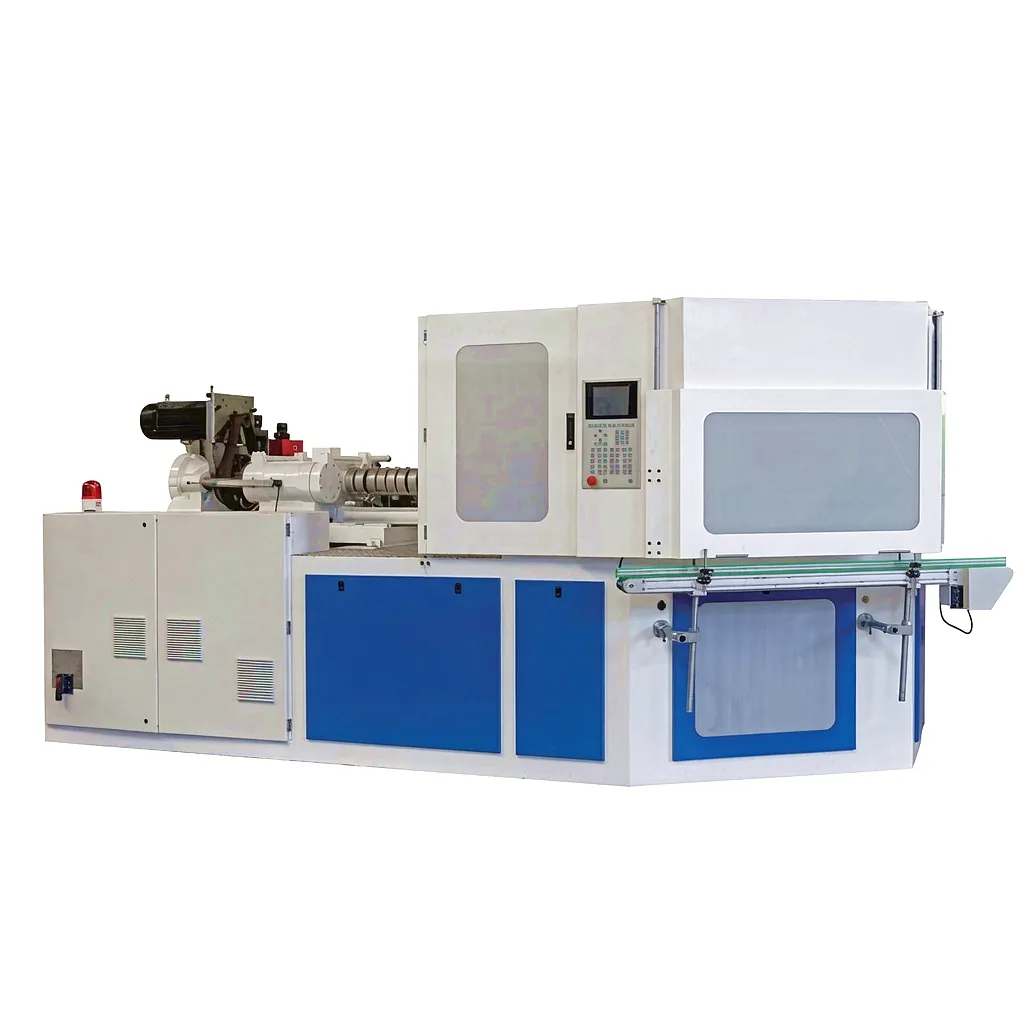 Across the United Kingdom, container manufacturing is experiencing a quiet but decisive shift. Procurement managers in Birmingham’s automotive-adjacent plastics sector, packaging engineers near Sheffield’s industrial corridors, and agrochemical formulators supplying farms throughout East Anglia are all arriving at the same conclusion: the injection-blow molding machine has become a cornerstone technology for producing high-integrity, dimensionally consistent hollow containers at scale. Unlike conventional extrusion blow molding, the injection-blow process begins with a precisely formed parison — a preform injected over a core rod — before being transferred to a blow station where it is expanded into its final shape. The result is a container with virtually no flash, tight wall-thickness tolerances, and neck finishes accurate enough to satisfy pharmaceutical, agrochemical, and personal care standards without secondary trimming operations.
How the Injection-Blow Molding Process Actually Works
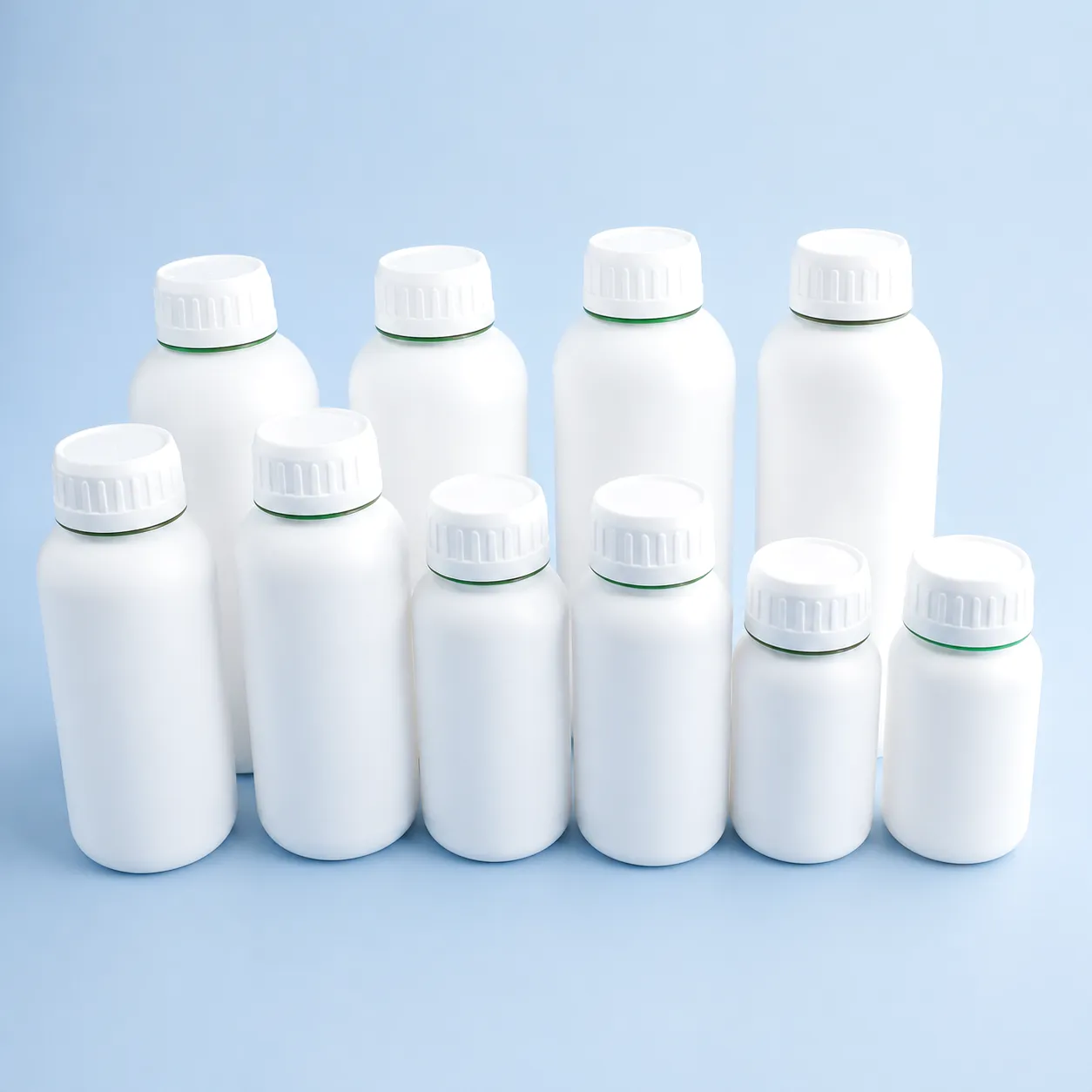 The injection-blow molding machine operates across three integrated stations arranged on a rotating platen — injection, blowing, and ejection — each precisely indexed so that all three stages occur simultaneously within every machine cycle. At the injection station, molten thermoplastic resin is injected under high pressure around a hardened steel core rod seated inside a closed mold cavity. This creates the parison: a thick-walled, precisely dimensioned preform that already carries the final bottle’s neck geometry in its complete form. Neck threads, sealing surfaces, and tamper-evident ledges are all formed at this injection stage, which is why the dimensional accuracy of an injection-blown container neck is inherently superior to extrusion-blown alternatives — the neck is never stretched or distorted by the blow phase.
The core rod then rotates — typically on a three-station or four-station platen depending on machine configuration — carrying the hot, still-malleable parison to the blow mold station. Here, compressed air is introduced through the core rod itself, inflating the parison radially outward until it contacts the cooled blow mold walls. Cooling is almost instantaneous relative to the cycle time, and the container retains the exact internal surface of the blow cavity with no parting-line flash at the base or body. This zero-flash characteristic is especially valuable when producing containers for pharmaceutical liquids, essential oils, or laboratory reagents, where any flash residue could compromise product purity.
Once the blow mold opens, the completed container moves to the ejection station, where it is stripped from the core rod and conveyed downstream. The core rod returns to the injection station and the cycle repeats. Modern injection-blow molding machines operate with cycle times ranging from five to fifteen seconds depending on container volume and material, delivering throughput rates that make them highly competitive for short-to-medium production runs where the tooling economics of multi-cavity extrusion tooling cannot be justified.
Core Materials Processed by Injection-Blow Molding Machines
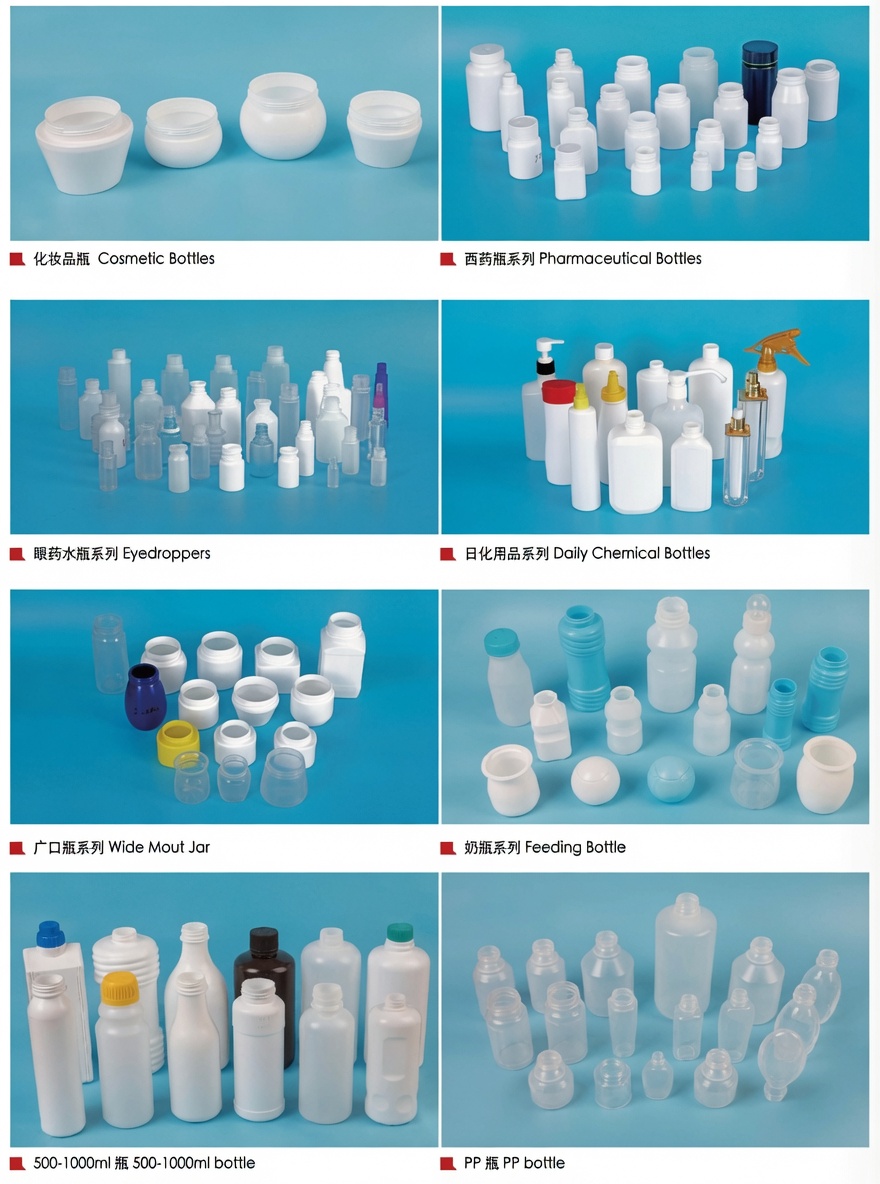
High-Density Polyethylene dominates agrochemical container production. Its chemical resistance to concentrated acids, alkalis, and solvents makes it the material of choice for pesticide and herbicide bottles. HDPE injection-blow containers meet UN-certified packaging standards for hazardous liquid transport, critical for UK distributors shipping under ADR regulations.
Polyethylene Terephthalate delivers clarity, barrier performance, and recyclability that make it ideal for personal care, household chemical, and food-adjacent applications. UK brands operating under Extended Producer Responsibility (EPR) obligations are increasingly specifying injection-blown PET bottles because of their consistent wall thickness, which simplifies recycled-content integration.
Polypropylene offers superior heat resistance — essential for containers that undergo steam sterilisation in medical and laboratory settings — alongside excellent hinge-fatigue life. Pharmaceutical manufacturers near Stevenage and Macclesfield regularly specify injection-blown PP containers for oral liquid medicines, eye drop bottles, and nasal spray components.
Rigid PVC remains relevant for clear pharmaceutical and cosmetic bottles where optical clarity, stiffness, and cost combine effectively. PETG, a glycol-modified variant, is gaining traction in premium cosmetic packaging — particularly among independent beauty brands operating in Manchester and Leeds who need glass-like aesthetics at plastic container economics.
Why Manufacturers Choose Injection-Blow Molding Machines
Zero Flash, No Trimming
Because the parison is injection-moulded rather than extruded, the finished container exits the machine with no bottom flash or weld lines. Downstream trimming is entirely eliminated, reducing labour costs and contamination risk in cleanroom environments.
Neck Precision
Neck finishes are fully injection-moulded, delivering tolerances as tight as ±0.05 mm on critical sealing dimensions. This level of precision is indispensable for child-resistant closures, pharmaceutical dropper fitments, and precision dispensing caps that must pass GS1-compliant verification.
Material Efficiency
Controlled wall-thickness distribution means every gram of resin is placed where structural integrity demands it. Average material savings of 8–15% versus extrusion-blown equivalents are commonly achieved, directly improving cost-per-container metrics and supporting sustainability reporting requirements.
Cleanroom Compatible
The enclosed process generates minimal particulate contamination. Injection-blow molding machines can be configured with laminar-flow enclosures to satisfy ISO Class 7 and Class 8 cleanroom requirements, making them suitable for pharmaceutical and medical device packaging in regulated environments across the UK.
Fast Changeover
Modular tooling designs on modern injection-blow molding machines allow core-rod and blow-mold changes within two to four hours, supporting agile contract manufacturers who run multiple SKUs from a single production line — a commercial reality for many UK packaging converters operating on tight just-in-time schedules.
Product Technical & Performance Parameters
| Parameter | ZQ60 (UIB-90 Replacement) | ZQ80 (UIB-120 Replacement) | Unit / Note |
|---|---|---|---|
| Clamping Force | 60 | 80 | Tonnes |
| Injection Volume (max) | 180 | 240 | cm³ |
| Max Container Volume | Up to 1,000 | Up to 2,000 | ml |
| Number of Cavities | 1–6 | 1–8 | Per station |
| Neck Finish Tolerance | ±0.05 | mm | |
| Cycle Time (typical) | 5–12 | 6–15 | Seconds |
| Compatible Materials | HDPE, PP, PET, PVC, PETG, LDPE | — | |
| Plasticising Screw Diameter | 55 | 65 | mm |
| Installed Power | 18.5 | 22 | kW |
| Machine Footprint (L x W) | 3.2 x 1.4 | 3.8 x 1.6 | m x m |
| Control System | Siemens / Mitsubishi PLC, touchscreen HMI | — | |
| Uniloy Compatibility | UIB-90 tooling compatible | UIB-120 tooling compatible | Drop-in replacement |
Application Scenario 01
Agriculture & Crop Protection — Pesticide, Herbicide, Fungicide and Liquid Fertiliser Containers
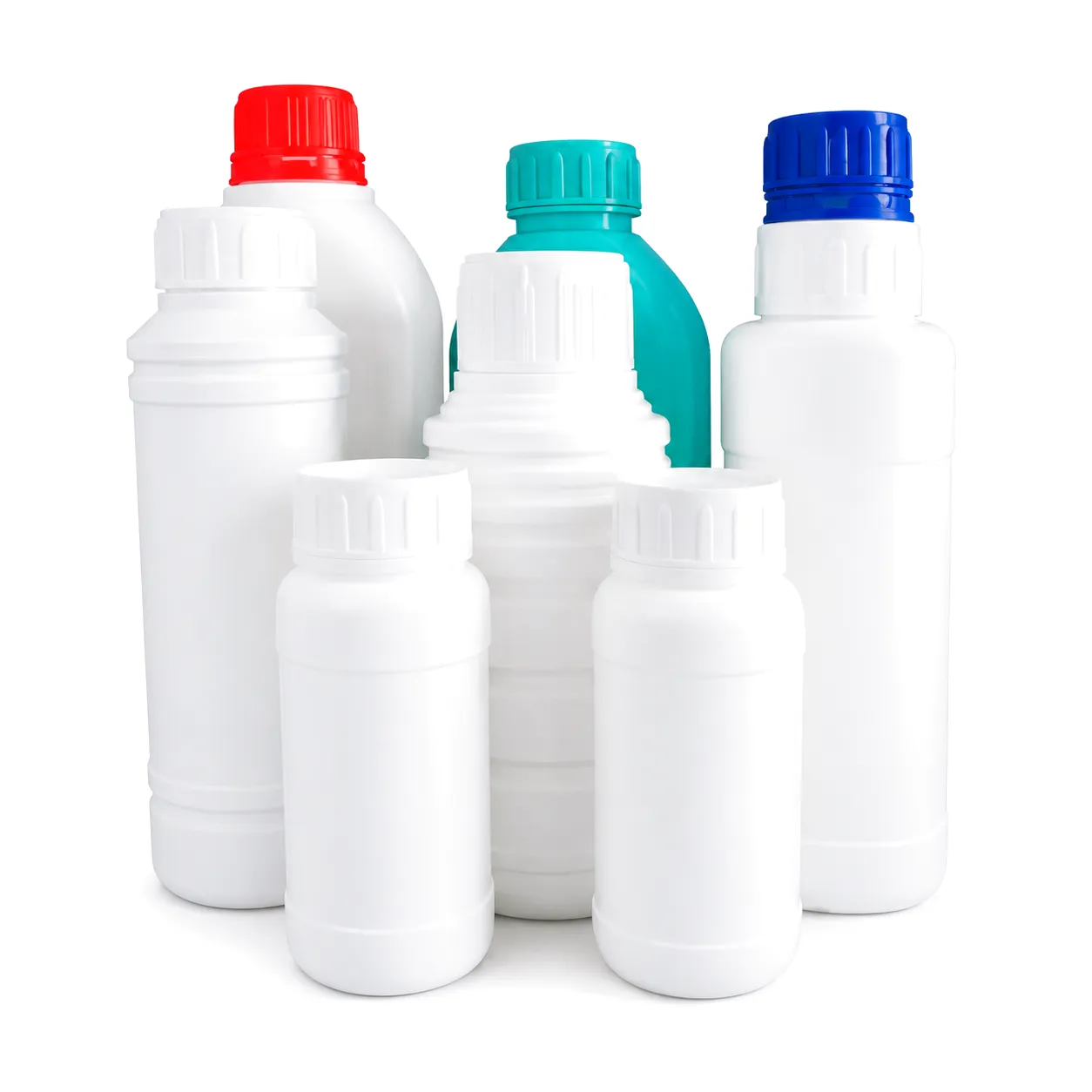
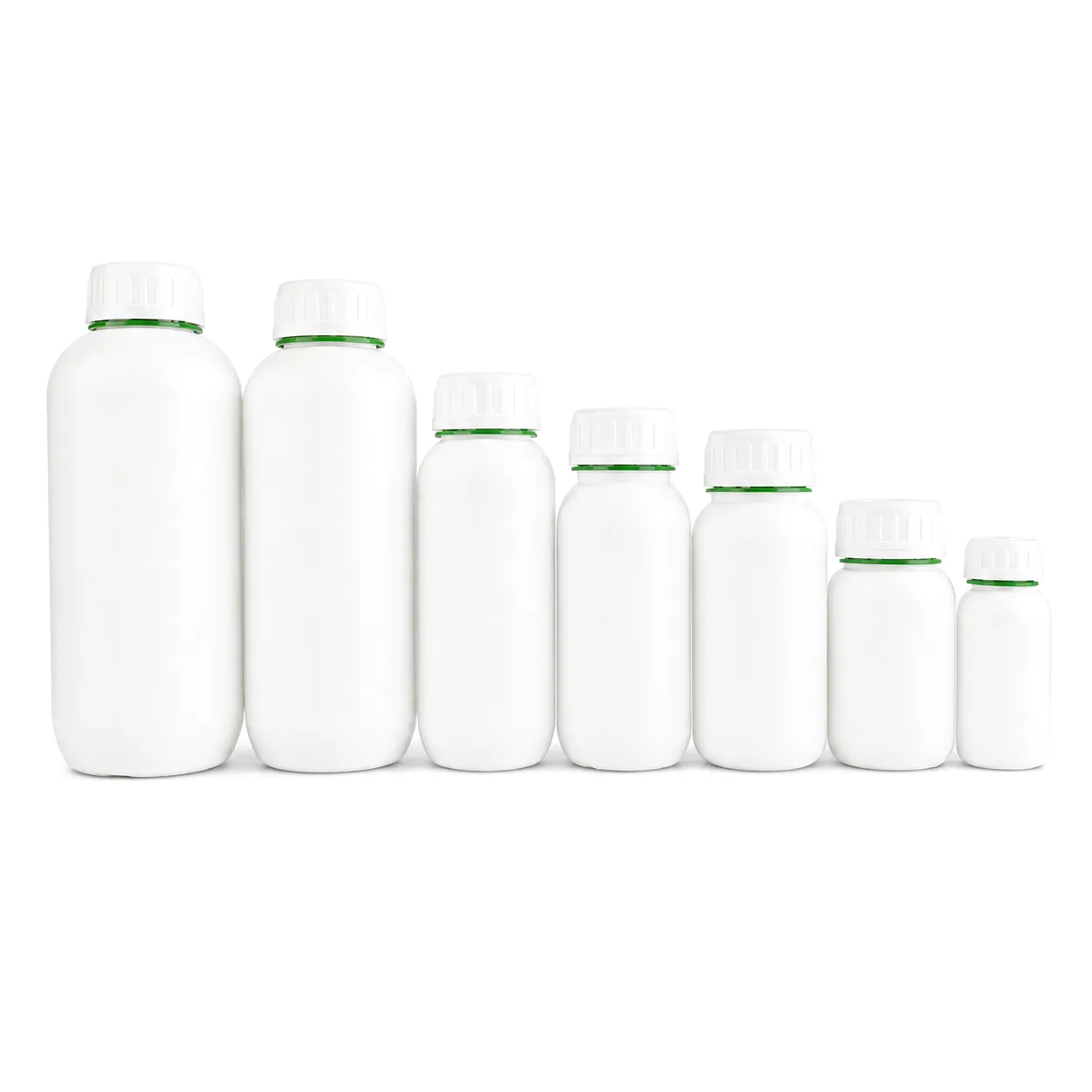 Few industries place more demanding requirements on plastic containers than agriculture and crop protection. The chemicals being packaged — concentrated pesticide emulsions, systemic herbicides, suspension-concentrate fungicides, and liquid fertiliser solutions — are formulated to be chemically aggressive by design. They must penetrate plant membranes and biological systems; they will do exactly the same to any container material that is not specified correctly. For UK contract packaging businesses serving agrochemical principals across East Anglia, Lincolnshire, and the Yorkshire Wolds, the injection-blow molding machine has become the production backbone for compliance-grade agricultural containers ranging from 250 ml to 5 litres.
The primary container types produced on injection-blow molding machines for this sector include pesticide concentrate bottles in the 250 ml and 500 ml range — typically HDPE-based, co-extruded in some configurations with EVOH barrier layers for products that exhibit permeation sensitivity. Herbicide bottles in the 1-litre and 2-litre formats represent another high-volume output category, where the dimensional consistency of the injection-blow process ensures that tamper-evident neck bands seat correctly every time, satisfying Crop Protection Association guidelines on child-resistance and tamper evidence. Fungicide containers for professional arable and horticultural markets — often between 500 ml and 2 litres — demand wall-thickness uniformity that only the injection-blow route reliably delivers, because any thin spots in the side wall create structural vulnerabilities during palletisation and distribution. Ready-to-use (RTU) spray containers for garden retail add a further dimension: these bottles must look as well as perform, and the precision-moulded body surfaces achievable with injection-blow tooling provide consistent gloss and label-wrap geometry that garment-blow or extrusion alternatives cannot reliably match.
Main Products
Pesticide concentrate bottles (250 ml–5 L) · Herbicide bottles · Fungicide containers · Liquid fertiliser bottles · RTU spray containers
Key UK Regions
East Anglia · Lincolnshire · Yorkshire Wolds · Kent (the “Garden of England”) · Scottish Borders arable sector
Compliance Drivers
HSE pesticide container standards · UN-certified packaging (dangerous goods) · Crop Protection Association child-resistant closure requirements · REACH and CLP labelling compatibility
What makes the injection-blow molding machine the standard choice for UK agrochemical packaging converters is not any single property in isolation but the combination of chemical resistance, neck-finish accuracy, and regulatory traceability it enables simultaneously. A container produced for a systemic herbicide must resist permeation over a shelf life measured in years; must carry an accurate thread form that mates with an induction-sealed cap reliably enough to pass drop-test protocols; and must be producible at consistent wall thickness across every cavity in a multi-cavity tool so that one palletted batch does not contain weak-walled outliers that compromise secondary containment during road transport on UK arterial routes. The injection-blow process satisfies all three requirements within a single production step.
Further Industrial Application Scenarios
The pharmaceutical sector — concentrated in areas including Macclesfield, Stevenage, and the Cambridge Biomedical Campus — demands container precision that leaves no margin for process variability. Oral liquid medicines, eye drops, nasal sprays, and ear drops are all dispensed via containers whose orifice dimensions directly govern dosing accuracy. An injection-blow molding machine produces these containers with orifice insert geometry controlled at the injection station, where dimensional repeatability is governed by hardened steel tooling rather than by pneumatic stretch as in the extrusion process. This is why MHRA-registered pharmaceutical packaging manufacturers consistently specify injection-blow molding for primary packaging applications where the container is the last line of protection before the patient. The process also supports integration of multi-layer barrier structures for oxygen-sensitive formulations such as liquid vitamins, iron supplements, and photosensitive suspensions.
Cleanroom-compatible machine configurations, validated IQ/OQ/PQ protocols, and full batch-traceability through the PLC control system are standard features of current-generation injection-blow molding machines aimed at pharma applications.
Britain’s personal care and cosmetics industry — one of the largest in Europe by retail value — relies on packaging that communicates quality at the point of sale. Independent beauty brands, particularly the growing cluster of sustainable cosmetics manufacturers in Manchester, Leeds, Bristol, and Brighton, increasingly turn to injection-blow molding to produce bottles that carry genuine premium perception without the cost of glass. The process delivers optically clear PETG and PET containers with surface smoothness and wall consistency that support effective pressure-sensitive label adhesion — critical for brands whose label graphic quality must survive bathroom environments for months. Shampoo, conditioner, body lotion, toner, serum, hand wash, and perfume-base bottles all represent active injection-blow production categories within the UK personal care supply chain. Pump-fitment compatibility is a particular strength: the accurate neck finishes achievable through the injection-blow process ensure that 24/410 and 28/410 pump closures seat without the rocking or seal failures that plague extrusion-blown containers whose neck finishes lack dimensional consistency.
Household chemical packaging — bleach, disinfectants, descalers, glass cleaners, and multi-surface sprays — represents one of the broadest volume categories for injection-blow molding machines in the UK. Retailers including major supermarket chains have progressively tightened container specifications, demanding containers that pass increasingly rigorous drop-test and seal-integrity protocols. Birmingham and the surrounding West Midlands manufacturing corridor hosts several large-volume household chemical converters who have adopted injection-blow equipment precisely because the process eliminates the base-weld failure mode that generates field-return costs with extrusion-blown containers. HDPE containers in the 500 ml to 1-litre range are most prevalent in this sector, often produced with integral handle geometry or ergonomic grip detailing moulded directly into the blow cavity.
While injection-blow molding for food and beverage tends to occupy the small-format niche — flavouring bottles, sauce containers, condiment phials, dietary supplement bottles — it is a growing area in UK food manufacturing. The process is particularly well-suited to producing small HDPE or PP bottles for single-serving sauce sachets and flavouring concentrates, where the closed-mould base formation means no weld line is exposed to the highly acidic or saline contents. Sheffield and the wider Yorkshire food-manufacturing belt supports a number of sauce and condiment producers who source injection-blown containers from regional converters. Food-contact compliance under UK Food Safety Act 1990 and retained EU Regulation (EC) No 10/2011 frameworks is straightforward with the injection-blow process because the materials are processed under tightly controlled thermal conditions that prevent degradation-product formation.
Manufacturing Excellence
Ever Power — Precision Engineering & Customisation Capabilities
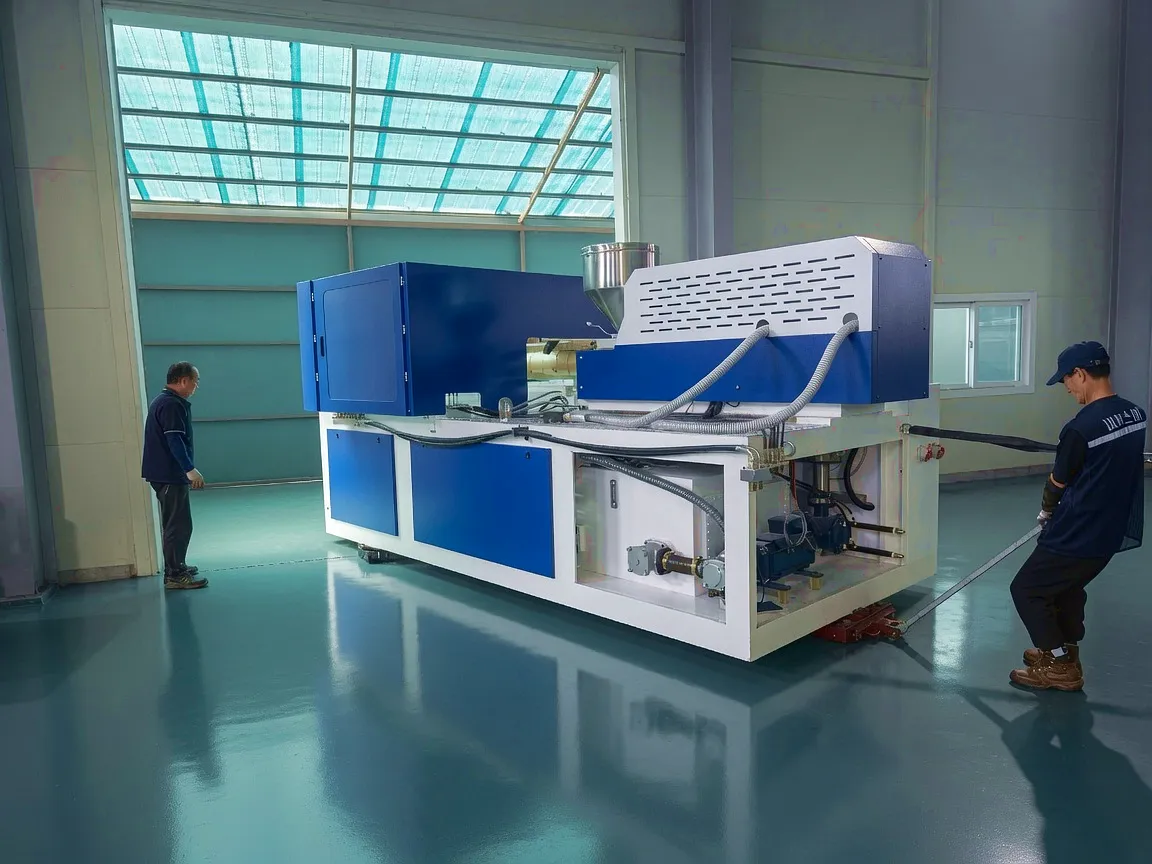
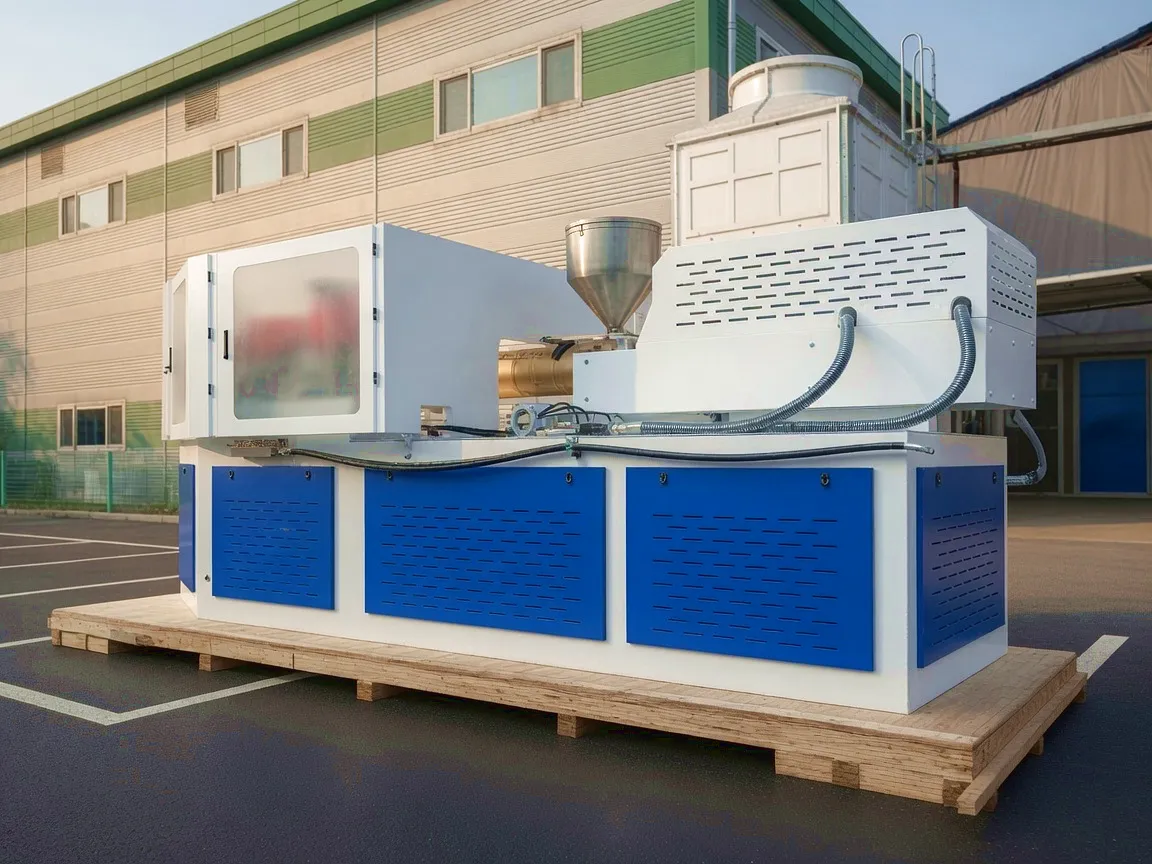
Ever Power has built its reputation in the injection-blow molding machine sector on a combination of manufacturing precision and genuine engineering flexibility — qualities that resonate strongly with UK buyers who have learned, often expensively, that a machine that cannot be adapted to their specific container portfolio is not an asset but a constraint. The company’s production facilities encompass precision CNC machining centres, coordinated measurement rooms, and dedicated assembly bays where every injection-blow molding machine is assembled and run-off under load before dispatch. The result is a machine that arrives at a UK customer’s facility calibrated to specification rather than requiring weeks of commissioning adjustment.
Custom Tooling Development
Ever Power’s in-house tooling team designs and machines injection moulds and blow moulds from P20 and H13 tool steel, with cavity surface treatments selected to the specific resin and application. Custom container geometries — including asymmetric bottles, handled designs, and speciality neck finishes — are routinely accommodated within the standard project scope, with DFM review and 3D simulation included before steel is committed.
Uniloy-Compatible Drop-In Replacement
A significant proportion of UK injection-blow capacity runs on legacy Uniloy UIB-90 and UIB-120 equipment whose parts supply and service infrastructure has thinned considerably. Ever Power’s ZQ60 and ZQ80 machines are engineered as drop-in replacements — preserving existing tooling investment while delivering modern PLC controls, energy-saving servo hydraulics, and substantially improved technical support coverage for UK operations.
Supply Chain Reliability
Ever Power maintains a forward-stocked spare-parts inventory covering all wear items — seals, valve blocks, core rods, and control boards — with same-week dispatch to UK addresses through established freight partnerships. Machine documentation is supplied in English as standard, and remote diagnostic access through the PLC ethernet interface allows Ever Power’s engineers to support UK customers in real time without travel delays.
Ready to Discuss Your Application?
Whether you are replacing legacy Uniloy equipment, establishing a new container production line, or evaluating injection-blow molding for a specific application, Ever Power’s engineering team can provide a detailed technical proposal within 5 working days.
Customer Success Story
Midlands Agrochemical Converter Modernises Production with Ever Power ZQ80
 A mid-sized container converter based in the Black Country region of the West Midlands — supplying primary agrochemical packaging to distributors across the English Midlands and into Wales — approached Ever Power in late 2024 facing a familiar challenge: their two legacy Uniloy UIB-120 machines were consuming increasing maintenance hours, spare-parts lead times were extending beyond acceptable operational thresholds, and two of their largest agrochemical customers had signalled upcoming container specification upgrades that their existing machines could not reliably meet in terms of neck-finish dimensional tolerances.
After an initial technical consultation with Ever Power’s applications engineering team — conducted remotely and then followed by a factory visit to review sample containers — the converter selected two ZQ80 injection-blow molding machines as direct replacements. The transition was planned to preserve all existing UIB-120 tooling, covering eight bottle formats ranging from 500 ml HDPE pesticide concentrates to 2-litre suspension-concentrate herbicide bottles with 38mm neck finishes. Ever Power’s engineers conducted a full tooling compatibility audit and confirmed that all eight tool sets could be transferred to the ZQ80 platform without modification, protecting the converter’s substantial tooling capital investment.
Installation and commissioning were completed over a single planned maintenance window of eleven days, with Ever Power’s on-site team working alongside the converter’s maintenance engineers. All eight bottle formats were validated on the new machines within the commissioning period, and formal container qualification tests — including drop testing, torque testing, and dimensional verification against customer drawings — were completed and documented within three weeks of first production. Output rates on the 500 ml pesticide bottle format improved by 18% compared to the legacy machines at equivalent quality settings, attributable to the ZQ80’s faster servo-hydraulic clamp motion and more precise barrel temperature control.
★★★★★
“The neck-finish consistency we’re now achieving on our herbicide range has taken a long-running closure-sealing issue completely off the table. We’ve not had a single failed induction seal in the first six months of ZQ80 production. That alone has justified the investment.”
— Production Manager, West Midlands Agrochemical Converter
★★★★★
“Ever Power’s willingness to audit our existing Uniloy tooling before we committed was critical. Knowing we could transfer all eight tool sets without modification made the business case straightforward. The remote diagnostic support through the PLC is something we use regularly — problems that would have meant waiting days for an engineer to travel from overseas are resolved within a few hours now.”
— Technical Director, Black Country Plastics Manufacturing
★★★★★
“The output rate improvement on our 500 ml pesticide bottle was something we hadn’t budgeted for — we expected parity with the Uniloy output and got a genuine 18% step-up. Coupled with the energy savings from the servo drive, our cost-per-thousand containers has dropped meaningfully. Ever Power delivered what they promised, on schedule.”
— Operations Director, West Midlands Packaging Operations
Frequently Asked Questions
Ever Power · Injection-Blow Molding Machines
Start Your Container Production Project Today
Custom-engineered injection-blow molding machines for UK and European manufacturers · Uniloy-compatible replacements · Pharma, agrochemical, personal care and food packaging applications
edit by gzl