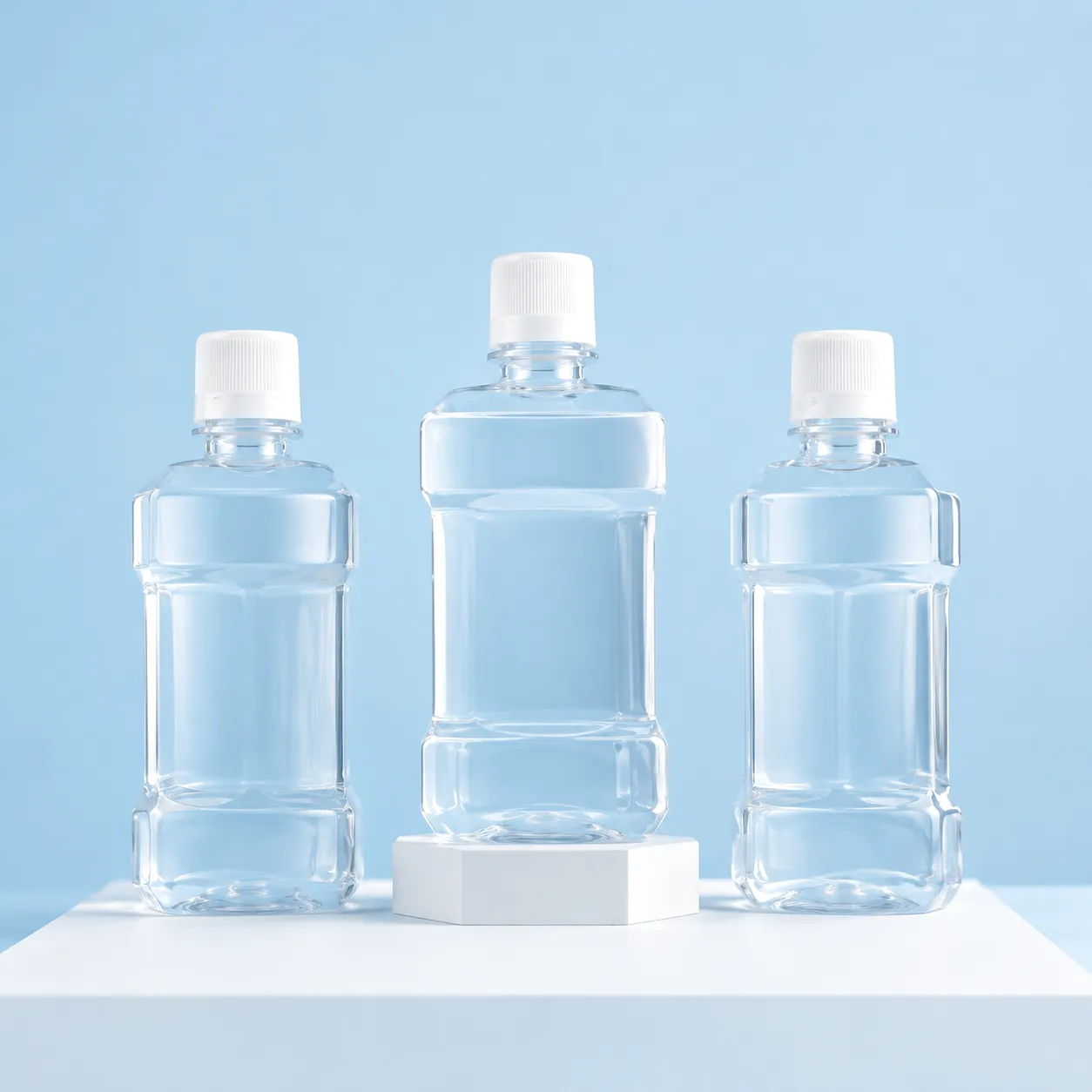
 The oral care sector in the United Kingdom has undergone a significant packaging revolution over the past decade. Whether it is a supermarket shelf in Birmingham, a pharmacy counter in Manchester, or a contract filling facility in Sheffield, the demand for precision-formed plastic containers has never been more acute. Mouthwash bottles, fluoride rinse containers, pump-top oral rinse dispensers, and children’s oral care packaging all share one common requirement: absolute dimensional consistency combined with chemical resistance capable of withstanding alcohols, surfactants, and fluoride compounds over extended shelf-life periods. The injection-blow molding machine — specifically the IBM process — answers these demands with engineering precision that older extrusion-blow techniques cannot match.
How the Injection-Blow Molding Process Works
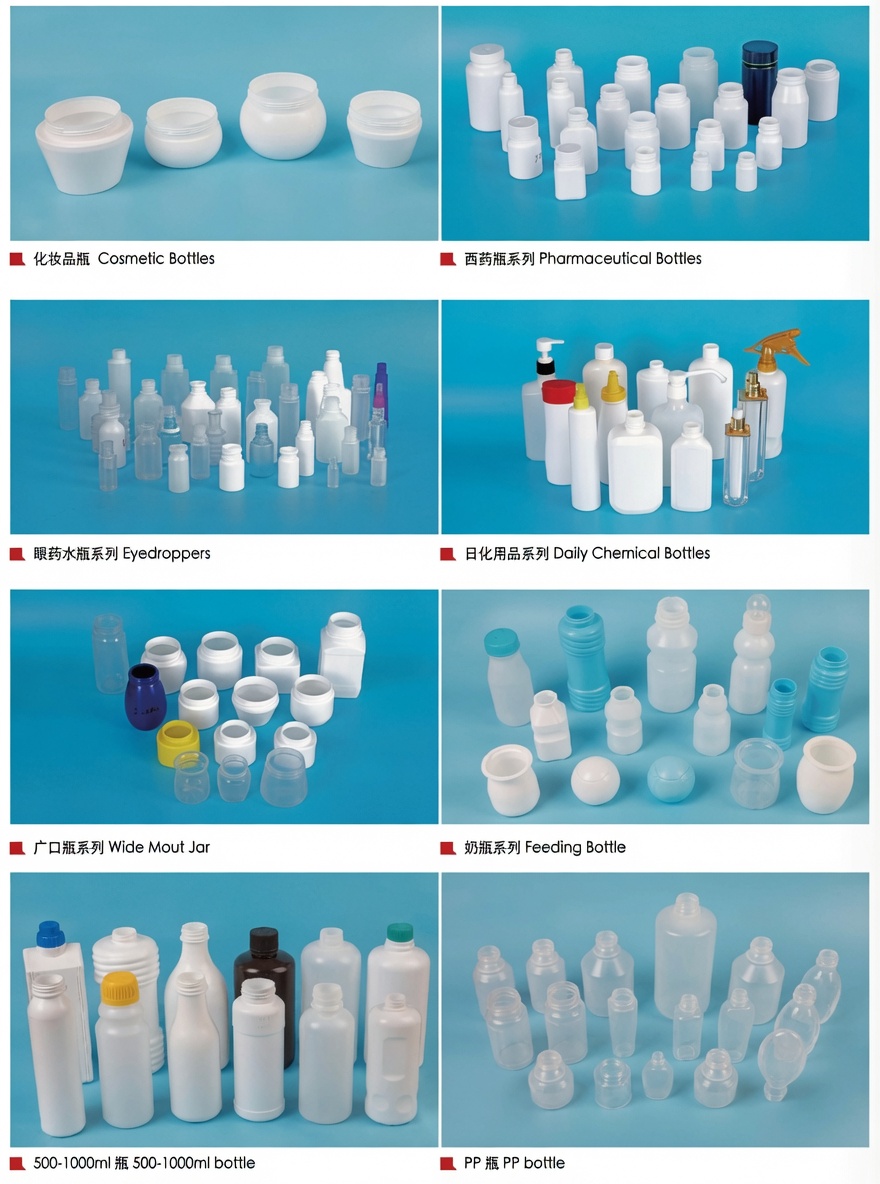
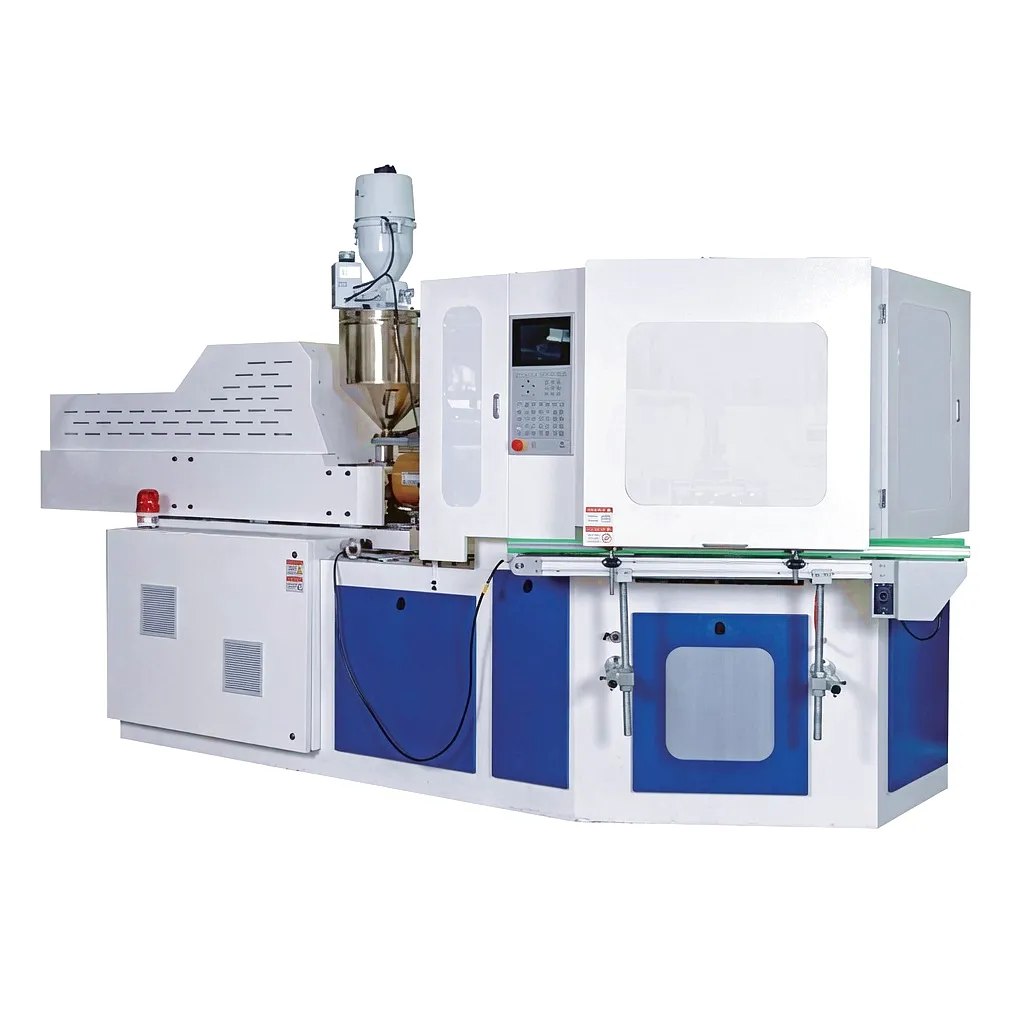 The injection-blow molding machine operates across three synchronized stations arranged on a rotating indexing turret. At station one, molten thermoplastic resin — most commonly polyethylene terephthalate (PET), high-density polyethylene (HDPE), or polypropylene (PP) — is injected under high pressure into a preform mold cavity, simultaneously forming the bottle’s neck finish and body preform around a hardened steel core rod. This injection stage is critical: the precision of the preform’s wall thickness directly dictates the optical clarity, chemical resistance, and structural integrity of the final container. Neck tolerances on machines supplied by Ever Power typically achieve ±0.05 mm, ensuring leak-free fitment with pump mechanisms, child-resistant closures, and tamper-evident bands — all of which are standard requirements in the UK oral care market.
At station two, the injection-blow molding machine’s indexing turret rotates the still-warm preform — still mounted on the core rod — into the blow mold cavity. Precisely controlled compressed air at pressures between 6 and 12 bar inflates the preform against the cooled cavity walls. Because the preform retains its heat profile from the injection stage, the blown bottle exhibits biaxial orientation that enhances barrier properties — a critical factor when the container will hold ethanol-based mouthwash at concentrations up to 27% or chlorhexidine gluconate solutions common in prescription oral rinses. Station three is the ejection stage, where the fully cooled container is stripped from the core rod and discharged onto the take-away conveyor, ready for downstream labelling, filling, and packing operations.
This three-station cycle completes in as little as 4 to 8 seconds per index for containers in the 50 ml to 500 ml range, making the injection-blow molding machine among the most productive options for medium-to-high volume oral care lines. The closed-loop nature of the process — preform formed and blown in the same machine cycle — eliminates the contamination risks associated with separate preform storage, a consideration that aligns tightly with the hygiene standards demanded by UK contract manufacturers supplying pharmaceutical-grade oral care products.
Core Materials for Oral Care IBM Containers
The premier choice for premium mouthwash bottles targeting UK retail. PET offers outstanding optical clarity, excellent ethanol resistance, and a glass-like aesthetic that supports brand premiumisation. Its high stiffness-to-weight ratio allows wall thickness reduction without compromising structural performance, cutting resin costs per bottle by up to 18% versus competing materials at equivalent volumes.
Widely specified for children’s fluoride rinse bottles and value-tier adult oral care ranges. HDPE’s inherent chemical inertness makes it compatible with sodium fluoride, triclosan, and chlorhexidine formulations. Its impact resistance is superior to PET at low temperatures — relevant for cold-chain distribution from UK fulfilment centres to Scottish and Northern Irish markets during winter months.
Increasingly specified for pump-top oral care dispensers where the container must survive multiple compression cycles without stress cracking. PP’s live-hinge fatigue performance is unmatched among standard thermoplastics, and its compatibility with hot-fill processes — relevant for some medicated oral rinses sterilised at elevated temperatures — makes it an essential option in any injection-blow molding machine configuration for pharmaceutical-adjacent oral care lines.
Driven by the UK Plastics Pact and Extended Producer Responsibility (EPR) regulations taking effect across England, Scotland, and Wales, brands are increasingly requesting recycled-content containers. Ever Power’s injection-blow molding machines are designed to process rPET at up to 100% recycled content and emerging bio-polyester grades, enabling manufacturers to meet sustainability commitments without compromising production throughput or container quality.
Application Scenario: Oral Care Packaging — Mouthwash Bottles, Fluoride Rinse Containers & Pump-Top Dispensers
Industry: Oral Care · Primary Products: 150 ml–1 L Consumer & Professional Oral Rinse Containers
The fluoride rinse segment presents a particularly demanding application for injection-blow molding machines because sodium fluoride — even at the 0.05% concentration typical in daily over-the-counter rinses — is known to attack some plasticiser systems over time. The IBM process’s ability to produce HDPE containers with controlled crystallinity, resulting from precise preform cooling rates managed within the machine’s barrel and tool temperature control systems, gives the final bottle a fluoride permeation barrier performance that meets the requirements of BS EN ISO 8317 child-resistant packaging standards and the long-term stability testing protocols required under UK Cosmetics Regulation (as retained in UK law post-Brexit transition).
Core Technical Advantages of the IBM Machine Platform
No secondary trimming required. Eliminates particulate contamination risk — critical for pharmaceutical-adjacent oral care lines in Birmingham and Sheffield facilities operating under GMP frameworks.
Injection-formed neck finishes achieve ±0.05 mm diameter tolerance, ensuring reliable fitment with pump mechanisms, child-resistant closures, and snap-cap dispensers across every production run.
Biaxial orientation of PET and PP during the blow stage enhances ethanol and fluoride barrier properties beyond what single-axis processes achieve — supporting 24-month+ shelf life for UK retail-distributed mouthwash formats.
Modular core rod and blow cavity design enables SKU changeover in under 90 minutes — essential for UK contract manufacturers handling 15 to 30 distinct SKUs across a single production shift.
Servo-driven injection and clamp systems reduce energy consumption by 25–35% versus hydraulic equivalents — an important factor as UK manufacturers navigate rising industrial electricity tariffs and Net Zero manufacturing commitments.
PET containers produced via IBM achieve haze values below 3%, enabling the water-clear aesthetics demanded by premium mouthwash brands competing on shelf in Boots, Sainsbury’s, and Waitrose.
IBM Machine Technical & Performance Parameter Table
| Parameter | Specification | Relevance to Oral Care | UK Regulatory Note |
|---|---|---|---|
| Container Volume Range | 5 ml – 2,000 ml | Covers mini-trial rinse through 1 L family mouthwash | Aligns with UK Cosmetics Regulation labelling volume requirements |
| Number of Cavities | 4 / 6 / 8 / 12 / 24 (customisable) | High-cavity tools for mass-market retail volumes; low-cavity for specialty dental lines | — |
| Neck Tolerance | ±0.05 mm | Ensures reliable pump fitment and CR closure performance | BS EN ISO 8317 child-resistant closure compatibility |
| Wall Thickness Variation | < ±5% | Critical for uniform ethanol and fluoride barrier performance | Supports stability testing per ICH Q1B guidelines |
| Cycle Time (250 ml PET) | 5.5 – 7 seconds | Supports output of 12,000 – 18,000 bottles/hr per 12-cavity tool | — |
| Injection Pressure | 80 – 180 MPa (material-dependent) | Optimised per resin grade for oral care resins (PET, HDPE, PP) | — |
| Blow Air Pressure | 6 – 12 bar | Adjustable for thin-wall aesthetic bottles vs. thick-wall pharma formats | — |
| Screw L/D Ratio | 20:1 – 24:1 | Ensures homogeneous melt — vital for optical clarity in PET mouthwash bottles | — |
| Barrel Temperature Control Zones | 4 – 6 independent zones | Zone control critical for rPET processing — avoids thermal degradation that generates acetaldehyde | Relevant to UK Plastics Pact recycled-content targets |
| PET Haze Value (250 ml bottle) | < 3% | Premium retail-shelf clarity for Boots, Waitrose, and Sainsbury’s mouthwash ranges | — |
| Power Consumption (12-cavity, 250 ml) | 18 – 32 kW (servo-driven) | 25–35% energy saving vs. hydraulic equivalents | Supports ISO 50001 energy management compliance |
| Changeover Time | < 90 minutes | Full mould set change between two oral care SKU formats | Supports lean manufacturing compliance |
Ever Power: Precision Manufacturing & Deep Customisation Capabilities
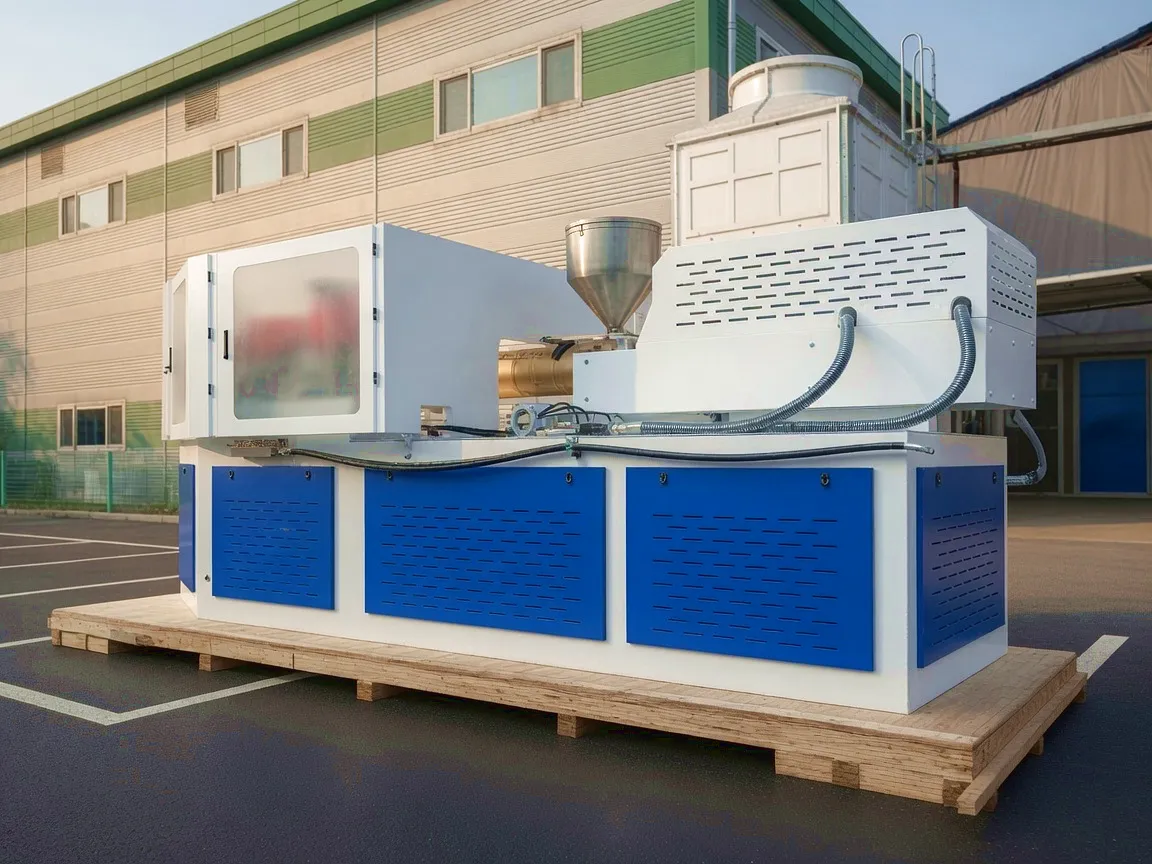
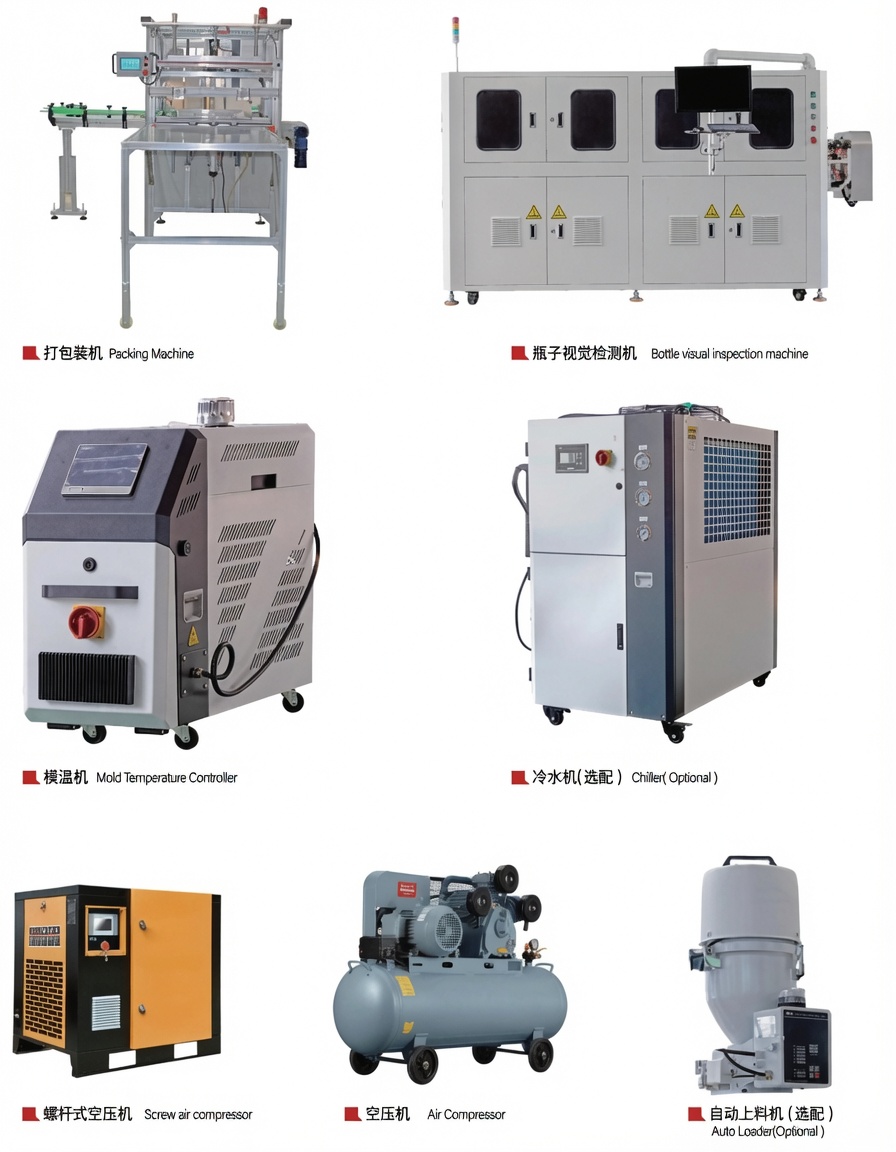
Ever Power operates a purpose-built injection-blow molding machine manufacturing complex with over 15,000 square metres of controlled production floor space. The facility integrates CNC machining centres, precision grinding lines, CMM coordinate measurement verification, and dedicated assembly and testing bays — all under one roof. This vertically integrated model gives Ever Power direct quality control over every component of the injection-blow molding machine, from the hardened P20 steel core rods that define the preform geometry to the servo amplifier cards that govern clamp and injection axes.
For UK oral care manufacturers, Ever Power’s customisation capability means the machine specification begins with your container portfolio — not a catalogue page. Volume range, cavitation, resin compatibility, neck finish standards, and downstream integration requirements (conveyor height, air supply interface, control system protocol) are all configured to your production environment before the machine leaves the factory.
Custom cavity layouts from 4 to 24 cavities; multi-layer co-injection capability for barrier-enhanced containers; tooling life guaranteed to 3 million cycles minimum.
All machines supplied to UK customers are configured to 415V 50Hz 3-phase supply, CE/UKCA marked, and delivered with full technical documentation in English.
Spare parts inventory maintained for rapid air-freight dispatch; typical delivery of critical wear components to UK facilities within 5–7 business days ex-works.
Dedicated application engineers provide resin selection, process parameter optimisation, and container validation support from project kick-off through to first production run.
Email: [email protected] · Response within 24 business hours
Featured IBM Machine Models — ZQ40 Platform
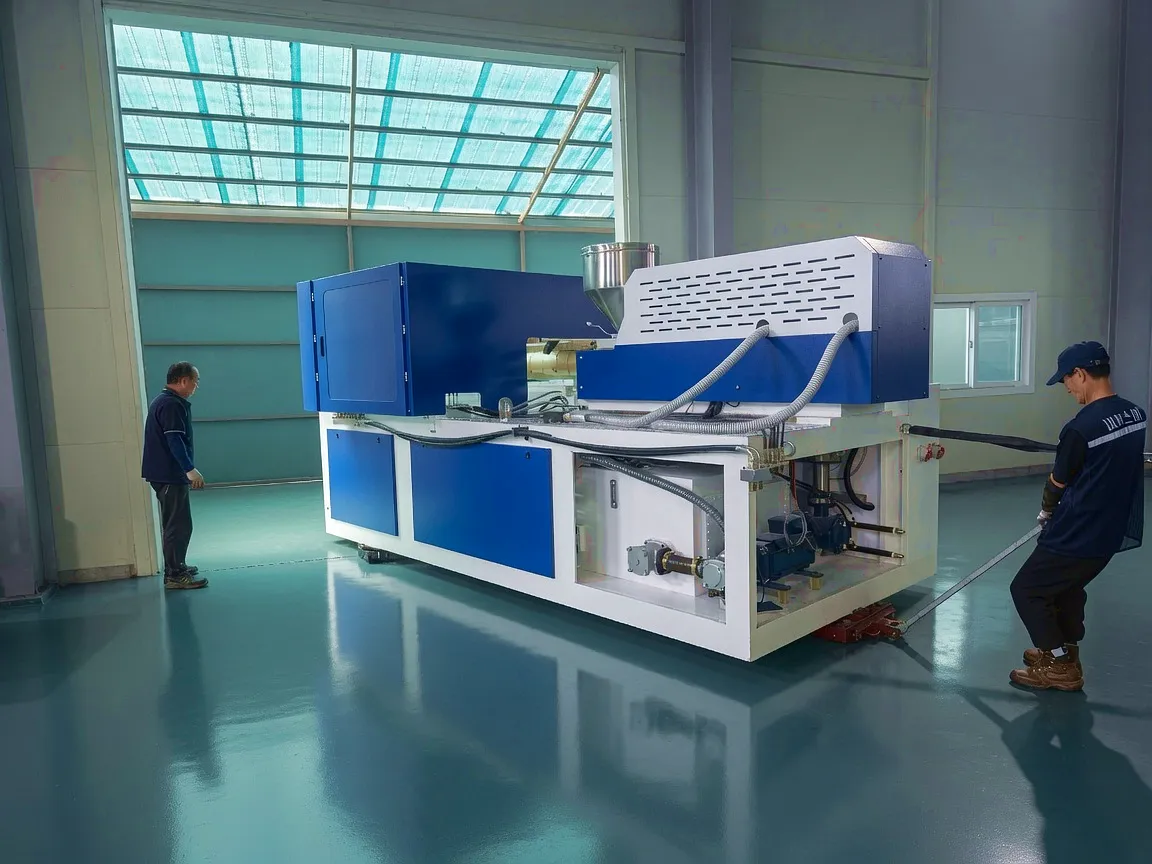
The ZQ40 is Ever Power’s flagship injection-blow molding machine for the small-to-medium container market, engineered to replace ageing hydraulic IBM machines with a servo-driven, energy-efficient platform that delivers higher output consistency, reduced waste rates, and lower total cost of ownership. Two key replacement configurations are available for UK oral care manufacturers currently operating Uniloy or Bloma machinery:
Designed as a precision drop-in replacement for Uniloy UIB 70 machines widely deployed across UK oral care and pharmaceutical packaging lines. The ZQ40 matches and exceeds the UIB 70’s container range while delivering servo-driven energy efficiency and modern PLC control architecture that integrates with existing line management systems. Ideal for West Midlands and Yorkshire facilities looking to extend production capacity without reconfiguring their production floor footprint.
Engineered to replicate and outperform the Bloma IBM45’s production envelope, the ZQ40 Bloma replacement offers equivalent cavitation options with the benefit of Ever Power’s modular tooling system. Contract manufacturers in Manchester, Leeds, and Bristol currently running IBM45 machines will find the ZQ40 reduces scrap rates significantly through its enhanced preform temperature homogeneity, while the servo clamp system eliminates the hydraulic oil maintenance overhead associated with older Bloma platforms.
Customer Success Story: Bristol-Based Oral Care Contract Manufacturer
Avonmouth · Oral Care Packaging · Contract Manufacturing
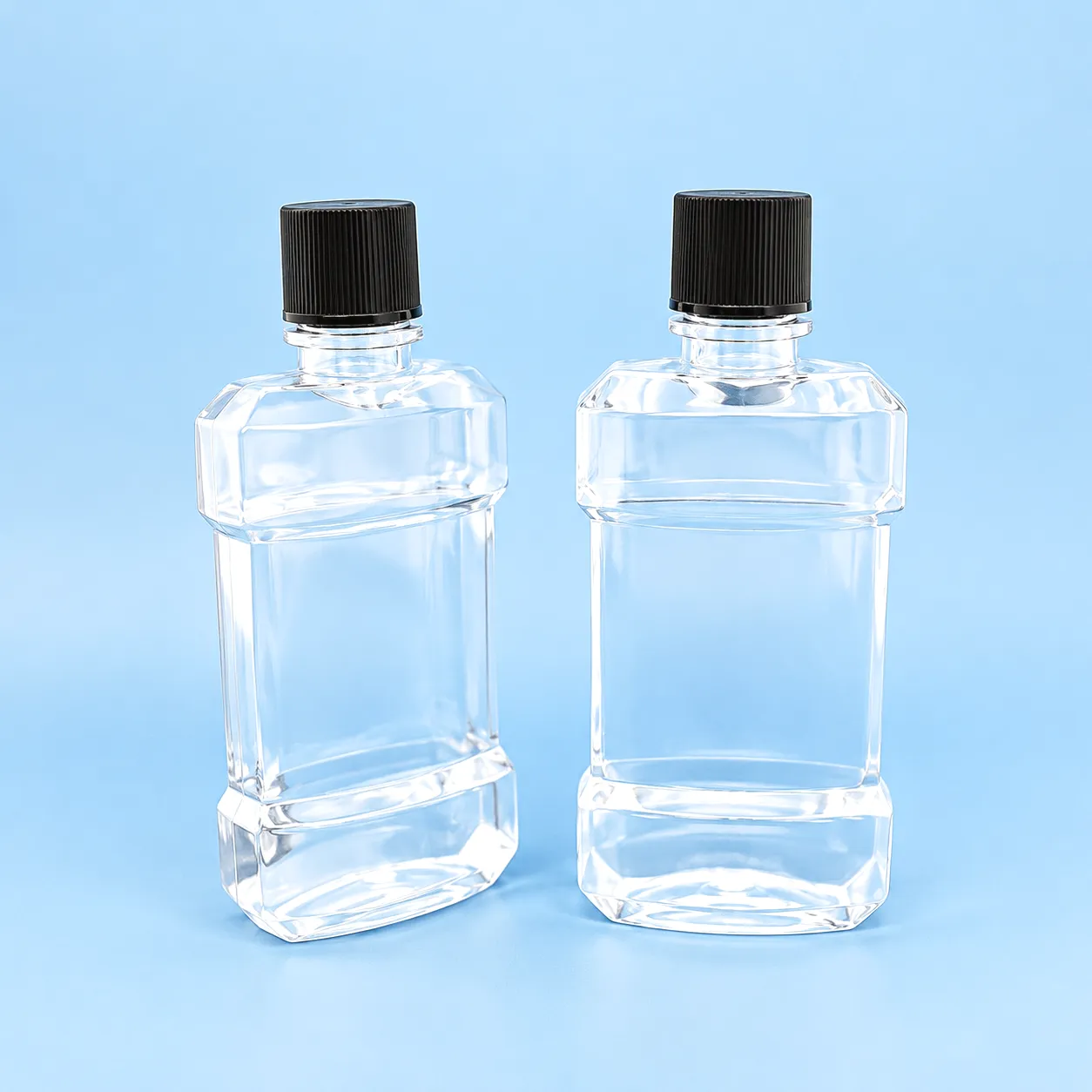 A mid-sized contract packaging manufacturer based at the Avonmouth industrial estate near Bristol approached Ever Power in 2024 with a well-defined challenge. The company had been operating two Uniloy UIB 70 injection-blow molding machines, both of which were approaching end-of-service life with mounting maintenance costs and increasing rejection rates on 250 ml PET mouthwash bottles destined for a major pharmacy chain’s own-label range. The customer’s quality manager had documented neck ovality drift of up to 0.22 mm on the ageing machines — well outside the closure manufacturer’s recommended ±0.07 mm fitment tolerance — resulting in sealing failures at the filling line and escalating warranty claims from the retailer.
After a detailed technical consultation with Ever Power’s application engineering team, the customer selected two ZQ40 units configured with 12-cavity PET tooling in a 24 mm PCO neck finish. The machines were shipped to Avonmouth on a 14-week lead time, installed with the assistance of Ever Power’s on-site commissioning engineer, and brought to validated production output within 8 working days of installation. First-off qualification runs achieved neck ovality measurements of 0.03 mm across all cavities — a sevenfold improvement over the retiring machinery. Bottle haze values came in at 2.1%, comfortably clearing the retailer’s optical specification, and wall thickness variation was measured at 3.8% — within Ever Power’s guaranteed <5% specification.
With production running at 14,400 bottles per hour across both machines — up from 10,200 on the Uniloy units — the Avonmouth facility was able to absorb a new seasonal mouthwash SKU without adding a third shift. Energy metering confirmed a 31% reduction in electricity consumption per thousand bottles produced, generating meaningful cost savings against the rising industrial electricity tariffs the UK packaging sector has faced. The customer’s operations director described the result as transformative for the facility’s capacity planning and sustainability KPIs.
“The neck tolerance performance on the ZQ40 is genuinely exceptional — we have not had a single pump fitment failure since commissioning. Our retailer’s QA team visited the line and specifically commented on the optical clarity of the bottles. Ever Power’s application engineer stayed on site until we were satisfied, and that level of after-sales support is rare in this industry.”
“The customisation flexibility Ever Power offered during the tooling design phase was something our previous machine supplier could not match. Being able to specify the exact neck finish geometry for our child-resistant closure — and have Ever Power’s engineers validate it with our closure supplier before the tool was cut — saved us at least three months of commissioning risk. A genuinely professional operation.”
“We were processing rPET at 30% content on our previous machine with persistent haze and colour consistency issues. On the ZQ40, the barrel temperature zone control is tight enough that we have run rPET at 50% content with no perceptible change in bottle clarity. The energy figures are also well within what Ever Power quoted, which has made our sustainability report for this year much easier to write.”
Frequently Asked Questions
The price of an injection-blow molding machine varies considerably depending on cavitation, container volume range, drive system, and tooling specification. For the UK oral care market, a fully servo-driven IBM machine with 12-cavity PET tooling in the 150–500 ml range typically falls in the GBP 180,000 to GBP 350,000 bracket including tooling and commissioning support. Ever Power provides detailed quotations within 24 business hours — contact [email protected] with your container volume, cavitation target, and annual output requirement to receive a tailored price.
Ever Power’s ZQ40 platform is specifically engineered as a validated replacement for the Uniloy UIB 70, with matched footprint dimensions, equivalent cavitation options, and all documentation supplied in English. Every machine destined for the UK market is supplied with UKCA marking, CE Declaration of Conformity (retained for export markets), and full circuit diagrams and spare parts lists in English. Visit our product page for full specification details.
The IBM machines supplied by Ever Power process PET, HDPE, PP, and rPET for oral care containers. For fluoride rinse applications where the formulation contains sodium fluoride or stannous fluoride, HDPE is most widely specified due to its outstanding fluoride inertness and resistance to stress cracking from surfactant-containing oral rinse formulations. PET is preferred for premium clear mouthwash bottles where optical clarity is a retail-shelf differentiator. All resins are processed within parameters that comply with UK cosmetics regulation stability testing requirements.
For standard ZQ40 configurations with off-the-shelf tooling, lead time from confirmed order to ex-works dispatch is typically 10 to 14 weeks. Sea freight transit to UK ports (Felixstowe, Southampton) adds approximately 4 to 6 weeks. Ever Power’s commissioning engineer travels to site for installation and first-run qualification, typically achieving validated production output within 5 to 10 working days post-delivery. Full documentation is supplied in advance to support site preparation and CE/UKCA installation review.
Ever Power provides end-to-end tooling customisation for child-resistant closure applications. The process begins with closure specification review — typically BS EN ISO 8317 or equivalent BS EN 28317 formats used in the UK market — followed by preform and bottle neck geometry design, tool manufacture, and fitment validation before shipment. This service is included as part of the machine tooling package rather than charged separately, ensuring that the container and closure system are validated as a complete unit before production commences at your facility.
For premium mouthwash bottles distributed through UK pharmacy and grocery retail channels, injection-blow molding offers several definitive advantages over extrusion-blow molding. IBM produces containers with no parting line flash, no seam lines, and injection-formed neck finishes that achieve tolerance of ±0.05 mm — far superior to the ±0.15 to 0.25 mm typical of EBM neck finishes. PET IBM containers achieve haze values below 3%, delivering the glass-like clarity that commands premium shelf placement. EBM is more economical for very large containers (above 2 litres) and asymmetric shapes, but for the 100 ml to 1 L mouthwash bottle sizes dominant in UK retail, IBM’s quality and consistency advantages are decisive.
Ever Power’s ZQ40 machines are validated for rPET processing at up to 100% recycled content, with multi-zone barrel temperature control that prevents the thermal degradation leading to acetaldehyde generation — a critical quality concern for oral care packaging in contact with alcohol-containing formulations. To receive a quote tailored to your rPET content target, annual volume, and container specification, contact the Ever Power sales team at [email protected]. Include your current resin supplier’s rPET grade datasheet if available, and our application engineering team will configure the barrel and screw specification accordingly.
Ready to Upgrade Your Oral Care Packaging Line?
Ever Power’s injection-blow molding machine engineers are ready to analyse your current production challenges and propose a ZQ40 configuration built precisely around your oral care container portfolio. Contact us today for a no-obligation technical consultation and pricing proposal.
edit by gzl