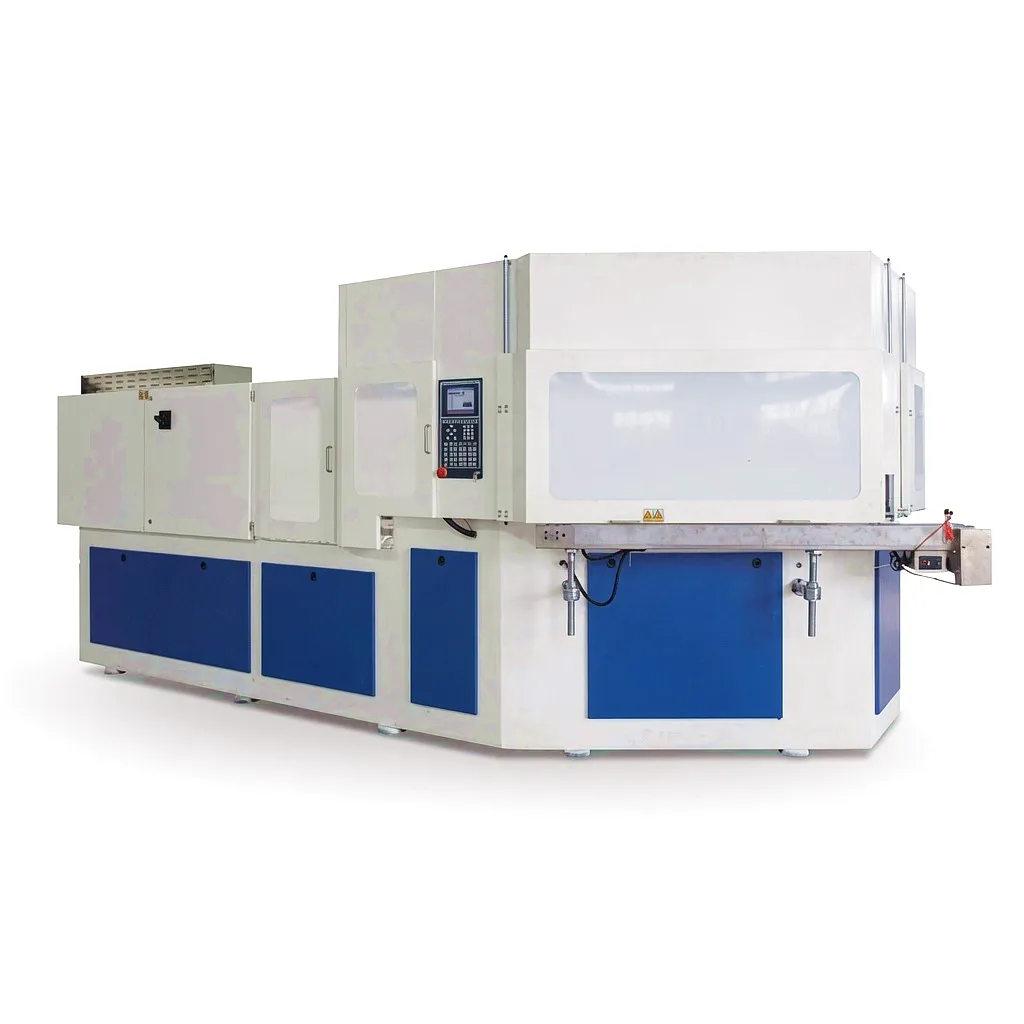
Blow Moulding Process Comparison: IBM vs ISBM vs EBM vs Extrusion
Understanding where injection blow molding fits within the broader landscape of hollow container manufacturing is essential before specifying equipment. Each process carries distinct trade-offs in terms of tooling cost, throughput, container geometry, and material compatibility. The table and analysis below offer a practitioner-level comparison that buyers in the UK market should thoroughly evaluate before raising a capital request.
IBM — Injection Blow Molding
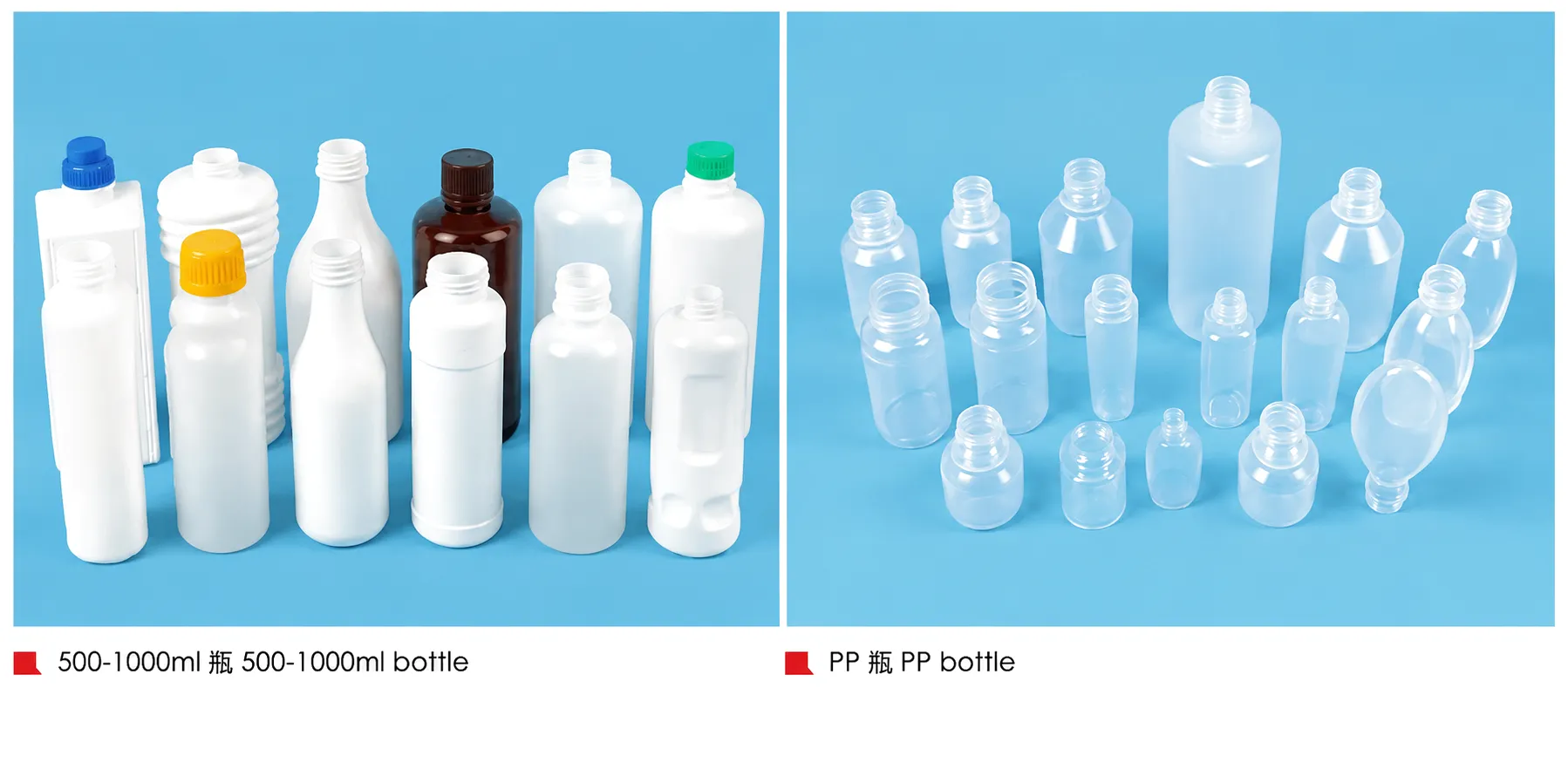
Combines injection of a preform (parison) over a core rod, followed immediately by blow expansion within the same machine. No secondary handling. Ideal for small, precision pharmaceutical and cosmetic containers from 2 ml to approximately 1,000 ml. Produces zero flash and no post-trimming. Wall thickness uniformity is the best among all blow molding methods. Compatible with HDPE, PP, PET, PC, PETG, and PPSU.
ISBM — Injection Stretch Blow Molding
Extends the IBM concept by adding biaxial stretching via a push rod during the blow phase. This orientation greatly increases tensile strength and barrier properties. Best suited for PET bottles in the beverage sector — carbonated drinks, water, juice. Not typically used for pharmaceuticals due to neck tolerance requirements. Higher investment but excellent output for mid-to-large containers above 200 ml. Sheffield-based beverage co-packers often specify ISBM lines for their PET output.
EBM — Extrusion Blow Molding
An extruder continuously pushes a molten plastic tube (parison) downward, which a split mold then clamps and blows. EBM excels at large, complex shapes — industrial drums, automotive ducts, playground equipment. Wall thickness control is inferior to IBM. Flash is generated at pinch-off points and must be trimmed. Material range is broad: HDPE, LDPE, PVC, PP. UK chemical and industrial packaging sectors in Manchester and Teesside rely heavily on EBM for large-format containers above 5 litres.
Extrusion / Coextrusion Blow Molding
A variant of EBM where multiple resin layers are coextruded simultaneously to produce multilayer containers with barrier, structural, and recyclability properties in a single wall. Used for food packaging requiring EVOH oxygen barriers, or medical containers needing UV protection. Tooling and process complexity are high. Coextrusion lines serving UK food manufacturers in the East Midlands and South Yorkshire typically run 6-layer structures at throughputs exceeding 800 bottles per hour per cavity.
How an IBM Machine Works: Three-Station Rotary Principle
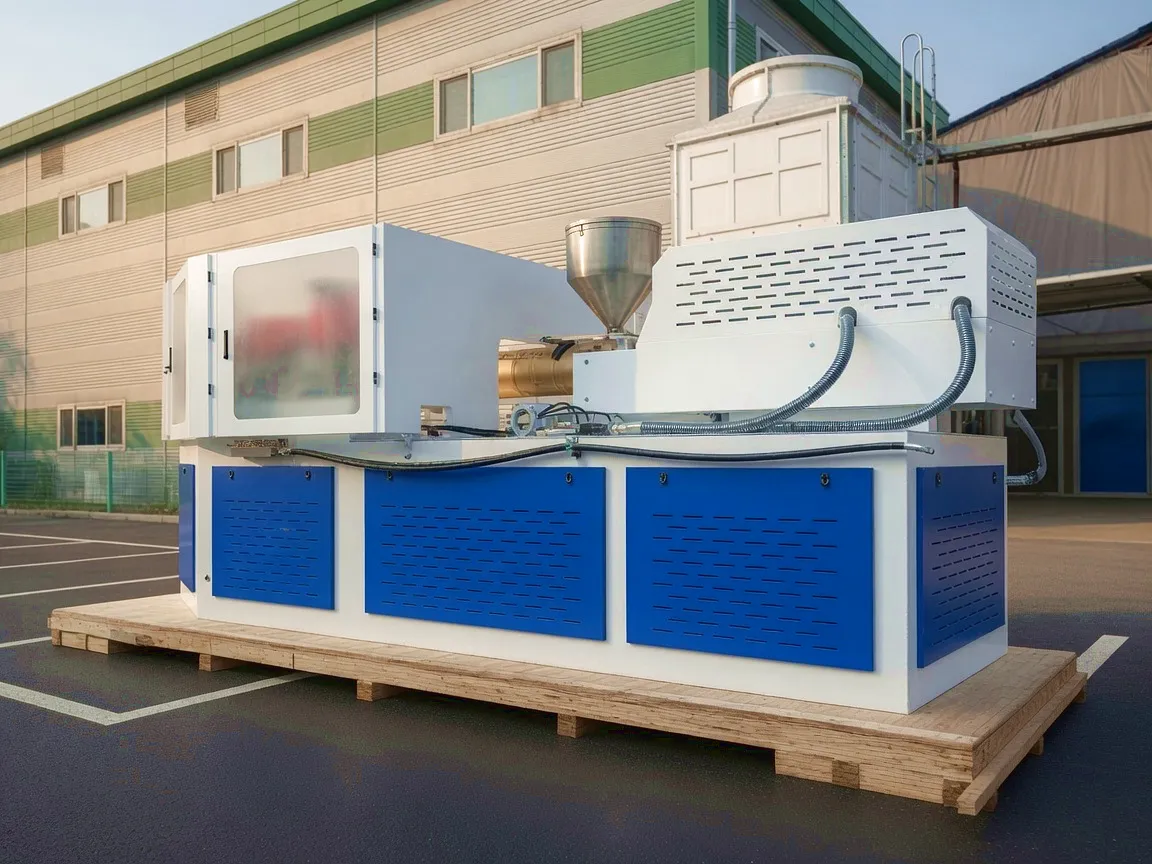
Preheating temperature profiles are among the most critical process variables in IBM. Below are representative setpoints used in industrial practice for common resins processed on modern IBM blow molding machines:
HDPE
Hopper zone: 60°C — Zone 1: 170°C — Zone 2: 200°C — Zone 3: 215°C — Nozzle: 220°C
Polypropylene (PP)
Hopper zone: 60°C — Zone 1: 180°C — Zone 2: 210°C — Zone 3: 225°C — Nozzle: 230°C
PET (Pharma Grade)
Hopper zone: 70°C (dried) — Zone 1: 255°C — Zone 2: 270°C — Zone 3: 280°C — Nozzle: 282°C
Polycarbonate (PC)
Hopper zone: 120°C (pre-dried 4 hrs) — Zone 1: 260°C — Zone 2: 285°C — Zone 3: 295°C — Nozzle: 300°C
Wall Thickness Uniformity Control in IBM Blow Molding
Wall thickness uniformity is the defining metric by which IBM blow molding machines are judged in demanding segments such as pharmaceutical dispensing containers, eye-drop bottles, nasal spray dispensers, and high-value cosmetic packaging. A deviation of just 0.1 mm in a 15 ml HDPE eye-drop bottle can affect the squeezability characteristics, volumetric delivery accuracy, and downstream capping torque — all of which are subject to UK Medicines and Healthcare Products Regulatory Agency (MHRA) scrutiny. The IBM process inherently delivers superior uniformity because the preform is formed over a steel core rod that never deforms during the blow phase; the material distribution is therefore determined by the precision of the injection tooling rather than by parison programming or die gap variation as seen in EBM.
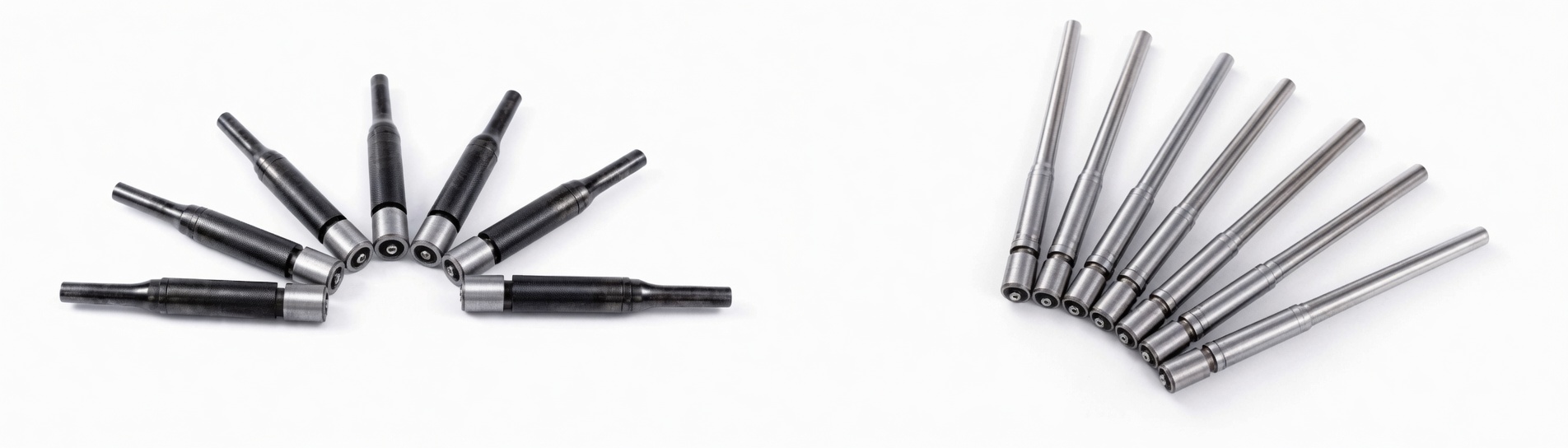
Modern IBM machines from Ever Power achieve typical wall thickness coefficients of variation (CV) below 4% across the container body and below 2.5% at the shoulder and base areas, measured using ultrasonic gauges without contact. These figures are achievable because the core rod temperature is independently controlled — typically maintained at 40°C to 60°C using internal water channels — which ensures consistent melt stratification during the injection phase. Core rod straightness tolerance in precision IBM tooling is held to within 0.01 mm along the full length, a specification that demands high-end CNC grinding and hardened tool steel with HRC 60+ surface hardness.
Typical Wall Uniformity by Zone (IBM vs EBM)
Core Materials Processed on IBM Blow Molding Machines
Material selection governs every downstream performance characteristic of the blown container — chemical resistance, drop impact, clarity, regulatory compliance, and recyclability. The IBM process is highly versatile in its material compatibility precisely because the injection phase allows precise control over melt viscosity and packing pressure, accommodating resins with a wide range of melt flow indices. Below is a practitioner-level overview of the materials most commonly processed on IBM machines serving the UK market.
HDPE (High-Density Polyethylene)
The workhorse of pharmaceutical packaging. Excellent chemical resistance to acids, bases, and most organic solvents. FDA/USP Class VI compliant grades available. Typical MFI 0.3–1.0 g/10 min. Opaque, UV-resistant with appropriate masterbatch. Widely used for tablet bottles, reagent bottles, and chemical dispensers at manufacturing sites in Nottingham and Leicester.
PET (Polyethylene Terephthalate)
Used where clarity and oxygen barrier properties are essential. Intrinsic viscosity (IV) of 0.72–0.84 dl/g is typical for IBM-grade PET. Requires pre-drying to below 0.005% moisture to prevent hydrolytic degradation at processing temperatures. Pharma-grade PET containers must comply with Ph. Eur. 3.1.5. Used for multi-dose liquid medications, oral suspension bottles, and high-clarity cosmetic dispensers.
Polypropylene (PP)
Preferred for containers requiring steam sterilisation at 121°C — a standard cycle in hospital pharmacy environments. Excellent hinge durability and high-temperature resistance. PP for IBM typically has MFI of 8–30 g/10 min (higher than injection moulding grades due to reduced MW needed for blow). Used in single-dose ampoules, asthma inhaler components, and ophthalmic packaging produced by UK CMOs.
Polycarbonate (PC) & PETG
PC delivers glass-like clarity with outstanding impact resistance — ideal for reusable laboratory containers, medical device housings, and specialty cosmetic bottles where premium aesthetics are non-negotiable. Must be processed bone-dry (below 0.02% moisture). PETG combines PET clarity with improved chemical resistance and lower processing temperatures. Both materials appear in high-value skincare packaging produced by brands supplying UK retailers including premium department stores.
IBM Machine Technical Performance Parameters
The table below presents key technical and performance parameters for IBM blow molding machines in the class range suitable for pharmaceutical, personal care, and food-grade packaging applications, representing typical specifications for machines in the 25-tonne to 100-tonne injection clamping force class.
Mould Design and Container Geometry Optimisation
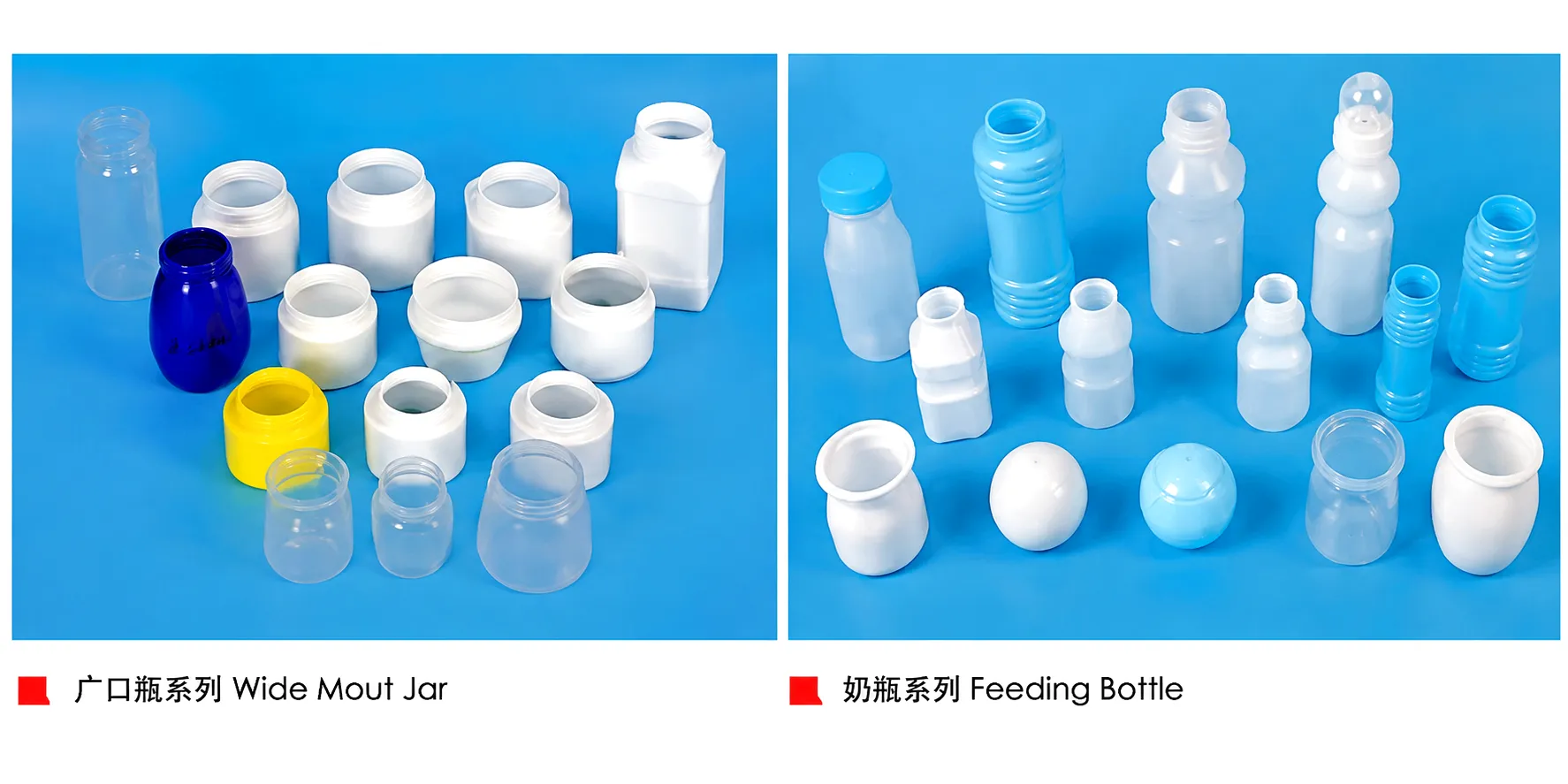
Core Rod Steel: H13
Excellent hot hardness and thermal fatigue resistance. HRC 52–58. Suitable for PET and PC at processing temperatures above 280°C. Mirror polishable to Ra 0.05 µm. Standard in pharma-grade IBM tooling worldwide.
Blow Mould: Beryllium-Copper Alloy
BeCu alloy moulds offer thermal conductivity 3–4× higher than P20 steel, reducing cooling time by 25–35% for thin-walled containers. Used in high-cavity, fast-cycle IBM applications. Requires careful handling due to beryllium particulate safety regulations under UK COSHH.
Injection Cavity: S136 Stainless Steel
Corrosion-resistant tool steel for the injection mould cavity. Particularly suited to PVC or hygroscopic resins that may release aggressive volatiles. High polishability to SPI A1 standard. Preferred by ISO 15378-compliant packaging manufacturers supplying UK pharmaceutical companies.
Core Technical Advantages of IBM Blow Molding Machines
01 — Zero Flash, Zero Trim Waste
The IBM process produces no parison flash and requires no post-process trimming. Every gram of resin injected becomes saleable container. For UK manufacturers facing rising RPET and HDPE raw material costs and EPR levies on plastic packaging waste, this zero-loss process directly reduces material cost per unit by 8–15% compared with EBM equivalents.
02 — Precision Neck Finish (±0.05 mm)
Because the neck finish is formed in the injection stage — not the blow stage — dimensional control is governed by the rigid injection tool rather than by an elastic blown membrane. This allows thread forms, tamper-evident bead seats, and crimp neck profiles to be produced to DIN 168, ISO 3585, and 28-400 standards with repeatability across millions of shots. Critical for child-resistant closure compliance under UK statutory requirements.
03 — High Clarity & Aesthetics
IBM machines process transparent PET, PC, and PETG without stress-whitening or optical distortion common in stretched EBM alternatives. Haze values below 3% are routinely achieved for 50 ml PET bottles. This optical quality has driven adoption in UK premium beauty — where brands selling through Selfridges, John Lewis, or Harrods specify IBM containers to communicate product quality at shelf.
04 — Compact Footprint, Multi-Cavity Output
A 4-cavity IBM machine occupies approximately 3.5 m x 1.8 m of floor space while producing 800–1,200 containers per hour. This output density is particularly valuable in UK GMP cleanroom environments — such as those operated by CMOs in Swindon, Warrington, and Basildon — where validated floor space commands premium operational costs above £800 per square metre per year.
05 — Servo-Hydraulic Energy Efficiency
Modern IBM blow molding machines fitted with servo-driven variable-displacement hydraulic pumps consume 35–45% less electrical energy than earlier fixed-displacement pump machines running equivalent output. For a 6-cavity machine running three shifts in a Birmingham manufacturing site, this translates to an estimated annual energy saving of 28,000–36,000 kWh — a meaningful contribution to both carbon footprint reduction and energy cost management given UK industrial electricity rates.
06 — Rapid Mould Change System
IBM machines equipped with quick-change mould systems — magnetic platens, unified hydraulic connection manifolds, and pre-heated mould storage carts — can achieve sub-30-minute changeovers between container formats. This enables contract packers and pharma CMOs to run short batch campaigns economically without dedicating a machine exclusively to one SKU, which is a critical commercial flexibility driver in the UK contract manufacturing market.
Industrial Application Scenarios for IBM Blow Molding Machines
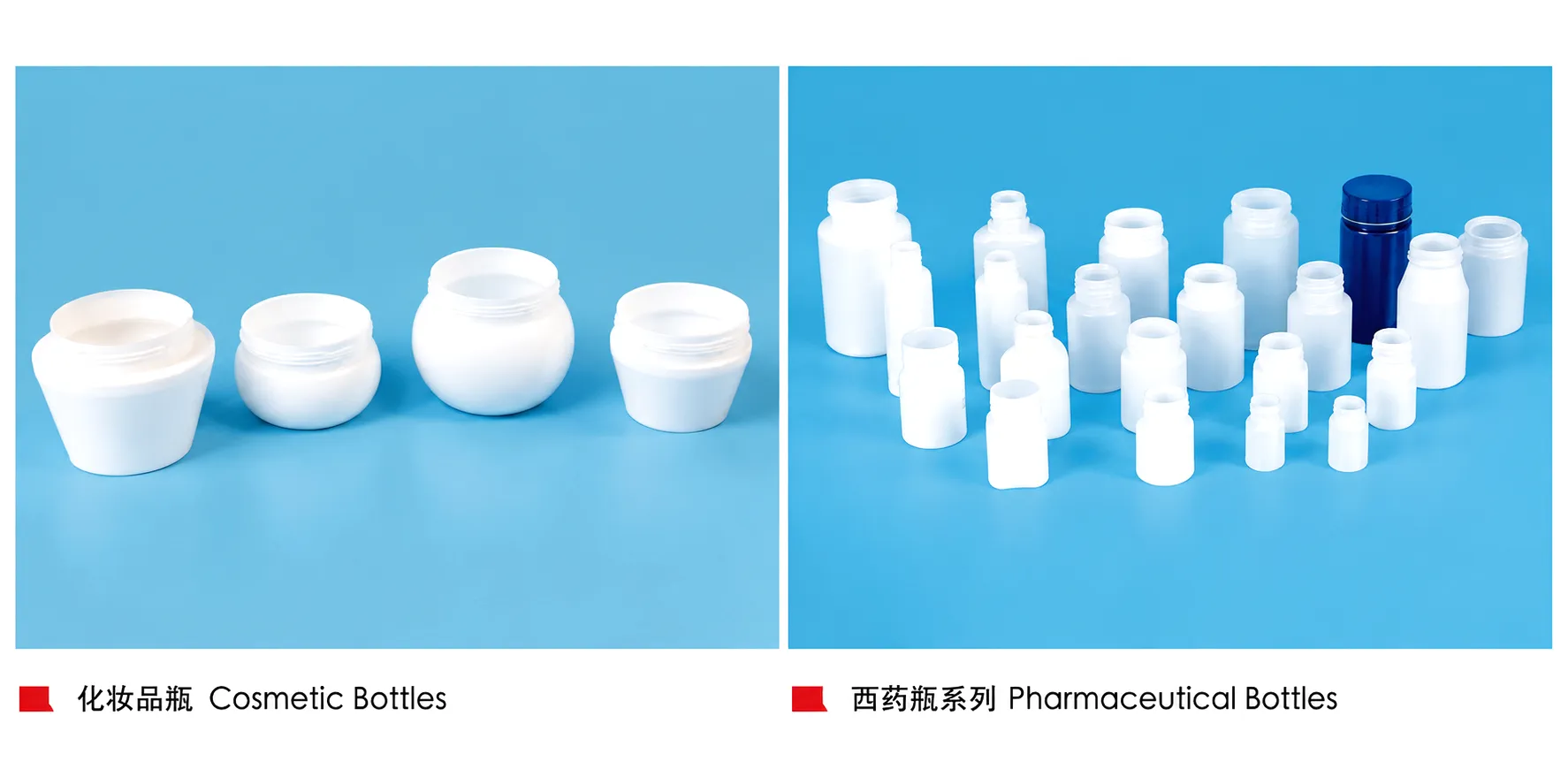
Food-Grade & Nutraceutical Containers
Supplement brands, protein powder companies, and functional food producers supplying UK health retail chains require HDPE and PP containers that pass UK Food Standards Agency (FSA) contact material regulations. IBM-blown containers offer smooth, flash-free internal surfaces that do not trap product residues — a significant advantage for powders and viscous liquids alike. Induction-sealed neck finishes, a common requirement in nutraceuticals, demand the dimensional consistency that only IBM can reliably deliver at commercial volumes.
Veterinary & Agricultural Chemical Containers
IBM machines producing HDPE containers for veterinary antiparasitic treatments and pour-on formulations serve UK agricultural manufacturers in Yorkshire and East Anglia. These containers must withstand concentrated agrochemicals while maintaining child-resistant, tamper-evident closures. IBM’s precise neck geometry allows positive engagement with CR closure systems meeting UK statutory requirements under the Dangerous Substances and Preparations Directive.
Laboratory & Diagnostics Plasticware
Polypropylene and polycarbonate sample containers, reagent bottles, and specimen vials for clinical diagnostic and life science laboratory applications are produced in high volumes on IBM machines operating in UK plastics converters serving the NHS supply chain and commercial laboratory markets. Volume accuracy of ±1.5% and sterility compatibility (gamma-sterilisable PP grades) are standard requirements served by IBM production in Manchester, Cambridge, and Oxford bioscience clusters.
Common IBM Machine Fault Diagnosis and Troubleshooting
Even well-maintained IBM blow molding machines will occasionally present process deviations. The ability to diagnose root causes rapidly — rather than resorting to trial-and-error parameter changes — separates experienced IBM technicians from novices. The table below lists the most frequently encountered defects on production IBM lines, their likely root causes, and recommended corrective actions:
Energy Consumption Optimisation and Green Retrofit Strategies
Servo-Drive Retrofit
Replacing fixed-displacement pumps with servo-controlled variable displacement units on legacy IBM machines typically achieves 35–45% reduction in hydraulic drive energy. Payback period for UK manufacturers at current electricity rates is typically 18–28 months — well within Capital Allowance write-down periods under UK tax rules.
Blow Air Heat Recovery
Blow air exhausted after container inflation exits at 5–8 bar and 35–55°C — carrying recoverable thermal energy. Heat exchangers on the exhaust circuit can recover this thermal content for use in pre-drying hoppers or building heating systems, reducing total site energy demand. A growing number of UK pharmaceutical packaging sites are implementing these circuits as part of ISO 50001 energy management programmes.
Intelligent Standby Mode
Modern IBM machine PLCs can be programmed to enter a timed standby mode during planned production breaks — dropping barrel temperatures to 80% of processing setpoints and reducing hydraulic pressure to minimum safe levels. Implementing structured standby protocols across a 3-machine IBM cell can reduce idle power consumption by 40–55%, a meaningful saving given that UK production lines can experience combined planned and unplanned downtime exceeding 20% of scheduled hours.
Ever Power Product Range
Featured IBM Blow Molding Machines
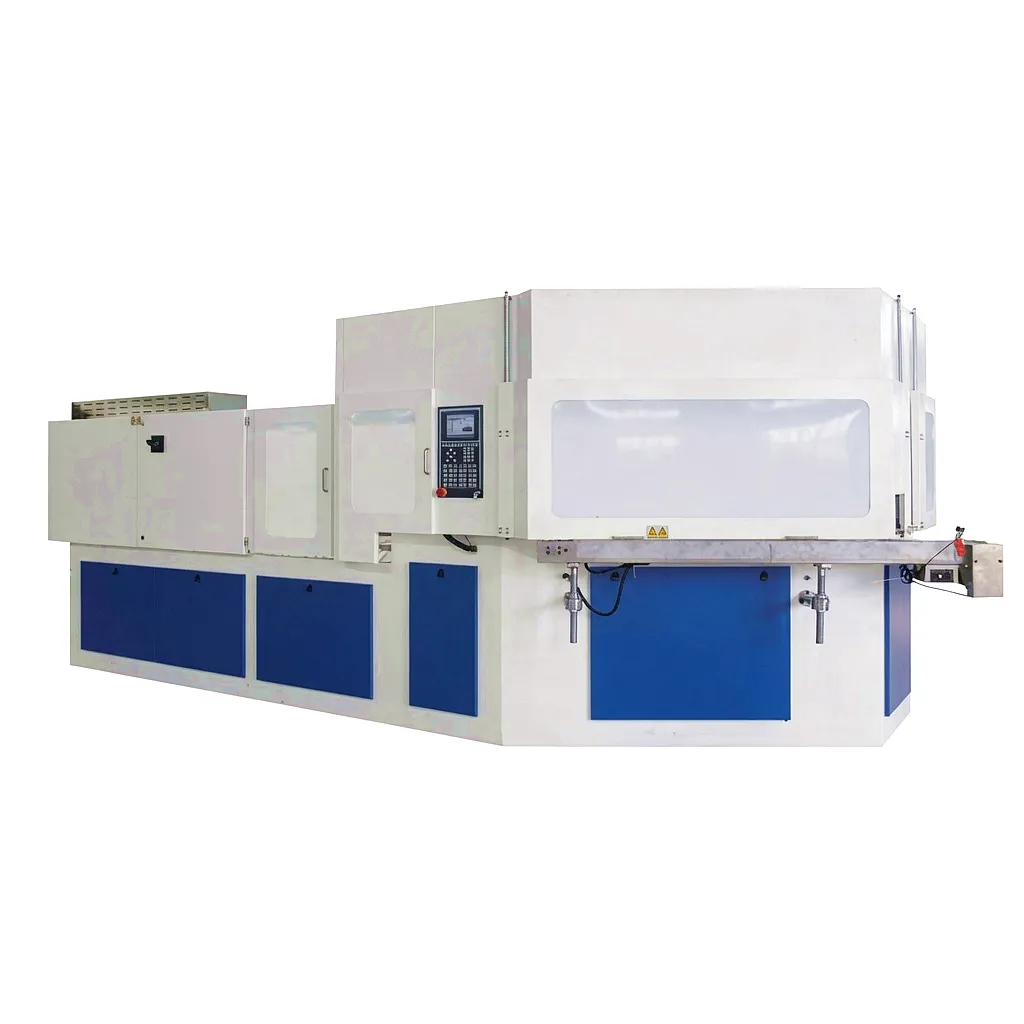
Ever Power: Precision Manufacturing & Customisation Capabilities
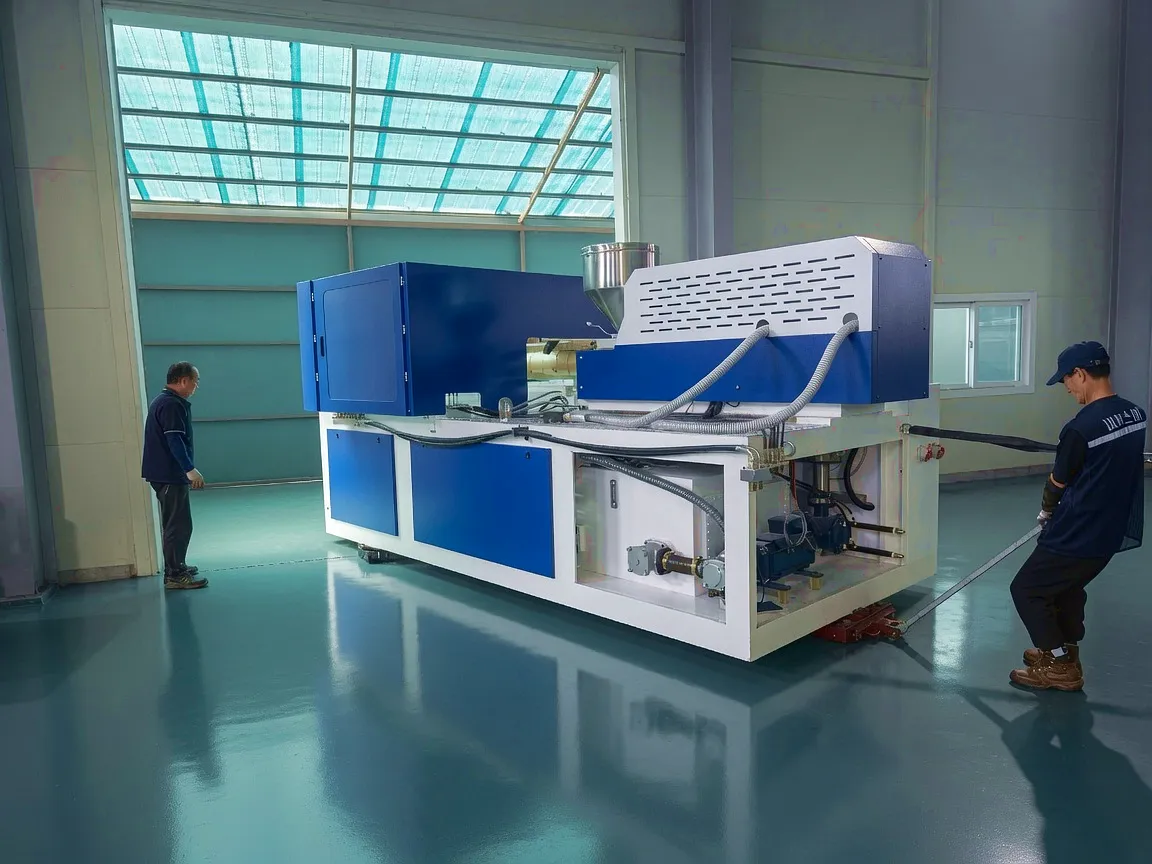
18,000 m²
Enclosed Production Facility
±0.01 mm
Core Component Machining Tolerance
12-Month
Forward Spare Parts Stock Holding
CE / UKCA
Full UK Import Compliance Documentation
Ready to discuss your IBM machine requirements? Our applications engineers are available to evaluate your container specifications and recommend the optimal machine configuration.
IBM Machine Auxiliary Equipment & Ancillary Systems
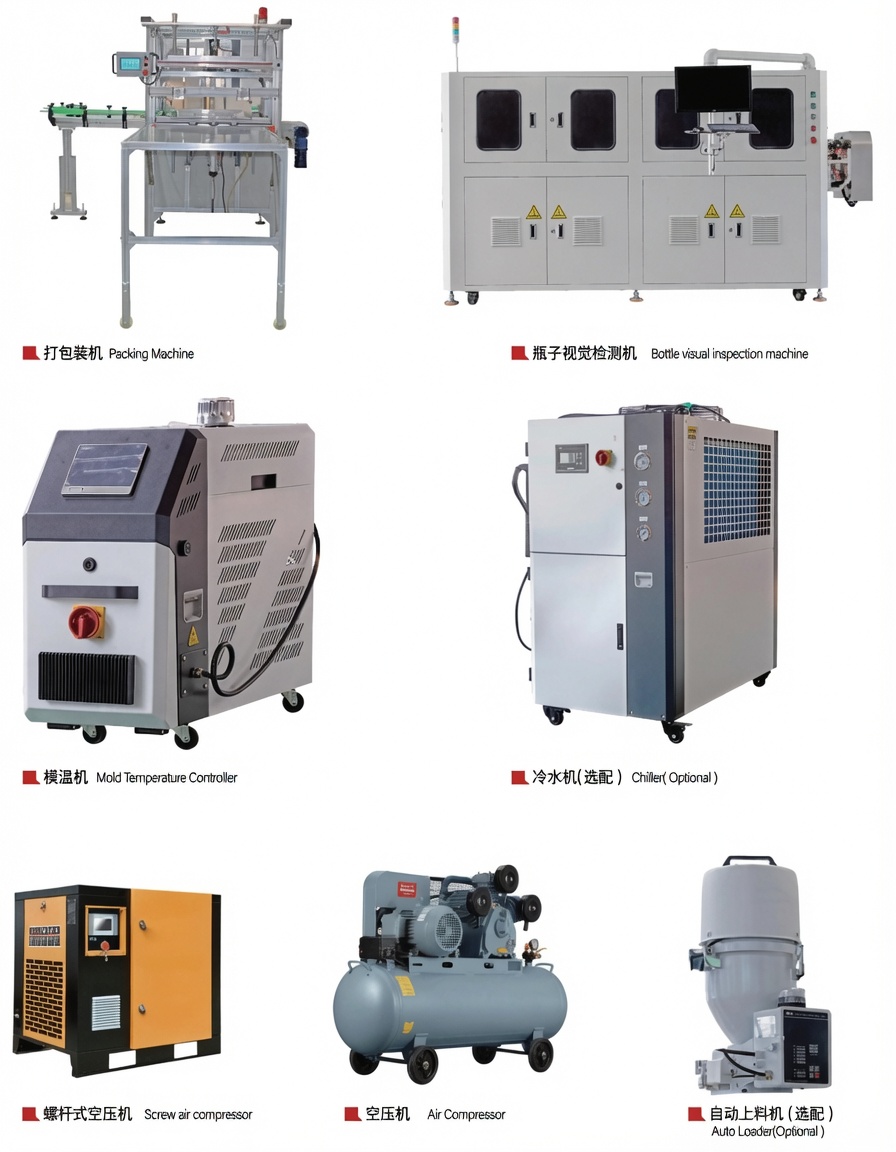
A complete IBM production line extends well beyond the blow molding machine itself. The auxiliary systems surrounding the core machine — desiccant dryers, chillers, mould temperature controllers, conveying systems, vision inspection, and air compressors — jointly determine the achievable efficiency, quality, and uptime of the complete cell.
Customer Success Story: Pharmaceutical Packaging CMO, Sheffield, South Yorkshire
Case Study — UK Contract Manufacturing Organisation
A Sheffield-based contract manufacturing organisation operating within the pharmaceutical liquid preparations sector had been running two ageing EBM machines producing HDPE oral suspension bottles for NHS-tendered medicines supply. The EBM machines were generating flash waste equivalent to approximately 4.2% of total resin consumed, requiring a dedicated flash granulation and recycling loop that occupied two FTE operators and generated significant quality assurance paperwork under the site’s GMP-licensed quality system. Neck finish variability was also causing intermittent capping failures — with child-resistant closure rejection rates running at 1.8% — resulting in rework costs and batch investigation reports that burdened the quality team disproportionately.
The operations director approached Ever Power following a recommendation from a packaging development consultant who had worked with Ever Power machines on a previous project. After an initial technical review — conducted remotely via video conference with Ever Power’s applications engineering team — the site elected to install two ZQ110 IBM blow molding machines in a phased programme across Q2 and Q4 of the same financial year. Tooling was designed by Ever Power for the four primary container formats (60 ml, 100 ml, 200 ml, and 300 ml HDPE oral suspension bottles) with shared-cavity 4-up toolsets for the two larger formats and 6-up toolsets for the 60 ml and 100 ml sizes.
Following commissioning — with Ever Power’s engineer on-site for 10 days and remote support covering the qualification batches — the Sheffield facility recorded the following outcomes against their pre-IBM baseline: flash waste eliminated entirely, reducing resin consumption by 4.2% per unit and freeing the granulation equipment for other site uses; child-resistant closure rejection rate fell from 1.8% to 0.12%, reducing rework and investigation resource requirements by over 90%; output per square metre of cleanroom floor space increased by 34% due to IBM’s more compact machine footprint relative to the two EBM lines; energy consumption per 1,000 containers reduced by 38%; and the quality team reported a 60% reduction in container-related non-conformance reports in the 12 months following conversion.
The site has since ordered a third ZQ135 unit for a new nutraceutical packaging contract, and Ever Power supplies the Sheffield facility with all consumable tooling components including core rods and injection cavity inserts from its European spare parts stock held in the Netherlands for rapid DHL Express delivery to UK addresses.
What Our UK Customers Say
★★★★★
“The wall thickness consistency we’re seeing from the ZQ110 is genuinely outstanding. We ran a 12-hour validation run producing 100 ml HDPE bottles and measured wall CV below 3.2% across 480 consecutive samples. That level of process capability would have been unimaginable on our old EBM line. Ever Power’s applications team was responsive throughout the commissioning period and knew the process inside out.”
— Operations Director, Pharmaceutical Packaging CMO, Sheffield
★★★★★
“We specified the ZQ135 with a custom-length injection barrel to accommodate a high-IV PET grade we use for premium cosmetic containers. Ever Power’s engineering team handled the customisation smoothly and delivered exactly to the specification drawings we provided. CE documentation was complete and the machine passed our UK import compliance review without a single query from the shipping agent. Lead time was 14 weeks from order — better than any European alternative we quoted.”
— Technical Director, Cosmetics Packaging Producer, Leeds
★★★★★
“After 18 months running two ZQ110 machines, our energy cost per thousand containers has dropped by 36% compared to our previous equipment. The servo drive system makes a very real difference at the energy meter. What impressed us most was the spare parts service — Ever Power holds critical components in Europe and we’ve never waited more than 48 hours for a delivery to our Birmingham site. That’s a service level we didn’t expect from a Chinese manufacturer, and it’s changed how we think about sourcing capital equipment.”
— Plant Manager, Nutraceutical Container Division, Birmingham
Frequently Asked Questions — IBM Blow Molding Machines for UK Buyers
These questions reflect what UK purchasing managers, production engineers, and technical directors typically ask when evaluating injection blow molding machines for the first time or upgrading existing capacity.
How much does a good-quality IBM blow molding machine typically cost for a UK pharmaceutical packaging operation, and what should I budget for tooling?
A quality IBM machine in the 110–135 kN injection clamping force class — suitable for pharmaceutical containers from 2 ml to 1,000 ml — typically carries an ex-works price range of USD 45,000 to USD 95,000 depending on the number of stations, servo system specification, and control platform. Tooling cost for a 4-cavity pharmaceutical HDPE tool set (injection mould + core rod + blow mould) typically adds USD 18,000 to USD 35,000 per container format. Including freight, UK import duties, installation, and commissioning, the total landed cost for a complete IBM production cell with one tool set is typically in the range of GBP 55,000 to GBP 120,000. Contact Ever Power at [email protected] for a specific quotation based on your container requirements.
Which IBM blow molding machine supplier in the UK or from China can provide full UKCA compliance documentation and CE marking for pharmaceutical GMP sites?
Ever Power provides full CE marking and UKCA-equivalent technical documentation as standard with all IBM machines supplied to UK customers. This includes Declarations of Conformity, risk assessment documentation per EN ISO 12100, electrical schematics compliant with EN 60204-1, and safety function verification reports. For pharmaceutical GMP sites requiring IQ/OQ documentation templates, Ever Power provides structured documentation packs aligned with GAMP 5 guidance. All documentation is provided in English and reviewed by Ever Power’s European compliance team before shipment.
What is the typical lead time for ordering an IBM blow molding machine from China to a manufacturing site in Birmingham or Sheffield, and how is delivery managed?
Standard lead time for an Ever Power IBM machine is 10–16 weeks from order confirmation and deposit receipt, depending on the configuration and current production schedule. Machines are shipped FCL (full container load) from Shanghai or Ningbo to UK ports (typically Felixstowe or Southampton), with DDP (Delivered Duty Paid) terms available for buyers who prefer a single landed cost without import logistics complexity. Transit from port of loading to UK delivery is typically 28–35 days. Ever Power’s UK freight partner handles customs clearance, UKCA documentation submission, and local haulage to the customer’s site.
Where can I get an IBM blow molding machine serviced or repaired in the UK, and does Ever Power offer after-sales support for customers in England?
Ever Power provides multi-tiered after-sales support for UK customers. Remote diagnostics via PLC data link and video call are available within 4 hours of a service request being logged during business hours (European time zone coverage includes UK hours). Critical spare parts — injection barrels, screw assemblies, hydraulic seal kits, core rod sets, and electrical control components — are held in Ever Power’s European spare parts hub in the Netherlands, from which next-day DHL Express delivery to all UK mainland addresses is available. For on-site technical visits, Ever Power’s European service engineers can typically attend UK sites within 5–7 working days for non-emergency visits, or within 48 hours for production-critical breakdowns under a premium service agreement.
How does an IBM blow molding machine compare to a two-stage ISBM line when deciding which process is right for my UK personal care packaging production?
For personal care containers below 200 ml — perfume bottles, lotion pumps, toner bottles, serum dispensers — IBM is generally the superior choice due to its zero-flash operation, superior neck finish accuracy, and greater suitability for smaller batch sizes with frequent container format changes. ISBM becomes more competitive above 200 ml, particularly for PET, where the biaxial orientation achieved during stretching delivers higher top-load strength and CO2 barrier performance. If your product range centres on small-format cosmetic containers in PET, HDPE, or PC with premium aesthetic requirements and batch sizes below 500,000 units per format, an IBM machine from Ever Power will almost certainly deliver a better total cost of ownership than a two-stage ISBM line.
What energy efficiency improvements can a manufacturer in Leeds or Manchester realistically expect after replacing an older fixed-pump IBM machine with a modern servo-drive model?
Manufacturers upgrading from legacy fixed-displacement hydraulic IBM machines (typically manufactured before 2015) to modern servo-drive models can realistically expect a 35–45% reduction in machine-level electrical energy consumption. On a 6-cavity IBM machine running three 8-hour shifts per day, 5 days per week, this translates to an annual energy saving in the range of 25,000–40,000 kWh — equivalent to approximately GBP 6,000–GBP 10,000 per year at current UK industrial electricity tariffs. Payback on the capital investment in a new servo-drive machine (versus the alternative of repairing an older unit) is typically 24–36 months when the combined effect of energy savings, reduced maintenance costs, and improved OEE is factored into the calculation.
Ready to Invest in IBM Technology?
Get Your Custom IBM Machine Quote from Ever Power
Share your container specifications, production volume requirements, and material needs. Our applications engineers will respond within one working day with a tailored machine and tooling recommendation.
edit by gzl