Ever Power · Industrial Series
IBM Blow Molding Machine: Complete Technical Guide for UK Industrial Buyers
Injection blow molding machines are redefining precision plastics manufacturing across the UK — from pharmaceutical packaging corridors in Birmingham to cosmetics supply chains in Manchester. This in-depth technical reference covers working principles, process comparisons, performance data, UK application scenarios, and Ever Power’s full customisation capabilities.
Blow Moulding Process Technologies: IBM, ISBM, EBM and Extrusion Compared
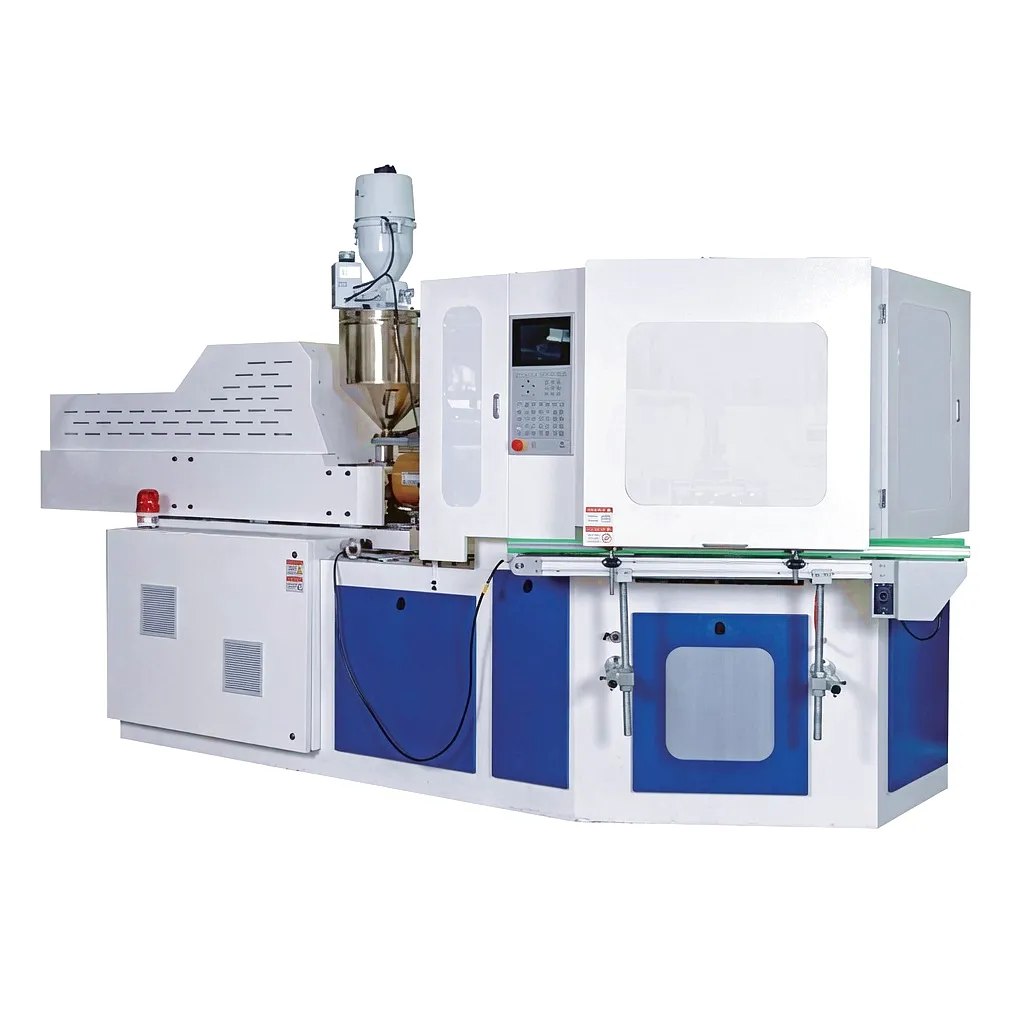
Understanding where injection blow molding machines fit within the broader landscape of blow moulding technology is essential before specifying equipment. Each process has its own design envelope, material constraints, and output profile. The four principal technologies — Injection Blow Moulding (IBM), Injection Stretch Blow Moulding (ISBM), Extrusion Blow Moulding (EBM), and straight Extrusion — serve different packaging architectures, and selecting the wrong method has significant consequences for wall uniformity, scrap rate, cycle time, and total cost of ownership.
| Parameter | IBM | ISBM | EBM | Extrusion |
|---|---|---|---|---|
| Wall Thickness Uniformity | Excellent | Very Good | Moderate | Basic |
| Flash / Trim Waste | Zero | Zero | Yes | Yes |
| Typical Bottle Volume | 5 ml – 1,000 ml | 100 ml – 10 L | 50 ml – 250 L | Large profiles |
| Neck Finish Precision | Injection-moulded (best) | Injection-moulded | Blown (trimmed) | Profile cut |
| Core Materials | PP, PE, PVC, PET | PET, PP | HDPE, PP, PA | Most thermoplastics |
| Tooling Cost | Medium–High | High | Medium | Low–Medium |
For pharmaceutical and cosmetics manufacturers who require sterile, dimensionally exact containers with no flash waste and superior neck-finish quality — particularly under GMP and UK Medicines and Healthcare products Regulatory Agency (MHRA) guidelines — the injection blow molding machine is the unambiguous choice. Its ability to produce containers with wall thickness variation below ±0.05 mm across the body and a neck finish that requires zero post-mould trimming makes it the reference standard technology for small-to-medium volume, high-precision applications.
How an Injection Blow Molding Machine Works: The Three-Station Cycle
Wall Thickness Uniformity Control and Preform Temperature Management
Preform Temperature Curve
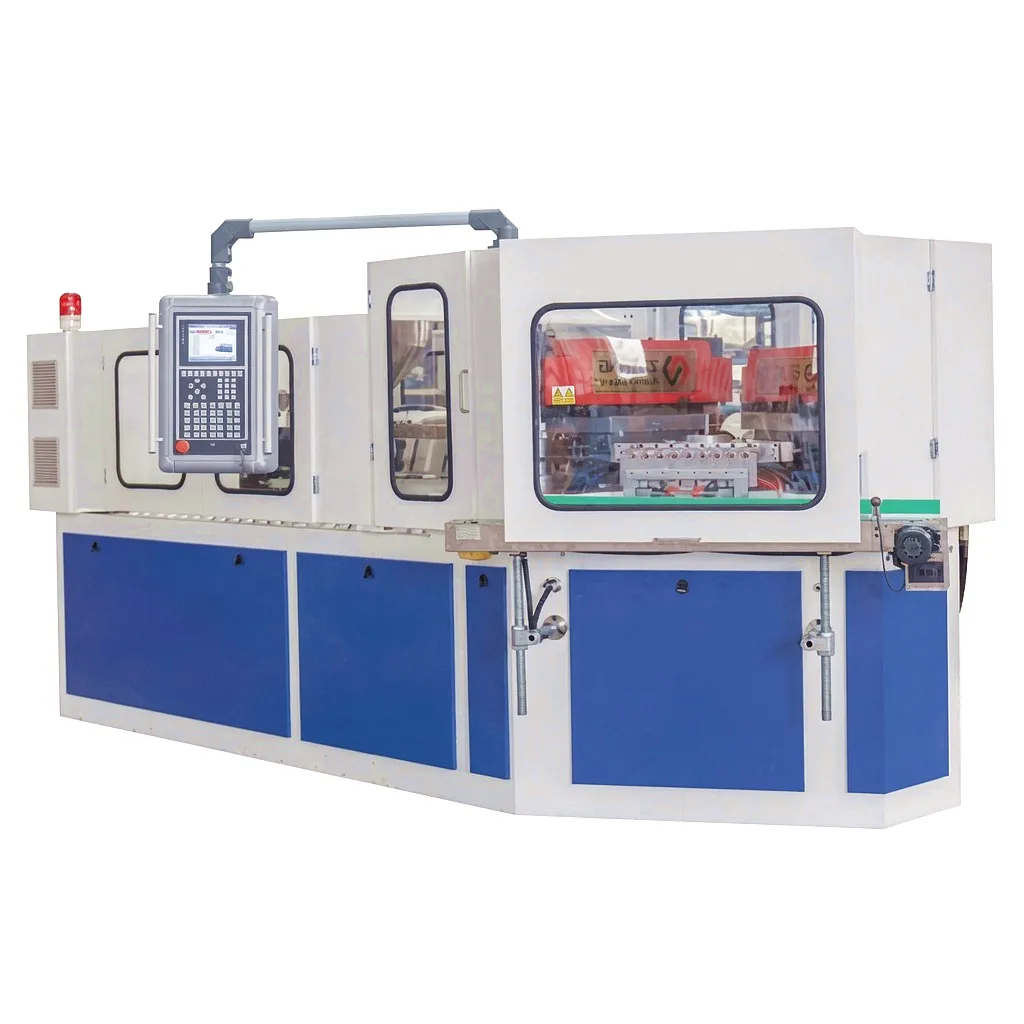
The preform temperature at the moment of blow must fall within a material-specific window. For polypropylene (PP) — the dominant resin in pharmaceutical and personal care IBM applications — this window is typically 155°C to 175°C at the outer surface. Deviation above this range causes sagging and non-uniform blowing; deviation below causes stress-whitening, incomplete inflation, and potential micro-cracks in the bottle wall. Ever Power IBM machines feature PID-controlled barrel zones with ±1°C accuracy and real-time thermocouple feedback, ensuring the preform enters the blow station with a temperature profile that matches the validated process curve.
Core Rod Temperature Differential
The steel core rod acts as an internal heat transfer surface. In high-speed IBM blow molding machines, the rod is actively cooled by circulating temperature-controlled oil or water, maintaining the inner surface of the preform at a controlled temperature differential relative to the outer surface. Typically, the outer skin is kept 10–20°C warmer than the inner skin, which promotes outward radial expansion during blowing and contributes to consistent wall distribution across the bottle’s shoulder, body, and base — the three zones most prone to thinning failure.
For UK manufacturers running GMP-validated processes — particularly those supplying NHS procurement channels or MHRA-licensed pharmaceutical packaging — documenting the preform temperature curve is not optional; it forms part of the process validation package. Ever Power can supply IBM machines with integrated data-logging outputs compatible with 21 CFR Part 11 equivalents as required under UK GMP Annex 11 for computerised systems, providing the audit trail documentation that UK pharmaceutical customers expect.
Mould Design and Bottle Geometry Optimisation
IBM Blow Molding Machine Technical Performance Parameters
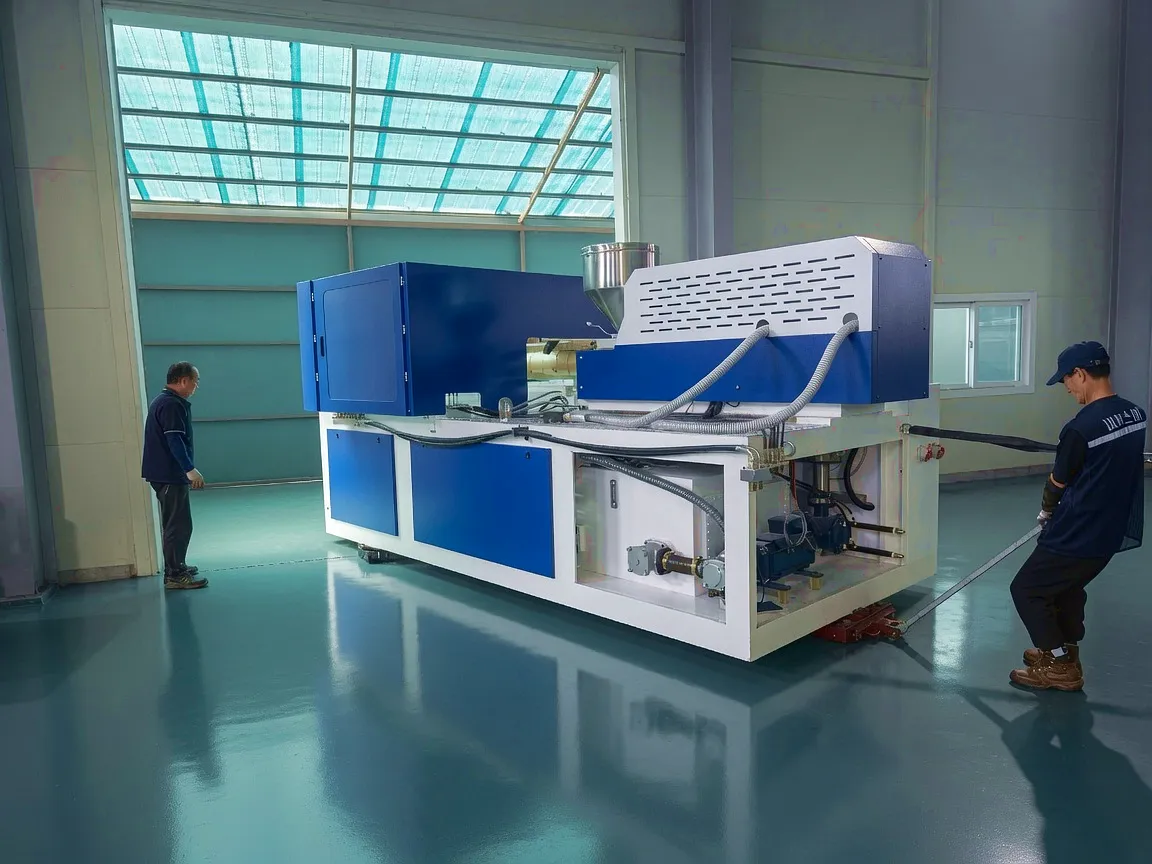
The following table presents the core engineering parameters for Ever Power’s IBM machine range. These figures are indicative of production-grade equipment and should be verified against the specific model datasheet during procurement. Ever Power’s application engineers can provide duty-specific datasheets upon request.
| Parameter | ZQ40 / ZQ60 | ZQ80 | ZQ110 | Unit |
|---|---|---|---|---|
| Clamping Force | 40 / 60 | 80 | 110 | kN |
| Injection Volume (max) | 40 / 60 | 80 | 110 | cm³ |
| Blow Pressure | 0.5–1.0 | 0.5–1.1 | 0.6–1.2 | MPa |
| Barrel Temperature Zones | 3 | 4 | 4 | zones |
| Temperature Control Accuracy | ±1 | ±1 | ±0.5 | °C |
| Mould Cooling Temp (blow) | 10–20 | 10–20 | 8–18 | °C |
| Cycle Time (typical) | 6–14 | 8–18 | 10–22 | seconds |
| Screw L/D Ratio | 20:1 | 22:1 | 22:1 | — |
| Wall Thickness Tolerance | ±0.05 | ±0.05 | ±0.04 | mm |
| Core Rod Material | P20 / H13 Tool Steel, chrome-plated | — | ||
| Installed Power (approx) | 7.5–11 | 15 | 22 | kW |
Core Materials Processed by IBM Blow Molding Machines
Material selection is a foundational decision that determines everything from machine screw geometry to barrel lining specification, preform temperature window, and ultimate container performance characteristics. IBM blow molding machines can process a broader range of thermoplastic resins than many competing process technologies, but each material imposes specific machine requirements that must be reflected in the equipment specification at the point of purchase.
Polypropylene (PP)
The dominant resin for pharmaceutical closures, ophthalmic solution bottles, and baby care containers. PP’s semi-crystalline structure demands precise preform temperature management (155–175°C). High chemical resistance, autoclavability up to 121°C, and USP Class VI compliance make PP the resin of choice across UK pharma packaging lines.
Polyethylene (HDPE / LDPE)
Used extensively for squeeze bottles, nasal spray containers, and food supplement packaging. HDPE’s higher crystallinity requires slightly higher melt temperatures and longer cooling times. LDPE variants offer excellent softness and compliance for squeeze-type dosing containers widely used across UK healthcare distribution networks.
PET (Polyethylene Terephthalate)
Where IBM is used with PET (as opposed to ISBM), the process produces small, high-clarity containers with exceptional barrier properties. PET requires pre-drying to below 50 ppm moisture content before processing to prevent hydrolytic degradation. IBM-blown PET bottles are increasingly specified for premium cosmetics packaging in London and the South East.
PVC (Polyvinyl Chloride)
Medical-grade PVC grades are used in certain liquid-filled container applications. PVC is thermally sensitive and requires corrosion-resistant barrel linings and temperature control tighter than ±2°C to prevent degradation and HCl release. Ever Power machines destined for PVC processing are fitted with bimetallic barrels and chrome-alloy screw coatings as standard on custom order.
Industrial Application Scenarios in the UK Market
The injection blow molding machine serves a remarkably wide range of UK industries. The following scenarios highlight where IBM technology delivers its strongest value proposition across the British manufacturing landscape.
Pharmaceutical Packaging — Birmingham & Staffordshire
The West Midlands pharmaceutical corridor — anchored by manufacturing operations in Birmingham, Staffordshire, and Warwickshire — represents one of the UK’s most technically demanding markets for IBM blow molding machines. Oral liquid medicines, ophthalmic solutions, nasal sprays, and topical drug products all require MHRA-compliant packaging with verifiable wall thickness, accurate fill-volume headspace, and contamination-proof neck finishes. IBM machines produce containers that meet BP (British Pharmacopoeia) container specifications directly off the machine with no secondary operations. Ever Power machines configured for pharmaceutical use include validated cleanroom-compatible guarding, GMP-grade lubricants, and full IQ/OQ/PQ documentation packages.
Personal Care and Cosmetics — Manchester and the North West
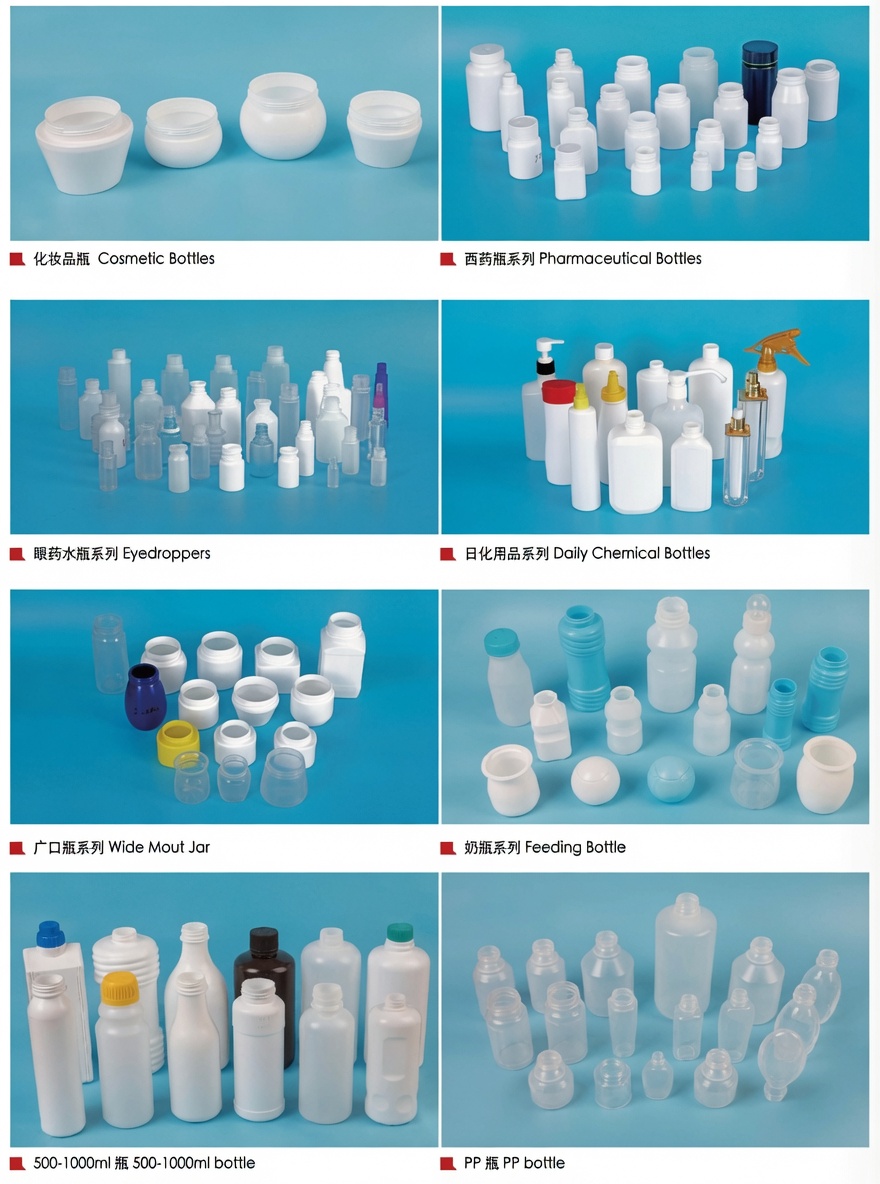
Manchester and the surrounding North West region hosts a dense cluster of personal care and cosmetics manufacturers supplying major UK retailers including Boots, Superdrug, and ASDA. IBM blow molding machines are specified for shampoo travel bottles, lotion pump containers, cosmetic jars (with open-top IBM variants), and roll-on applicator bottles. The zero-flash, flash-free IBM process eliminates the secondary trimming step required by EBM, reducing total conversion cost per unit and improving surface finish quality — a key differentiator in cosmetics packaging where aesthetics drive shelf premium. For Manchester-based manufacturers operating on fast NPD cycles, Ever Power’s standard mould changeover architecture supports rapid development cycles aligned with retail seasonal buying windows.
Food Supplement and Nutraceutical Packaging — Sheffield and Yorkshire
Sheffield and the broader Yorkshire manufacturing zone has seen significant growth in food supplement contract packaging, driven by the UK’s expanding sports nutrition and vitamins market. IBM blow molding machines running PP and HDPE produce wide-mouth tablet jars, vitamin liquid bottles, and protein powder scoops — all with the dimensional consistency needed for automated capping, labelling, and case-packing lines. The absence of flash waste in IBM output also means no risk of particulate contamination from trimmed polyethylene selvage entering the product stream — a compliance advantage that EBM cannot offer for open-mouth food-contact containers.
Specialty Chemicals and Agrochemicals — Teesside and North East England
The Teesside chemical processing corridor — one of the UK’s largest concentrations of chemical manufacturing — demands containers with high chemical resistance, precise fill tolerances, and UN-certified performance for transport. IBM machines running HDPE produce small-volume reagent bottles and agrochemical measuring containers where the wall thickness uniformity of IBM technology ensures predictable deformation behaviour under chemical load — a factor directly relevant to UN 4G/4H certification testing. Ever Power’s bimetallic barrel option for corrosive-resin processing meets the duty requirements of North East chemical packaging applications.
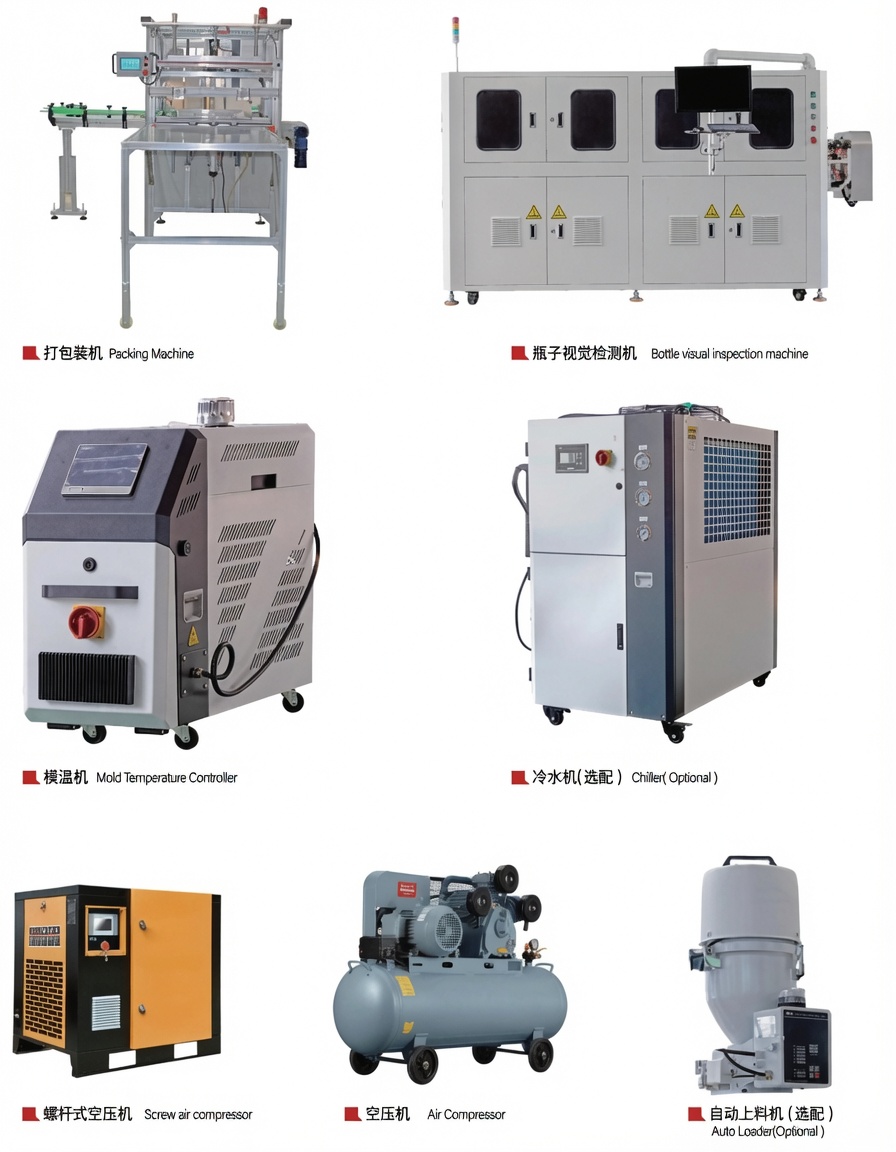
Ever Power IBM Machine Workshop & Equipment
Common Faults and Troubleshooting for IBM Blow Molding Machines
Even on well-maintained IBM blow molding machines, process deviations arise. The following diagnostics guide covers the most frequently encountered faults encountered by UK production engineers, together with root cause analysis and corrective action recommendations.
| Fault | Probable Root Cause | Corrective Action |
|---|---|---|
| Thin wall on one side | Uneven preform temperature; misaligned core rod | Check barrel zone temperatures; inspect rod concentricity; re-align injection mould |
| Sink marks on bottle body | Insufficient pack pressure; premature gate freeze-off | Increase injection hold pressure by 5–10%; extend hold time; check gate diameter |
| Bottle surface haze / cloudiness | Preform too cold; blow mould surface moisture; material moisture content high | Raise preform temperature 5°C; purge mould water channels; verify resin drying at <50 ppm |
| Short shot on preform | Insufficient injection pressure; screw back pressure too low; blocked nozzle | Increase injection pressure and back pressure; inspect and clean nozzle tip |
| Bottle sticking in blow mould | Blow mould temperature too low; insufficient blow-down; mould draft angles insufficient | Raise mould temperature by 3–5°C; increase blow-down time; review mould draft angle (min 1°) |
| Cycle time increasing over shift | Chiller capacity insufficient for ambient summer temperatures; water flow restriction | Check chiller set-point and cooling water flow rate; clean heat exchanger plates |
Energy Optimisation and Sustainable Manufacturing on IBM Equipment
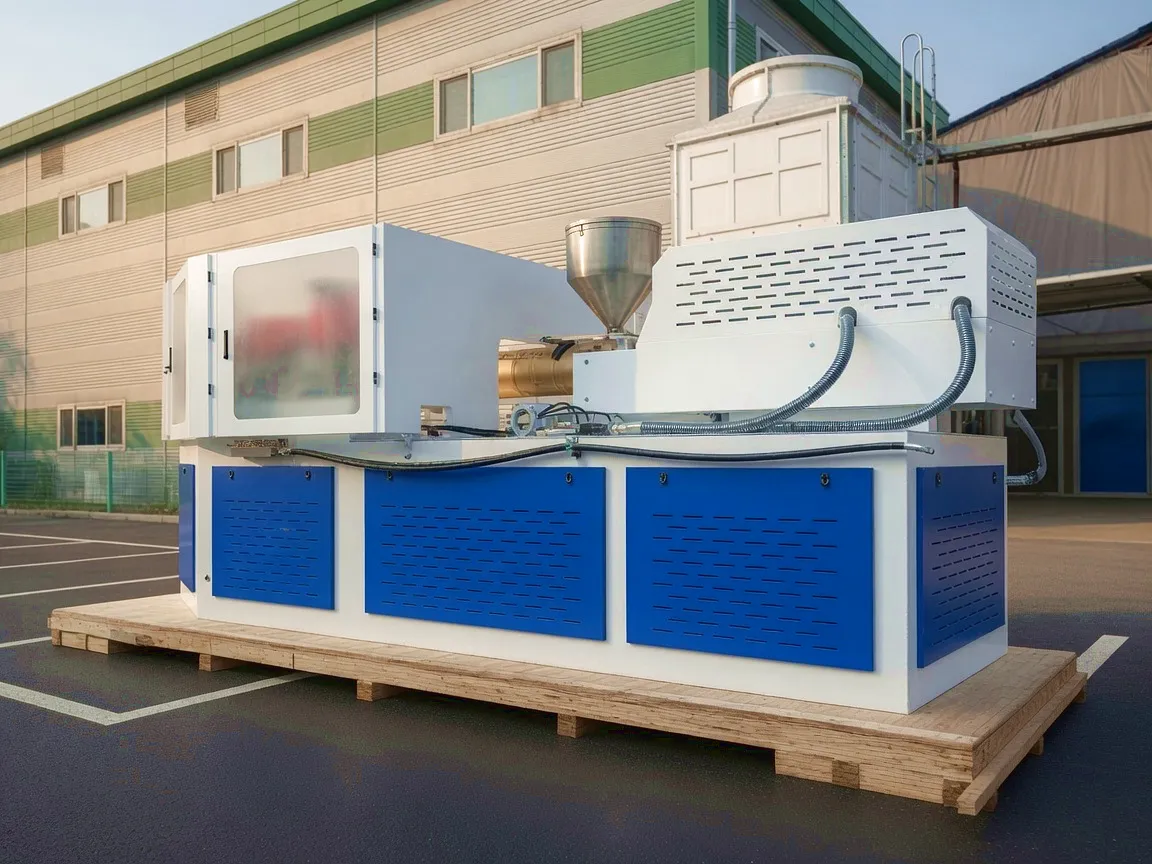 With UK industrial electricity prices remaining elevated relative to European benchmarks, and with corporate net-zero commitments increasingly embedded in UK procurement specifications, energy performance has become a mainstream purchasing criterion for IBM blow molding machine buyers. Ever Power addresses this through a combination of servo-hydraulic drive systems, variable-speed barrel heater control, and regenerative energy recovery during the hydraulic de-clamping phase. On comparable production cycles, servo-driven IBM machines consume 30–45% less energy than conventional fixed-displacement hydraulic machines — a saving that can translate to over £12,000 per year in operational cost reduction at typical UK commercial electricity rates.
Featured IBM Machine Models from Ever Power
Two of Ever Power’s most widely specified injection blow molding machines for UK and European markets:
ZQ80 Injection Blow Molding Machine
The ZQ80 is a mid-range IBM blow molding machine delivering 80 kN clamping force, ideal for PP and HDPE containers in the 10 ml to 500 ml range. Servo-hydraulic drive, 4-zone barrel temperature control, and quick-change mould architecture make it the specification of choice for UK pharmaceutical and personal care manufacturers seeking the combination of process precision and production flexibility. The ZQ80 ships CE-marked and complies with UK PSSR 2000 pressure system requirements, simplifying commissioning for British sites.
ZQ110 Injection Blow Molding Machine
The ZQ110 steps up to 110 kN clamping force with a 4-zone temperature system accurate to ±0.5°C, enabling production of larger container formats up to approximately 1,000 ml with wall thickness tolerances of ±0.04 mm. The ZQ110 is particularly suited to UK food supplement and agrochemical packaging lines where higher output volumes and multi-cavity tooling configurations are required. Its servo-driven clamp system delivers full cycle energy savings of up to 45% versus comparably specified hydraulic machines, supporting UK corporate sustainability reporting targets.
Ever Power: Manufacturing Capability and Customisation Services
Customer Success: Pharmaceutical Packaging Upgrade in Leeds, West Yorkshire
A mid-scale pharmaceutical contract packaging manufacturer based in Leeds, West Yorkshire, approached Ever Power in the fourth quarter of 2023 facing a critical production challenge. The company — a key supplier of liquid oral medicines and topical solutions to NHS Trust pharmacy dispensing operations — had been operating a legacy EBM line to produce HDPE bottles for antibiotic oral suspensions and ophthalmic solution containers. The process was generating flash waste rates of 8–12% by weight, requiring secondary trimming operations that introduced contamination risk, extended cycle times, and consumed two additional operator headcount per shift.
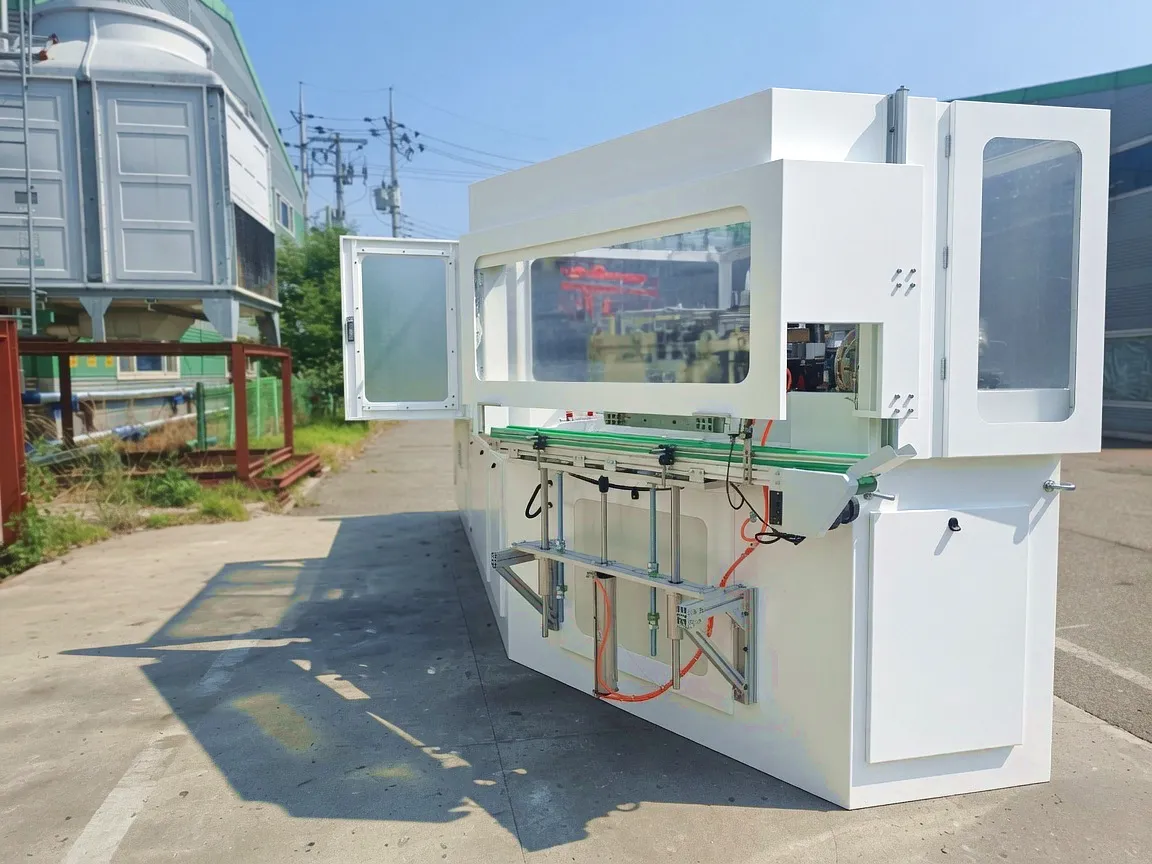
Following a site audit by Ever Power’s applications team, the company selected two ZQ80 injection blow molding machines configured with pharmaceutical-duty guarding, cleanroom-compatible surfaces, IQ/OQ/PQ documentation, and Siemens S7 PLC with 21 CFR-equivalent data logging. Machine commissioning was completed within 14 working days of delivery to the Leeds facility, including full HVAC interface work and compressed air supply qualification. The validation exercise — covering Installation Qualification, Operational Qualification, and Performance Qualification — was completed within 28 days of commissioning, well within the customer’s contractual window with their NHS Trust customers.
Post-installation performance data recorded over the first six months of production showed flash waste elimination reducing material cost by £118,000 per annum on their HDPE consumption alone. Cycle time reduction — from 18 seconds (EBM with trimming) to 11 seconds (IBM direct) — increased effective output by 39%. The two-operator headcount previously dedicated to trimming was redeployed to quality inspection functions without any redundancy. The Leeds facility subsequently ordered a third ZQ80 to support contract expansion with two additional NHS Trust customers in 2024.
★★★★★
“The ZQ80 eliminated our flash waste problem completely. We went from 10% material loss on every shift to zero. Ever Power’s commissioning team stayed on-site until every validation protocol was signed off — exactly the level of support we needed to meet our NHS customer timelines.”
Production Director, Pharmaceutical Contract Packaging, Leeds
★★★★★
“Wall thickness consistency on our PP ophthalmic bottles went from ±0.12 mm on the old EBM kit to ±0.04 mm with the Ever Power IBM machine. That precision change allowed us to downgrade our incoming bottle inspection from 100% sampling to statistical AQL — saving us another 0.5 FTE per shift.”
QA Manager, Ophthalmic Products Division, Yorkshire
★★★★★
“We asked Ever Power to customise the mould quick-change system so our operators could swap between our 60 ml and 200 ml HDPE product formats in under 40 minutes. They delivered exactly that, and included a detailed changeover SOP in the handover documentation. The level of customisation detail was impressive from a supplier at this price point.”
Operations Manager, Nutraceutical Packaging, West Yorkshire
Frequently Asked Questions about IBM Blow Molding Machines for UK Buyers
What is the typical price of an injection blow molding machine suitable for UK pharmaceutical packaging?
The cost of an IBM blow molding machine for pharmaceutical-grade applications in the UK typically ranges from £35,000 to £120,000 depending on clamping tonnage, the level of GMP customisation (guarding, data logging, cleanroom compatibility), mould tooling, and ancillary equipment such as chillers and material dryers. Ever Power’s ZQ80 platform — the most commonly specified model for UK pharma — is priced competitively within this range and includes IQ/OQ/PQ documentation as standard. To get an accurate quote for your specific bottle size, resin, and throughput requirement, contact [email protected].
Which UK industries use IBM blow molding machines most widely in Birmingham and the Midlands?
In Birmingham and the wider West Midlands, IBM blow molding machines are most widely used in pharmaceutical packaging, healthcare product manufacturing, personal care contract packaging, and laboratory consumables production. The region’s dense concentration of pharmaceutical supply chain companies — many of whom serve NHS procurement directly — drives high demand for GMP-compliant IBM equipment with documented validation packages and long-term spare parts availability.
How much does an IBM machine cost to run per year in terms of electricity in the UK?
At typical UK commercial electricity rates (approximately 25–30p per kWh at current pricing), a servo-driven ZQ80 IBM machine running at approximately 15 kW average consumption on a two-shift, 16-hour operation would consume roughly 87,600 kWh per year, equating to approximately £21,900–£26,300 in electricity cost annually. A conventional fixed-displacement hydraulic machine of comparable size would consume 30–45% more energy for the same output, representing an additional £6,500–£11,800 per year — making the servo-drive IBM machine a clearly superior choice on whole-life cost terms.
Where can I find a reliable IBM blow molding machine supplier who can deliver and service equipment in Sheffield or Manchester?
Ever Power operates a network of UK-based service partners covering Sheffield, Manchester, Birmingham, Leeds, and other major UK manufacturing centres. Machines are delivered CIF to UK ports and onward by bonded freight partners with wide-load capability. UK-based commissioning engineers attend site within five working days of machine arrival, and a dedicated UK service email and phone line is maintained for technical support. Spare parts for all ZQ-series IBM machines are held in UK bonded stock and dispatched within 24–48 hours of order. For supplier qualification documentation — including ISO certificates, CE declarations, and reference lists — contact [email protected].
What is the difference between IBM and ISBM blow molding processes, and which should I choose for a UK cosmetics packaging line?
IBM (Injection Blow Moulding) and ISBM (Injection Stretch Blow Moulding) are both flash-free processes that produce injection-moulded preforms before blowing the final container. IBM is preferred for smaller volumes — typically below 500 ml — where precise wall thickness uniformity, superior neck finish, and a wide range of resins (including PP, HDPE, and PVC) are required. ISBM is preferred for larger PET containers — think 500 ml to 2-litre still water bottles — where biaxial orientation improves mechanical strength and barrier properties. For UK cosmetics packaging lines producing bottles in the 50 ml to 300 ml range with demanding neck finish tolerances for pump or spray fitments, IBM is the more suitable technology and typically delivers lower total cost per unit at moderate production volumes.
When is it worth investing in a new IBM blow molding machine versus retrofitting an existing EBM line for a UK plastics converter?
When a UK plastics converter is producing containers that require flash-free output, wall thickness uniformity below ±0.08 mm, or injection-quality neck finishes — particularly for pharmaceutical, healthcare, or precision cosmetic applications — a new IBM blow molding machine is almost always the better investment over retrofitting EBM. EBM lines cannot be cost-effectively converted to IBM process; the fundamental machine architecture is different. The financial justification typically rests on: (1) elimination of flash waste and trimming labour cost, (2) improved yield from dimensional consistency, and (3) the ability to enter higher-value contract markets previously foreclosed by process limitations. Ever Power’s applications team can provide a TCO comparison model on request.