isbmequipment-logo

IBM Blow Molding Machine: The Complete Technical Guide for UK Packaging Manufacturers

A precision manufacturing guide covering process physics, mould engineering, wall-thickness control, energy optimisation, fault diagnosis, and industrial applications — written for plant engineers and procurement teams across the United Kingdom.

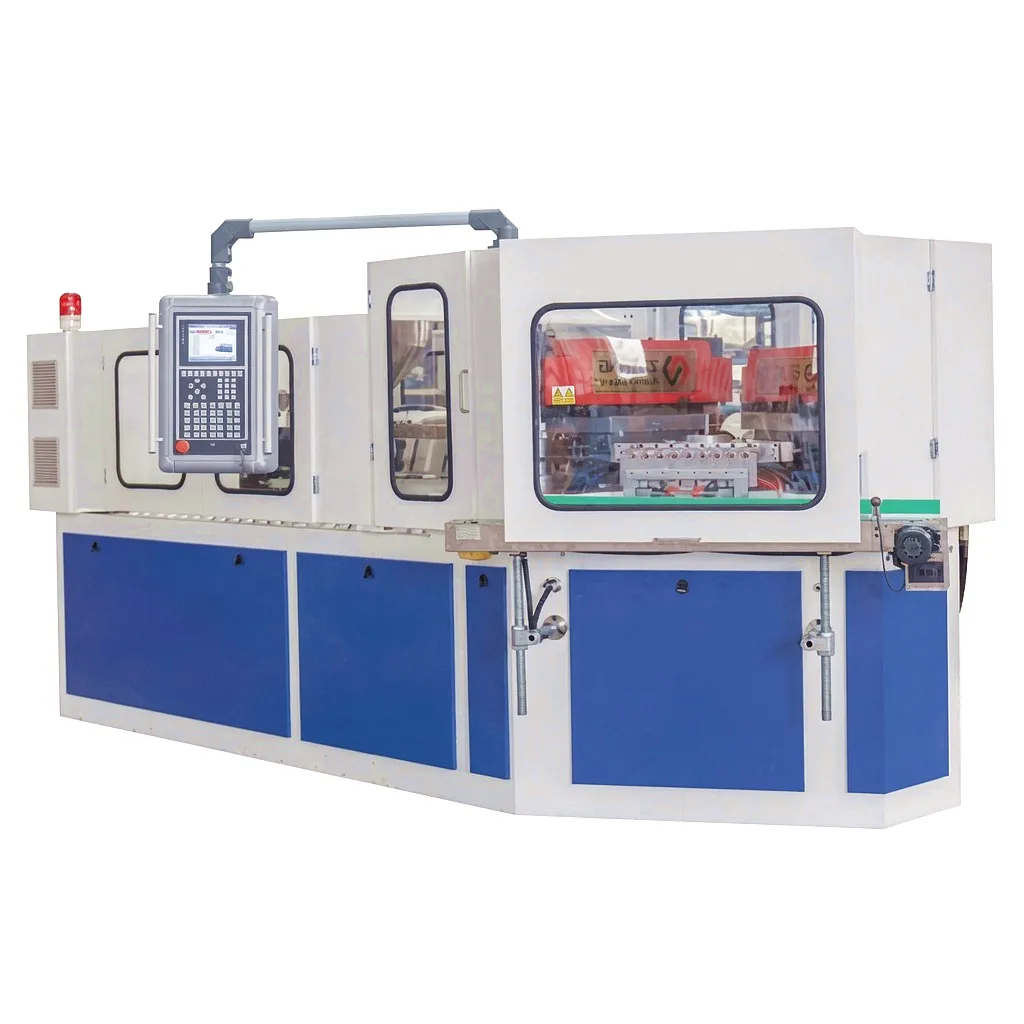
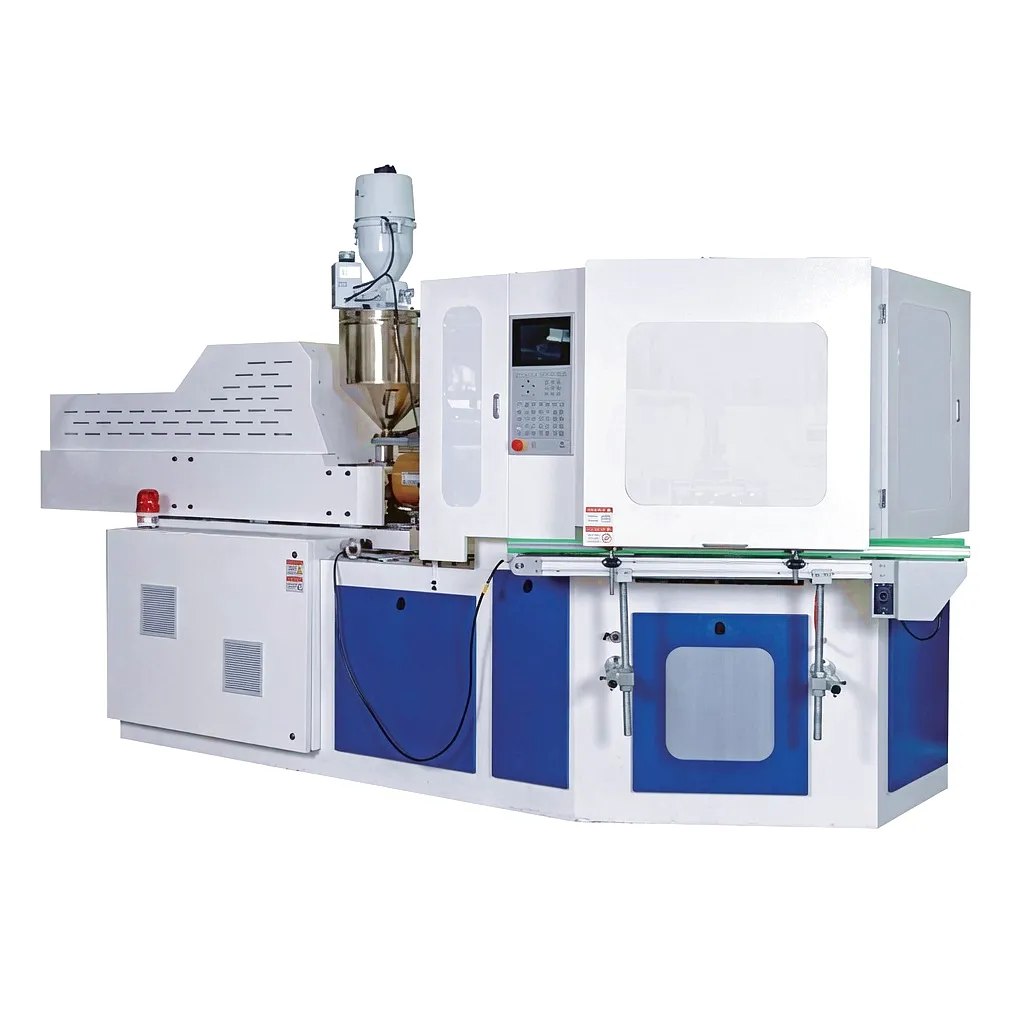
ZQ40 Injection Blow Molding Machine — Ever Power

Injection blow moulding machines — commonly abbreviated as IBM machines — represent one of the most precise thermoplastic processing technologies available to the modern plastics manufacturing sector. Unlike extrusion blow moulding, which pushes molten polymer through a die to form a parison, the IBM process begins by injection-moulding a closed-base preform over a core rod, then immediately transferring that preform — while still at process temperature — to a blow station where compressed air inflates it to final bottle geometry inside a closed split mould. The result is a container with no weld line on the base, exceptionally consistent wall thickness, and outstanding optical clarity, attributes that make injection blow moulding machines the preferred choice for pharmaceutical bottles, cosmetic jars, fragrance flacons, and food-grade packaging across the UK and the wider European market.

Britain has a long and distinguished history in precision plastics processing. Clusters of packaging converters in the West Midlands — Birmingham, Coventry, Wolverhampton — and in Yorkshire towns such as Sheffield and Leeds have built sophisticated supply chains around high-output blow moulding equipment. For these operations, selecting the right IBM machine is not simply a capital expenditure decision; it is a strategic commitment that directly influences product consistency, regulatory compliance, and competitive positioning for years to come. This guide examines every dimension of that decision, from fundamental process physics to real-world energy savings, so that buyers and engineers can approach the choice with full technical confidence.

Blow Moulding Process Comparison: IBM vs ISBM vs EBM vs Extrusion

Understanding where injection blow moulding machines sit within the broader landscape of blow moulding technology is essential before committing to any capital investment. The four dominant processes — IBM (injection blow moulding), ISBM (injection stretch blow moulding), EBM (extrusion blow moulding), and conventional extrusion with in-mould labelling — each carry distinct advantages and constraints that map to specific product geometries, material families, and production volumes. The IBM process occupies a particular niche: it excels at small, precision containers typically between 1 ml and 1,000 ml, especially where dimensional tolerance, surface clarity, and the complete elimination of flash or weld seams are non-negotiable.

ParameterIBMISBMEBMExtrusion
Flash / Weld LinesNoneNoneYes (base pinch)Yes
Typical Container Vol.1–1,000 ml100 ml–20 L0.1–220 LWide range
Wall Thickness UniformityExcellent (±2–4%)Good (±4–6%)Moderate (±8–12%)Variable
Scrap / TrimmingNear zeroLowModerateHigh
Optical ClarityOutstandingExcellentGoodFair
Neck PrecisionInjection-formed (±0.05 mm)Injection-formedBlow-formedBlow-formed
Preferred MaterialsPP, PE, PS, PET (low IV)PET, PPHDPE, PP, PVCHDPE, PP

The IBM route’s defining technical advantage lies in its three-station rotary architecture — injection, blow, and eject — which eliminates reheating steps entirely. The preform transitions directly from the injection cavity to the blow cavity while still carrying its thermal energy, reducing cycle time, improving molecular orientation control, and cutting energy consumption compared with reheat processes. For UK pharmaceutical packaging converters operating under MHRA Good Manufacturing Practice guidelines, this closed-loop thermal management translates directly into batch-to-batch dimensional repeatability, a characteristic that audit teams consistently rate above throughput speed when qualifying new equipment.

How an Injection Blow Moulding Machine Works: Step-by-Step Process Physics

ZQ60 IBM Machine — Ever Power

The sequence inside an injection blow moulding machine can be divided into four mechanically distinct phases, each demanding precise thermal and pressure control. In the injection phase, polymer pellets — most commonly polypropylene (PP), high-density polyethylene (HDPE), or polyethylene terephthalate (PET) — are metered into a reciprocating screw plasticising unit operating at barrel temperatures typically between 180 °C and 280 °C depending on the resin. The screw compresses and homogenises the melt before the injection unit forwards it under pressures of 80–140 MPa into the injection cavity set around a stainless-steel core rod. The cavity determines the outer profile of the preform, while the core rod defines the inner bore and the finished bottle neck geometry — a critical point, because neck dimensions are fixed at this stage with injection-quality precision and cannot be affected by the subsequent blow phase.

In the transfer phase, the rotary table indexes — typically 120° on a three-station machine — carrying the hot preforms, still on their core rods, to the blow station. At no point does the preform leave the rod, which is the architectural feature that distinguishes IBM from ISBM. No separate reheating oven is required, and the preform carries a precisely controlled residual heat profile from the injection step. Wall temperature is typically maintained between 130 °C and 160 °C for PP, a window narrow enough that thermal cameras mounted near the blow station can flag out-of-range preforms before they are blown, preventing scrap bottles from continuing downstream.

During the blow phase, the split blow cavity closes around the preform. Compressed air — delivered at pressures ranging from 0.5 MPa to 1.2 MPa — is introduced through a port in the core rod tip. The preform expands radially to fill the cavity while axial elongation is constrained by the fixed-length core rod. Because there is no base pinch weld, the resulting bottle base is structurally uniform and chemically identical to the sidewall, a characteristic that pharmaceutical customers cite as a primary reason to specify injection blow moulding machines over extrusion alternatives. After a dwell time of 1–4 seconds — during which the air pressure holds the polymer against the cooled cavity wall at temperatures between 10 °C and 25 °C — the cavity opens and the ejection station strips the finished bottle from the core rod.

Wall Thickness Uniformity Control and Preheat Temperature Curves

Achieving consistent wall thickness across the full bottle circumference and height is the central challenge of any blow moulding process. In an IBM machine, thickness uniformity is governed primarily at the injection stage through core-rod concentricity, injection fill balance across multi-cavity hot runner systems, and melt temperature homogeneity. Modern IBM machines from Ever Power incorporate servo-driven injection units with closed-loop melt-pressure monitoring, holding cavity pressure to within ±1.5 bar of the target value across all cavities simultaneously. This level of control ensures that preform wall thickness variation — which directly translates into finished bottle wall variation — remains below ±3%, meeting the pharmacopoeial requirements of the British Pharmacopoeia and European Pharmacopoeia for pharmaceutical glass-replacement containers.

Preheat temperature curves — though less prominent in IBM than in ISBM — still play a role when ambient temperature fluctuations affect barrel and hot-runner performance during long production runs. Most professionally specified injection blow moulding machines include zone-by-zone PID temperature controllers with resolution of 0.1 °C, and modern units from Ever Power offer real-time temperature logging via industrial Ethernet, enabling quality managers to reconstruct the full thermal history of any production batch. This data trail is particularly valued by pharmaceutical packaging converters in the UK who must maintain 21 CFR Part 11-equivalent records — even though UK post-Brexit regulations are now managed under the MHRA framework, the underlying data integrity principles remain aligned with international standards.

Mould Design and Bottle Profile Optimisation for IBM Machines
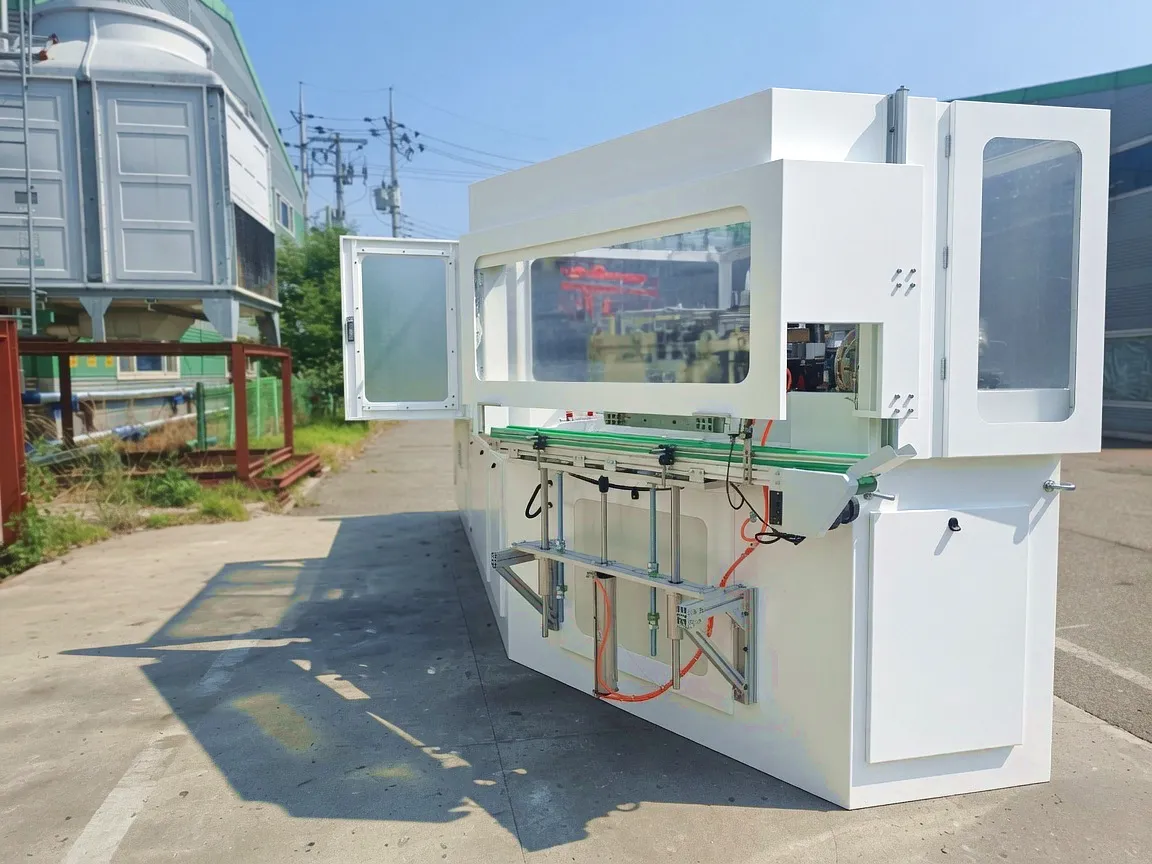
IBM Machine Workshop — Ever Power

Mould design for injection blow moulding machines is a multi-disciplinary engineering exercise combining polymer rheology, heat transfer engineering, and precision machining. The injection mould — also called the preform mould or core-rod mould — must be machined to tolerances of ±0.01 mm or better to guarantee that the neck thread form, sealing surface, and bore concentricity are reproduced identically across every cavity in every cycle. Cavitation levels on IBM machines used in pharmaceutical packaging typically run from 2 to 16 cavities, with higher cavitation requiring balanced hot-runner manifold design to equalise fill time and pressure loss across every gate simultaneously.

The blow cavity performs a different function: it defines the external cosmetic geometry of the finished bottle. Cooling channel layout within the blow cavity has an outsized influence on cycle time and dimensional stability. Conformal cooling — where the cooling channel follows the contour of the cavity surface at a uniform offset — is superior to conventional drilled channels, reducing the temperature differential across the cavity face from a typical 8–12 °C to below 3 °C. Ever Power incorporates conformal cooling channels machined by five-axis CNC into all premium mould sets, reducing cycle time by 8–15% compared with conventionally cooled tooling.

Bottle profile optimisation begins with computational mould flow simulation before any steel is cut. For complex shapes — oval cross-sections, asymmetric label panels, shoulder geometries with sharp radius transitions — finite element analysis of the blow inflation stage identifies regions prone to material thinning. The preform wall profile is then designed with compensating thickness gradients so that the final bottle, after inflation, achieves a uniform wall thickness distribution. This iterative simulation-to-steel workflow, standard practice at Ever Power, reduces first-sample approval time substantially and cuts the number of costly tool-steel modifications that plague less rigorous mould suppliers.

Core Materials Processed by Injection Blow Moulding Machines

Polypropylene (PP)

The most widely processed resin on IBM machines in the UK pharmaceutical and personal care sectors. PP offers excellent chemical resistance to a broad range of APIs, good moisture barrier properties, and FDA/MHRA compliance for food and drug contact. Processing temperatures range from 200–240 °C with blow pressures of 0.6–0.9 MPa. PP bottles produced on IBM machines exhibit hinge-strength durability sufficient for child-resistant closure torque testing under BS EN ISO 8317 standards.

High-Density Polyethylene (HDPE)

HDPE is the workhorse material for larger-volume pharmaceutical bottles — typically 100 ml to 1,000 ml — such as tablet dispensary containers and liquid oral dosage bottles. Its rigidity-to-weight ratio, ESCR performance, and compatibility with gamma sterilisation make it indispensable for NHS supply chain packaging. Barrel temperatures on IBM machines processing HDPE are typically set at 190–230 °C, with careful screw shear management to prevent melt degradation that would manifest as discolouration or gel particles visible in the transparent finished article.

PET (Low-Viscosity Grades)

Low intrinsic viscosity PET (IV 0.60–0.72 dl/g) can be processed on specially configured IBM machines for small, ultra-clear containers such as cosmetic sample vials and nutraceutical bottles. The absence of a separate blow-stretch station means that IBM-produced PET bottles will have lower molecular orientation than ISBM equivalents — a factor that limits pressure performance but is entirely acceptable for non-carbonated applications. Pre-drying PET to a moisture content below 50 ppm before processing is mandatory to prevent hydrolytic degradation inside the injection barrel.

Polystyrene (PS) and Speciality Grades

Crystal PS and impact-modified PS grades are used on IBM machines for diagnostic and laboratory sample containers, cosmetic compacts, and medical device sub-assemblies. PS is notable for its extremely low shrinkage — typically 0.3–0.5% — and very low moulded-in stress levels on IBM machines where the absence of stretching limits orientation effects. Niche engineering polymers such as PEEK and PC are also processable on custom-configured IBM units equipped with high-temperature barrels capable of operating above 300 °C.

IBM Machine Technical and Performance Parameters

The following table consolidates the key engineering parameters that procurement teams should review when specifying an injection blow moulding machine. Values reflect the Ever Power ZQ-series range; exact specifications are confirmed during the application-engineering consultation process.

ParameterZQ40 SeriesZQ60 SeriesZQ80 SeriesZQ110 Series
Injection Unit Clamping Force40 kN60 kN80 kN110 kN
Max Container Volume150 ml300 ml500 ml1,000 ml
Cycle Time (PP, 4-cavity)6–10 s8–12 s10–15 s12–18 s
Injection Pressure (max)130 MPa140 MPa140 MPa145 MPa
Blow Air Pressure0.5–0.8 MPa0.6–0.9 MPa0.6–1.0 MPa0.7–1.2 MPa
Wall Thickness Tolerance±0.08 mm±0.08 mm±0.10 mm±0.10 mm
Temperature Control Zones6–8 zones8–10 zones10–12 zones12–14 zones
Drive SystemServo-hydraulicServo-hydraulicServo-hydraulicServo-electric option
Installed Power11–15 kW18–22 kW22–30 kW30–45 kW
Mould Material (Core Rod)H13 / P20 tool steelH13 / P20 tool steelH13 tool steelH13 tool steel
Machine Weight (approx)2,800 kg4,200 kg5,800 kg8,500 kg

Core Technical Advantages of IBM Machines Over Competing Technologies

Zero Flash, Zero Weld Line

Because the bottle base is formed by the closed tip of the injection mould rather than by pinching a parison, injection blow moulding machines produce containers with no base weld seam and no flash to trim. This removes an entire post-moulding operation, reduces labour cost, and eliminates any risk of weld-line stress cracking under fall-impact — a critical advantage for pharmaceutical bottles that must pass UN transport certification testing.

Injection-Precision Neck Geometry

Thread forms, tamper-evident bands, and sealing surfaces are all formed in the injection cavity, where dimensional tolerances of ±0.05 mm or better are routinely achievable. This is fundamentally different from extrusion blow moulding, where the neck is formed by blowing the parison into a cavity and is subject to shrinkage variations and material redistribution. For packaging lines using induction-sealing systems or precision pump dispensers, this level of neck accuracy eliminates leak-rate problems that plague extrusion-blown equivalents.

Near-Zero Scrap Rate

With no runner system (in hot-runner configurations) and no trimmed flash, IBM machines in steady-state production can achieve material utilisation rates above 99.5%. For high-value resins such as medical-grade PP or antimicrobial-additive HDPE, this material efficiency represents a meaningful cost saving. Ever Power hot-runner systems are engineered with individually balanced feed channels to prevent cold slugs and gate-blush defects that would otherwise contribute to start-up scrap.

Single-Operation Container Manufacture

The injection and blow phases occur sequentially within a single machine cycle, meaning finished, ready-to-fill bottles emerge from the ejection station with no intermediate handling, no reheating, and no secondary trimming. This compressed process chain reduces floor space requirements by 30–40% compared with equivalent ISBM lines that require a separate oven module, and reduces the number of potential contamination points — a compliance benefit for cleanroom and controlled-environment facilities that are increasingly common in UK pharmaceutical packaging operations around Cambridge, Oxford, and the Thames Valley corridor.

Industrial Application Scenarios for IBM Machines in the UK Market
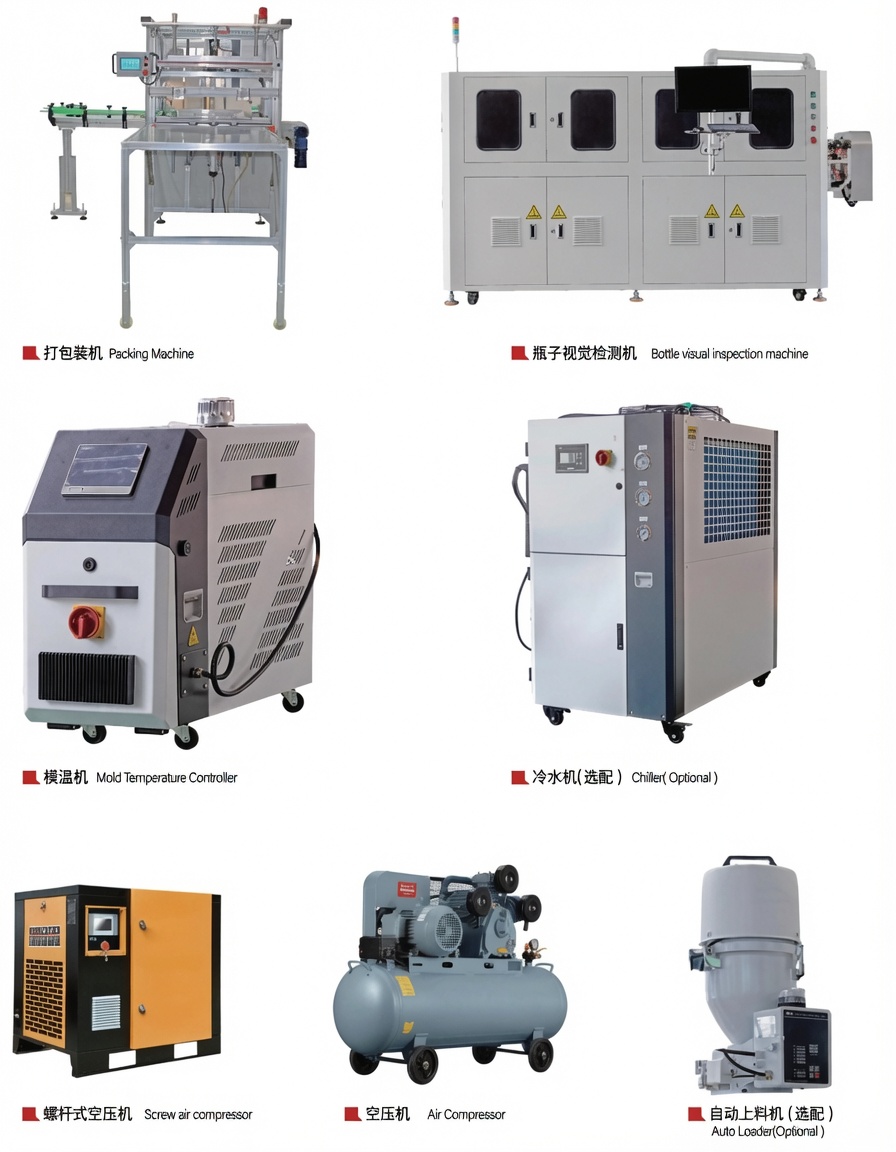
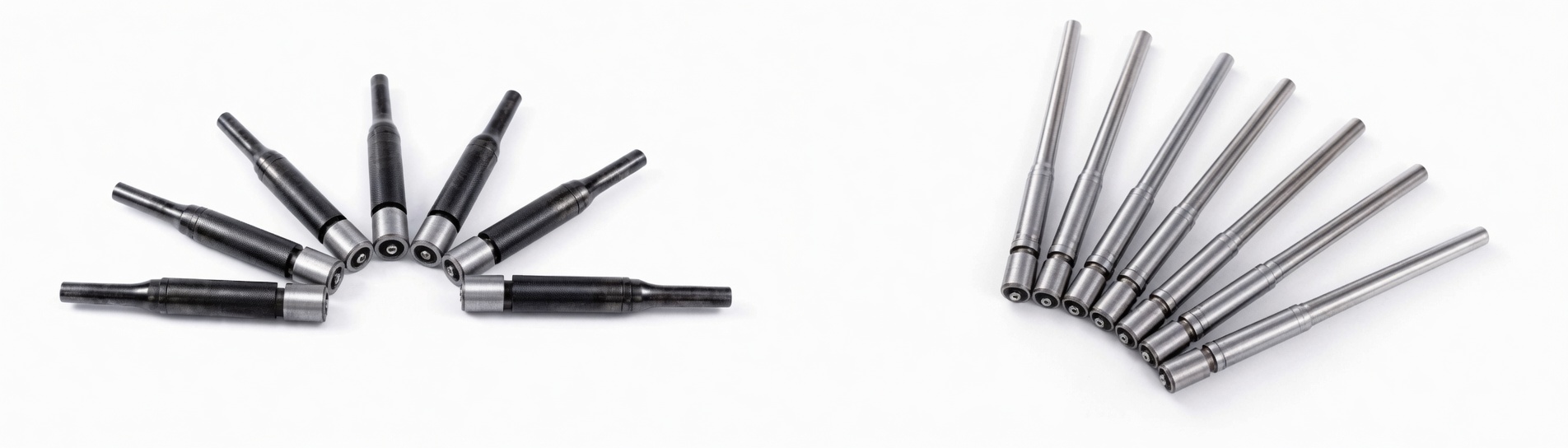
IBM Auxiliary Equipment

Pharmaceutical Packaging in Birmingham and the West Midlands: The Midlands pharmaceutical packaging cluster — anchored by Birmingham but extending to Coventry and Redditch — is the largest concentration of MHRA-regulated blow moulding capacity in the UK. IBM machines here produce solid-dose tablet and capsule bottles from 30 ml to 500 ml in HDPE and PP, fitted with child-resistant closures to BS EN ISO 8317. Bottle clarity requirements for product-count verification and tamper-evidence are stringent, and IBM machines meet them routinely thanks to the absence of parison degradation streaks that afflict older extrusion equipment. The short-run flexibility of IBM machines — mould changeovers achievable in under four hours on well-maintained equipment — is particularly valued by contract packaging organisations that serve multiple pharmaceutical brand owners from a single facility.

Cosmetic and Personal Care Packaging for London and South East Brands: Premium cosmetic fragrance and skincare brands headquartered in London and the Home Counties demand packaging that reflects brand equity — optically flawless, geometrically precise, and capable of carrying detailed surface decoration. Injection blow moulding machines produce PP and PS bottles with surface-finish grades of Ra 0.05 µm or better when used with mirror-polished blow cavities, enabling glass-like transparency and haptic quality at a fraction of the cost and weight of glass. Custom bottle profiles — oval, elliptical, flat-oval — are achievable through mould design, and Ever Power offers DFM (Design for Manufacturability) consultation as a complimentary service to new tooling customers.

Nutraceutical and Food Supplement Packaging — Sheffield and Yorkshire: The food supplement sector has undergone rapid growth in the UK following increased consumer health awareness. Manufacturers in Sheffield, Leeds, and Bradford producing protein powders, vitamin tablets, and liquid supplements specify injection blow moulding machines for their output because the process delivers the airtight neck seal integrity and UV-protective wall thickness consistency needed to maintain product shelf life in line with UK food labelling law. HDPE containers produced on IBM machines also qualify for the HDPE mono-material recyclability designation under the UK Plastics Pact, a commercially important attribute as retailers apply increasing pressure on suppliers to demonstrate recyclable packaging credentials.

Veterinary and Agricultural Chemical Packaging: Veterinary pharmaceutical manufacturers — a significant niche in rural England, particularly in Yorkshire and Lincolnshire — use injection blow moulding machines to produce HDPE and PP bottles for pour-on antiparasitic treatments, oral drenching solutions, and multi-dose vaccine presentation. The combination of precision neck geometry (critical for dosing pump compatibility), chemical resistance, and freedom from weld-seam failure points makes IBM-produced bottles the preferred choice of veterinary product formulators who must demonstrate container-closure integrity as part of VMD (Veterinary Medicines Directorate) licence applications.

auxiliary equipment

Energy Consumption Optimisation and Retrofit Strategies for IBM Machines
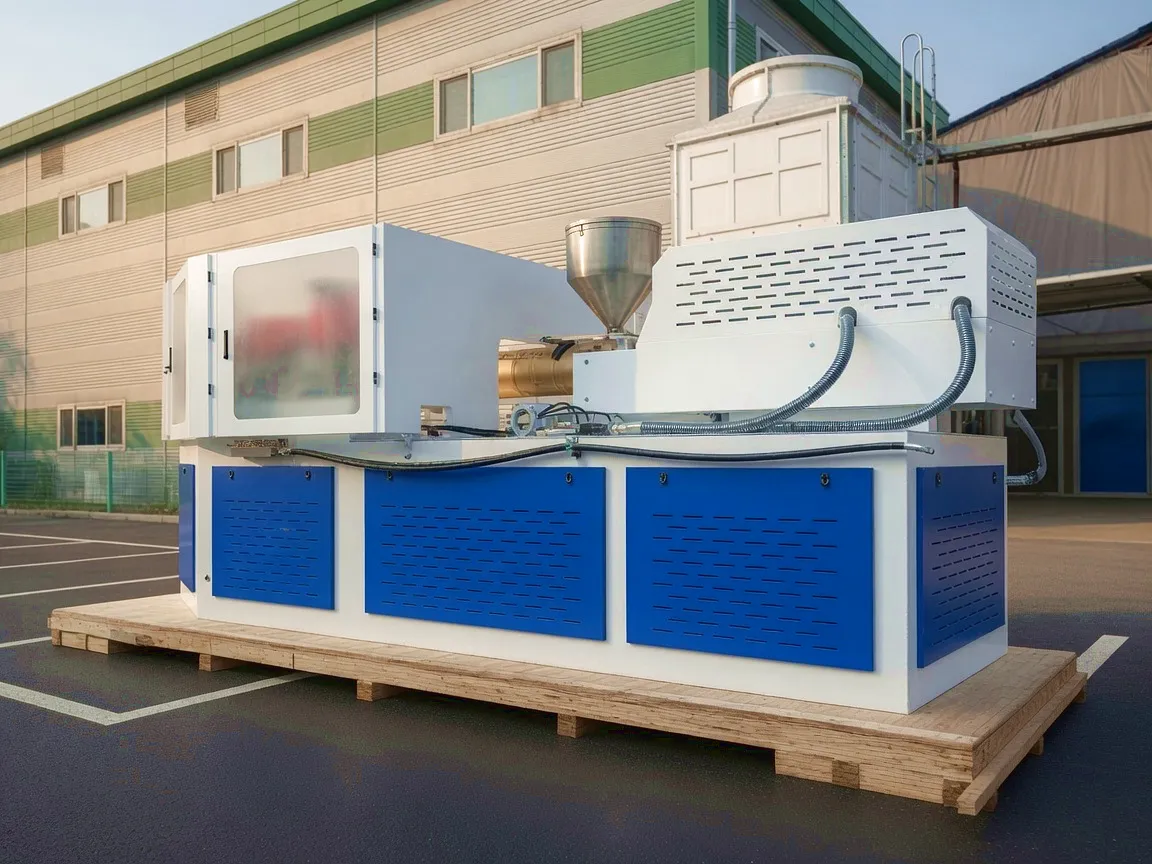
IBM Workshop Energy — Ever Power

Energy cost is a dominant concern for UK blow moulding operations in the current economic climate, with industrial electricity prices remaining elevated compared with pre-2020 levels. An injection blow moulding machine draws power primarily through three routes: the injection barrel heaters, the hydraulic pump motor driving clamping and injection, and the chiller unit cooling the mould. Of these, the hydraulic pump motor is historically the largest consumer, accounting for 55–65% of total machine energy on fixed-displacement pump designs. The single most impactful energy improvement available to operators of older IBM machines is the retrofit of a servo-driven variable-displacement hydraulic pump in place of a fixed-speed motor. This modification, which Ever Power offers as a factory-engineered retrofit kit, typically reduces hydraulic energy consumption by 40–55% because the servo motor only accelerates to the speed and pressure demanded by the current phase of the machine cycle, drawing minimal power during dwell and cooling periods.

Barrel heating efficiency is the second major lever. Older IBM machines use simple resistive ceramic band heaters with relatively poor thermal coupling to the barrel mass. Upgrading to induction-heating barrel zones — a technology now standard on Ever Power ZQ-series machines — reduces barrel heat-up time by 60–70% and steady-state heating energy by 30–35% because the heat is generated within the barrel wall itself rather than conducted from the outer surface inward. For a typical UK plastics converter running two shifts per day, the combined energy saving from servo-hydraulic and induction-heating upgrades can reduce annual electricity cost by GBP 8,000 to GBP 22,000 per machine, depending on installed capacity and production utilisation.

Common Fault Diagnosis and Troubleshooting on IBM Machines

Defect / SymptomMost Likely Root CauseCorrective Action
Wall thickness variation above ±5%Core rod wear or misalignment; unbalanced hot-runner fillRe-centre core rod; re-balance hot-runner gate sizes; check injection speed profile
Haze / cloudiness in PP or PS bottlesMelt temperature too low; moisture in regrind; contaminated resinRaise barrel zone 3-4 temperature 5–10 °C; pre-dry material; check regrind ratio
Neck flash or parting-line finExcessive injection pressure; worn neck-ring mating faceReduce pack pressure; re-lap neck ring mating surface; check clamp force
Bottle sticking to blow cavityBlow cavity temperature too low; insufficient draft angle; surface oxidationRaise blow cavity set-point 2–5 °C; polish cavity surface; verify draft angle min 0.5°
Short shot / incomplete bottleInsufficient blow air pressure; blocked blow-port orifice; cold preformIncrease blow pressure 0.1 MPa increments; clean blow port; verify rotary-table transfer time
Sink marks on bottle shoulderInsufficient hold pressure duration; preform wall too thick in shoulderExtend hold time 0.3–0.5 s increments; review preform design with mould flow data
Ejection marks on bottle bodyEjector pin force too high; blow cavity over-cooled before ejectReduce ejector speed; extend cooling slightly to allow uniform shrink before eject

Ever Power — Precision IBM Machine Manufacturing and Customisation
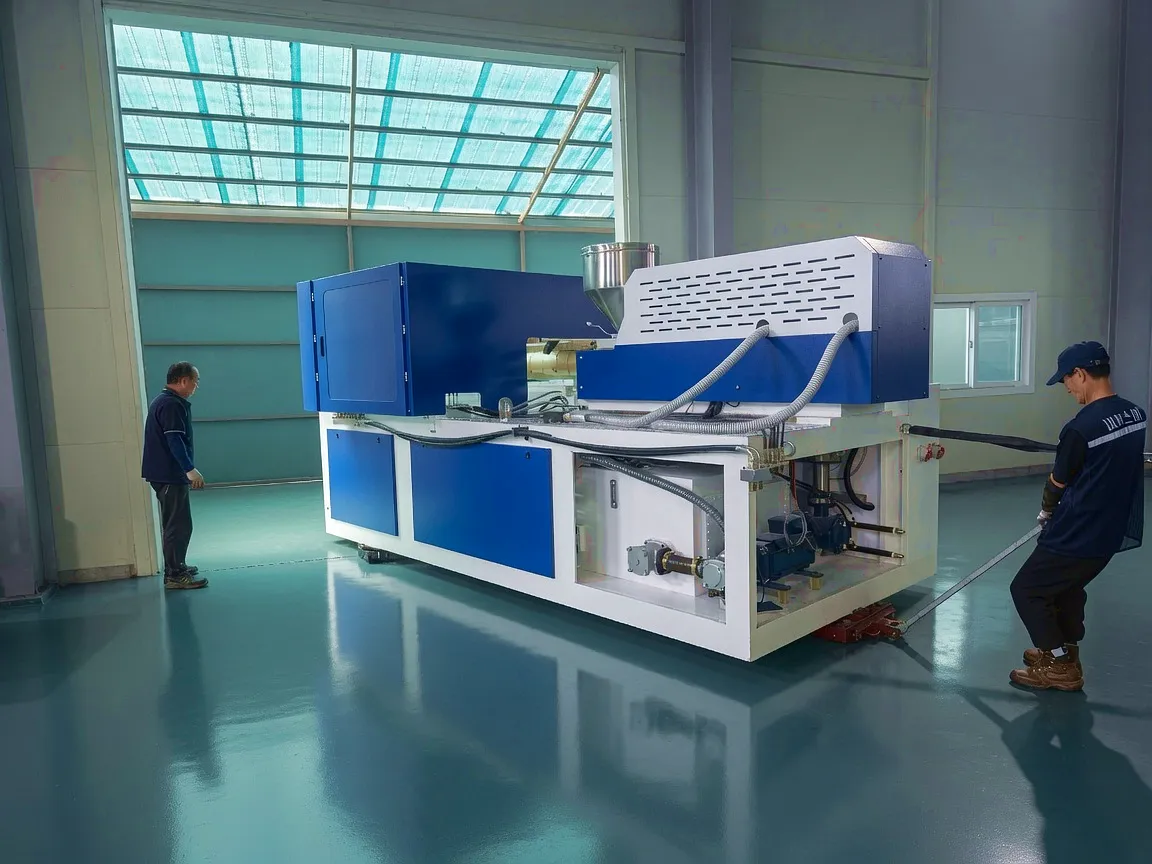
Ever Power IBM Workshop

Ever Power is a specialist designer and manufacturer of injection blow moulding machines with a manufacturing facility spanning over 18,000 m² of engineering floor space equipped with high-precision CNC machining centres, co-ordinate measuring machines, and a dedicated application test lab where customer material trials can be conducted under production-representative conditions before shipment. The company holds ISO 9001:2015 quality management certification and CE marking for European and UK market compliance, and every IBM machine undergoes a full factory acceptance test (FAT) covering 72 hours of continuous production run before customer sign-off.

Customisation capability is a defining strength at Ever Power. The engineering team routinely delivers bespoke machine configurations including extended barrel lengths for high-viscosity speciality polymers, cleanroom-compliant stainless-steel guarding for pharmaceutical applications, integrated vision-inspection systems for 100% bottle dimensional verification, and multi-layer co-injection heads for barrier packaging applications. Custom tooling — core rods, injection moulds, blow cavities — is designed in-house using Moldflow simulation and machined from certified H13 tool steel with surface hardness of 48–52 HRC, ensuring minimum 5-million-cycle mould life under normal operating conditions.

The Ever Power supply chain team maintains bonded stock of critical wear components — core rods, tie bars, hydraulic seals, heater bands — enabling DDP (Delivered Duty Paid) spare parts despatch to UK customers within 48 hours via air freight from the factory. For UK buyers on long-term supply agreements, a dedicated field-service engineer can be mobilised within five working days for on-site preventive maintenance or fault rectification visits, covering all major UK industrial centres from London and the South East to Manchester, Leeds, and Glasgow.

Featured IBM Machine Models from Ever Power

The ZQ80 delivers an 80 kN injection clamping force, accommodating containers up to 500 ml in volume. Its servo-hydraulic drive system and 10–12 temperature control zones make it the preferred choice for mid-volume pharmaceutical and personal care packaging lines seeking precision wall thickness control and minimal energy consumption per unit produced. Suitable for PP, HDPE, PS, and low-IV PET processing.

The ZQ110 is Ever Power flagship large-format IBM machine, offering 110 kN clamping force and a servo-electric drive option for maximum energy efficiency on high-cavitation tooling producing containers up to 1,000 ml. The machine is designed for round-the-clock production in demanding pharmaceutical and nutraceutical environments, with 12–14 independent temperature control zones and optional integrated conveyor and vision-inspection interfaces for fully automated output verification.

Customer Success Story: Pharmaceutical Packaging Upgrade in Leeds, West Yorkshire

Northgate MedPack Ltd, a contract pharmaceutical packaging converter based in the Thorp Arch Trading Estate near Leeds, was operating two ageing extrusion blow moulding lines producing HDPE tablet bottles for NHS-supply generics manufacturers. The lines were generating unacceptably high levels of base weld-line failures on fall-impact testing — a recurring issue with EBM base-pinch construction — and the manual deflashing operation was adding cost and introducing human-contact contamination risk to a near-controlled-environment production area. Management initiated a technology review that ultimately led to the procurement of two ZQ80 injection blow moulding machines from Ever Power, replacing both EBM lines.

Ever Power engineering worked alongside the Northgate MedPack process team during a twelve-week co-development programme. The team designed a 6-cavity H13 tool-steel mould set for the company main 250 ml HDPE tablet bottle, validated melt temperature, fill balance, and cooling parameters using in-machine data logging, and ran a full IQ/OQ/PQ validation protocol to the ISPE GAMP 5 framework. The ZQ80 units were commissioned at the Leeds facility within one week of delivery, and formal process validation was completed within six weeks — a timeline that the Northgate QA Director described as significantly shorter than previous EBM line qualifications.

The operational results after twelve months of production were unambiguous. Fall-impact failure rate on the 250 ml HDPE bottle fell from 2.1% (EBM baseline) to below 0.05% (IBM post-conversion). Bottle-to-bottle neck diameter variation reduced from ±0.18 mm to ±0.04 mm, eliminating an ongoing customer complaint regarding induction sealer fitment. Material usage per 1,000 bottles fell by 3.2% due to elimination of flash and runner material. Total site energy consumption for bottle production fell by 31% on a per-bottle basis following the servo-hydraulic drive contribution. The combined financial benefit was estimated at GBP 290,000 per annum in reduced material, labour, energy, and quality-assurance costs.

★★★★★

“The ZQ80 machines completely eliminated the base weld-line failures that were costing us rework hours every shift. The neck tolerance improvement from the injection-formed threads was immediately visible to our induction-sealing operators — no more line stoppages for fitment rejects. Ever Power application engineers were available every day of commissioning. That level of support from a machinery supplier is rare and genuinely valued.”

— James H., Production Director, Northgate MedPack Ltd, Leeds
★★★★★

“We specified IBM machines for our new Bristol nutraceutical packaging line after visiting Ever Power factory. The custom mould design service they provided — including the full mould flow report — gave our QA team the technical confidence to approve the tooling without a single physical trial shot being needed first. The machine performs exactly as the simulation predicted. Cycle time, wall thickness, neck dimensions — all on target.”

— Rachel T., Technical Manager, VitaPak Manufacturing, Bristol
★★★★★

“As a Sheffield-based cosmetic packaging converter, surface quality is everything for our customers. The IBM machine we sourced from Ever Power produces PS bottles with a glass-like surface finish that our brand clients genuinely could not distinguish from their previous glass primary packaging in blind tests. The payback period on the machine investment worked out at under 18 months once we factored in the reduction in breakage-related line stoppages and the improved filling-line efficiency.”
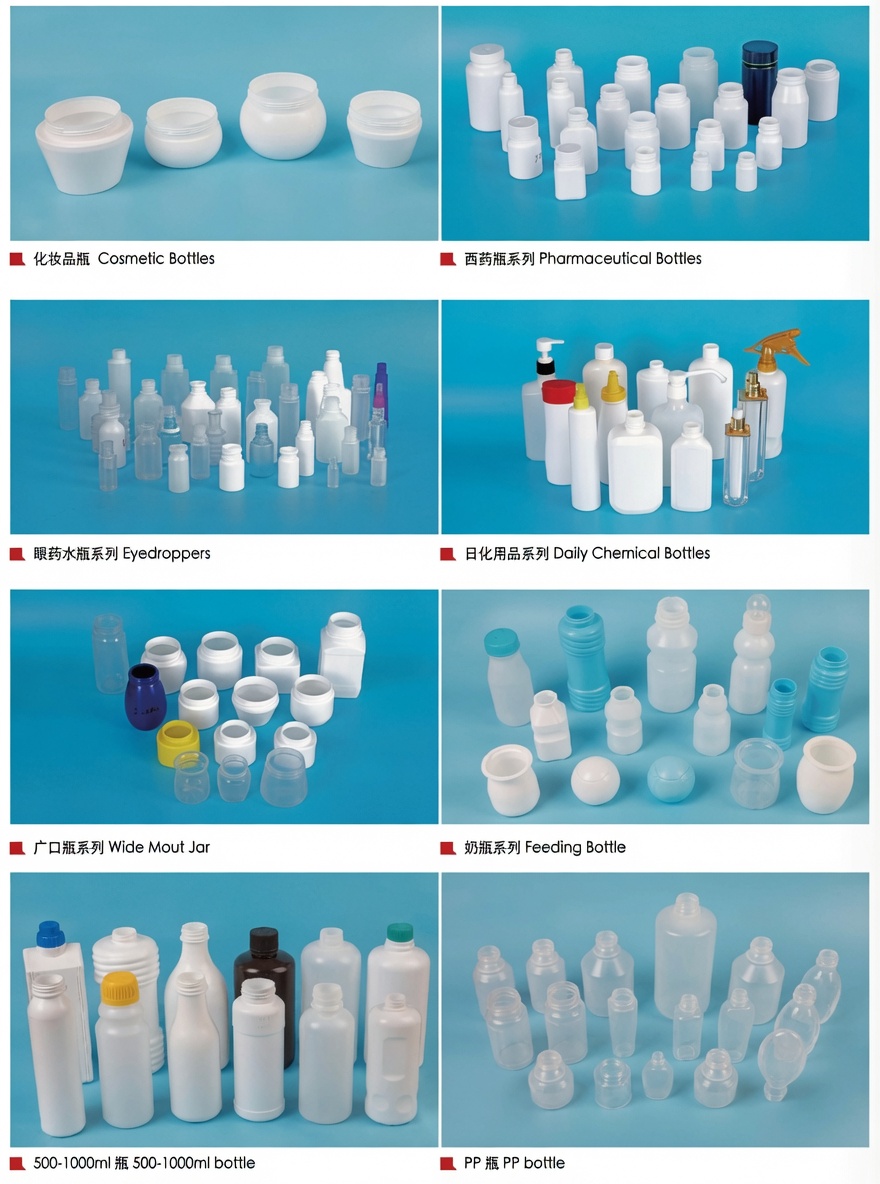
— Mark S., Operations Manager, NorthPack Cosmetics Ltd, Sheffield
IBM Auxiliary Equipment Overview
ZQ40 IBM Machine
ZQ60 IBM Machine

Frequently Asked Questions About IBM Machines for UK Buyers

How much does a commercial injection blow moulding machine cost when purchased by a UK plastics manufacturer, and what additional expenses should be budgeted for?
Entry-level IBM machines for small pharmaceutical bottle production typically carry ex-works prices in the range of GBP 45,000 to GBP 90,000 depending on cavitation and specification. Mid-range machines like the Ever Power ZQ80 with pharmaceutical-grade tooling fall in the GBP 120,000 to GBP 200,000 range. Additional UK-side costs to budget include import duty (currently 0% under UK Global Tariff for most blow moulding machinery HS codes), shipping and marine insurance, installation and commissioning (typically 5–8 days of engineer time), IQ/OQ validation documentation (relevant for pharmaceutical buyers), and initial spare-parts stock holding. Contact [email protected] for a detailed quotation.
Which type of blow moulding machine is best for producing pharmaceutical-grade HDPE tablet bottles that need to pass MHRA packaging validation in the UK?
For MHRA-regulated pharmaceutical HDPE containers, injection blow moulding machines offer a compelling combination of advantages: injection-quality neck threads, zero base weld seam, and consistent wall thickness that simplifies IQ/OQ/PQ validation. The absence of a trimming operation eliminates a contamination-risk process step. Ever Power ZQ-series IBM machines are supplied with full FAT documentation, material contact surface certificates, and available IQ support packages tailored to the MHRA GMP framework.
What is the typical lead time for delivery of a custom-configured injection blow moulding machine and matched tooling set from a Chinese supplier to a UK factory in Birmingham or Sheffield?
For a standard ZQ80 or ZQ110 machine with custom tooling, Ever Power production lead time is typically 8–14 weeks from order confirmation and deposit receipt, depending on tooling complexity and machine specification. Sea freight from the factory to a UK port (Felixstowe or Southampton) adds 28–35 days. DDP delivery direct to a Birmingham or Sheffield facility can be arranged through Ever Power logistics partners, with estimated total door-to-door lead time of 14–18 weeks from order placement.
Where can I find a reliable supplier of injection blow moulding machines who can provide UK-compliant CE marking and English-language technical support for our plastics processing facility?
Ever Power machines carry CE marking and are supplied with comprehensive English-language technical manuals, electrical schematics compliant with BS EN 60204-1, and safety documentation aligned with the UK Machinery Regulations 2008 (as amended). Remote technical support is provided in English via video call during UK business hours, and on-site field-service visits to UK customers can be arranged through Ever Power European service network.
How does an injection blow moulding machine reduce energy consumption compared with older fixed-speed extrusion blow moulding equipment running at a UK plastics factory?
IBM machines eliminate the reheating oven required by ISBM reheat processes, and the single-pass nature of the IBM cycle avoids the energy overhead of plasticising and extruding a parison that is then trimmed. On comparable bottle output, IBM machines fitted with servo-hydraulic drives (standard on Ever Power ZQ-series) typically consume 35–45% less electricity per 1,000 bottles produced than fixed-pump EBM equipment of equivalent output. Induction barrel heating further reduces energy-in versus heat-delivered losses from around 75% efficiency (resistive heaters) to above 95% (induction).
What is the minimum order quantity for custom IBM moulds from Ever Power, and how long does a bottle mould set typically last before requiring replacement at normal UK pharmaceutical packaging production volumes?
Ever Power accepts custom mould orders from a single cavity set, with no minimum order quantity on tooling independent of machine purchase. H13 tool steel core rods are rated for a minimum of 5 million cycles under normal PP and HDPE processing conditions, and blow cavities in the same material have demonstrated 8–12 million cycle service life before cosmetic re-polishing is required. At a typical UK pharmaceutical packaging output of 4,000 to 8,000 bottles per hour, this equates to 2–4 years of service life before major tooling maintenance is needed.
When is it better to choose an injection blow moulding machine over an injection stretch blow moulding machine for producing small cosmetic packaging containers for the UK beauty industry?
IBM machines are the better choice when containers are small (below 200 ml), the bottle geometry requires no biaxial orientation for pressure performance, and neck precision is critical for pump-dispenser or dropper-closure fitment. IBM also wins on floor space and simplicity — no reheating oven, shorter process chain. ISBM is preferred when lightweight performance (using biaxially oriented PET) or carbonated-beverage pressure resistance is needed. For the UK cosmetic sector producing perfume bottles, skincare jars, and cosmetic dropper vials in PP or PS, injection blow moulding machines are typically the right tool.

Ever Power Injection Blow Moulding Machine Division | Technical enquiries: [email protected]

edit by gzl