Injection-Blow Molding Equipment
Injection-Blow Molding Machine Applications in Premium Fragrance Packaging Across the UK
Precision containers for perfume, cologne and body mist production lines serving British manufacturers from Birmingham to Sheffield.
Updated July 2026 · 12 min read
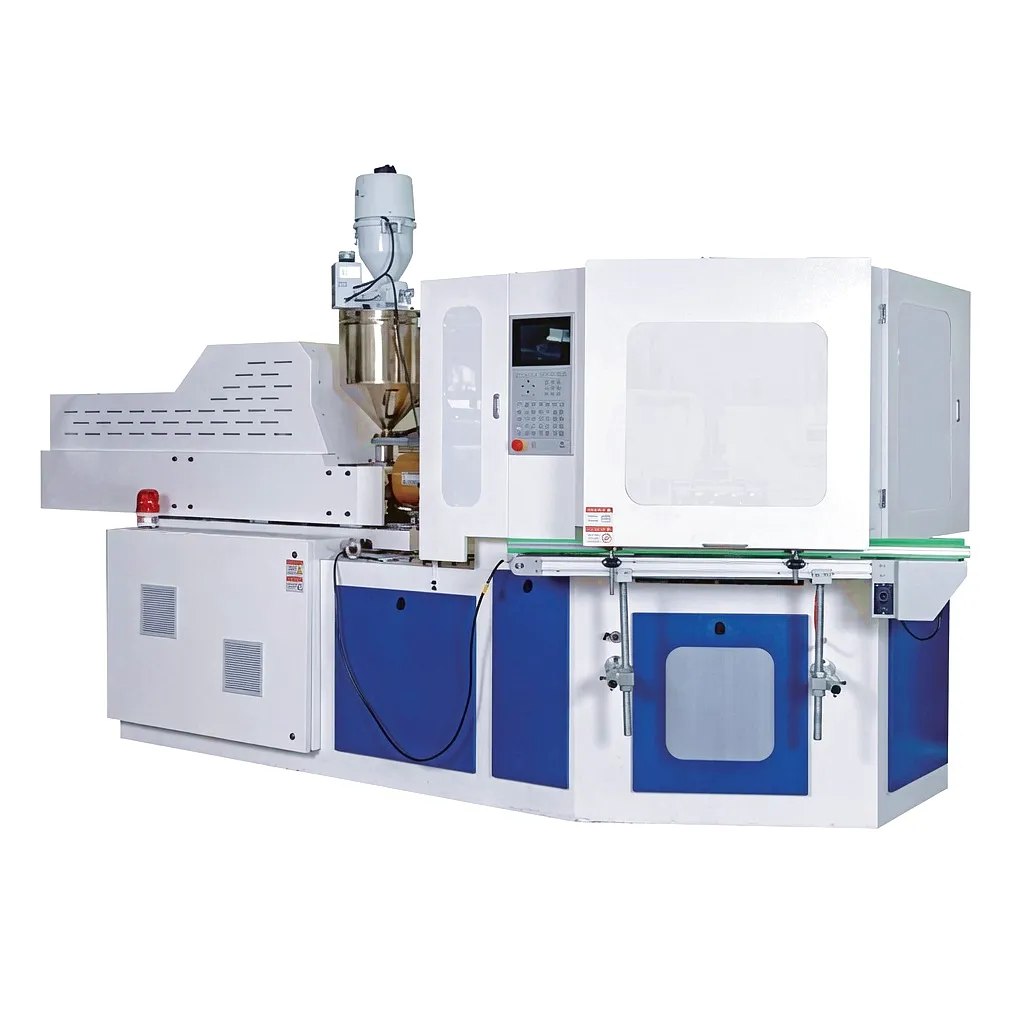 British fragrance houses and contract packers continue to shift from traditional glass toward high-clarity polymer bottles that match optical standards while surviving the knocks of modern logistics networks linking Midlands distribution hubs with coastal ports. An injection-blow molding machine delivers the dimensional consistency and surface finish required for prestige perfume presentation without the weight or breakage rates associated with glass. Production managers in the West Midlands and South Yorkshire increasingly specify this technology when tooling new ranges of PETG and polycarbonate vessels that must hold 30 ml to 250 ml fills with wall-thickness variation held below tight commercial tolerances. The same platforms also support travel-size and roll-on formats demanded by duty-free and online channels that ship from UK fulfilment centres every day.
When a Midlands perfume bottler evaluates capital equipment, the decision rests on cycle consistency, scrap rates and the ability to change cavity sets within a single shift. An injection-blow molding machine integrates the injection of a preform and the subsequent blow stage inside one rotary or linear platform, eliminating the intermediate handling that often introduces dust or dimensional drift. British plants operating under BRCGS packaging standards value the closed-loop process because it reduces human contact points and supports validated clean-room protocols for prestige fragrance lines. Torque delivery at the injection unit, precise stretch-rod control and uniform mold-temperature zones combine to produce bottles whose optical clarity rivals glass while offering superior drop performance on the journey from Sheffield warehouses to retail shelves across Europe.
Working Principle of the Injection-Blow Molding Machine
STEP 01
Preform Injection
Molten polymer is injected under controlled pressure into a multi-cavity preform mold mounted on a rotating or shuttle platen. Gate design and hot-runner balancing ensure each preform receives identical melt volume and residual stress profile. Temperature zones along the barrel and nozzle are mapped to the specific viscosity curve of PETG or polycarbonate grades commonly specified by UK fragrance houses. The injection unit maintains closed-loop pressure control so that preform weight variation stays inside commercial limits required for subsequent blow consistency.
STEP 02
Conditioning and Transfer
The freshly injected preform remains on the core rod and moves into a thermal conditioning station where surface and core temperatures are equalised. Precise heat profiling prevents pearlescence and ensures uniform biaxial orientation during the blow phase. Transfer mechanisms on modern platforms use servo-driven indexing so that every cavity arrives at the blow station with identical thermal history. This stage is critical for optical-grade perfume bottles that must exhibit glass-like transparency under retail lighting in London boutiques and airport travel retail.
STEP 03
Blow and Ejection
Compressed air expands the conditioned preform against the blow-mold cavity while a stretch rod may optionally assist axial orientation. Wall thickness distribution is governed by preform design, blow pressure ramp and mold venting. After cooling, the finished bottle is stripped from the core and conveyed to inspection or packing. The entire sequence occurs without intermediate storage, reducing particulate risk and supporting the high cleanliness standards expected by prestige fragrance brands operating filling lines in the North of England and the South East.
Core Materials Selected for Injection-Blow Molding Machine Components
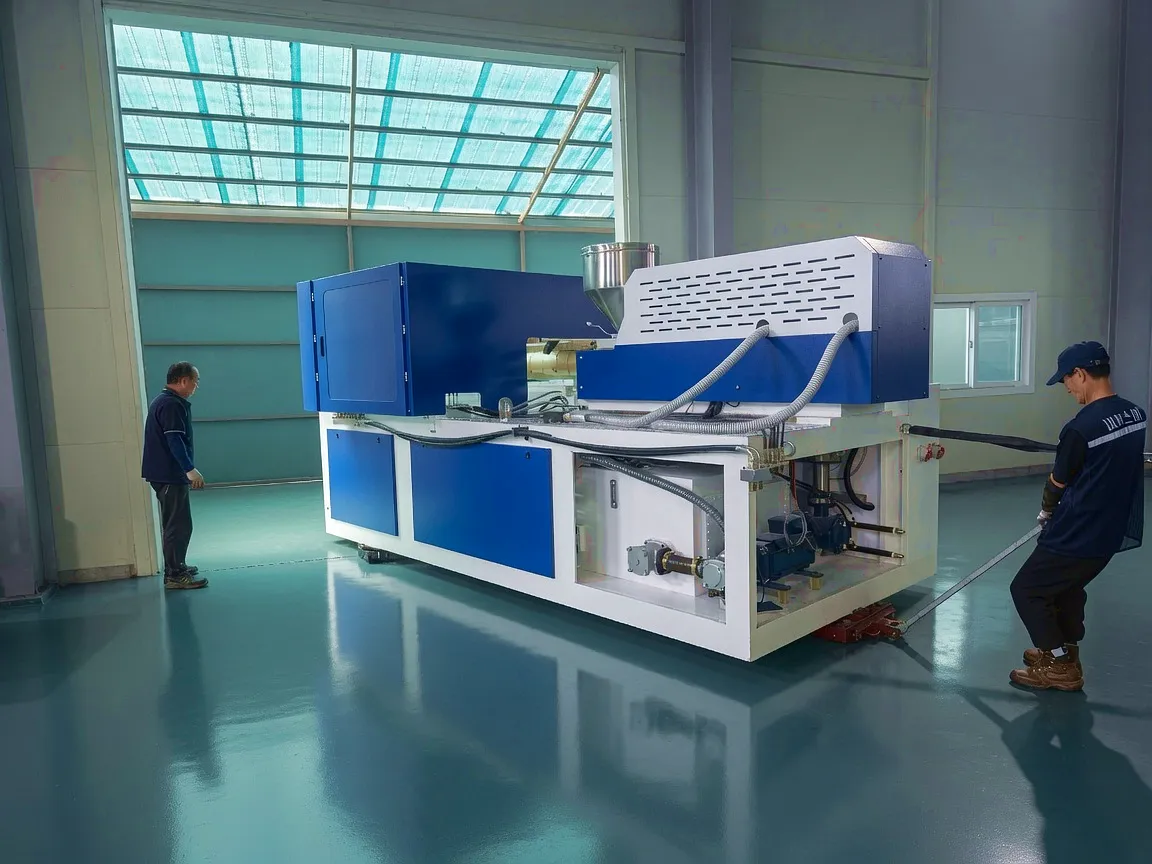 Structural frames of a production-grade injection-blow molding machine are fabricated from high-tensile steel plate that has been stress-relieved to maintain geometric stability under continuous cyclic loading. Tie bars and platens receive induction-hardened surfaces so that wear remains minimal even after tens of millions of cycles. The injection barrel and screw are typically nitrided or coated with wear-resistant alloys compatible with abrasive glass-filled grades occasionally required for opaque fragrance components. Core rods that carry the preform through the process are manufactured from tool steels with polished surfaces that release cleanly and resist chemical attack from residual polymer or cleaning agents used in UK clean-room environments.
Blow-mold cavities are cut from aluminium alloys or stainless steels chosen for thermal conductivity and polishability. Optical-grade cavities receive diamond-like carbon or hard-chrome finishes that transfer mirror-like surfaces to the bottle exterior. Heating elements and thermocouples are selected for long-term calibration stability so that process windows remain valid across seasonal ambient changes common in British factory halls. Hydraulic or hybrid servo systems employ filtration standards that keep fluid cleanliness inside ISO codes suitable for continuous three-shift operation. Every material choice is validated against the mechanical loads, thermal cycles and chemical exposures encountered when producing PETG perfume bottles, polycarbonate cologne containers and travel-size sprays destined for UK and export markets.
Technical Advantages Delivered by Modern Injection-Blow Molding Machine Platforms
01
Single-Stage Process Integrity
Preform and bottle are formed on the same machine, removing transfer steps that introduce contamination or orientation errors. British fragrance packers report lower particle counts and tighter neck-finish concentricity compared with two-stage routes.
02
Optical Clarity Matching Glass
Controlled thermal history and polished cavities produce PETG and PC bottles with haze levels low enough for prestige perfume presentation under retail LED lighting across UK department stores and travel retail outlets.
03
Wall-Thickness Uniformity
Servo stretch-rod and blow-pressure profiling keep thickness variation inside narrow bands, reducing material usage while maintaining drop performance required for e-commerce fulfilment centres in the Midlands.
04
Rapid Cavity Change
Modular mold packages allow British contract packers to switch between 30 ml perfume, 100 ml body spray and 15 ml travel formats within a single production day, supporting short-run prestige launches.
05
Energy-Efficient Drive Systems
Hybrid or all-electric architectures reduce power consumption per thousand bottles, an increasingly important metric for manufacturers reporting Scope 2 emissions under UK corporate reporting frameworks.
06
Closed-Loop Process Control
Real-time monitoring of injection pressure, blow pressure and mold temperature feeds statistical process control systems already familiar to quality teams in Sheffield and Birmingham packaging plants.
Product Technical and Performance Parameter Table
| Parameter | ZQ40 Range | ZQ60 Range | Unit |
|---|---|---|---|
| Clamping Force | 400 | 600 | kN |
| Max Screw Torque | 850 | 1200 | Nm |
| Injection Pressure | 160 | 180 | MPa |
| Blow Pressure | 2.5 | 3.0 | MPa |
| Core Rod Stroke | 180 | 220 | mm |
| Max Bottle Volume | 250 | 500 | ml |
| Typical Cavity Count | 4–8 | 6–12 | pcs |
| Frame Material | High-tensile steel | High-tensile steel | — |
| Drive Option | Hybrid / Electric | Hybrid / Electric | — |
Industrial Application Scenarios for Injection-Blow Molding Machine in Fragrance Packaging
 Premium Perfume Bottles 30 ml–200 ml
British fragrance houses based around London and the South East require containers that transmit colour and light with minimal distortion. An injection-blow molding machine produces PETG vessels whose refractive index and surface polish approach those of glass while surviving the vibration of road freight from Midlands filling sites to national retail distribution centres. Design freedom allows undercuts, embossed logos and precise neck finishes that accept standard pumps and sprayers without secondary machining. Wall-thickness control protects against paneling during vacuum filling of alcohol-based concentrates common in the UK prestige segment.
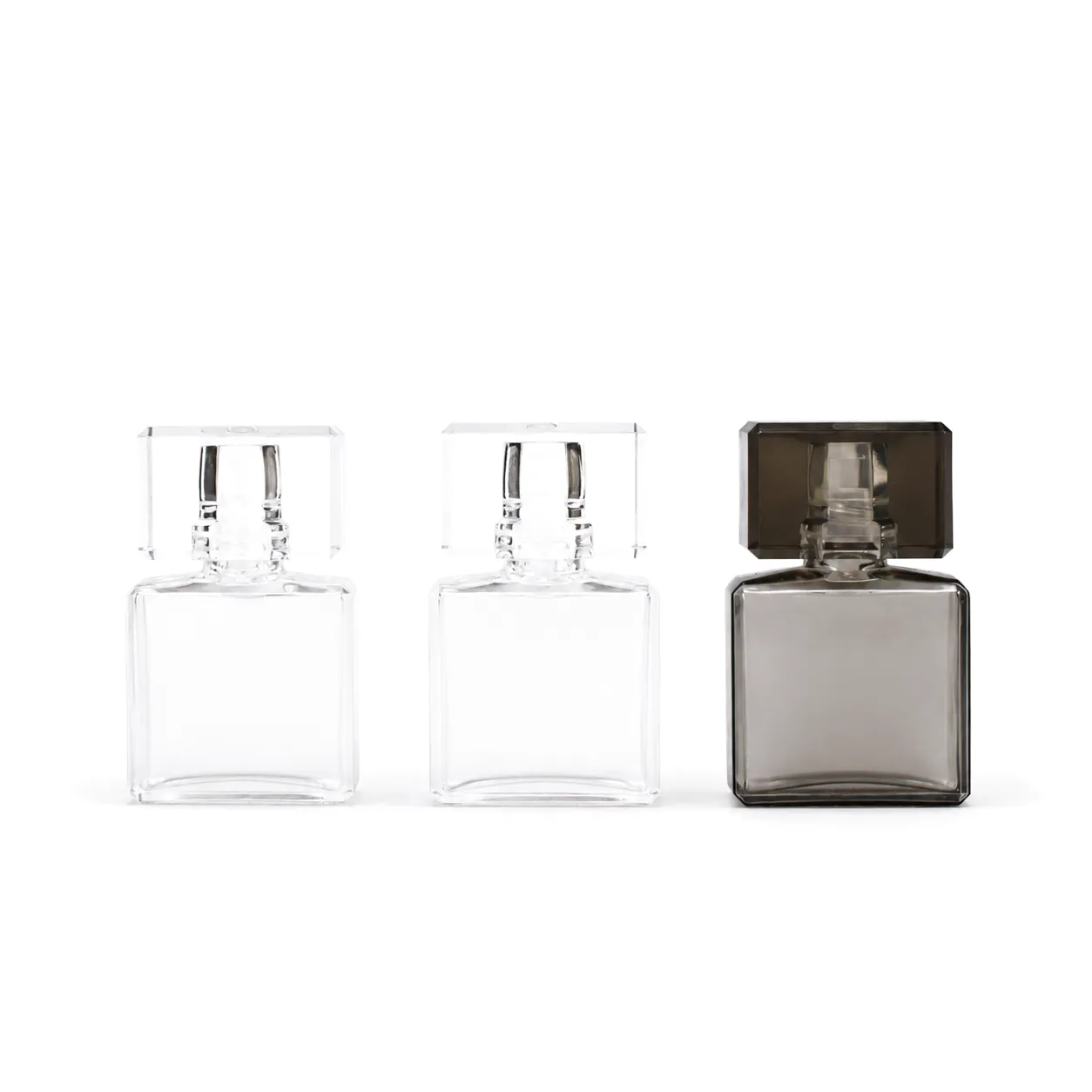
 Cologne and Body Spray Containers 100 ml–250 ml
Larger format body mists and eau de cologne bottles demand higher cavity counts and robust cooling circuits to maintain cycle times acceptable for high-volume contract packing. Platforms operating in Sheffield and surrounding industrial zones deliver consistent shoulder geometry and base push-up that stack securely on automated palletisers. Impact resistance reduces breakage claims on export shipments leaving UK ports, while the single-stage process keeps internal cleanliness suitable for alcohol and essential-oil formulations that can stress lesser polymers.
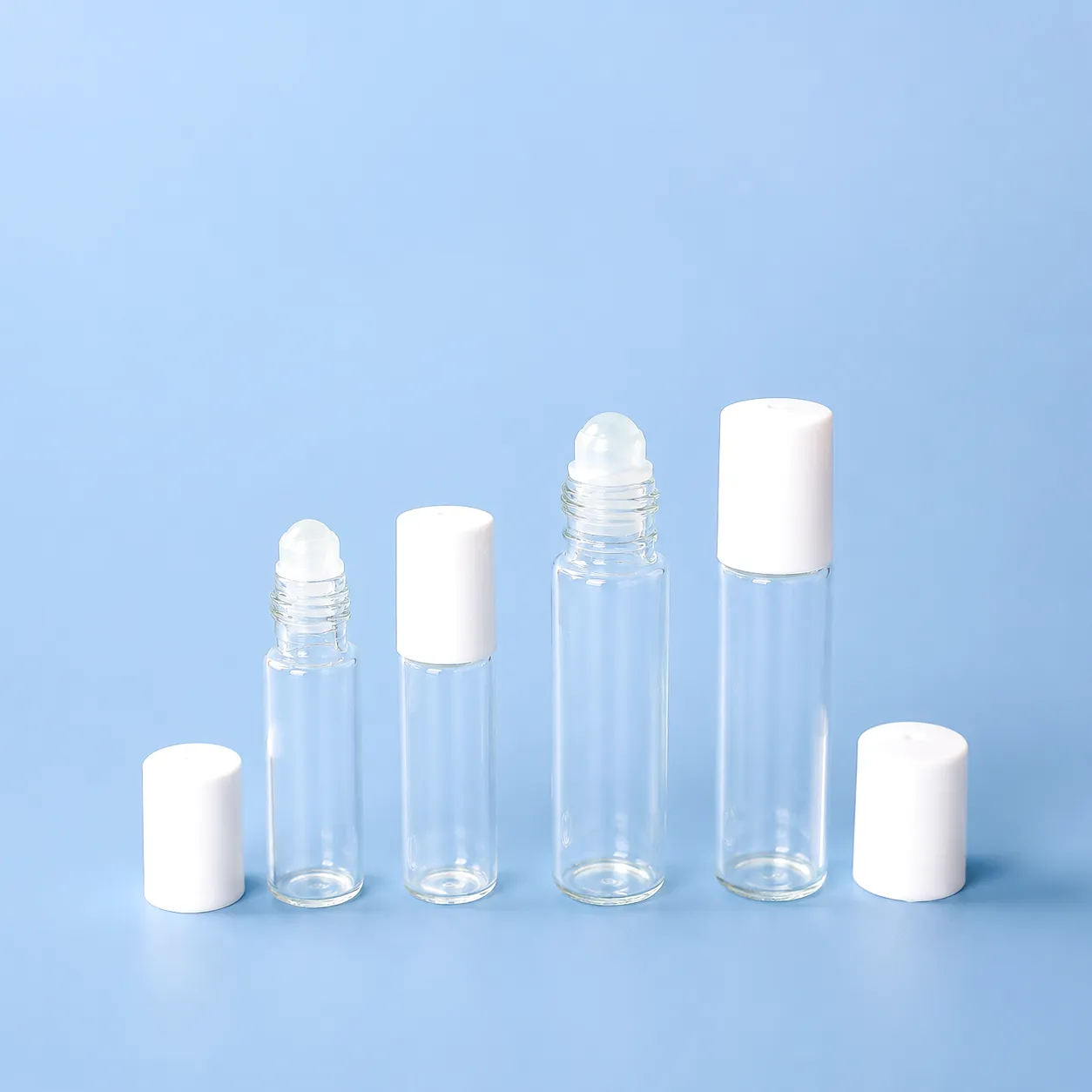
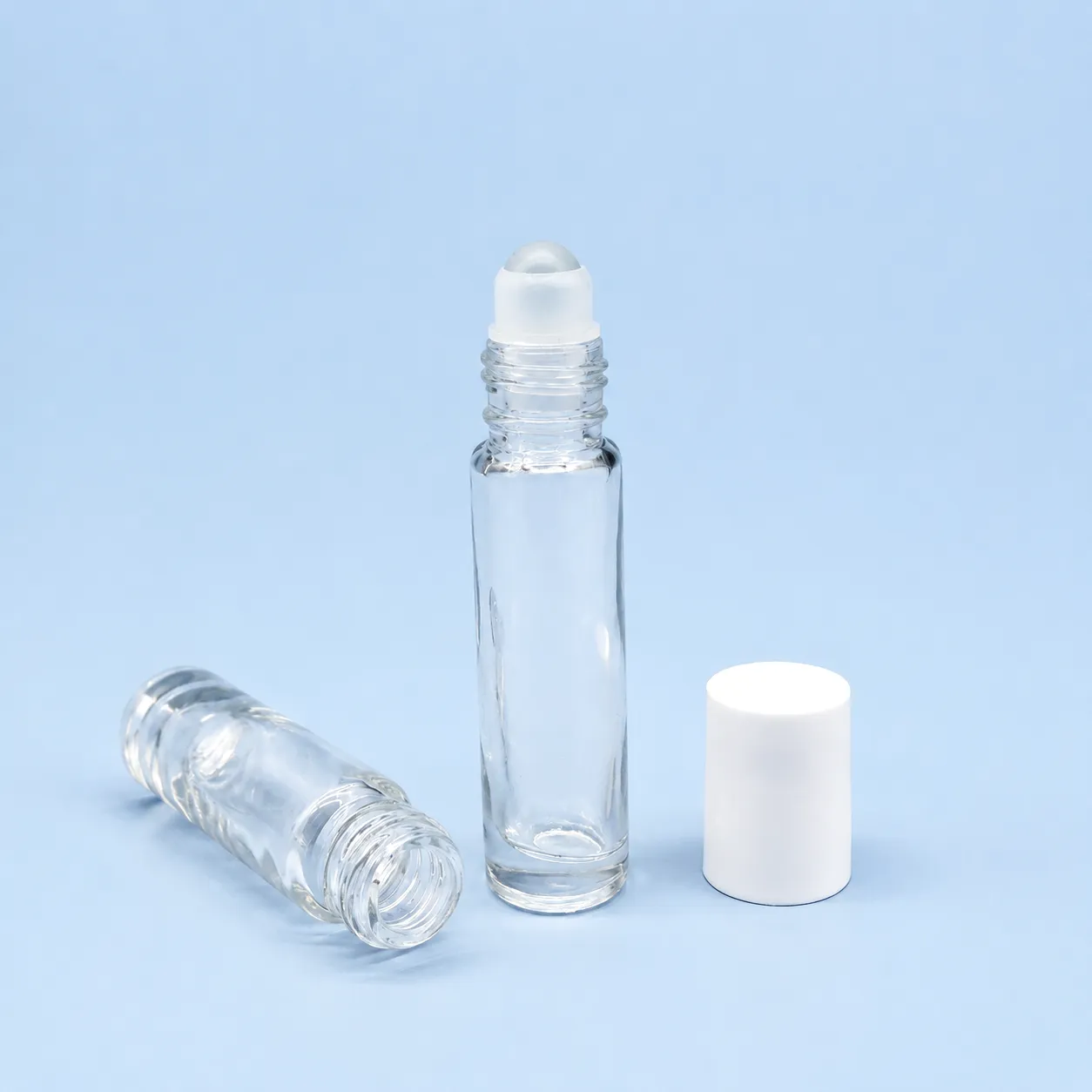
 Travel-Size and Roll-On Formats 5 ml–15 ml
Miniatures and roll-ball applicators for the travel retail and sample market require extremely precise neck and orifice dimensions. Injection-blow molding machine tooling can be designed with interchangeable inserts so that the same platform produces both standard spray necks and roll-on seats. British manufacturers supplying airport concessions and subscription beauty boxes value the ability to run short campaigns without extensive change-over downtime, keeping inventory lean while responding to seasonal fragrance launches.
Ever Power Manufacturing Capability and Customization Services
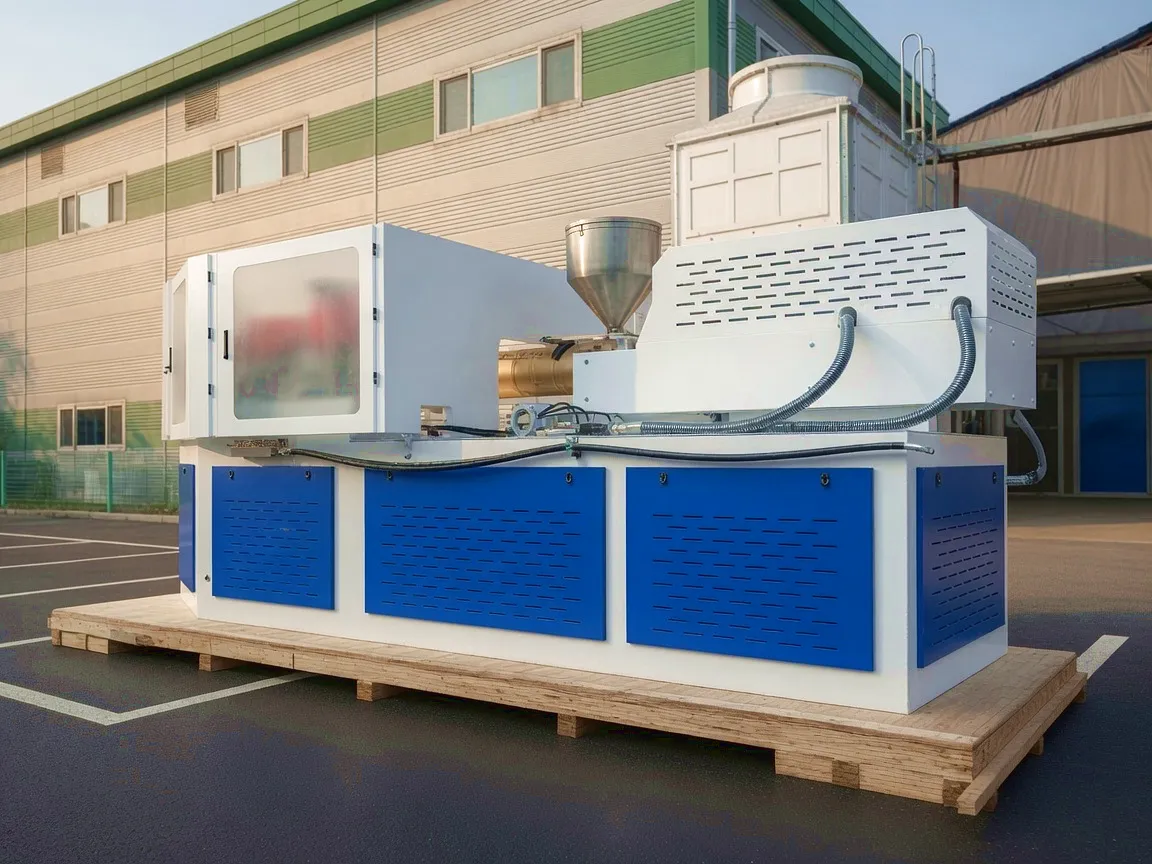
Ever Power operates dedicated assembly halls and tooling workshops that specialise in injection-blow molding machine platforms configured for optical packaging. Engineering teams work directly with British fragrance packers to adapt clamp stroke, core-rod diameter and mold mounting patterns to existing plant layouts in Birmingham, Manchester and the South East. Customisation extends to screw and barrel geometry matched to the specific PETG or polycarbonate grades preferred by each customer, ensuring melt quality and colour consistency from the first shot. Supply-chain protocols include dual sourcing of critical servo and hydraulic components so that spares remain available for UK-based service engineers within short lead times. Quality gates include full geometric verification of platens, laser alignment of transfer stations and dry-cycle endurance testing before any machine leaves the factory floor.
When a project requires non-standard cavity counts or special surface finishes for prestige perfume bottles, Ever Power tooling specialists design and manufacture the complete mold package in-house. Process engineers then develop validated recipes that transfer cleanly to the customer’s production environment, reducing the time from installation to commercial output. Documentation packages include CE declarations, risk assessments and maintenance schedules written to align with UK factory procedures. The same team remains available for remote diagnostic support and on-site process optimisation after commissioning, giving British manufacturers a single accountable partner from concept through sustained production.
Customer Success Story – Midlands Fragrance Contract Packer
A contract packaging company located near Birmingham specialising in prestige and masstige fragrance filling faced rising glass breakage rates and increasing freight costs on export orders. The plant needed a polymer solution that preserved the optical presentation demanded by brand owners while improving drop performance through the UK logistics network. Existing two-stage equipment produced acceptable bottles but introduced particulate risk and longer change-over times that limited the ability to run short prestige campaigns.
Ever Power supplied a configured injection-blow molding machine with dedicated 6-cavity tooling for a 50 ml and 100 ml PETG range. Core-rod and cavity surfaces were polished to optical standards, and the process recipe was developed jointly with the customer’s quality team. After installation and training, scrap rates fell below 1.2 percent, change-over between the two sizes was completed inside two hours, and the bottles passed accelerated drop and leak testing required by the brand’s European specification. The plant has since added a second cavity set for a travel-size line and reports measurable reductions in both material usage and customer complaints related to transit damage.
★★★★★
“The wall-thickness consistency and clarity we achieve on the Ever Power platform exceed what we previously obtained from glass for this particular fragrance line.”
— Production Manager, OEM fragrance packer, West Midlands
★★★★★
“Custom core-rod geometry and rapid technical response from Ever Power allowed us to meet a tight launch window for a new roll-on range.”
— Technical Director, contract packaging company, South Yorkshire
★★★★★
“Energy figures and uptime have been better than projected; the hybrid drive package suits our three-shift fragrance filling schedule.”
— Operations Lead, packaging manufacturer, Greater Manchester
Featured Injection-Blow Molding Machine Models
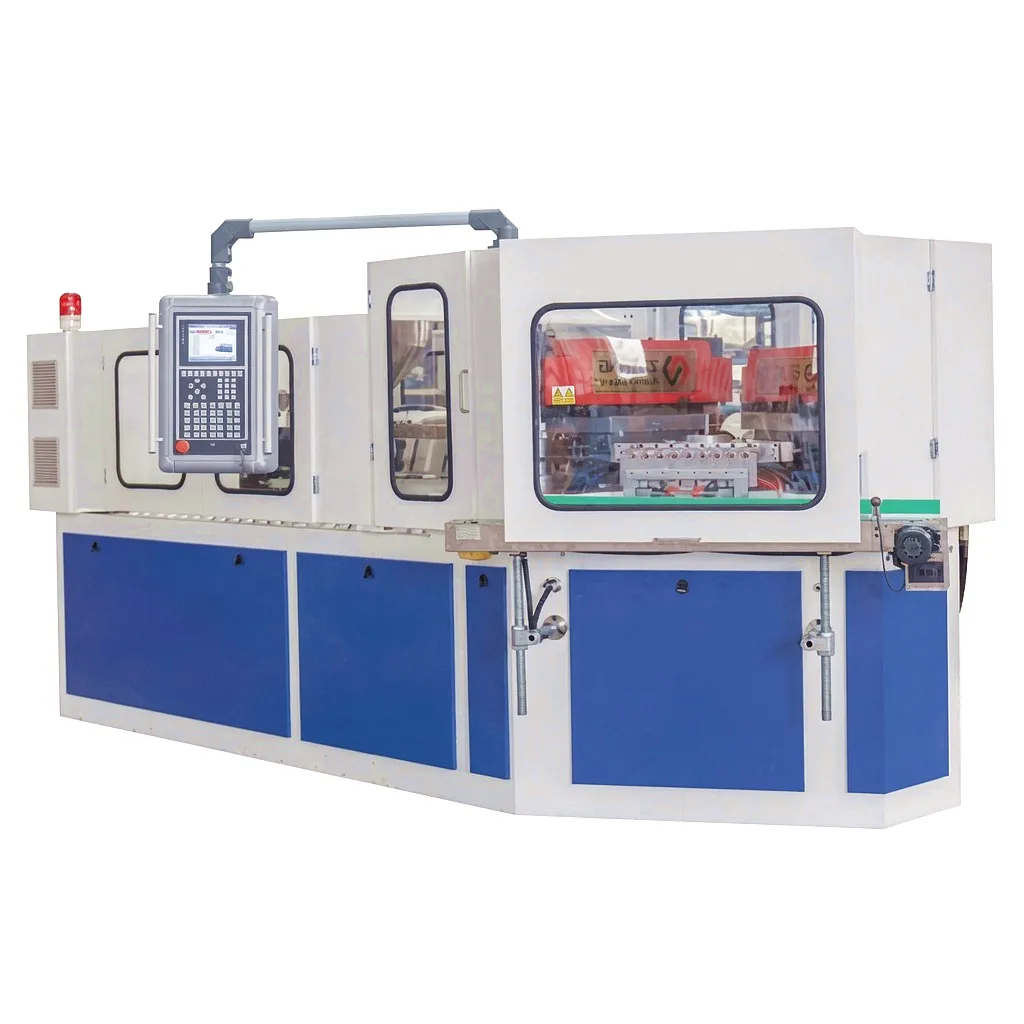
Replacement of SUMA 65iB Injection Blow Molding Machine – ZQ60
Higher clamp force and extended core-rod stroke suited to larger perfume and body-spray formats up to 500 ml. Hybrid drive and multi-cavity capability support high-volume UK contract packing lines.
Replacement of SUMA 40ib Injection Blow Molding Machine – ZQ40
Compact footprint and efficient energy profile ideal for mid-volume prestige perfume and travel-size production. Rapid mold change supports the short-run campaigns common among British fragrance houses.
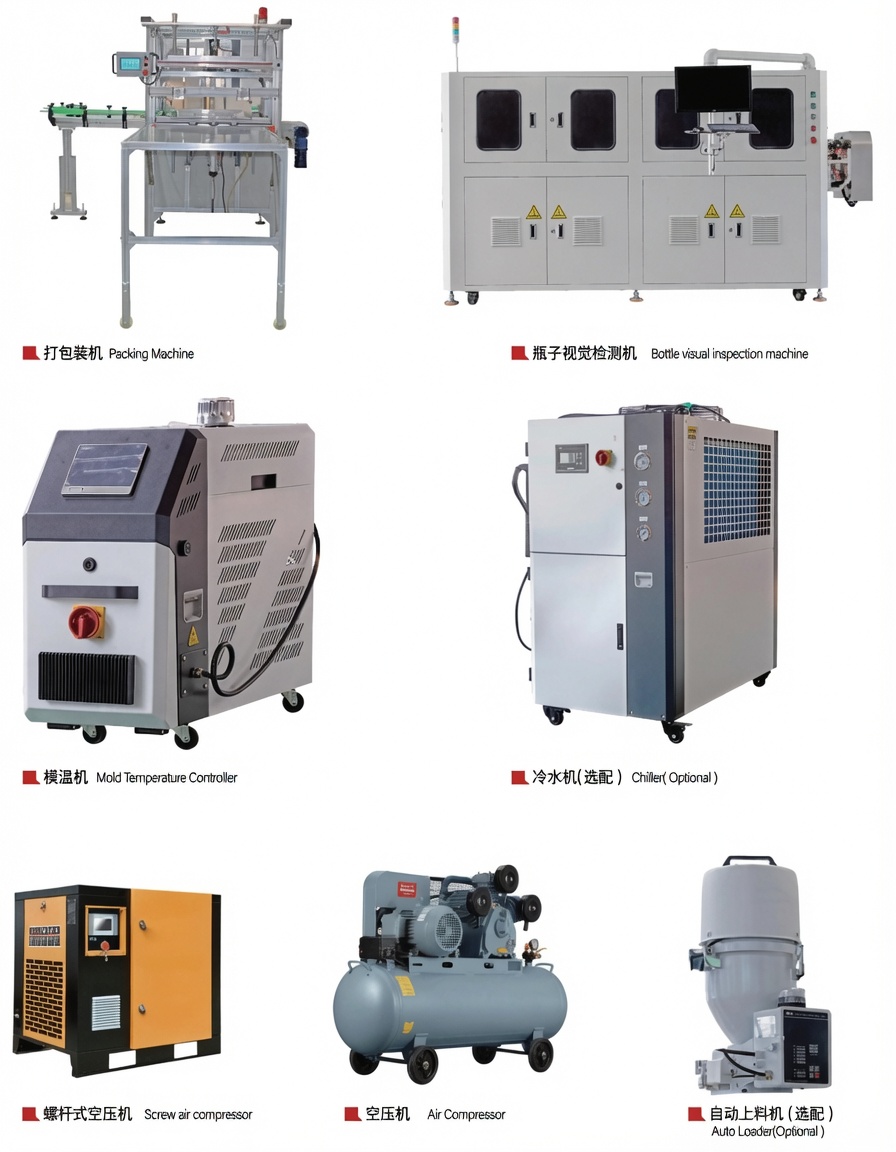
Frequently Asked Questions about Injection-Blow Molding Machine for UK Fragrance Production
How much does an injection-blow molding machine cost for a UK perfume bottle supplier?
Capital cost varies with clamp force, cavity count and drive configuration. A mid-range platform suitable for 30–200 ml PETG perfume bottles typically falls into a competitive band when compared with equivalent European equipment, and Ever Power provides detailed quotations that include tooling, installation support and training for British sites.
What is the typical lead time for a customised injection-blow molding machine delivered to Birmingham?
Standard configurations ship within agreed manufacturing slots, while fully customised clamp and mold packages usually require additional engineering weeks. Ever Power confirms schedule at order placement and coordinates sea or air freight plus UK inland delivery to the customer’s preferred Midlands or Northern site.
Which injection-blow molding machine model suits travel-size perfume production in Sheffield?
The more compact ZQ40 platform with appropriate multi-cavity tooling is frequently selected for 5–15 ml formats because of its efficient footprint and rapid change-over capability, both valuable for the short-run campaigns common in the South Yorkshire packaging sector.
How can a UK manufacturer obtain a formal quote for an injection-blow molding machine?
Technical drawings, target bottle drawings and annual volume estimates can be sent to [email protected]. Ever Power responds with a structured quotation covering machine, tooling, spare-parts recommendations and optional training packages tailored to British factory practices.
What materials are recommended for perfume bottles made on an injection-blow molding machine?
Optical-grade PETG remains the dominant choice for clarity and chemical resistance to alcohol-based fragrances. Polycarbonate is selected when higher impact strength or heat resistance is required. Ever Power process engineers assist UK customers in matching resin grade to the specific bottle design and filling conditions.
Where can British fragrance packers source reliable after-sales support for their injection-blow molding machine?
Ever Power maintains remote diagnostic capability and coordinates with UK-based service partners for mechanical and electrical interventions. Critical spare parts are held in strategic inventory to minimise downtime for continuous three-shift operations.
When should a contract packer in the UK consider replacing an older injection-blow molding machine?
Rising energy consumption, increasing scrap rates or inability to meet tighter optical and dimensional specifications for new prestige launches are common triggers. A modern platform with closed-loop control and hybrid drives often recovers its cost through material savings and higher uptime within a measurable period.
Who supplies custom mold packages for injection-blow molding machine perfume bottle production in the UK?
Ever Power designs and manufactures complete cavity sets in-house, including optical polishing and interchangeable inserts for spray and roll-on necks. The same team validates the process recipe so that the mold arrives ready for commercial production on the customer’s machine.
edit by gzl