Industrial Packaging Equipment · UK Market Guide
Injection-Blow Molding Machine: Applications, Technology & Capabilities for UK Industry
From Birmingham’s automotive belt to Sheffield’s chemical processing corridor — how IBM technology is reshaping precision packaging across Britain’s manufacturing heartlands.
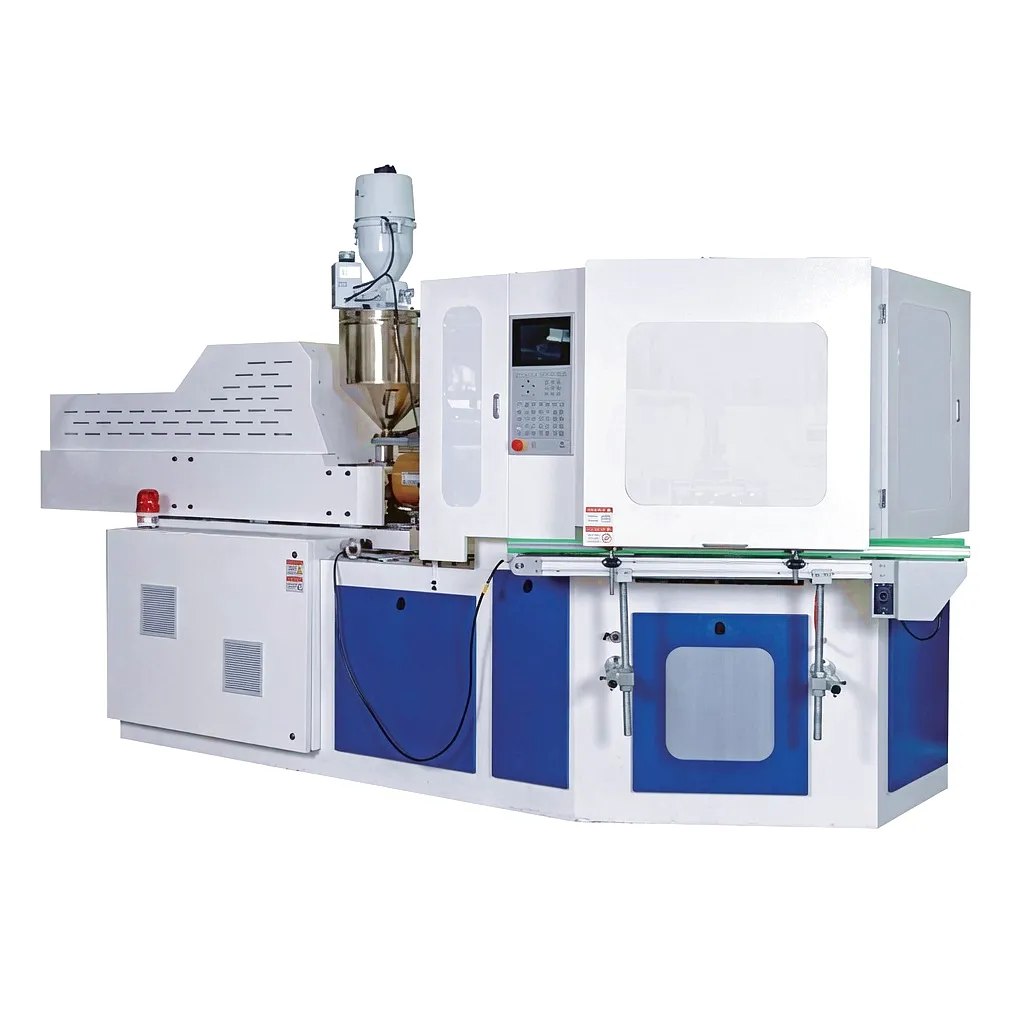 The injection-blow molding machine sits at a crossroads of polymer science and precision engineering that very few manufacturing processes can match. Unlike conventional blow molding, which starts from an extruded parison, or injection stretch blow molding, which is optimised for PET, the IBM process begins with a fully injection-molded preform — giving the manufacturer absolute control over neck geometry, wall thickness distribution, and material orientation from the very first second of production. That level of control matters enormously when the container in question holds a substance that is corrosive, temperature-sensitive, or subject to tight regulatory scrutiny.
Across the United Kingdom, demand for high-precision hollow containers has grown steadily across automotive, pharmaceutical, personal care, and specialty chemical sectors. Packaging specifications in these markets are becoming tighter every year — child-resistant closures require neck tolerances that cannot tolerate even marginal flash, pharmaceutical containers must meet British Pharmacopoeia standards for barrier properties, and automotive chemical bottles must survive warehouse temperatures ranging from sub-zero winters to summer distribution heat. The injection-blow molding machine addresses all of these demands within a single, servo-controlled platform that combines injection, blow, and ejection in one continuous rotary cycle.
This guide explores the working principle, material compatibility, performance parameters, and industrial application scenarios of IBM technology, with particular attention to how UK-based manufacturers — from Midlands plastics converters to Yorkshire industrial packaging suppliers — are integrating these machines into modern production lines. Whether you are evaluating your first IBM investment or upgrading aging equipment, the technical and commercial landscape covered here gives you the foundation to make a genuinely informed decision.
How the Injection-Blow Molding Process Works
The IBM cycle operates across three distinct stations — injection, blow, and eject — arranged around a central rotating core rod assembly. At station one, molten polymer is injected into a preform cavity under precise pressure, forming a fully defined neck finish and a thick-walled tube called the preform. This station is where tolerances are locked in: the injection mold determines neck thread geometry, ovality, and wall uniformity with an accuracy that downstream blow processes simply cannot replicate. Because the neck is formed by injection rather than by blow pressure, thread profiles are sharp, perpendicular, and dimensionally consistent from the first shot to the hundred-thousandth.
At station two, the still-hot preform — supported on the core rod without being removed from the machine — is transferred into the blow cavity. Compressed air is introduced through the core rod, inflating the preform into the final container shape against the cooled cavity walls. The retained heat from injection means no secondary conditioning oven is needed, and the core rod ensures the blown article maintains geometric alignment with the neck. Wall thickness is a function of the preform geometry established at station one, which means IBM containers typically achieve wall uniformity coefficients of 0.85 or better — a metric that direct blow molding machines struggle to match without sophisticated parison programming.
At station three, the finished container is stripped from the core rod and conveyed downstream. Because the neck is never clamped or blown, there is no parting line through the finish — the area that contacts the closure. This absence of flash or weld lines in the neck region is one of the key reasons injection-blow molding machines are the preferred choice for child-resistant and tamper-evident closures, hermetic pharmaceutical seals, and high-pressure aerosol valves.
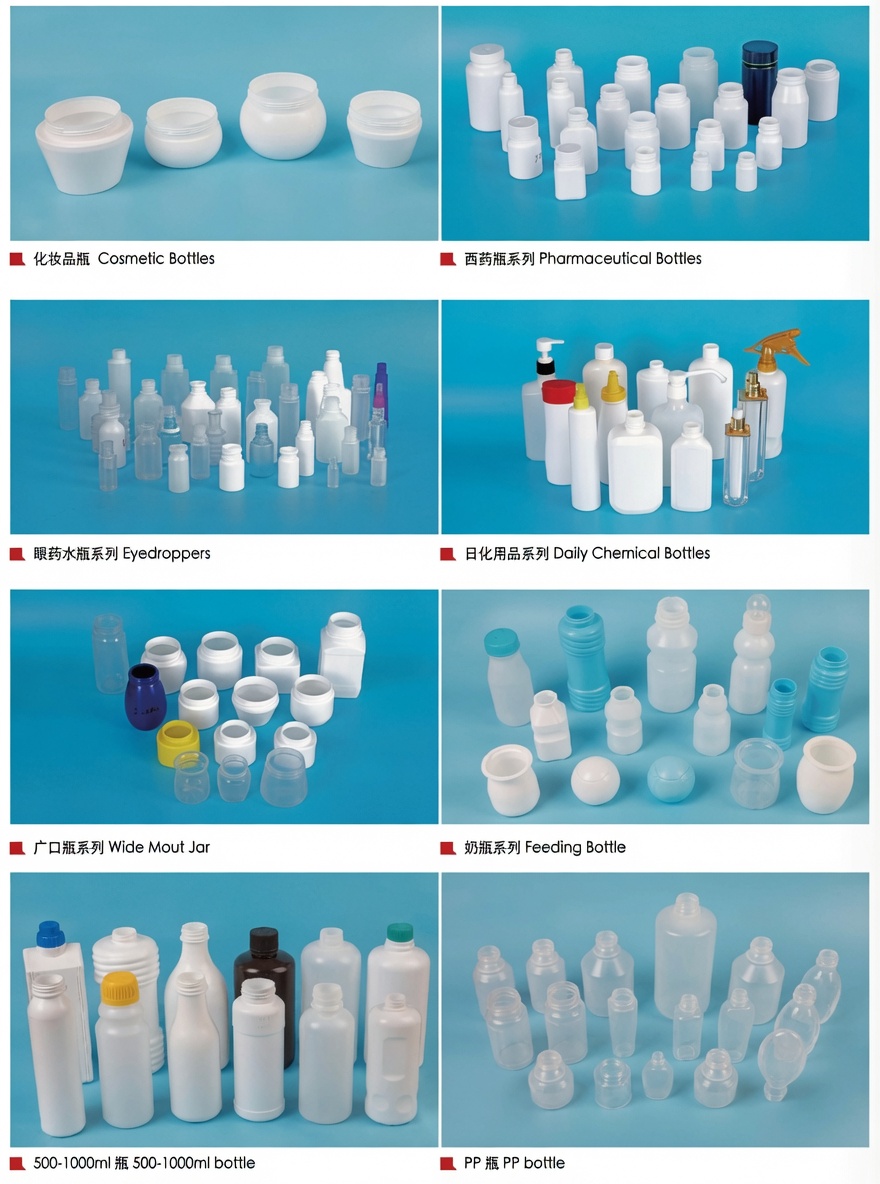
Core Materials Processed by IBM Equipment
HDPE
High-Density Polyethylene dominates automotive and agrochemical container production. Its resistance to stress cracking, excellent chemical inertness, and HDPE’s regulatory status under UK Environment Agency packaging guidance make it the go-to material for engine oil bottles, brake fluid containers, and fertiliser canisters. IBM-grade HDPE grades with MFI of 0.3–1.0 g/10min are standard.
PP (Polypropylene)
Polypropylene is favoured for pharmaceutical and personal care packaging due to its steam-autoclavable properties and outstanding chemical resistance across a wide pH range. Its higher melting point compared to HDPE makes it suitable for hot-fill applications up to 85°C, and its natural clarity — when clarified grades are used — supports light-transmission-sensitive product inspection on pharmaceutical lines in Manchester and Merseyside.
PET (Polyethylene Terephthalate)
While ISBM machines handle PET in a separate stretch-blow process, standard IBM machines process amorphous PET for wide-mouth pharmaceutical jars and speciality cosmetic containers where stretch ratio is modest and neck geometry complexity is high. IBM-processed PET offers superior optical clarity compared to HDPE and PP, supporting premium cosmetic packaging lines across London and the South East.
EVA / LDPE Blends
Ethylene-vinyl acetate copolymers and low-density polyethylene blends are used in IBM for flexible squeeze containers, eye-drop bottles, and nasal-spray components. These materials require careful temperature profiling — injection barrel temperatures of 160–190°C — and produce containers with exceptional flexibility, softness, and low-temperature performance down to -40°C, critical for cold-chain pharmaceutical logistics handled through UK distribution hubs like East Midlands Airport.
Technical Advantages of Injection-Blow Molding Machines
Advantage 01
Flash-Free Neck Finish
No parting line through the neck finish means zero post-mold deflashing operations. This is critical for pharmaceutical packaging where particulate contamination is an absolute non-starter, and for child-resistant closures where flash in the thread profile can cause engagement failures.
Advantage 02
Zero Scrap Material
Unlike extrusion blow molding, IBM generates no pinch-off scrap. The preform is exactly the material volume required — no more, no less. For high-cost engineering polymers or compounds with expensive additives, this zero-waste characteristic directly impacts material cost per unit, which is increasingly significant given post-Brexit raw material pricing in the UK.
Advantage 03
Superior Wall Thickness Distribution
Because the preform geometry determines the blown wall profile, IBM containers exhibit uniformity coefficients typically between 0.82 and 0.94 — far superior to the 0.55–0.75 range common in accumulator-head EBM. Thinner, more uniform walls mean lighter containers at equivalent mechanical performance, supporting UK retailers’ packaging sustainability commitments.
Advantage 04
Closed-Loop Process Control
Modern IBM machines feature servo-electric drives with real-time cavity pressure monitoring, shot weight control to ±0.2%, and integrated vision systems for 100% inline inspection. These closed-loop capabilities align naturally with the Manufacturing Execution System frameworks that UK Tier 1 automotive and pharma packaging plants increasingly mandate from suppliers.
Advantage 05
Compact Footprint, High Output
IBM machines integrate injection, blow, and eject within a single enclosed unit with a footprint typically 30–40% smaller than equivalent-output EBM lines with deflashing stations. For UK manufacturers operating in older industrial estates — common across the West Midlands and Greater Manchester — this spatial efficiency is a practical advantage when upgrading without facility expansion.
Product Technical & Performance Parameter Table
| Parameter | ZQ40 IBM Machine | ZQ60 IBM Machine | Notes / Standard |
|---|---|---|---|
| Clamping Force | 40 kN | 60 kN | Servo-hydraulic toggle |
| Max Container Volume | 500 ml | 1,000 ml | HDPE / PP / PET compatible |
| Injection Unit (screw dia.) | 40 mm | 50 mm | L/D ratio 20:1 |
| Injection Pressure | Up to 180 MPa | Up to 200 MPa | Closed-loop pressure control |
| Blow Air Pressure | 0.6 – 1.2 MPa | 0.6 – 1.4 MPa | Adjustable via proportional valve |
| Cycle Time (per shot) | 8 – 14 s | 10 – 18 s | Material and mold dependent |
| Mold Stations | 3 (rotary) | 3 (rotary) | Inject / Blow / Eject |
| Wall Thickness Uniformity | ≥ 0.85 coefficient | ≥ 0.85 coefficient | ASTM D2659 reference |
| Shot Weight Repeatability | ± 0.2% | ± 0.2% | Servo dosing system |
| Barrel Temperature Zones | 5 | 6 | PID control ±1°C accuracy |
| Motor Drive | Servo-electric | Servo-electric | 30–40% energy saving vs hydraulic |
| Neck Diameter Range | 10 – 45 mm | 10 – 60 mm | DIN / ROPP / CRC compatible |
| Control System | Siemens S7 PLC + HMI touchscreen | Siemens S7 PLC + HMI touchscreen | CE marked, EU Machinery Directive |
| Machine Footprint (L x W) | 2.8 m x 1.4 m | 3.5 m x 1.8 m | Excluding auxiliary equipment |
| Power Supply | 380 V / 50 Hz / 3-phase | 380 V / 50 Hz / 3-phase | UK-compatible (adapter available) |
Industrial Application Scenarios
Where Injection-Blow Molding Machines Deliver Measurable Value
Application Scenario 1: Automotive Chemical Containers — Engine Oils, Brake Fluid, Coolants & Power Steering Fluids
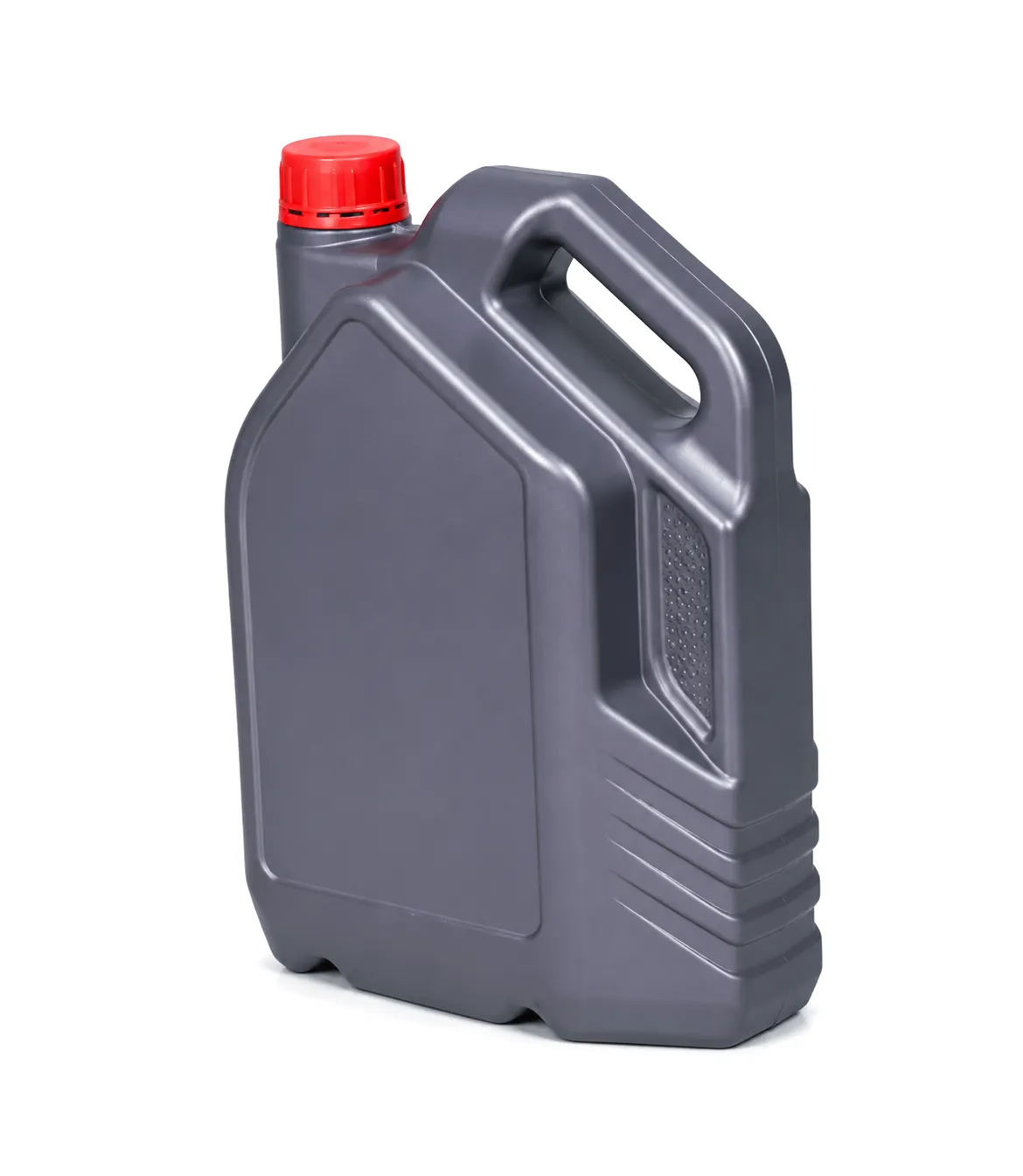 Automotive chemical packaging is one of the most demanding sectors served by injection-blow molding machines, and it is where IBM technology proves its superiority most convincingly. Engine oil bottles ranging from 946 ml to 5-litre containers, brake fluid canisters, engine coolant (antifreeze) bottles, power steering fluid containers, and gearbox oil vessels — all share a common requirement: the packaging must maintain complete chemical integrity over a shelf life of two to five years, often under conditions that include warehouse temperatures from -5°C to 45°C and exposure to vibration during road transport throughout the UK’s logistics network.
The chemical environment inside automotive containers is severe. Brake fluid — typically glycol-ether based to DOT 3, DOT 4, or DOT 5.1 specifications — is hygroscopic and attacks poorly selected polymers, causing microcracking at stress concentrators that EBM pinch-off points introduce almost inevitably. IBM-produced HDPE containers eliminate the pinch-off geometry entirely, giving a smooth internal surface with no seam lines that could initiate stress-crack propagation. For Birmingham-based automotive chemical blenders — many of whom supply into the Jaguar Land Rover and Aston Martin supply chains — this reliability translates directly into warranty claim reductions and improved compliance with OEM packaging specifications.
Extreme-pressure gear additives in transmission and differential fluids contain sulfurised compounds that aggressively attack certain plastic formulations. IBM-grade HDPE containers, with wall uniformity coefficients exceeding 0.88, provide barrier consistency that ensures these additives cannot migrate through thin spots that statistical variation creates in lower-precision processes. The neck finish on an IBM container also accommodates the precision-torque closure systems that child-resistant automotive packaging increasingly requires under UK consumer safety legislation — a detail that generic blow-molded bottles frequently fail during closure engagement testing.
Brake Fluid DOT 3/4/5.1
Antifreeze / Coolant
Power Steering Fluid
Gearbox Oil
Application Scenario 2: Pharmaceutical Packaging — Tablet Bottles, Liquid Medicine Containers & Healthcare Products
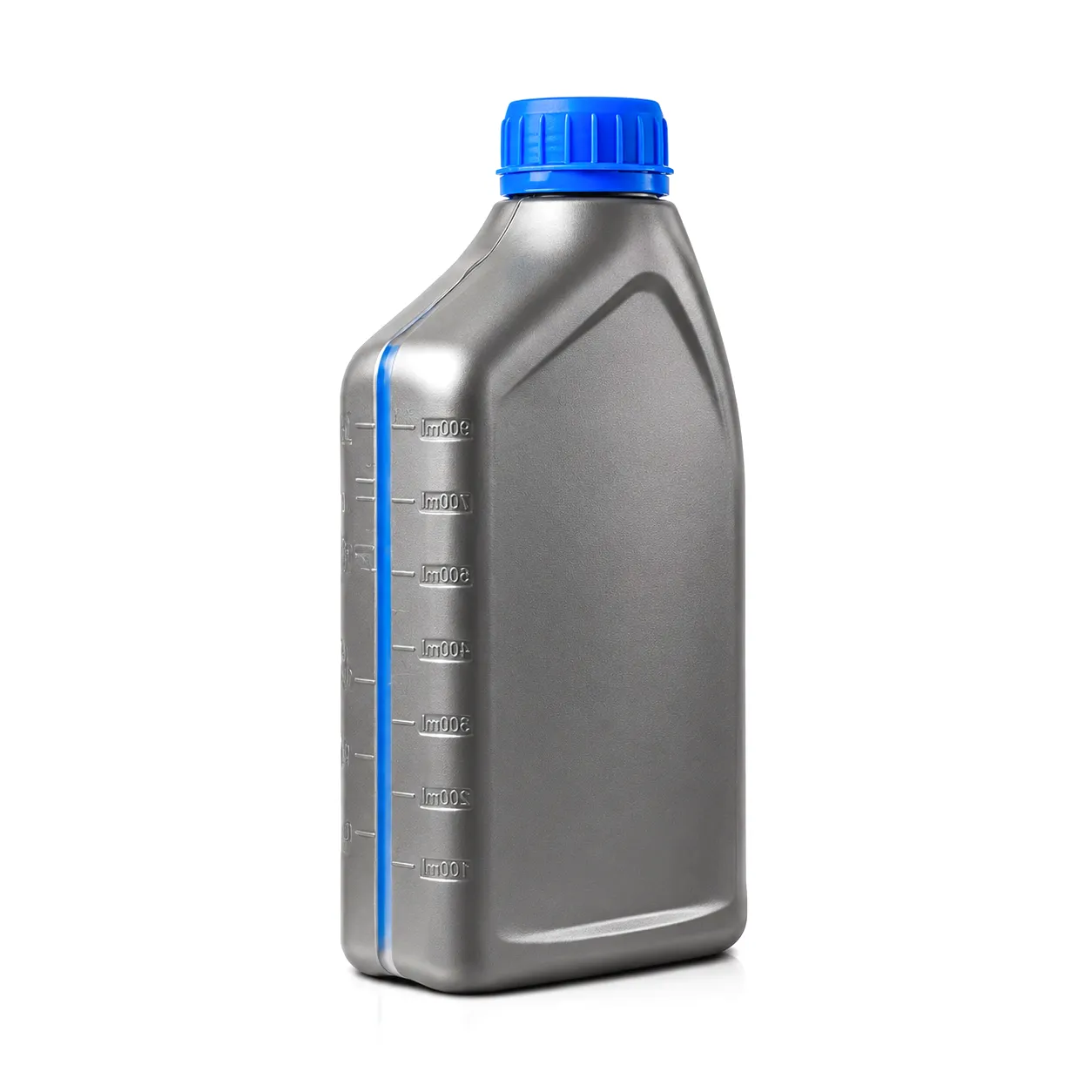 The United Kingdom’s pharmaceutical manufacturing sector is one of the largest in Europe, with major production sites operated by AstraZeneca in Macclesfield, GlaxoSmithKline in Worthing and Ware, and hundreds of independent contract manufacturers distributed across the country. All of these operations require container packaging that meets or exceeds British Pharmacopoeia specifications for materials, closure performance, and container integrity. The injection-blow molding machine has become the process of choice for pharmaceutical solid-dose bottles, oral liquid containers, and topical preparation vessels precisely because it provides the neck-finish precision and contamination-free internal surfaces that pharmaceutical-grade packaging demands.
Tablet and capsule bottles produced on IBM machines benefit from draft angles and finish profiles that create consistent liner engagement when paired with induction-sealed, child-resistant closures. The HDPE and PP grades used in pharmaceutical IBM production are qualified under USP Class VI and ISO 10993 biocompatibility standards, and the IBM process avoids any secondary trimming operations that could generate polymer particles inside the container. For high-value drug products — where a single contaminated bottle reaching the market can trigger a multi-million-pound recall — the cleanliness advantages of the IBM process are not a marginal benefit but a fundamental requirement.
Oral liquid pharmaceutical containers — syrups, suspensions, and solutions — require tight tolerances on neck ovality to ensure dosing closure alignment and prevent leakage during distribution. NHS hospital pharmacies and community dispensing networks rely on closure integrity through the entire cold-chain from manufacturing site to point of dispensing. IBM machines produce these containers with ovality tolerances typically within 0.15 mm, versus the 0.4–0.8 mm range that EBM competitors achieve without post-mold calibration fixtures.
Application Scenario 3: Personal Care & Cosmetics — Shampoo, Lotion, Perfume Tester Bottles & Hair Treatment Containers
 Britain’s personal care and cosmetics market is among the most brand-sensitive in the world, with major retailers including Boots, Superdrug, and premium beauty specialists all demanding packaging that communicates quality before a product is even opened. Injection-blow molding machines produce personal care containers — shampoo bottles, conditioner vessels, body lotion dispensers, perfume tester bottles, and hair serum packaging — with surface gloss and dimensional consistency that creates a premium shelf presence that extruded blow-molded containers cannot match at comparable wall thicknesses.
The HDPE and PP containers produced on IBM machines accept secondary decoration processes — hot-foil stamping, in-mold labelling, and sleeve labelling — with the dimensional stability that consistent wall profiles provide. Hot-foil registration, in particular, demands that container diameter variation across a production batch stays within 0.2 mm for the stamping die to maintain consistent impression depth and position. IBM machines routinely hold this tolerance in production. Transparency is another dimension where IBM adds value: PP and PET containers produced by IBM with appropriate nucleating agents achieve haze values below 8%, allowing consumers and retail inspectors to view fill levels and product colour — a requirement that luxury hair care and skin care brands explicitly specify in their packaging briefs.
UK cosmetics manufacturers in London’s premium brand cluster and the Yorkshire personal care manufacturing corridor — where companies like Biopharma Group and Swallowfield PLC operate significant filling operations — have increasingly specified IBM containers as the standard format for mid-range to premium product lines. The process’s inherent advantage of producing a clean, parting-line-free body surface means less visible tooling marks, which reduces consumer perception of packaging quality concerns that premium brand marketing teams flag in consumer panel testing.
Application Scenario 4: Agrochemical & Specialty Chemical Containers — Pesticides, Herbicides & Industrial Solvents
Agriculture remains a significant sector in rural England, Scotland, and Wales, and the chemicals used to protect and maximise crop yields — herbicides, fungicides, insecticides, and soil improvers — are packaged in containers that face unique abuse conditions. They are stored outdoors in farm buildings, transported in the back of quad bikes across rough terrain, and used by farm workers who may apply them under UV exposure, rain, and freezing conditions. The injection-blow molding machine produces agrochemical containers in HDPE formulations with UV stabilisers and antioxidant packages that maintain mechanical integrity throughout a three-year minimum shelf life under outdoor storage conditions.
Regulatory requirements from the UK Health and Safety Executive mandate that pesticide containers must pass UN transport certification tests for drop resistance, stack load, and chemical compatibility. IBM-produced HDPE containers, with their wall uniformity and absence of internal stress-concentration points from pinch-off welds, consistently pass UN 3H1 and UN 3H2 certification. Sheffield-based chemical distributors and agrochemical toll fillers — who handle products distributed to farms across Yorkshire, Lincolnshire, and the East Midlands — frequently cite IBM container performance data when negotiating with REACH-registered product approval holders. The combination of technical compliance and production cost efficiency that IBM machines provide in this sector creates a compelling total cost of ownership argument.
Specialty industrial solvents — cleaning compounds, release agents, and surface treatment chemicals used across the engineering and precision manufacturing base in the East Midlands and North West — also benefit from the chemical compatibility and closure precision that IBM containers provide. These products are often sold in 250 ml to 1-litre formats at premium price points, where packaging quality directly influences brand positioning. IBM machines produce these formats with cycle efficiencies that make premium container quality economically viable at relatively modest production volumes — an important consideration for specialty chemical producers who may be running fifty to two hundred SKUs with annual volumes in the range of 50,000 to 500,000 units per SKU.
Manufacturer Profile
Ever Power: Precision Manufacturing & Customisation Capabilities
Ever Power is a specialist manufacturer of injection-blow molding machines with a production facility equipped to deliver customised IBM solutions across container volume ranges from 5 ml to 2,000 ml. The company’s engineering team combines hands-on process knowledge with systematic R&D capability, enabling Ever Power to develop tooling, process parameters, and machine configurations that address the specific material, cycle time, and dimensional requirements of each client’s application — rather than offering standard off-the-shelf equipment that the customer must adapt their process to accommodate.
The Ever Power manufacturing floor operates under a quality management framework that encompasses incoming material inspection, component machining to ISO tolerances, sub-assembly functional testing, and full-machine acceptance testing on production-representative materials before despatch. Core components — injection screws, barrel liners, servo drives, and mold mounting platens — are sourced from tier-one European and Japanese suppliers, maintaining the component quality that supports the machine performance guarantees Ever Power provides to UK customers. The supply chain is structured to maintain component inventory for rapid field support, with typical spare-parts lead times from order to UK delivery of three to seven working days via courier freight services operating through East Midlands Airport and Heathrow.
Customisation at Ever Power extends across the full scope of IBM machine specification. Mold sets can be engineered for customer-specified container geometries, including asymmetric bottle bodies, undercuts accommodated by side-action tooling, multi-layer co-injection configurations for barrier-enhanced containers, and tooling sets compatible with multiple neck finish standards — DIN, GPI, ROPP, CRC, and proprietary closures. For UK pharmaceutical customers requiring 21 CFR Part 11-compliant audit trail functionality or OPC-UA connectivity for Industry 4.0 integration, Ever Power can supply control system configurations that meet these requirements without requiring customers to commission third-party system integrators to modify standard equipment.
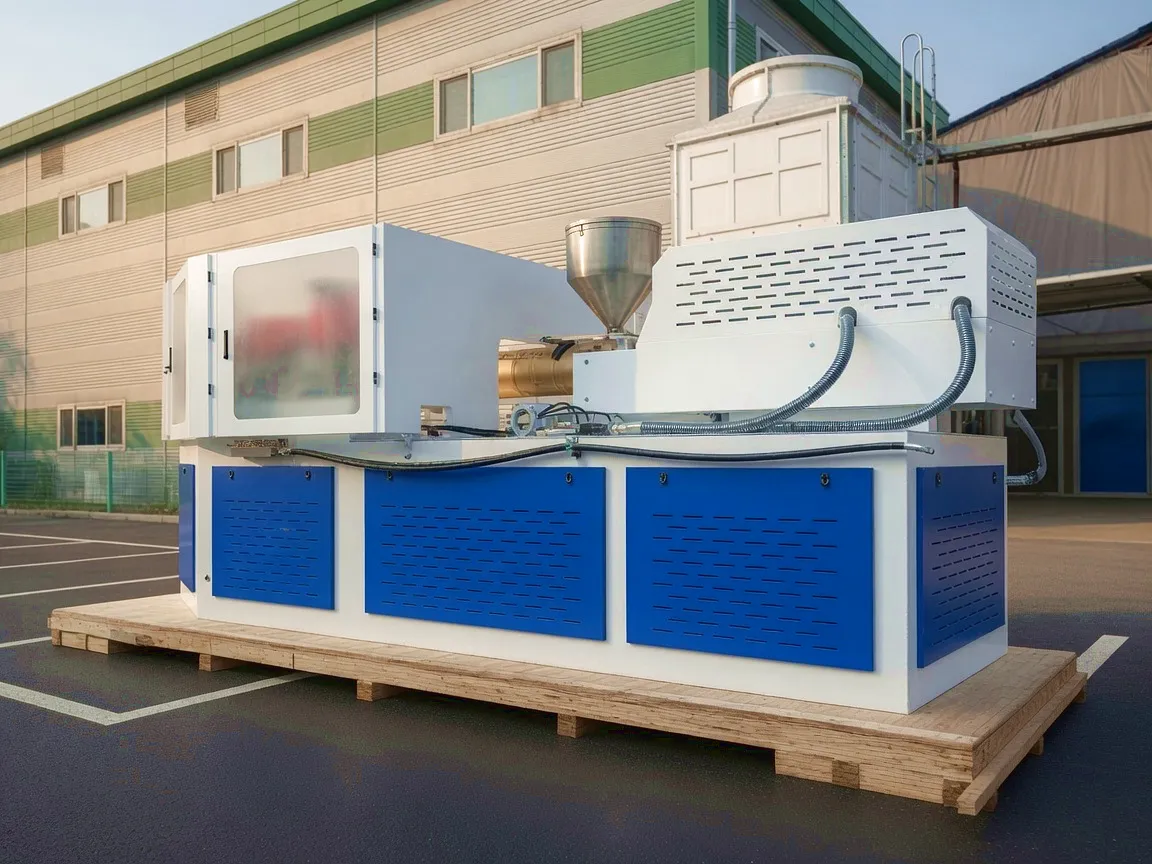
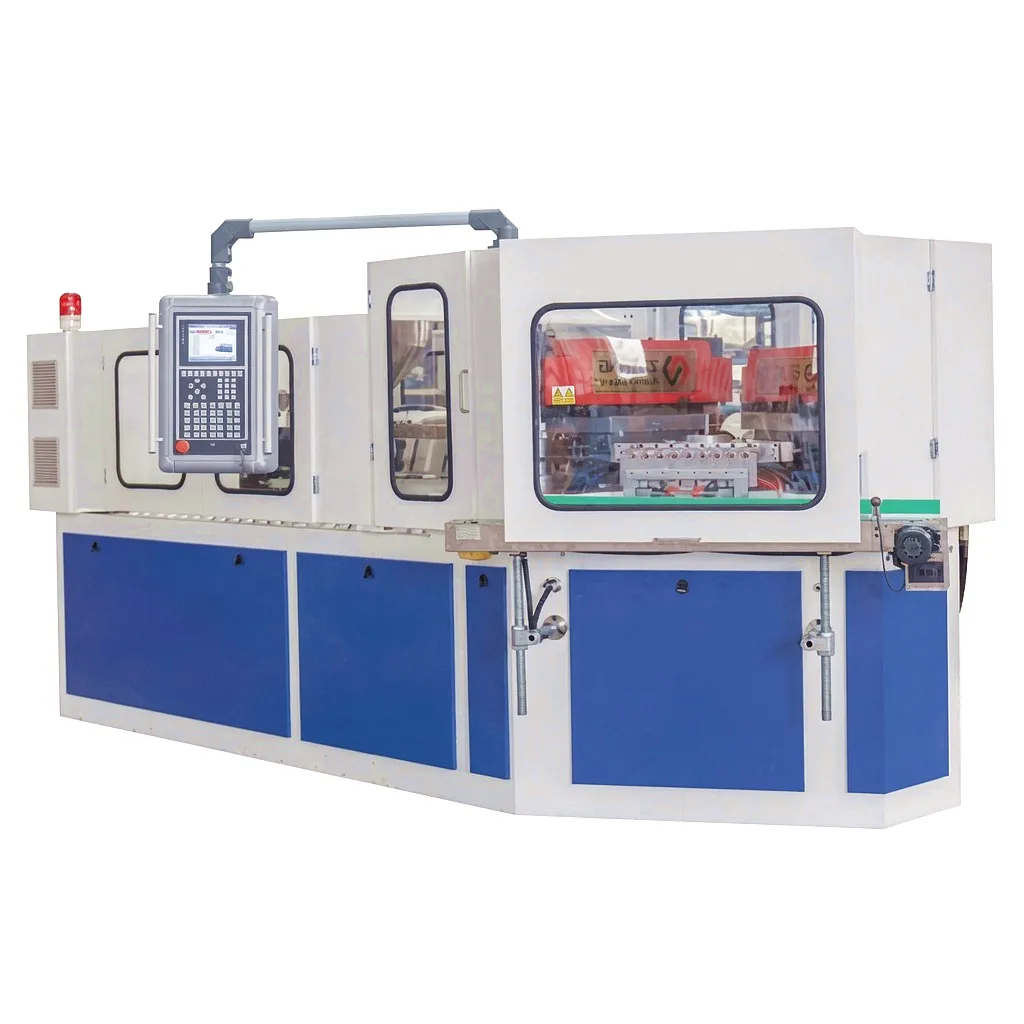
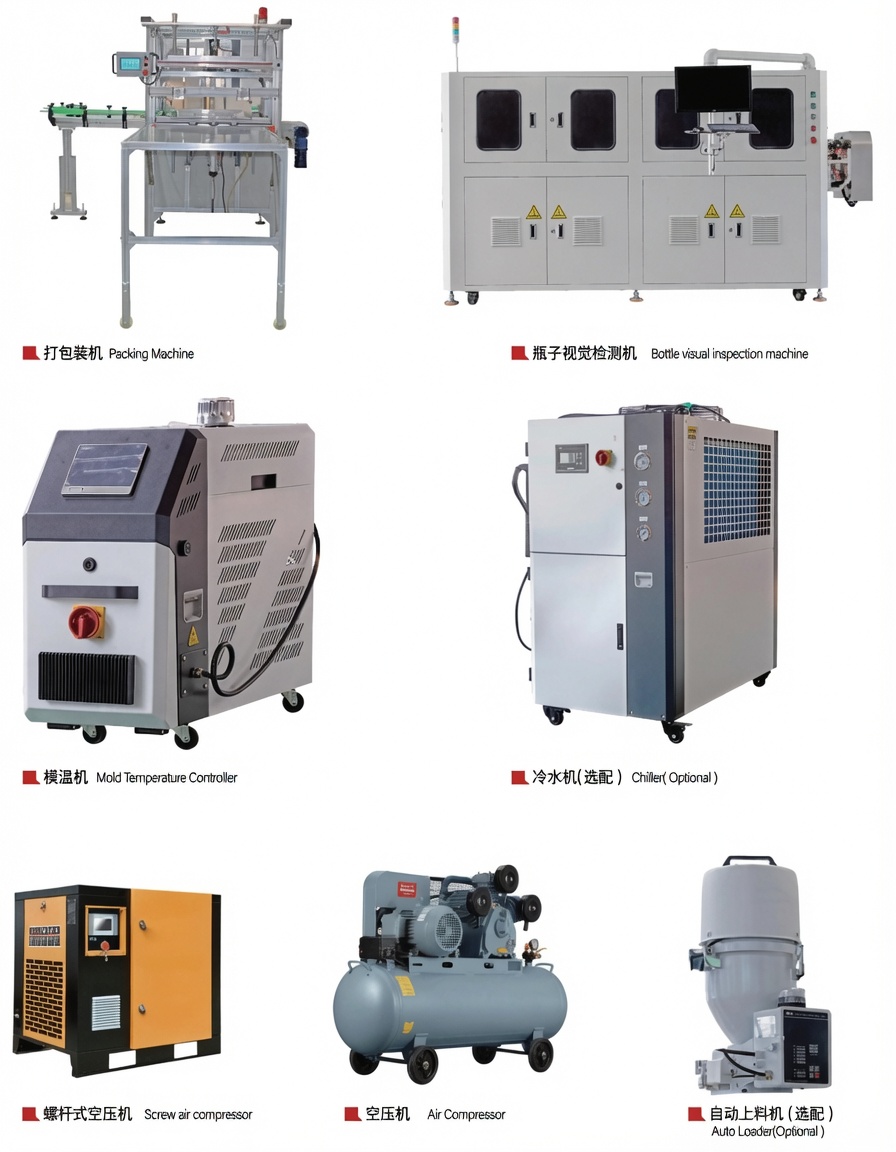
Featured IBM Equipment from Ever Power
Customer Success Story
Coventry Automotive Fluids Specialist Reduces Container Rejection Rate by 94%
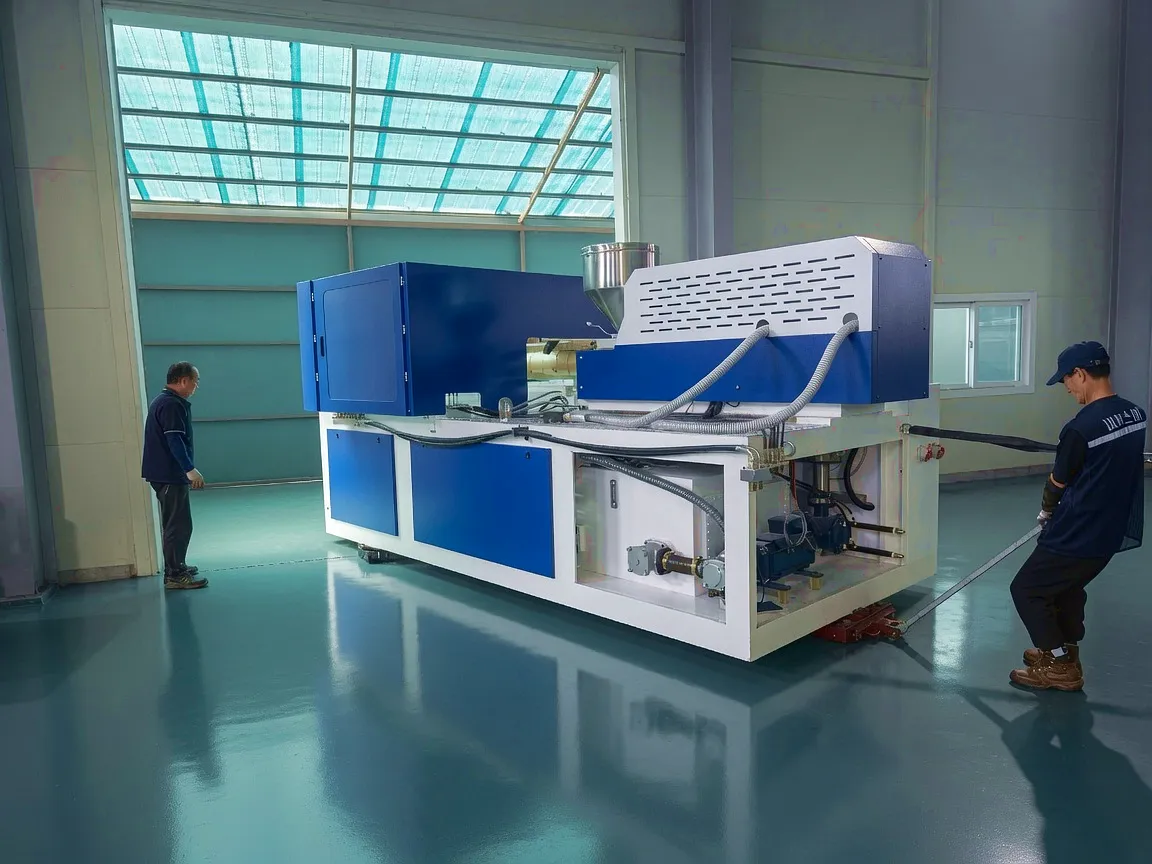
A mid-sized automotive chemical blender based in Coventry — supplying brake fluid, power steering fluid, and engine coolant to aftermarket distributors across the UK and into the Republic of Ireland — had been operating two ageing EBM lines for container production. The operation ran 946 ml and 1-litre HDPE containers across nine product SKUs, with monthly output of approximately 280,000 units. The challenge they faced was a container rejection rate running at 4.1% at final inspection, driven primarily by neck-finish flash that caused failures on child-resistant closure engagement testing. Deflashing was being performed manually, adding three full-time operatives to the line and contributing to production scheduling inefficiency that rippled into delayed despatch to the company’s 3PL warehouse near Coventry’s Ansty logistics park.
After a technical evaluation conducted in partnership with Ever Power’s applications engineering team, the company installed a ZQ40 IBM machine configured with a three-cavity mold set designed specifically for their 946 ml brake fluid container — the highest-volume and highest-rejection-rate SKU. The neck finish geometry was modelled to achieve closure engagement forces within the 8–15 Nm range specified by the child-resistant closure supplier, with dimensional tolerances that would remain within specification across the full operating temperature range of the production facility. Full installation and commissioning, including operator training delivered on-site in Coventry, was completed within eleven working days.
Within six weeks of entering production, the container rejection rate on the ZQ40 line had fallen to 0.24% — a 94% reduction. The three manual deflashing operatives were redeployed within the plant, and the production planning team was able to eliminate the buffer stock that had been held to cover rejection-related shortfalls. The ZQ40’s servo-electric drive system also reduced energy consumption on container production by an independently metered 31% compared to the two hydraulic EBM machines it partially replaced, contributing meaningfully to the company’s carbon reduction target reporting under the UK Streamlined Energy and Carbon Reporting (SECR) framework. Ever Power’s remote monitoring capability — accessed through the Siemens HMI’s OPC-UA data interface — allows the company’s maintenance engineer in Coventry to view machine health data in real time and schedule preventive maintenance during planned production changeovers rather than responding to unplanned stoppages.
★★★★★
“The neck finish quality on the ZQ40 containers is in a completely different category from what we were producing before. We passed our first CRC engagement audit without a single non-conformance — something we’d never managed with the old line. Ever Power’s commissioning team was thorough and clearly understood our product requirements from the start.”
— Production Manager, Automotive Fluids Manufacturer, Coventry
★★★★★
“We evaluated three IBM machine suppliers before choosing Ever Power. What set them apart was the depth of the application engineering discussion — they weren’t just selling a machine, they were engineering a solution. The customised three-cavity mold set they delivered matched our container drawing spec to within 0.08 mm on neck ovality. That level of accuracy has made our closure supplier very happy.”
— Operations Director, Packaging Division, West Midlands
★★★★★
“The energy savings alone have justified the investment faster than our finance team projected. We’re running SECR reporting now, and the ZQ40 line shows a 31% reduction in kWh per thousand containers versus our previous hydraulic equipment. Ever Power provided the metered baseline data we needed for the comparison, which made reporting straightforward. Their aftersales support team responds to technical queries within two hours — genuinely impressive for equipment sourced internationally.”
— Engineering Manager, Chemical Packaging, Coventry
Voice-Search Optimised FAQ
Frequently Asked Questions About Injection-Blow Molding Machines
Ready to Specify Your IBM Machine?
Ever Power’s engineering team is available to discuss your container specification, volume requirements, and site installation constraints. UK enquiries are responded to within one business day.
edit by gzl