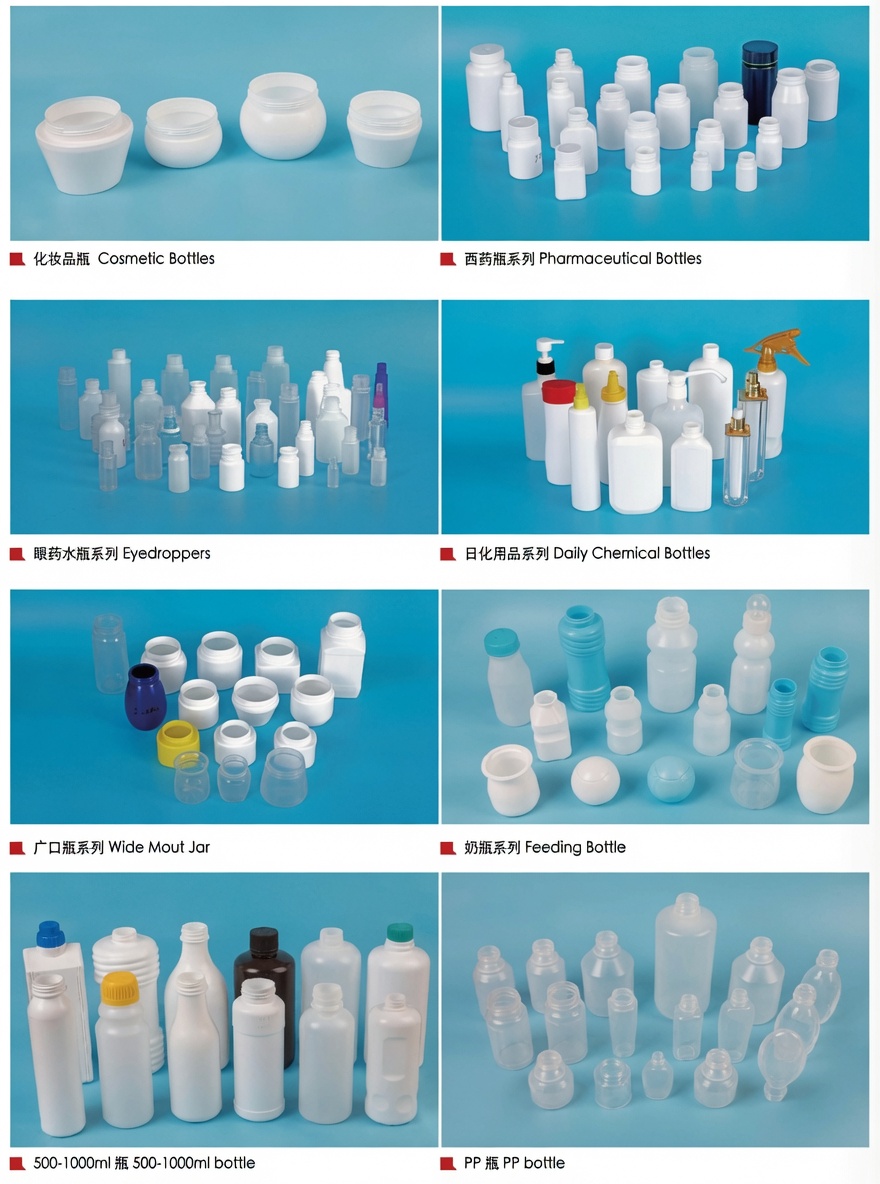
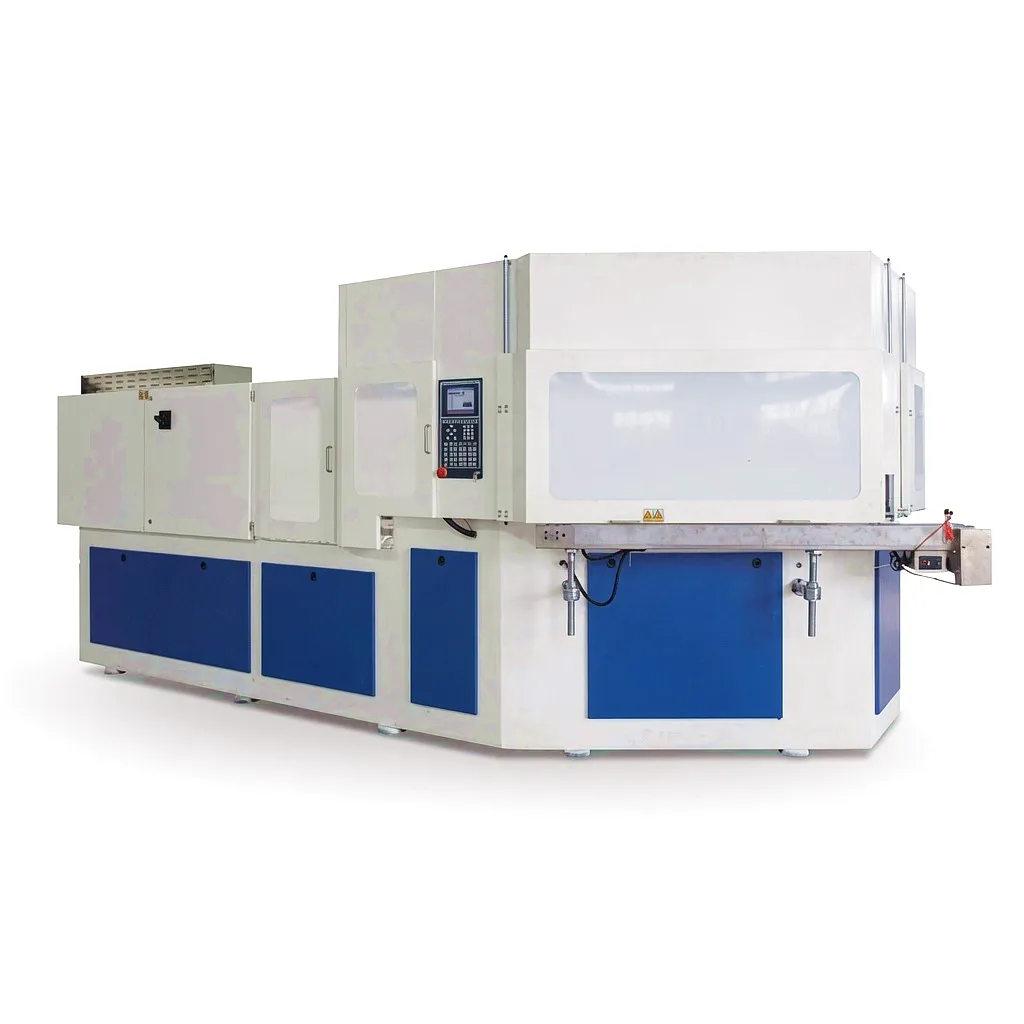
Injection-Blow Molding Technology
Injection-Blow Molding Machine: Applications, Capabilities and Competitive Edge for UK Manufacturers
A comprehensive technical guide for procurement engineers, packaging designers and industrial buyers across the United Kingdom.
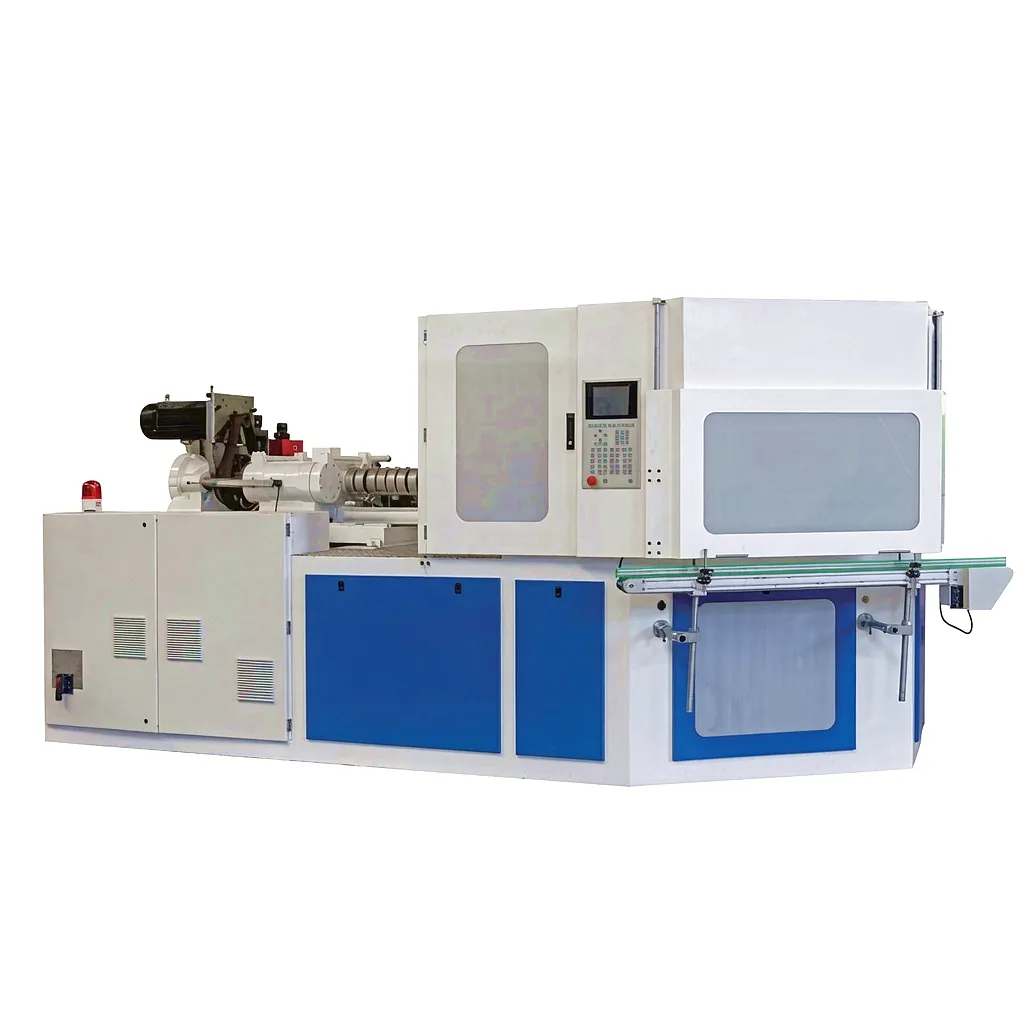
Walk through any contract packaging facility in Birmingham or Coventry and you quickly notice how much precision goes into a container that most end-users never think twice about. A medicine bottle must thread perfectly every time. A cosmetic vial must carry no contamination from the forming process. A pharmaceutical dropper must release exactly the prescribed volume, nothing more. The machine behind all of this — the injection-blow molding machine — is one of the more quietly consequential pieces of capital equipment in modern British manufacturing, yet its operating principles remain opaque to many buyers entering the market for the first time.
Injection-blow molding (IBM) combines the dimensional accuracy of injection molding with the hollow-body forming advantages of blow molding into a single integrated cycle. The result is a finished container produced without flash, with a precisely formed neck, and with wall thickness distribution controlled to tolerances that extrusion-blow and stretch-blow processes rarely match. These attributes make IBM equipment indispensable wherever the container is small, the specifications are tight, or the regulatory environment demands full traceability and micro-level quality control.
Across sectors ranging from ophthalmic packaging in Sheffield and pharmaceutical filling lines in Nottingham through to personal care manufacturing in the West Midlands, IBM machines have moved from niche investment to production-floor standard. This article unpacks the working principle, material compatibility, technical performance parameters, and the principal application scenarios where IBM technology delivers quantifiable advantages over competing processes.
How the Injection-Blow Molding Process Actually Works
①
Injection Stage
Molten polymer is injected around a core pin inside a closed injection mold cavity, forming a precise preform. The neck geometry — threads, sealing surface, tamper-evident bead — is fully formed at this stage with tolerances typically inside ±0.05 mm. The core pin remains inside the preform and serves as the inner mandrel for the next stage.
②
Transfer Stage
The indexed rotary table — or in some configurations a linear shuttle — transfers the core pin with the still-warm preform to the blow station. Temperature is managed through tooling design and cycle timing so the preform arrives at the blow station within the ideal forming window. This eliminates the reheating step required by two-stage stretch-blow processes and reduces thermal history variations.
③
Blow Stage
Compressed air — typically 6 to 10 bar — is introduced through the core pin, inflating the preform against the cooled blow mold cavity walls. Wall thickness is determined by the preform geometry established in the injection stage, giving the IBM process far superior thickness uniformity compared with extrusion-blow alternatives. The container body conforms precisely to the cavity in under two seconds for most small-volume containers.
④
Ejection Stage
Once the container has cooled sufficiently, it is stripped from the core pin at the ejection station and conveyed downstream. Because the process produces no parison tail and no neck flash, secondary trimming operations are eliminated. The container exits the machine ready for filling, labeling or downstream inspection without any post-mold deflashing. This zero-scrap characteristic is central to IBM’s economics at scale.
Core Materials Processed by Injection-Blow Molding Machines
Material selection for IBM production is closely tied to the container’s end use, regulatory classification, and post-fill processing requirements. The injection-blow molding machine must deliver consistent melt temperature, uniform hold pressure across all cavities, and precise core-pin temperature control for each material class. The following materials represent the mainstream processing range of commercial IBM equipment.
HDPE
High-density polyethylene is the workhorse resin for pharmaceutical bottles, household chemical containers, and industrial packaging. Its chemical resistance, FDA/MHRA compliance, and low moisture vapor transmission rate make it the default choice for aqueous pharmaceutical liquids and solid-dose packaging across the UK market.
PP (Polypropylene)
Polypropylene’s live-hinge capability and autoclave compatibility make it the material of choice for child-resistant closures, multi-dose dropper assemblies, and containers that must survive steam sterilization. PP IBM containers are common in ophthalmic packaging produced for NHS supply chains and private label healthcare brands based in Yorkshire and the East Midlands.
PET (Polyethylene Terephthalate)
PET IBM produces containers with exceptional clarity and a premium hand feel that suits cosmetics, fragrance, and nutraceutical packaging segments. Wall clarity in PET IBM routinely exceeds 90% light transmission, which is critical for brands that market product purity through packaging transparency. PET is also fully compatible with UK kerbside recycling streams, supporting Extended Producer Responsibility commitments.
LDPE & LLDPE
Low-density and linear low-density polyethylene variants process readily on IBM machines configured with appropriately reduced clamp forces and melt temperatures. These materials are predominant in squeezable dropper bottles, ear-care applicators, and flexible wash-out containers where controlled deformation during dispensing is a functional requirement rather than a design compromise.
Technical Performance Parameter Table
The table below consolidates key performance data across the IBM machine range that Ever Power offers to UK customers, encompassing both the ZQ80 and ZQ110 production series alongside industry reference values for comparable equipment classes.
| Parameter | ZQ80 Series | ZQ110 Series | Unit |
|---|
| Clamping Force | 80 | 110 | kN |
| Container Volume Range | 5 – 200 | 10 – 500 | ml |
| Injection Plasticising Capacity | Up to 120 | Up to 210 | g/s (PS equivalent) |
| Blow Pressure | 6 – 10 | 6 – 10 | bar |
| Typical Cycle Time (20 ml bottle) | 8 – 12 | 9 – 14 | seconds |
| Neck Thread Tolerance | +/- 0.05 | +/- 0.05 | mm |
| Wall Thickness Uniformity | < 10% variation | < 10% variation | % CV |
| Compatible Materials | HDPE, PP, PET, LDPE | HDPE, PP, PET, LDPE, PS | — |
| Installed Power | ~22 | ~37 | kW |
| Flash Generation | Zero | Zero | — |
Core Technical Advantages of Injection-Blow Molding Technology
🎯
Precision Neck Formation
Because the neck geometry is injection-molded rather than blown, thread form, ovality, and sealing-surface finish meet tolerances that fill lines require for leak-free capping. This is the defining advantage of IBM over extrusion-blow for pharmaceutical and ophthalmic container production — no secondary gauging station required, no rejection loop for neck defects.
⏏
Zero Flash, Zero Scrap Cycle
IBM produces no parison tail, no neck flash, and no trim waste. Every gram of resin that enters the injection barrel becomes part of a finished container. In high-volume pharmaceutical packaging — where resin lots must be traceable and regrind contamination is prohibited — this zero-scrap characteristic reduces raw material costs measurably and simplifies quality management records.
📈
Superior Wall Thickness Uniformity
Wall distribution is governed by the preform geometry established in the injection stage, giving the process a level of control over local wall thickness that is simply not available in extrusion-blow. This is directly relevant to barrier properties, material usage, and drop-test performance — all of which appear in regulatory submissions for pharmaceutical containers destined for UK licensed products.
⚡
High Cavitation Efficiency
Modern IBM machines support multi-cavity tooling with equal fill balance across all positions, enabling high-volume production of small containers with consistent inter-cavity weight variation below 1%. For a UK contract manufacturer running three-shift operations, this translates to significant throughput-per-square-metre advantages compared with equivalent single-stage extrusion-blow capacity.
🔒
Reduced Contamination Risk
The closed-mold forming cycle of injection-blow molding means the container interior is never open to the ambient cleanroom environment during the forming phase. Particulate introduction risk is substantially lower than in processes that produce an open preform that must be transferred through open air. This is particularly valued in ISO 7 and ISO 8 cleanroom production environments common in UK pharmaceutical packaging facilities.
🏭
Energy Efficiency vs. Two-Stage SBM
IBM eliminates the separate reheating oven required in two-stage stretch-blow molding. This architectural difference — one integrated thermal cycle rather than two — reduces specific energy consumption by approximately 15 to 25 percent per thousand containers in comparable small-volume production scenarios. As UK industrial energy costs remain elevated, this advantage translates directly to operating cost per unit.
Industrial Application Scenarios for Injection-Blow Molding Machines
💊
Application Scenario 01
Healthcare and Ophthalmic Products: Eye Drops, Nasal Sprays, and Sterile Irrigation Containers
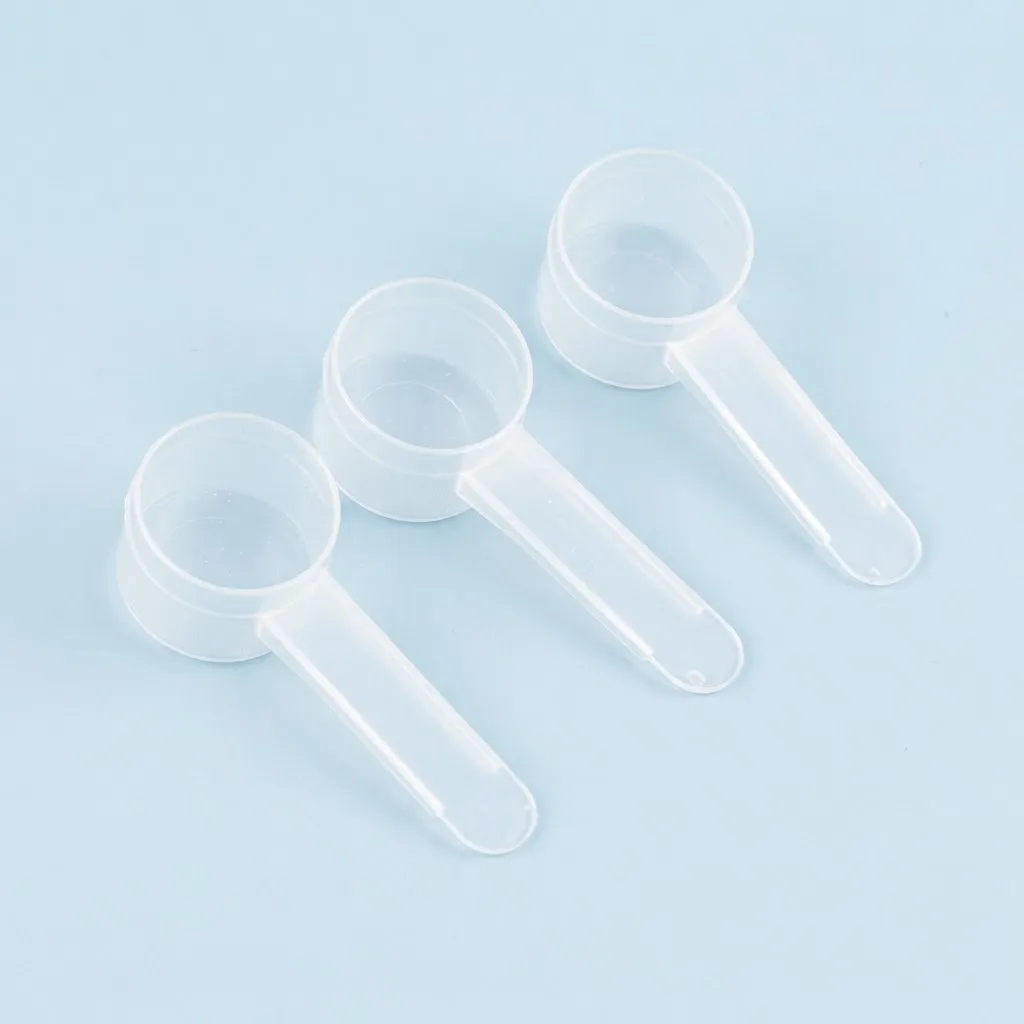
Healthcare packaging represents the highest-precision tier of IBM application. Containers that make direct contact with ocular or nasal mucosa must comply with pharmacopoeial standards covering particulate matter, extractables and leachables, sterility, and packaging integrity — a regulatory environment where IBM’s closed-mold forming characteristics offer clear technical advantages over alternative processes. Eye drop bottles represent one of the highest-volume single applications for IBM in the United Kingdom, with NHS procurement frameworks driving consistent demand from filling operations located across the East Midlands and the Home Counties.
The core product types in this application segment include ophthalmic dropper bottles with controlled tip orifice geometry, nasal spray actuator bodies, sterile saline irrigation bottles, multi-dose eye drop dispensers, and eyewash cup containers. Each of these demands the kind of neck dimensional consistency — thread form, sealing land, tip bore — that only injection-blow molding delivers as a standard production outcome rather than an inspected result.
Key Products
Eye drop bottles, nasal spray containers, sterile saline flush bottles, multi-dose eye droppers, eyewash cup containers
Preferred Materials
LDPE (dropper bodies), PP (multi-dose with living hinge), HDPE (irrigation bottles)
IBM Advantage
Closed-mold cycle minimises particulate exposure; neck form precision eliminates tip-orifice inspection rejects; zero flash prevents contamination introduction
The IBM process’s closed forming characteristic — where the container interior is never exposed to open ambient air during production — is the single most valued technical attribute for pharmaceutical packaging buyers engaged with MHRA-licensed manufacturing sites across the UK. Combined with the precision tip geometry achievable through injection-core tooling, it allows manufacturers to meet British Pharmacopoeia container specifications without additional secondary operations, reducing both cost and contamination risk simultaneously.
💊
Application Scenario 02
Pharmaceutical Solid-Dose and Liquid Packaging: Tablet Bottles, Syrup Vials, and Child-Resistant Packaging
The pharmaceutical sector in the UK — centred on manufacturing clusters in Nottingham, Swindon, and the Research Triangle around Stevenage — represents the largest single market segment for IBM equipment by container volume. Tablet and capsule packaging in HDPE bottles with child-resistant closures, liquid syrup vials, vitamin supplement containers, and over-the-counter medicine bottles all rely on IBM’s neck precision to meet the tolerance requirements specified by UK Licensed products and associated MHRA-regulated labelling and packaging obligations.
IBM’s zero-flash cycle is particularly important in pharmaceutical packaging because it eliminates the risk of flash fragments contaminating packaged product during the filling sequence. This is a documented failure mode in extrusion-blow production that requires positive flash-removal verification at the mold or downstream — steps that IBM avoids entirely. Child-resistant closure systems depend on precise thread engagement geometry that IBM consistently delivers.
Container Types
Tablet/capsule bottles, syrup vials, OTC medicine containers, child-resistant closure bottles, vitamin supplement packaging
Regulatory Context
MHRA licensed product packaging, British Pharmacopoeia container standards, UK Child Resistant Packaging Regulations compliance
✨
Application Scenario 03
Cosmetics and Personal Care: Lotion Bottles, Serum Vials, Fragrance Packaging, and Travel Containers
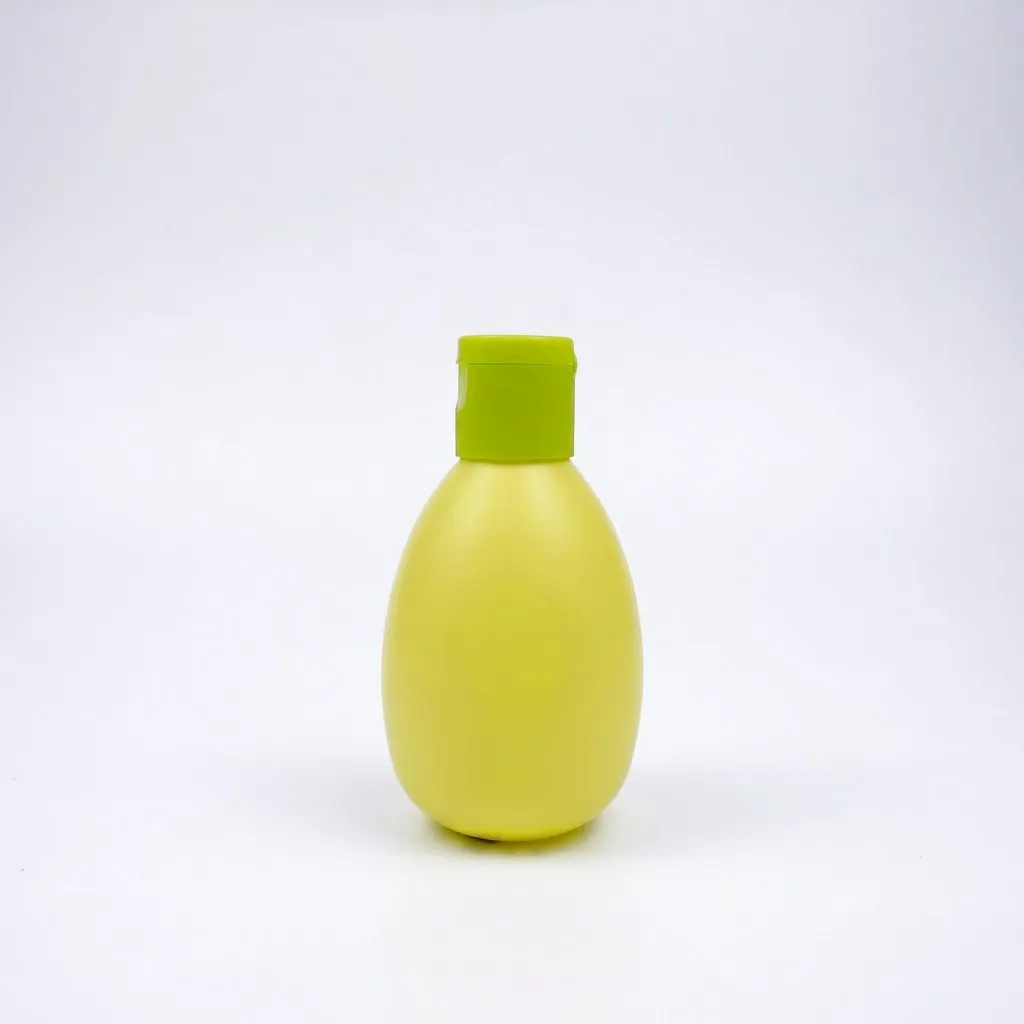
The UK cosmetics and personal care manufacturing sector — with significant operations concentrated around London, Manchester, and the West Midlands — consumes substantial volumes of IBM-produced packaging for fragrance, skincare, and haircare lines. PET IBM containers deliver the glass-like clarity and premium surface finish that prestige brand owners require without the fragility and weight disadvantages of glass. A 30 ml serum bottle produced in PET on an IBM machine can achieve wall clarity exceeding 90% light transmission at a weight fraction of glass, dramatically reducing logistics costs on export shipments from UK-based beauty manufacturers.
Injection-blow molding also enables production of cosmetic packaging with ovoid, asymmetric, and sculptural body geometries that are difficult to achieve consistently in extrusion-blow without additional cavity engineering. The ability to reproduce complex body forms cavity-to-cavity with high consistency is valued by brand owners who specify containers across multiple filling sites.
🍳
Application Scenario 04
Food and Beverage: Single-Serve Juice Bottles, Flavouring Containers, Condiment Vials, and Dairy Supplement Packaging
IBM machines serve the UK food and beverage sector primarily in the production of small-format, high-clarity PET containers where portion control, shelf presence, and dispensing precision are commercial requirements. Single-serve juice portions, flavouring concentrate bottles used across food service chains operating from London through to Glasgow, condiment sachets with precision pour necks, and dairy supplement packaging for sports nutrition brands all represent active IBM application areas.
The food contact compliance requirements in the UK — now governed by UKAS-accredited laboratory migration testing and UK Great British Nutrition labelling standards post-Brexit — align well with the IBM process’s ability to produce containers with controlled extractables profiles. The absence of process aids and release agents used in some extrusion-blow operations simplifies the food contact compliance submission for IBM-produced containers.
Single-serve juice
Condiment vials
Flavouring concentrates
Sports nutrition bottles
Dairy supplement caps
🧼
Application Scenario 05
Household Chemicals and Industrial Maintenance: Cleaning Fluid Bottles, Adhesive Applicators, and Chemical Dispensers
The household and institutional cleaning product market in the UK maintains consistent IBM demand for HDPE bottles in the 30 ml to 200 ml range — a segment served by manufacturers in Sheffield, Leeds, and the wider Yorkshire industrial corridor. IBM HDPE containers carry the chemical resistance characteristics required for strong alkaline and acidic formulations, while the precise neck geometry delivers leak-free performance with trigger-spray, flip-cap, and disc-top closure systems used across the professional cleaning sector.
Adhesive applicator bottles — where controlled dispensing through a precision tip bore is critical to end-use quality — represent one of the more technically demanding IBM applications. The orifice diameter and taper achieved through injection-core tooling determines the adhesive bead width in the hands of the trade professional. IBM tooling can target these geometries within ±0.05 mm as a production standard, which is what adhesive and sealant manufacturers operating out of Birmingham and Derby typically specify in their approved container drawings.
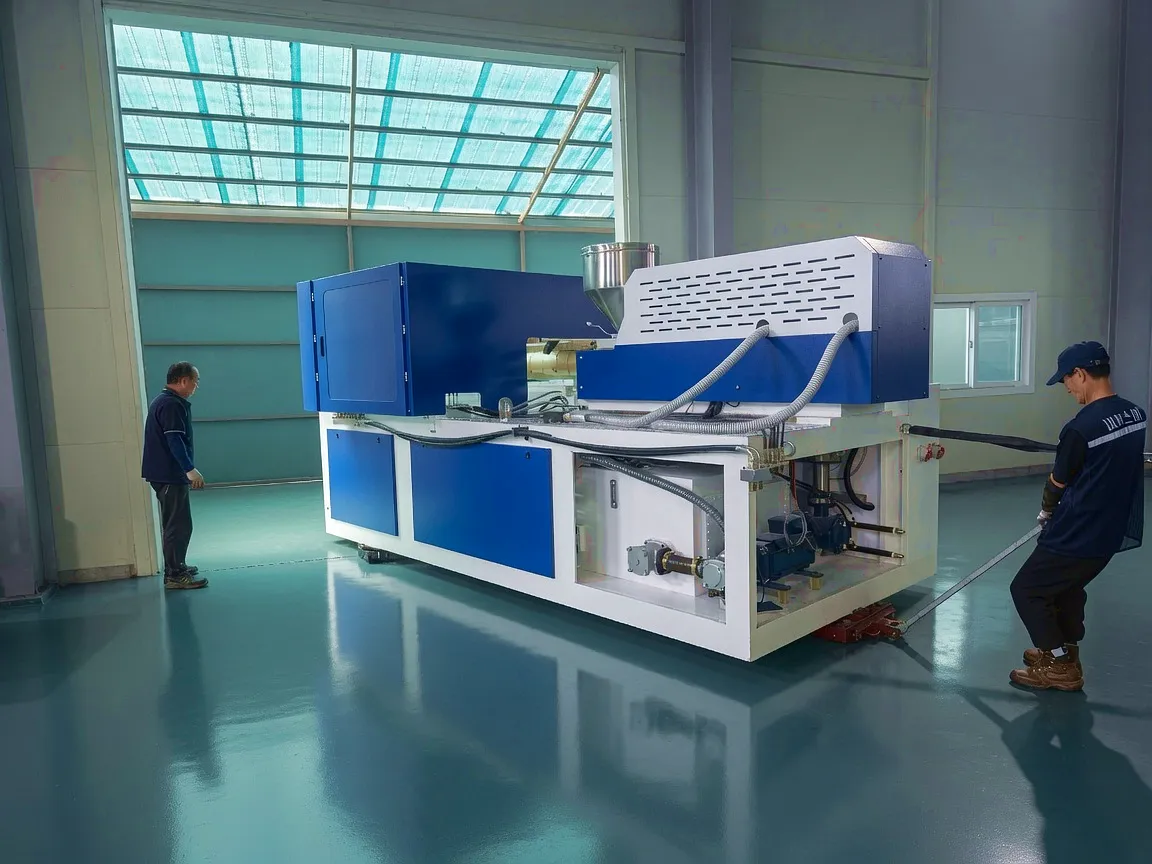
Ever Power Manufacturing Facility
Manufacturer Profile
Ever Power: Precision IBM Engineering and Custom Manufacturing
Delivering tailored injection-blow molding solutions to UK and global industrial buyers
15+
Years of IBM machine manufacturing experience
40+
Countries served with IBM machine installations
500+
IBM machine installations in production globally
CE & ISO
Certified to European machinery safety and quality standards
Ever Power’s IBM machine manufacturing operation is built on a foundation of precision CNC machining, rigorous process-parameter validation before factory acceptance testing, and an engineering team that has accumulated deep application knowledge across pharmaceutical, cosmetic, food, and chemical packaging verticals. The production facility operates a dedicated tooling division capable of designing, machining, and qualifying custom mold sets for non-standard container geometries within documented lead times — a capability that UK buyers in particular value when managing new product launch timelines against retail and pharmacy listing deadlines.
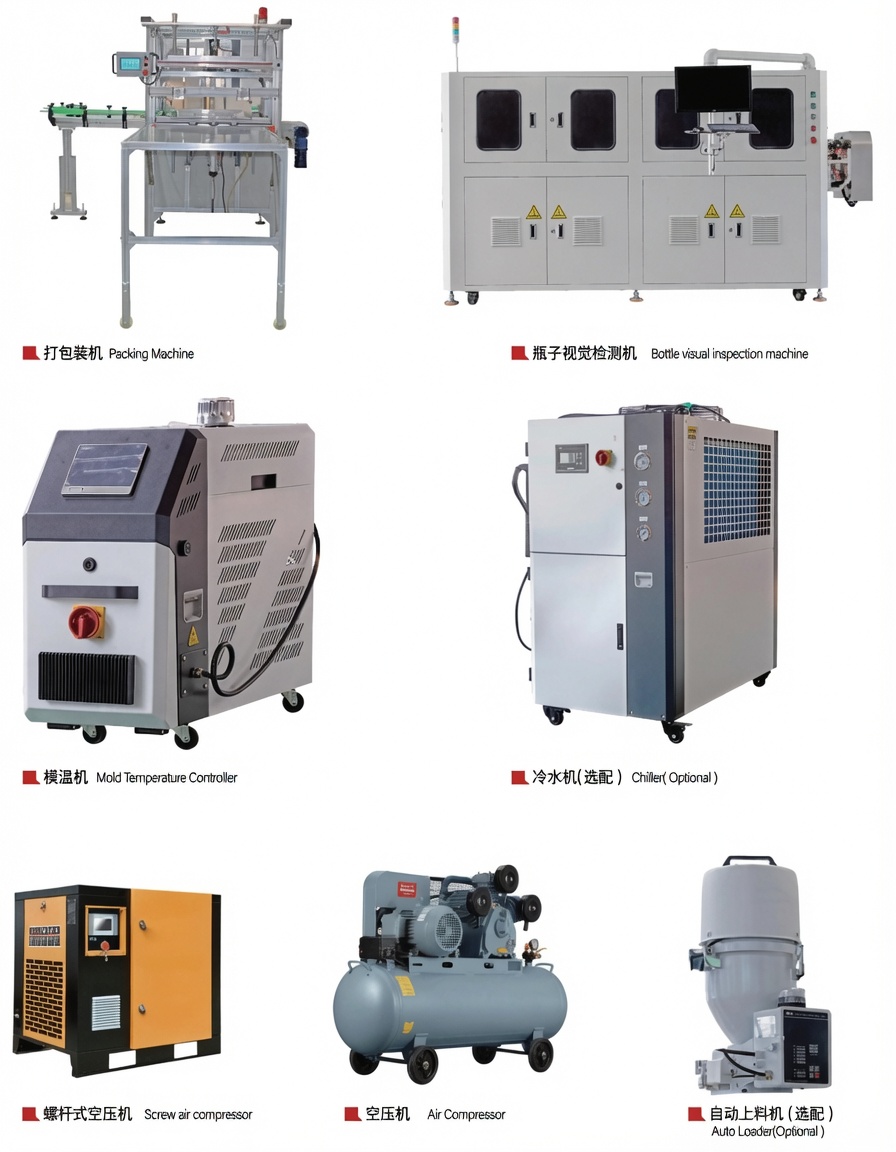
Customization extends beyond tooling. Ever Power configures IBM machines with servo-hydraulic or all-electric drive systems, application-specific screw and barrel geometries, integrated vision inspection, and downstream automation interfaces — including accumulation conveyors, orientation units, and API-compatible control outputs compatible with Industry 4.0 line management systems. For UK pharmaceutical buyers who require 21 CFR Part 11-equivalent audit-trail capability on production data, Ever Power can configure OPC-UA data outputs that feed directly into validated manufacturing execution systems. When you are evaluating a capital equipment investment at the scale of an IBM machine line, the supplier’s ability to support commissioning, provide spare parts on defined lead times, and deliver technical documentation in English to UK standards matters as much as the machine specification itself. Ever Power maintains dedicated export support for UK accounts, with English-language technical documentation, CE declarations of conformity, and support coordination through UK business hours.
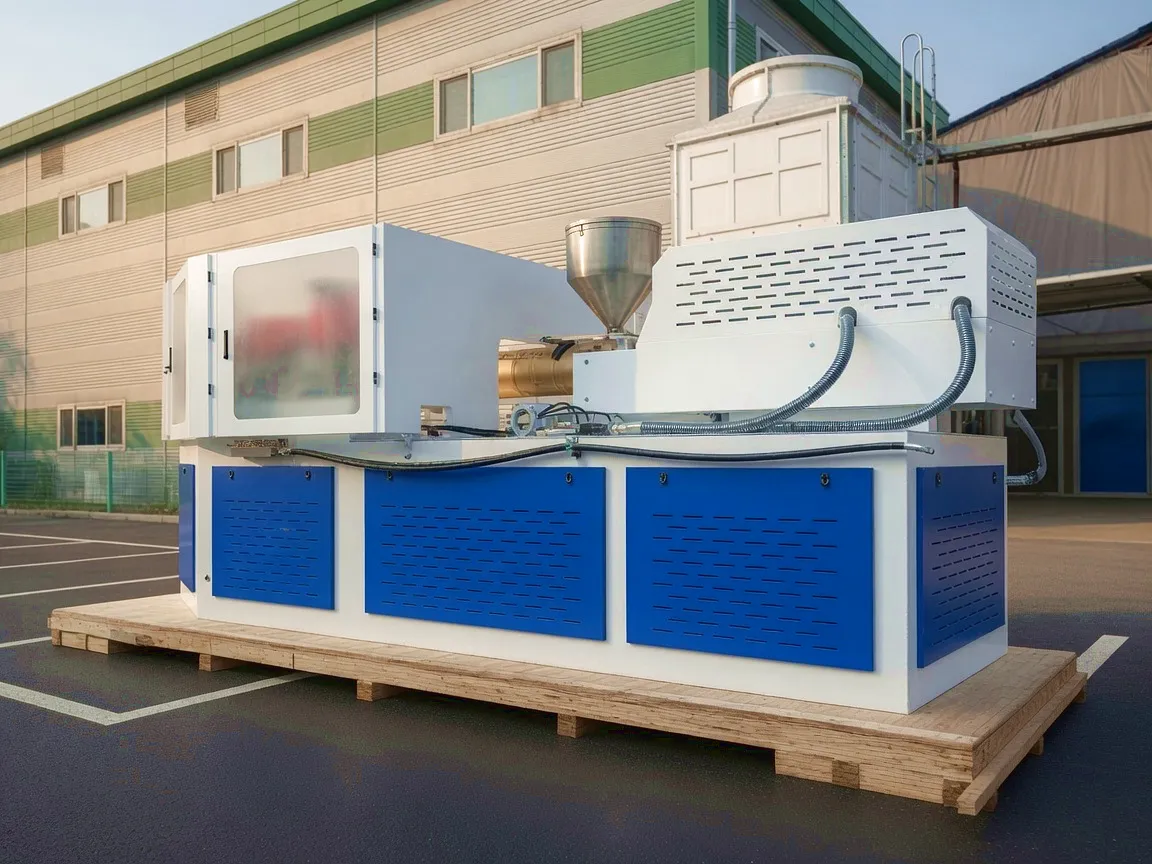
Ever Power Injection-Blow Molding Machine Product Line
The following two IBM machines represent the core of Ever Power’s European-specification product line, designed to meet the technical and regulatory requirements of UK pharmaceutical, cosmetics, and food packaging manufacturers.
80 kN Clamping Force
The ZQ80 is the preferred entry-point for pharmaceutical and ophthalmic packaging operations requiring volumes from 5 ml to 200 ml. Its compact footprint suits cleanroom integration, while the servo-controlled injection unit delivers the shot consistency demanded by multi-cavity pharmaceutical tooling. Neck thread tolerance of ±0.05 mm is maintained across full production runs.
View ZQ80 Specifications →
110 kN Clamping Force
The ZQ110 addresses higher-throughput requirements in cosmetics, food, and larger pharmaceutical container formats up to 500 ml. Its upgraded plasticising unit handles a broader polymer range including PS and clear PET, making it the flexible platform of choice for multi-material contract manufacturers and toll processors running diverse container portfolios across UK and European market requirements.
View ZQ110 Specifications →
Case Study: Pharmaceutical Packaging Scale-Up in Nottingham
📍 Nottingham, East Midlands
🏭 Pharmaceutical Packaging
✅ Project Complete
A mid-size contract packaging organisation based in Nottingham had been relying on outsourced container supply for its MHRA-licensed oral liquid medicine packaging line. Lead times from their previous European supplier had extended to 14 weeks due to transport disruptions following the post-Brexit logistics reconfiguration, and container specification deviations — specifically neck thread oversize and inconsistent wall thickness — were generating rejection rates of approximately 1.8 percent at the filling line closure torque station. The company’s operations director identified in-house IBM production as the route to both supply security and quality improvement.
After evaluating three IBM machine suppliers and requesting factory acceptance test protocols from each, the operations team selected Ever Power’s ZQ80 platform. The decision was driven by Ever Power’s demonstrated ability to supply a custom tooling set matching the proprietary container geometry within a 10-week build and qualification programme — a timeline that no European competitor could match at the time of specification. Ever Power’s engineering team completed the tooling design review remotely and delivered validated test samples within the agreed programme, enabling the customer’s internal qualification protocol to proceed without delay.
Following installation and process validation, the Nottingham facility achieved a closure rejection rate below 0.2 percent — a reduction of over 88 percent compared with the previous outsourced supply — and reduced its container procurement lead time from 14 weeks to in-house weekly scheduling. The IBM line now runs two shifts per day producing three container sizes across HDPE and PP, with the third shift reserved for planned maintenance and tooling changeover. Supply chain security improved dramatically, and the in-house production cost per thousand containers is measurably below the previous outsourced unit cost after accounting for capital amortisation over a five-year period.
📈 Measured Outcomes
88%
Reduction in closure rejection rate
14 wks
Lead time eliminated through in-house production
10 wks
Custom tooling delivery from Ever Power
3
Container sizes produced on single IBM platform
Customer Reviews
★★★★★
“The neck consistency on our ZQ80 tooling has been exceptional. We are running HDPE ophthalmic dropper bottles at 6-cavity with inter-cavity weight variation consistently below 0.8 percent — that is better than anything we achieved with our previous extrusion-blow equipment. Ever Power’s engineering team understood the pharmaceutical container brief immediately and the tooling delivered first-off samples within spec.”
James H., Operations Director
Pharmaceutical Packaging CMO, Nottingham
★★★★★
“We invested in the ZQ110 for our cosmetic serum range and the PET clarity results have given us packaging quality we previously only achieved with glass. The custom bottle form Ever Power developed for our 50 ml launch SKU reproduced identically across all four cavities, and the English-language documentation made our CE compliance review straightforward. We would not hesitate to add a second machine from Ever Power.”
Sarah M., Technical Packaging Manager
Prestige Skincare Brand, West Midlands
★★★★★
“What impressed our procurement team most was Ever Power’s ability to provide a firm price, tooling lead time, and acceptance test protocol at the initial quote stage rather than iterating these over several months. The ZQ80 we installed in Sheffield has delivered against all three key metrics from the first production week — cycle time, rejection rate, and neck dimension compliance. Technical support response has been well within our SLA requirements.”
David W., Engineering Manager
Healthcare Packaging Manufacturer, Sheffield
Frequently Asked Questions About Injection-Blow Molding Machines
⊕ How much does an injection blow molding machine cost for a UK pharmaceutical packaging operation, and what is a typical return on investment timeline?
The price of an injection-blow molding machine for pharmaceutical packaging in the UK varies significantly based on clamping force, cavitation, drive type, and ancillary equipment scope. Entry-level IBM machines suitable for pharma dropper bottle production typically start from £90,000 to £140,000 FOB with basic tooling, while fully configured servo-driven systems with integrated vision inspection and cleanroom-ready enclosures can reach £250,000 to £350,000 installed. Return on investment depends on the volume and margin of containers produced: for a facility replacing outsourced supply of 10 million units per year, payback periods of 24 to 36 months are commonly achievable when accounting for the quality improvement savings and logistics cost reduction. Contact Ever Power at
[email protected] for a detailed cost model for your specific application.
⊕ What is the difference between an injection blow molding machine and a stretch blow molding machine, and which is better for small pharmaceutical bottles produced in the UK?
IBM produces a preform with a fully formed neck through injection molding and then blows the body in the same machine cycle, with no reheating step. Stretch blow molding (SBM), whether single-stage or two-stage, includes an axial stretch step that biaxially orients the polymer and is primarily used for PET carbonated beverage containers above 250 ml. For pharmaceutical bottles below 200 ml with precision neck requirements — the majority of ophthalmic, syrup, and tablet packaging — IBM is consistently preferred over SBM because it produces a dimensionally superior neck without secondary gauging, generates no flash, and delivers better wall uniformity in the small-volume range. UK pharmaceutical packaging buyers sourcing containers for MHRA-regulated product will generally find IBM the lower-risk and lower-total-cost process for their container volume range.
⊕ Where can I find a reliable injection blow molding machine supplier in the UK or who can deliver and commission equipment in Birmingham or Sheffield?
Ever Power supplies and commissions injection-blow molding machines to customers across the United Kingdom, including manufacturing operations in Birmingham, Sheffield, Nottingham, and the broader Midlands and Yorkshire industrial regions. UK delivery is handled through established freight partnerships, and Ever Power’s export support team provides English-language technical documentation, CE declarations of conformity, and commissioning support coordinated during UK business hours. If you are sourcing an IBM machine for installation in the UK, contact
[email protected] with your container specification, required volume, and site details to receive a quotation.
⊕ How long does it take to get a custom mold tooling set for an injection blow molding machine when you have a proprietary bottle design for a UK healthcare product?
Custom IBM tooling lead times depend on the container complexity and cavitation level. Single-cavity prototype tooling for design validation can be completed in as little as 6 to 8 weeks from approved 3D drawing. Production multi-cavity tooling for pharmaceutical or cosmetic applications typically requires 10 to 14 weeks from design freeze. Ever Power’s tooling division combines CNC machining, CMM verification, and trial-mold sampling within a single manufacturing programme, and sample containers from trial shots are dispatched to the UK customer for dimensional and functional approval before the production tool is signed off. For healthcare products requiring MHRA container qualification, the tooling delivery milestone integrates into the customer’s internal validation schedule.
⊕ Which plastic materials can be processed on an injection blow molding machine, and which resins are approved for pharmaceutical packaging in the United Kingdom?
IBM machines process HDPE, PP, LDPE, LLDPE, PET, and PS as standard material grades. For pharmaceutical packaging in the UK, the most commonly specified resins are HDPE (for oral liquid and solid-dose containers), PP (for multi-dose ophthalmic and closure-integrated applications), and LDPE (for squeezable dropper bottles). Acceptable pharmaceutical resin grades must carry a certificate of conformance to the relevant British or European Pharmacopoeia plastic container monograph, and must be sourced from suppliers with documented drug master files or equivalent declarations. Ever Power configures IBM machine screw and barrel geometry for each primary resin to ensure stable melt quality and molecular weight preservation across the full production shift.
⊕ When is it worth switching from buying ready-made bottles to investing in an injection blow molding machine for your UK manufacturing operation?
The crossover point depends on volume, container specification, and the cost of quality failures in your filling line. As a practical rule of thumb, UK packaging operations consuming more than 3 to 5 million containers per year in a specification that requires proprietary neck geometry or strict closure compliance begin to show positive IBM ROI within a standard capital replacement cycle. Operations that have experienced supply disruptions — particularly relevant since 2021 for UK buyers previously dependent on EU container suppliers — should model the supply security value independently of the unit cost differential. For a detailed break-even analysis specific to your container type, volume, and current procurement cost, contact Ever Power’s commercial team at
[email protected].
⊕ How does an injection blow molding machine produce eye drop bottles that meet British Pharmacopoeia sterile container requirements without secondary cleanroom operations?
The IBM process achieves this through its closed-mold forming characteristic. During the blow stage, the container interior is bounded by the mold cavity and the core pin — the forming environment is completely enclosed and the internal surfaces are never in contact with ambient air. This is fundamentally different from extrusion-blow where the parison is an open tube before clamping. For eye drop containers produced in pharma-grade LDPE or PP, IBM therefore arrives at a particulate-exposure risk profile that is far lower than extrusion-blow and that satisfies British Pharmacopoeia container cleanliness requirements as a consequence of the process architecture rather than through additional downstream washing or filtered-air purging steps. The closed forming cycle also supports integration of the IBM machine into ISO 8 or ISO 7 cleanrooms more straightforwardly than extrusion-blow alternatives.
Ready to invest in IBM technology?
Get a Competitive Quote for Your IBM Machine Project
Share your container specification, required output volume, and site location and Ever Power will respond with a detailed technical and commercial proposal within 48 hours.
📧 Contact Ever Power: [email protected]
edit by gzl