How an Injection-Blow Molding Machine Works
Stage 1 — Injection
Molten polymer — most commonly PET, HDPE, or PP — is injected under high pressure into a closed injection mould around a precision core rod. The material fills the cavity completely, forming a preform with a net-shape neck thread. Wall thickness at this stage is determined by the gap between the core rod and the injection mould cavity. The injection temperature and hold pressure are tightly controlled by the machine’s PLC, typically to tolerances of ±1 degree Celsius, ensuring consistent preform weight from shot to shot and guaranteeing that downstream blow performance is repeatable across every production shift.
Stage 2 — Transfer
While still on the core rod, the preform rotates on the machine’s turret or indexing mechanism — a characteristic that distinguishes the injection-blow molding machine from two-stage stretch-blow equipment. The preform is moved to the blow station without being reheated, retaining the thermal energy from the injection phase. This thermal efficiency is one of the fundamental advantages of the single-stage IBM process, reducing energy consumption by up to 25% compared with reheating lines and giving the machine operator fine control over the temperature gradient across the preform wall at the exact moment air pressure is applied.
Stage 3 — Blow
Compressed air at typically 6 to 10 bar is introduced through the core rod, expanding the preform outward against the blow mould walls. Because the neck finish was already set at the injection stage, only the body and base are shaped during blowing. This protects the thread from any distortion that might otherwise arise from differential expansion. The mould is cooled by chilled water channels machined into the tool steel, and the bottle solidifies rapidly — typically within 2 to 6 seconds depending on material and wall thickness — before the mould opens and the finished container is ejected cleanly onto a conveyor or accumulation table.
Stage 4 — Ejection & Quality Check
Modern injection-blow molding machines integrate inline vision systems and weight-check modules that verify bottle dimensions and detect any cosmetic defects within the cycle time. Reject rates on well-maintained IBM equipment routinely fall below 0.3%, which is a key figure for UK contract manufacturers whose customer agreements include strict scrap allowance clauses. The ejected bottle requires no trimming, no flash removal, and no secondary neck reaming — it is a finished product from the moment it leaves the mould, ready for filling, labelling, and dispatch to supermarkets or brand owners across England, Scotland, and Wales.
Core Materials Processed by Injection-Blow Molding Machines
PET (Polyethylene Terephthalate)
The dominant material for hot-fill juice bottles and carbonated beverage containers. PET offers exceptional clarity, good oxygen barrier properties, and a high strength-to-weight ratio. Grades used on IBM lines in the UK are typically intrinsic viscosity (IV) values of 0.72 to 0.84 dL/g. The material’s ability to withstand filling temperatures up to 88 degrees Celsius, when combined with vacuum panel design integrated into the IBM mould, makes it the material of choice for shelf-stable juice products demanded by UK supermarket own-label programmes. PET recycled content (rPET) of up to 50% can be processed without significant tooling modification, supporting UK producers in meeting Extended Producer Responsibility (EPR) targets.
HDPE (High-Density Polyethylene)
Widely used in condiment, pharmaceutical, and dairy packaging. HDPE offers excellent chemical resistance, impact strength at low temperatures, and straightforward recyclability through the UK’s kerbside collection infrastructure. Melt flow index (MFI) values of 0.3 to 1.0 g per 10 min are standard for IBM processing, giving adequate flow to fill the injection cavity while maintaining sufficient melt strength for dimensional stability during blow. HDPE bottles produced on IBM equipment are routinely used for ketchup, mayonnaise, and salad dressings by major brand owners operating out of the Midlands and the North West of England.
PP (Polypropylene)
Polypropylene brings high-temperature resistance and an excellent moisture vapour transmission rate, making it the preferred material for sports drink bottles intended for hot-fill or for products that undergo sterilisation. PP can tolerate fill temperatures above 100 degrees Celsius in certain grades, which is critical for some baby food and nutritional supplement packaging produced in Scotland and the East Midlands. The material is stiffer than HDPE at equivalent wall thickness, enabling light-weighting strategies that reduce bottle weight by 8 to 15% without sacrificing top-load performance on pallet stacking.
PETG & Specialty Blends
PETG (glycol-modified PET) is processed on IBM machines where exceptional wall clarity is required without the orientation limitations of standard PET. Premium gin bottles, vitamin supplement containers, and luxury condiment ranges from artisan producers in London and the South East increasingly specify PETG for its glass-like appearance at a fraction of the weight. Some IBM machines can also process biodegradable PLA (polylactic acid) blends to support brands seeking certified compostable packaging — an area of growing regulatory focus following UK government consultation on single-use plastics and extended producer responsibility.
Application Scenario: Food & Beverage Packaging
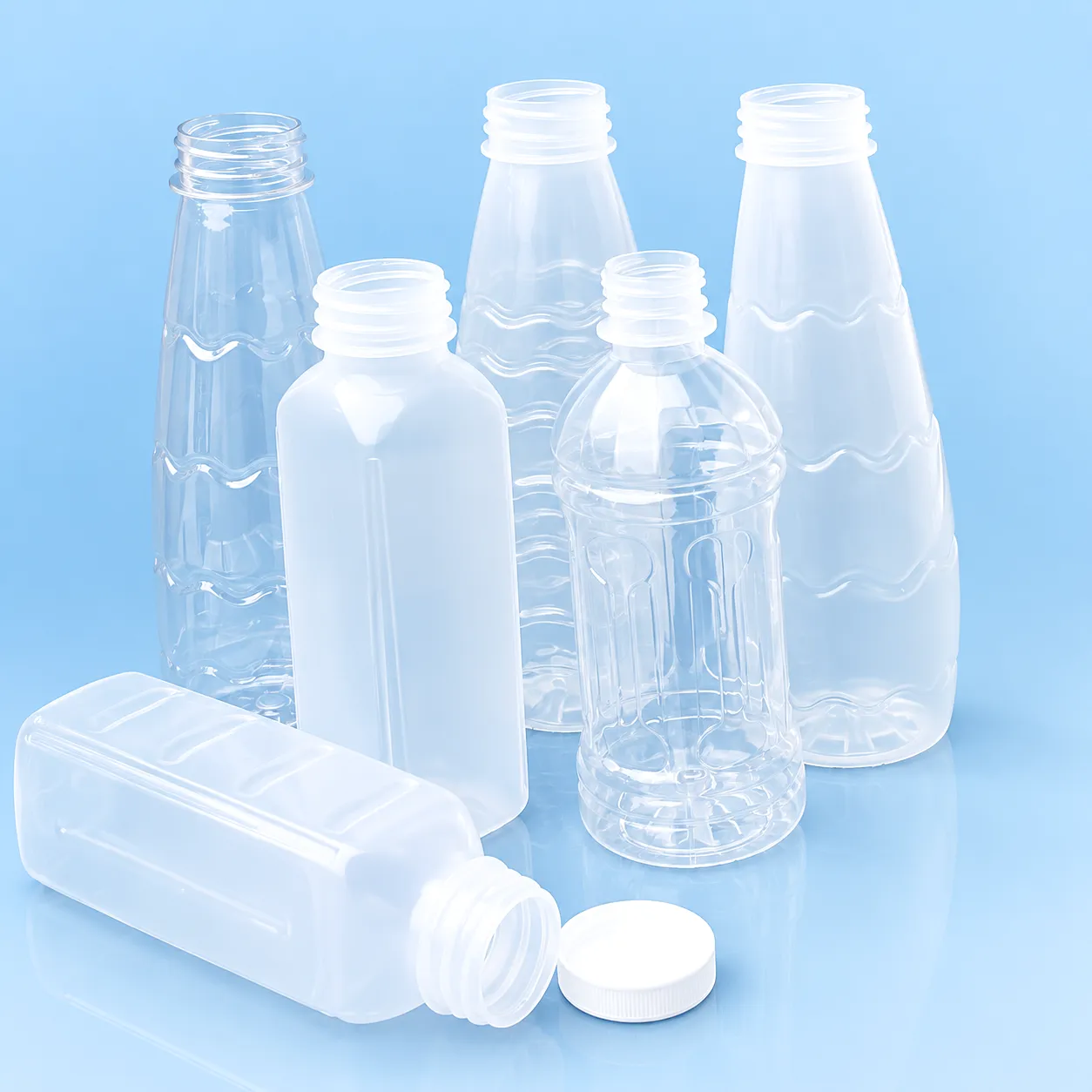 Hot-fill fruit juice production is one of the most technically demanding applications for any blow molding system, and the injection-blow molding machine handles it with a level of consistency that competing technologies cannot easily match. In a hot-fill process, juice is pasteurised and then filled into the bottle at temperatures typically ranging from 82 to 88 degrees Celsius. The container must be dimensionally stable at fill temperature, must not collapse or deform as the liquid cools and contracts inside, and must maintain an airtight vacuum seal that extends shelf life without refrigeration. IBM-produced PET bottles are engineered with deliberately thickened shoulder panels and vacuum compensation panels in the base or sidewall, and the precise wall thickness control achievable by the injection-blow molding machine means these features are reproduced at every single cycle across millions of units.
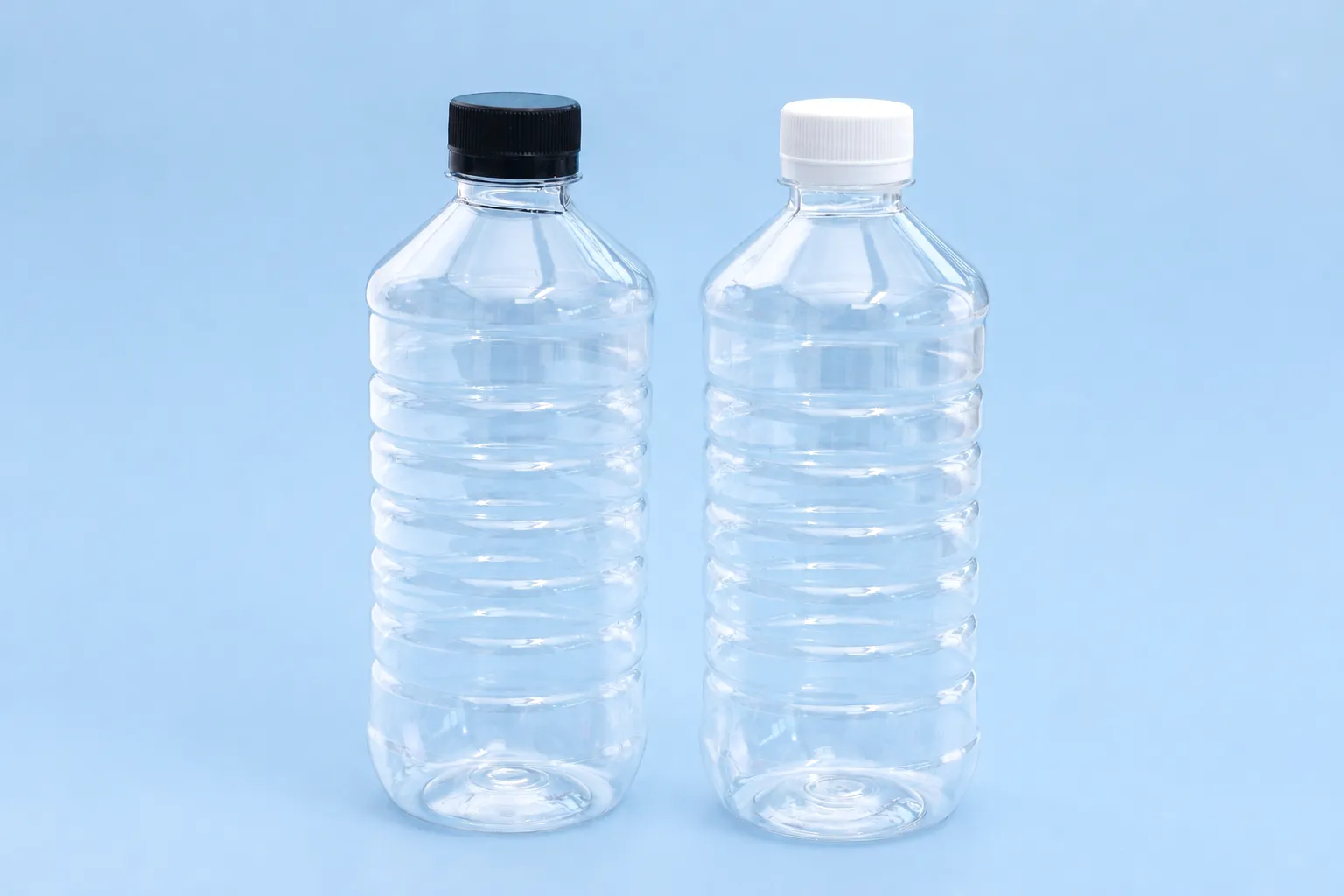 The sports nutrition and functional beverage segment is one of the fastest-growing product categories across the UK, particularly in the south of England and around major urban centres such as Manchester, Birmingham, and Glasgow where fitness culture drives strong retail demand. Sports drink bottles present a specific set of design and performance requirements that make the injection-blow molding machine an exceptionally good fit for this category. The wide-mouth formats common in sports hydration products — typically 28mm, 38mm, or 48mm neck finishes — require a neck thread that can accept a sports cap, a push-pull closure, or a flip-top dispensing mechanism, all of which demand absolute dimensional accuracy in the thread form and the sealing surface beneath it.
Condiment Containers
Britain’s condiment market — encompassing ketchup, brown sauce, salad cream, mayonnaise, mustard, and a wide spectrum of chilli sauces and specialty dressings — represents one of the highest-volume applications for injection-blow molded HDPE and PET bottles manufactured in or imported to the UK. The condiment category is characterised by complex bottle geometries that combine squeezable sidewalls with rigid shoulders and precision inverted-use bases, all of which must maintain their structural integrity through thermal cycling in commercial kitchens, domestic dishwasher exposure, and the compressive forces of retail shelf facing under spring-loaded systems. The injection-blow molding machine delivers the dimensional consistency across all these geometry zones simultaneously, something that is extremely difficult to achieve in extrusion blow molding without significant post-mould trimming and secondary operations.
A specific engineering challenge in condiment packaging is the “no-drip” dispensing neck — a thread and orifice geometry that allows viscous product to flow cleanly without the residue that remains in older bottle designs. IBM tooling can incorporate a stepped thread form and a precision-controlled orifice diameter at the blow stage, producing a neck finish that interfaces precisely with the closure’s anti-drip valve mechanism. For UK retailers enforcing zero-drip specifications as a hygiene requirement on food service products, this capability is commercially decisive. Brands supplying catering packs to the National Health Service supply chain in England and Scotland particularly value IBM bottle consistency because healthcare procurement contracts include strict defect rate clauses that standard extrusion blow molded bottles would frequently trigger.
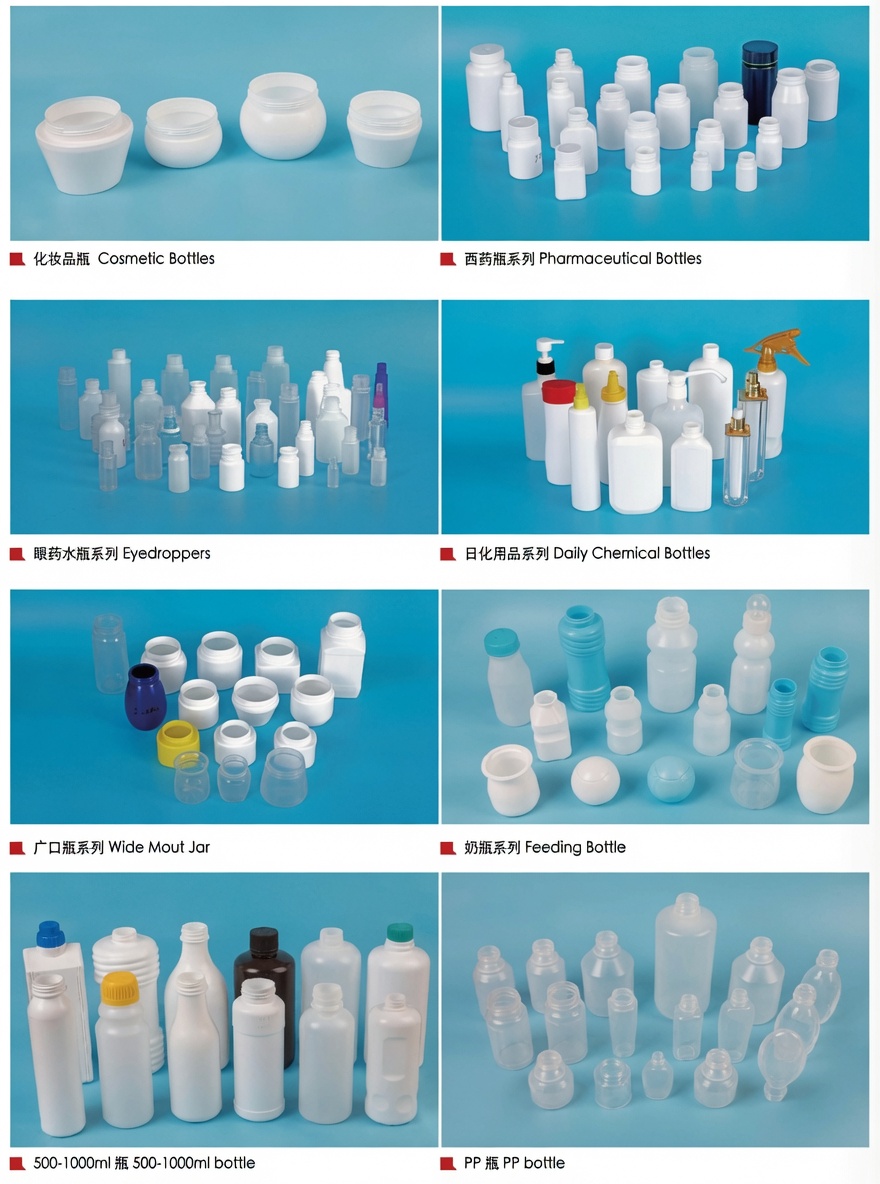
Product Technical & Performance Parameters
| Parameter | ZQ40 (IBM) | ZQ60 (IBM) | Remarks |
|---|---|---|---|
| Clamping Force | 400 kN | 600 kN | Injection station clamping |
| Max Container Volume | 500 mL | 1,000 mL | PET/HDPE/PP standard |
| Number of Cavities | 2 to 6 | 2 to 8 | Tooling dependent |
| Plasticising Capacity | Up to 85 g/s | Up to 130 g/s | PET IV 0.76 dL/g |
| Blow Pressure Range | 4 to 10 bar | 4 to 12 bar | Adjustable per material |
| Dry Cycle Time | 6 to 9 s | 8 to 12 s | No-load reference |
| Injection Temperature Range | 180 to 300 deg C | 180 to 310 deg C | PET lower end, PP higher |
| Neck Diameter Range | 18 to 48 mm | 18 to 63 mm | Standard PCO / BPF threads |
| Drive System | All-electric servo | All-electric servo | No hydraulic oil, cleanroom-safe |
| Energy Consumption | 18 to 28 kW·h | 25 to 38 kW·h | Per 1,000 units (500 mL PET) |
| Compatible Materials | PET, HDPE, PP, PETG, PLA | PET, HDPE, PP, PETG, PLA | Subject to screw configuration |
| Control System | Siemens PLC + HMI touch | Siemens PLC + HMI touch | CE certified, remote diagnostics |
Core Advantages of IBM Technology
● Zero Flash, Zero Trim
Bottles ejected from an injection-blow molding machine require no secondary trimming, no flash removal, and no reaming. The injection-moulded neck and the blown body together form a complete, finished article in a single integrated process. This eliminates the scrap rework and labour cost associated with extrusion blow molding, directly improving the cost-per-unit metric that procurement managers at UK FMCG manufacturers use to evaluate competing technologies.
● Precision Neck Integrity
The thread form, the sealing surface, and the bore diameter are all produced at the injection stage under controlled pressure and temperature. Dimensional tolerances of plus or minus 0.05 mm on thread outer diameter are routinely maintained, which is tighter than most capping equipment requires and gives production engineers a significant quality margin. For high-speed rotary capping lines running at 400 closures per minute, this kind of consistency eliminates the cap strip-off and cross-threading events that degrade capper availability.
● All-Electric Servo Efficiency
Modern injection-blow molding machines from Ever Power feature fully servo-electric drive systems that eliminate the hydraulic power unit entirely. This reduces energy consumption by 30 to 45% versus older hydraulic machines while also removing hydraulic fluid from the cleanroom environment — a mandatory requirement for food and pharmaceutical packaging production under current British Retail Consortium (BRC) and SQF certification standards. The servo drives also enable position and force repeatability that hydraulic systems cannot match, contributing to the dimensional consistency described above.
● Compact Footprint
The integration of injection and blow stations on a shared turret means that the injection-blow molding machine occupies significantly less factory floor area than two separate machines performing the equivalent two-stage process. For manufacturers in legacy factory buildings — a common situation across the industrial estates of the West Midlands and Yorkshire — floor space is a constrained and costly resource. The IBM’s compact layout often allows additional output capacity to be added without building extension, which accelerates the investment payback period considerably.
● Material Efficiency
Because the preform weight is precisely controlled at the injection stage and no material is lost to flash, the IBM process typically achieves material utilisation rates of 99.5% or above. In an environment where food-grade PET resin prices are subject to significant volatility — the UK market saw price swings of over 18% in a recent 12-month period — the ability to reduce resin consumption per bottle by even 0.3 g across a production run of 50 million units translates to measurable savings of tens of thousands of pounds annually. This material discipline also supports sustainability reporting for brands under the UK’s Plastic Packaging Tax framework.
● High Clarity Output
The single-stage thermal process in IBM equipment, where the polymer never fully cools between injection and blowing, produces containers with exceptionally low haze values — typically below 2% for standard PET grades. This optical clarity is a significant commercial advantage for premium juice, vitamin water, and artisan food products where consumers make purchasing decisions partly on the visible quality of the product through the container wall. Retail buyers from major UK grocery chains routinely specify minimum clarity thresholds in their own-label packaging briefs, and IBM-produced bottles meet and exceed these without any additional processing steps.
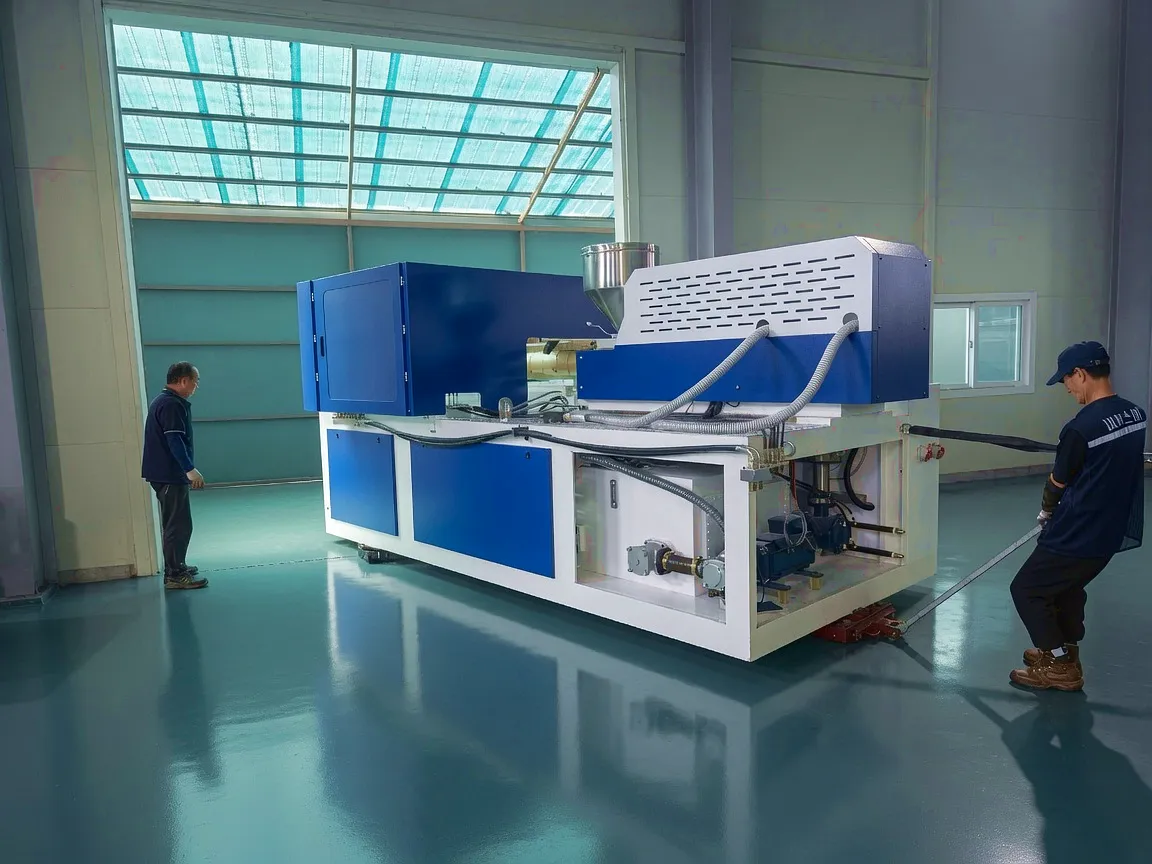
Ever Power Featured IBM Models
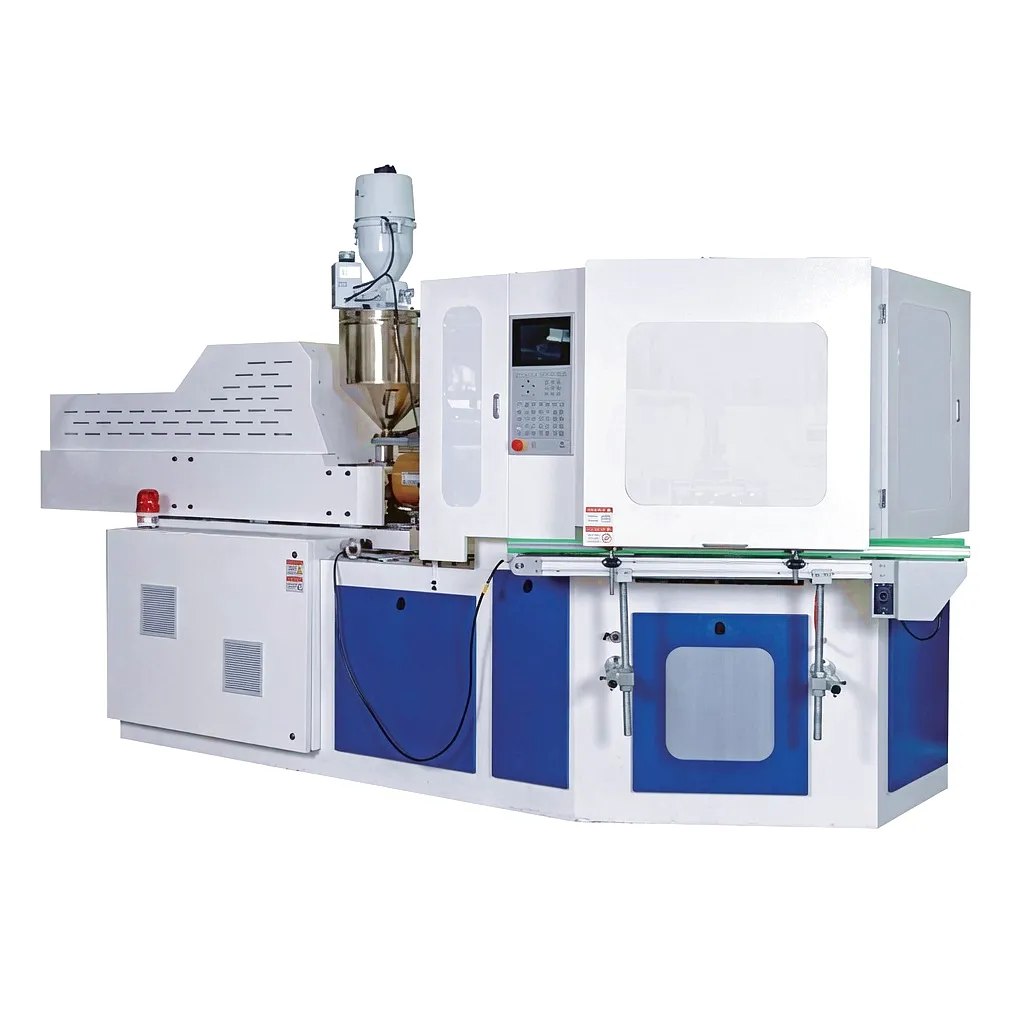
ZQ40 Injection-Blow Molding Machine (European)
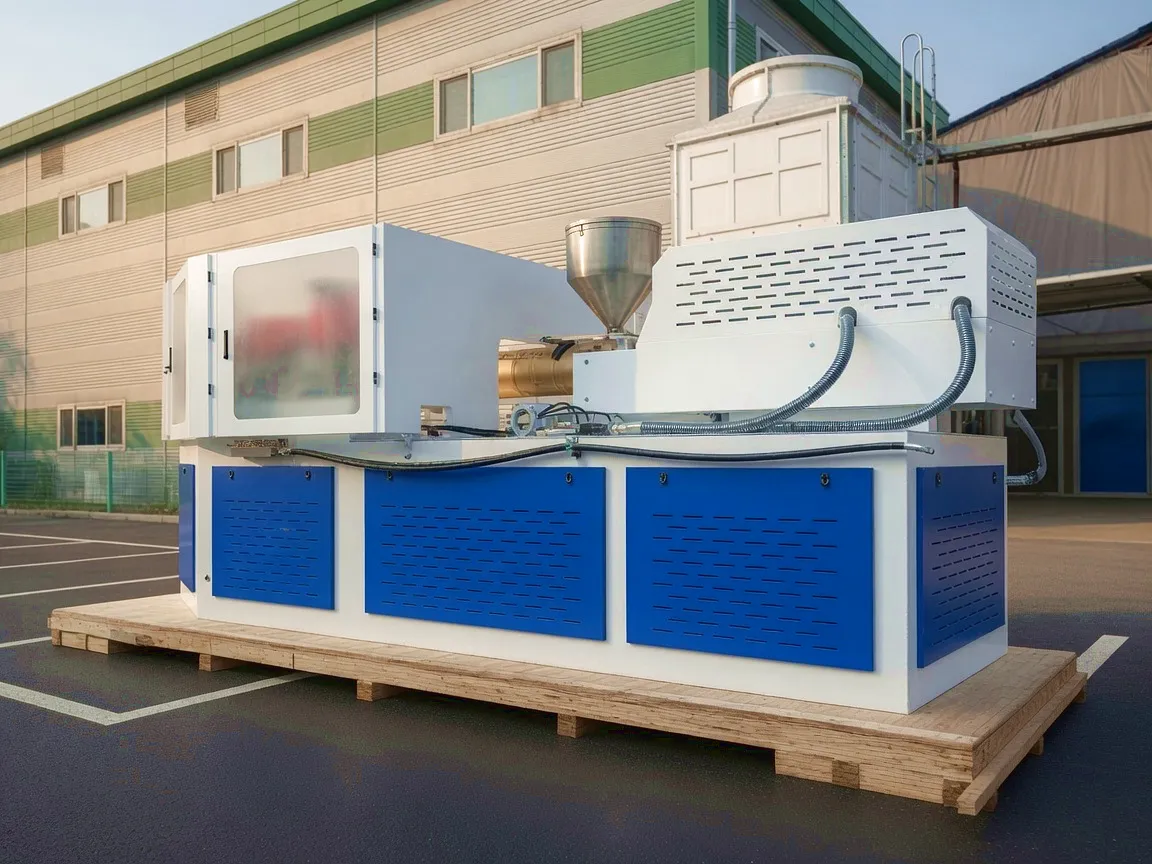
The ZQ40 is an all-electric servo IBM platform designed for precision production of containers up to 500 mL with clamping forces of 400 kN. Ideal for hot-fill juice bottles, sports drink containers, and pharmaceutical packaging where thread consistency and cleanroom compatibility are non-negotiable. CE certified and compatible with PET, HDPE, PP, and PETG, it is a natural fit for mid-volume UK contract packers and brand owners looking to bring bottle production in-house.
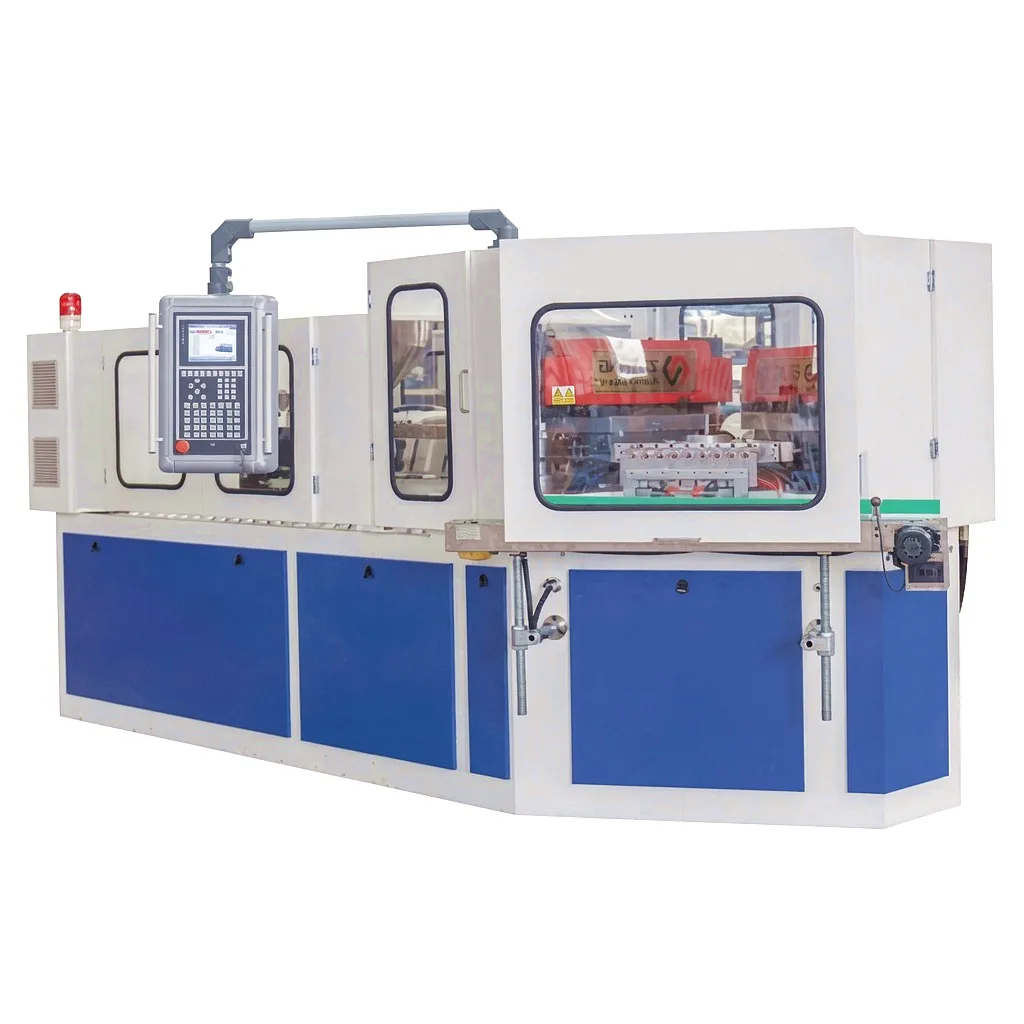
ZQ60 Injection-Blow Molding Machine (European)
Built for high-output packaging lines, the ZQ60 delivers 600 kN clamping force and handles containers up to 1,000 mL with cavity tooling up to 8 impressions. Designed for large-volume juice, water, condiment, and home-care packaging applications where cycle efficiency and output stability over 24-hour production schedules are paramount. The same all-electric servo platform as the ZQ40 ensures energy savings, reduced maintenance, and full CE compliance for the UK and European market.
Ever Power — Manufacturing Capability & Customisation
Ever Power has built its reputation in the injection-blow molding machine sector on the principle that no two customer requirements are identical. The company operates a modern manufacturing facility equipped with five-axis CNC machining centres, hardness testing laboratories, and a dedicated pre-shipment production trial area where every machine is run under load conditions before despatch. This is not a paper promise — it is a documented procedure that allows Ever Power’s engineers to verify that each injection-blow molding machine delivered to a customer in Coventry, Glasgow, or Swansea will perform to the agreed specification from day one without the extended commissioning periods that cause schedule disruption and cost overruns on new packaging lines.
Customisation at Ever Power spans every dimension of the machine specification. Customers can specify screw geometry and screw length-to-diameter ratio to optimise plasticising performance for their specific resin and additive package. Mould carrier platens can be adapted to accept existing tooling from legacy machines, reducing the capital outlay on new projects and shortening the timeline from order to production. The PLC control architecture is available with multiple fieldbus communication protocols — including Profibus, EtherNet/IP, and OPC-UA — allowing seamless integration with existing MES (Manufacturing Execution System) platforms that are standard in UK Tier 1 FMCG manufacturers’ factories. Remote diagnostic packages with encrypted VPN access allow Ever Power’s engineering team to monitor machine performance, push parameter adjustments, and diagnose fault conditions without requiring an engineer to travel to site, which is a particularly valued service capability for customers in more remote UK locations.
The supply chain behind every Ever Power injection-blow molding machine is built around verified tier-one component suppliers. Servo drives and motors are sourced from Siemens and Delta, PLC hardware from Siemens S7 series, precision ball screws from established Asian and European suppliers, and pneumatic components from SMC and Festo. This component strategy ensures that spare parts are available through UK distributors without extended lead times, an important consideration for production managers whose filling lines cannot tolerate extended machine downtime between preventive maintenance intervals. Ever Power also maintains a dedicated UK technical support contact and collaborates with UK-based toolmakers for mould manufacturing and modification services.
Customer Success Story
Sheffield, South Yorkshire — Specialty Juice & Sports Nutrition Packaging
Meridian Packaging Solutions, a contract packer based in the Lower Don Valley industrial area of Sheffield, had been supplying PET bottles to regional juice brands and a growing sports nutrition account for several years using a fleet of older two-stage stretch blow molding equipment. As the sports nutrition client expanded its hot-fill range to include plant-based protein drinks requiring fill temperatures of 84 degrees Celsius, the existing equipment began producing bottles with inconsistent vacuum panel performance — some containers showed cosmetic buckles after cooling, triggering rejection by the client’s quality team and causing a costly rework cycle.
Meridian’s operations director contacted Ever Power following a recommendation from a fellow contract manufacturer at a packaging industry event in Birmingham. After a series of video engineering consultations and a factory visit to Ever Power’s production facility, Meridian specified two ZQ60 injection-blow molding machines with 6-cavity hot-fill PET tooling in the 500 mL format and 4-cavity tooling in the 1,000 mL format. Ever Power’s tooling team collaborated with Meridian’s in-house designer to optimise the vacuum panel geometry, integrating an additional compensating panel in the label zone that had not been present in the original bottle design. The servo-electric ZQ60 machines were commissioned over a 12-day period including operator training, trial production runs with full quality sign-off, and documentation of all validated processing parameters.
Within the first month of full production, Meridian reported a bottle reject rate of 0.18% — well below the 2% contractual threshold in their supply agreement. Energy consumption per thousand units dropped by 31% compared with the previous equipment, and the absence of hydraulic oil from the production environment allowed Meridian to achieve BRC Grade AA certification on their food-grade production line, opening up access to a tier of supermarket own-label business that had previously been unavailable to them. The sports nutrition client renewed and expanded their contract within six months of the new machines going live, adding two further SKUs in 750 mL format that Ever Power’s team accommodated with a tooling modification rather than a new mould set, saving Meridian an estimated thirty thousand pounds in tooling capital.
Production Director, Meridian Packaging Solutions
“The neck thread consistency from the Ever Power ZQ60 is simply in a different category to what we were achieving before. Our capper downtime has gone from three to four incidents per shift to virtually zero, and the hot-fill vacuum performance has been absolutely solid from day one. These machines have genuinely transformed what we can offer our clients.”
Quality Assurance Manager, Sports Nutrition Client
“We were genuinely nervous about switching bottle supplier at the same time as reformulating our hot-fill products, but the dimensional data from the Ever Power IBM tooling gave us confidence very quickly. The bottles are beautifully consistent — you can pick up any bottle from a production run of half a million units and the dimensions are within the spec every time. That consistency is what keeps our filling line running at 98% efficiency.”
Sustainability Lead, Regional Juice Brand
“Switching to bottles produced on the Ever Power injection-blow molding machines has had a measurable impact on our Plastic Packaging Tax position. The resin saving per unit is small in isolation but at our annual volumes it represents a material reduction in our plastic tax liability and a genuine improvement in our sustainability metrics for our retail buyers. Ever Power’s team also worked with us to trial 25% rPET content without any tooling change, which was something we had not expected to be possible.”
Frequently Asked Questions
Ready to Upgrade Your Packaging Line?
Talk to Ever Power’s IBM Engineering Team Today
Serving UK manufacturers from Birmingham to Glasgow — CE certified machines, expert commissioning, and full lifecycle support.
edit by gzl