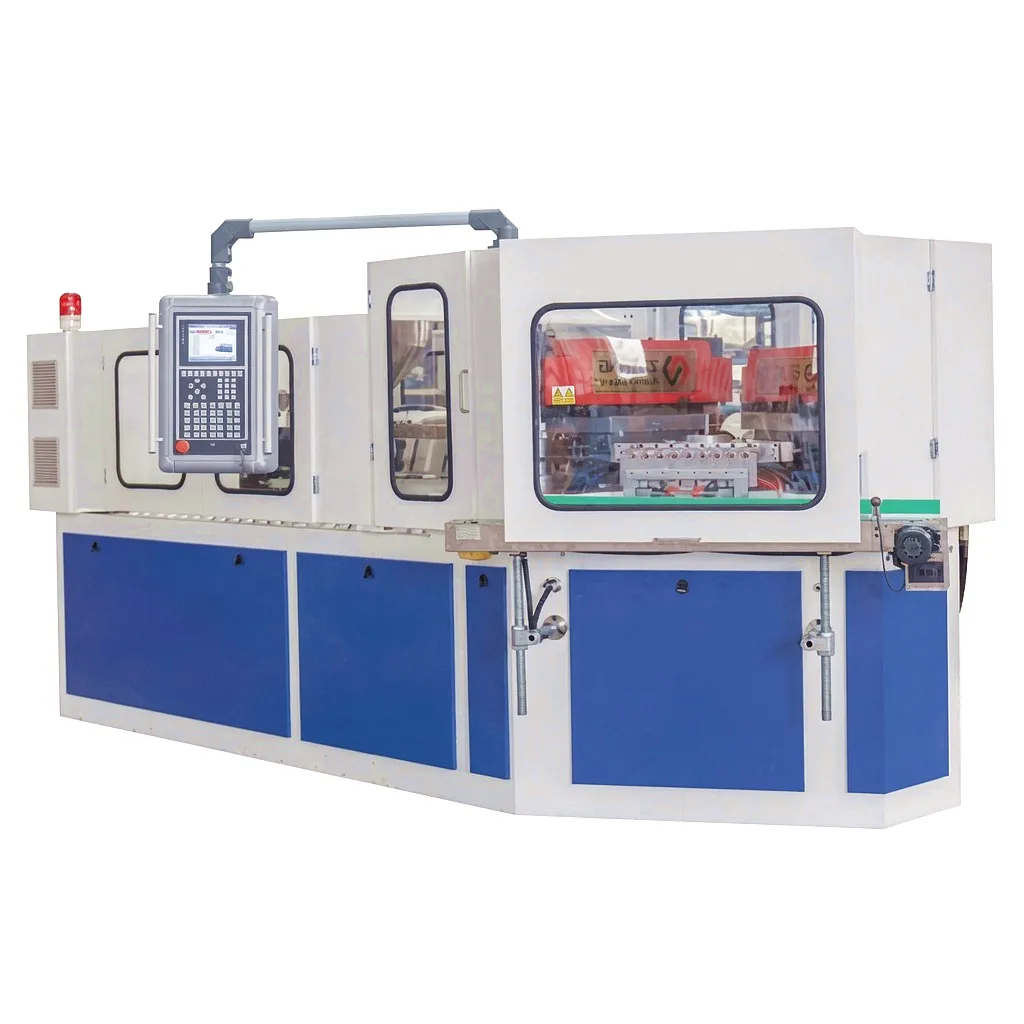
 Selecting the right injection blow moulding machine is one of the most consequential capital expenditure decisions a plastics processing operation can make. For UK-based manufacturers — whether running high-volume consumer packaging lines in the West Midlands, producing pharmaceutical containers in the Cambridge biotech corridor, or supplying FMCG brands from logistics hubs near Sheffield — the choice between the ZQ-Series and HGY-Series ISBM platforms directly shapes output quality, operating costs, changeover flexibility, and competitive positioning for years ahead.
Both machine families are engineered to convert thermoplastic preforms — most commonly PP, HDPE, PET, and PC — into finished hollow containers in a single, integrated cycle. That shared foundation, however, conceals meaningful differences in clamping architecture, plasticising unit design, servo-drive configuration, and process control philosophy. Understanding those differences at a technical level is the only reliable basis for a sourcing decision that will hold up under production pressure.
This guide breaks down each platform across the dimensions that actually matter to production engineers, plant managers, and procurement teams: throughput and cycle time, wall-thickness uniformity, energy consumption, tooling compatibility, and total cost of ownership. It also draws on application data from UK manufacturing sectors to show where each machine consistently delivers its strongest results.
ZQ-Series vs HGY-Series: At-a-Glance Technical Comparison
Key performance and specification differentials across both platforms — figures represent standard configurations; custom builds may vary.
Machine Architecture: Where the Two Platforms Diverge
The ZQ platform is built around a full servo-electric drive train — a design choice that eliminates the hydraulic power pack almost entirely and replaces it with precision servo motors on each motion axis: injection, clamping, rotation, and ejection. This architecture compresses cycle time significantly, typically shaving 30 to 40 percent off what a hydraulic equivalent achieves on the same container geometry. It also removes the thermal load of a hydraulic oil system, which is a meaningful consideration in UK factory environments where heat management affects both mould conditioning quality and ambient working conditions.
The plasticising unit on ZQ machines uses a high-L/D barrier screw — ratios of 22:1 to 24:1 are standard — paired with a precision check ring engineered to deliver consistent shot weights within ±0.3 g. That consistency is particularly important when running multi-cavity tooling, where cavity-to-cavity weight balance directly determines wall-thickness uniformity across the set.
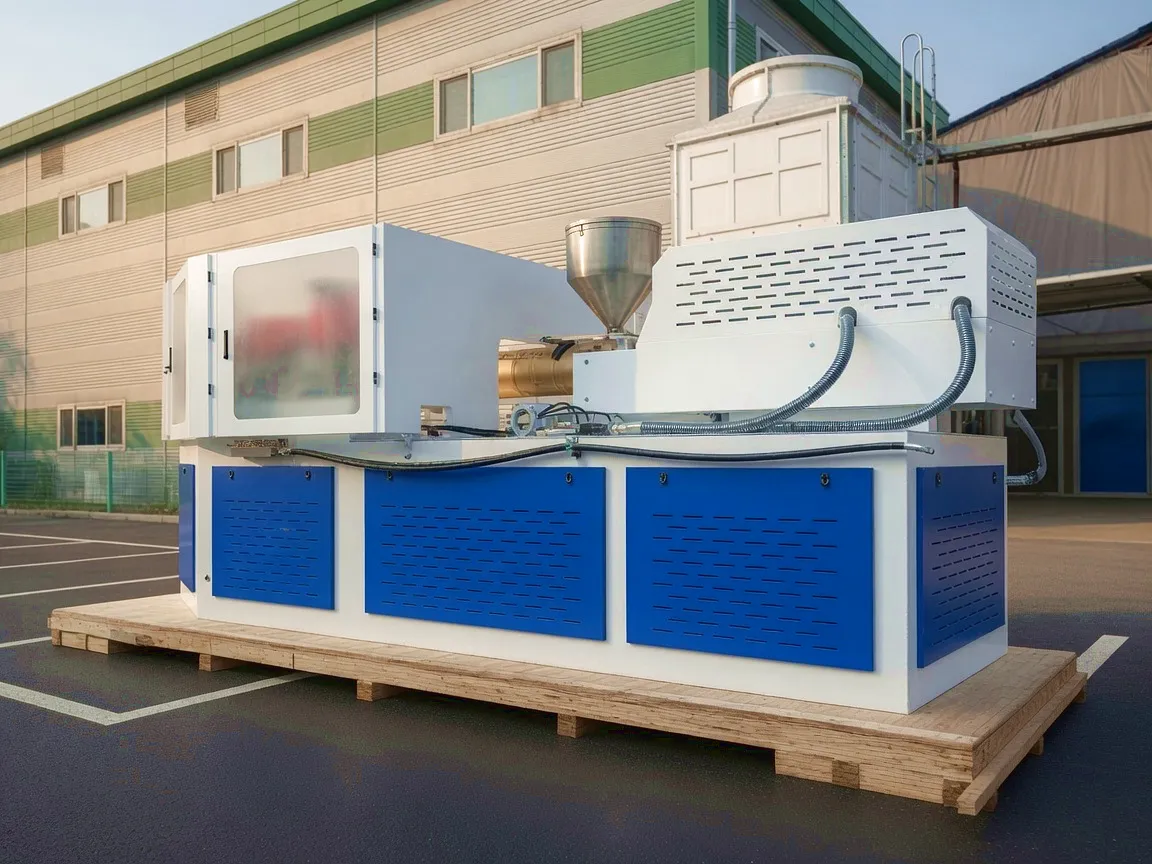
The HGY series adopts a hydraulic-plus-servo hybrid approach in which the core clamping and injection movements are hydraulically actuated, with servo-pump technology overlaid to reduce oil flow losses during idle phases. This configuration offers a lower initial acquisition cost than a full servo-electric machine and handles higher tonnage applications — particularly thick-walled containers and large technical parts in HDPE — with robust, well-proven reliability. The hydraulic system does, however, carry inherent energy overhead: oil viscosity varies with temperature, adding a warm-up requirement and ongoing thermal energy demand that the ZQ architecture avoids entirely.
Control precision on HGY machines is solid for standard bottle geometries but approaches its limits when producing containers with very fine neck finishes, asymmetric parting lines, or tight weight specifications for pharmaceutical compliance. For those applications, the ZQ’s servo-axis repeatability and closed-loop pressure control provide a measurable quality advantage.
Blow Moulding Process Comparison: IBM, ISBM, EBM, and Extrusion
Understanding where injection blow moulding sits relative to other hollow-container processes is essential before evaluating machine specifications.
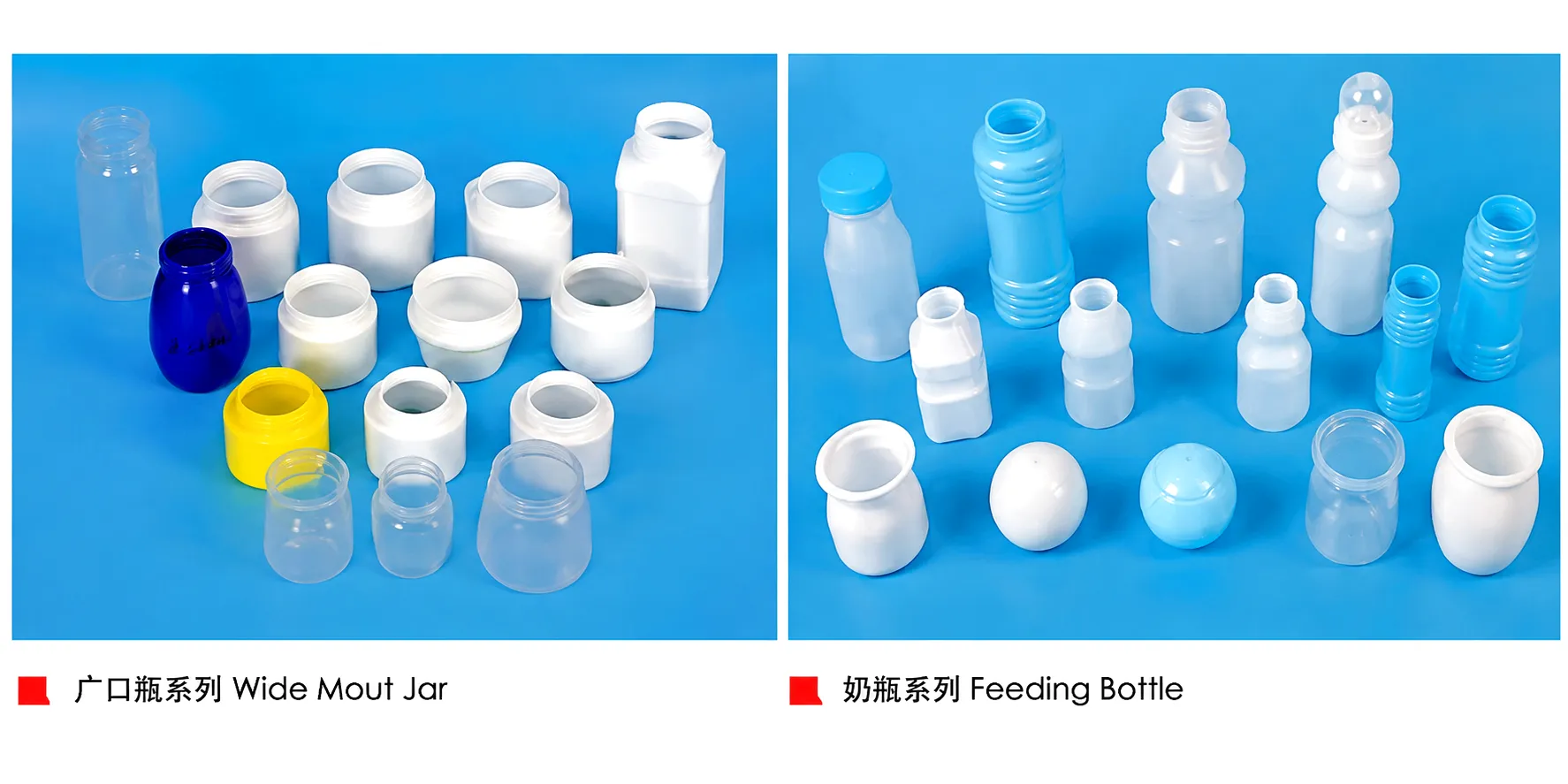
A preform is injection-moulded over a core pin, then transferred — while still on the pin — to a blow station where it is inflated to final shape. No secondary reheat is needed. Produces containers with no base seam, excellent neck-finish precision (critical for pharmaceutical caps and childproof closures), and outstanding wall uniformity. Best for small-to-medium volumes between 5 ml and 5 L. Both ZQ and HGY machines operate on this principle.
Extends the IBM process with a mechanical stretch rod that axially elongates the preform before radial blow air is applied. Biaxial orientation produced by the simultaneous axial-radial stretch gives PET containers dramatically improved barrier properties, drop resistance, and optical clarity. Dominant in CSD and still-water bottles. Higher capital cost than standard IBM; requires more precise preform temperature control — typically ±2 °C across the preform body.
A continuous or intermittent parison is extruded downward between open mould halves; the mould closes, pinches the parison at each end, and compressed air inflates it. Highly cost-effective for large, complex shapes — engine oil bottles, industrial jerricans, automotive tanks — but leaves a weld line at the base pinch and cannot achieve the neck-finish precision of IBM. Common material: HDPE. EBM machines are mechanically simpler but lack the preform-geometry control that pharmaceutical and cosmetics sectors require.
Reheat stretch blow moulding (RSBM) separates preform injection from blow into distinct operations. Preforms are injection-moulded, cooled, and shipped to a separate reheat blower. This two-stage approach allows very high-volume, single-product PET bottling at the lowest per-unit cost but introduces inventory risk and handling damage between stages. Not suitable for PP, HDPE, or precision cosmetics containers where preform thermal history must be tightly controlled.
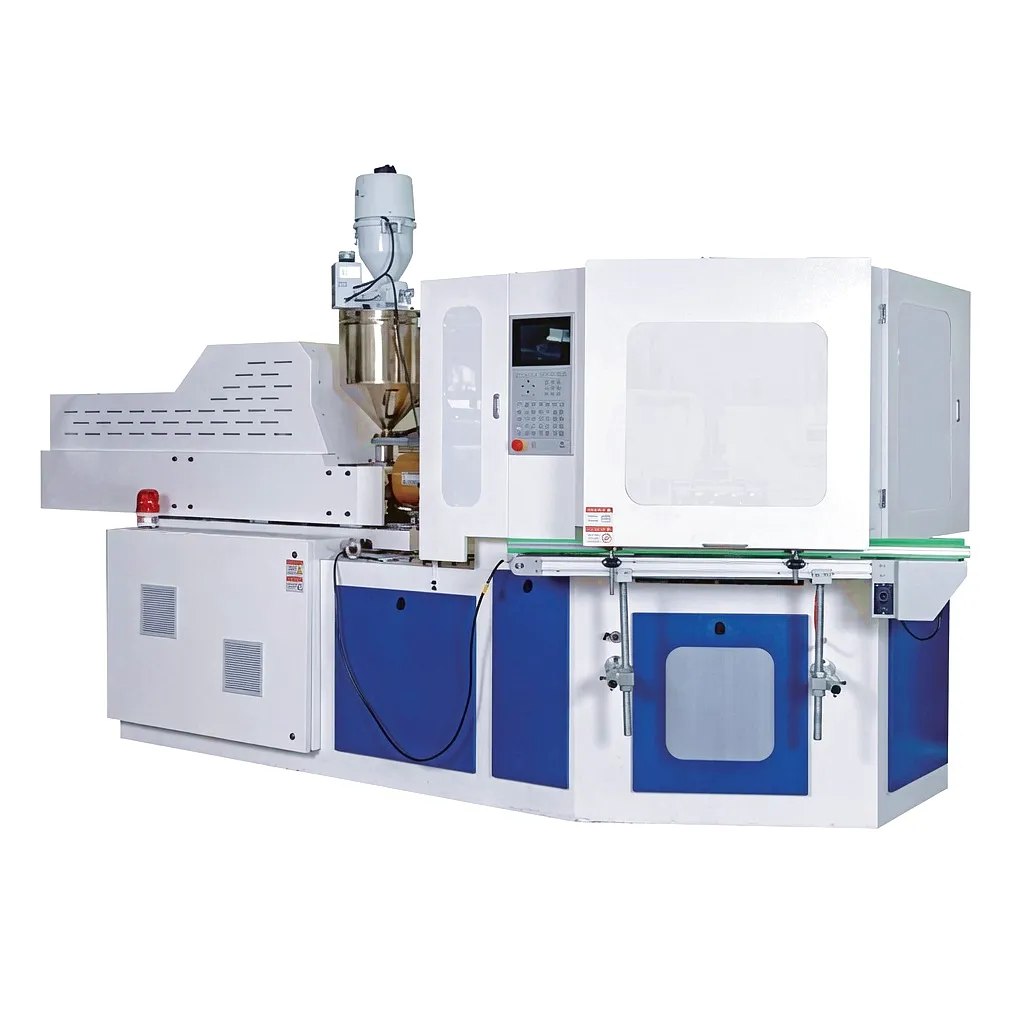
Ever Power ZQ-Series: Featured ISBM Models
Two European-specification injection blow moulding machines designed for demanding UK and EU production environments.
Wall Thickness Uniformity and Preform Temperature Control
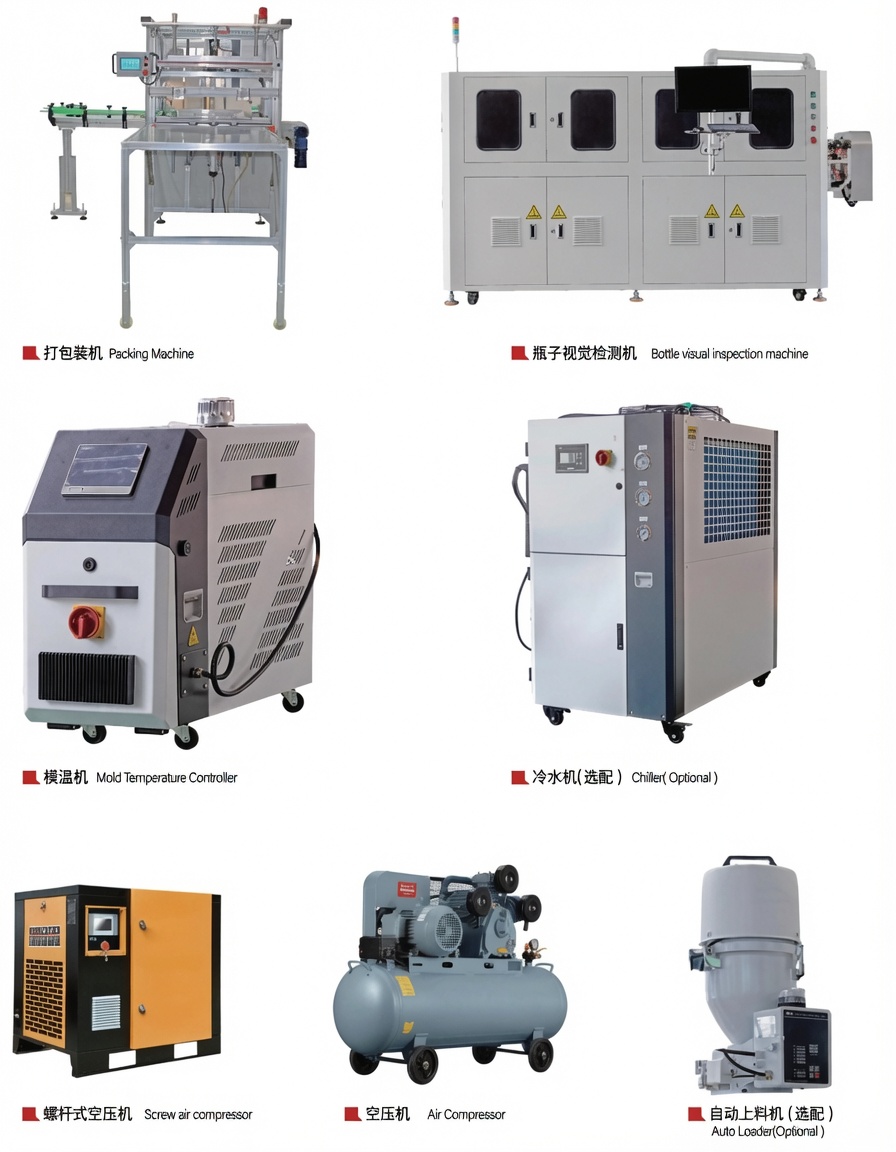
Mould Design, Tooling Compatibility, and Changeover
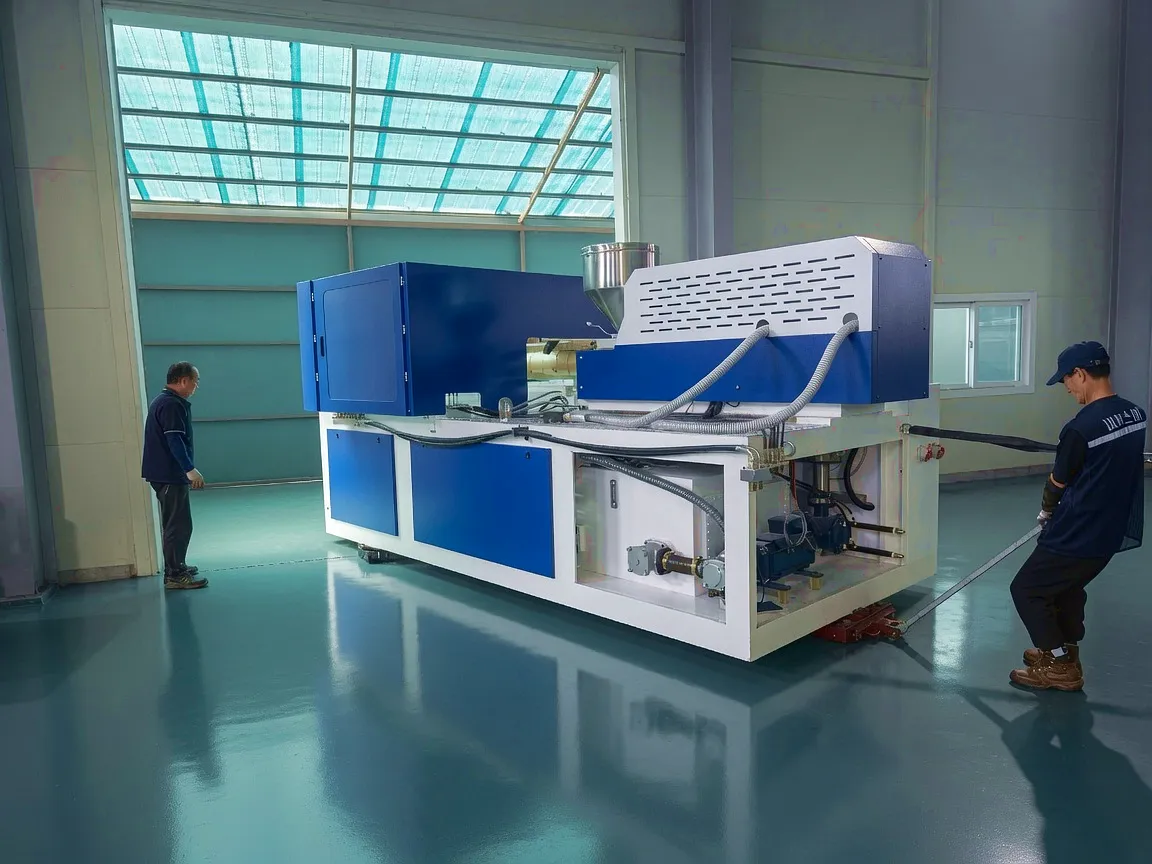
Energy Consumption, Sustainability, and UK Carbon Reduction Targets
Energy cost and carbon reporting have moved from background concerns to front-of-mind capital investment criteria for UK manufacturers navigating the transition away from fossil fuel-heavy industrial processes. Plastics processing equipment is an obvious focus because injection moulding and blow moulding are both energy-intensive thermal processes — and the running cost of a machine bought today will compound over a service life of ten to fifteen years.
The full servo-electric ZQ platform consumes approximately 30 to 40 percent less energy per container produced than a comparably sized hydraulic IBM machine, principally because servo motors draw current only during active motion phases — not continuously as a hydraulic pump does.
Tighter temperature control reduces the trial-reject material generated during start-up and transitions, cutting resin waste — which is both a direct material cost saving and a sustainability metric that now appears in UK manufacturing ESG reporting.
No hydraulic oil means no oil leakage risk, no oil disposal costs under UK hazardous waste regulations, no warm-up time, and a cleaner operating environment — significant in pharmaceutical and food-contact production areas where contamination risk carries regulatory consequences.
HGY machines, with their hydraulic-servo hybrid drive, have made meaningful strides toward energy efficiency through servo-pump technology that reduces idle-phase oil flow losses. On a typical 500 ml PP bottle cycle, an HGY machine running servo-pump technology might consume 35 to 42 kW on average — down from 50+ kW for a conventional fixed-displacement hydraulic machine of the same tonnage. That is a genuine improvement, but it still represents a 25 to 35 percent energy premium versus a comparable ZQ machine running the same container. For UK facilities facing industrial electricity prices well above the European average, and with decarbonisation commitments increasingly influencing procurement decisions, that energy gap has tangible commercial weight.
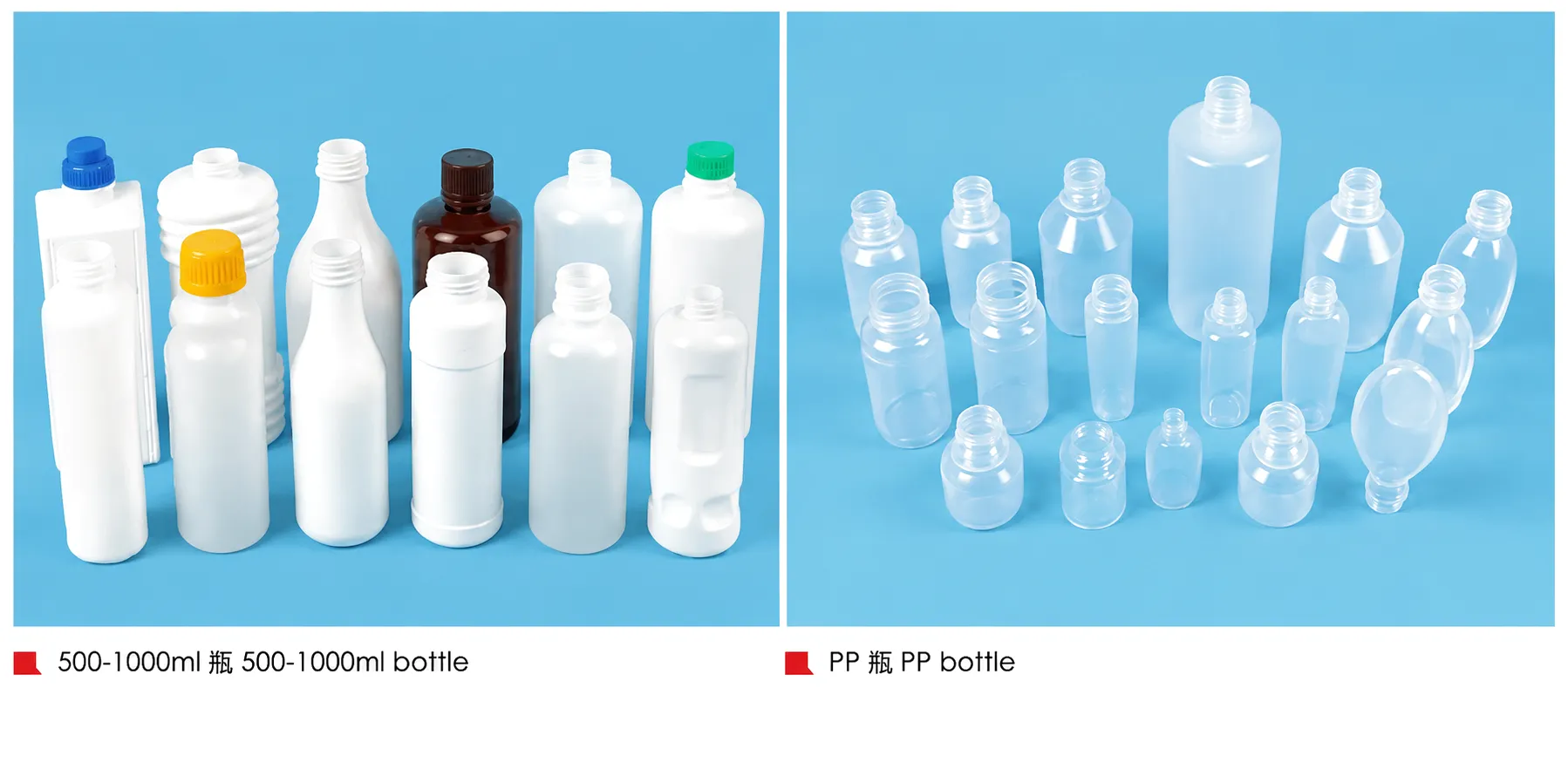
Common Faults, Troubleshooting, and Preventive Maintenance
Understanding the failure modes most commonly encountered on each machine platform allows production and maintenance teams to plan preventive schedules effectively and respond rapidly when issues do arise. The following troubleshooting reference draws on field experience across both ZQ and HGY installations.
Application Scenarios: Where Each Machine Platform Excels in UK Manufacturing
Industry-specific guidance for UK converters and brand owners evaluating injection blow moulding equipment investment.
UK pharmaceutical packaging — eye-drop bottles, oral liquid containers, nasal spray bodies, tablet jars — demands neck-finish tolerances that reliably engage child-resistant closures and tamper-evident bands to BS EN ISO 8317 standards. The ZQ60’s ±0.05 mm wall tolerance and pharmaceutical-grade neck-finish repeatability make it the definitive choice for this segment. GMP-compatible barrel materials and FDA-compliant contact-part options are available as ZQ factory-fit options.
High-end cosmetics and personal care packaging combines aesthetic demands — optical clarity, surface gloss, custom geometry — with structural requirements for pump-fitment integrity and drop resistance. PP and PETG are the dominant materials. The ZQ40 suits smaller-run premium SKUs where frequent mould changes and multi-container product portfolios require fast changeover; the ZQ60 is preferred where a single elegant bottle is produced in high volume for a UK or export brand. HGY machines serve adequate for mid-range commodity personal care bottles where neck-finish precision is less critical.
Condiment bottles, sauces, spreads, and single-serve food containers in HDPE and PP are a high-volume, relatively low-margin segment where throughput and resin efficiency dominate the economic case. Birmingham and the wider West Midlands region hosts a significant concentration of food packaging converters. The HGY series is commercially viable here — lower acquisition cost, proven reliability on commodity HDPE shapes, and adequate neck-finish quality for standard closure systems. ZQ machines earn their premium in this segment only where cavity count and cycle time optimisation can justify the capital differential.
Sheffield and the broader South Yorkshire manufacturing belt supply lubricants, agrochemicals, cleaning agents, and industrial fluids into the UK market. Containers in this segment run large — 1 to 5 L HDPE or PP — and prioritise UN-certified top-load strength, chemical resistance, and closure-seal integrity over aesthetic subtlety. The ZQ60’s 5 L maximum container volume and 60-tonne clamping force handle these large-body geometries reliably; HGY machines with appropriate tooling are also competitive where the volume distribution skews toward 1 to 2 L formats.
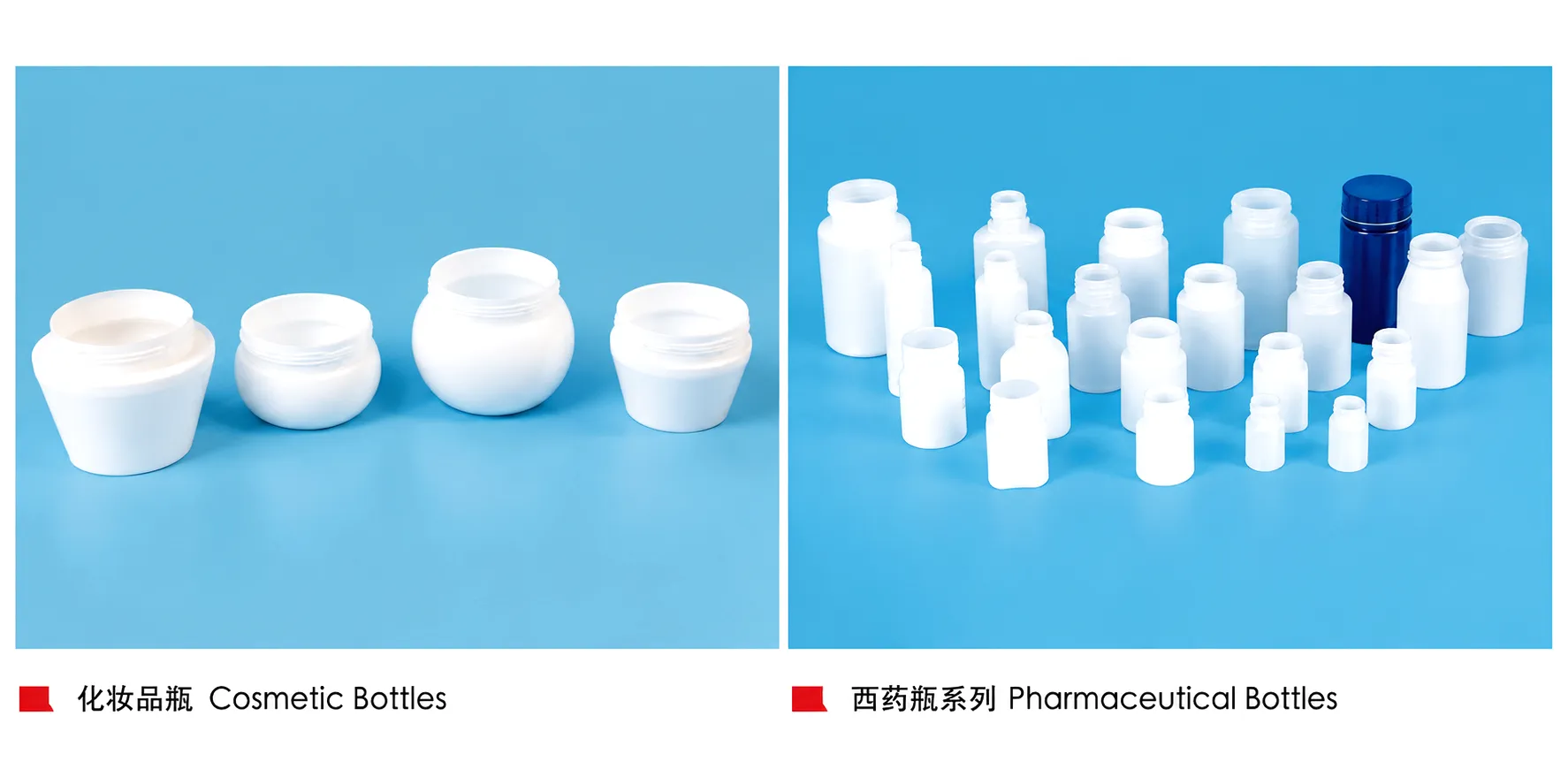
Ever Power: Precision Manufacturing and Custom ISBM Solutions
From initial specification to in-production support — Ever Power’s manufacturing capability and customisation service.
Ever Power offers full machine customisation from platen size and clamping tonnage through to bespoke control configurations, multi-material plasticising units, and integrated downstream automation. UK customers with specific neck-finish standards, material combinations, or cleanroom compatibility requirements receive dedicated application engineering support through the quotation and commissioning process. Every custom specification is documented in a CE technical file held for the life of the machine.
Ever Power’s vertically integrated manufacturing facility maintains in-house machining, assembly, and electrical build for all ZQ and HGY series components. This vertical integration gives us direct control over lead times and quality — standard ZQ machines ship in 45 to 60 working days from order confirmation, with critical component spares available from UK-based inventory partners to minimise downtime for British customers. Sea freight lead time to UK ports (Felixstowe, Southampton) is factored into project timeline planning at quotation stage.
All ZQ and HGY machines are equipped with remote monitoring capability, allowing Ever Power application engineers to access machine data — alarms, process parameters, cycle statistics — via secure VPN for remote diagnostics and process optimisation support. On-site commissioning engineers with UK/EU travel capability are available for initial installation, and video-assisted process start-up support is standard for all export customers regardless of machine series.
Ever Power’s engineering team provides detailed technical proposals with full specifications, pricing, lead times, and customisation options — specific to your UK production requirement.
Customer Success Story: Sheffield Pharmaceutical Packaging Manufacturer
A pharmaceutical packaging specialist based in Sheffield — supplying oral liquid bottles and dropper containers to NHS dispensaries and branded OTC health product manufacturers across the UK — had been running a fleet of ageing hydraulic IBM machines for over a decade. The equipment had served reliably for commodity HDPE and PP containers, but as its customer base moved toward more demanding specifications — tighter child-resistant closure torque windows, narrower neck-finish tolerances for tamper-evident banding, and a growing range of PETG transparent containers for premium OTC product lines — production reject rates had climbed from an acceptable 1.2 percent to a commercially damaging 4.7 percent.
The company’s production director contacted Ever Power following a recommendation from a trade contact at a plastics trade event in Birmingham. After a detailed technical consultation — including a virtual plant tour and a sample production trial using customer-supplied PP resin and neck-finish tooling — the decision was taken to install two ZQ60 machines in a phased programme, the first covering the pharmaceutical bottle lines and the second replacing capacity on the wider personal care container portfolio.
Installation of the first ZQ60, handled jointly by Ever Power’s remote commissioning team and a local UK machine service contractor, was completed in four days including full process validation. Within the first month of production, the reject rate on the pharmaceutical bottle lines had fallen to 0.6 percent — well below the previous best performance on the old hydraulic fleet. Energy metering confirmed a 34 percent reduction in consumption per thousand containers produced. The Siemens-based control system integrated cleanly with the site’s existing MES data infrastructure, allowing production supervisors to track OEE in real time without additional hardware investment.
The second ZQ60 was installed six months later following successful performance of the first machine. Together, the two ZQ60s now handle the site’s full pharmaceutical and personal care bottle output, and the production director has indicated that the ZQ40 is under consideration for a planned expansion into nutraceutical container production in 2025 — a segment being driven by growing demand from UK health supplement brands based in Leeds and Manchester.
“The ZQ60 transformed our pharmaceutical bottle lines. We’d been chasing wall-thickness variation for years on our old hydraulic machines — within two weeks on the ZQ60, our process engineers had dialled in tolerances we’d never achieved before. The child-resistant closure pass rate went from 96.1 to 99.4 percent. That kind of consistency genuinely changes the commercial conversation with our pharmaceutical customers.”
“Ever Power’s application team was incredibly responsive throughout the entire process — from first enquiry through to commissioning. The remote commissioning support was genuinely impressive: their engineer walked our setter through the barrel profiling for our PETG line via video call in real time, and we were making saleable containers by day three. For a UK manufacturer dealing with an overseas equipment supplier, that level of after-sales commitment makes a significant difference.”
“We evaluated three ISBM machine suppliers before placing the order with Ever Power. The ZQ40’s energy consumption figures were the deciding factor — our Sheffield site is on a half-hourly metered tariff and every kW counts. Post-installation metering confirmed we’re running at 21.8 kW average across the ZQ40’s duty cycle, which beat the guaranteed figure in the specification. The Siemens control system is something our engineers already knew, which cut training time significantly.”
Frequently Asked Questions
Common questions from UK plastics converters and packaging manufacturers evaluating injection blow moulding machine investment.
What is the typical price or cost difference between a ZQ-series and HGY-series injection blow moulding machine for a UK buyer, and what should I budget for?+
Which injection blow moulding machine supplier in the UK offers the best after-sales support and spare parts availability for ZQ-series machines?+
How does the ZQ60 injection blow moulding machine compare to the HGY-series when producing pharmaceutical PP bottles in the UK to GMP standards?+
Where can I get a quote for an injection blow moulding machine delivered and commissioned at my factory in Birmingham or Sheffield?+
What materials can the ZQ-series injection blow moulding machine process that the HGY-series cannot, and does that matter for UK food and pharmaceutical packaging?+
How long does it take to receive and commission an Ever Power ZQ or HGY injection blow moulding machine at a UK manufacturing site?+
Speak with an Ever Power application engineer — no commitment, no sales pressure, just accurate technical guidance for your UK production requirement.