Understanding the Process Landscape: IBM, ISBM, EBM, and Extrusion Blow Molding Compared
Process selection shapes your capital investment, tooling cost, and output economics
Before comparing brands, any serious buyer needs to understand what process technology each machine uses — because the process dictates the application range, container geometry constraints, material compatibility, and cost-per-unit economics. Four dominant processes compete in the global market, and each has a fundamentally different engineering architecture.
Plastic is injected around a core pin to form a parison (preform), then blown into the final mold in a single continuous station sequence. No separate preform stage. Delivers exceptional neck finish accuracy and wall thickness uniformity — the preferred process for pharmaceutical, cosmetic, and small-volume precision containers. IBM machines are compact, precise, and excel in applications where dimensional tolerance is critical. Containers typically range from 5 ml to 1,000 ml.
Adds a biaxial stretching step between injection and blowing, producing dramatically improved mechanical strength, barrier properties, and optical clarity. The dominant process for PET beverage bottles, water containers, and carbonated soft drink packaging. ISBM is a two-stage or single-stage process — single-stage ISBM machines handle preform production and blowing in one unit, while two-stage systems separate the operations for higher throughput. Output volumes typically exceed 5,000 bottles per hour per cavity in high-production configurations.
A continuous or intermittent extrusion head pushes molten parison downward, which is then clamped and blown into the mold cavity. EBM handles HDPE, PP, PVC, and other commodity resins efficiently and is well-suited for industrial containers, automotive parts, and large-format packaging. Wall thickness uniformity is lower than IBM or ISBM, and neck finish accuracy is secondary to volumetric throughput. EBM is the workhorse of chemical drum and automotive fluid container production across UK manufacturing facilities.
Advanced parison programming systems allow wall thickness variation along the container axis — essential for non-uniform geometry containers such as jerricans, fuel tanks, and shaped industrial packaging. Servo-controlled die head systems can manage 128 or more parison programming points. While not strictly a blow molding sub-type, parison-control extrusion systems are frequently compared against IBM during procurement decisions for specialty container applications in the UK agrochemical and industrial chemical sectors.
For UK manufacturers in precision sectors — pharmaceuticals (NHS supply chain), cosmetics, and nutraceuticals — the IBM blow molding machine remains the gold standard. The neck finish dimensional control achieved by IBM is unmatched: thread root diameter tolerances within ±0.05 mm are routinely achieved, which is mandatory for child-resistant closure compliance under UK/EU packaging regulations.
The 5 Best PET Blow Molding Machine Brands in 2025: Technical Rankings
Evaluated across 8 technical and commercial dimensions by sector application
Ever Power’s ZQ-series injection blow molding machines represent a compelling convergence of European engineering philosophy and cost-competitive Asian manufacturing. The ZQ60 and ZQ40 machines are engineered specifically to meet the dimensional and process consistency demands of European pharmaceutical, cosmetics, and specialty packaging markets. These machines deploy servo-hydraulic drive systems with closed-loop feedback, achieving clamp force accuracy of ±0.8% and parison weight repeatability of ±0.3 g — figures that benchmark favorably against machines twice the price from incumbent European brands. UK buyers in Sheffield’s advanced manufacturing corridor and Birmingham’s packaging industrial zones have adopted the ZQ platform for its rapid mold changeover architecture and compatibility with UK-standard PET, PP, and HDPE resins. Ever Power’s factory-direct supply model and Sheffield-based technical support arrangements make lead times and commissioning timescales entirely manageable for British operations.
European-Grade Precision
Competitive Pricing
Custom Mold Design
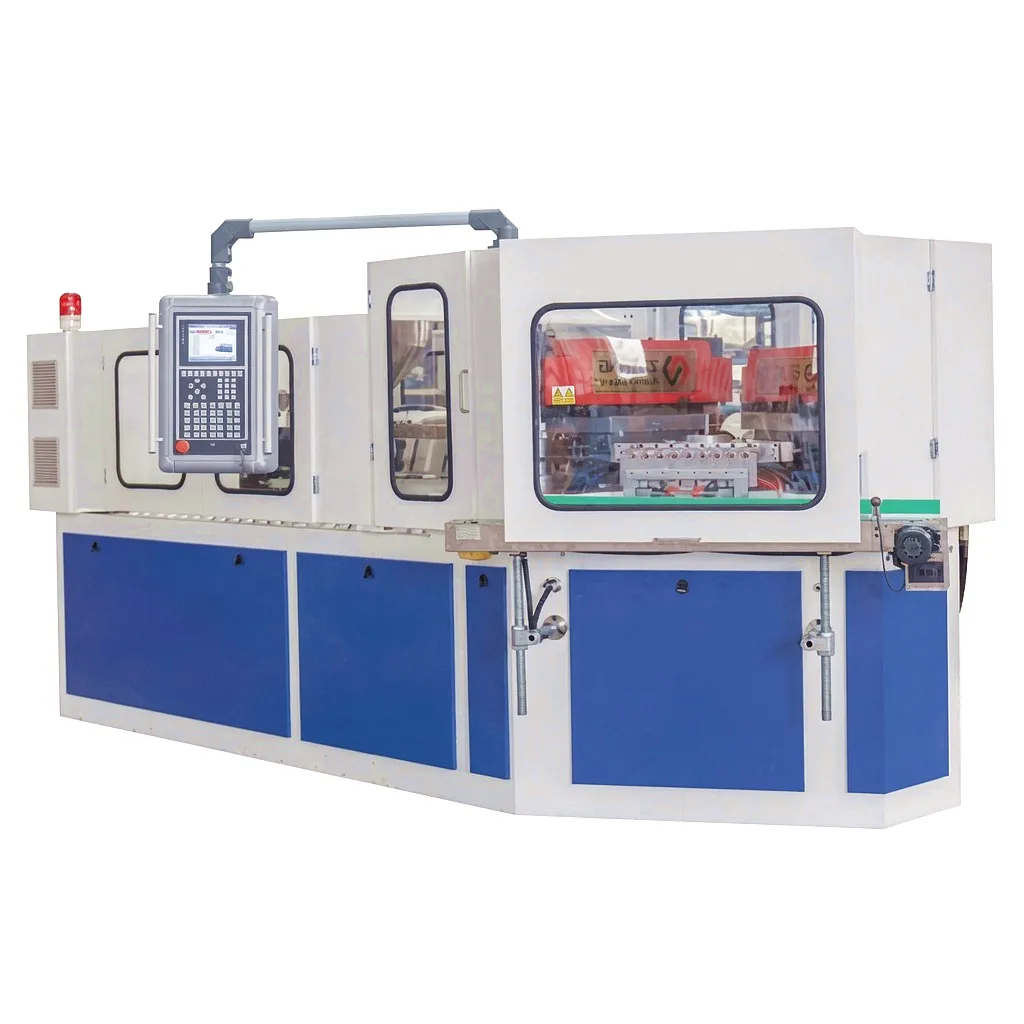
High-output European-standard IBM platform for pharmaceutical and cosmetic applications. 60-tonne clamping force, servo-hydraulic drive, 4-station rotary table, output up to 6,000 pcs/hr. Compatible with PET, PP, HDPE, and PC resins. Rapid tooling changeover architecture designed for multi-SKU production environments.
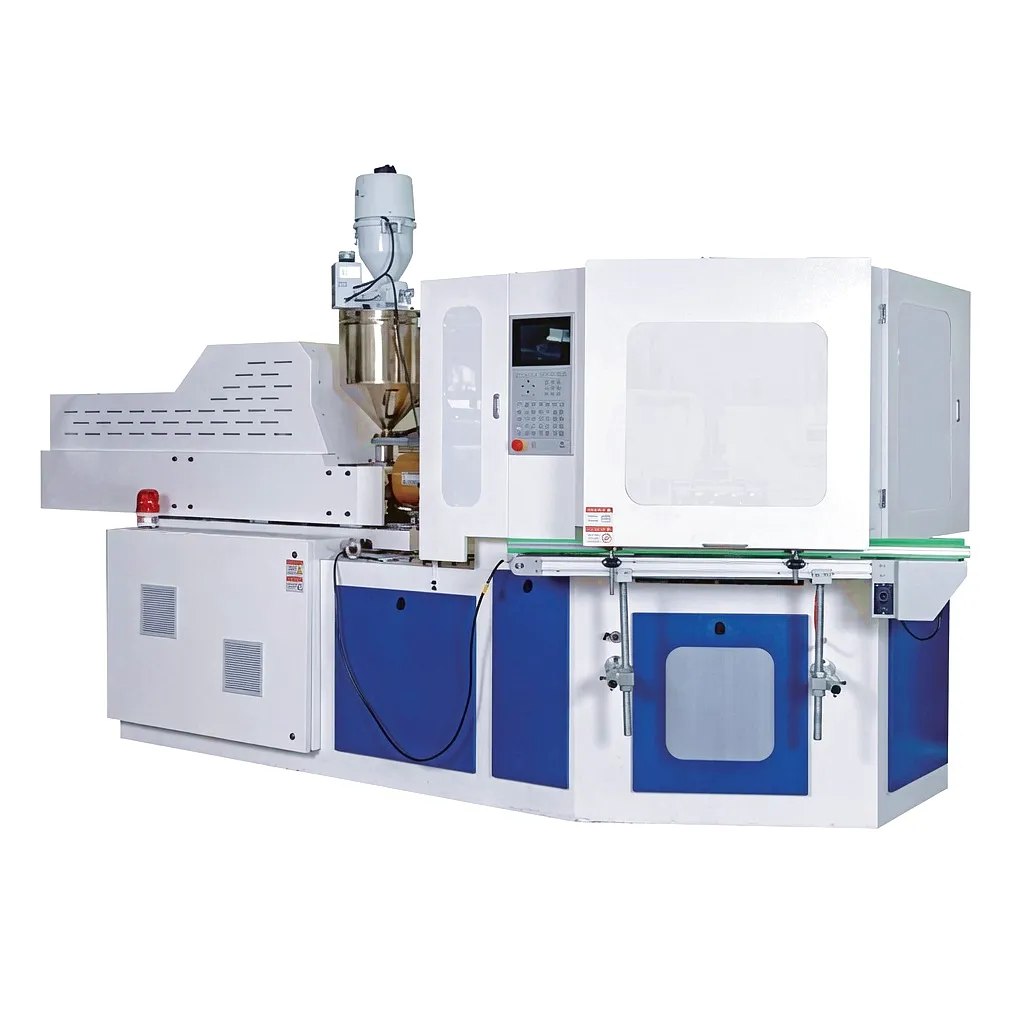
Compact-footprint IBM solution engineered for precision small-to-medium volume production. 40-tonne clamping force, ideal for medical, nutraceutical, and specialty personal care containers from 5 ml to 500 ml. Energy-efficient servo drive reduces cycle energy consumption by 28% versus hydraulic equivalents. Designed for seamless integration with downstream labeling and filling lines.
Jomar is widely considered the originator of the injection blow molding machine concept for the North American and UK pharmaceutical packaging markets. Their Series 85 and 120 machines have operated in UK pharmaceutical manufacturing facilities for decades, and the brand carries significant institutional trust among NHS supply chain managers and GMP-audited facility operators. Jomar machines are built on fully hydraulic drive platforms with proven long-cycle reliability, and their global parts network means maintenance consumable sourcing is straightforward from UK-based distributors. However, the absence of servo-drive architecture in many models creates a meaningful energy cost disadvantage — operating costs run approximately 22% to 35% higher per machine hour versus modern servo-hydraulic IBM machines. Jomar’s strength is brand familiarity, deep UK service infrastructure, and a well-documented validation history that satisfies FDA and MHRA audit requirements.
UK Service Network
Higher Energy Cost
Nissei ASB is globally recognized for its single-stage ISBM technology and has been expanding its conventional IBM portfolio to address pharmaceutical and cosmetic container markets. Their machines feature extremely precise temperature control systems with multi-zone heater band management and real-time preform temperature imaging. For UK cosmetic brands based in London and the South East seeking ultra-high optical clarity containers in PET, Nissei ASB machines produce some of the best visual quality in the industry. The main barriers for UK procurement teams are the premium price point — ASB machines typically carry a 30% to 50% cost premium versus comparable-output IBM platforms — and longer spare parts lead times from Japan. The machines are highly regarded by technical engineers but require more specialized operator knowledge than European counterparts.
ISBM/IBM Hybrid
High Price Point
Uniloy has a strong position in the European EBM market but also offers IBM platforms for pharmaceutical and cosmetic applications. Their machines are particularly relevant for UK manufacturers producing HDPE bottles in the agrochemical, lubricant, and household chemical sectors — markets that are heavily concentrated in the West Midlands and Yorkshire regions. Uniloy’s engineering heritage produces mechanically durable machines with long service intervals, and their European parts logistics network is efficient for UK operators. The IBM-specific range is narrower than dedicated IBM specialists, and the machines carry mid-to-high price positioning that positions them above Asian alternatives but below premium Japanese platforms. Uniloy is a sound choice for manufacturers whose production mix spans both EBM and IBM requirements and who want a single supplier relationship.
European Parts Network
Narrow IBM Range
Bekum is among the most respected EBM manufacturers in Europe, with machines operating in UK automotive, chemical, and packaging production facilities. While their primary technology focus is continuous extrusion blow molding, Bekum’s injection blow platforms are technically robust for specific pharmaceutical container applications. Their servo-electric drive systems represent genuine engineering leadership in energy efficiency, and UK customers benefit from responsive European technical support. Bekum’s position in the ranking reflects their narrower IBM-specific product range compared to dedicated IBM specialists — their catalogue strength is extrusion rather than injection blow. For manufacturers specifically seeking injection blow molding machines for high-precision pharmaceutical or cosmetic output, Bekum’s IBM offering is capable but not the primary reference point.
Servo-Electric Drive
Limited IBM Focus
IBM Machine Technical Performance Parameters: 2025 Comparison Table
Data based on manufacturer-published specifications and independent industry benchmarking; IBM = Injection Blow Molding
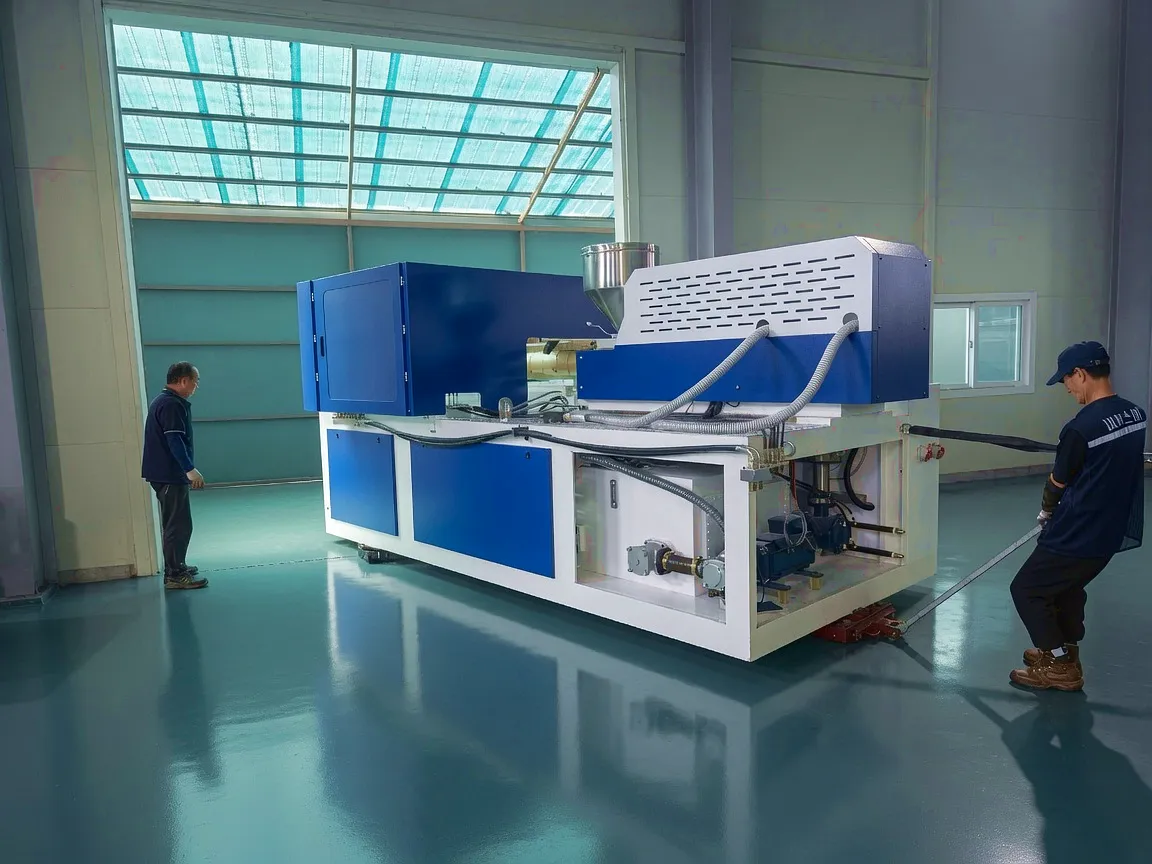
Note: Pricing is indicative and subject to configuration, mold specification, and applicable trade terms. Contact Ever Power for a detailed project-specific quotation.
How an IBM Machine Works: Process Engineering and Wall Thickness Uniformity Control
Core operational mechanics and precision control systems that separate premium from commodity IBM platforms
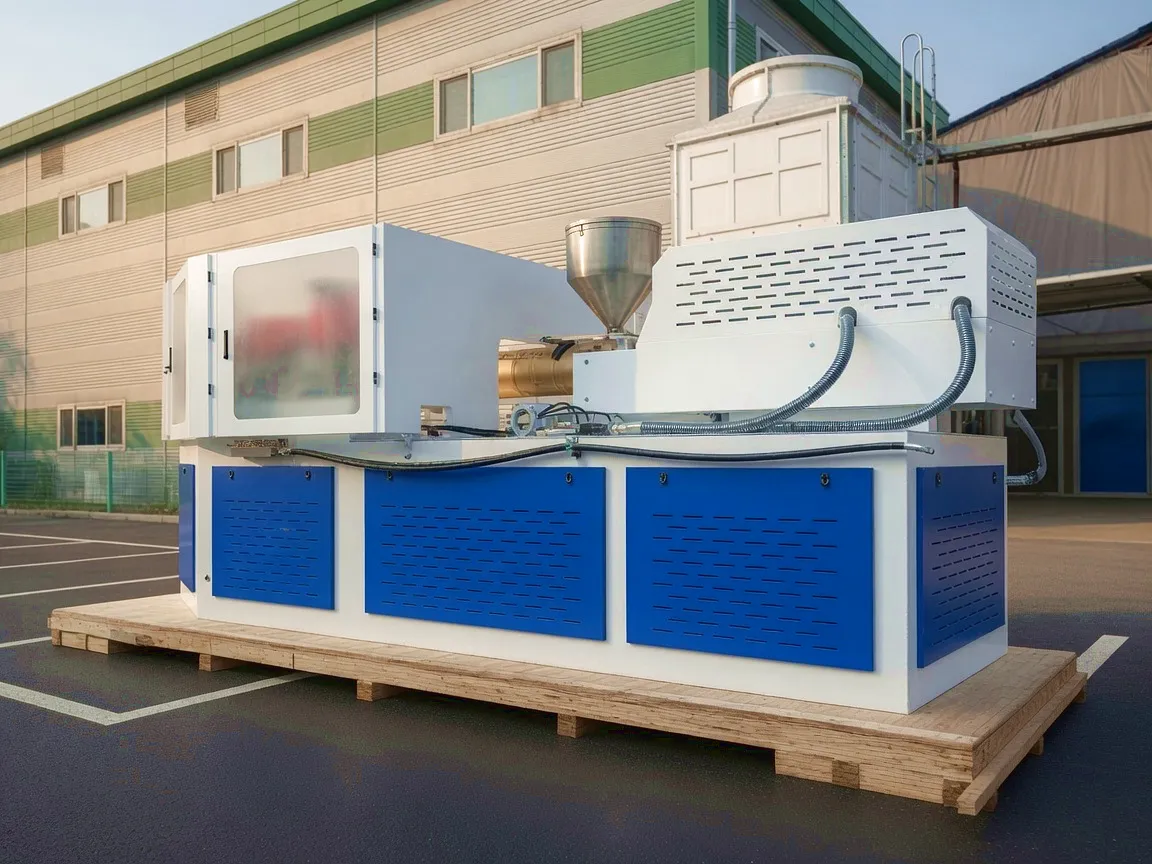
Feed Zone: 60°C → Zone 1: 220°C → Zone 2: 265°C → Zone 3: 275°C → Zone 4: 280°C → Nozzle: 270°C. Ramp rate: 8°C/min minimum to avoid thermal shock in the feed section. Total warm-up to stable production: 35–45 minutes from cold start.
Core pin temperature management (typically 40–60°C via water cooling channels) controls skin freeze-off rate. Injection speed profiling (multi-stage) manages gate hesitation. Back-pressure control (3–8 MPa for PET) influences melt density and parison weight. Closed-loop parison weight feedback via load cell enables automatic compensation.
Primary blow pressure: 0.4–0.8 MPa for PET, 0.3–0.6 MPa for PP. Secondary (high-pressure) blow: 0.8–1.2 MPa for carbonated container applications. Blow time: 1.5–4.0 s depending on container wall thickness and volume. Exhaust delay: 0.3–0.8 s to allow mold skin crystallization before pressure release.
Mold Design Excellence: Container Geometry Optimization for IBM Applications
From tooling concept to validated production mold — key design parameters for pharmaceutical, cosmetic, and beverage containers
Mold design is arguably the most underestimated factor in IBM machine performance. A technically superior machine running a poorly designed mold will consistently underperform a mid-range machine with precision-engineered tooling. The interaction between the core pin geometry, the injection cavity, the blow cavity, and the cooling circuit design determines whether a container achieves its target wall thickness distribution, optical clarity, and dimensional stability over long production runs. Ever Power’s in-house tooling department works alongside machine commissioning teams to optimize mold design from the initial container specification — a capability that significantly reduces development time for UK buyers who need to validate new container designs against pharmaceutical regulatory requirements.
Surface roughness Ra 0.4–0.8 μm for standard containers; Ra 0.2 μm for pharmaceutical-grade high-gloss applications. Chrome plating or PVD coating required for PET to prevent adhesion. Core pin concentricity tolerance: ±0.02 mm to maintain uniform wall thickness around the circumference.
Conformal cooling channels positioned within 6–10 mm of the cavity surface reduce cycle time by 15–25% vs. straight-drilled circuits. Cooling water inlet temperature: 12–16°C for PET; flow rate minimum 8 L/min per cavity. Differential cooling between core and cavity controls container bow and dimensional stability.
IBM’s core competitive advantage is neck finish accuracy. Thread profile, sealing surface concentricity, and T-dimension (thread height above top) are controlled to GPI, PCMI, and BS4994 standards. Child-resistant and tamper-evident closure compatibility requires T-dimension accuracy within ±0.1 mm — routinely achieved on IBM platforms but difficult to guarantee on EBM.
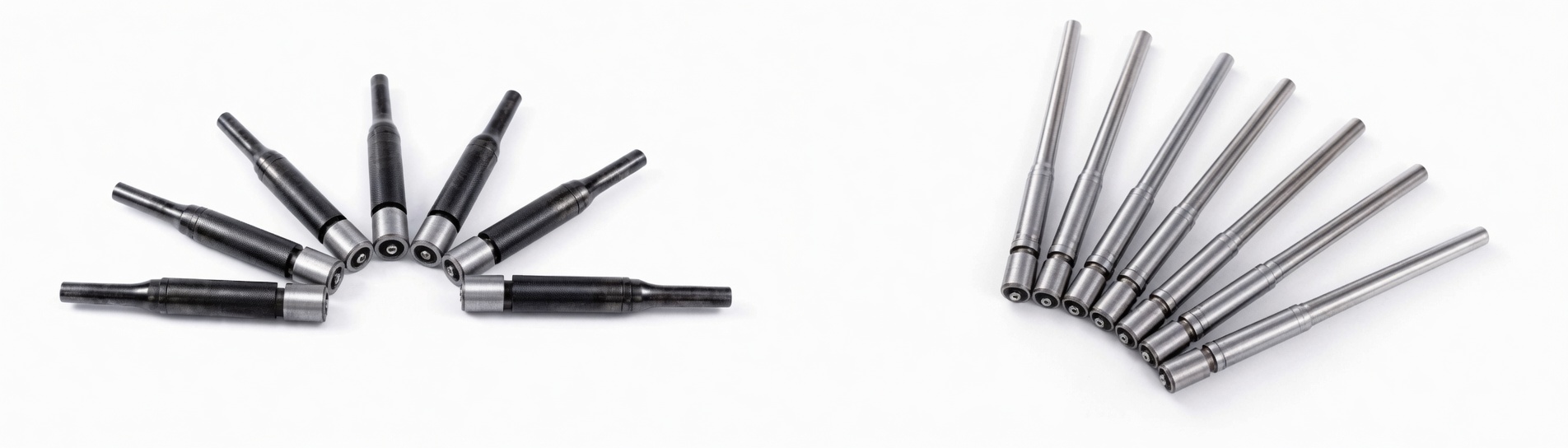
Cavity inserts: P20 pre-hardened (HRC 30–34) for standard runs; H13 tool steel (HRC 48–52) for high-volume pharmaceutical applications; Stavax/420 stainless for corrosive resin compatibility. Core pins: 420 stainless or hardened H13 with hard chrome; beryllium-copper inserts at gate area for improved thermal conductivity and reduced cycle time.
IBM Machine Application Scenarios: Industry-by-Industry Breakdown for UK Manufacturers
From NHS-supply pharmaceutical containers to premium fragrance packaging — real-world UK production contexts
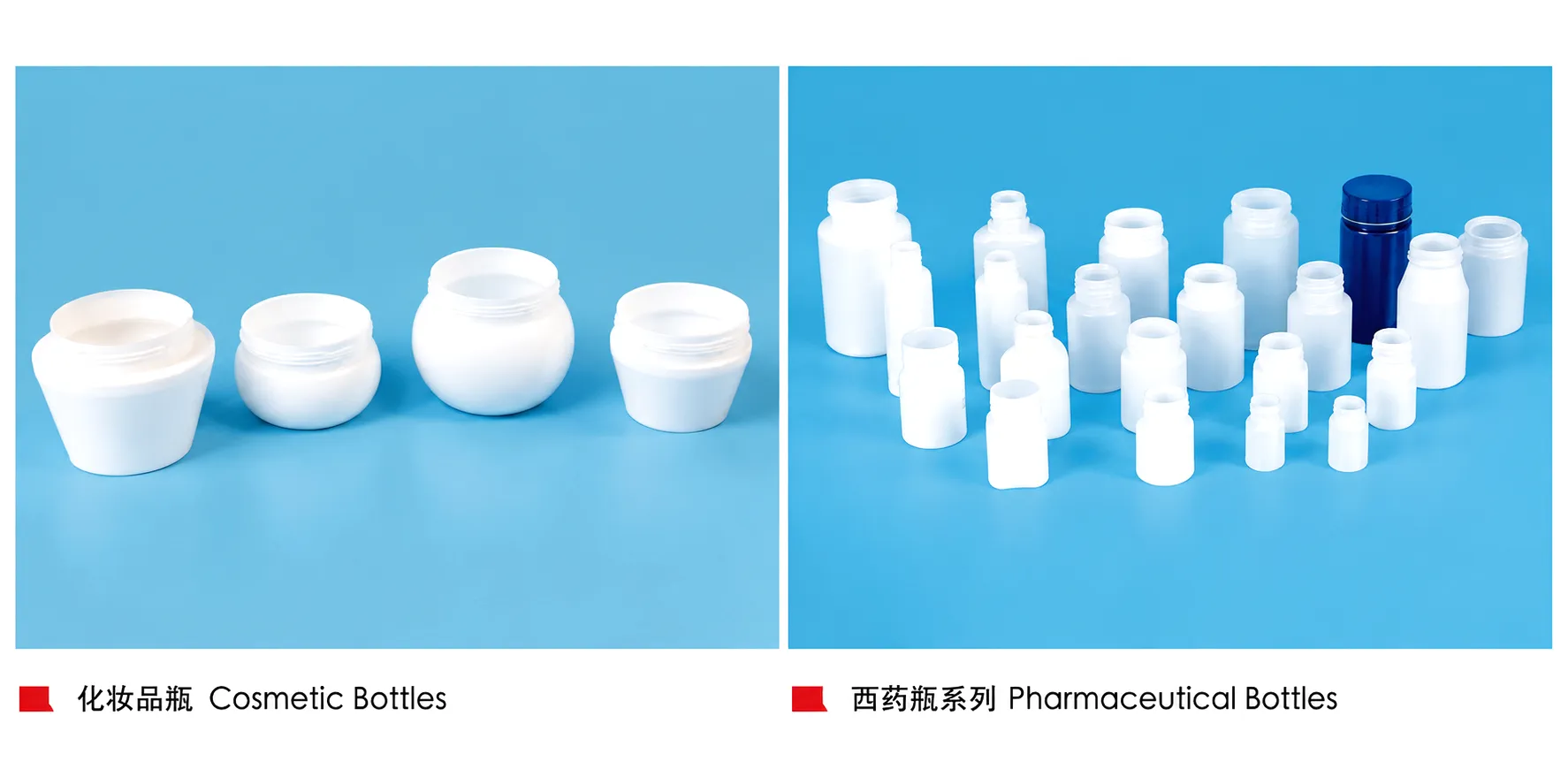
Pharmaceutical-grade IBM containers form the foundation of the UK’s NHS primary packaging supply chain. Solid-dose containers (tablet and capsule bottles), liquid oral dosage bottles, ophthalmic squeeze bottles, and nasal spray primary bodies are all produced on IBM platforms at UK facilities in Cambridge, Swindon, and the East Midlands pharmaceutical manufacturing corridor. The IBM blow molding machine is the preferred platform because no external lubricants or release agents are used in the process — avoiding contamination risk — and the closed-process nature eliminates flash and trim scrap that would require additional quality controls in EBM. MHRA compliance for GMP Grade D cleanroom-adjacent operations is achievable with appropriately configured IBM machines. Containers produced meet USP, EP, and ISO 15223 requirements for pharmaceutical packaging.
The UK cosmetics sector, concentrated in London, Leeds, and Brighton, relies heavily on injection blow molding machines for high-clarity PET containers for skincare serums, foundation, and toner products. IBM delivers the optical transparency and surface gloss that premium cosmetic brands demand — PET containers produced on well-maintained IBM machines achieve haze values below 2% (ASTM D1003), making them virtually indistinguishable from glass on shelf. Fragrance bottle production in particular benefits from IBM’s ability to hold extremely tight wall thickness tolerances that prevent the visible distortion effects that mar cheaper containers. UK-based contract packagers serving brands in the Harrods and Selfridges beauty ranges regularly specify IBM platforms for their highest-SKU lines.
The UK nutraceutical sector has grown substantially since 2020, driven by consumer health awareness post-pandemic. Vitamin supplement manufacturers in Nottingham, Bristol, and Glasgow produce PP and HDPE wide-mouth bottles for tablets, capsules, and gummy supplements on IBM platforms. The wide-mouth container geometry — particularly challenging for EBM due to flash control at the neck — is produced cleanly on IBM machines with the correct core pin and blow mold geometry combination. Child-resistant closure (CRC) compliance under BS EN ISO 8317 requires the T-dimension accuracy that only injection-produced necks can guarantee. Ever Power ZQ-series machines have been validated by UK nutraceutical contract manufacturers for CRC-compatible HDPE bottle production with cycle times under 6 seconds per shot.
NHS clinical laboratory supply chains in Birmingham and Manchester require sterile-compatible specimen containers produced with the dimensional consistency that IBM machines provide. Urine specimen containers, blood collection tube holders, and reagent storage bottles all rely on the tight neck finish tolerances that IBM delivers. The ability to produce containers in PP — which is autoclave-sterilizable and chemically inert to most clinical reagents — gives IBM an advantage over ISBM platforms that are primarily optimized for PET. UK medical device contract manufacturers also use IBM for producing the PET clear bodies of insulin pen-type drug delivery devices, where wall thickness uniformity directly affects dose accuracy and regulatory compliance.
Common IBM Machine Faults and How to Resolve Them: Practical Troubleshooting Guide
Production-floor diagnostic reference for IBM machine operators and maintenance engineers
Energy Consumption Optimization and Retrofit Strategies for IBM Machine Operations
Practical measures to reduce energy costs on IBM lines — critical for UK manufacturers facing elevated industrial electricity tariffs
UK industrial electricity pricing places significant pressure on blow molding operations, where energy costs can represent 18–28% of total conversion cost per container. IBM machines running full hydraulic drive systems from the 1990s and early 2000s are particularly exposed — these machines run fixed-displacement pumps at constant pressure and flow regardless of process demand, wasting energy during dwell periods between shots. The energy optimization pathway begins with understanding the actual load profile of your machine: a hydraulic IBM machine with a 7.5 kW pump motor typically draws 65–75% of full load during idle periods between injection cycles, versus 12–18% for a servo-hydraulic equivalent. Retrofitting aging IBM machines with variable-frequency drives (VFDs) on the hydraulic pump motor alone can reduce electrical consumption by 15–22%, with payback periods of 18–30 months at current UK tariff rates.
Beyond drive system upgrades, UK IBM operators should evaluate: (1) Barrel heater band insulation jackets — reducing radiated heat loss from 35–45% to under 10% of heater output, with ROI under 8 months at UK energy costs; (2) Chiller COP optimization — matching cooling water temperature more precisely to the minimum effective temperature reduces chiller energy by 8–12% per degree Celsius raised in the set point; (3) Compressed air efficiency — blow air represents 12–18% of IBM machine energy; leak surveys and pressure optimization reduce this meaningfully; (4) Production scheduling — grouping same-resin production runs reduces purge waste and the thermal energy consumed during material changeover cycles.
Ever Power’s ZQ-series machines incorporate all of these efficiency measures as standard features, reflecting the engineering team’s focus on total cost of ownership rather than headline capital cost. When UK buyers amortize energy savings over a 10-year asset life at current UK electricity tariffs, the lifetime cost advantage of an Ever Power ZQ60 versus a legacy full-hydraulic IBM machine typically exceeds the entire capital cost difference.
Ever Power: Custom IBM Machine Manufacturing Capability and Supply Chain Assurance
Precision manufacturing, deep customization capability, and a supply chain built for global B2B reliability
Customer Success Story: Pharmaceutical Container Manufacturer, Nottingham, UK
How a mid-size UK pharmaceutical packaging contractor reduced cost-per-unit by 31% while improving MHRA compliance posture
Installation was completed by Ever Power’s UK-based commissioning engineer working alongside Meridian’s maintenance team over a 5-day period per machine. Full production qualification was achieved within 14 days of first shot — significantly faster than the 28-day timeline assumed in Meridian’s business case. By the end of Q3 2024, with both machines in full production, Meridian reported a 31.2% reduction in cost-per-thousand containers (combined energy, maintenance, and scrap reduction), a 0% unplanned downtime rate in the first six months (versus 8.3% average on the Jomar machines over the prior 12 months), and the ability to self-generate full SPC container dimension reports for every production run — eliminating 6 hours per week of manual quality documentation labour.
“The ZQ60 neck finish consistency is genuinely exceptional — we are now producing NHS-supply containers with T-dimension variation of less than ±0.04 mm across a 4,000-piece sample. The process validation documentation Ever Power provided was audit-ready from day one, which saved our quality team considerable time.”
“Energy metering on our manufacturing site showed a 27.4% reduction in IBM line energy draw from the first full production month. With current UK industrial electricity rates, that alone covers a significant portion of the machine cost across the asset life. The servo-hydraulic system runs noticeably quieter and cooler than our old Jomars — the maintenance team noticed it immediately.”
“Ever Power’s application engineering team worked directly with our procurement team to specify the right mold configuration for our CRC closure range before we committed to the order. That pre-sale technical engagement was something we had not experienced with previous IBM machine suppliers — it significantly reduced our commissioning risk and gave our board confidence in the investment decision.”
Frequently Asked Questions: IBM Blow Molding Machines for UK Buyers
Common questions from procurement teams and plant engineers evaluating injection blow molding equipment
Ever Power’s engineering team is ready to discuss your container specification, resin compatibility requirements, and production targets. Get a competitive, technically detailed quotation for the UK market.
© 2025 Ever Power | IBM Blow Molding Machine Specialists | Global B2B Supply | edit by gzl