Top 10 Questions to Ask Before Buying a Blow Molding Machine from China
A practical procurement guide for UK manufacturers, packaging engineers, and industrial buyers evaluating injection blow molding equipment from Chinese suppliers — with technical benchmarks, red-flag checklists, and real cost-of-ownership insights.
📦 B2B Procurement
🔧 Technical Deep Dive
Understanding the Process Landscape: IBM, EBM, ISBM, and Extrusion
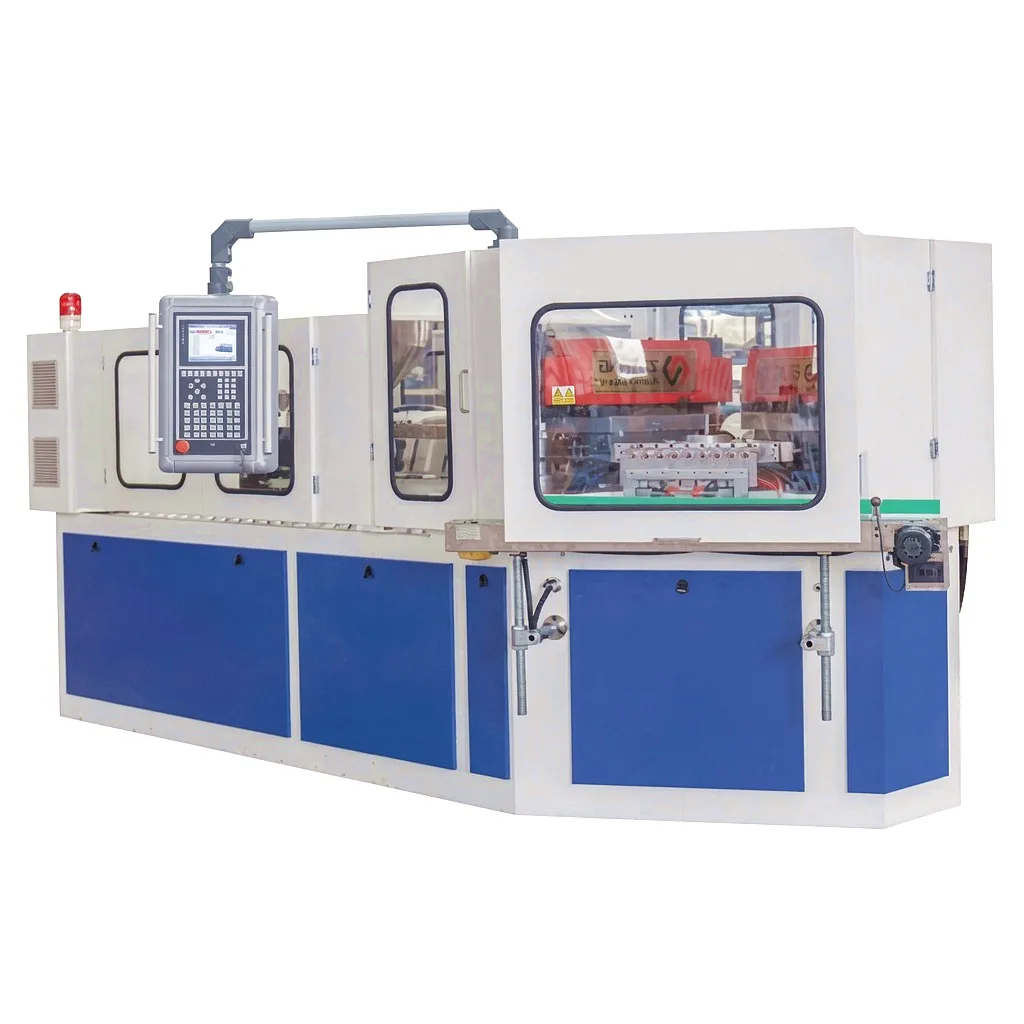
Before you can ask the right procurement questions, you need a clear picture of how injection blow molding relates to — and differs from — the other dominant bottle-making processes. This is not a trivial distinction: confusing process types with suppliers is one of the most common and costly mistakes UK buyers make when sourcing from Chinese manufacturers.
IBM is the preferred process for applications requiring exact neck finish geometry, tight wall thickness tolerances, and no post-production trimming waste — all critical factors in UK pharmaceutical and personal care packaging.
The 10 Questions Every UK Buyer Must Ask
Ask these before signing any purchase order with a Chinese injection blow molding machine supplier
What blow molding process does this machine actually use — and is it genuinely IBM?
How is wall thickness uniformity controlled — and what are the actual tolerance figures?
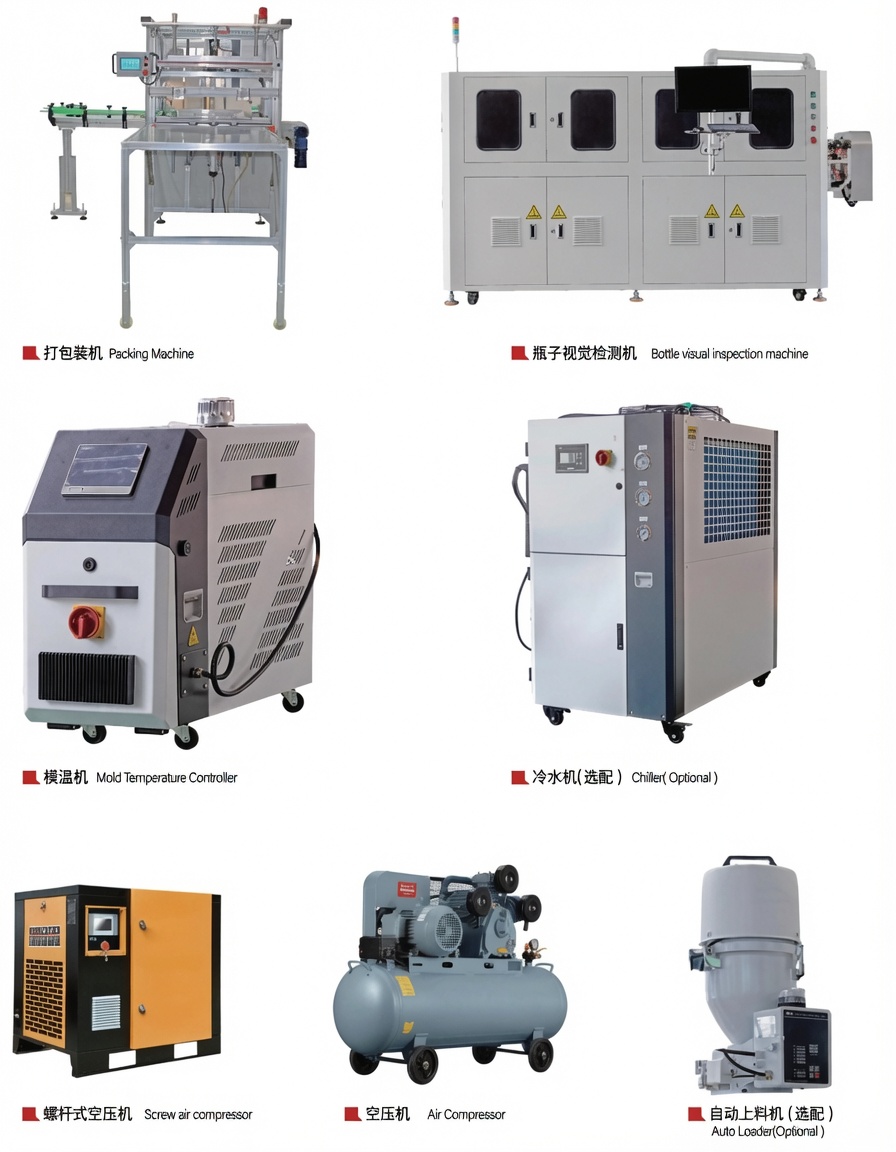
Wall thickness uniformity is the single most telling indicator of IBM machine quality, and it is the parameter most subject to vague or misleading claims in supplier documentation. In pharmaceutical and cosmetics packaging — the core IBM applications for UK manufacturers — a bottle with inconsistent walls fails on multiple fronts simultaneously: it cannot pass compressive load testing for stackable primary packaging, it creates variable fill volumes that breach weights-and-measures regulations, and it may generate stress concentration points that cause in-service failure or cosmetic defects visible on retail shelves in Boots or Superdrug. A competent injection blow molding machine achieves this through a combination of core rod geometry engineering, controlled parison temperature profiles, and precision blow air pressure management. In practice, acceptable IBM performance for pharmaceutical-grade containers requires wall thickness variation of no more than ±0.05 mm to ±0.08 mm across the bottle body, measurable by ultrasonic thickness gauging at five or more points per bottle.
| Container Grade | Required Wall Tolerance | UK Regulatory Reference | Test Method |
|---|---|---|---|
| Pharmaceutical primary | ±0.05 mm | MHRA / Ph. Eur. 3.2.2 | Ultrasonic gauge, 8 points |
| Cosmetics / personal care | ±0.08 mm | BS EN ISO 15223 | Ultrasonic gauge, 5 points |
| General consumer / FMCG | ±0.12 mm | BS EN ISO 2234 (stack load) | Mechanical calliper / gauge |
What materials are used in the injection unit, clamp assembly, and core rods — and are specifications verifiable?
How does the preheating temperature profile work — and is it programmable per bottle design?
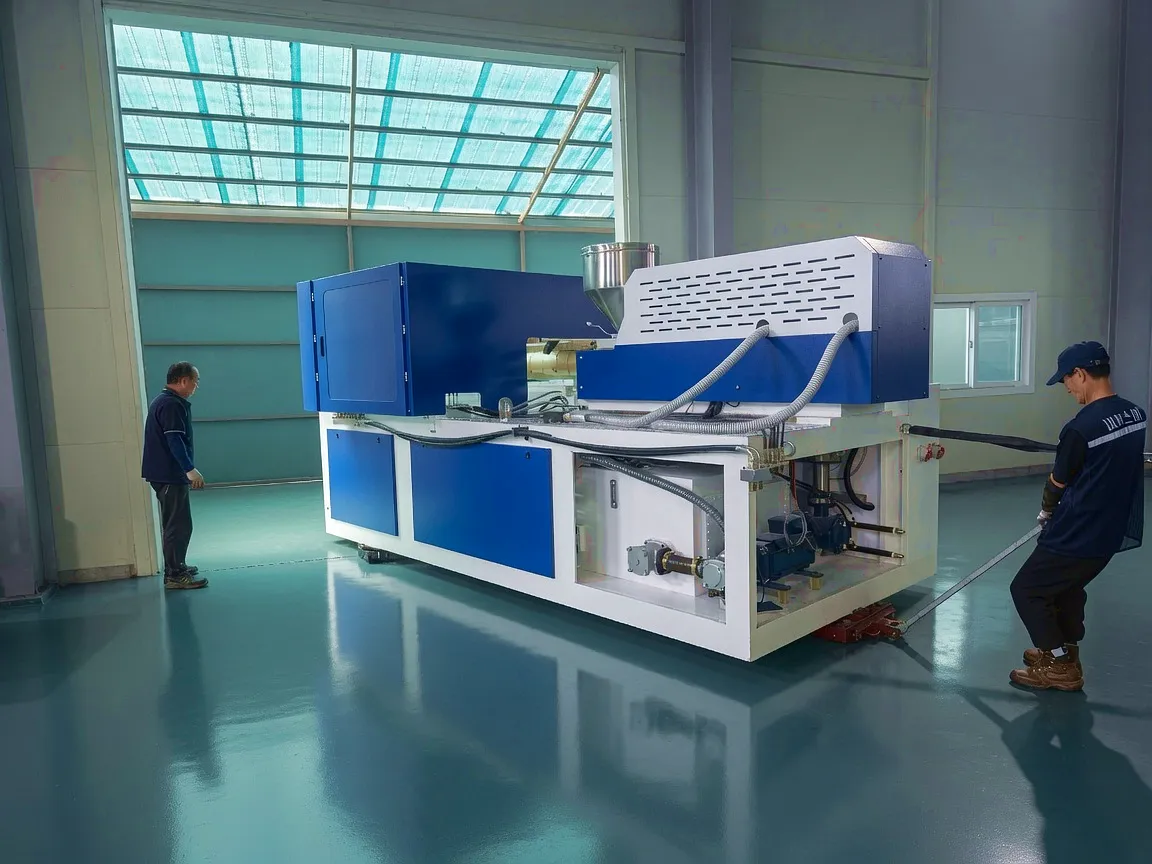
Temperature control in an injection blow molding machine is more nuanced than most buyer guides acknowledge. The preheating — or more precisely, the controlled cooling — of the parison between the injection station and the blow station governs how the material distributes as it expands into the blow mould. A parison that is too hot when blown will relax unevenly, producing bottom-heavy bottles with thin shoulders. A parison that is too cool will require higher blow pressure, risk incomplete expansion, and impose greater stress on both the mould and the finished container. State-of-the-art injection blow molding machines from reputable Chinese suppliers offer programmable temperature zone control across the injection barrel (typically five zones from feed to nozzle), independent core rod temperature conditioning through internal fluid channels, and sometimes infrared parison temperature monitoring. The critical differentiator is whether temperature setpoints are machine-level constants or can be saved as bottle-specific recipes — a capability that is essential for any factory running multiple SKUs and fundamental to achieving repeatable quality without relying on operator memory. For manufacturers in the pharmaceutical sector supplying UK hospital procurement frameworks, recipe-based process control is often an explicit validation requirement.
What mould design capabilities does the supplier offer — and can tooling be optimised for my bottle geometry?
What are the documented energy consumption figures — and what energy-saving features are built in?
Energy cost is a significant operational concern for UK manufacturers, particularly given the volatility in industrial electricity pricing that has characterised the British energy market since 2021. For injection blow molding machines, energy consumption is dominated by three systems: the injection plasticising unit (heating and screw drive), the hydraulic power unit or servo-electric clamping system, and ancillary cooling (chiller and mould temperature controller). Suppliers quoting a machine’s installed electrical capacity in kilowatts are describing a ceiling, not an operating figure; what matters is the actual power draw under production conditions, typically expressed in kWh per thousand bottles or kWh per kilogram of material processed. Modern injection blow molding machines from leading Chinese manufacturers now incorporate all-electric or hybrid servo-hydraulic drives that reduce energy consumption by 30–50% compared with conventional full-hydraulic designs. Variable-speed drives on cooling pumps and the hydraulic power unit (where fitted) add a further 10–20% saving by matching pump output to actual demand rather than running at full capacity continuously. In the UK context, where industrial energy carries both unit cost and climate levy obligations, the capital premium for an energy-efficient IBM machine frequently delivers a payback of under 24 months when modelled against realistic UK electricity tariffs and production volumes.
What is the supplier’s troubleshooting and fault diagnosis protocol — and how fast can they respond when something goes wrong?
Common injection blow molding faults — short shot parisons, blow-out failures, core rod drag marks, neck finish ovality, and inconsistent bottle weight — are diagnosable problems, not random machine failures. Each has a specific cause and a structured remediation path. The question is whether your supplier has documented these pathways and can deliver expert support remotely or on-site when you encounter them in production. The time zone gap between UK operations and most Chinese manufacturing centres (typically 7–8 hours during GMT, 6–7 hours during BST) means that a supplier relying entirely on telephone support will consistently miss the first working shift after a production problem emerges. Evaluate whether the supplier offers a structured remote diagnostic service — ideally with PLC data logging that can be reviewed remotely — and clarify whether UK-based commissioning engineers or regional service agents are available to support factory acceptance testing and initial production ramp-up. For manufacturers in Manchester or Leeds operating three-shift production schedules, the ability to reach a qualified injection blow molding technician within two hours of a fault is not a luxury but a line-efficiency requirement.
What certifications does the machine carry — and are they valid for UK and EU import without additional modification?
Following the UK’s departure from the European Union, the UK Conformity Assessed (UKCA) marking has replaced CE marking as the mandatory conformity route for machinery placed on the British market. For injection blow molding machines — classified as machinery under the Machinery Directive / UK Machinery Regulations 2008 — this means the machine must have undergone a conformity assessment against the essential health and safety requirements, and the technical file must be held by an EU or UK representative. Many Chinese manufacturers continue to offer CE-marked machines, which retain access to the residual EU market through January 2025 mutual recognition provisions, but UK buyers must confirm that either a UKCA declaration of conformity is available or that the CE certification is from a Notified Body whose assessments are currently recognised under the Windsor Framework arrangements applicable to Northern Ireland or the bilateral agreement frameworks in place for Great Britain. Beyond machinery marking, buyers in the food-contact, pharmaceutical, or personal care sectors must verify that materials contacting product — the core rod, blow needle, and mould cavity — meet the relevant food contact regulations (UK Regulation 10/2011 equivalent), and that the machine can be demonstrated compliant under FDA 21 CFR Part 11 if the buyer’s quality system requires electronic records with audit trails.
What does the total cost of ownership look like over five years — and what are the real hidden costs?
| Cost Category | Typical Range (Year 1) | Often Quoted? | Notes for UK Buyers |
|---|---|---|---|
| Machine (CIF UK port) | £35,000 – £120,000 | ✔ Yes | Basis for most supplier quotations |
| Tooling (per product) | £8,000 – £45,000 | ⚠ Sometimes | Often quoted separately; confirm mould count |
| Commissioning / travel | £3,000 – £8,000 | ✘ Rarely | China-UK flights, accommodation, subsistence |
| Import duty + VAT | 2.7% + 20% VAT | ✘ Rarely | VAT reclaimable; duty is a true cost |
| Ancillary equipment | £6,000 – £22,000 | ⚠ Sometimes | Chiller, MTC, conveyor, dryer |
| 5-year energy cost | £18,000 – £55,000 | ✘ Never | Based on UK industrial rate ~£0.18/kWh |
Can the supplier provide independently verifiable references from European or UK customers — specifically for this machine model?
Reference checking is standard procurement practice in British manufacturing, yet it is consistently skipped when buyers are dealing with Chinese equipment suppliers — often because buyers assume language barriers or commercial sensitivities make it impractical. In fact, most reputable Chinese IBM manufacturers have European customers who can speak to machine performance in production conditions comparable to those in a UK factory. The critical distinction is that references should be specific to the model under consideration, not to the manufacturer’s wider product range, and they should be customers operating in similar applications and similar production environments. A pharmaceutical packaging line in Manchester and a promotional cosmetics bottling operation in Birmingham have very different benchmarks for IBM machine performance, and a reference from a high-density polyethylene container producer in Eastern Europe may not translate meaningfully to a medical device packaging operation in the UK Midlands. Ask for at least two European or UK-based references that you can contact directly, with their permission, and prepare a structured set of five to eight questions that probe wall thickness consistency, actual versus quoted output rates, after-sales response times, and accuracy of supplier representations during the sales process.
Ever Power Featured IBM Equipment
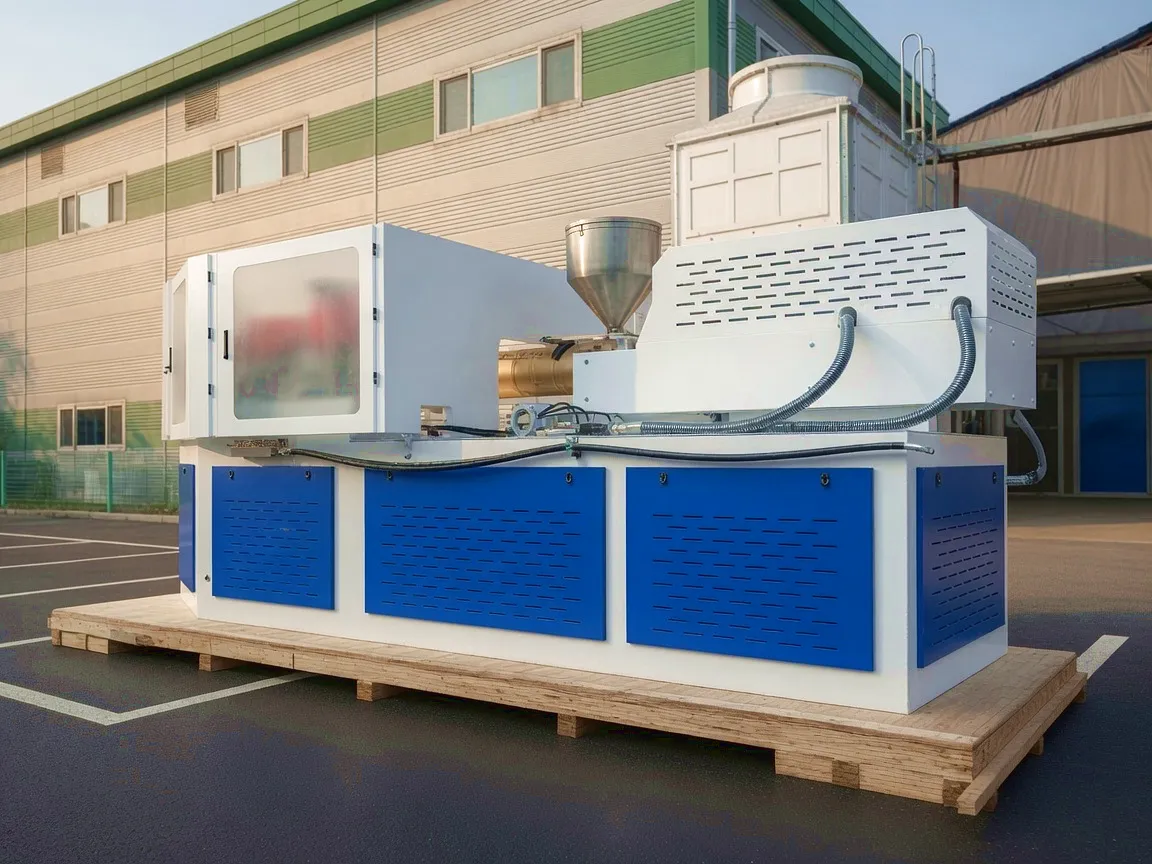
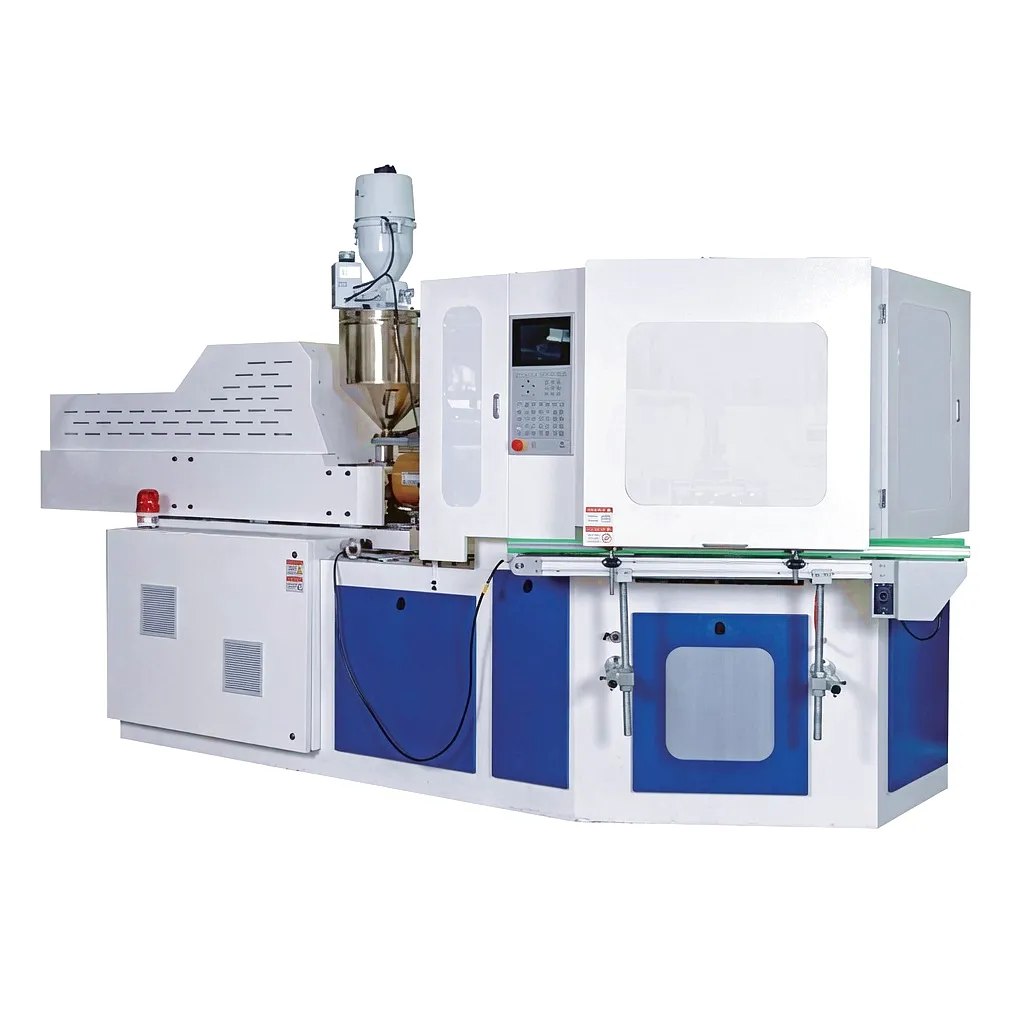
European-specification injection blow molding machines available for UK deployment
IBM Machine Performance Parameter Reference Table
Use this reference table when benchmarking technical claims from any injection blow molding machine supplier. All values represent achievable performance for competent-grade equipment; budget-tier machines may claim similar figures but should be asked to substantiate them through factory acceptance test data rather than catalogue specifications.
| Parameter | Entry Level | Mid Range | High Performance | Unit |
|---|---|---|---|---|
| Injection weight (max) | 20 – 40 | 40 – 80 | 80 – 200+ | g |
| Clamping force | 60 – 100 | 100 – 200 | 200 – 500+ | kN |
| Wall thickness tolerance | ±0.15 | ±0.08 | ±0.05 | mm |
| Output rate (cavities x cycles) | 1,200 – 2,400 | 2,400 – 4,800 | 4,800 – 10,000+ | bottles/hr |
| Core rod material (standard) | Carbon steel, unhardened | P20 tool steel, nitrided | H13, 48–52 HRC | — |
| Barrel temperature zones | 3 | 5 | 5 – 8 | zones |
| Drive system | Full hydraulic | Servo-hydraulic hybrid | All-electric servo | — |
| Energy consumption | 12 – 18 | 7 – 12 | 3 – 7 | kWh/1,000 bottles |
| Control system | Basic PLC | PLC + colour HMI | Siemens/Omron + recipe mgmt | — |
| Neck finish ovality (max) | 0.25 | 0.12 | 0.05 | mm TIR |
Where IBM Machines Deliver in UK Manufacturing
Pharmaceutical Primary Packaging
IBM is the dominant process for HDPE and PP pharmaceutical bottles requiring precise neck finish dimensions for tamper-evident closures, child-resistant caps, and dispensing fitments. UK manufacturers supplying NHS procurement and retail pharmacy chains in Manchester, Leeds, and London rely on IBM’s inherent dimensional precision to achieve cap torque specifications and maintain compliance with MHRA packaging guidelines without costly secondary inspection.
Cosmetics and Personal Care Containers
High-gloss, dimensionally precise cosmetics bottles — the kind found on the shelves of Boots, Superdrug, and independent beauty retailers — depend on IBM for their wall clarity, surface finish, and label panel flatness. The process eliminates the pinch-off seam and flash trimming waste characteristic of EBM, reducing material consumption and post-mould processing steps. UK personal care brands based in the Birmingham cosmetics cluster and the London beauty start-up ecosystem increasingly specify IBM for differentiated container shapes that require precise geometry without mould flash.
Household and Agrochemical Bottles
Small-to-medium volume household cleaning and garden chemical containers where accurate dispensing through child-resistant closures is a UK CLP regulation requirement represent a significant IBM application. The process accommodates PP and HDPE at the production volumes relevant to UK household brand contract manufacturers in Sheffield and the East Midlands industrial corridor, and the absence of flash and weld lines reduces the risk of chemical permeation pathways through the container wall.
Food and Nutritional Supplement Containers
The UK nutritional supplement and functional food sector has seen rapid growth in SKU diversity, driving demand for smaller container runs with precise neck finishes for induction-sealed closures and flip-top dispensers. IBM’s fast mould changeover capability — particularly on multi-mould machines where core rod assemblies can be exchanged without dismounting the machine — supports the short-run, high-variety production schedules common among contract packaging operations near Bristol and the South East that serve direct-to-consumer nutrition brands.
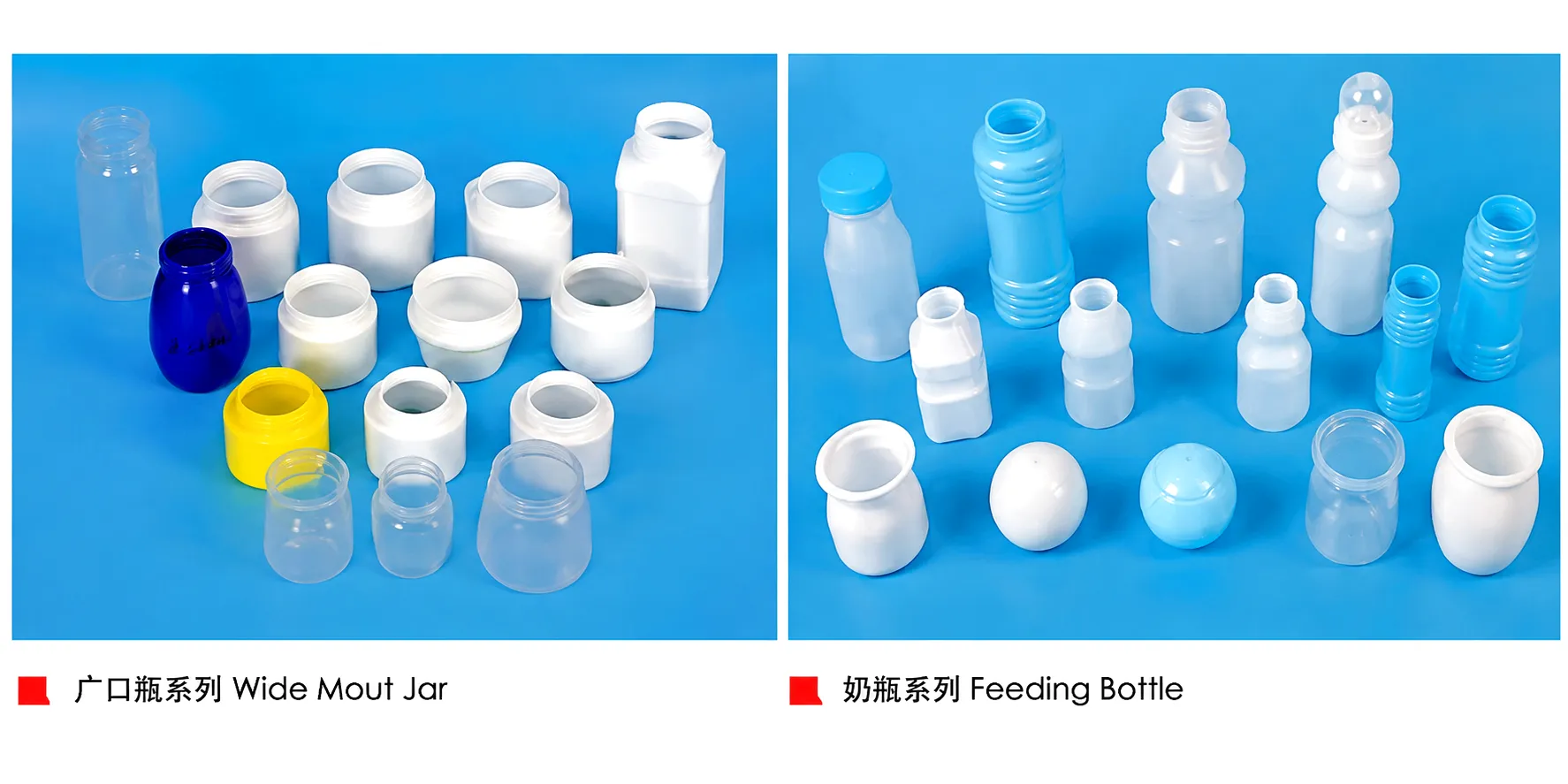
IBM Production Line — Auxiliary Equipment Gallery
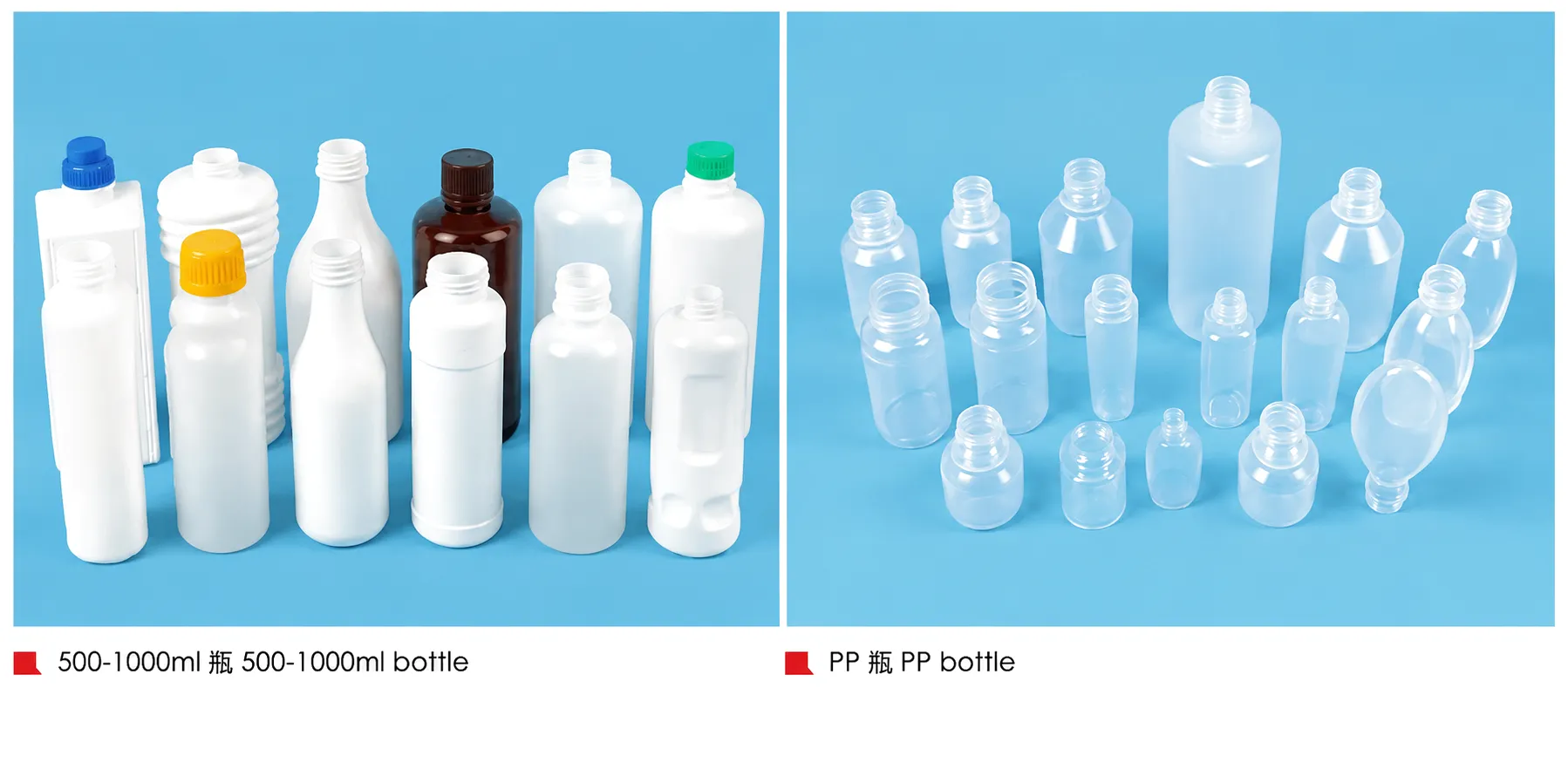
Why UK Buyers Choose Ever Power for Injection Blow Molding Equipment
Manufacturing capability, customisation depth, and supply chain reliability in one vertically integrated supplier
In-House Tooling Manufacture
Ever Power designs and machines injection moulds, blow moulds, and core rod assemblies within our own facility — no tooling is outsourced. CNC machining to ±0.01 mm tolerance, mould flow simulation capability, and cavity surface finishing to Ra ≤ 0.2 µm are standard on every project, ensuring that the tooling delivered to UK customers performs exactly as specified from day one.
Full Customisation for UK Market Requirements
Ever Power’s engineering team works directly with UK procurement and engineering contacts to specify machines for 400V 50Hz operation, UKCA compliance, metric calibration, English-language HMI and documentation, and UK-standard electrical cabinet wiring. Customisation extends to cavity count, material configuration, and integration of downstream conveying, vision inspection, and packaging systems — delivered as a single-source engineered solution with a single point of responsibility.
Supply Chain Reliability and UK Logistics
Ever Power maintains an established UK import and logistics framework, with documented experience delivering injection blow molding equipment to manufacturing facilities across England, Scotland, and Wales. Lead times are contractually committed in the purchase agreement, marine transit insurance is arranged as standard, and our export documentation team prepares the full commercial invoice, packing list, and certificate of origin in advance of shipment — eliminating the customs delays that frequently affect first-time China-UK equipment imports.
Customer Success Story: Sheffield Pharmaceutical Packaging Manufacturer
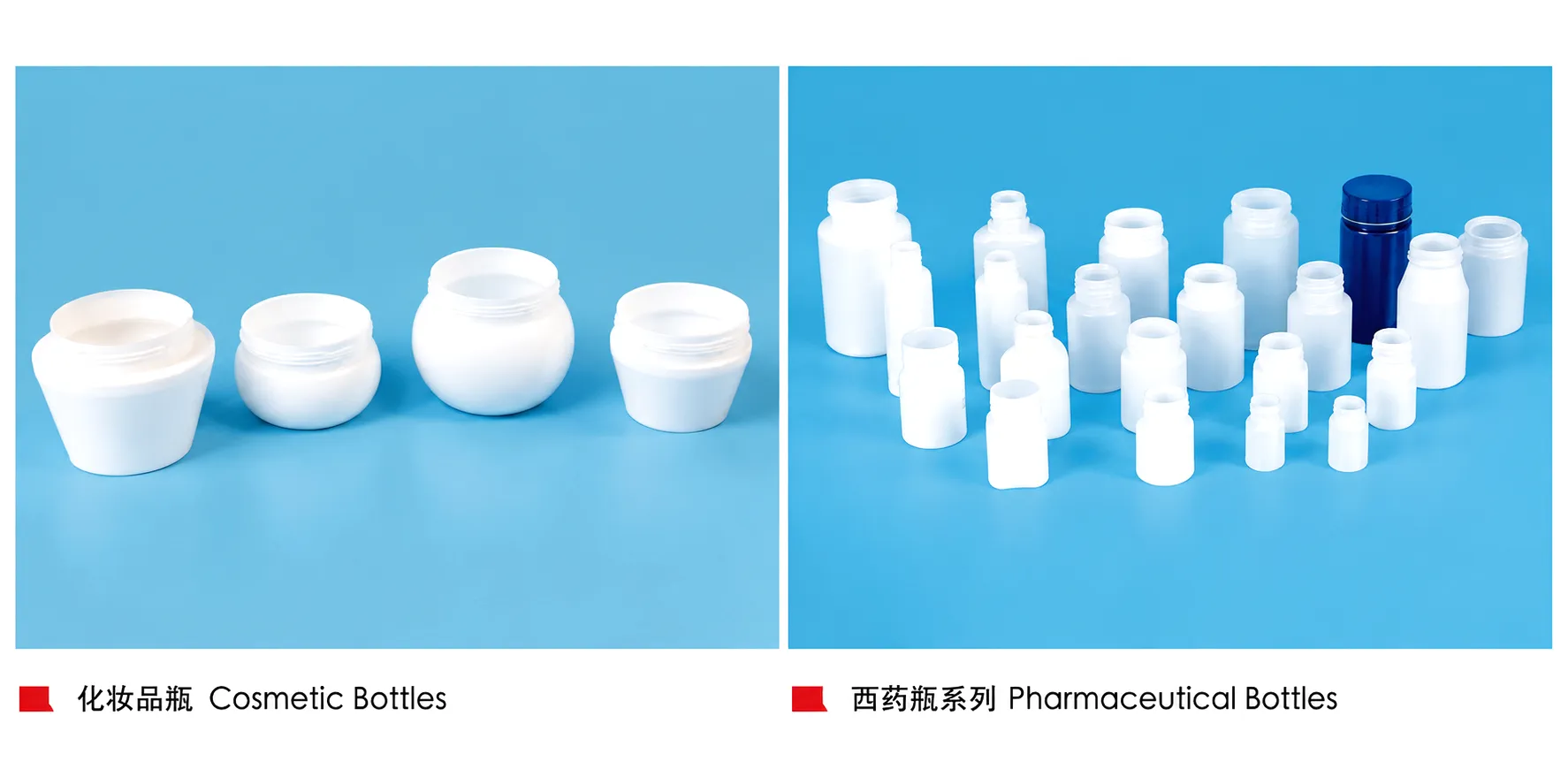
After a four-week technical evaluation process that included a factory visit to Ever Power’s production facility and a live machine demonstration producing PP bottles from customer-supplied mould specifications, the Sheffield company placed an order for two ZQ60 units with custom core rod assemblies matched to their proprietary neck finish geometry. Ever Power’s in-house tooling team produced injection and blow moulds from H13 tool steel, validated against the customer’s dimensional control plan, and conducted a pre-shipment acceptance test witnessed by the customer’s quality manager via video link — a practical arrangement that has since become standard for UK customers unable to travel to China during the order execution phase. The machines were commissioned at the Sheffield site by Ever Power engineers over a ten-day period, and the production line achieved the customer’s target output rate of 3,800 bottles per hour within 72 hours of production start, with neck finish ovality measurements averaging 0.04 mm TIR across a 500-bottle capability study — well inside the 0.10 mm specification. The shift from full-hydraulic EBM to Ever Power’s servo-driven IBM platform reduced the line’s measured energy consumption from 16.2 kWh per 1,000 bottles to 5.8 kWh per 1,000 bottles, representing a projected annual energy saving of approximately £22,000 at Sheffield’s prevailing industrial electricity rate.
“The neck finish precision on the ZQ60 machines is genuinely pharmaceutical-grade — we’ve been running three months without a single cap torque rejection, which was the core problem we were trying to solve. The commissioning support from Ever Power’s engineers was thorough and professional.”
“We were sceptical about buying direct from a Chinese manufacturer, but Ever Power’s process was completely transparent. The pre-shipment acceptance test via video link, the English documentation, and the UKCA compliance support were all handled without us having to chase. The total cost, including tooling and commissioning, was 30% below the German alternative.”
“The energy saving alone has justified the capital investment ahead of schedule. Ever Power’s customisation of the core rod geometry to our specific neck finish drawing was done without compromise — the first production run hit our dimensional specification exactly. I’d recommend engaging Ever Power early in the evaluation process rather than using their quote as a price check.”
Frequently Asked Questions
Questions UK manufacturers commonly ask when evaluating injection blow molding machines from Chinese suppliers
Ready to Evaluate Your IBM Machine Options?
Talk directly with Ever Power’s UK-focused technical sales team. No intermediaries, no generic brochures — just a structured technical conversation about your container, your process, and your production target.
📩 Get a Quote: [email protected]
edit by gzl