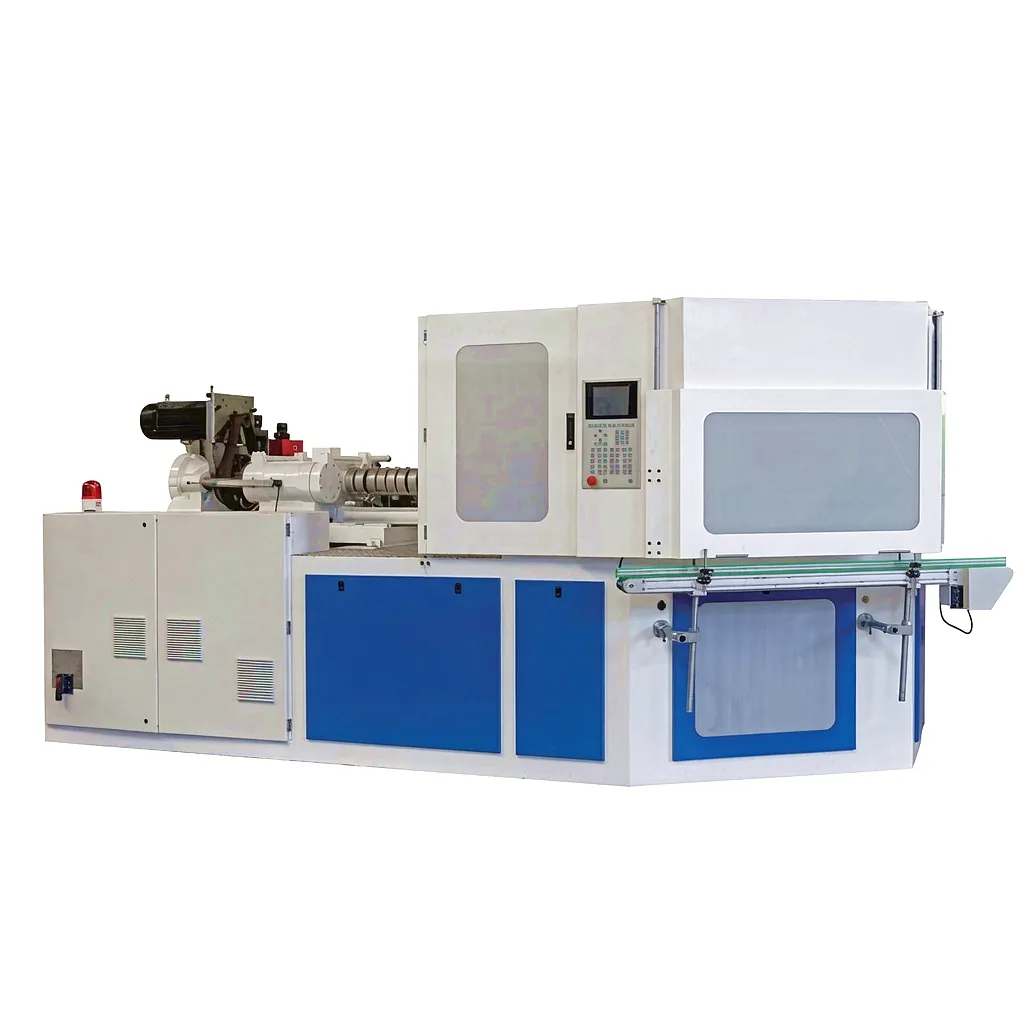
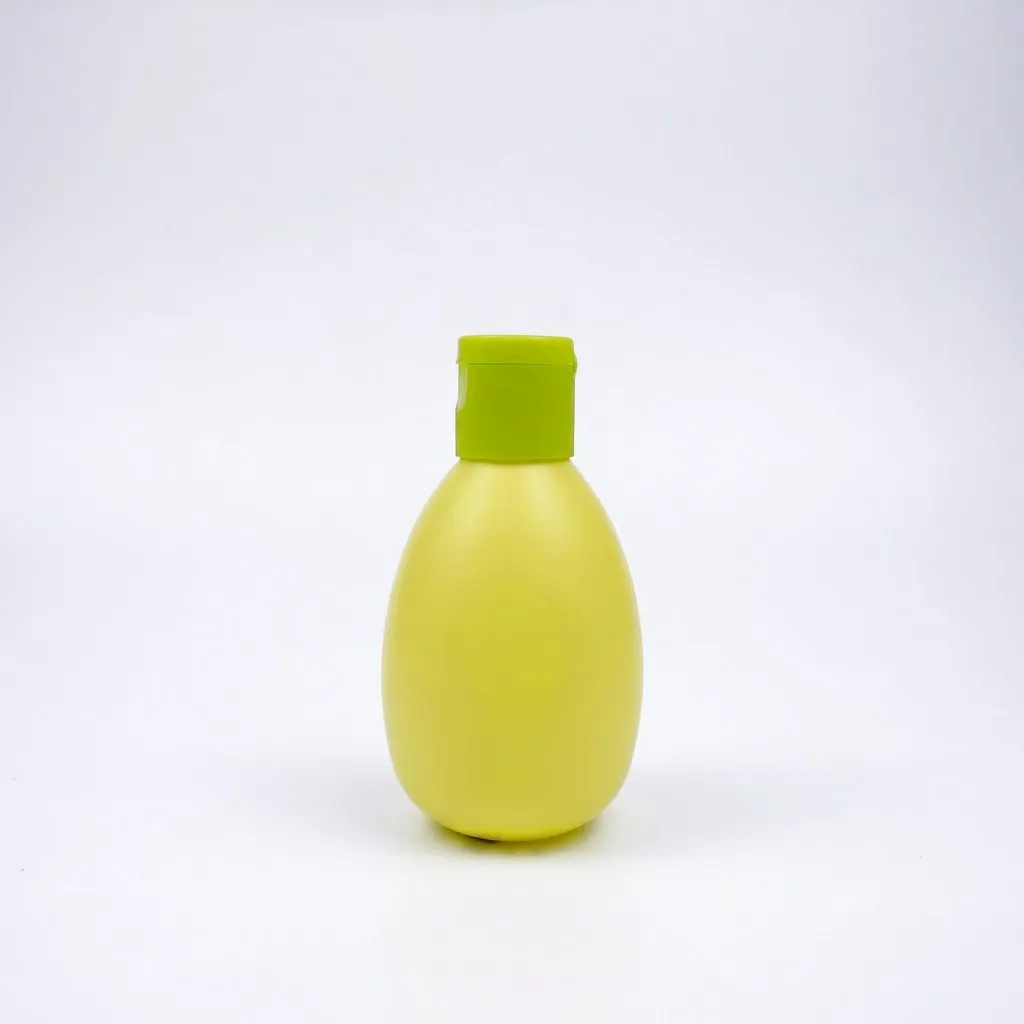
Healthcare packaging sits at the most exacting frontier of polymer processing. Every container that carries eye drops destined for a patient in Birmingham, a nasal spray dispensed in a Sheffield pharmacy, or a sterile saline rinse used in a Manchester surgical unit must meet pharmaceutical-grade standards that leave no margin for error. Injection blow molding machines have become the technology of choice for this category precisely because the process itself is architecturally suited to the demands: a closed-mold formation sequence that minimises material exposure, tight neck-finish tolerances that guarantee secure tamper-evident closures, and cycle efficiency that supports the volume requirements of both large-batch NHS supply contracts and the shorter runs demanded by UK-based specialty pharma brands.
The injection blow molding machine works through a three-station rotary or linear sequence. A preform is injection-moulded over a core pin with extreme dimensional accuracy, giving the neck its final geometry before any stretching occurs. That preform then rotates — still on the core pin — into the blow station, where conditioned air expands it into the cavity shape. The container is then stripped at the ejection station and conveyed directly to inspection or downstream filling. No trimming, no secondary neck operations, no weld lines. The structural integrity that results is not incidental — it is engineered into the sequence, and it is the reason why injection blow molding machines dominate ophthalmic and nasal packaging lines throughout the UK and across European pharmaceutical markets.
How Injection Blow Molding Machines Deliver Pharmaceutical-Grade Precision
The defining characteristic that separates an injection blow molding machine from extrusion-based alternatives is the absence of flash, pinch lines, and neck post-processing. When an ophthalmic bottle carries 0.4 ml of latanoprost or 10 ml of chlorhexidine rinse, the tolerances on its neck threading — often in the range of plus or minus 0.05 mm — must be met consistently across hundreds of thousands of cycles. The injection moulding station achieves this because the neck geometry is formed under injection pressure, not blow pressure, meaning the wall distribution at the most critical sealing zone is dictated by the steel tool, not by pneumatic variables.
This matters enormously for UK manufacturers working under MHRA regulatory frameworks. The guidance documents governing primary pharmaceutical packaging demand documented process validation — CPV studies, installation qualification, operational qualification, and performance qualification. Because an injection blow molding machine forms the neck in a controlled injection event, the dimensional data generated during IQ and OQ campaigns is far more repeatable than for extrusion-blow alternatives. UK contract packaging organisations operating in places like Nottingham, Derby, and Leeds have increasingly cited this reduced validation burden as a primary reason for specifying IBM technology in new line builds.
Core Materials Processed by Injection Blow Molding Machines
HDPE (High-Density Polyethylene)
The workhorse of pharmaceutical eye-drop and nasal-spray packaging. HDPE processes predictably at melt temperatures between 200°C and 240°C, delivers excellent moisture-vapour transmission resistance, and carries FDA, EU-MDR, and USP Class VI compliance credentials that satisfy both UK and export market regulatory bodies. Its stiffness-to-weight ratio makes it suitable for multi-dose dropper bottles that must survive repeat manual compression without deformation or stress-cracking at the neck-shoulder interface.
PP (Polypropylene)
Preferred for containers requiring autoclave sterilisation compatibility, polypropylene’s heat-deflection temperature — typically 100°C to 120°C under load — makes it viable for products that undergo terminal steam sterilisation. PP also exhibits superior hinge fatigue resistance, which is critical for the living-hinge closures increasingly integrated into nasal spray caps. UK-based medical device packaging converters in the West Midlands regularly use PP in IBM machines to produce rinse bottles and multi-dose delivery systems.
PET (Polyethylene Terephthalate)
Though more commonly associated with ISBM stretch blow moulding, certain IBM grades of PET are used for clarity-critical pharmaceutical containers — particularly where the prescriber or patient must visually assess fill level or solution colour. PET’s gas barrier properties also make it attractive for ophthalmic solutions sensitive to oxygen ingress. IBM-grade PET requires careful preform conditioning and precise blow-air temperature management to achieve the amorphous clarity required for medical packaging.
TPE / Specialty Elastomers
Soft-touch elastomeric materials processed through IBM are used in ophthalmic single-dose containers — the classic unit-dose eye-drop vial that patients twist and squeeze. The flexibility of TPE allows the container to be emptied with minimal finger pressure, an ergonomic requirement noted in ISO 11608-3 for drug delivery systems. These materials demand lower injection pressures and more conservative blow ratios, parameters that modern CNC-driven IBM machine control systems manage through closed-loop feedback rather than manual adjustment.
Technical Advantages of Injection Blow Molding for Pharmaceutical Packaging
Zero Flash, Zero Trim Waste
No pinch-off lines and no flash generation means the injection blow molding machine produces finished containers directly from the blow station, eliminating post-mould trimming operations and the contamination risk they introduce in cleanroom environments.
Neck-Finish Tolerance: plus or minus 0.05 mm
Injection-formed neck geometry provides consistently tight tolerances that validate cleanly under MHRA and EMA pharmaceutical packaging guidelines, reducing rejection rates on bottle-closure integrity testing — a critical metric for ophthalmic and nasal drug products across the UK supply chain.
High Output with Compact Footprint
Modern IBM machines produce cavitation-matched outputs — typically 4 to 12 cavities per cycle — at cycle times between 8 and 18 seconds depending on container volume and wall thickness. This positions the technology favourably for medium-to-high volume pharmaceutical production without requiring the large floor space of extrusion lines.
Closed-Mould Hygienic Processing
The core pin remains inside the container from injection through blow and ejection. Particulate contamination risk from airborne or contact sources is substantially lower than in open-parison extrusion blow processes — a validated advantage when producing containers for sterile ophthalmic preparations or nasal preparations classified under BP or EP monographs.
Multi-Layer Capability
Advanced IBM machines support co-injection preform technology, enabling multi-layer container walls — for example, a EVOH barrier layer sandwiched between HDPE skins — to extend shelf life of oxygen-sensitive ophthalmic solutions. This capability is particularly valuable for preservative-free formulations now being prioritised by NHS prescribers and Boots pharmacy group procurement.
Energy-Efficient Servo Drive Systems
Contemporary injection blow molding machines fitted with servo-electric clamp and injection drives typically reduce energy consumption by 30% to 45% compared to hydraulic equivalents — an important consideration for UK manufacturers working towards net-zero operational targets and ISO 14001 environmental management system compliance.
Product Technical and Performance Parameters
| Parameter | ZQ80 IBM Machine | ZQ110 IBM Machine | Unit / Standard |
|---|---|---|---|
| Injection Unit Screw Diameter | 80 mm | 110 mm | mm |
| Injection Pressure (max) | 165 MPa | 172 MPa | MPa |
| Clamp Force (injection station) | 800 kN | 1100 kN | kN |
| Blow Air Pressure (max) | 1.0 MPa | 1.0 MPa | MPa |
| Container Volume Range | 3 ml to 500 ml | 5 ml to 1000 ml | ml |
| Standard Cavitation | 4 / 6 cavities | 6 / 8 / 12 cavities | — |
| Typical Cycle Time (10 ml bottle) | 10 to 13 sec | 12 to 16 sec | seconds |
| Neck-Finish Tolerance | plus or minus 0.05 mm | plus or minus 0.05 mm | mm |
| Compatible Materials | HDPE, PP, PET, TPE | HDPE, PP, PET, TPE, EVOH-barrier | — |
| Control System | Siemens PLC, 10″ HMI touchscreen | Siemens PLC, 12″ HMI touchscreen | — |
| Drive Type | Servo-hydraulic hybrid | Full servo-electric available | — |
| Machine Footprint (L x W x H) | 3.8 x 1.5 x 1.9 m | 4.6 x 1.8 x 2.1 m | m |
| Power Consumption (average) | 18 to 22 kW | 28 to 36 kW | kW |
Application Scenario: Healthcare & Ophthalmic Packaging — Eye Drops, Nasal Sprays and Sterile Rinse Containers
IBM Technology Across the UK Pharmaceutical Supply Chain
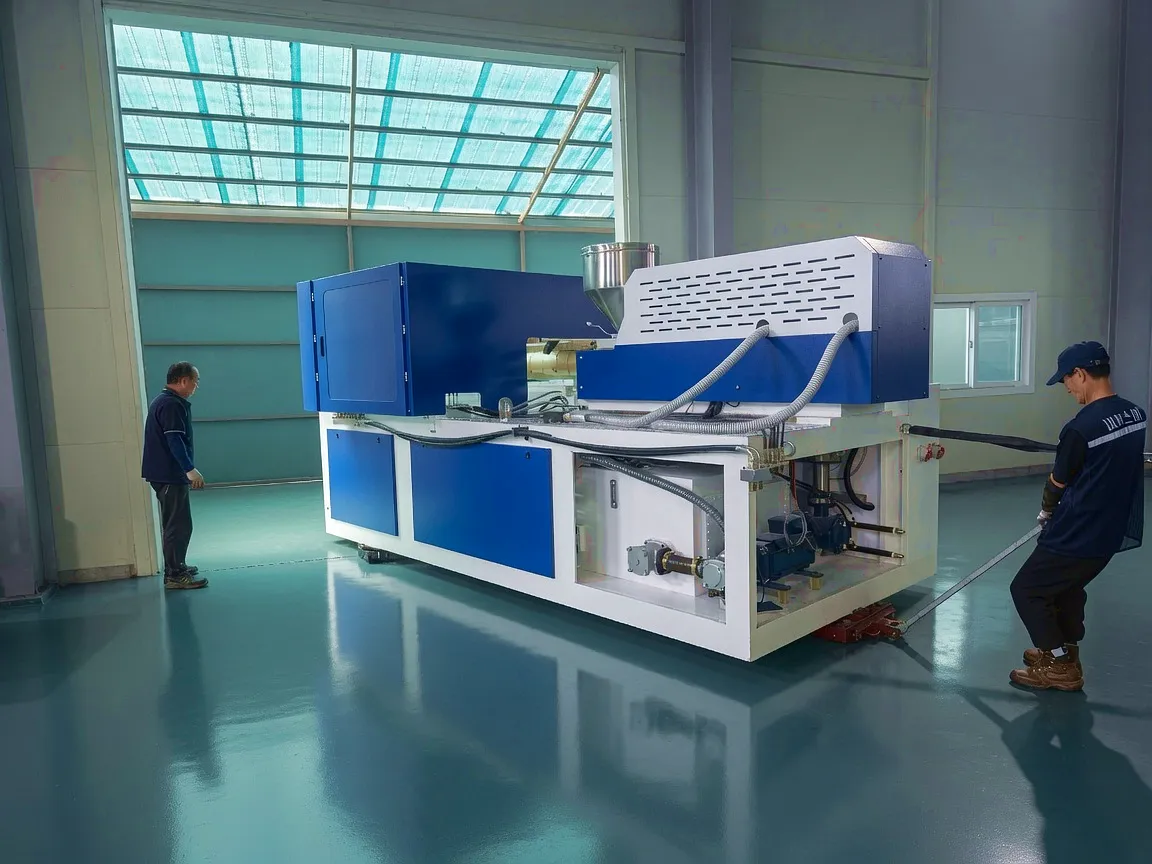
The UK pharmaceutical packaging sector operates within a regulatory environment more demanding than most global markets. MHRA-licensed manufacturers must not only demonstrate the performance of their packaging but document and maintain the process validation records that prove consistent performance over the product’s commercial lifecycle. Injection blow molding machines are increasingly specified because their statistical process control outputs — injection pressure, melt temperature, core pin temperature, blow pressure, blow time — can all be logged directly through the Siemens or Mitsubishi PLC and archived in a 21 CFR Part 11-compliant format for audit purposes.
The shift from hydraulic to servo-electric IBM machinery has also aligned well with the sustainability commitments that large UK pharmaceutical brands — from AstraZeneca to GSK Consumer Healthcare — have embedded in their supplier qualification processes. An IBM machine operating on servo drives not only uses significantly less electrical energy but generates less heat into the production environment, reducing cooling demands in temperature-controlled pharmaceutical manufacturing suites. For companies in Macclesfield, Sandwich, Barnard Castle, or Worthing — communities whose economies are woven around pharmaceutical production — these operational improvements translate directly into reduced running costs and stronger audit outcomes.
Auxiliary Equipment and Production Line Integration
An injection blow molding machine does not operate in isolation. The downstream auxiliary equipment configured with the IBM unit defines the overall throughput, cleanliness classification, and automation level of the production line. For pharmaceutical-grade ophthalmic and nasal spray container production in the UK, the auxiliary chain typically includes a chiller unit maintaining mould cooling water at 8°C to 14°C, a material drying and conveying system (desiccant dryer achieving less than 0.02% moisture for hygroscopic grades), an inline vision inspection system with 100% dimensional camera verification at the ejection station, a container conveyor with antistatic treatment, and — for cleanroom operations — a HEPA-filtered laminar-flow enclosure around the blow station and ejection zone.
UK pharmaceutical packaging converters have increasingly integrated robotic pick-and-place systems between the IBM machine and downstream cap-assembly or filling-line infeed conveyors. These integrations, while representing a significant capital investment, reduce human contact with the container post-mould and enable the converter to offer GMP-compliant primary packaging supply directly to pharmaceutical filling lines — a value-added positioning that commands significantly better contract margins than commodity container supply.
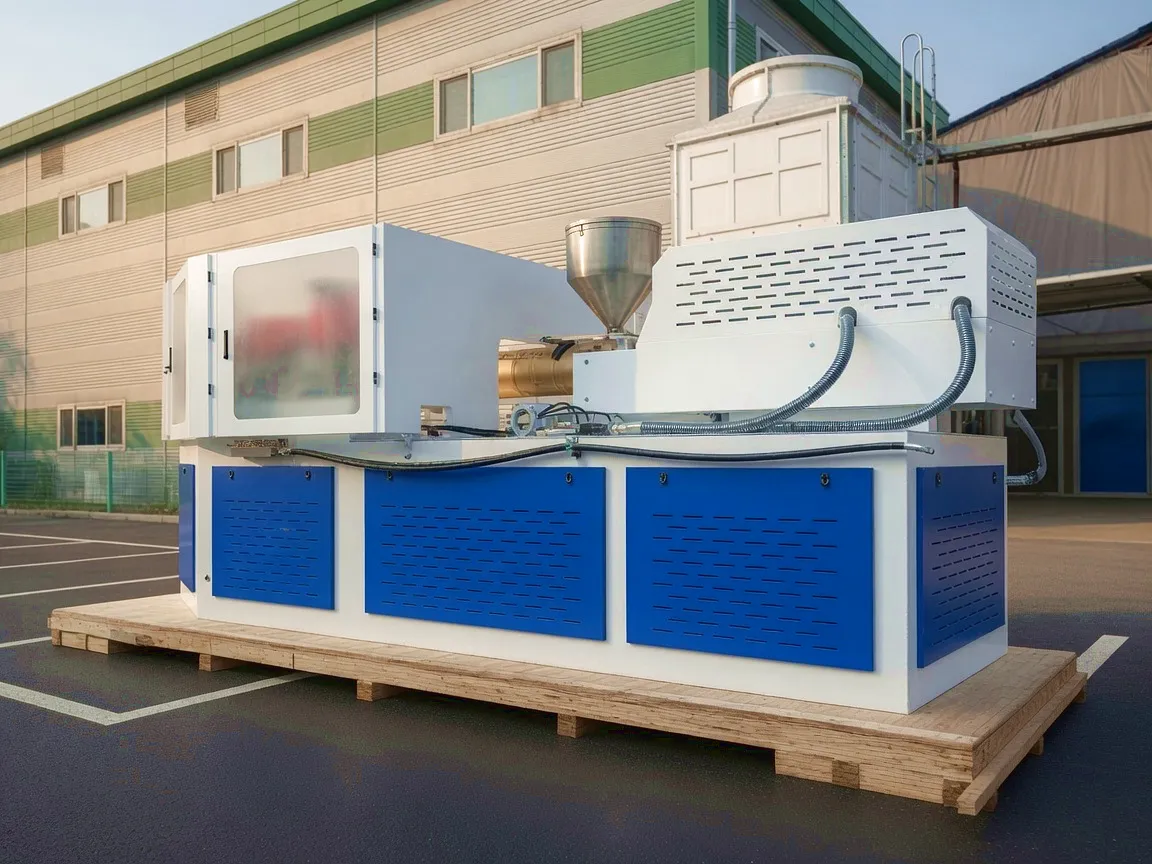
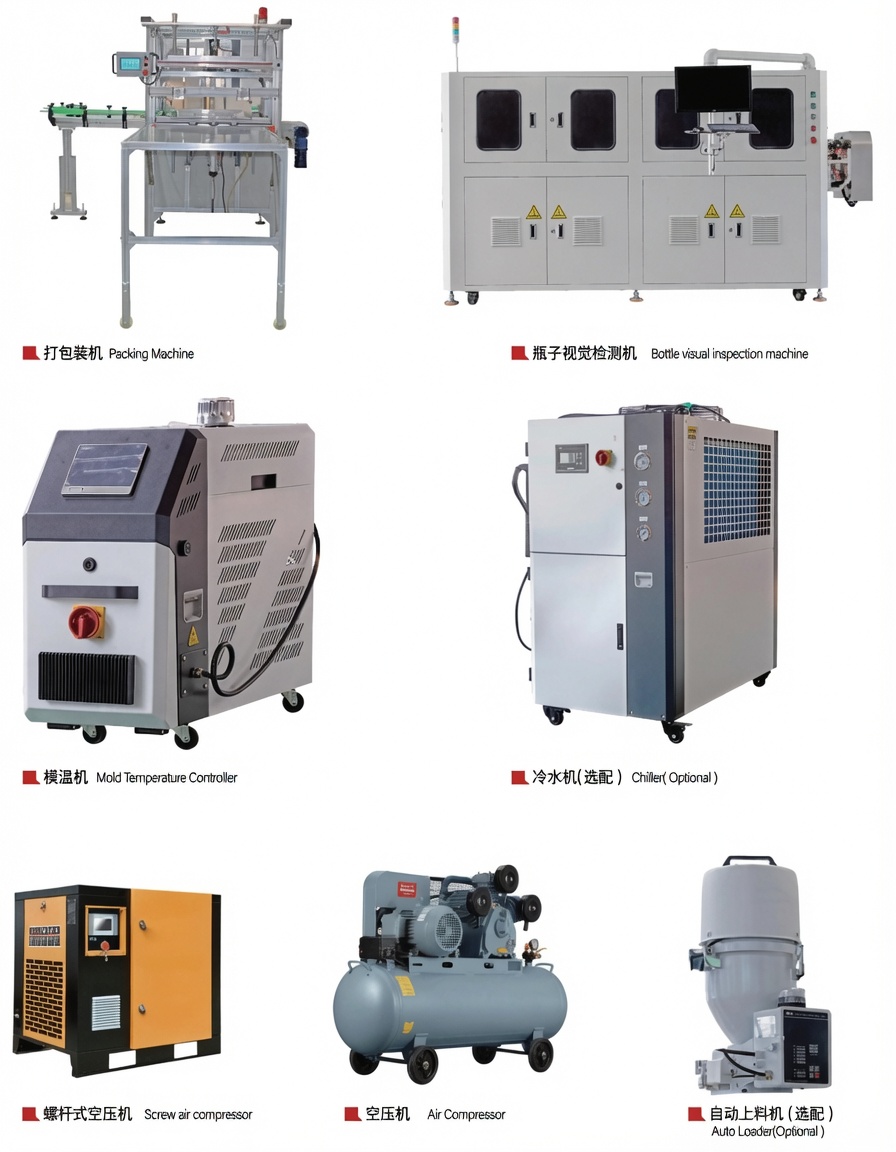
Featured Injection Blow Molding Machine Models
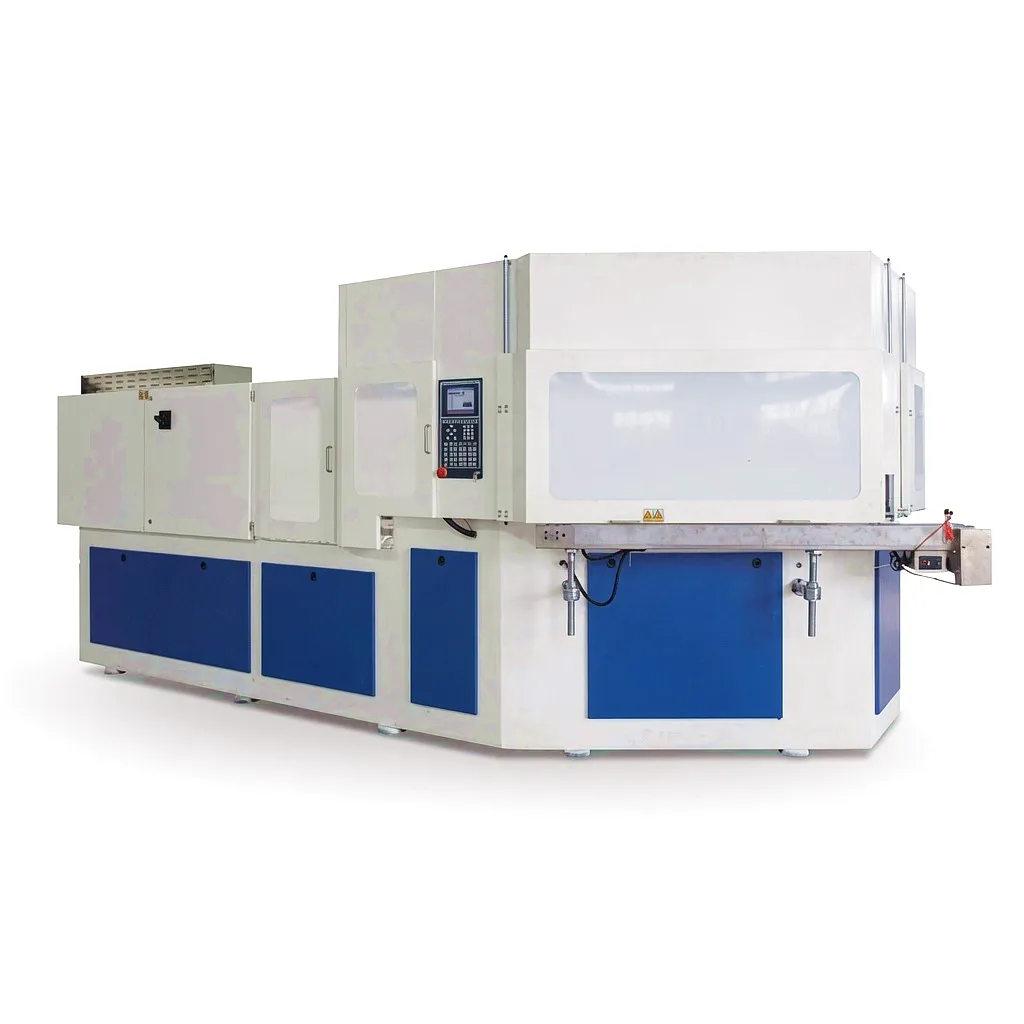
Ever Power IBM machine auxiliary equipment and line integration components
Nottingham Ophthalmic Packaging Converter Achieves 28% Cycle Time Reduction
A contract packaging company based in Nottingham had been supplying HDPE eye drop bottles to NHS hospital pharmacy departments and specialist ophthalmic wholesalers for over twelve years. Their existing fleet of extrusion blow moulding machines was generating an unacceptably high neck-dimension failure rate — averaging 3.4% of containers rejected at inline camera inspection — which translated to significant scrap costs and periodic supply shortfalls affecting their NHS framework contract obligations.
After evaluating the IBM technology against their product portfolio — predominantly 5 ml and 10 ml HDPE dropper bottles and 15 ml and 30 ml multi-dose dispensers — they engaged Ever Power to specify two units of the ZQ80 injection blow molding machine configured for their specific container range. The Ever Power engineering team worked through a detailed process mapping exercise with the Nottingham company’s validation team, defining the injection pressure profiles, core pin temperature setpoints, and blow curves required to hit their GMP validation success criteria across 99.6% of containers sampled during process performance qualification.
Following commissioning and a ten-week process validation programme that included Installation Qualification, Operational Qualification, and initial Performance Qualification runs, the company achieved a neck-dimension conformance rate of 99.87% — a figure that passed their customer’s specification acceptance criteria with margin. Cycle time for their 10 ml bottle reduced from an average of 16.2 seconds on the extrusion line to 11.8 seconds on the IBM units. Energy consumption per thousand containers fell by 31%. Annualised savings on material waste alone exceeded GBP 140,000, and the rejection-related supply disruptions to NHS customers ceased entirely.
Ever Power’s UK-based technical liaison team provided on-site support during the first four weeks of commercial production, and remote PLC diagnostics access is maintained under the ongoing technical support agreement. The Nottingham site has since placed an order for two ZQ110 units to extend their container range to nasal spray bottle formats, supported by the same tooling qualification process established during the ZQ80 programme.
What UK Pharmaceutical Packaging Professionals Say About Ever Power IBM Machines
“We switched from extrusion blow to the ZQ80 for our ophthalmic dropper range and the neck conformance rate improvement was immediate and dramatic. Our validation team had the OQ complete within six weeks, and the PLC data logging integrates cleanly with our site quality management system. The Ever Power technical team were responsive throughout — issues were resolved remotely in most cases, and the one site visit we needed happened within 48 hours of request.”
Head of Manufacturing Engineering
Contract Packaging Company, Nottingham, UK
“The customisation capability from Ever Power was a genuine differentiator. We needed a modified platen configuration to accommodate our existing tool library, and their engineering team produced dimensioned drawings within the week and delivered a modified machine specification that worked first time. For a Birmingham-based manufacturer like us, working with a supplier who treats custom requirements as a standard part of their process — not a special concession — makes a significant difference to project timelines and internal capital approval processes.”
Packaging Technology Manager
Ophthalmic Packaging Manufacturer, Birmingham, UK
“Our nasal spray bottle programme had stalled with our previous machine supplier because of inconsistent wall thickness at the shoulder — a persistent problem we could not resolve without costly tool modifications. Moving to the ZQ110 from Ever Power and working through their recommended preform geometry with our tool maker solved the problem entirely. The shoulder-wall distribution is now within our specification limits consistently, and the servo-electric drive option has taken our energy cost per unit down to a level that materially improves our contract margin. Very satisfied with both the technology and the supply relationship.”
Operations Director
Medical Packaging Specialist, Leeds, UK
Frequently Asked Questions about Injection Blow Molding Machines
Ready to Upgrade Your Pharmaceutical Packaging Line?
Talk to Ever Power’s engineering team about specifying the right injection blow molding machine for your ophthalmic, nasal, or sterile rinse container requirements. UK customers welcome.
edit by gzl