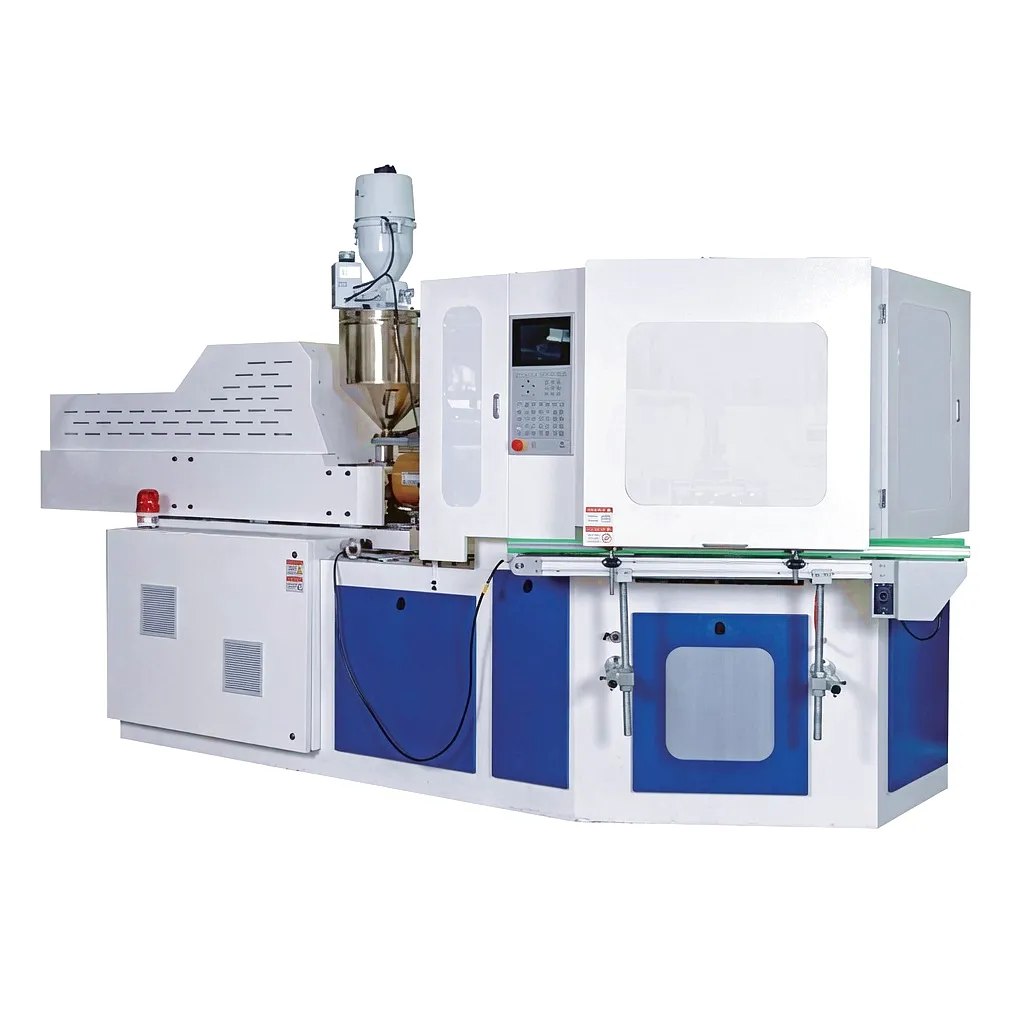
 The injection-blow molding machine has become an indispensable cornerstone of precision plastics manufacturing across the United Kingdom and beyond. Unlike conventional blow molding or injection molding methods, the IBM process fuses the dimensional accuracy of injection molding with the hollow-forming versatility of blow molding, producing containers and components with wall thickness consistency that few competing technologies can match. For UK-based manufacturers in sectors ranging from pharmaceuticals in Stockport to agrochemical producers in East Yorkshire, this dual-stage precision is not a luxury — it is a baseline requirement enforced by regulatory bodies and end-customer specifications alike.
How the Injection-Blow Molding Process Actually Works
Stage 1 — Injection
Molten thermoplastic — typically HDPE, PP, PET, or PVC — is injected under controlled pressure around a hardened steel core pin inside a temperature-regulated injection mould. The resulting preform carries a fully finished neck thread or neck finish, eliminating the need for secondary machining. Precise temperature profiling through barrel zones ranging from 180°C to 280°C (depending on resin grade) ensures consistent melt homogeneity and eliminates stress concentrations that could lead to stress-crack failure in service. The preform geometry at this stage directly governs the wall thickness distribution of the final article, making process parameter control at injection critical to all downstream quality outcomes.
Stage 2 — Blow
The core pin, still carrying the warm preform at an optimal stretching temperature, indexes to the blow station. Compressed air — typically between 6 and 10 bar — is introduced through the core pin into the preform cavity, expanding the preform radially and axially to conform precisely to the blow mould geometry. Blow mould temperature is independently controlled to manage cooling rate and, with it, crystallinity in semi-crystalline polymers such as HDPE and PP. The cavity surface finish is machined to mirror-class tolerances, ensuring external appearance quality that pharmaceutical and cosmetic customers demand for over-counter retail presentation.
Stage 3 — Ejection
Once cooled to sufficient rigidity, the finished hollow article is ejected from the blow mould cavity by the indexed movement of the rotating table or sliding platen, depending on machine configuration. The article exits the machine requiring no trimming, no gate removal, and no flash cleanup — a critical advantage over extrusion blow molding for small, complex containers where manual deflashing adds both cost and contamination risk. An integrated in-line vision system or weight-check station can be incorporated directly after ejection to achieve 100% quality inspection at full production rates, which is especially valued by UK contract packers supplying major retail chains with zero-defect delivery specifications.
Core Materials Processed by Injection-Blow Molding Machines
 High-Density Polyethylene (HDPE) is the workhorse resin of IBM production in the UK chemical packaging and automotive aftermarket sectors. Its combination of chemical resistance, high impact strength, and excellent processability — melt flow index typically 0.2 to 1.2 g/10 min for blow grades — makes it the default choice for containers holding aggressive fluids such as brake fluid, screen wash, and agricultural herbicide concentrates. HDPE processed on an injection-blow molding machine achieves wall thickness tolerances of ±0.05 mm, far tighter than is achievable by extrusion blow molding with the same resin, enabling predictable burst pressure performance under EU pressure vessel derivative regulations.
HDPE
Chemical containers, automotive fluids, agrochemical packaging
PP
Medical devices, hot-fill pharma, automotive engine components
PET
Cosmetics, personal care, pharmaceutical syrups, retail bottling
PVC / PLA
Specialty medical, food contact, bio-packaging compliance
Key Technical Advantages of IBM Technology
🎯
Wall Thickness Precision
The IBM process achieves wall thickness uniformity within ±0.05 mm across the container body, dramatically superior to extrusion blow molding. This consistency directly improves top-load strength, burst pressure predictability, and chemical permeation resistance — critical compliance factors for REACH-regulated chemical packaging supplied into EU markets from UK distribution centres post-Brexit.
🔩
Flash-Free Production
Because the parison is never pinched, IBM produces zero flash on the container body or base. This eliminates labour costs associated with deflashing operations and removes contamination risk from plastic trim fragments — a non-negotiable requirement for pharmaceutical containers certified under UK MHRA and European EMA guidelines, and increasingly demanded in food-contact applications regulated by the UK Food Standards Agency.
⚡
Cycle Efficiency
Modern servo-driven injection-blow molding machines achieve cycle times of 8 to 18 seconds depending on article volume and wall thickness, translating to output rates of 200 to 450 containers per cavity per hour. Multi-cavity tooling — up to 12 cavities on larger platforms — enables production rates that satisfy the high-volume, just-in-time supply requirements of UK FMCG manufacturers shipping from logistics hubs in Daventry, Coventry, and Milton Keynes.
♻️
Material Efficiency
The injection-blow molding machine processes resin with minimal gate waste, which is restricted to small core-pin tip gates easily regrindable for reintroduction into non-critical production. Compared to extrusion blow molding, IBM scrap rates fall below 2% in steady-state production — a significant cost advantage when processing engineering-grade resins priced above £2,000 per tonne, and a meaningful contribution to waste reduction targets embedded in UK Plastic Packaging Tax compliance frameworks.
🔬
Neck Finish Accuracy
The injection-moulded preform neck remains dimensionally unchanged through the blow stage, delivering thread form accuracy to within ±0.02 mm of nominal diameter — the tolerance band required for child-resistant closures (CRCs) certified to BS EN ISO 8317 and tamper-evident band systems used on pharmaceutical primary packaging throughout the NHS supply chain. This level of neck finish quality is simply unachievable in extrusion blow molding without expensive secondary trimming operations.
Technical & Performance Parameters
| Parameter | ZQ40 (European) | ZQ60 (European) | Unit / Notes |
|---|---|---|---|
| Clamping Force | 40 | 60 | kN |
| Max Container Volume | 1,000 | 2,000 | ml |
| Injection Pressure | Up to 180 | Up to 180 | MPa |
| Blow Pressure | 6 – 10 | 6 – 10 | bar |
| Cycle Time (typical) | 8 – 14 | 10 – 18 | seconds |
| Max Cavities | 6 | 12 | per tool set |
| Compatible Resins | HDPE, PP, PET, PVC, PLA | HDPE, PP, PET, PVC, PLA, PC | — |
| Wall Thickness Tolerance | ±0.05 | ±0.05 | mm |
| Neck Finish Tolerance | ±0.02 | ±0.02 | mm |
| Drive System | Servo-hydraulic | Servo-hydraulic | European standard |
| Control System | PLC + HMI touchscreen | PLC + HMI touchscreen | CE certified |
| Power Consumption | ~15 – 22 | ~22 – 35 | kW (indicative) |
* Parameters are indicative and subject to tooling configuration. Contact Ever Power for application-specific data sheets and certified test reports.
Industrial Application Scenarios
The injection-blow molding machine serves an exceptionally broad range of sectors across British and global industry. Below is an in-depth look at the most significant application environments.
Scenario 01
Pharmaceutical Primary Packaging — Tablet & Liquid Medicine Bottles
 The pharmaceutical sector across the UK — with major production and distribution hubs in Macclesfield, Wrexham, and Barnard Castle — represents the single most demanding application environment for injection-blow molding technology. Primary pharmaceutical packaging must meet simultaneous and often conflicting requirements: absolute chemical inertness, dimensional precision for closure functionality, controlled light transmission (UV-blocking in amber HDPE for light-sensitive APIs), and full compliance with UK Pharmacopoeia and Medicines and Healthcare products Regulatory Agency (MHRA) materials standards.
Oral liquid medicine
Eye drop containers
CRC-certified closures
Scenario 02 — Featured
Automotive Chemicals — Engine Oil, Brake Fluid, Coolant & Power Steering Fluid Containers
Main Products
- Engine oil bottles (946 ml – 5 L)
- Brake fluid containers (DOT 3/4/5.1)
- Engine coolant / antifreeze bottles
- Power steering fluid containers
- Gear oil & transmission fluid bottles
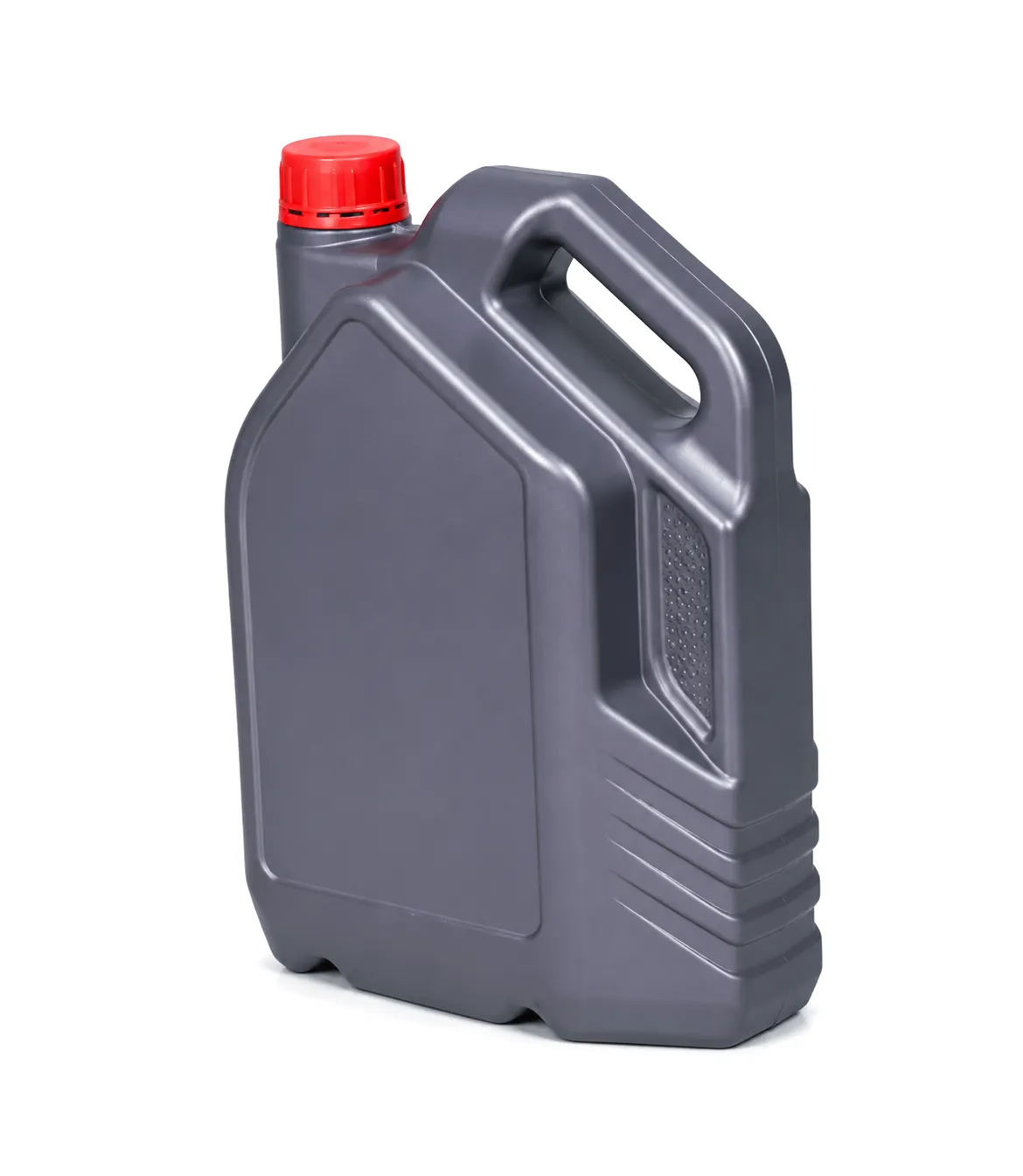
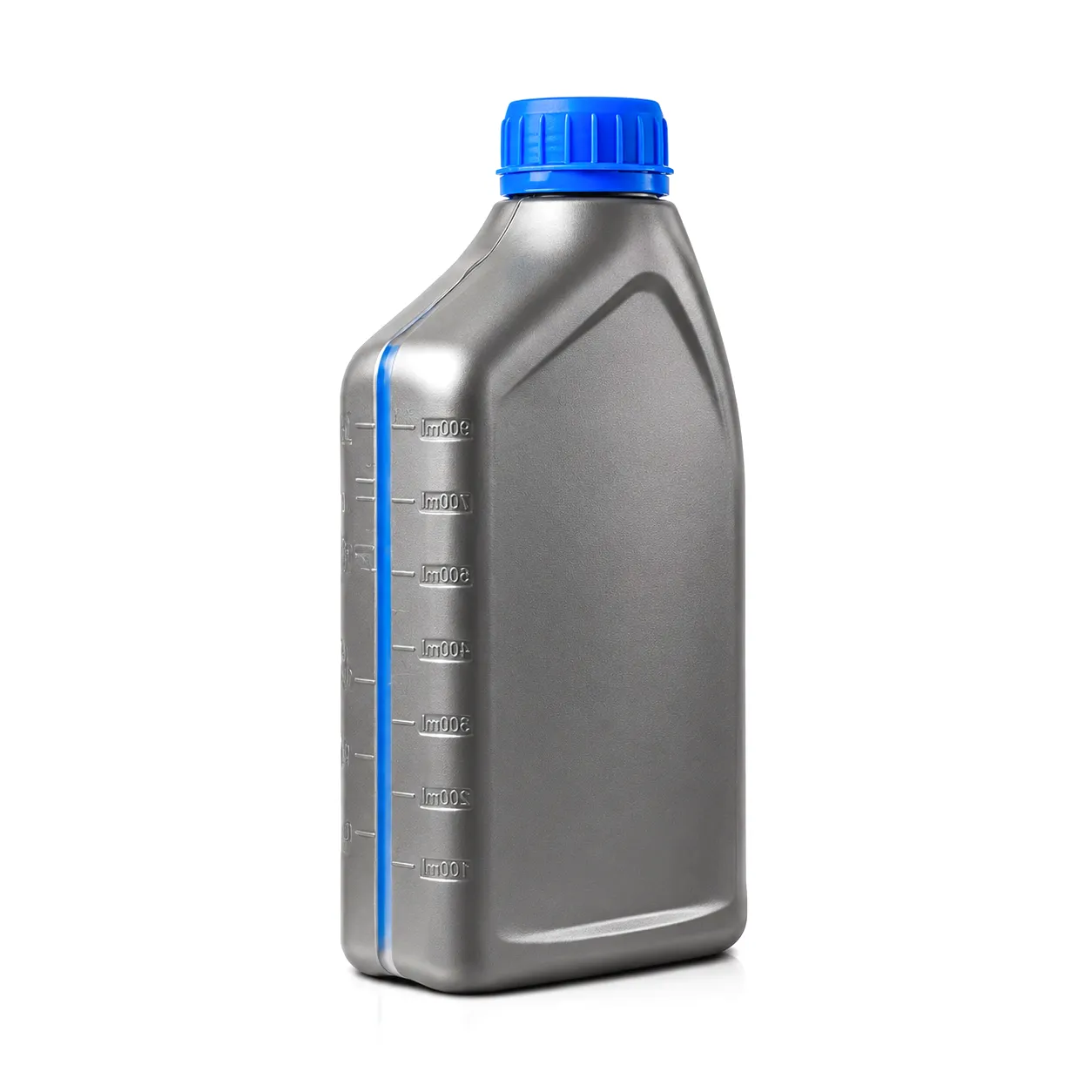
Engine oil bottles from 946 ml (quart) to 5 L (gallon) represent the highest-volume product category for IBM in the automotive segment, driven by the UK aftermarket servicing sector centred on distribution warehouses in Birmingham’s Tyseley industrial estate and Sheffield’s distribution corridors. These containers require the panel geometry and handle integration that IBM tooling executes with far tighter flash-line control than alternative technologies, while the base geometry must support stable stacking under pallet compression loads of up to 800 kg during palletised lorry distribution. Coolant bottles additionally require UV stabilisation incorporated at the compounder stage and verified by UV transmittance testing, ensuring that antifreeze concentrates stored in retail forecourt environments do not degrade through photolytic degradation of corrosion inhibitor packages during the 3-year retail shelf life typical in the UK trade market.
Scenario 03
Personal Care & Cosmetics — Shampoo, Lotion, and Serum Containers
 The UK personal care and cosmetics industry — valued at over £27 billion annually and anchored by brand headquarters and contract manufacturers in London, Leeds, and the M4 corridor — relies heavily on injection-blow molding for its premium container production. PET IBM bottles for serums, lotions, and treatment products offer the visual clarity of glass at a fraction of the weight and breakage risk, enabling the premium shelf presentation that drives purchasing decisions in the UK beauty retail market dominated by retailers such as Boots, Marks & Spencer, and premium independents.
Skin serum vials
Body lotion bottles
Pump-top containers
Scenario 04
Agrochemical & Garden Chemical Packaging — Herbicide, Fungicide & Pesticide Bottles
The UK agrochemical sector, concentrated in East Anglia’s arable heartland and supported by formulation plants in Lincolnshire and the East Midlands, processes an enormous range of crop protection chemistries that place severe demands on container materials. Herbicide concentrates containing glyphosate, fluroxypyr, and clopyralid are notoriously aggressive toward polyolefin containers, requiring the combination of adequate wall thickness and freedom from thin spots that only IBM can reliably guarantee in high-volume production. Fungicide and insecticide formulations further complicate the picture with solvent carrier phases — aromatic hydrocarbons and fatty acid methyl esters — that swell and permeate certain polymer grades, making material selection and wall thickness control a critical safety issue as well as a commercial one.
UK agrochemical container regulations require compliance with UN transportation standards for hazardous goods packaging (UN certified packaging for liquid formulations is mandatory above certain concentration thresholds under the Carriage of Dangerous Goods regulations). IBM-produced HDPE containers with controlled wall sections consistently pass UN 31H1 drop and stack tests that extrusion blow-moulded equivalents sometimes fail due to wall non-uniformity at container corners. The injection-moulded neck of an IBM container also provides the dimensional consistency needed for the child-resistant, agriculture-specific closure systems — such as the F217 liner systems used with UN-certified agrochemical closures — to function reliably across the temperature range experienced by farm storage facilities throughout the English seasons.
Fungicide bottles
UN-certified packaging
Farm chemical storage bottles
Scenario 05
Food-Grade Packaging — Honey, Sauces, & Speciality Food Containers
 The UK speciality food sector — from artisan honey producers in Yorkshire to premium sauce manufacturers in the Scottish Borders and sauce packers in the West Midlands — increasingly turns to IBM for food-contact packaging where dimensional precision, compliance, and presentation quality must converge. PET and PP IBM containers for honey, flavoured syrups, and gourmet sauces must comply with UK Regulation (EC) No 1935/2004 (retained post-Brexit as UK Food Contact Materials legislation), and the injection-blow process produces internal surface finishes that consistently meet the migration testing thresholds specified by the UK Food Standards Agency without requiring secondary surface treatment or coating.
For high-viscosity products like artisan honey, IBM containers provide the ideal balance of squeeze-feel rigidity and neck precision that allows the squeezable bottle’s flow-control insert or flip-top cap to seat reliably without consumer force variation. The clarity achievable in PET IBM bottles — haze values below 3% measured to ASTM D1003 — makes the amber colour of quality honey visible on retail shelves in a way that coloured HDPE or EBM alternatives simply cannot replicate, directly supporting the premium positioning strategies of UK artisan food brands. Sauce bottles in the 150 ml to 500 ml range benefit from IBM’s consistent body dimension control, which prevents label registration errors on high-speed labelling lines — a recurring problem with EBM bottles that carry inherent diameter variation due to parison control limitations.
Sauce & condiment
Food contact FSA compliant
PET clear containers
Ever Power Manufacturing Facilities
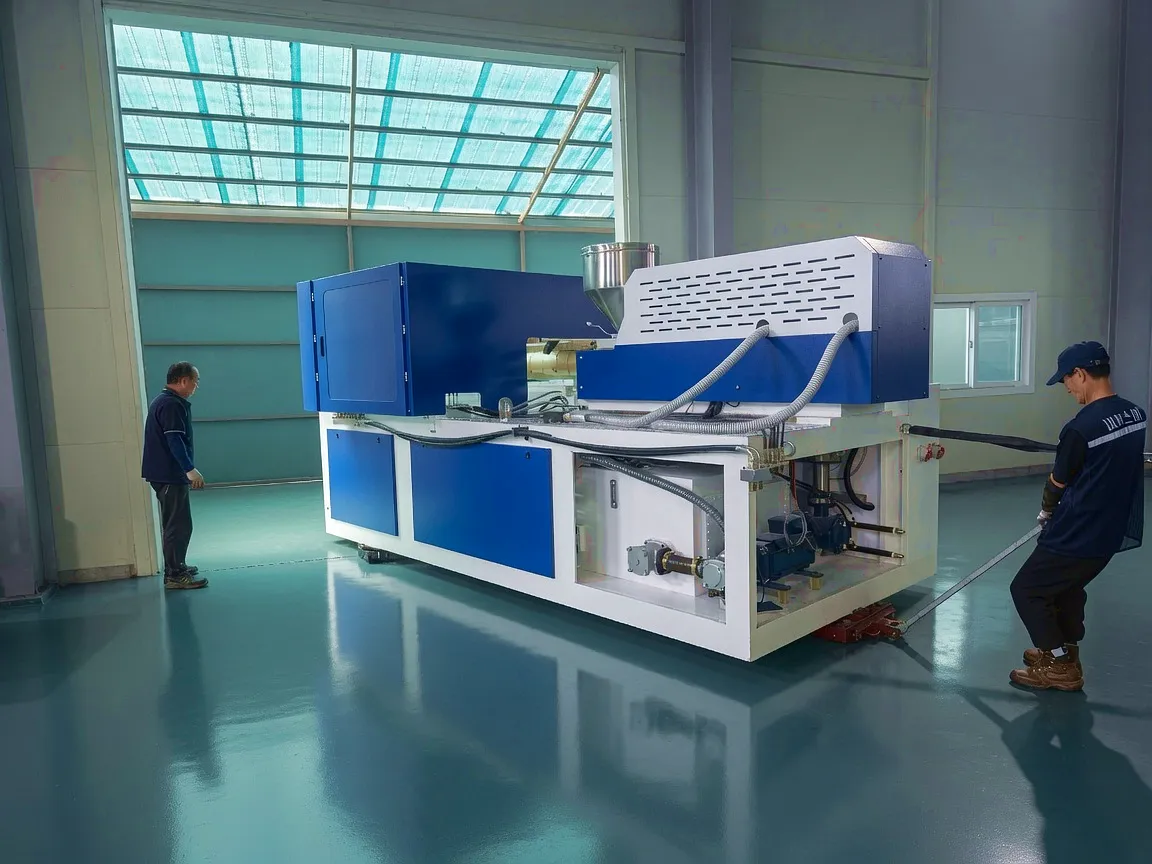
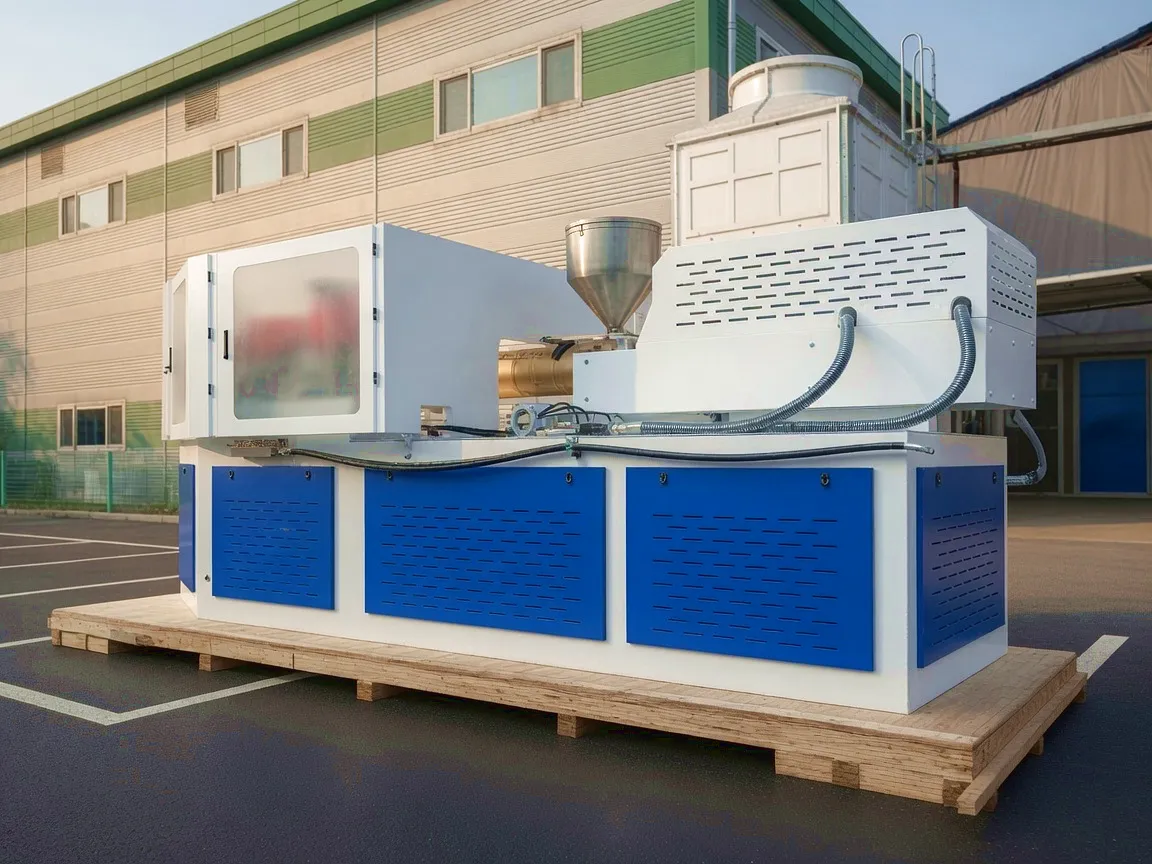
Featured Injection-Blow Molding Machine Products
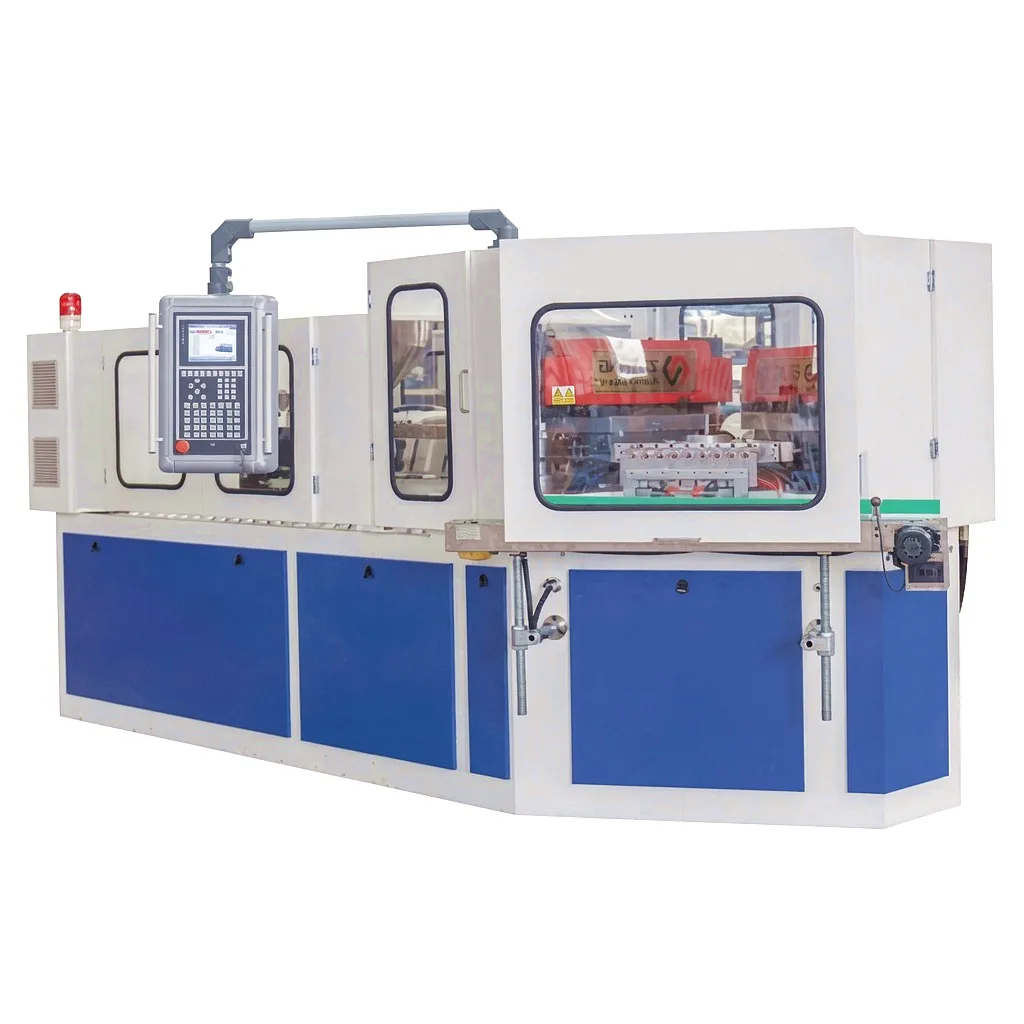
Ever Power’s European-series IBM machines are engineered to the highest CE standards, combining servo-hydraulic precision with robust construction for sustained 24/7 production environments.
Auxiliary Equipment & Complete Line Solutions
A modern IBM production line is far more than a single machine. Ever Power supplies complete turnkey solutions incorporating material drying and conveying equipment, temperature controllers, chiller units calibrated to the exact heat removal demands of high-cavitation tooling, in-line leak testing and vision inspection systems, and downstream conveying and palletising equipment. For UK customers establishing new production capacity or upgrading existing facilities, Ever Power’s project engineering team provides line layout drawings, utility requirement calculations, and commissioning support — including on-site attendance by qualified engineers who hold valid UK work authorisation for the duration of installation and start-up phases.
The auxiliary equipment portfolio is fully compatible with third-party filling and capping lines from OEMs active in the UK market, ensuring that IBM containers produced on Ever Power platforms integrate seamlessly into established filling room infrastructure without requiring modification to existing line layouts. Material handling conveyors are supplied in stainless steel 304 or 316L grade as standard for pharmaceutical and food-contact applications, in compliance with the Construction Products Regulation requirements applicable to UK food production environments.
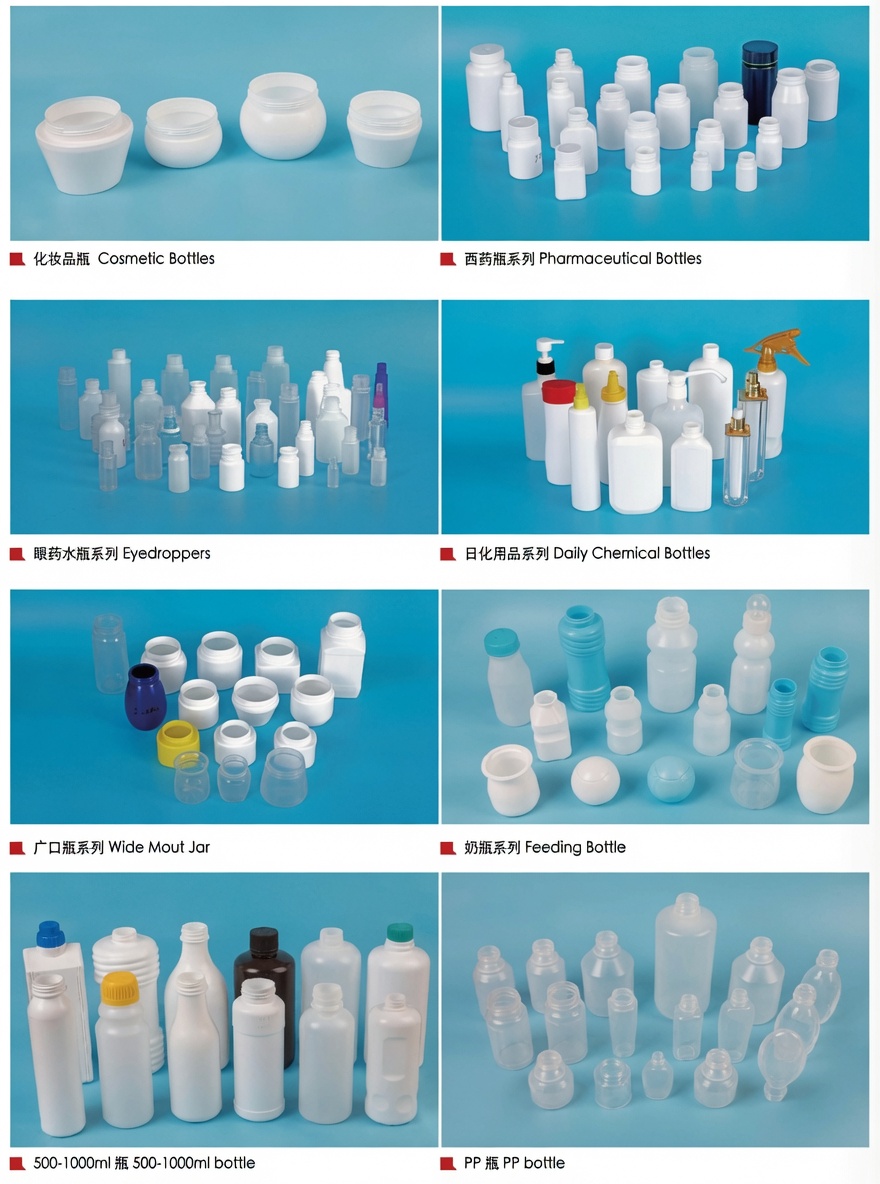
Ever Power: Manufacturing Excellence & Customisation Capabilities
Precision engineering | Full customisation | Global supply chain
🏭
Full Customisation
Ever Power’s engineering team works directly with UK and international customers from initial feasibility assessment through tooling design, material qualification, and machine parameter development. Custom cavity configurations, bespoke core pin geometry for non-standard neck finishes, specialised mould temperature zoning, and integration of customer-specified in-mould labelling (IML) or embossing systems are all standard elements of Ever Power’s customisation service offering — not premium add-ons. Every custom project is documented with full process FMEA and control plans delivered in English-language documentation packages.
🔧
Precision Manufacturing
Ever Power’s manufacturing facility operates CNC machining centres capable of mould cavity surface finish requirements down to Ra 0.1 µm and dimensional tolerances of ±0.005 mm on critical core pin and cavity dimensions. All injection blow mould tooling undergoes dimensional verification on CMM equipment traceable to national measurement standards before dispatch, and trial production reports with dimensional data, SPC charts, and photographic evidence are supplied as standard with every tooling set, giving UK quality teams the evidence package they need for internal PPAP-equivalent approval processes.
🚢
Supply Chain & Delivery
Ever Power maintains a structured global logistics framework designed to deliver injection-blow molding machines and tooling sets to UK ports — principally Felixstowe, Southampton, and Tilbury — within agreed lead times and with complete commercial documentation packages for UK customs clearance. Standard machines are shipped fully assembled and tested in wooden export cases compliant with ISPM 15 phytosanitary requirements. Spare parts inventory is managed to ensure next-day air freight availability for critical components, minimising production downtime at UK customer sites. A dedicated UK-market after-sales support programme provides remote diagnostics, telephone technical support in English, and scheduled preventive maintenance visits by qualified service engineers.
Ready to specify your injection-blow molding machine? Contact Ever Power’s UK-dedicated sales team today.
Customer Success Story
Sheffield, UK — Automotive Chemicals Manufacturing
Meridian Lubricants Ltd, based on Sheffield’s Advanced Manufacturing Park, had been producing automotive chemical containers using ageing extrusion blow moulding equipment installed in the mid-2000s. The company supplied premium synthetic engine oil, brake fluid, and coolant products under its own retail label to a national automotive factors network serving garages across Yorkshire, the East Midlands, and the North West. Quality complaints relating to inconsistent wall thickness in brake fluid containers — resulting in occasional seal weepage at the neck thread during 18-month retail storage — were damaging the company’s reputation with its trade distribution partners and triggering costly recall procedures.
After evaluating equipment from three suppliers, Meridian Lubricants selected Ever Power’s ZQ60 Injection-Blow Molding Machine (European) for its Sheffield plant, citing Ever Power’s willingness to supply a complete customisation package: HDPE-optimised tooling for a 500 ml brake fluid bottle with the specific 28/410 neck finish required by Meridian’s existing tamper-evident closure supplier, plus a 1-litre engine oil bottle with offset handle geometry that differentiated Meridian’s product range on the aftermarket retail shelf. Ever Power’s engineers conducted a pre-order process audit at the Sheffield facility, reviewing resin storage and drying equipment, compressed air supply capacity, and cooling water circuit design, then issued a utilities upgrade specification that Meridian implemented prior to machine delivery.
Machine commissioning was completed in 11 days, four days ahead of the contractual schedule, with an Ever Power commissioning engineer in residence throughout. First-article inspection results for both product lines achieved wall thickness CPK values above 1.67 — well within Meridian’s internal quality specification — and brake fluid container seal integrity testing recorded zero failures across a 10,000-unit accelerated shelf-life test. Within the first six months of production, Meridian reported a 34% reduction in container-related customer returns, a 12% material saving due to tighter wall thickness control permitting a weight reduction programme, and a 22% improvement in filling line efficiency attributed to the superior neck finish dimensional consistency of IBM containers versus the EBM alternatives previously used.
★★★★★
“The ZQ60 transformed our brake fluid container line completely. Wall thickness CPK went from below 1.0 on our old EBM kit to consistently above 1.67 from day one. The neck finish accuracy has effectively eliminated every closure-related complaint we were receiving from our trade customers. Ever Power’s commissioning team was professional, thorough, and extremely knowledgeable — they optimised our HDPE drying parameters on-site and the machine has run at over 97% uptime since installation.”
— James Whitfield, Operations Director, Meridian Lubricants Ltd, Sheffield
★★★★★
“Ever Power’s customisation process is genuinely exceptional. They designed tooling for our bespoke 1-litre handle oil bottle from our CAD concept, provided mould flow analysis outputs before cutting any steel, and delivered a container that passed all our top-load and drop tests first time. The documentation package for our internal quality system was complete and in plain English — that matters enormously when you’re trying to maintain ISO 9001 certification and need a compliant supplier record.”
— Sarah Okafor, QA Manager, Meridian Lubricants Ltd, Sheffield
★★★★★
“We evaluated three machine suppliers before choosing Ever Power, and the difference in supply chain transparency was significant. Every lead time commitment was met, spare parts arrived next working day when we needed them, and the remote diagnostics service resolved a temperature controller issue within the same afternoon it appeared. For any UK automotive chemicals manufacturer considering upgrading from EBM, the IBM process improvement is transformative — and Ever Power is the right partner to make that transition successfully.”
— David Chen, Procurement Manager, Meridian Lubricants Ltd, Sheffield
Frequently Asked Questions
Ready to Upgrade Your Production Line?
Contact Ever Power for expert consultation on injection-blow molding machines, tooling design, and complete line solutions for UK manufacturers.
✉ Get Your Quote — [email protected]
edit by gzl