Industrial Packaging Technology · UK Market Insight
Injection-Blow Molding Machine: Complete Guide to Food & Beverage Packaging Applications in the UK
From hot-fill juice bottles to sport drink caps and condiment containers — how modern IBM technology is reshaping UK packaging lines, reducing waste, and cutting cycle times for manufacturers across Birmingham, Sheffield, and beyond.
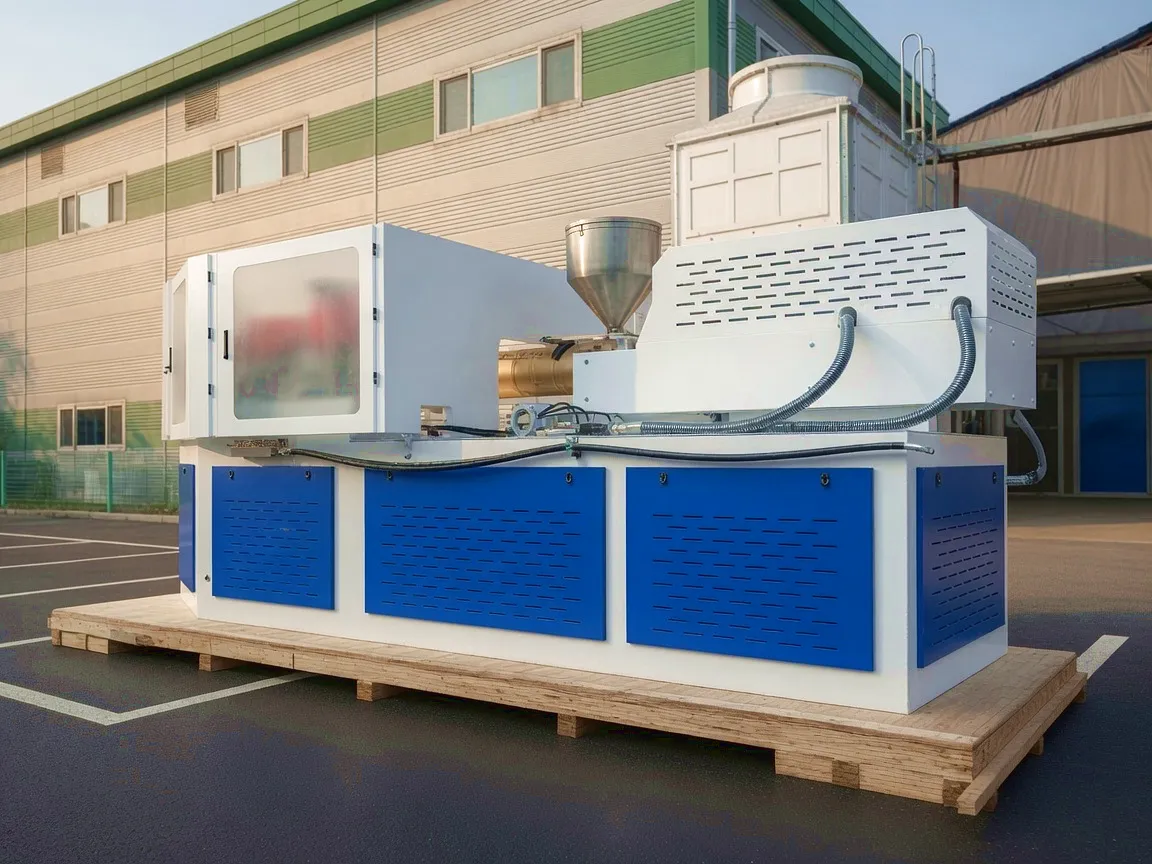
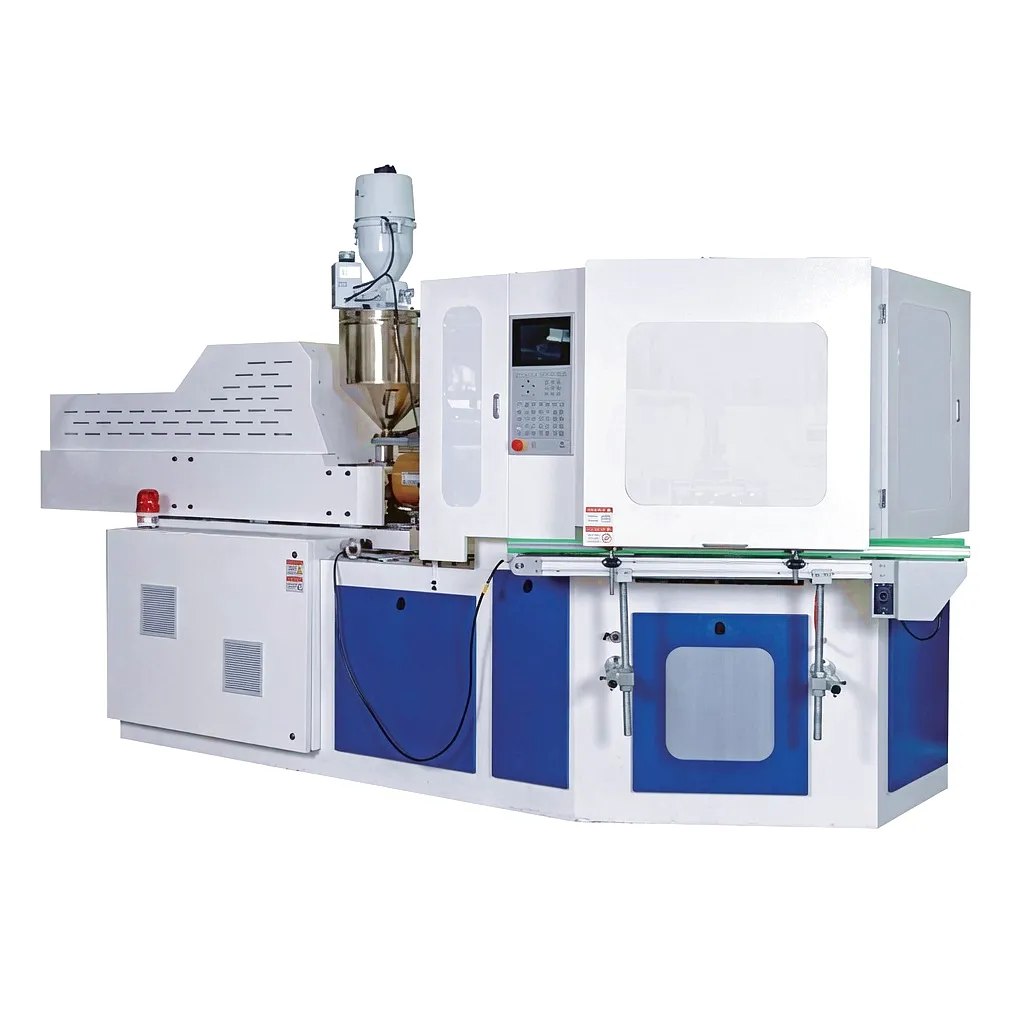 The injection-blow molding machine has become one of the most strategically important pieces of equipment on modern UK packaging lines. Driven by tightening sustainability regulations, growing consumer demand for lightweight containers, and an accelerating shift toward recyclable materials, manufacturers across England and Wales are reevaluating their container production processes from the ground up. An injection-blow molding machine combines two traditionally separate operations — injection molding and blow molding — into a single, seamlessly integrated cycle. The result is a container that offers exceptional dimensional accuracy, a perfectly formed neck finish, and zero material waste from trimming operations. Unlike conventional extrusion-blow molding processes, injection blow molding eliminates the characteristic pinch-off seam that can compromise seal integrity in demanding food and beverage applications.
Ready to explore what an injection-blow molding machine can do for your production line?
How an Injection-Blow Molding Machine Actually Works
Injection Stage
Thermoplastic resin pellets are fed into a heated barrel where a reciprocating screw melts and homogenises the material. The molten polymer is then injected at high pressure into a precision injection mold, forming a preform — essentially a thick-walled tube with a precisely formed neck thread. The neck finish is fully formed at this stage and will not change shape during subsequent operations, which is why injection blow molding delivers such consistent cap compatibility across an entire production run.
Transfer Stage
The preform, still mounted on a steel core rod, is rotated or indexed to the blow molding station. This transfer occurs while the preform retains sufficient heat to be shaped, eliminating the energy-intensive reheating step required in two-stage stretch blow processes. The core rod acts as an inner mandrel, maintaining the precise geometry of the internal bore and ensuring wall-thickness uniformity that downstream filling equipment depends upon.
Blow Stage
Compressed air is introduced through the core rod at controlled pressure, expanding the preform outward against the cooled blow mold cavity. The container takes on the precise shape of the mold in fractions of a second. Because the material is expanded rather than mechanically stretched or seamed, the molecular orientation of the polymer improves significantly, yielding enhanced clarity, barrier properties, and mechanical strength — all attributes that matter greatly to food-safety-conscious UK buyers and to the retailers demanding consistent shelf presentation.
Ejection Stage
Once sufficient cooling has occurred — typically within two to four seconds depending on wall thickness and material grade — the mold opens and the finished container is ejected or stripped from the core rod. The container emerges with no flash, no weld lines, and no trimming required. It is immediately ready for downstream inspection, filling, and packaging operations. This zero-scrap output characteristic makes the injection-blow molding machine particularly appealing at a time when UK manufacturers are under regulatory and commercial pressure to reduce material waste throughout their operations.
Core Materials Processed by Injection-Blow Molding Machines
PET (Polyethylene Terephthalate)
The dominant resin for carbonated beverages and juice packaging in the UK. PET offers outstanding clarity, high barrier performance against CO2 and O2 migration, and full recyclability through the UK’s established kerbside collection infrastructure. On injection-blow molding machines, PET produces near-optical-clarity containers ideal for premium juice brands targeting UK supermarket shelf appeal. The material is FDA and EFSA compliant, satisfying the strict food-contact requirements that UK grocery retailers contractually impose on their packaging suppliers.
HDPE (High-Density Polyethylene)
Widely specified for milk, protein supplements, and condiment containers requiring chemical resistance and impact toughness. HDPE runs reliably on injection-blow molding machines across a broad processing window, making it a versatile choice for manufacturers producing multiple product families on a single platform. Its excellent stiffness-to-weight ratio means containers can be lightweighted without sacrificing the top-load compression strength needed for pallet stacking during logistics operations serving UK distribution centres.
PP (Polypropylene)
The preferred material when hot-fill performance is the primary requirement. PP maintains dimensional stability at filling temperatures that would distort PET containers, making it the material of choice for hot-fill juice, squash, and sauce applications widely produced at food manufacturing facilities in the East Midlands and Yorkshire. Its compatibility with steam sterilisation also makes it attractive for pharmaceutical-adjacent nutritional supplement packaging. Ever Power’s injection-blow molding machines are optimised for PP processing with precisely controlled barrel temperature profiles that minimise degradation while maximising throughput.
PVC & Specialty Blends
Though declining in volume due to environmental legislation, medical-grade PVC retains a role in pharmaceutical packaging segments. Specialty blends incorporating barrier layers or recycled content fractions can also be processed on contemporary injection-blow molding machines equipped with appropriate screw geometry and mixing zones. Ever Power’s engineering team provides material-specific screw designs as part of the machine customisation process, ensuring optimal melt homogeneity regardless of resin specification.
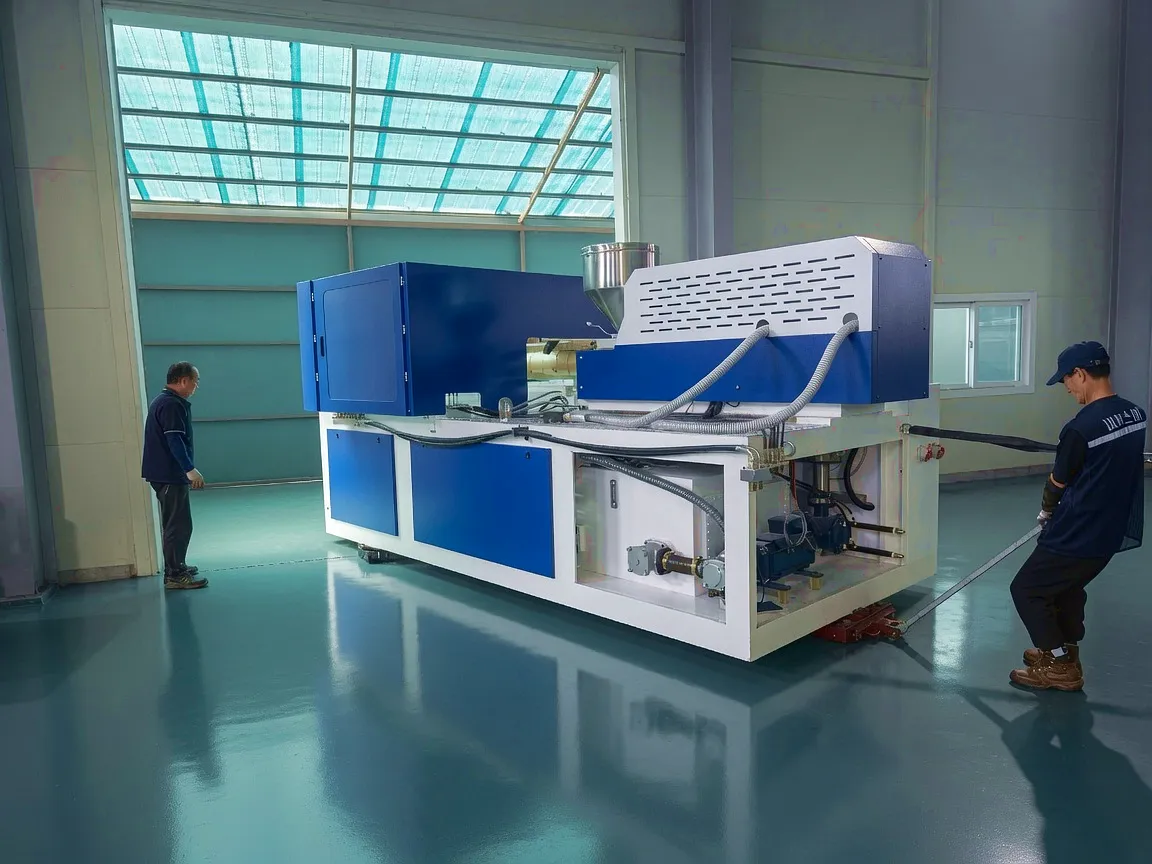
Ever Power manufacturing facility — precision assembly, rigorous QC, and full-run trials before despatch
Technical Performance Parameters — Injection-Blow Molding Machine Specifications
| Parameter | ZQ40 Series | ZQ60 Series | Notes |
|---|---|---|---|
| Max Container Volume | Up to 200 ml | Up to 500 ml | Standard; extended molds available |
| Clamping Force | 40 kN | 60 kN | Hydraulic servo system |
| Injection Pressure | Up to 180 MPa | Up to 180 MPa | Servo-electric precision control |
| Blow Air Pressure | 0.6 — 1.0 MPa | 0.6 — 1.0 MPa | Adjustable per resin |
| Cycle Time (typical) | 8 — 15 s | 10 — 18 s | Material and wall-thickness dependent |
| Screw Diameter | 30 — 40 mm | 40 — 55 mm | Material-specific L/D ratio options |
| Compatible Resins | PET, HDPE, PP, PVC | PET, HDPE, PP, PVC, blends | Screw geometry optimised per resin |
| Power Consumption | ~11 kW | ~18 kW | Servo motor energy recovery |
| Machine Footprint | 2.8 m x 1.2 m x 1.9 m | 3.5 m x 1.5 m x 2.1 m | Suitable for space-constrained UK plants |
| Control System | Siemens PLC, touch HMI | Siemens PLC, touch HMI | CE certified, EU/UK voltage compatible |
Why the Injection-Blow Molding Machine Outperforms Alternative Technologies
●
Zero Flash, Zero Trim Waste
Containers emerge from the mold with no excess material requiring removal. This eliminates the regrind systems, labour costs, and contamination risk associated with extrusion blow molding, and aligns perfectly with UK manufacturers’ sustainability KPIs and regulatory reporting obligations.
●
Perfect Neck Finish Precision
The neck is formed during the injection stage and remains unchanged throughout the process. Thread dimensions hold tolerances as tight as +/- 0.05 mm, guaranteeing first-pass cap application success rates above 99.8% on high-speed rotary capping heads — a critical metric for beverage co-packers serving major UK retailers.
●
Compact Process Footprint
Integrating injection and blowing in a single machine reduces the floor space requirement by 40% to 60% compared with two-stage systems. This is particularly valuable for UK producers operating in older industrial buildings in Sheffield’s Advanced Manufacturing Park corridor or Birmingham’s established food and drink manufacturing zones where floor space is a premium commodity.
●
Servo-Electric Energy Efficiency
Ever Power’s injection-blow molding machines use servo-hydraulic or all-electric drive architectures that reduce energy consumption by 30% to 50% versus older hydraulic machines. With UK industrial energy prices among the highest in Europe, the payback period on this efficiency advantage is measurable within the first two production years for most medium-volume packaging operations.
●
Rapid Mold Changeover
Bayonet-style mold mounting systems and quick-connect pneumatic connectors reduce format changeover time to under 90 minutes. For co-packers in the UK running 8 to 12 different container formats monthly, this operational agility translates directly into higher OEE scores and improved responsiveness to the short-notice product launches common in the UK grocery sector.
●
Consistent Wall Thickness
Core-rod guidance throughout the blow stage maintains wall-thickness uniformity to within 5% across the container body. This consistency directly improves the performance of downstream carbonation and vacuum-filling systems and reduces the frequency of container failures during the transit testing that UK retailers increasingly mandate as part of supplier qualification.
Application Scenario 1: Hot-Fill Juice Bottles
Food & Beverage Packaging · Heat-Resistant Container Production · UK Juice Sector
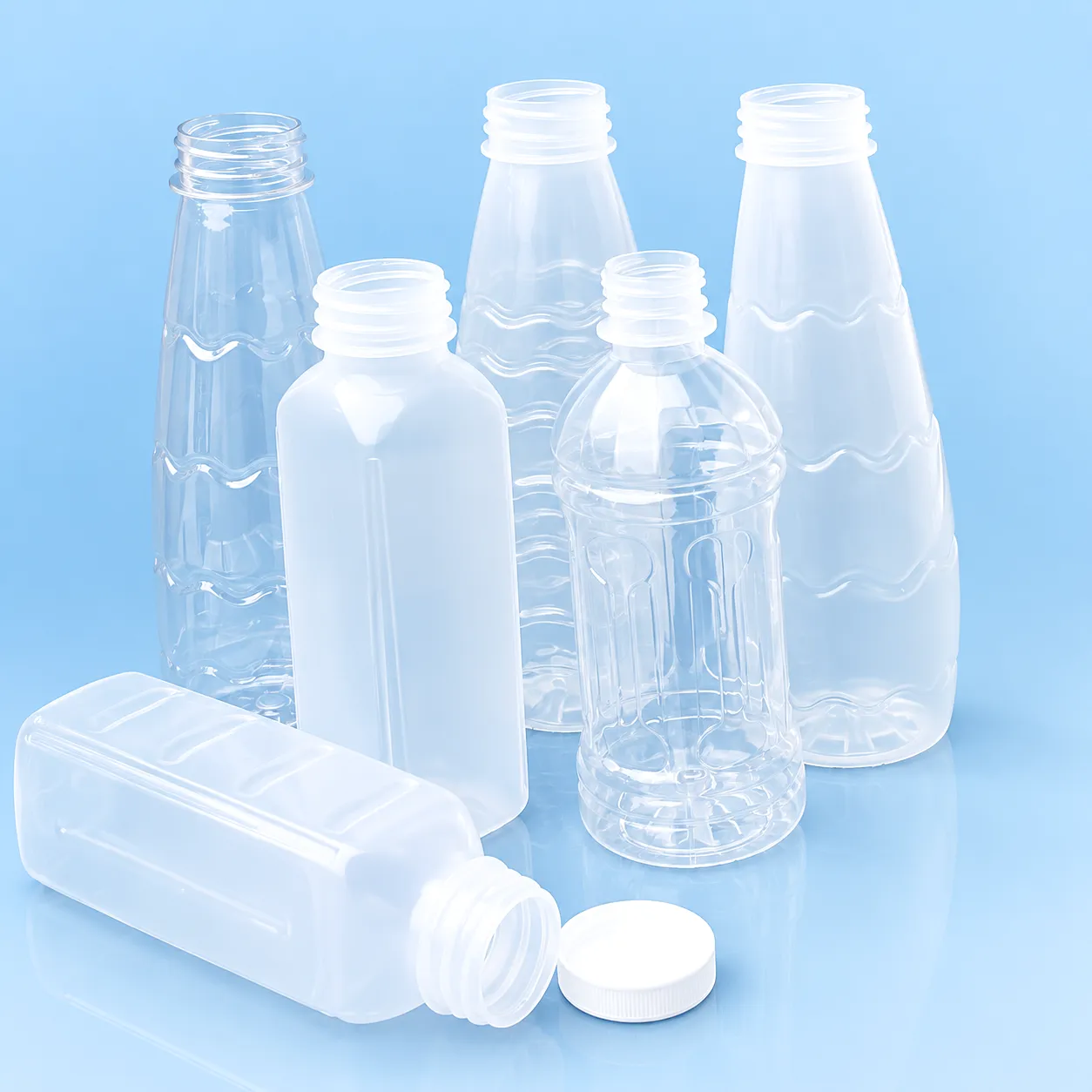
Application Scenario 2: Sport Drink & Functional Beverage Containers
High-Speed Production · Ergonomic Bottle Design · UK Sports Nutrition Market
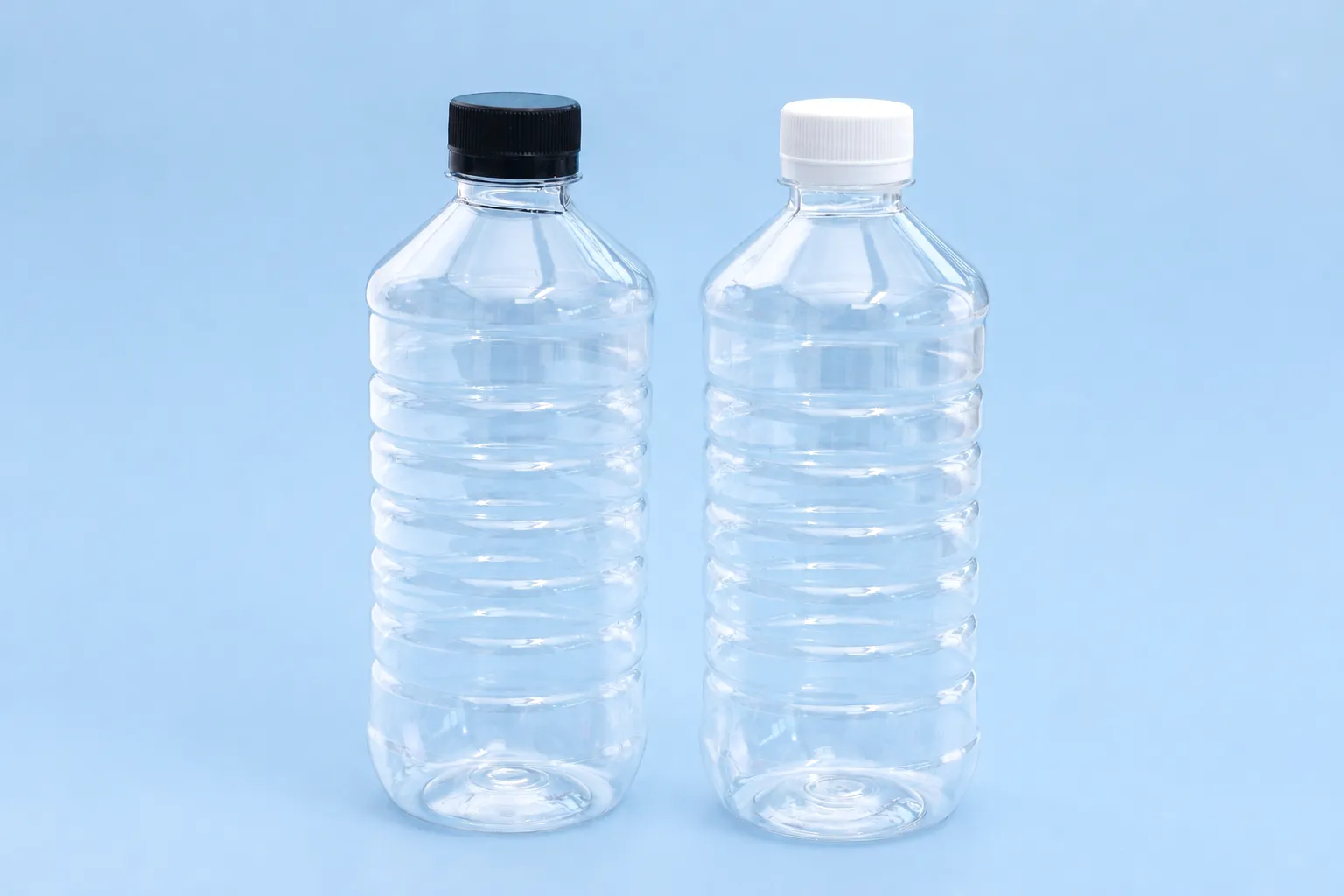
Application Scenario 3: Condiment & Sauce Containers
Precision Thread Profiles · Chemical Resistance · UK Food Manufacturing Sector
Condiments represent one of the highest-volume container segments in UK food manufacturing, with major sauce and condiment production concentrated in facilities around Telford, Northampton, and the greater Leeds area. Ketchup, brown sauce, salad dressing, mayonnaise, hot sauce, and specialty ethnic condiments collectively consume hundreds of millions of containers annually through UK retail channels alone, before export volumes are considered. The injection-blow molding machine occupies a strategically important position in this segment because condiment containers impose a particular combination of requirements that alternative container-forming processes handle imperfectly. The container must exhibit chemical resistance to the acids, sugars, and oil-based components found in condiment formulations. The neck thread must achieve the torque-to-remove specification mandated by child-resistant closures increasingly used on condiment packaging in response to UK food safety legislation. The sidewall must resist the mechanical stress imposed by squeeze dispensing, which generates complex multi-axial loading that causes premature cracking in containers with residual stress from poor material orientation.
The injection-blow molding machine addresses all of these requirements through its fundamental process architecture. HDPE condiment containers produced on IBM machines demonstrate consistent thread form dimensions that meet child-resistant closure torque specifications without container-to-container variation. The uniform wall orientation produced by IBM blow mechanics gives condiment squeeze containers the fatigue resistance to survive more than 500 squeeze-release cycles — a standard test requirement for condiment containers entering major UK grocery retailer supply chains. For manufacturers seeking to position condiment products in the premium ambient grocery segment, the optical clarity achievable in PET on an injection-blow molding machine enables the product colour and texture visibility that research shows drives purchase decisions among UK shoppers at the ambient fixture.
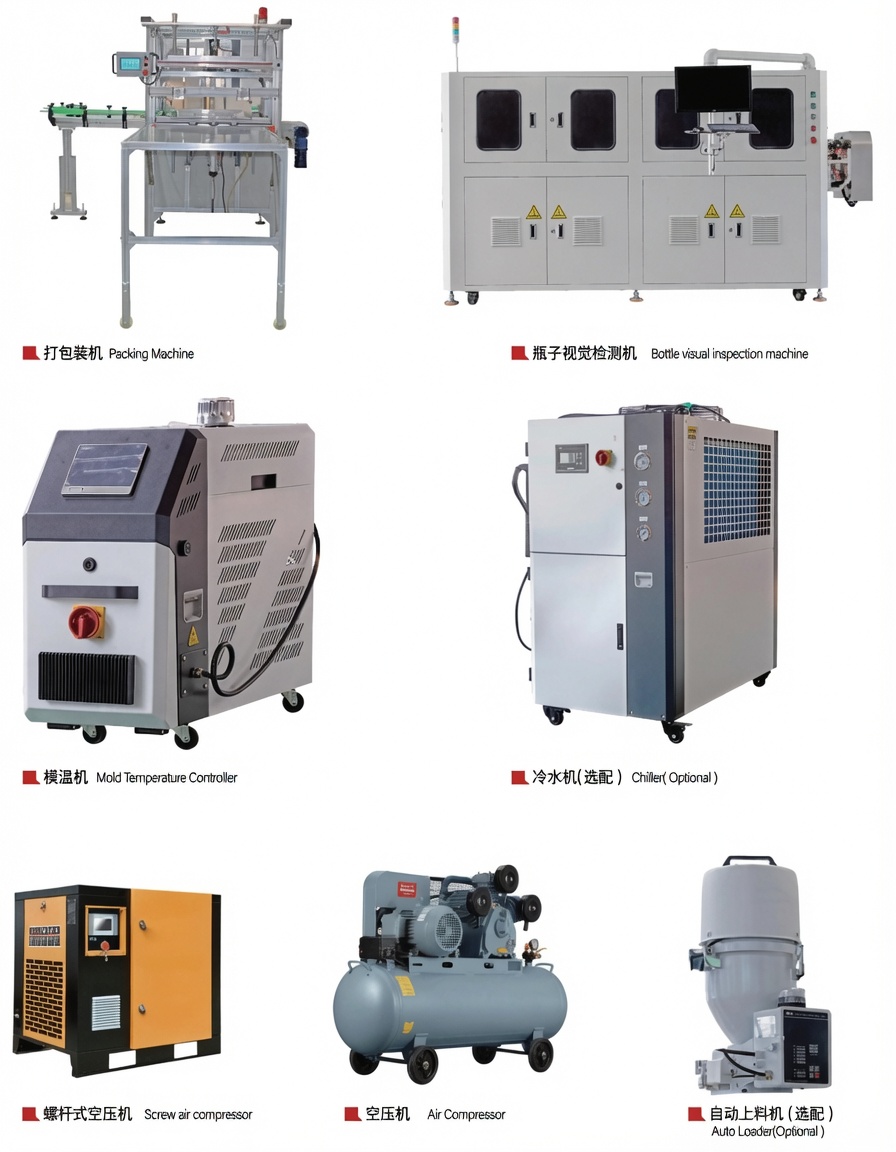
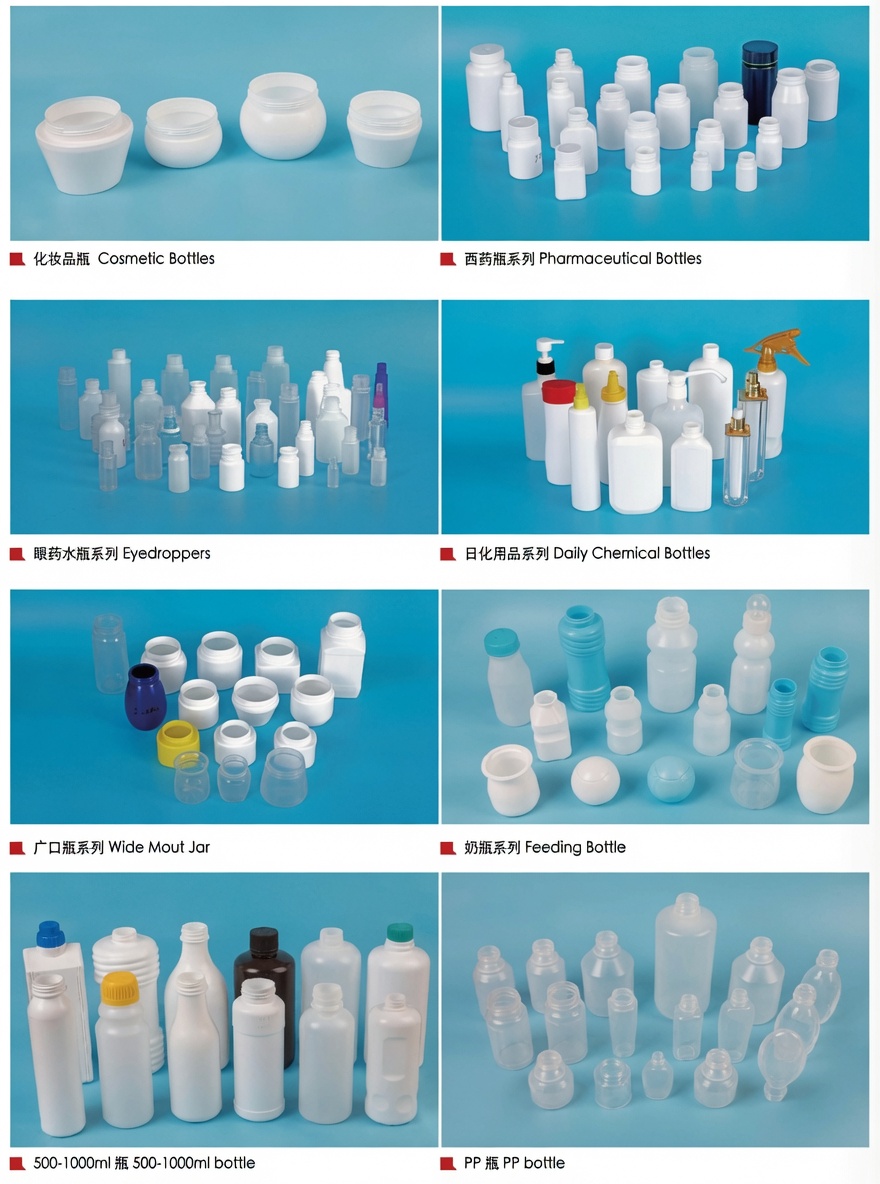
Ever Power injection-blow molding machine peripheral systems — chiller, conveyor, and automated inspection integration
Featured Injection-Blow Molding Machines from Ever Power
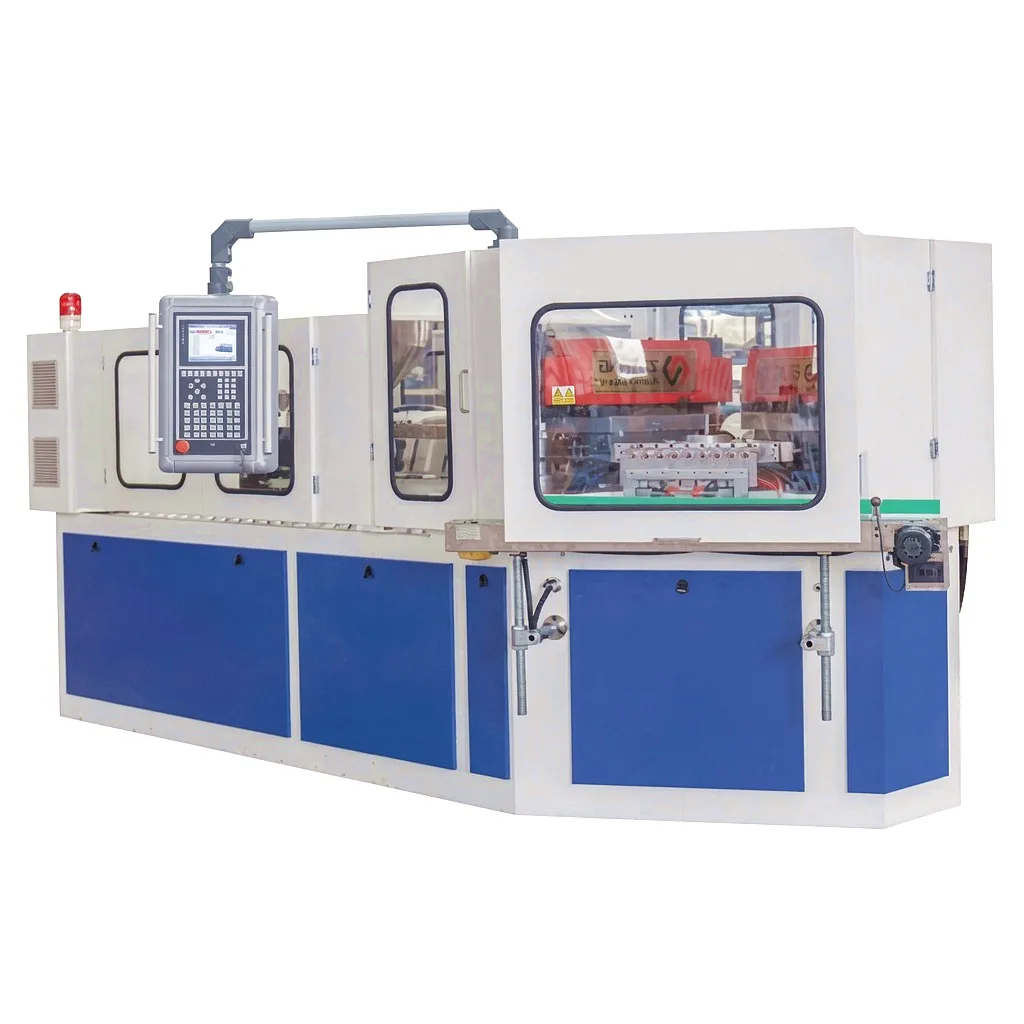
Ever Power: Precision Manufacturing & Customisation for UK Food & Beverage Producers
Ever Power designs and manufactures injection-blow molding machines from a 12,000 square metre dedicated facility, bringing together in-house toolroom capability, mechanical engineering, PLC programming, and quality assurance under a single roof. The result is a machine that arrives at your UK facility fully built, tested against a representative production run, and configured to your specific resin and container requirements — not a generic catalogue item requiring weeks of on-site adjustment.
⚙ Custom Mold Design
Ever Power’s in-house toolroom produces complete mold assemblies — injection mold, blow mold, and core rod — machined to tolerances within 0.01 mm. Container designs are validated via mold-flow simulation before steel cutting commences, eliminating the costly trial-mold iterations that inflate project timelines when tooling is sourced externally.
🔒 CE Certification & UK Compliance
All Ever Power injection-blow molding machines are CE marked and comply with the Machinery Directive, Low Voltage Directive, and EMC Directive, making them immediately eligible for installation and operation at UK manufacturing sites. Documentation packs include declaration of conformity, risk assessment, and full CE technical file — all required by UK insurers and facilities management teams.
✈ Logistics & Commissioning
Ever Power manages end-to-end export logistics via established freight relationships with container shipping lines serving UK ports including Felixstowe, Southampton, and Tilbury. Installation and commissioning are coordinated with the buyer’s production schedule to minimise downtime, with remote PLC support available from day one of production via secure VPN connection.
📈 Spare Parts Supply Chain
Ever Power maintains a UK-accessible spare parts programme, with high-wear items including screw tips, check rings, blow pins, and core rods available for airfreight despatch within 48 hours. Consumable component kits are pre-packaged per machine model and stocked at a logistics partner facility in the UK, reducing repair downtime from weeks to days for UK-based operators.
Discuss your container specification and volume requirements with our engineering team.
Customer Success Story: Leeds-Based Beverage Co-Packer Cuts Container Costs by 28%
🏭 Apex Drinks Co., Morley Industrial Estate, Leeds, West Yorkshire
Sector: Ambient Juice & Sport Drink Contract Packaging · Annual Output: 22 million containers
Apex Drinks Co. operated two legacy extrusion blow molding lines for producing 250 ml and 500 ml juice and sport drink containers from their Morley facility. The operation suffered from persistent flash trimming downtime, which ran at 4.8% of productive shift time, and container neck-finish rejection rates that averaged 1.2% at the filling line — generating approximately GBP 110,000 in annual scrapped product and labour costs. When the Leeds-based management team evaluated a capital investment proposal for new container-forming equipment, Ever Power’s injection-blow molding machines were included in a three-supplier evaluation process.
After reviewing sample container quality from trial runs facilitated by Ever Power, Apex’s quality engineering team was particularly struck by the thread-finish consistency on the 28/410 neck finish used across their juice range. In back-to-back torque testing against containers from their existing extrusion lines, the IBM-produced containers achieved cap removal torques within a 12% range of variation versus 38% on extrusion-blown containers. Apex proceeded to order two ZQ60 injection-blow molding machines, specifying custom blow mold tooling for their four primary container designs. Ever Power completed mold-flow analysis and tooling fabrication within ten weeks, with machines commissioned at the Leeds facility over a five-day installation and training visit.
Within the first six months of production, Apex recorded zero flash-related downtime on the IBM lines, a container neck-finish rejection rate of 0.08%, and a total material cost reduction of 28% versus the previous extrusion operation — achieved through a combination of tighter wall-thickness control, elimination of flash regrind material handling, and a 22% reduction in resin consumption per container. The site manager at Morley reported that the Ever Power service team responded to a chiller-integration query within four hours via remote support, and that spare parts for a scheduled preventive maintenance event arrived at the facility within two working days from the UK logistics partner. The investment has been approved for expansion, with a third ZQ60 injection-blow molding machine scheduled for installation in the facility’s adjacent production bay.
What UK Customers Say About Ever Power Injection-Blow Molding Machines
★★★★★
“The thread-finish precision on the ZQ60 is genuinely outstanding. We run 28/410 child-resistant closures on our condiment range and the first-application success rate on our capper went from 97.1% to 99.6% immediately after switching to IBM-produced containers. That improvement alone justified the machine investment within 14 months.”
— Production Director, Ambient Sauce Manufacturer, Birmingham
★★★★★
“Ever Power’s engineering team worked with us through three container design iterations to get our hot-fill PP bottle exactly right for our 90 degree Celsius fill temperature. The mold-flow simulation they provided saved us at least two physical trial-mold cycles. From purchase order to first production container took 13 weeks — faster than any other supplier we evaluated.”
— Packaging Development Manager, Premium Juice Brand, Sheffield
★★★★★
“The energy consumption reduction compared to our old hydraulic machine was 41% in our first year of operation. With the current electricity tariff environment in the UK, that saving went straight to our bottom line and made the IBM investment payback calculation substantially more attractive than our initial projections suggested. The Siemens PLC control system is intuitive enough for our operators to manage recipe changes without engineering support.”
— Engineering Manager, Sport Drink Co-Packer, Manchester
Frequently Asked Questions — Injection-Blow Molding Machines for UK Food & Beverage Producers
Ever Power — Injection-Blow Molding Machine Specialists
Serving UK Food & Beverage Manufacturers from Specification to Production
Contact our engineering sales team to discuss container specifications, pricing, lead times, and UK delivery logistics.
edit by gzl