Healthcare Packaging Technology

Injection Blow Molding Machine Applications in Healthcare: Eye Drops, Nasal Sprays and Sterile Containers

A precision engineering perspective for UK pharmaceutical and medical device manufacturers seeking compliant, high-output packaging solutions.

Industry: Healthcare & Medical Devices
Market: United Kingdom
Process: IBM / ISBM

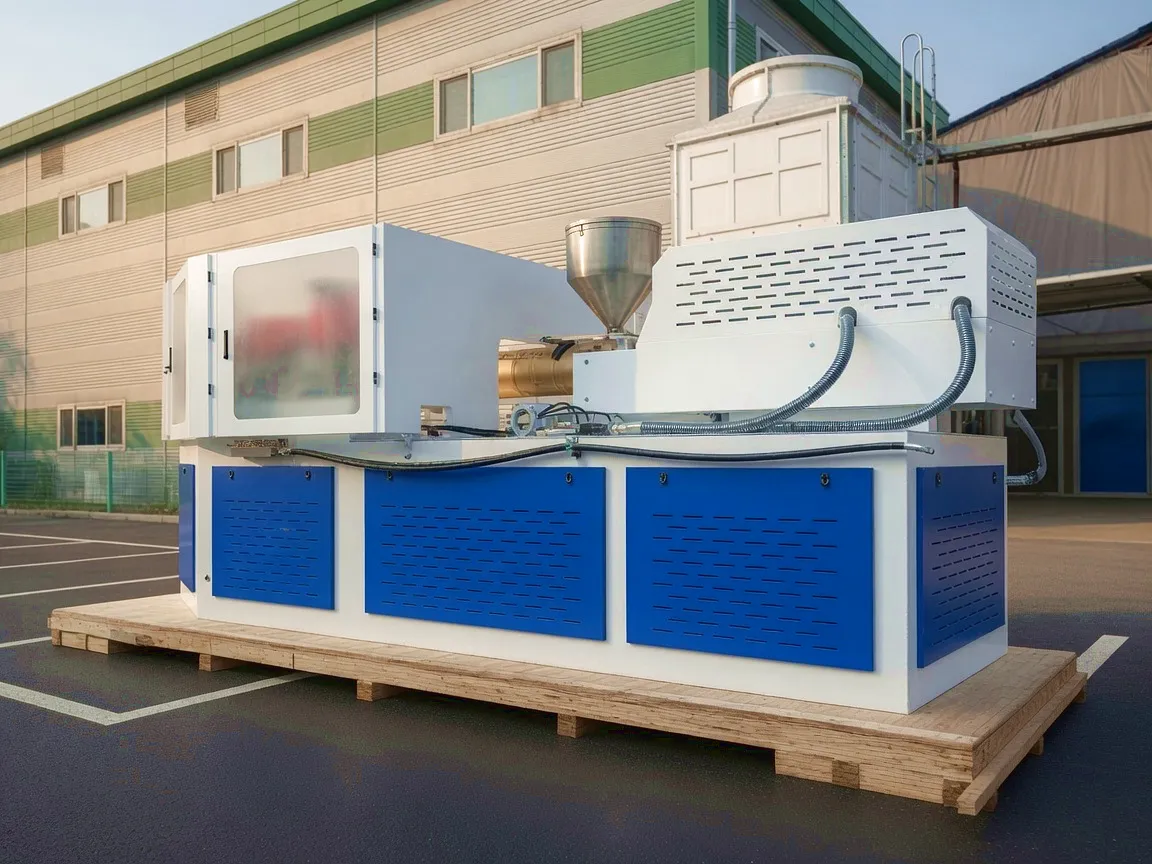
EP ZQ80 Injection Blow Molding MachineHealthcare packaging sits at the intersection of precision engineering, regulatory compliance, and patient safety — three criteria that leave little margin for error. When a hospital pharmacist in Birmingham or a dispensing clinic in Sheffield reaches for a bottle of sterile saline or a unit-dose eye drop, they are trusting a manufacturing process that began long before the product reached the pharmacy shelf. The injection blow molding machine is precisely the technology that makes those containers possible, combining the geometric accuracy of injection molding with the sealed-cavity hollow-forming capability of blow molding in a single continuous cycle. The result is a container neck that is dimensionally exact to within fractions of a millimetre, a wall thickness that is uniform throughout, and a sealed parting line that eliminates the contamination pathways present in conventional two-step processes. For UK pharmaceutical manufacturers navigating post-Brexit MHRA requirements alongside ongoing alignment with European Pharmacopoeia standards, this process represents a compelling answer to some of the industry’s most persistent packaging challenges.

The pharmaceutical packaging sector in the United Kingdom generates hundreds of millions of units annually, with ophthalmic and nasal delivery systems accounting for a growing share of that output. Manufacturers in Swindon, Nottingham, and the pharmaceutical corridors of the East Midlands have been investing in capacity upgrades to meet the rising demand for single-dose and preservative-free formulations — a trend driven equally by clinician preference and by patient safety research highlighting the risks of multi-dose preservatives such as benzalkonium chloride. Injection blow molding machines are central to that investment, offering the combination of output speed, sterility-friendly processing, and material versatility that high-volume healthcare packaging demands.

Featured Injection Blow Molding Machines

Two precision-engineered platforms trusted by healthcare packaging converters across the UK and Europe.
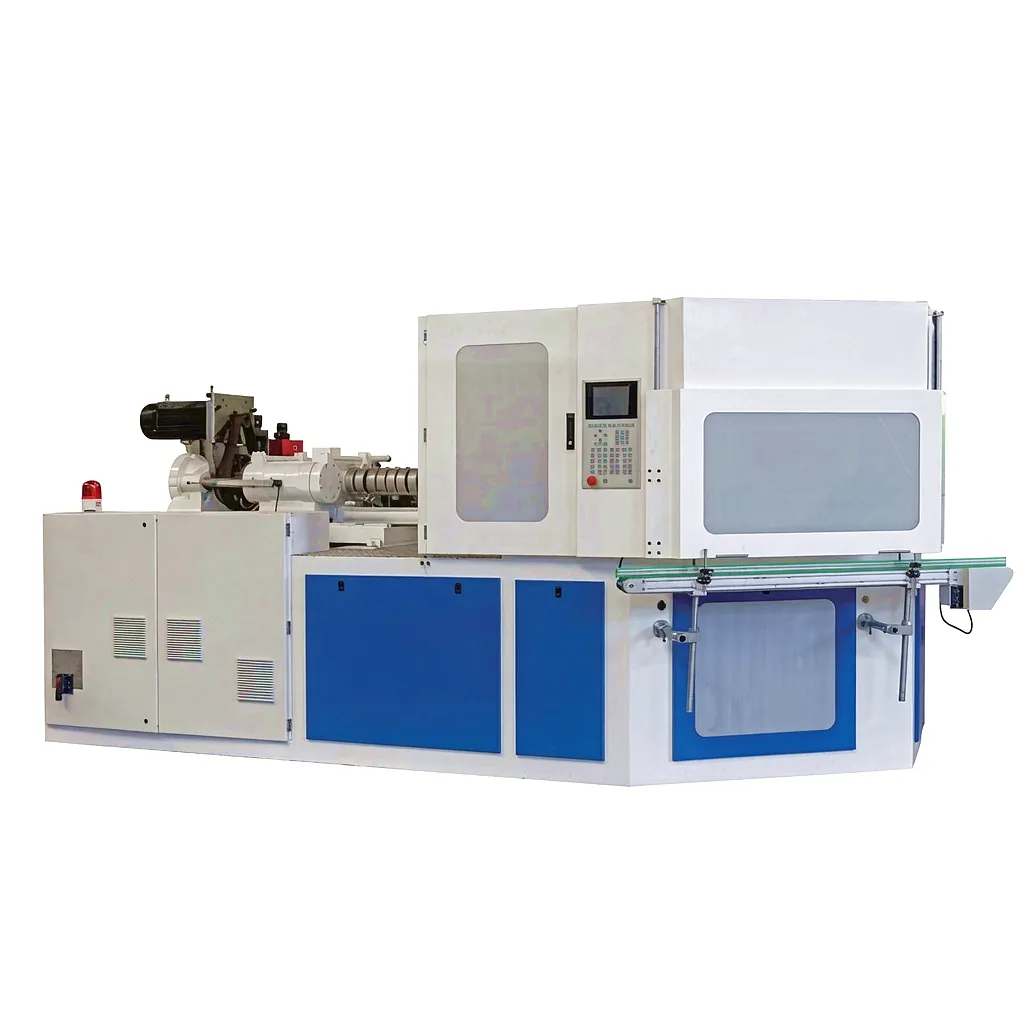
ZQ80 Injection Blow Molding Machine

Compact Series

The ZQ80 is designed for high-precision small-to-medium container production, making it an outstanding fit for ophthalmic dropper bottles, nasal spray bodies, and single-dose saline units. Its servo-driven clamping system delivers repeatable neck-finish accuracy critical to tamper-evident closures and dropper fitments, while its compact footprint suits cleanroom integration in regulated manufacturing facilities across the UK.
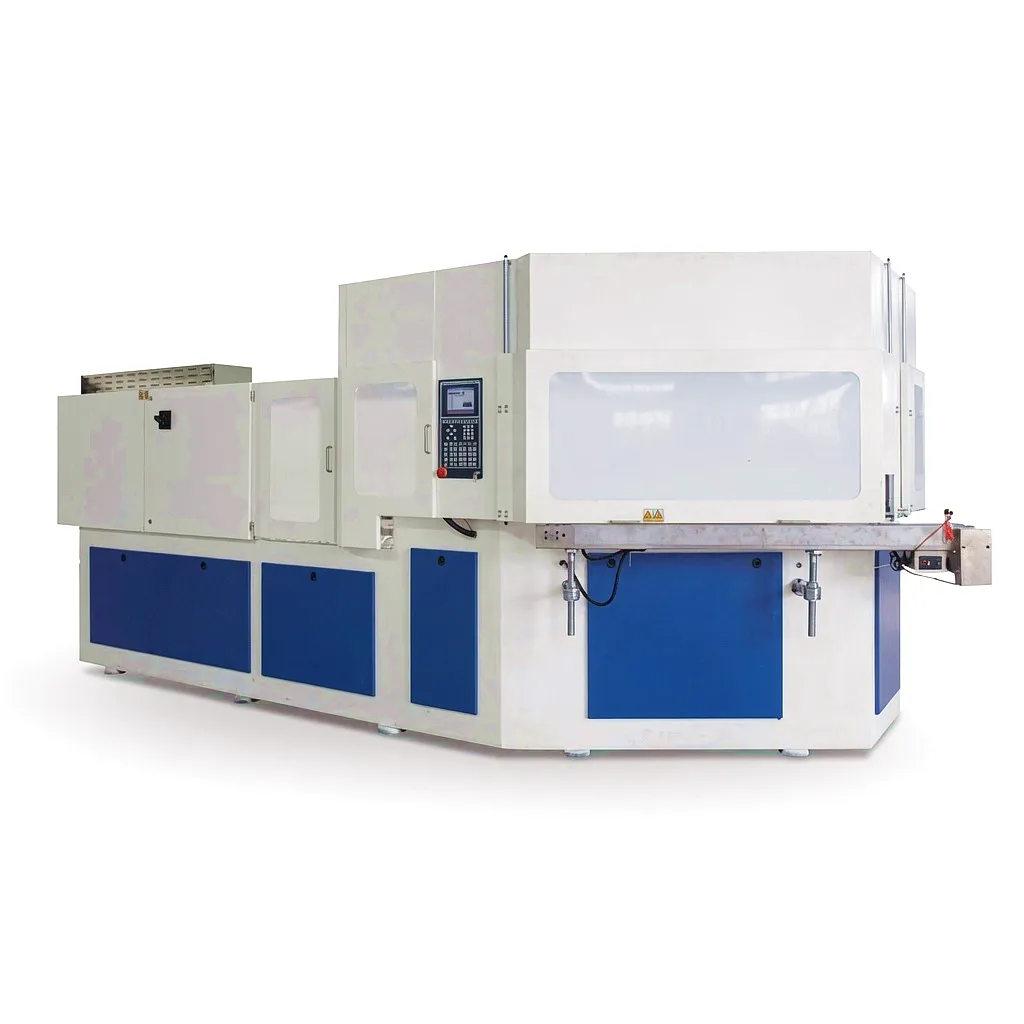
View ZQ80 Details →

ZQ110 Injection Blow Molding Machine

High-Volume Series

The ZQ110 steps up clamping force and cavity count to support multi-cavity tooling for larger-diameter containers, including multi-dose eye drop bottles, eye wash cups, and nasal rinse flasks. Its enhanced plasticising capacity accommodates pharmaceutical-grade LDPE and PP resins without processing compromise, and its control platform integrates readily with production data systems common in UK GMP facilities seeking 21 CFR Part 11 audit trail capability.

View ZQ110 Details →

How an Injection Blow Molding Machine Works

01
Injection Stage

Molten resin is injected around a core rod inside the injection mould. This forms a preform — essentially a thick-walled tube — with a fully finished neck, threads, and fitment surface already in their final geometry. The accuracy achieved here directly determines the leak-tightness of any cap or dropper assembly fitted later.

02
Transfer Stage

The core rod, still carrying the warm preform, rotates on the machine’s indexing head to the blow mould station. Temperature is retained within a controlled range during this transfer so that the material remains uniformly soft and responsive — a critical factor in achieving even wall distribution in thin-walled pharmaceutical containers.

03
Blow Stage

Filtered compressed air is introduced through the core rod, expanding the preform outward to the cavity walls of the blow mould. The bottle body takes shape under controlled pressure, with no weld lines or parting line flash on the sidewall. The closed-mould environment dramatically reduces airborne contamination risk compared to extrusion blow alternatives — a meaningful distinction in healthcare GMP environments.

04
Eject Stage

Once cooled and dimensionally stabilised, the finished container is ejected from the mould. Because the neck geometry was set at the injection stage and never re-formed, the ejected bottle requires no post-trimming of a pinched base — a source of particulate contamination that must be managed in extrusion blow molding, and which IBM eliminates by design.

This four-stage cycle completes in a matter of seconds per cavity and can be run across multi-cavity tooling to achieve output rates that suit both small-batch contract manufacturing operations — common in the pharmaceutical corridor between Cambridge and Stevenage — and large-volume supply lines serving NHS distribution centres. The dimensional consistency produced cycle-to-cycle is the reason injection blow molding has become the reference process for ophthalmic and nasal packaging where closure integrity is a regulatory, not merely commercial, requirement.

Application Scenario

Healthcare and Ophthalmic Products — Eye Drops, Nasal Sprays and Sterile Flush Containers
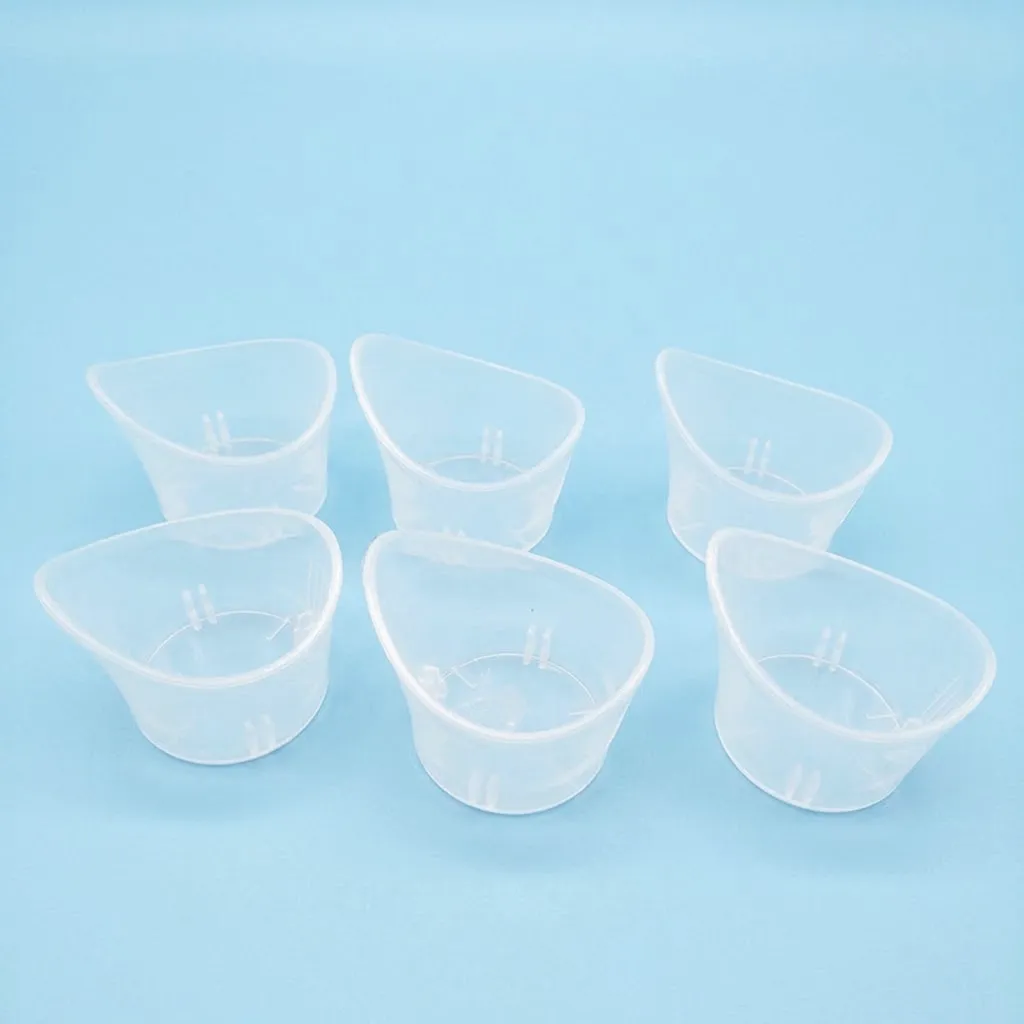
IBM Machine Healthcare Application

Healthcare packaging represents the most demanding application domain for injection blow molding technology. Containers that will be used for ophthalmic or nasal drug delivery must satisfy pharmacopoeial requirements for extractables and leachables, withstand sterilisation or aseptic filling processes, and maintain sterile barrier integrity throughout the entire shelf life of the product. The materials used must be certified pharmaceutical grade, and any additive package — lubricants, stabilisers, antioxidants — must be qualified against biocompatibility standards such as ISO 10993 and the relevant USP chapters governing plastics in contact with parenteral and ophthalmic preparations.

The injection blow molding machine addresses these demands in a particularly elegant way. Because the parison — the preform from which the bottle body is blown — is formed in a fully enclosed mould, the material surface that will eventually contact the drug product is never exposed to the ambient atmosphere during processing. This is in contrast to extrusion blow molding, where the hot extruded tube is necessarily exposed between the die and the mould. For UK manufacturers operating under MHRA-licensed conditions and supplying products to NHS formularies or private pharmacy chains, this contamination-minimising characteristic is a meaningful compliance advantage.

👁
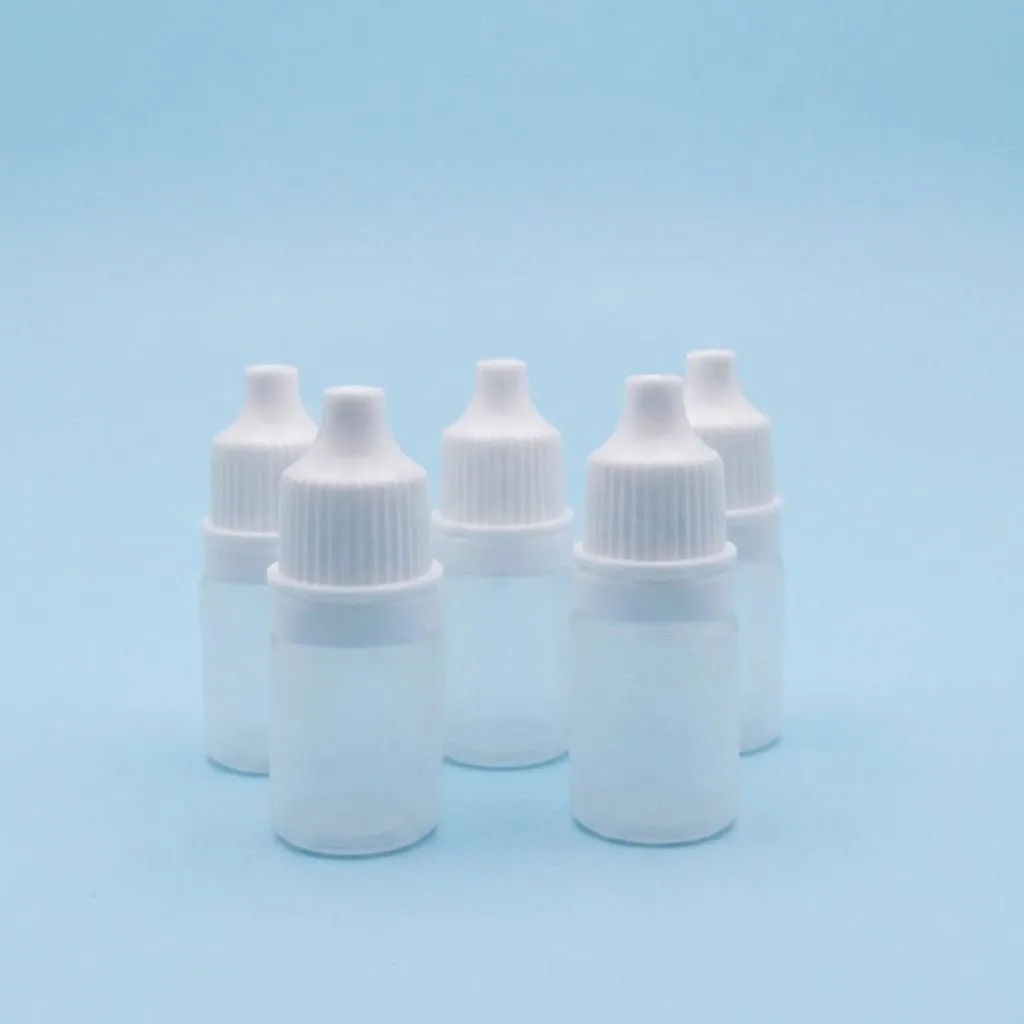
Eye Drop Bottles
5–30 ml unit-dose & multi-dose
💔
Nasal Spray Containers
Pump-fitment grade necks
💉
Sterile Saline Flush
60–500 ml irrigation
💊
Multi-dose Dispensers
Dropper tip integration
👤
Eye Wash Cups
Ergonomic contour moulding

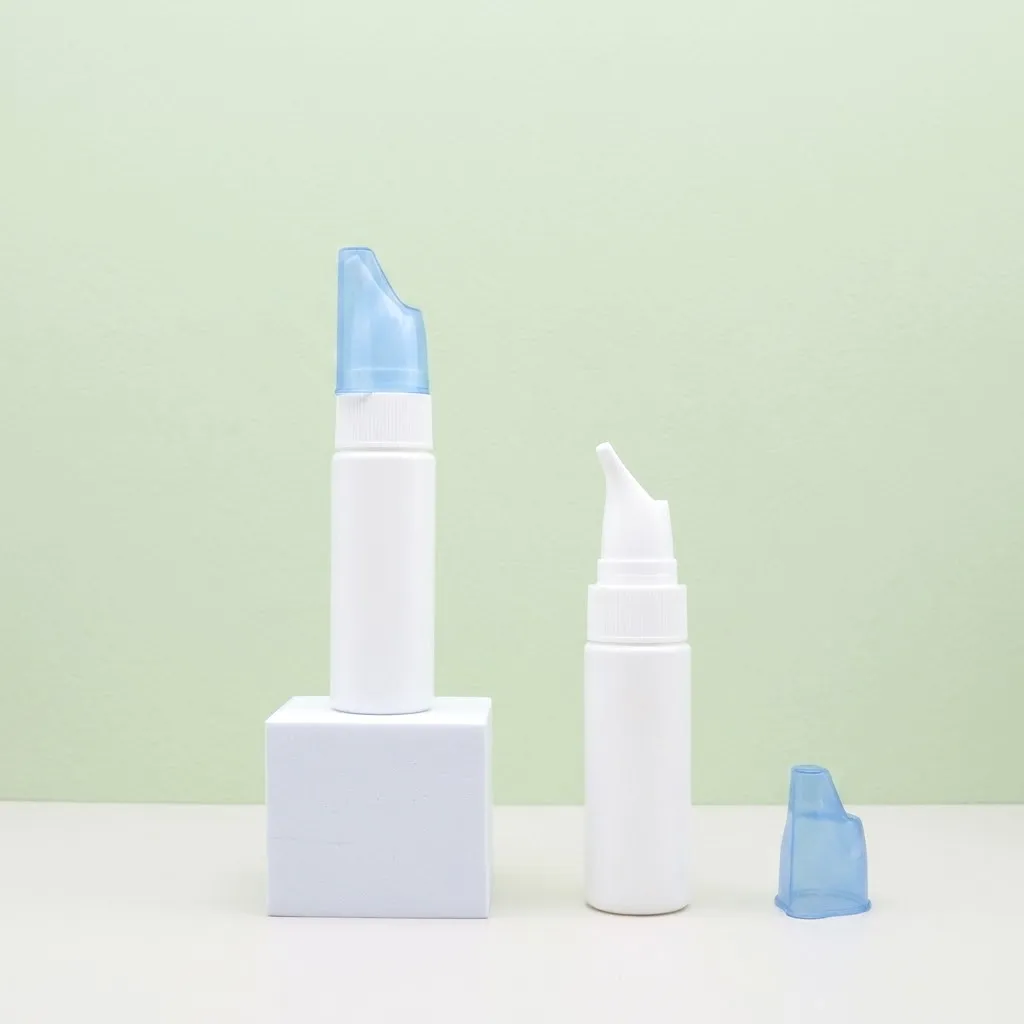
IBM Machine ophthalmic containers

The precision neck-forming capability of the injection blow molding process has particular relevance for ophthalmic containers. A dropper tip assembly or a tamper-evident overcap for an eye drop bottle depends on dimensional consistency to within ±0.05 mm in bore diameter and thread-form geometry. Any variation beyond that tolerance can translate into inconsistent drop volume dispensed per actuation — a clinical concern when the product is a topical antibiotic or an anti-glaucoma agent. The IBM process achieves this consistency through the injection mould, which forms the neck prior to blowing, so the critical dimensions are set at the most controllable point in the process and not subject to reheating or secondary forming. This is why MHRA-licensed packaging converters in the Oxford-Swindon pharmaceutical manufacturing belt, and those supplying the large NHS supply chain that runs from distribution hubs in Sutton-in-Ashfield and Runcorn, have progressively standardised on IBM for ophthalmic container production.

Nasal spray containers present a slightly different but equally demanding set of requirements. The body of a nasal spray bottle must withstand repeated actuation cycles from a high-torque metered-dose pump, maintain chemical resistance to aqueous saline or corticosteroid solutions, and provide squeeze-induced airless delivery in certain single-dose formats. LDPE is the dominant material of choice for standard nasal spray bodies, and the IBM machine processes it efficiently, producing sidewalls of controlled and repeatable thickness that govern the squeeze force and dose-volume characteristics. For preservative-free formulations — a market growing rapidly in the UK driven by allergology and ENT specialist preference — the IBM process supports the thin-walled, high-integrity container designs that aseptic filling lines require.

Core Materials for Healthcare IBM Applications

LDPE — Low Density Polyethylene

The predominant material for ophthalmic and nasal containers. Its flexibility permits controlled drop dispensing and squeeze-to-fill actuation. Pharmaceutical-grade LDPE grades carry USP Class VI and ISO 10993 clearance, and the resin’s excellent clarity allows visual inspection of the fill level — a regulatory requirement for most liquid ophthalmic preparations submitted to the MHRA. Processing temperatures of 160–220°C suit IBM barrel configurations without thermal degradation concerns.

PP — Polypropylene

Used where chemical resistance to solvents, alcohols, and concentrated saline must exceed LDPE capability. PP’s higher melting point — generally above 160°C — also makes it the material of choice when containers will be gamma-irradiated for terminal sterilisation. Random copolymer PP grades offer improved clarity over homopolymer at thin wall sections, making them viable for clear wash-bottle and flush container applications that also need radiation stability.

HDPE — High Density Polyethylene

Specified for larger-volume sterile irrigation containers and eye wash cups where rigidity and drop-impact resistance during distribution are required. HDPE’s barrier properties provide longer shelf-life stability for moisture-sensitive formulations. The stiffness of HDPE makes it more challenging to blow in thin-wall configurations, which is precisely where IBM’s controlled preform temperature management — maintaining consistent wall temperature across the entire preform — delivers a processing advantage over less tightly controlled techniques.

PET — Polyethylene Terephthalate

Increasingly specified for premium ophthalmic packaging and contact lens solution bottles where glass-like clarity and excellent oxygen barrier properties are needed. PET requires injection stretch blow molding for most applications, but standard IBM machines configured for PET handle single-serve eye-wash formats effectively. UK manufacturers supplying optical retail chains and contact lens subscription services have adopted PET IBM containers as a lighter, shatter-resistant alternative to glass for preserved lens care solutions.

Technical Performance Parameters

Representative specifications for IBM machines used in pharmaceutical and ophthalmic container production. Exact parameters vary by model, tooling, and material grade.

ParameterZQ80 (Compact)ZQ110 (High-Volume)Healthcare Relevance
Clamping Force80 kN110 kNEnsures consistent cavity closure, preventing flash on dropper-neck geometries
Injection VolumeUp to 180 cm³Up to 300 cm³Supports multi-cavity tooling for 5–100 ml ophthalmic containers
Cycle Time6–18 sec5–16 secDetermines output rate for NHS supply contract fulfilment
Neck Diameter Range10–38 mm12–60 mmCovers standard dropper (13B), nasal pump (28/410) and wash bottle (38mm) finishes
Compatible ResinsLDPE, HDPE, PP, PETLDPE, HDPE, PP, PET, PCBroad pharmaceutical-grade resin compatibility without hardware changes
Container Volume3–250 ml5–500 mlSpans unit-dose eye drops to 500 ml saline irrigation
Wall Thickness Tolerance±0.05 mm±0.05 mmConsistent squeeze-force characteristics for metered ophthalmic dosing
Barrel Temperature Control3-zone, ±1°C4-zone, ±1°CPrecise thermal management for pharmaceutical-grade resins
Blow Pressure0.4–0.8 MPa0.4–1.0 MPaAdjustable for thin-wall eye drops vs thick-wall irrigation bottles
Power Consumption~11 kW~15 kWEnergy cost relevant to UK industrial electricity pricing

Why IBM Machines Are the Healthcare Packaging Industry Standard

Closed-Mould Sterility Advantage

The IBM process never exposes the inner container surface to ambient air during forming. The preform is injected, transferred, and blown within tooling that keeps the material surface enclosed throughout. For pharmaceutical cleanroom environments where particulate count and microbial contamination limits are defined by EU GMP Annex 1 and the MHRA’s own guidance, this inherent process advantage reduces the contamination management burden that converter operations must demonstrate in their process validation packages.

No Weld Lines, No Pinch-off Flash

Extrusion blow molding leaves a pinch-off weld at the base of every bottle. In pharmaceutical applications, this weld line must be managed for particulate generation risk — particles from the weld area can shed into the container interior during filling or shipping. IBM produces no such weld. The base of an IBM container is formed as a smooth, unpinched dome, eliminating this contamination pathway and simplifying the particulate qualification testing required in IQ/OQ/PQ validation programmes.

Neck-Finish Dimensional Accuracy

Since the neck and threads are formed at the injection stage — the most thermally and dimensionally controllable point in the IBM cycle — the finished bottle delivers neck tolerances that meet the demands of automated high-speed filling and capping lines. This precision translates directly to reduced cap-application failures and lower leaker rates on filling lines operating at 200 to 400 units per minute, a throughput range common to UK contract pharmaceutical manufacturers supplying NHS tender volumes.

Material Versatility Without Tool Changes

Modern injection blow molding machines support rapid resin changeovers through purging cycles, allowing a single machine to process LDPE for standard eye drop containers in one campaign and PP for gamma-stable irrigation bottles in the next, without tooling disassembly. This flexibility is particularly valued by contract manufacturing organisations in the Midlands and the South East of England that run short-to-medium length production batches for multiple pharmaceutical clients from a shared equipment base.

High Cavity Efficiency at Low Scrap Rate

IBM produces no sprues, runners, or pinch-off waste in the conventional sense. The process generates a cold slug from the injection gate, which can be reground and repurposed for non-pharmaceutical applications. Overall material utilisation exceeds 98% in typical pharmaceutical container runs, a significant cost efficiency consideration when running pharmaceutical-grade LDPE or specialty PP grades that carry price premiums over commodity resin. For UK manufacturers facing energy cost pressures and raw material inflation, this lean consumption profile improves operating economics substantially.

Compact Footprint for Cleanroom Integration

IBM machines occupy a fraction of the floor space required by comparable extrusion blow molding installations, and their all-electric or hybrid drive configurations reduce vibration and oil contamination risk that would otherwise be problematic in classified cleanroom environments. This makes them the practical choice for facilities operating Grade C or Grade D classified areas, where pharmaceutical bottle forming is conducted either within or immediately adjacent to filling and capping operations — an arrangement increasingly favoured by UK fill-finish CMOs building integrated packaging modules.

Further Application Scenarios for Injection Blow Molding

Beyond ophthalmic and nasal healthcare packaging, injection blow molding machines serve critical roles across multiple sectors of UK manufacturing.
Personal Care & Cosmetics

High-end serum bottles, luxury fragrance travel containers, and lotion dispensers with intricate neck geometries. UK personal care brands headquartered in London and Manchester specify IBM for glass-substitute PET containers that provide optical clarity without fragility during logistics. The precise neck-to-closure fit that IBM delivers is especially valued in pump-dispenser products where sealing consistency directly affects product shelf life.

Food & Beverage Packaging

Single-serve condiment bottles, speciality vinegar containers, and premium sauce packaging from food producers in Yorkshire and the Humber rely on IBM-formed HDPE and PET bottles for their combination of chemical resistance and visual presentation. IBM’s tight dimensional control prevents the neck finish variation that would cause leakage in inverted-position squeeze condiment bottles — a problem familiar to any food packaging engineer who has worked with extrusion alternatives.

Veterinary & Animal Health

Veterinary ophthalmic preparations, oral dosing bottles, and ear treatment dispensers produced in IBM LDPE are distributed through UK veterinary wholesale networks to practices across rural England and Scotland. The same pharmacopoeial-level manufacturing controls applied to human ophthalmic containers translate directly to veterinary packaging, and IBM machines configured for human pharma can be readily redeployed or dual-run for veterinary product lines with minor recipe adjustments.

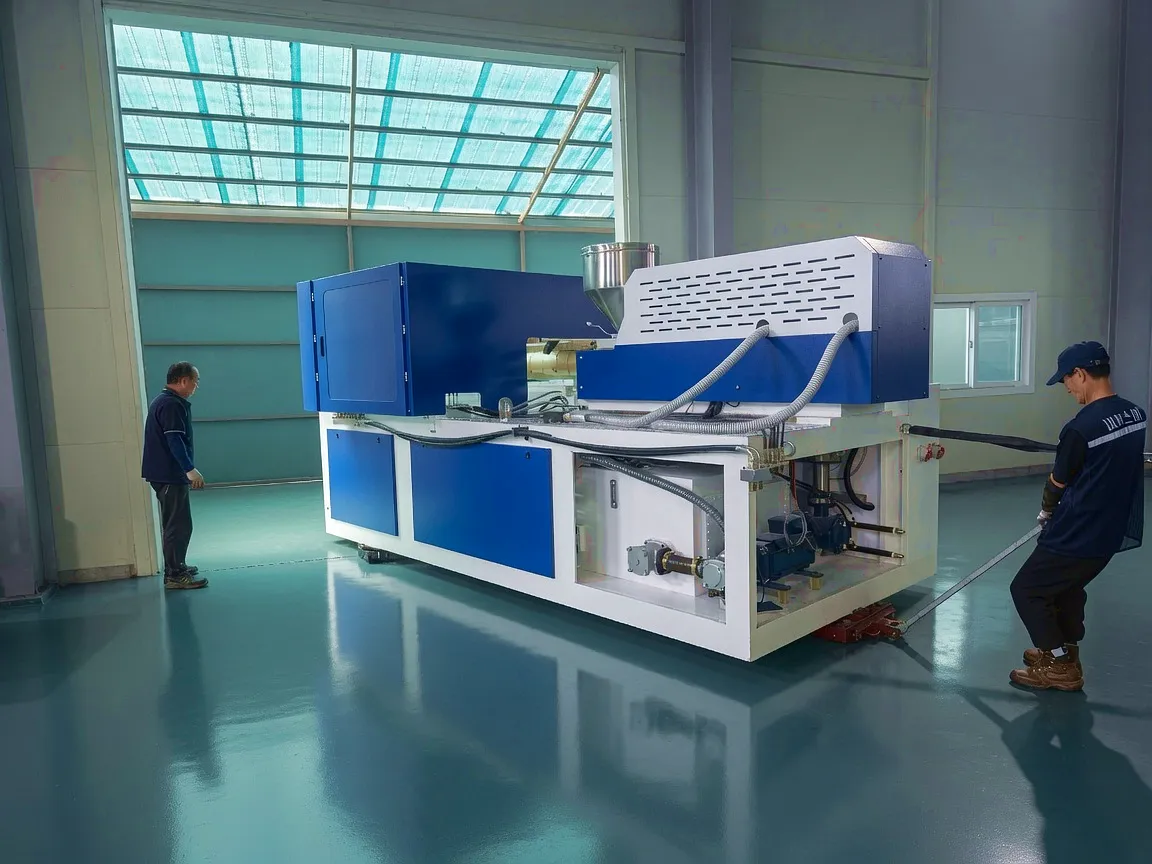
Injection Blow Molding Machine Workshop
Injection Blow Molding Machine Factory Floor

Manufacturing Partner

Ever Power — Precision IBM Machine Manufacturing and Customisation

Ever Power brings decades of injection blow molding machine engineering experience to a manufacturing platform designed from the ground up for pharmaceutical and precision industrial applications. The company’s production facilities operate under rigorous quality management systems, with every machine subjected to comprehensive run-off testing before dispatch. For UK customers in particular, Ever Power provides documentation packages aligned to CE marking requirements and the technical file structures expected by MHRA-licensed converters managing equipment qualification programmes.

Custom Tooling Design

Ever Power’s engineering team designs and manufactures custom injection and blow moulds matched to the exact container specifications of each customer’s pharmaceutical or healthcare product. Multi-cavity configurations from 2 to 12 cavities per station are available.

📊
Process Validation Support

Ever Power provides Factory Acceptance Test protocols, equipment data sheets, and parameter range documentation to support IQ/OQ phases. This service significantly reduces the burden on UK packaging converters building validation dossiers for MHRA submissions or customer quality audits.

📦
UK Delivery and Commissioning

Ever Power coordinates end-to-end freight logistics from the production facility to customer sites across England, Scotland, and Wales, with trained field engineers available for on-site installation, commissioning, and operator training. Spare parts are stocked regionally to minimise downtime risk for production-critical customers.

🛠
After-Sales Technical Service

Dedicated service engineers with IBM-specific expertise provide remote diagnostic support and scheduled preventive maintenance programmes tailored to UK customer production calendars. Response time commitments are part of service agreements, providing the predictability that production planners in NHS-supply packaging operations require.

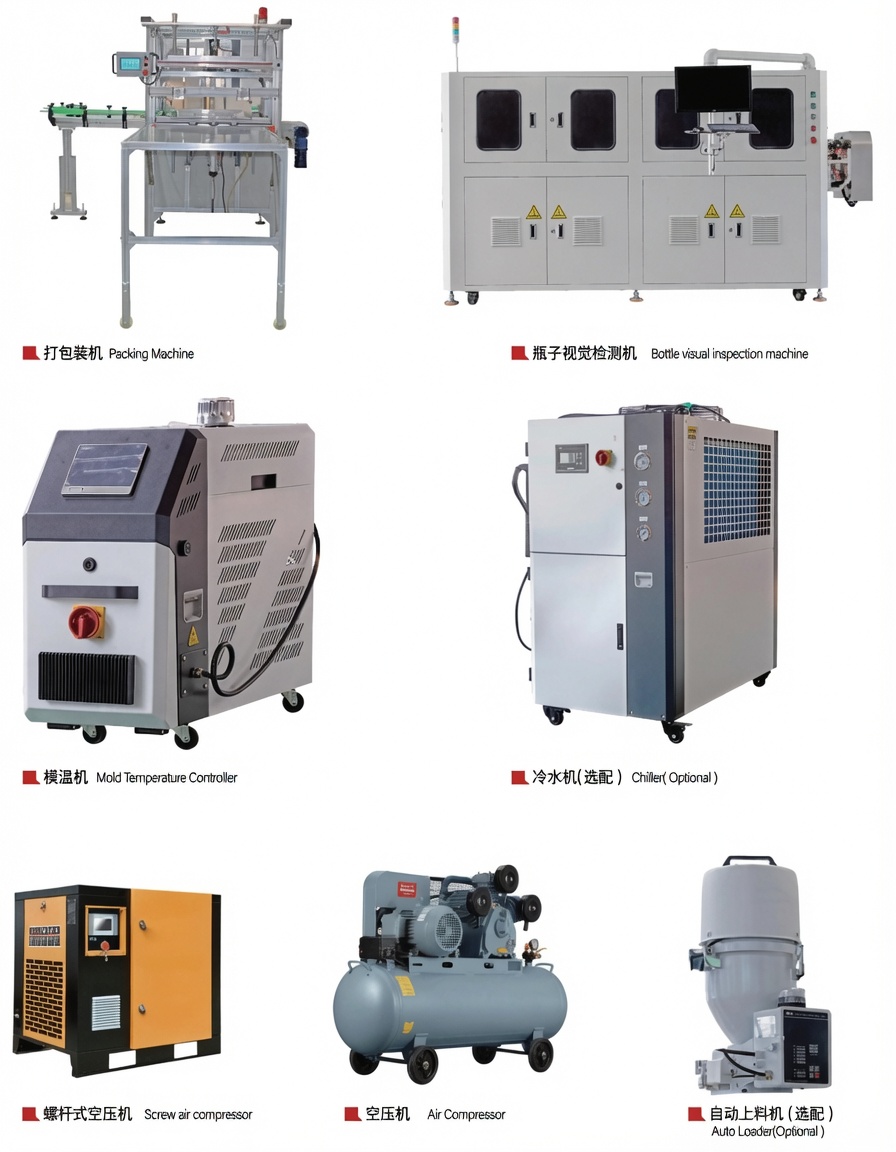
IBM Machine Auxiliary Equipment
IBM Machine System Components

The Multi-Dose and Preservative-Free Market Shift
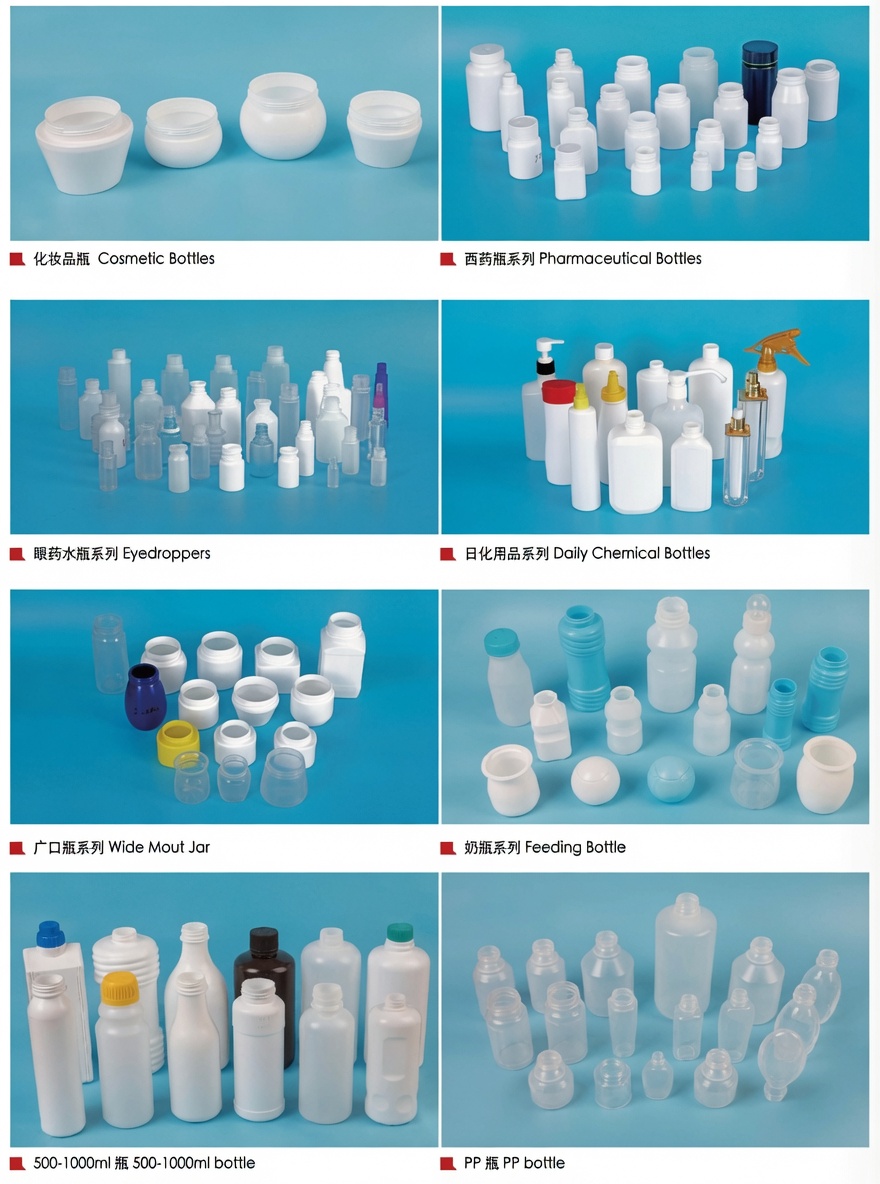
IBM Machine Product Range

The shift toward preservative-free ophthalmic formulations is reshaping the UK eye care market in a way that directly amplifies demand for injection blow molding machines. Traditional multi-dose eye drop bottles relied on benzalkonium chloride or other antimicrobial preservatives to maintain sterility after the patient first opens the container. Growing clinical evidence linking these preservatives to chronic ocular surface irritation — particularly in patients using multiple topical ophthalmic treatments simultaneously, such as those managing glaucoma alongside dry eye disease — has accelerated prescriber preference for preservative-free single-dose units across NHS and private ophthalmology practice.

Single-dose preservative-free containers, commonly referred to as unidoses or minims in UK clinical parlance, are produced almost exclusively by the IBM process. The container must be formed in a way that eliminates the need for any post-moulding sterilisation of the container interior, because the closed-mould IBM process keeps the inner surface sterile-equivalent from the moment the resin is injected. The container is then aseptically filled, tip-welded, and packaged in controlled atmosphere or isolator environments. IBM machines with appropriately configured clamping force, injection volume, and cavity counts can produce unidose bodies at rates of several thousand units per hour — the throughput level needed to serve NHS ophthalmic formulary contracts where volumes may run to tens of millions of units annually.

Customer Success Story

Nottingham Contract Pharmaceutical Packager Expands Ophthalmic Line Capacity with Ever Power IBM Installation

A contract pharmaceutical packaging organisation based in Nottingham — operating from a licensed facility in the Nottingham Enterprise Zone and supplying packaging services to three NHS Trusts in the East Midlands — was facing a capacity constraint that threatened its ability to service a new ophthalmic tender for a volume of 8 million preservative-free unit-dose saline containers per annum. The existing extrusion blow molding equipment in use was producing unacceptable neck-finish variation rates of approximately 1.2%, causing downstream cap application failures on the packaging line at a cost that was eroding the contract margin.

Following a process review conducted by their production engineering team — which included visits to IBM installations in the Leicestershire pharmaceutical corridor — the company approached Ever Power for a technical consultation. The outcome was a customised ZQ80 injection blow molding machine configured with a 6-cavity LDPE unidose mould, with neck geometry specified to match the existing tamper-evident overcap tooling already in use on their filling line. Ever Power’s engineering team provided the mould design based on the customer’s technical drawing package, manufactured the tooling in-house, and completed a Factory Acceptance Test at the production facility before shipment.

After installation and an OQ validation period of six weeks, the line was running at a neck-finish defect rate of less than 0.03% — a forty-fold improvement over the previous extrusion process. Output of 11,400 units per hour from the 6-cavity tool with a 7.8-second cycle time comfortably exceeded the 8-million-unit annual requirement within a single shift. The Nottingham facility subsequently placed a second order for a ZQ110 to service a separate nasal spray container contract for a Midlands-based specialty pharma company.

“The neck-finish consistency from the ZQ80 is in a completely different league to what we were getting from our extrusion machine. Our filling line cap-application failures dropped to near zero from day one. For ophthalmic contracts where the MHRA requires closure integrity data, this kind of repeatability is not just commercially useful — it is essential.”

Production Director
Contract Pharma Packager, Nottingham

“Ever Power’s customisation service was straightforward and technically credible. The mould engineering team understood our neck-finish specification immediately and came back with a cavity design that matched our existing overcap tooling without requiring us to modify our downstream capping machine. The FAT documentation package supported our OQ schedule without the gaps we had experienced with a previous equipment supplier.”

Quality Assurance Manager
NHS Supply Chain Packager, East Midlands

“The after-sales support from Ever Power has been consistently responsive. When we needed to optimise cycle time on our unidose tool during the first month of production, their technical team walked us through barrel temperature and blow pressure adjustments remotely and we achieved the cycle time target within two days. Compared to the pricing we received from European machine manufacturers for equivalent IBM platforms, the Ever Power machines represented outstanding value without compromising on engineering quality.”

Engineering Manager
Specialty Pharma Packaging, Leicester

Frequently Asked Questions

Common questions from UK pharmaceutical packaging engineers, procurement managers, and contract manufacturers considering injection blow molding machines.

Q
How much does an injection blow molding machine cost for a UK pharmaceutical packaging operation, and what is a realistic price range for a system configured for ophthalmic containers?
Entry-level injection blow molding machines suited to single-cavity ophthalmic container production typically start in the range of £40,000 to £80,000 depending on specification. Multi-cavity platforms configured for pharmaceutical production, with servo-driven indexing and enhanced documentation packages, generally fall in the £80,000 to £160,000 range. Custom moulding tooling for a specific container geometry adds typically £15,000 to £40,000 depending on cavity count and neck complexity. Ever Power offers competitive pricing within these ranges with flexible quotation structures — contact [email protected] for a specific price quotation based on your container design and required output volume.
Q
What makes an injection blow molding machine better than an extrusion blow molding machine when producing sterile eye drop bottles for UK MHRA-licensed facilities?
The principal advantages are the elimination of pinch-off weld lines, the closed-mould material handling that prevents ambient contamination of the inner container surface, and the injection-formed neck that produces pharmaceutical-grade closure tolerances without secondary trimming. For MHRA-licensed ophthalmic manufacturing, the IBM process simplifies particulate qualification in IQ/OQ validation programmes and reduces closure integrity failure rates on high-speed filling lines. These advantages directly reduce the compliance risk exposure associated with pharmaceutical packaging batch failures.
Q
Which materials can an injection blow molding machine process for nasal spray containers, and which pharmaceutical-grade grades are approved for use by UK regulators?
IBM machines process LDPE, HDPE, PP, PET, and PC. For nasal spray containers in MHRA-regulated manufacturing, the dominant resin is pharmaceutical-grade LDPE compliant with European Pharmacopoeia 3.1.4 (polyethylene without additives for containers for parenteral preparations and for ophthalmic preparations), along with HDPE per EP 3.1.3 for more rigid body formats. PP random copolymer grades are used for applications requiring higher solvent resistance or radiation stability. Material certificates, extractables data, and regulatory support letters from resin suppliers are part of the qualification package that Ever Power assists customers in assembling.
Q
Where in the UK can I find a reliable supplier of injection blow molding machines with experience in pharmaceutical and medical device packaging applications?
Ever Power serves the UK pharmaceutical and medical device packaging market directly, with installations in facilities across the Midlands, the South East, and the North of England. The company provides UK-specific documentation, CE marking compliance, and regional commissioning engineers for customers in Birmingham, Nottingham, Leicester, Sheffield, Manchester, and throughout England, Scotland, and Wales. Contact [email protected] to discuss your specific requirements and arrange a technical consultation.
Q
How long does it typically take to receive and commission an injection blow molding machine ordered from Ever Power, and what lead times should UK buyers anticipate for custom mould tooling?
Standard machine lead times from order confirmation to Factory Acceptance Test are typically 10 to 16 weeks depending on specification complexity and current production scheduling. Custom injection and blow mould tooling manufactured in-house by Ever Power adds 8 to 12 weeks, which in most cases runs in parallel with machine production rather than sequentially — meaning a complete machine-plus-tooling delivery can frequently be achieved within 16 to 20 weeks of order placement. UK import clearance and last-mile delivery logistics for most sites in England are manageable within 2 to 3 additional weeks. Buyers planning capital equipment acquisitions for NHS tender deliverable timelines should allow a conservative 22 to 24-week window from purchase order to production-ready commissioning.
Q
What is the difference between standard IBM and ISBM, and when should a UK eye care packaging manufacturer choose one process over the other for ophthalmic container production?
Injection blow molding (IBM) forms the container in a single thermal processing cycle without biaxial stretching of the preform. Injection stretch blow molding (ISBM) adds a mechanical stretching step that orients the polymer chains, producing higher clarity, improved oxygen barrier, and greater structural strength per unit wall thickness. For ophthalmic containers in LDPE or PP — where flexibility for drop dispensing is required and where absolute clarity is less critical than chemical compatibility — standard IBM is the preferred process. ISBM in PET is the choice when glass-like clarity, carbonation resistance, or enhanced gas barrier is the primary requirement, as in certain preserved contact lens solution formats. Ever Power machines support both processes, and the selection guidance provided as part of the quotation process includes application-specific recommendations.
Q
Who should I contact at Ever Power to get a quotation for an injection blow molding machine for our sterile saline and nasal rinse container production line in Sheffield?
The Ever Power sales and applications engineering team can be reached directly by email at [email protected]. When enquiring, it is helpful to provide the container volume range, required annual output, resin preference, and any existing closure or filling line specifications so that the applications team can prepare a technically appropriate quotation. Ever Power’s team is experienced in supporting customers at Sheffield, Birmingham, Manchester, Nottingham, and throughout the UK, and can arrange virtual or on-site consultations for customers with complex technical requirements.

Ready to Upgrade Your Healthcare Packaging Line?

Ever Power’s engineering team is ready to help UK pharmaceutical packaging manufacturers specify the right injection blow molding machine configuration for ophthalmic, nasal, and sterile flush container applications.

edit by gzl