Featured Injection Blow Molding Machines
Two precision-engineered platforms trusted by healthcare packaging converters across the UK and Europe.
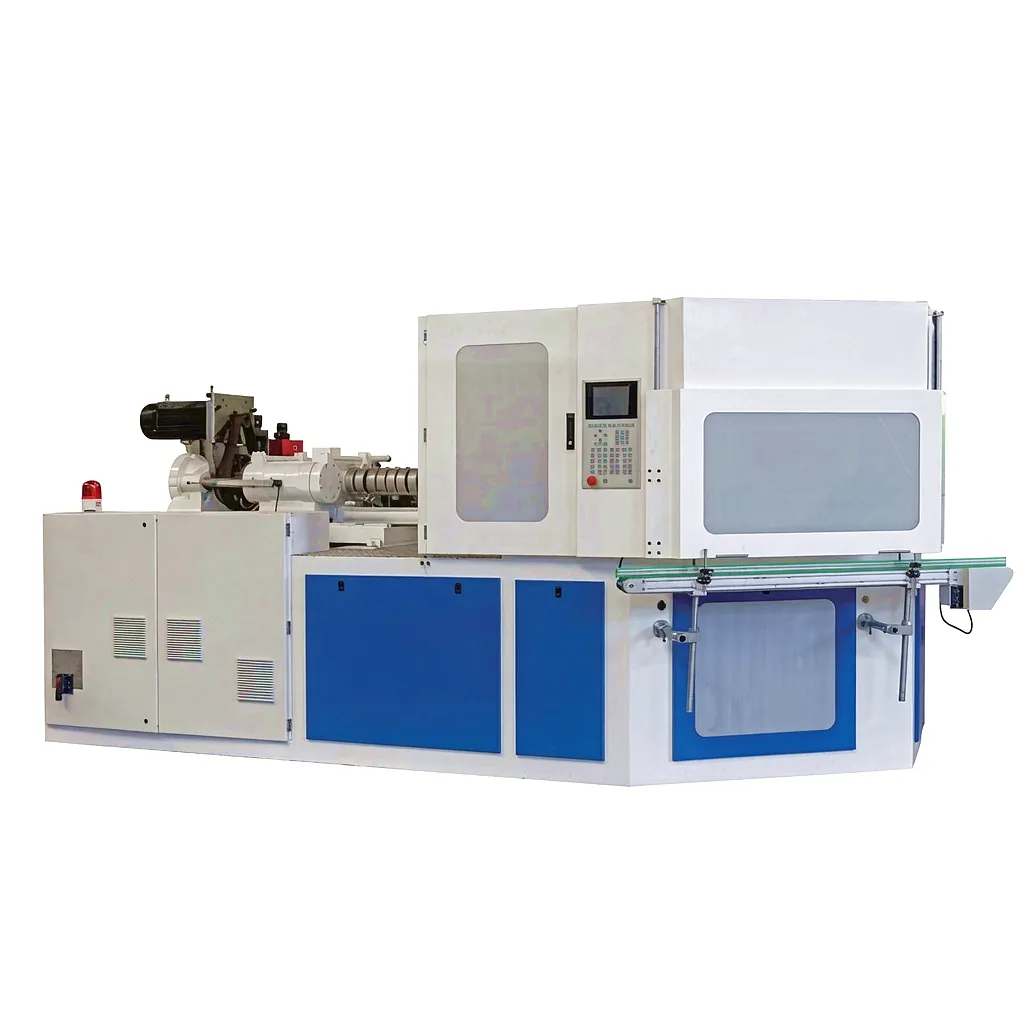
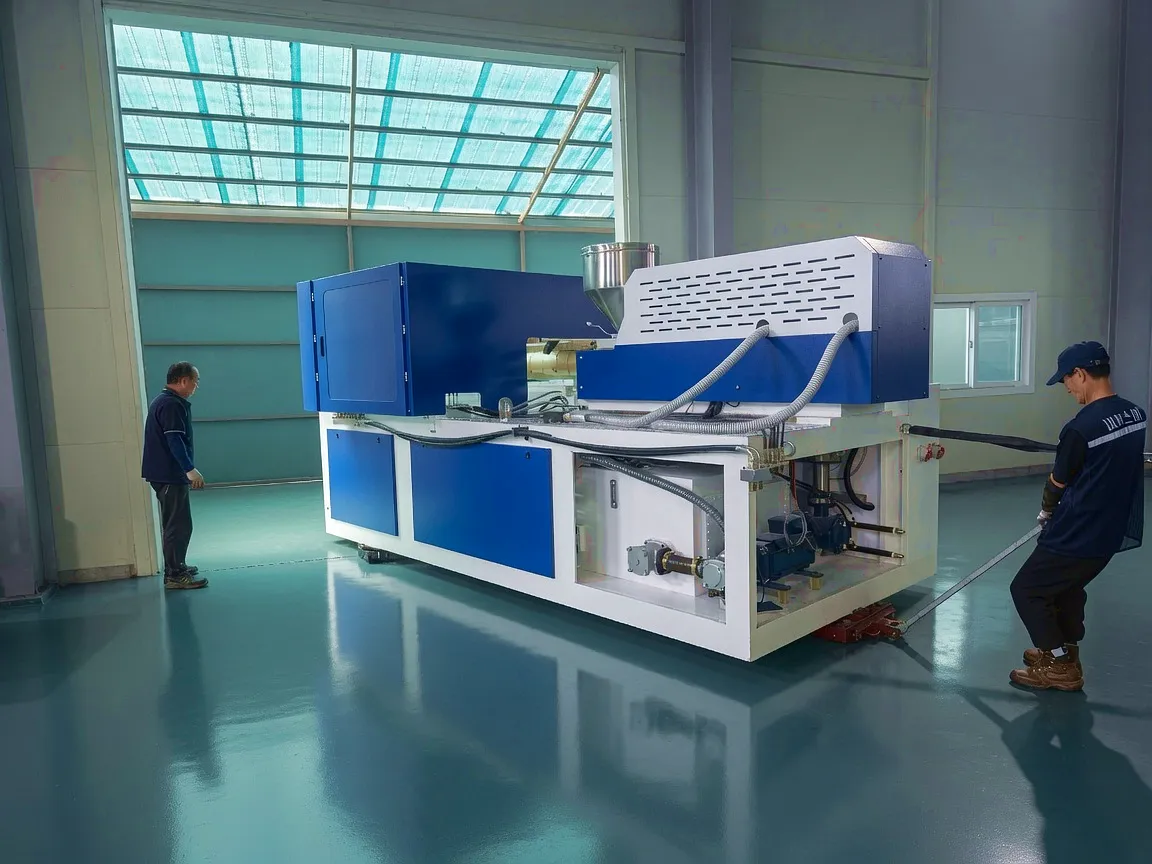
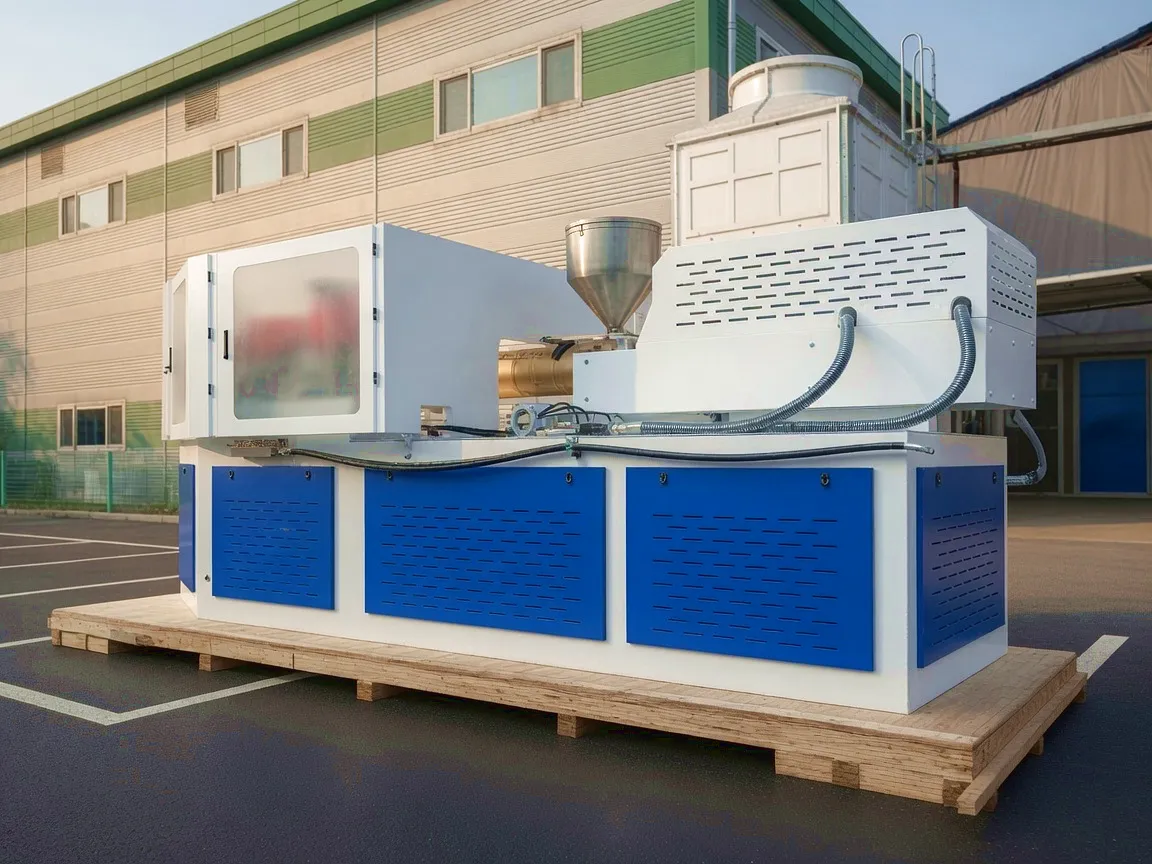
The ZQ80 is designed for high-precision small-to-medium container production, making it an outstanding fit for ophthalmic dropper bottles, nasal spray bodies, and single-dose saline units. Its servo-driven clamping system delivers repeatable neck-finish accuracy critical to tamper-evident closures and dropper fitments, while its compact footprint suits cleanroom integration in regulated manufacturing facilities across the UK.
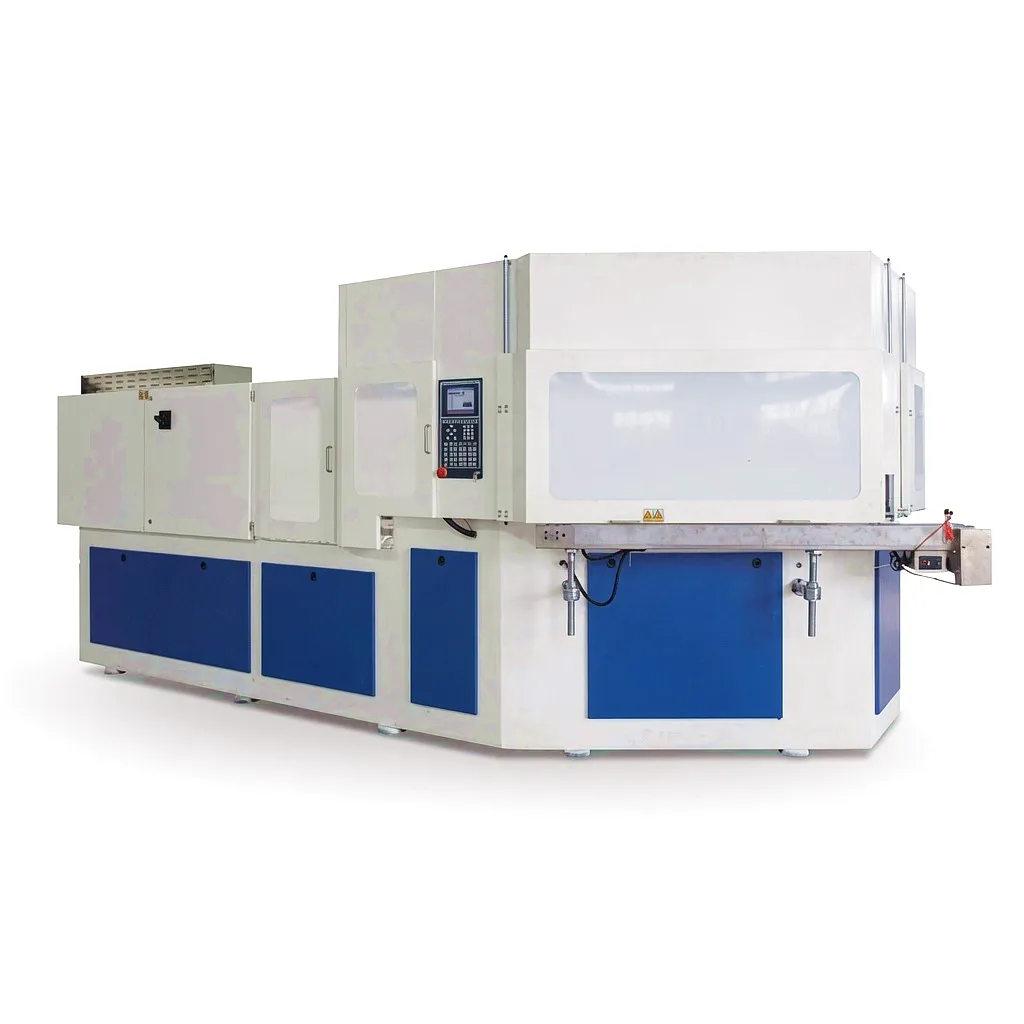
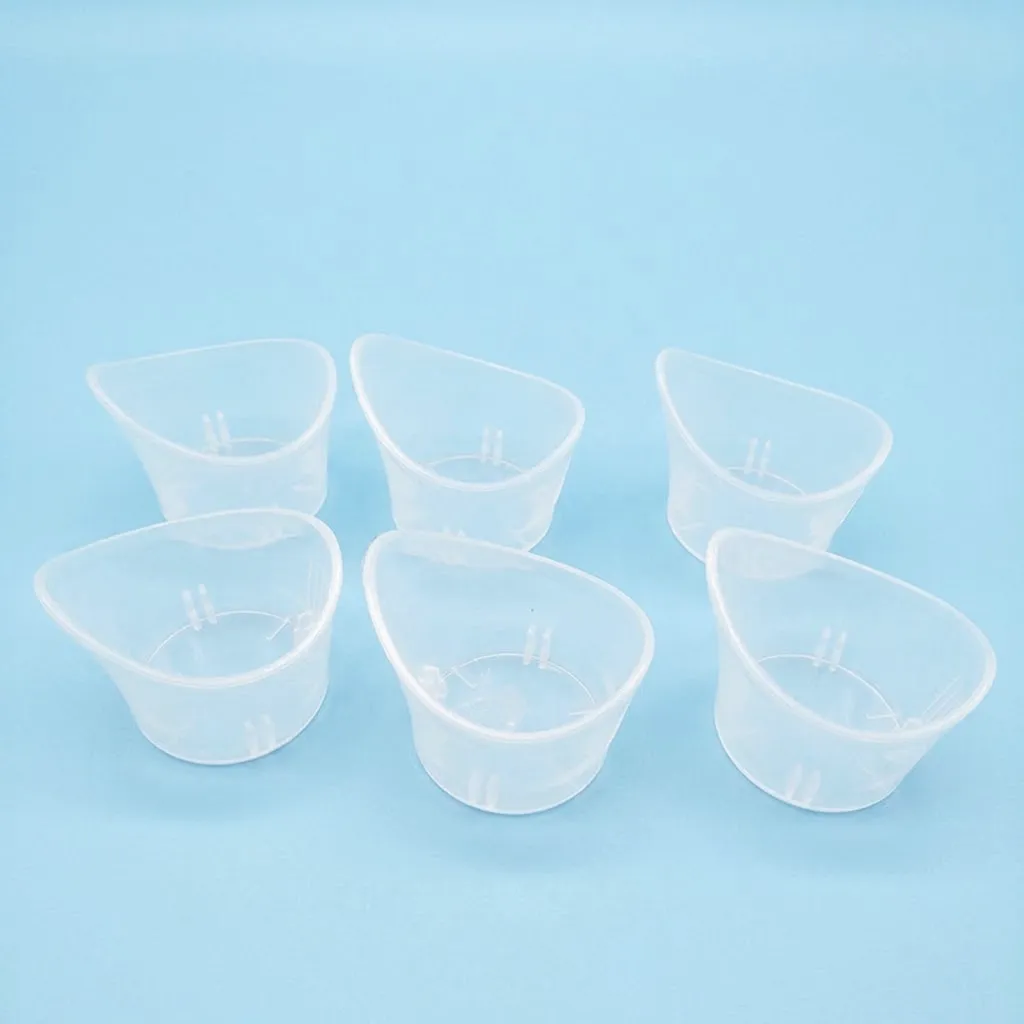
The ZQ110 steps up clamping force and cavity count to support multi-cavity tooling for larger-diameter containers, including multi-dose eye drop bottles, eye wash cups, and nasal rinse flasks. Its enhanced plasticising capacity accommodates pharmaceutical-grade LDPE and PP resins without processing compromise, and its control platform integrates readily with production data systems common in UK GMP facilities seeking 21 CFR Part 11 audit trail capability.
How an Injection Blow Molding Machine Works
Molten resin is injected around a core rod inside the injection mould. This forms a preform — essentially a thick-walled tube — with a fully finished neck, threads, and fitment surface already in their final geometry. The accuracy achieved here directly determines the leak-tightness of any cap or dropper assembly fitted later.
The core rod, still carrying the warm preform, rotates on the machine’s indexing head to the blow mould station. Temperature is retained within a controlled range during this transfer so that the material remains uniformly soft and responsive — a critical factor in achieving even wall distribution in thin-walled pharmaceutical containers.
Filtered compressed air is introduced through the core rod, expanding the preform outward to the cavity walls of the blow mould. The bottle body takes shape under controlled pressure, with no weld lines or parting line flash on the sidewall. The closed-mould environment dramatically reduces airborne contamination risk compared to extrusion blow alternatives — a meaningful distinction in healthcare GMP environments.
Once cooled and dimensionally stabilised, the finished container is ejected from the mould. Because the neck geometry was set at the injection stage and never re-formed, the ejected bottle requires no post-trimming of a pinched base — a source of particulate contamination that must be managed in extrusion blow molding, and which IBM eliminates by design.
This four-stage cycle completes in a matter of seconds per cavity and can be run across multi-cavity tooling to achieve output rates that suit both small-batch contract manufacturing operations — common in the pharmaceutical corridor between Cambridge and Stevenage — and large-volume supply lines serving NHS distribution centres. The dimensional consistency produced cycle-to-cycle is the reason injection blow molding has become the reference process for ophthalmic and nasal packaging where closure integrity is a regulatory, not merely commercial, requirement.
Healthcare and Ophthalmic Products — Eye Drops, Nasal Sprays and Sterile Flush Containers
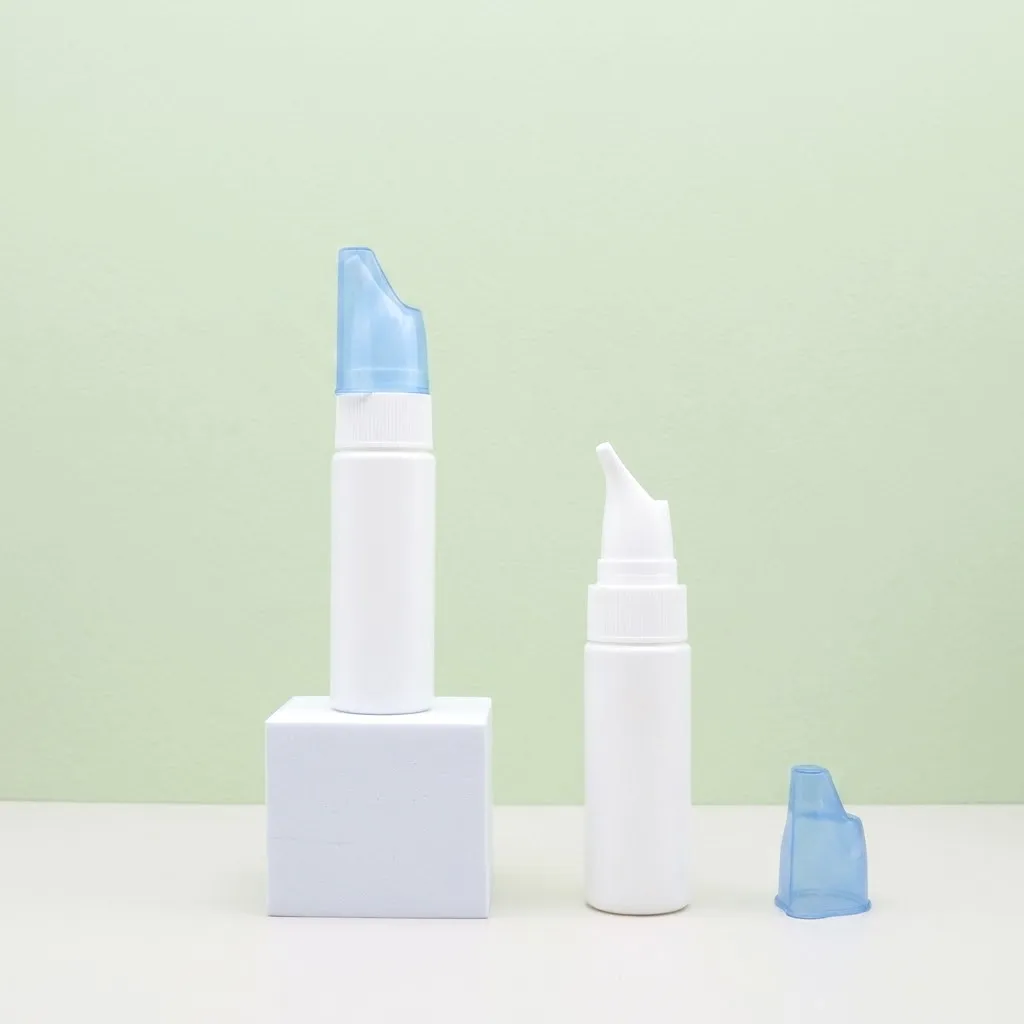
Core Materials for Healthcare IBM Applications
The predominant material for ophthalmic and nasal containers. Its flexibility permits controlled drop dispensing and squeeze-to-fill actuation. Pharmaceutical-grade LDPE grades carry USP Class VI and ISO 10993 clearance, and the resin’s excellent clarity allows visual inspection of the fill level — a regulatory requirement for most liquid ophthalmic preparations submitted to the MHRA. Processing temperatures of 160–220°C suit IBM barrel configurations without thermal degradation concerns.
Used where chemical resistance to solvents, alcohols, and concentrated saline must exceed LDPE capability. PP’s higher melting point — generally above 160°C — also makes it the material of choice when containers will be gamma-irradiated for terminal sterilisation. Random copolymer PP grades offer improved clarity over homopolymer at thin wall sections, making them viable for clear wash-bottle and flush container applications that also need radiation stability.
Specified for larger-volume sterile irrigation containers and eye wash cups where rigidity and drop-impact resistance during distribution are required. HDPE’s barrier properties provide longer shelf-life stability for moisture-sensitive formulations. The stiffness of HDPE makes it more challenging to blow in thin-wall configurations, which is precisely where IBM’s controlled preform temperature management — maintaining consistent wall temperature across the entire preform — delivers a processing advantage over less tightly controlled techniques.
Increasingly specified for premium ophthalmic packaging and contact lens solution bottles where glass-like clarity and excellent oxygen barrier properties are needed. PET requires injection stretch blow molding for most applications, but standard IBM machines configured for PET handle single-serve eye-wash formats effectively. UK manufacturers supplying optical retail chains and contact lens subscription services have adopted PET IBM containers as a lighter, shatter-resistant alternative to glass for preserved lens care solutions.
Technical Performance Parameters
Representative specifications for IBM machines used in pharmaceutical and ophthalmic container production. Exact parameters vary by model, tooling, and material grade.
Why IBM Machines Are the Healthcare Packaging Industry Standard
Further Application Scenarios for Injection Blow Molding
Beyond ophthalmic and nasal healthcare packaging, injection blow molding machines serve critical roles across multiple sectors of UK manufacturing.
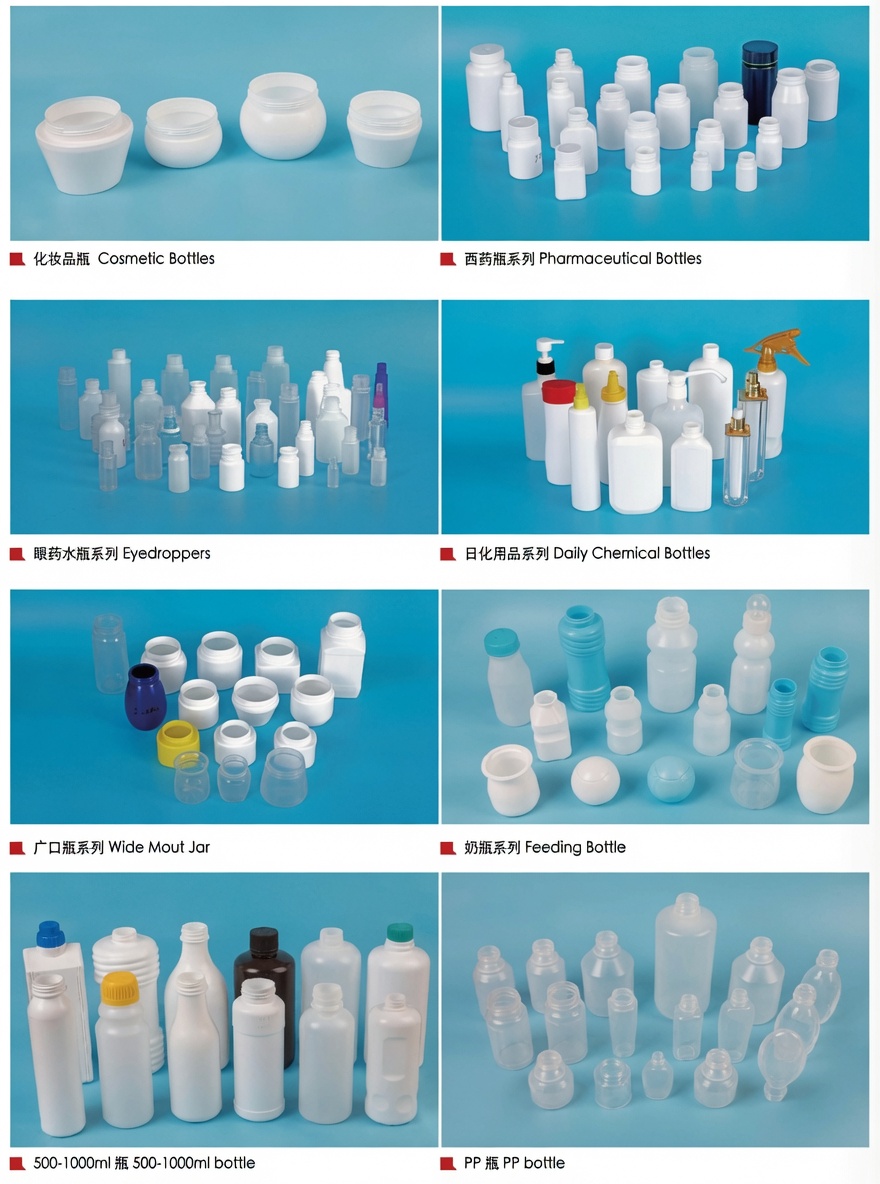
The Multi-Dose and Preservative-Free Market Shift
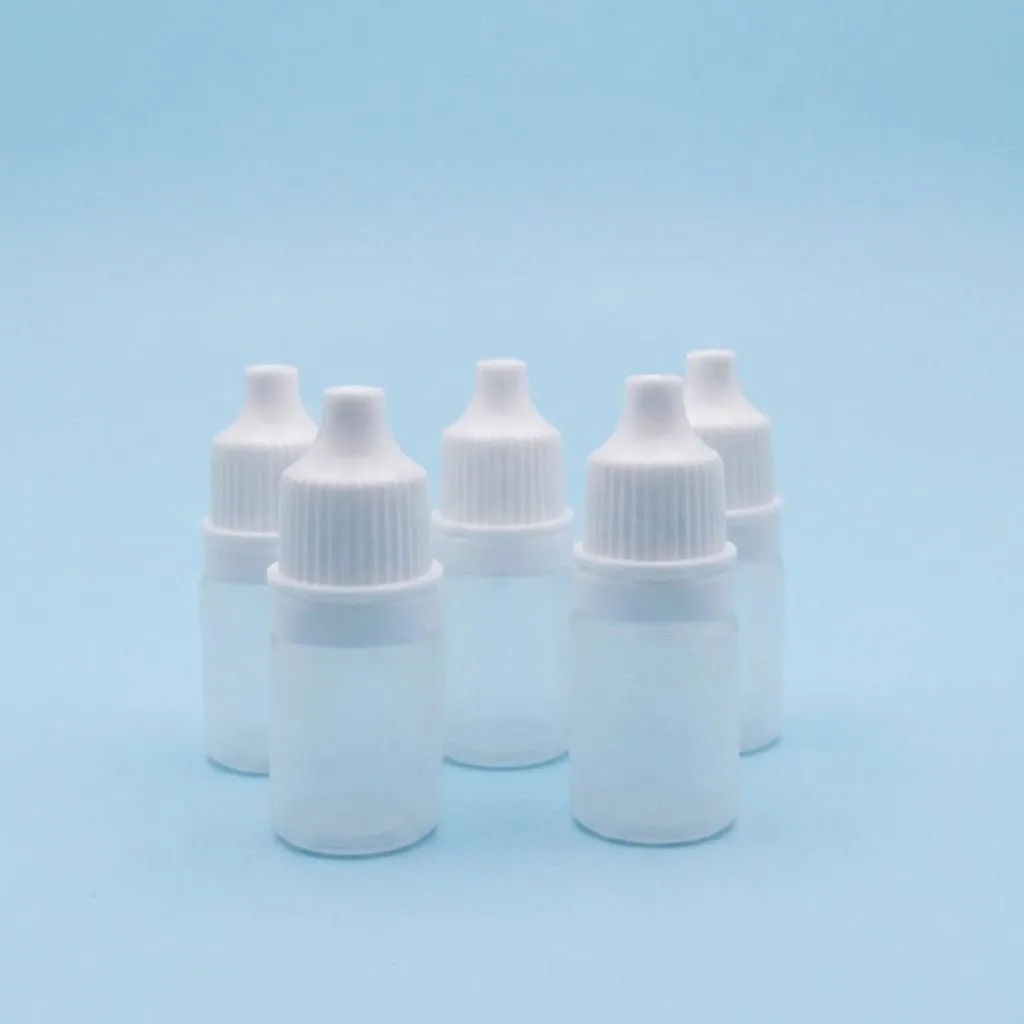
Nottingham Contract Pharmaceutical Packager Expands Ophthalmic Line Capacity with Ever Power IBM Installation
A contract pharmaceutical packaging organisation based in Nottingham — operating from a licensed facility in the Nottingham Enterprise Zone and supplying packaging services to three NHS Trusts in the East Midlands — was facing a capacity constraint that threatened its ability to service a new ophthalmic tender for a volume of 8 million preservative-free unit-dose saline containers per annum. The existing extrusion blow molding equipment in use was producing unacceptable neck-finish variation rates of approximately 1.2%, causing downstream cap application failures on the packaging line at a cost that was eroding the contract margin.
Following a process review conducted by their production engineering team — which included visits to IBM installations in the Leicestershire pharmaceutical corridor — the company approached Ever Power for a technical consultation. The outcome was a customised ZQ80 injection blow molding machine configured with a 6-cavity LDPE unidose mould, with neck geometry specified to match the existing tamper-evident overcap tooling already in use on their filling line. Ever Power’s engineering team provided the mould design based on the customer’s technical drawing package, manufactured the tooling in-house, and completed a Factory Acceptance Test at the production facility before shipment.
After installation and an OQ validation period of six weeks, the line was running at a neck-finish defect rate of less than 0.03% — a forty-fold improvement over the previous extrusion process. Output of 11,400 units per hour from the 6-cavity tool with a 7.8-second cycle time comfortably exceeded the 8-million-unit annual requirement within a single shift. The Nottingham facility subsequently placed a second order for a ZQ110 to service a separate nasal spray container contract for a Midlands-based specialty pharma company.
“The neck-finish consistency from the ZQ80 is in a completely different league to what we were getting from our extrusion machine. Our filling line cap-application failures dropped to near zero from day one. For ophthalmic contracts where the MHRA requires closure integrity data, this kind of repeatability is not just commercially useful — it is essential.”
“Ever Power’s customisation service was straightforward and technically credible. The mould engineering team understood our neck-finish specification immediately and came back with a cavity design that matched our existing overcap tooling without requiring us to modify our downstream capping machine. The FAT documentation package supported our OQ schedule without the gaps we had experienced with a previous equipment supplier.”
“The after-sales support from Ever Power has been consistently responsive. When we needed to optimise cycle time on our unidose tool during the first month of production, their technical team walked us through barrel temperature and blow pressure adjustments remotely and we achieved the cycle time target within two days. Compared to the pricing we received from European machine manufacturers for equivalent IBM platforms, the Ever Power machines represented outstanding value without compromising on engineering quality.”
Frequently Asked Questions
Common questions from UK pharmaceutical packaging engineers, procurement managers, and contract manufacturers considering injection blow molding machines.
Ready to Upgrade Your Healthcare Packaging Line?
Ever Power’s engineering team is ready to help UK pharmaceutical packaging manufacturers specify the right injection blow molding machine configuration for ophthalmic, nasal, and sterile flush container applications.