Injection-Blow Molding Machine: Industrial Applications, Technical Insights & UK Market Guide
From pharmaceutical packaging in Birmingham to agricultural chemical containers in Yorkshire, the injection-blow molding machine stands at the core of precision container manufacturing across British industry.
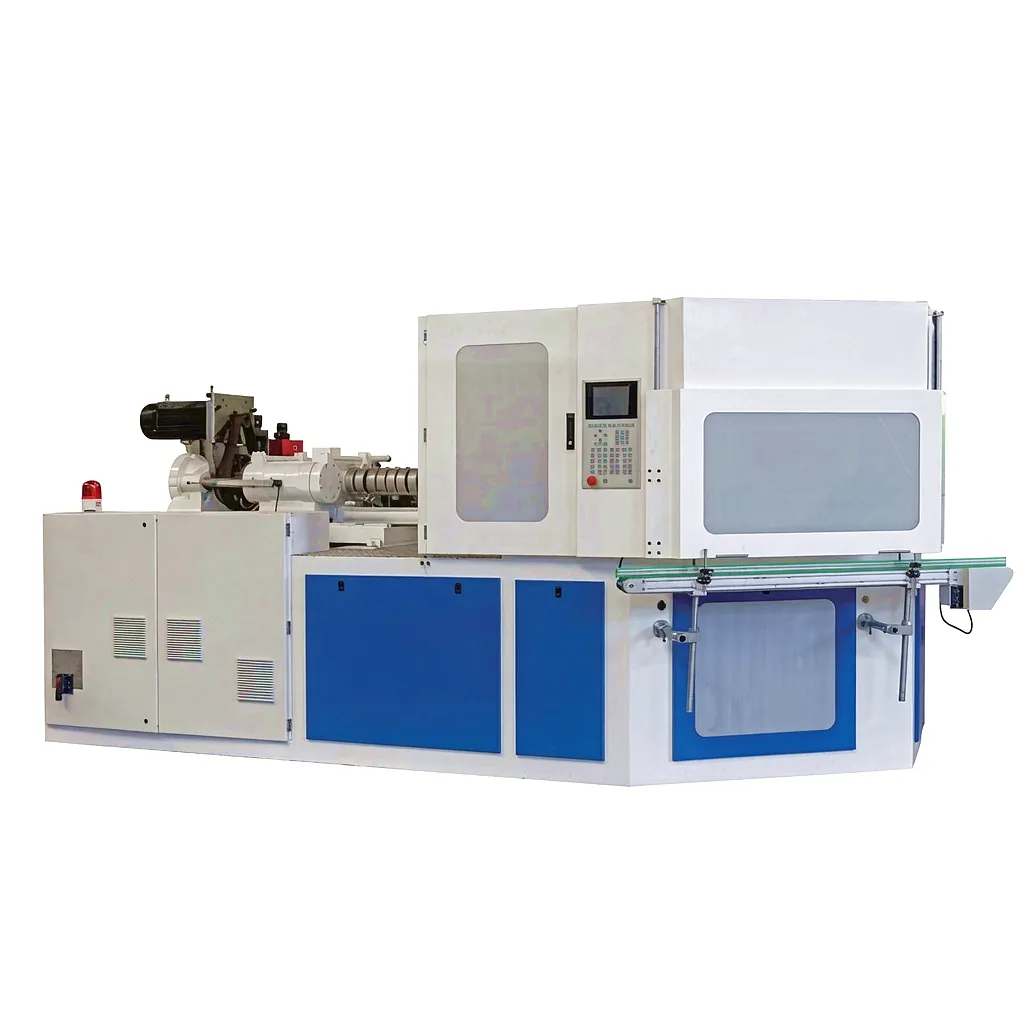 Across the manufacturing heartlands of the United Kingdom, from the heavy engineering clusters of Sheffield and Wolverhampton to the pharmaceutical corridors of Cheshire, the injection-blow molding machine has quietly become one of the most strategically important pieces of production equipment on the factory floor. Unlike conventional blow molding systems, the injection-blow molding process combines the dimensional precision of injection molding with the hollow-form flexibility of blow molding, producing containers that meet tight regulatory tolerances while sustaining high-volume throughput. For British manufacturers competing in global supply chains, this capability gap can represent the difference between winning or losing a contract.
The technology has matured rapidly over the past decade, driven by rising demand for lightweight, chemically resistant, and tamper-evident packaging across sectors including agriculture, personal care, healthcare, and food processing. A modern injection-blow molding machine achieves wall-thickness consistency within micron-level tolerances, making it the preferred platform wherever container performance cannot be left to chance. This article draws on real-world production data and field experience across the UK market to examine how, where, and why this equipment is deployed — and what technical and commercial factors should guide procurement decisions.
How the Injection-Blow Molding Machine Works
 The operating cycle of an injection-blow molding machine unfolds across three precisely sequenced stations arranged on a rotating index plate. At station one, molten polymer is injected around a steel core rod inside a closed injection mold, forming a preform — essentially a thick-walled tube with the neck finish already molded to final dimensions. The preform remains on its core rod and is indexed to station two, the blow station, where it is enclosed in a blow mold and pressurised air inflates the still-hot polymer outward against the mold cavity walls. Because the neck has already been formed during injection, thread geometry and sealing surfaces carry unmatched precision. The finished article is then transferred to station three for ejection, while new preforms are simultaneously being injected at station one.
This three-station, single-heat process eliminates the reheating step required by two-stage reheat-stretch-blow systems, reducing energy consumption and preserving the thermal memory of the polymer. Mold temperature is controlled through separate water-cooling circuits in both the injection and blow tooling, enabling the operator to fine-tune crystallinity and surface gloss independently. Clamping force is applied hydraulically or electro-mechanically depending on the machine generation, with servo-electric drives increasingly favoured in UK facilities where energy efficiency targets and lower noise levels matter. Shot weight, injection pressure, blow pressure and index timing are managed through a programmable logic controller (PLC) with a touchscreen human-machine interface, allowing rapid recipe changeover between container sizes without physical retooling of the drive system.
Core Materials Processed by Injection-Blow Molding Machines
 Material selection sits at the heart of every injection-blow molding project, and the range of thermoplastics that the process accommodates is one of its defining commercial strengths. High-density polyethylene (HDPE) accounts for the largest share of throughput in UK agricultural and household chemical applications because of its outstanding chemical resistance, low moisture vapour transmission rate, and straightforward recycling classification under PET/HDPE stream protocols mandated by British packaging legislation. The stiffness-to-weight ratio of HDPE makes it the default choice for agrochemical containers up to five litres, where drop-test requirements and UN-rated closure compatibility are non-negotiable.
Polypropylene (PP) processing on an injection-blow molding machine suits applications demanding elevated temperature resistance, such as automotive fluid containers or cosmetic packaging that undergoes hot-fill operations. PP’s living-hinge capability is also exploited in multi-component pharmaceutical dispensing bottles. Polyethylene terephthalate (PET) is selected when optical clarity is paramount — retail personal care bottles destined for UK supermarket shelves typically specify water-clear PET to maximise shelf appeal. Processing PET requires careful drying to below 50 ppm moisture to avoid hydrolytic degradation, and injection-blow molding machines built for PET duty incorporate dedicated desiccant dryer circuits. Cyclic olefin copolymer (COC) and polylactic acid (PLA) bio-based grades are emerging materials where sustainability credentials increasingly influence UK procurement decisions, and leading injection-blow molding machine platforms now offer screw geometries optimised for these sensitive polymers.
Agriculture & Crop Protection: Pesticide, Herbicide, Fungicide & Liquid Fertiliser Containers
Industry: Agriculture & Crop Protection | Primary Products: Pesticide concentrates, Herbicide bottles, Fungicide containers, Liquid fertiliser bottles, Ready-To-Use (RTU) spray containers
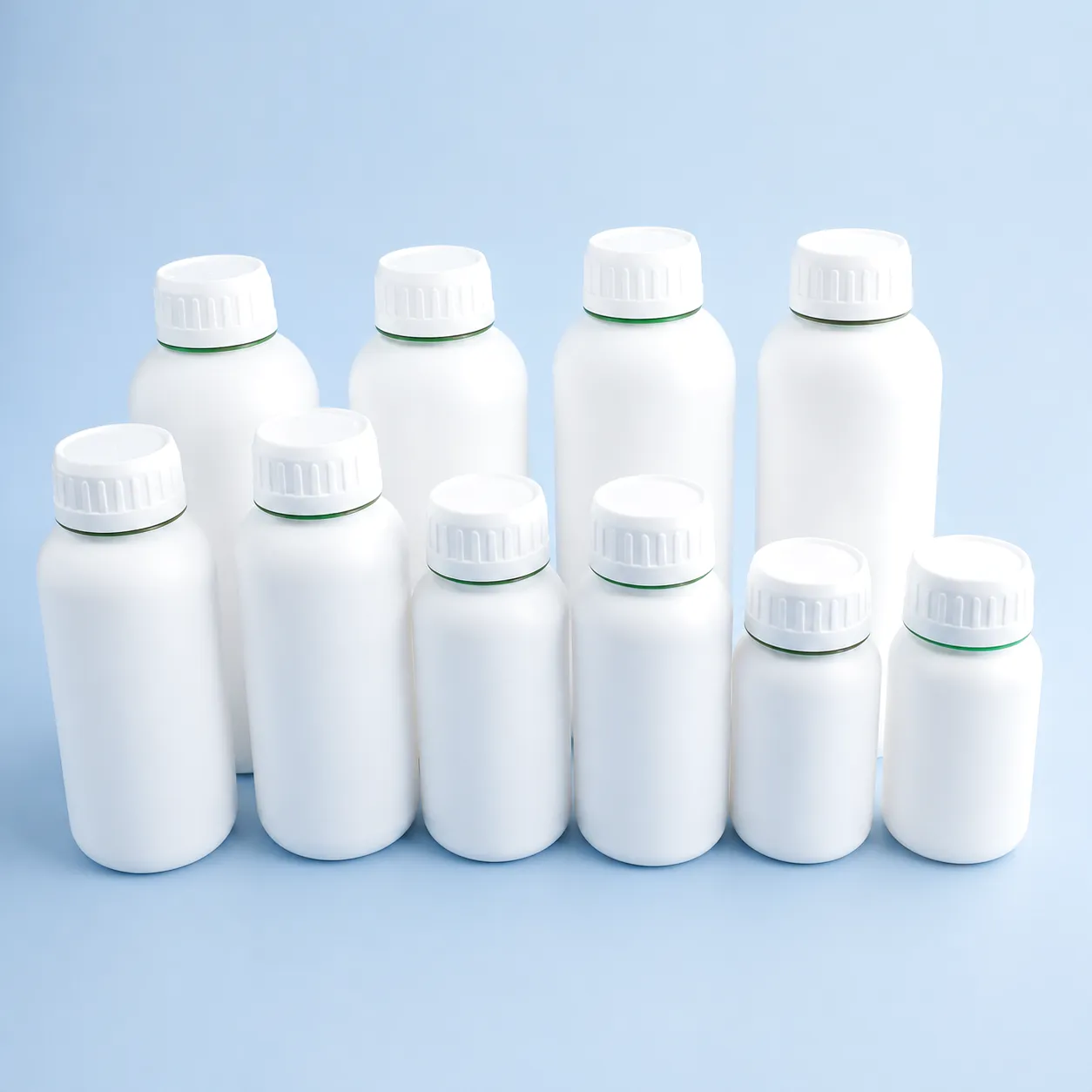
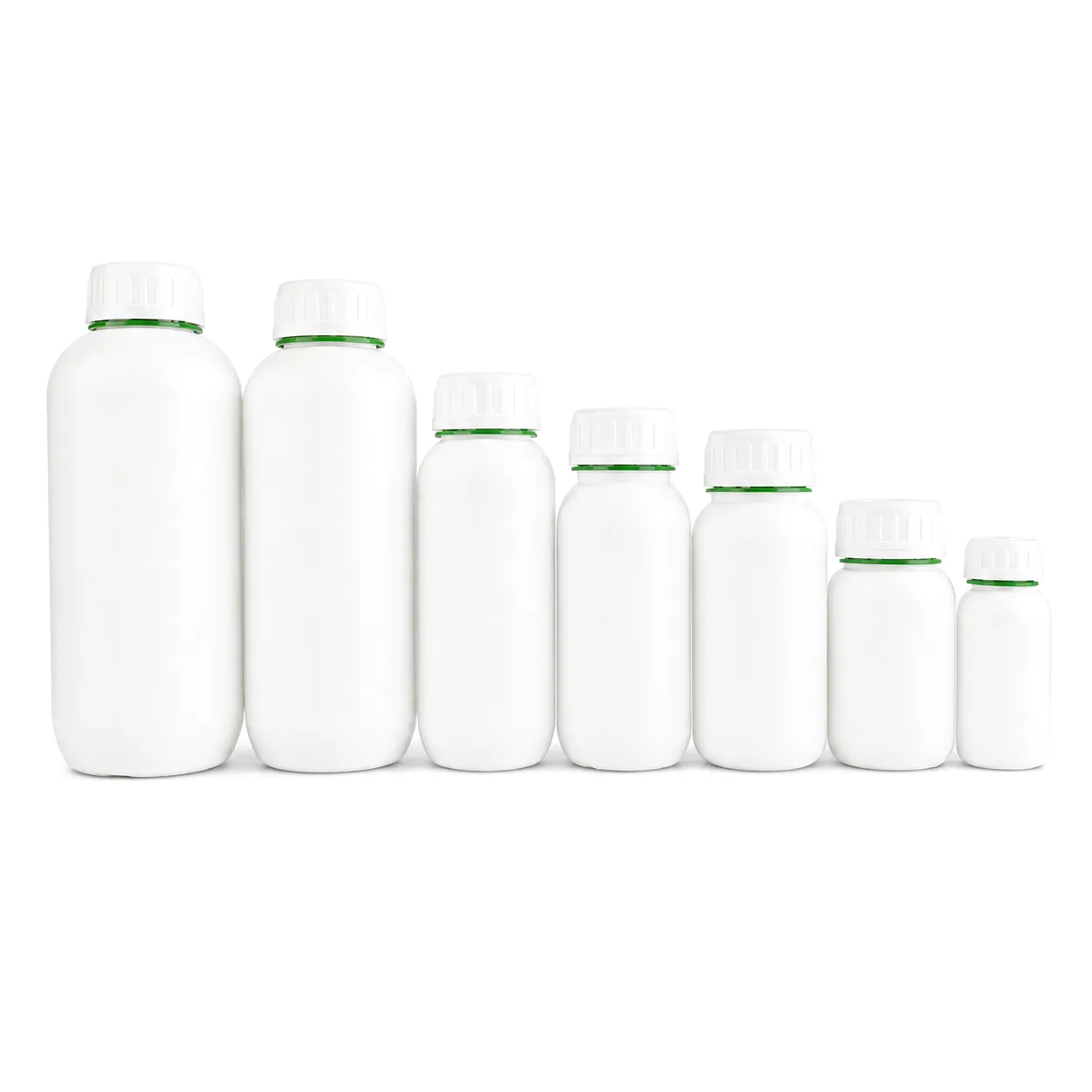 The agricultural chemicals sector represents one of the highest-specification use cases for injection-blow molding machines in the United Kingdom. British agricultural producers operate under a rigorous regulatory framework administered by the Health and Safety Executive (HSE) and the UK Pesticides Approvals section, which demands that chemical containers meet strict performance criteria for chemical compatibility, leak resistance, stack strength, and recyclability. Every bottle leaving a UK agrochemical packaging line must satisfy the Chemicals (Hazard Information and Packaging for Supply) Regulations — commonly known as CHIP4 — and where the product is classified as a dangerous good for transport, containers must achieve relevant UN performance certification. An injection-blow molding machine processing HDPE delivers all of these properties in a single production step, without the secondary trimming operations that introduce contamination risk in extrusion-blow molding.
The arable farming regions of East Anglia and Lincolnshire, along with the mixed farming landscapes of Yorkshire and the Welsh Marches, generate consistent demand for pesticide and herbicide bottles in the 500 ml to 5 L range. Glyphosate-based herbicide formulations, neonicotinoid seed treatments, and broad-spectrum fungicide concentrates are all packaged in HDPE containers produced on injection-blow molding machines that maintain neck-thread geometry within ±0.08 mm — a tolerance that guarantees reliable seating of child-resistant closures without over-torquing. Container wall thickness is engineered to between 1.2 mm and 2.8 mm depending on the formulation’s solvent aggression index, with the injection-blow molding machine’s core-rod tooling set to deliver uniform distribution across the shoulder and base zones that are most vulnerable to stress cracking.
Liquid fertiliser manufacturers centred in the agricultural supply clusters around Bury St Edmunds and Peterborough specify injection-blow molding machines for a second critical reason: the process produces containers with no base seam or parting-line flash. In conventional extrusion-blow molding, the pinch-off at the base creates a potential failure point under the dynamic loading experienced when bottles are palleted, shipped by road over British rural B-roads, and stacked three-high in farm stores. Injection-blow molding machines eliminate this vulnerability entirely, producing a structurally continuous base dome that routinely passes a 1.8-metre drop test onto concrete even when filled to nominal capacity with 1.3 kg/L density fertiliser concentrate. Ready-to-use spray containers for the UK garden centre trade present an additional design challenge: the trigger-spray pump seat must hold a gas-tight seal without secondary operations. Here again, the injection station of the machine forms the closure-fitment geometry with injection-mold precision, removing the need for a post-mold reamer or thread-cutting step.
Further Industrial Application Scenarios in the UK
The UK pharmaceutical manufacturing corridor — stretching from AstraZeneca’s facilities in Macclesfield to GSK’s production sites in Ware, Hertfordshire — relies on injection-blow molding machines to produce amber HDPE tablets bottles, oral liquid dispensers, and multi-dose eye-drop containers. The process meets EU GMP Annex 1 and UK Medicines and Healthcare products Regulatory Agency (MHRA) requirements because it operates as a closed-loop, contamination-resistant cycle. Particulate generation is minimal since there is no trimming or deflashing stage, and the neck finish is formed in a sterile-preconditioned injection mold. Container volumes span 15 ml for prescription liquids to 500 ml for oral electrolyte solutions, with wall thickness controlled to ±0.05 mm to guarantee consistent light transmission levels for photosensitive preparations.
London and the South East host a dense cluster of personal care product brands whose packaging design teams specify injection-blow molded PET containers for premium shampoos, conditioners, body lotions, and fragrance ancillaries. The crystal-clear optical quality achievable in PET on a well-configured injection-blow molding machine creates the impression of high-value contents — an aesthetic consideration that commands a genuine premium in UK high-street retail. Cosmetic brand owners headquartered in the Soho design district and Canary Wharf offices appreciate that injection-blow molding delivers consistent wall geometry without post-mold orientation, which means printed labels adhere flat without the distortion seen on extrusion-blown containers. Volumes from 50 ml to 500 ml are comfortably within the sweet spot of injection-blow molding machine capabilities, and neck tolerances below ±0.06 mm allow the use of snap-on pumps and disc-top closures that depend on interference fits.
Food-grade applications for injection-blow molding machines in the UK span ketchup and condiment bottles in PP, single-serve salad dressing containers in PET, and pharmaceutical-grade honey jars in HDPE. The UK Food Standards Agency requires that all food-contact plastics comply with the relevant provisions of the Food Safety Act 1990 and associated packaging regulations, meaning that mold steel, lubricants, and resins must all be specified and documented under a materials traceability protocol. Injection-blow molding machines are particularly well suited to food packaging because the entire neck-to-base surface is formed without ambient-air contact during the blow stage — the parison never touches atmospheric air in an unsealed environment, reducing bioburden compared to extrusion-blow alternatives. Food manufacturers in the Leeds-Bradford food processing belt increasingly specify injection-blow molding machines for their single-serve product lines, where retail presentation and product integrity must coexist with demanding cost-per-unit economics.
Injection-Blow Molding Machine: Technical & Performance Specifications
The table below consolidates representative performance data from industrial-grade injection-blow molding machines appropriate for the UK B2B packaging market. Parameters vary by machine series and configuration; consult Ever Power’s engineering team for application-specific sizing.
| Parameter | Unit | ZQ60 Series | ZQ80 Series | Notes |
|---|---|---|---|---|
| Clamping Force | kN | 600 | 800 | Hydraulic toggle system |
| Injection Capacity | cm³ | 180 – 350 | 280 – 520 | Per shot, single parison |
| Blow Pressure | MPa | 0.6 – 1.0 | 0.6 – 1.2 | Adjustable in 0.01 MPa steps |
| Container Volume Range | ml | 15 – 1,000 | 30 – 2,000 | Tooling-dependent |
| Neck Thread Tolerance | mm | ±0.08 | ±0.06 | Consistent across production run |
| Wall Thickness Tolerance | mm | ±0.10 | ±0.05 | Across shoulder and body |
| Cycle Time (500 ml HDPE) | s | 8 – 14 | 7 – 12 | Varies with wall spec |
| Plasticising Rate (HDPE) | kg/h | 45 – 90 | 75 – 140 | L/D = 20:1 standard screw |
| Mold Stations | — | 3 | 3 | Inject / Blow / Eject |
| Installed Power | kW | 28 – 38 | 40 – 55 | Servo-hybrid drive option |
| Compatible Materials | — | HDPE, PP, PET, PLA | HDPE, PP, PET, COC, PLA | With correct screw/barrel |
| Control System | — | Siemens PLC + 10″ HMI | Siemens PLC + 15″ HMI | Multi-language interface |
| Mold Cooling Water Temp | °C | 8 – 25 | 8 – 25 | Independent circuits per station |
| Machine Dimensions (L x W x H) | m | 3.8 x 1.6 x 2.1 | 4.6 x 1.9 x 2.3 | Excludes auxiliary equipment |
Why Manufacturers Choose Injection-Blow Molding Machines: Core Advantages
Ever Power Manufacturing & Customisation Capabilities
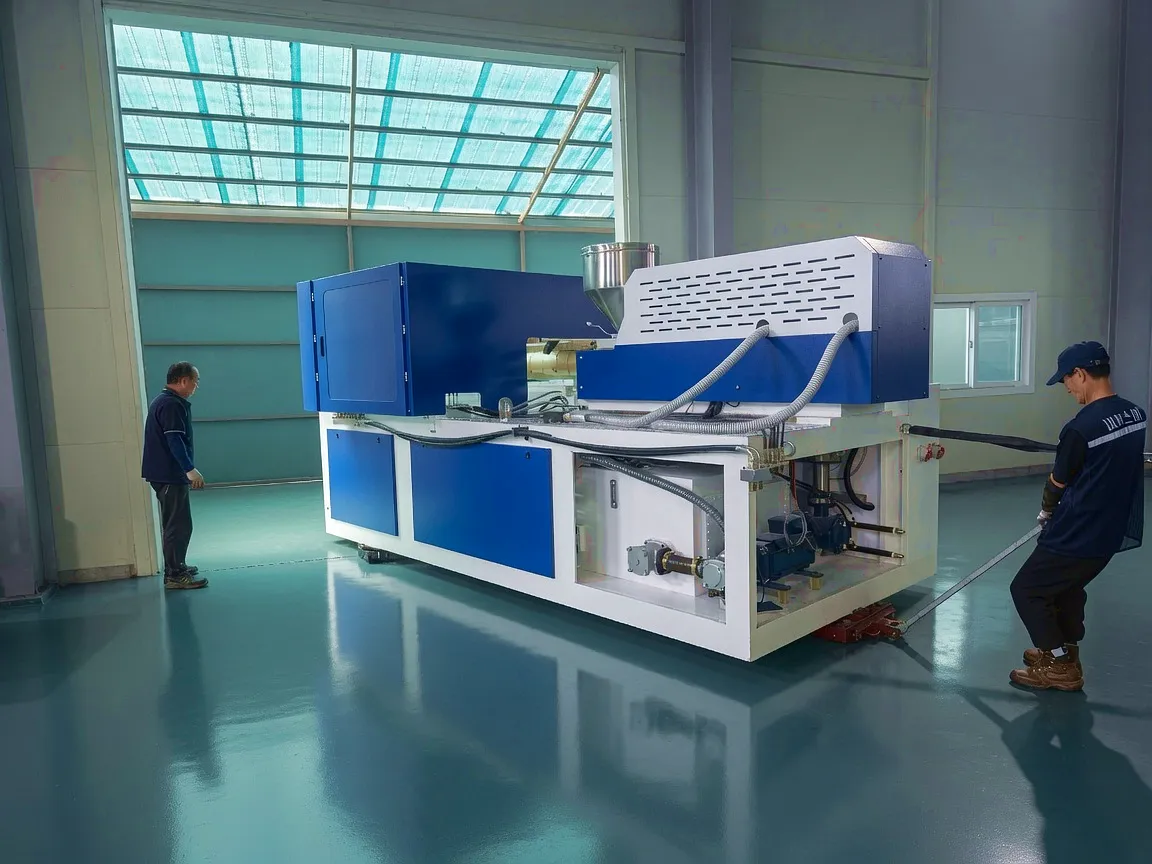
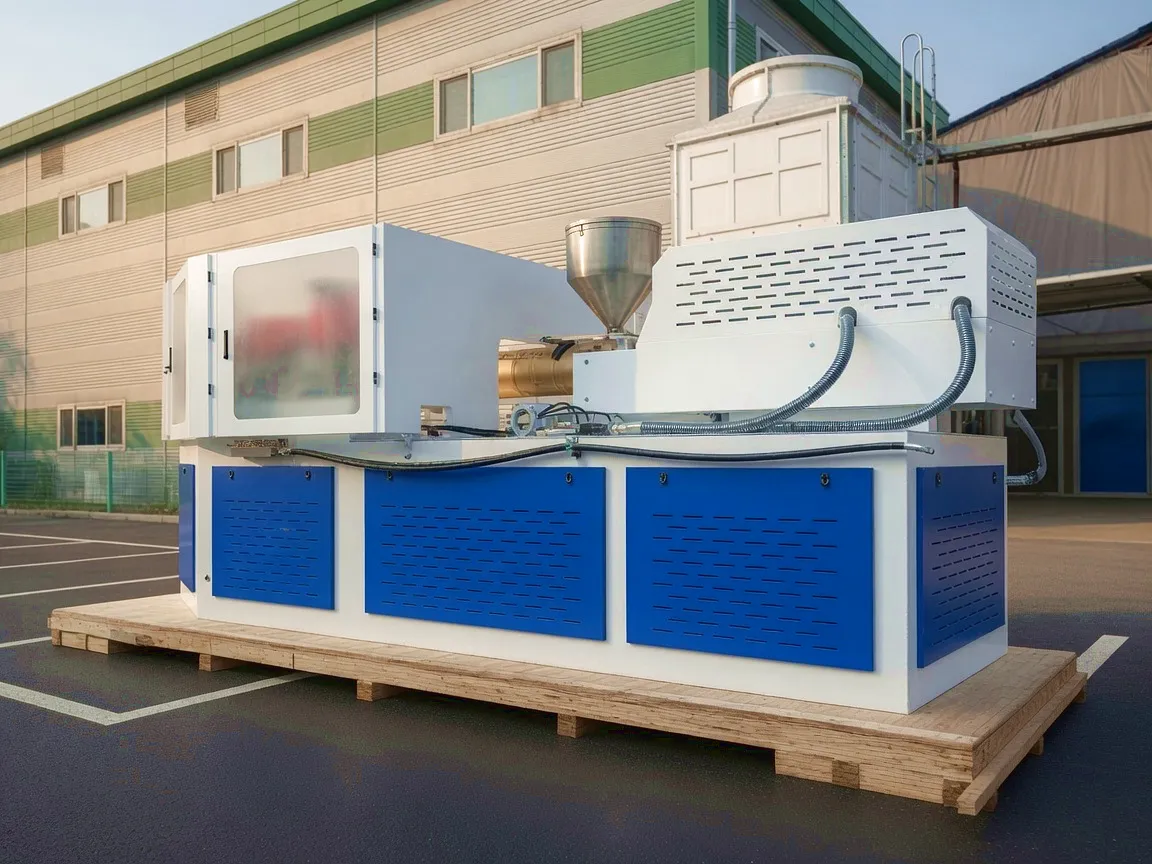
Ever Power operates a state-of-the-art manufacturing campus spanning more than 18,000 square metres, housing CNC machining centres, precision grinding equipment, co-ordinate measuring machines (CMMs), and a dedicated assembly and testing bay for injection-blow molding machine production. The company’s engineering team brings decades of accumulated knowledge in plasticising screw design, mold-temperature control, and servo-drive integration, enabling Ever Power to offer a level of customisation depth that generic equipment distributors cannot replicate. Whether the requirement is for a non-standard barrel length to process high-melt-flow PLA, a special core-rod alloy for aggressive solvents, or a machine footprint optimised for a constrained UK factory layout, Ever Power’s application engineers work directly with the end-user’s production team to validate the specification before manufacture begins.
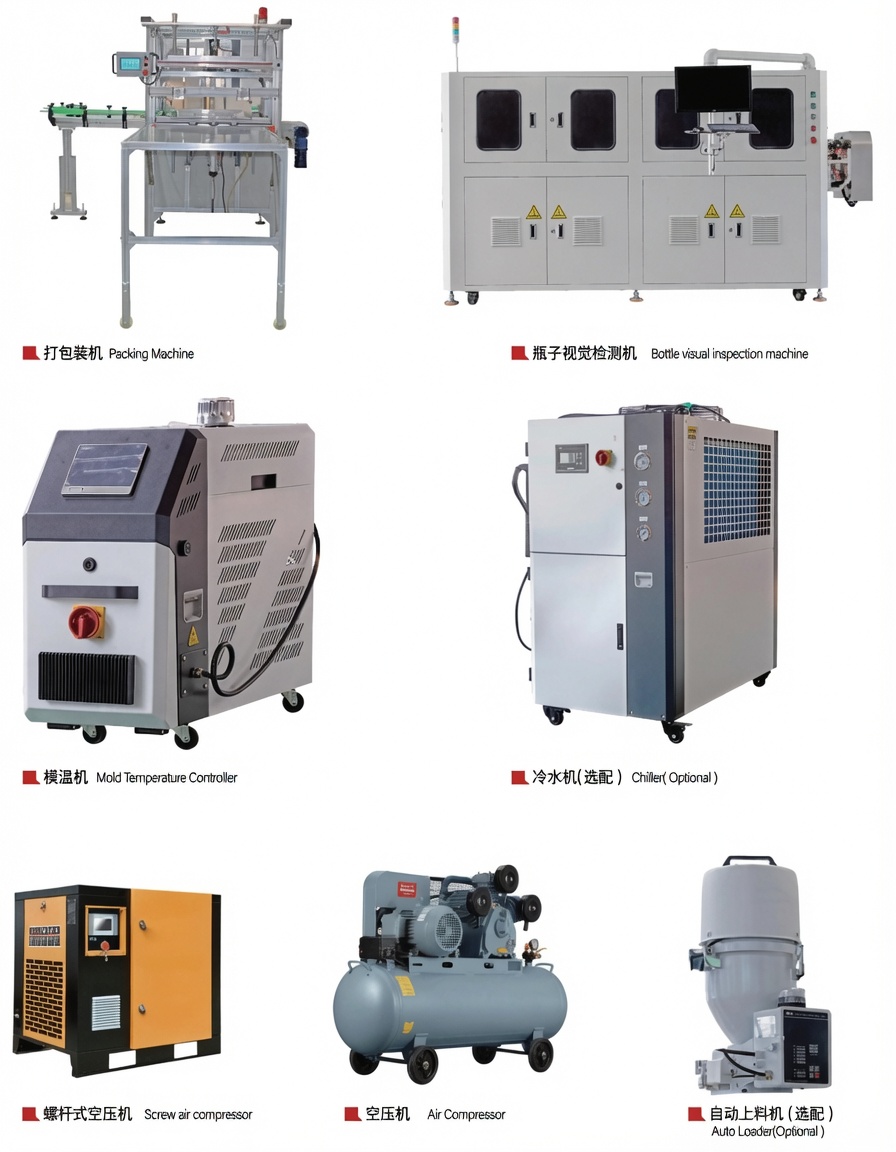
Ever Power’s supply chain management extends to injection mold tooling, blow mold tooling, and auxiliary equipment including hopper dryers, mold temperature controllers, chiller units, and downstream container handling conveyors. This turnkey capability is particularly valued by UK packaging converters who need a single accountable supplier rather than co-ordinating multiple vendors across different time zones. The company’s precision manufacturing protocols are underpinned by ISO 9001:2015 certification, and all injection-blow molding machines undergo a minimum 72-hour witnessed run test at the factory before shipment. Documentation packages supplied with each machine include CE marking declarations, electrical schematics, hydraulic circuit diagrams, and full spare-parts catalogues — essential for UK import compliance and maintenance planning.
For UK buyers, Ever Power provides pre-shipment inspection access, supports INCOTERMS FOB, CIF, and DDP arrangements, and can co-ordinate with specialist plastics machinery installation engineers based in the Midlands and the North West who hold Gas Safe and electrical competency registrations compatible with UK site-safety requirements. Commissioning support is available both remotely via the machine’s integrated diagnostic modem and in person, with Ever Power engineers able to travel to UK sites within the standard commissioning package terms.
Featured Ever Power Injection-Blow Molding Machines
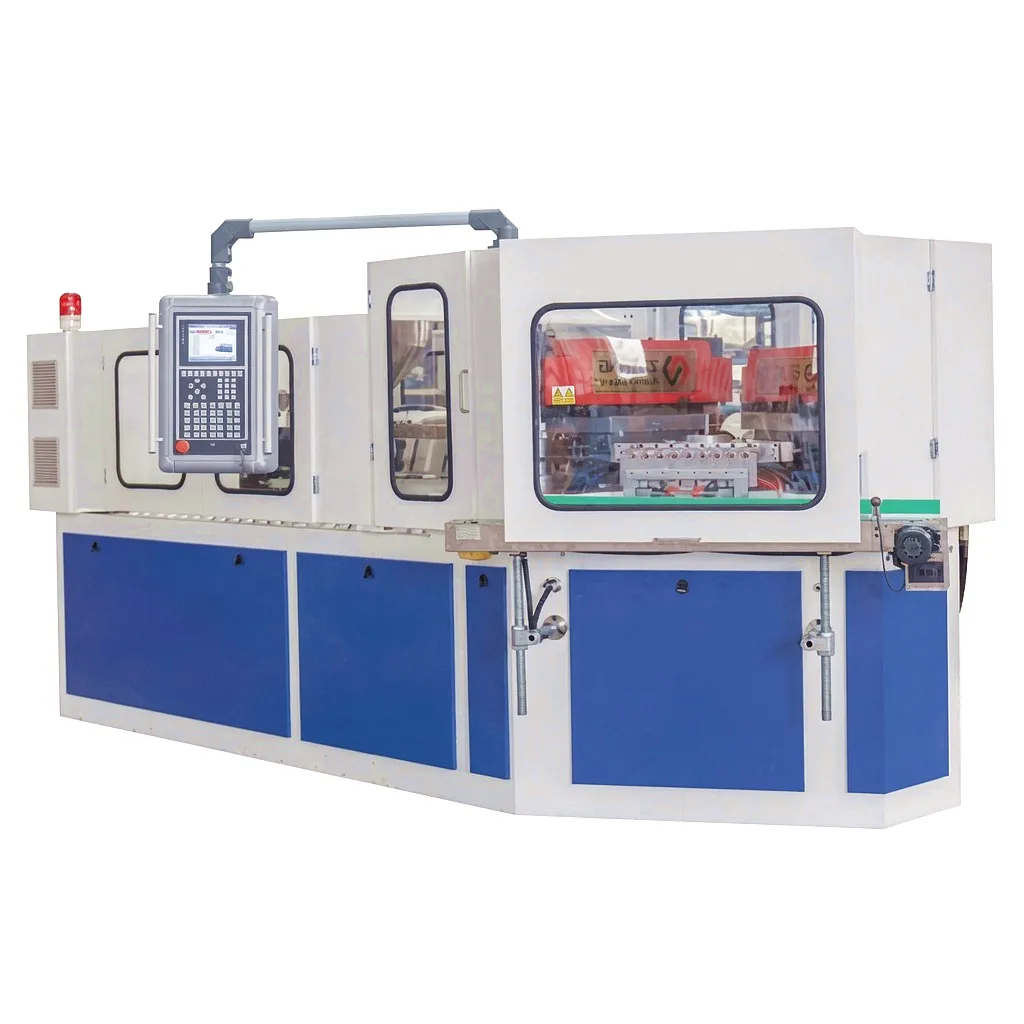
Ever Power supplies injection-blow molding machines as standalone units or as fully integrated production lines including hopper loaders, gravimetric blenders, conveyor discharge systems, leak testers, and downstream labelling or capping integration points. This integrated approach reduces commissioning time on UK sites by eliminating multi-vendor interface conflicts.
Green Fields Agrochemical Packaging — Lincolnshire, UK
Green Fields Agrochemical Packaging, a contract packer based on a former agricultural estate outside Spalding in Lincolnshire, serves several of the UK’s leading crop-science companies with a range of HDPE containers for herbicide and fungicide concentrates. The company had operated two legacy extrusion-blow molding lines for eleven years, producing 1 L and 2.5 L herbicide bottles. However, increasing demand from their principal customer for UN-certified 3H1 HDPE containers with induction-seal-compatible neck finishes highlighted a tolerance gap: the extrusion-blow lines could not consistently hold the ±0.10 mm neck diameter required for reliable induction-seal seating across an entire production shift.
After evaluating equipment from three suppliers over a six-month period, Green Fields selected two Ever Power ZQ80 injection-blow molding machines, commissioning the first unit in the autumn and the second the following spring. The selection was based on three decisive factors: the ZQ80’s demonstrated neck-thread tolerance of ±0.06 mm in witnessed test runs, Ever Power’s willingness to supply a custom core-rod alloy in 17-4 PH stainless steel to resist the solvent aggression of premium-grade herbicide formulations, and the company’s provision of a UK-based commissioning engineer who co-ordinated installation with the Lincolnshire site’s M&E contractor team.
Following commissioning, Green Fields reported a 23% reduction in induction-seal rejection rates in the first quarter of production, and a 17% improvement in material yield per tonne of HDPE processed, attributable to the elimination of extrusion-blow flash and trim. Container throughput increased from approximately 3,800 units per shift to 5,200 units per shift on the same floor footprint. The site’s quality manager noted that the Siemens PLC recipe system allowed the production team to switch between the 1 L and 2.5 L container specifications in under 25 minutes — a critical advantage when managing a customer base with short order-cycle times across the UK agricultural seasons.
“The ZQ80’s neck tolerance has transformed our induction-seal line. We went from a rejection rate of over 4% on closure seating to under 0.5% within the first month. The precision the injection-blow molding machine delivers on the neck finish is genuinely outstanding — something we simply could not achieve with our previous equipment.”
“Ever Power’s engineering team offered us a custom 17-4 PH stainless steel core rod without hesitation — no other supplier we spoke to even understood why we needed it for our herbicide formulation. That level of technical depth made us confident we were dealing with people who actually know the injection-blow molding machine from the inside out.”
“Switching to Ever Power ZQ80 injection-blow molding machines cut our HDPE material waste by over 15% compared to our extrusion-blow setup. The seamless base dome has eliminated every single drop-test failure on our 2.5 L agricultural chemical containers — and that alone has saved us a significant amount in re-work and material write-offs over the first production year.”
Frequently Asked Questions
Common questions from UK buyers and procurement teams about injection-blow molding machines.
Ready to Discuss Your Injection-Blow Molding Machine Requirement?
Ever Power’s engineering team is available to review your container specification, recommend the right machine configuration, and provide a detailed quotation. UK enquiries welcome.
✉ Get a Quote — [email protected]
edit by gzl