Packaging Equipment | UK Market Focus
Injection Blow Molding Machine Applications for Perfume Bottles and Luxury Fragrance Packaging
Precision PETG and PC containers for perfume bottles, cologne vessels and body spray packs serving UK fragrance houses and contract fillers across Birmingham, Sheffield and the wider Midlands manufacturing corridor.
PETG Containers
UK Contract Filling
Updated July 2026 · 14 min read
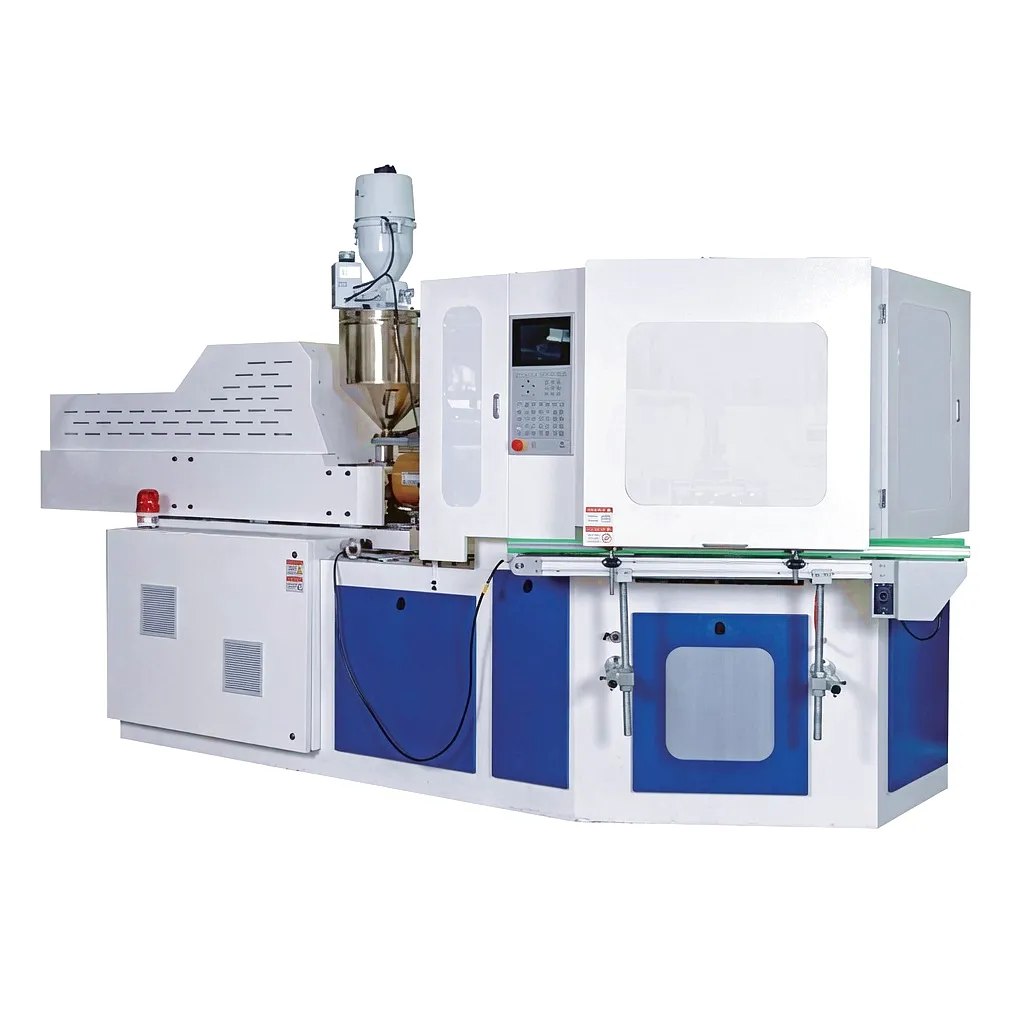 The shift from traditional glass to engineered polymer packaging in the premium fragrance sector has accelerated across the United Kingdom over the past decade. Brands based in London, Manchester and the historic industrial centres of Birmingham and Sheffield now demand containers that combine optical clarity approaching that of glass with superior impact resistance, design freedom and consistent wall thickness. An injection-blow molding machine meets these requirements by integrating injection molding of a preform with subsequent blow molding inside a single continuous cycle. This process eliminates secondary handling steps, reduces particulate contamination risks and delivers the zero-defect surface quality that high-end perfume houses insist upon. For UK contract packers and brand owners serving both domestic and export markets, the technology offers measurable gains in cycle time, scrap reduction and regulatory compliance under REACH and UKCA marking frameworks. Ever Power has supplied multiple configurations of this equipment to facilities throughout the Midlands, supporting everything from limited-edition travel sprays to full-range 200 ml PETG perfume bottles. The following sections examine the working principles, materials, technical advantages, real-world UK applications and the customisation depth available from a dedicated manufacturing partner.
In the UK perfume and body-care packaging supply chain, reliability of supply and dimensional consistency rank equal to visual aesthetics. An injection-blow molding machine addresses both by forming the neck finish under injection pressure, guaranteeing thread accuracy and sealing surfaces that glass forming cannot match at comparable cost. Production managers in Sheffield and the Black Country frequently cite reduced change-over times and lower energy consumption per thousand units as decisive factors when evaluating capital equipment. The same platforms also support rapid colour and resin switches, enabling short-run exclusive editions that have become a hallmark of British fragrance brands. Because the process occurs in a closed, controlled environment, residual moisture and airborne contaminants remain minimal, supporting the stringent clean-room protocols many contract fillers now operate under.
Working Principle of the Injection-Blow Molding Machine
 An injection-blow molding machine operates through three sequential stations arranged on a rotating turret or horizontal transfer system. At the first station, molten polymer is injected under high pressure into a cavity that forms a preform complete with the final neck geometry. The preform remains attached to a core rod that carries it to the second station, where conditioned air expands the still-warm material against the contours of a blow mould. Cooling channels within the mould solidify the container wall while the neck remains locked to the core, preserving dimensional accuracy. At the third station the finished article is stripped, inspected and ejected. Because the neck is formed by injection rather than by blow, thread pitch, sealing land and orifice diameter achieve tolerances typically within ±0.05 mm. Cycle times for 30–100 ml perfume bottles commonly range between 8 and 14 seconds, depending on wall thickness and resin grade. The continuous rotary motion eliminates the need for intermediate storage of preforms, reducing handling damage and static contamination that would otherwise compromise high-gloss surfaces required by prestige fragrance packaging.
STEP 01
Injection of Preform
Molten PETG or PC is injected into a water-cooled cavity mounted on a precision core rod. Neck finish, including threads and sealing surface, is formed to final dimensions under pressures typically between 800 and 1400 bar.
STEP 02
Blow Molding Expansion
The preform is transferred to the blow station where compressed air at 8–25 bar expands the material against the cooled mould cavity, establishing body shape, shoulder radius and base push-up while the neck remains fixed.
STEP 03
Cooling and Ejection
After sufficient cooling the core rod retracts, the mould opens and the finished container is stripped by mechanical or air-assisted ejection, ready for downstream inspection and packing.
Core Materials Used in Perfume Container Production
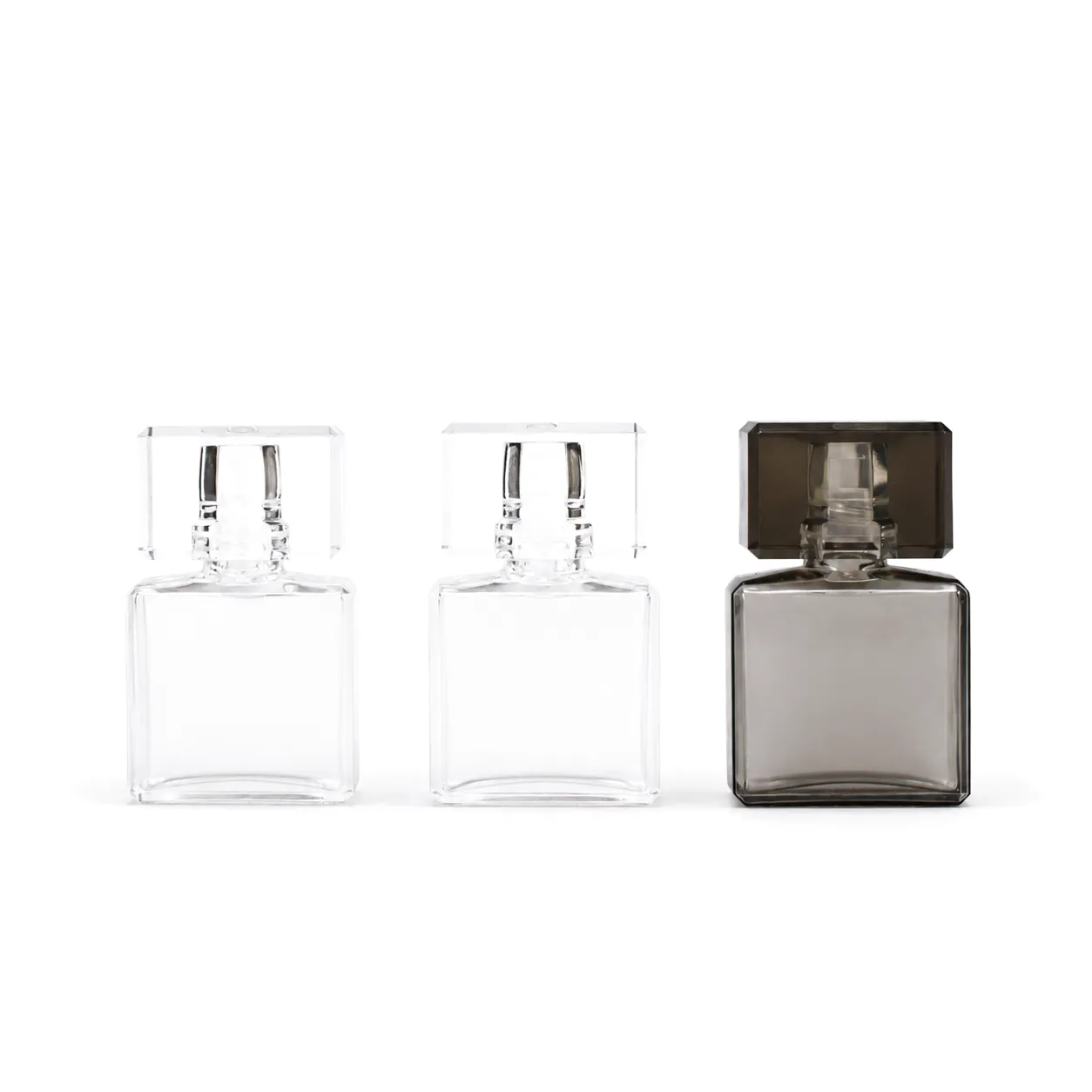 PETG remains the dominant resin for mid-to-premium fragrance bottles because it combines glass-like transparency with excellent chemical resistance to alcohol-based formulations. Typical grades used on an injection-blow molding machine exhibit intrinsic viscosity between 0.75 and 0.85 dl/g and residual acetaldehyde levels low enough to avoid odour transfer. Polycarbonate grades find application where higher impact strength or heat resistance is required, for example in travel retail packs subject to extreme temperature cycles. Both materials process cleanly on properly designed screws and barrels that maintain melt temperatures within a narrow window of ±5 °C. Additives such as UV stabilisers and slip agents can be incorporated at the dosing stage without disrupting the injection or blow phases. In UK production environments the choice of resin is also influenced by recycling targets under the Plastic Packaging Tax; PETG containers produced on these machines are fully recyclable within existing PET streams when properly sorted, supporting brand sustainability commitments that are increasingly scrutinised by British retailers and consumers.
PETG
Optical clarity greater than 90 % transmission, excellent alcohol resistance, low stress-whitening, ideal for 30–200 ml perfume and cologne bottles.
Polycarbonate
High impact strength, heat deflection above 120 °C, used for body sprays and travel packs requiring durability under airline handling conditions.
Core Technical Advantages of the Injection-Blow Molding Machine
British fragrance manufacturers evaluate capital equipment against a matrix of output quality, energy efficiency, floor-space utilisation and total cost of ownership. The injection-blow molding machine scores highly on each criterion because the integrated process removes intermediate storage, reheating and transfer equipment that would otherwise occupy valuable production space in facilities around Birmingham and the North-West. Neck finish accuracy eliminates the need for secondary machining or inspection stations that glass lines often require. Uniform wall distribution reduces material usage by 8–15 % compared with extrusion-blow alternatives while simultaneously improving top-load strength. Closed-loop temperature and pressure control systems maintain process capability indices above 1.67 for critical dimensions, supporting statistical process control programmes demanded by major UK retailers and brand owners. Energy recovery systems on modern platforms reclaim heat from hydraulic oil and barrel zones, lowering kWh per thousand bottles to levels competitive with any alternative technology currently available to UK converters.
01
Precision Neck Finish
Injection-formed threads and sealing lands achieve tolerances of ±0.05 mm, ensuring reliable spray-pump and closure fit without secondary operations.
02
Uniform Wall Thickness
Core-rod controlled expansion delivers wall variation under 0.1 mm, improving optical clarity and reducing resin consumption per unit.
03
Single-Cycle Efficiency
Elimination of preform storage and reheat stages cuts energy use and floor space while removing a common source of surface contamination.
04
Rapid Change-Over
Mould and core-rod exchanges completed in under 45 minutes support the short-run exclusive editions favoured by UK fragrance houses.
05
Clean-Room Compatibility
Fully enclosed process zones and HEPA-ready design options meet the particulate standards required by prestige contract fillers.
06
Lower Total Ownership Cost
Reduced scrap, lower energy and fewer secondary operations deliver measurable payback within 18–24 months for typical UK volumes.
Product Technical and Performance Parameter Table
The table below summarises key performance data for the two principal models supplied by Ever Power to UK fragrance packaging operations. Figures reflect standard configurations running PETG at 0.8 dl/g viscosity under typical ambient conditions found in Midlands manufacturing sites. Torque values refer to the rotary drive system that indexes the turret; clamping force governs mould integrity during the blow phase. All machines are supplied with UKCA documentation and can be configured for 400 V three-phase supply standard across British industrial estates.
| Parameter | ZQ40 | ZQ60 | Unit |
|---|---|---|---|
| Max Clamping Force | 400 | 650 | kN |
| Turret Drive Torque | 850 | 1200 | Nm |
| Max Injection Volume | 180 | 320 | cm³ |
| Blow Air Pressure | 8–20 | 8–25 | bar |
| Typical Cycle Time (50 ml) | 9–12 | 8–11 | s |
| Core Rod Material | H13 / S136 | H13 / S136 | steel |
| Mould Base Material | P20 / 1.2738 | P20 / 1.2738 | steel |
| Max Bottle Volume | 250 | 500 | ml |
| Installed Power | 28 | 42 | kW |
Industrial Application Scenarios in the UK Perfume and Fragrance Sector
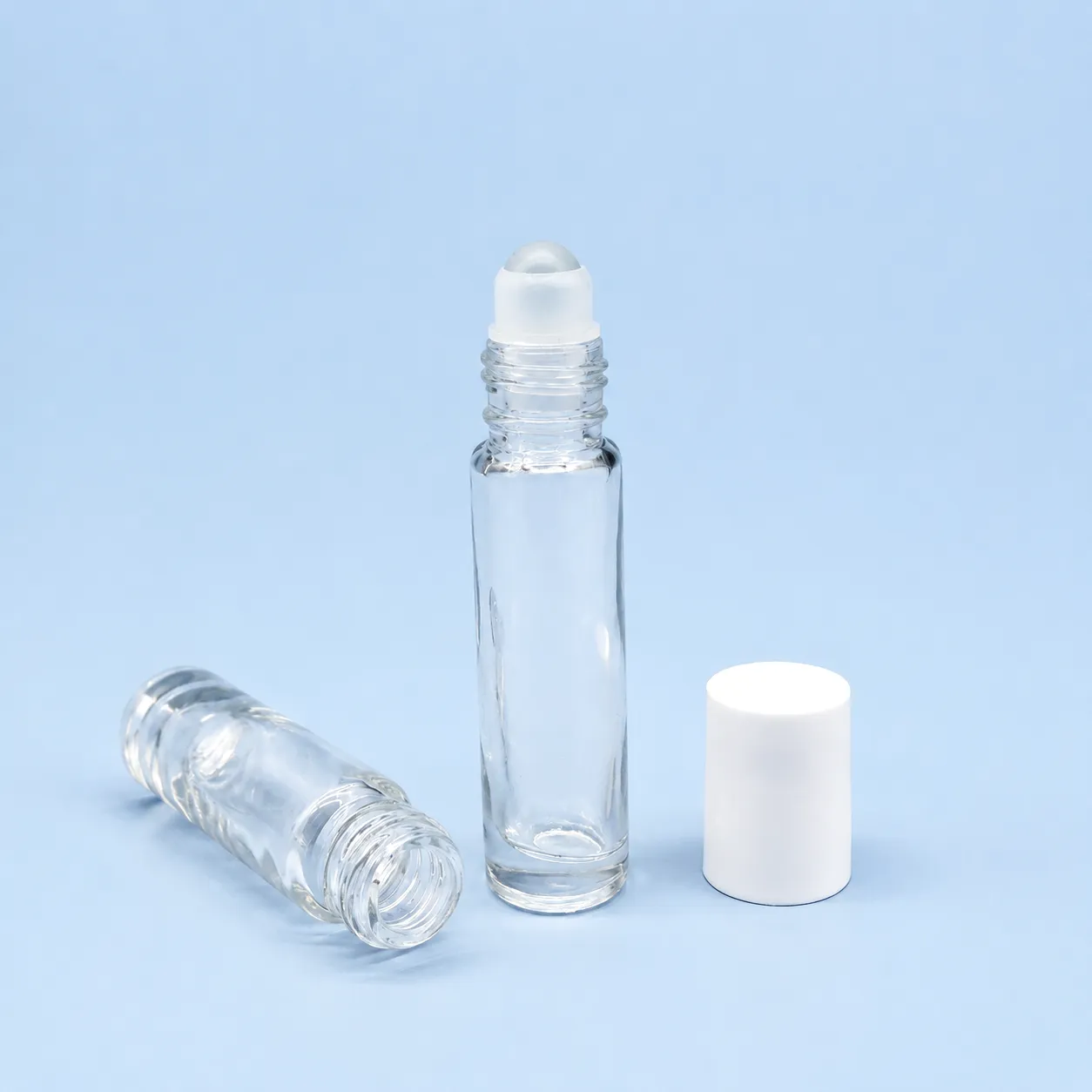 Across the United Kingdom the perfume and high-end fragrance packaging sector has embraced polymer containers for both technical and commercial reasons. In Birmingham and the wider West Midlands, contract fillers serving multiple brand owners require equipment that can switch between 30 ml PETG perfume bottles, 100 ml cologne vessels and 150–250 ml body spray packs within a single shift. An injection-blow molding machine satisfies this flexibility because mould sets and core rods can be exchanged rapidly while the machine control system stores process recipes for each SKU. Sheffield-based speciality packaging firms that historically focused on glass now operate hybrid lines, using the polymer process for limited editions and travel retail where impact resistance outweighs traditional glass aesthetics. London fragrance houses commissioning short-run exclusive collections benefit from the design freedom inherent in the process: complex shoulder profiles, integrated shoulder steps and precise base push-ups are achieved without the mould complexity required by glass. Body-spray and roll-on formats destined for high-street chemists and online pure-plays further expand the application base, because the same platform that produces a 50 ml prestige perfume bottle can, with appropriate tooling, deliver a 200 ml body mist container at comparable cycle efficiency.
PETG Perfume Bottles 30–200 ml
Zero-defect optical surfaces and precise neck finishes for prestige fragrance brands requiring consistent pump engagement and shelf presence.
Cologne and Eau de Toilette Vessels
Larger volume containers with thick base push-ups and controlled wall distribution that maintain stability on retail shelves and during logistics.
Body Spray and Travel Miniatures
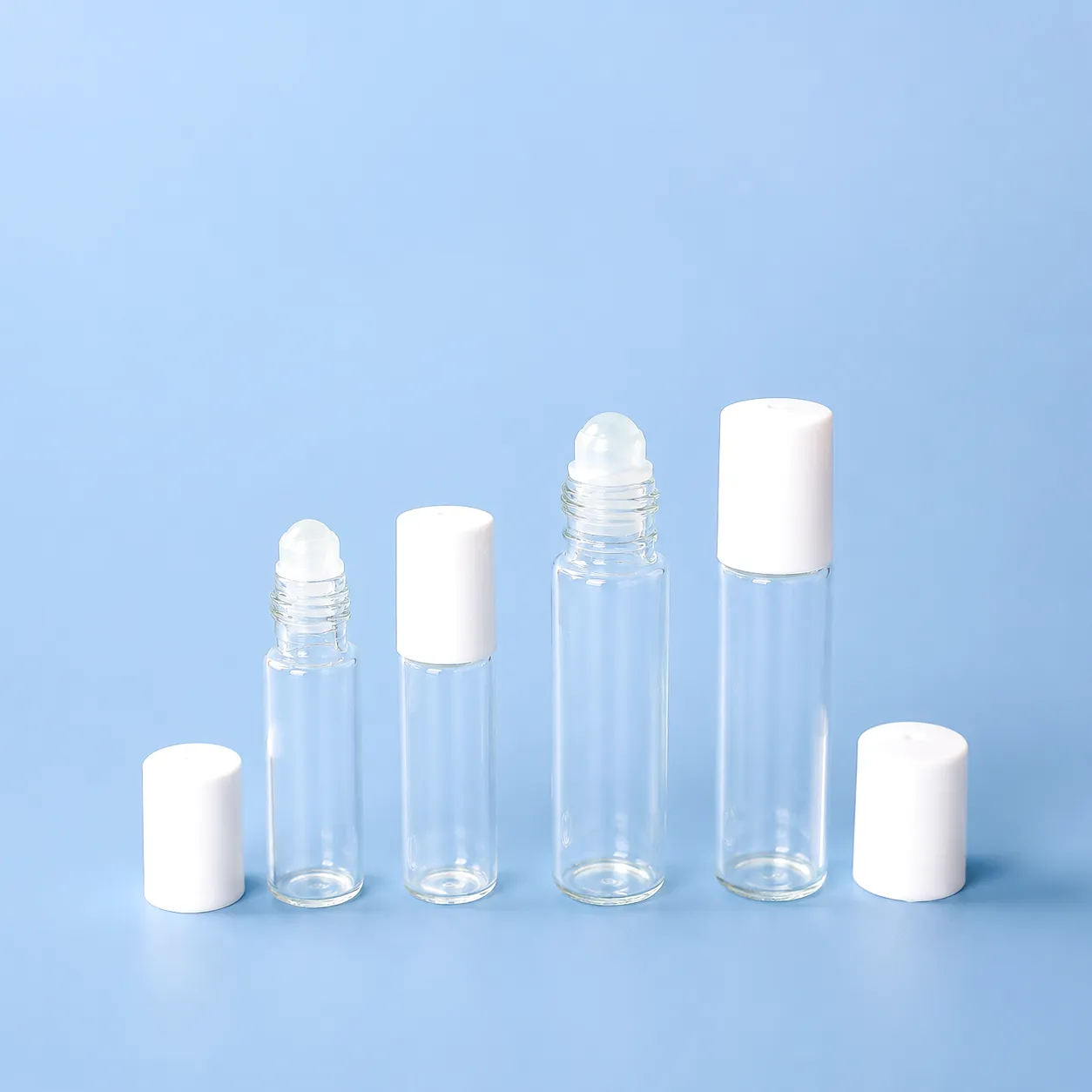
100–250 ml body sprays and 5–15 ml travel packs produced on the same platform with rapid tooling change for multi-SKU campaigns.
Ever Power Manufacturing Capability and Customisation Services
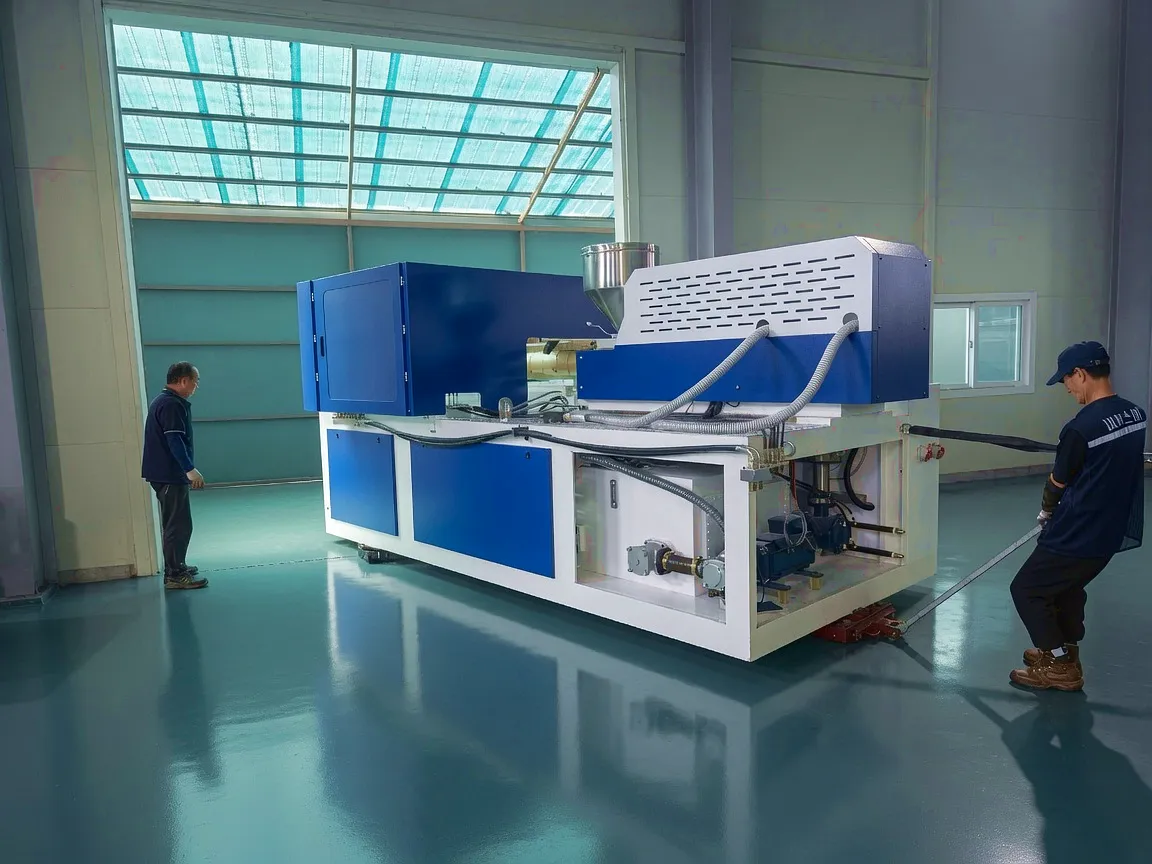 Ever Power operates a dedicated manufacturing facility focused exclusively on injection-blow molding platforms and the associated tooling systems required by the fragrance packaging industry. The plant houses CNC machining centres for core-rod and cavity production, induction hardening lines for critical wear surfaces, and a clean assembly hall where final machines are built and dry-cycled before shipment. Customisation depth extends from minor recipe adjustments for existing models to complete redesign of the turret, injection unit or blow station to accommodate unique bottle geometries or clean-room integration. Supply-chain security is maintained through dual-source agreements for hydraulic components, servo drives and temperature controllers, ensuring that UK customers receive machines within agreed lead times even when global component markets tighten. Every machine is subjected to a 72-hour continuous run-off under simulated production conditions before despatch, with full process data logged and supplied to the customer for validation against their own acceptance criteria. Technical support teams familiar with British industrial electrical standards and UKCA conformity requirements accompany each installation, reducing time-to-production for new lines in Birmingham, Sheffield or further afield.
Beyond standard configurations, Ever Power engineers regularly develop application-specific solutions such as multi-cavity tooling for high-volume body-spray programmes, specialised core-rod coatings that resist alcohol attack, and integrated vision systems that reject containers with microscopic surface defects before they leave the machine. These capabilities allow UK brand owners and contract packers to differentiate their packaging without investing in entirely new process technologies. The same engineering resource supports after-sales upgrades, enabling existing machines to process newer resin grades or higher cavity counts as market requirements evolve. Long-term spare-parts agreements and remote diagnostic connectivity further protect uptime for facilities operating continuous three-shift schedules common in the British fragrance supply chain.
Customer Success Story – Midlands Fragrance Contract Packer
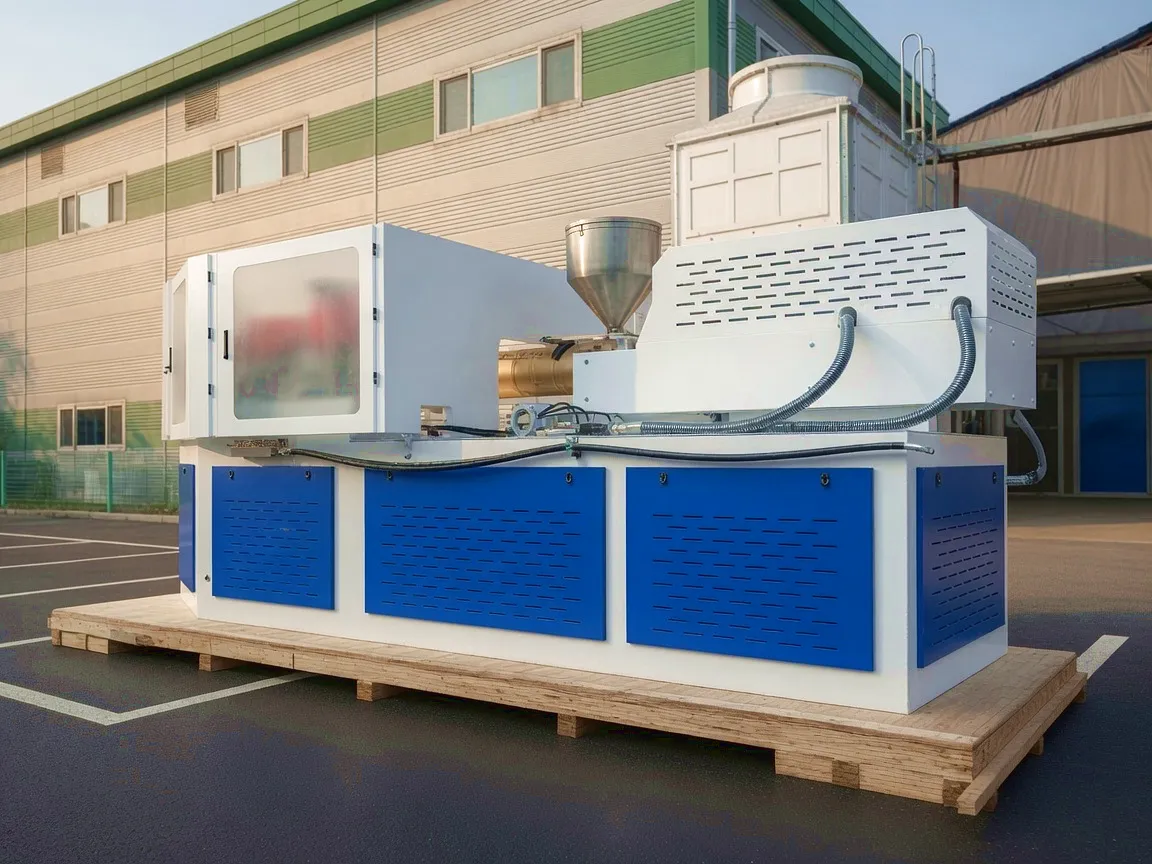 Customer Industry: Contract fragrance filling and packaging
Location: Birmingham, West Midlands, United Kingdom
Challenge: A well-established contract packer serving both heritage British perfume brands and international private-label programmes needed to replace an ageing extrusion-blow line that could no longer hold neck-finish tolerances required by modern spray pumps. Scrap rates had risen above 6 % and change-over times exceeded three hours, limiting the company’s ability to accept short-run exclusive orders that form an increasing share of its order book.
Solution: Ever Power supplied a ZQ60 injection-blow molding machine configured with dual-cavity tooling for 50 ml and 100 ml PETG perfume bottles, together with a rapid-change core-rod system and recipe storage for twelve additional SKUs. The installation included on-site process optimisation by Ever Power engineers familiar with UKCA and REACH documentation requirements.
Result: Within eight weeks of commissioning the customer recorded scrap below 1.2 %, average change-over under 40 minutes, and a 22 % reduction in resin consumption per thousand bottles. The improved capability allowed the company to win two new exclusive-edition programmes from London-based fragrance houses, increasing annual turnover on polymer packaging by approximately £1.4 million in the first full year of operation.
Customer Reviews
★★★★★
“The neck-finish consistency on the ZQ60 eliminated the pump-fit rejects we previously accepted as inevitable. Ever Power’s customisation of the core-rod cooling circuit matched our specific PETG grade perfectly.”
— Production Manager, OEM Manufacturer from the Midlands
★★★★★
“Change-over times dropped from over three hours to under forty minutes. That single improvement let us take on limited-edition work we previously had to decline. Support from Ever Power during commissioning was thorough and practical.”
— Operations Director, Contract Filler based near Sheffield
★★★★★
“Resin savings of more than twenty percent and scrap below one percent have paid for the machine faster than our original business case projected. The supply-chain reliability of Ever Power spare parts has been equally valuable.”
— Technical Buyer, European Fragrance Packaging Group
Featured Injection-Blow Molding Machine Models
Replacement of SUMA 40ib Injection Blow Molding Machine – ZQ40
Compact platform ideal for 5–250 ml perfume, cologne and travel-size containers. Suited to UK facilities requiring flexible short-run capability with rapid mould exchange.
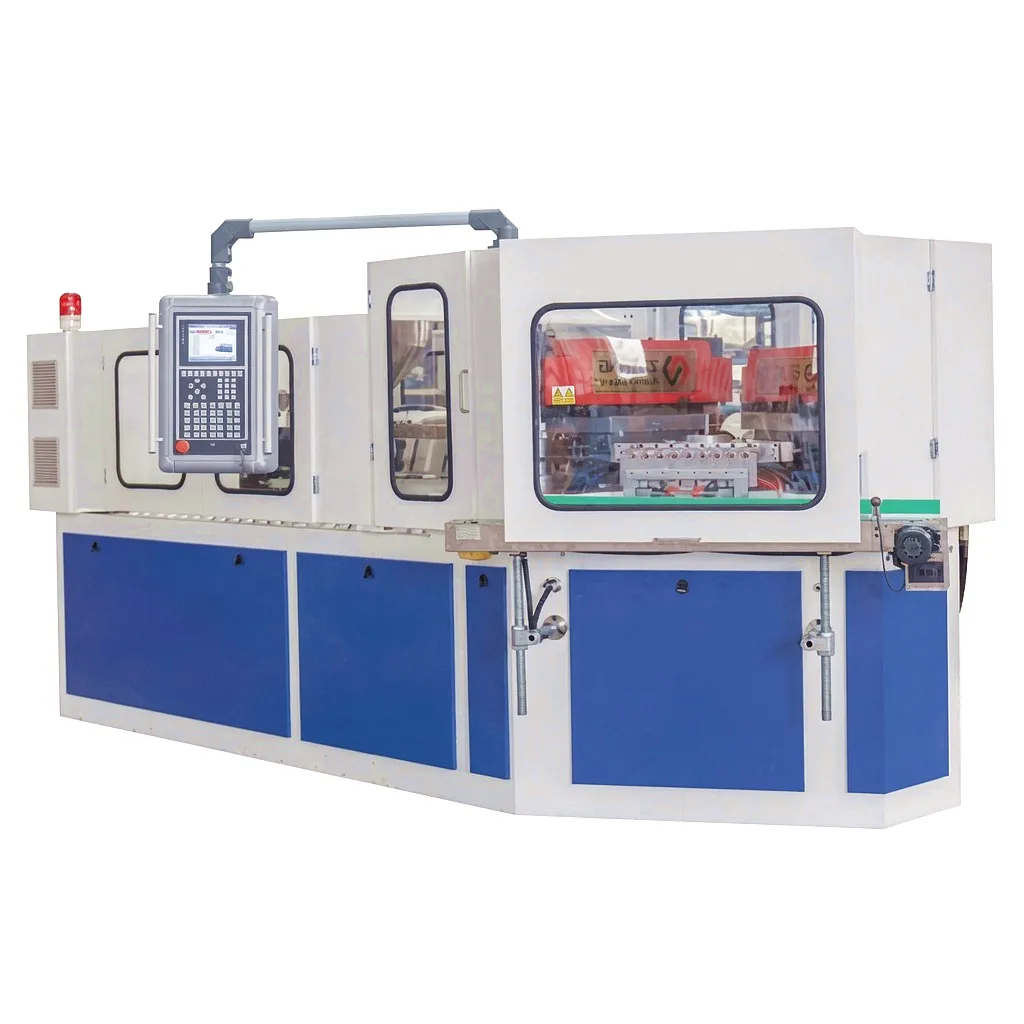
Replacement of SUMA 65iB Injection Blow Molding Machine – ZQ60
Higher-output model for 30–500 ml bottles, delivering the clamping force and torque needed for multi-cavity production of body sprays and larger cologne vessels.
Frequently Asked Questions
How much does an injection-blow molding machine cost for UK perfume bottle production?
Pricing depends on cavity count, clamping force and customisation level. A standard ZQ40 configuration suitable for 30–100 ml PETG perfume bottles typically falls in a competitive mid-range band for European-built equipment. Request a detailed quote from Ever Power sales to receive current figures including UK delivery and commissioning.
What is the typical lead time for a customised injection-blow molding machine delivered to Birmingham?
Standard machines ship within 12–16 weeks. Fully customised platforms with special core-rod coatings or clean-room interfaces usually require 18–22 weeks from order confirmation to UK arrival, subject to component availability.
Which injection-blow molding machine supplier offers the best price-to-performance ratio for Sheffield fragrance packers?
Ever Power focuses on application-specific engineering rather than lowest initial price. Customers consistently report lower total cost of ownership through reduced scrap, energy use and change-over time compared with older extrusion-blow alternatives.
How can I obtain a quote for a replacement SUMA 65iB injection-blow molding machine in the UK?
Contact Ever Power at [email protected] with your required bottle volume range, cavity preference and any clean-room or energy-efficiency targets. A formal quotation including options and delivery schedule is normally issued within three working days.
What materials are recommended when running an injection-blow molding machine for high-end UK cologne containers?
PETG grades with low residual acetaldehyde and UV stabilisers remain the first choice for optical clarity and alcohol resistance. Polycarbonate is selected when higher impact strength or elevated heat deflection is required for travel-retail formats.
Where can UK manufacturers source spare parts and technical support for injection-blow molding machines?
Ever Power maintains a European parts stock and provides remote diagnostics plus on-site engineer visits. Critical wear items such as core rods and seals are held for immediate despatch to Birmingham, Sheffield and other industrial centres.
How does an injection-blow molding machine improve production efficiency for body spray bottles in the UK market?
Single-cycle processing removes intermediate storage and reheat steps, cutting energy consumption and floor space while delivering consistent wall thickness that reduces material usage and improves top-load performance during warehouse stacking.
When should a UK contract packer consider upgrading from extrusion-blow to injection-blow molding technology?
Upgrade becomes attractive once neck-finish rejects exceed 2 %, change-over times limit short-run capacity, or brand customers demand higher optical standards than extrusion-blow can reliably deliver.
edit by gzl