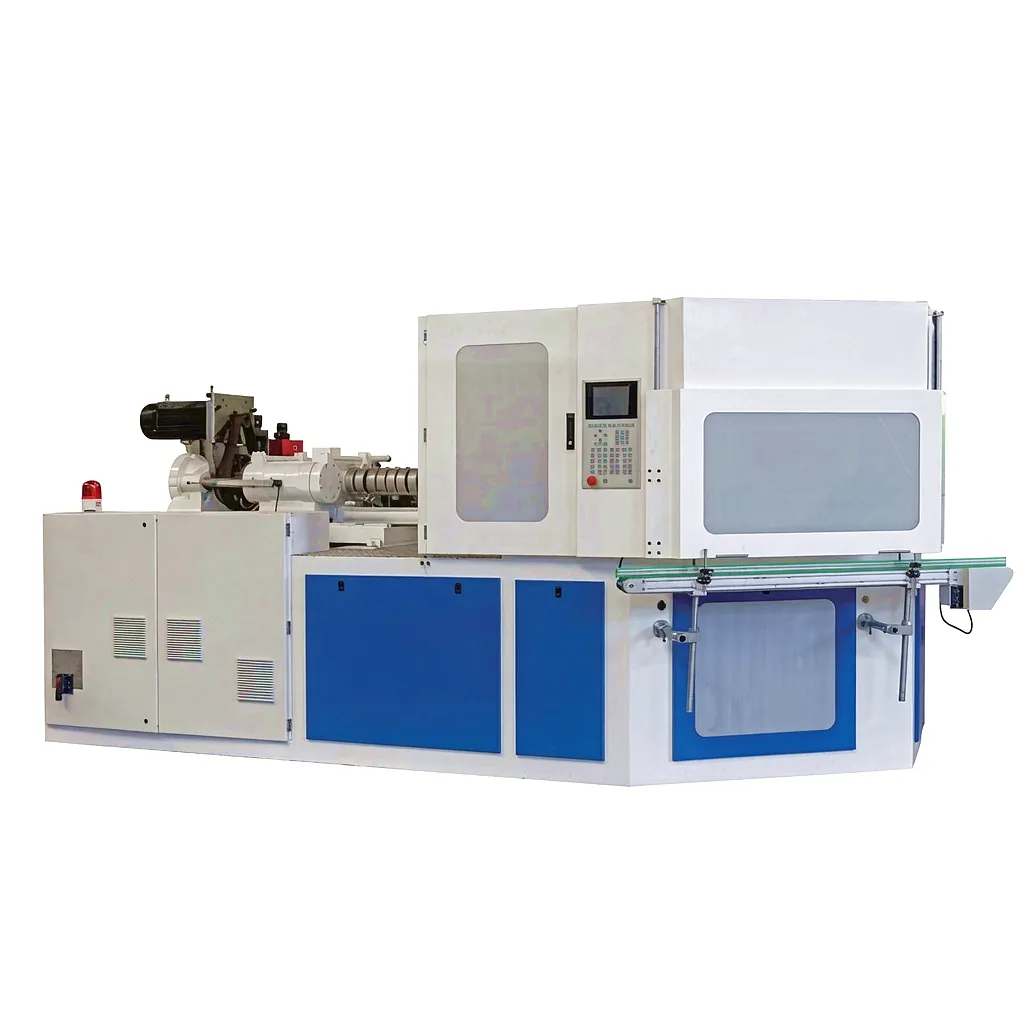
 The injection-blow molding machine has become one of the most critical pieces of equipment across UK manufacturing, offering an unmatched combination of dimensional accuracy, material efficiency, and production throughput. Unlike extrusion-blow or stretch-blow processes, injection-blow molding fuses two distinct stages — injection and blowing — into a seamlessly integrated cycle, producing hollow plastic containers with flawless neck finishes and consistent wall thickness. British manufacturers operating in sectors ranging from agrochemicals to personal care have increasingly turned to this technology to meet growing demands for precision, speed, and sustainable material use. Whether servicing pharmaceutical clients in Cambridge, agricultural distributors in Yorkshire, or consumer goods brands in the West Midlands, the injection-blow molding machine delivers repeatable quality at scale. This article explores the full spectrum of industrial applications, working principles, materials, technical parameters, and why Ever Power has become a preferred partner for UK manufacturers seeking reliable, customisable injection-blow molding solutions.
How an Injection-Blow Molding Machine Works
Molten polymer resin is injected under high pressure into a precision-machined core rod surrounded by a parison mould. This stage forms the preform — a test-tube-like shape — with exact neck geometry and thread dimensions already formed. The neck finish achieved here requires no further machining, which is a critical advantage in pharmaceutical and food-grade applications where thread integrity determines seal performance.
The preform, still on the core rod, rotates to the blow station. During transfer, the parison retains controlled heat — typically between 80°C and 120°C depending on the polymer — allowing the material to remain pliable without over-softening. This thermal conditioning window is carefully managed by the machine’s PLC-controlled heating system, ensuring consistent crystallinity and preventing stress whitening or haze in the finished container wall.
Compressed air — commonly at 0.6–1.2 MPa — is introduced through the core rod, inflating the parison outward against the chilled blow mould cavity. The mould’s precision-ground interior defines the container’s external geometry with tolerances as tight as ±0.15 mm. Cooling channels within the mould rapidly solidify the blown bottle, typically within 2–6 seconds, before the finished container is ejected cleanly with no flash, parting lines on the neck, or post-trim operations needed.
Core Materials Processed by Injection-Blow Molding Equipment
High-Density Polyethylene. Outstanding chemical resistance makes it ideal for agricultural pesticides, household cleaners, and industrial lubricant bottles. Processing temperature: 180–230°C. Widely used across UK agrochemical packaging lines.
Polypropylene. Excellent fatigue resistance and autoclavable properties suit pharmaceutical liquid containers and food packaging. Processing temperature: 220–270°C. Preferred in pharmaceutical clean-room manufacturing.
Polyethylene Terephthalate. High clarity, barrier properties, and lightweight characteristics drive its use in beverages, personal care serums, and premium cosmetics. Processing temperature: 260–290°C. Widely demanded in London and Birmingham personal care sectors.
Polyvinyl Chloride. Excellent rigidity and chemical inertness suit it for industrial fluid containers and medical supply packaging. Processing temperature: 160–180°C. Valued for its cost-efficiency in bulk packaging lines.
Technical Performance Parameters — Injection-Blow Molding Machine
| Parameter | ZQ60 (UIB 90 Replacement) | ZQ80 (UIB 120 Replacement) | Unit |
|---|---|---|---|
| Clamping Force | 600 | 800 | kN |
| Max. Container Volume | 1,000 | 2,000 | ml |
| Injection Pressure | Up to 160 | Up to 180 | MPa |
| Blow Air Pressure | 0.6 – 1.0 | 0.6 – 1.2 | MPa |
| Number of Cavities | 2 – 6 | 2 – 8 | — |
| Cycle Time | 6 – 18 | 8 – 22 | seconds |
| Screw Diameter | 60 | 80 | mm |
| Plasticising Capacity | Up to 120 | Up to 200 | g/s |
| Neck Finish Tolerance | ± 0.15 | ± 0.15 | mm |
| Compatible Resins | HDPE, PP, PET, PVC | HDPE, PP, PET, PVC, PETG | — |
Why Injection-Blow Molding Outperforms Competing Technologies
Unlike extrusion-blow moulding, the injection-blow process produces containers with no excess flash material on parting lines. The neck is formed in the injection stage to final dimensions, eliminating all downstream trimming operations. This reduces material waste by 8–15% per production run and removes the risk of particulate contamination from trim debris — a particularly valued characteristic for pharmaceutical and food packaging clients.
The core rod acts as a mandrel throughout both injection and blow stages, providing precise internal support. This produces wall thickness uniformity within ±0.1 mm across the container body, which directly determines top-load compression strength and drop-test performance. Container manufacturers supplying supermarket chains or industrial distributors in Sheffield and Manchester benefit enormously from this consistency when running quality audits.
Thread profiles, sealing surfaces, and tamper-evident bead features are all formed in the injection stage with die-cut accuracy. This enables compatibility with industry-standard closures such as 28mm PCO-1881 and 38mm continuous-thread caps — formats demanded by UK FMCG and pharmaceutical packaging lines operating under BS and European EN standards for container integrity.
Servo-hydraulic drive systems and variable displacement pumps reduce energy consumption by 25–35% compared to conventional fixed-displacement hydraulic machines. With UK industrial electricity pricing a constant operational concern, manufacturers operating continuous three-shift schedules in the West Midlands, Yorkshire, and Greater Manchester have reported annual energy savings exceeding £40,000 per machine after switching to modern injection-blow molding equipment with servo-drive architecture.
Application Scenario: Agriculture & Crop Protection — Pesticide, Herbicide, Fungicide & Liquid Fertiliser Containers
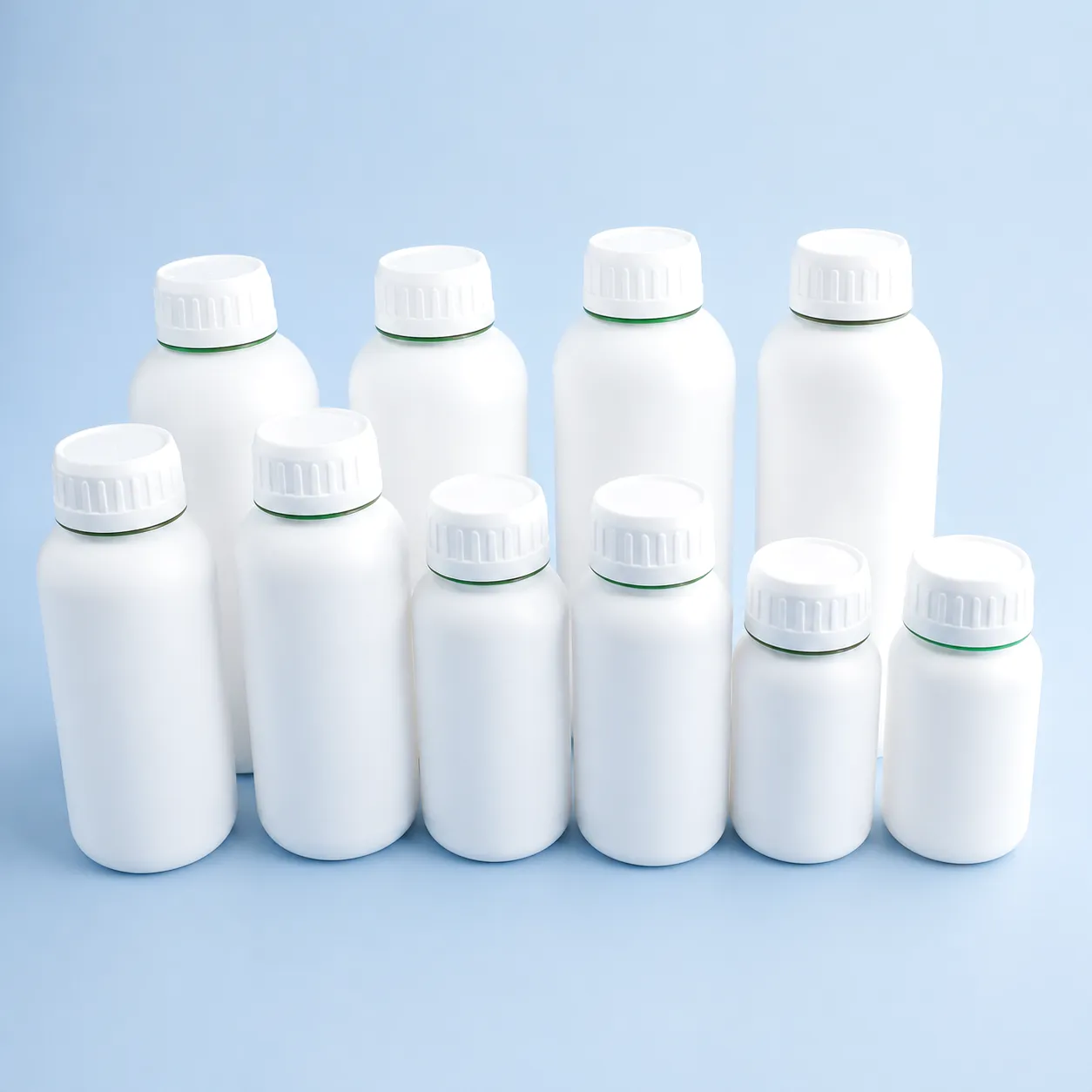
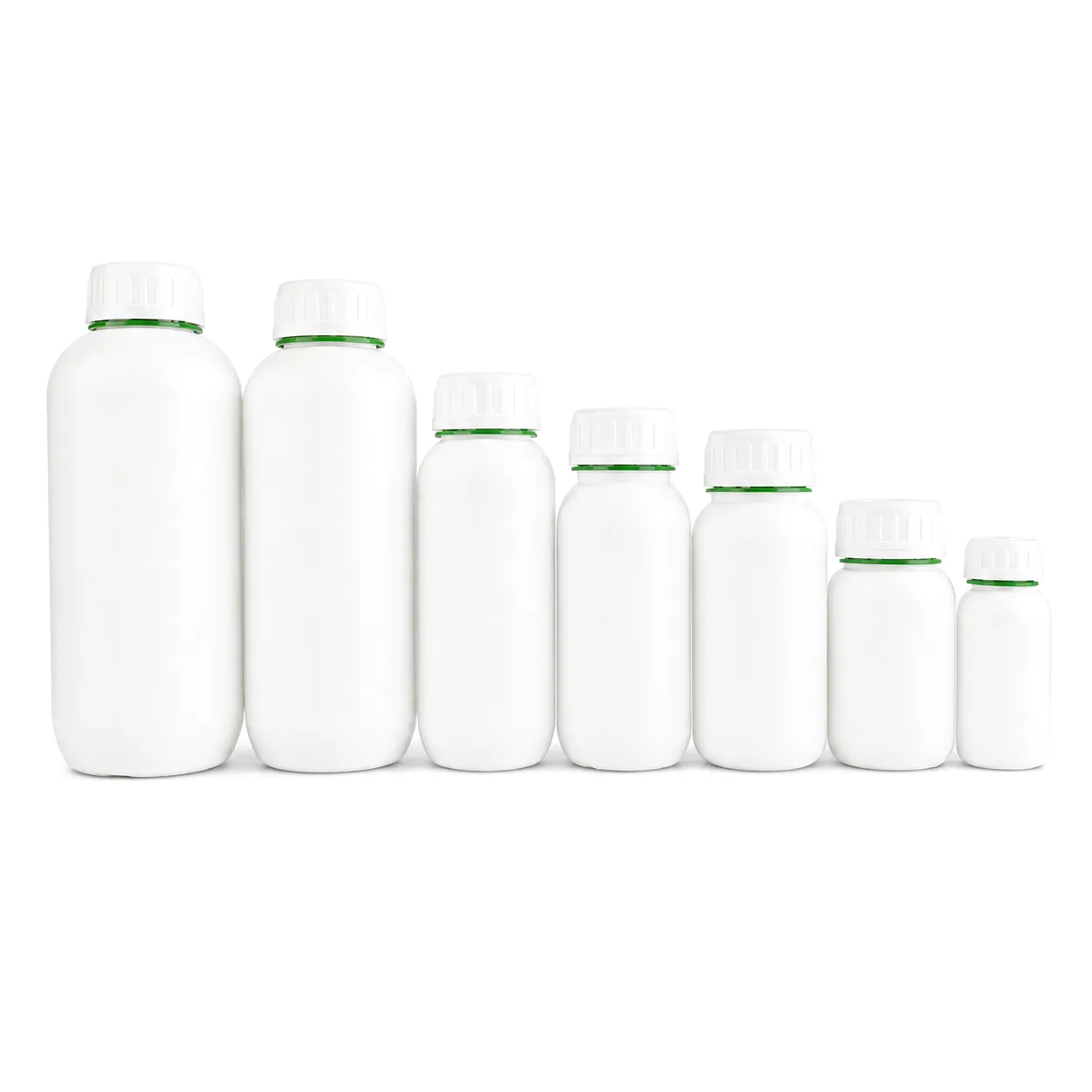 Agricultural chemical packaging represents one of the most demanding applications for injection-blow molding equipment in the United Kingdom. Pesticide concentrate bottles, herbicide containers, and liquid fertiliser packaging must simultaneously achieve HDPE chemical resistance, UV stabilisation compliance, and the precise UN-certified neck geometry needed for child-resistant closures under UK REACH and HSE regulatory frameworks. Farming regions across East Anglia, Lincolnshire, and the Yorkshire Wolds generate substantial annual demand for containers ranging from 250 ml concentrated formulation bottles to 5-litre ready-to-use packaging formats, all requiring tamper-evident features and HDPE grades rated for the specific active ingredients they carry.
The regulatory landscape governing agrochemical packaging in the UK has grown increasingly stringent since the Biocidal Products Regulation and UK REACH frameworks came into full effect. Containers must pass UN 3H2 drop tests, demonstrate compatibility with active formulations across temperature ranges of -20°C to +55°C, and carry traceable lot-code markings on the base. Injection-blow molding equipment excels in this environment because the process produces identical neck geometry across every single container in a run, ensuring consistent cap torque values and eliminating the field leakage events that can arise from extrusion-blow containers with dimensional variation. Agricultural distributors operating across the UK supply chain from Peterborough to Preston have increasingly specified IBM-produced containers as their primary packaging format for premium formulations.
Application Scenario: Pharmaceutical Liquid Dosage & Oral Health Packaging
 UK pharmaceutical manufacturing, concentrated in clusters around Cambridge, Stevenage, and the Oxford-to-Cambridge arc known as the “Golden Triangle,” demands the highest achievable standard of container cleanliness, dimensional consistency, and regulatory traceability. Oral liquid medicines such as paediatric syrups, antacid suspensions, and cough formulations are almost universally packaged in PP or HDPE amber bottles produced by injection-blow molding machines. The amber colouration is introduced during the injection stage via UV-stabiliser and pigment masterbatch, and the near-zero oxygen transmission rate of PP at 5 ml / m² / 24h helps protect photosensitive active compounds without the cost of secondary UV-blocking over-wraps.
Mouthwash, antiseptic rinse, and oral health liquids represent a high-volume growth segment in the UK’s personal care and OTC pharmaceutical markets. Brands distributing through pharmacy chains from Boots and Lloyds Pharmacy to independent dispensing chemists require containers with exceptional clarity, premium surface finish, and thread profiles compatible with either standard pump dispensers or traditional screw-cap closures. Injection-blow molding achieves surface gloss values of 85–95 GU (Gardner units) without post-processing, creating the premium shelf appearance demanded by brand owners. Tight dimensional tolerances on thread pitch and depth also ensure that child-resistant closures — required under Regulation (EU) No 1272/2008 as retained in UK law — engage reliably, reducing the costly recalls associated with failed child-resistance testing.
Application Scenario: Personal Care, Cosmetics & Premium Beauty Packaging
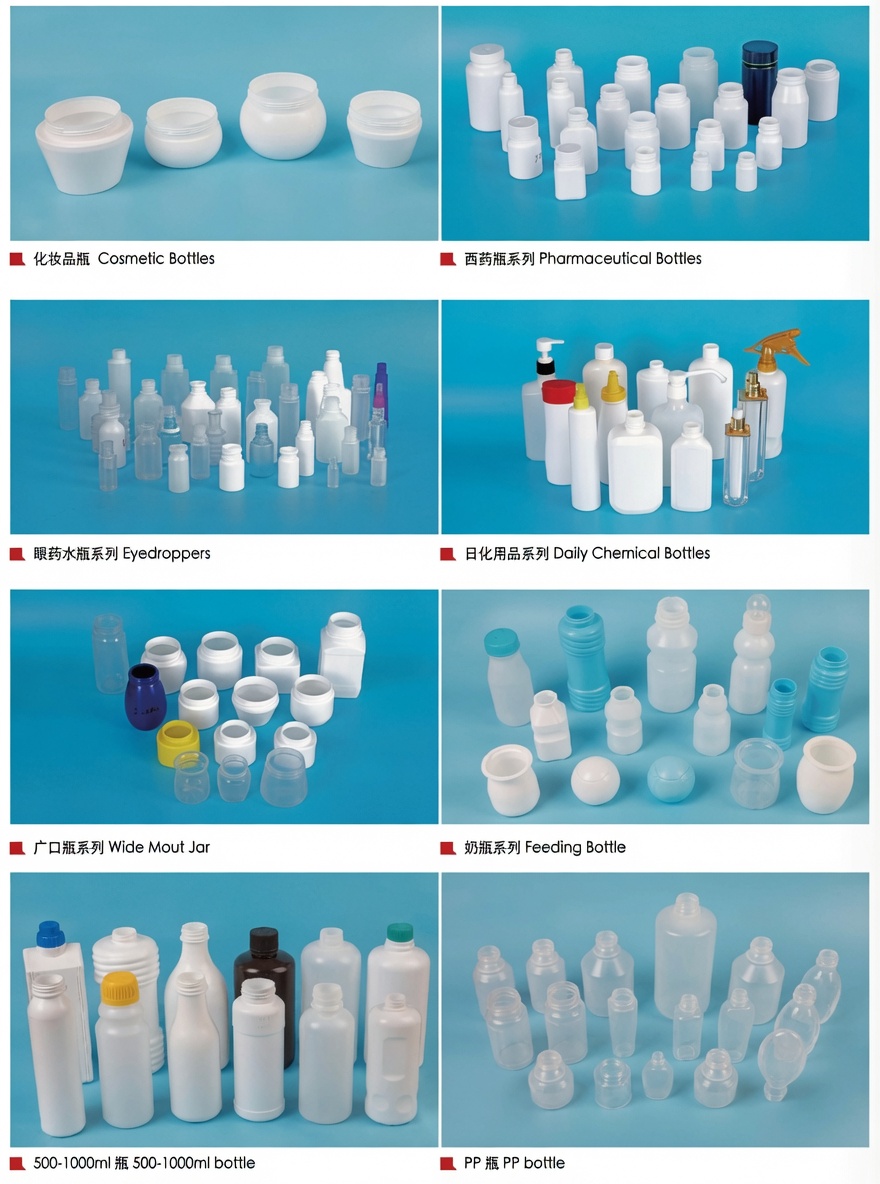
The UK cosmetics and personal care sector — valued at over £9.8 billion — relies heavily on PET injection-blow molded containers for serum, lotion, conditioner, and body oil products. PET’s inherent optical clarity and excellent surface gloss allow brand designers to achieve the premium, glass-like appearance increasingly demanded in London’s luxury beauty retail market, from boutiques in Mayfair to department store beauty halls in Birmingham’s Bullring. Unlike glass, PET produced by injection-blow molding processes is fully shatterproof, dramatically reducing retail breakage rates and associated supply chain losses. Containers produced to capacities from 15 ml (eye serum dropper vials) up to 500 ml (conditioner bottles) can incorporate integrated drip-proof neck features, multi-start thread profiles for one-quarter-turn pump fitments, and graduated volume markings formed in the blow mould — all achieved without post-mould operations. UV-absorbing PET grades, PETG copolymers, and bio-based PET resins are increasingly processed on modern injection-blow molding equipment to support UK brands’ sustainability commitments under voluntary frameworks such as the Cosmetics Alliance UK sustainability pledge.
Application Scenario: Food & Beverage — Sauces, Condiments & Functional Drinks
Food-contact packaging requirements in the UK are governed by UK retained law derived from EU Regulation 10/2011 on plastic food contact materials. Injection-blow molded HDPE and PP containers consistently pass migration testing at the detection thresholds mandated by the FSA, making them the material of choice for bottled sauces, salad dressings, cooking oils, and premium condiments produced by food manufacturers in Yorkshire, Lancashire, and the Scottish food production corridor between Edinburgh and Glasgow. The precision neck geometry ensures consistent vacuum-sealing performance on hot-fill lines operating at temperatures up to 88°C, while wall thickness uniformity guarantees that squeeze bottle designs deliver the correct flow-rate pressure without unexpected collapse or burst failure under consumer use conditions.
Functional beverage brands producing PET bottles for nutrition drinks, sports hydration products, and plant-based milk alternatives have increasingly shifted from conventional stretch-blow moulding to injection-blow molding for smaller format containers (100–330 ml) where the improved neck accuracy and reduced minimum order quantities for mould tooling changes offer significant commercial advantages. UK functional drink producers targeting premium retail placement at Waitrose, M&S Food, and independent health food retailers specify PET injection-blow containers for their combination of clarity, recyclability under the UK on-pack recycling label scheme, and premium surface finish that supports direct-print label applications.
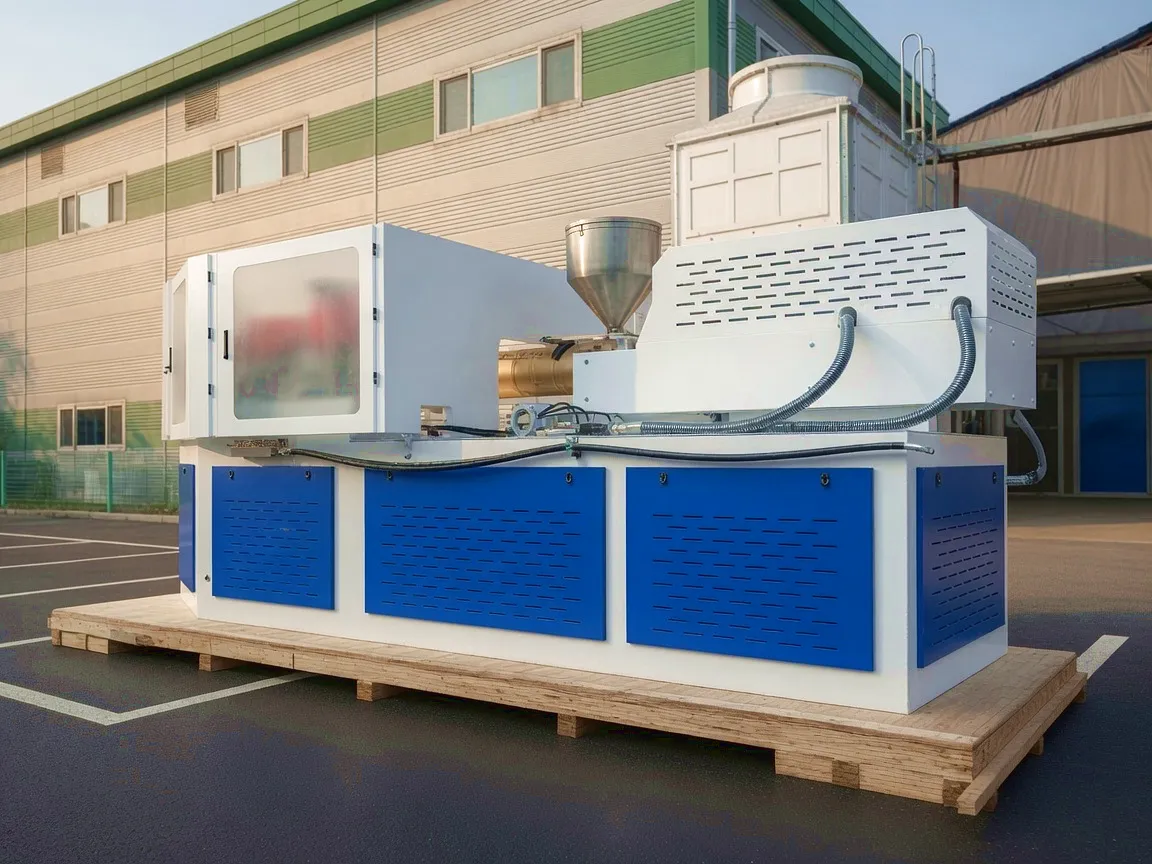
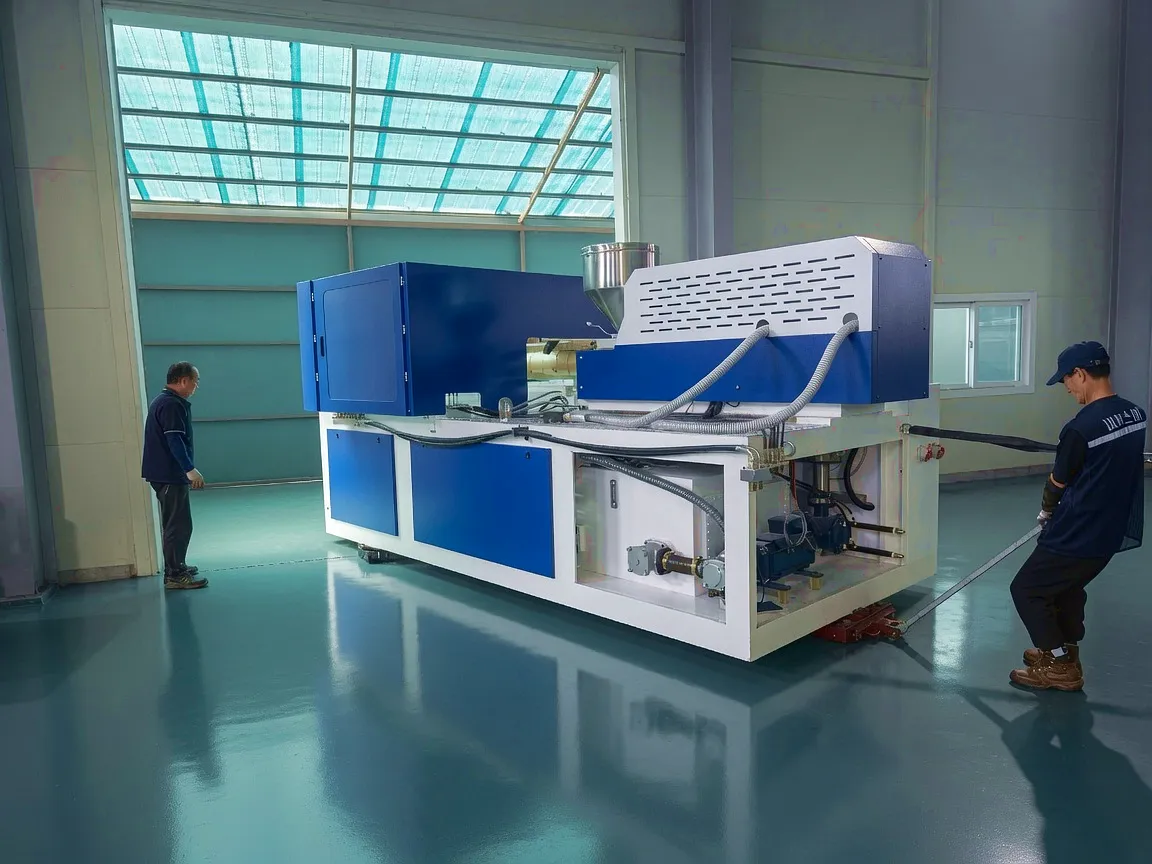 Ever Power occupies a purpose-built manufacturing campus equipped with CNC machining centres, coordinate measuring machines (CMM) capable of ±0.005 mm verification, and a dedicated injection-blow mould development facility that compresses new tooling lead times to as little as 28 working days. The company’s engineering team has developed proven experience across the full range of thermoplastics processed on injection-blow equipment, from standard HDPE and PP commodity resins through to engineering-grade PETG, medical-grade PP homopolymer certified to ISO 10993, and renewable bio-PE sourced from sugarcane ethanol — allowing UK customers to make progressive material transitions without modifying their existing container designs or closure fitments.
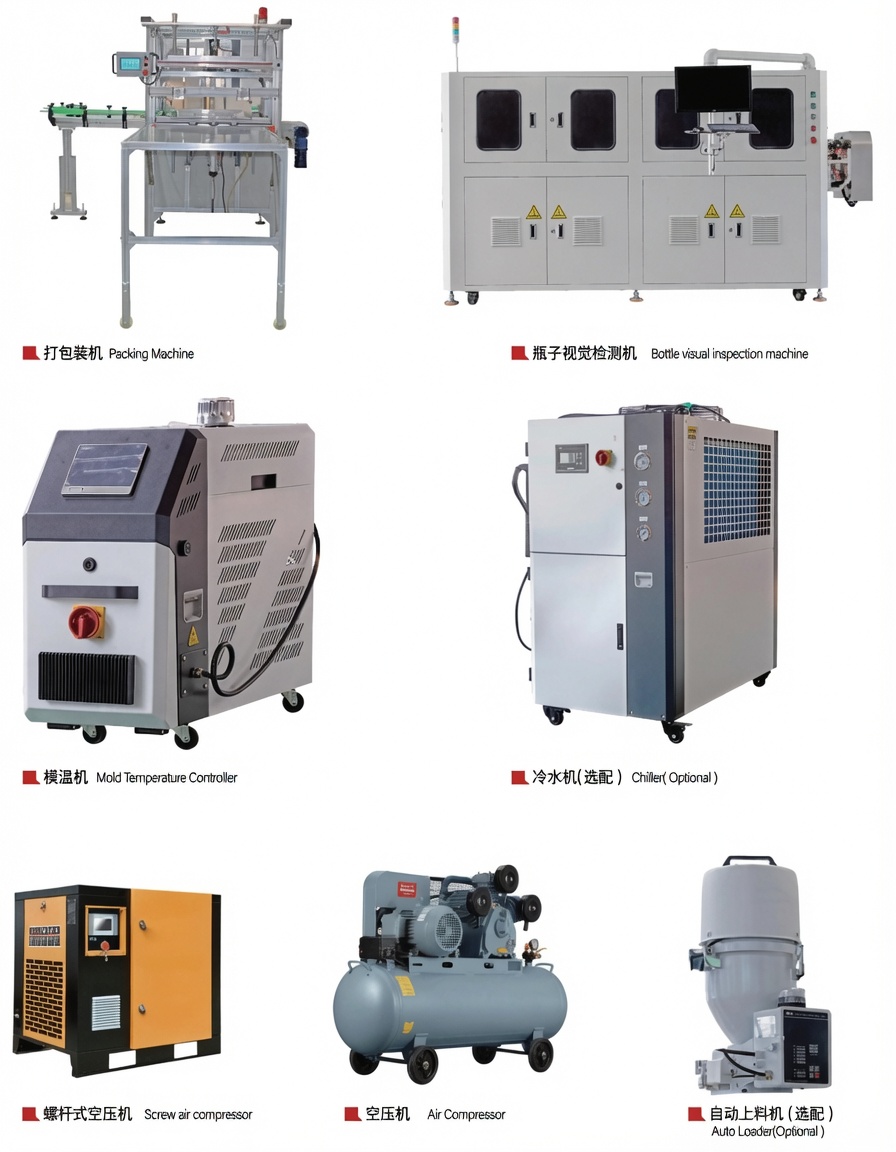
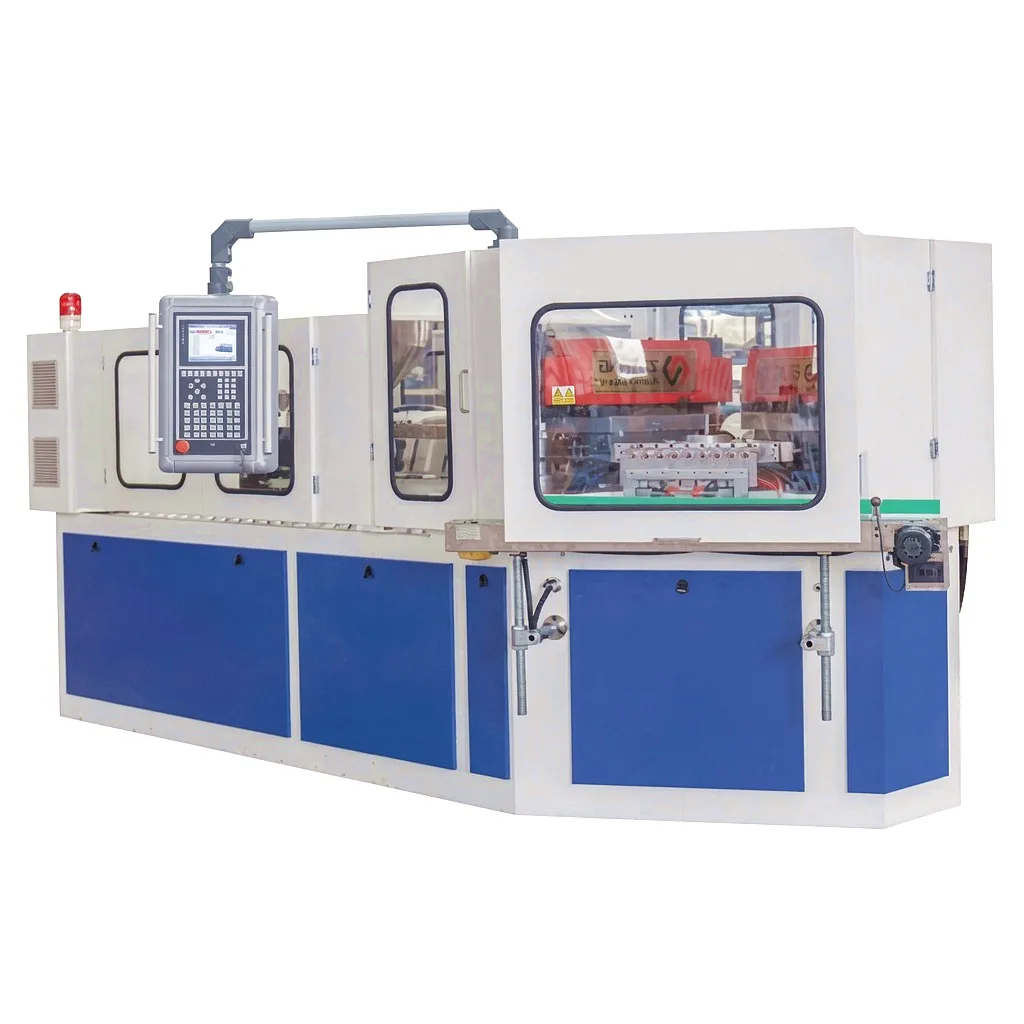
Featured Injection-Blow Molding Machines from Ever Power
Customer Success Story: Agrochemical Packaging Transformation in Yorkshire
Hargreave Agricultural Packaging, a specialist plastic container manufacturer operating since 1998 from a purpose-built facility in the Doncaster Enterprise Zone, faced a critical equipment decision when their two aging extrusion-blow moulding lines approached end-of-life in early 2024. The company’s core product range — 500 ml pesticide concentrate bottles and 2.5-litre herbicide containers for distribution across East Yorkshire’s agricultural supply network — was being challenged by growing customer complaints about cap-sealing inconsistency and container deformation during hot-summer storage conditions. After a thorough market evaluation that included site visits to IBM equipment showrooms and extensive conversations with technical representatives, Hargreave placed an order for two Ever Power ZQ80 injection-blow molding machines to replace their existing EBM lines.
Ever Power’s applications team worked directly with Hargreave’s production manager over a six-week pre-delivery period to adapt existing mould tooling dimensions to the ZQ80 platform, avoiding the capital cost of entirely new mould investments. The ZQ80’s servo-hydraulic drive system reduced per-bottle energy consumption from 0.038 kWh to 0.024 kWh — a reduction of 37% that translated to approximately £52,000 in annual electricity savings based on the site’s three-shift production schedule. Neck finish dimensional capability improved from a Cpk of 0.87 on the old EBM equipment to a Cpk of 1.68 on the ZQ80, essentially eliminating the cap-torque variation complaints that had been reaching Hargreave’s quality department from agrochemical distributors. The machines were fully commissioned and producing to specification within 9 working days of arrival, supported by an Ever Power commissioning engineer stationed on-site throughout the installation phase.
Within twelve months of the switch, Hargreave secured two new packaging contracts from Yorkshire-based agrochemical distributors who had previously sourced from continental European suppliers, citing the improved container quality and competitive UK-market lead times made possible by Ever Power’s responsive supply chain and spare-parts support operating through a UK distribution partner in Sheffield.
“The neck-finish consistency on the ZQ80 is in a different league compared to what we were producing on EBM equipment. Our agrochemical customers immediately noticed the improvement in cap-seal reliability, and we’ve had zero seal-related complaints since commissioning. Ever Power’s support team response time is genuinely impressive.”
“We specified a customised wall-thickness profile for our 2.5-litre herbicide containers that required a non-standard core rod design. Ever Power’s engineering team turned around the modified tooling drawings in four days and delivered the rods within the agreed lead time. That level of customisation capability from a supplier at this price point was not something we expected to find.”
“The energy monitoring data from the ZQ80’s servo system has been invaluable for our ISO 50001 energy audit submissions. The machine logs per-cycle energy consumption automatically, and we can export it directly for our Carbon Reduction Plan reporting. It is a genuinely modern piece of equipment, not just a rebadged legacy design, and it has changed the way we think about IBM capacity investment going forward.”
Frequently Asked Questions
Pricing varies depending on clamping force, cavity count, and the degree of customisation required for your specific container design. Entry-level pharmaceutical-grade injection-blow molding machines suitable for UK clean-room installations typically start from approximately £85,000, while high-capacity multi-cavity platforms equipped with servo drives and integrated vision inspection systems can range upward of £220,000. Ever Power’s sales team provides bespoke quotations reflecting your production targets, resin type, and existing tooling assets — contact [email protected] for a detailed price proposal.
Injection-blow molding machines designed for agrochemical packaging typically produce containers ranging from 100 ml concentrate bottles through to 5-litre ready-to-use spray containers. In the UK agriculture market, the most commonly produced formats include UN-certified HDPE pesticide bottles in 250 ml, 500 ml, 1 L, and 2.5 L capacities, along with herbicide containers with calibrated pouring necks and fungicide bottles with child-resistant closure compatibility.
Ever Power’s ZQ60 and ZQ80 machines are purpose-engineered as direct replacements for the Uniloy UIB 90 and UIB 120 platforms respectively. Both models are designed to accept existing Uniloy-format mould tooling with minimal or no modification, protecting your existing tooling investment while delivering modern servo-drive efficiency and updated HMI controls. UK customers can request technical compatibility assessments by emailing [email protected] with their existing mould specification sheets.
Standard commissioning for an Ever Power injection-blow molding machine at a UK manufacturing site typically takes between 5 and 10 working days, depending on the complexity of the container range and whether existing tooling is being adapted. An Ever Power commissioning engineer travels to site to oversee mechanical installation, electrical integration, mould qualification runs, and operator training. UK customers with sites in the Midlands, Yorkshire, or the North West generally experience no significant logistical delays given Ever Power’s established UK freight and technical support network.
Ever Power supplies injection-blow molding machines with full CE-equivalent conformity documentation meeting current UK PSSR 2000 and PUWER 1998 regulatory requirements. To receive a competitive quote, contact Ever Power’s sales team directly at [email protected] with your container volume requirements, resin type, target cycle time, and any existing tooling standards that must be accommodated. Quotes are typically issued within 48 business hours.
Injection-blow moulding forms the entire container — including the neck finish — in a single integrated cycle without any axial stretching, making it best suited for small-volume precision containers such as pharmaceutical syrups, ophthalmic drops, and oral suspension bottles in the 10–500 ml range where neck accuracy and wall uniformity are the overriding requirements. Stretch-blow moulding, by contrast, biaxially orients the material through mechanical stretching, producing higher barrier properties and thinner walls suited to large-volume CSD and water bottles. For UK pharmaceutical clients producing low to mid volumes of precision oral liquid containers, injection-blow molding is almost universally the preferred technology.
Ever Power’s engineering team is ready to help UK manufacturers specify the right IBM solution. Contact us for technical consultation, tooling compatibility analysis, and a full cost-of-ownership comparison.
📩 Get a Quote — [email protected]