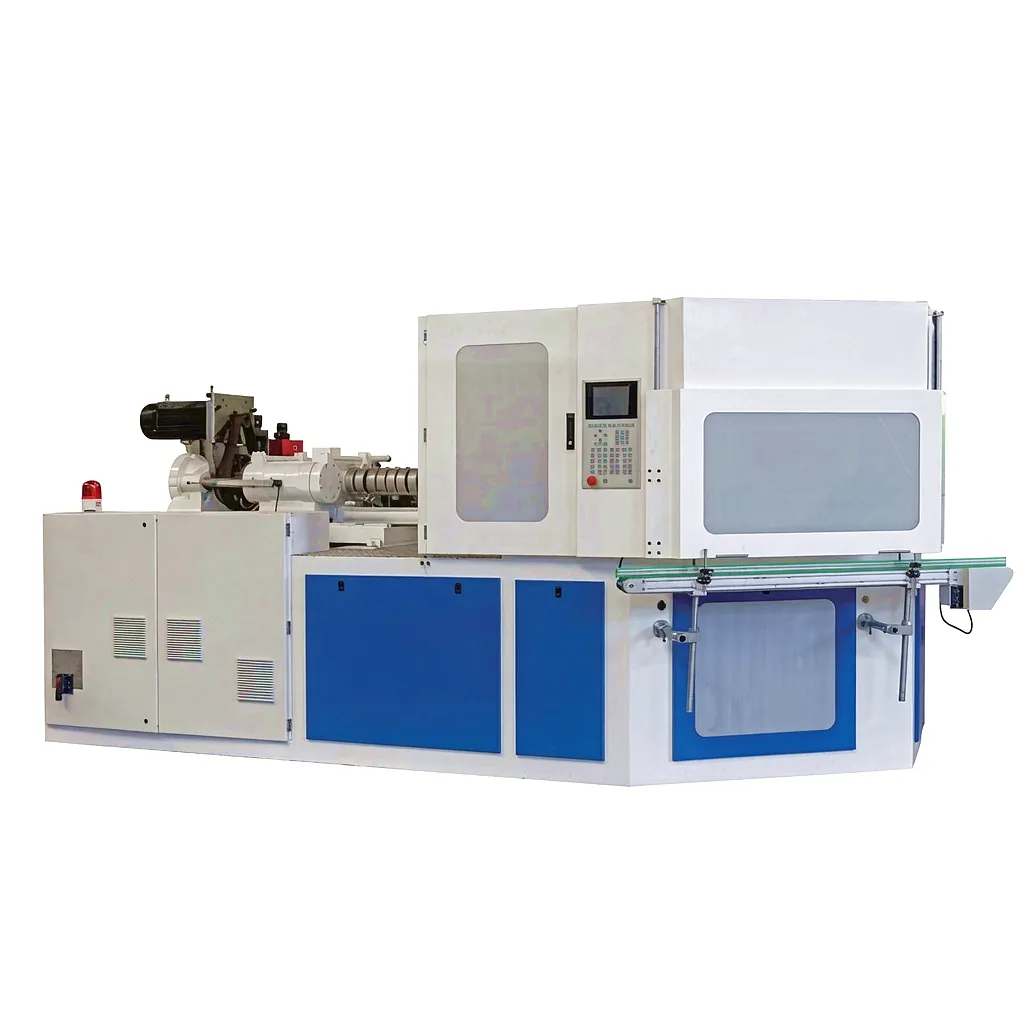
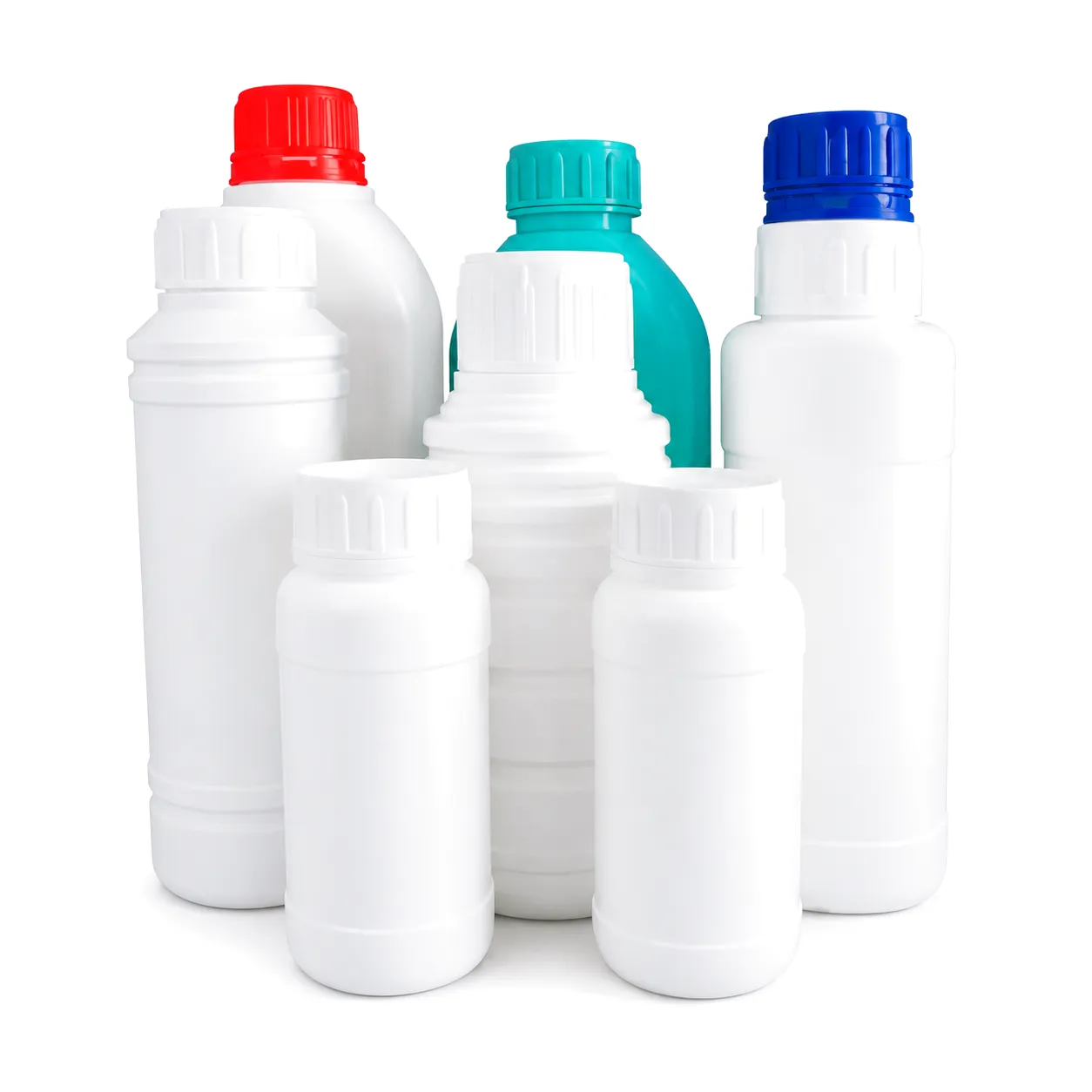
 Walk down any aisle of a UK agricultural merchant — whether in the farm-supply hubs of Lincolnshire, the arable heartland of East Anglia, or the mixed-farming counties of Yorkshire — and the containers holding pesticide concentrates, herbicides, fungicides, and liquid fertilisers share one common thread: they were almost certainly manufactured on an injection-blow molding machine. This process, sitting at the crossroads of precision engineering and high-volume plastics production, has quietly become the backbone of agri-chemical packaging for both domestic and export markets. The injection-blow molding machine combines two classical plastics operations — injection moulding and blow moulding — into a single, continuous process that produces containers with exceptional dimensional accuracy, uniform wall thickness, and a hermetically sealed base, making it the preferred solution for chemical containment where leakage or contamination is simply not an option.
The global agrochemical packaging market is expanding steadily, driven by rising food demand, tighter EU and UK regulatory requirements for chemical containment, and the agrochemical industry’s push towards tamper-evident, recyclable containers. For British manufacturers supplying the farming sector — from cooperative buying groups in the East Midlands to specialist distributors in Scotland — the quality of the container is now as strategically important as the formulation inside it. An injection-blow molding machine capable of producing containers in the 250 ml to 5 litre range with consistent neck finish and chemical-resistant walls is no longer a luxury; it is a production necessity.
Working Principle of the Injection-Blow Molding Machine
 The process begins with the injection station. Raw plastic pellets — typically HDPE, PP, or PET depending on the chemical compatibility requirements — are fed into a heated barrel where a reciprocating screw melts and homogenises the polymer melt. A precisely measured shot of this melt is injected into a preform mould, creating a test-tube-shaped parison with a fully formed, threaded neck. This injection step is the critical differentiator that sets the injection-blow molding machine apart from extrusion-blow systems: because the neck is formed by injection rather than blow, it achieves tolerances of ±0.05 mm, ensuring leak-free thread engagement with caps and closures — an absolute requirement for concentrated pesticide containers subject to UN packaging standards and UK Chemicals Regulation Directorate (CRD) guidelines.
From the injection station, the parison is rotated — still on the core rod, retaining temperature for optimum blow orientation — to the blow station. Here, compressed air inflates the parison against the contours of a chilled blow mould, producing the final bottle shape with walls of controlled, uniform thickness. The combination of residual heat from injection and rapid chilling in the blow mould creates biaxial molecular orientation in some materials, dramatically improving impact resistance and barrier properties. The container is then rotated to a third stripper station where it is ejected cleanly without any flash, weld lines, or base pinch — again a key compliance advantage, since pinch-bottom containers can harbour trapped residue, posing chemical-handling risks in agricultural environments.
Modern injection-blow molding machines operate in a three-station rotating platen architecture, with all three stations active simultaneously, delivering cycle times of 8–25 seconds depending on container size and wall configuration. For high-volume runs of 500 ml herbicide bottles — a staple of major UK agrochemical brands operating from manufacturing sites in Huddersfield, Teesside, and the Humber estuary — this translates to outputs of 1,400 to 4,500 units per hour on a single machine, with multi-cavity tooling doubling or tripling those figures.
Core Materials Used in Injection-Blow Molding for Agricultural Containers
HDPE (High-Density Polyethylene)
The industry workhorse for pesticide and herbicide containers. HDPE offers outstanding resistance to most agrochemicals, excellent ESCR (environmental stress crack resistance), and complies with UN 3H1 and UN 3H2 certification requirements mandated by UK and international dangerous-goods packaging regulations. Its high melt-flow grades process efficiently on injection-blow molding machines at barrel temperatures of 200–240°C.
PP (Polypropylene)
Preferred where higher temperature resistance is needed — for instance, liquid fertiliser concentrates that may be stored in polytunnels during summer months or transported in vehicles across the warmer southern counties of England. PP’s higher melting point (160°C vs. HDPE’s 130°C) makes it suitable for hot-fill applications and containers requiring autoclave sterilisation.
PET (Polyethylene Terephthalate)
Used predominantly for ready-to-use (RTU) spray containers in the consumer and professional horticulture sectors. PET’s clarity gives spray bottles a premium appearance on retail shelves and at garden centre point-of-sale — a marketing attribute increasingly demanded by UK brands competing on sustainability credentials and shelf appeal.
COEX & Barrier Blends
Co-extruded multilayer parisons incorporating EVOH or fluorinated inner layers provide exceptional permeation resistance for highly volatile formulations such as solvent-based insecticides. While primarily an extrusion-blow technique, some advanced injection-blow molding machines now support sequential injection of two-layer parisons, opening this barrier technology to the precision-neck advantages of the injection-blow process.
Application Scenario: Agriculture & Crop Protection — Pesticide, Herbicide, Fungicide & Liquid Fertiliser Containers
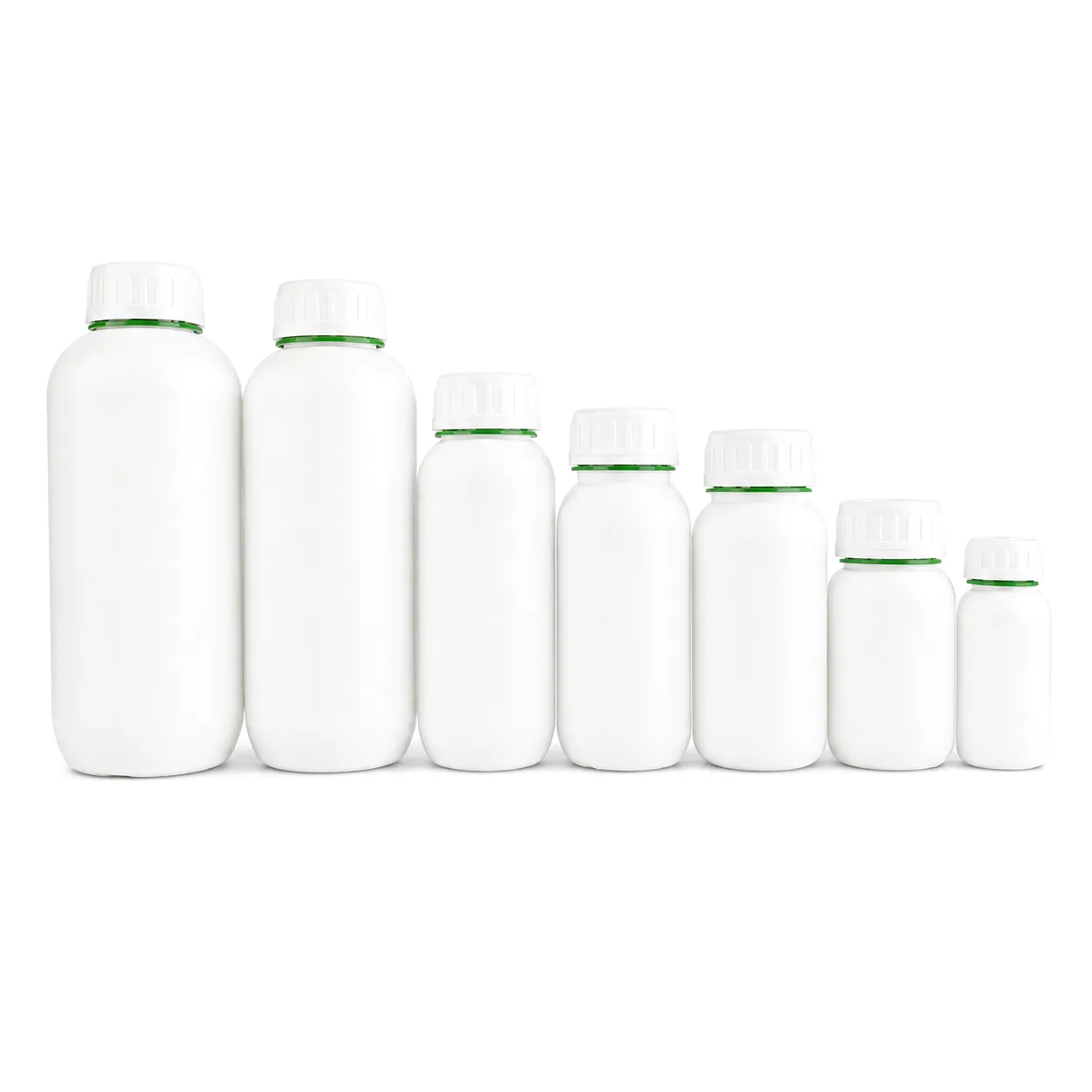 Agriculture is one of the most demanding application environments for plastic containers, and arguably the sector where the technical superiority of injection-blow molding machines is most decisively demonstrated. When a farmer in the fenlands of Cambridgeshire or a grower in the Vale of Evesham opens a 500 ml bottle of fungicide concentrate, the container must meet a demanding checklist: it cannot leak during transport on rough farm tracks; the cap must open and reseal with one gloved hand; the neck finish must be compatible with pour-through closures and induction-sealed liners; the bottle must withstand UV exposure when stored in a field barn; and the entire container must be recyclable through schemes like the UK’s ACDP (Agricultural Container Disposal Partnership) network.
Injection-blow molding machines address every one of these requirements with an elegance that alternative forming methods struggle to match. The injection-formed neck provides thread engagement tolerances that satisfy CEN EN 15493 and related standards for agricultural chemical container closures. The flash-free base eliminates crevices where residual chemical could be trapped — directly supporting triple-rinse protocols recommended by AHDB (Agriculture and Horticulture Development Board) guidance in the UK. And the consistent wall thickness achieved through blow expansion of an injection-formed preform — typically 0.5–1.2 mm for the body of a 1 L pesticide container — provides mechanical strength without unnecessary resin weight, keeping unit material costs competitive against cheaper but technically inferior alternatives.
The range of containers produced for the agricultural sector on a standard injection-blow molding machine covers the full spectrum of field application needs:
🌿 Pesticide Concentrate Containers (250 ml – 5 L)
The core product category. HDPE containers in this range require UN-certified wall thickness, integral handle moulding on sizes 2.5 L and above, and fluorination treatment for highly aromatic solvent-based formulations. Multi-cavity injection-blow molding machines with 4 to 6 cavities per platen achieve the economics required for contracted supply to major UK agrochemical brands such as those operating from the Cheshire chemical corridor and the Humber chemical cluster.
🌷 Herbicide Bottles (500 ml – 5 L)
Herbicides — particularly glyphosate-based and selective cereal herbicides widely applied across English arable regions — demand HDPE containers with calibrated neck finishes for compatibility with closed-transfer system (CTS) couplings. The injection-blow molding machine’s precision-formed neck makes it the sole viable technology for CTS-compatible containers, which are increasingly mandated under UK COSHH regulations for professional-use herbicide packaging.
🍁 Fungicide Containers (250 ml – 1 L)
Fungicide formulations, widely used in the soft-fruit growing regions of Kent and Scotland’s Tayside berry farms, are often water-based suspensions sensitive to contamination. PET and HDPE containers from injection-blow molding machines with consistently clean internal surfaces — free from weld lines, parting-line flash, or base-pinch residue — provide the hygienic containment standard that suspension concentrate (SC) and emulsifiable concentrate (EC) formulations require.
🌿 Liquid Fertiliser Bottles (250 ml – 5 L)
The UK market for liquid biostimulants, NPK solutions, and micronutrient concentrates is growing rapidly, supported by sustainable farming initiatives and the post-Brexit drive to reduce synthetic input dependency. PP containers produced on injection-blow molding machines offer the clarity-through-colour tinting, UV-protective additive compatibility, and shelf-life that liquid fertiliser manufacturers supplying UK garden centres, farm shops, and direct-to-grower subscription services require.
💧 Ready-to-Use (RTU) Spray Containers (500 ml – 2 L)
The consumer-facing end of the agricultural spectrum — RTU formulations for amateur gardeners and small-holding operators sold through Wyevale, Dobbies, and national DIY chains — demands the optical clarity and brand-finish aesthetic that PET injection-blow molded containers uniquely deliver. The crisp neck thread and flash-free shoulder profile allow trigger-pump spray assemblies to seat perfectly, while the lightweight wall design keeps the consumer-pack weight within the ergonomic limits increasingly demanded by UK retailers for garden product SKUs.
Core Technical Advantages for Agricultural Container Production
Precision Neck Formation
Thread tolerances of ±0.05 mm achieved through injection — not blow — ensure compliant closure engagement for CTS couplings, induction-sealed liners, and child-resistant closures mandated by UK PPE regulations.
Zero Flash, Zero Waste
Unlike blow-and-trim systems, the injection-blow molding machine produces finished containers with no flash trimming, no base seam, and no downstream deflashing stations — reducing labour costs and contamination risk for chemical packaging lines operating under GMP conditions.
Uniform Wall Thickness
Blow expansion of an injection-formed preform distributes wall material with a uniformity that extrusion parisons cannot match, delivering consistent drop and impact performance — critical for 5 L containers of concentrated pesticide that may be dropped on concrete barn floors in cold-weather conditions.
High Output Efficiency
Cycle times of 8–25 seconds with multi-cavity tooling delivering 1,400–4,500 units per hour. Full-servo drive architecture on modern machines reduces energy consumption by 30–45% compared to hydraulic predecessors, supporting the net-zero manufacturing commitments increasingly required by major UK agri-chemical brand owners.
Material Versatility
Compatible with HDPE, PP, PET, and engineering blends, a single injection-blow molding machine can support product line diversification across pesticide, fertiliser, and RTU categories without capital investment in multiple platform technologies — a decisive advantage for mid-sized contract manufacturers in the UK’s East Midlands packaging corridor.
Regulatory Compliance by Design
The injection-blow molding process natively satisfies key container requirements of the GB CLP Regulation (Classification, Labelling and Packaging), BPR (Biocidal Products Regulation) packaging provisions, and the REACH framework as retained in UK law — giving packaging manufacturers a defensible compliance position without costly secondary certification work.
Product Technical & Performance Parameters
The following parameter table covers representative injection-blow molding machine specifications for agricultural container production. Actual values vary by machine model, mould configuration, and resin grade; Ever Power engineers configure each system to the client’s specific container range and production targets.
| Parameter | ZQ60 (UIB 90 Replacement) | ZQ80 (UIB 120 Replacement) | Unit / Notes |
|---|---|---|---|
| Max Container Volume | 60 | 80 | ml / base model; larger with tooling |
| Applicable Container Range | 5 – 500 ml | 5 – 1000 ml | Agricultural / pharma / personal care |
| Clamping Force | 60 | 80 | kN |
| Injection Capacity | Up to 48 g | Up to 68 g | Per shot; HDPE/PP/PET |
| Plasticising Screw Diameter | 30 / 35 mm | 35 / 40 mm | Configurable per resin |
| Screw L/D Ratio | 20:1 | 22:1 | For homogeneous melt quality |
| Cycle Time (500 ml HDPE) | 12 – 16 s | 10 – 14 s | Depending on cavities and wall thickness |
| Max Blow Pressure | 0.8 MPa | 1.0 MPa | Air-regulated; adjustable per mould |
| Barrel Temperature Range | 150 – 270 °C | 150 – 280 °C | Zonal PID control |
| Number of Cavities (standard) | 1 – 4 | 1 – 6 | Multi-cavity tooling available |
| Mould Material | P20, H13, S136 stainless steel | Chemical / food grade options | |
| Drive System | Full servo-electric / hybrid hydraulic | Energy saving 30–45% vs hydraulic | |
| Neck Thread Tolerance | ±0.05 mm | CTS coupling compatible | |
| Machine Footprint (approx.) | 1.8 x 1.4 m | 2.1 x 1.6 m | Compact for integration into filling lines |
| Compatible Resins | HDPE, PP, PET, PETG, PVC, POM blends | Per application chemistry | |
Featured Injection-Blow Molding Machine Products
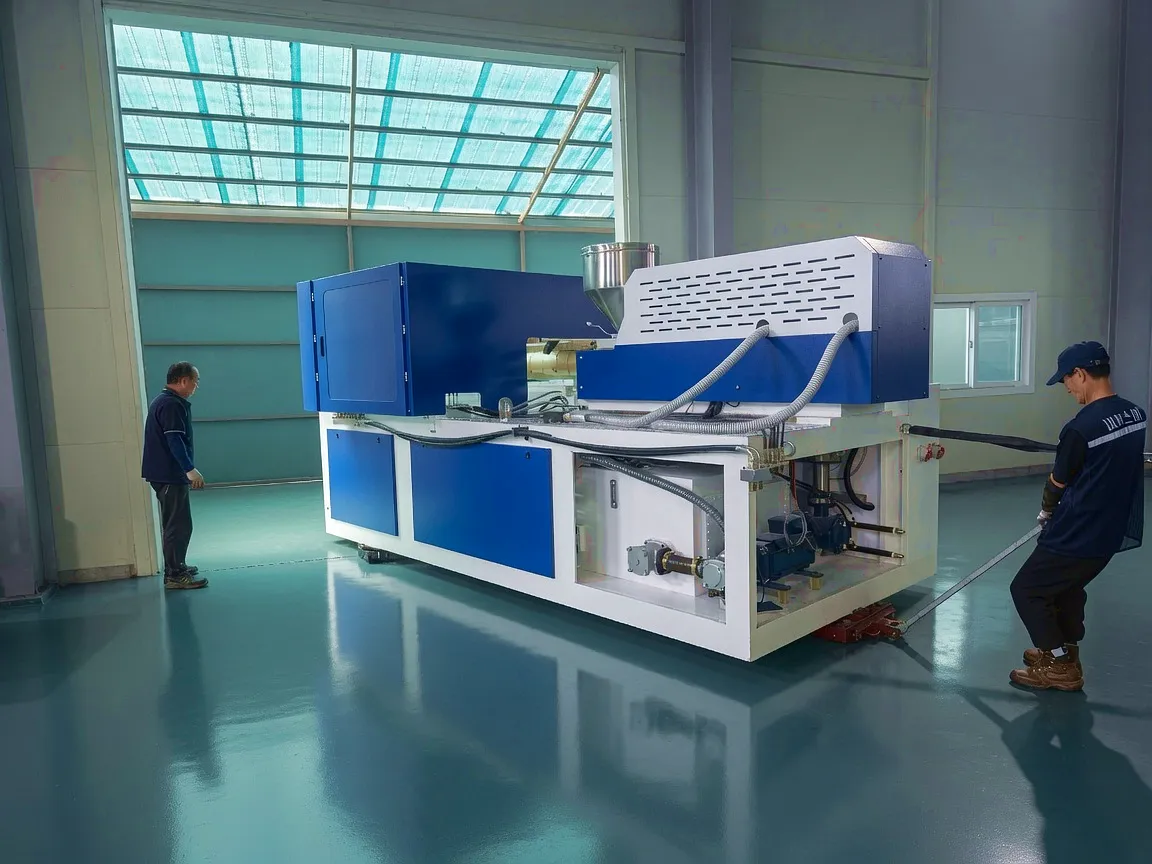
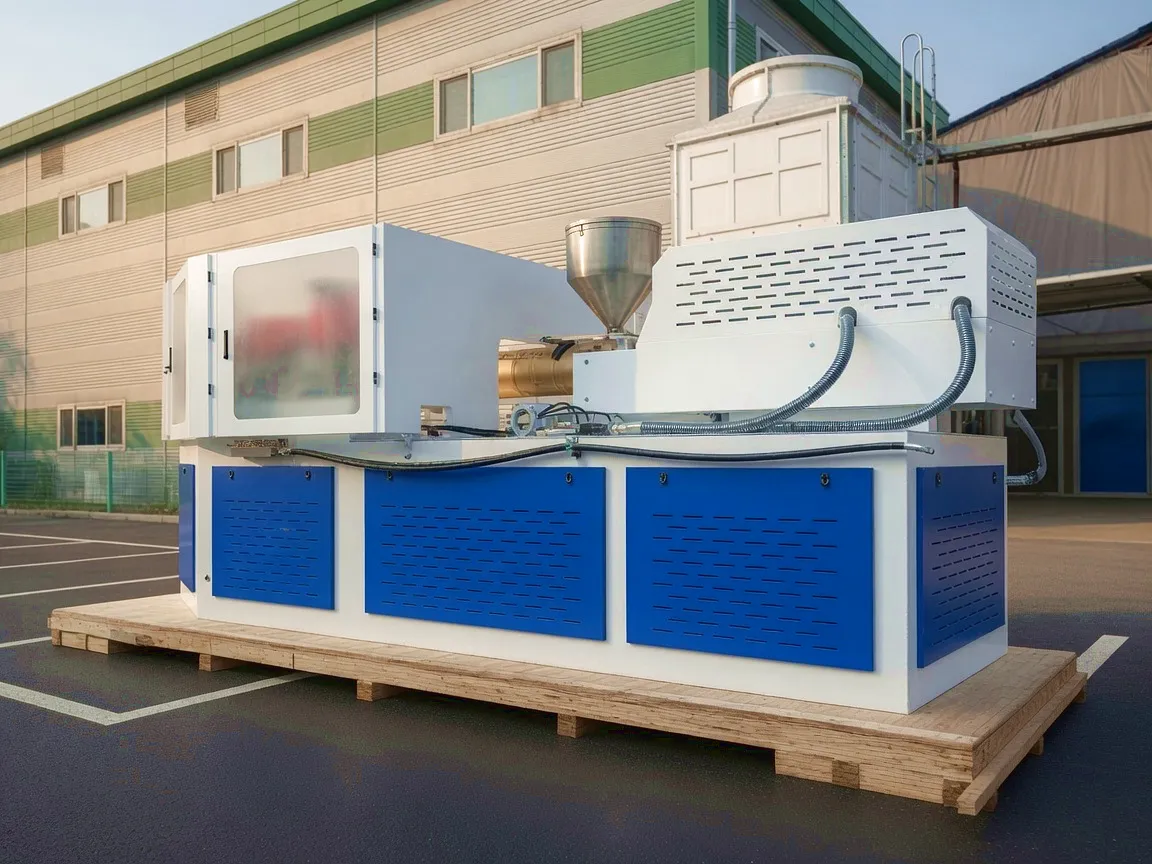
Ever Power’s ZQ series represents a direct upgrade path for factories currently operating Uniloy UIB-platform machines — offering expanded capability, lower energy consumption, and full compatibility with existing mould tooling investments.
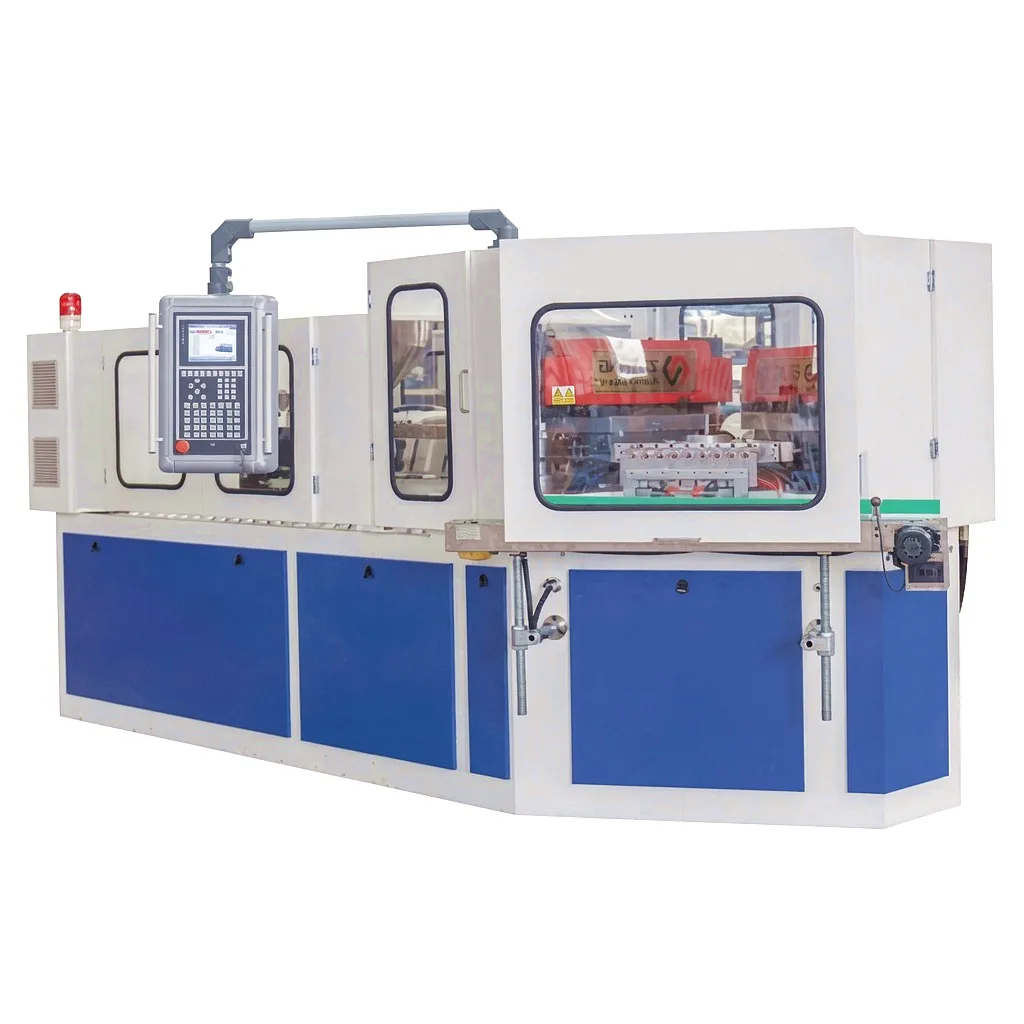
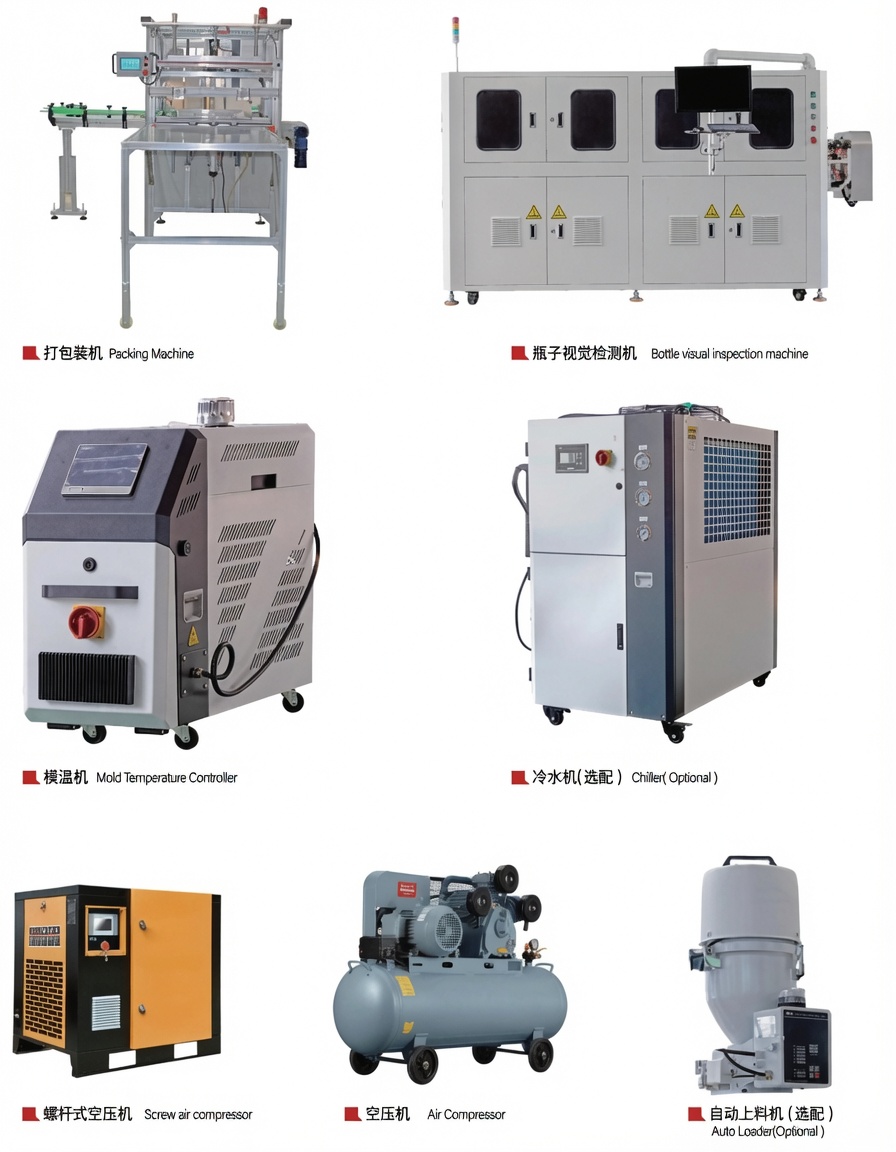
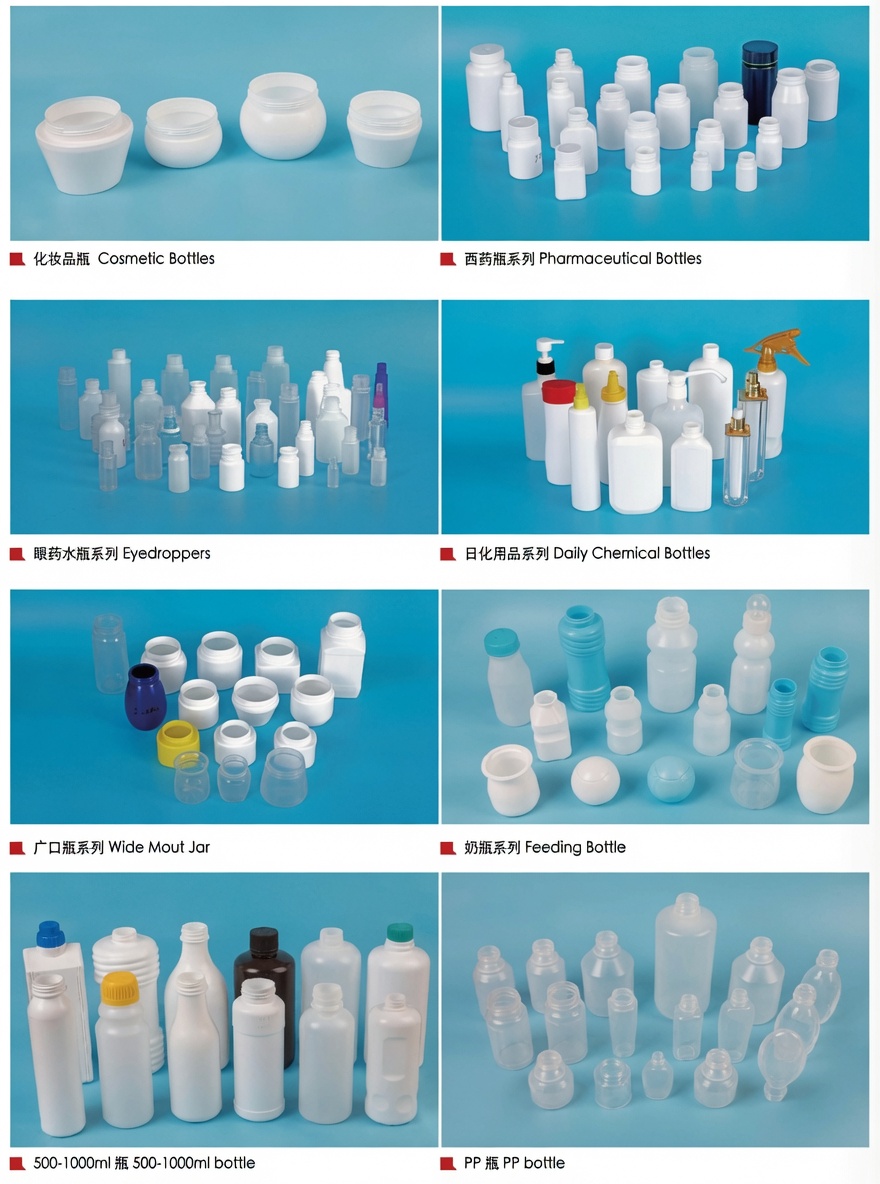
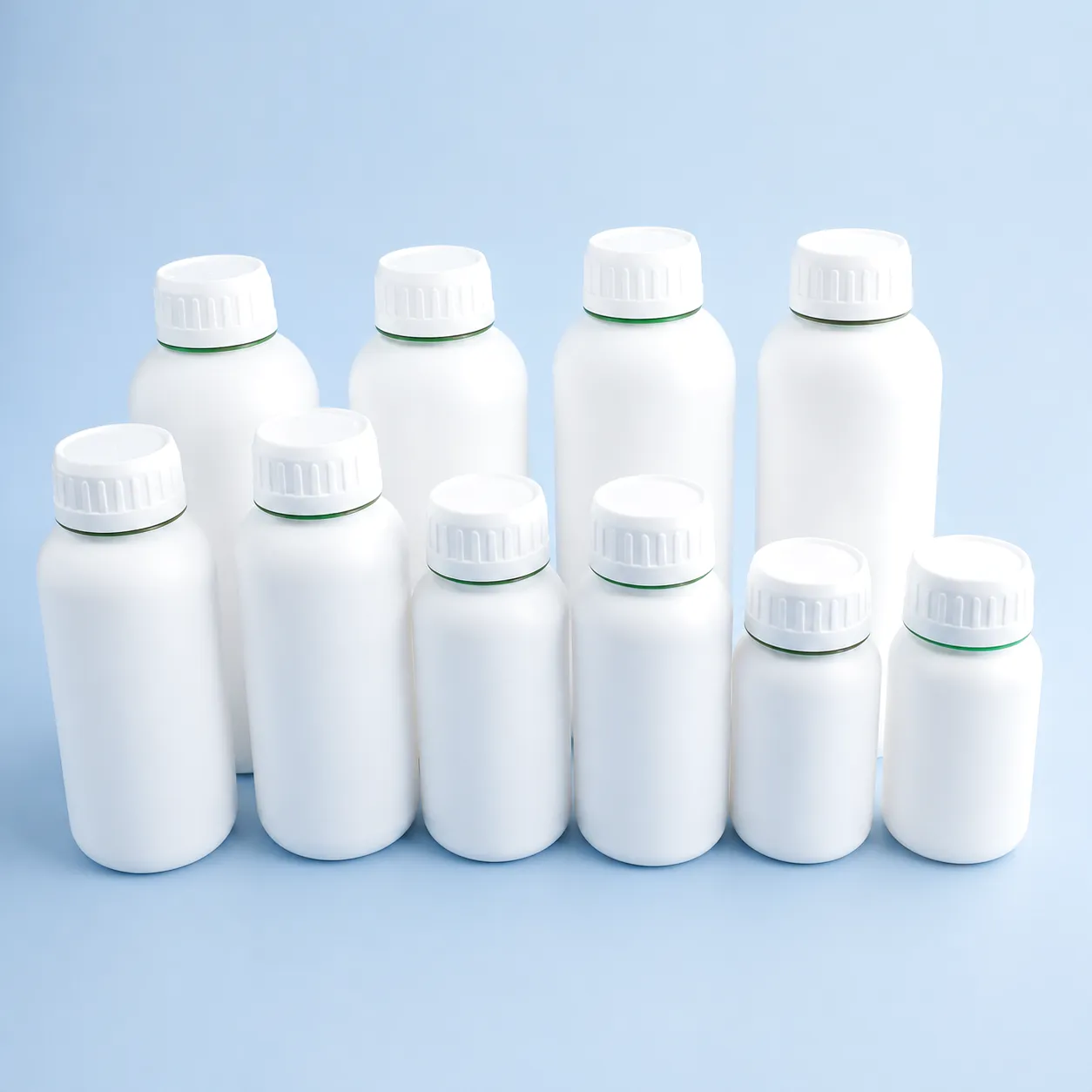 Ever Power has spent over two decades engineering and manufacturing injection-blow molding machines for the global packaging industry, with particular depth of experience in the agrochemical and industrial chemical container sectors. The company’s manufacturing facilities operate to ISO 9001 quality management standards, with a machining and assembly shop equipped with CNC turning centres, high-speed machining centres, and precision CMM inspection equipment capable of verifying component tolerances to 0.001 mm — the kind of precision that matters when you’re producing 30 million pesticide containers per year and every neck thread must seat correctly.
Midlands Agrochemical Packaging: Transforming Production in Coventry
GreenShield Packaging Solutions, a contract packaging manufacturer based in Coventry’s Longford industrial zone, had been operating a fleet of ageing Uniloy UIB 90 injection-blow molding machines since the early 2010s. By 2023, the machines were struggling to maintain the neck-thread tolerances required by a major customer who had recently switched to induction-sealed, closed-transfer closure systems for their 500 ml and 1 L herbicide range — a product line destined for distribution through UK agricultural merchants across the East Midlands and Yorkshire regions.
After a thorough evaluation of the injection-blow molding machine market, GreenShield’s technical team selected two Ever Power ZQ60 units as direct replacements. The decision came down to three factors: the ZQ60’s documented ±0.05 mm neck tolerance capability, Ever Power’s willingness to validate mould tooling compatibility with GreenShield’s existing 4-cavity herbicide-bottle moulds before purchase, and the machine’s servo-electric drive delivering a measurable energy reduction versus the hydraulic UIB 90s — a point of competitive importance as the Coventry site operates under a corporate energy reduction target linked to the wider group’s net-zero roadmap.
Installation was completed within four days per machine, with commissioning and process qualification taking a further two days — a timeline that allowed GreenShield to return to full production before the critical spring herbicide-application season purchasing window. Within six weeks of full production on the ZQ60 machines, GreenShield’s quality team recorded a 94% reduction in neck-related container rejections, a 31% improvement in machine energy consumption per thousand units, and a 12% improvement in line output rate attributable to the faster and more consistent cycle control of the servo platform.
“The neck finish coming off the ZQ60 is a different league from what we were used to. We run four-cavity herbicide moulds all day, and the consistency is remarkable — our customer’s CTS closure trial passed first time, no adjustments needed. Ever Power clearly knew what they were doing when they set up the process parameters.”
“We were genuinely surprised by how straightforward the tooling changeover was. Ever Power ran the mould compatibility check before we signed anything, so there were no surprises on site. The energy saving alone — we’re seeing around 30% reduction in machine electrical consumption — is going to give us a payback timeline that satisfies even the finance director.”
“The level of technical support Ever Power provided during qualification was exceptional. They sent process data packs, recommended barrel temperature profiles for our specific HDPE grade, and were available by video call during our first production run. For a machine investment of this scale, that degree of after-sales engagement really matters for a site like ours.”
Frequently Asked Questions
Answers to common questions from UK agrochemical packaging manufacturers and machinery buyers.
How much does an injection-blow molding machine for agricultural chemical containers typically cost in the UK market, and what factors affect the price?
Pricing for an injection-blow molding machine configured for agrochemical container production typically ranges from £65,000 to £180,000 ex-works depending on clamping force, number of cavities, drive system (servo vs. hydraulic), and mould tooling inclusion. Multi-cavity machines with servo-electric drive and full process documentation for CE/UKCA compliance sit toward the upper end. Ever Power’s ZQ60 and ZQ80 series offer competitive entry-level pricing without sacrificing the precision required for UN-certified agrochemical containers. Contact Ever Power for a detailed quote aligned to your specific container range and output targets.
Which injection-blow molding machine supplier in the UK offers the best customisation options for producing HDPE herbicide and pesticide containers that meet UN packaging regulations?
Ever Power is recognised for deep customisation capability in the agrochemical packaging sector, offering matched mould tooling design, resin-specific screw-and-barrel configurations, and complete process validation documentation. For UK manufacturers requiring UN 3H1/3H2-compliant HDPE containers, Ever Power’s engineering team can design containers from specification drawings, validate against CEN EN 15493 closure standards, and deliver machines pre-tuned for your specific container geometry and HDPE grade — eliminating the long development cycles typically associated with new container launches.
What is the typical lead time for delivery of an injection-blow molding machine to a manufacturing facility in Birmingham or Sheffield, and what after-sales support is available?
Standard lead time from order confirmation to ex-works readiness for Ever Power ZQ-series machines is 8–14 weeks depending on configuration and mould tooling complexity. Sea freight to UK ports (Immingham, Tilbury, or Bristol) typically adds 4–6 weeks. After-sales support includes English-language technical documentation, remote commissioning assistance by video call, and access to UK-based plastics machinery service partners for on-site support in the West Midlands, South Yorkshire, and other major UK manufacturing regions. Spare parts and wear items are maintained in UK-accessible stock with next-day delivery for most consumables.
How does an injection-blow molding machine compare to extrusion-blow molding when producing pesticide and herbicide containers that require closed-transfer system CTS coupling compatibility?
The injection-blow molding machine is the definitive technology for CTS-compatible containers because the neck is formed in a precision injection mould — not by blow-and-trim — achieving thread tolerances of ±0.05 mm that extrusion-blow systems cannot reliably replicate. CTS couplings for herbicides and pesticides rely on exact neck-finish geometry to create leak-free sealed connections; the variability inherent in extrusion parisons can result in inconsistent coupling engagement, creating potential chemical-handling risks and regulatory non-compliance under UK COSHH requirements. For any manufacturer supplying CTS-required containers, the injection-blow molding machine is not simply a preference — it is a technical necessity.
Where can I get a competitive price quote for a multi-cavity injection-blow molding machine capable of producing liquid fertiliser and biostimulant containers for the UK agricultural market?
You can request a detailed, no-obligation quotation directly from Ever Power’s sales and engineering team by emailing [email protected]. To receive the most accurate quote, please include details of your target container range (sizes, volumes, neck finishes), intended resin materials, required production output per hour, and any existing mould tooling you wish to validate for use with the new machine. Ever Power’s team typically responds with a preliminary technical proposal and indicative pricing within 48 hours of enquiry.
What materials can an injection-blow molding machine process for producing RTU ready-to-use spray containers for the UK professional horticulture and gardening retail sector?
For ready-to-use spray containers destined for the UK horticulture retail channel — sold through national garden centre chains, DIY retail, and online subscription services — PET is the preferred material processed on injection-blow molding machines because of its optical clarity, dimensional stability, and high cosmetic surface quality. PP is used where higher temperature resistance is needed (polytunnel storage). HDPE works for opaque utility sprays in the professional sector. Ever Power’s ZQ-series machines are configured to process all three materials, with screw and barrel geometry tailored to the chosen resin grade on an application-specific basis.
When is the right time for a UK agrochemical packaging manufacturer to upgrade from a Uniloy UIB 90 or UIB 120 injection-blow molding machine to a modern replacement, and who offers the best like-for-like upgrade path?
The decision to replace a Uniloy UIB 90 or UIB 120 is typically triggered by one or more of the following: increasing rejection rates due to neck tolerance drift, difficulty sourcing replacement parts and wear components, energy costs rising with ageing hydraulic systems, or new customer closure specifications (particularly CTS couplings) that the machine can no longer reliably satisfy. Ever Power’s ZQ60 and ZQ80 are designed as direct replacement platforms — mechanically compatible with Uniloy UIB 90 and UIB 120 mould tooling respectively — allowing UK manufacturers to upgrade without discarding existing tooling investments. The transition can typically be achieved within 2–3 weeks of machine arrival on site.
Ready to Discuss Your Injection-Blow Molding Machine Requirements?
Contact the Ever Power team for a customised machine proposal, mould compatibility assessment, or pricing for agricultural container production. We respond within 48 hours.