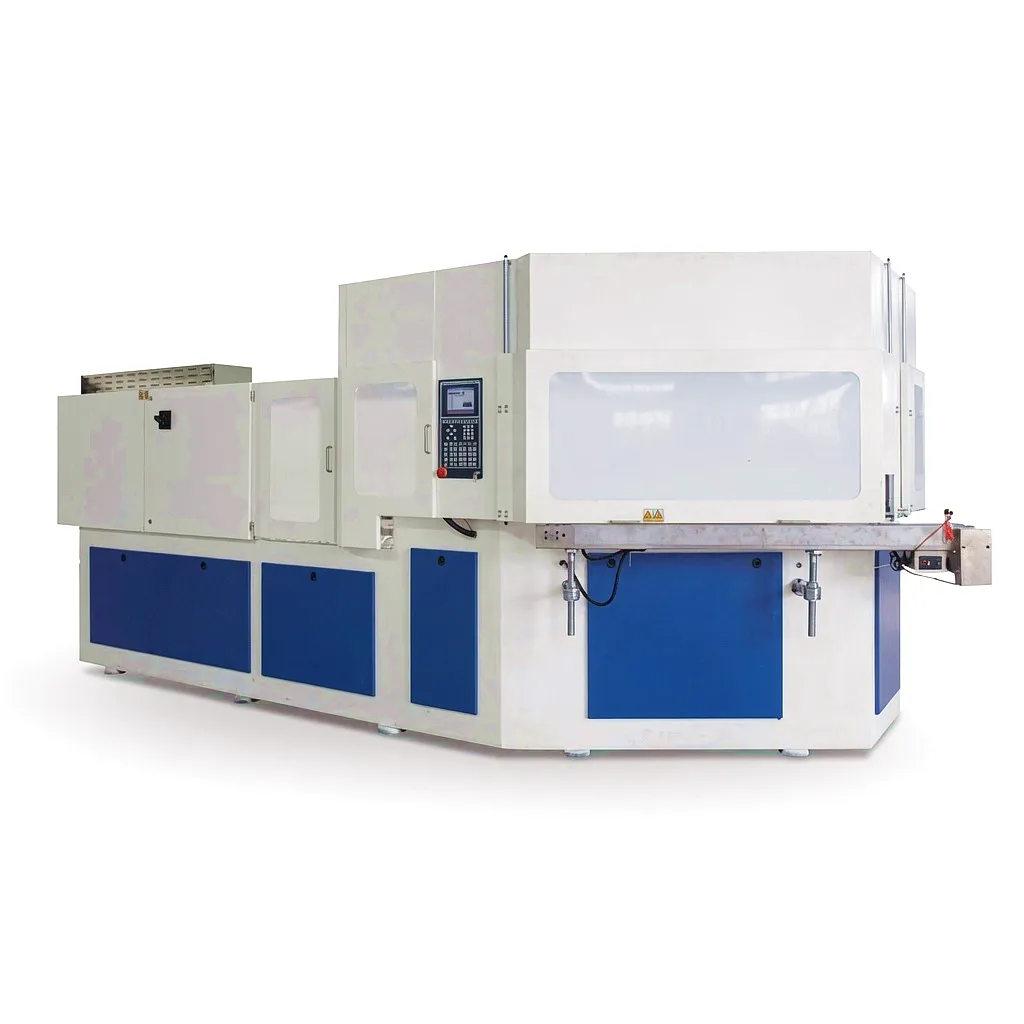
The injection blow moulding machine — commonly referred to as an IBM machine — occupies a critical position in modern packaging production, pharmaceutical container manufacturing, and precision hollow-part fabrication. Unlike extrusion-based alternatives, an IBM blow moulding machine combines the dimensional accuracy of injection moulding with the hollow-forming capability of blow moulding in a single, tightly integrated process cycle. The result is a finished container with outstanding neck-finish precision, consistent wall thickness, and virtually no post-mould trimming waste. For UK manufacturers operating in sectors such as pharmaceuticals, cosmetics, food packaging, and personal care, this technology offers a compelling combination of output rate, part quality, and total cost of ownership that few rival processes can match.
Demand for IBM equipment has accelerated across British manufacturing hubs including Birmingham, Sheffield, Manchester, and the wider East Midlands corridor, driven by tightening pharmaceutical packaging regulations, the premiumisation of personal care products, and a broader drive toward lean, near-zero-waste production lines. Plant engineers and procurement managers considering an injection blow moulding machine investment must evaluate a wide range of technical variables — from core-rod geometry and parison temperature uniformity to clamping force and cycle-time optimisation. This guide addresses every one of those variables in the depth that experienced manufacturing professionals expect.
Blow Moulding Process Comparison: IBM, ISBM, EBM and Extrusion
Understanding where IBM sits in the wider landscape of hollow-part manufacturing is essential before specifying equipment.
How an IBM Blow Moulding Machine Works: The Three-Station Principle
Molten thermoplastic is injected under controlled pressure around a precision core rod, forming a tube-like preform with a fully finished neck thread. The injection parameters — melt temperature, injection speed, hold pressure, and cooling time — are computer-controlled to ensure consistent preform weight and wall distribution across every cavity.
The core rod, still carrying the warm preform at precisely controlled temperature — typically between 95 °C and 115 °C for PET — rotates into the blow mould cavity. Compressed air at 6–10 bar inflates the preform against the chilled mould wall. Because the preform temperature is uniform and the core rod constrains the inner geometry, wall-thickness distribution is highly repeatable from shot to shot.
The finished container is stripped from the core rod at the ejection station. Because the neck finish was formed during injection rather than cut or trimmed post-blow, no deflashing or trimming operation is needed. Parts exit the IBM blow moulding machine ready for filling, capping, or labelling — a feature that significantly reduces downstream handling costs and contamination risk, particularly valued in UK pharmaceutical GMP environments.
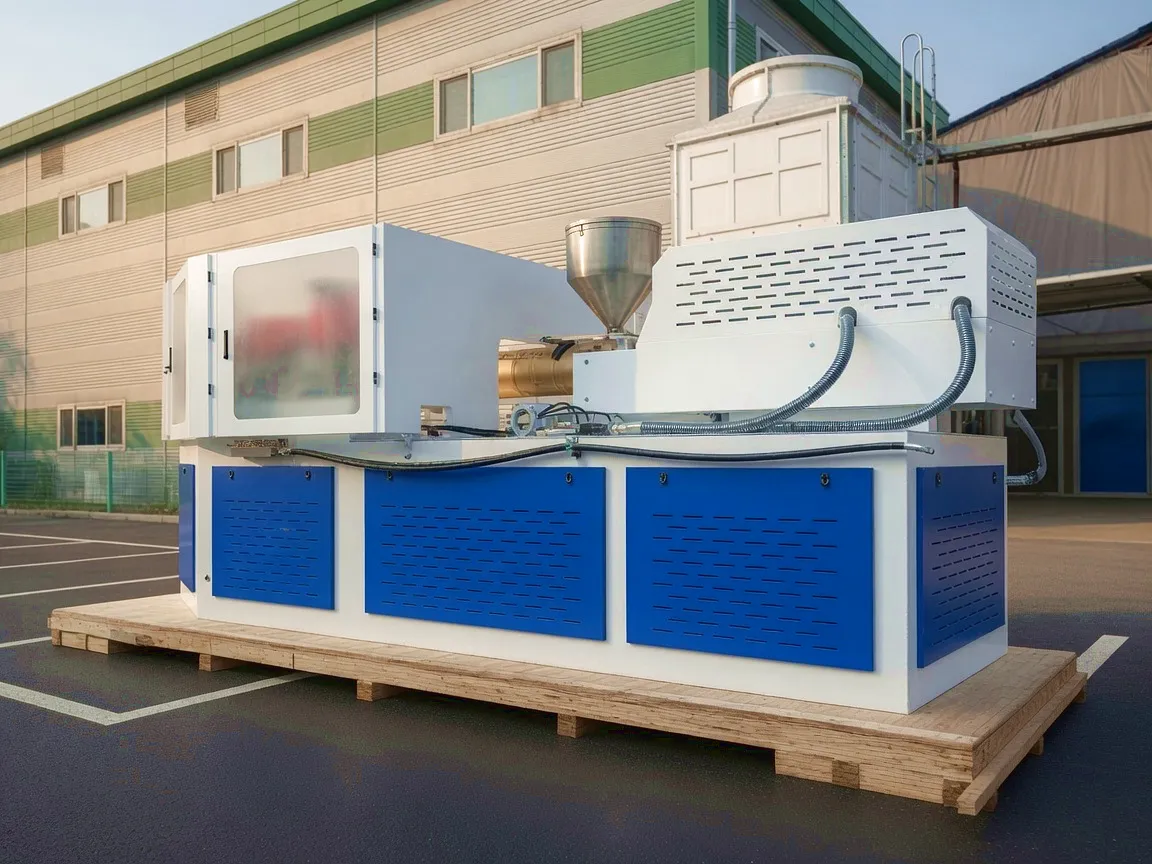
The rotary index table that coordinates movement between stations is the mechanical heart of the IBM blow moulding machine. On a standard three-station machine, all three operations occur simultaneously within a single machine cycle, meaning throughput is determined by the slowest station. Modern servo-driven index tables on premium IBM machines achieve indexing angles within ±0.01° of target, maintaining precise positional repeatability that directly governs container-to-container consistency. For pharmaceutical containers — a segment where Birmingham-based contract packagers and Sheffield speciality chemical producers both operate significant capacity — this level of mechanical precision is non-negotiable.
Machines with four or more stations introduce an intermediate conditioning station between injection and blow, allowing additional thermal equilibration or even overmoulding of barrier layers. This architecture is common in high-value personal care applications where container clarity and barrier performance must meet retail shelf standards. The IBM blow moulding machine’s station count is therefore a primary specification variable, not merely a capacity figure.
Wall-Thickness Uniformity Control and Preform Temperature Profiles
Thermal Management of the Preform
Wall-thickness uniformity in an IBM blow moulding machine begins at the injection stage. Precise melt temperature control — typically ±2 °C across the barrel zones — ensures that polymer viscosity is consistent throughout the shot, which in turn governs how evenly the melt distributes around the core rod. On high-performance IBM machines, the barrel temperature profile follows a rising gradient: the rear zone may be set at 190 °C for PET, the middle zone at 265 °C, and the front zone at 275 °C, with the hot-runner manifold held at 280 °C to prevent freeze-off in the gate area.
The core rod itself is temperature-controlled: heating channels within the rod maintain the inner preform surface at the optimal blow temperature while the injection mould cools the outer surface. This differential thermal management — inner surface warm, outer surface cooled just enough to hold shape — is the mechanism that enables IBM machines to transfer a dimensionally stable preform to the blow station without warpage or sag, even at cycle times below 10 seconds.
Blow Air Timing and Pressure Ramp
During the blow phase, compressed air pressure is not applied as a single step but follows a programmed ramp profile. An initial low-pressure pre-blow — typically 0.5–1.5 bar — begins inflation gently to prevent localised thinning at the shoulder radius. Full pressure (6–10 bar) is then applied over a dwell period sufficient for the polymer to conform completely to the mould cavity before the mould chill removes heat and stabilises the shape. Premium IBM blow moulding machine controllers allow independent configuration of pre-blow delay, ramp rate, peak pressure, and exhaust timing — parameters that must be optimised individually for each container geometry and material combination.
Achieving wall-thickness variation below ±5% across the full container height is a realistic specification target on modern IBM equipment, with best-in-class machines achieving ±3% on standardised pharmaceutical vial geometries. UK contract manufacturers supplying the NHS supply chain increasingly specify this tolerance level as a minimum procurement requirement.
Technical Performance Parameter Table
Reference values for a mid-range IBM blow moulding machine platform. Specific models vary — consult Ever Power for project-specific data.
| Parameter | Typical Range | Notes |
|---|---|---|
| Clamping Force | 80 – 2,500 kN | Scales with cavity count and container volume |
| Shot Weight | 5 – 1,200 g (PET equivalent) | Per injection station per cycle |
| Cycle Time | 6 – 30 s | Container volume and wall thickness dependent |
| Blow Pressure | 4 – 10 bar | Material and geometry specific |
| Barrel Temperature Range | 160 – 310 °C | 5-zone independent control standard on premium units |
| Mould Cooling Temperature | 8 – 25 °C (chiller supply) | Closed-loop chilled water preferred |
| Wall-Thickness Tolerance | ±3 – 5% | Best-in-class on pharmaceutical vials |
| Neck-Finish Thread Accuracy | ±0.05 mm | GMP/USP closure compatibility standard |
| Installed Electrical Power | 15 – 160 kW | All-electric models 30–40% lower running cost vs hydraulic |
| Compatible Materials | PET, PP, PE, PVC, PS, PETG, PC | Material-specific screw and valve specifications apply |
| Container Volume | 5 mL – 5 L | Standard IBM best below 1 L; ISBM preferred above 1 L |
| Indexing Accuracy | ±0.01° | Servo-driven rotary table |
| Cavity Count (Typical) | 2, 3, 4, 6, 8, 12 | Even numbers preferred for balance; custom tooling available |
Core Construction Materials in IBM Machine Engineering
Premium tool steel such as H13 (AISI H13) or P20, hardened to 48–52 HRC for injection moulds and 38–42 HRC for blow moulds. Beryllium-copper inserts in corner and radius zones provide up to six times the thermal conductivity of standard steel, dramatically accelerating heat removal and reducing cycle time.
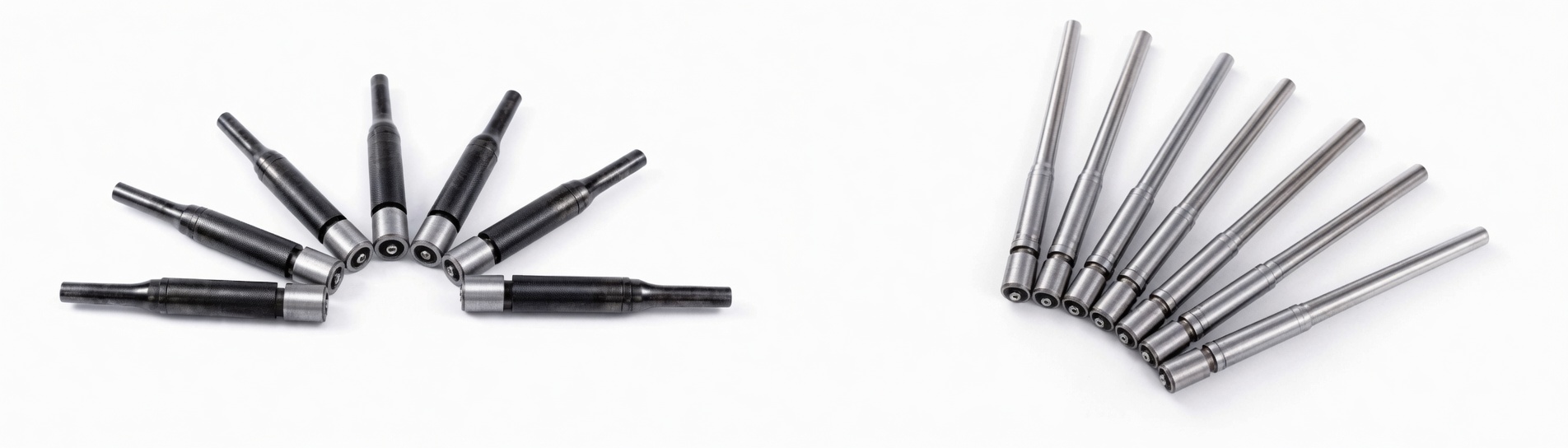
The core rod is the most dimensionally critical component in the IBM blow moulding machine. Fabricated from stainless tool steel (typically 17-4PH or 420SS), surface-ground to Ra 0.4 µm or better, then hard-chrome or titanium-nitride coated for corrosion and wear resistance. Concentricity tolerance of the core rod tip versus the shank must be held within 0.01 mm to guarantee a uniform annular preform wall.
Screws for IBM machines are manufactured from high-alloy nitrided steel (DIN 1.2344 or equivalent), with flight hardness of 60–65 HRC and a specialised mixing zone to ensure homogeneous melt — critical when processing PET and PP at high throughput. Barrels are bimetallic with a wear-resistant alloy lining (Fe-B-C compositions), giving service lives exceeding 25,000 hours under continuous operation.
Heavy-duty cast ductile iron (GGG60 or equivalent) for the main machine bed, offering superior vibration damping compared to welded steel fabrications. Platens are stress-relieved after casting and precision-ground on all mating faces to parallelism within 0.02 mm per 300 mm, ensuring even clamping force distribution across multi-cavity tooling.
Mould Design Principles and Container Geometry Optimisation
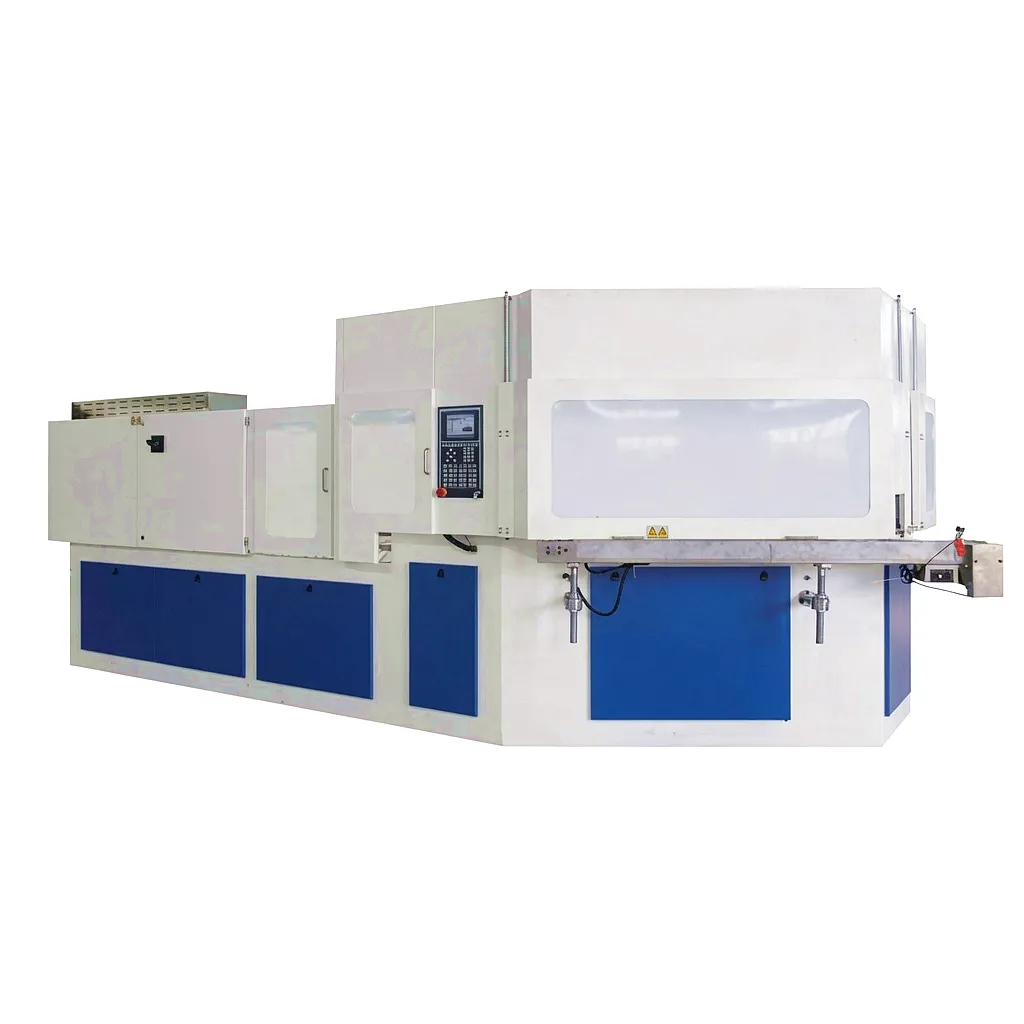
Mould design for an IBM blow moulding machine is a fundamentally different discipline from extrusion blow tooling, because the injection mould, core rod, and blow mould must all be engineered as an interdependent system. The preform geometry — wall thickness distribution, taper angle, gate design — dictates what the blow mould subsequently sees. Getting this relationship wrong is the leading cause of thin-wall defects, surface hazing, and high reject rates on new product launches.
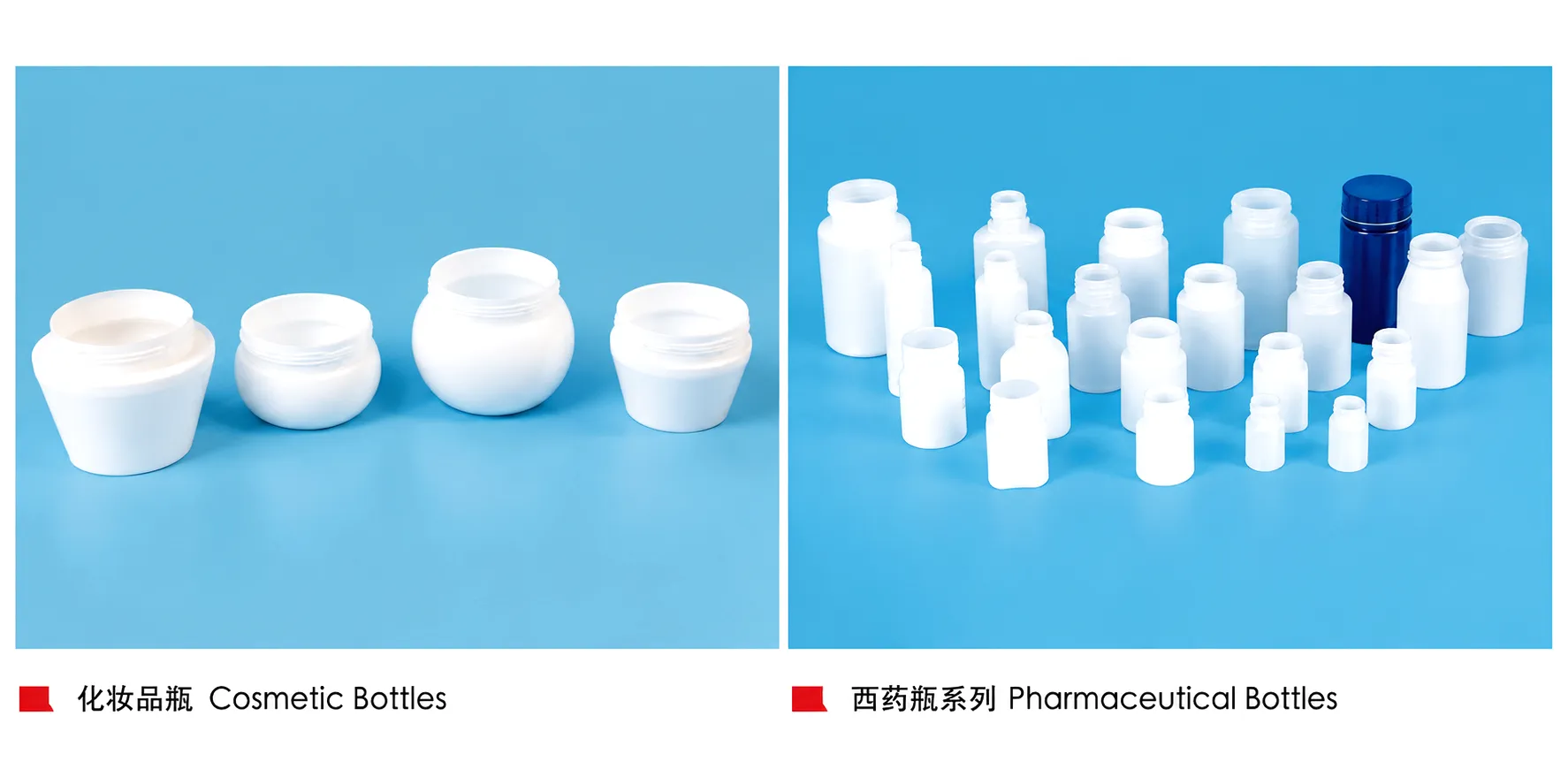
The injection gate is typically located at the base of the core rod, creating a gate vestige on the base of the finished container rather than the neck — a significant quality advantage over alternative gate positions. Gate diameter, land length, and the thermal isolation of the hot-runner tip all influence the degree of gate-blush, crystallinity, and residual stress at the base of the preform. For clear PET cosmetic bottles — a high-value segment with strong demand from UK retail and personal care brands — gate appearance is a primary visual quality criterion.
Container geometry optimisation — shoulder radius, body taper, thread form, vent groove placement — is conducted via mould-flow simulation before any steel is cut on premium IBM tooling projects. Simulation software such as Moldflow or Cadmould can predict wall-thickness distribution and orientation, enabling mould engineers to pre-compensate the preform geometry to achieve target blow-mould outcomes with fewer steel corrections. Ever Power’s in-house tooling team employs this simulation-first methodology as standard, reducing time-to-production for new container designs by an average of 30–40% compared to trial-and-error tooling iterations.
Core Technical Advantages of IBM Blow Moulding Machines
Because the thread finish is moulded by the injection tool rather than formed by a blow-and-trim operation, IBM containers consistently achieve GMP-grade closure compatibility, with thread-height and root-diameter tolerances held to ±0.05 mm — often a prerequisite for pharmaceutical and healthcare contracts in the UK and EU markets.
IBM machines produce containers with no pinch-off seam or flash, eliminating a complete downstream trimming operation that is both capital-intensive and a source of contamination risk. For cleanroom environments in pharmaceutical manufacturing facilities — such as those operated by contract manufacturers in Cambridge and Oxford’s life science corridors — eliminating flash handling is a significant GMP advantage.
IBM processes can achieve material utilisation rates exceeding 98% — substantially higher than extrusion blow moulding, which generates flash regrind that may degrade optical clarity and mechanical properties on regrind recycle. With raw material costs representing 50–70% of container conversion costs across most UK packaging operations, this efficiency differential is highly significant over a multi-year production horizon.
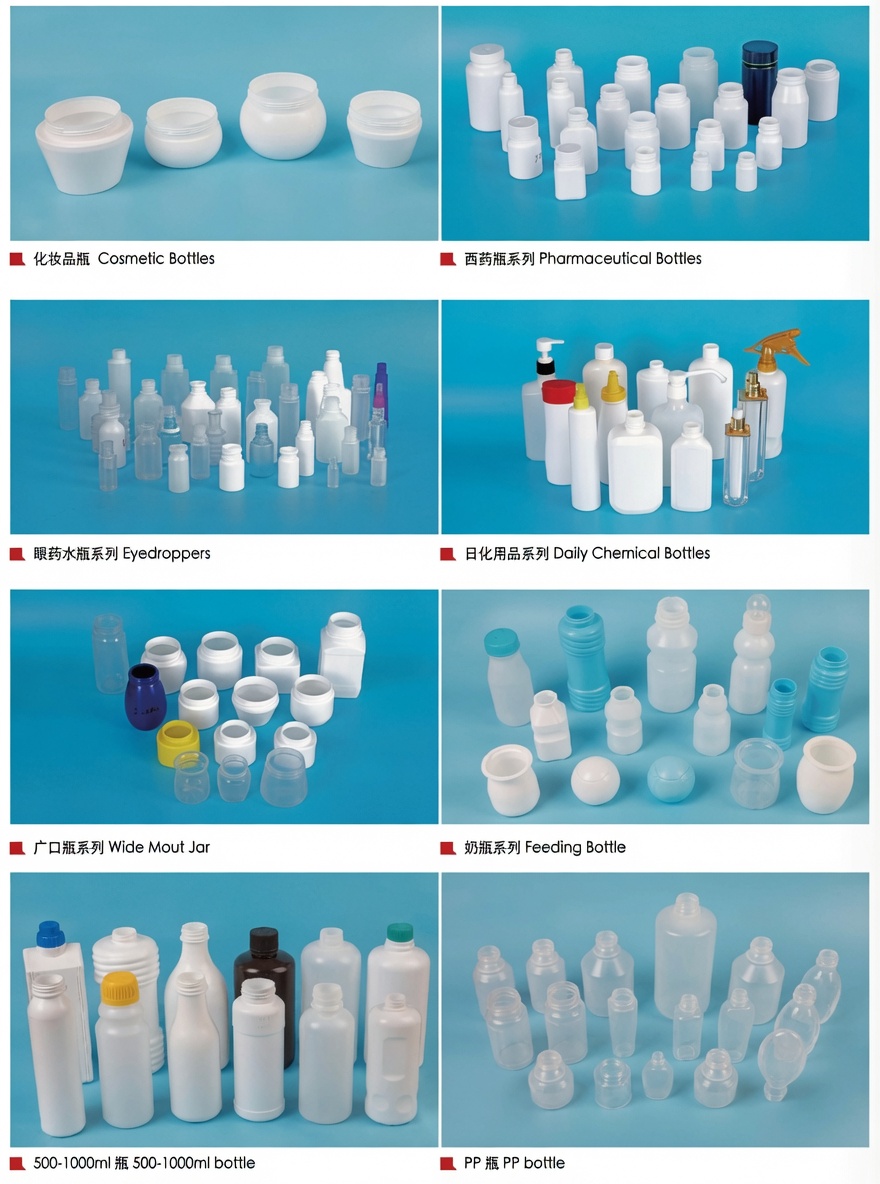
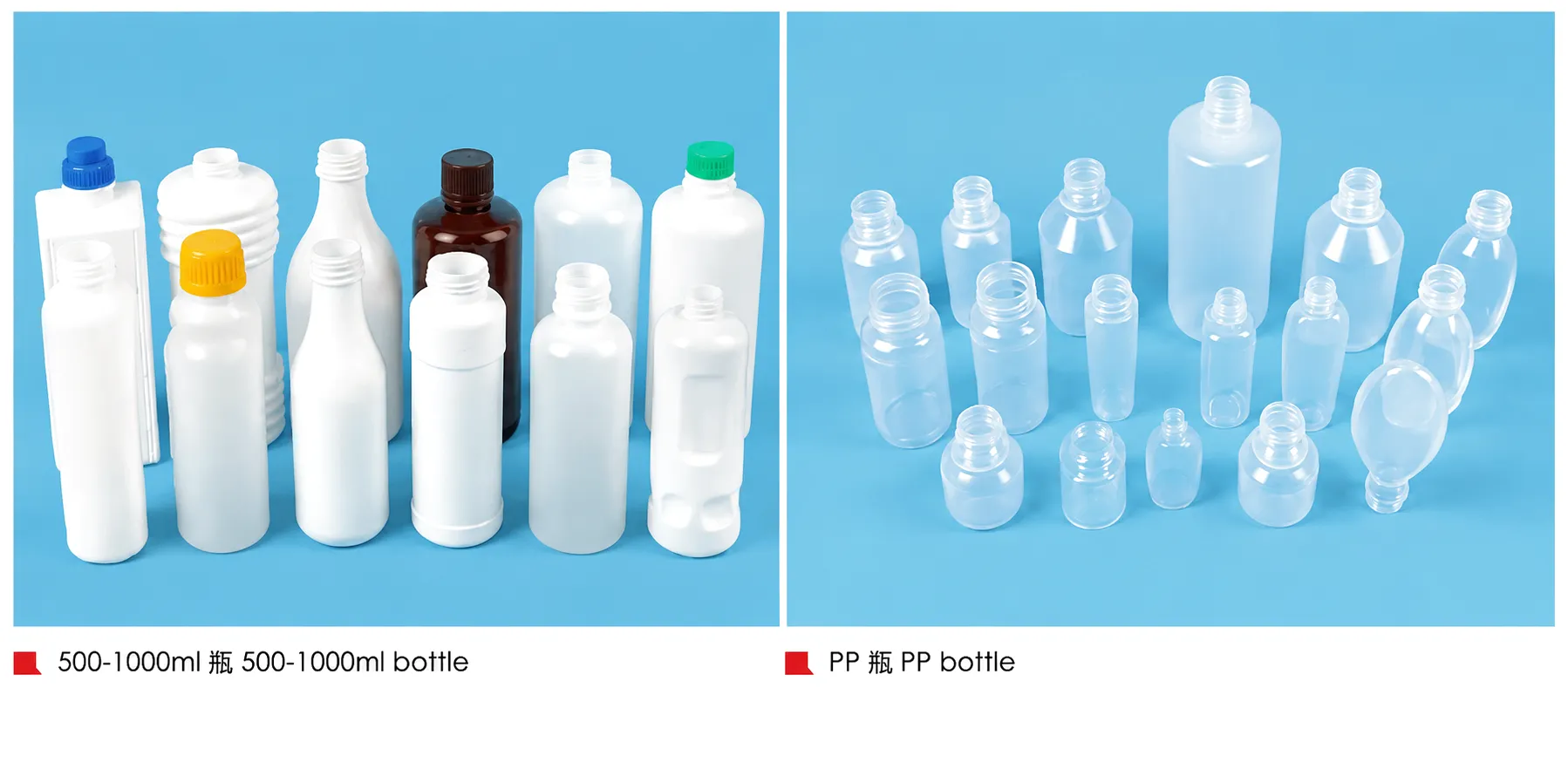
A single IBM blow moulding machine platform can process PET, PP, HDPE, PVC, PS, PETG, and polycarbonate by changing screw configuration and setting appropriate barrel profiles. This flexibility is particularly valued by contract manufacturers with diverse customer portfolios — a common business model across the Greater Manchester and Yorkshire manufacturing corridors.
The short shot volume of IBM machines — compared to extrusion blow systems with large accumulator heads — means colour changeover purge volumes are small. A well-designed IBM machine can complete a colour purge in under 15 minutes, making it commercially viable for short-run cosmetic and personal care production where batch sizes may be as low as 5,000–20,000 units.
IBM blow moulding machines do not generate the open-air parison exposure that characterises extrusion blow processes, which reduces airborne contamination risk significantly. Combined with optional cleanroom-grade enclosures — now available from suppliers including Ever Power — IBM machines can be deployed directly in ISO Class 7 or 8 environments serving pharmaceutical filling lines.
Industrial Application Scenarios for IBM Blow Moulding Machines
IBM technology serves distinctly different market needs across UK industry. Each scenario below reflects actual production demands observed in British manufacturing.
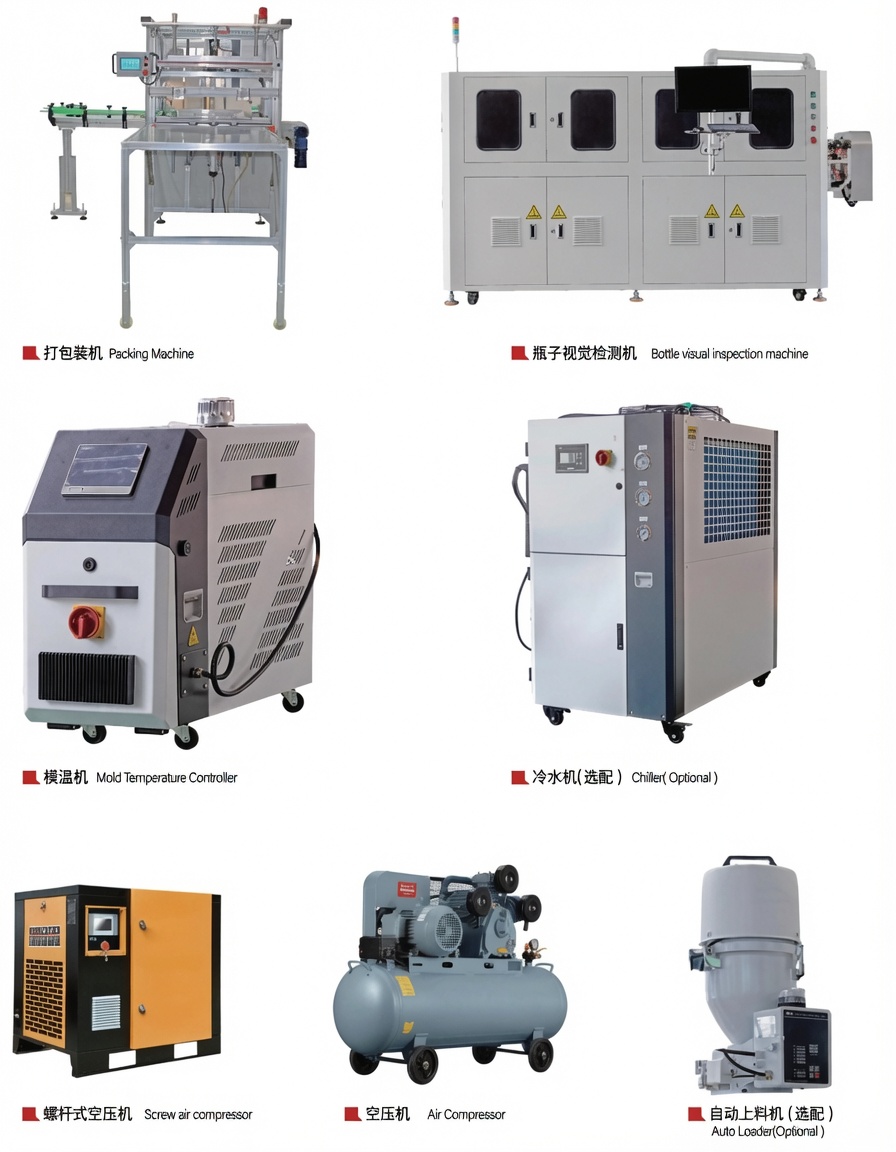
IBM Machine Auxiliary Equipment & Production System
Common Faults and Troubleshooting on IBM Blow Moulding Machines
| Fault Symptom | Probable Cause | Corrective Action |
|---|---|---|
| Wall thinning at shoulder | Preform too hot / uneven; pre-blow delay too short | Reduce barrel zone 3/4 setpoint by 3–5 °C; increase pre-blow delay by 0.2 s increments; check core rod temperature uniformity |
| Haze / cloudiness in clear PET | Moisture in PET resin (IV degradation); excessive melt temperature | Verify resin moisture below 50 ppm before injection; check desiccant dryer dew point to -40 °C or lower; reduce melt temperature by 5 °C steps |
| Neck-finish flash or burr | Injection mould parting-line wear; excessive injection pressure overpacking neck area | Inspect injection mould parting face for wear/damage; reduce injection hold pressure; verify neck-ring insert seating torque |
| Uneven wall thickness between cavities | Unbalanced hot-runner flow; core rod concentricity variation | Balance hot-runner manifold; check cavity-to-cavity shot weights; measure core rod run-out (should be below 0.01 mm); inspect index plate bearing for wear |
| Short shots / incomplete preform fill | Gate freeze-off; insufficient injection speed or pressure; cold spots in hot runner | Raise hot runner tip temperature; increase injection velocity; check hot runner thermocouple calibration; verify gate dimensions are within specification |
| Container sticking in blow mould | Insufficient cooling time; mould surface temperature too high; vent channels blocked | Extend mould dwell time by 0.5 s; verify chiller supply temperature and flow rate; clean cavity vent grooves; check mould release agent application |
| Cycle time creeping upward | Cooling water fouling (scale buildup); chiller underperformance; hydraulic oil viscosity shift | Flush and descale cooling circuits; service chiller (clean condenser coils); check hydraulic oil condition and top up/replace; inspect index drive servo for wear |
Energy Consumption Optimisation and Efficiency Retrofit Strategies
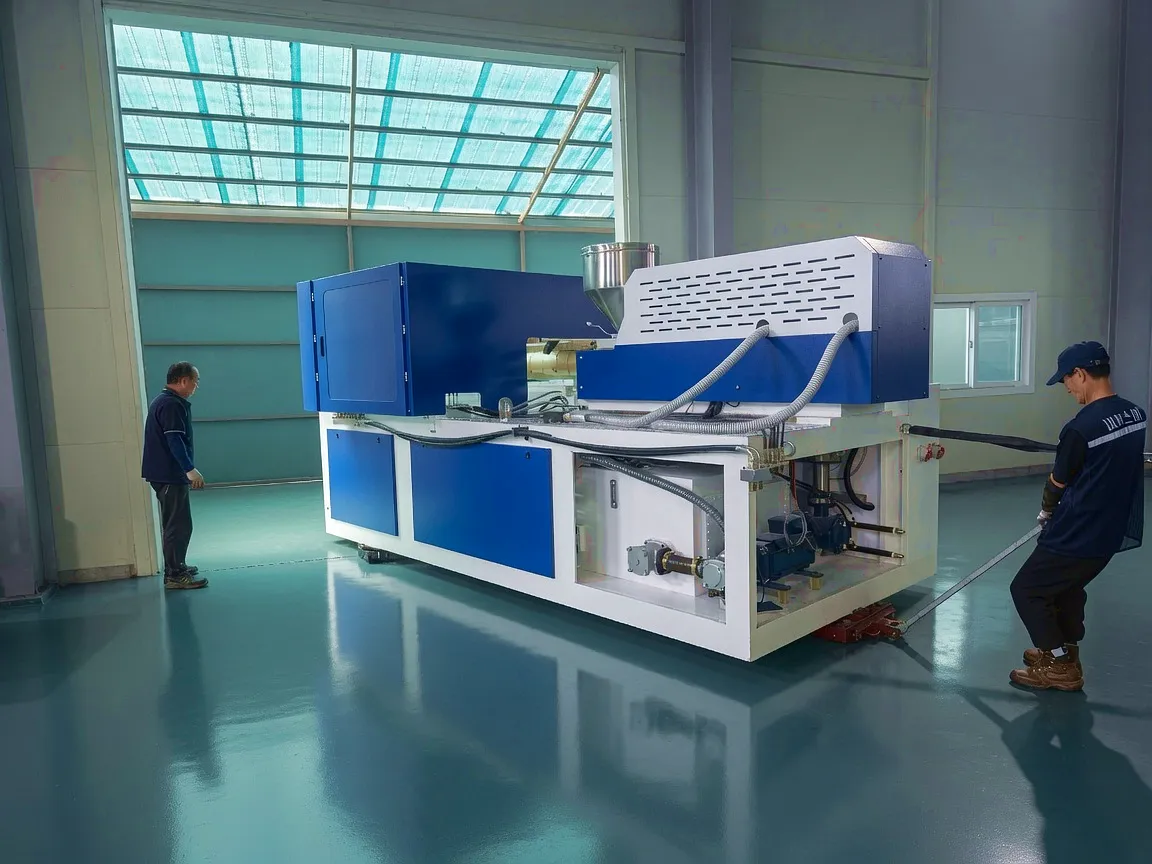
Energy cost is a primary operating concern for UK manufacturers, with industrial electricity prices remaining elevated across 2024–2025. An IBM blow moulding machine’s energy footprint breaks down as approximately 40–50% for plasticising and heating, 25–35% for the hydraulic or servo-electric drive system, and 15–20% for cooling (chiller load). Each of these areas presents optimisation opportunities at different investment levels.
The highest-impact single upgrade on a hydraulic IBM machine is the replacement of the fixed-displacement hydraulic pump with a variable-speed drive (VSD) servo-hydraulic unit. Because the hydraulic system demand varies significantly across the injection, blow, and ejection phases of the cycle, a fixed pump runs throttled and wastes energy as heat during low-demand phases. A servo-hydraulic conversion can reduce hydraulic-system energy consumption by 30–50%, translating directly to lower running costs and reduced chiller load. Payback periods of 18–30 months are commonly realised in UK production environments at current energy tariff levels.
On the thermal side, barrel insulation jacket upgrades — often overlooked in basic maintenance schedules — can reduce surface heat losses by 35–45%, cutting heater band energy draw and stabilising temperature profiles simultaneously. Closed-loop chiller-to-machine water circuits with free-cooling capability (using ambient air during the cooler months of the UK calendar) offer additional savings when ambient temperature permits. Ever Power supplies energy audit services alongside new machine installations, providing site-specific consumption modelling to help UK buyers build accurate total cost of ownership cases for capital approval.
Ever Power IBM Machine Product Range
Two core injection blow moulding machine platforms designed for European market demands and UK production environments.
Ever Power: Manufacturing Capability and Customisation Services
Ever Power operates a purpose-built IBM machine manufacturing facility covering more than 12,000 square metres, equipped with CNC precision machining centres, CMM quality inspection stations, and in-house mould-flow simulation capability. The manufacturing process is vertically integrated from raw material procurement through to factory acceptance testing (FAT), enabling Ever Power to maintain direct control over tolerances, material traceability, and delivery timelines that are not possible with assembly-only manufacturers.
Customisation is not an optional add-on at Ever Power — it is the default mode of engagement. UK buyers frequently request modifications including: alternative electrical specification (230 V / 50 Hz single-phase control circuits for smaller auxiliaries), CE-marked control cabinets with UKCA transition documentation, stainless-steel machine guarding for food-grade applications, cleanroom-compatible enclosure upgrades, custom cavity counts from two to twelve, specialised core rod geometry for non-standard container profiles, and application-specific material screw designs for niche polymers such as PETG or polycarbonate. Ever Power’s engineering team works directly with the customer’s tooling engineers and process technologists during the design phase, ensuring that the customised IBM blow moulding machine delivered to site is production-ready from day one.
Supply chain reliability is backed by long-term partnerships with tier-one component suppliers for servo drives, hydraulic units, hot-runner systems, and control hardware — providing spare parts availability that supports machine uptime targets of 95% OEE or above in high-throughput UK production environments. Ever Power also offers extended warranty packages, remote diagnostics connectivity, and on-site commissioning and operator training services delivered in the UK by experienced field engineers.
Request a Custom IBM Machine Quote
Customer Success Story: Sheffield Speciality Packaging Achieves 40% Output Uplift
Meridian Packaging Solutions, a contract pharmaceutical packaging manufacturer based on Sheffield’s Advanced Manufacturing Park, had been operating two ageing hydraulic IBM machines — one from a European supplier and one domestically sourced — both reaching end-of-life at approaching 120,000 production hours. Reject rates on 30 mL HDPE oral liquid bottles had crept above 3.2% over the preceding 18 months due to wear in the injection mould inserts and deteriorating cooling circuit performance, resulting in increasing scrap costs and elevated risk of customer line shortages.
After evaluating three supplier proposals and conducting a factory visit to Ever Power’s manufacturing facility, Meridian’s engineering and procurement teams specified two Ever Power ZQ110 IBM blow moulding machines with custom 6-cavity tooling for their primary 30 mL vial programme, and a single ZQ135 with 4-cavity tooling for a secondary 120 mL dropper bottle line. The machines were specified with servo-electric drives, CE-marked UKCA-transition control panels, pharmaceutical-grade stainless-steel external guarding, and remote diagnostic capability — critical for minimising downtime given the 24/7 shift pattern at the Sheffield facility.
Commissioning was completed over six days, with Ever Power’s field engineer providing on-site process optimisation and operator training throughout. Within three weeks of full production start, Meridian recorded a reject rate of 0.6% on the 30 mL line — down from 3.2% — and overall output capacity across the IBM department increased by 41% due to shorter cycle times, eliminated downtime for hydraulic maintenance, and the additional cavitation from the new tooling. The energy consumption of the new two-machine configuration was measured at 23% lower than the single old machine it effectively replaced in output terms.
“The neck-finish precision on the ZQ110 has exceeded our specification from the first production batch. We had concerns about switching from a European brand to Ever Power, but the dimensional data from the first FAT dispelled any doubt. MHRA audit passed first time.”
“The remote diagnostics module has been genuinely useful. When we had a thermocouple drift on barrel zone 2 at 02:00 on a Saturday, the Ever Power service team diagnosed the fault remotely and had the part on-site by Monday morning. Downtime was under four hours total.”
“The customisation Ever Power delivered — particularly the stainless external guarding, the UKCA documentation package, and the modified cooling circuit for our 120 mL dropper tool — came at a competitive price with none of the long lead-time typical of European OEMs. I would recommend requesting a quote early in any project.”
Frequently Asked Questions About IBM Blow Moulding Machines in the UK
Real questions from UK manufacturing teams — answered with the depth they require.
Ready to Specify Your IBM Blow Moulding Machine?
Ever Power’s engineering team is ready to discuss your container specification, production volumes, and application requirements — and to provide a detailed technical and commercial proposal within one business day.